The leaves have mostly all fallen from the trees in the week since I’ve been abroad, except for the tenacious ones clinging to their branches on high. This morning’s frost gives the brown a delicate dusting of white as if a fairy had visited. And, indeed, she has, for I believe in all things mystical and magical, if not in the literal sense in the metaphorical and spiritual. The world is overflowing with unexpected and unexplored abundance, which can only be attributed to a larger presence that is available always for our noticing and experiencing. Sure, we can explain why leaves descend and shrivel up as the earth spins and frost coats their surface when temperatures drop. But these facts say nothing of the encounter that touches my heart so tenderly.
As I sit in my oh so familiar chair, sipping my morning chai as I have so many times before, still and awake, a mass of memories come pouring in from my travels across the pond to visit family. The elegance of the London public transportation system—and its occasional disruptions. The tea shop peopled with old men until school let out, then its flooding with parents and children in arrays of formal uniforms. The interrogation of the young lad who’d apparently broken his glasses and refused to speak about it as dad and sister sat patiently looking on sipping tea. The double decker busses with no driver on the top! (“What no driver, this chick is twisted, crazy, hoobashoobe, flip city!”)*
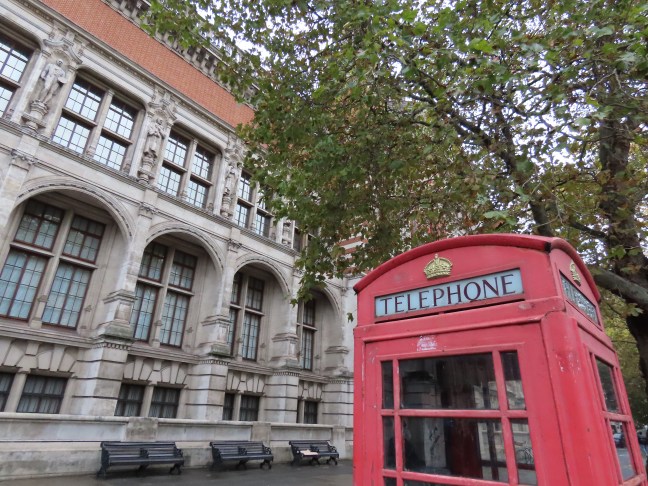
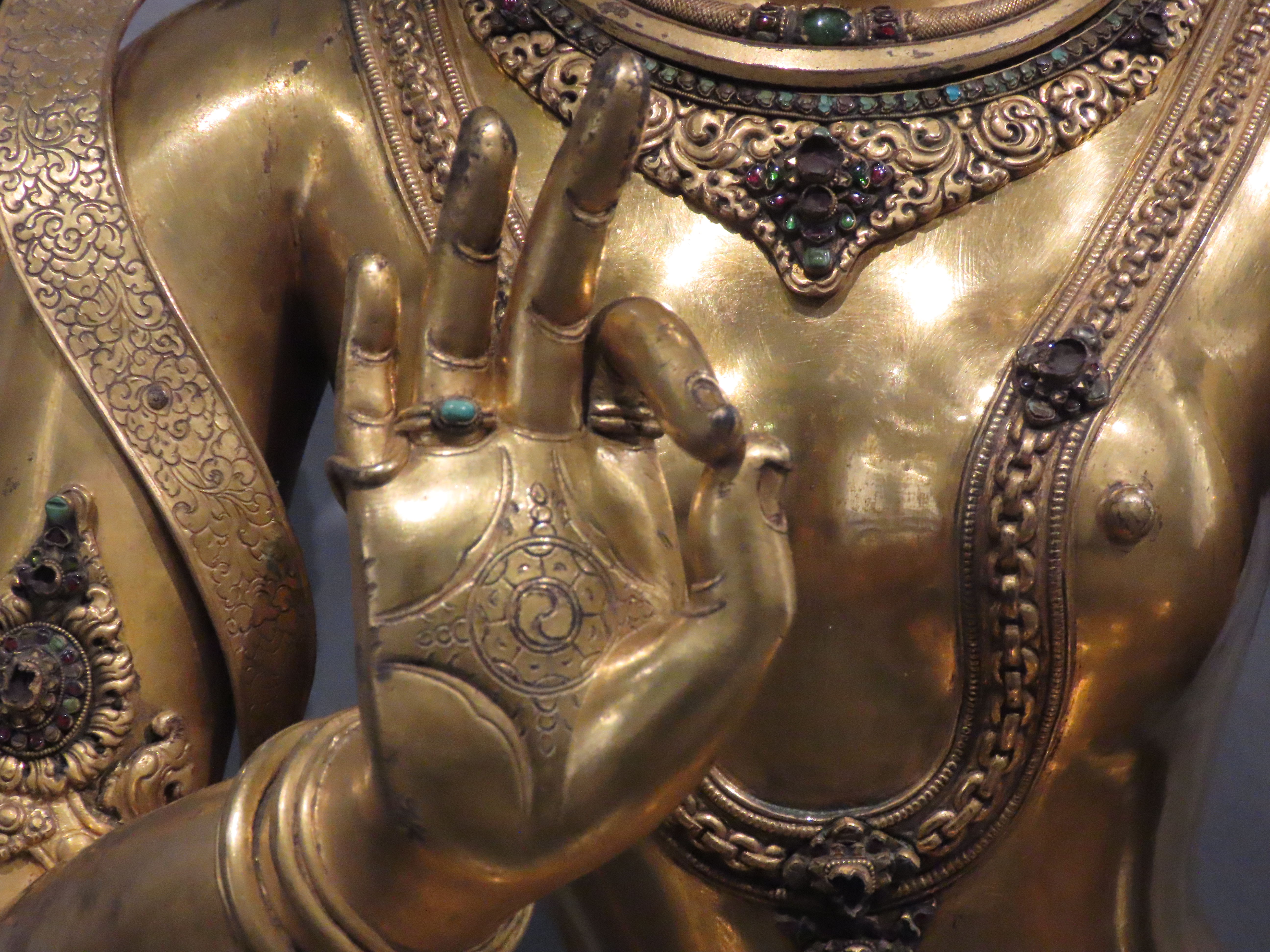
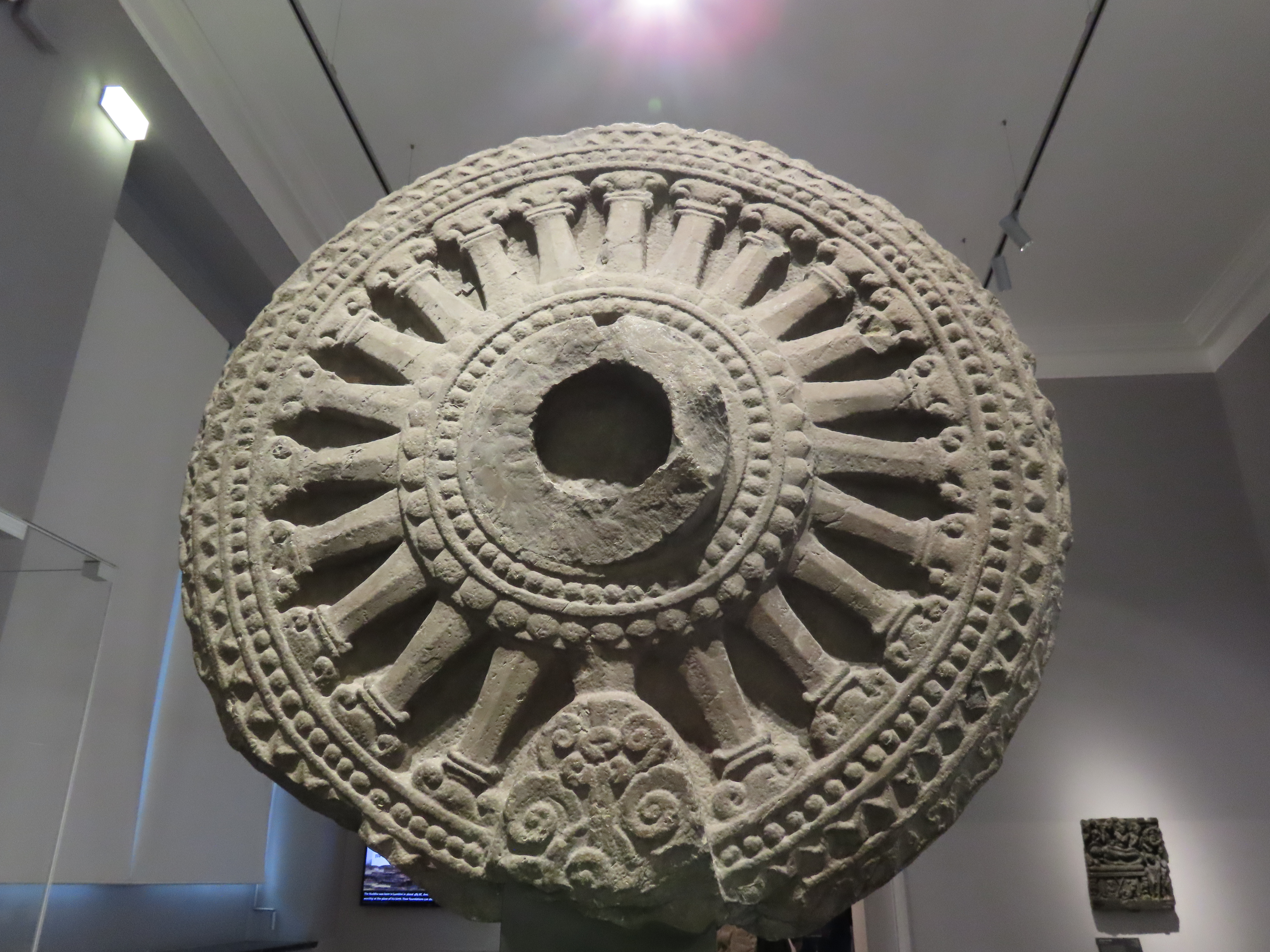
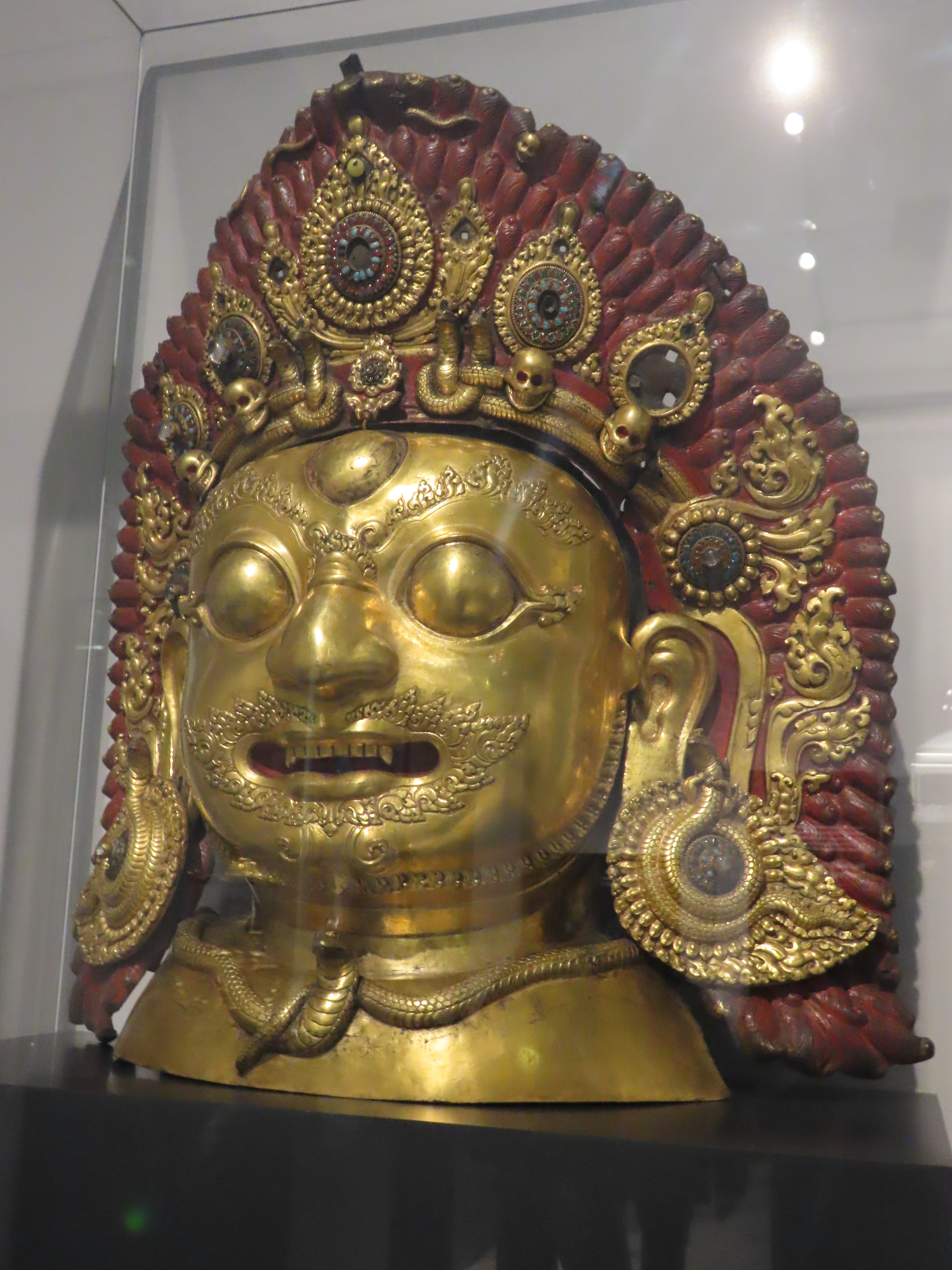
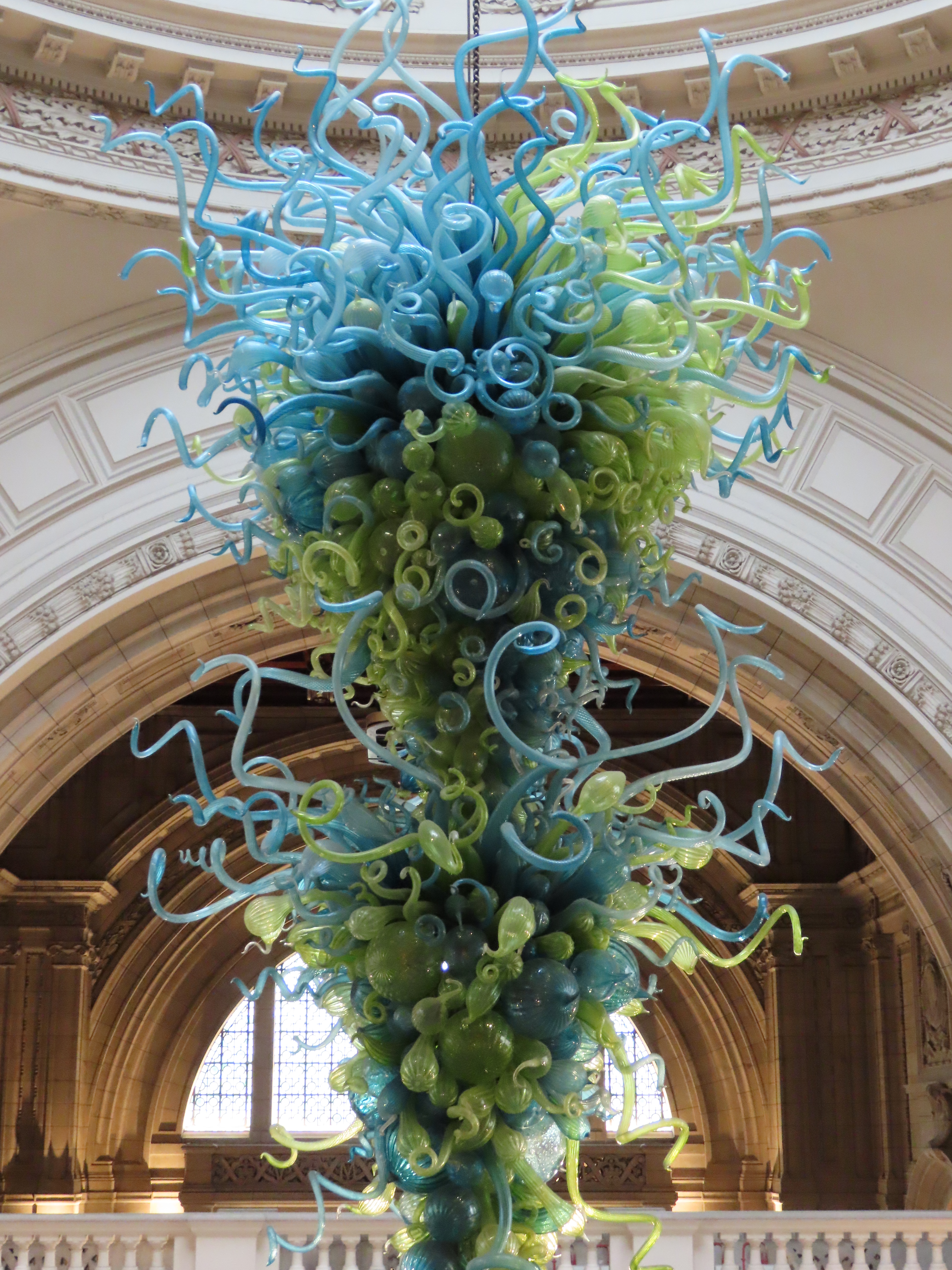
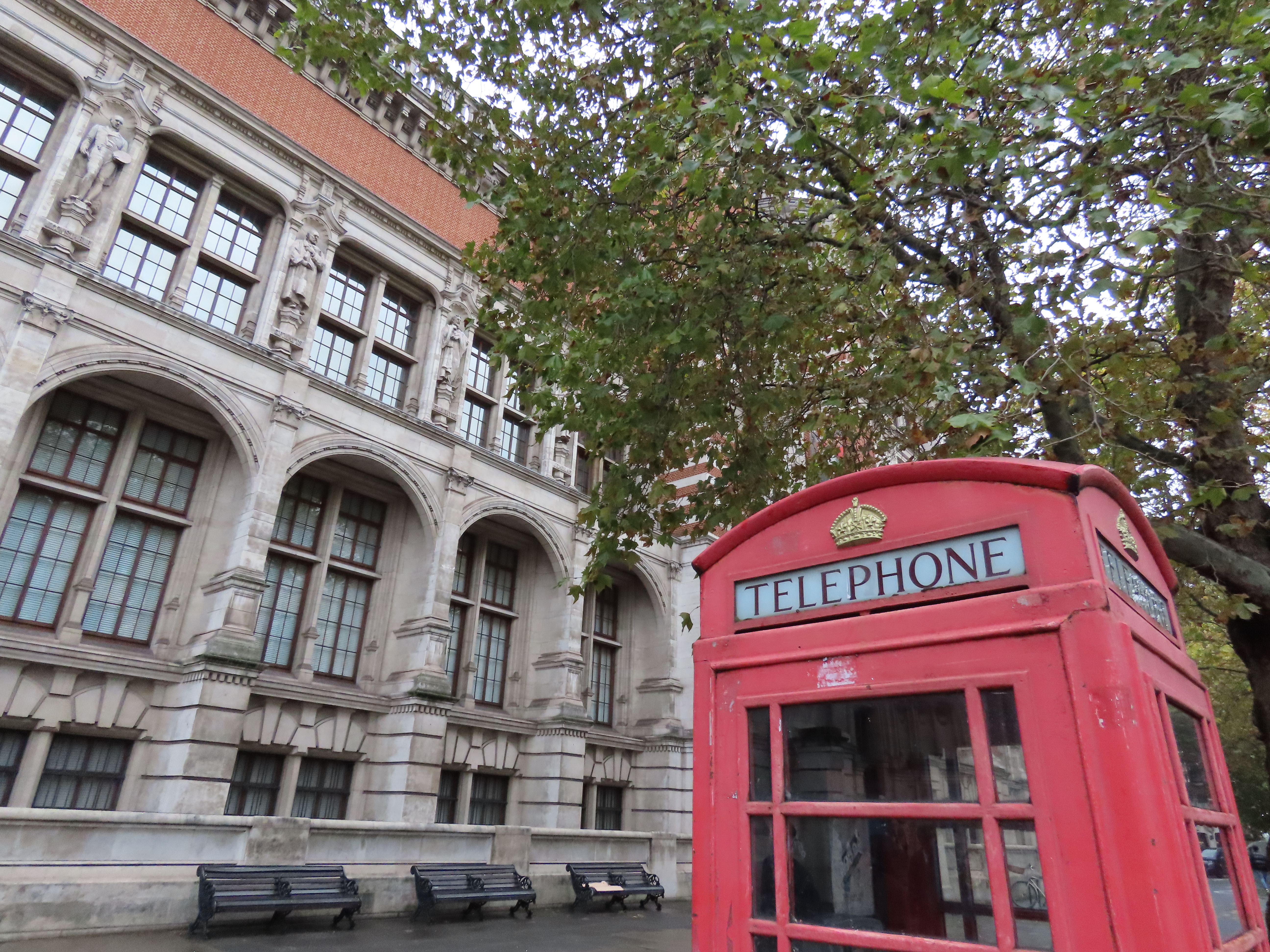
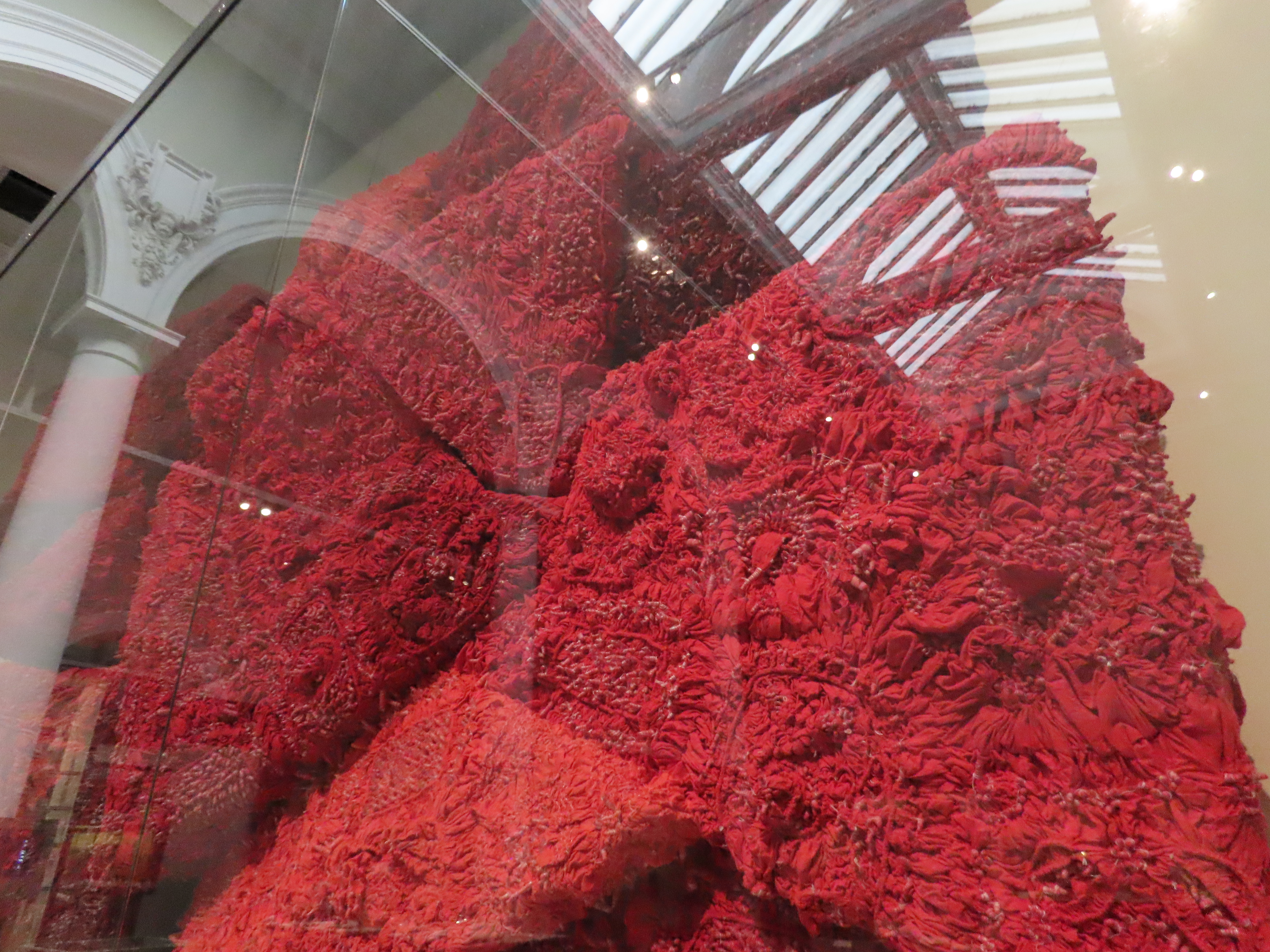
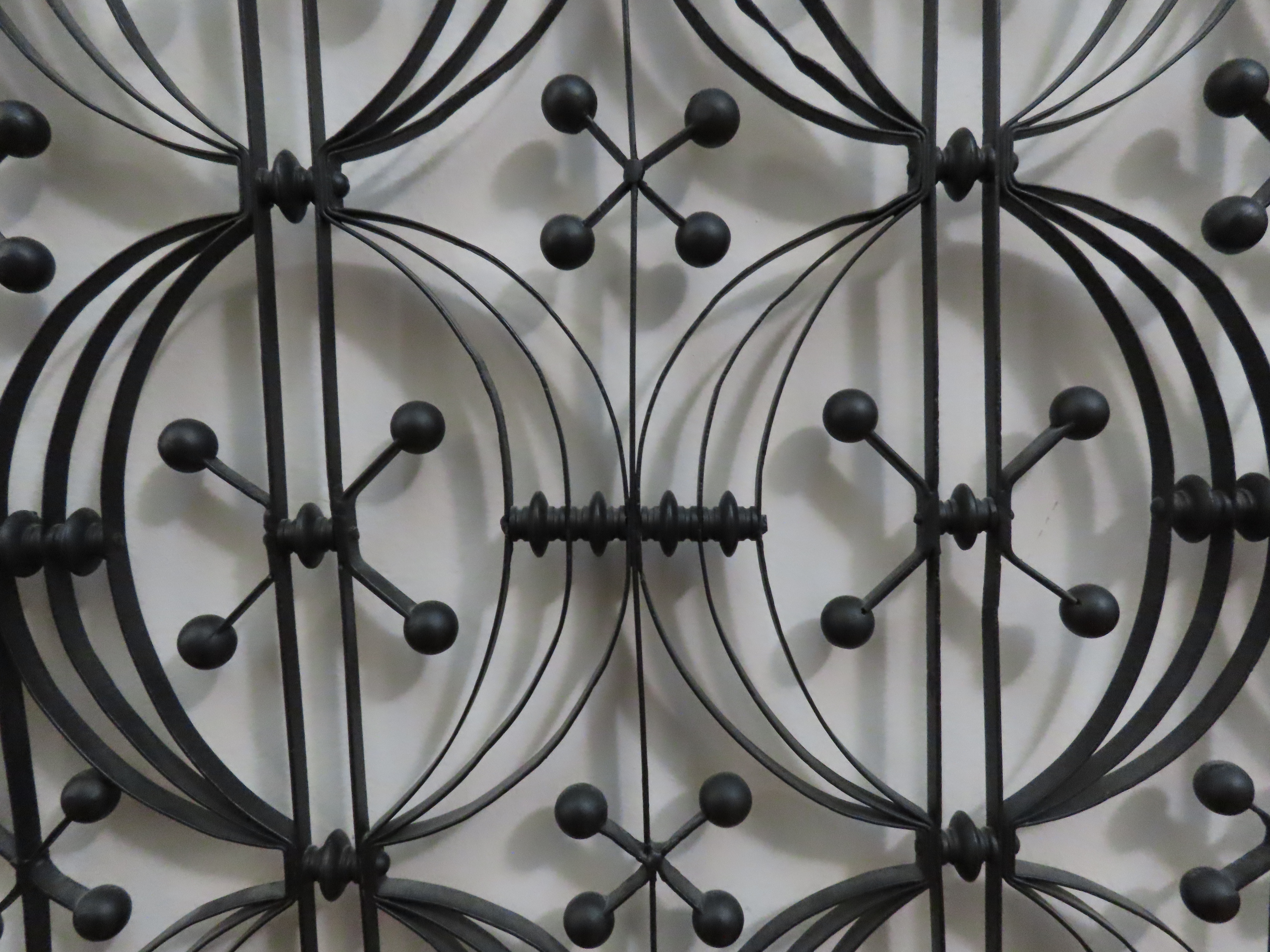
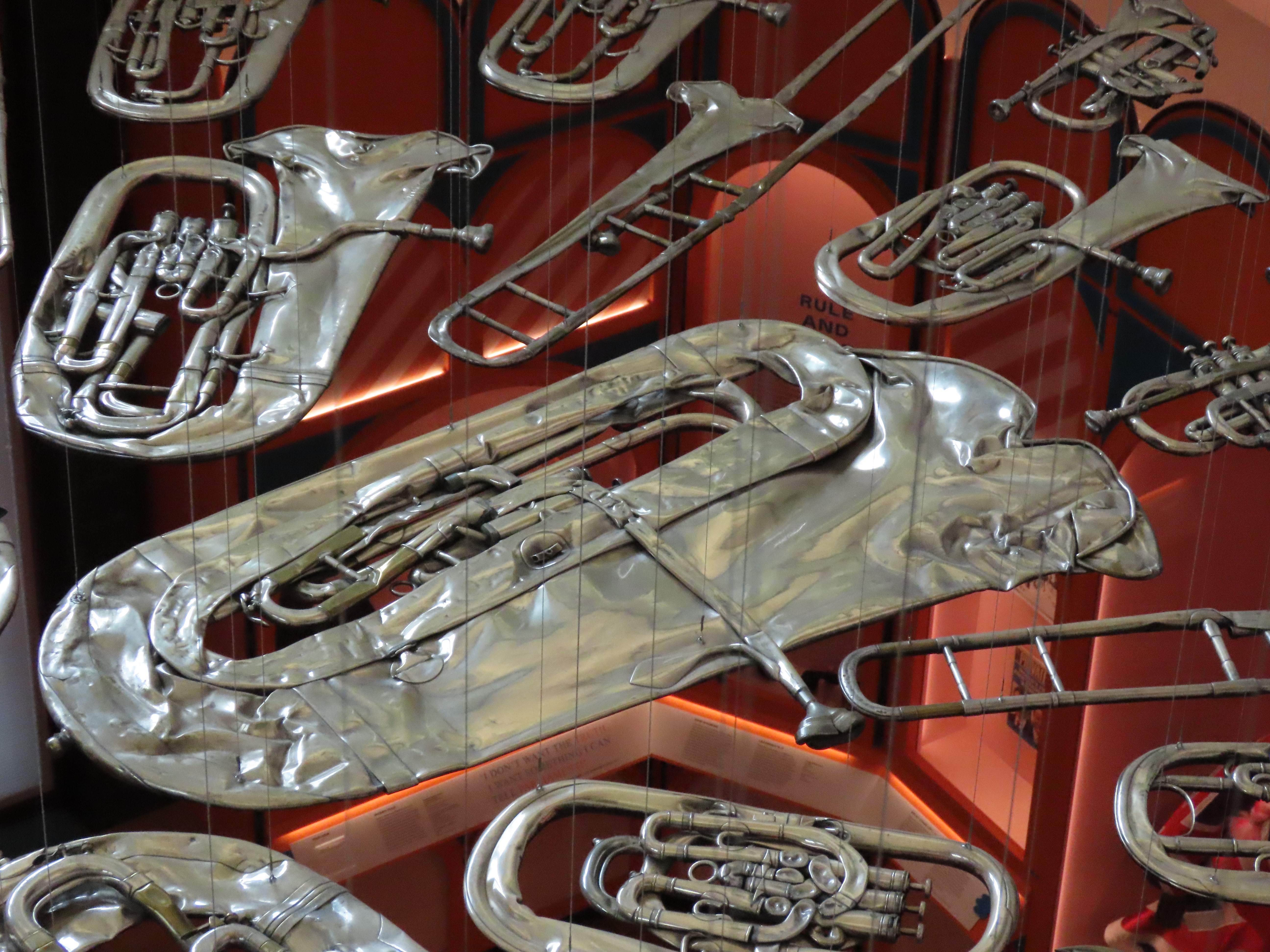
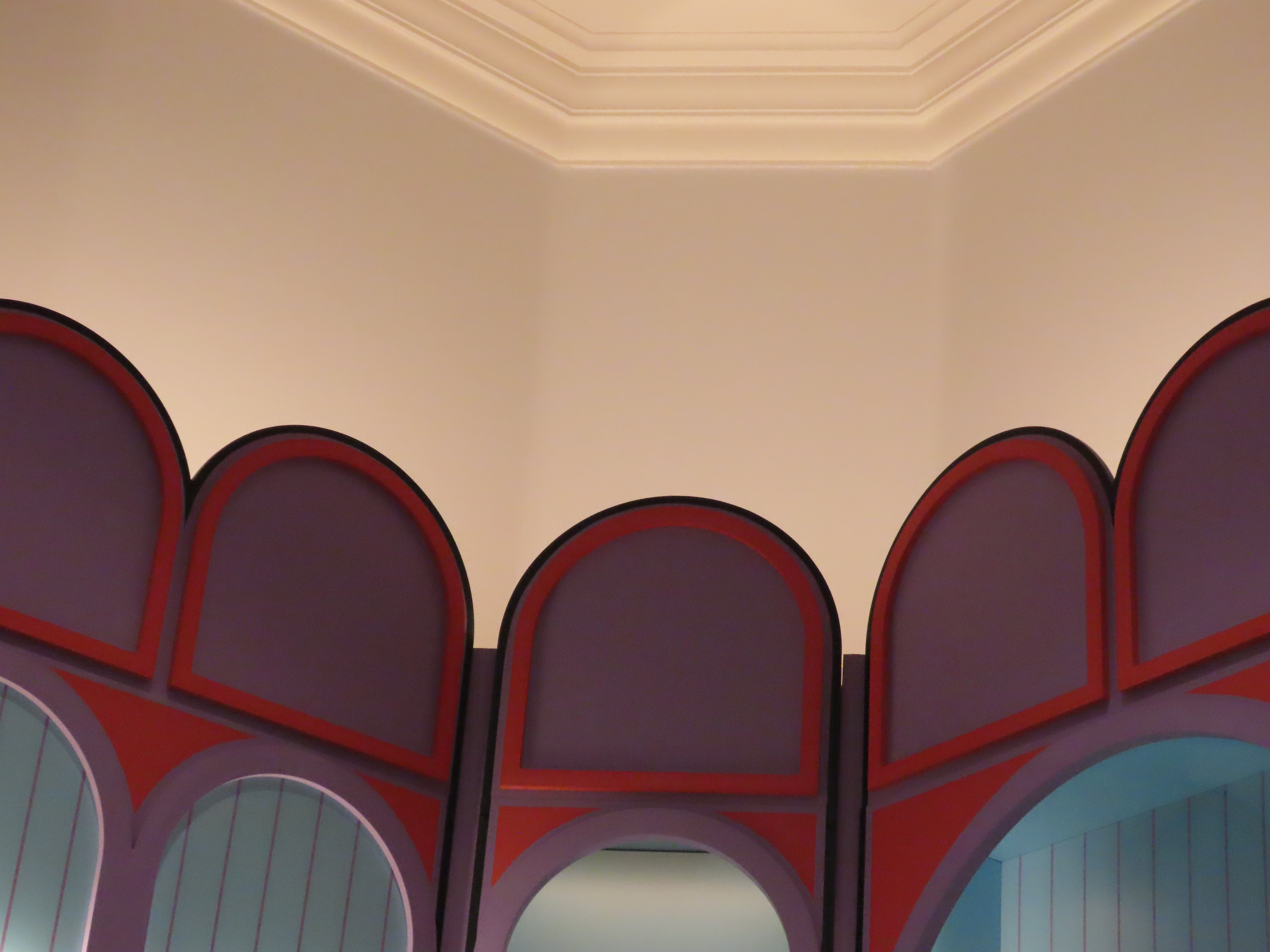
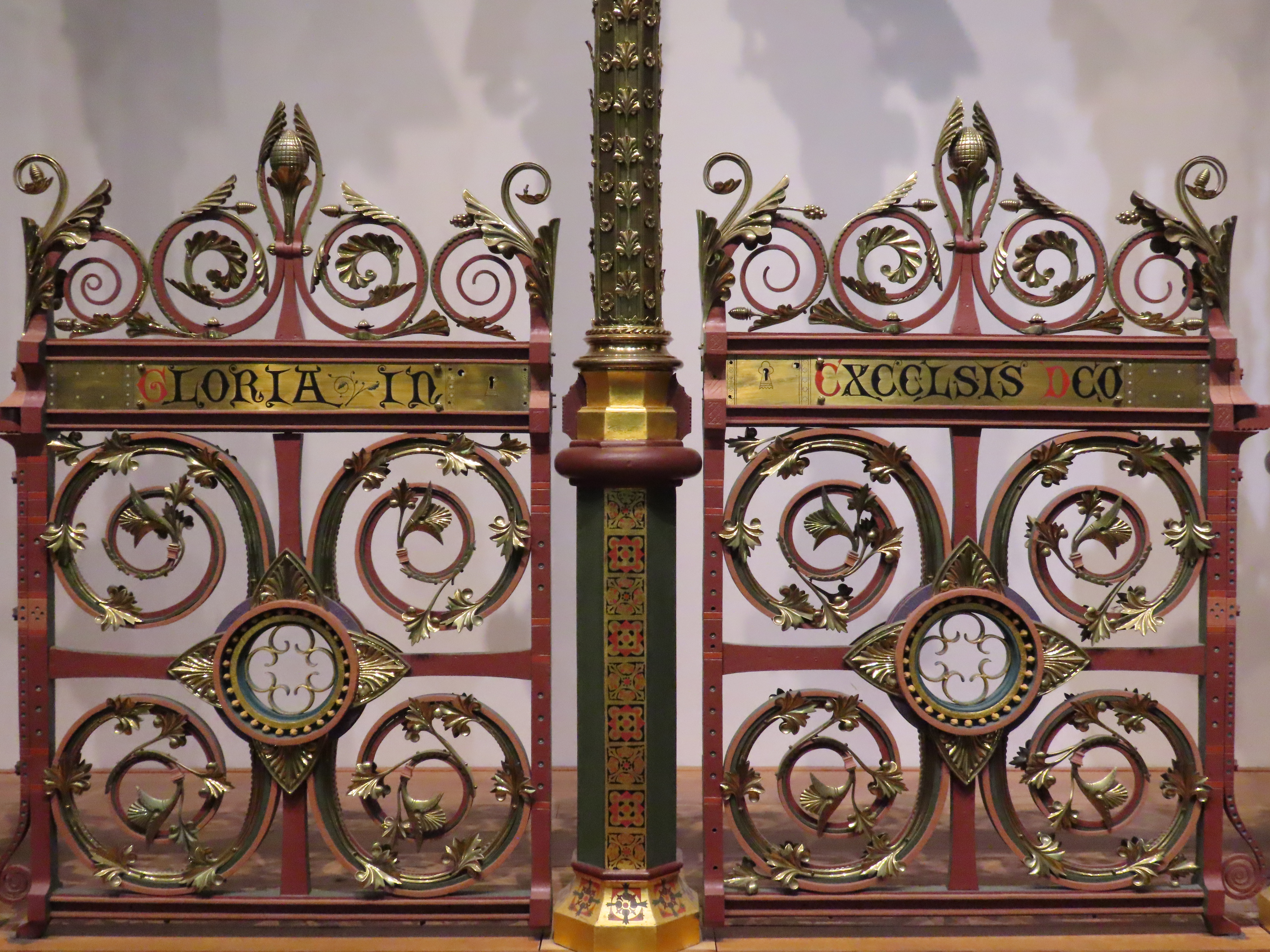
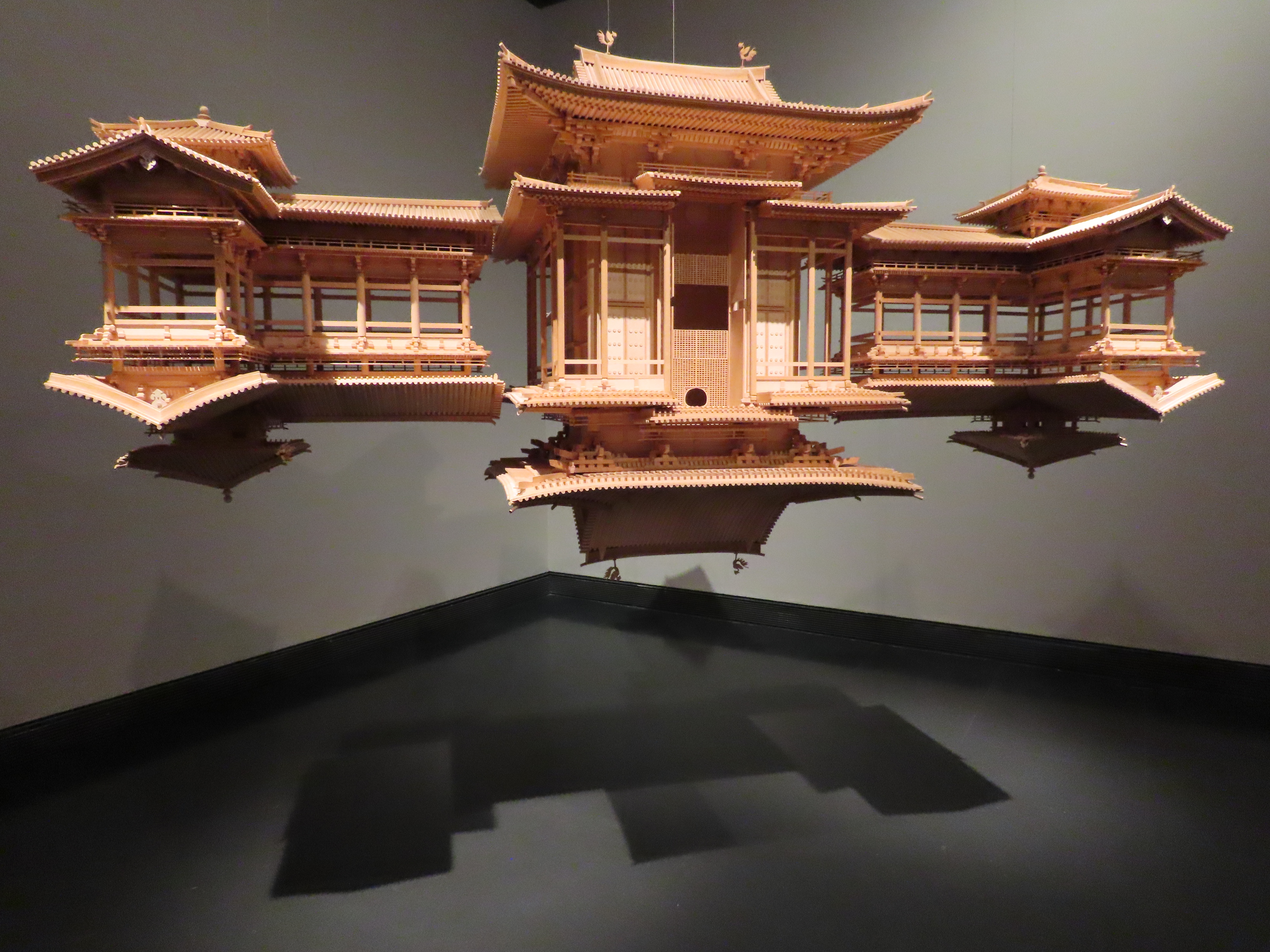
The dear red phone booth outside the Victoria & Albert Museum, such an anachronism. The astonishing collection of Buddhist iconography as my first encounter in the museum. The jaw-dropping scope of its contents such that I felt as if I’d just traveled the world. The artistry, vision, and imagination of the human mind, heart, hands, and spirit. The overwhelming sense of wealth of the aristocracy who could afford to curate and cause to have created in the first place such displays of human artistic expression.
(Click to enlarge)
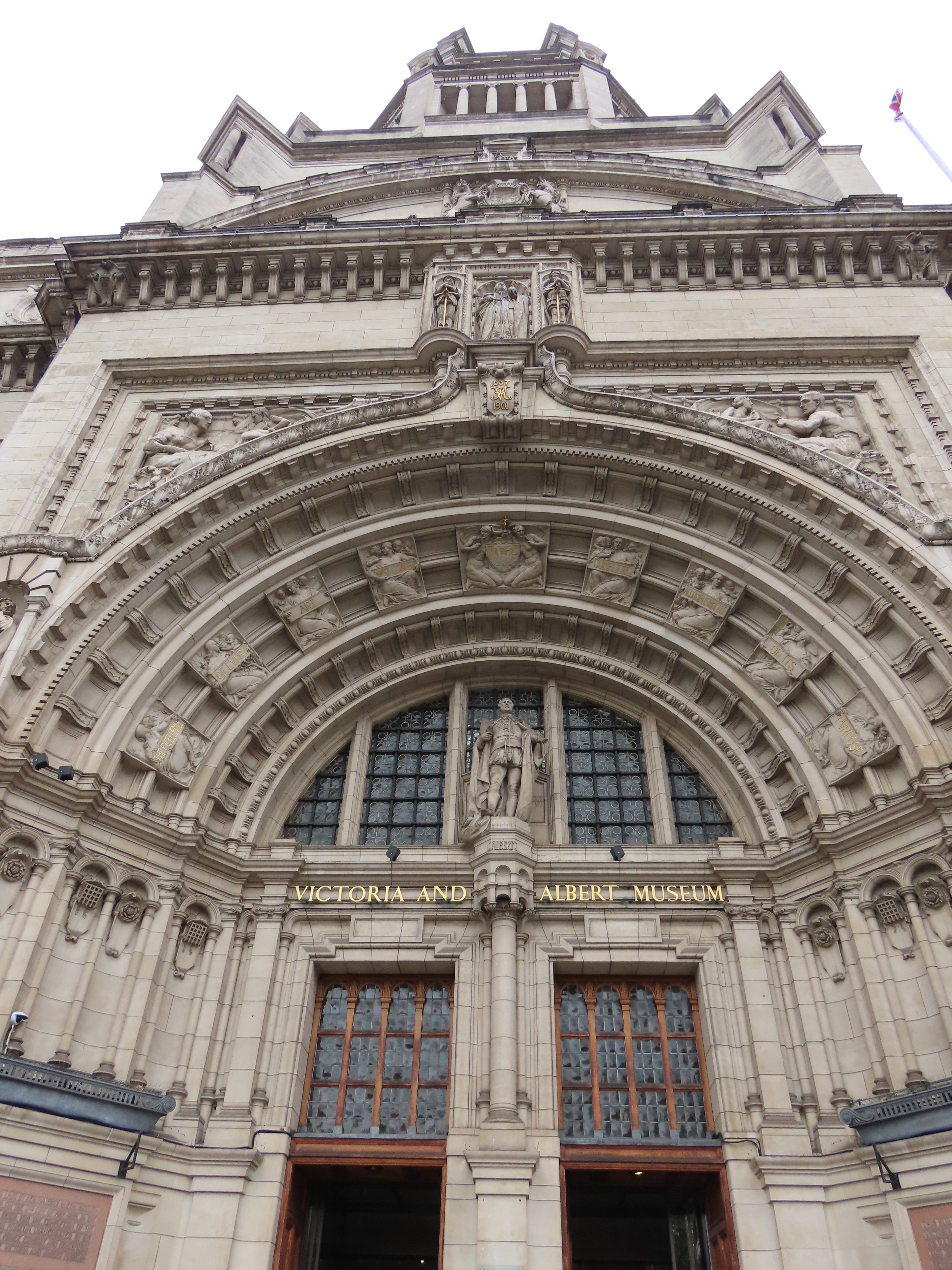
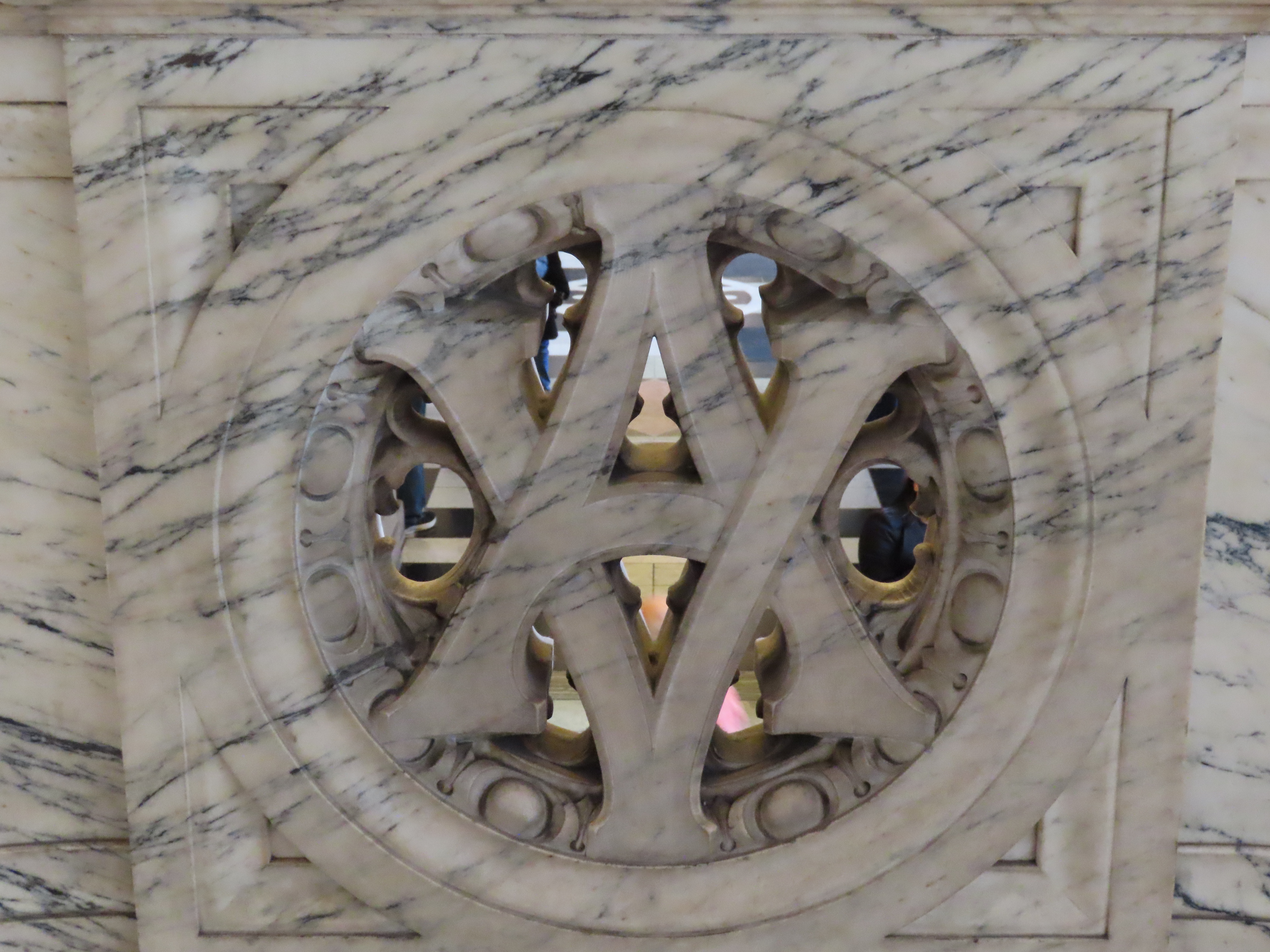
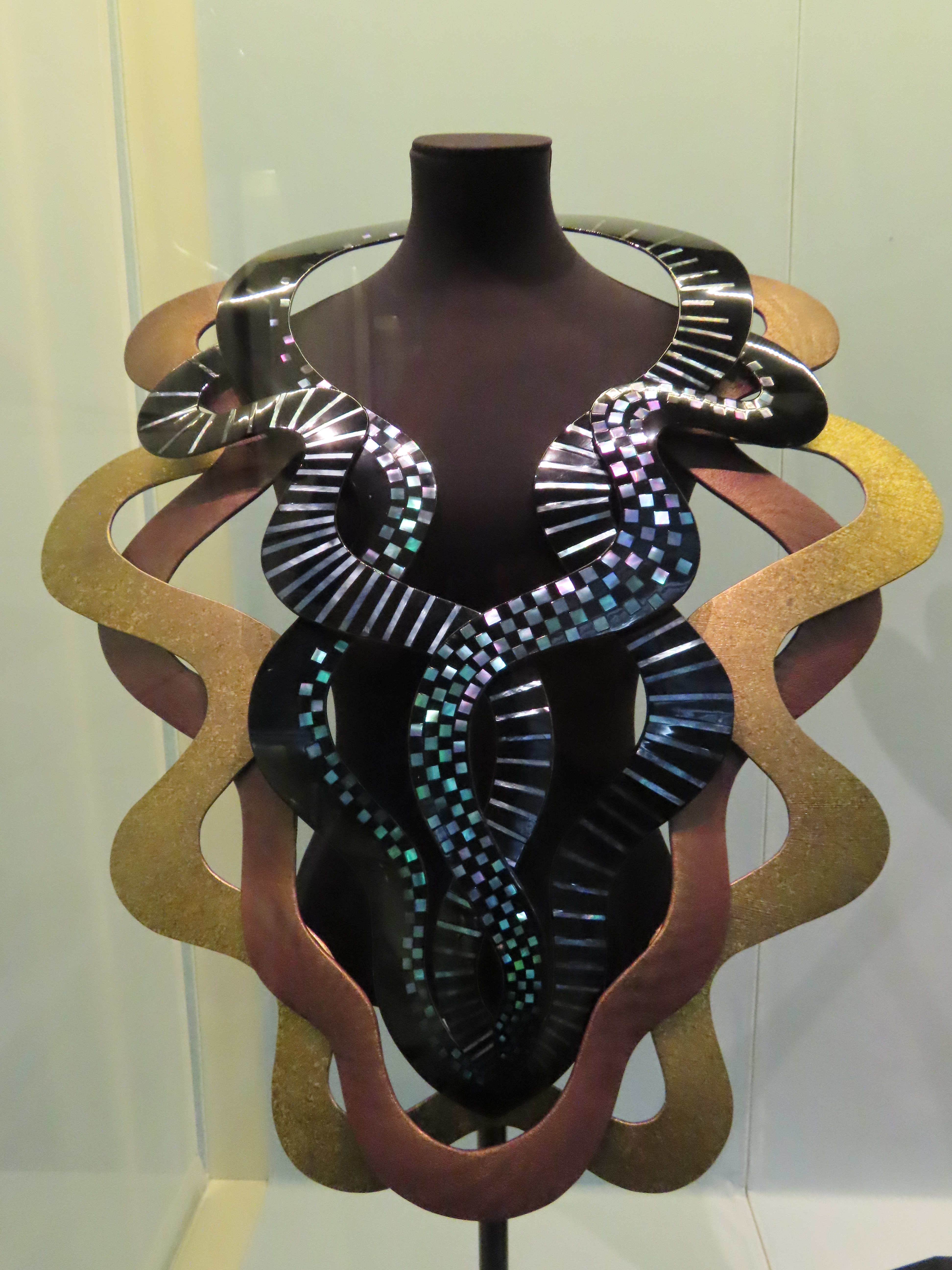
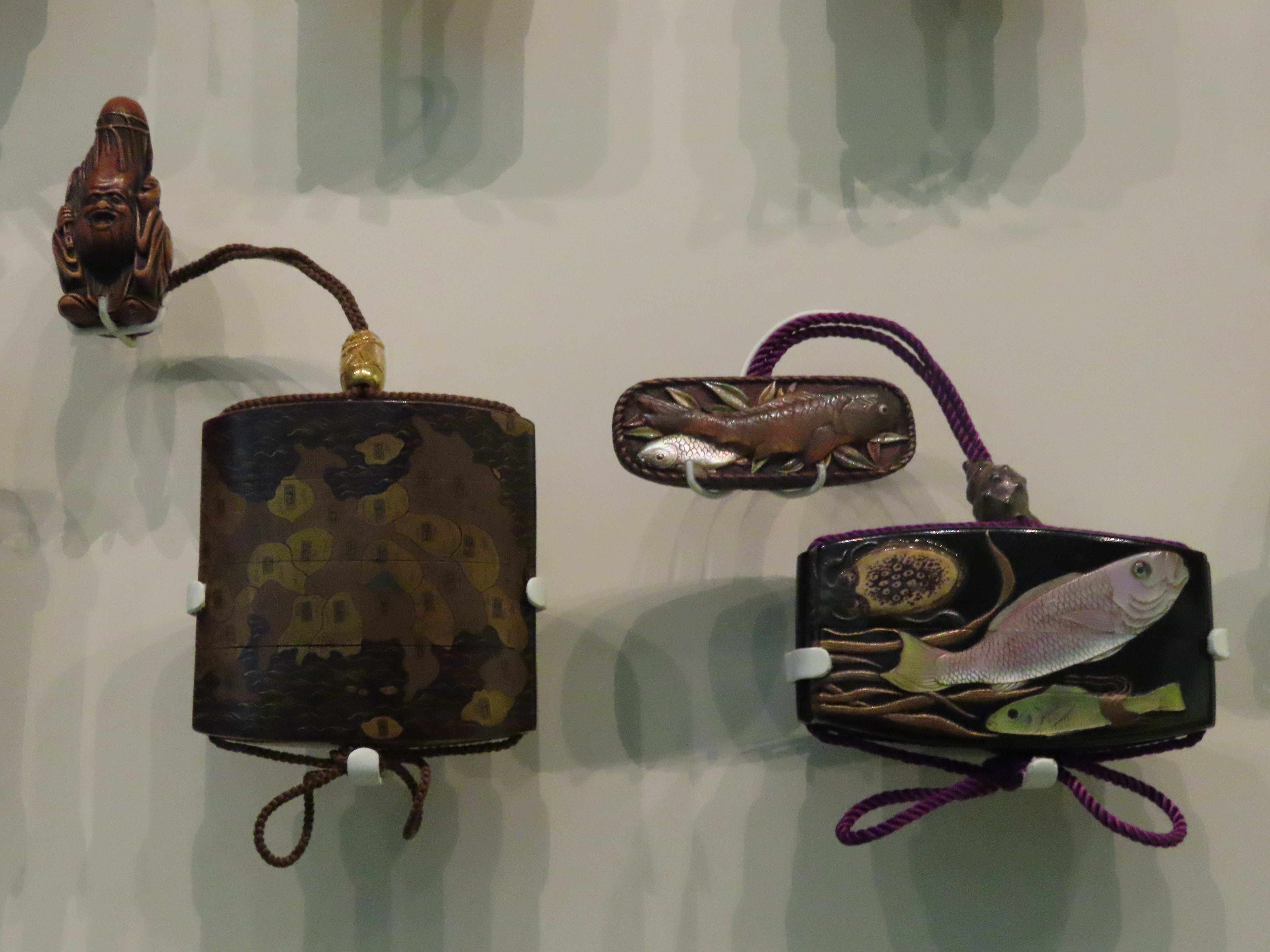
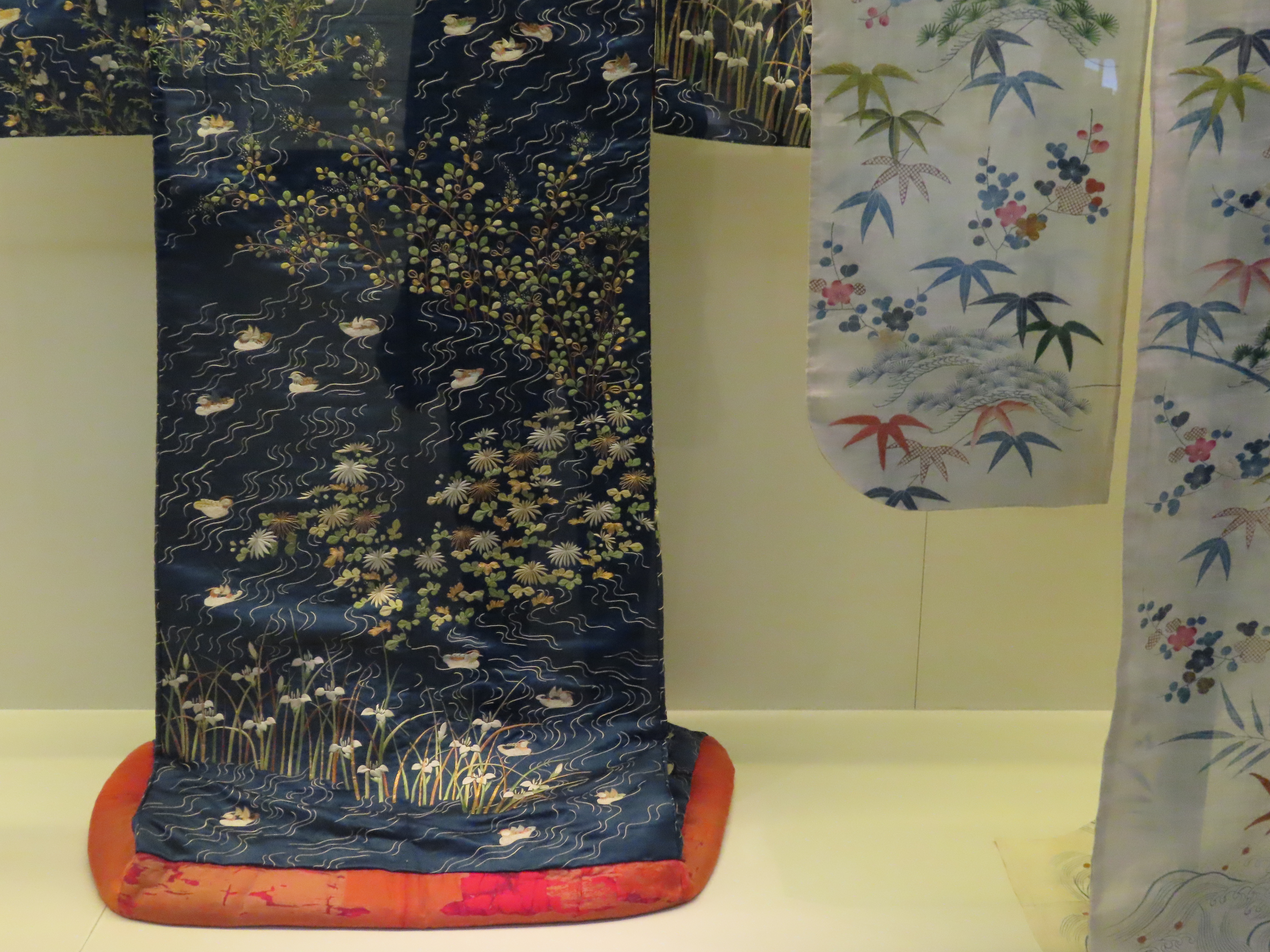
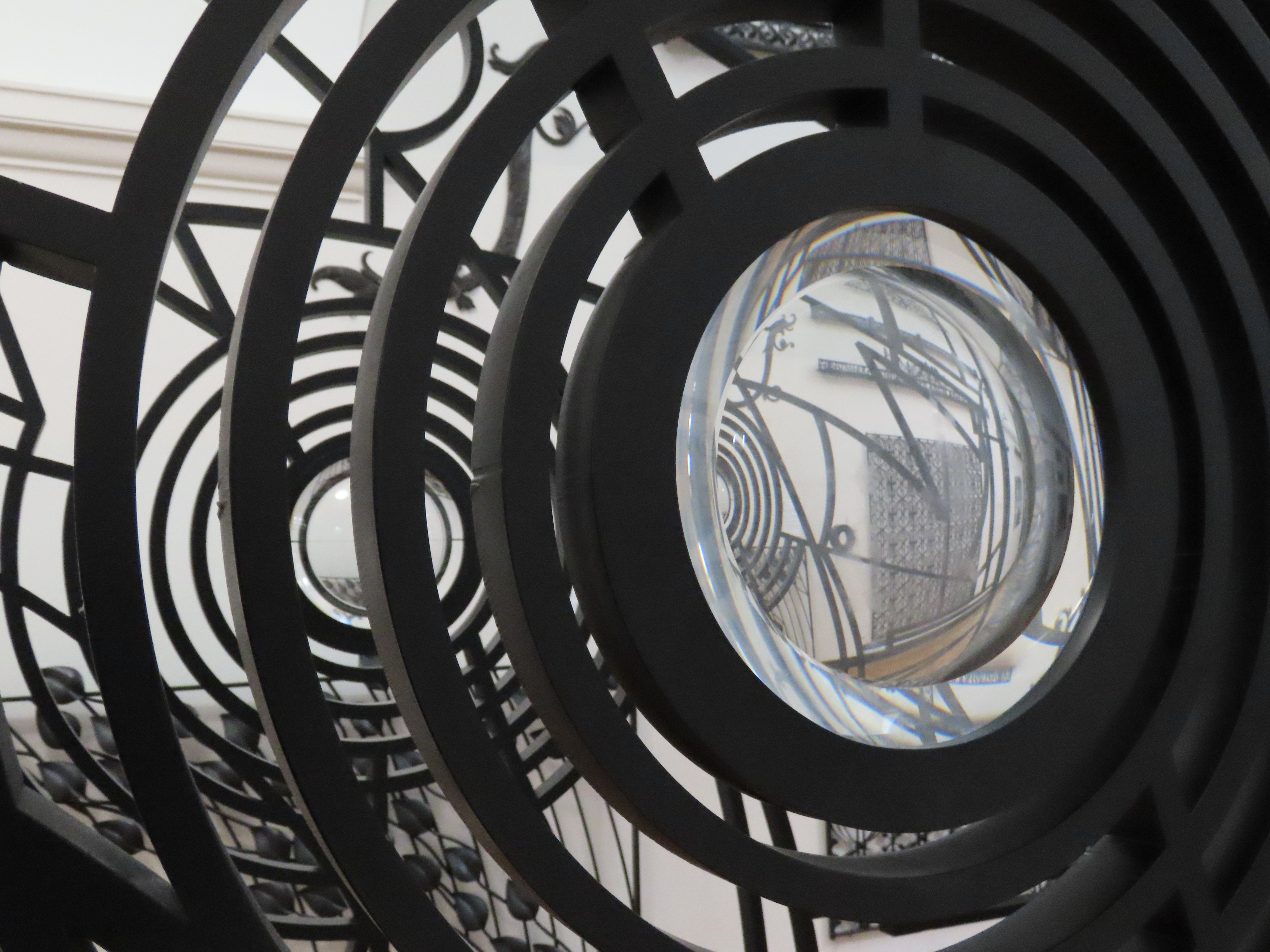
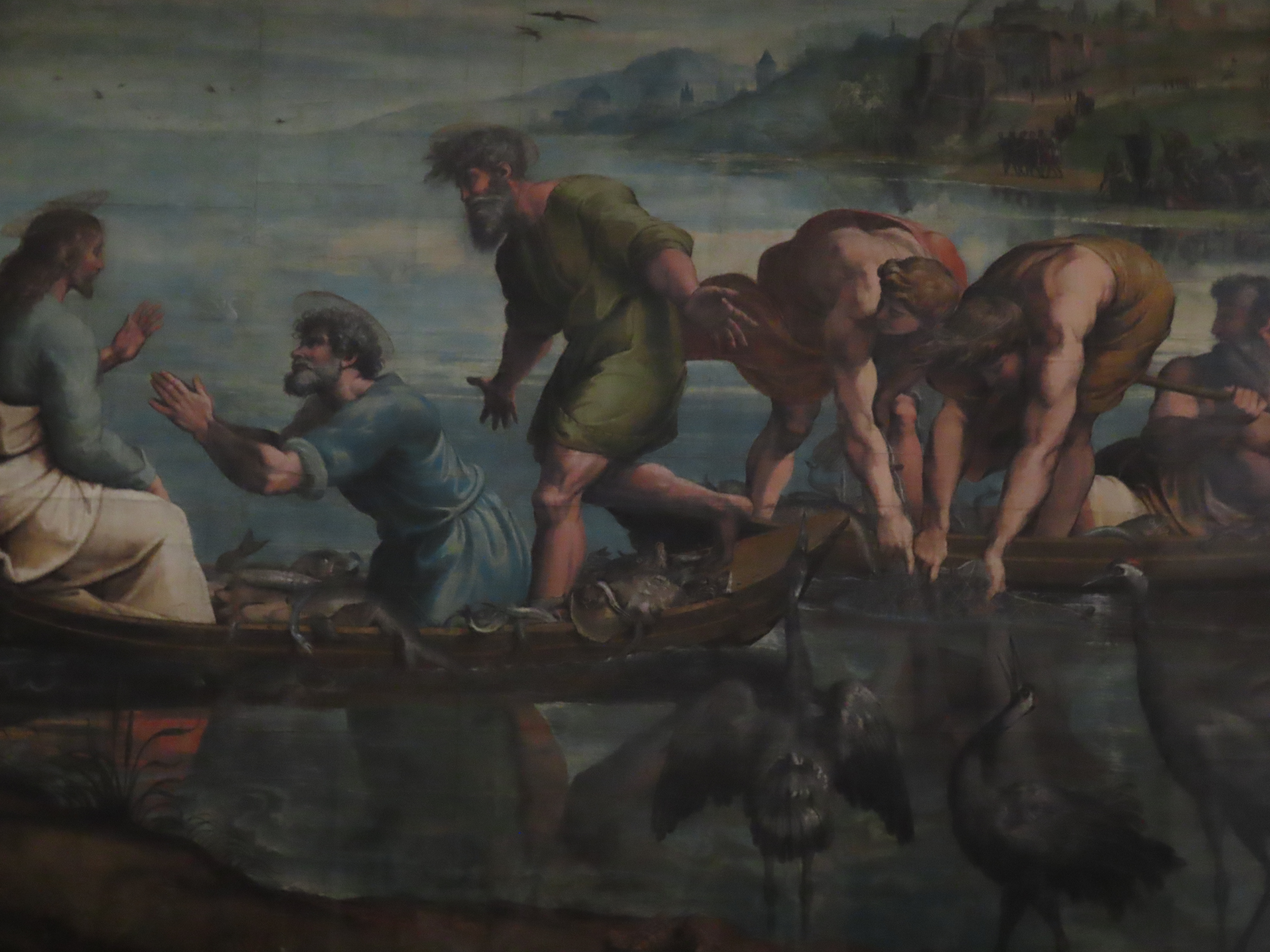
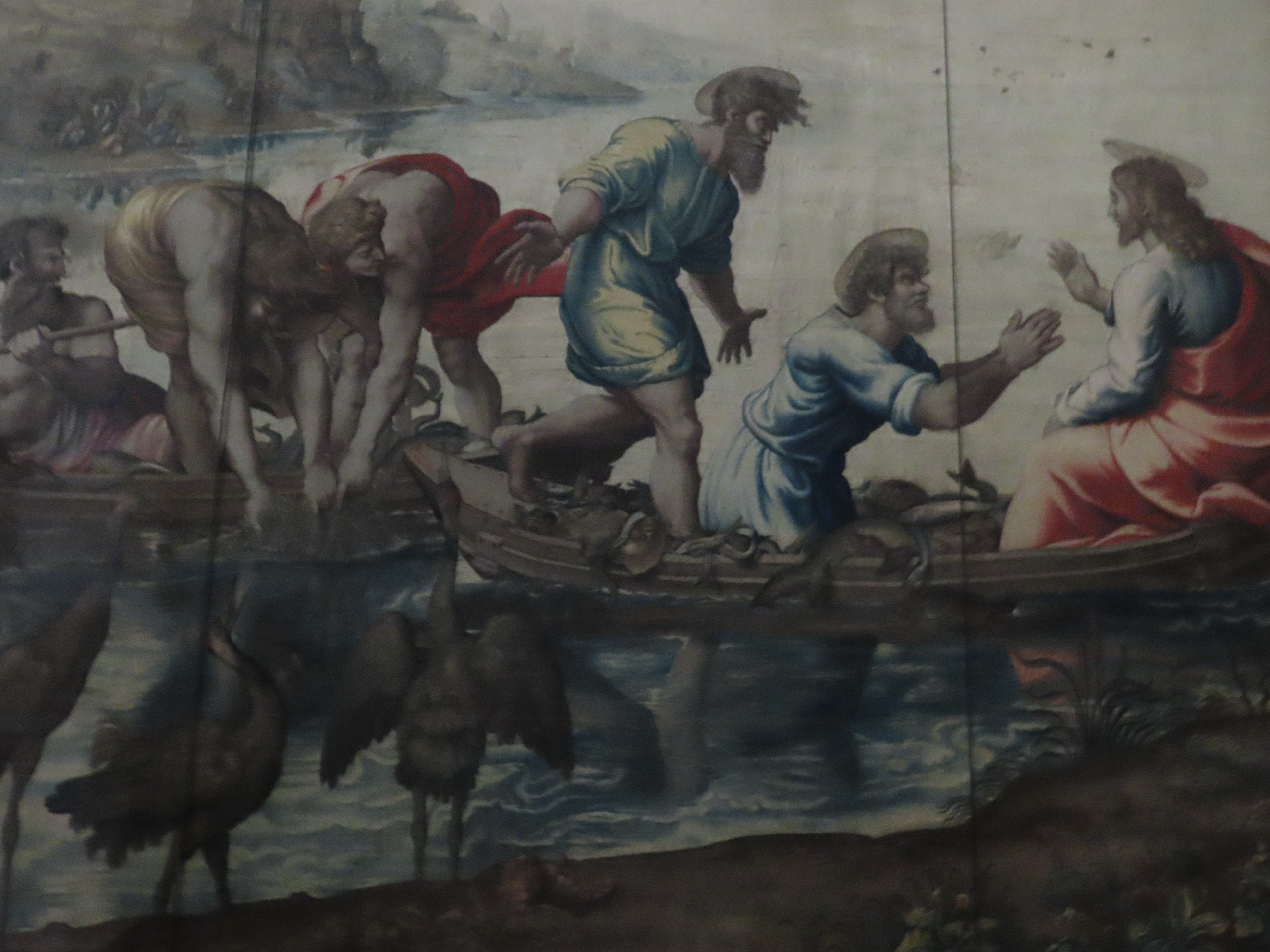
The seven massive Raphael “cartoons” from the early 1500s that were designs for tapestries created for the Sistine chapel, woven in reverse!
(Click to enlarge)
The obvious absence of most of humanity in its collection, and then the stunning end to my visit in the exhibit entitled Rising Voices, featuring “indigenous perspectives, anti-colonial resistance, and diverse cultural identities,” which I found incredibly powerful after so much aristocratic and religious pomp. The exhibit gave a tiny but powerful taste and haunting vocalization of exactly that—indigenous voices speaking squarely to colonialization. It was a nod, but a nod nonetheless.
(Click to enlarge)
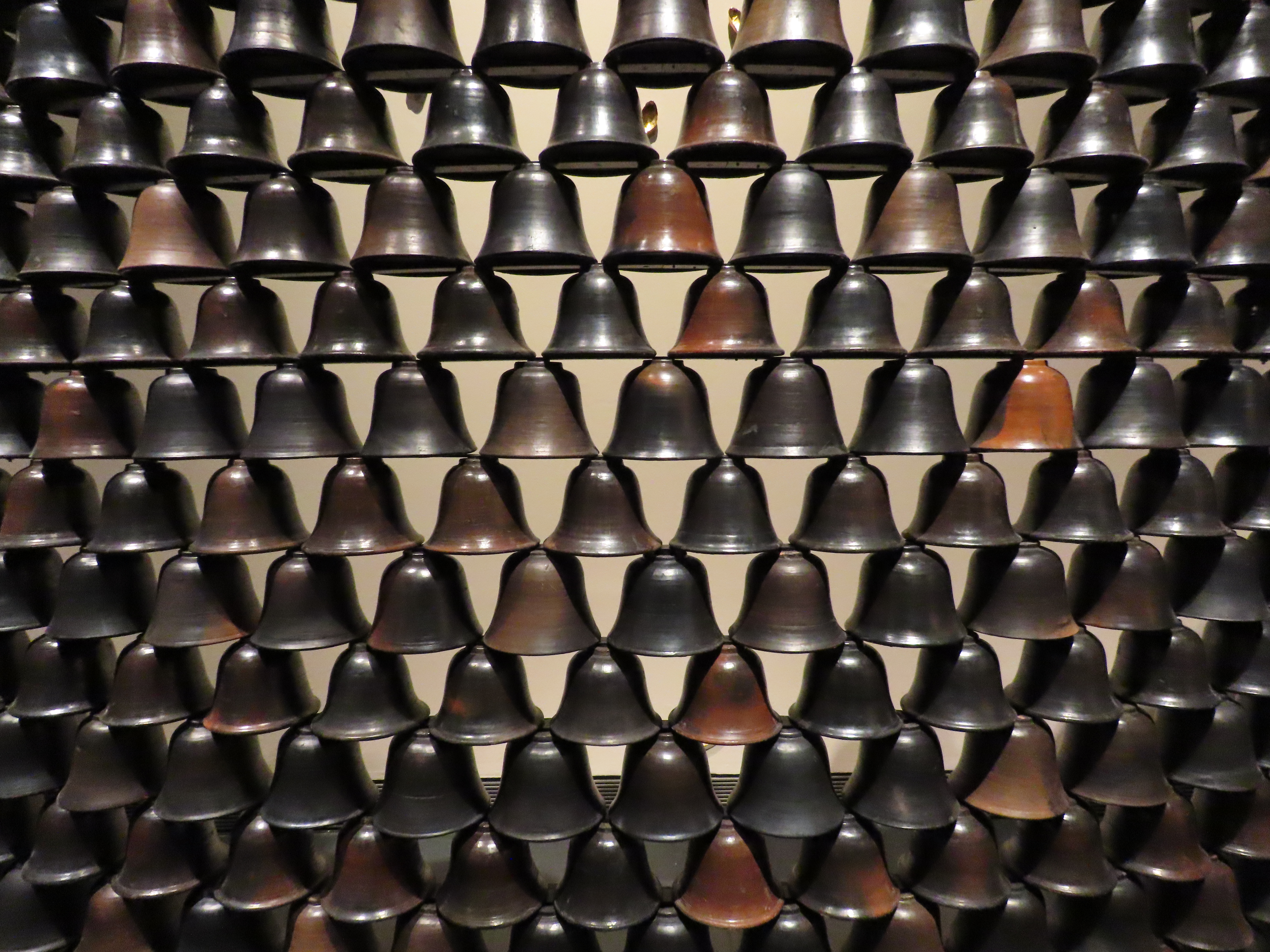
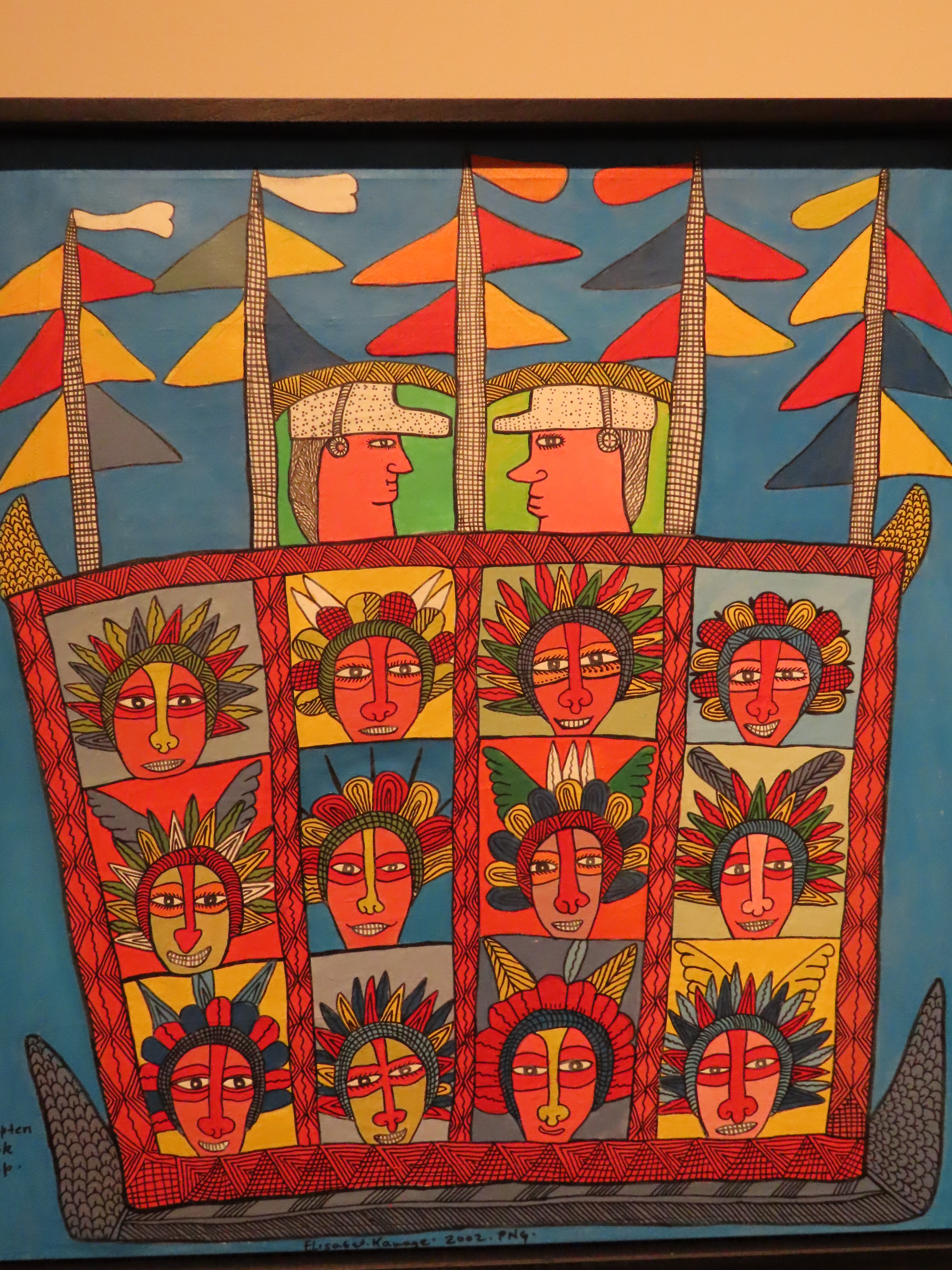
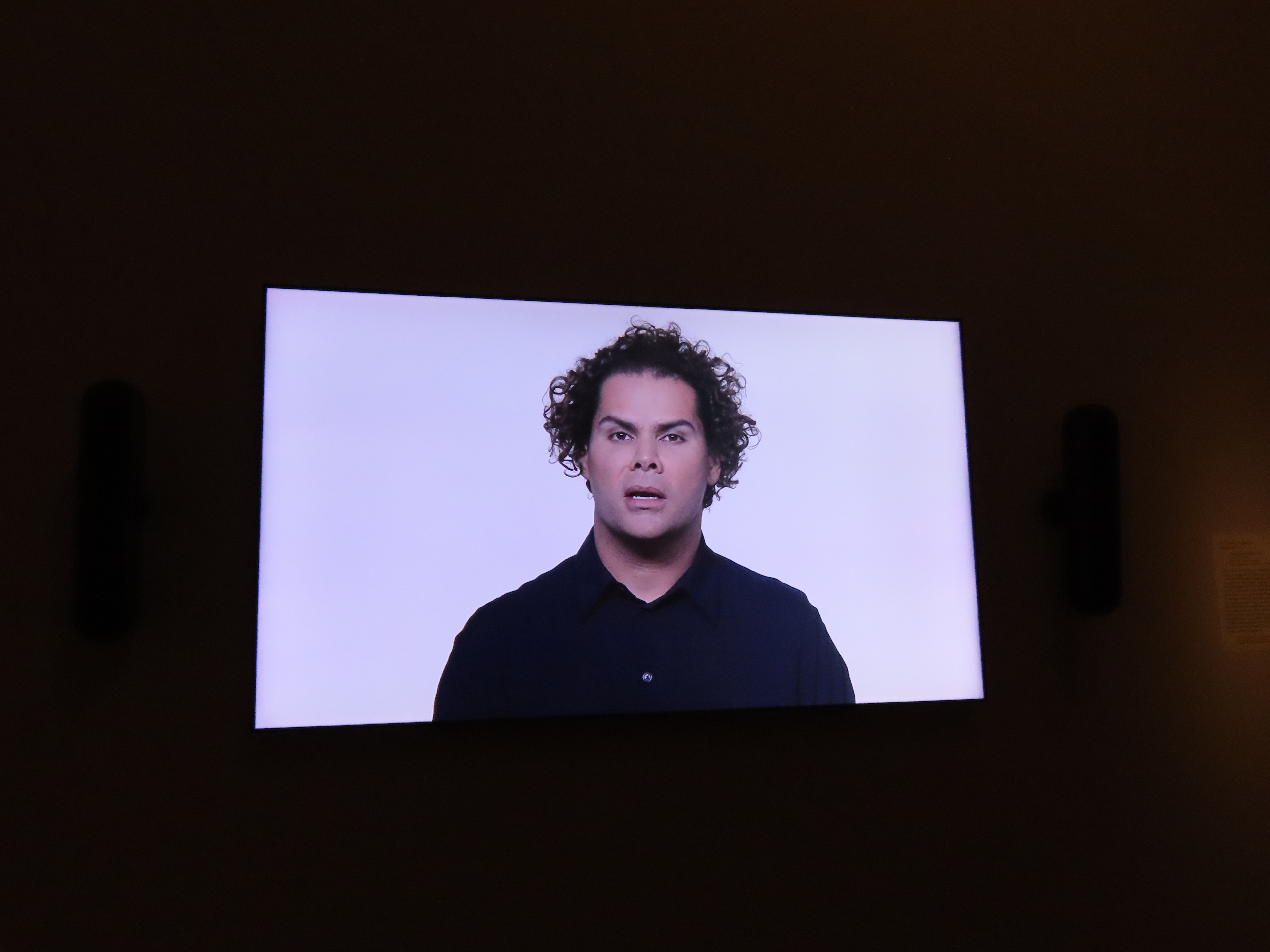
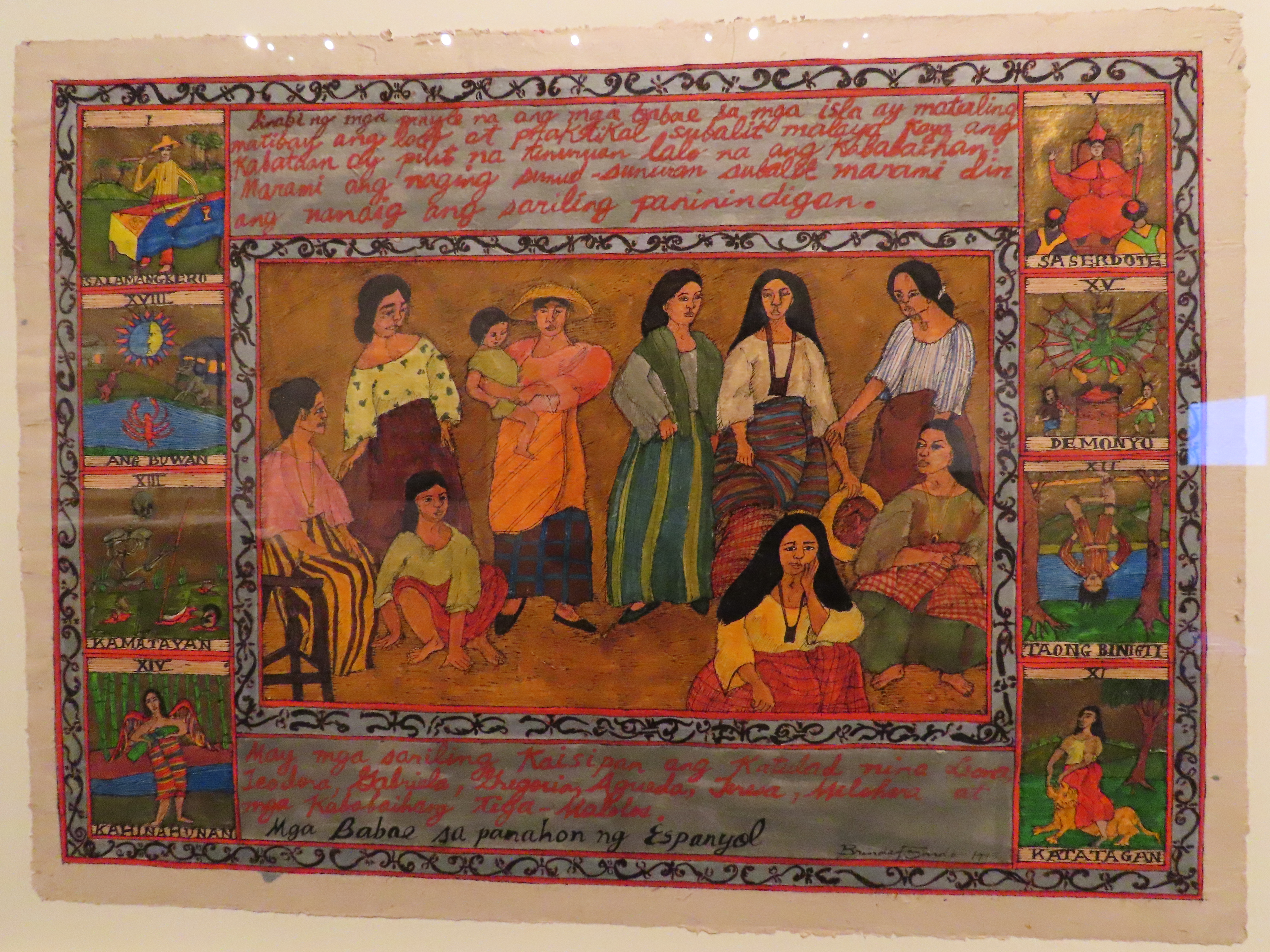
London is a melting pot like none other, with its far-reaching arms of colonial rule on display on every street corner, bus, and coffee shop. From my encounter, I estimate a quarter of the population is of Indian descent, another quarter is black, another quarter a mix of nonwhite races, and perhaps one-quarter white. Thankfully, the government is largely ruled by the elected House of Commons, rather than the appointed House of Lords, based on lineage. Yet royalty is absolutely everywhere: king this, queen that, Elizabeth this, Victoria that. Astonishingly, the V & A museum, as it’s affectionately known, is free.
Kew Gardens, on the other hand, home to King George III and Queen Charlotte, along with numerous magnificent conservatories chock full of plants imported from around the world, cost £20, a shame as it’s primarily a large city park. Wealth and generosity come in different measure, it seems.
(Click to enlarge)
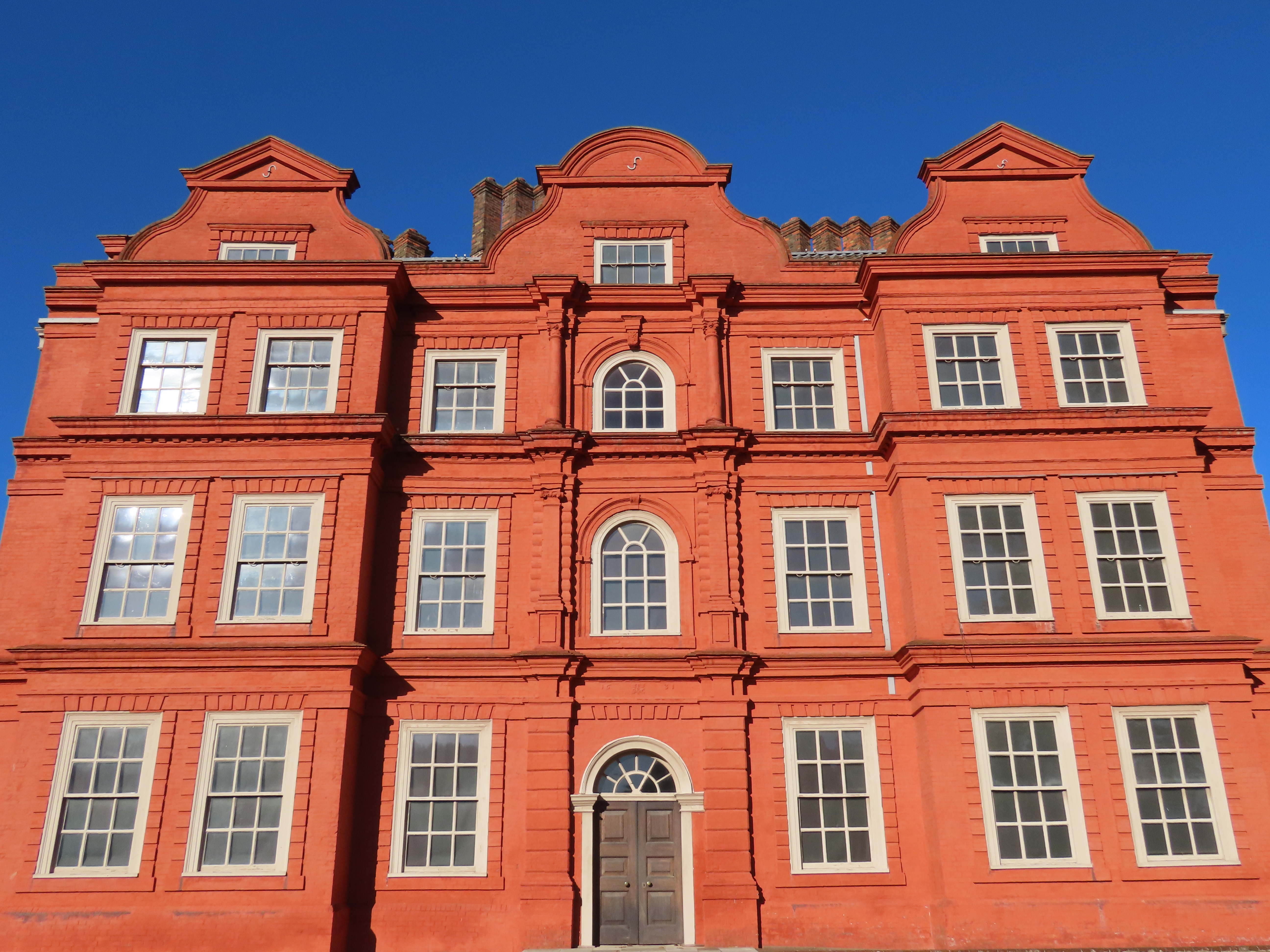
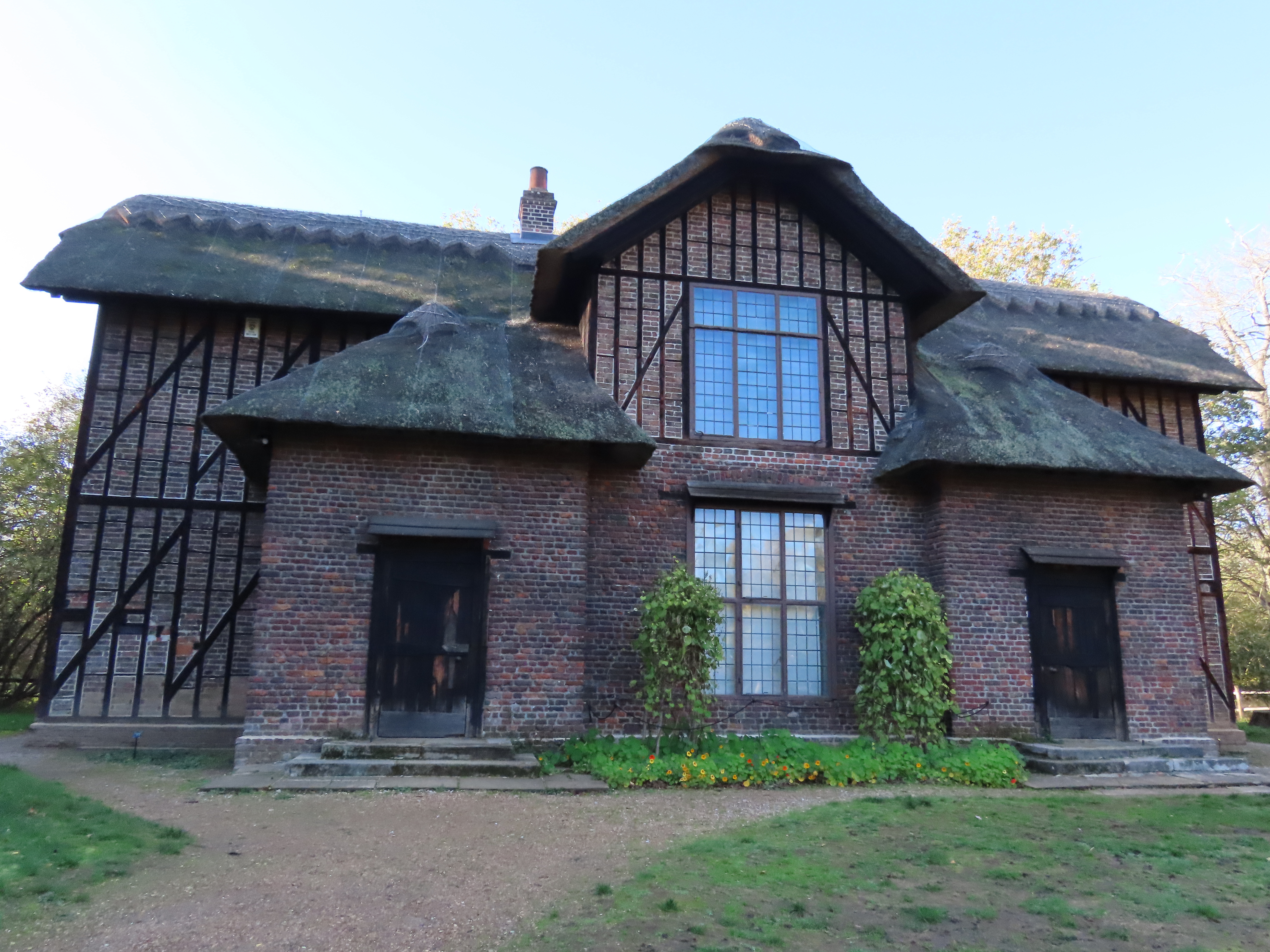
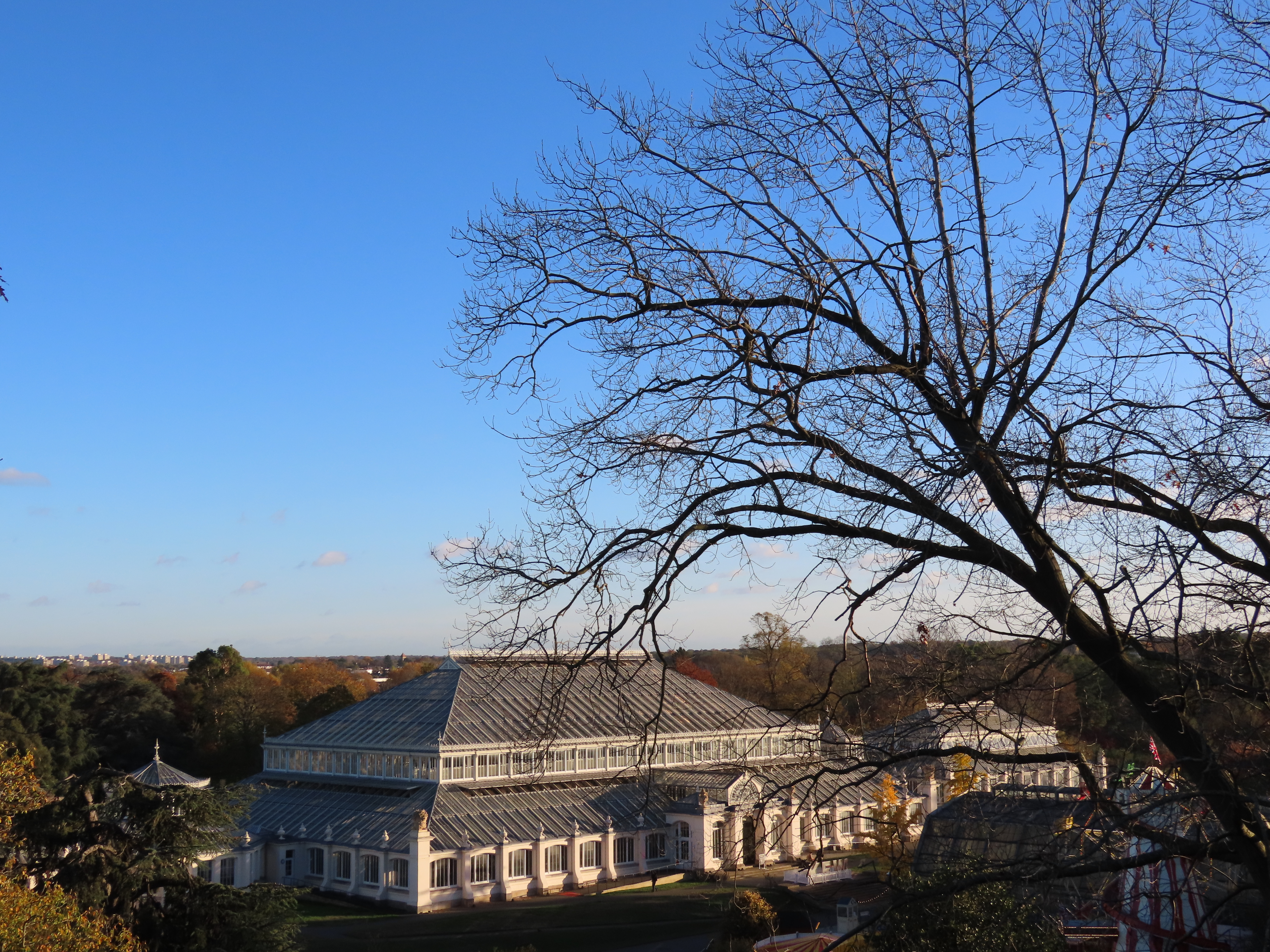
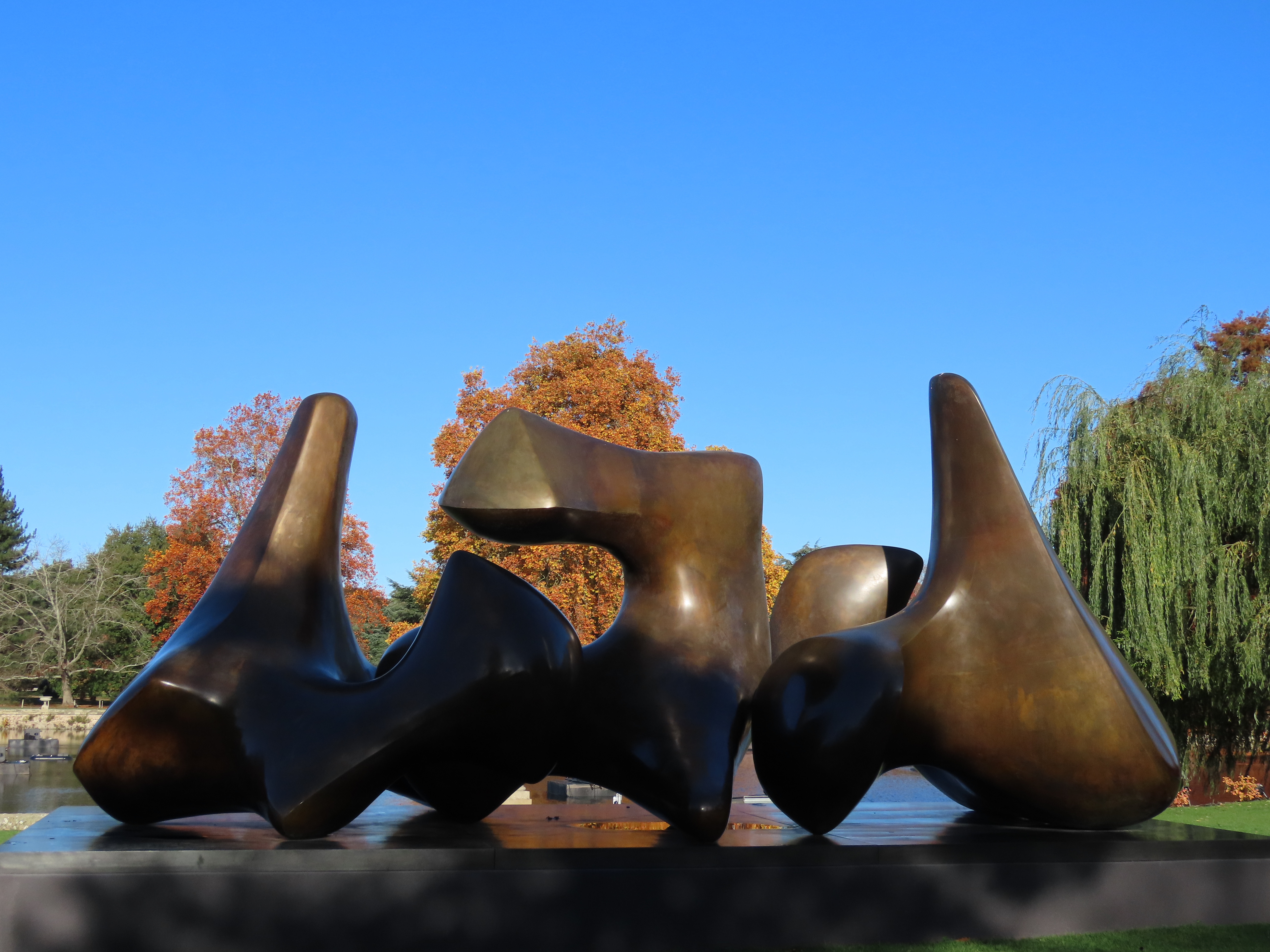
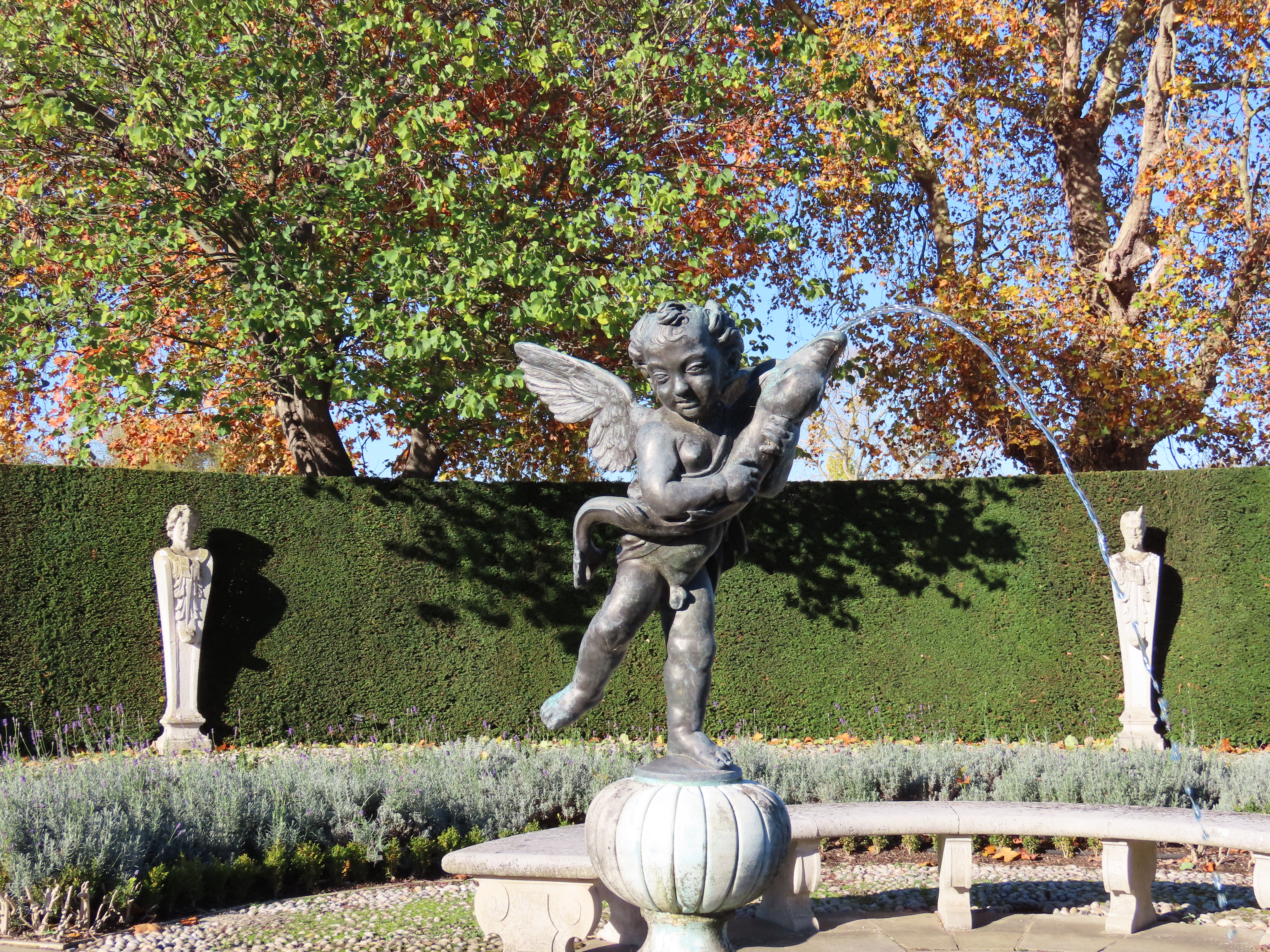

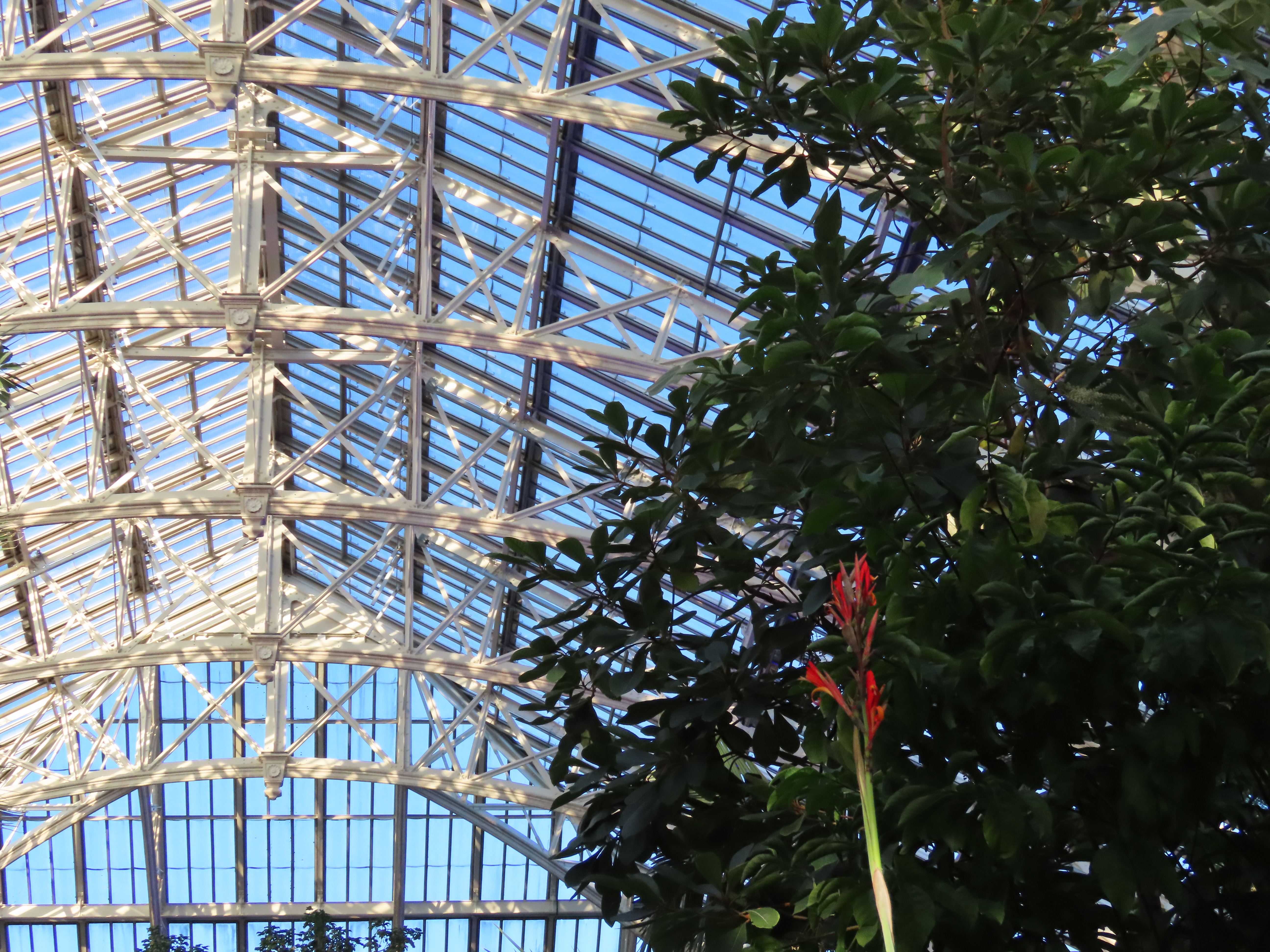
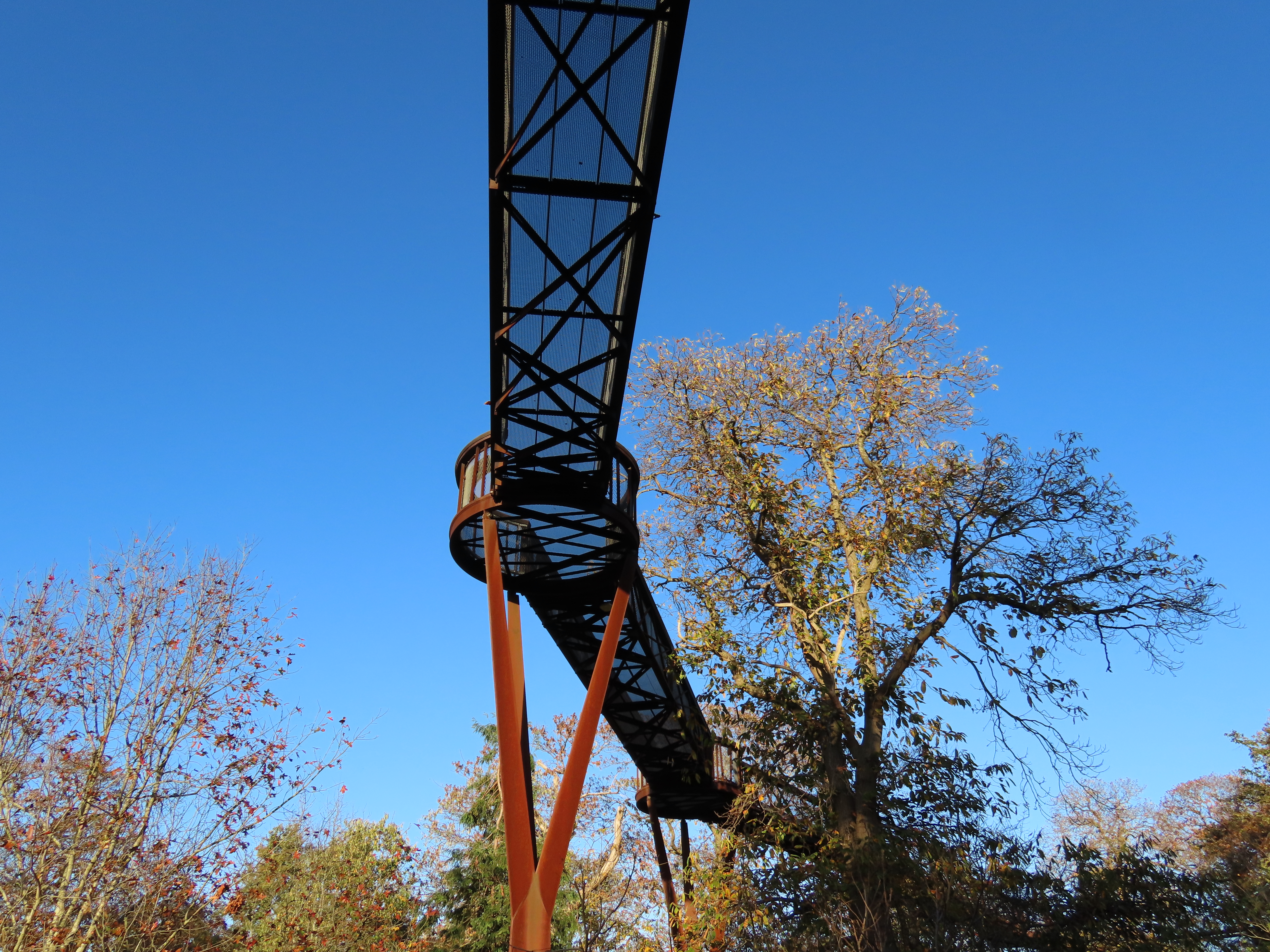
After three solid hours of wandering the gardens, I sat down famished for a meal at the Pavilion Grill. The Indian woman behind the counter took my order of grilled chicken with two sides of beets and squash. “We’ll bring it over to you, my lovely,” she said. Of course, she must say this to everyone, but I was deeply moved by her words and imagined what it would be like if everyone ended their greetings this way. “Can I get you something else, my lovely?” “Thank you, my lovely.” “How are you doing, my lovely?” As it was the first time I’d sat still in solitude in several days, my heart swelled with gratitude for my delicious meal, the vegetables smeared in handmade pesto and adorned with pomegranate seeds. What a lucky, lucky, lucky, lucky girl I am!
Home life in the suburbs of London with my cousin and her husband, whose job took them there from LA, along with their nine-year-old daughter was a flashback to thirty years ago when conversations revolved around school, homework and the clock. Her daughter attends a French school, which she’s attended since she started in school in LA. Given the national system of intense memorization and repetition, especially around the esteemed French language, she’s quite fluent and has an impeccable accent. She also has lots of homework, filling out worksheets and conjugating verbs. Mon dieu! A highlight was attending a joyous performance from her after school dance, theater, and singing program. Homework that night lasted until after nine o’clock.
As my cousin doesn’t have a car, she walks fifteen minutes each way with her daughter to bring her to and from school. I accompanied them on two days after which we rode the busses, tapping our cards or phones each time to pay. What happens if you don’t have a card or phone, I wondered. Apparently, everyone does, along with universal health care, a system that was maxed out long ago such that those who can afford it pay for private health insurance. The systems for meeting basic human needs of the majority of the population are pretty much broken everywhere. Yet the thrift shops are thriving. Staffed with volunteers and full of high-quality clothes, the proceeds go to a variety of national charities. Why must there be such a disparity of wealth across the globe?
After three packed days, I took the Elizabeth train to Orly, a smaller airport outside Paris to visit my brother, who also recently moved abroad with his family, also from sunny California. I get it. Despite, no precisely because of the nonstop sunshine and modern material abundance, American culture can swallow you up and deaden your soul if you let it. Not so in France, where quality of life rooted in history is baked into the culture. Not only the language but the methods of growing and processing food have been preserved and honored for centuries. It is a federal law that every Boulangerie must provide the traditional French baguette consisting of four ingredients—flour, water, salt, and yeast—and baked to impeccable crispness. A visit to the indoor market in Versailles brought tears to my eyes with its display of cheeses, meats, fish, and pâtisserie. Similarly, the local farm whose pumpkins, root vegetables, and apples the patrons piled high in muddy wheelbarrows evoked an appreciation beyond words. Eat your heart out, Costco!
Ah, and the palace, a monument to French kings dating back to the 1600s evoked an earlier time. Its cobblestone plaza, golden gates, and manicured gardens of which we viewed only a small segment were enough to make you feel quite insignificant. Which was, of course, the point. The palace itself has 2300 rooms, richly adorned in royal opulence. Once again, European aristocracy has been on display at every turn for centuries in an unmistakable expression of centralized power (which brings to mind our so-called president in his attempts to dismantle our symbols of democracy in his own display of king-like power, despite our constitution written precisely to avoid such regressions). After the French Revolution in 1830, royalty forewent the palace and it was turned into a grand museum. The agreement that ended WW I was signed there—the Treaty of Versailles—after which JD Rockefeller contributed mightily to its restoration.
(Click to enlarge)
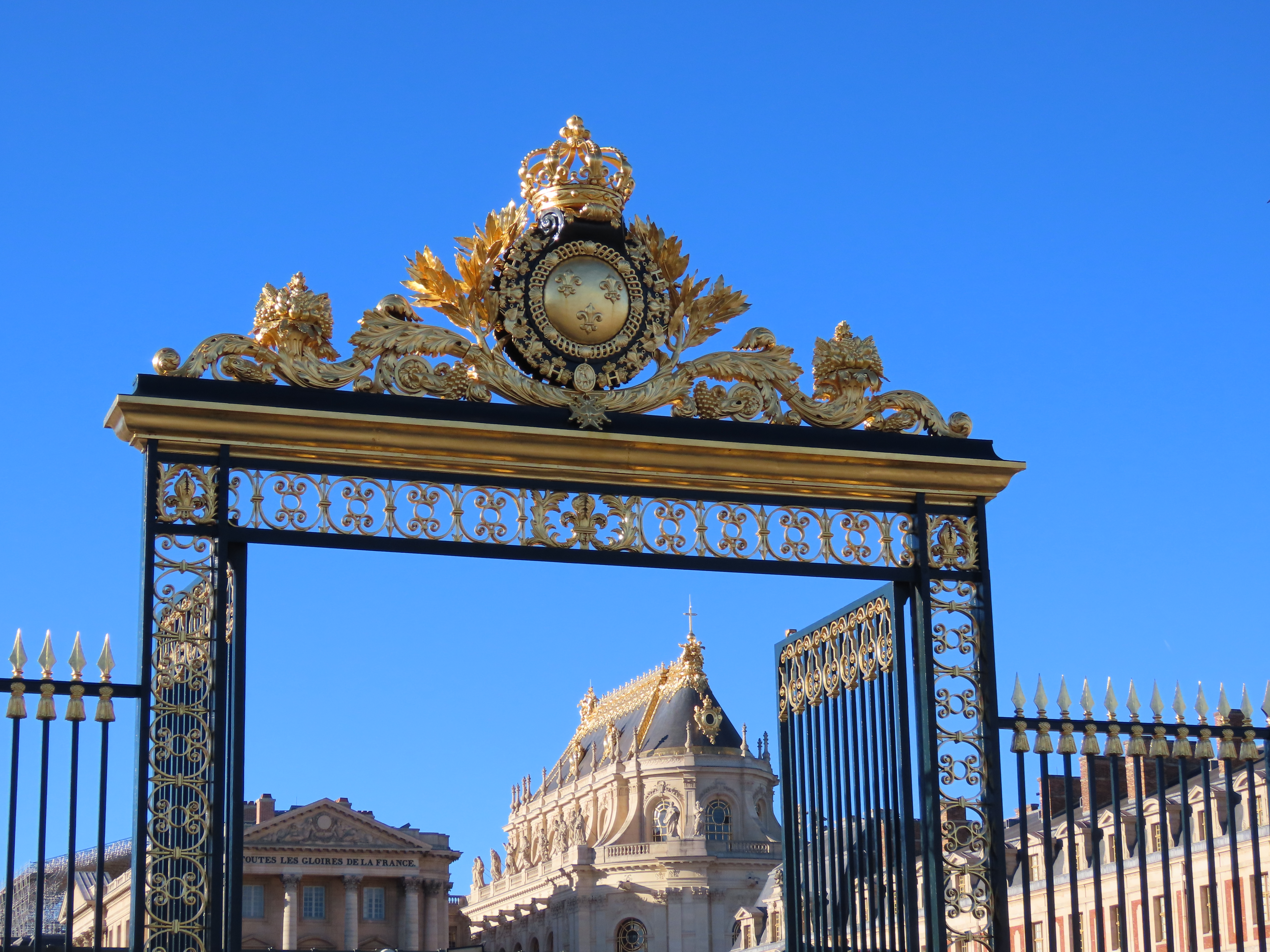
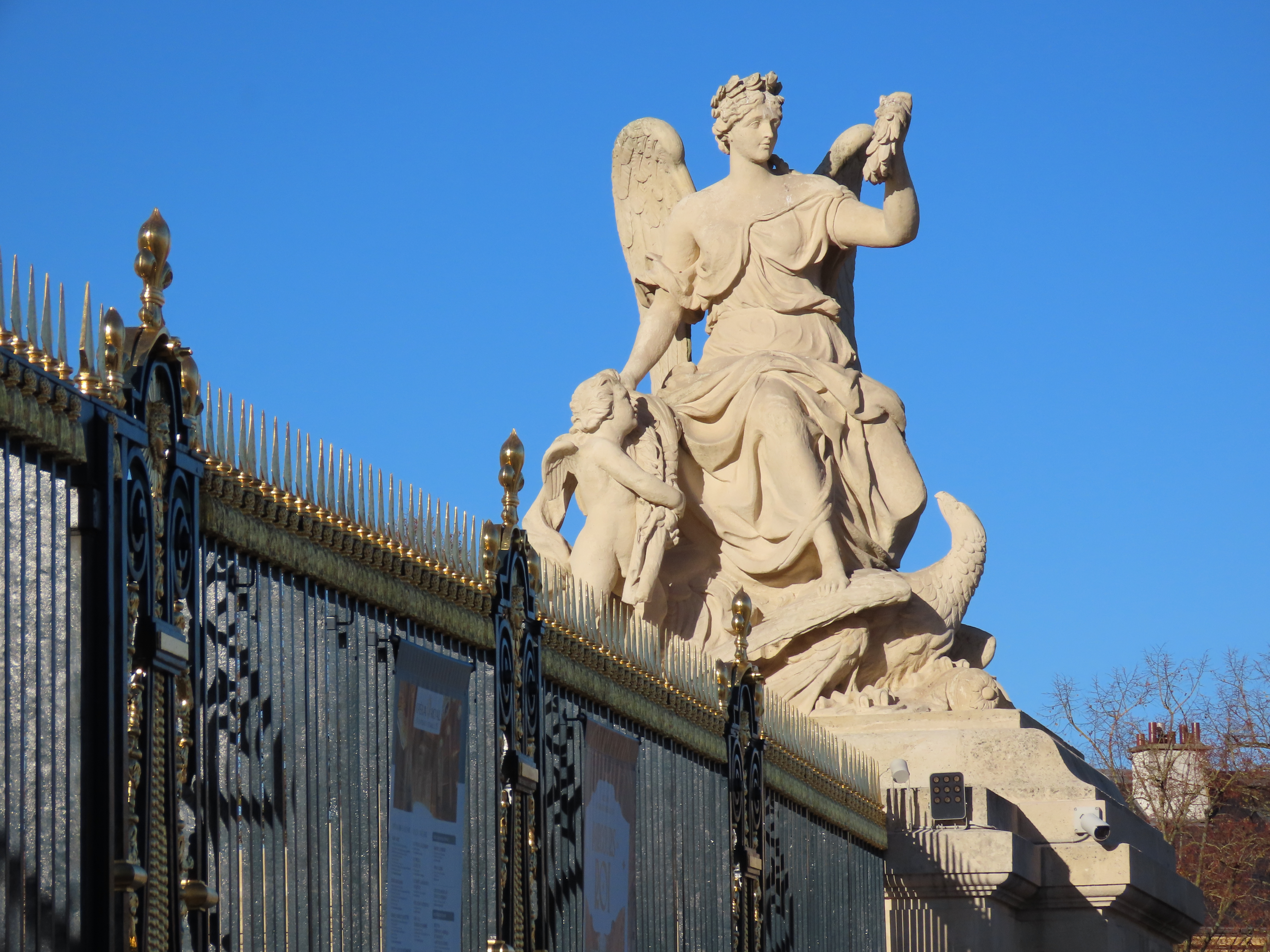
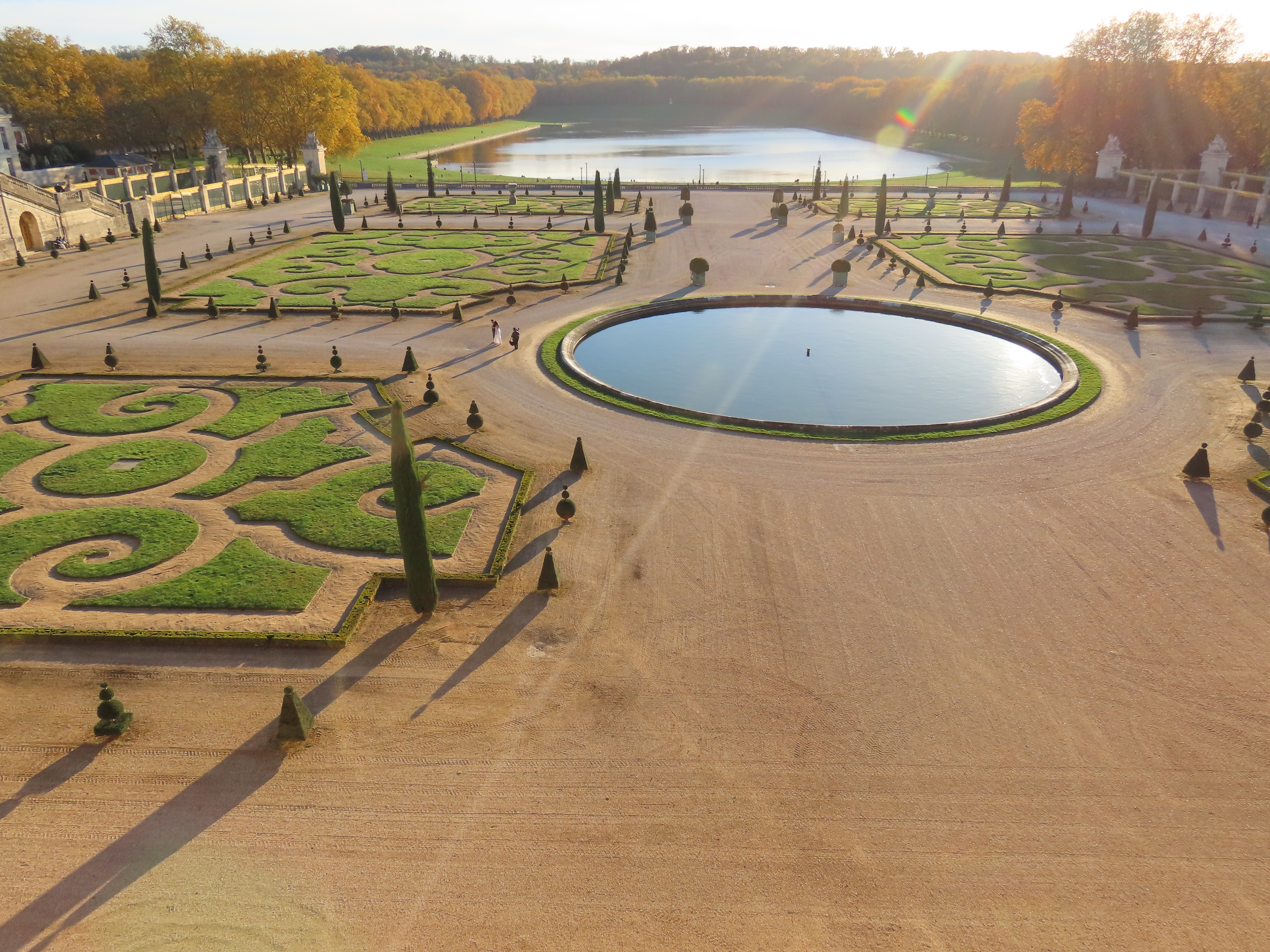
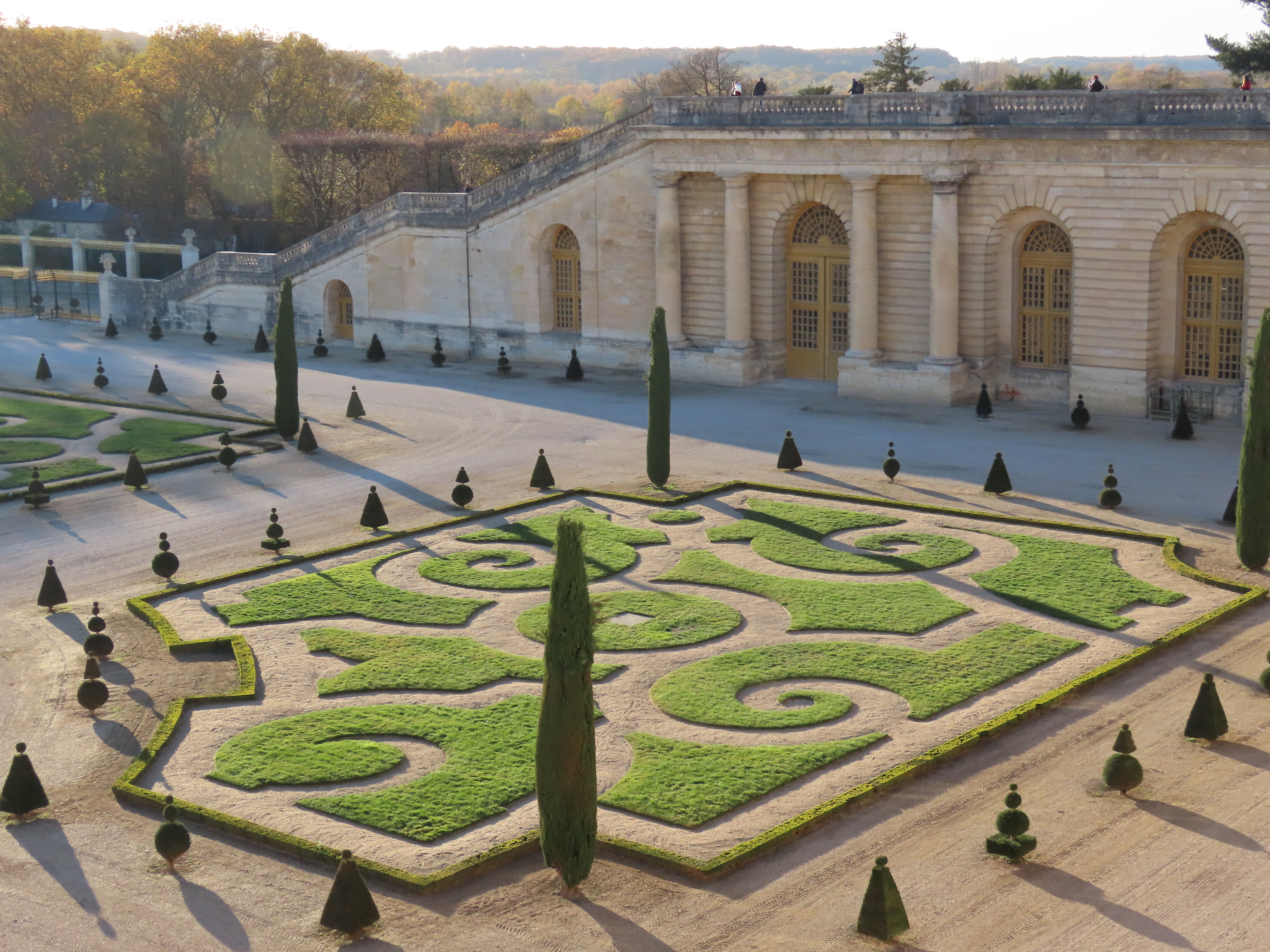
Reminded of the French Revolution, upon leaving the palace I shared songs from Les Misérables sung by the young Cossette and the young Gavroche, with my niece and nephew, who are just about their ages. The price of freedom is indeed high. In contrast to my cousin, my brother and his wife sought out their small suburb of Paris for its Waldorf school, housed in a former country manor that looks like Hogwarts. While conducted in French, it continues the tradition of their school in California, with its emphasis on creativity, self-expression, and community, a far cry from the state French school system I witnessed. Nonetheless, the transition to speaking in French has been tough. I can attest to that having spent a year as an exchange student in Sweden in the tenth grade, where I barely spoke for three months. But children are resilient, are they not?
And speaking of children, spending three solid days with my son, daughter-in-law, and two grandchildren, who met me in France after their visit to Barcelona, was a treat. Although my granddaughter was fixated on her older cousin, having tea parties and receiving piggybacks, we still had our special moments like we do at home once a week. And I got to know my one-year-old grandson more than I had to date, as he cruised around the living room and generally appreciated the excursions as much as the rest of us.
Today, I am grateful for it all. The privilege of being able to fly standby to Europe on my son’s pilot pass, and in business class no less! Spending time with my family in far-flung places. Witnessing the mass of humanity in its diversity across time and place, a reminder of how vast the world really is. And today, the stillness and silence of my familiar home, infused with its own form of abundance, as sunlight creates prisms on the wall and my body rests after a week of solid adventure.
* From Twisted by Joni Mitchell on Court & Spark
Discover more from Surrender to the Abundance
Subscribe to get the latest posts sent to your email.

