
12/27/2021
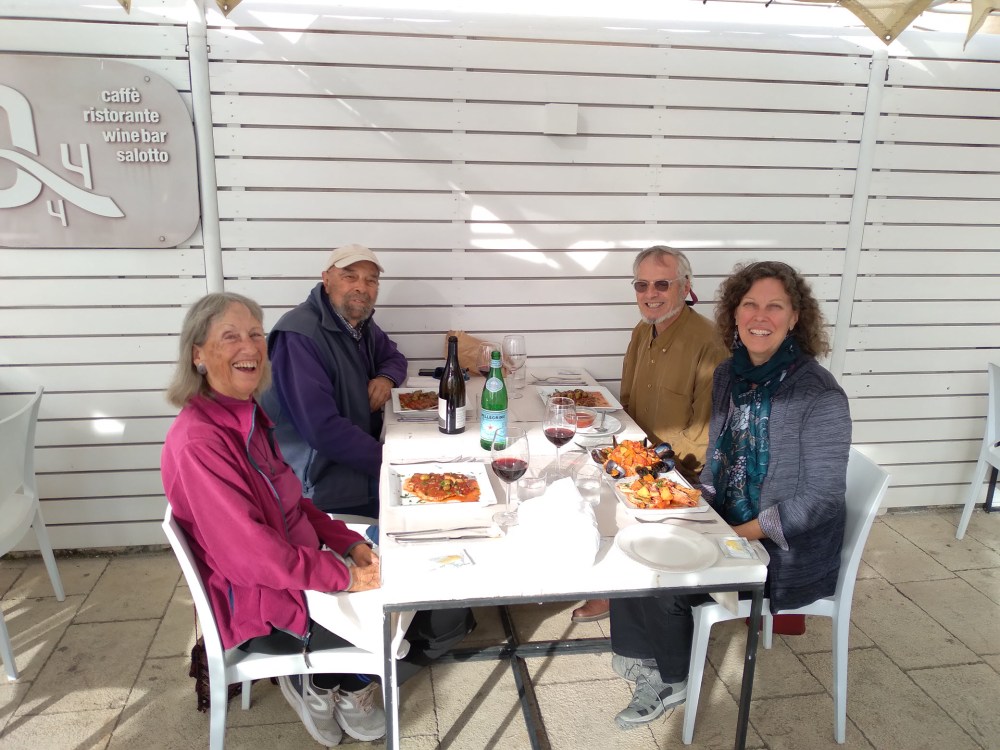
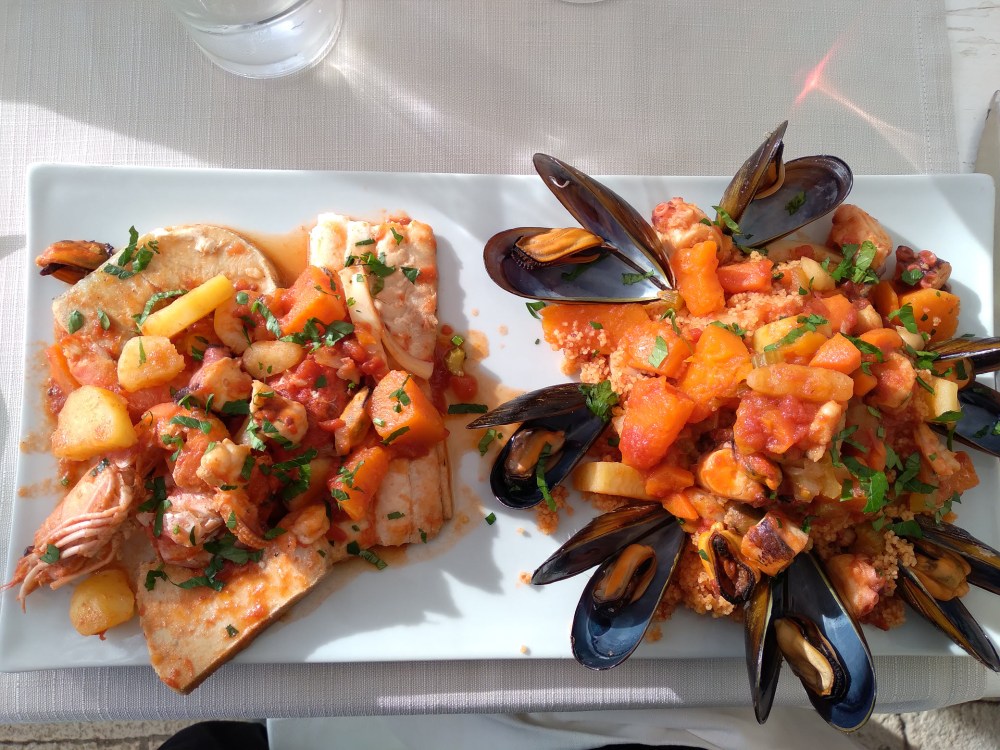
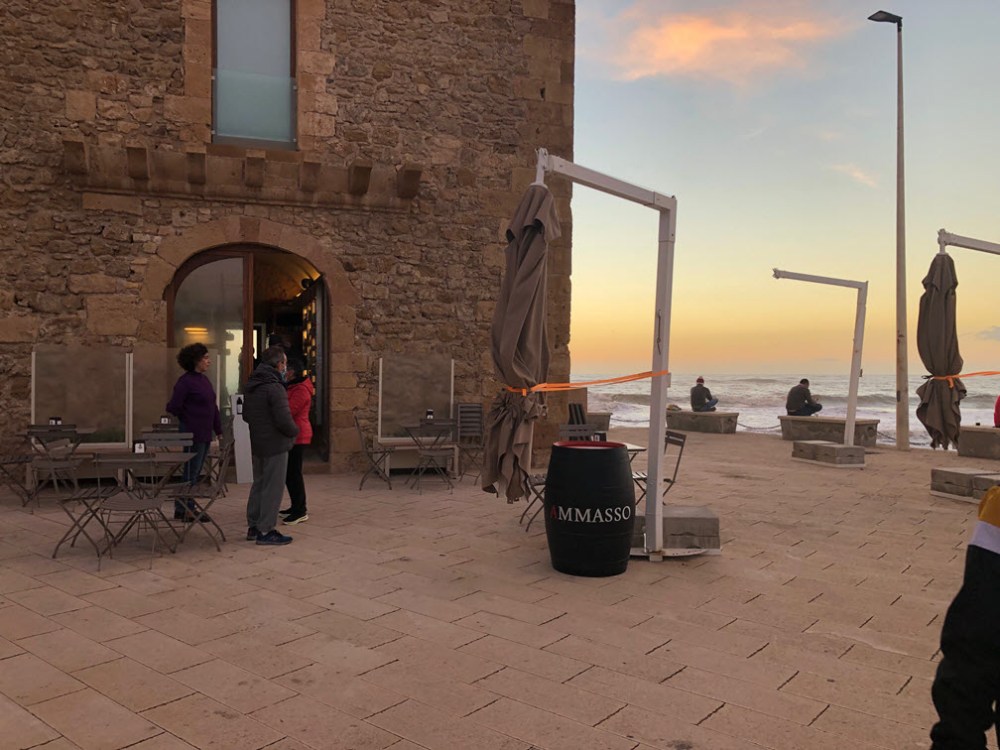
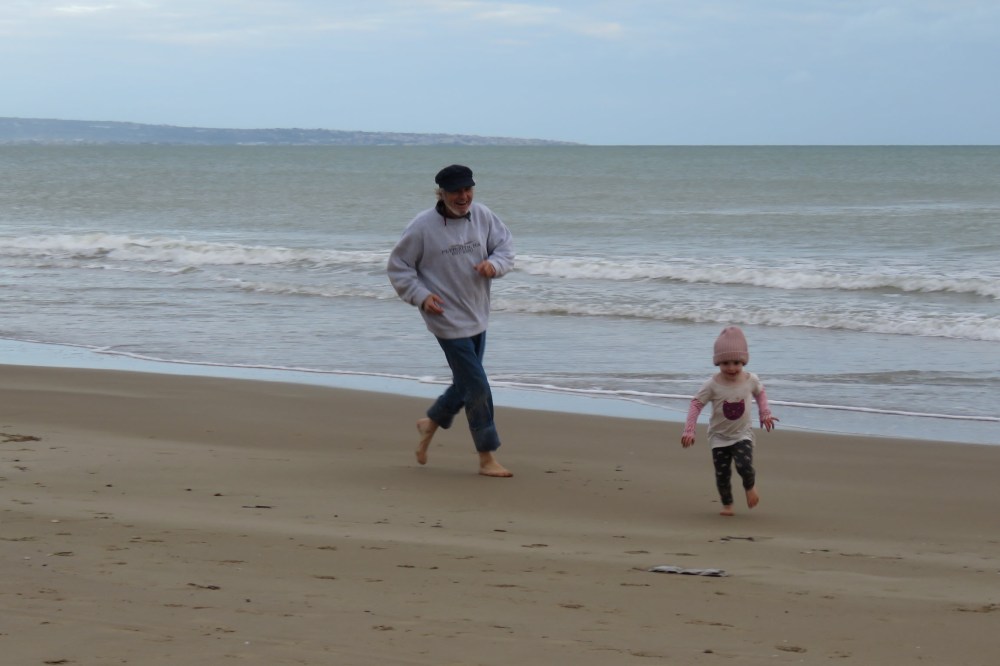
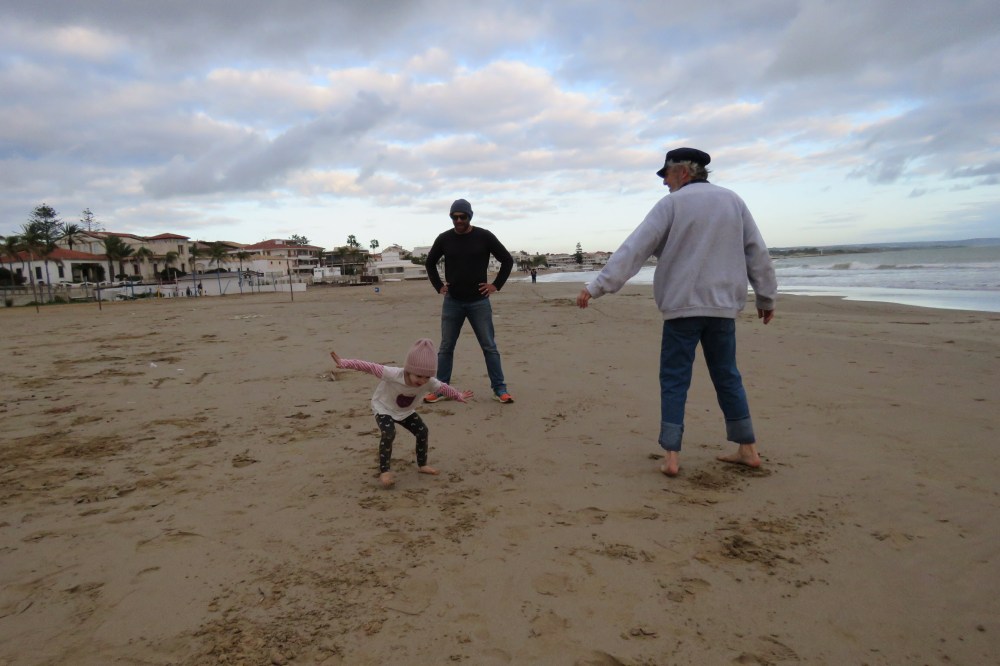
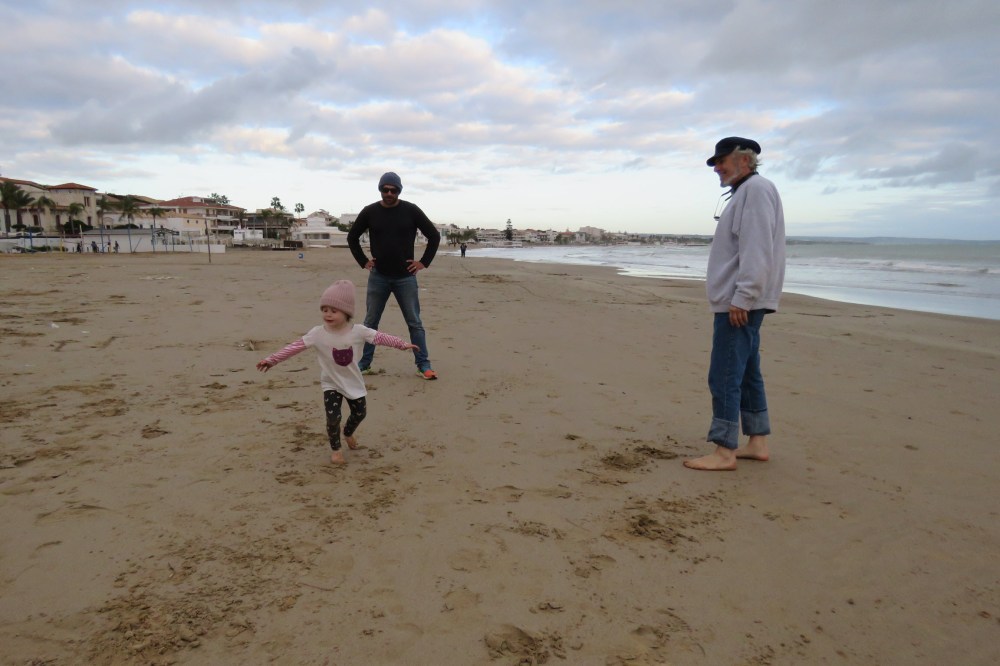
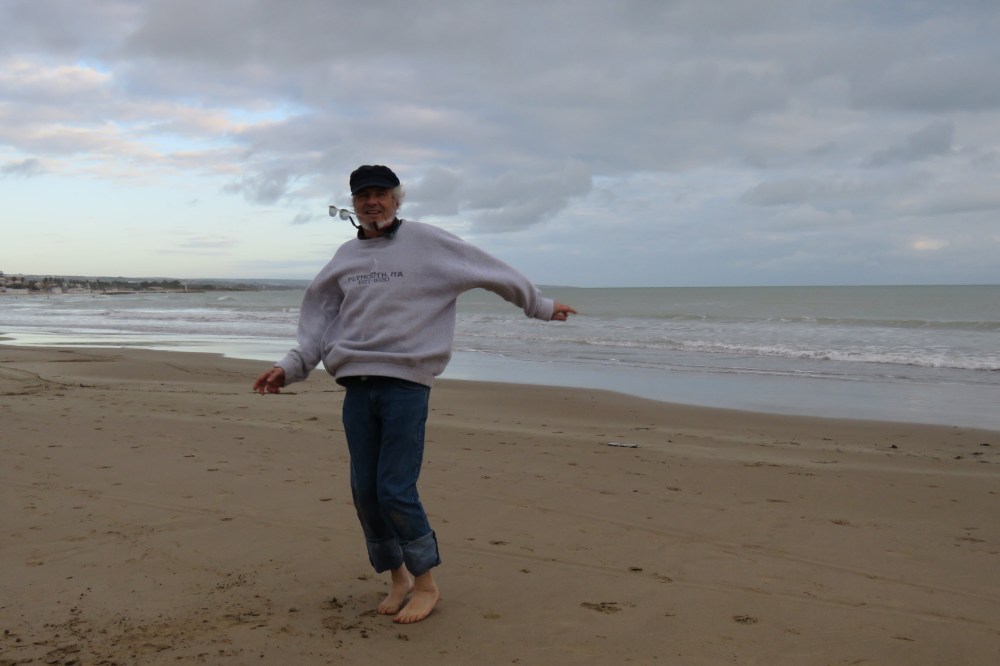
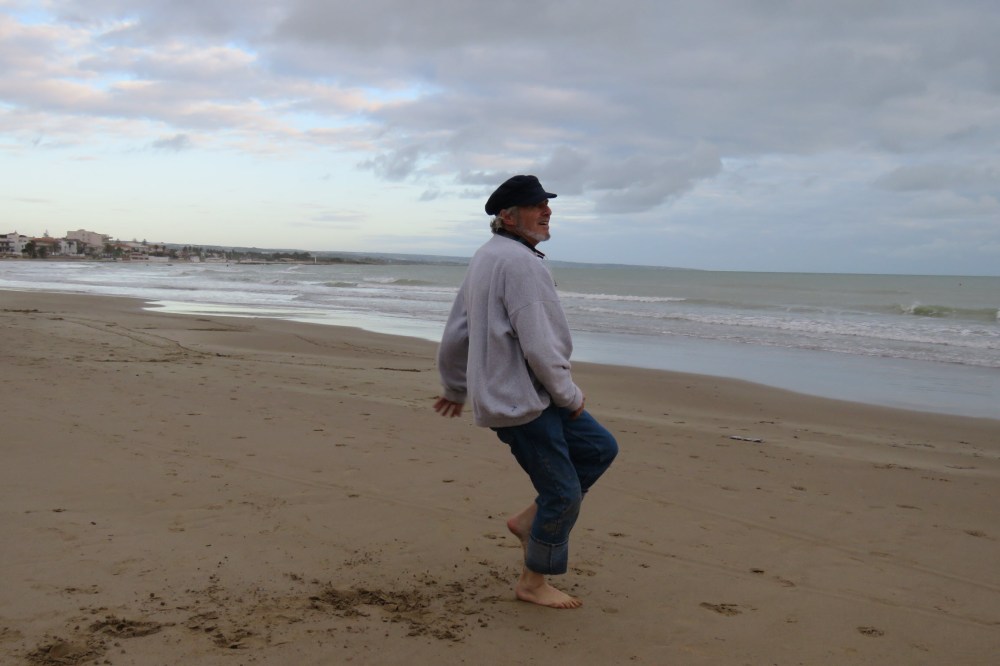
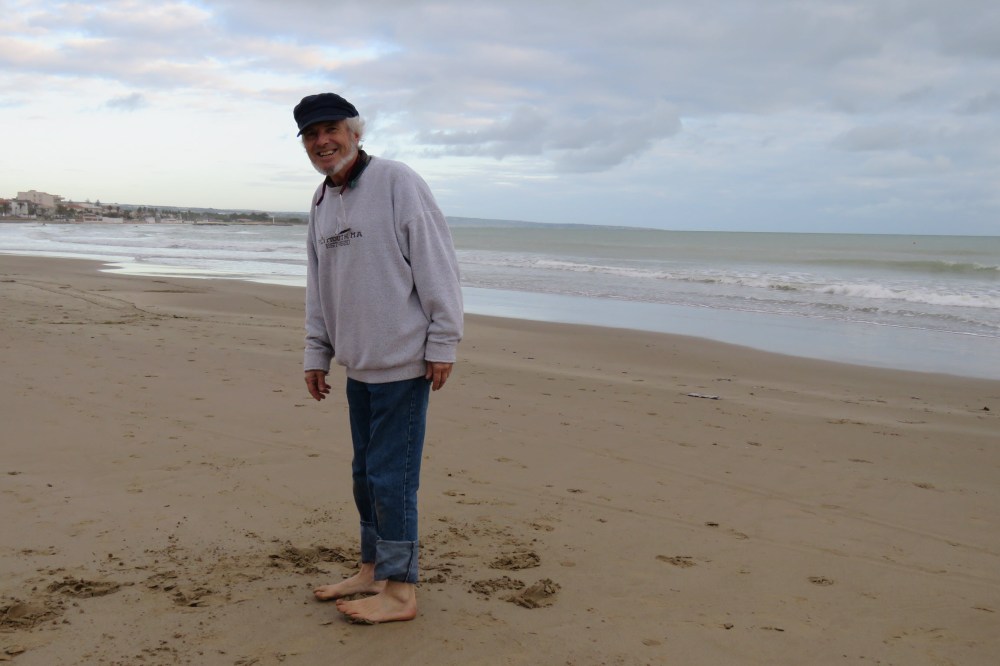
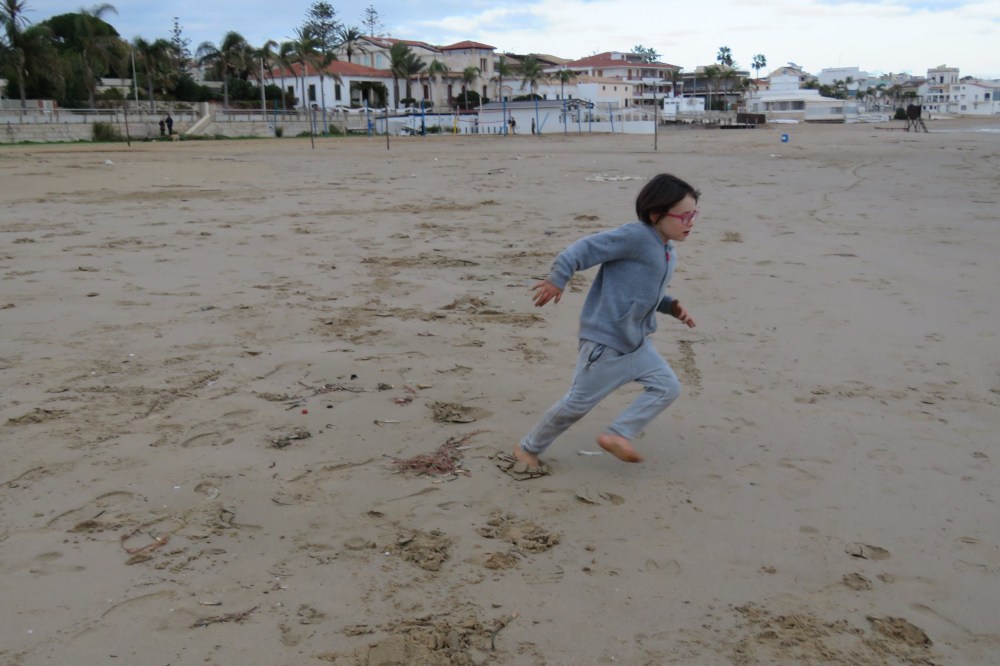
Merry Christmas from across the pond! Here we are having a Christmas lunch on the beach, a sumptuous meal of seafood and “deconstructed cannoli” for dessert—that was a first!
In this episode, Will takes the helm on most of the writing while I narrate our six-day trip across Sicily through pictures, which tooks us to Catania, Caltagirone, Enna, Cefalu, and Agrigento.

CENTER
The piazza is the living room for all the tiny apartments in the Old City, “il Centro.” Once the newspaper, one’s manna, the town cryer, and the talk of the town occurred here, as women daily went to the market and old men sat and kibitzed, or the Church emptied its pews onto the world. Now it’s more a carnival, festooned with the season’s mini-Christmas kiosks, too-loud pumped in music, and children playing hide-and-seek with the decorated central tall fir as home base. The size of the piazza was in proportion to the prestige of the Duomo, the city’s grandest church—think the Square of St. Peter’s, which is actually an oval—or town hall or both.


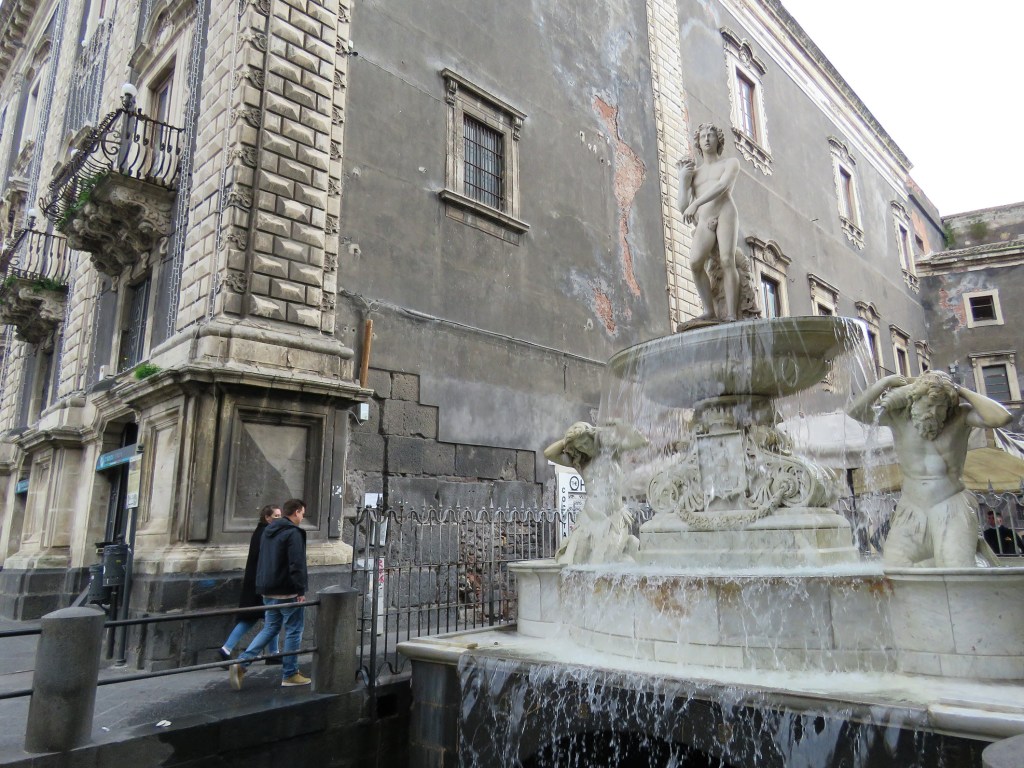
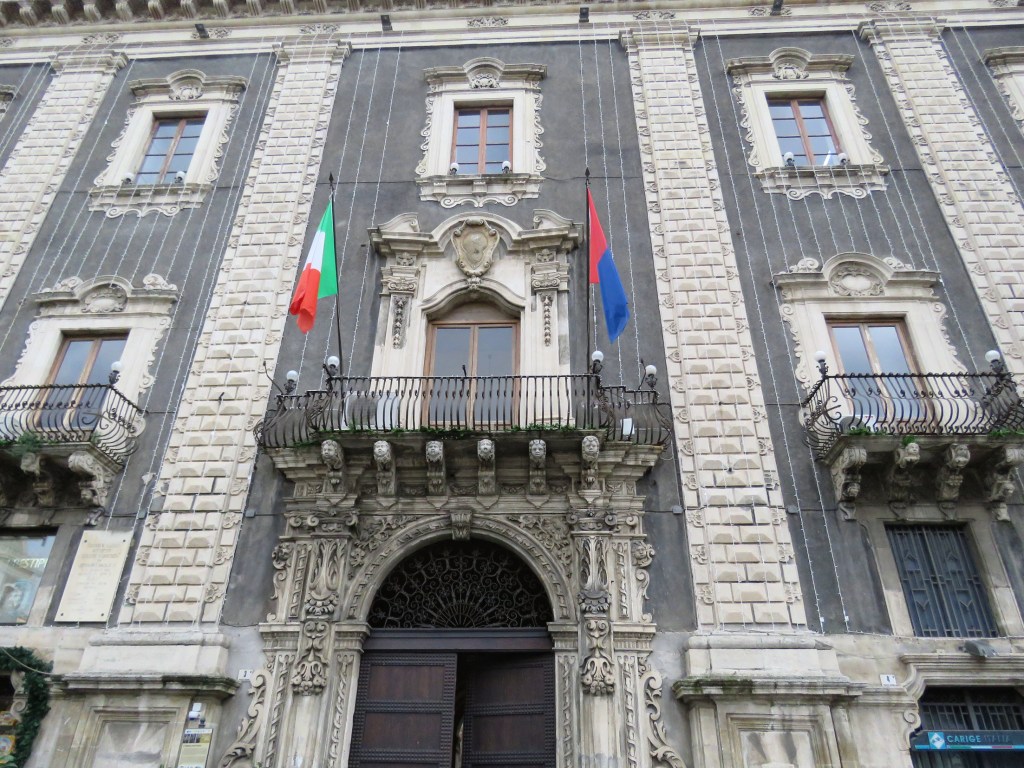


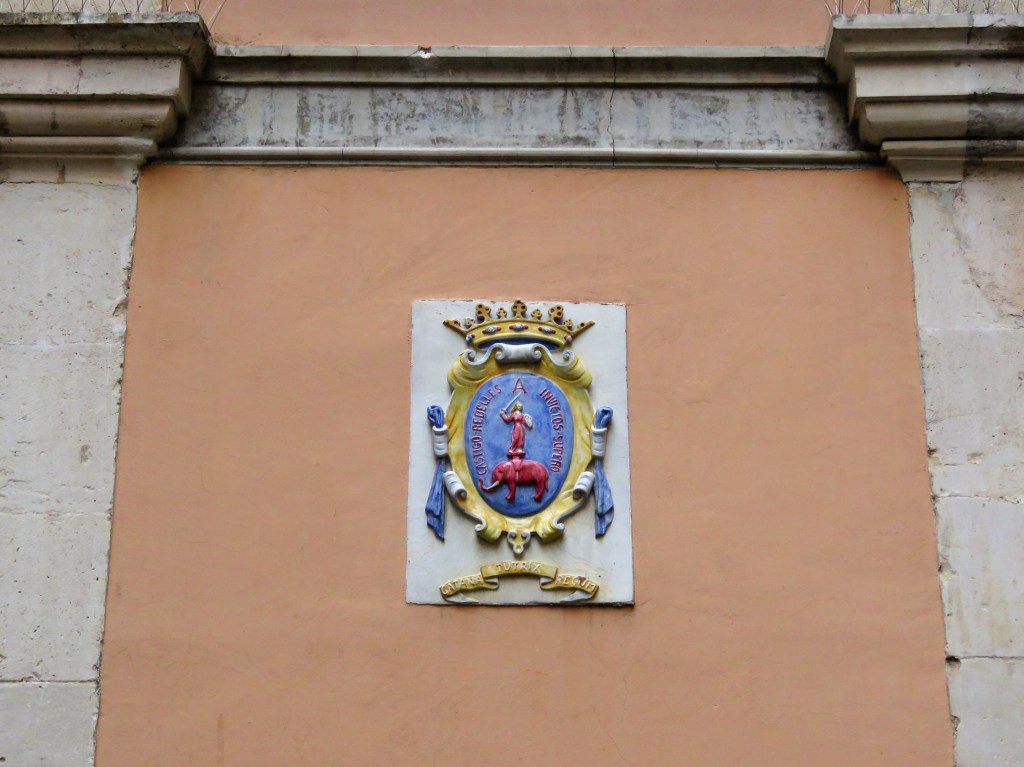
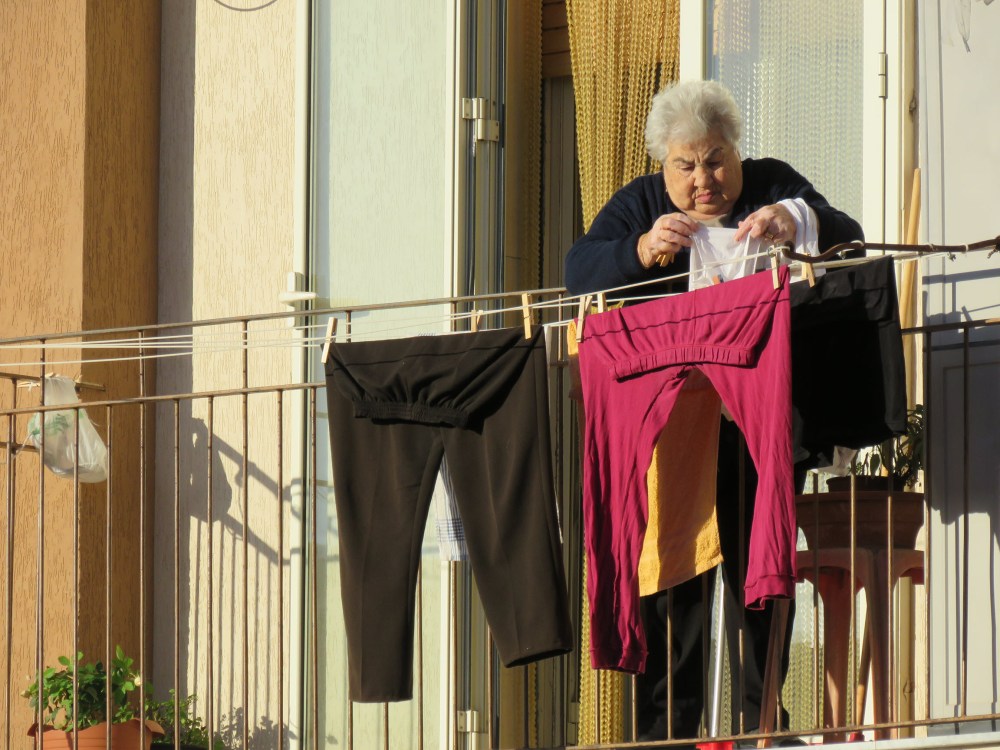
From this regularized geometry of a place leads out vias, corridors as strands of Medusa’s hair in every which direction, in every un-geometry imaginable: often tiny, narrow apertures to the sky, clouds of laundry strewn from the multitude of balconies (who has room for a dryer, let alone the funds to run it? or is it that the smell of fresh air on clothes is too irresistible?), and the inevitable house-marm shuffling about in a sleeveless, flower print coverall that is the forerunner to our apron. And then there are the outdoor markets, selling all manner of food items!
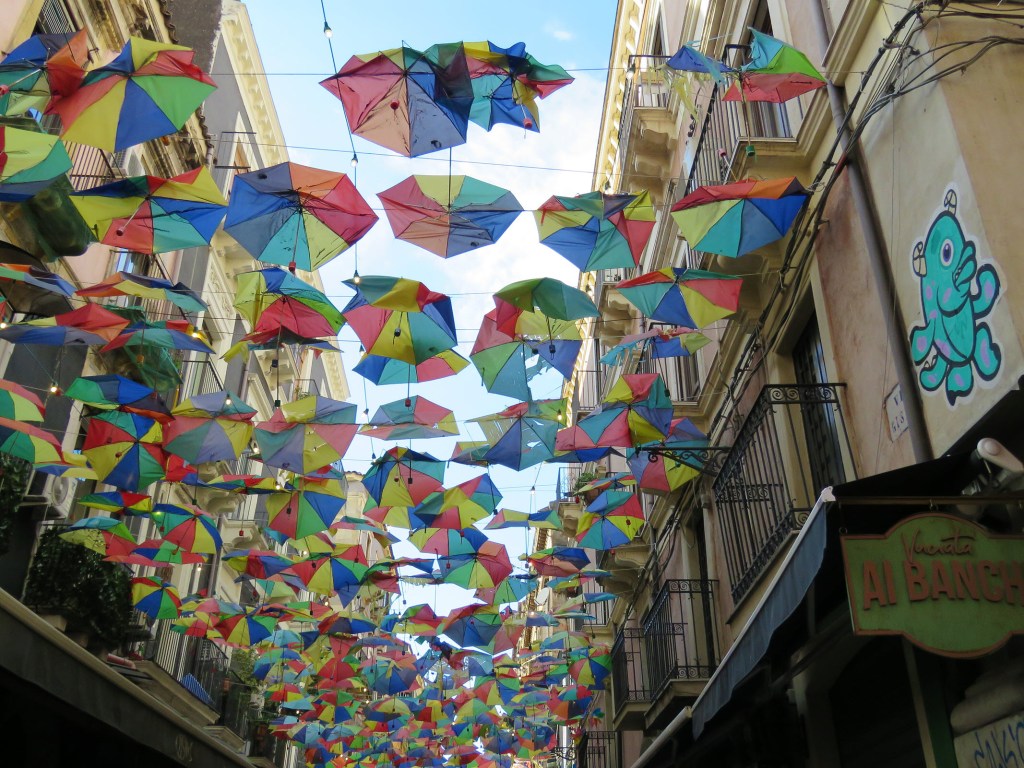
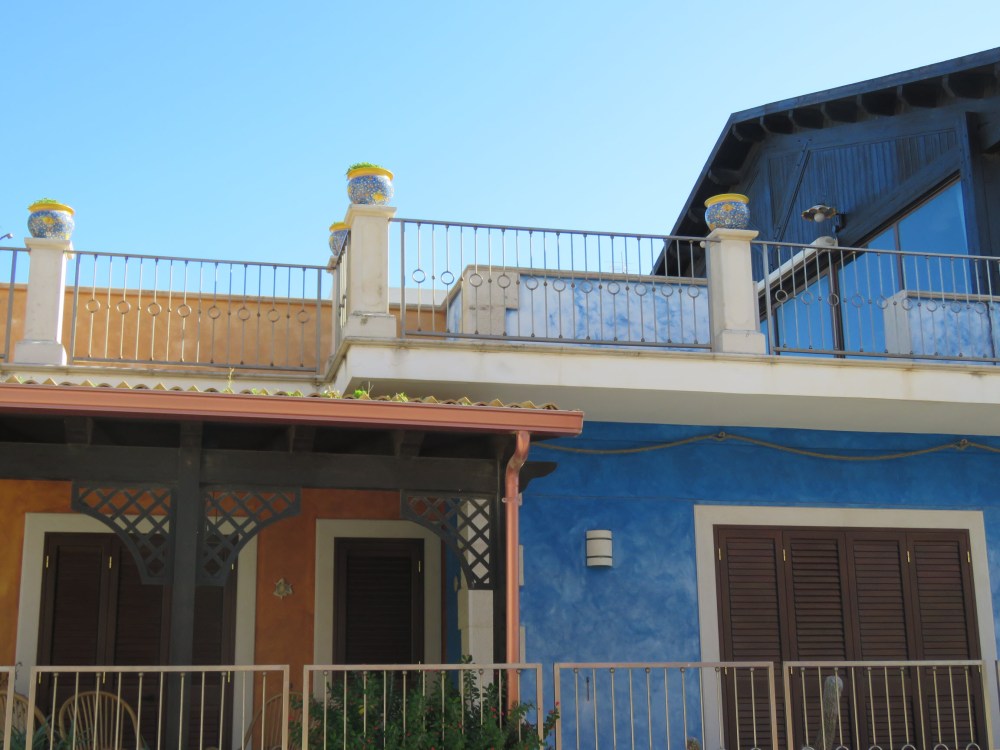
Catania side street 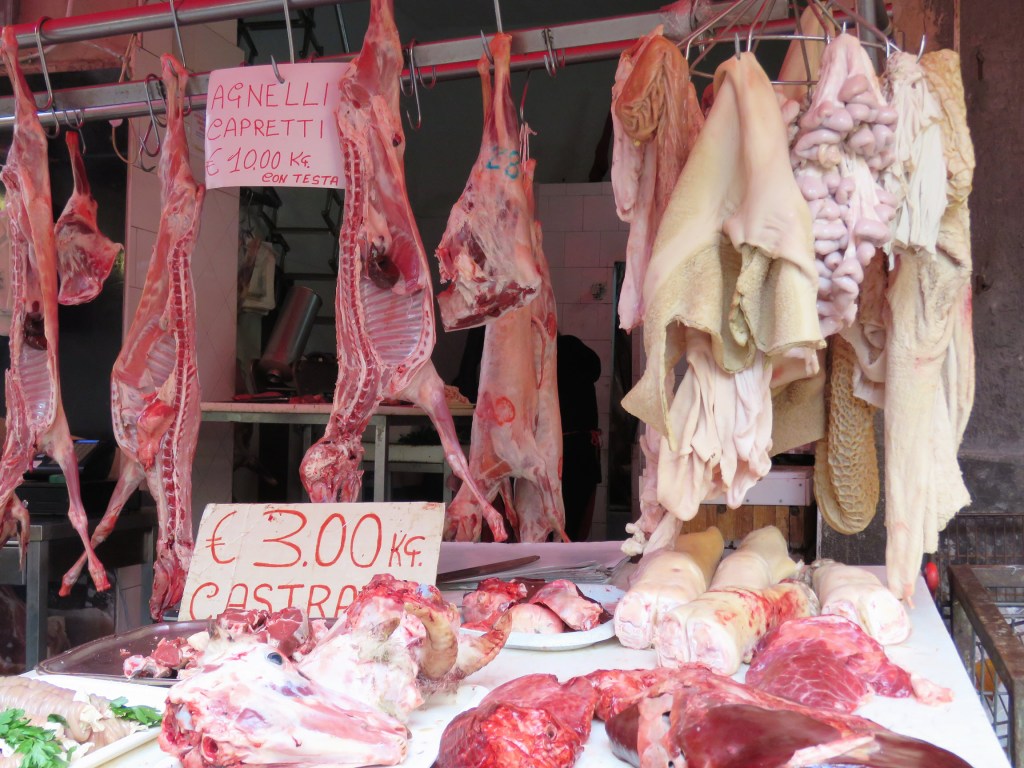
Catania street market 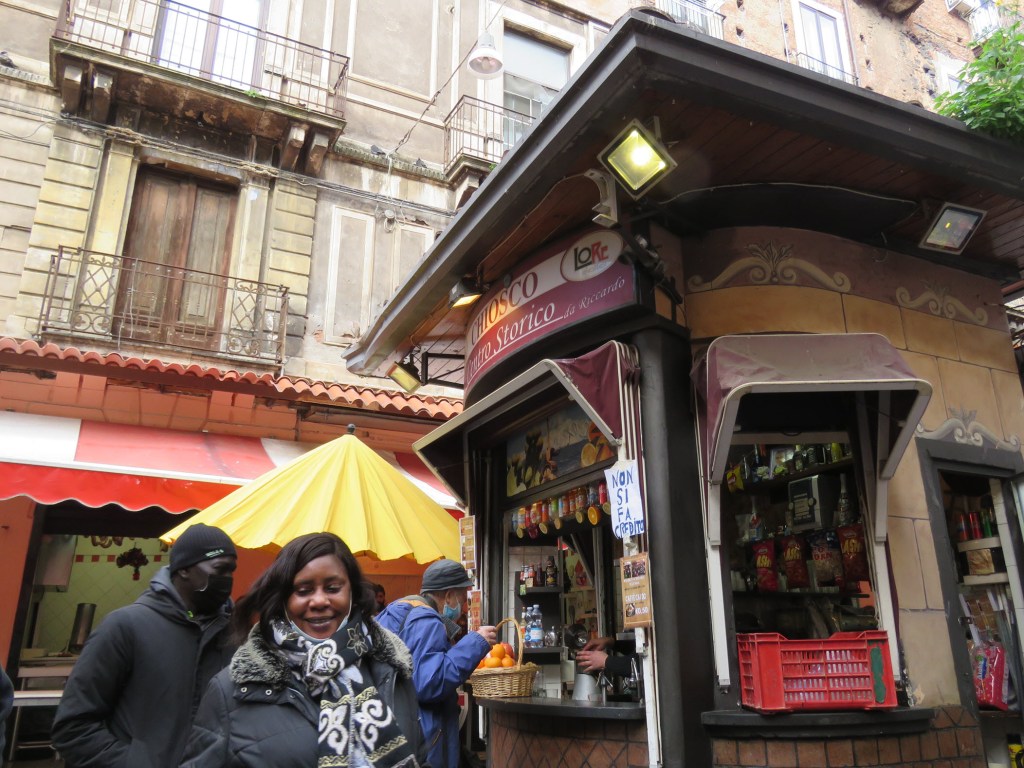
Catania 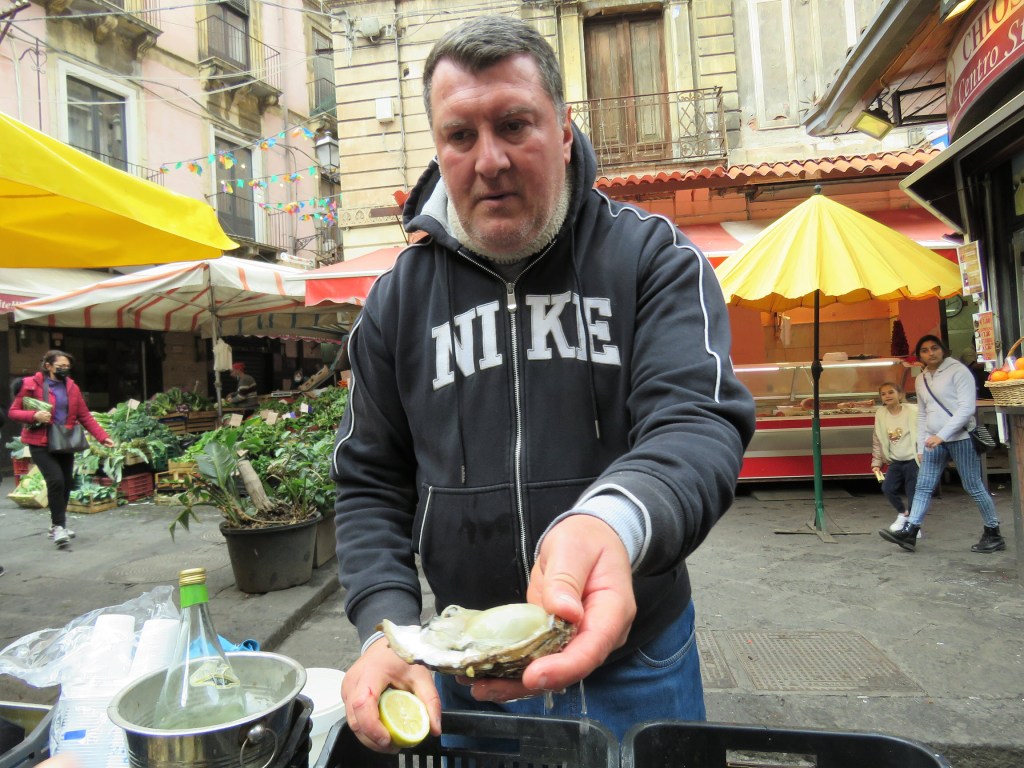
Will indulges in a massive oyster… 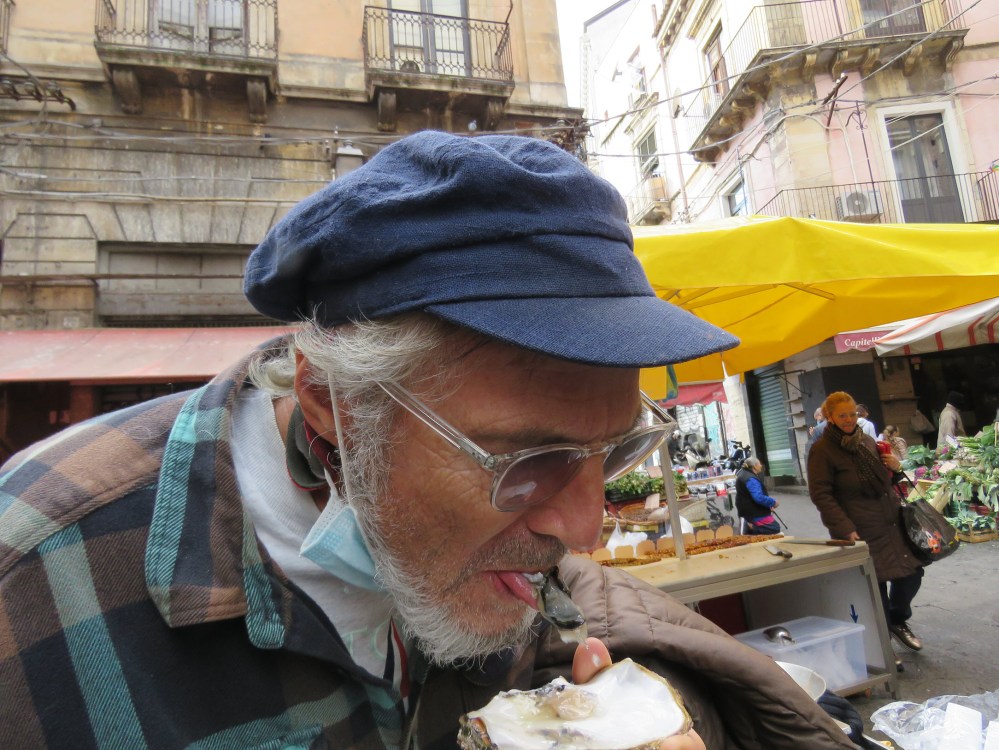


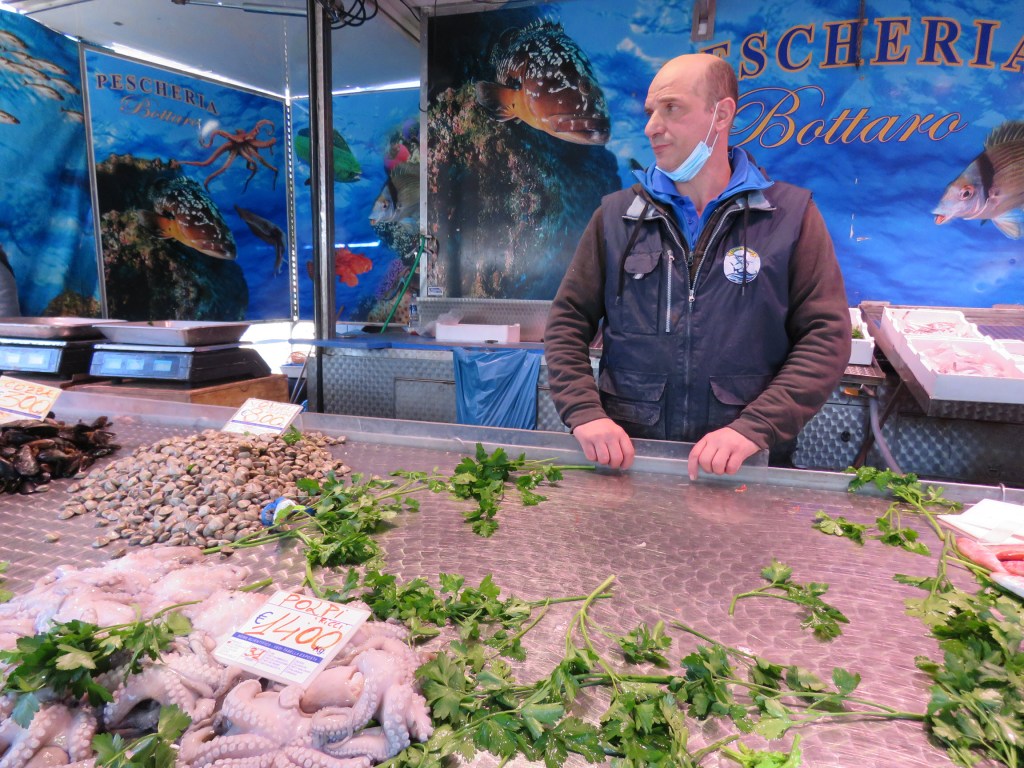
Huge outdoor fish market 


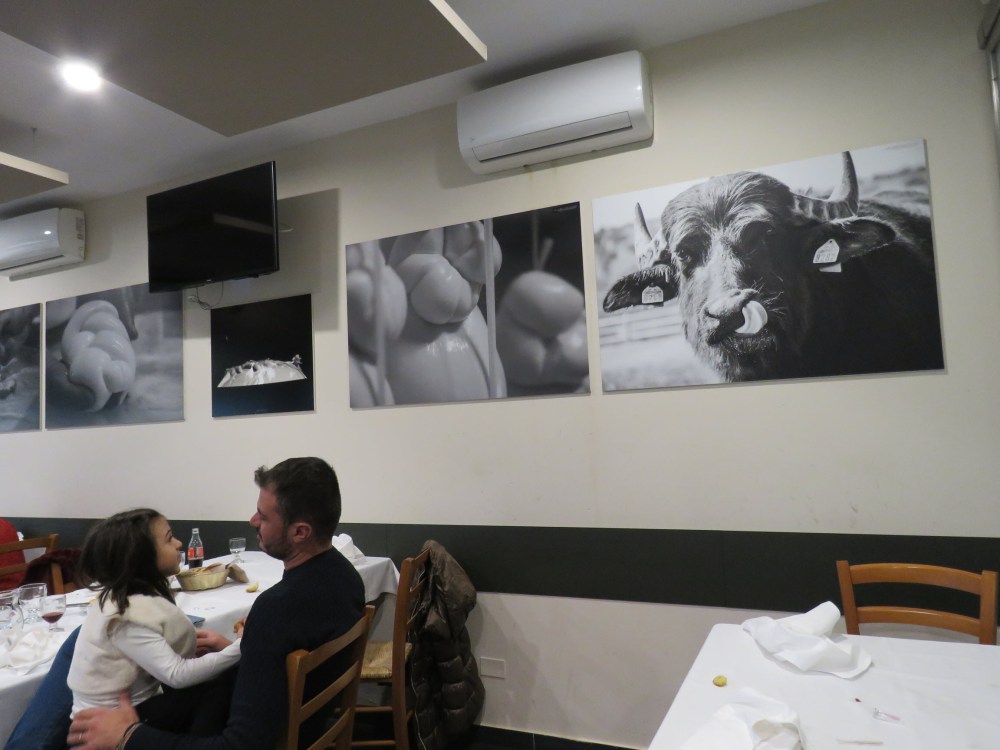
Our restaurant in Catania… 
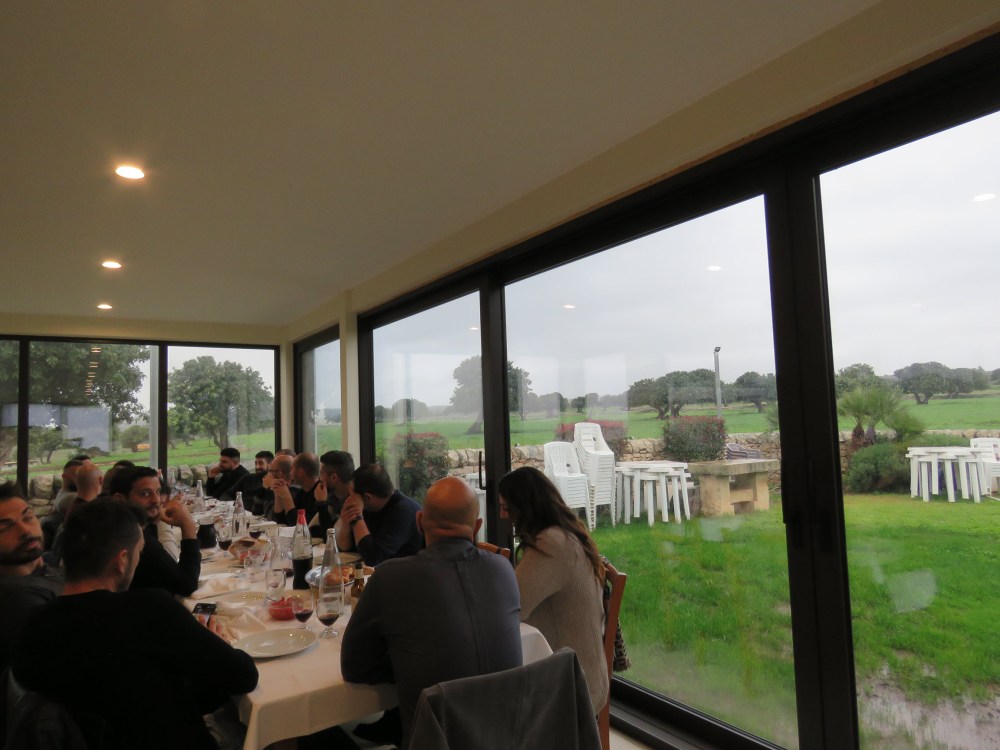
…which we chose when we saw a boatload of Italians filing in for a birthday party 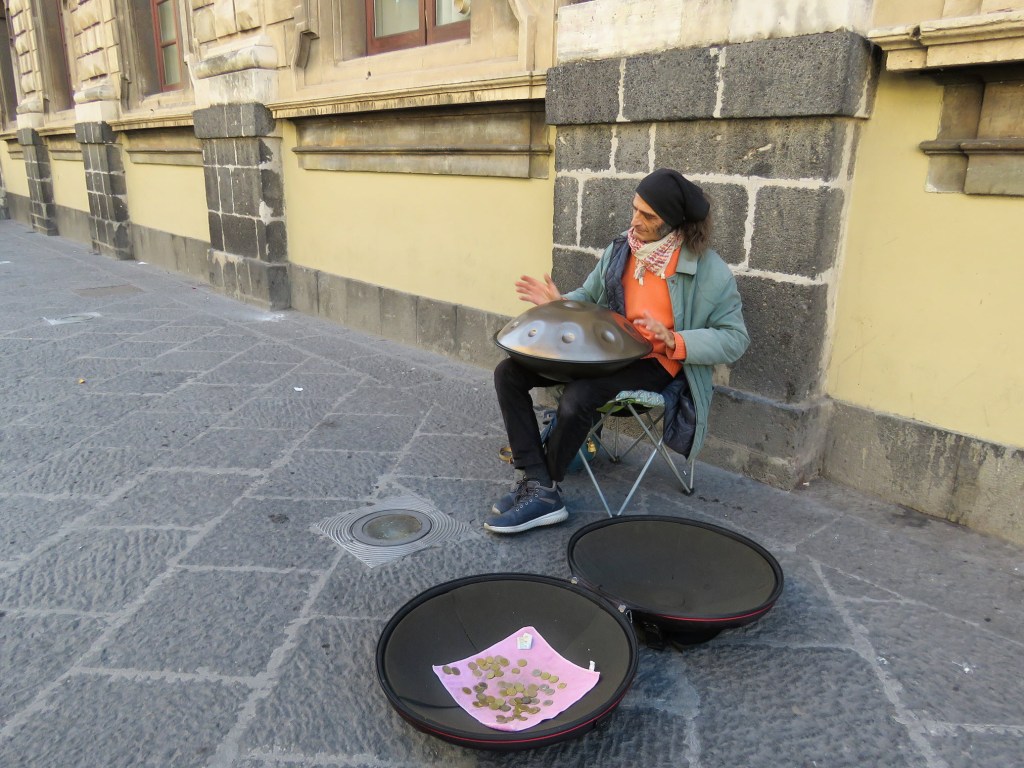
Hand pan street musician in Catania 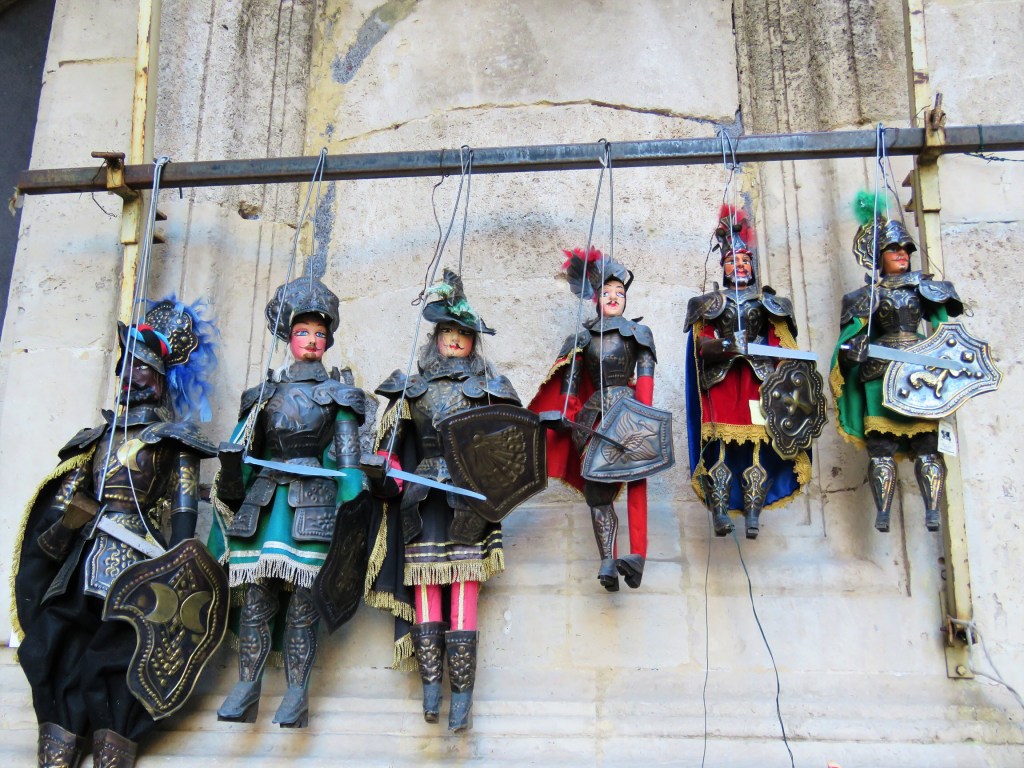
Catania puppets 
Catania side street 
Catania side street 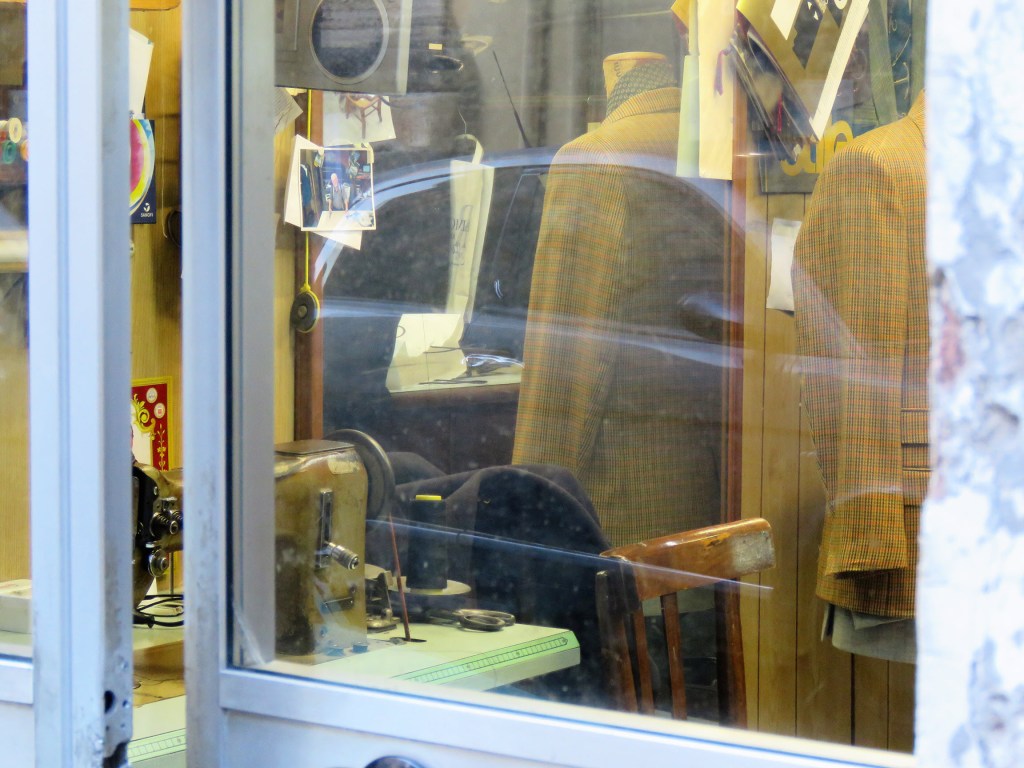
Catania tailor 
Small chapel to Maria in Catania 
Viva Italia! 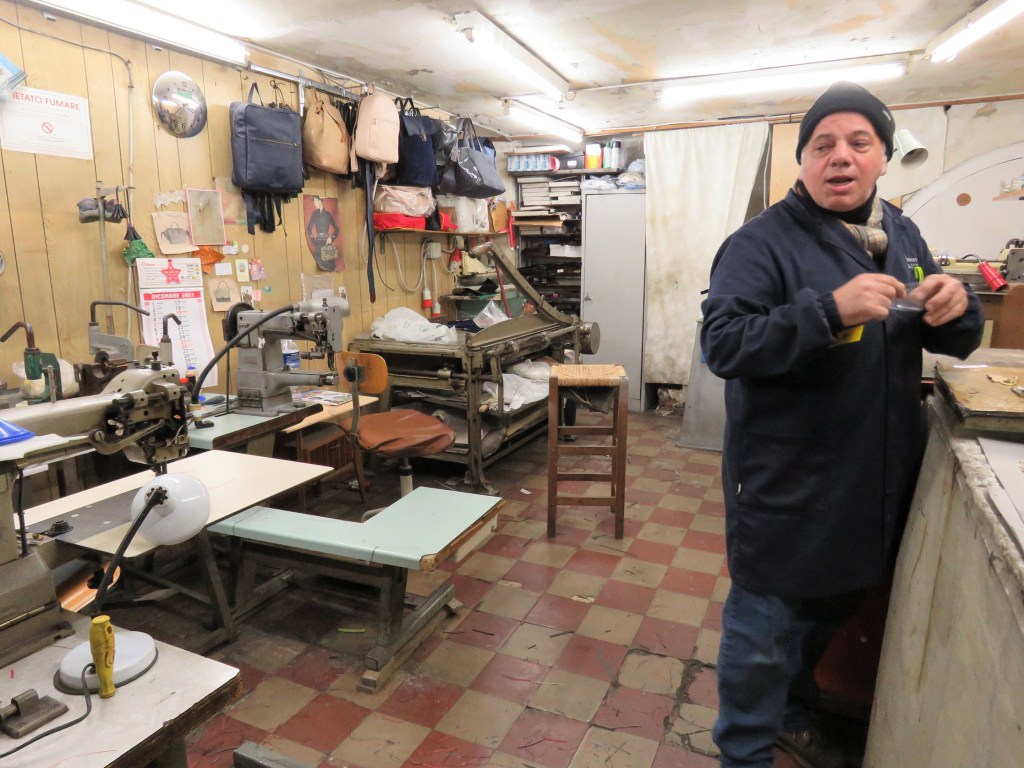
Leather worker in Catania 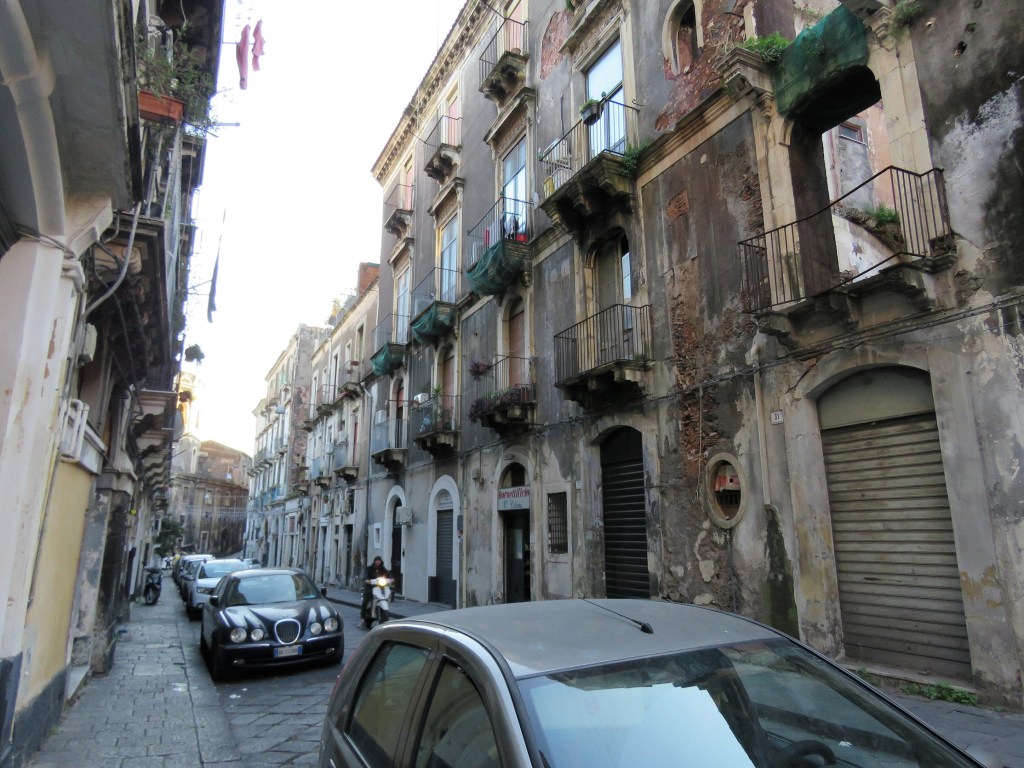
Catania residential street 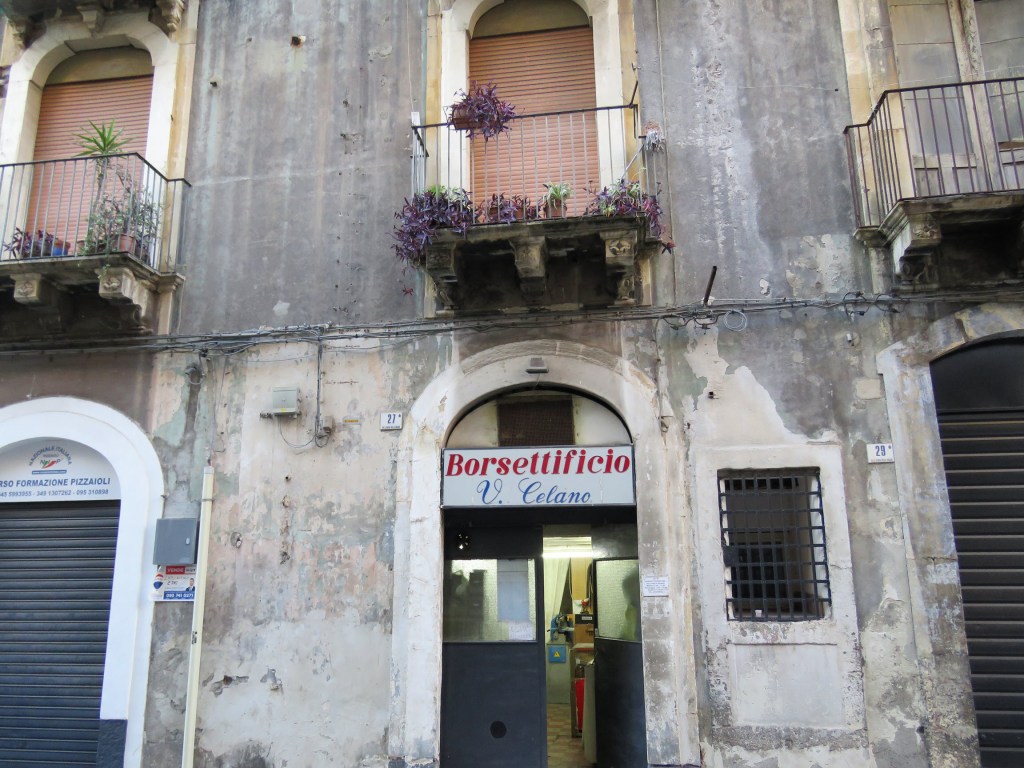
Catania shop 
Catania street 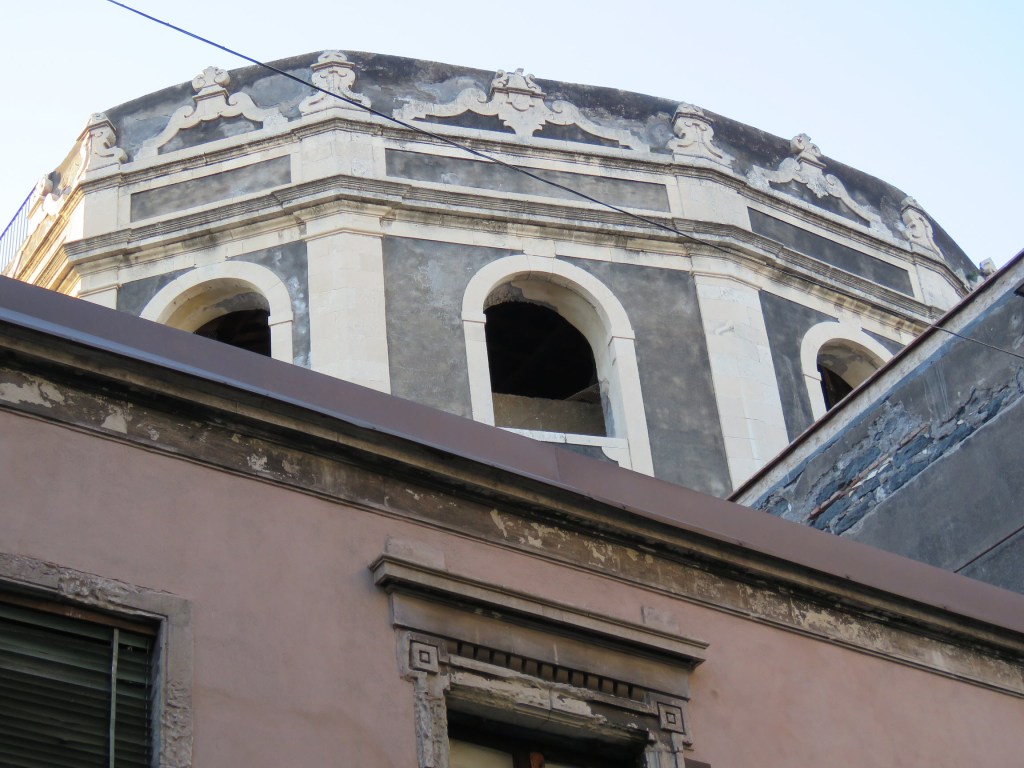
Catania 
This funeral home took up half a block 
Catania street market 
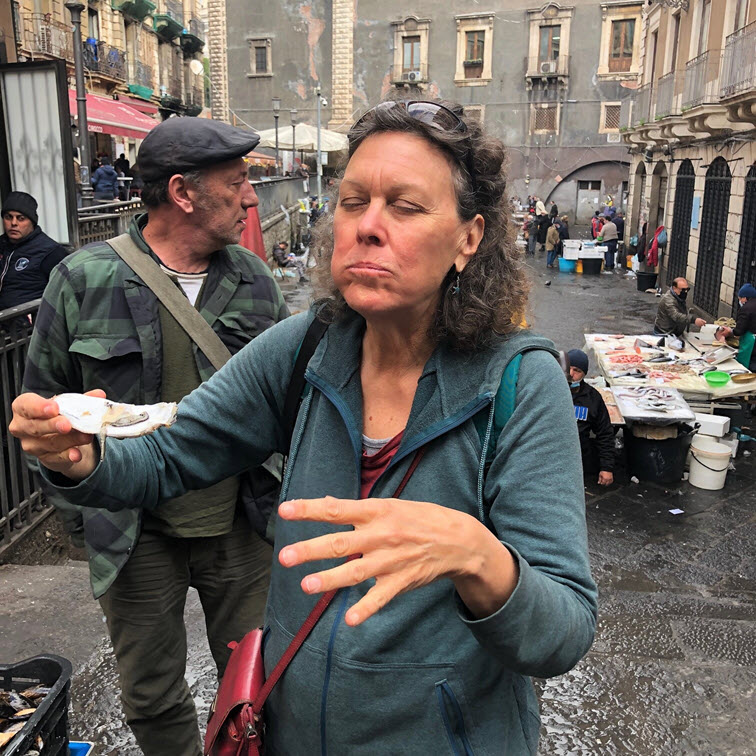
And Tasha indulges in an oyster too… 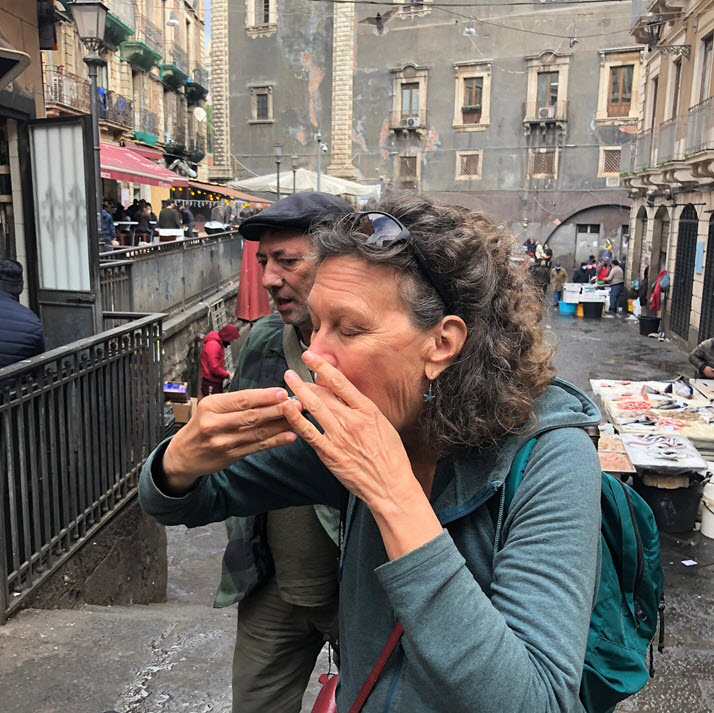
And so begins the non-center, the non-focal point, the non-pure where the other side of life occurs: messy, fragrant, delicious. Yes, you can have a caffe or pasta in the piazza, but it’s a different taste. You want to be tucked into the bowels of a millenia-old ristorante, low barrel-vaults overhead, and disappearing windy stairs that lead to other levels in the maze—a small turn-out/tilt-in window giving an unexpected glimpse of the alley or valley or sea way down the hillside.

Caltagirone 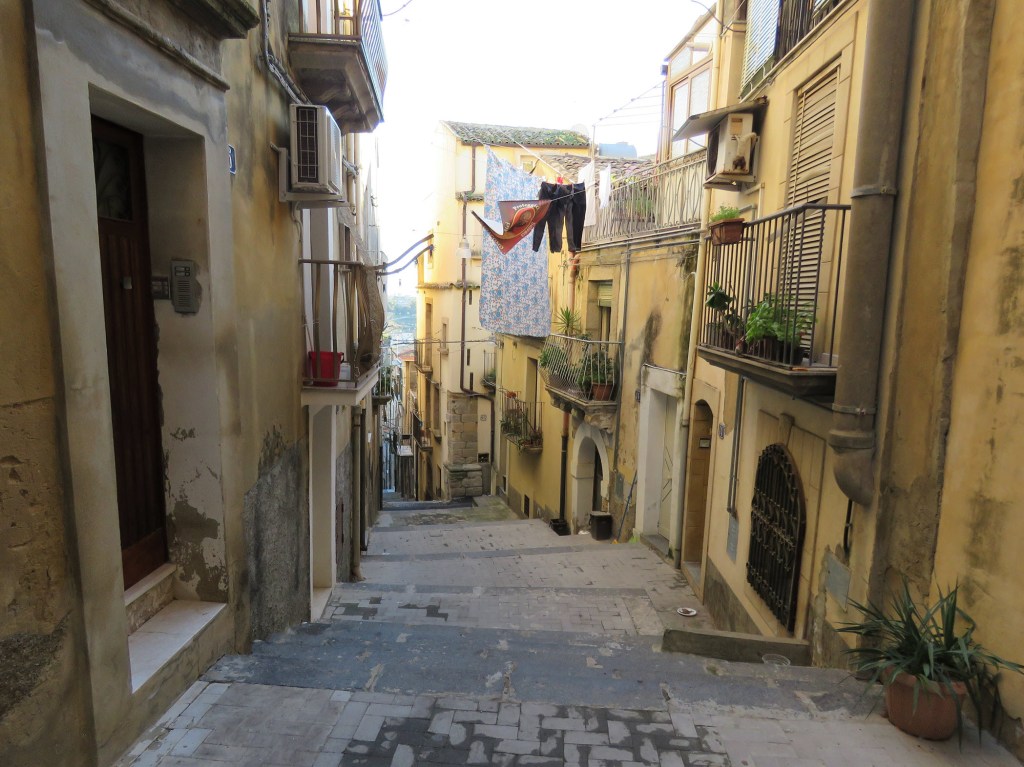


Caltagirone is know for its ceramics. 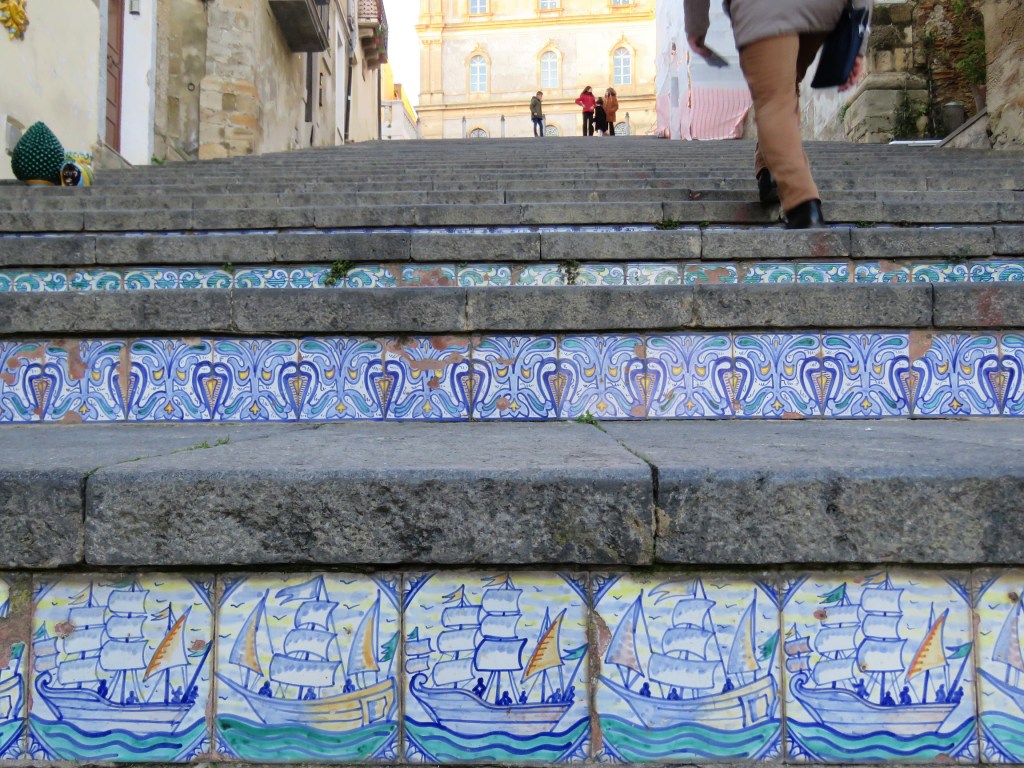
From the main piazza is a staircase of 143 steps 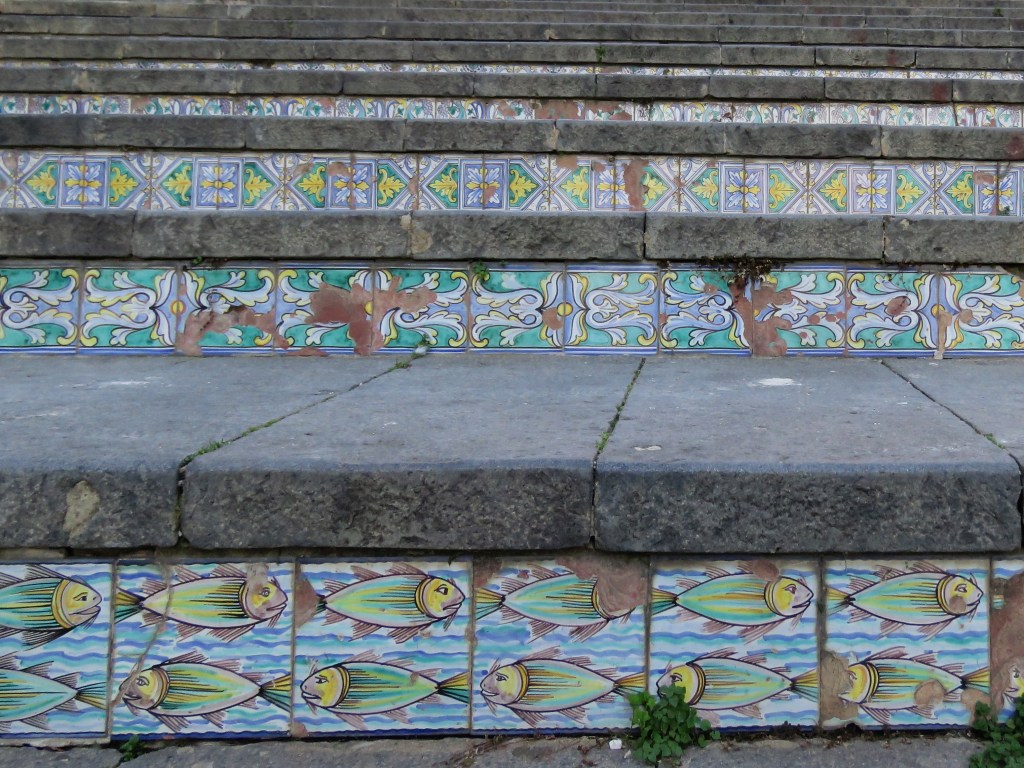

Each step is done with a different design 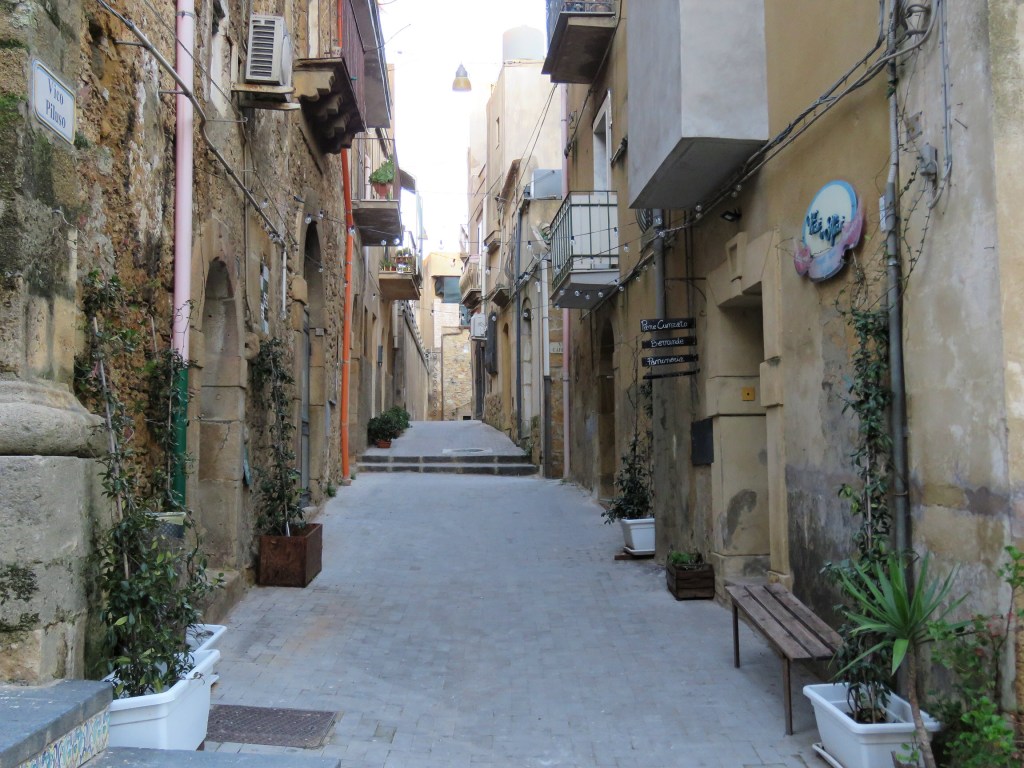
A side street off of the long staircase 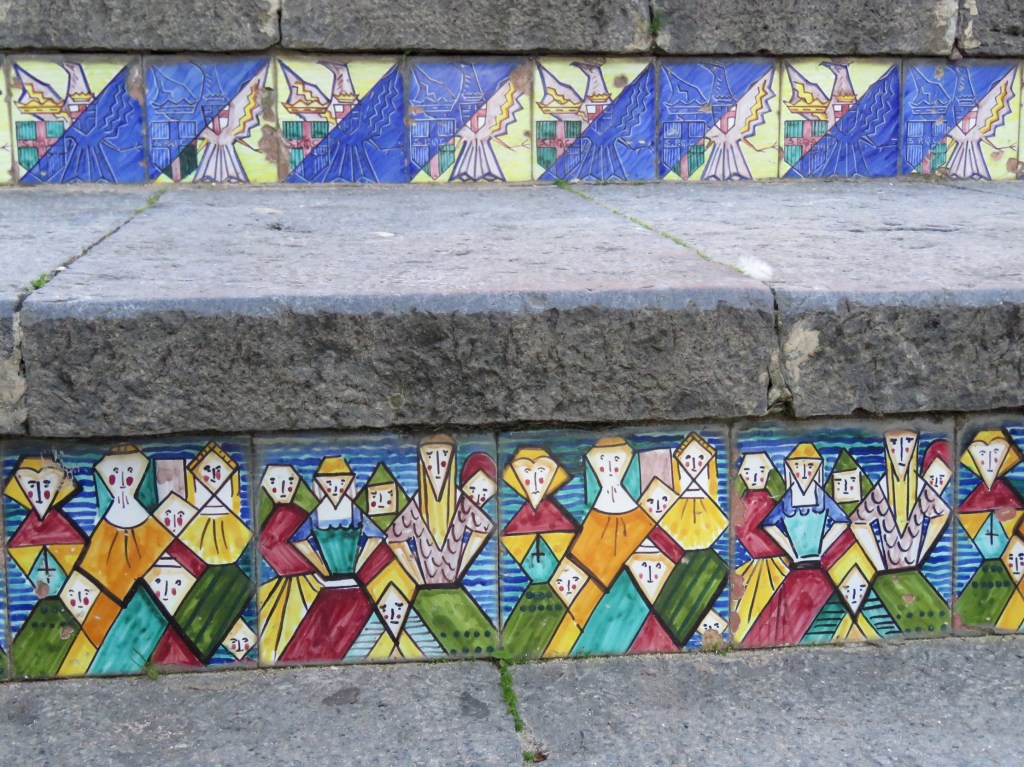
One of the more modern designs 
Tasha hikes the staircase 
Will takes the alternate route up narrow steps like these 
View from Caltagirone 

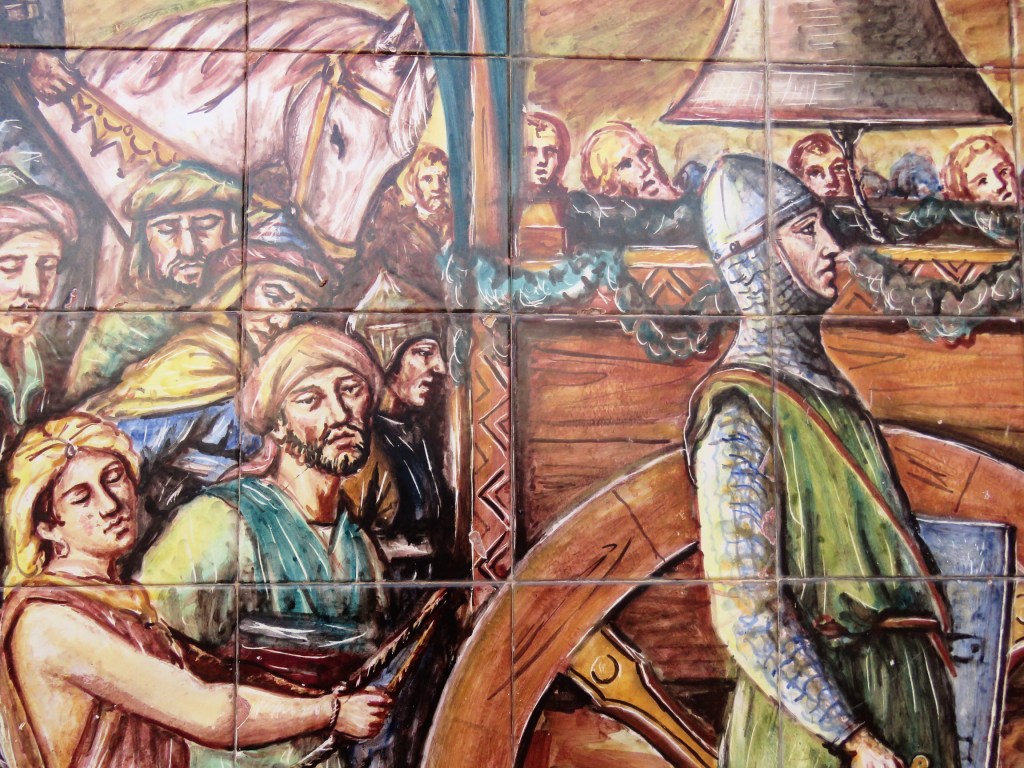
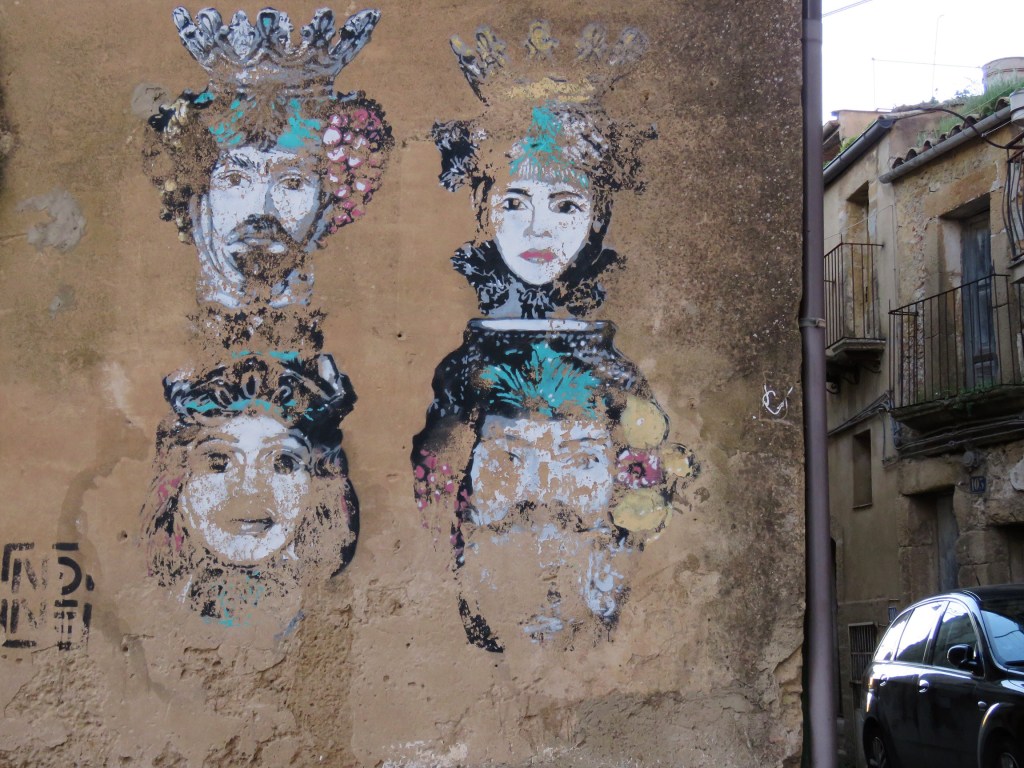
Wandering the back streets of Caltagirone 
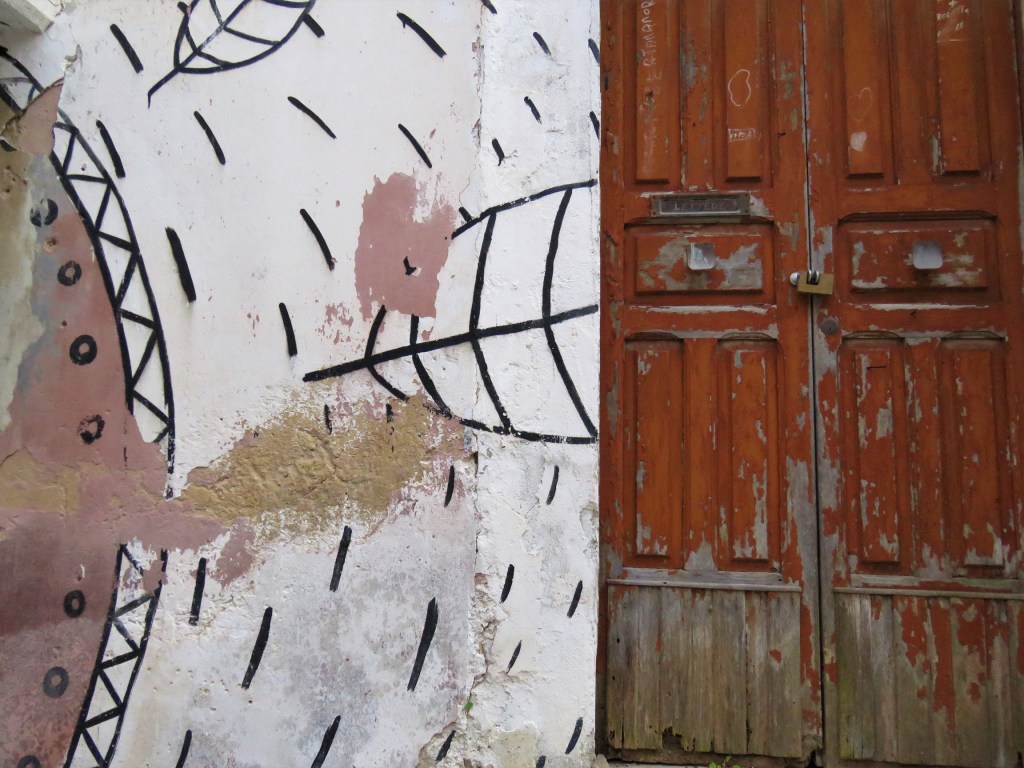
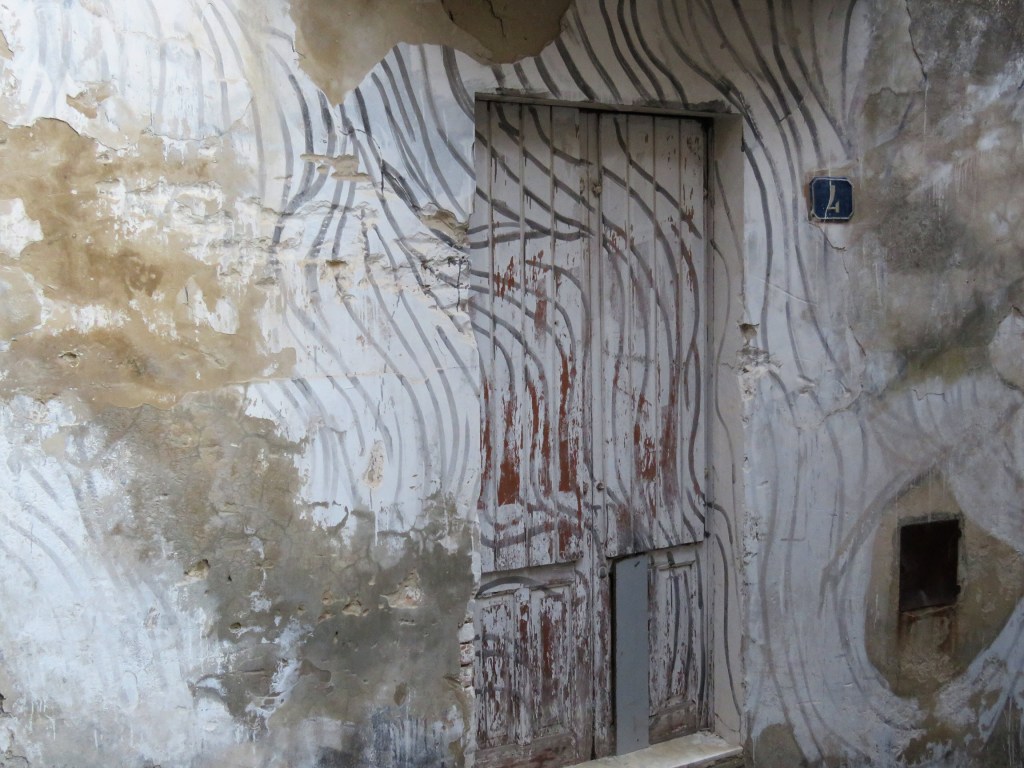
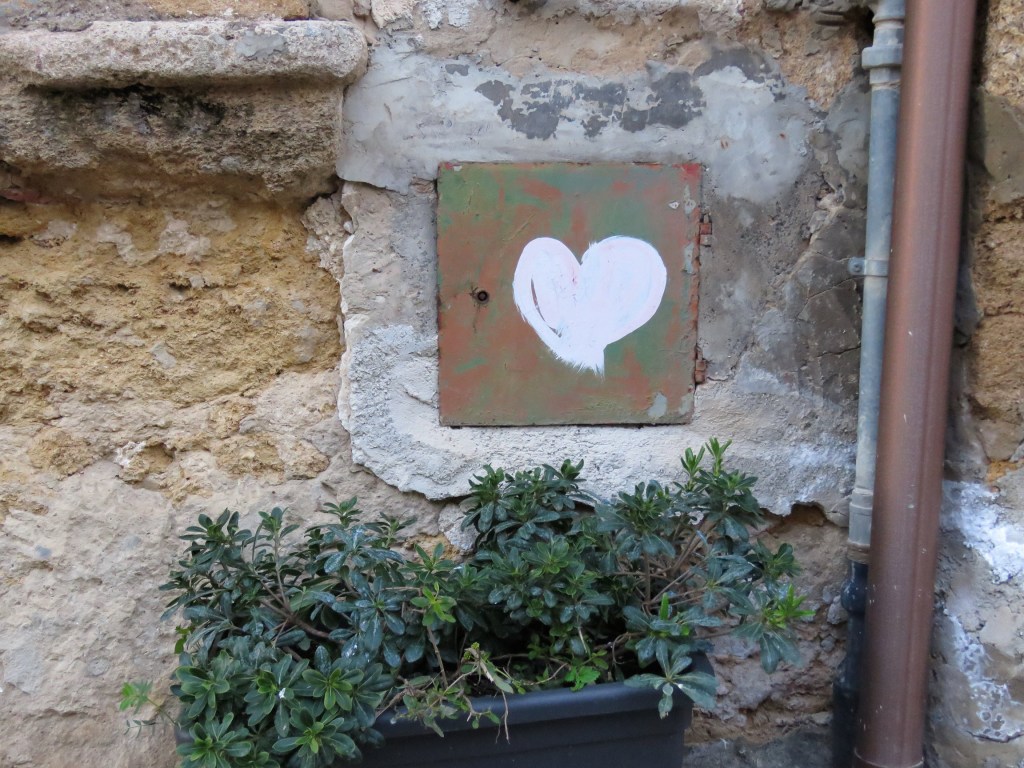


Sicily’s tallest hilltown, Enna, coincidently or fatefully, resides at the geometric center of Sicily, and according to the ancients, is the center of the Mediterranea…and the world. Settled in pre-historic times due to its commanding defensive plateau, it’s unclear if the idealized “center” also spoke of the sacredness of the place. The Torre di Frederic II marks the spot, which we attempted but failed to summit—at night—as we followed twisted back alleys ending in many dead-ends. Purists, aware of the changing, eroding shoreline now say Sicily’s center is some half a kilomter away. At the other end of the city, is the Castello di Lombardia and Rocca di Cerere upon which once stood a Greek temple to Cerce, the goddess of fertility. With its commanding 360-degree view, Etna looming large in the distance, we ask ourselves, “At what point is center a spot versus a state of mind?” I’m reminded of Galileo being accused of heresy for stating the earth was not the center of the universe.
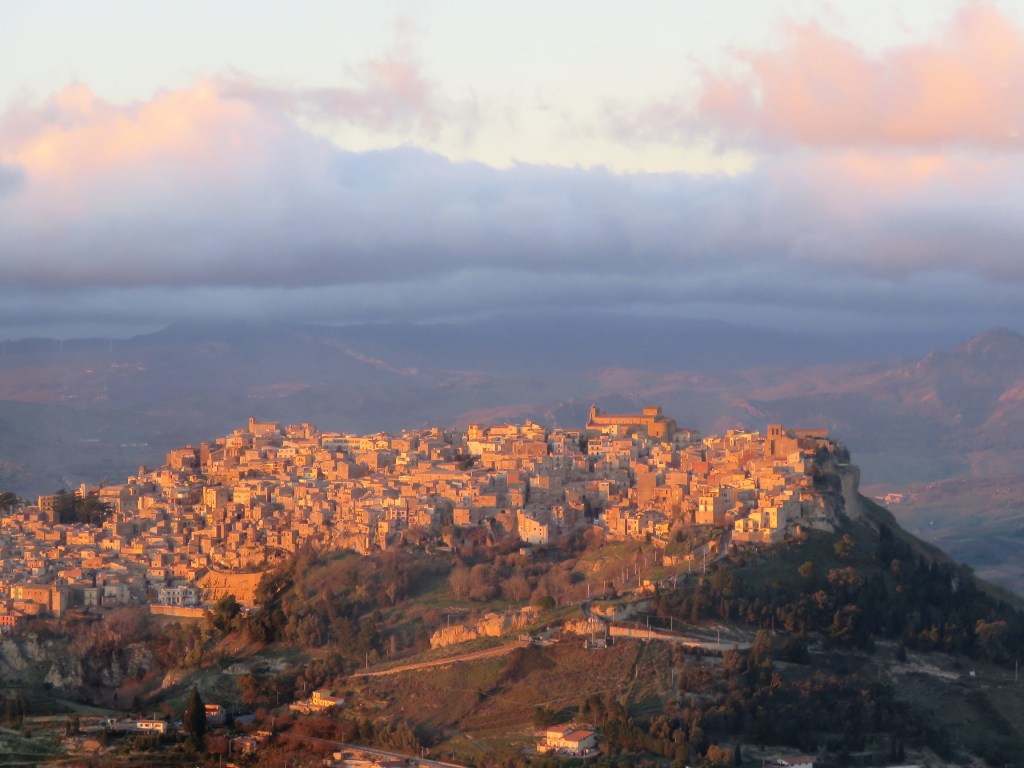
View from restaurant in Enna 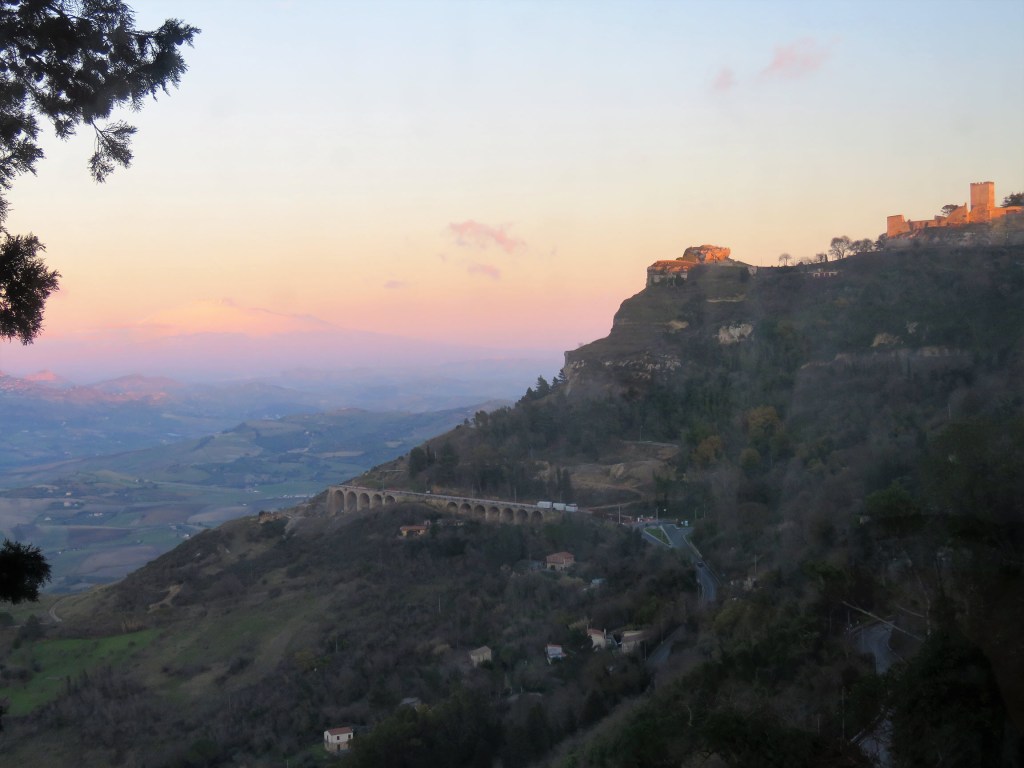
Catello di Lombardir in the near distance as Mt Etna looms in the far distance 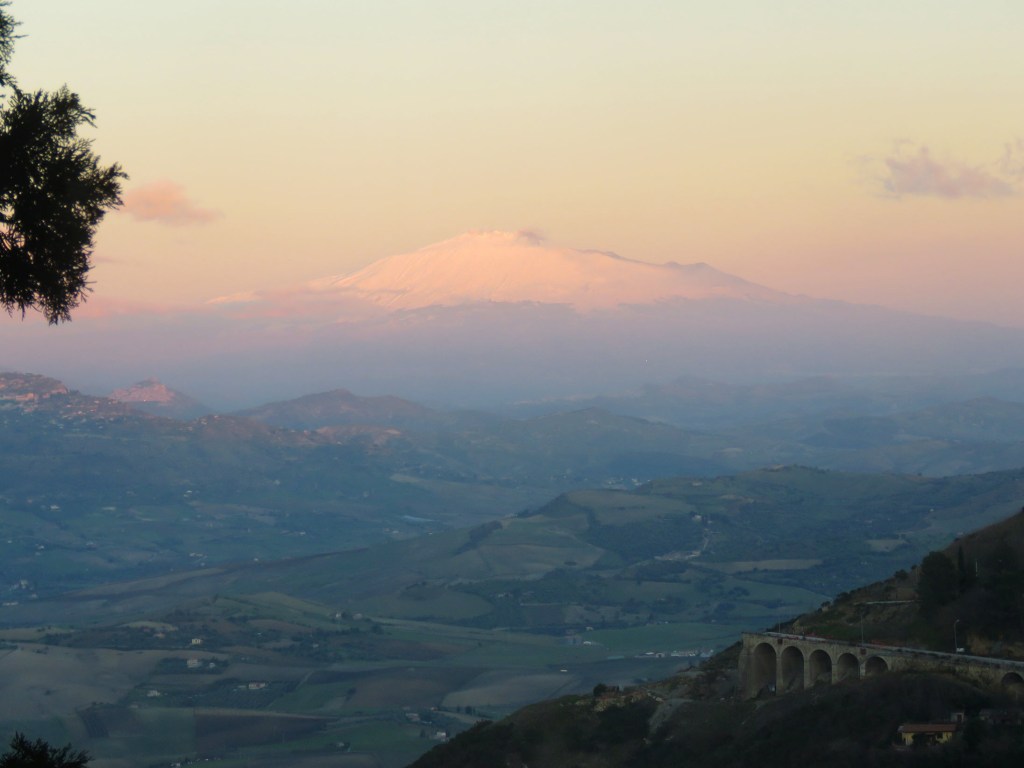
The imposing Mt Etna, which erupted ash only days before 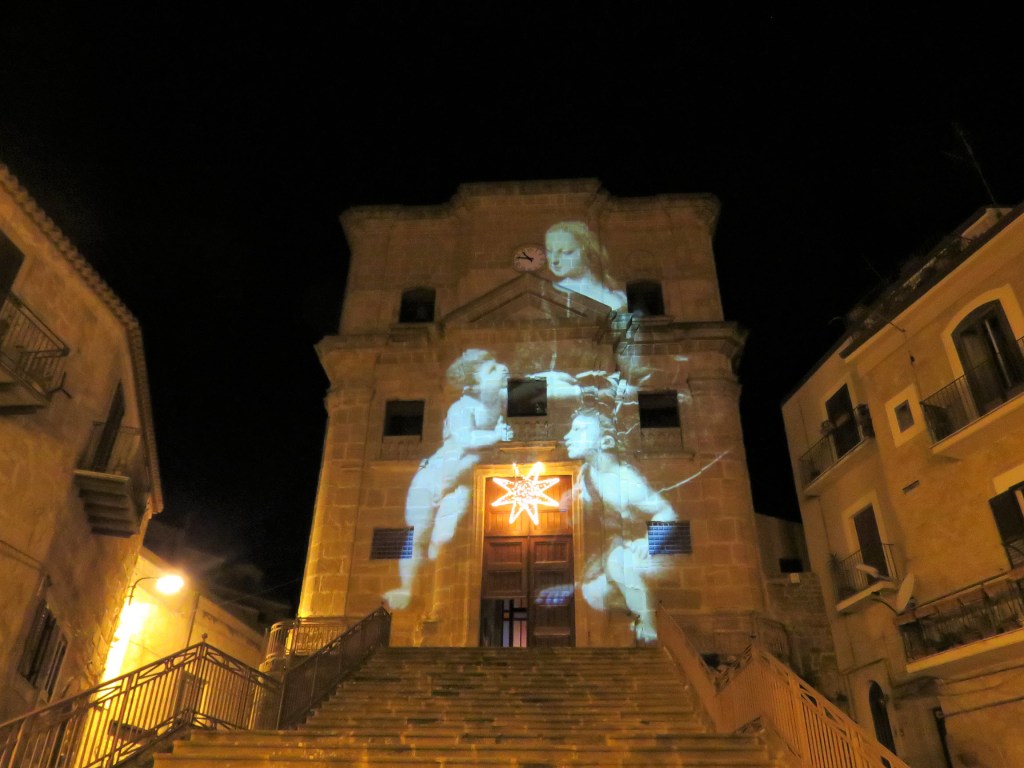
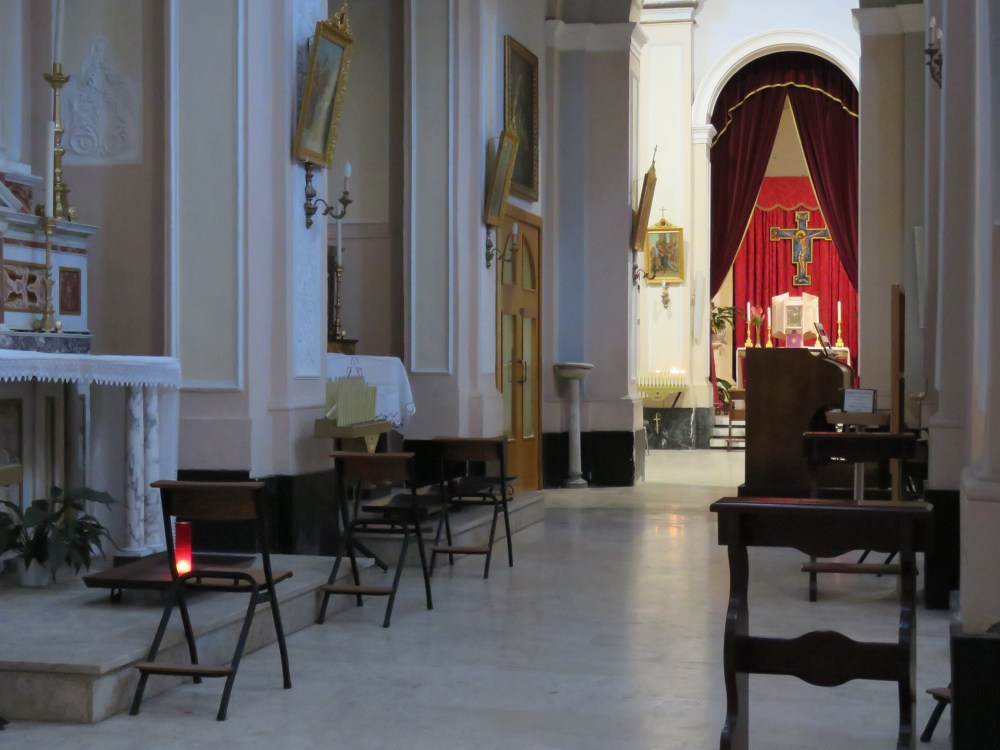
“Welcoming” church in Caltagirone where we listened to a concert of girls singing nontraditional Christmas songs 

View of Enna from Rocca di Cercere 

Calascibetta and the other snow-capped mountain range in the distance 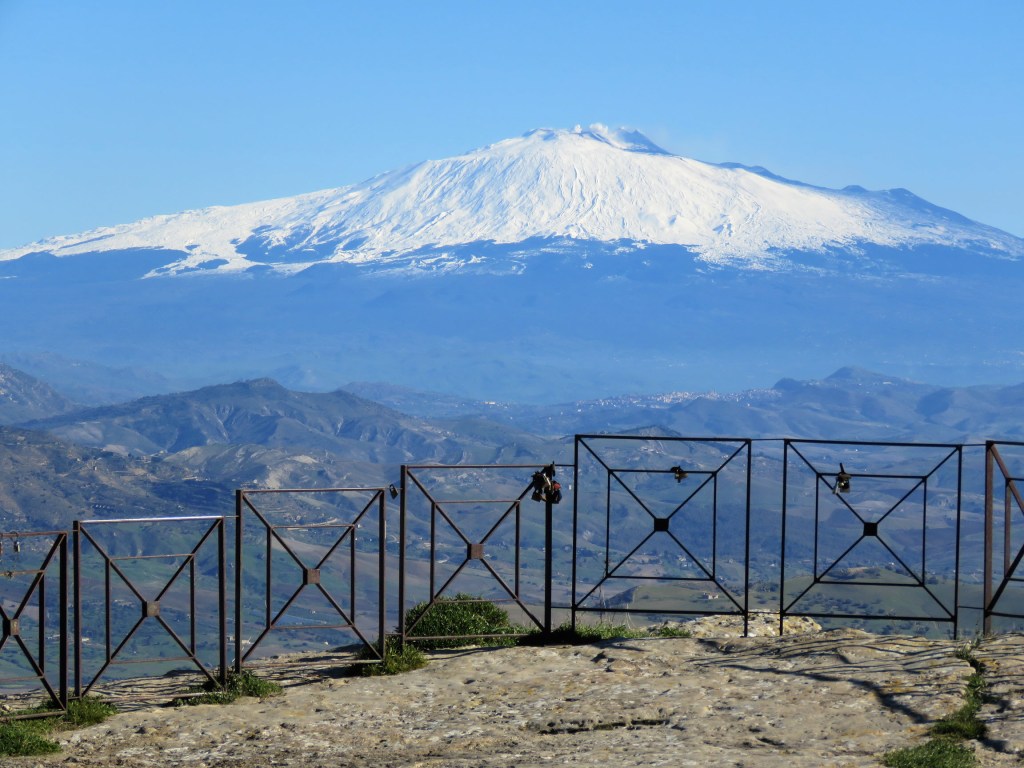
Mt Etna looms large 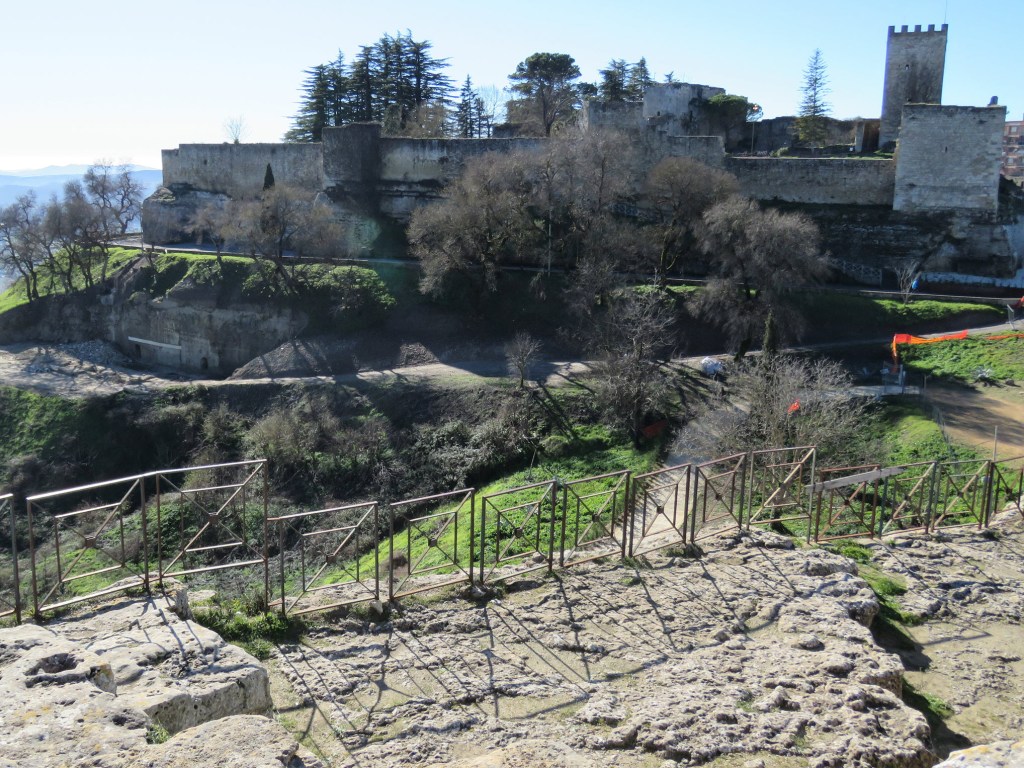
Castello di Lombardia from the Rocca di Cerere 
The lake where Persephone was said to have descended to the underworld 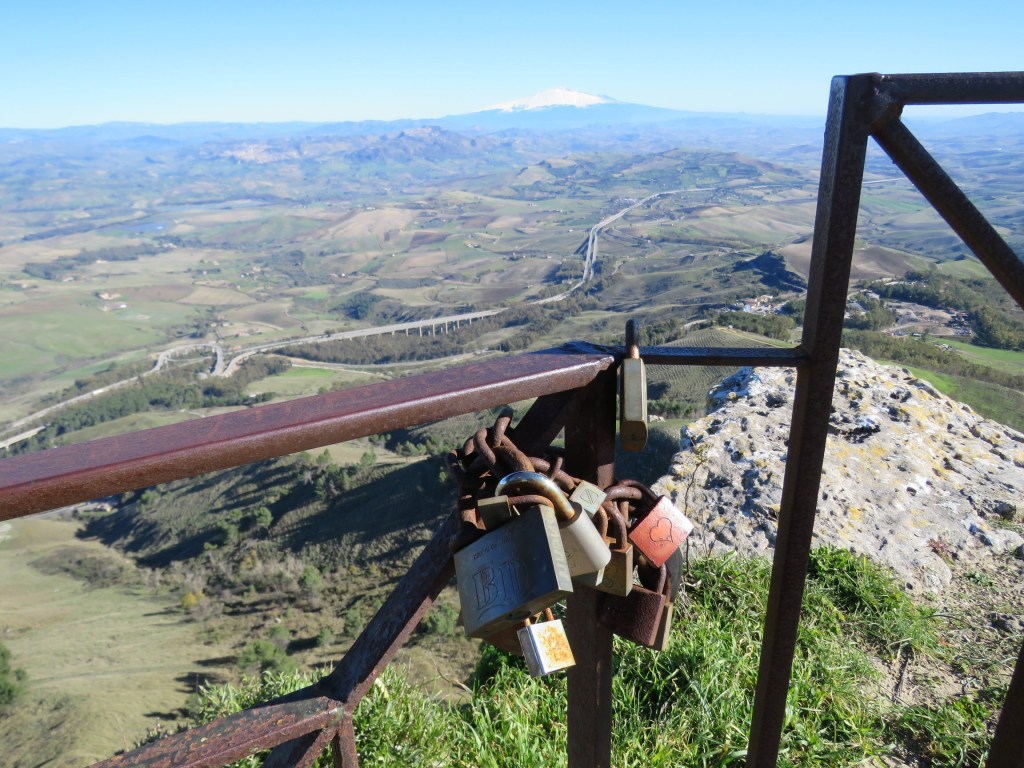
Love locks on the rock of fertility 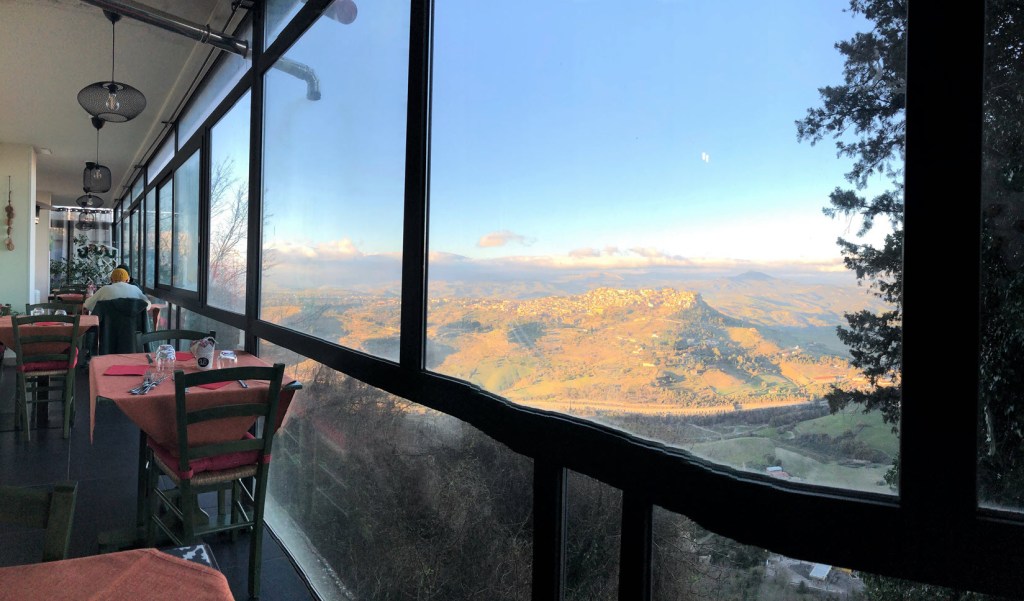
We lucked out and found one open restaurant in Enna, and this was the view 
View from Rocca di Cerere
The newer Sicilian suburbs are more generous of scale and accommodation. And, like so many others, completely devoid of people-cognizant geometries and integrated lives beyond the flicker of familial relationships that can be kindled within its cold walls. The car has won out, the people sidelined into the margins of what is left over after the roads have made themselves dominant.
SWITCHBACKS
The interior of Sicily is a book title by Tracy Kidder: Mountains Beyond Mountains. Our little Renault chugs on its way up and coasts on its ways down, over and over again, uphill the view once tight and focused on the next hairpin turn, and downhill breathtakingly open and expansive when floating above the verdant valley below—be careful, easier than ever to take your eyes off the road here! The sporty five-speed is fun to shift and drive, so it’s easy to appreciate the growth of the little sportscars and road rallies following the war. Forest green were British makes, blue French, silver German, and, of course, red cars were Italian. A criss-cross of masking tape across your headlamps and your car was good to go to race around the countryside. The lines on the road are merely wasted paint; Europeans will pass you even if you can read the license plate of the car in the other lane coming at you. Passed cars nudge as close to the guardrail as possible, just to allow a few more inches of passing space. The difference between the performance cars and the little cars like ours is quite clear when everything is a two-lane road.
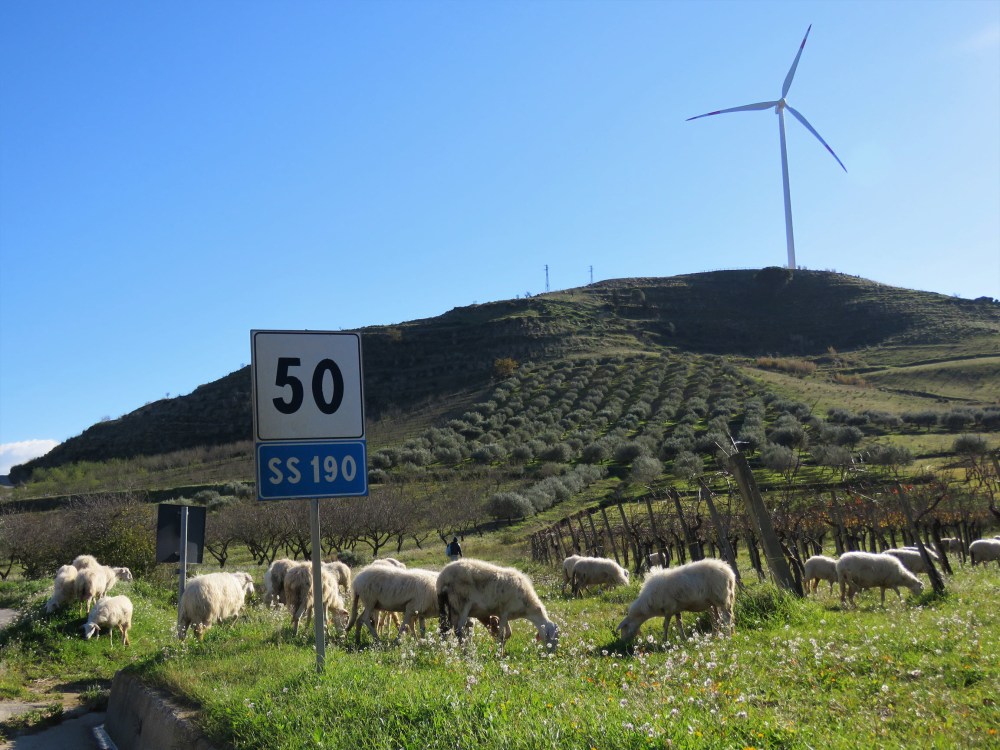


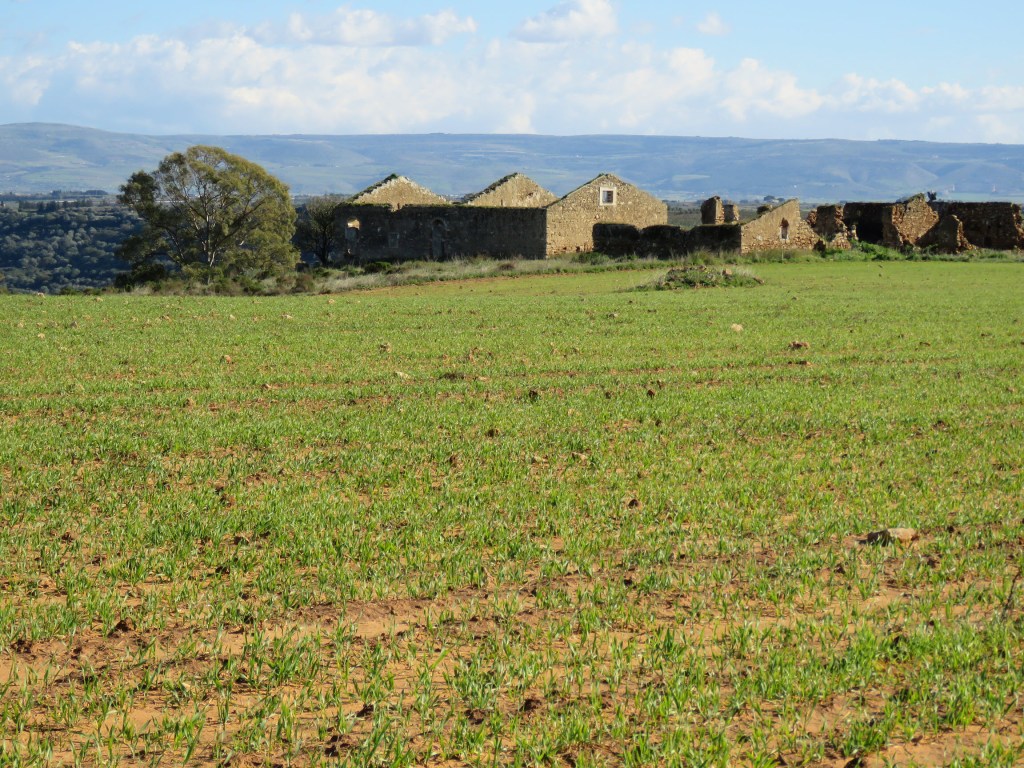

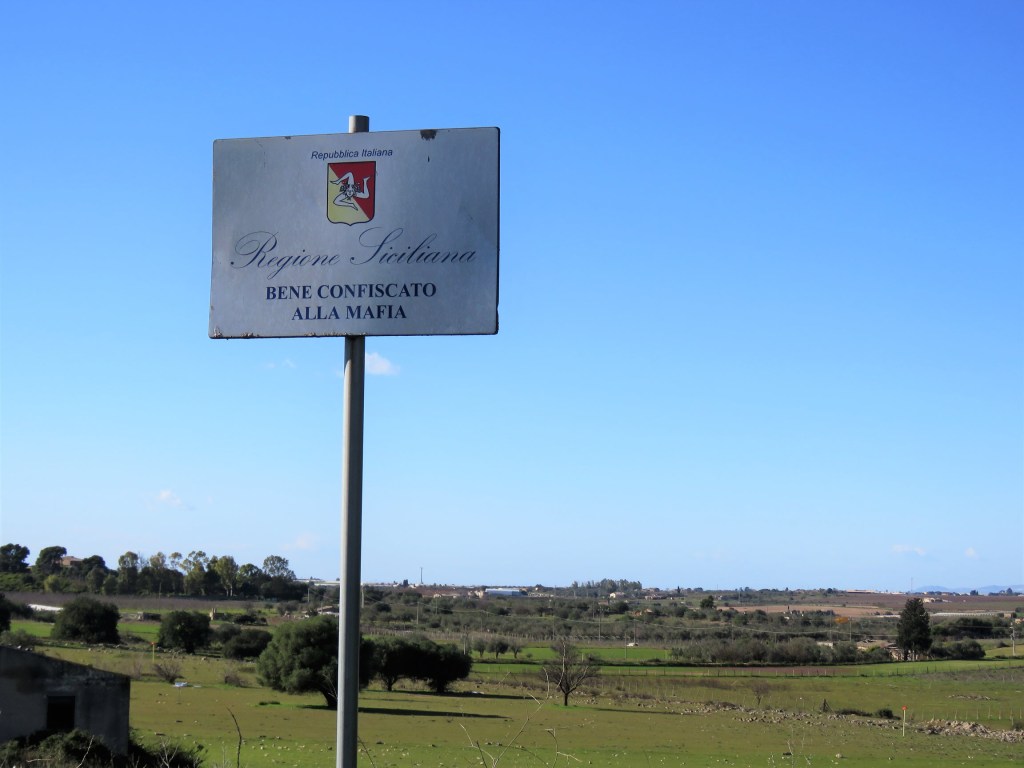
Near the mountain tops, sudden stops are necessary but not that hard to do on the uphill, as you might be enveloped by a herd of cattle or sheep, both announced by large bells draped around the neck. The sheepdogs are quite capable. With sheep you won’t necessarily see the herder, who is chatting away on his cellphone. Cattlemen are different, noisy, arms spread wide to appear big and seemingly present a roadblock to the steer that is teetering as it ponders him. The soil is rocky, the earth very red in color, the (one of a bazillion) farmhouse ruins usually markers on large open plateaus.
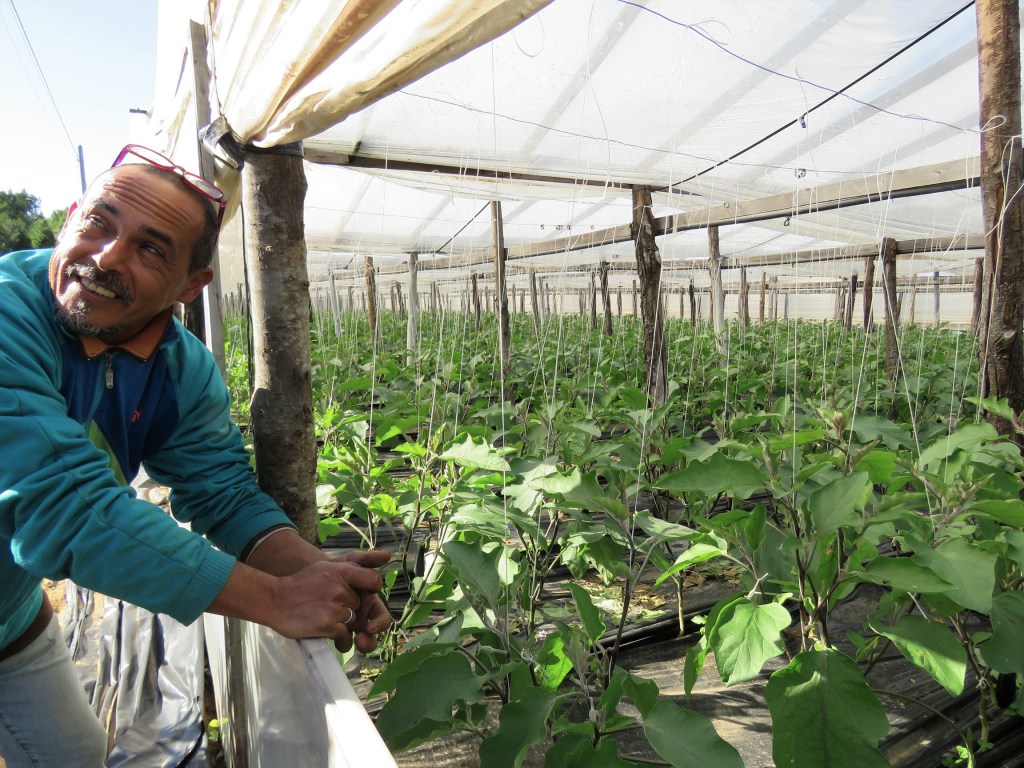
Downland, the still-monoculture ground covers are lush shades of green over tidal waves of rolling hills, with tractors heeled over and chugging along, even on Sundays. Olive and fruit trees are grandchildren festooned before the way-back farmhouses, some enormous from a dozen expansions, most in hollow ruins of both buildings and farm walls, stone walls several feet thick. Orange trees are positively dripping with the most luscious oranges you’ve ever tasted.
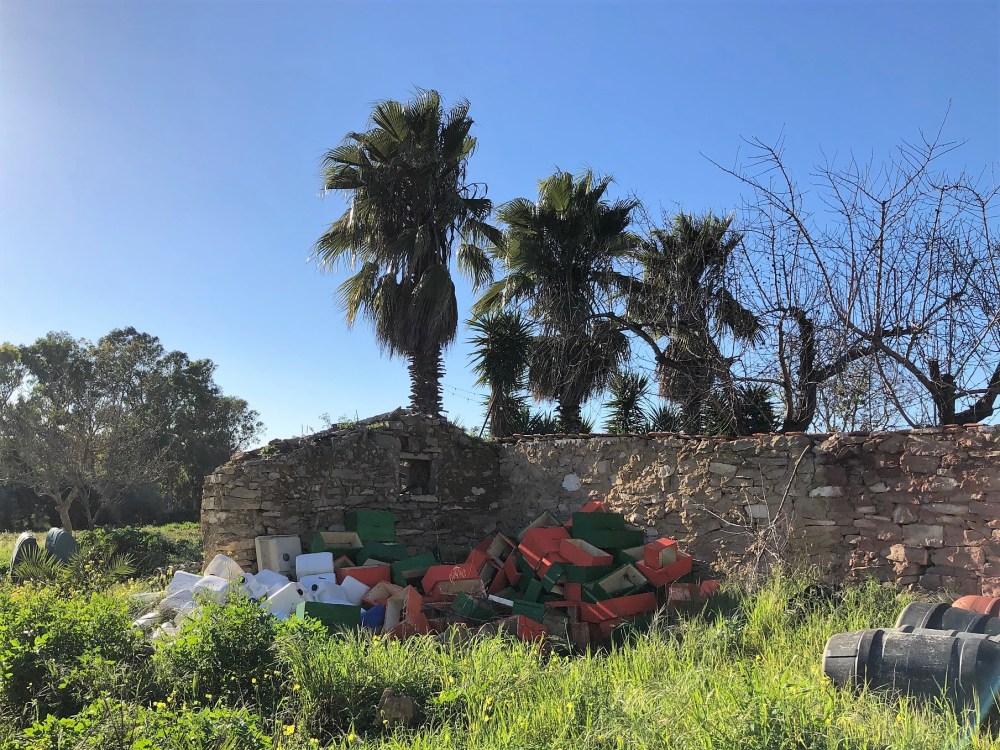
In the south, the contrast is stark: rugged construction with squat old trees in the foreground, and rows and rows of greyish razor-thin plastic “greenhouses” over PVC pipe arches. Not quite a moonscape but an otherworldly mechanized landscape nonetheless. Coupled with the senseless, mostly plastic trash at the sides of many roadways, it can bring a charged tear to the eye. The land and its people fight a kind of poverty that is too fast becoming acceptable. Or, if the land has always been taken for granted, the views—both seen and internal—of some of us foreigners is just catching up to that fact. The unkemptness of the place has always been a part of Italy’s charm; somehow we do not allow the modern convenience of a non-traditional material to be a part of that picture.
Sicily up and down is a very large place, very rural, very farmed, the very first greenhoused fruits of its labor reaching Europe before other places have even planted. Buy your inexpensive, fresh and tasty food often—it’s ripe and ready to eat now and passed over in a few days.
COLD, OLD, GOLD
Tasha and are now unused to mid-range temperatures. Like the unbearable cold I felt in damp Virginia, old buildings made of stone hold their cold just like they can hold their heat—a long, long time. This being the off-season, B&B owners are not in the habit of keeping rooms warm, so we have spent hours reading aloud in bed Beautiful Ruins by Jess Walter to transport ourselves elsewhere to warm up. For the third time, we arrived and the owner, showing us around, said simply nessun riscaldamento—no heat. A pale cloud comes over you, like when we’d arrive at some places in the mid-afternoon, mid-siesta, when most shops and restaurants are closed. We realize we are either out of step or out of time: purposefully positioned ghosts that, if the shells of the buildings can see us, don’t acknowledge the same.
We leave the centers then and head for the woods, to refresh and connect with nature, as suggested to us by our host, Nicolo lo Piccolo: farmer, beekeeper, former president of the association of independent organic famers in Sicily, and an all-around outstanding guy. When we returned from Caltagirone that evening, finding only a small Sicilian street food vendor open, he asks, Havete mangiato?, at which point he prepares a homemade meal and offers us his recently cured olives and wine, and we managed to spend a couple of hours conversing in his broken English and our broken Italian.
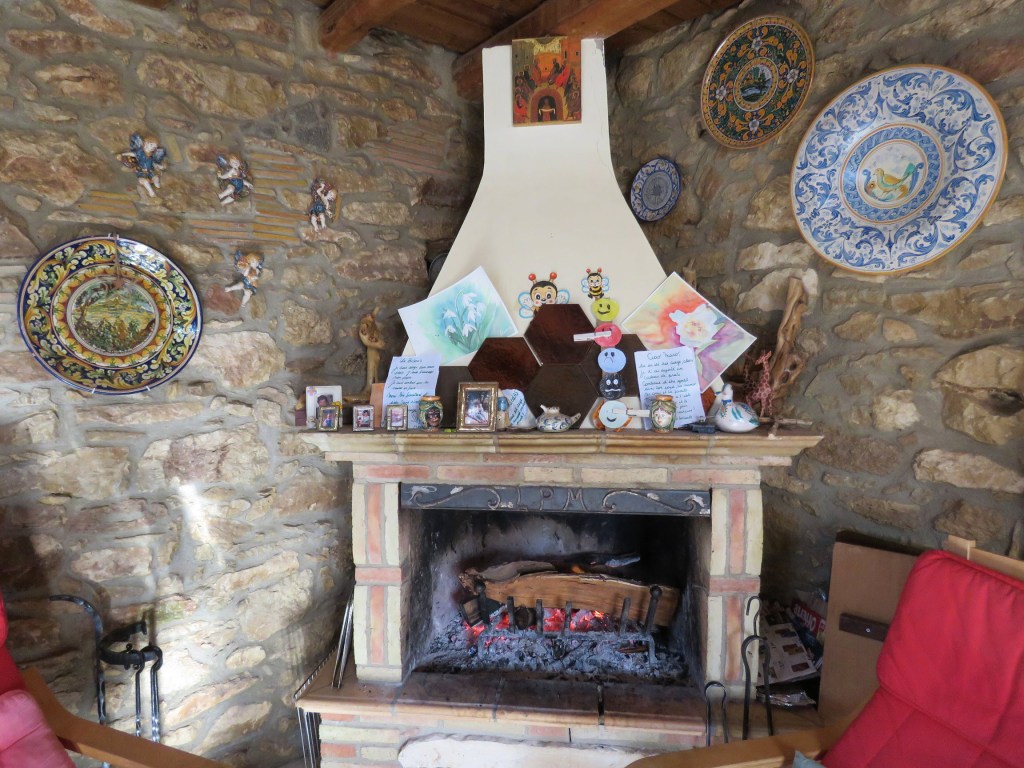
Nicolo’s house, which he thankfully warmed up with a roaring fire 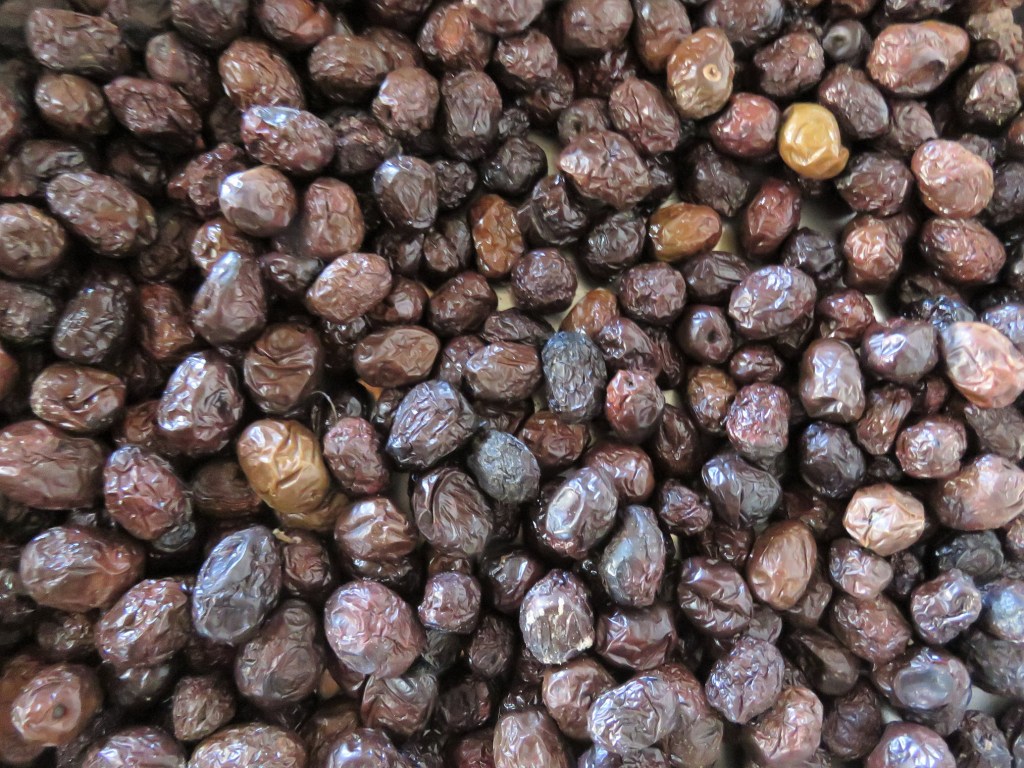
Recently cured olives from Nicolo’s trees 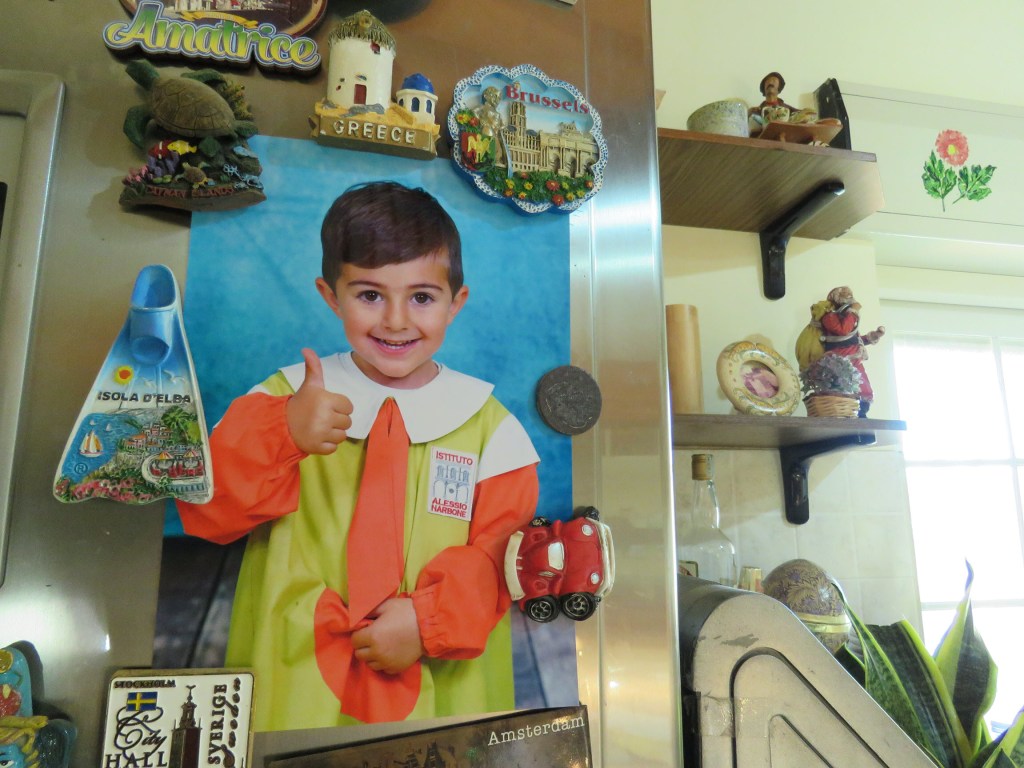
The pride of his life, Mario, also his father’s name, whom we also met 
Nicolo’s “farm” house 
Nicolo is very well connected in the organic farming world of Sicily 
Nicolo in the background getting ready to prune trees
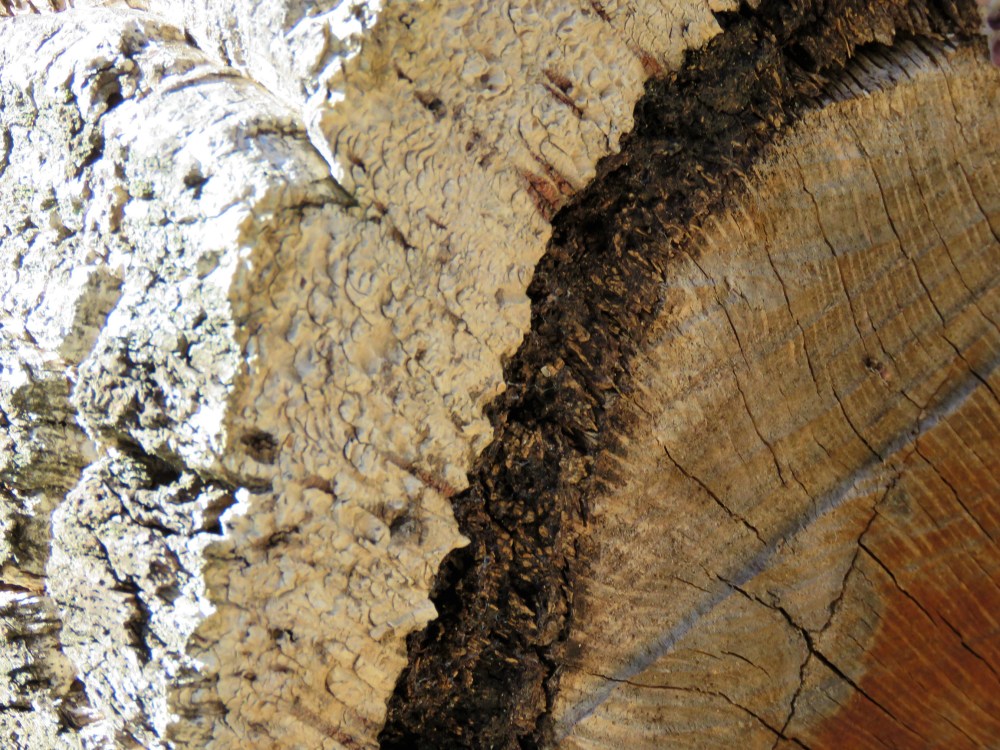
The next day, he suggests a hike where we find one of the islands largest cork trees, cork unexpectedly being just the unbelievably thick outer bark with no obvious place for nutrients to flow, whereas the insides are dense and hard.




BEAUTIFUL RUINS
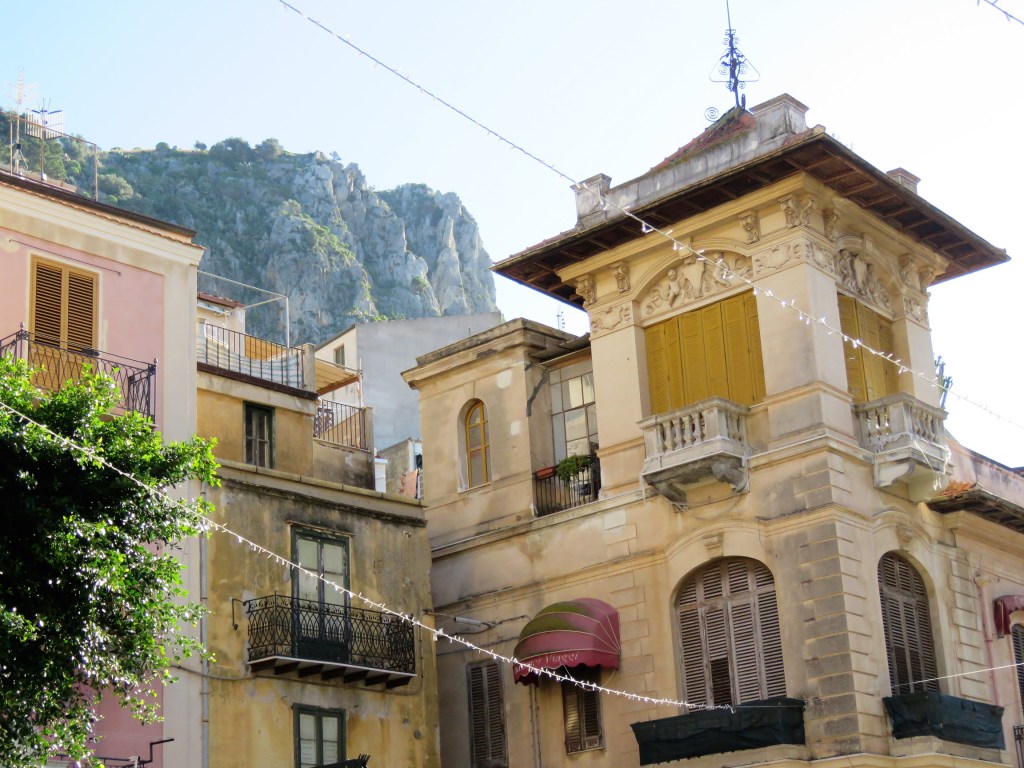
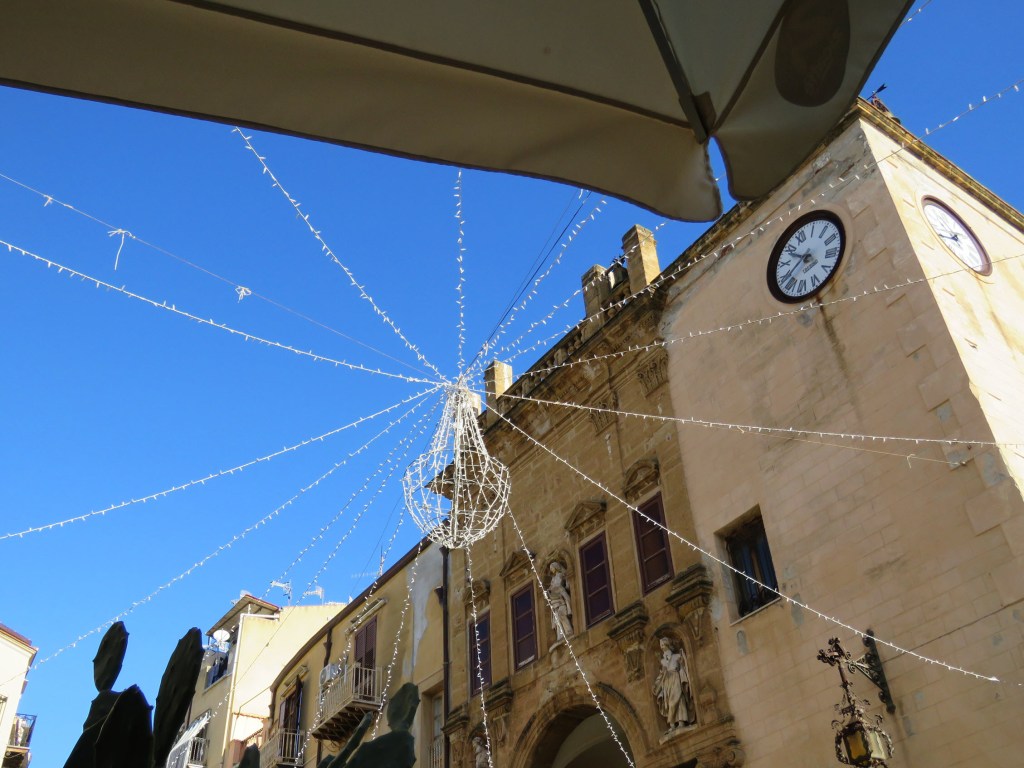
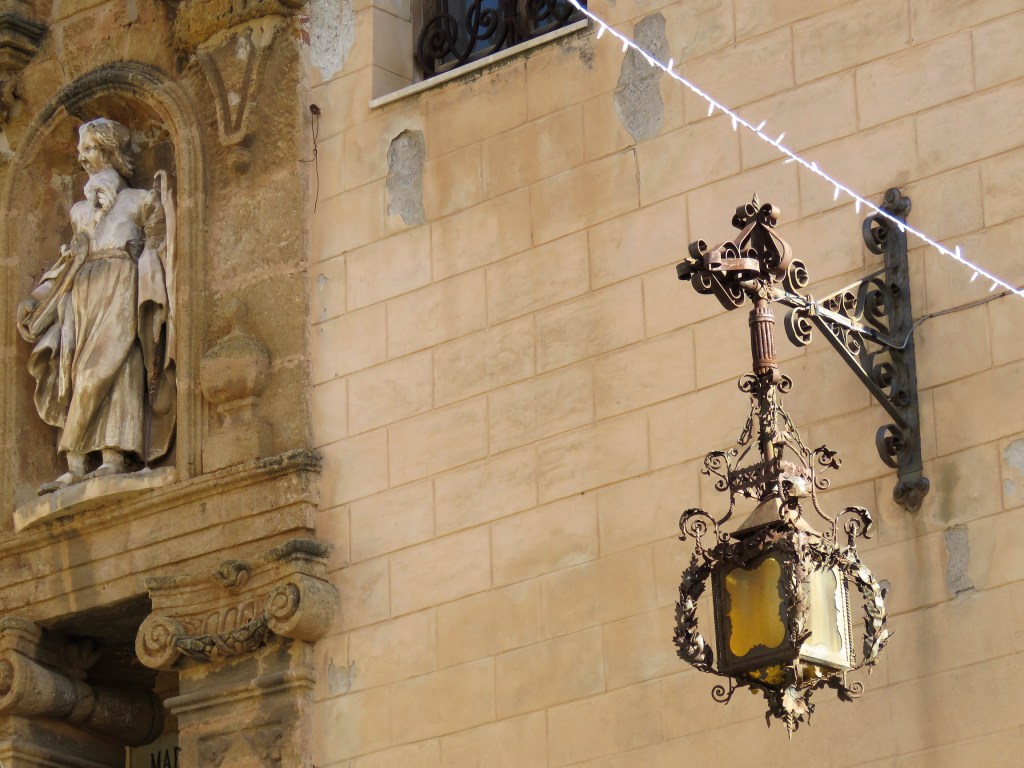
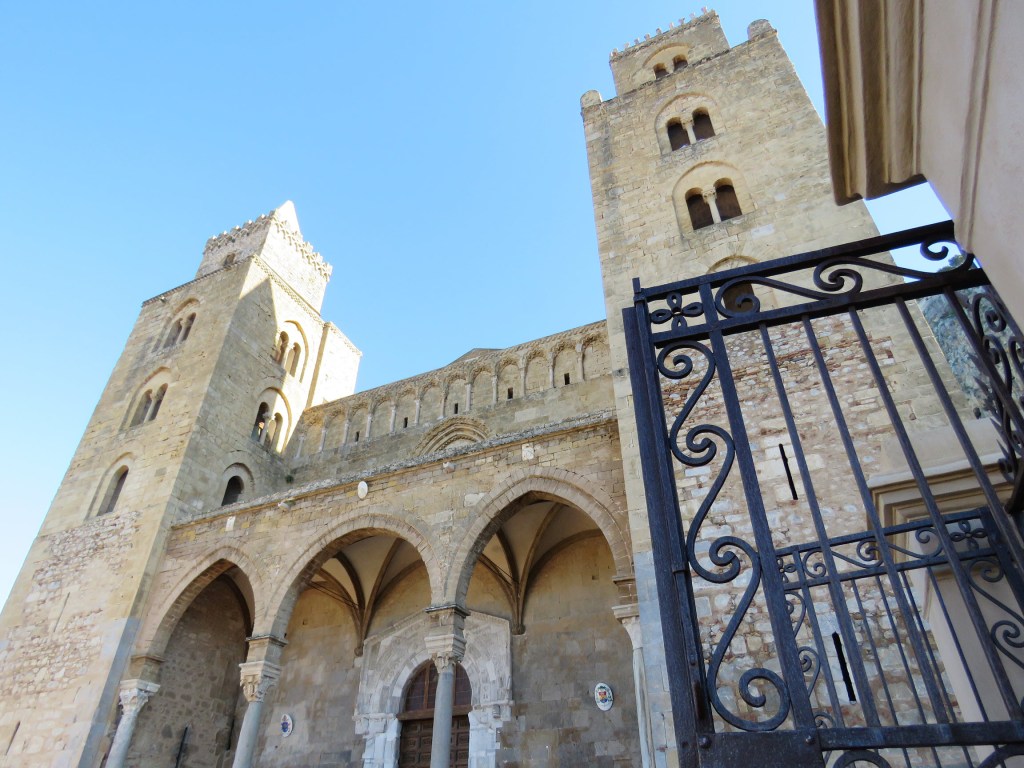
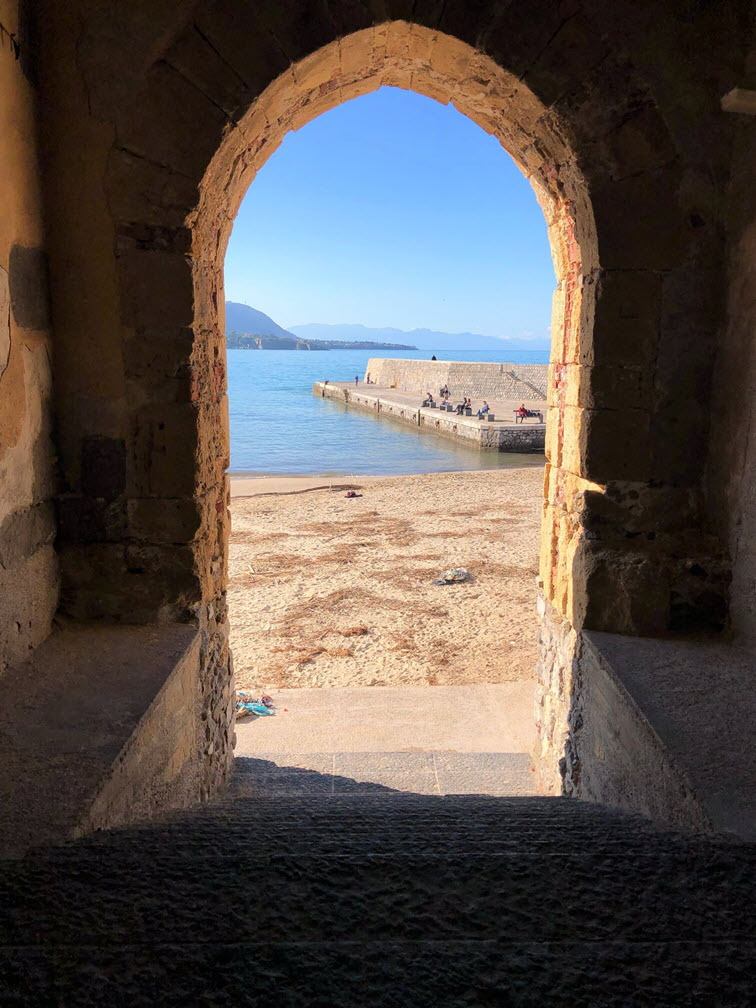
We drive four hours on windy mountainous roads to the northern seaside town of Cefalu known for its high rock fortress looming over the city and its Norman Cathedral. Unfortunately, although it was only 11:30, we were unable to ascend as it would have taken us an hour, and of course, they close at 1:30 for siesta! Walking a kilometer from our car to our AirB&B in the center of the old city was unexpected, as was the three hours it took to warm the place up. We did have a wonderful seaside meal adjacent to an ancient aqueduct before leaving the next day for the south coast.





Our last stop is the Valley of the Temples in Agrigento, site of the best preserved Greek temples in the Mediterranean. And this being a nonlinear story, we speculate on what carries forward in time from those massive monuments, designed by architects and built by tens of thousands of slaves, perched on hilltops overlooking the sea. No longer a fortress city protecting its 200,000 inhabitants, 20,000 of them citizens, from attacking armies—Cartheginians, Selinuntines Romans, Normans—(who can keep track?) but today a tourist attraction inspiring awe at the sheer size of these massive temples to Zeus (at 370’x184’x65’ feet, it is the largest temple ever built), Concordia (counted as one of the best preserved temples in the world, precisely because it was later converted into a Christian church), and Hercules (of unusually elongated proportions). How did they move those massive blocks of sandstone up to the top of all those Doric columns? We learn they carved u-shaped grooves in each stone which they hoisted up with pullies. Well done boys! And today we wonder, why? A monument to god that nobody can go into? The sheer size of these monuments bespeaks none other than the power of those built it and as a corollary, the lack of power of those who are beholden to those who did, demarcating once again, the haves and have nots. Not much has changed, eh?

Temple of Concordia, later converted to a Christian church as noted by the arches 
Will the architects ask, but do they line up with the columns? Answer: no. 


We liked this modern sculpture, particularly the artist’s statement. 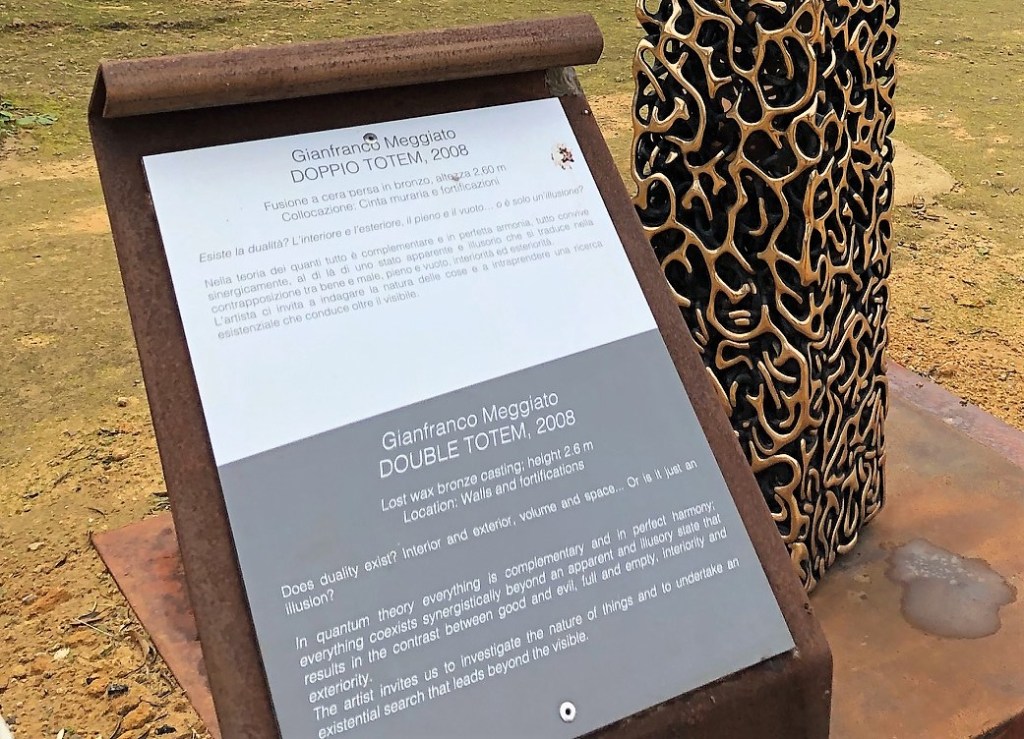
“Does duality exist? Interior and exterior? Volume and space…or is it just an illusion?
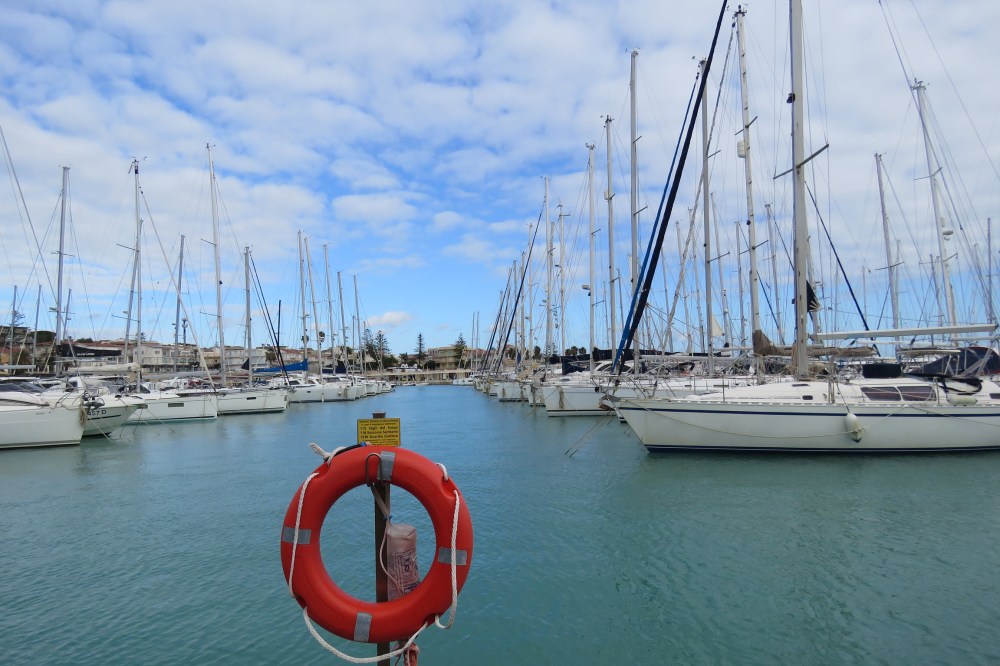
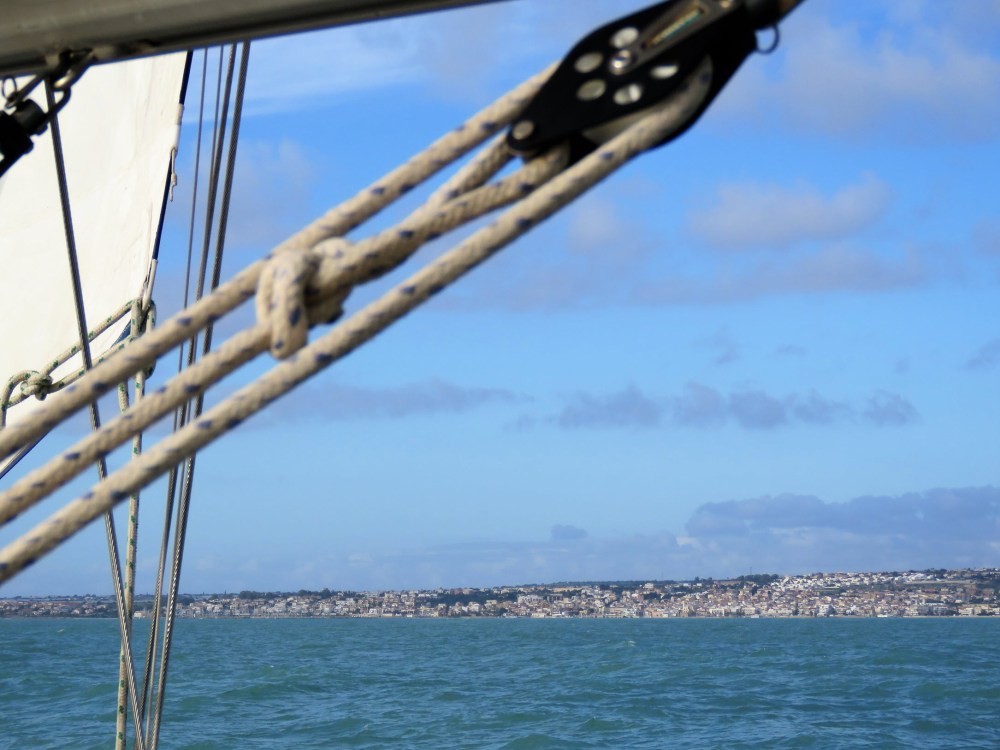
Unluckily, the cold snap coincided with a bug Tasha caught (no, it’s not COVID as we were both tested the day we returned), and we’ve spent a week lying low back in the warmth of Cascade II here at Marina di Ragusa. This gave us time to savor in big chunks and linger over the wonderful, slowly-built ending of Beautiful Ruins, as well as watching ongoing episodes of Montalbano, an Italian detective series from the late 90’s, in Italian with subtitles, much of which takes place just up the coast in Punta Secca, which we visited in the last blog.
Next time, we should be writing from Syracuse, an eight hour sail up the coast! Until then, Happy New Year!















































 Surrender to the Abundance