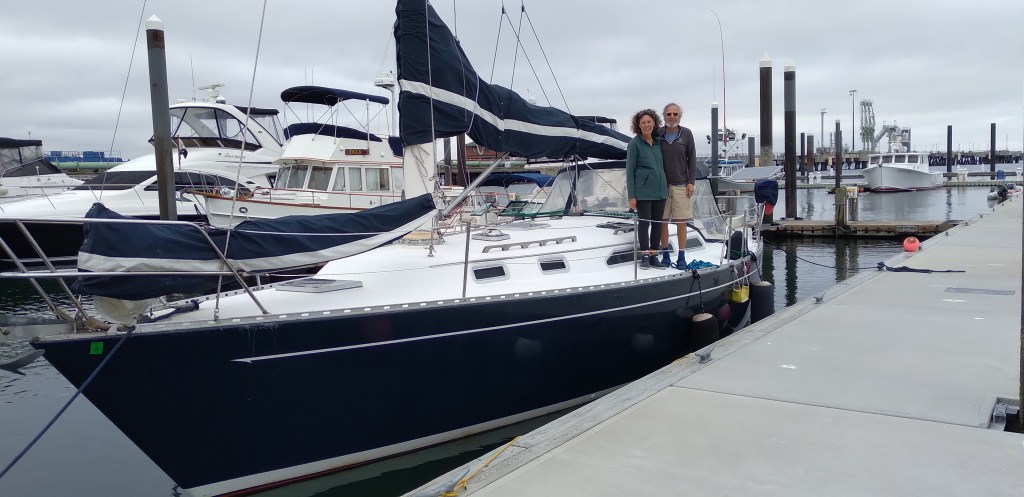
Cascade II S2:E4

Jan 16, 2022

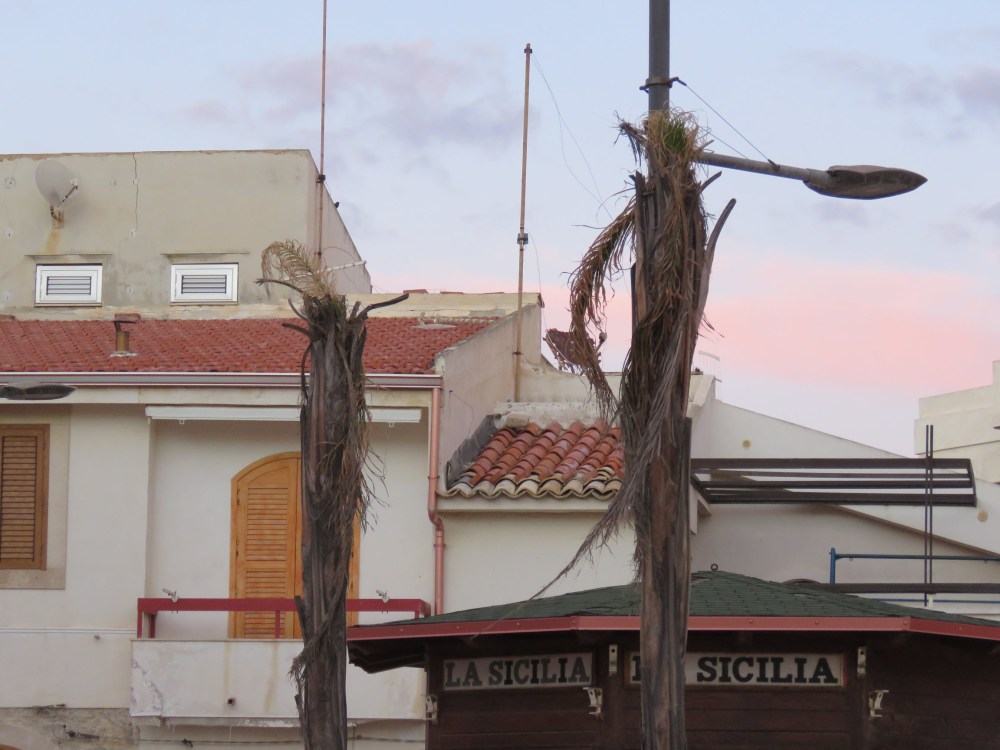
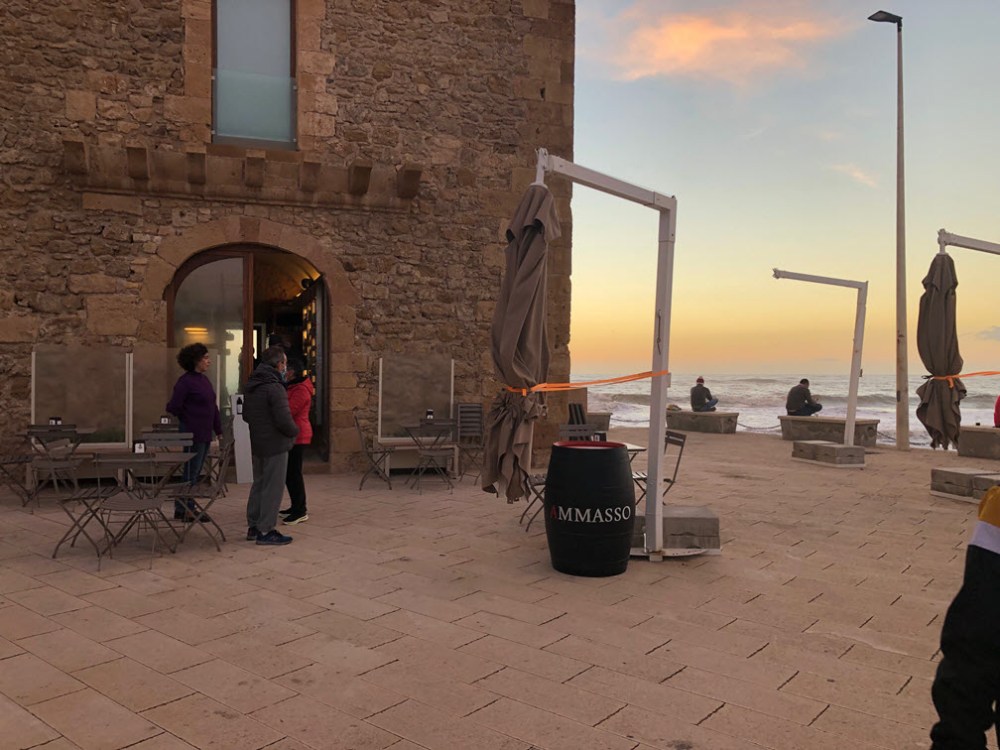
Where to begin? We have both been sick, probably with COVID though we can’t be sure due to our negative tests before Christmas and again yesterday. We now realize it was probably too early and too late to give positive results. Will has been trailing me by five days with hacking cough, occasional fever, and fatigue. We have definitely not been ourselves and as such, have retreated into our own worlds, which feels strange after so much connection over the past year and a half. Eating, grocery shopping, and getting outside as much as we have energy for has been the order of the day. We did share a new year’s day lunch outside with Bill and Nancy, and had a long chat in the cockpit with our neighbor Debbie, a solo British sailor/pilot, who shared her homemade mincemeat pies.

Still, we wanted to get to Syracuse, so we waited for some wind and took off on Jan 4 for a ten hour sail up the coast in two hops. Needless to say, going from more or less lethargy to sailing the high seas was quite an energy shift!
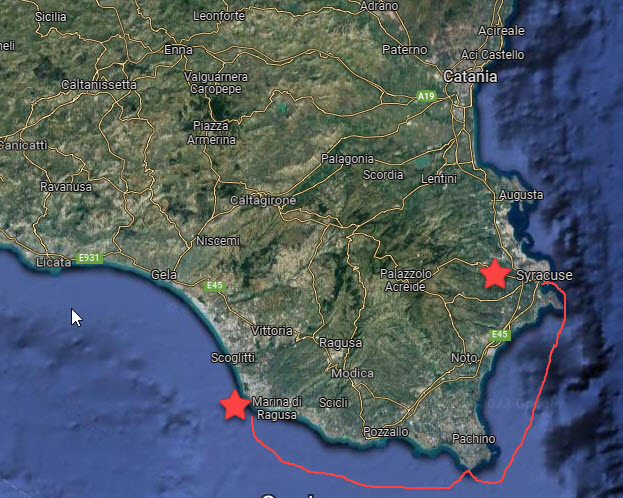
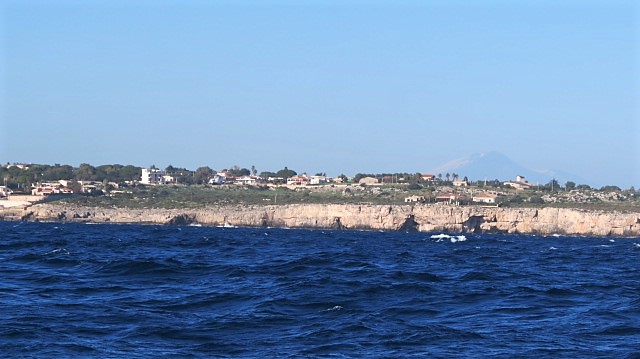
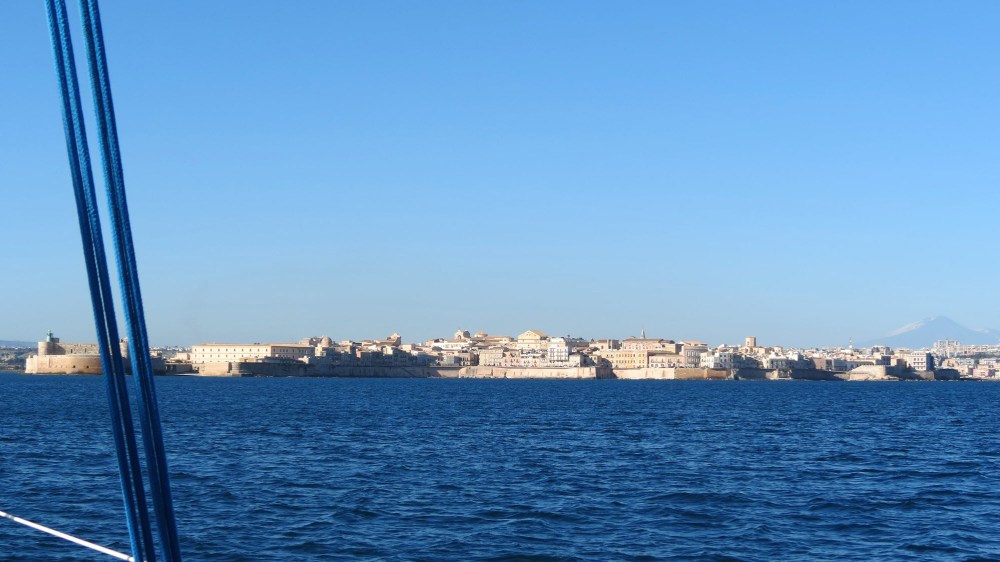
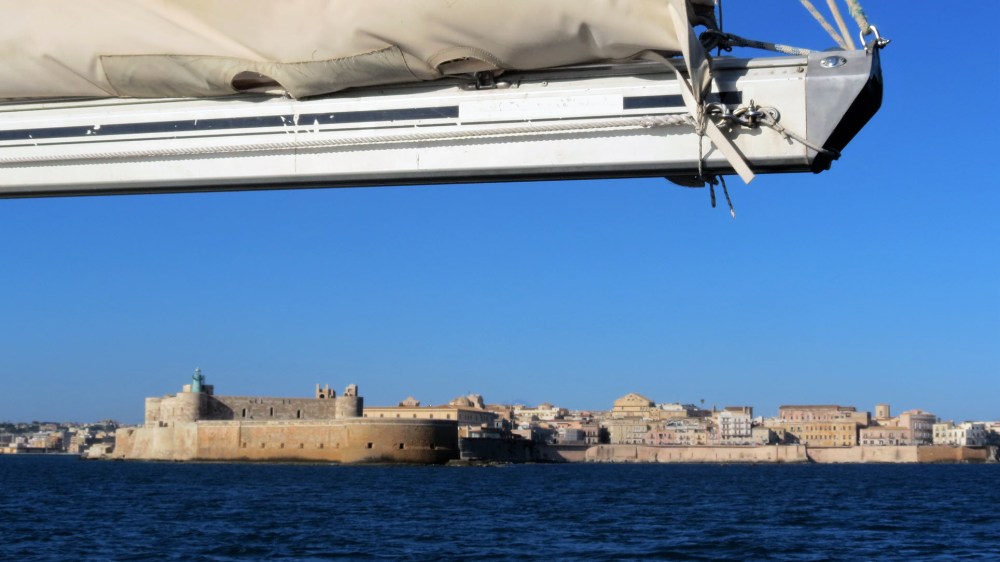
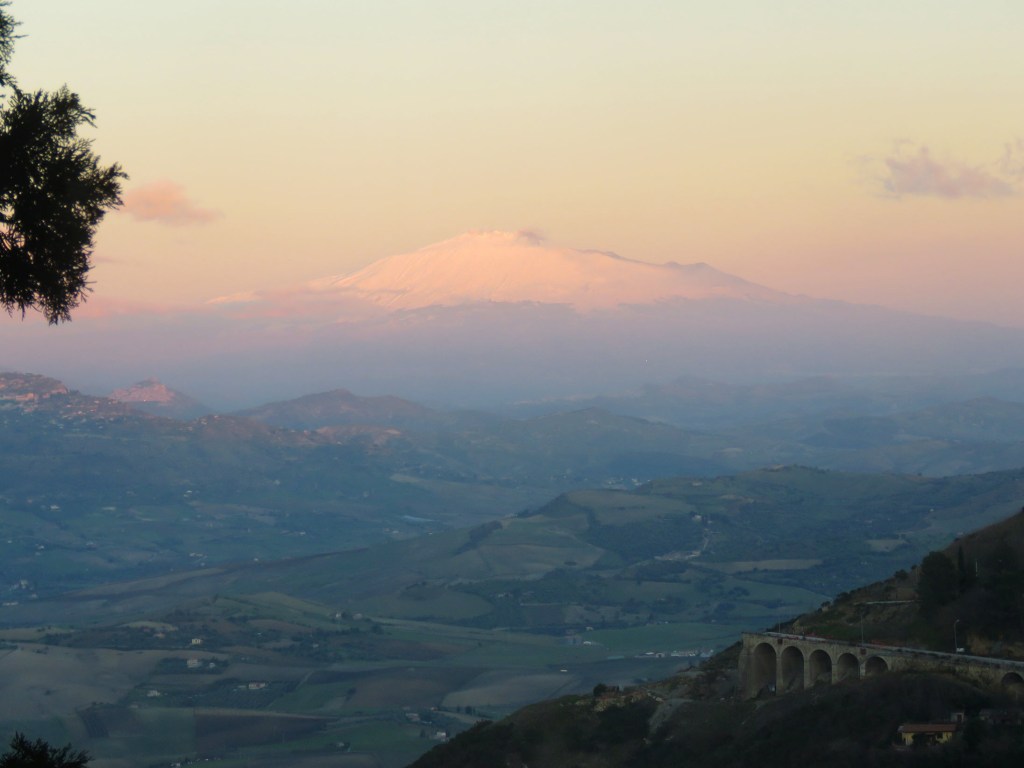
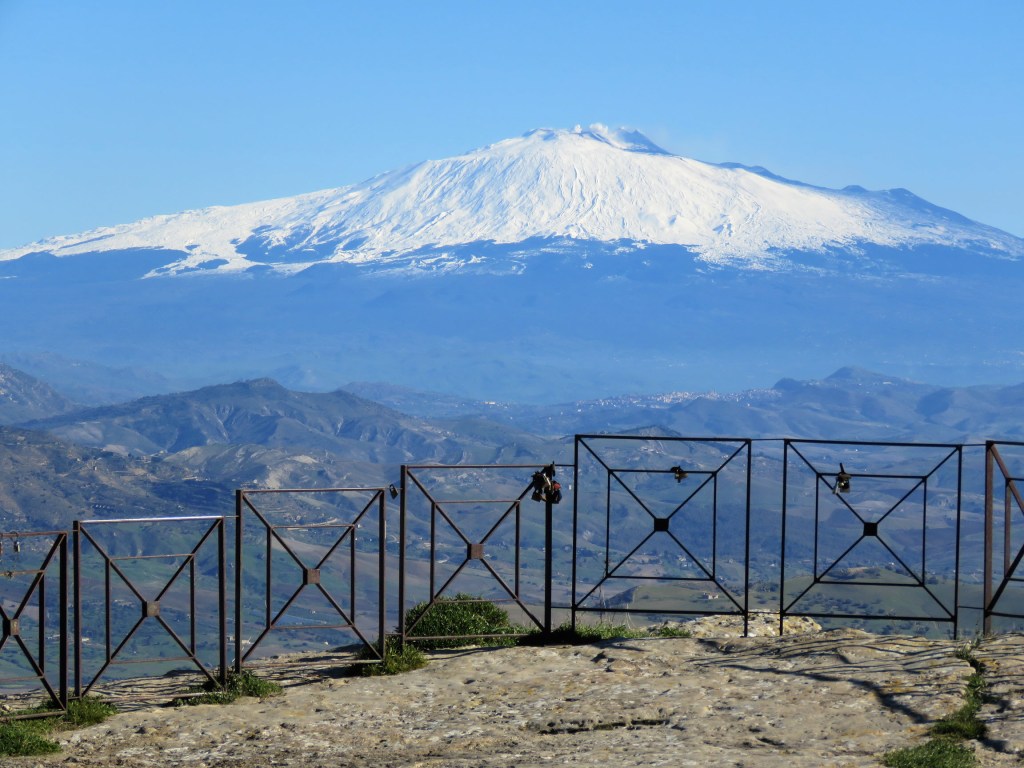
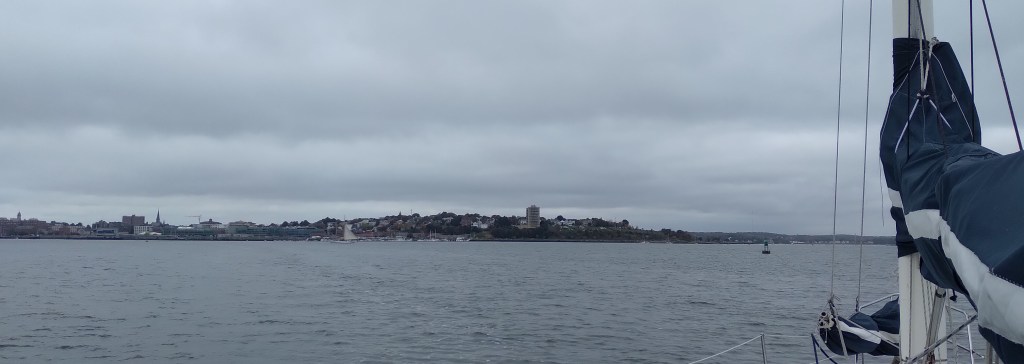
The winds were strong from behind with 3 – 4 foot seas, but the boat handled well as we surfed down waves, sometimes hitting ten knots! Arriving in Portopalo, we found our anchoring spot but struggled for some time trying to deploy the anchor with the windlass, despite our earlier lesson. We were about to resort to picking up a huge mooring ball in the fishing harbor (a definite no-no as Nancy said, “Don’t anchor over there!”) when Will finally figured it out. Not everything is obvious on a new boat. That night, starving and exhausted, we feasted on the most delicious spaghetti a la Bolognese I’ve ever eaten, prepared by Will. The next day the wind and seas were a bit more benign, and we had a glorious sail into Syracuse, with snow-covered Mt. Etna looming over the bay of the ancient city of Ortigia, its huge fort standing sentinel. It made me wonder what it must have been like for the Greeks to sail into the same bay back when Syracuse rivaled Athens in population and power.
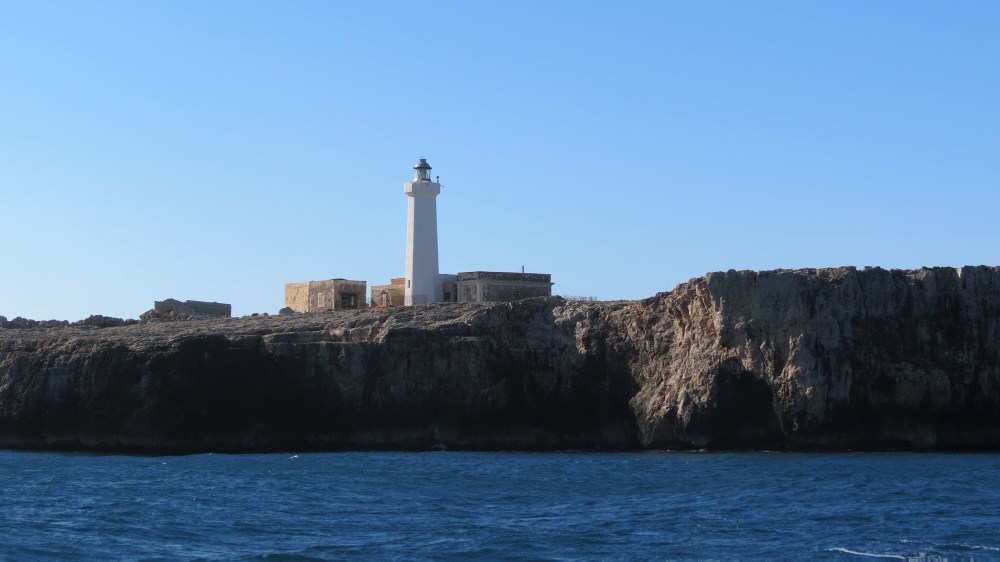
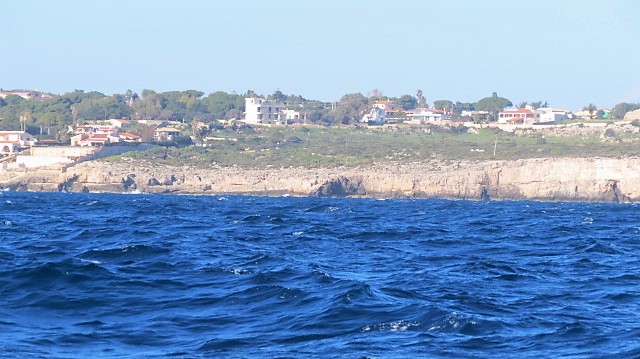
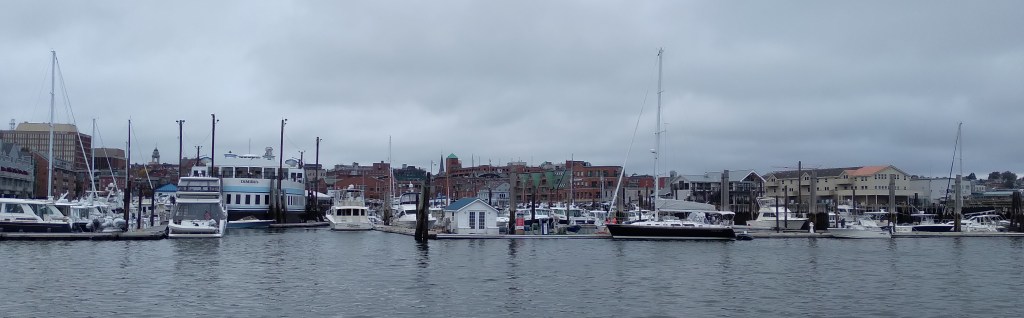
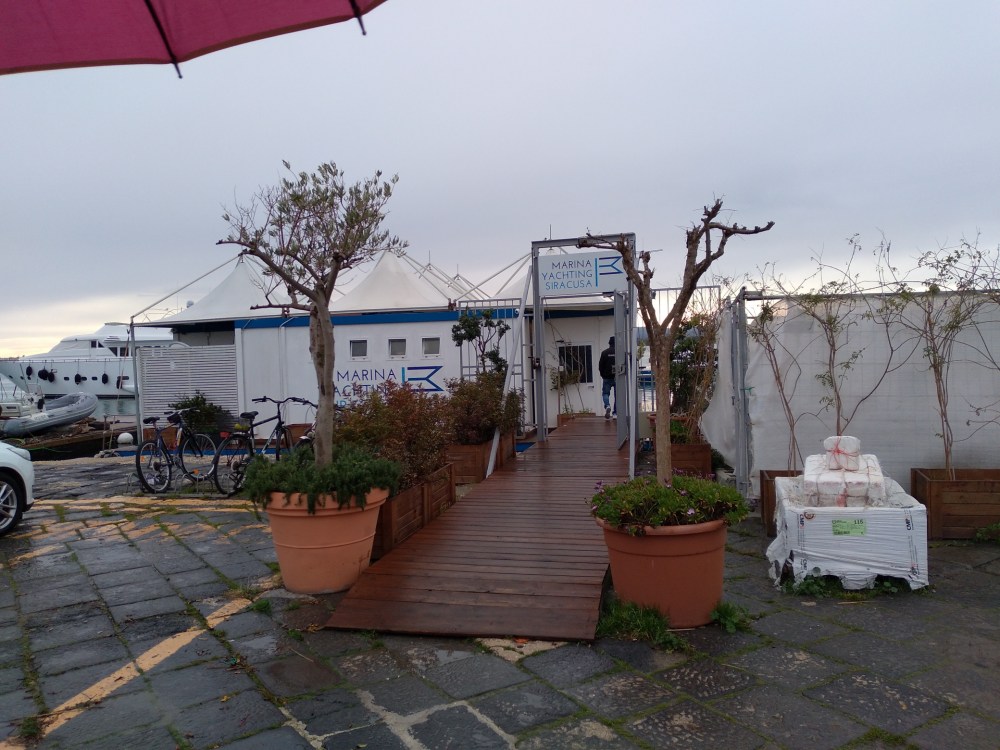
The marina in Syracuse is tiny compared to Marina di Ragusa (MDR) with only about 30 slips and almost all the boats wintering over with no one living aboard. We did meet one couple—a Norwegian and a Czech—who like to come hang out on their boat although he has an apartment. Otherwise, it’s pretty desolate and not at all the feeling of the live-aboard community in MDR. The docks are quite exposed as well, such that the water splashes over them when the wind is up and the boat rocks gently with the swell. We’re not in Kansas anymore, Toto!
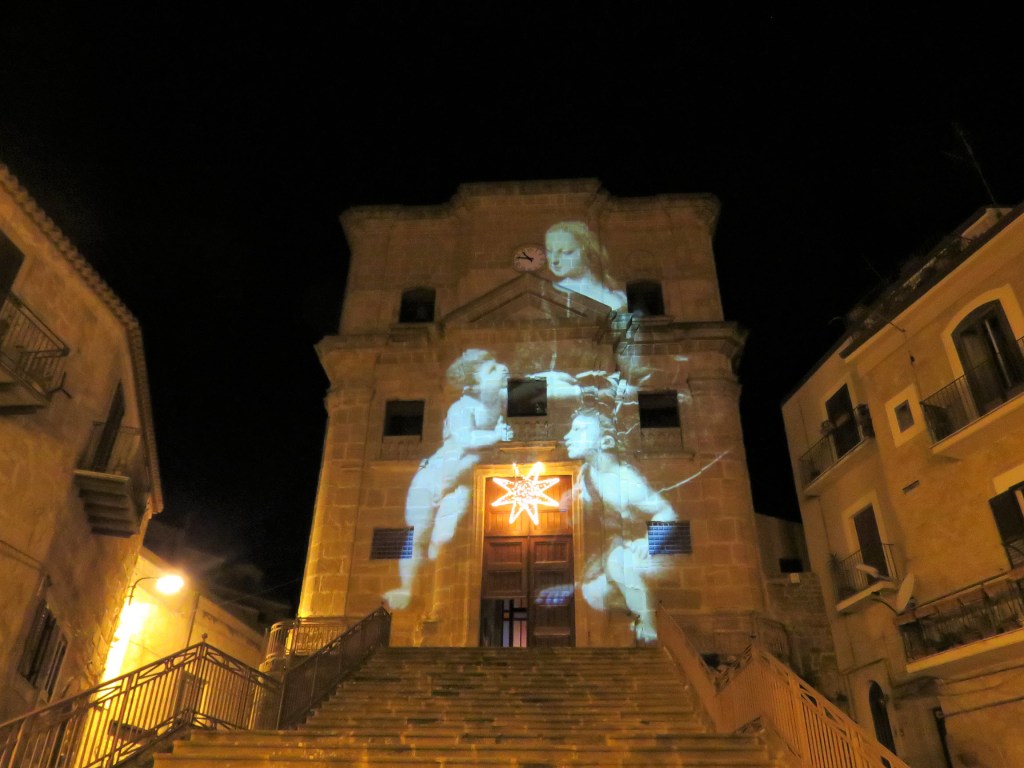
The first day we had to explore was Epiphany, the twelth night of Christmas, the night the Three Kings brought gifts to Jesus in the manger. In Italy, they celebrate with stockings full of sweets for the children delivered by a witch. For us, it’s been an epiphany of sorts as well, as we wander the streets of this ancient city and reconnect with the larger world through place and time.

*     *     *

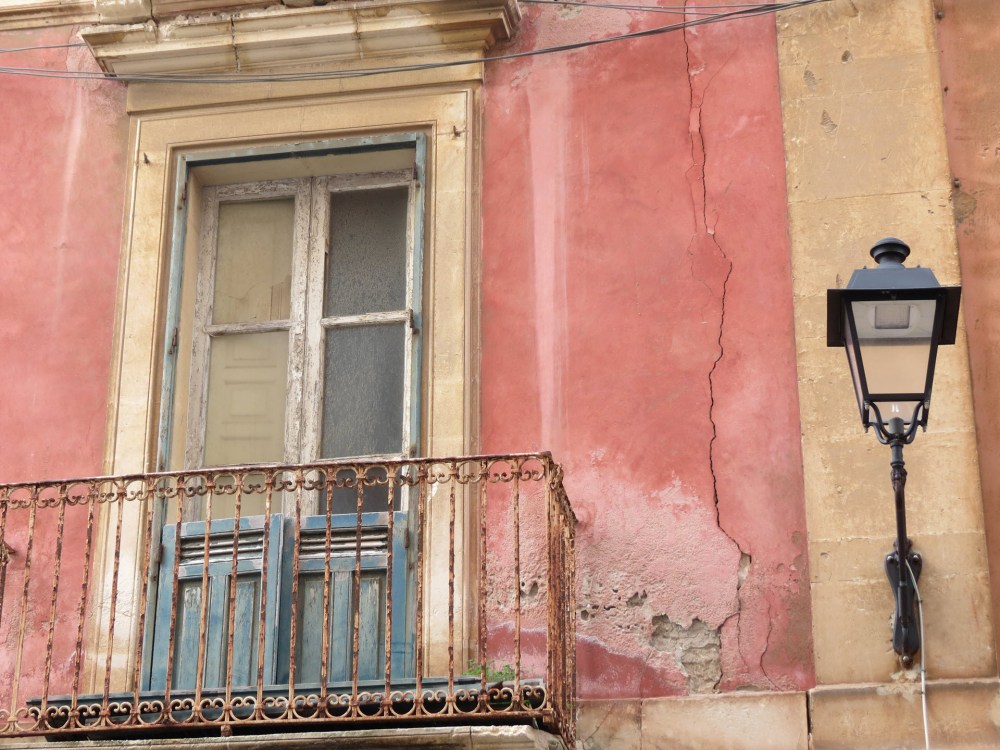
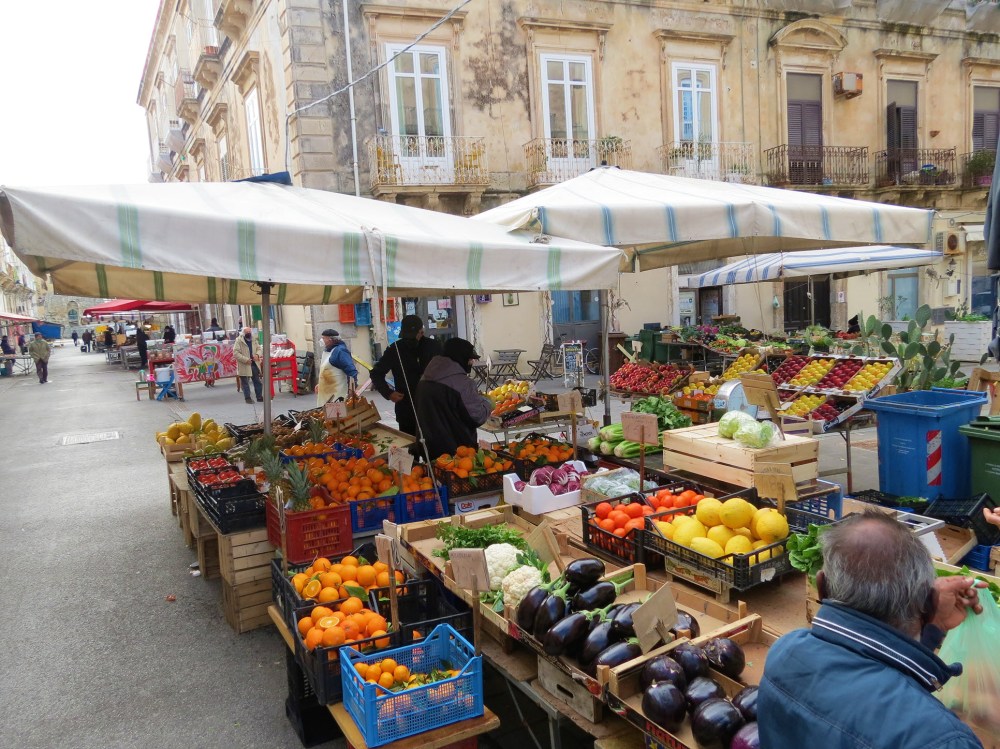
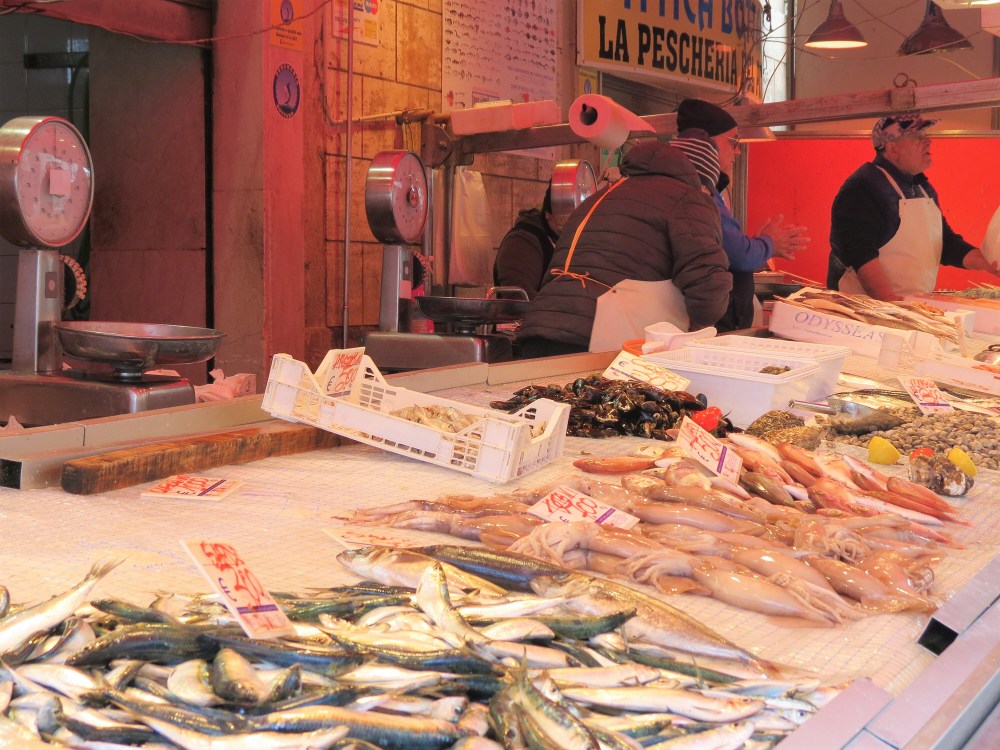
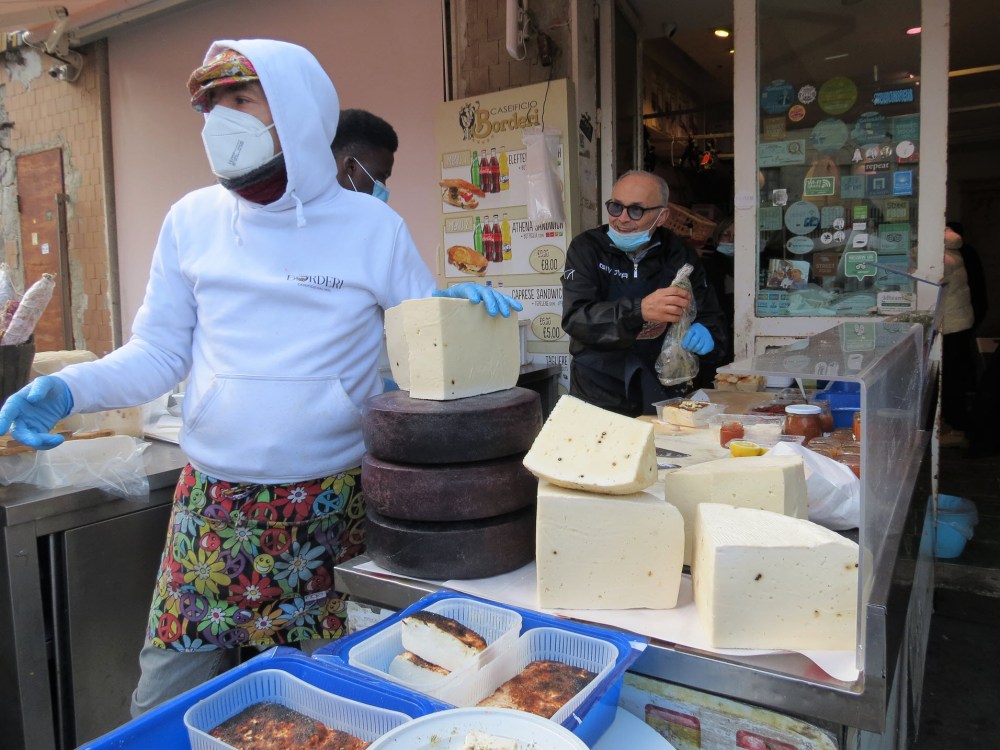
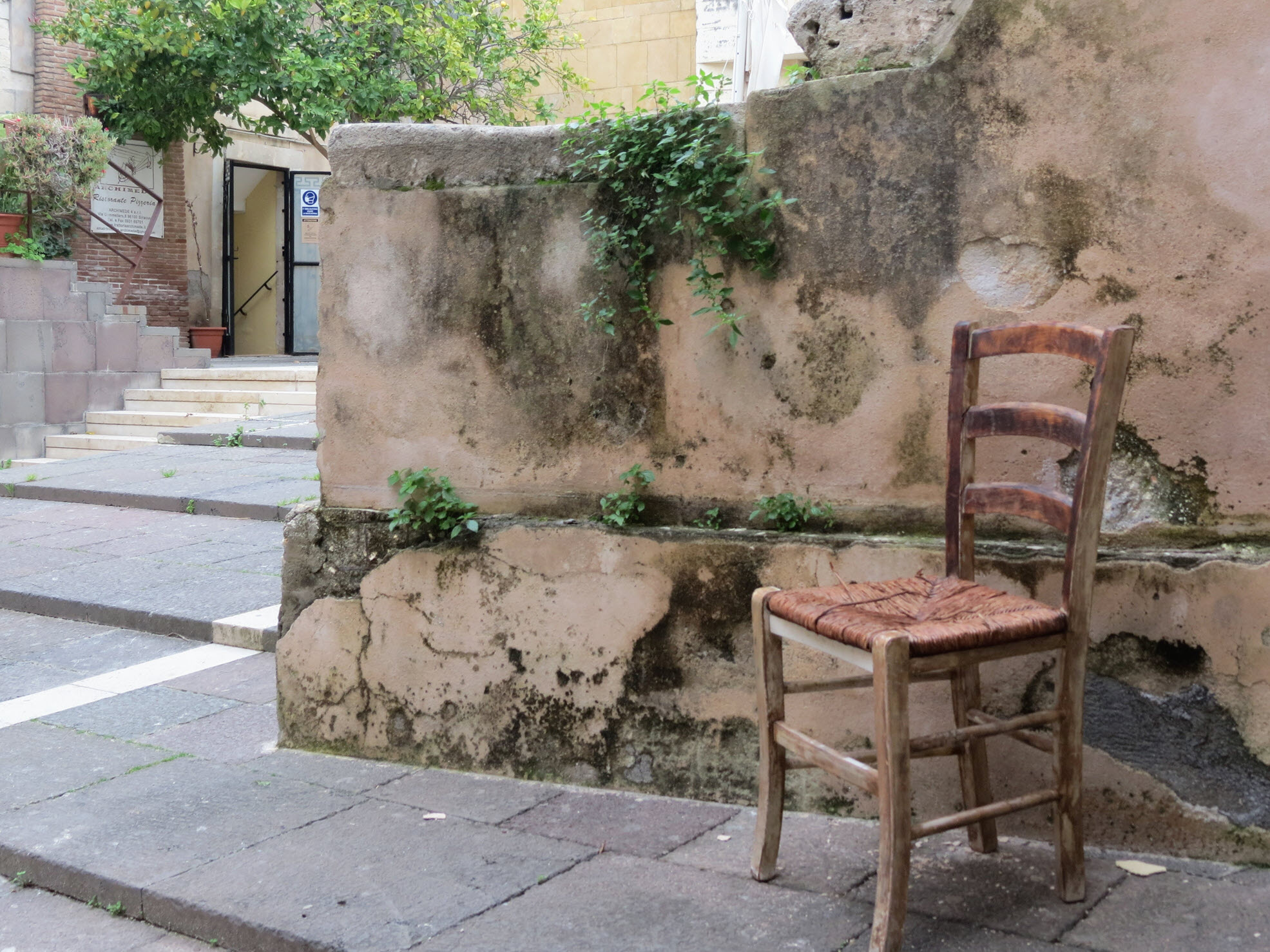
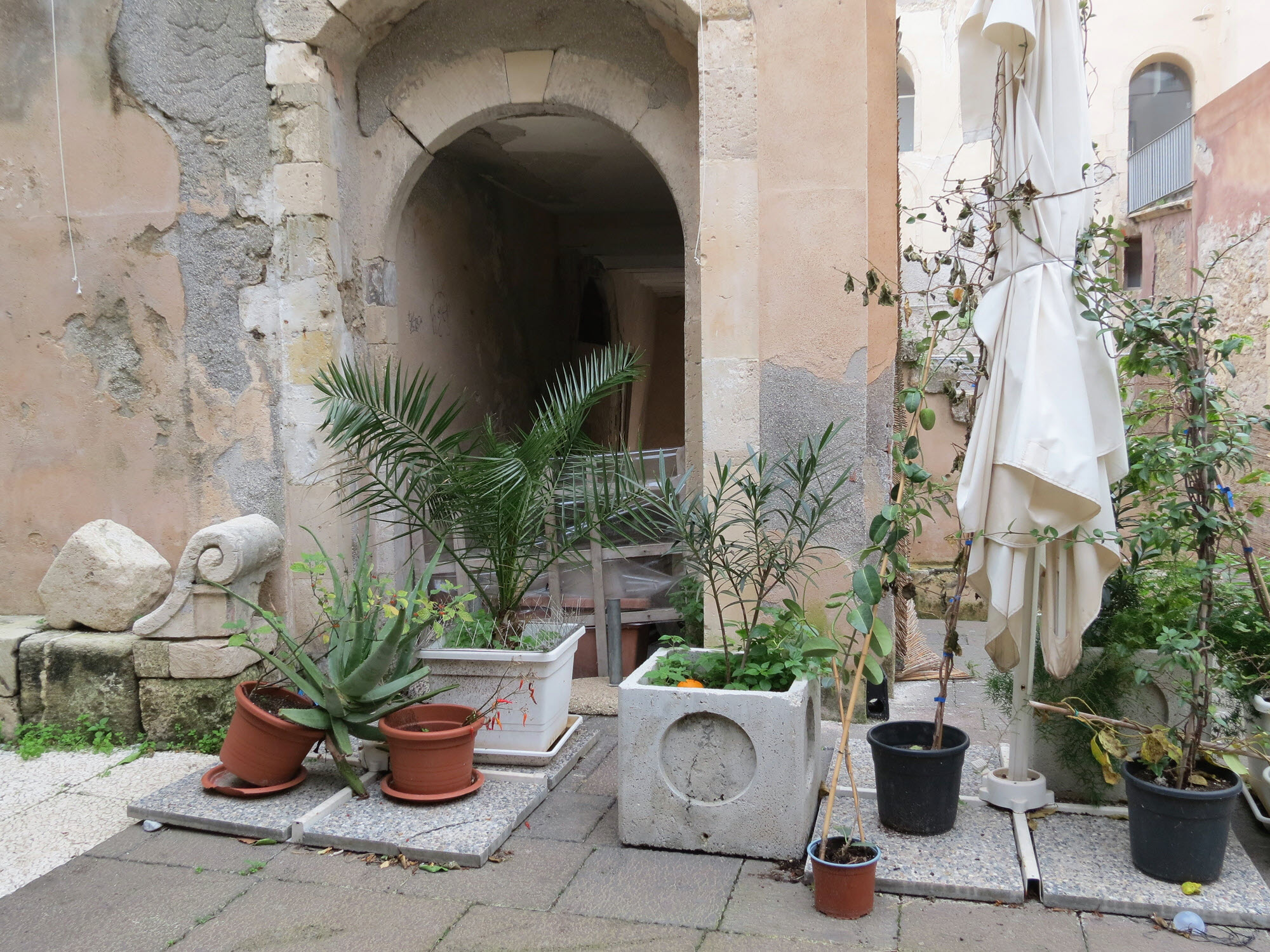
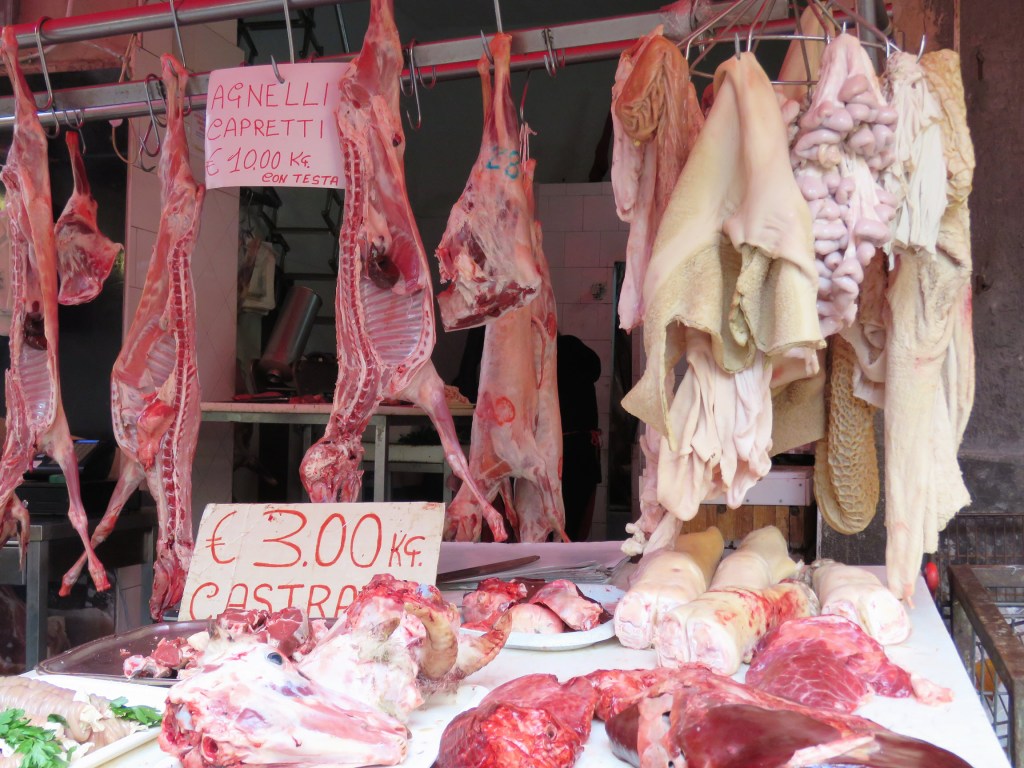
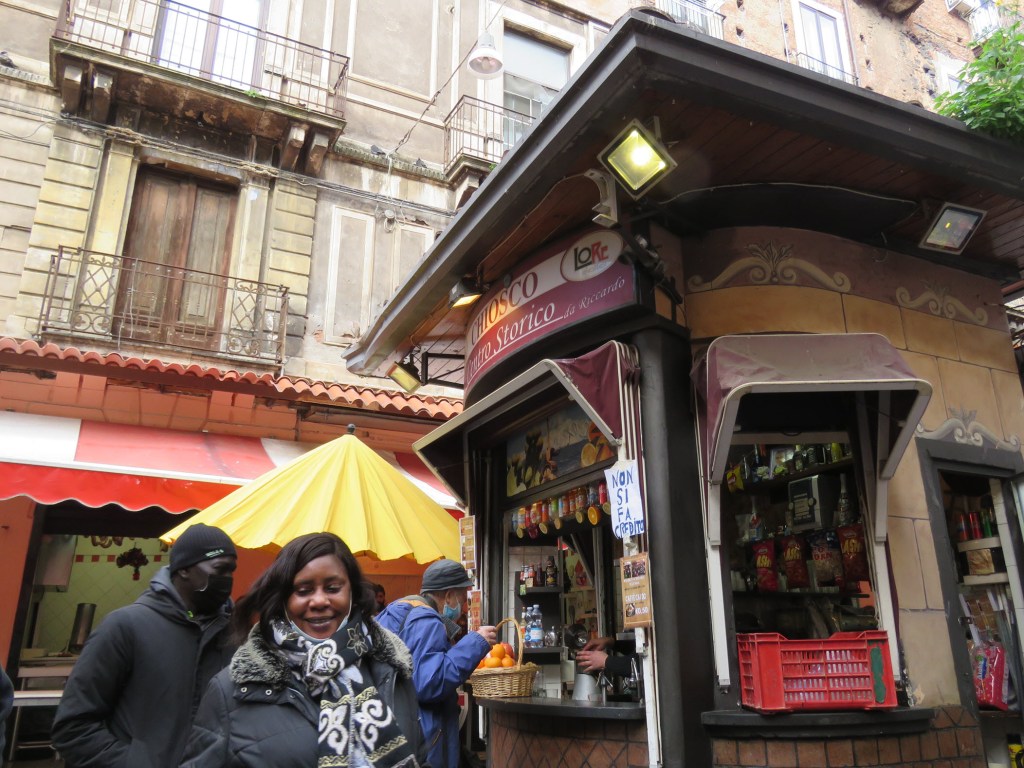
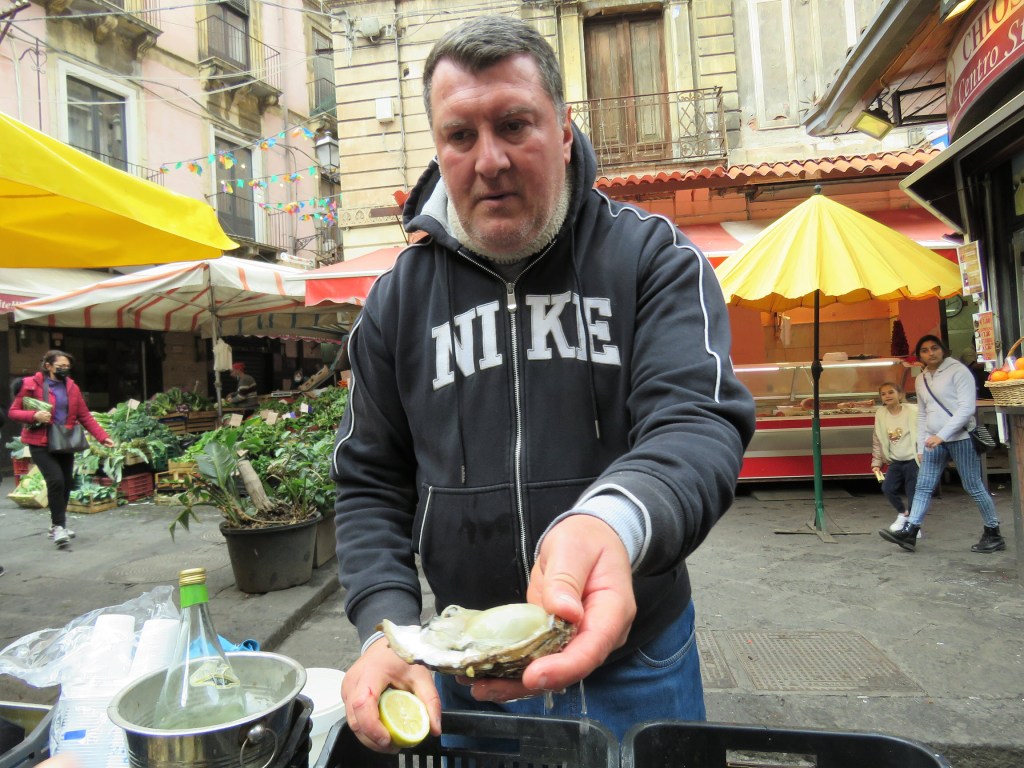
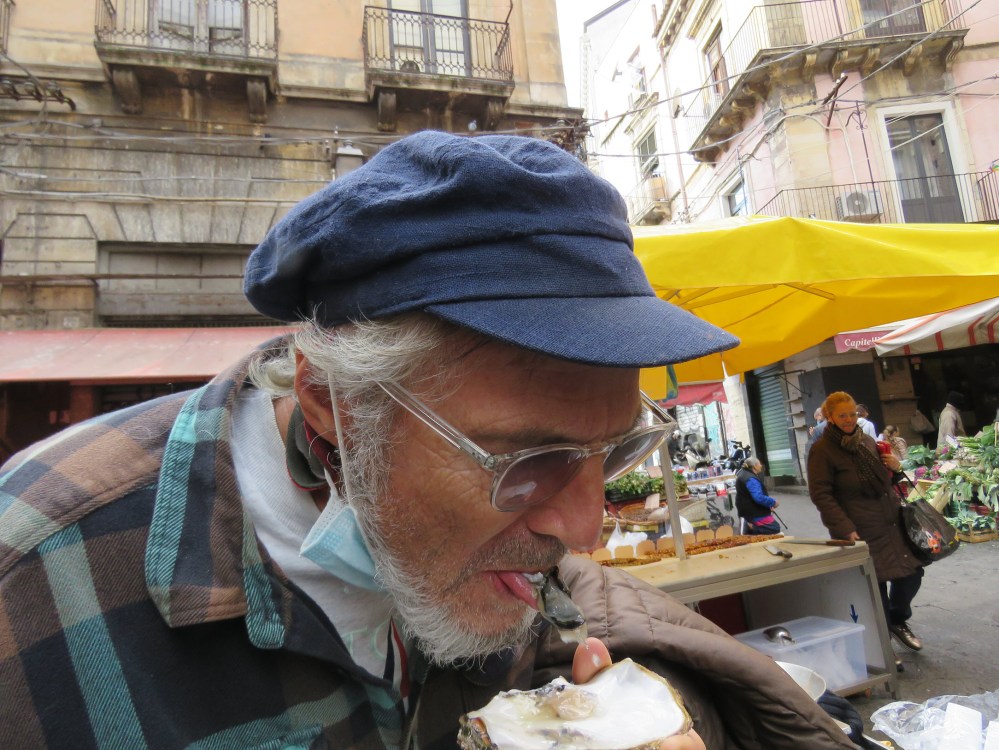
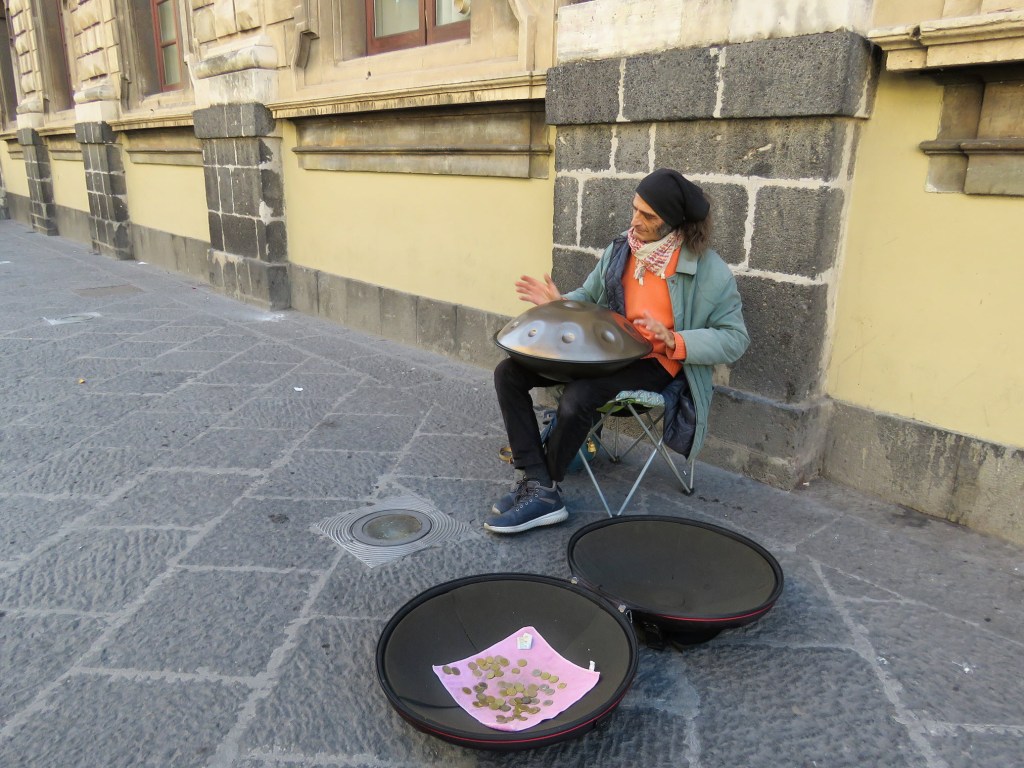
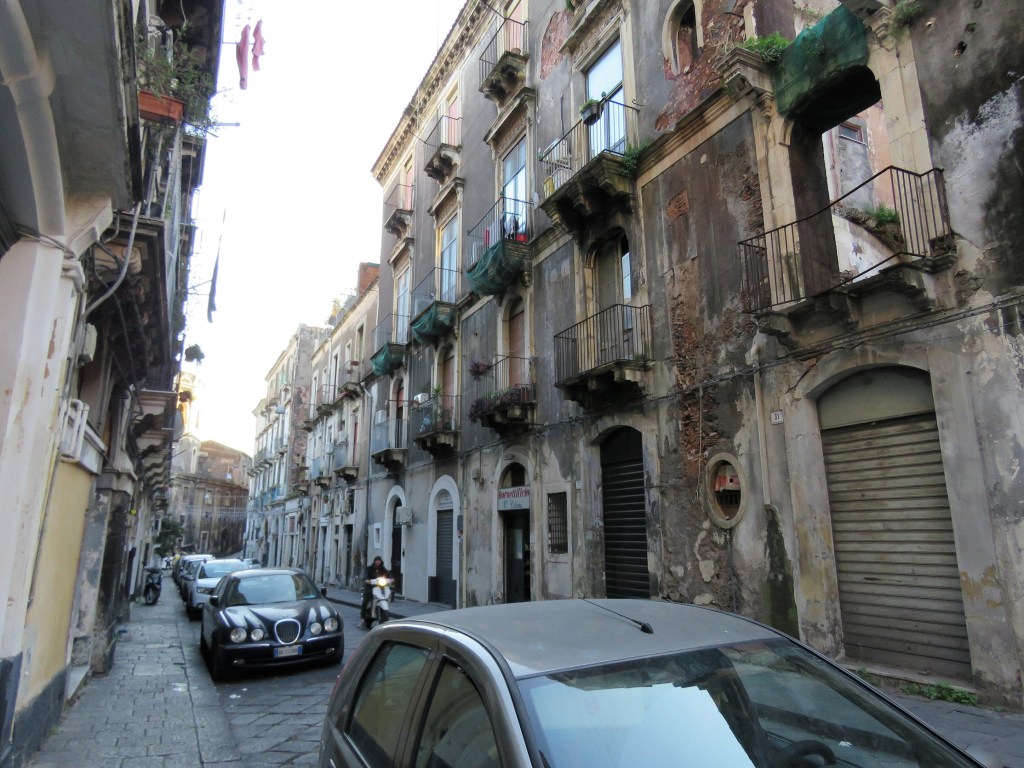
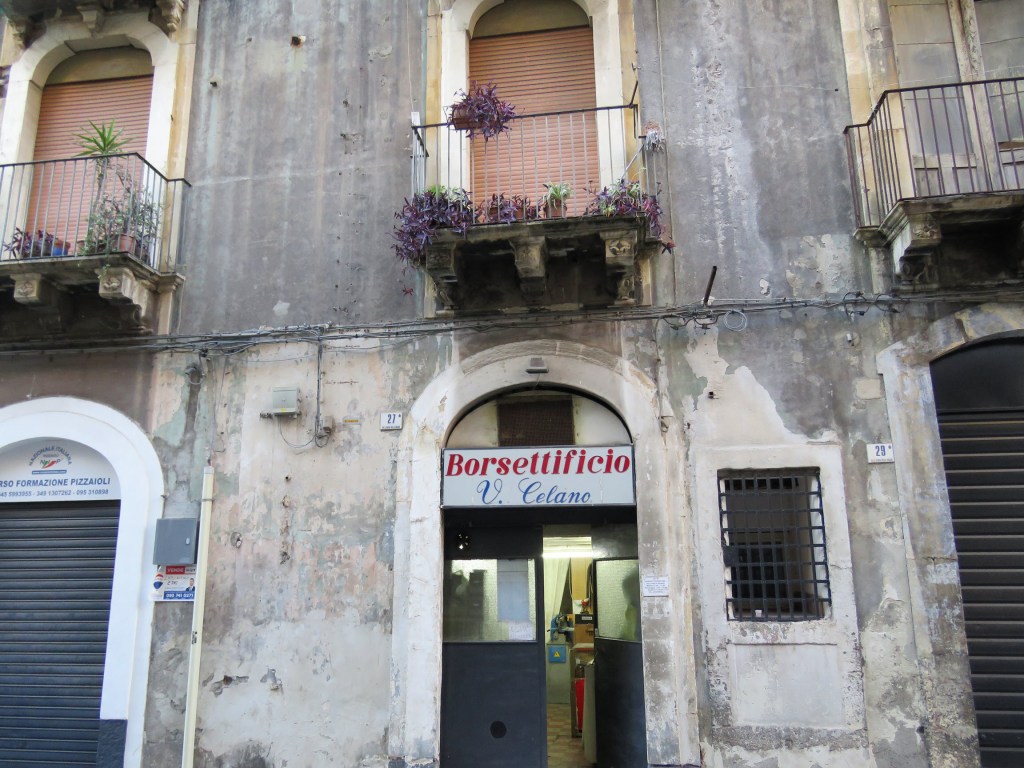
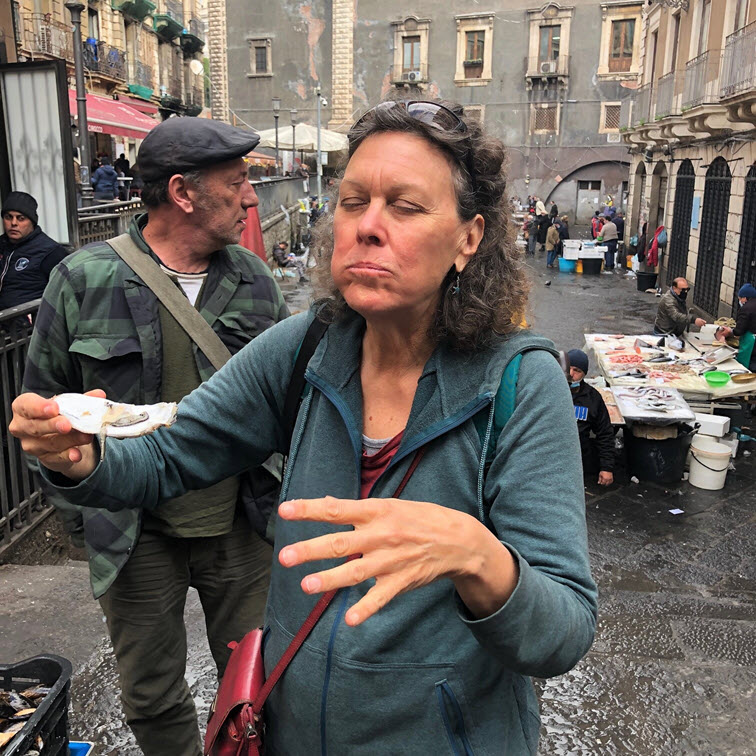
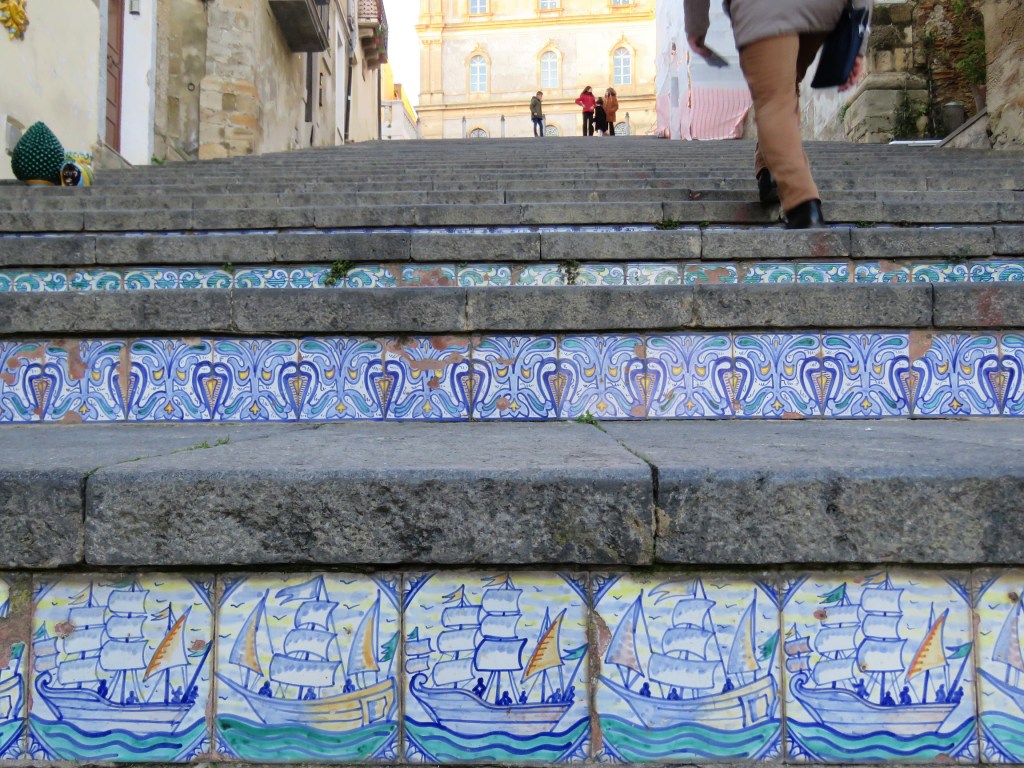
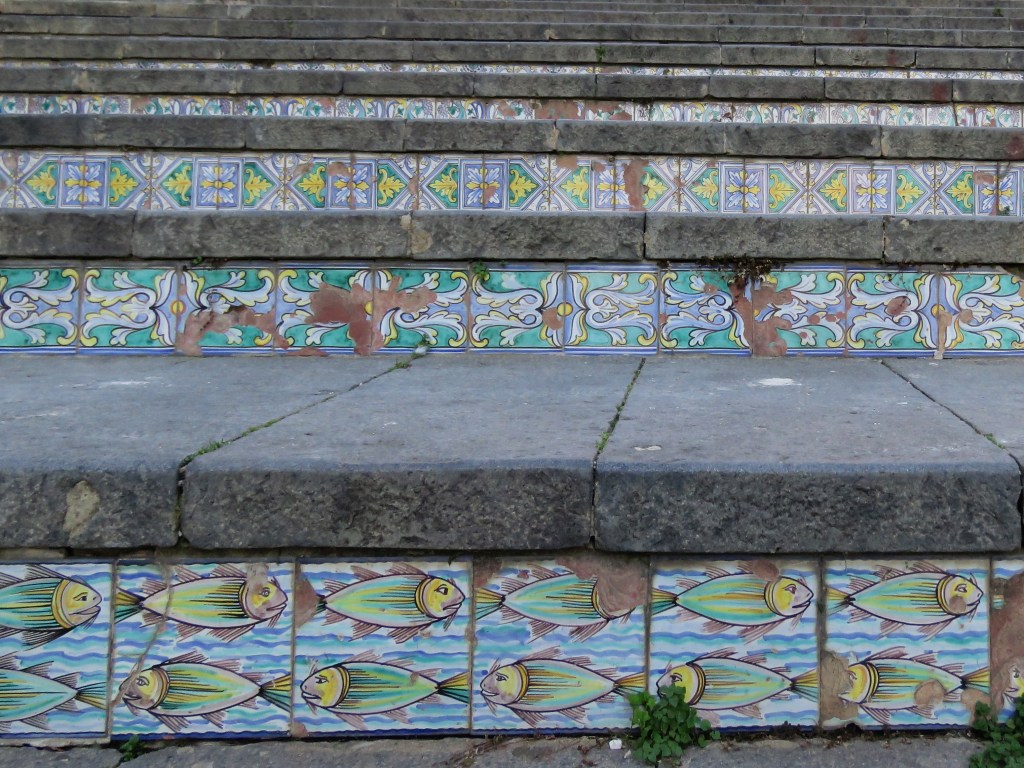
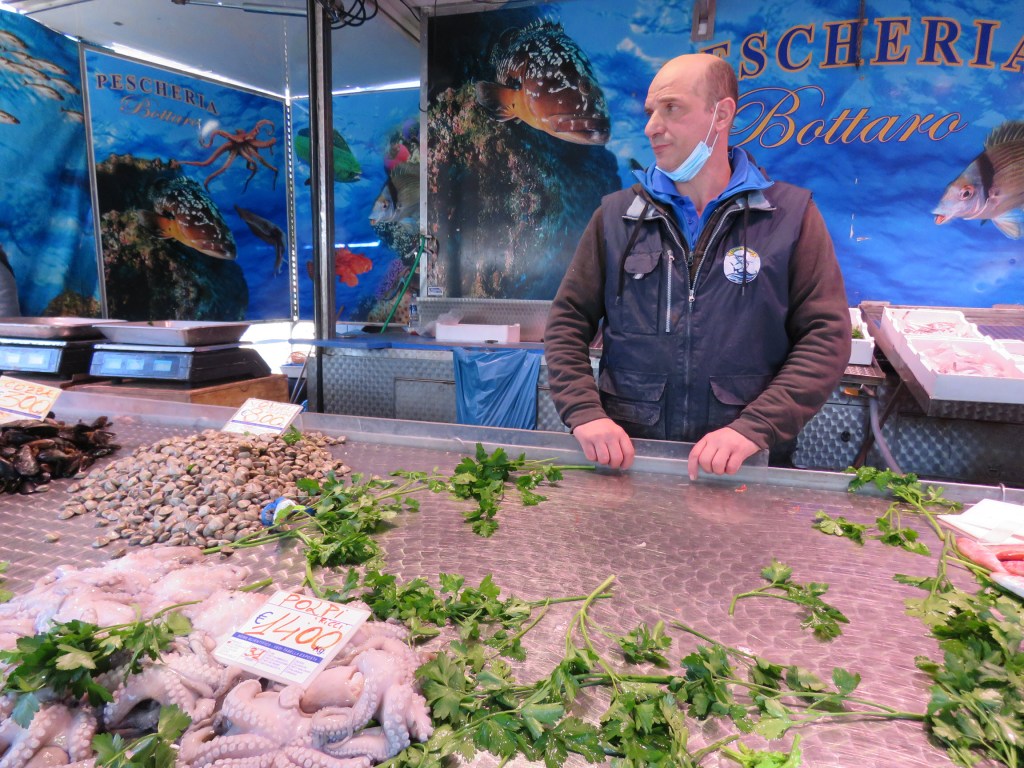
We walk the narrow streets and stumble upon the Temple of Apollo, a ruin in the middle of a large piazza with several Senegalese street vendors selling plastic sneakers. We turn the corner and discover a wonderful outdoor market with fresh vegetables, fruits, fish, nuts, and more, We buy pistachios, pecorino with pistachios, blood oranges, and artichokes.

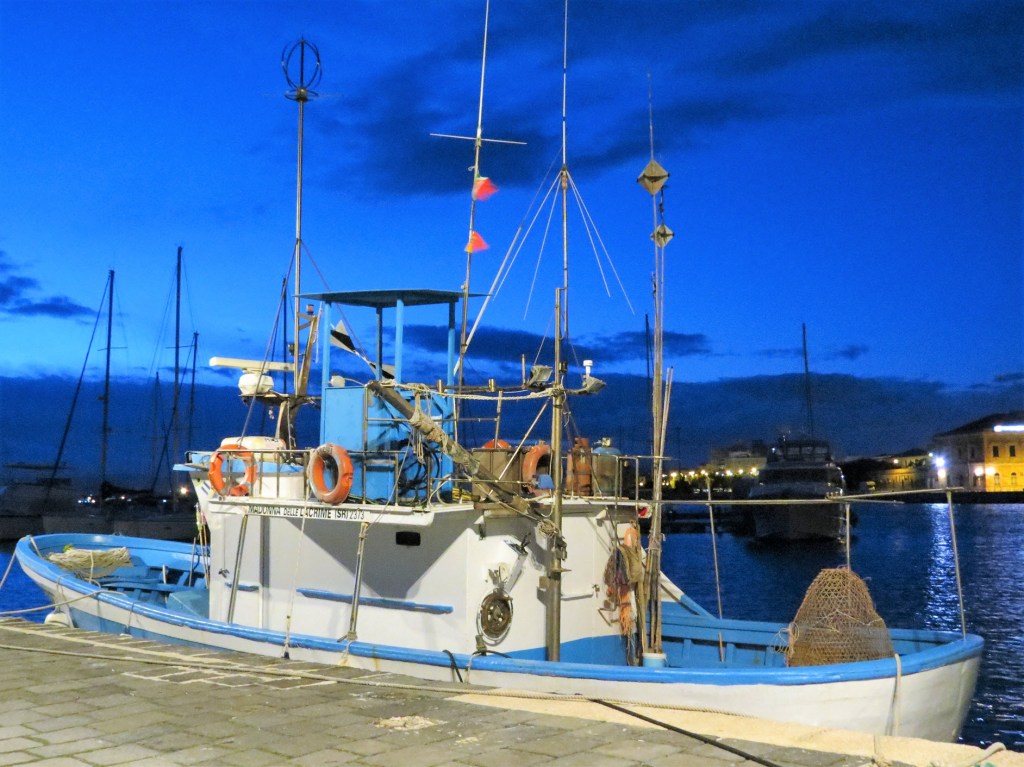
We wander across the bridge past the fishing boats to Syracuse to explore the very protected marinas on the north side of the island of Ortigia. We are invited aboard a 50-foot sailboat owned by an Italian who speaks terrific English; for once we don’t have to struggle to speak and understand.

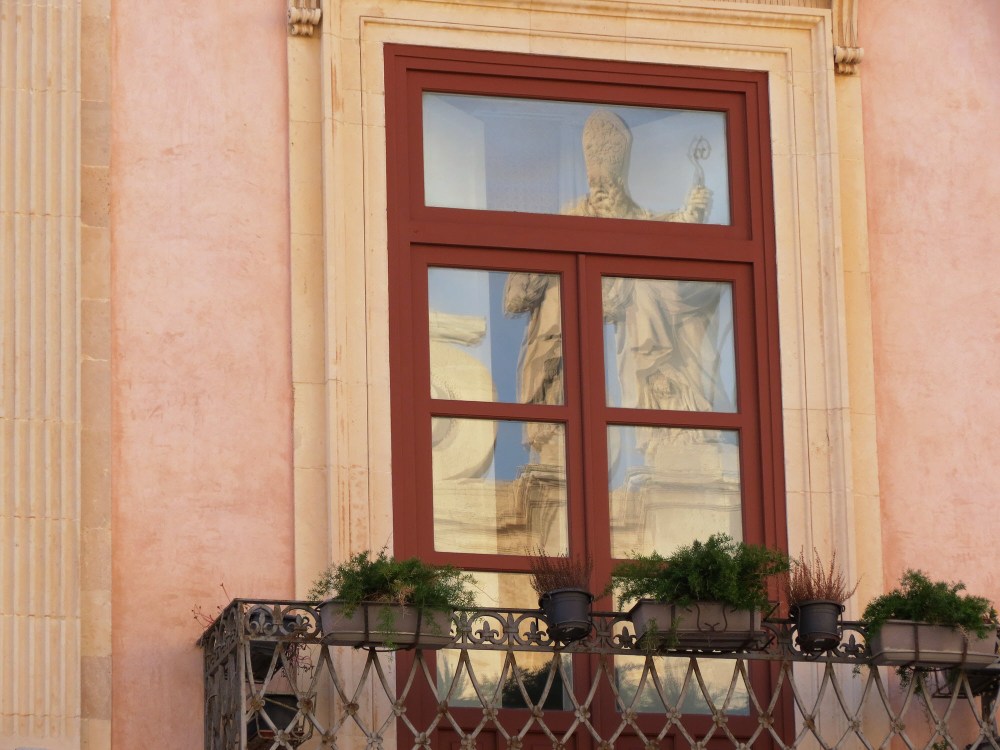
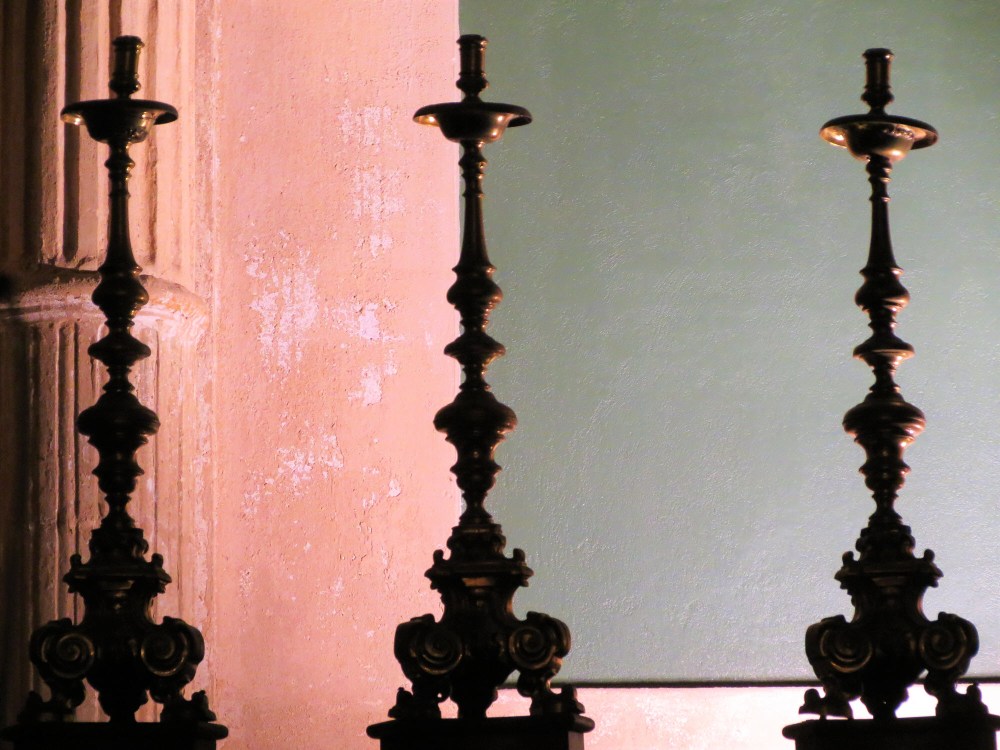
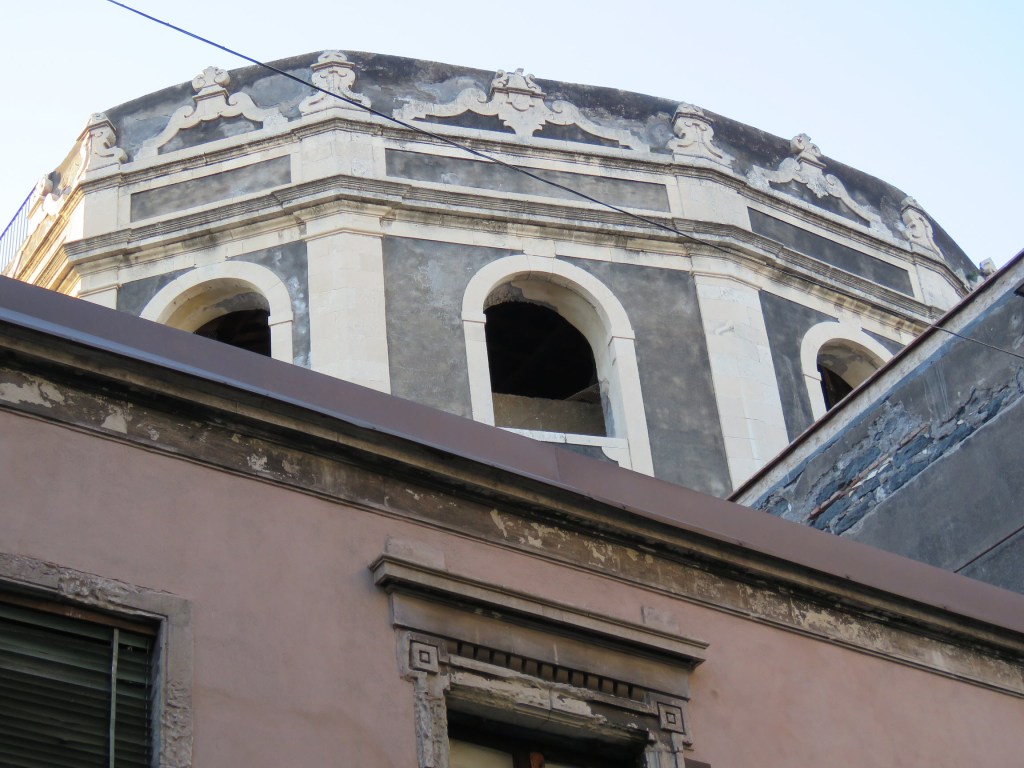
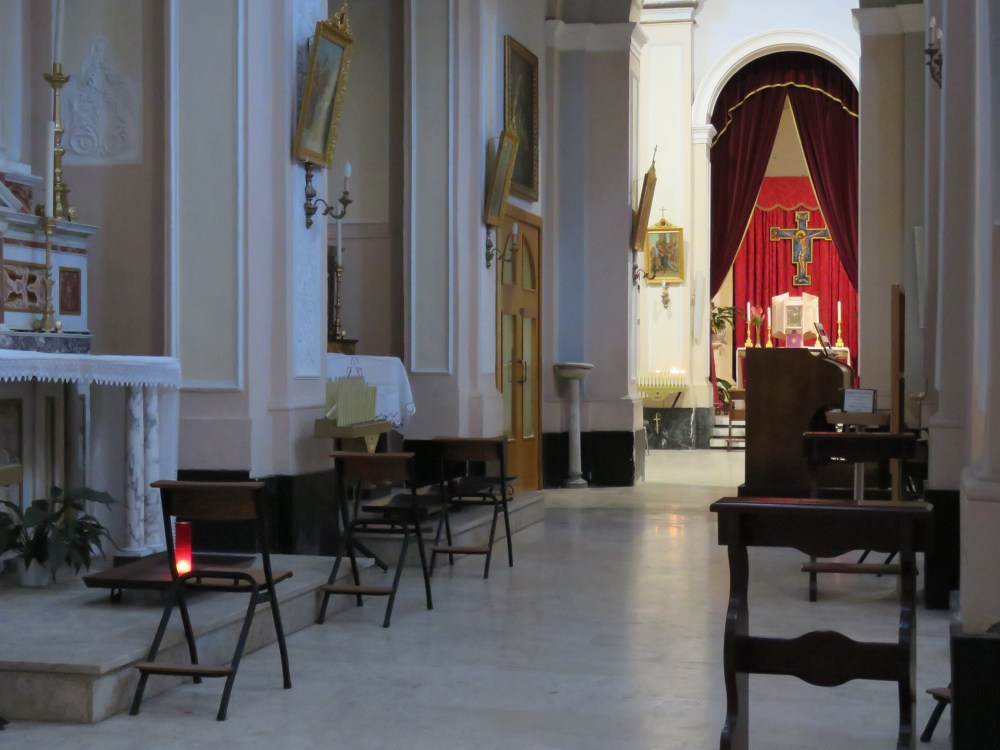
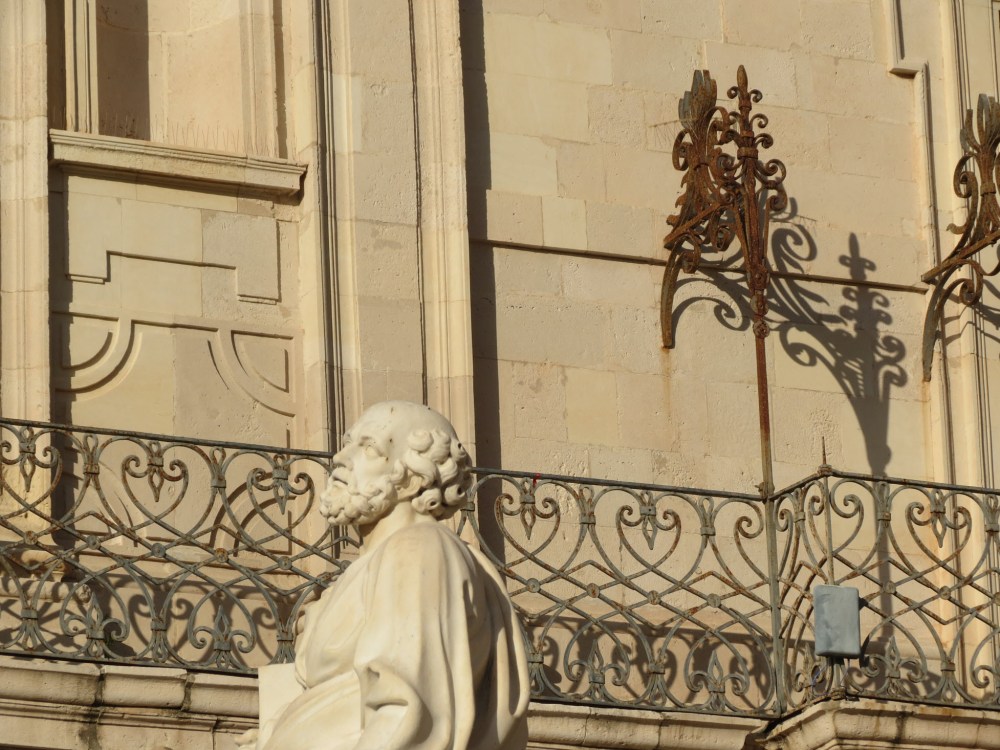
We meander into the old city and come upon the huge Piazza del Duomo, with hundreds of people milling about dressed in their holiday clothes. We explore the Chiesa di Santa Lucia, named after the martyred saint from Syracuse, who pledged herself to God but was nonetheless betrothed to a wealthy man. When she announced her plans of distributing her dowry to the poor, she was sent to a brothel to be defiled, but she would not be moved, even by a team of oxen. When the order then came for her to be burned at the stake, the wood would not catch fire. So she was stabbed in the neck, but not before her eyes were gouged out and set upon a plate; thus, she is the saint of sight and light. Well, I guess she does deserve a church or two given all she went through! I am struck that generations of Christians worship such violent idolatry, but I guess they come by it honestly with the ultimate idol being Jesus on the cross.
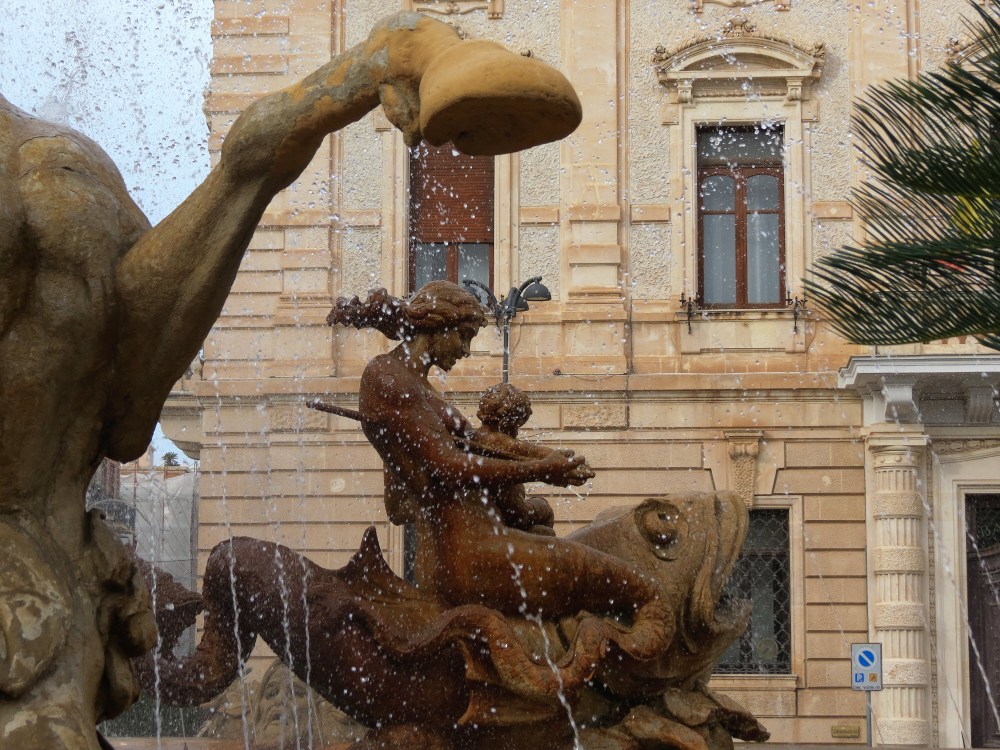
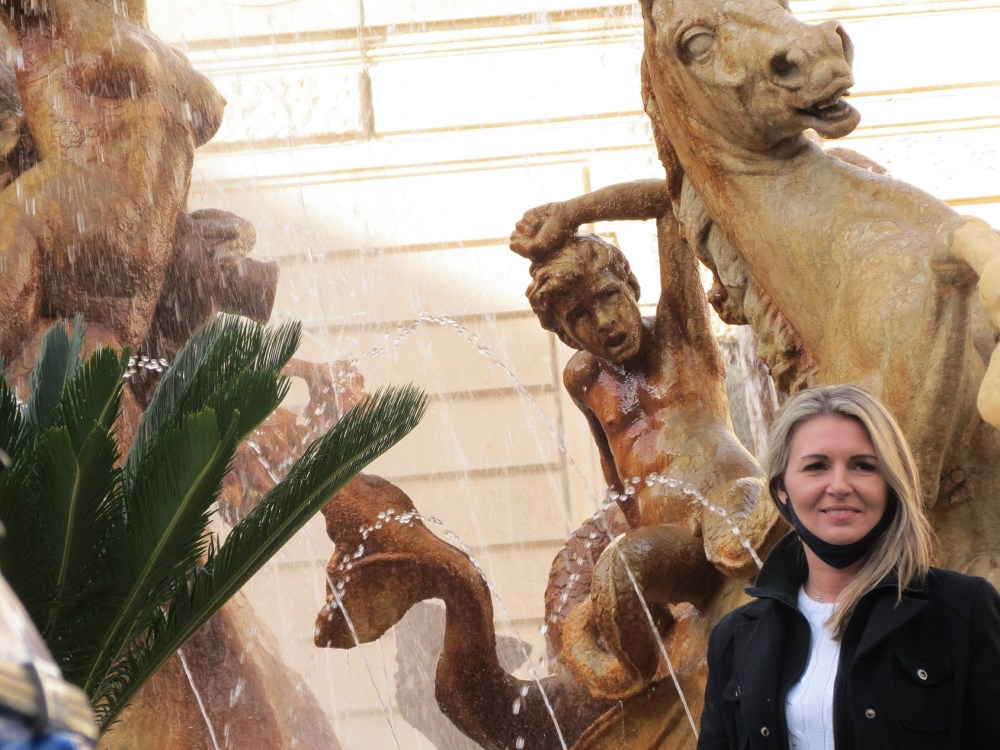
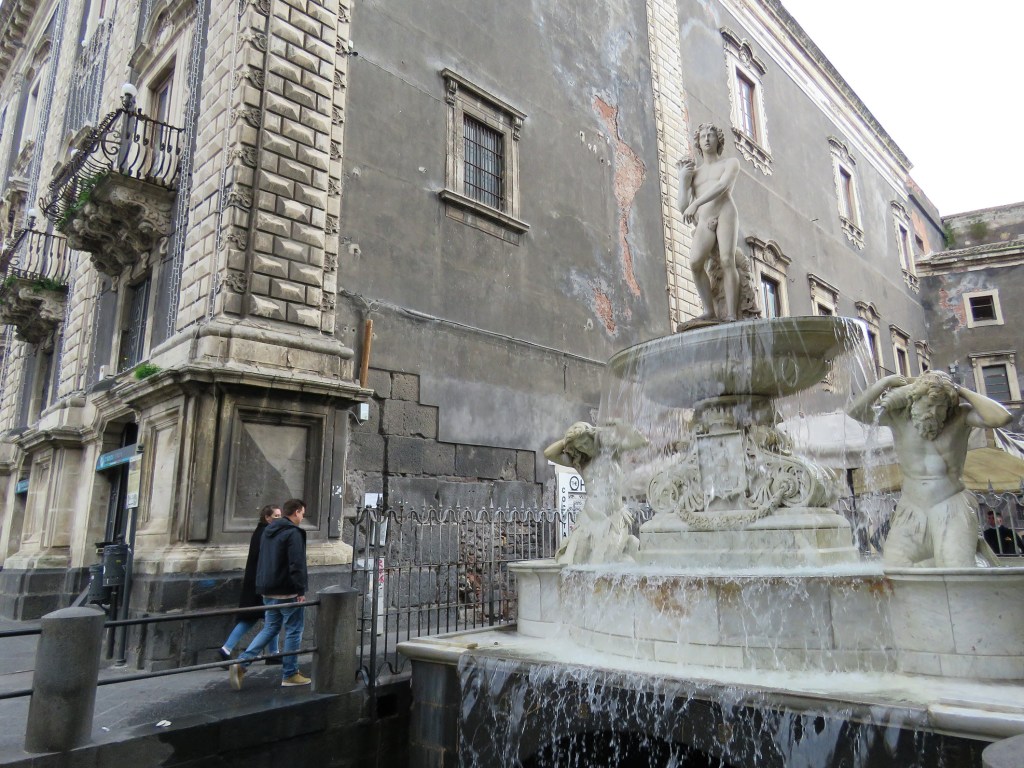
We come upon the Piazza Archimede with the Fontana di Diana, an elaborate fountain dedicated to the Roman goddess Diana surrounded by nymphs splashing in the water. Diana, the Roman version of the Greek goddess Artemis, is the goddess of the hunt, wild animals, fertility, and the Moon, daughter of Jupiter, and twin sister of Apollo, so yeah, a badass kinda gal.

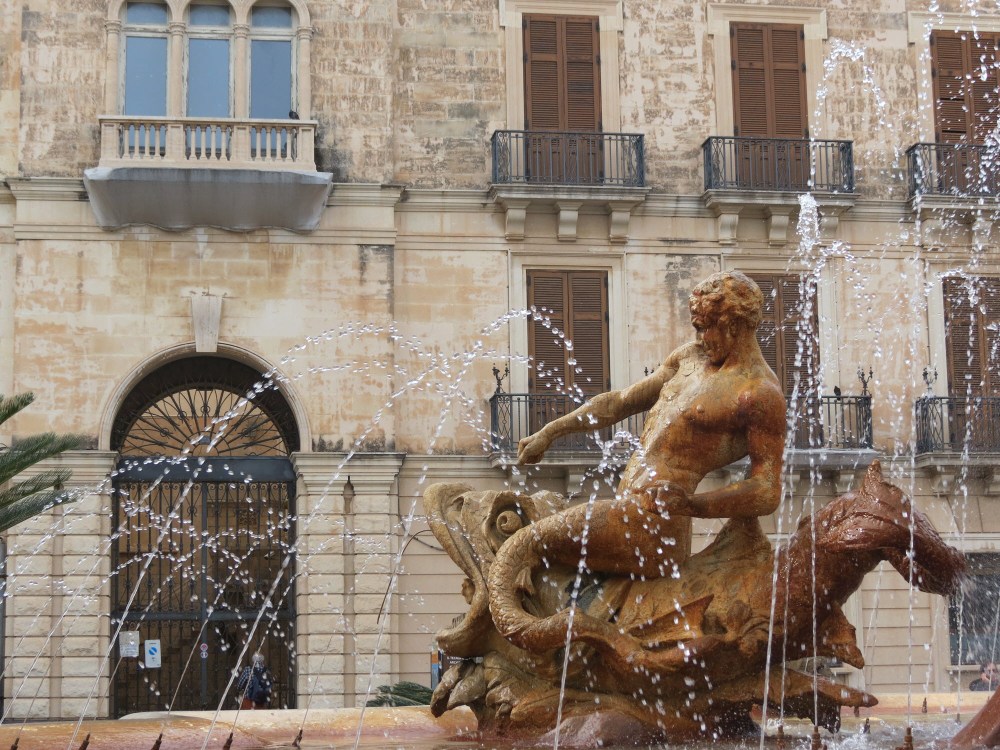
And let’s not forget the Greek mathematician, physicist, engineer, astronomer, and inventor Archimedes from Syracuse. This guy had most of mathematics and a whole lot of physics figured out by 212 BC when he died—calculus, geometry, pi, the infinitely large, the infinitely small, the lever, center of gravity, buoyancy, the screw pump, and mechanical pulleys, among other things. You just don’t meet guys like that these days, now do you?

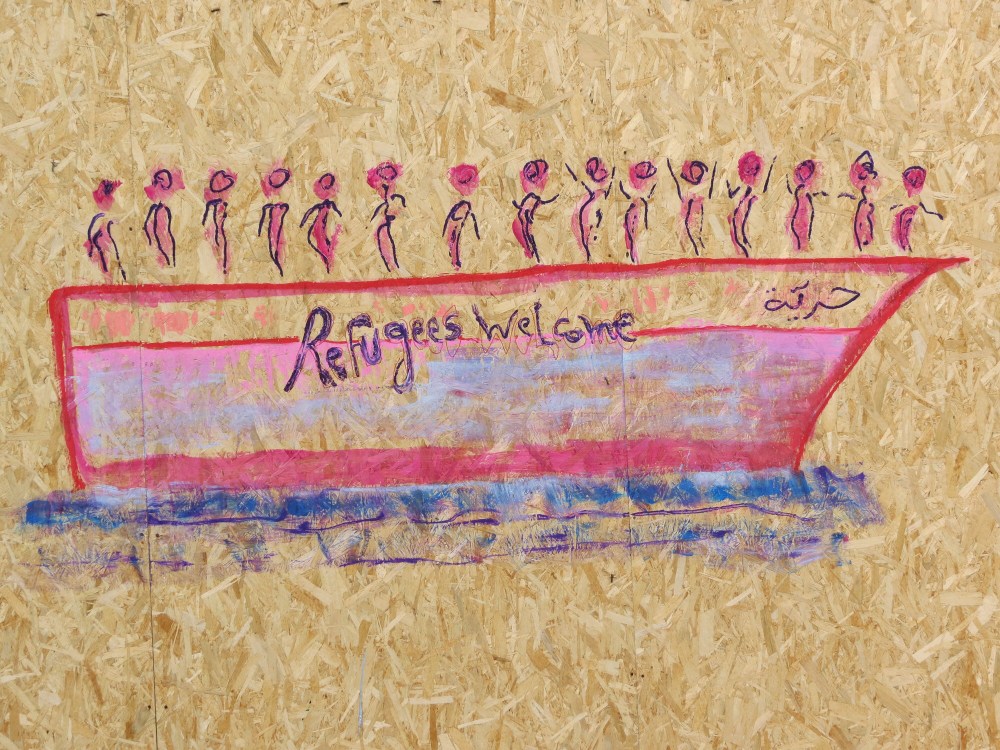
Instead, as we lunch on caponata and pasta, we are accosted by a Senegalese clad in a necklace of colorful bracelets and several wooden sculptures he wants to sell us. We tell him we live on a boat and have no room for such things and engage him about where he’s from. “You know where I’m from,” he says with scorn. It turns out that in 2021, Italy accepted almost 60,000 refugees and asylum seekers. We try to tell him about Portland, Maine, which welcomes refugees, but after five minutes, he leaves in a huff, apparently offended that we wouldn’t buy anything, given his status. I am very sorry for your plight sir, but I didn’t ask for any trinkets.
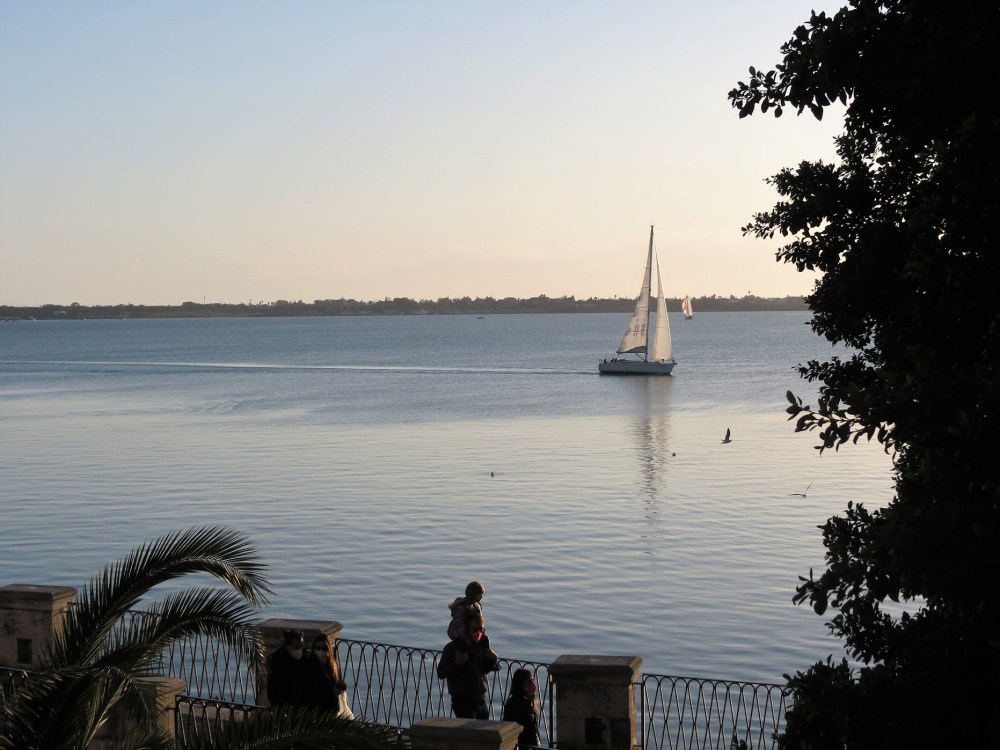
On the way back to the boat after a long day, we walk along the water and come across the Fonte Aretusa, where the nymph Aretusa, the Greek patron of Syracuse is supposed to have returned to earth from the underworld. Because of her beauty, the river god Alpheus fell in love with her, but she vowed chastity in service to her goddess Artemis (see above) and asked to be saved. Artemis created a cloud around her so she couldn’t be found and eventually she turned into water. Meanwhile Alpheus turns into water as well and they merge. Hmmm, that’s not exactly how I wanted to story to end.
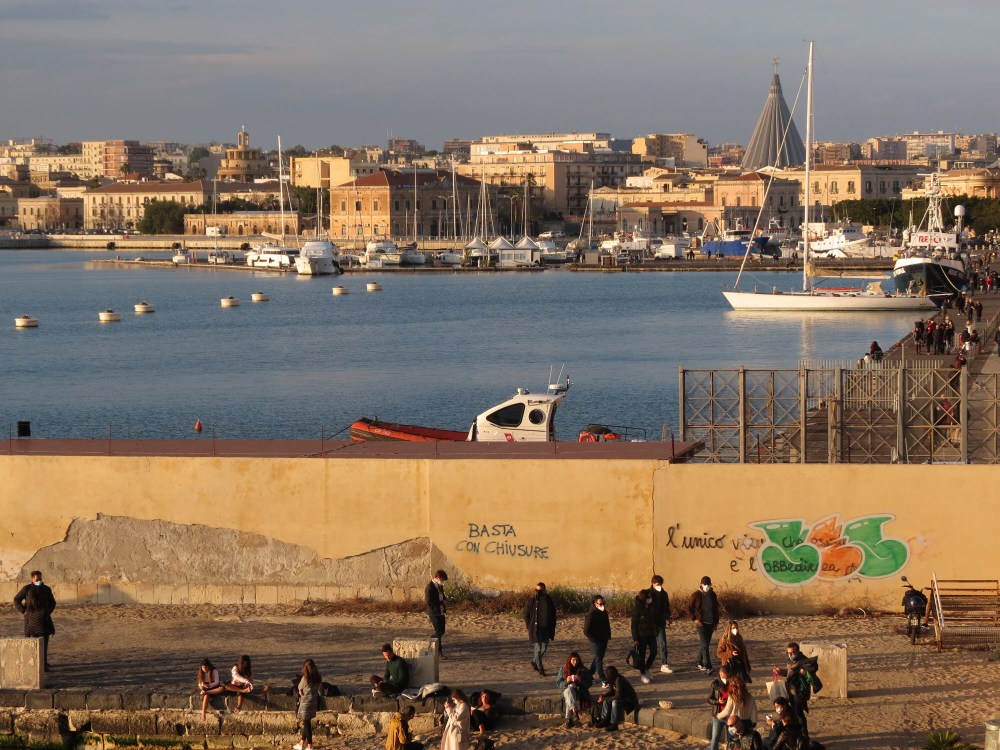
Along the public pier we see a large boat called ResQ People (click link if you’re interested), launched in August, 2021, in a humanitarian effort to rescue the many refugees who flee their countries by boat in the Mediterranean and often die in the process. Since 2014, 20,000 people have died at sea or are missing in their attempts to flee their countries to seek asylum. Since August 2021, the ship has rescued 225 men, women, and children. Thank you wealthy patrons of Florence!
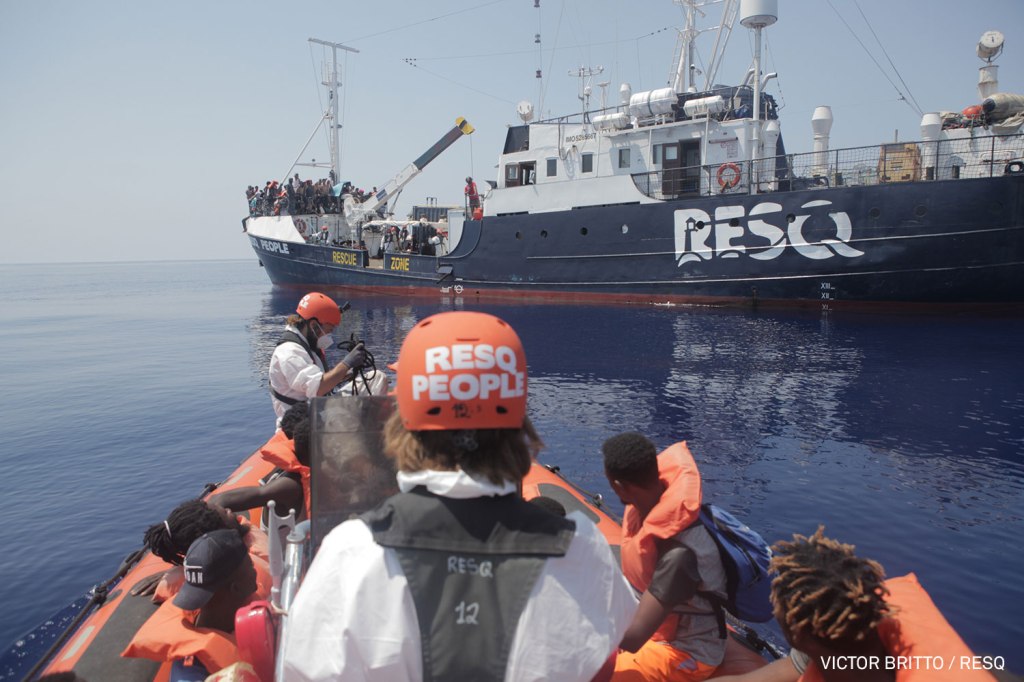
From the ResQ People website

All this on Epiphany. It’s a lot to take in.

*     *     *

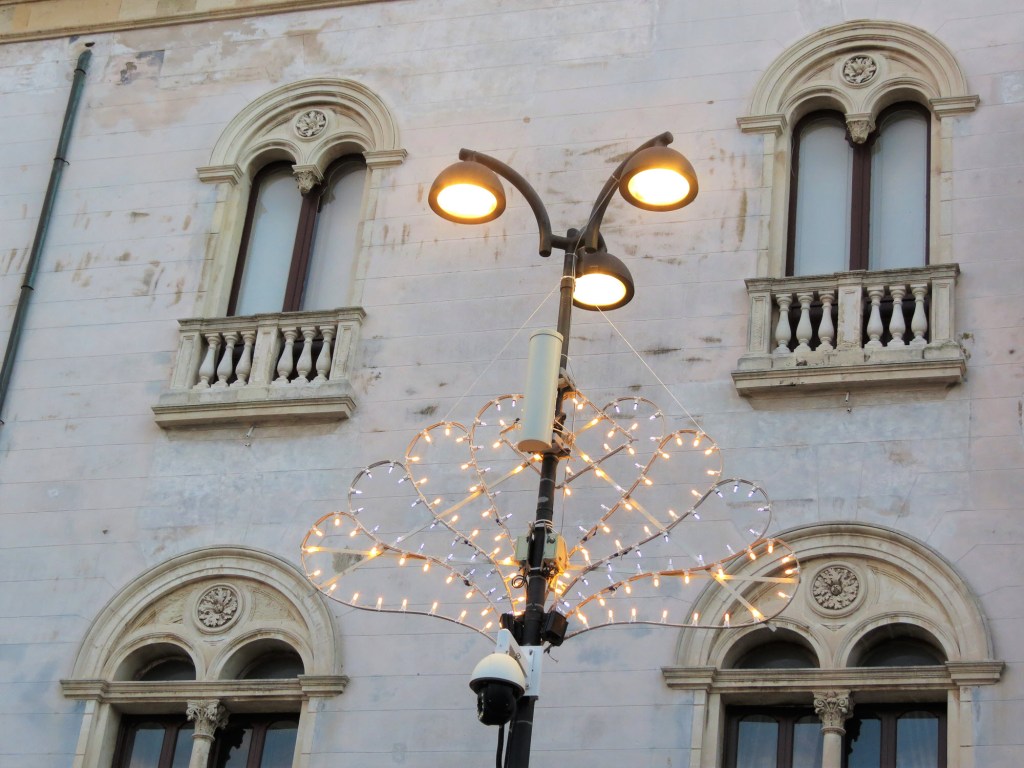
As the days pass, we walk through the new part of Syracuse, which feels dirty and unkempt with odd-colored buildings that offend my eye. Dogs poop on the sidewalks, many buildings are derelict, and garbage litters empty lots. We inspect the marina that was never built and learn from a local resident that “politics” was responsible, and the public money that was given was stolen. We learn from the lovely couple that runs the chandlery, and later from the manager that Marina Yachting, that Marina Yachting where we are staying has been without a license renewal from the city for two years, which explains why the owner is reluctant to put more money in it to keep it up—it could be taken away at a moment’s notice.

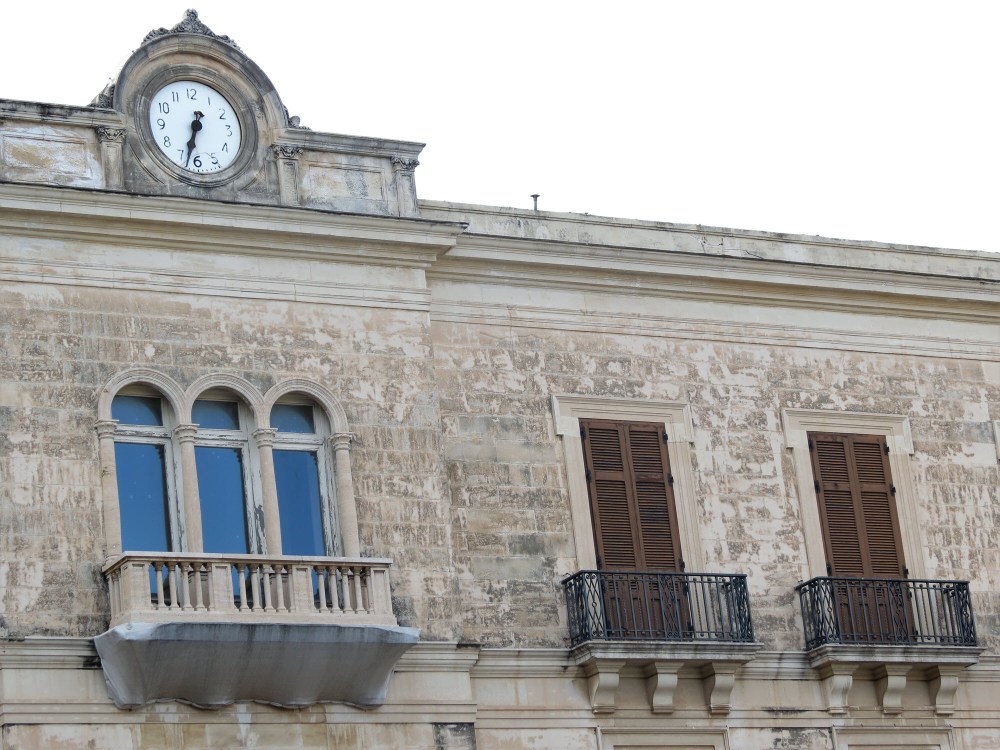
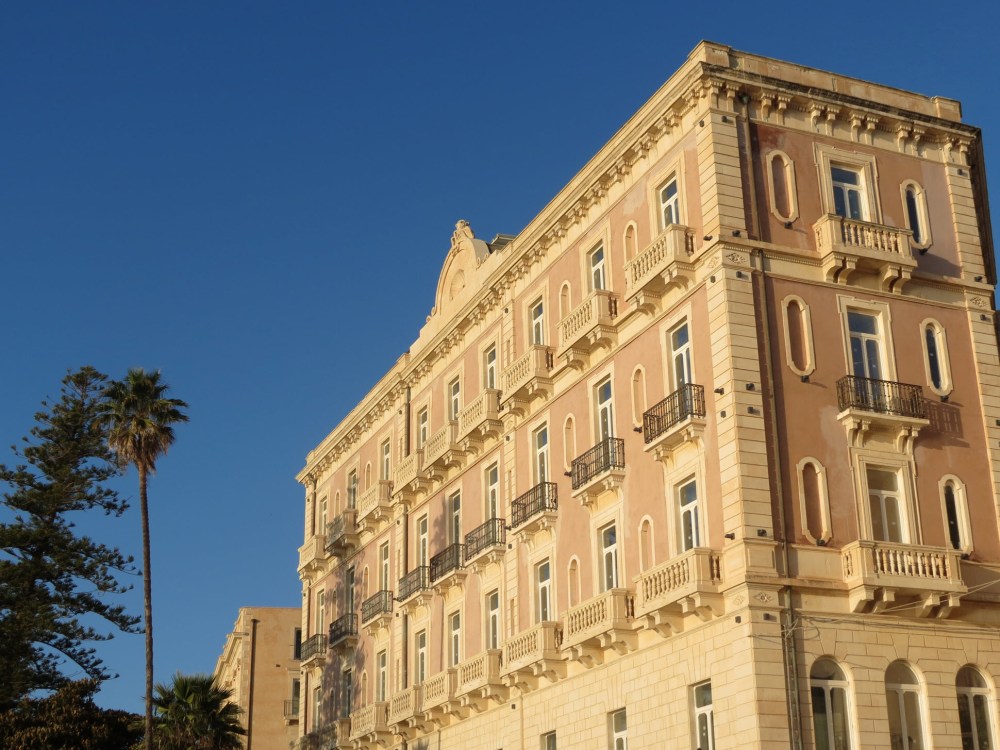
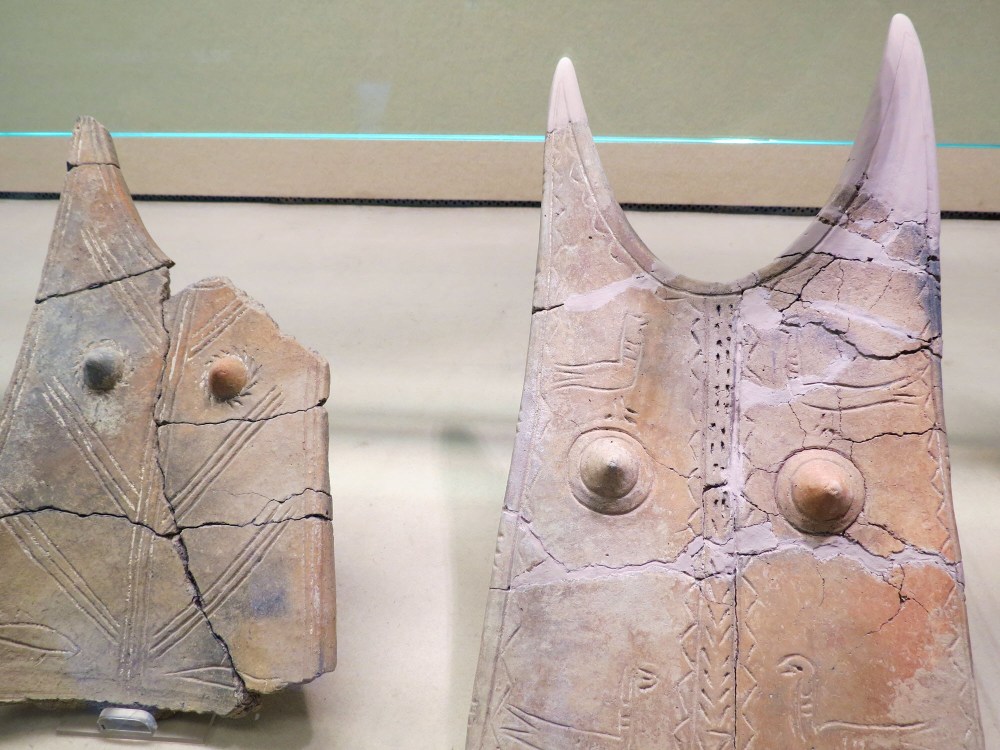
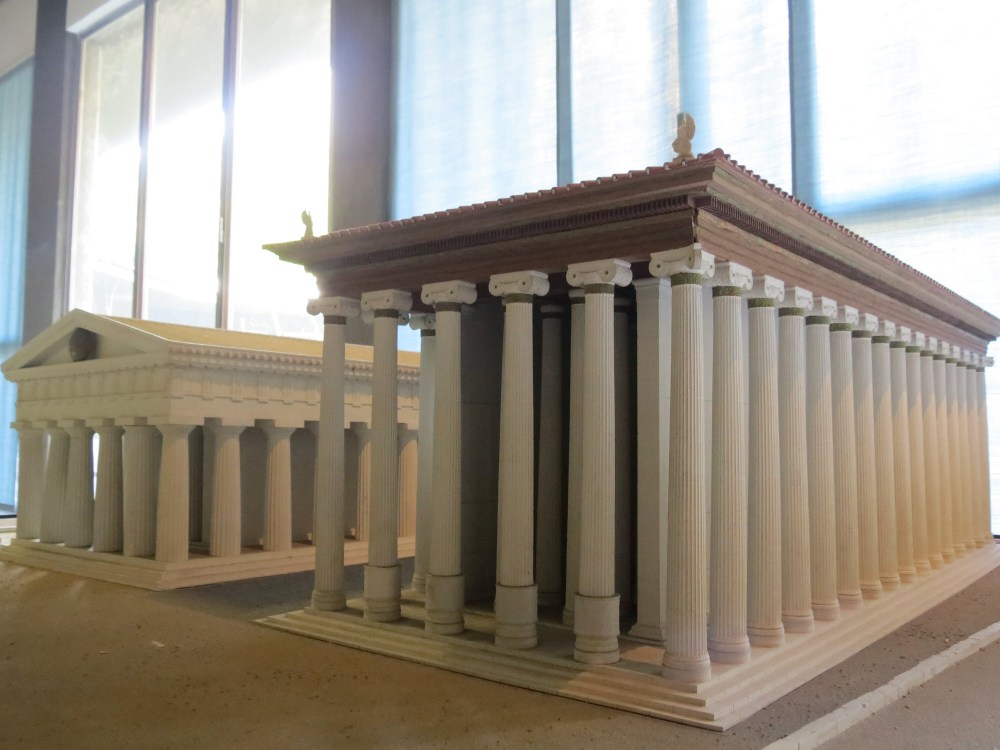
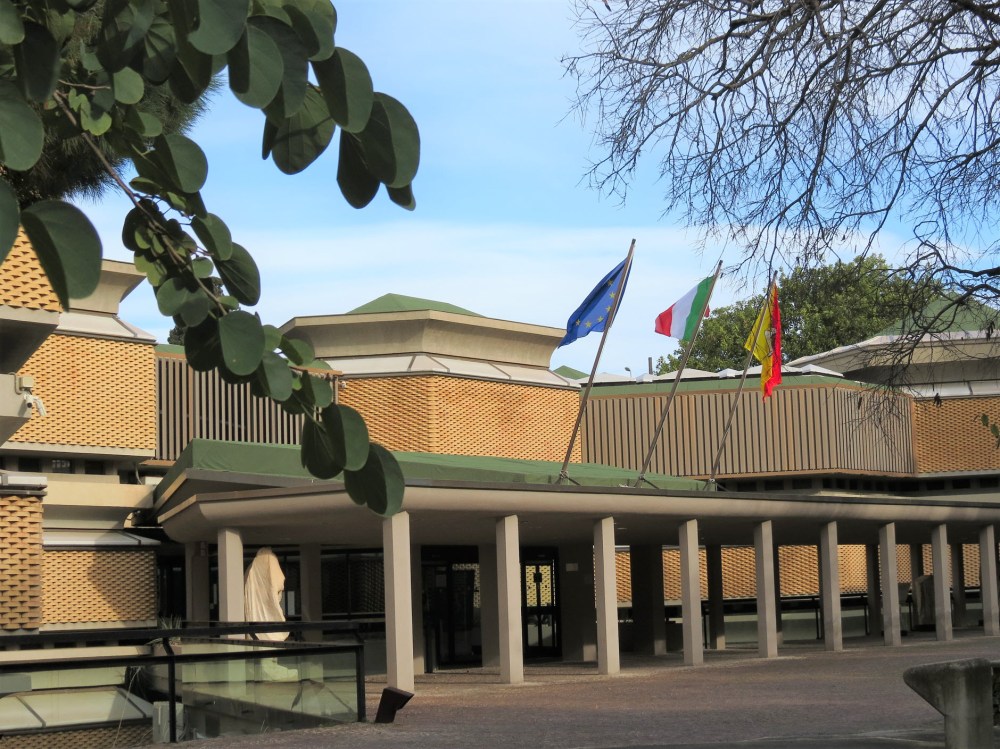
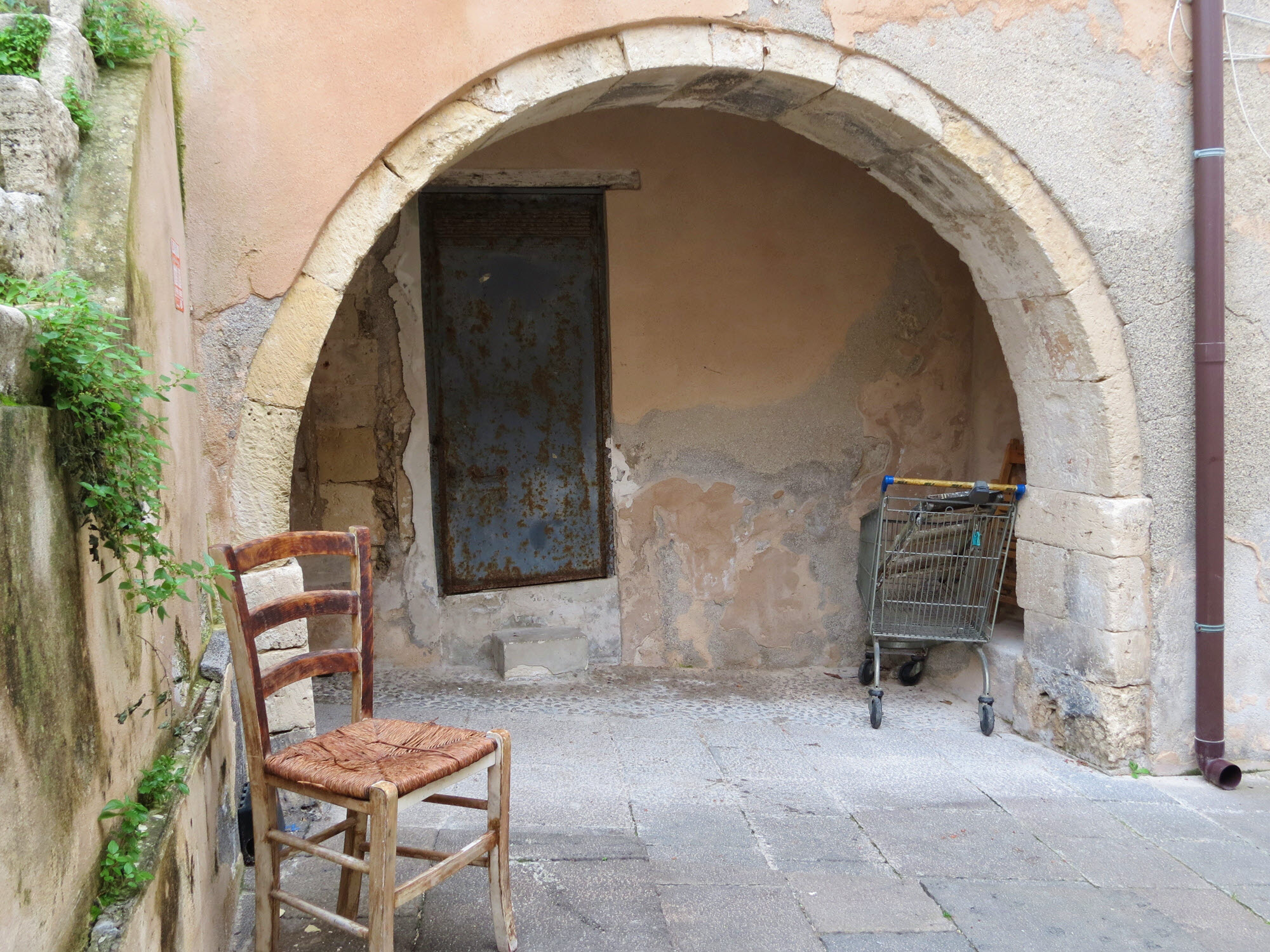
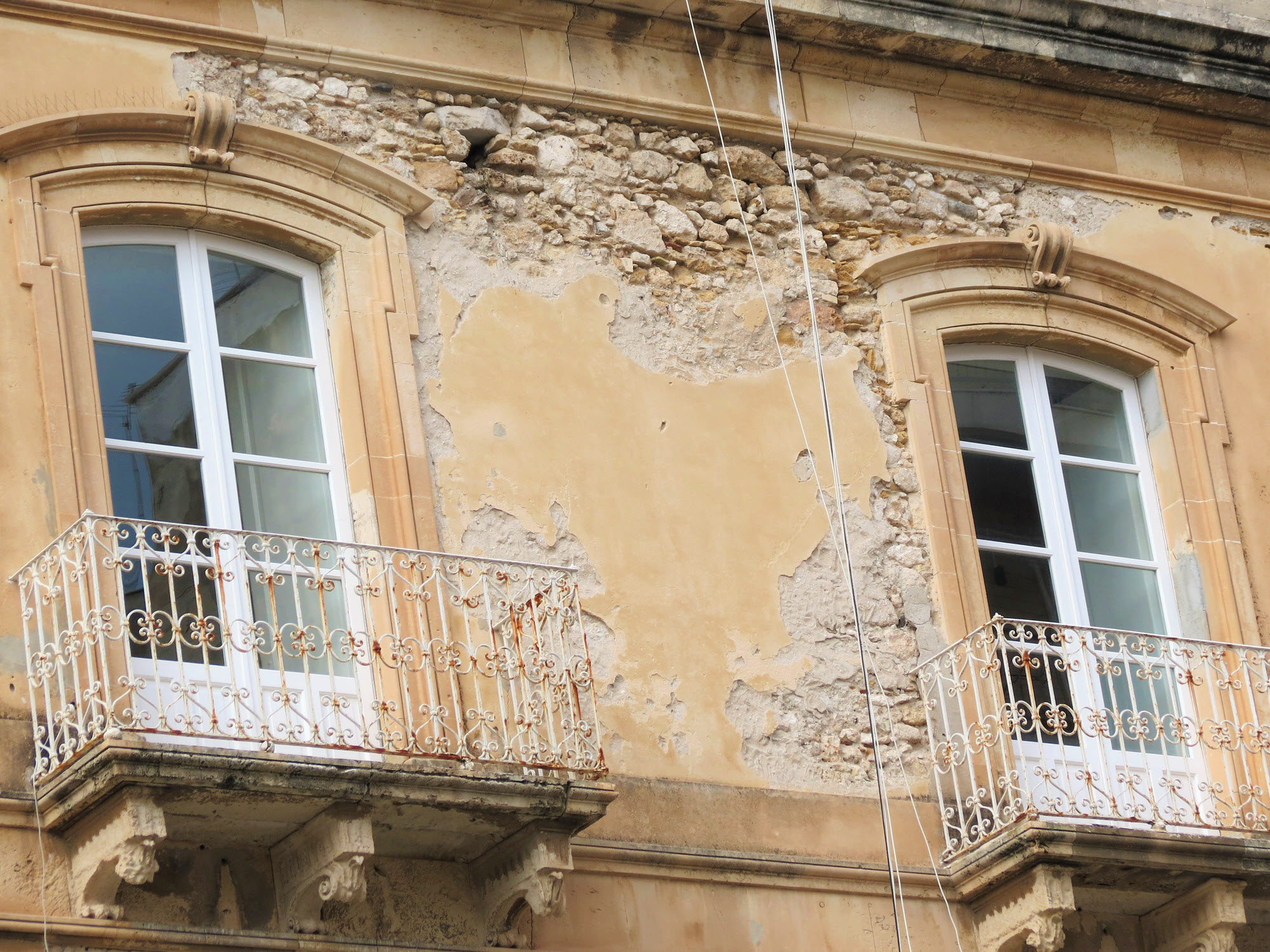
We visit one of the most acclaimed archeological museums in Europe, which takes us on a walk through time from “prehistory” to the Greek and Roman periods in Sicily where we literally watch technology, architecture, and humanity unfold, witnesses to human evolution—from the early vague resemblances of stone tools to iron blades, metal belts, and what look like safety pins; from vessels with the merest gesture of pattern to decorated vases with elaborate scenes of chariots and lovers; and from dwellings carved into hillsides to ruins of gargantuan temples and what were clearly cities where people lived and did business. 20,000 years of history in two and a half hours! We both agree we prefer the elegant simplicity of human design from the earliest examples, oh say, 4000 BC. On the other hand, the “modern,” machine-made architecture of Syracuse, such as the Basilica Madonna delle Lacrime and most of the buildings we saw in the new city don’t hold a candle to the small scale, hand-made ambiance of Ortigia.

We seek out a city library and are given a passionate tour of the works and artifacts of Elio Vittorini, the beloved writer from Syracuse. We read several pages of his anti-fascist novel, Conversations in Sicily for which he was jailed when it was published in 1941. The librarian asks to take our picture reading the book to post on Facebook. I guess they don’t get too many tourists showing that much interest.

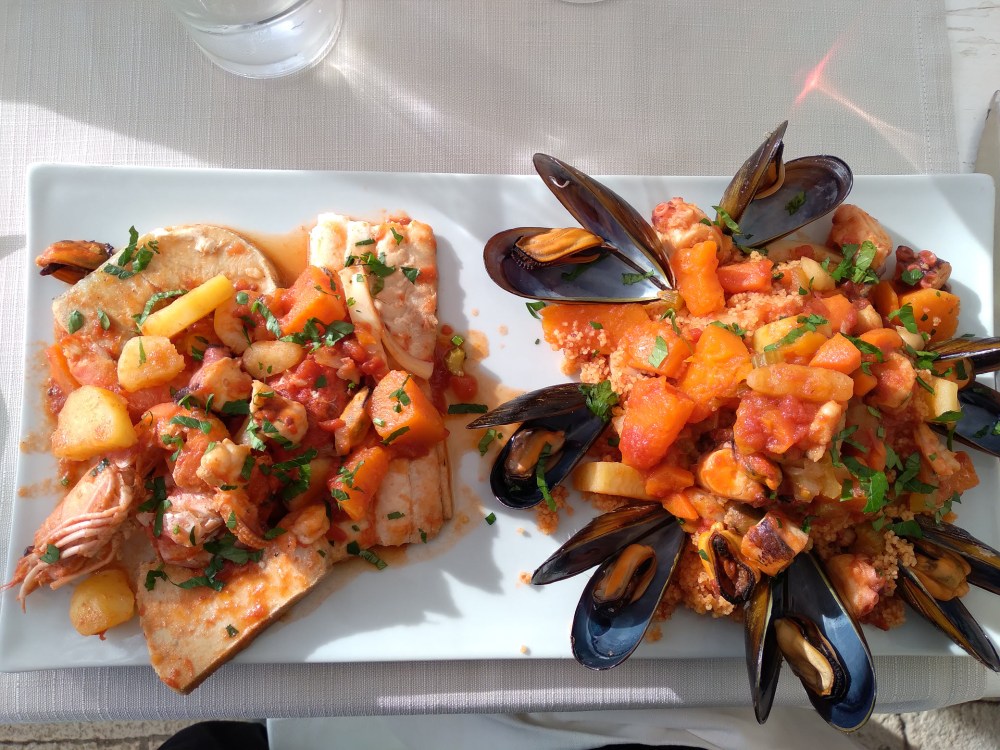
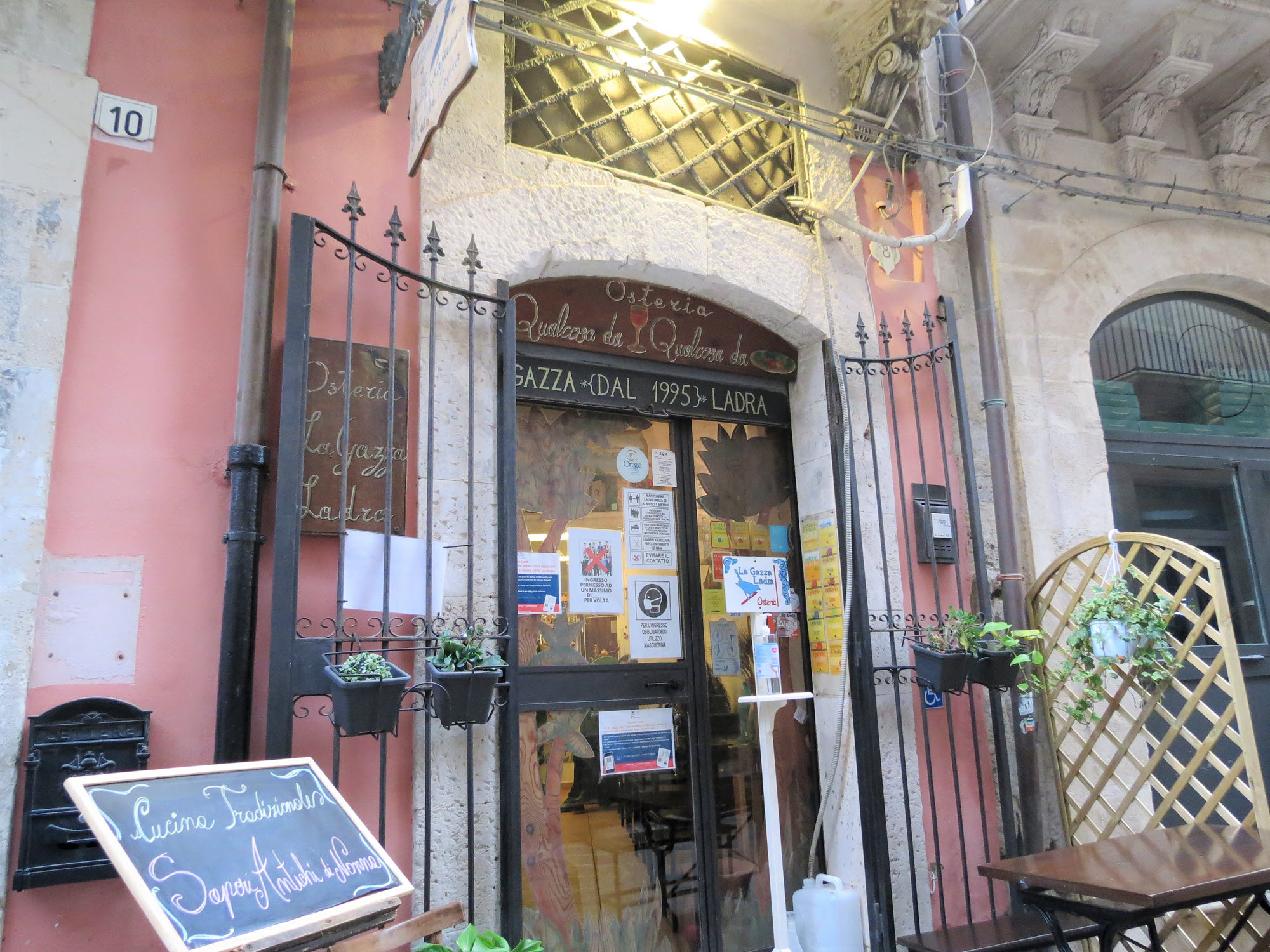
And we have two of the best meals yet at a small tavern with six tables, La Gazza Ladra, where the food is slow cooked during the day by the owner and his zia and served from a display case at night: artichoke frittata, caponata, the best eggplant parmesan ever, subtly flavored meat balls, fried eggplant balls, indescribably delicious sausage, artichoke and potato soup, the most tender of pork roast, and biancomangare—a medieval dessert. What a delightful anomaly: no pasta or pizza! The Slow Food movement thrives in Italy and I want to learn more about it.
We spend a fascinating hour conversing with the Norwegian we met at the marina whom we meet by chance in a bar, aka coffee shop. Turns out he has spent his life as a documentary film maker and started an online magazine that reviews independent documentary films. He had just made an offer on an apartment and was on his way to see another, so we ask to join him, which is such a treat as we’ve been curious about the inside of these ancient buildings.

We watch one of his films and are intrigued by the ideas of this Norwegian philosopher who espouses ecohumanism, that is, a return to nature as the solution to all our woes as humans.

This interplay of man and nature, and man’s “head” and “heart”, clearly defines ecohumanism as a movement to address the failures in society . . . due to failures of presence, of personal connection with the all planetary systems.

We couldn’t agree more! We watch a very personal and passionate film called Sugar Blues created by his partner about the evils of sugar. We vow on the spot to eat healthier.

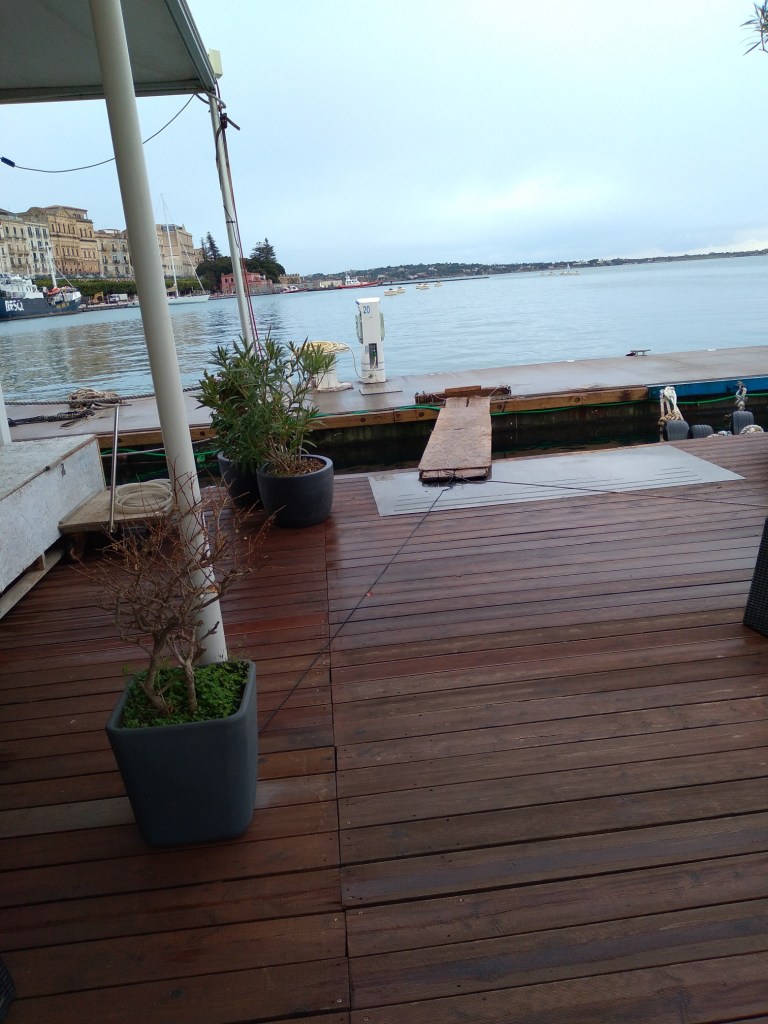
Which brings me to our boat, Cascade II, where on our second morning here has no shore power so no heat. It gets colder and colder as the day wears on, so we seek out an AirBnB to take refuge. When we arrive, the heat doesn’t work. Impossible, you might say, but true. After a couple of hours and the loan of a space heater, we’re finally warm again. OK, it’s Sicily in January, so what did we expect? Thankfully, on the following day at the marina, we run an extension chord to the boat, bypassing the broken electrical pedestal, and have power and heat once again. On our last day, we discover that the bridge connecting our pontoon to the main dock is broken so we must be ferried to our boat by dinghy.

    *     *     *

After nine days, we find we are ready to leave. Perhaps it’s too much city—where is nature among all this concrete? Perhaps we’re wondering what our place is in all of this Italian culture and history. We came here to explore a more lively place with a wider variety of people, culture, and events. To some extent we found that in the people we met and in osterias that offered grandma’s cooking. We experienced different ways of living, being, and remembering, and saw present day life set against the backdrop of goddesses, temples, churches, saints, geniuses, refugees, and everyday folk. Whether desired or not, so much of the built history of Italy remains, which provides an intriguing backdrop for exploration but at the same time appears to limit the possibilities for new expression and change.

I suppose you could say our epiphany is this: while we each have our own beliefs, history, customs, and lifestyles, we all share basic instincts and desires that bind us more than divide us. The rest is layer upon layer of societal and cultural conditioning and prejudice, which often leads to the many unwanted consequences of what we call “progress.”

CASCADE II S2:E3

12/27/2021

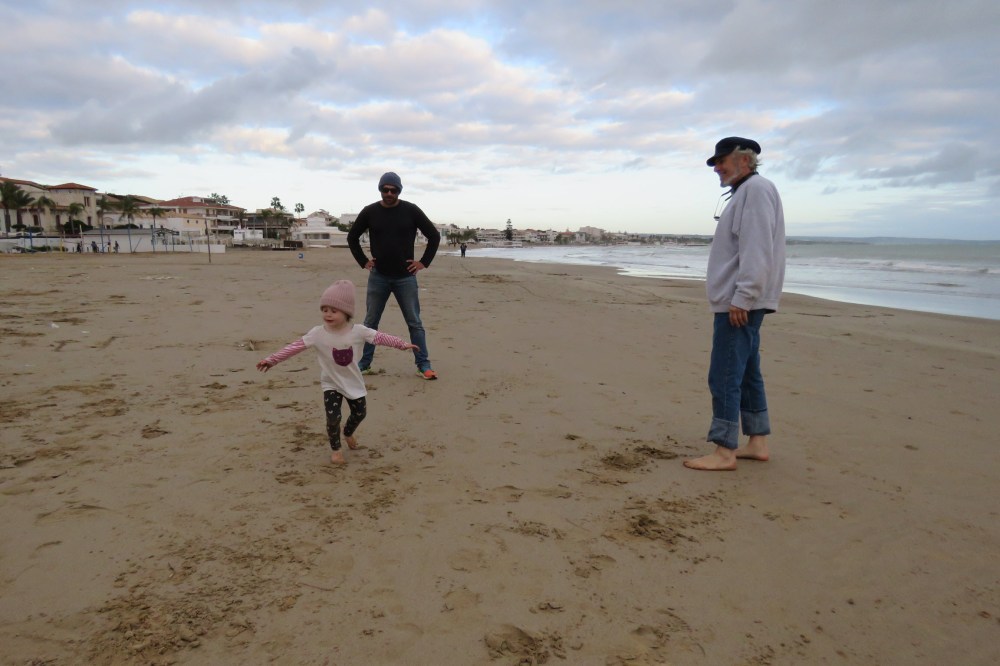
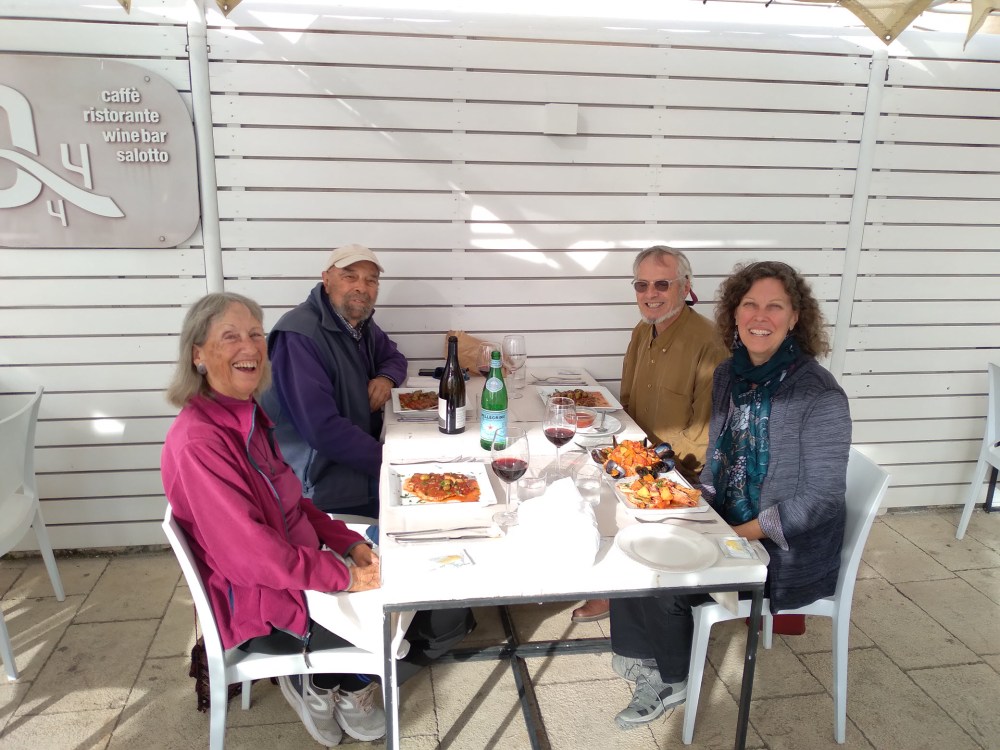
Merry Christmas from across the pond! Here we are having a Christmas lunch on the beach, a sumptuous meal of seafood and “deconstructed cannoli” for dessert—that was a first!

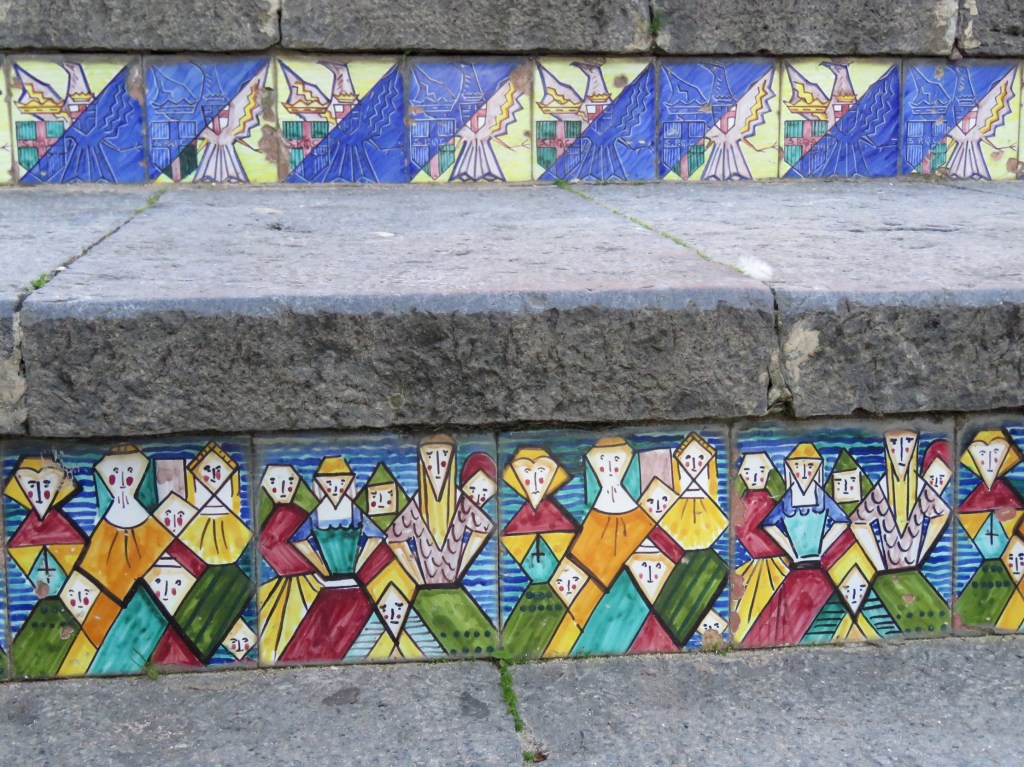
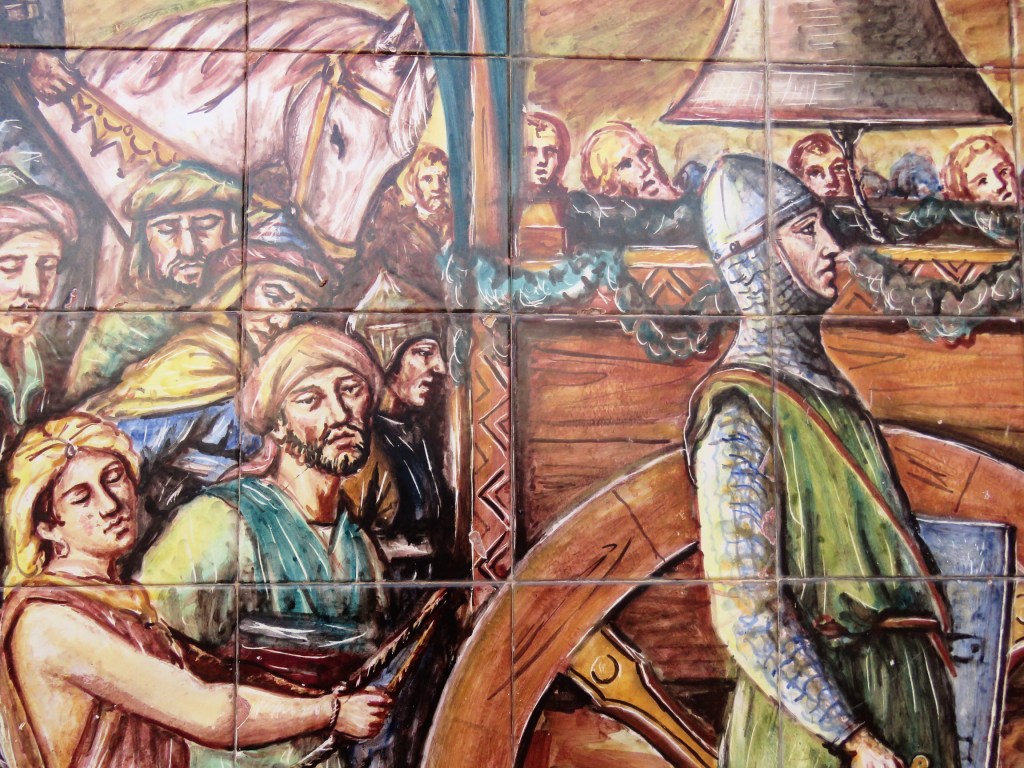
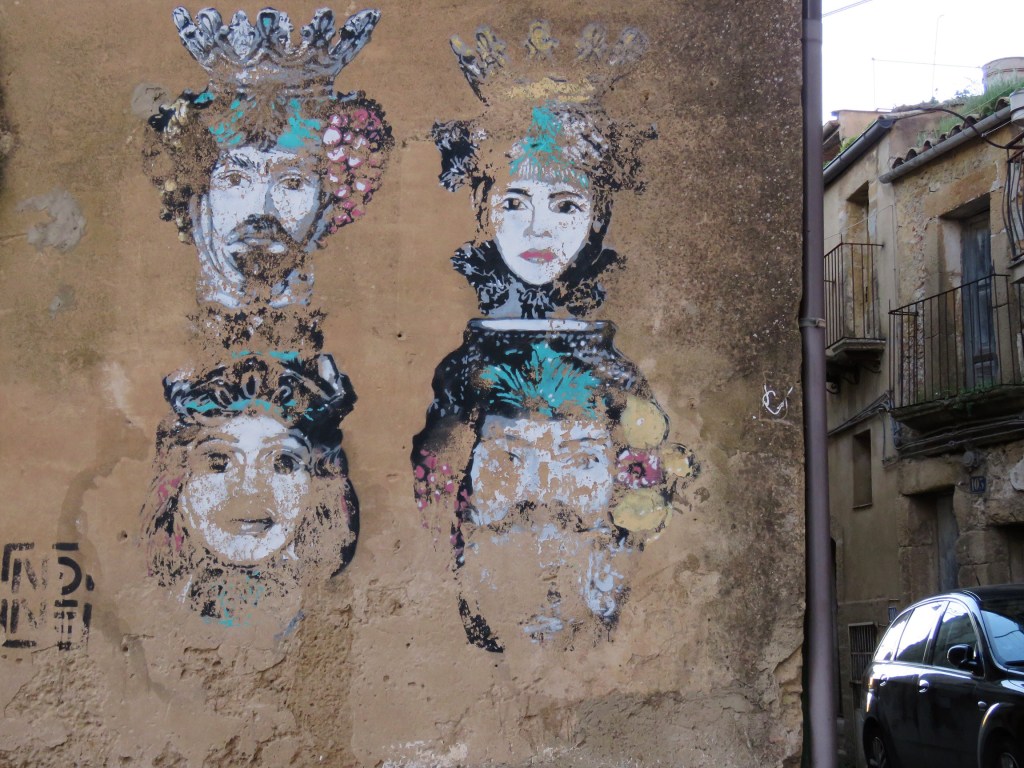
In this episode, Will takes the helm on most of the writing while I narrate our six-day trip across Sicily through pictures, which tooks us to Catania, Caltagirone, Enna, Cefalu, and Agrigento.

CENTER

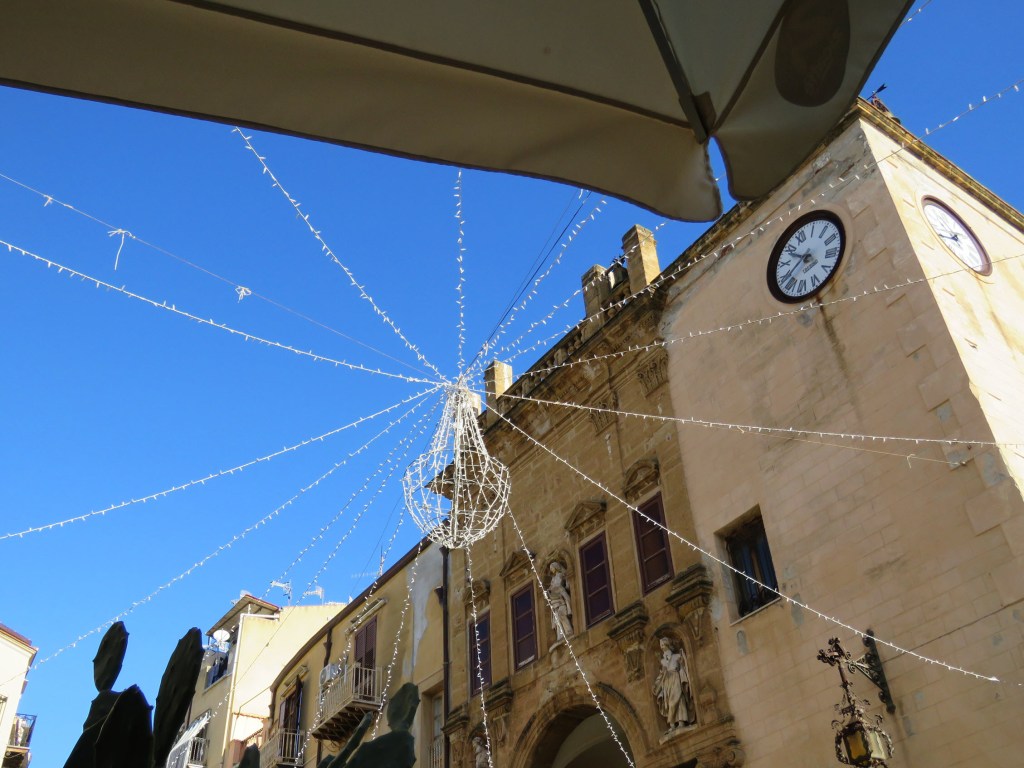
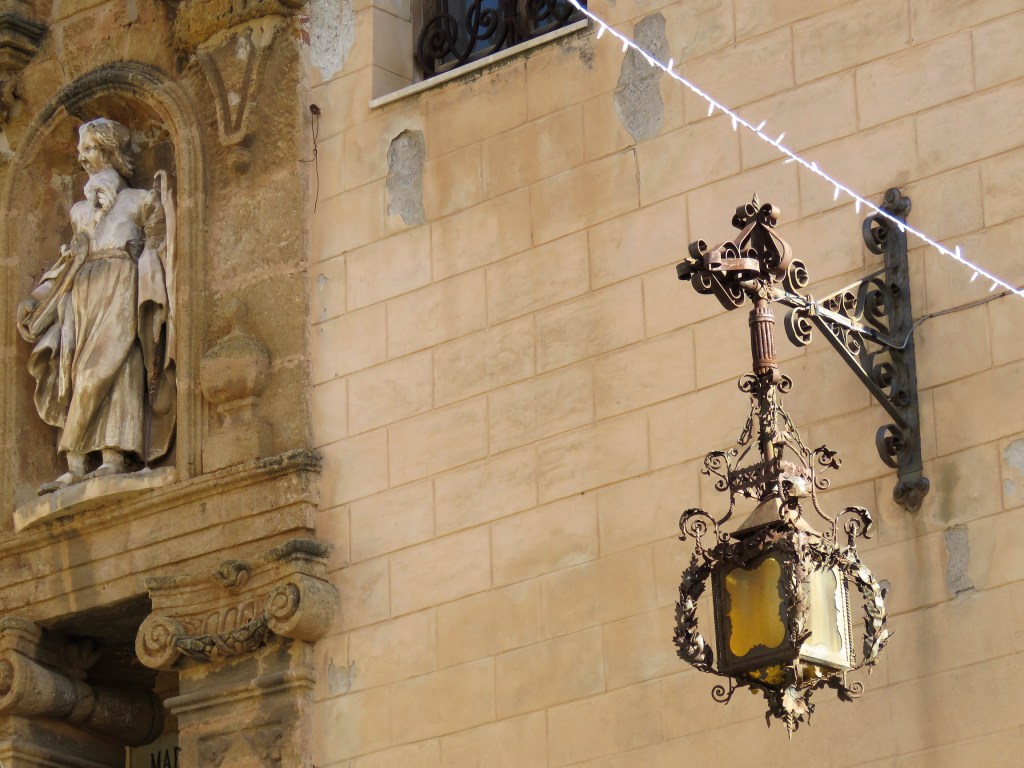
The piazza is the living room for all the tiny apartments in the Old City, “il Centro.” Once the newspaper, one’s manna, the town cryer, and the talk of the town occurred here, as women daily went to the market and old men sat and kibitzed, or the Church emptied its pews onto the world. Now it’s more a carnival, festooned with the season’s mini-Christmas kiosks, too-loud pumped in music, and children playing hide-and-seek with the decorated central tall fir as home base. The size of the piazza was in proportion to the prestige of the Duomo, the city’s grandest church—think the Square of St. Peter’s, which is actually an oval—or town hall or both.

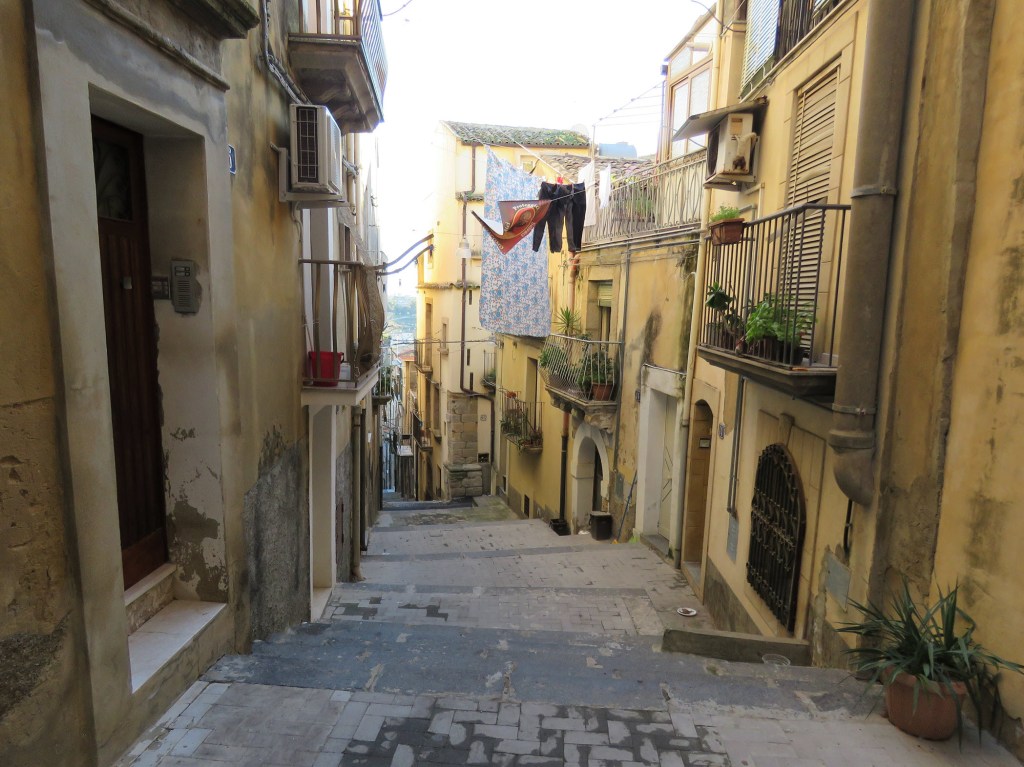
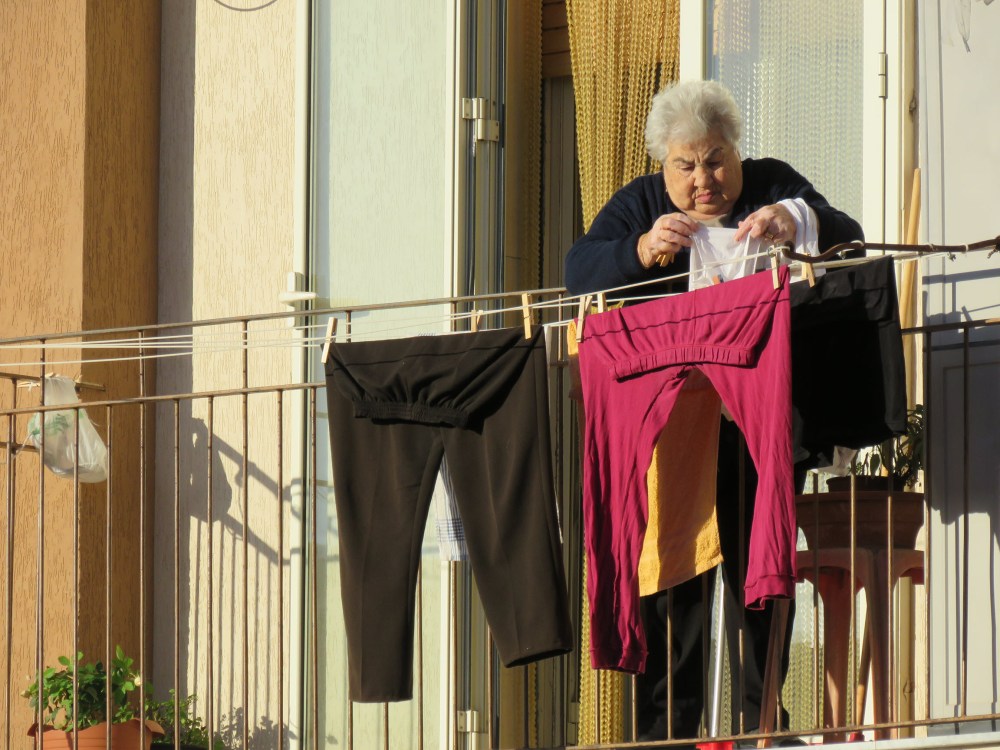
From this regularized geometry of a place leads out vias, corridors as strands of Medusa’s hair in every which direction, in every un-geometry imaginable: often tiny, narrow apertures to the sky, clouds of laundry strewn from the multitude of balconies (who has room for a dryer, let alone the funds to run it? or is it that the smell of fresh air on clothes is too irresistible?), and the inevitable house-marm shuffling about in a sleeveless, flower print coverall that is the forerunner to our apron. And then there are the outdoor markets, selling all manner of food items!

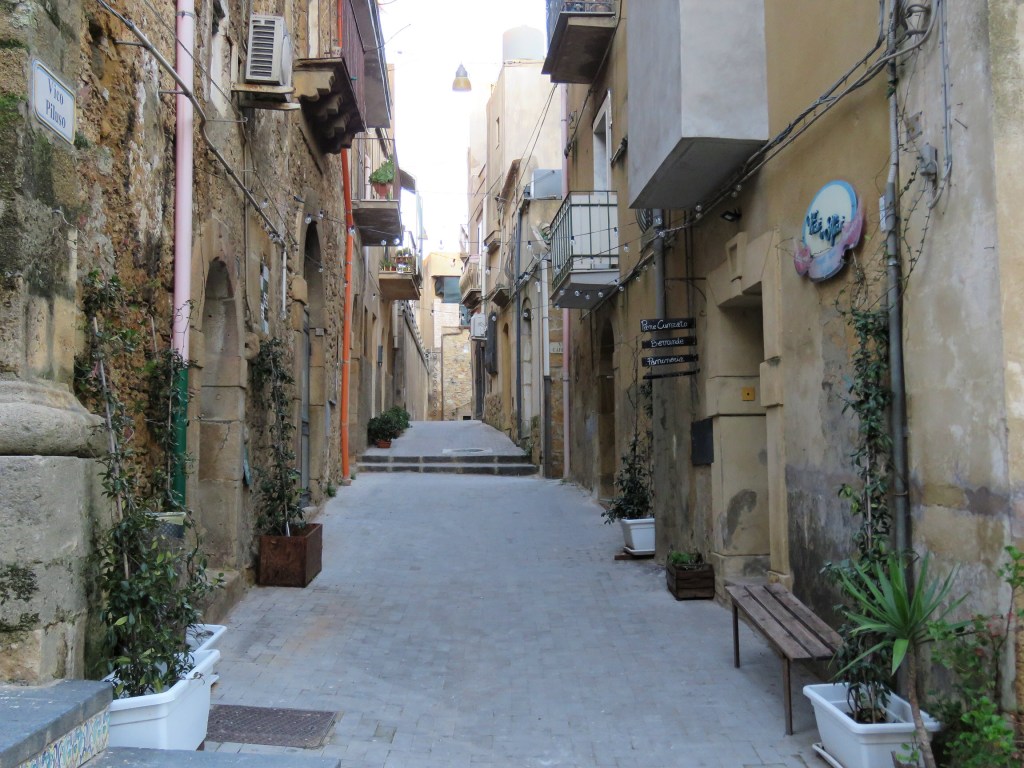
And so begins the non-center, the non-focal point, the non-pure where the other side of life occurs: messy, fragrant, delicious. Yes, you can have a caffe or pasta in the piazza, but it’s a different taste. You want to be tucked into the bowels of a millenia-old ristorante, low barrel-vaults overhead, and disappearing windy stairs that lead to other levels in the maze—a small turn-out/tilt-in window giving an unexpected glimpse of the alley or valley or sea way down the hillside. 

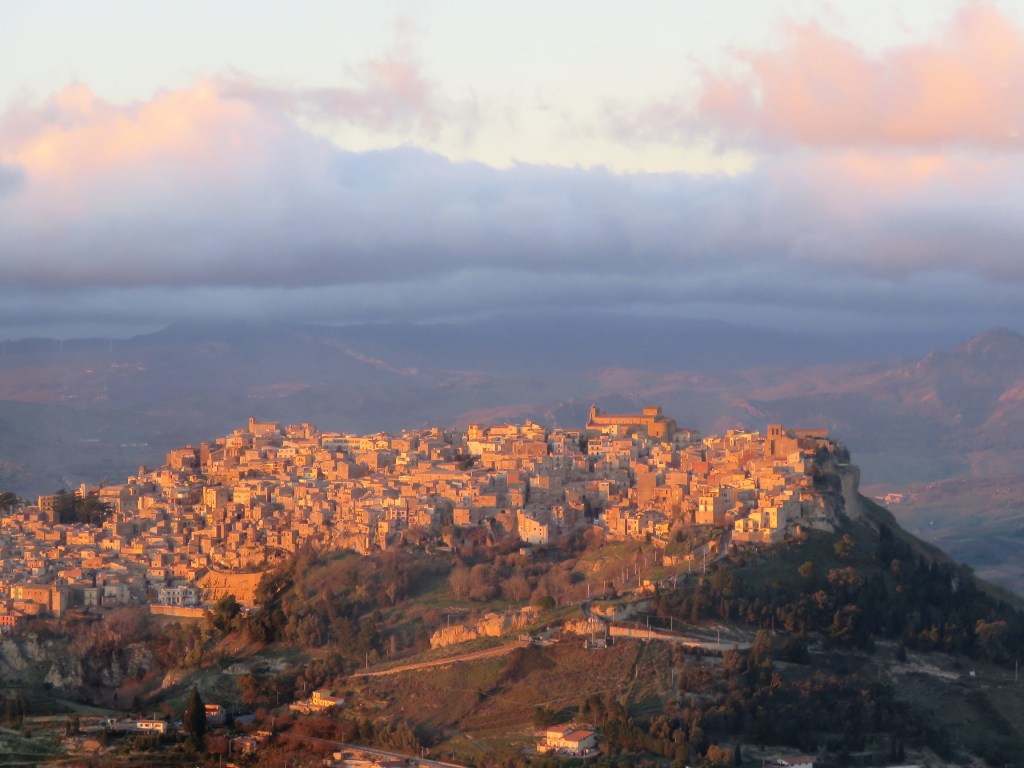
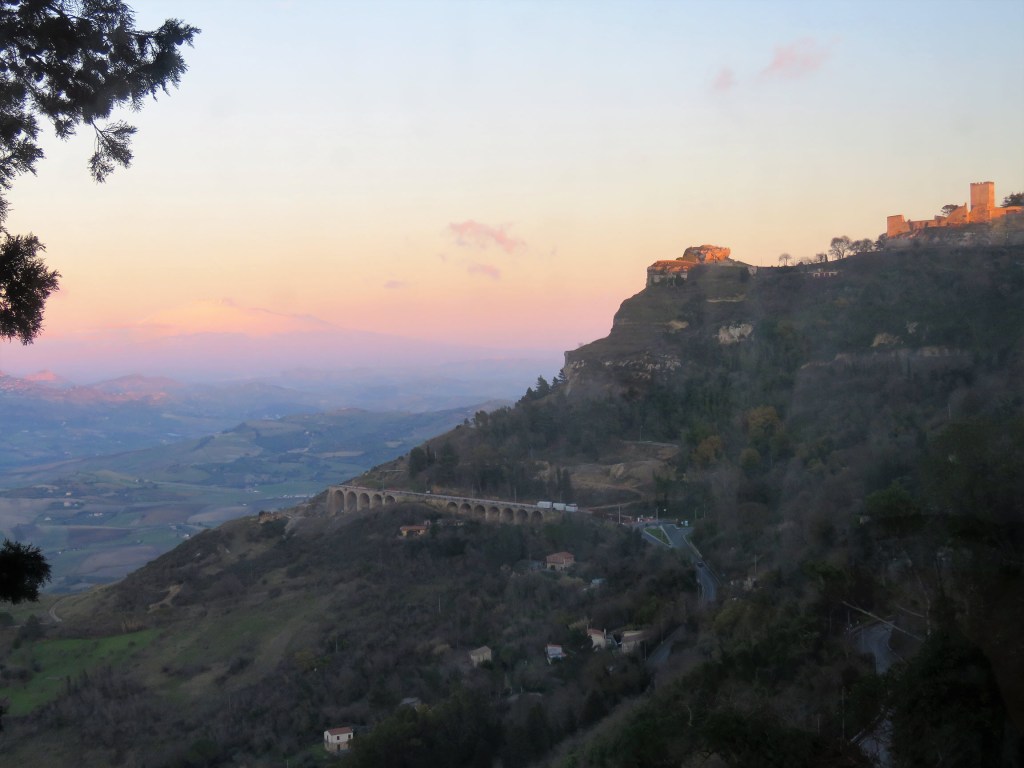
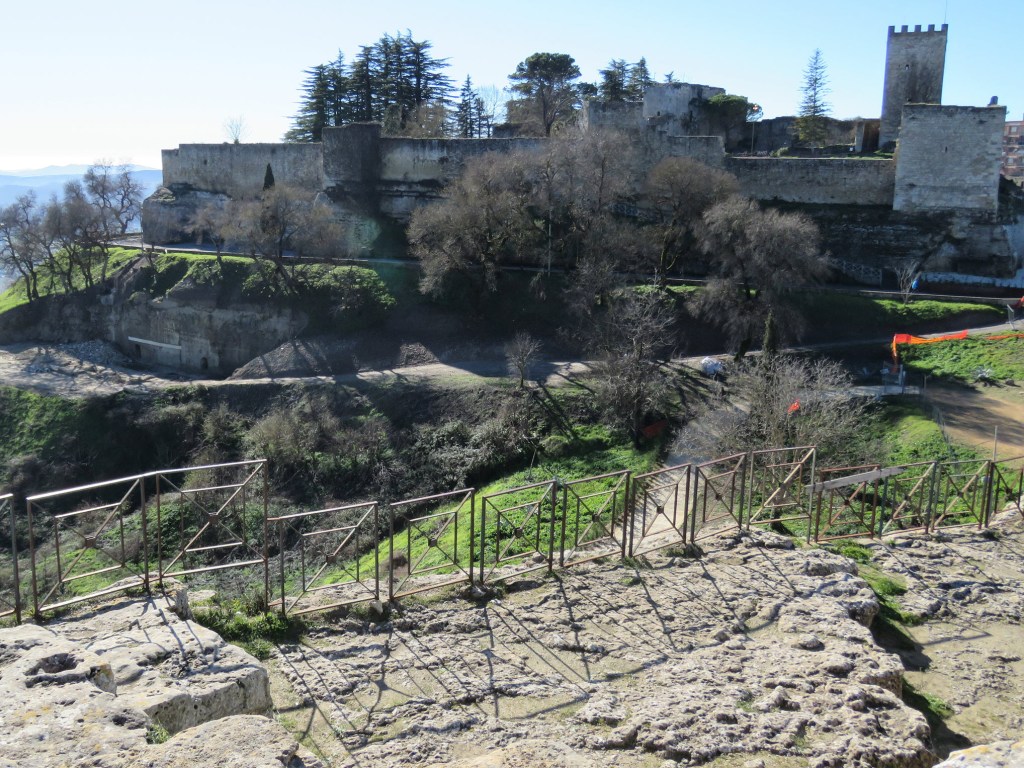
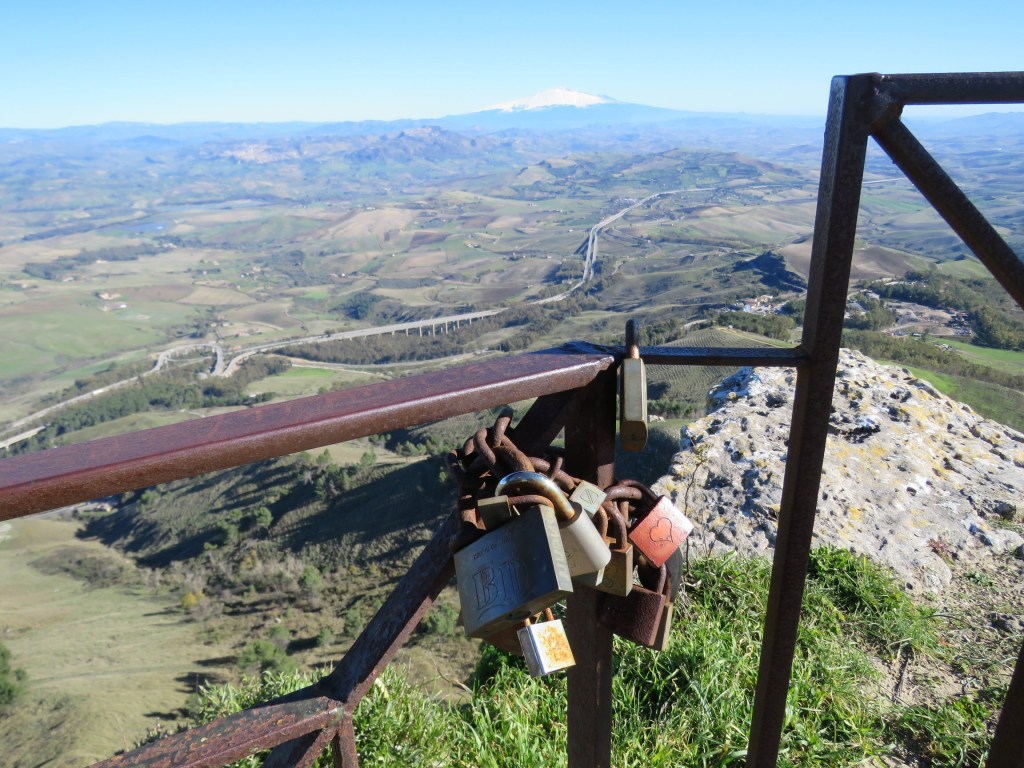
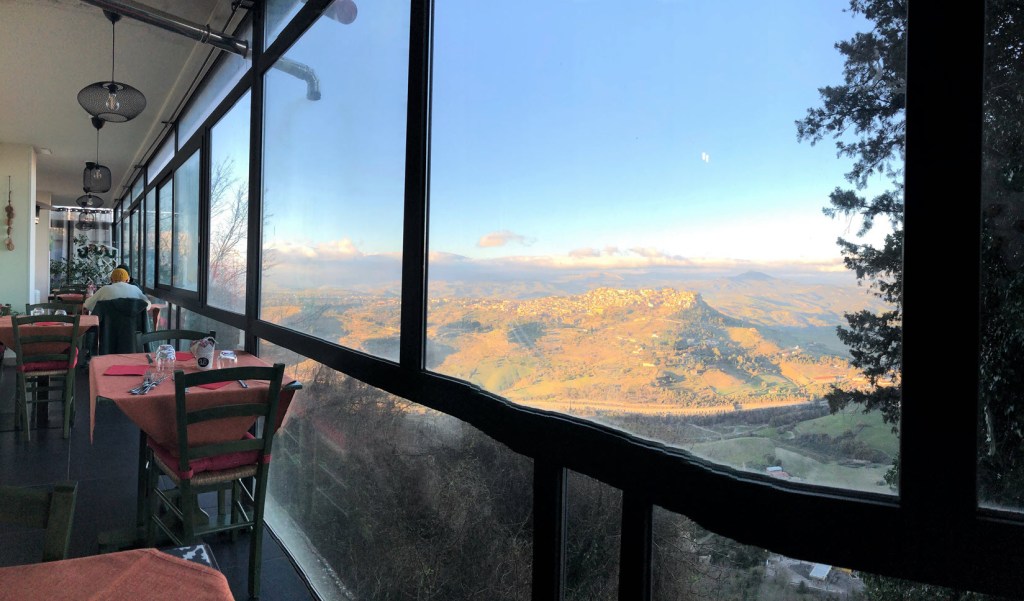
Sicily’s tallest hilltown, Enna, coincidently or fatefully, resides at the geometric center of Sicily, and according to the ancients, is the center of the Mediterranea…and the world. Settled in pre-historic times due to its commanding defensive plateau, it’s unclear if the idealized “center” also spoke of the sacredness of the place. The Torre di Frederic II marks the spot, which we attempted but failed to summit—at night—as we followed twisted back alleys ending in many dead-ends. Purists, aware of the changing, eroding shoreline now say Sicily’s center is some half a kilomter away. At the other end of the city, is the Castello di Lombardia and Rocca di Cerere upon which once stood a Greek temple to Cerce, the goddess of fertility. With its commanding 360-degree view, Etna looming large in the distance, we ask ourselves, “At what point is center a spot versus a state of mind?” I’m reminded of Galileo being accused of heresy for stating the earth was not the center of the universe. 

The newer Sicilian suburbs are more generous of scale and accommodation. And, like so many others, completely devoid of people-cognizant geometries and integrated lives beyond the flicker of familial relationships that can be kindled within its cold walls. The car has won out, the people sidelined into the margins of what is left over after the roads have made themselves dominant. 

SWITCHBACKS 

The interior of Sicily is a book title by Tracy Kidder: Mountains Beyond Mountains. Our little Renault chugs on its way up and coasts on its ways down, over and over again, uphill the view once tight and focused on the next hairpin turn, and downhill breathtakingly open and expansive when floating above the verdant valley below—be careful, easier than ever to take your eyes off the road here! The sporty five-speed is fun to shift and drive, so it’s easy to appreciate the growth of the little sportscars and road rallies following the war. Forest green were British makes, blue French, silver German, and, of course, red cars were Italian. A criss-cross of masking tape across your headlamps and your car was good to go to race around the countryside. The lines on the road are merely wasted paint; Europeans will pass you even if you can read the license plate of the car in the other lane coming at you. Passed cars nudge as close to the guardrail as possible, just to allow a few more inches of passing space. The difference between the performance cars and the little cars like ours is quite clear when everything is a two-lane road. 

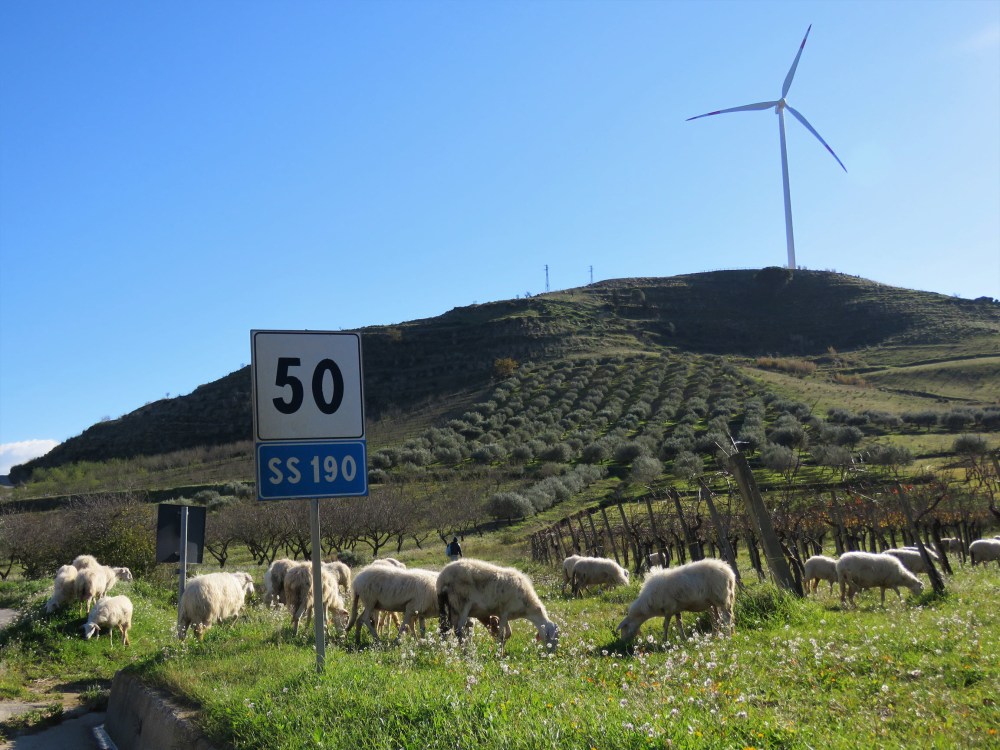
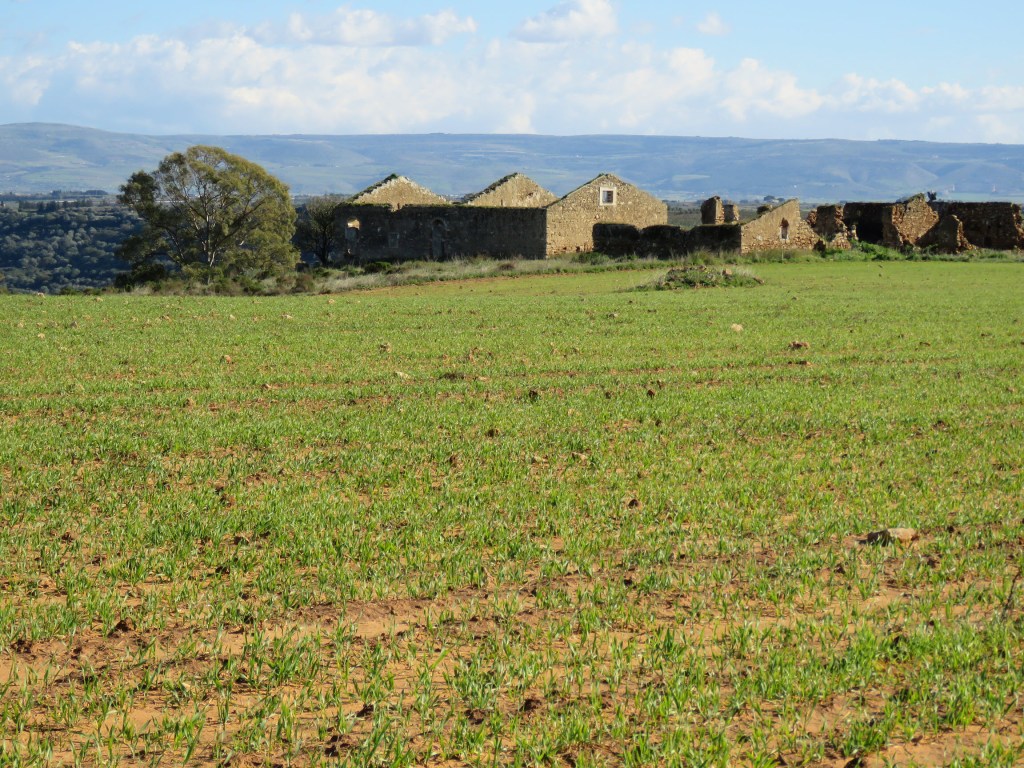
Near the mountain tops, sudden stops are necessary but not that hard to do on the uphill, as you might be enveloped by a herd of cattle or sheep, both announced by large bells draped around the neck. The sheepdogs are quite capable. With sheep you won’t necessarily see the herder, who is chatting away on his cellphone. Cattlemen are different, noisy, arms spread wide to appear big and seemingly present a roadblock to the steer that is teetering as it ponders him. The soil is rocky, the earth very red in color, the (one of a bazillion) farmhouse ruins usually markers on large open plateaus.


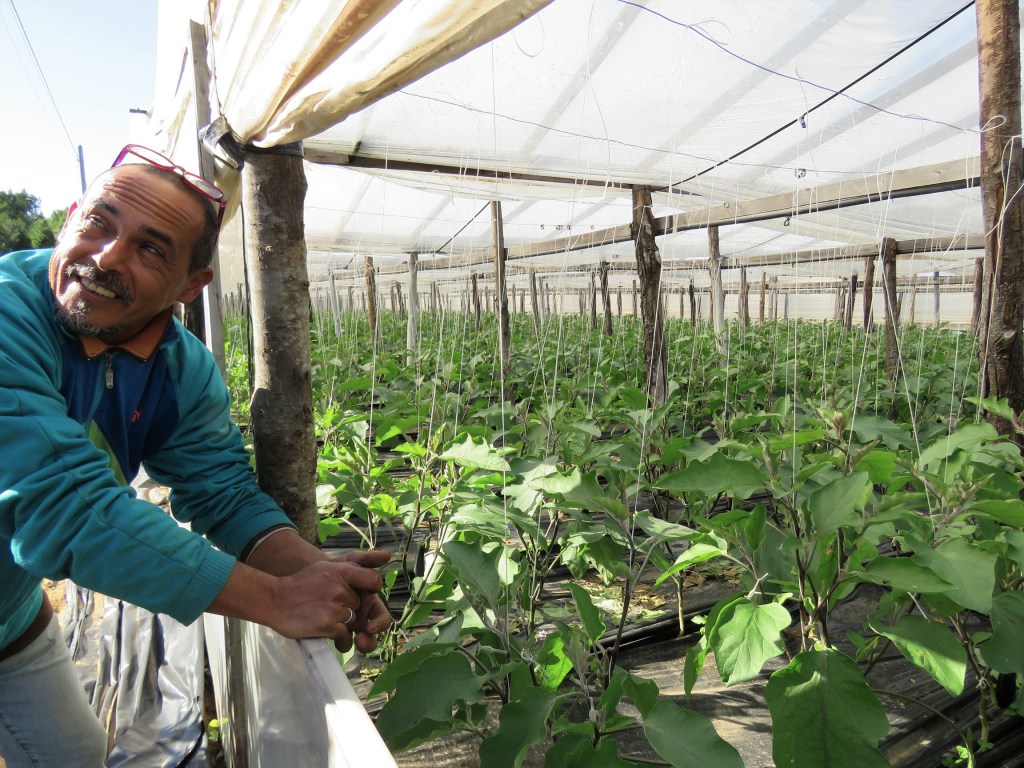
Massive monocrop agriculture under miles and miles of semi-clear plastic, this being eggplant

Downland, the still-monoculture ground covers are lush shades of green over tidal waves of rolling hills, with tractors heeled over and chugging along, even on Sundays. Olive and fruit trees are grandchildren festooned before the way-back farmhouses, some enormous from a dozen expansions, most in hollow ruins of both buildings and farm walls, stone walls several feet thick. Orange trees are positively dripping with the most luscious oranges you’ve ever tasted.

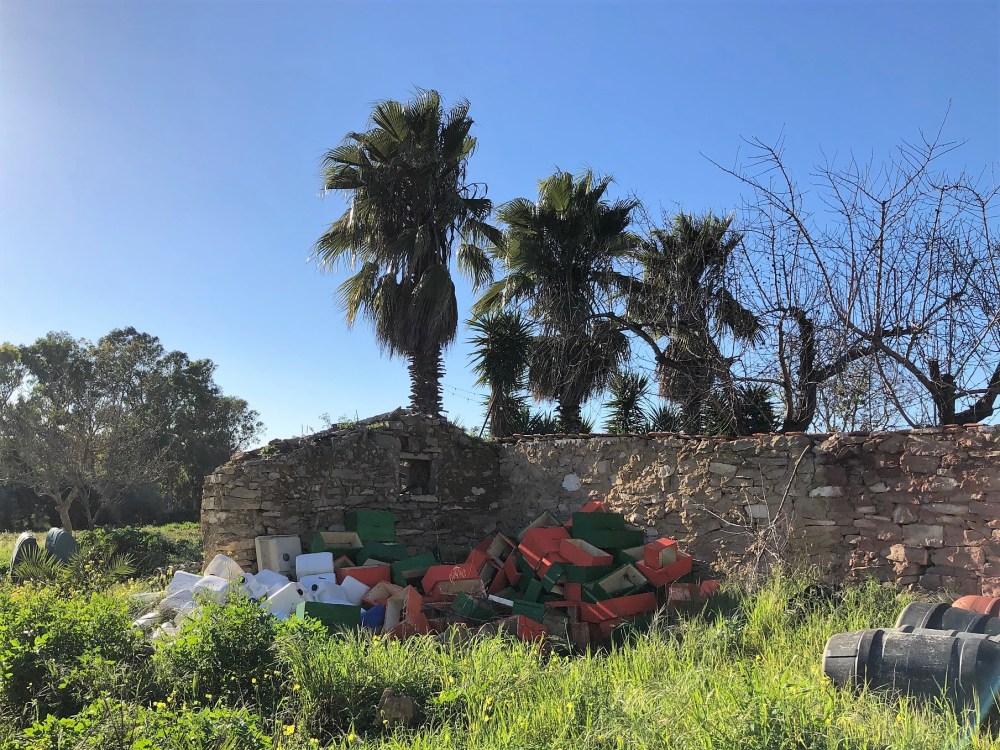
In the south, the contrast is stark: rugged construction with squat old trees in the foreground, and rows and rows of greyish razor-thin plastic “greenhouses” over PVC pipe arches. Not quite a moonscape but an otherworldly mechanized landscape nonetheless. Coupled with the senseless, mostly plastic trash at the sides of many roadways, it can bring a charged tear to the eye. The land and its people fight a kind of poverty that is too fast becoming acceptable. Or, if the land has always been taken for granted, the views—both seen and internal—of some of us foreigners is just catching up to that fact. The unkemptness of the place has always been a part of Italy’s charm; somehow we do not allow the modern convenience of a non-traditional material to be a part of that picture. 

Sicily up and down is a very large place, very rural, very farmed, the very first greenhoused fruits of its labor reaching Europe before other places have even planted. Buy your inexpensive, fresh and tasty food often—it’s ripe and ready to eat now and passed over in a few days. 

COLD, OLD, GOLD 

Tasha and are now unused to mid-range temperatures. Like the unbearable cold I felt in damp Virginia, old buildings made of stone hold their cold just like they can hold their heat—a long, long time. This being the off-season, B&B owners are not in the habit of keeping rooms warm, so we have spent hours reading aloud in bed Beautiful Ruins by Jess Walter to transport ourselves elsewhere to warm up. For the third time, we arrived and the owner, showing us around, said simply nessun riscaldamento—no heat. A pale cloud comes over you, like when we’d arrive at some places in the mid-afternoon, mid-siesta, when most shops and restaurants are closed. We realize we are either out of step or out of time: purposefully positioned ghosts that, if the shells of the buildings can see us, don’t acknowledge the same.

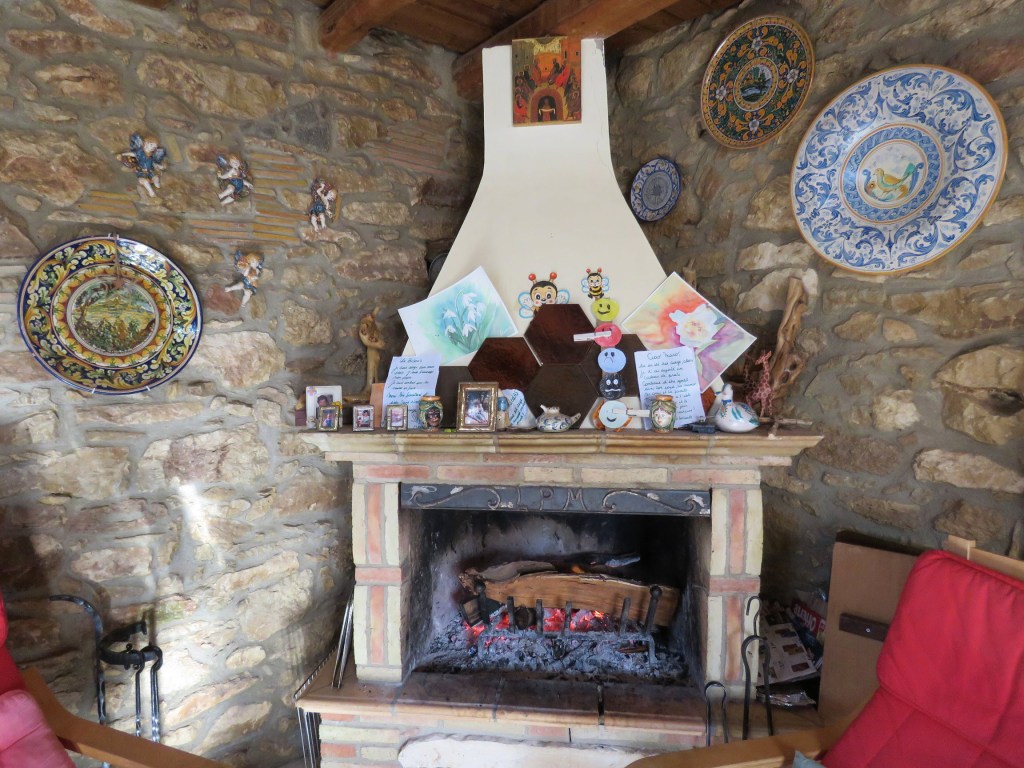
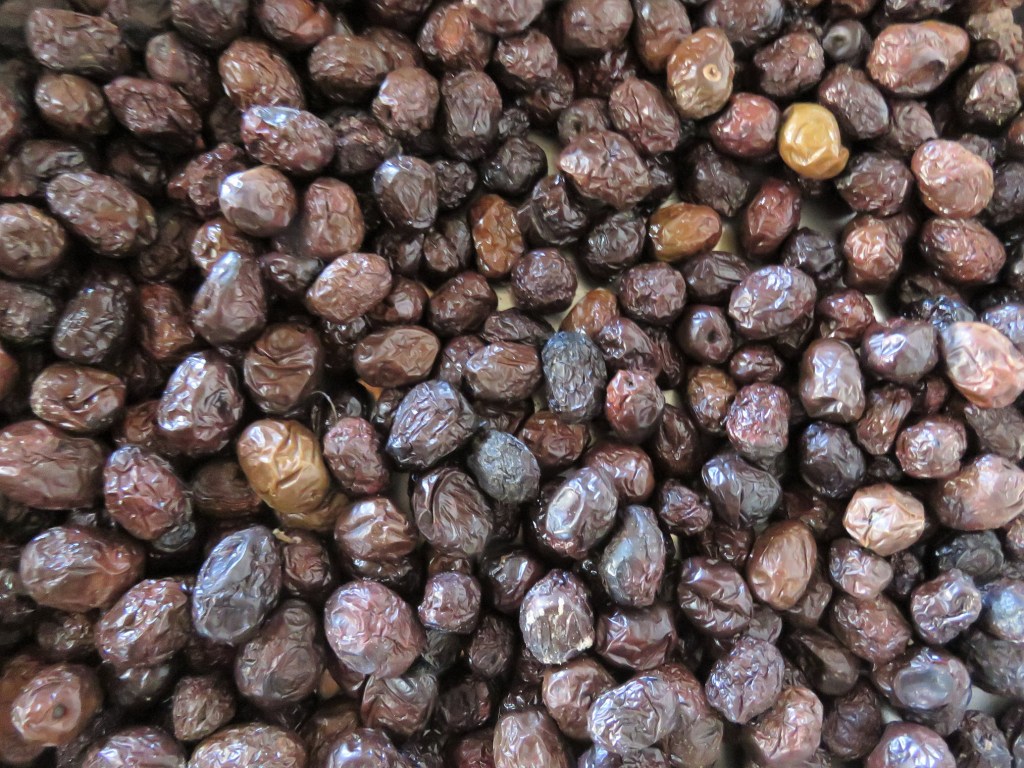
We leave the centers then and head for the woods, to refresh and connect with nature, as suggested to us by our host, Nicolo lo Piccolo: farmer, beekeeper, former president of the association of independent organic famers in Sicily, and an all-around outstanding guy. When we returned from Caltagirone that evening, finding only a small Sicilian street food vendor open, he asks, Havete mangiato?, at which point he prepares a homemade meal and offers us his recently cured olives and wine, and we managed to spend a couple of hours conversing in his broken English and our broken Italian.

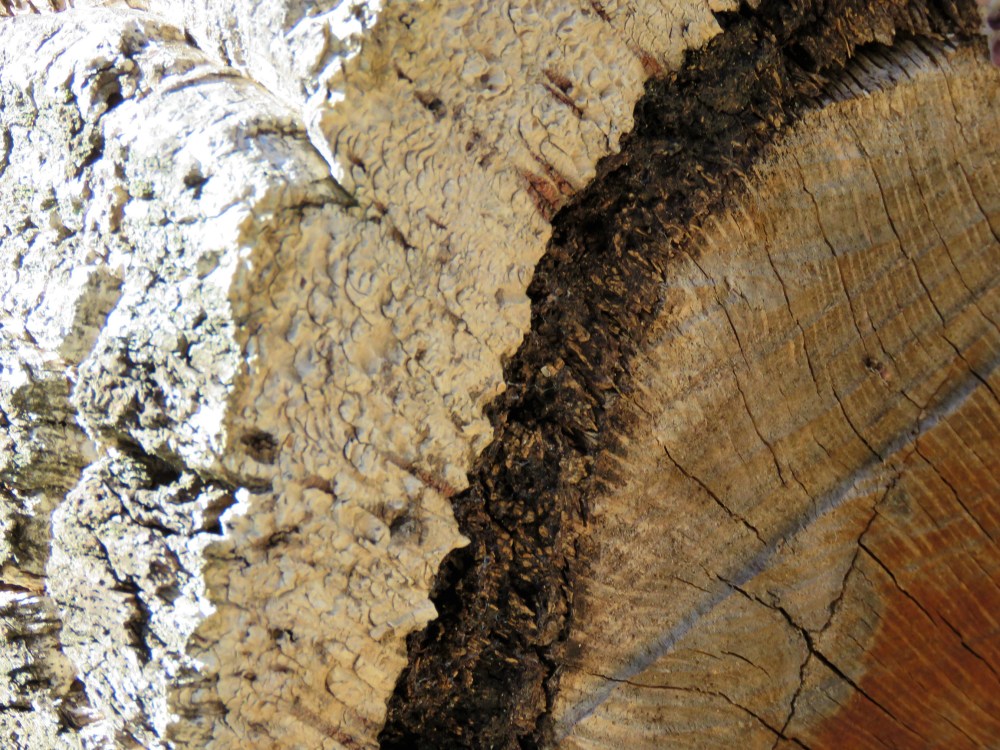
The next day, he suggests a hike where we find one of the islands largest cork trees, cork unexpectedly being just the unbelievably thick outer bark with no obvious place for nutrients to flow, whereas the insides are dense and hard. 

BEAUTIFUL RUINS

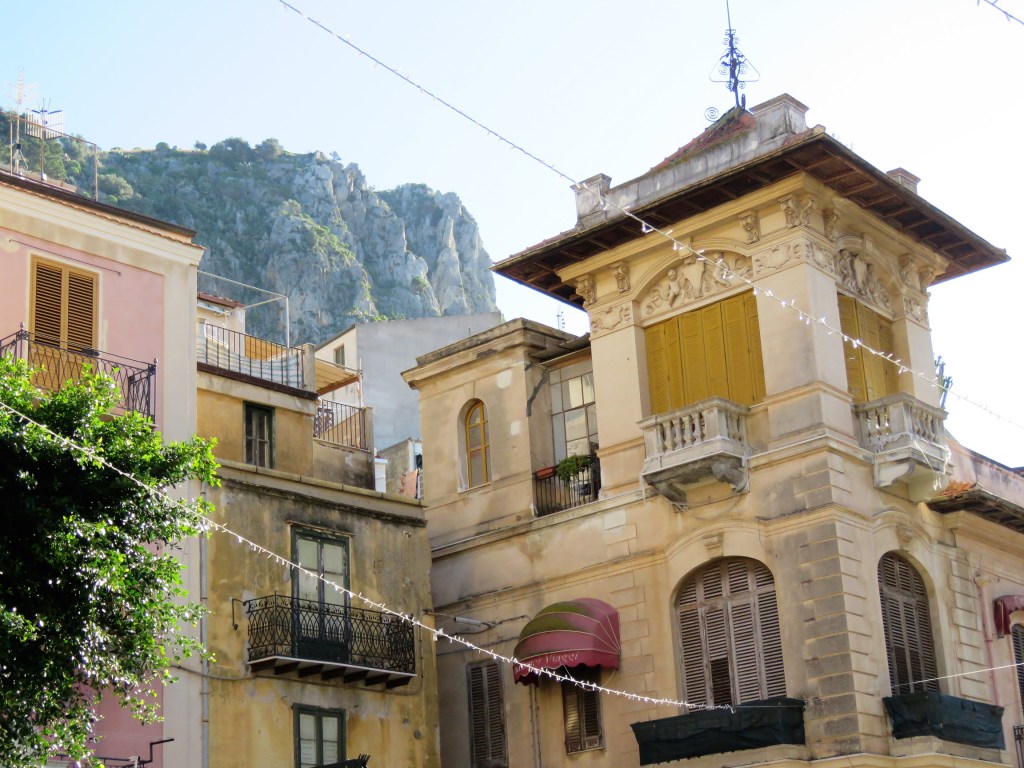
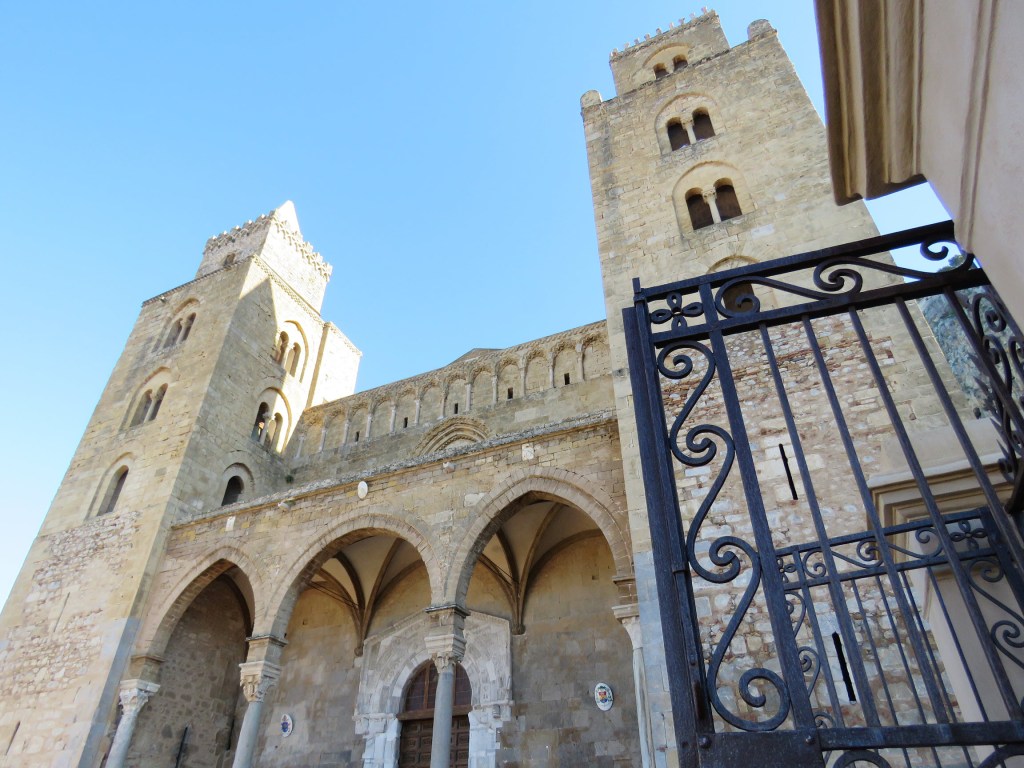
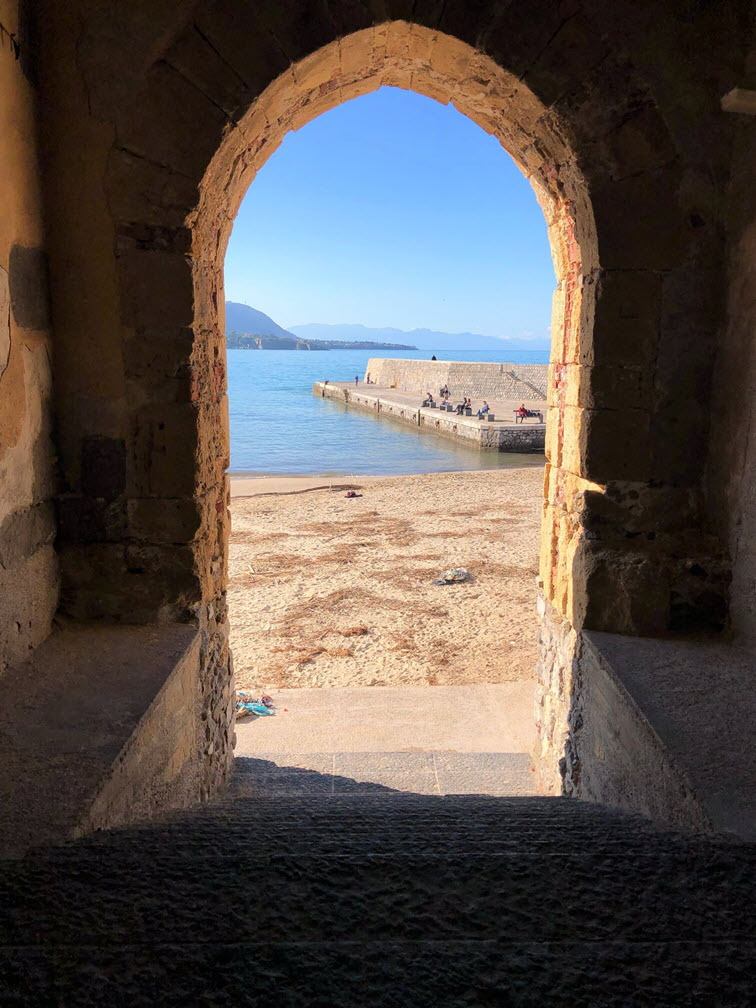
We drive four hours on windy mountainous roads to the northern seaside town of Cefalu known for its high rock fortress looming over the city and its Norman Cathedral. Unfortunately, although it was only 11:30, we were unable to ascend as it would have taken us an hour, and of course, they close at 1:30 for siesta! Walking a kilometer from our car to our AirB&B in the center of the old city was unexpected, as was the three hours it took to warm the place up. We did have a wonderful seaside meal adjacent to an ancient aqueduct before leaving the next day for the south coast.

Our last stop is the Valley of the Temples in Agrigento, site of the best preserved Greek temples in the Mediterranean. And this being a nonlinear story, we speculate on what carries forward in time from those massive monuments, designed by architects and built by tens of thousands of slaves, perched on hilltops overlooking the sea. No longer a fortress city protecting its 200,000 inhabitants, 20,000 of them citizens, from attacking armies—Cartheginians, Selinuntines  Romans, Normans—(who can keep track?) but today a tourist attraction inspiring awe at the sheer size of these massive temples to Zeus (at 370’x184’x65’ feet, it is the largest temple ever built), Concordia (counted as one of the best preserved temples in the world, precisely because it was later converted into a Christian church), and Hercules (of unusually elongated proportions). How did they move those massive blocks of sandstone up to the top of all those Doric columns? We learn they carved u-shaped grooves in each stone which they hoisted up with pullies. Well done boys! And today we wonder, why? A monument to god that nobody can go into? The sheer size of these monuments bespeaks none other than the power of those built it and as a corollary, the lack of power of those who are beholden to those who did, demarcating once again, the haves and have nots. Not much has changed, eh?

Unluckily, the cold snap coincided with a bug Tasha caught (no, it’s not COVID as we were both tested the day we returned), and we’ve spent a week lying low back in the warmth of Cascade II here at Marina di Ragusa. This gave us time to savor in big chunks and linger over the wonderful, slowly-built ending of Beautiful Ruins, as well as watching ongoing episodes of Montalbano, an Italian detective series from the late 90’s, in Italian with subtitles, much of which takes place just up the coast in Punta Secca, which we visited in the last blog.

Next time, we should be writing from Syracuse, an eight hour sail up the coast! Until then, Happy New Year!

CASCADE II S2:E2

Dec 15, 2021

We’ve been in Marina di Ragusa, Italy now for two weeks and are getting used to the rhythm of living on a boat in the Mediterranean as opposed to Maine. Not that much different really—well, except, um, the language, the food, the scenery, the marina, and the weather! Yeah, ok, that’s a lot!

Needless to say, the weather is a lot warmer, although perhaps not as warm as you might think. The first week we were here, there was a steady stretch of howling winds and rain with gusts to 40+ knots, and it routinely blows in the 20s. We’ve also had plenty of warm, sunny days reminiscent of spring and fall. Most of the time we wear jackets, but the wind is pleasant, and the rain usually doesn’t last long…except when it does. We run a heater on the boat most of the time, but just to take off the chill. And sometimes—ok once—we wore shorts!

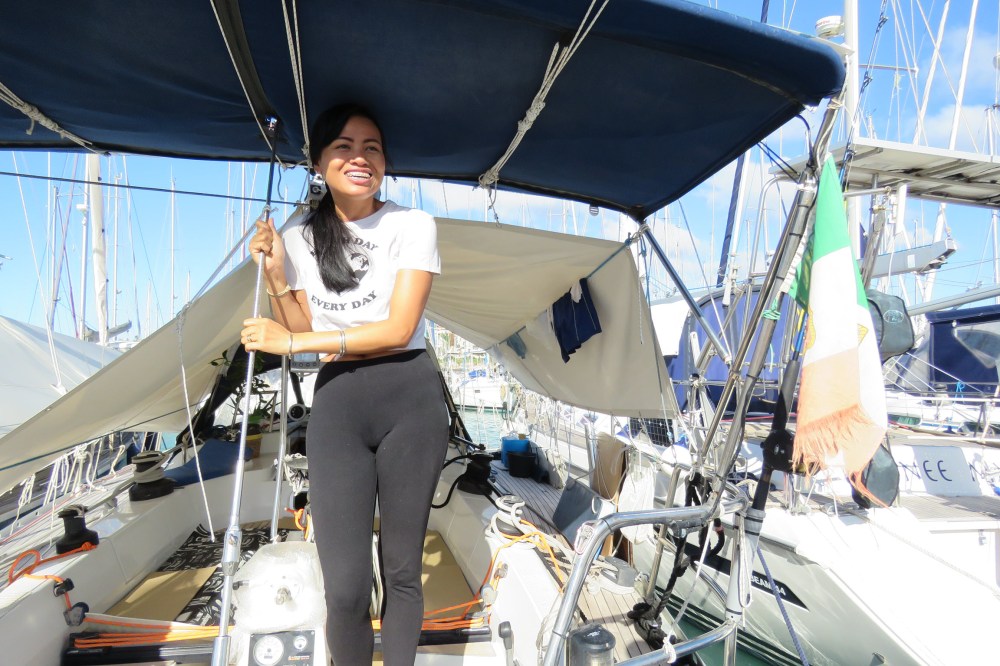
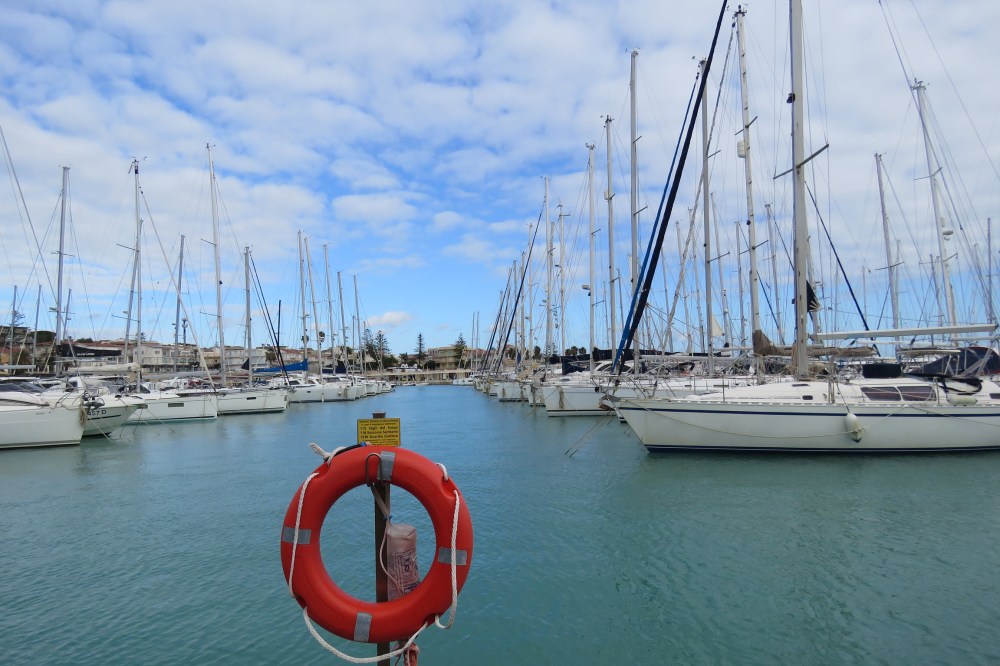
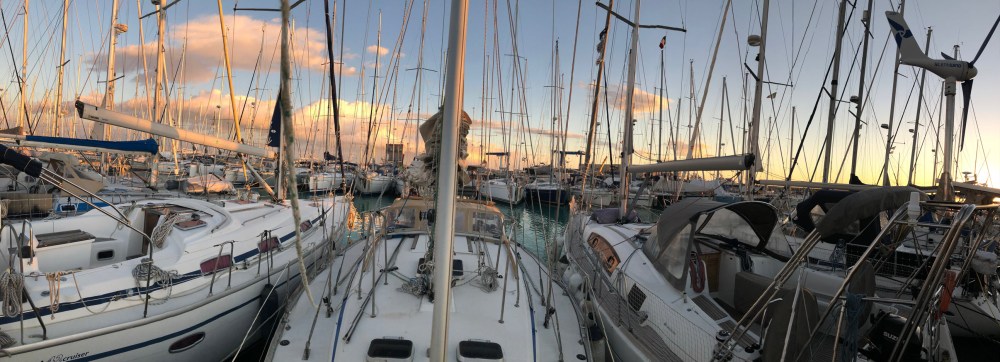
The marina is huge, one of the largest in the Mediterranean with 800 slips and boats from all over Europe, mostly sailboats. There are many live-aboard boats, usually couples, a number of them with kids. We’ve met a French couple with a teenage son, a young Belgian-Dutch couple who plan to sail in the Volvo 60 around-the-world race, a Swedish couple who made their way here through the French canals, an Italian guy married to a Thai woman, several British couples, and an Austrian single-hander on his way to Fiji.

The first day we arrived, there was a holiday party on the dock for all the live-aboards where we heard many languages spoken. There was plenty of food from local restaurants, and we even had a visit from Santa, who made balloon toys for all the kids, including my half-brother Tyler and Anelise’s kids, Costa and Birdie Bay.

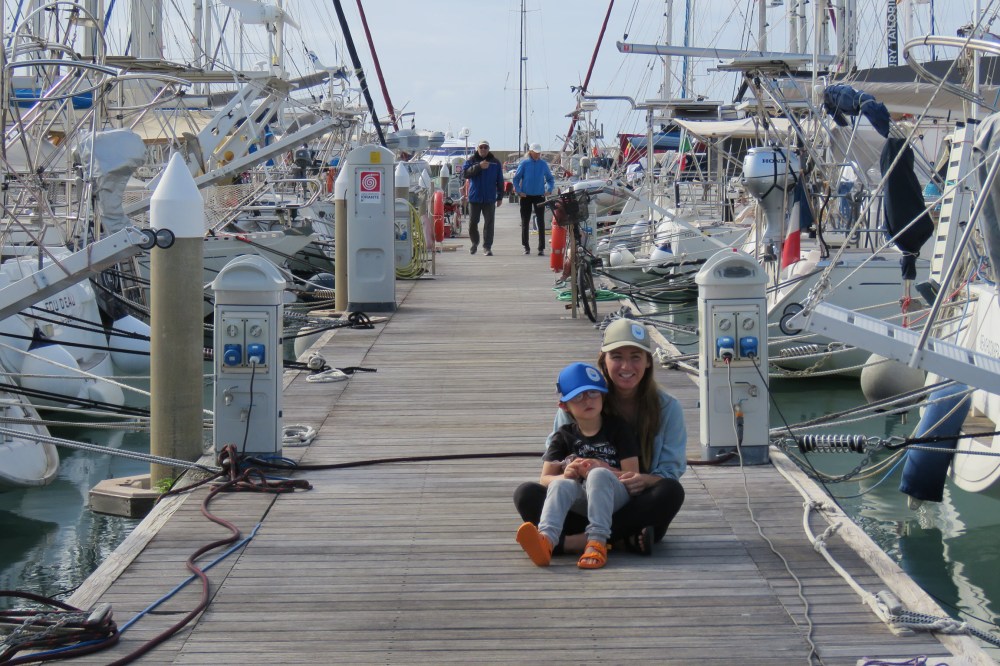
The marina docks are super-wide, and you often see kids racing down on their scooters. There are no finger piers; instead, the boats are tied up stern-to the dock, with two heavy anchors off the bow to hold the boats perpendicular to the dock. The boats are tightly packed together with only fenders separating each boat. It’s quite a system and very common in Europe, allowing you to squeeze in many more boats; think sardine can and you’ll be close.

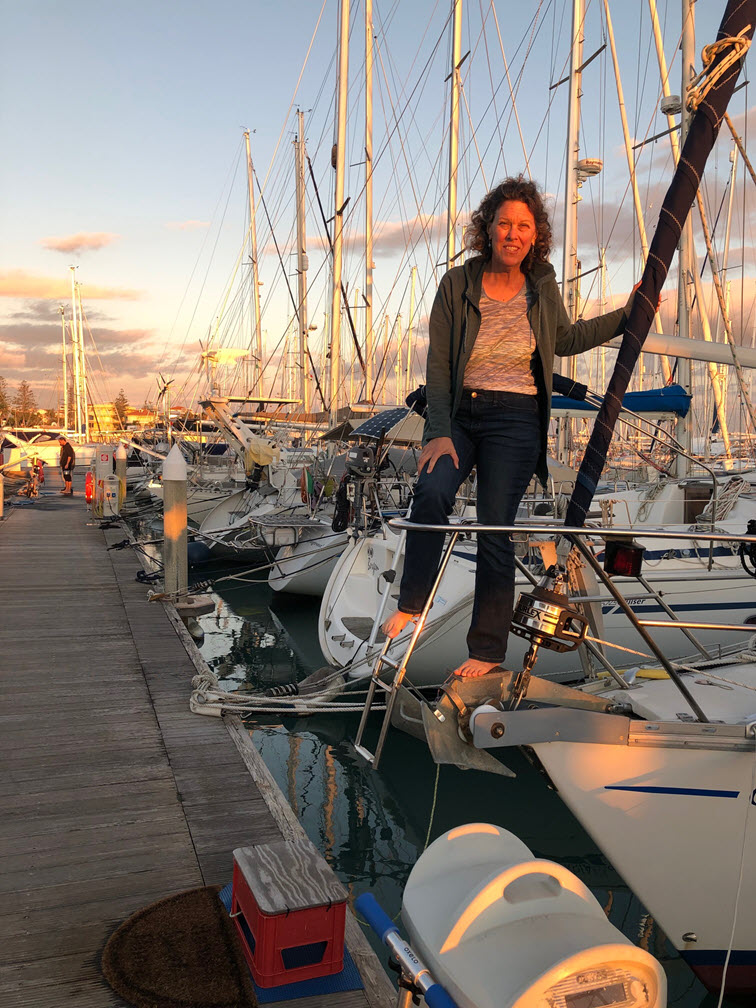
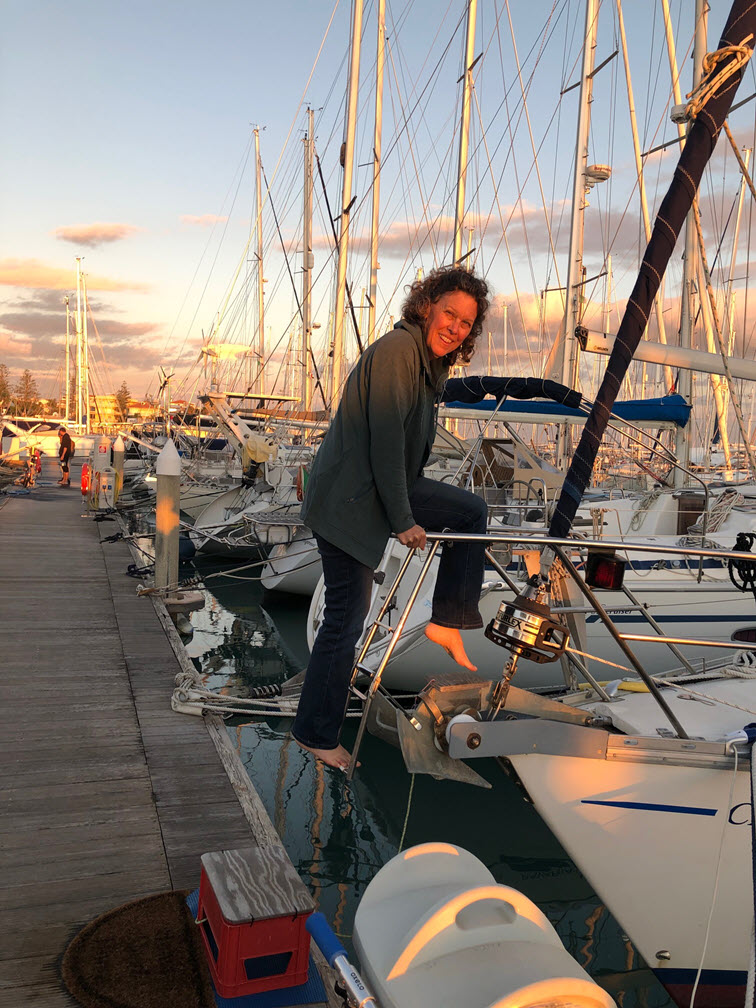
Cascade II is the one exception in that we are tied bow-to, which means that instead of getting onboard from the transom like other boats, we climb over the bow. Why, you might ask? It’s a hold-over from Dad & Nancy since they felt it allowed for more privacy, which it does. It also means more gymnastics getting on and off the boat.

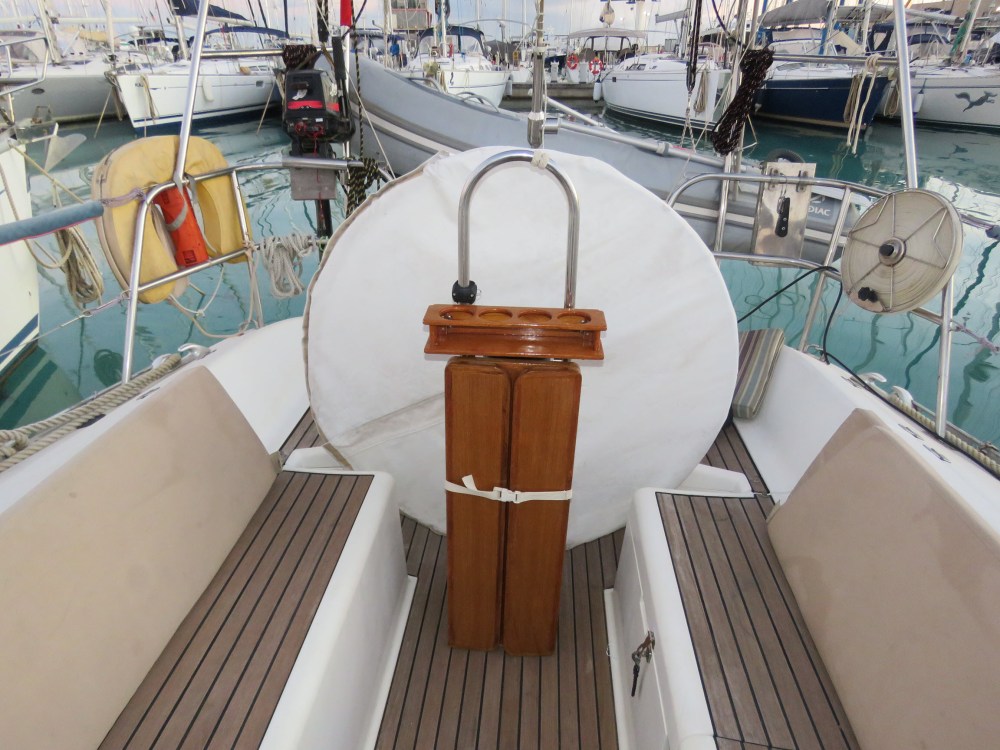
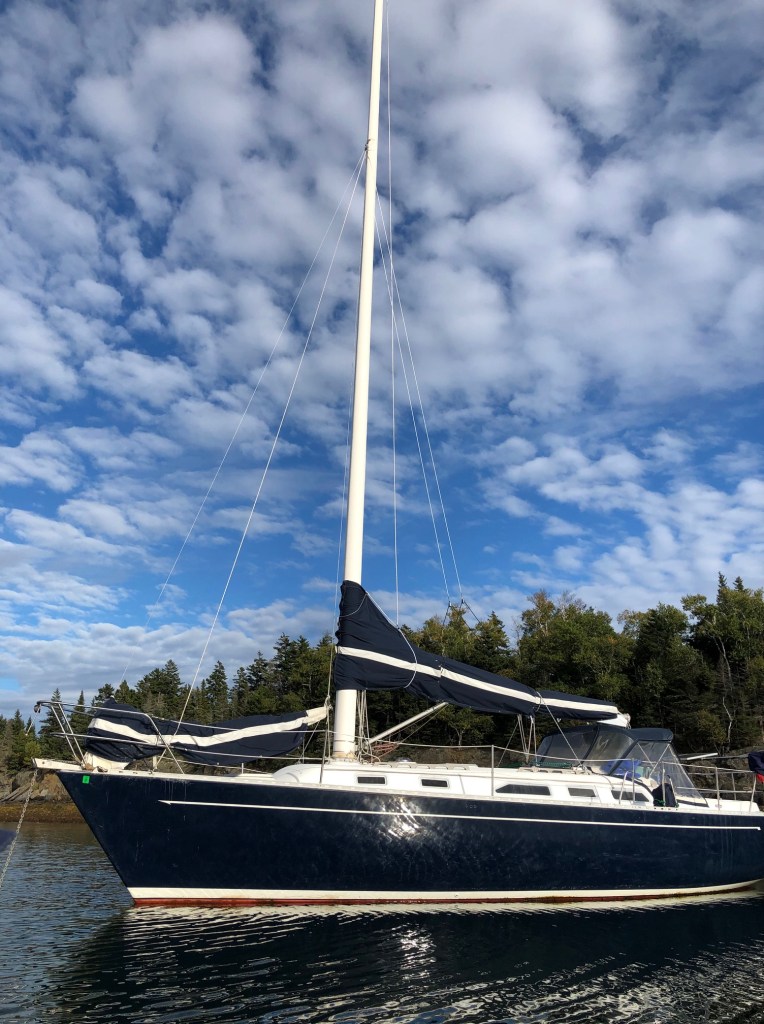
The boat is extremely comfortable with two aft cabins, a large galley, v-berth, and salon. It has everything you’d want for a live-aboard, distance cruising boat, including myriad custom touches created by my Dad & Nancy over their years of sailing.

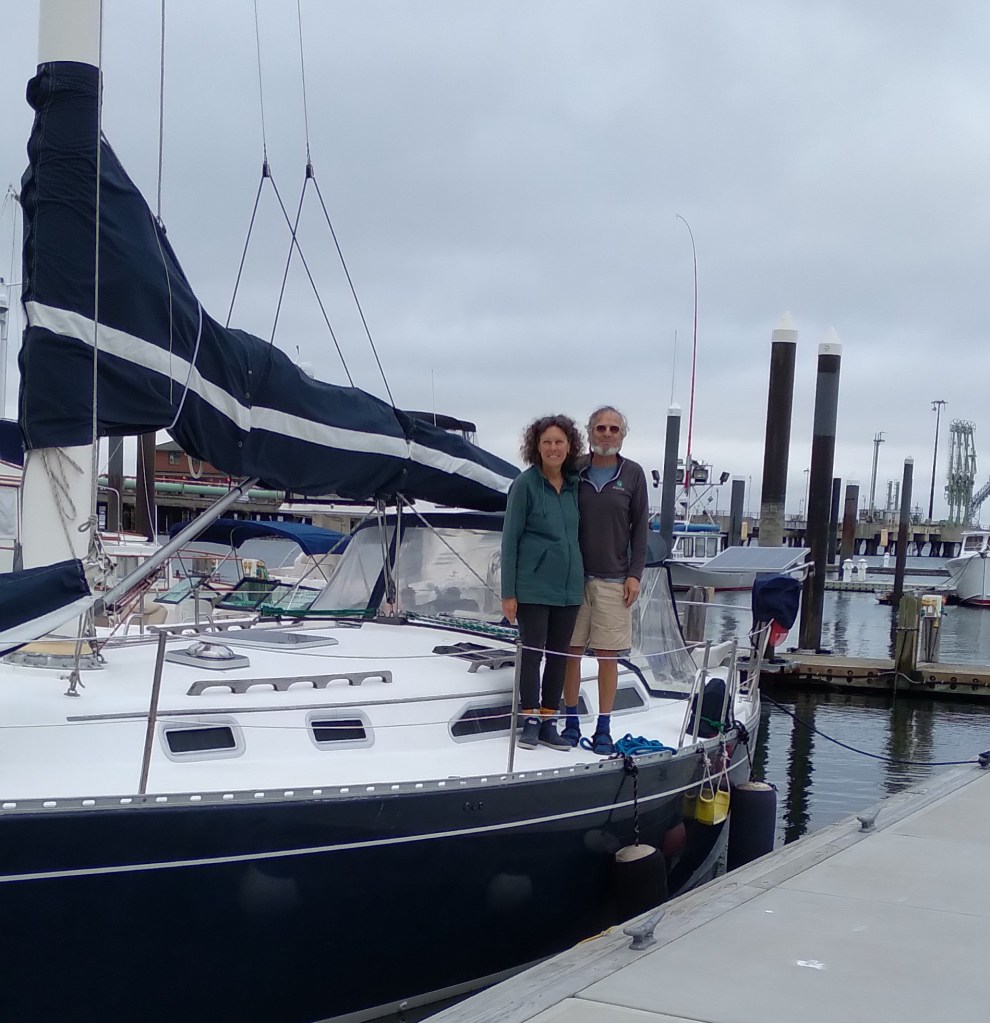
Dad & Nancy have been living aboard Cascade II and Cascade, their C&C 36, since 1998 and have cruised extensively in the Caribbean, Mediterranean, Agean, and Azores, until two years ago when they bought a Grand Banks 36, a motorboat of the first order. Given their ages, 83 and 85, they crossed over to the other side when they realized they were no longer up to doing much sailing. Click the link below to see the book they wrote of their travels.

The Wanderings of sv Cascade

APTA, Dad & Nancy’s boat, sits just across the dock from us, so it’s easy to visit. Although we are on pretty different schedules, we manage to overlap with them and share meals, which has been very nice as my Dad is a great cook. One day we biked to the farmer’s market and brought back 5 kilos (11 lbs) of mussels, “de-bearded” them, and then brought them over for wonderful meal. Yesterday we invited them over for a meal in the cockpit in the warm sun.

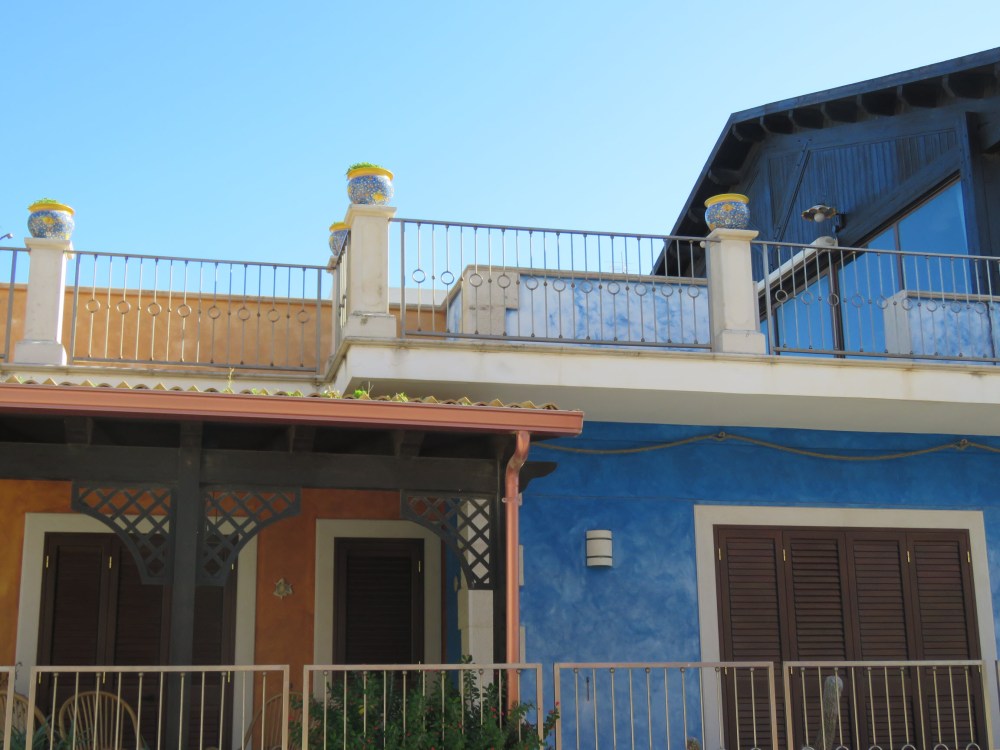
Unlike a quaint hilltop town with outdoor dining in an ancient stone-walled piazzette that you might think of when you think of Italy, Marina di Ragussa is a modern, concrete summer European destination. Most of the houses have clean lines and are covered in stucco. Some of the larger homes along the water even have small yards, giving it an almost suburban feel.

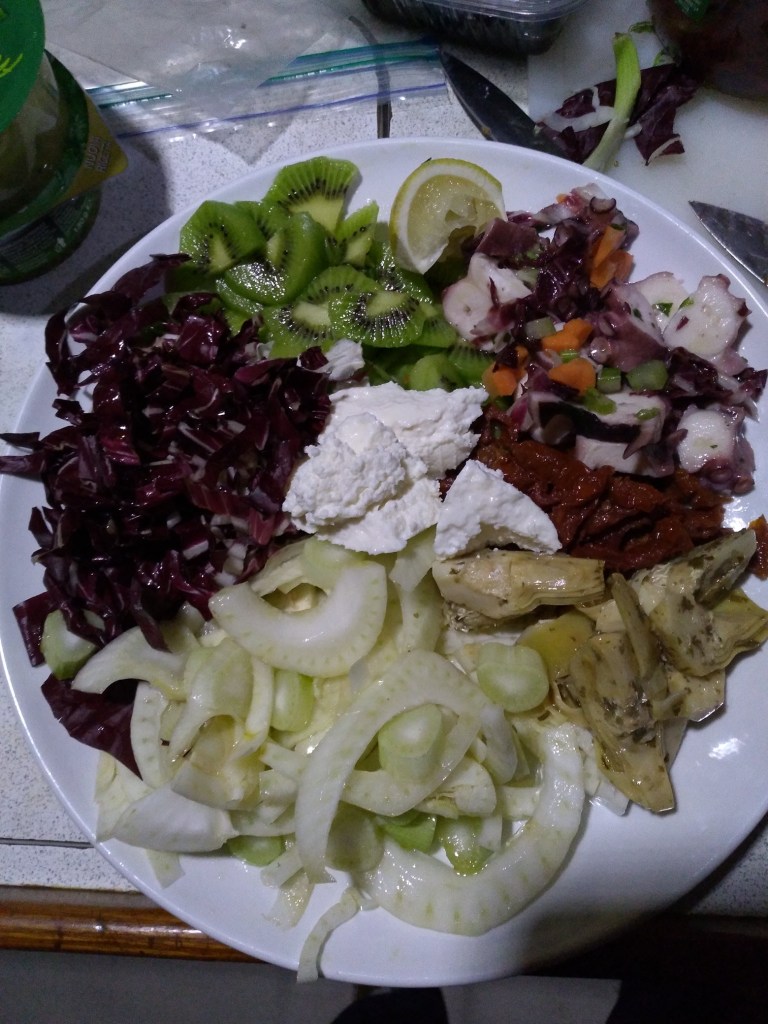
The grocery store is a 15-minute walk or five-minute bike ride and has great food at low prices. There is of course lots of pasta of all sizes, as well as an abundance of fresh, local fruits and vegetables. Some of the highlights for us have been the huge liter jars of artichoke hearts and sundried tomatoes for just under five dollars, gorgeous fennel bulb and basket of kiwis for a dollar, fresh ricotta, and local sausage. One evening we accompanied a woman at the marina to a small outdoor market where people order organic produce, where we bought fresh arugula, Sicilian mustard greens, mushrooms, and whole wheat bread. And the Tuesday farmer’s market is abundant with local delicacies.

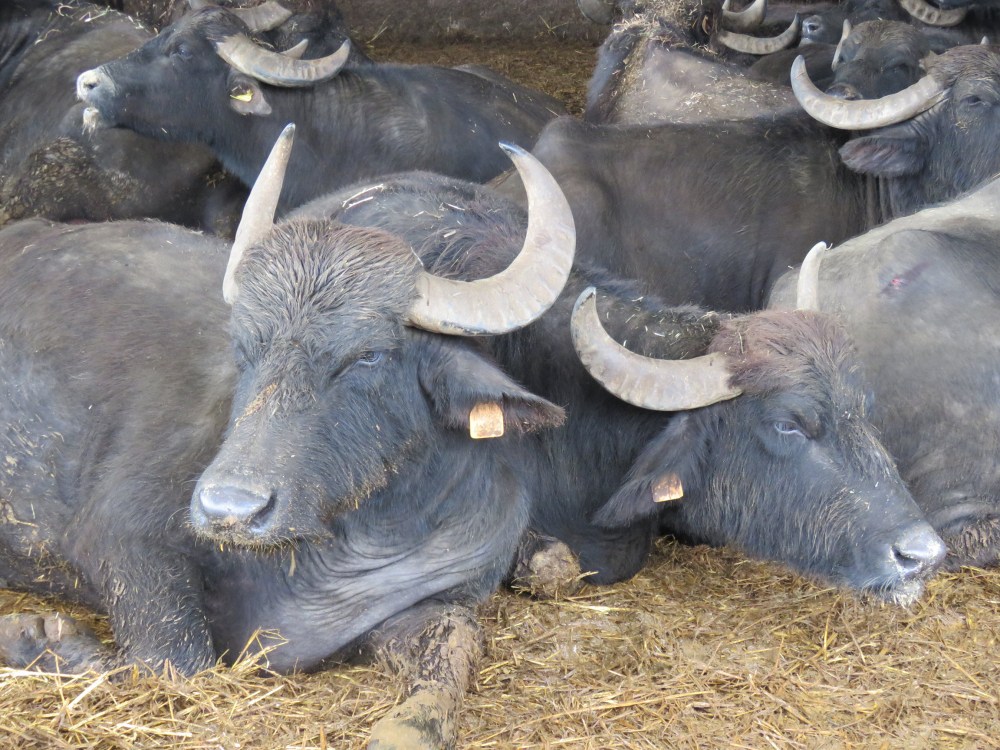
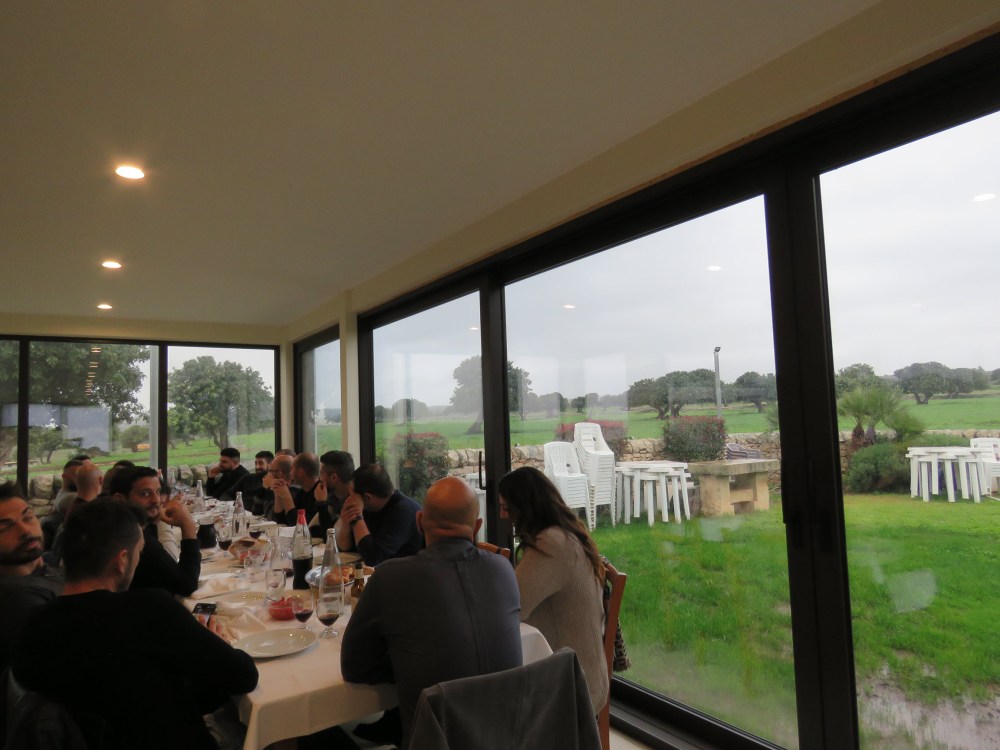
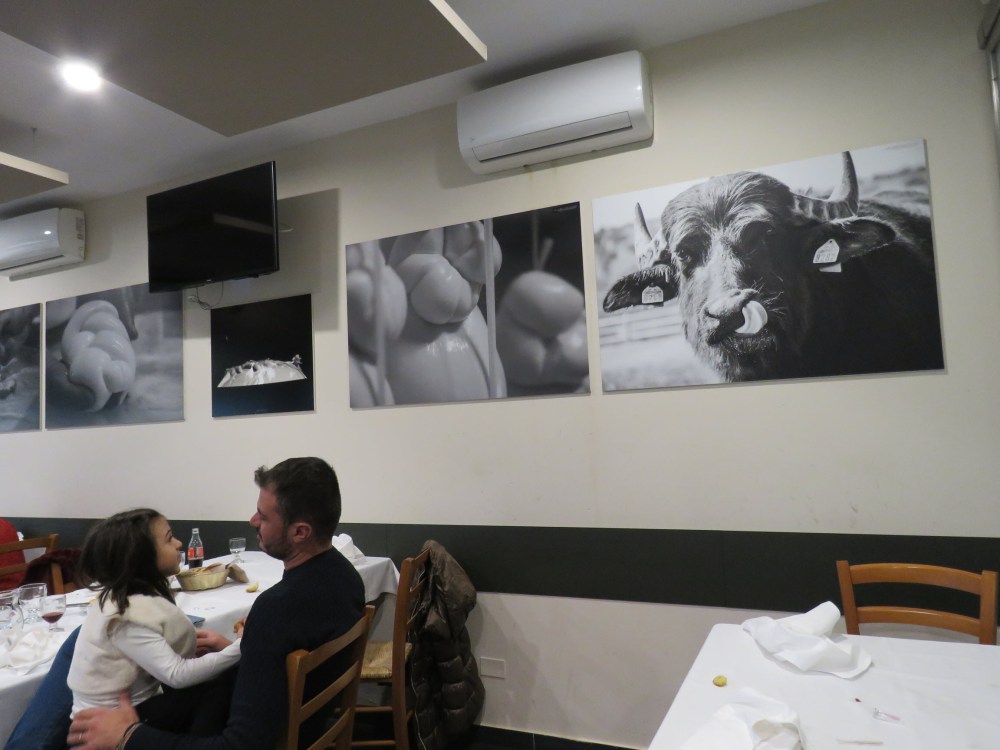
One of our first nights here, we went to a wonderful restaurant and had marinated octopus, grilled fish, and ravioli stuffed with fish topped with shrimp. Another day we went to an agriturismo 15 minutes from the marina where we feasted on a sumptuous meal with everything made from buffalo—mozzarella, burrata (similar to mozzarella but with a creamy inside), salami, steak, and stew, along with fresh tomatoes, pizza, focaccia, and cannoli. Thankfully we were able to take home some leftovers!

Another night we ate an authentic Thai meal at one of the marina restaurants prepared by the Thai woman mentioned above. The cappuccino is great, but the hot chocolate is even better, so thick you have to eat it with a spoon. Will has been harnessing his urge to have a gelato every day, but the double dark chocolate was outstanding. And on Sundays, the enterprising young French boy mentioned above delivers fresh croissants directly to the boat! Yes, the food really is great in Italy, including what we make ourselves given all the wonderful ingredients.

The main piazza is a short walk away and has a number of restaurants and bars, many of which are closed during the winter. This is definitely a tourist town with many houses empty during the off-season, so it feels a little like a ghost town. That said, on warm days there are still plenty of people about, including people kite surfing and, the newest fad, wing foil surfing.

There are beautiful beaches plus miles of walking and biking paths that extend in both directions. The marina office, laundry, and showers, along with a number of restaurants and bars, are all a short walk along the water. And today we brought a speaker and music down to the beach and danced, and then took a quick dip in the Mediterranean!

On Sunday mornings right at the marina gate is a fishing competition to see who can catch the most fish from the cement wall. These men had the most elaborate gear for what seemed like a very docile “sport.”

One day we biked to Punta Secca, a quaint town with a light house where people were gathering on a Sunday afternoon. We were proud of ourselves that we were able to hold a reasonably comprehensible conversation with an old man who wanted to tell us all about fishing.

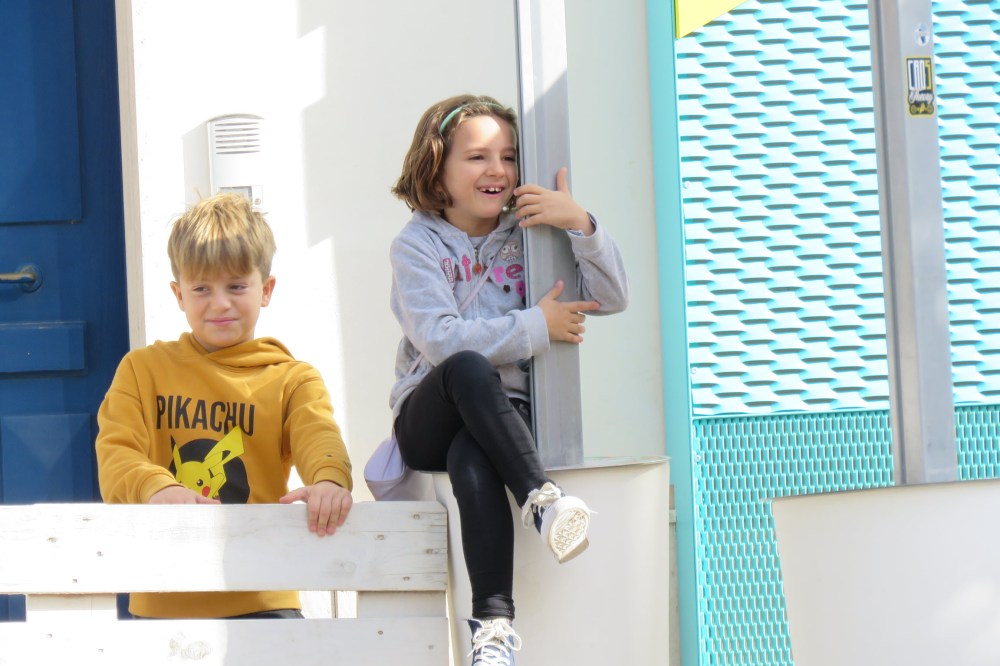
Another day we took the bus to Santa Croce just inland where we watched kids of all ages arrive for school.

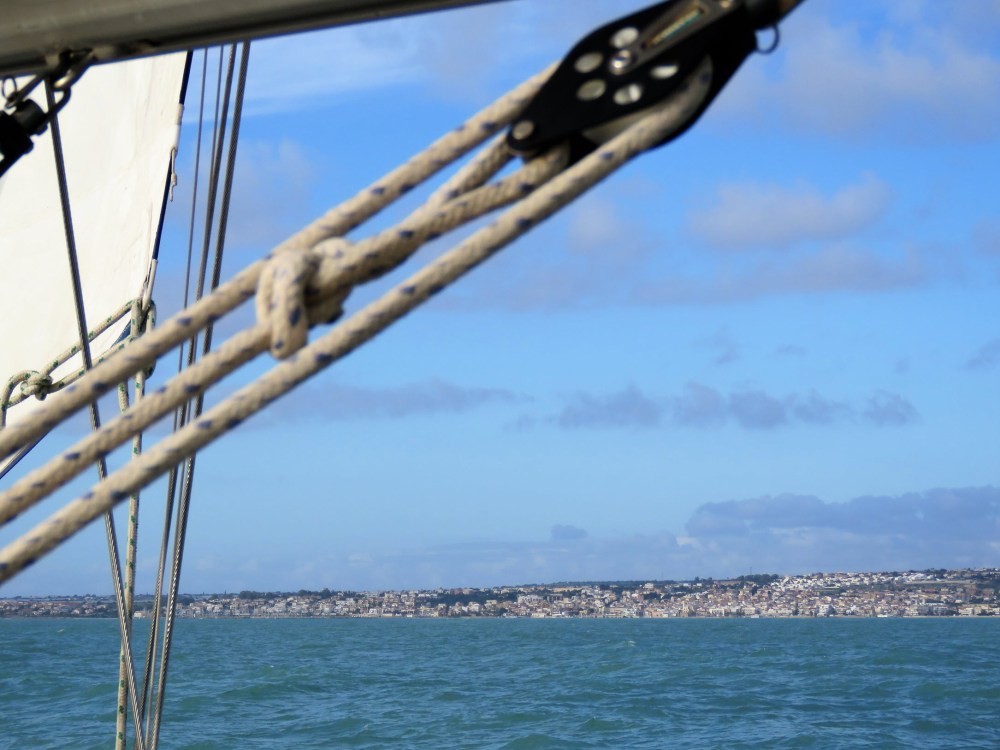
After the heavy rains and winds passed, we decided to take the boat out for a sail. Mostly we were chasing the wind, but for about an hour, the wind came up to 10-15 knots and we took off at 8 knots! It was a nice gentle day to try out the boat for the first time. Navigating in and out of the “slip” was challenging, but with the help of the marina staff nudging the bow around, we made it without any problems. It sure was fun sailing in the middle of December! We plan to sail to Syracuse in January for a month for a change of scenery, so it was good to learn the ropes on a new boat.

Click the link below to see a video captured by someone from the marina, also out for a sail.

Cascade II Out for a Sail

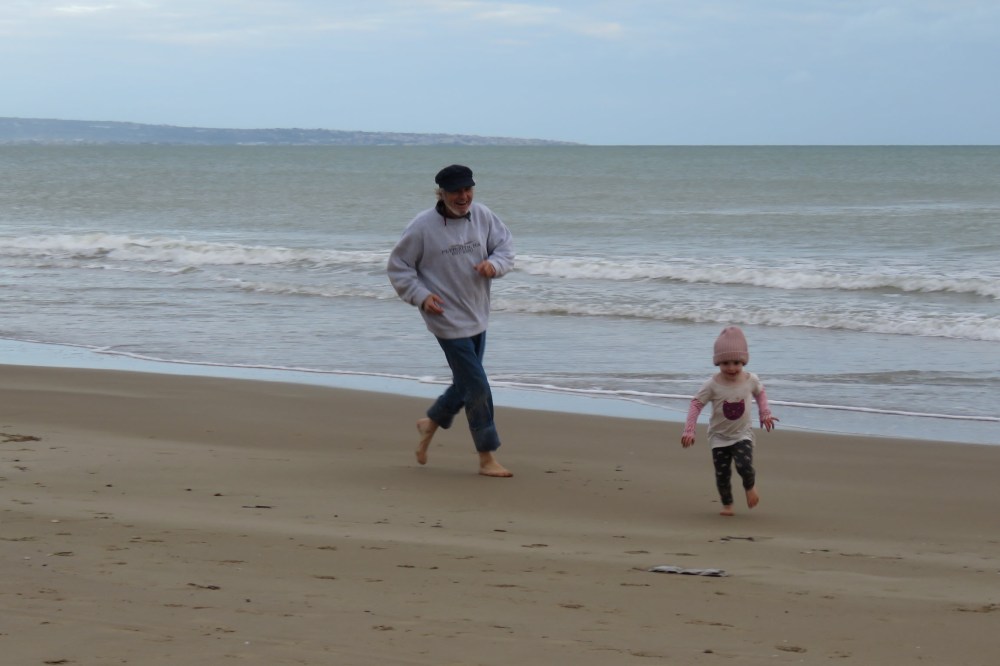
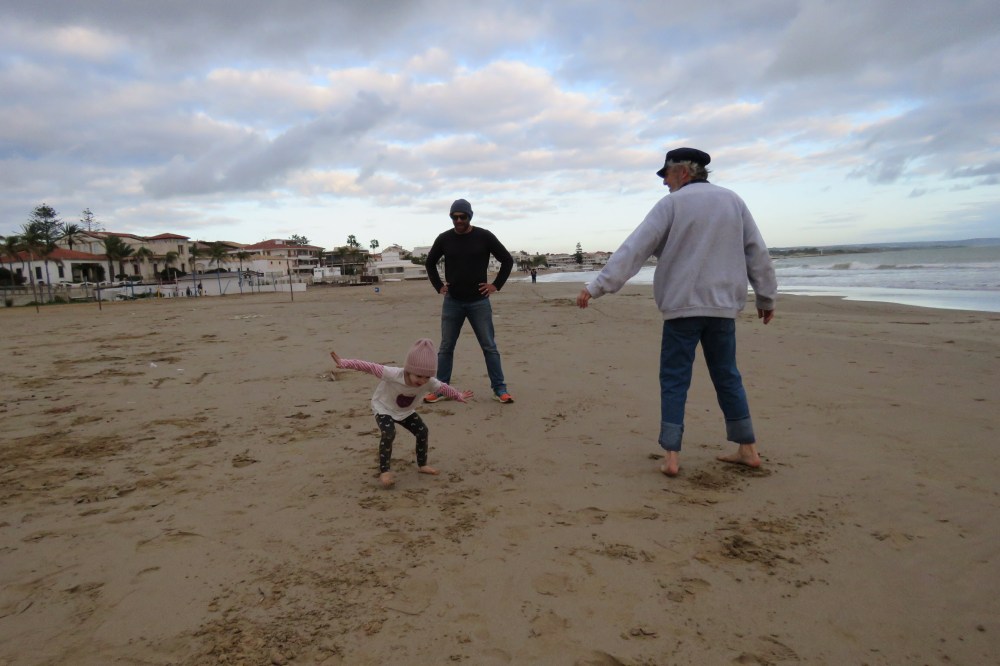
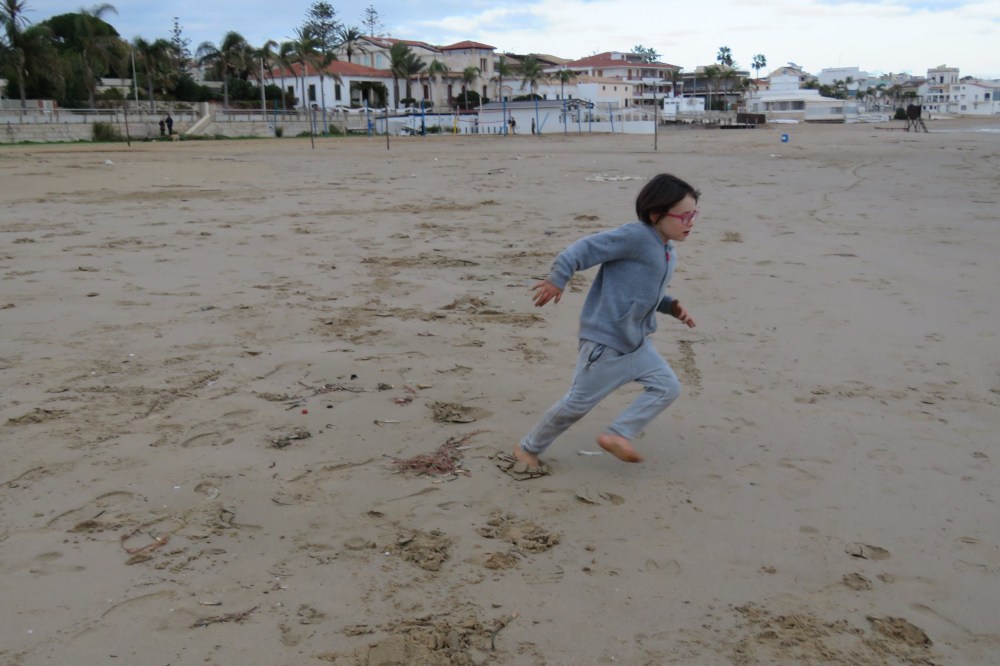
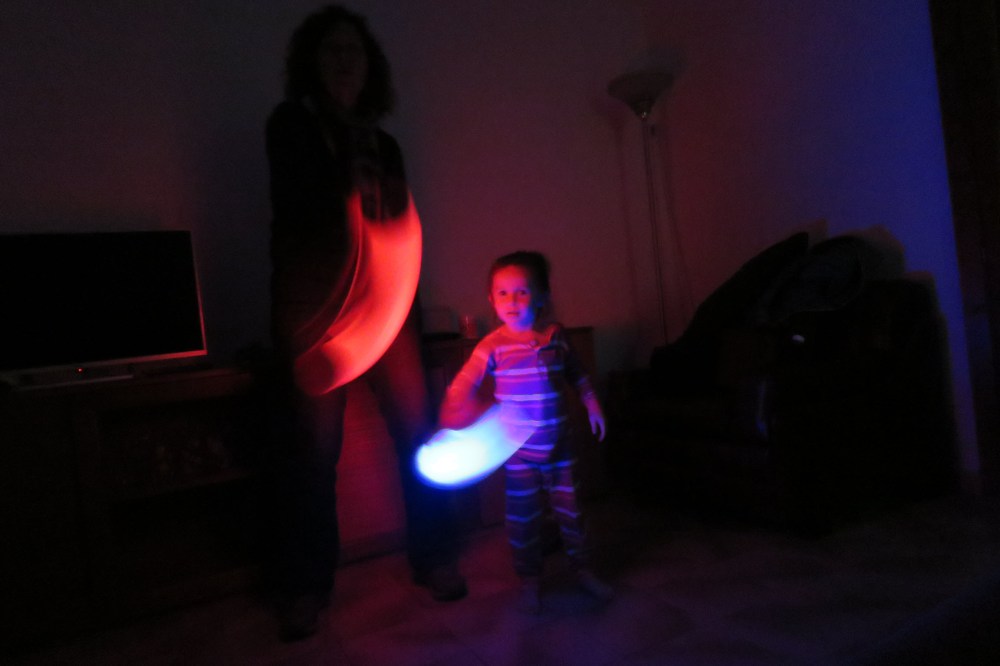
We had the good fortune to overlap with Tyler, now owner of sv Cascade II, and his family. We romped around on the beach, danced with solar lights at the AirBnB where we stayed when Tyler was here, celebrated my birthday, and generally enjoyed being kids with them. They had just spent the past two months living aboard the boat in Siracussa and Marina di Ragussa, with trips to the north when the fierce storms came. We were so delighted to hang out if only briefly, and so very grateful that they are willing to share the boat with family.

Soon we will rent a car for a week for a mere $2/day and do some exploring beyond the local area and get more of a feel for Sicily. Until the next installment, arrivederci!

NIRVANA S2:E1

Nov 23, 2021

With less than week left before we head to Sicily for three months, I feel the need to reflect on the past month before moving on to the next transition. Some people sail through transitions; unless we’re actually sailing, I’m not one of them.

So much has shifted since we moved aboard sv NIRVANA last June—the “ground” under our feet, the surroundings when we “walk out the door,” the mechanics of living from eating and sleeping to pooping and peeing, the “stuff” that’s required for said mechanics, the people we encounter, and temperature inside and out, to name a few. These are all things that strike me deeply and have taken some time to get used to, some more than others.

I’ve been a sailor my whole life and lived aboard a 40’ sailboat for a year when I was 22. I’ve done my fair share of cruising, mostly on my Dad’s C&C 36 and Jeanneau 41 in Europe prior to owning my own boat. I’ve done plenty of day sailing and some cruising in my Sabre 28 in Muscongus Bay and Casco Bay. So I’m not unfamiliar with what it’s like to live aboard a boat, but to do so full-time, with a partner, and as a lifestyle, now that’s new!!!

Newness is great! It keeps me feeling like I’m alive. Since moving aboard, I’ve never had that I-don’t-feel-like-getting-out-of-bed-only-to-do-it-all-over-again-today kind of feeling that I’ve sometimes had when I was working and living in a house. That said, I’m someone who has always tried to make each day count, on some level, if only in my perception of it, which includes values such as gratitude and presence.

On the flip side, I seek comfort and a sense of place like many people, so feeling like I have “found my place” often feels important. Is this my home? Is this it? More and more I’ve come to see my need for a sense of “home” as a moving target and yet another human invention that can take me away from the present. When I drop the whole idea of needing to know—anything—life gets a whole lot simpler. It’s called living in the present.

That said, we’ve been at DiMillo’s on the waterfront for just over a month, and I’m finally beginning to feel like, yes, this is my home. And in a week, we leave for Italy! So for me, it means yet another transition as I continue to stay open and present to it all.

*     *     *   

So let me describe what it’s been like living aboard a 36’ sailboat at a marina in downtown Portland. Some of the upsides include walking to Harbor Fish to get the freshest (and most expensive) fish in town; walking to any number of great restaurants for a delicious meal (yesterday Lebanese, last week Indian, this week Italian); walking along the Eastern Prom, feeling the wind in my face, and seeing some of the beloved islands of Casco Bay—Peaks, Great Diamond, Cushing; connecting with my many friends from the eight years I’ve lived in the area; continuing to dance outside with my dance community; maintaining a wonderful relationship with my 32-year-old son and his wife and my aging mother who all live in town; getting to know like-minded people who also have the desire and fortitude to live aboard their boats all winter; and not the least of which, spending a mere $500/month on rent.

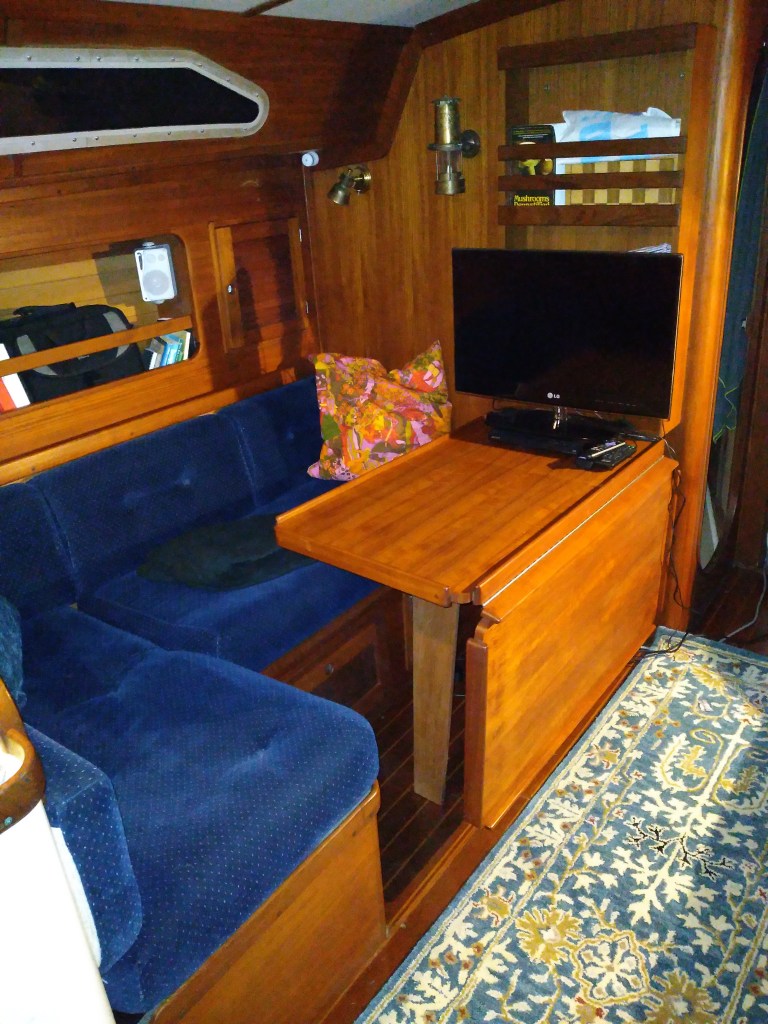
In many ways, living aboard the boat remains a constant from the summer—our beautiful cabin is the same one we’ve enjoyed for months, with its rich teak, cozy settee and v-berth, and functional, compact galley; we still cook in the galley and eat by solar candlelight; and it continues to feel great to be in such close proximity with each other day in and day out.

But in other ways, living aboard at a marina feels very different—instead of being tethered to an anchor or not tethered at all, we are tied to a dock with double dock lines at three corners; instead of rowing ashore we step off the boat onto a float and walk up a ramp; we’re running an electric heater and dehumidifier to keep the chill off and remove condensation; we’ve added a cozy rug and tv to our inventory; we have many more jackets and shoes to layer up when we go ashore; instead of pooping and showering onboard, we walk up the ramp to one of the three bathrooms designated for the over 50 live aboard boats at the marina (there is no pump-out facility during the winter, and they shut off the water on the docks so we have to run a long hose to our boat to tank up); and then there is the intermittent rolling when certain ferries come and go, apparently depending on the captain as to how much he guns the engines as he makes the turn just outside the marina.

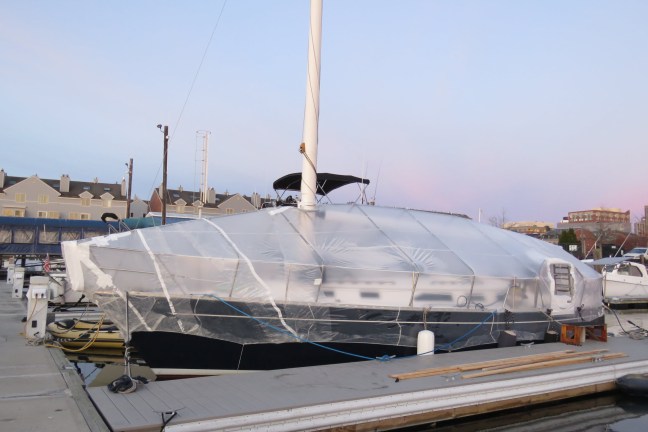
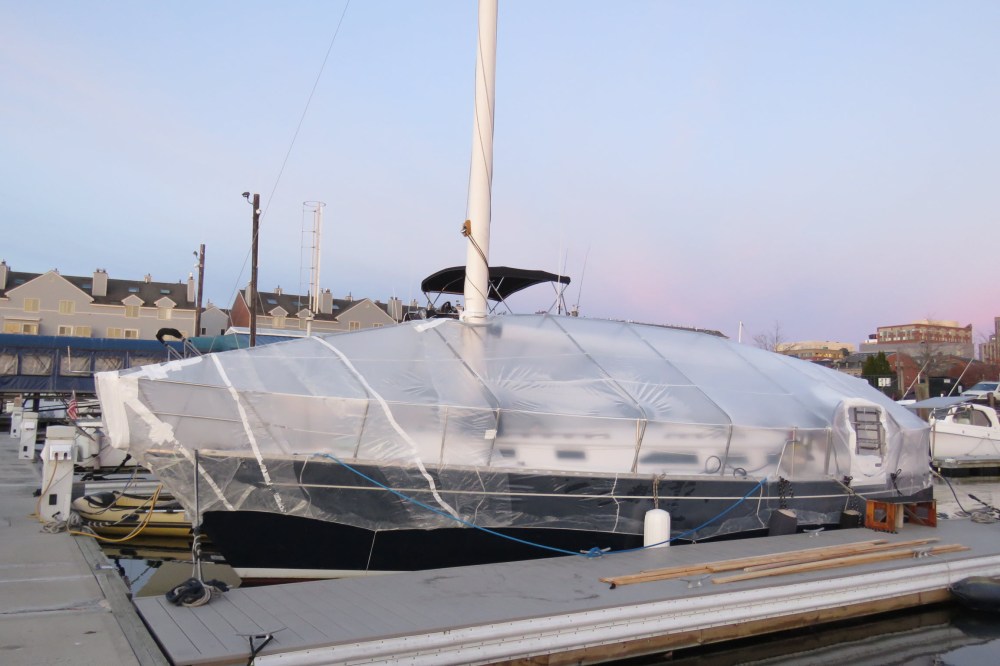
The biggest change is that now we are living inside a literal bubble under our clear shrink wrap. We do this to shed the snow and prevent condensation inside the boat. Because the shrink wrap is clear, it acts as a greenhouse on sunny days so we actually have our cockpit back as another room. After Will got practice helping our neighbors with their boat, we borrowed their heavy duty heat gun and did our own. Putting up the frame was easy compared to last year, and the shrinking was not that hard either. At one point, Will was outside and I was inside until he slit the plastic to install the door like crossing into another world.

And oddly, Will and I have been spending more time apart, as we each sometimes go off in separate directions for this or that. Will goes to the hardware store, and I meet up with a friend for an early morning coffee. I go to Saturday and Sunday outdoor dance, and Will spends two days helping another live-aboard shrink wrap his boat. I take my laptop to the upstairs area of DiMillo’s ferry boat restaurant to do work on my computer, and Will drives to Boston to meet with an architecture client.

As long as the work remains satisfying for both of us, we will continue to do it in small doses. In my case, after thirty years doing technical writing for software companies (read blech), I finally feel like I’m doing something that matters—helping a wonderful nonprofit called Raising Voices in Uganda create online learning based on their highly successful, in-person training programs that help prevent violence against women and children. Now that’s something I can get behind! As I’m only working ten to fifteen hours per week in the off-season, it still feels like a worthy pursuit. As for Will, he can design buildings in his sleep and “I enjoy helping people through what is often experienced as more stressful than it needs to be, and if it’s a small project and doesn’t feel like work, I’m happy to do it.”

*     *     *   

There have surely been some highlights in the past month. The first was Will’s birthday party at the end of October where we invited all the live-aboards we’d met to gather on the dock by our boat for conversation, squash soup, haddock chowder, and artichoke dip. There must have been 20 people, including friends from shore, such that we had to keep our wits about us to not back up too quickly on the narrow dock and land in the water when we started dancing!

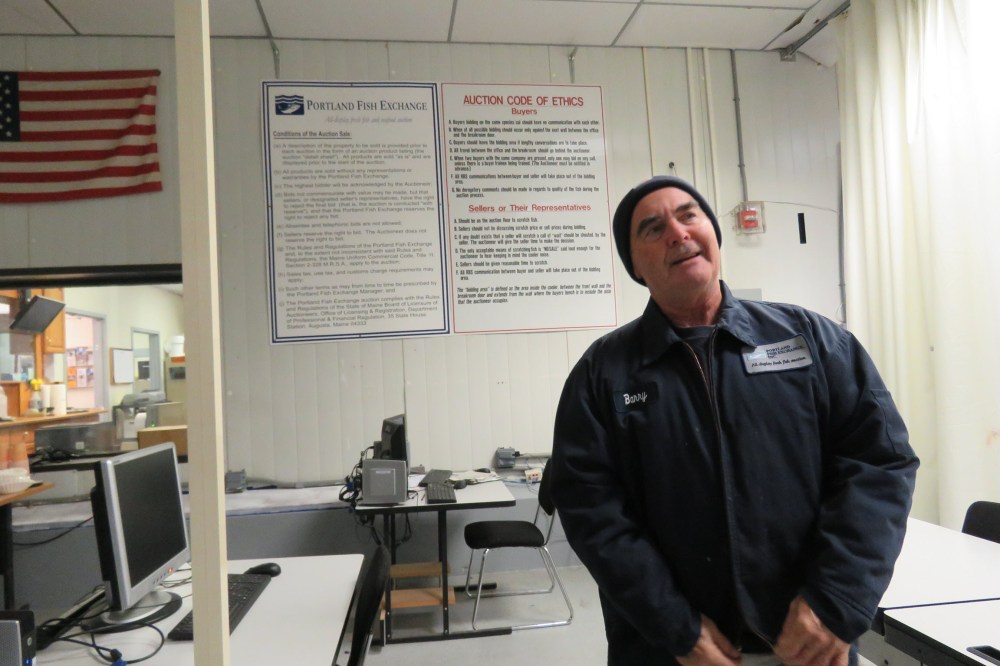
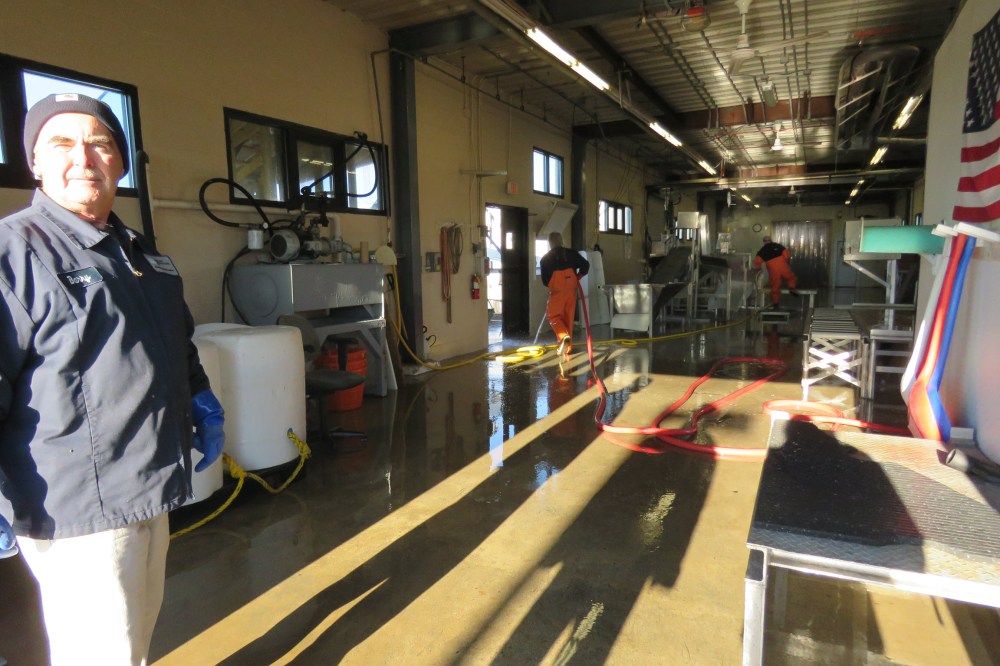
We finally went to the Portland fish auction, which our friend Barry with a Freedom 38 told us about more than a year ago and Will has been wanting to attend. After years of experience, Barry knows just what to look for when bidding on fish for his buyers. The auction itself now takes place online with only a few people sitting in the auction room, where the highest bidder gets to buy as much of that species desired until the next round of bidding. While the auction itself wasn’t all that exciting, learning about the fish and the auction was more so.

It was an interesting slice of life and frankly, a sad commentary on the state of Maine fisheries. In a giant waterfront warehouse were a pathetic 4000 pounds of fish in twenty or so crates, a mere 1% of the 300,000 pounds that used to be caught and sold in Portland on a daily basis. You might think this is because the catch is down due to overfishing, but no. Rather, the Maine lobstermen’s association has such a stronghold on the economy of the working waterfront that they have convinced the legislature that they are the only fishing vessels that should be allowed to offload lobsters in Maine. As a result, commercial fishing boats, which catch lobster as a bi-catch in their gill nets and draggers, are not allowed to sell lobsters in the state. Given this restriction, all but a handful of commercial fishing boat from Maine have decided it’s easier and more economical to simply take their boats and entire catch to Massachusetts, which doesn’t have this restriction. This means hundreds of millions of dollars’ worth of fish are being sold out of state and then brought back in Maine from Massachusetts! The fish auction—along with its employees, sellers, and buyers—that used to be a thriving business is now a shadow of its former self and is on the brink of demise. And this is in the state that boasts the best commercial fishing ground on the East coast.

To watch a video of our time at the fish auction, click here.

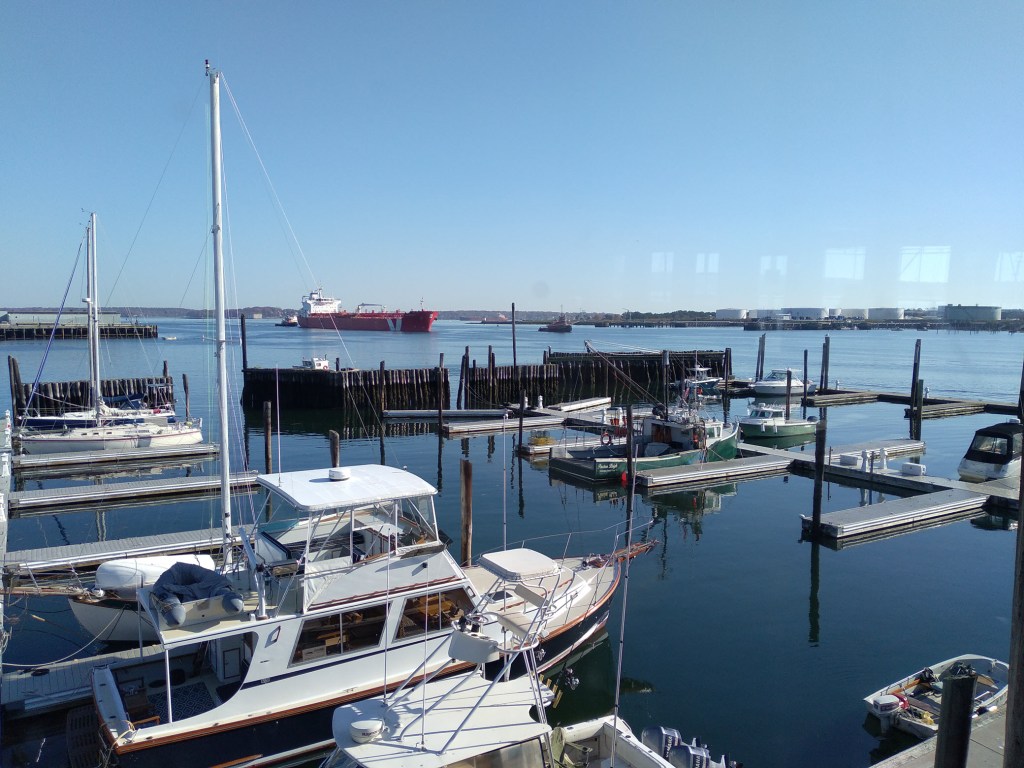
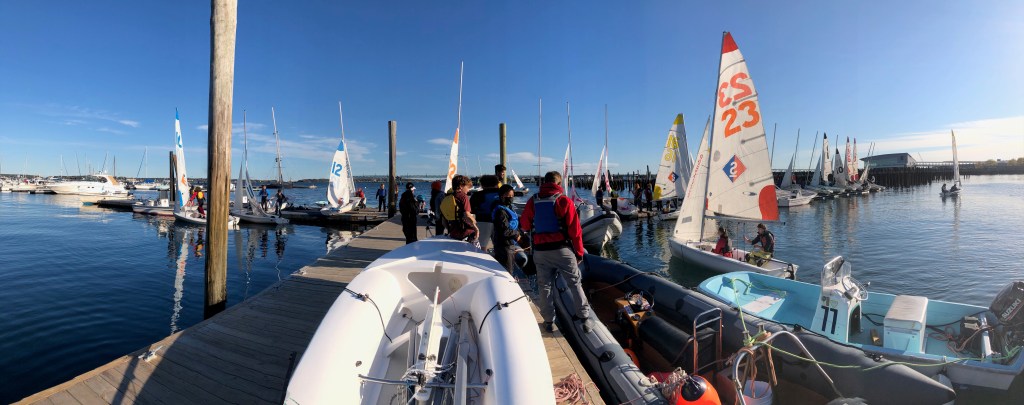
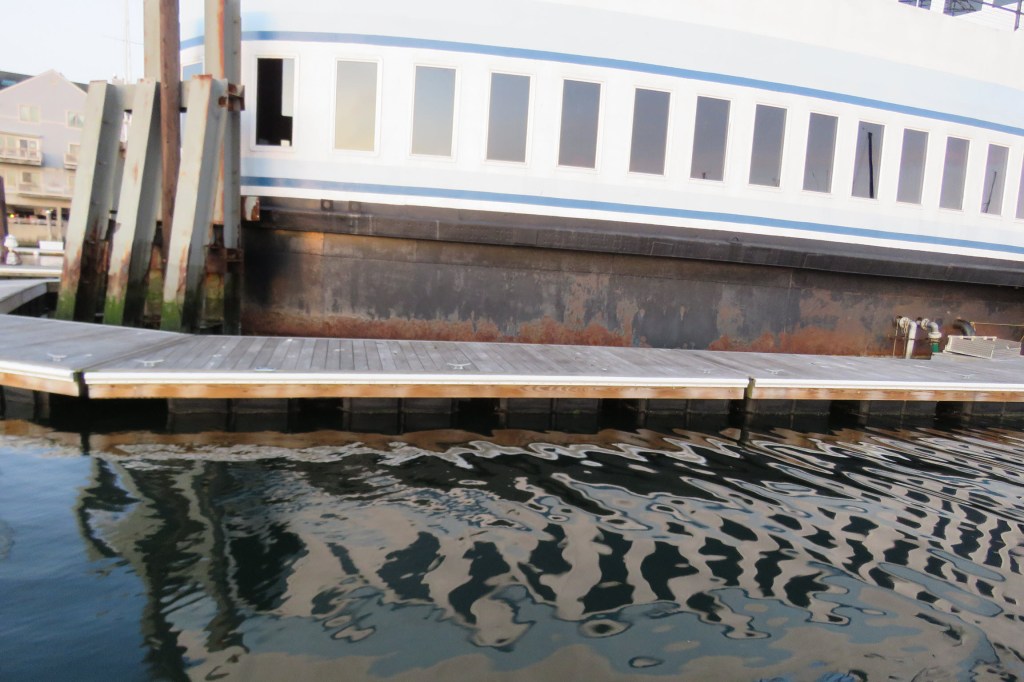
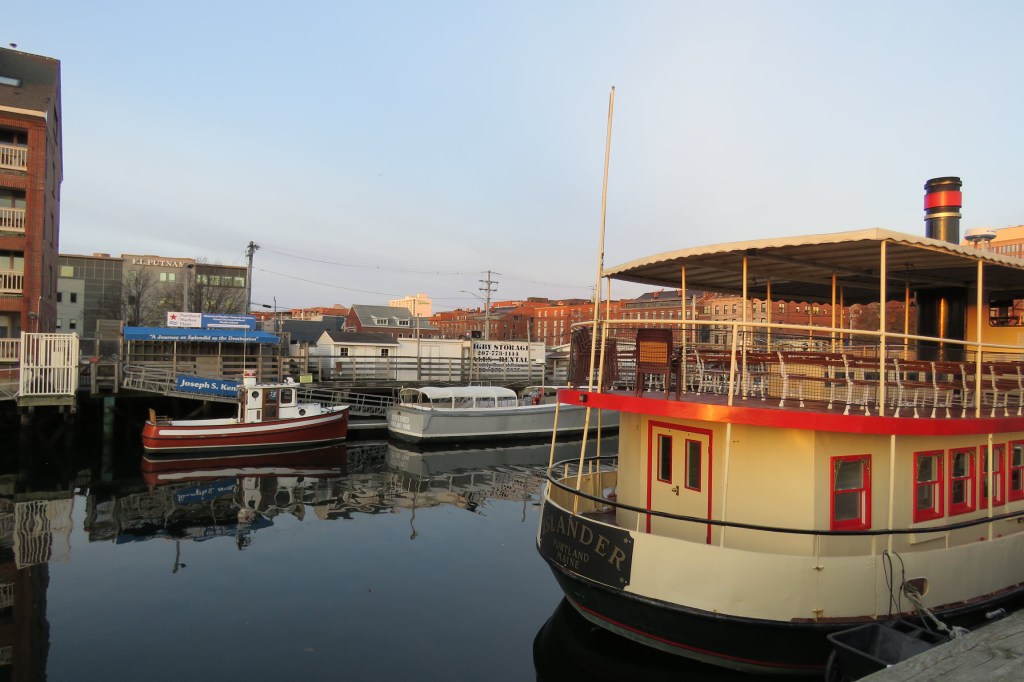
Portland is a fascinating combination of working waterfront, upscale businesses, tourism, commercial development, historic establishments, and lots and lots of boats, from small racing dinghies to tankers.

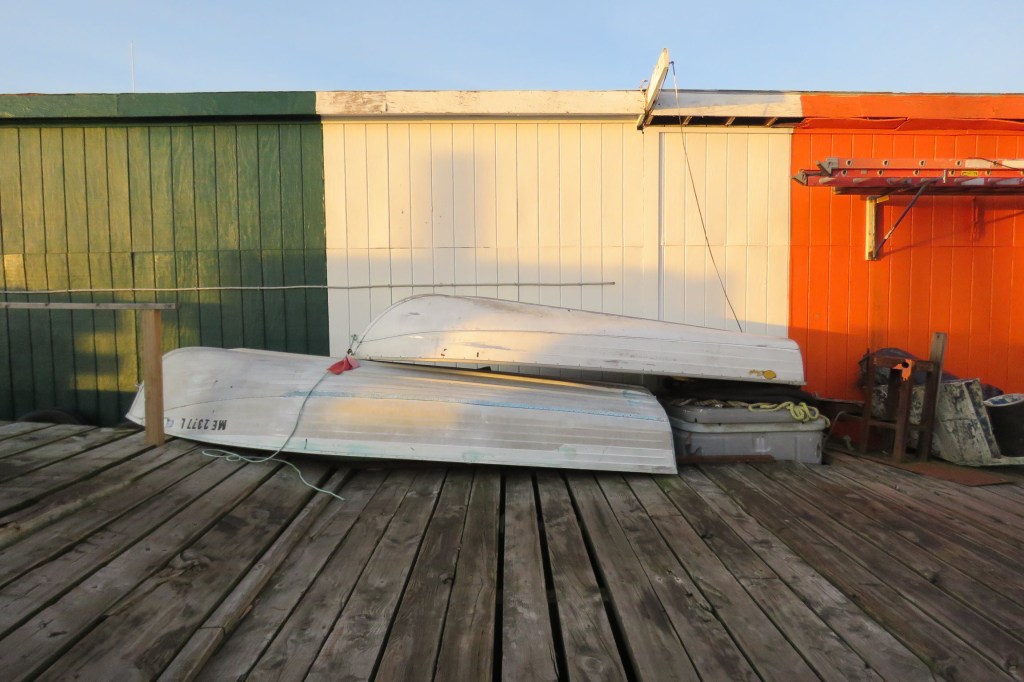
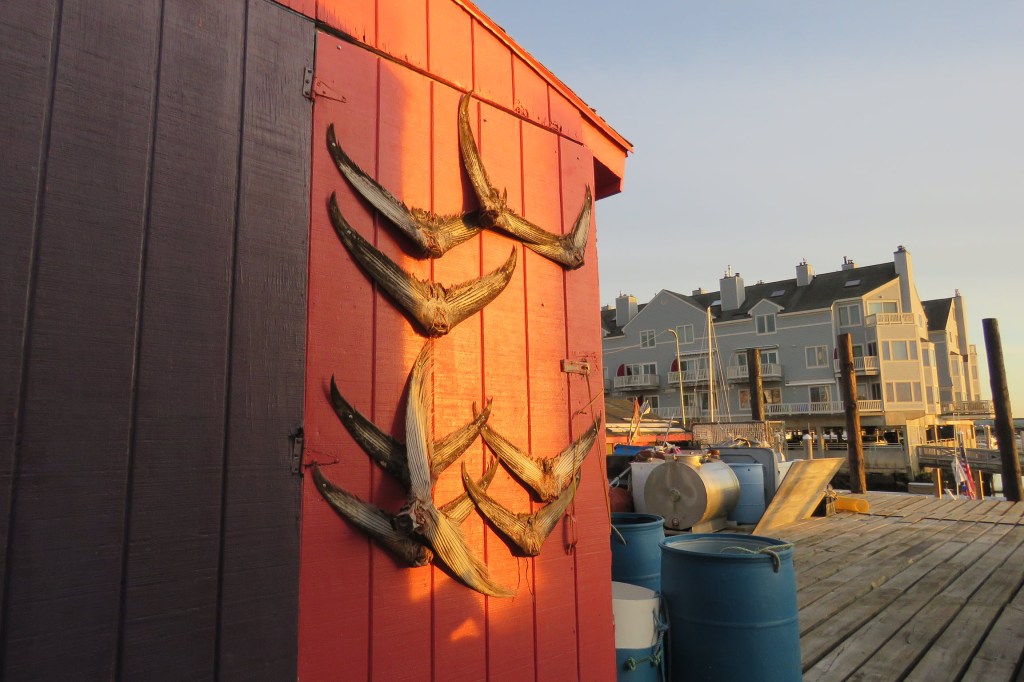
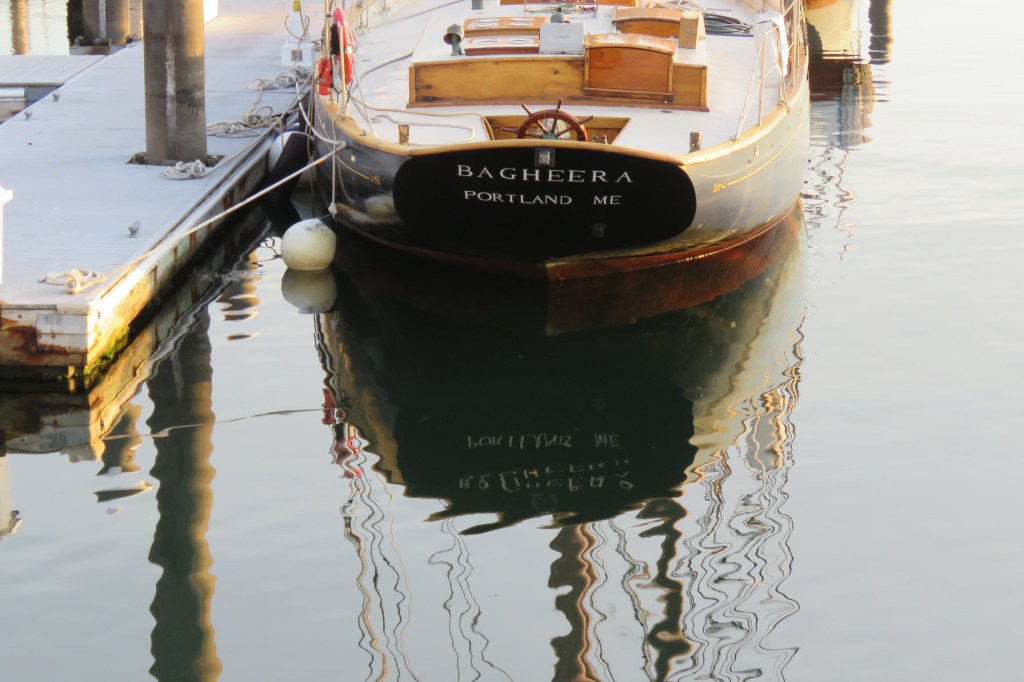
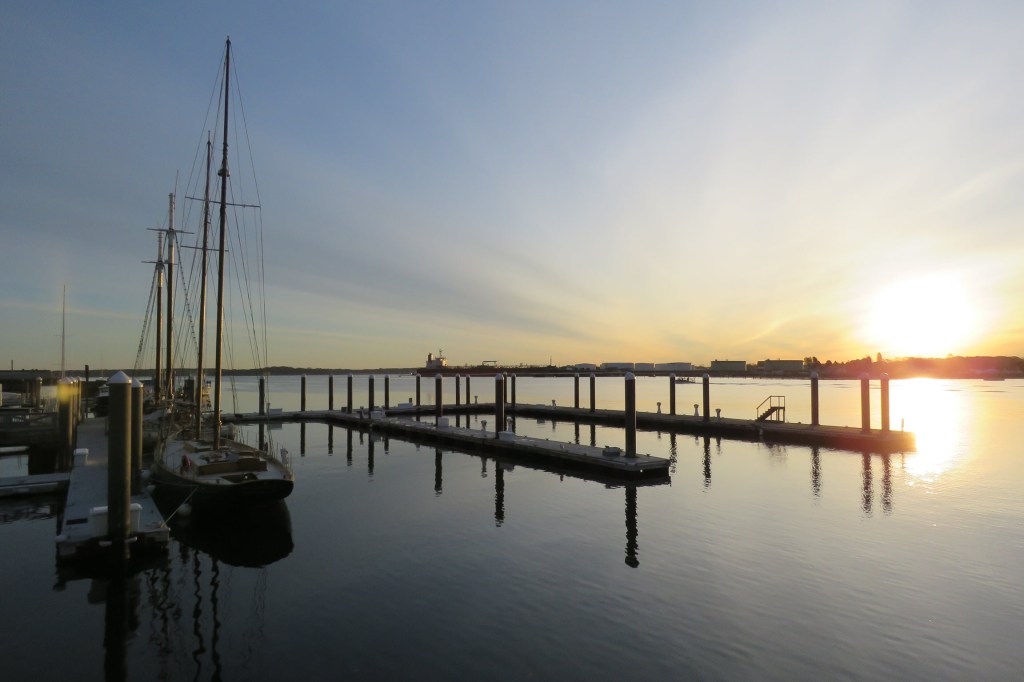
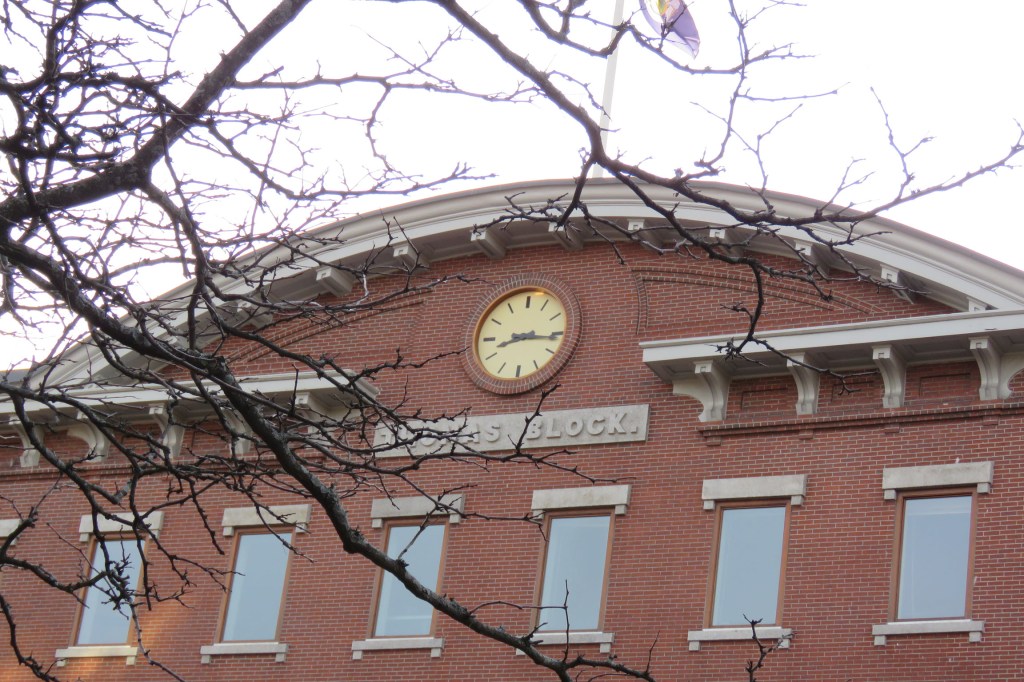
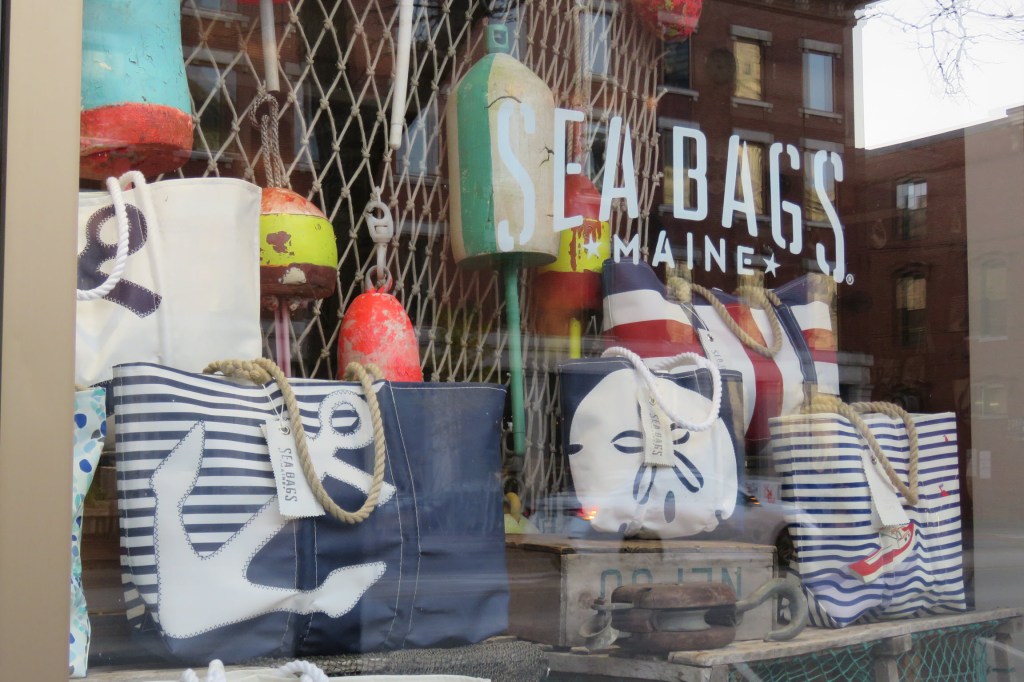
Early one morning I spent wandering around with a camera when the sun was low and glowing, and the fall air was brisk and alive. For me it was all about the juxtapositions of these elements of place. It was a glorious morning of seeing Portland with fresh eyes.

One evening after dinner we wandered onto one of the gritty piers that processes lobster bait. Across the street is one of the newest hotels at the far end of Commercial St. Attracted by the roof deck lights, we walked in, rode the elevator to the top floor for a look see, and ended up sitting outside in front of a fire pit where we ordered “deconstructed pumpkin cheesecake.” It was truly outrageous, the ambiance was super hip, and we felt like we were in Barcelona. This is just one example of Portland’s dual between retaining an active working waterfront—which it’s had for centuries—and the fierce pressure by developers to capitalize on the waterfront as housing prices soar.

Another day we walked down to RiRa, one of the half dozen or so Irish pubs in town, where we watched Will’s favorite soccer team—Liverpool—play Arsenal. Will is a big fan and played and coached for many years, including a brief professional stint after college. It was yet another slice of life where blue-collar folk go to enjoy a pint. At the same place, we sat next to a guy from Zimbabwe who has been in Portland for a year and a half. Another remarkable thing about the city is that it has been a welcoming city for immigrants, refugees, and asylum-seekers, so there are many people from other countries who have chosen Portland as their home. Among the many services, Portland offers free English classes for all immigrants. At the same time, Portland also has a large homeless population as well.

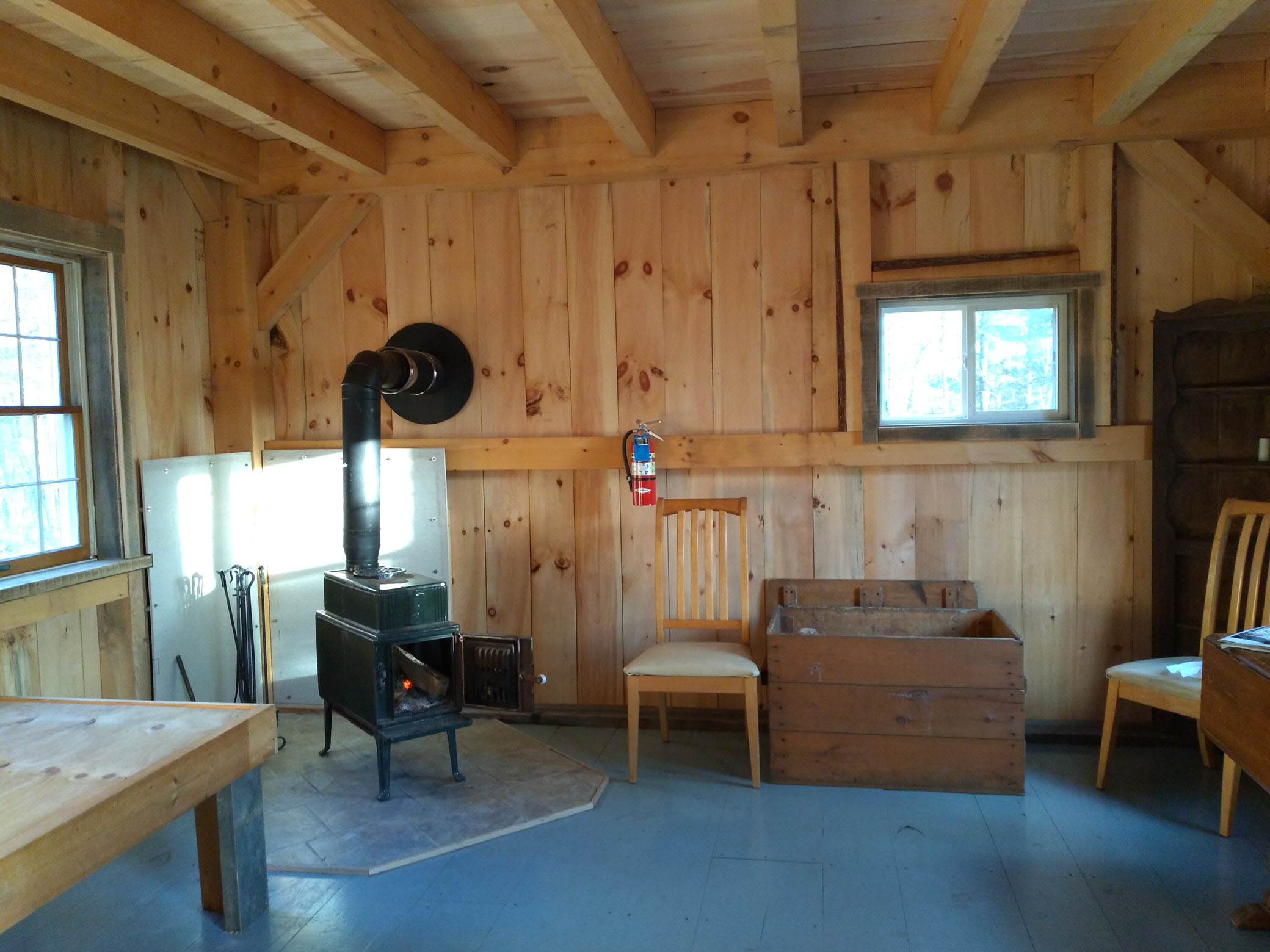
Though we love living on the boat, we have been missing being in nature, so we spent a couple of nights at Hidden Valley Nature Center in Jefferson. This time we stayed in their newest hut, Joe & Doe hut, named after my uncle and aunt who have given tirelessly to the organization since its inception. We were delighted to be there for a celebration that honored them and then stay at the brand new timber-frame hut with a cozy woodstove and spacious ambiance. It was a delightful time on land and in the woods…and it gave us more inspiration for building a tiny house of our own…

And now it’s time to pack some bags, put the boat to bed for winter, and fly across the ocean to Italy, where we’ll be staying on my father’s former sailboat, now owned by my half-brother Tyler. Let the winter games begin!

NIRVANA S1:E10

Oct 19, 2021

Almost three weeks have gone by, and we’re now settled into our winter slip at DiMillo’s Marina on Commercial St. in downtown Portland. It’s been quite a transition from life at sea to life with one foot on land and one on the boat. Whereas previously we rowed our dinghy to get ashore from a mooring or anchor, now we step out of our boat onto a dock and drive the car when we need to get somewhere on land. It sure is different, we’re getting used to it, and so far so great! Here’s how we got here.

*     *     *

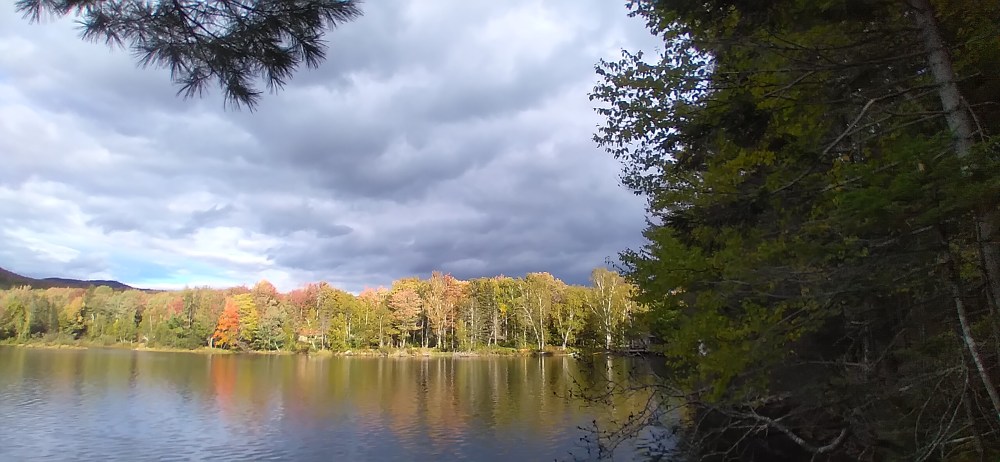
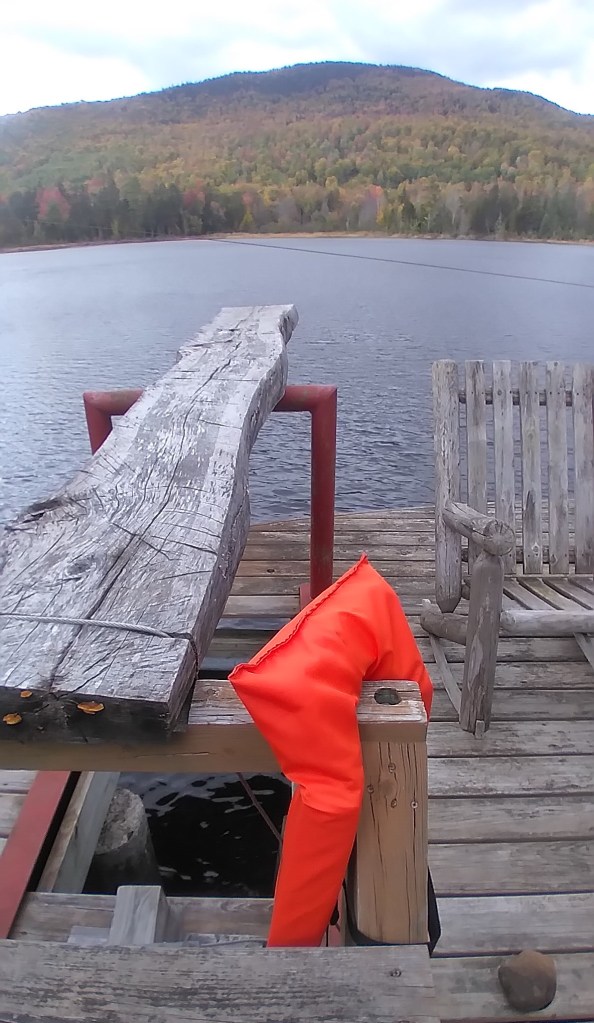
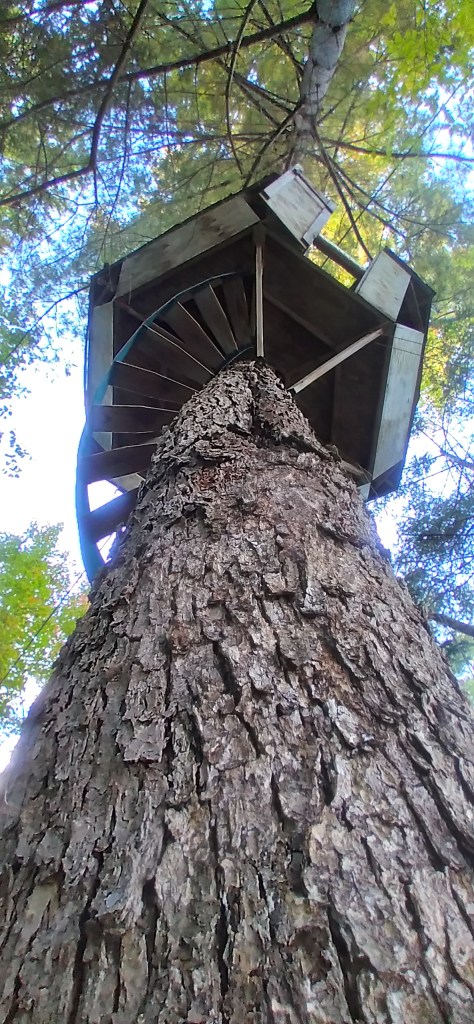
The night we arrived back at our mooring, we got a text from a friend offering us her spot at a log cabin in a remote setting near Bethel, and we jumped at the chance. Two hours from Portland, this spot is an amazing oasis in the middle of 600 acres of woods with a pond, three houses, a 1902 log cabin that was moved from another location on the property, a sauna, and gardens. The creator of this compound is Jim, a Vietnam vet/engineer/back-to-the-lander who bought the property in the 70s and has lived there with his family ever since. His daughter now lives in the main house and rents the cabin on AirBnB (https://www.airbnb.com/rooms/1205528) while he occupies his time designing and building his son a round house that will hang above the tree line from a 30’ steel pole. In years past, Jim built Maine’s tallest snowman and snowwoman (http://www.bethelmaine.com/snow-people); a hydroelectric dam that not only provided electricity to the property but put three kids through college back when the electric company still paid people for that sort of thing; a round house bermed into the hillside with a cement roof cast over snow; a tree house with a helix stair wrapping around the tree; and a mile long zip line that drapes above the pond. We so enjoyed hiking around the property looking for mushrooms, sitting in front of the woodstove, cooking tuna steaks with fresh peaches picked on the property and fresh eggs and herbs from the garden, and taking an icy dip in the pond after our sauna. Ah, Maine, the way life should be!

The glorious weather at the beginning of October sent us back out to Casco Bay, first to Jewell Island, where the first night we were there with just one other small sailboat. The walks ashore on Jewell are wonderful amidst the WWII cement relics that litter the island like strange ghosts. In addition to lounging in the sunshine, Will worked on extracting the old, leaking hot water heater only to discover he needed some different tools, so we made do without. As more and more boats arrived to take advantage of the fine summer-like weather, we decided to move on.

Having sailed by it many times, we decided to pick up a mooring at neighboring Chebeague Island, one of the largest year-round inhabited islands in Casco Bay. I reached out to Eliza who has a house there and whom I’ve met a couple times through a friend. On our walk around the island, we met several people who knew her and finally made contact. She directed us to her house through the woods and met us on the path, which took us by two yurts that she rents of AirBnB, one of which is an authentic Mongolian yurt (https://airbnb.com/rooms/50666392). The island is also home to the famed Chebeague Island Inn and restaurant, where we had a wonderful meal on the last weekend of their season. What a treat! Rowing back under the stars in the cool October night felt magical and firing up the propane heater was pretty special too.

The next day we spent cleaning the boat of the mold that accumulates with so much moisture. As the wind picked up, we decided it was time to head back and finally take care of the hot water tank. The sail in 20 knots of wind was one of the most exhilarating we’ve had, where we hit 9.5 knots as we surfed down a wave into Whitehead Passage past Cushing and Peaks. It was quite a spectacular last sail of the season!

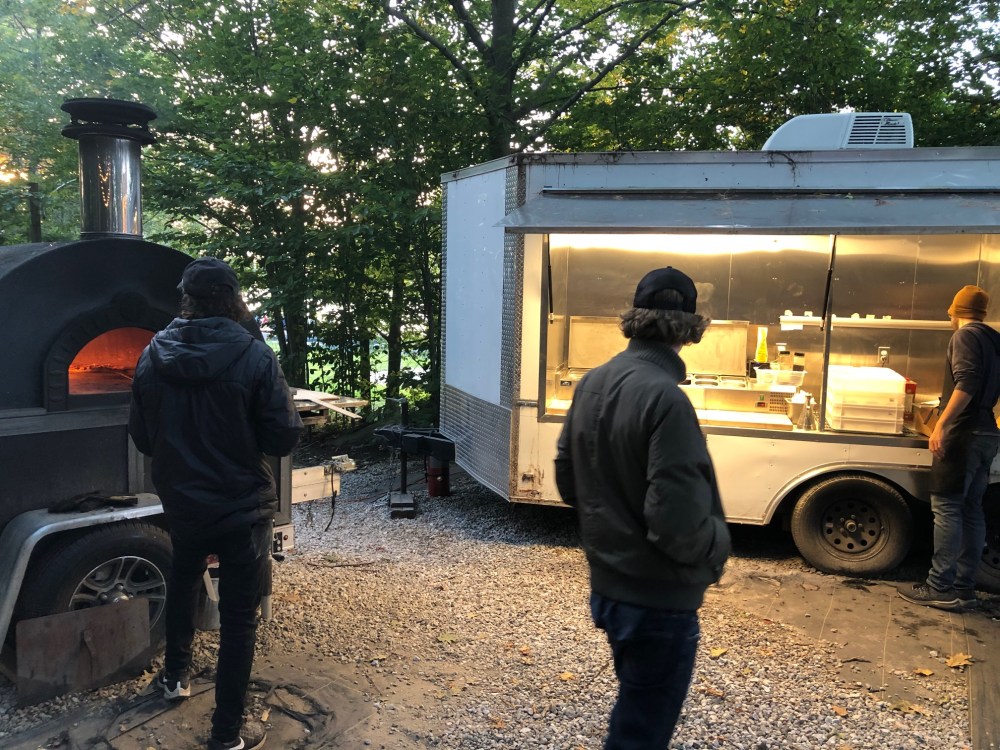
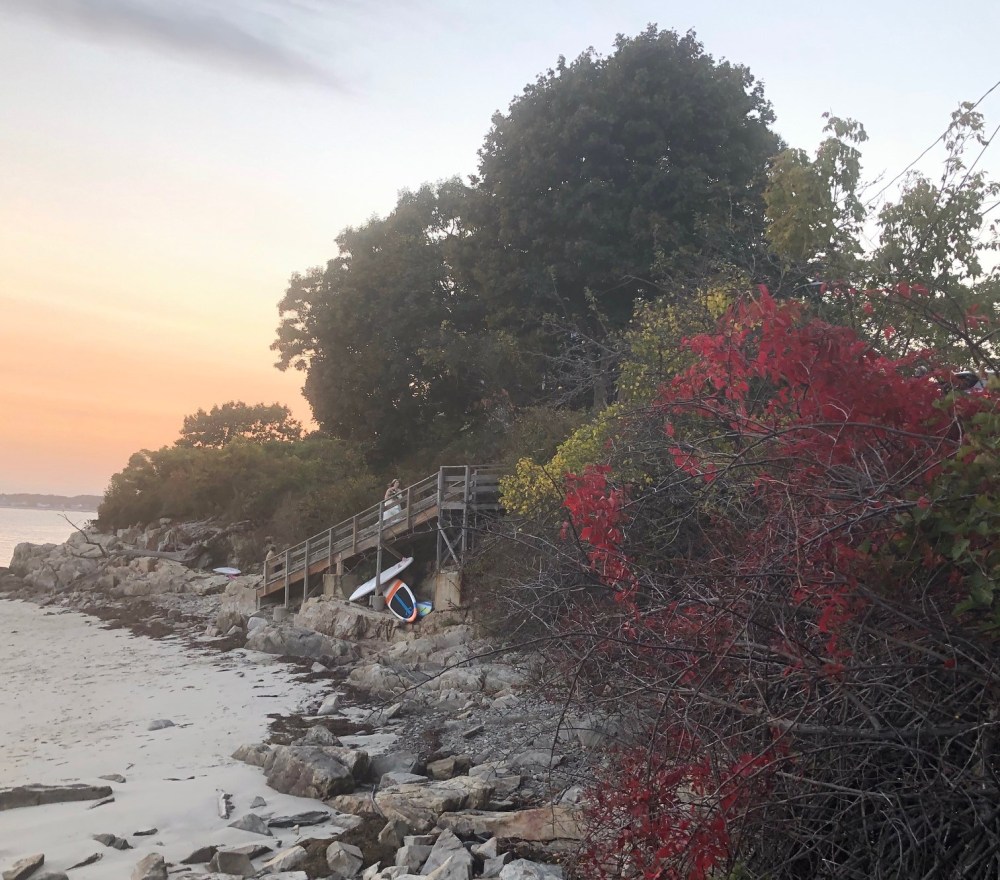
We picked up a mooring at Peaks and had a nice walk ashore, complete with a delicious brick-oven pizza from a mobile food-truck. Being so close to Portland, Peaks has such a different vibe from the other islands we’ve visited—nowhere near as remote and way more “hip.” That evening, there was even a wedding on the island where the music punctuated the evening with the sharp notes of oldies music wafting out over the water. On our walk, we saw the bridal party on the beach for a photo shoot.

Rather than spending another week on our rolly mooring, we decided to check out Spring Point Marina in South Portland. The marina is just next to our mooring and is one of the newest and largest marinas in Maine, chock-a-block with mostly motorboats. As luck would continue to have it for us, the dockmaster is a former classmate of my kids, and he was more than happy to extend us the end-of-season rate, which was a great way to ease our way back ashore. Given the good night sleeps combined with the reasonable rates, we decided on the spot to sell the mooring and use Spring Point as our base in the shoulder seasons before and after DiMillo’s.

First order of business was to replace the hot water tank, which thankfully went reasonably smoothly. Since we are now plugged into shore power, the reward is hot water coming out of both faucets all the time—a significant upgrade from the summer when we only had hot water after running the engine. Over the next week, we spent much of the time ashore—hiking in Bath with a friend who was an exchange student in Sweden with me in 1976 and whom I haven’t seen in 40 years; helping my cousin clean out her father’s 1800s farmhouse; and visiting with family and friends, which is after all why we are here in Portland as opposed to say, the Bahamas, which might yet be in our future. The pull of a land base in the off seasons that feels more like a boat is still there as we continue to look at real estate, but it waxes and wanes like the moon.

And today, five days into our stay at DiMillo’s, we’re settling into our new home, which includes hot showers ashore, walks to the fish market and along the Eastern Prom, running heaters to stay warm, and getting to know the almost fifty other hearty souls who are choosing to live on their boats as the temperatures drop. Our neighbor has already helped us fix a leak we’ve had for some time so now our bilge is dry for the first time all summer!

With this transition now complete, we realize it’s time for Season 2 of Nirvana, namely winter, which will include three months in Sicily aboard Cascade II, my father’s former Jeanneau 41. To be continued . . .

NIRIVANA S1:E9

Sept 30, 2021

As summer has drawn to a close, the equinox has ushered in fall, and the equilux has pivoted our days to more darkness than light, we’ve begun our transition from “out cruising” to “back home,” whatever that means. As the land beckons, the sea remains our ground; as such, the definition is still unfolding.

*     *     *

After two days and nights at the beautiful Jewell Island in Casco Bay, we reluctantly head back to our home port in South Portland, where we experience the rocking and rolling of motorboat wake as a more-or-less constant throb, the Portland skyline in the distance, a stark contrast to the tree-lined anchorages we’ve experienced all summer. After a wonderful welcome home meal at the nearby marina restaurant with my cousin, the next stop is Bellaire Rd. to pick up our car in preparation for our drive north. The first step into my house is a shock: the strange unfamiliarity of the oh-so familiar space and things that have been home for more than six years.

After the first hour of sitting on the living room couch, there is an uncanny sinking into place, like putting on a well-worn pair of shoes after years of their sitting in the back of the closet. “Oh, I remember these! But do I still want or need them now that I’m X, Y, and Z (fill in the blank: a live-aboard sailor, in partnership, on the move)? This much is clear: the collection of “stuff” that has accumulated in my life is partially a product of our culture, partially my acquisitive nature in my attempt at creating a home, and partially a function of having the space to allow it to accumulate. The smaller one’s space, the less one collects because the less one can collect. Living aboard the boat, I haven’t missed any of it.

That first night we spend in the basement apartment that I’d used as an AirBnB for a year, pre-covid. We shower, do laundry, collect the mail, drive to the supermarket, and buy a propane heater in anticipation of colder weather. Moving through space surrounded by a tin can, navigating on asphalt roads with yellow lines, stopping at red lights, and flowing in and out of buildings all feel oddly dissociative. Our bodies know the moves, but our senses are somehow disengaged. There is a form of numbness that creeps in. Where is the wind on our face, the changing view as the boat gently moves through 10, 20, 30 degrees at anchor in the slowly shifting wind, the ospreys squealing overhead with the sky as backdrop, the varying expanse of vision from the near shore to the distant islands to the far horizon, the gentle tinkling of the water as the tide and wind lap the hull? These are feelings unexperienced on land.

* * *

When on land, almost everything in the “world” is man-dominated, and so much is man-made that any nature is relegated to the margins; clearly man bends everything to his will and feels no remorse, likely since he has “god-given” dominion over all of creation. Frightening. Worse, when you’ve been immersed in the endless variations and compositions of beauty available everywhere in the island world, you realize that man’s attempts at beautifying things is so sadly shallow. Because everyone is so wrapped up in such trappings, we rarely question the path our “progress” has taken us (how did we get here? –David Byrne), let alone challenge it.  

*     *     *

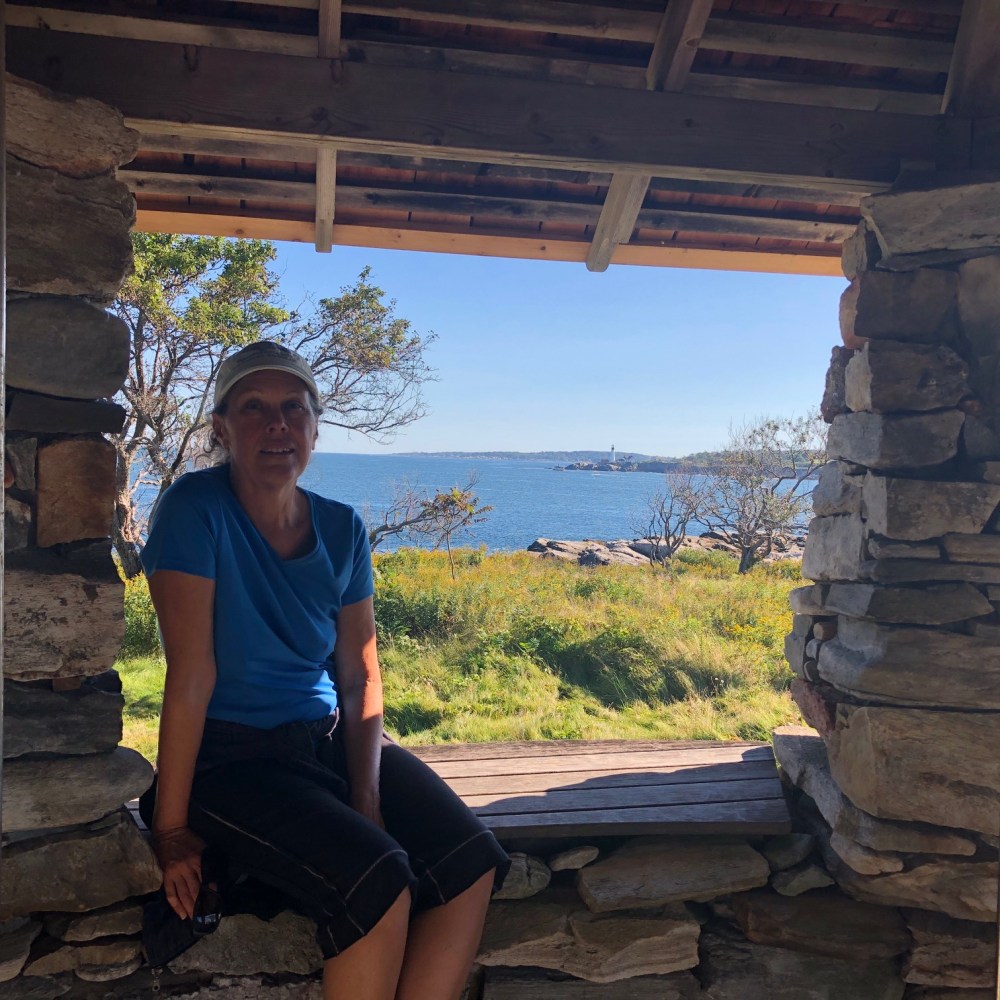
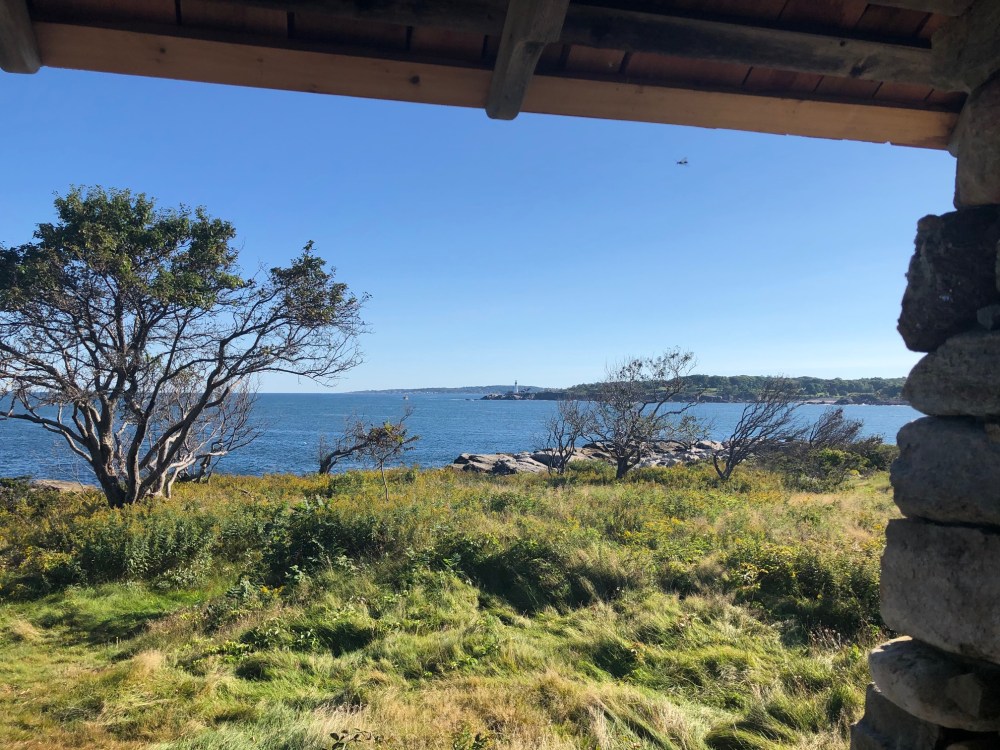
We drive north, connect with family over the loss of my uncle, drive south. We drive north for a music festival, connect with old friends and acquaintances, drive south. We pay my mother a surprise visit in her small Portland apartment, which feels ever so much more the right size than my house. We spend a couple of nights at a small anchorage on Cushing Island two miles away in a partially successful attempt to avoid the rolling. We go ashore on this private island with the permission of Will’s friend who owns a house there and have a fascinating conversation with the island caretaker of the past 16 years. We see Portland Head Light through the lens of one of the gazebos built by the military in years gone by and have a new appreciation of this seemingly off-limits island.

We return to our mooring to the sound of a loud motor and drilling as a huge crane installs yet another dock at Spring Point Marina for another thirty boats. We take a friend for an afternoon sail and choose Diamond Cove as a different nearby destination to avoid the noise and rolling. The next morning, we awaken to ferries coming and going and jack hammering on shore. We motor around the corner to Cow Island where we hear teens whooping and hollering ashore as they practice leadership and cooperation skills.

And then, we have a glorious ten-mile sail to The Goslings, near Harpswell, where we spend four beatific nights in a quiet anchorage that we share with only a few boats coming and going. We run out of water and motor four miles in 20 knots with gusts to 25 to Paul’s Marina to tank up, and then return to our quiet anchorage, which remains remarkably calm despite the wind. Instead of the forecasted rain, the next day we row ashore in what feels like a sunny summer day to the small, protected islands and explore the trees, mushrooms, plant life, and distant shoreline trail along Lower Goose Island, and then bushwhack our way across the island back to the near shore. We enjoy the rain as it finally pelts the dodger and hatches overhead, enjoying the perfectly geometric patterns the raindrops make as they swirl on the smooth surface above our heads in the V-berth. (Click here for video.) Life feels real again.

We’re invited to a friend’s house for lunch in nearby Brunswick, so we motor four miles to South Freeport where we’re picked up by friends and drive to her lovely farmhouse and feast on a wonderful meal. We get a hot shower ashore at the marina before rowing back to the boat, where we hang on an empty mooring along with the cormorants, enjoying this harbor for the third time.

Will dissects the freshwater system in our ongoing attempt to identify a leak, which he finally does: a rusted hot water tank. We enjoy an afternoon sail in 15 knots of wind with my son, daughter-in-law, and grand-dog, and then have a glorious meal in the cockpit under solar lights. That night, we run out of water only three days after filling our tank, so we head back to South Portland to try and deal with this now pressing issue.

So we are back on our mooring once again, this time with several days of north wind, which feels a bit less rolly than the prevailing south-westerlies, combined, perhaps, with less boat traffic. Will prepares to extract the rusty hot water heater and replace it with a spare from his old boat. We drive to the hardware store and stock up on food. We have dinner with a friend and visit with family. We consider taking a slip at the neighboring marina before moving into our winter slip. We contemplate exploring neighboring islands while the weather is still relatively mild. We think about going to a rustic hut in the woods. We fire up the propane heater for the first time to take off the chill and hunker down for one more night in our now cozy cabin. We have just over two weeks until we move into our slip at DiMillo’s and just over two weeks of this period of transition. We have a disquieting sense of being “between worlds.”

At the same time, we have the profound realization that as soon as we attempt to define it, name it, we’ve limited our experience of it, whatever “it” is. Instead, the closest to a definition we’ve arrived at is “we’ll know it when we see it”—about home, about what to do next, and about pretty much anything we choose to give our attention to. And that feeling of knowing is fluid and ever-changing; it comes and goes, like the weather, wind, and tides. Trying to pin it down in any way that remains fixed is merely the mind’s attempt at creating solidity, certainty, and predictability, in our very human but futile attempt at defining what is inherently unpredictable—life itself. And yet, with all its unpredictability, our lives remain an adventure of the first order, as long as we stay open to all of it. And we are reminded every day that doing it in partnership is a gift of a lifetime—for both of us.

Remembering Roland

. . . and speaking of bookends. . . our last blog ended with us showing up in South Freeport for our community dance, which was where we started back in June . . .

. . . and it is also, sadly, the day my beloved uncle Roland Barth died. You can read his obituary here:

Roland S. Barth Obituary

A week later, his extended family and many friends participated in a beautiful memorial at the Head Tide Church in Alna, Maine, the town where he and many of my relatives have lived for decades.

I want to take this opportunity to acknowledge my Uncle Roland by sharing this memory of him, which I spoke at his memorial. Not only was he a lifelong sailor and author of two wonderful books on sailing—along with numerous books on education—he was a great mentor and support to me in my journey on the sea.

* * *

Eight years ago, September, Roland and I sailed Mare’s Tale from Camden to Round Pond. He had just had an episode of transient global amnesia cruising Penobscot Bay with Barbara, and he needed someone to help sail the boat back with him, since he vowed never to sail alone again. I was happy to accompany him on such a long trip as I was actively looking to buy a cruising sailboat of my own. Among the boats I was considering was a Contessa 26, so it was a great opportunity for me to try out the boat. What I didn’t anticipate was Roland broaching the subject of possibly co-owning his boat given his new condition.

We had a delightful sail as we played with the possibilities of co-ownership. As we approached the bar between Hog and Louds at just past half high tide, he asked, “Now what would you have done if the tide had been just before half high?” Being a prudent sailor, I said, “I would have waited until half tide or better.” Right answer! I had passed the test. So now I had to look inside myself to see if what I really wanted was to co-own a 26’ sailboat with my uncle. While I was honored and seriously considered it, in the end, I decided that was exactly what I didn’t want: to co-own a boat with a father-like figure. Instead, I wanted to experience it for myself, which is after all what “learning by heart” is all about. It was very clarifying, and he understood completely. So I took a leap off a cliff and bought a Sabre 28, a boat of my own. And through it all, Roland has been one of my biggest supporters, first as I became Captain of My Own Ship and now, as I craft my own Cruising Rules for my current relationship at sea, living aboard with my partner Will.
In reviewing old emails, I was astonished to find so many from my dear Uncle Roland over the course of owning Maverick solo and now NIRVANA with Will. When I signed the contract on my new boat, he wrote, “Way to go, Tasha! A great vessel at a great price.” Both of our boats now in Round Pond, we bailed each other’s dinghies, and I checked Mare’s Tail’s waterline given a slow leak. After recommending the documentary Maidentrip about a 14-year-old girl sailing solo around the world, he wrote, “You next for around the globe on Maverick?” When I thought I lost my dinghy because I was distracted by a man, he wrote, “Moral of the story: never turn over command of your dinghy…or your life…to some guy!” And after wavering whether to launch one year because it felt too daunting to do it alone and then changing the oil in the engine for the first time, he wrote, “Great to see your hands in the oil, Tasha. So pleased that this little vessel has become such an important part of your life…and to have played a very minor role in that.” More than playing a minor role, he’s been an inspiration.

In 2018, we went on our first Uncle-Niece cruise in Casco Bay, and just after he sold Mare’s Tail in 2019, we went on our second. From his gushing email of gratitude, he wrote, “Thanks for arresting my grieving at not being able to sail my own boat…and providing the leadership and modeling of what a good captain should be.” You have no idea how much that email meant to me, coming from him.

Happy Roland at the Helm, 2019

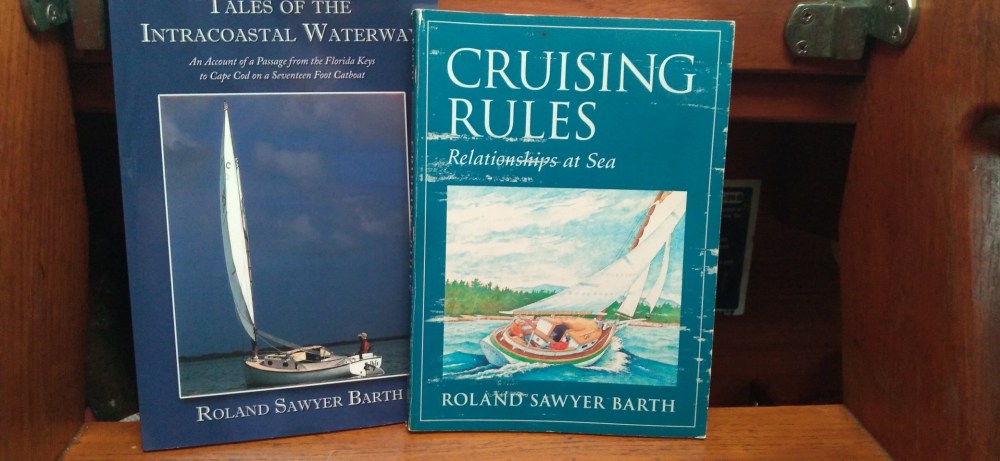
Having since sold my Sabre and bought a Freedom 36 with Will, we had the honor and great good fortune to have taken Roland on his last sail of Muscongus Bay with Joanna. On that occasion, he passed along his personal copy of Cruising Rules that he carried with him on Mare’s Tale for 25 years, with this inscription, “To captains Tasha and Will, with gratitude for our little cruise, Harbor Island, Monhegan, and the George’s Islands, and in anticipation of new cruising you two will craft together.” There was a moment at the helm when Joanna asked, “On a scale of one to ten, how much pain are you in Dad?” His response: “I’ve got my hands on the wheel and I’m sailing. My pain is a zero.” If I were to turn that into a cruising rule it would be: When in any kind of pain, get out on the water and go sailing!

As I’ve made the transition from life on land to life on the sea, I couldn’t have asked for a more supportive and loving uncle on my shoulder along the way. So I’ve created a cruising rule in honor of Roland, which I shared with him several years ago. For all the sailors out there, perhaps you’re familiar with the misogynist acronym for finding your compass course given true, variation, and deviation: True Virgins Make Dull Company, Add Whisky, Subtract Ethics. Instead, I offer this one for finding your course through life, relationships—on land and sea—and all the chartered and uncharted waters we inevitably encounter along the way:

True Value Manifests Deep Connection, Add Wisdom, Subtract Ego

That’s my uncle Roland.

Sept 18, 2021

NIRVANA S1:E8

September 13, 2021

Our summer cruising is drawing to a close, but there are still tales to tell. . . With a brand-new starter for our engine thanks to J.O. Brown, we were ready to set out once again, this time in search of a pump out for our holding tank. Finding places to do a pump out has been one of the biggest challenges we’ve had all summer. For this reason, we plan to replace our marine head with a composting toilette. The nearest place was Rockland, 12 miles west. After being in Perry Creek for a week, we felt a little sad about leaving, but it was time to move on. We motored most of the way until just past the Rockland breakwater, Will spotted another Freedom 36. We chased it down, took pictures of each other’s boats, and made plans to meet the next day. Tying up to the town dock, we had a magnificent hot shower, did three loads of laundry, and with clean bodies and clothes, went out for dinner at a wonderful restaurant, In Good Company, where we had black truffles on salmon and other delicacies. What a nice change from dinner aboard!

The forecast was for heavy rain and wind, so we picked up a mooring and spent an unbearably rolly night, one of only three the whole trip. Although Will can sleep through pretty much anything, I was up all night. When morning broke, I called the Rockland Yacht Club which runs a launch, and they came and picked us up; it was not possible to row ashore. The launch driver said had he known how bad it was out in the harbor, he might not have come to get us. We spent a rainy day ashore having breakfast with the couple living aboard their Freedom in Rockland, met up with an old friend from Damariscotta, and visited the Island Institute, whose mission is to support the 15 inhabited island communities on the coast of Maine. And they have an awesome satellite map showing all 4000 Maine islands.

After our welcome shore leave, we were ready to go back home to the boat. Next morning, Will did a big shop with the wagon while I lounged, still feeling a bit tired from lack of sleep, and wrote about “home.”

* * *

There are so many “ideas” of home that underlie the word and “feeling” of the word, many of which are fantasies. Does home ever really live up to our ideals? Will it ever? So what happens if we drop the idea altogether? What new possibilities might spill into the open space? How creative can we be in our “architecting” a home that fits who we are? And what feelings might emerge from that space?

About a month ago, after living aboard NIRVANA for two months, I noticed that I stopped using the word “home” when referring to my house in South Portland. It stuck in my throat somehow when I said it, and I corrected myself, in my mind anyway. It’s a place that’s been my home for seven years and felt good as such, with its cherry kitchen cabinets and black granite countertops, colorfully painted rooms, pleasant deck and hanging chair, half-moon bed in a room full of Quietude (the paint color chosen largely because of the name), and all those oh-so familiar objects of one’s life that accumulate through years of acquisition, like birds collecting sticks for their nests, which in the case of ospreys can exist for years. The osprey nest at the mouth of Pulpit Harbor in North Haven is said to have been there for 150 years! The generations come and go, but the nest remains, being passed down, generation to generation, much like an historic farmhouse.

So what does it mean to have a home that is untethered to land, except for the periodic yet regular tying up to a dock? Clearly land is not a necessary ingredient of home, for there, at the other end of the anchor or mooring ball is a magnificently cozy, efficient, and functional living space that is what I now call home. Yet it’s so much more than that. Step into the cockpit and your backyard is the vast sky and water of whatever bay, cove, or harbor you happened to be in that day. Step on deck and your front yard is wherever your imagination and boat are equipped to take you tomorrow. You feel the elements—wind, sun, mist, rain, fog—like you feel the heartbeat of another lying next to you; it’s that intimate. On a boat, you are constantly at the intersection of nature and your capacity to exist within it. When the wind carries you across the bay with the sun beating down, call it love. When the fog rolls in and the raindrops form, it’s just another form of intimacy.

* * *

Our next destination was Matinicus, the most remote inhabited island off the coast of Maine, almost 20 miles offshore. We motored most of the way due to lack of wind once again, where we encountered a huge oil tanker in between naps.

Like all the island communities, fishing is what people do. There are no paved roads and no store. There is, however, a school, a post office, and two small libraries, one adult and children’s. On the sail over, I googled a theater friend named Suzanne who has a house on the island. What came up was the Matinicus Historical Society and her name; turns out she is the historical society. She welcomed a visit, which ended up being a fascinating history lesson of the island, mostly stemming from her distant relatives who were among the first settlers. She told many stories full of intrigue, including shoot outs with Native Americans. After years of visiting relatives on the island, she and her husband bought a house at the intersection of two dirt roads, which turned out to be the very house that was owned by her distant relatives! Not only that but it was the site of the original house from 1763 of her distant relatives, Ebenezer and Susanna Young Hall. Unfortunately, someone on the island had just recently driven his truck into it such that the wall was completely smashed! The police came over from Rockland to investigate, and they managed to track down the culprit, an islander who was driving too fast, drunk, and didn’t take the turn. High drama on a small island to be sure. After hearing wonderful stories and getting a tour of Suzanne’s historic house—which included the same garage toy that Will used to own!—we wandered down the dirt road and met the new schoolteacher, who had just moved to the island with his family to teach six kids, pre-school to middle school-aged, including two of his own. On the row back, we passed the floating lobster co-op where the lobstermen offload their catch, the first we’ve seen. Matinicus was a very special island indeed and well worth the visit.

At this point, it was time to start heading west toward our home port. First stop was 12 miles west to Home Harbor in the Mussel Ridge Channel, where we anchored near Two Bush Light after a beautiful sunset, then moved on the next morning in thick fog.

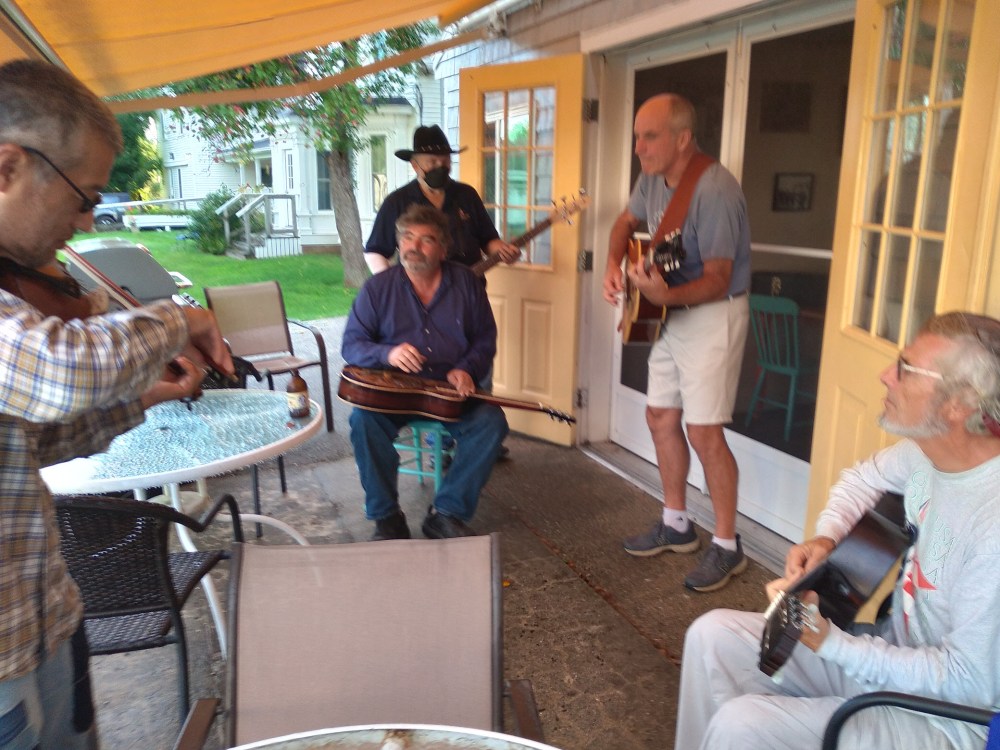
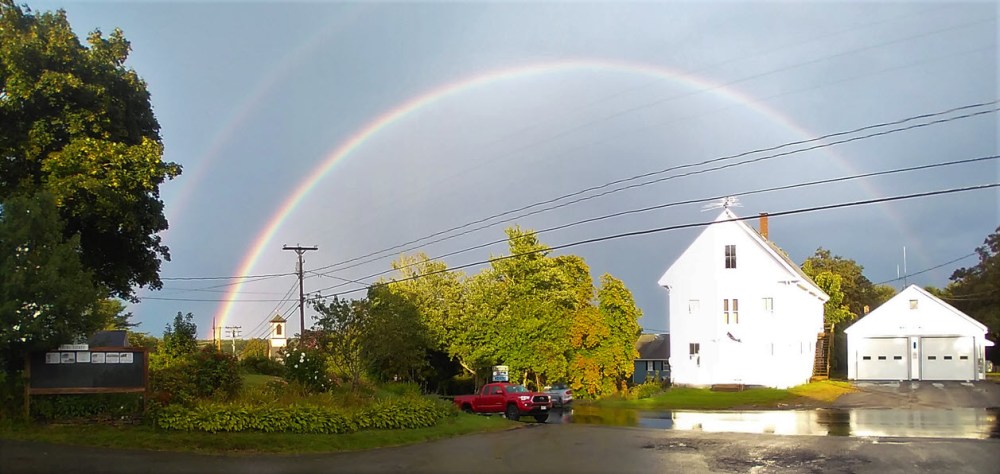
Next stop was 21 miles west to Round Pond, my home port for many years for my two former boats. It was also the home port of my Uncle Roland, who had the first non-fishing boat in the harbor more than fifty years ago. Roland has since sold his boat and is nearing the end of his life, and we were hoping to visit one last time, but it was not meant to be. Instead, my cousin Joanna, his daughter, spent the day with us aboard after many days with him during his rapid decline. We were so grateful to have had Roland and Joanna on board earlier in the summer before he became too ill to clamor aboard a boat and take the wheel. We couldn’t have been in a better place to be thinking about my beloved uncle than Round Pond. My friend Nancy also came down for a visit, and we had a wonderful long walk around the far side of the harbor and picked up some goodies from Dot’s Bakery, Julie’s Greenhouse, and Granite Hall. We were also lucky to be in Round Pond for the Monday night outdoor music jam, which I used to attend with my ukulele. This time, Will joined in with his guitar with a much smaller, more intimate group that remained after a big downpour sent most people home. The rainbow that emerged was a special bonus, especially under the circumstances.

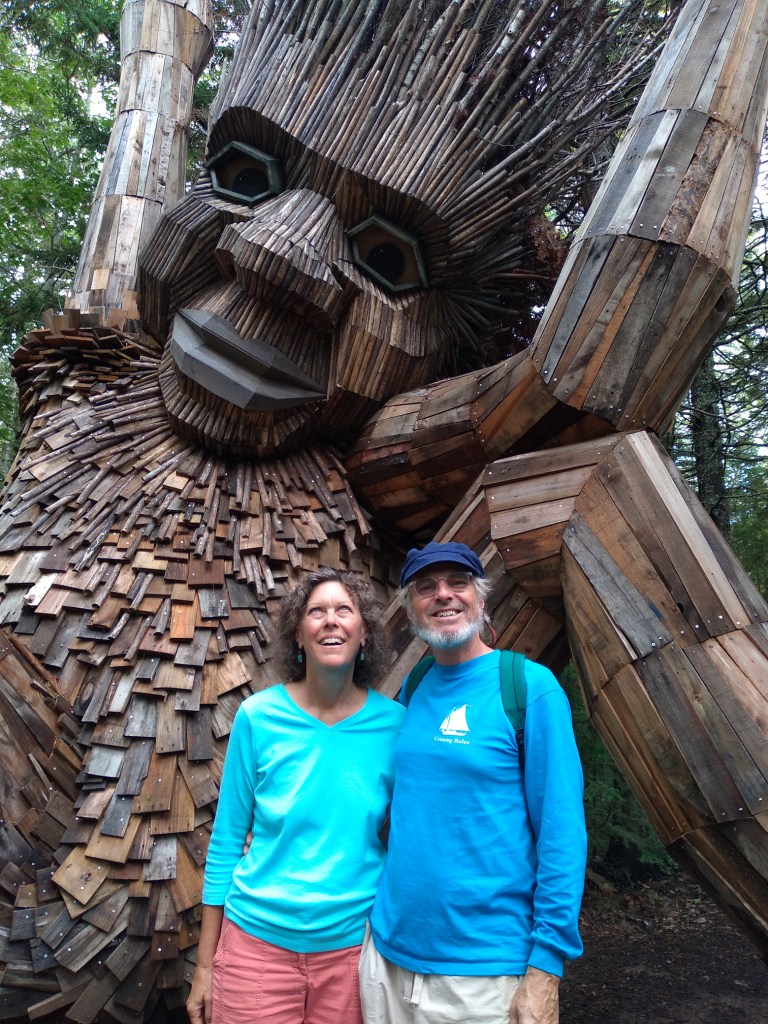
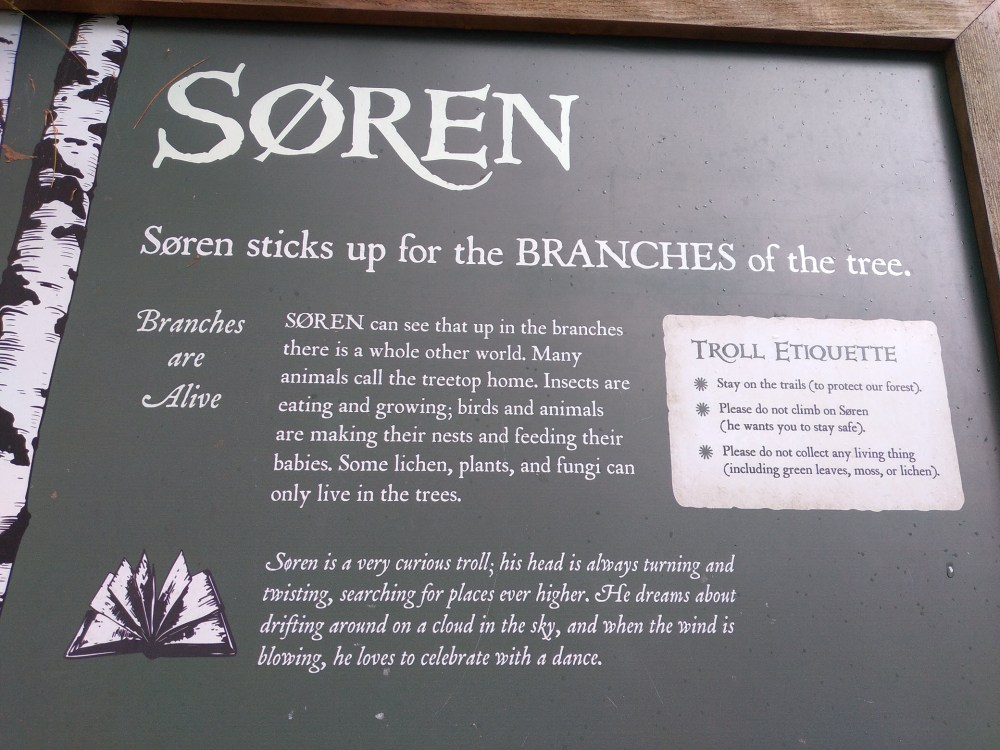
Another storm was brewing, this time hurricane Larry tracking across the Atlantic with high winds and seas building to 8 feet, so we chose West Boothbay Harbor as a protected place to lay for a couple of days. We motored and then sailed another 18 miles west as the wind picked up and the seas were building. The boat handled wonderfully as we headed to our cozy harbor by the Coast Guard station. Friends keep their Concordia yawl here, and we were fortunate to be able to have Chris over for a glass of wine the night we arrived. The all-day rain meant we had to run our generator to keep our batteries up, only the fourth time we’ve had to do so all summer. We took advantage of the following beautiful fall day to visit the Coastal Maine Botanical Gardens, a 300-acre parcel of highly cultivated land with thousands of varieties of beautiful plants, lovely walkways, a sweet children’s garden, and five twenty-foot tree trolls, created by a Danish artist to cultivate awareness about the importance of trees in our world. Lucky for us, our friend Rebecca came up from Portland to enjoy the gardens with us, drive us to the grocery store, and then take us back to the boat.

We had our longest day of sailing yet—36 miles—from Boothbay to South Freeport in Casco Bay, with great wind almost the whole way for a change. It was an exhilarating sail back into familiar waters, past Burnt Island light, the Cuckholds, Fort Popham, Seguin Island light, Little Mark Island, and into South Freeport, which was our first stop when we left South Portland just over three months ago. Similar to our first stop back in June, we came here to attend Portland Community Dance’s outdoor dance, which was a wonderful way to reconnect with friends. Being here today feels like bookends to our magnificent summer adventure aboard sv NIRVANA, where over the course of three months, we visited 50 different anchorages and traveled over 550 miles!

Now it’s time to transition to fall when the weather will be turning chill. Our plan is to be on our mooring in Spring Point and do some sailing in Casco Bay until Oct 15, when we’ll move with the boat to DiMillo’s Marina in Portland. There, we can plug in to electricity and run a heater and be right in the heart of downtown. We’ll be there until the end of November when we’ll leave to spend the winter in Sicily living on my Dad’s former sailboat!

Up Perry Creek Without a Starter

September 1, 2021

For the past week, we’ve been up Perry Creek without a starter. The good news is that we could have been up shit’s creek without a paddle. Instead, we’ve spent a delightful six days in a lovely cove only one mile from J. O. Brown boat yard where we’ve had two mobile mechanics and a neighborhood full of friendly, generous people who’ve helped us beyond measure. And the reason we’re here without a starter, instead of Matinicus, a lonely outpost in the Gulf of Maine, is due to a mistake.

Wednesday

Our “plan” is to provision, fill up our water tank, and top off our diesel before heading out to the barren Brimstone island off Vinalhaven and then on to Matinicus, a remote island 15 miles out to sea. Arriving in the early evening, we tie up to the town dock and get a ride from the owner of the store to the well-stocked Island Grocer. Because it’s nearly dark, we motor one mile to Perry Creek for an overnight—right next to our favorite floating tiny house—with plans to motor to J.O. Brown in the morning. Our fuel was only down a quarter tank, but our water was virtually empty. We’d called earlier about fuel availability only to learn that they were out. “It should be arriving tomorrow by boat on the next high tide,” Linda, the office manager said. Good, that will give us some time in Perry Creek, which we’d missed last time.

Thursday

By mid-afternoon, it was approaching high tide, so before motoring across, Will decides to check the oil, which we’d been tracking all summer and chooses to fill it. With confidence, he opens the cap on top of the engine block, which looks like every other radiator cap he’d ever seen but mistakes it for an oil fill and starts pouring. After a few seconds he remarks, “That’s weird. It’s already overflowing.” I know right away something isn’t right, so I ask, “Which cap did you use, because there are two.” Indeed, he had put the oil into the radiator cap instead of the oil fill! My stomach does that somersault it does when something I imagine to be disastrous happens. I say nothing and take the news with great equanimity.

Will immediately acknowledges his mistake and starts sopping up oil with paper towels. He gets on the phone with Alec, the wonderful mobile mechanic who came on board in Belfast to replace our solenoid. He suggests using an oil absorbent pad as the oil should be floating on top of the coolant. He says that he could come out on Tuesday to drain the coolant but meanwhile, if we could remove most of it, we’d probably be fine to motor over to J. O. Brown and have them replace it. We call the boat yard and tell them our problem, and wouldn’t you know, a couple hours later, a guy shows up from the yard to have a look. He says the same thing and tells us Foy Brown would be around tomorrow to help us out. Good, not a disaster and we have a “plan.”

Meanwhile our water supply is now super low, and we are washing dishes in salt water, so I suggest rowing over to our neighbor boat and asking if they might spare some water for our tanks. They are more than happy to accommodate, bringing us two deliveries of five gallons each, along with an extra oil absorbent pad. Rick and Valerie couldn’t be nicer, confessing that he too had done something similar in years past. With some water and a plan, there’s nothing else to do until the next day. To Will, it’s a defining moment when Tasha, instead of slouching into moroseness suggests that we smoke some pot and go for a hike

* * *

The beautiful, rooted staircases and pine needle gravel-filled paths that perfectly match the contours make every step sublime. Encyclopedia Brown and Harriet the Spy have their moment in the sun at the overlook, first wondering if the buttoned-up dandelions had yet to deliver their wispy seeds to the wind or not. Given the season and the barren granite, where would they alight? Picking one apart, we witness them getting swept off rock faces to bumble along. The inch-long wisps culminate in a seed—a kernel (that is, “a kernel of truth”)—quintessential–as in the found example where every single corn-silk wisp manages to break away with the tiniest sliver of seed at the end. Did the DNA replicate so well that the barest paint-thin shaving is enough?

And on to the pinecone, hypnotizing when viewed from the top. Does Fibonacci matter? Sure, there are natural growths that display a perfect Fibonacci ratio, the nautilus shell, for instance, as it grows at every single tangent of its spinning out. But what about less-rigorous pronouncements, the plant parts or patterns that aren’t exactly 1.382 times the previous one? Here we recognize the power of an “idea” that we then want to “see,” regardless of the proof to the contrary. For me (Will), it is enough that Fibonacci works even once; it’s not necessary to do more. The other innumerable growth patterns may one day get their day in the sun—or maybe we will “get over” ourselves and quit trying to “classify” and reduceor try to anywaynature to something it really isn’t.

*    *    *

On the last leg of the hike, inspired by all the fairy houses we’d seen on the way in, I exclaim, “I want to build a fairy house!” A hollowed out birch bark cylinder appears tucked between two trees. The question is whether to leave it where it is where it probably wouldn’t be seen or move it closer to the trail. After some inner debate, I decide to move it and then set to decorating the top with moss-covered bark and laying sticks along one side to form an outdoor porch. In front of the opening is a bright red mushroom, and I place a yellow fungus-covered stick in front as the other portal. Will suggests putting a large rock inside, which I do and then switch into engineer mode wondering if I need to make it more structurally sound. “Build from your eight-year-old self,” he suggests, and I switch back to that mode finishing off the house with a minimum of adornments. We riff on the architectural elements of two other fairy houses we see in a clearing, wondering whether adult or child was at play when building them.

Yes, it is quite an outing! Needless to say, we’re no longer worried about the oil issue.

Friday

With most of the oil removed, we get an early start to motor over to J. O. Brown. I push the start button, once and get a little cranking, twice, a little less, and a third time, nothing. We check the batteries which are relatively low without much solar giving them a charge so early in the morning, so we run the generator for half an hour and try again. This time, we get absolutely nothing pushing the starter button.

Rick on the neighboring boat notices our troubles and hails us asking if he can help, so I row over and tell him of our plight. Fifteen minutes later he arrives, tool bag in hand, ready to help, along with yet another five gallons of water. Knowing more about these things than we do, he climbs down into the lazarette and tests the power to the solenoid, which is fine. He then takes a large screwdriver and holds it between the two terminals on the solenoid, bypassing it to send power directly to the starter. Nothing. We also notice two lose wires which he tries connecting. Nothing. Then he tries attaching one end of a small jumper cable to the starter and the other end to the engine block. Will questions it in his mind as he does it. Poof! Smoke comes pouring out as the wire melts, at which point he says, “Well, I’ve reached the end of my knowledge.”

Before departing he asks, “I don’t suppose you have Nigel Calder’s Mechanical and Electrical book on board?” “We sure do!” I say and tell him he’s a friend. We then spend another half hour pouring over his troubleshooting section and learning the steps to debug the system, most of which we’ve done. The net result is even though it’s rarely the starter, in our case, that’s what it points to. We called J. O. Brown once more to tell them of our new, more pressing issue. Linda says she’ll pass it along to Foy.

Meanwhile, Bunny rows by and we chat her up about living aboard, which she and her husband Bill have been doing since 1994, mostly in the waters around Turkey and Greece. She too offers to bring us some water, which we graciously accept. “Do you need anything else? Food? Wine?” she asks. Will says, “We could always use bacon. Just kidding.” Next thing you know, there’s Bunny, water and bacon in hand! Nothing more to do but go for another hike, this time to the summit, where we have a magnificent view over East Penobscot Bay to the Camden Hills. A bit of exercise does us a lot of good after all this waiting around.

Saturday

We wait on board to hear from Foy, hoping his schedule isn’t too full to get to us. Evan, the tile guy from Vinalhaven comes by in his Boston Whaler wanting to chat. He often comes to Perry Creek on the weekends to see where all the boats are from and get to know people. He too asks if we need anything, and we say, “Well, since we’re probably going to be here for another couple of days, we’d gladly accept some more water.” He says he’ll bring some out tomorrow.

We meet another lovely couple on a wooden boat he’d built himself and whom we’d met on Swan’s Island at the music festival. We chat people up as they come in and the harbor fills up with a dozen boats. Late in the afternoon, Foy shows up to have a look. He performs the same tests Rick did only in about ten minutes with the same results. He then removes the starter to have a look and learns that it’s only spinning in one direction instead of both. “It’s toast,” he declares. OK then! “I can probably order one for you on Monday, get here on Tuesday.” Alright then! We have more of a plan. We continue to wait.

Sunday

In the afternoon, Bunny stops by with yet another gallon of water. Happy to engage with “someone other than my husband,” she stays a while to chat when Evan comes back with three five-gallon containers full of water, and we invite him aboard as well. A super friendly gadfly, Evan tells us about the various social circles on Vinalhaven and how he’s managed to touch most but stay outside of all of them. “It’s better that way,” he says. He also commented, “Fishermen are always crying crocodile tears. The gold in the pot in front of them is never shiny enough for them.” He’s seen a construction boom on Vinalhaven from people “from away” and has no lack of business as the lone tile guy on the island. “And they spare no expense,” he said. “I’ve put in tile that costs $50 per square foot!” When I learn he’s single, I play matchmaker and try fixing him up with a friend.

Bunny invites us over for cocktails on their Norsman 447 with the couple on the wooden boat, and we see what a $200k cruising boat feels like, complete with enclosed cockpit to keep out the elements. I bring a fresh batch of garlicy hummus that I’d just made in the food processor, and we sit around the cockpit table laden with hors d’oeuvres as Bill, 82, holds forth with sailing stories and Bunny passes around the popcorn.

Back on NIRVANA, Will says, “Any who is sealing out that much nature shouldn’t be on a sailboat!”

Monday

At 9:00 AM, we’re awoken by a loud motor passing by us and then a sudden BANG against our hull. Will pops his head up through the hatch and hears, “Watch out for the sailboat!” and “Pull that boat in!” and then from the crew, “I can’t!” I jump out of bed, put on some clothes, and go up to the cockpit as I watch a large fishing boat steaming past us after cutting between us and the tiny house. “Sorry I clipped your kayak,” the captain yells to the boat astern of us. I wave my arms and yell, “Did you hit us?” but he’s moving too fast to hear and doesn’t turn around.

We are only slightly shaken and not too concerned until half an hour later we’re visited by a neighboring boat saying he had called the Marine Patrol and we’d probably get a visit soon. He saw the whole thing, including the skiff hitting our boat, and felt the captain was behaving recklessly. We check our boat and discover a few gouges left by the skiff’s outboard that was trailing behind on a long tether. Later, Brandon from Marine Patrol comes by in 20’ Whaler with a bad ass outboard in his grey uniform and badges. He inquires about what happened and asks us each for a written statement so he can report the incident. We also get a statement from the boat to our stern. At first he is all official and then lets down his guard as we start talking about fishing and the eel we’d seen earlier in the day. He later realizes it’s a matter for the Coast Guard since it involved a commercial vessel.

One by one, the boats in Perry Creek start leaving. We take another hike ashore, this time on the north side, all the way to the head of Perry Creek. This is when Will realizes there are no houses around the shore—such a pleasure. This has been our home for almost a week now. We’ve seen high drama, low drama, we’ve waited and walked, and we’ve experienced plenty of neighborly kindness.

Tuesday

By noon, all boats have left the harbor except John McCloud, the Scotsman from Vermont who lives aboard his Nordic trawler and is the de facto “mayor” of Perry Creek, having set half a dozen moorings for people to use and contributed significantly to the trails that line the creek.

It’s mid-afternoon and we decide to call to see if there’s any progress. Linda answers. “The UPS truck just arrived. I haven’t seen Foy since before lunch, but I’ll tell him you were asking.” Remember, we’re on an island, so we had to wait for the mail boat for the UPS truck. An hour later, we see a lone skiff motoring in. It’s Foy with our new starter, straight from China via Newburyport, MA. Apparently, he’d tried three other places before finding someone who had the type we needed. He climbs into the engine compartment and with Will’s help from the lazarette, and a couple of under-his-breath swears, attaches the motor. Will cranks it over and the engine hums like a baby! Rejoicing all around.

We allow as to how we—and everyone else—have been admiring his tiny house, which we’re moored right next to and we learned he built for his wife ten years ago. I boldly ask if we can see it and he says, “Sure! Hop on in!” He motors us over and gives us a tour. The thing is beautiful inside, complete with kitchen, sleeping loft, pickled diagonal siding, freshwater tank, composting toilette, beautiful rugs, furnishings, and artwork, and an outdoor shower with on-demand hot water. Such an inspiration for tiny house living! And he’s built several of them for some of his workers, which he keeps on trailers up the road from his shop.

Wednesday

We’re finally ready to leave our home for a week, and with a tinge of sadness we drop the mooring and head over to the yard to fuel and water up—our intention of a week ago—and pay our bill. With $550 for the starter plus UPS and 2.5 hours of labor at $60/hr, we’re glad to be back to square one. We take a self-guided tour of the numerous buildings at the large compound that is J. O. Brown. The place is chock full of all manner of stuff strewn about the shop in what can only be described as complete chaos. And yet, you can just tell that Foy Brown and his son and his nephew and his nieces, like his father and grandfather and great-grandfather before him are enjoying the hell out of working there. And his grandson Silas at age 13 whom we also met is as accomplished a boat builder as anyone there and has numerous boat models in various stages of completion. And the name of his lobster boat? Nirvana.

And as for oil in the coolant? “That shouldn’t harm you any. It might even oil up the water pump!” says Foy.

*     *     *

And so, because F. O. Brown was out of fuel on Wednesday, and because Will poured oil into the radiator on Thursday, and because our starter didn’t work on Friday, we were in Perry Creek when our starter died rather than Matinicus, which meant Foy Brown was able to travel a mere one mile from his top-notch boatyard to our boat to fix it. And as a result, we were able to meet some of the nicest, most generous people we’ve met all summer!

So once again, three times over, something that seemed bad at the time turned out to be good for us in the end. And who knows, maybe because we were hit by another boat, the insurance claim will exceed the cost of our new starter!

Tasha & Will

A Day in the Life Aboard sv NIRVANA

August 27, 2021

“I get all the news I need on the weather report.”
–Simon & Garfunkel

Most of the memories we’ve shared about our life aboard NIRVANA are striking. However, you may wonder about the day-to-day life aboard a sailboat, which is different, because it’s a sailboat, because it’s a tiny house, and because weather is our most important source of news. For those unfamiliar, I wanted to share some of the details about our “home” (see diagram) and our daily routines.

Daybreak finds us asleep. We have yet to see the sunrise; however, depending on the harbor, we are often rocked awake by lobster boat wake as they head out early to fish. We love our v-berth, which is a great memory foam mattress shaped in a V so our feet mingle by the anchor locker at the bow, but we have king-sized width at the top. We rouse by mid-morning, choose some clothes from the shelves on either side of the V, head back to the breaker panel above the navigation station. We flick on the water pressure pump, turn off the anchor light, and take a look at the solar charger to check if the battery charge is healthy, above 13 volts. Tasha flicks on the newly repaired propane safety solenoid breaker switch, fills the red tea kettle from our 60 gallon water tank, and drops a Bengal Spice tea bag in her white tin cup. Will usually finishes his trade of the day and heads to the galley looking for food.

We eat very well. Tasha may make cottage cheese pancakes or a savory omelet with fresh foraged mushrooms. Otherwise, Will’s contribution might be soft boiled eggs and bacon with toast made with our handy stovetop “toaster” device. We pass plates and drinks through the companionway to the cockpit. We are often greeted by chattering birds, flopping seals, and sometimes strippers surrounding mackerel in a noisy feeding frenzy. Though Will has thrown a line overboard with chicken bits as bait, he has yet to catch anything. Our breakfast complete, Will usually washes the dishes in our double sink with an adjacent drying pad above our storage locker for pots and pans. Next in line in our galley is a three-burner propane stove with oven. Closest to the companionway is our fridge/freezer. Yes, we can keep ice cream! Like the locker for pots and pans, the fridge is a deep cavern under the countertop making organization critical to being able to find things. The fridge is our main energy hog and the reason we added solar panels. Most days, by 10 AM, the solar is already cranking more than 13 volts into our bank of five batteries. If we’ve had two cloudy days in a row, Will fishes out the Honda generator from the lazarette and runs it for 45 minutes to recharge the batteries. We’ve only needed to run it a handful of times. The generator might also come in handy to run an electric heater in the shoulder season.

We look on our phones at the weather reports from various sources for information on wind speed, direction, tides, rain, etc. and decide whether we have favorable wind for a new destination that day. Our sailing passages have been in the range of 10 – 20 miles, which we can do in a handful of hours. However, the wind forecasts have been so erratic that plans B, C, D, and so on are often accommodated half-way through a passage. While we can sail upwind, it’s much less efficient than all the other points of sail if we really care to get somewhere, which most of the time we don’t. Our boat is very easy to sail given its self-tacking jib and all lines leading back to the cockpit. This means that while sailing, unlike mooring, anchoring, or docking, the boat can easily be virtually single-handed. That said, there are definitely times when having two is much easier. We begin our sail by starting the engine, pulling up the anchor or letting go of the mooring line, and while one of us is steering out of the anchorage, the other is removing sail ties and loosening our halyard and reefing lines, which we tie up for the night so as not to keep us awake with their clanging above our heads on the mast. Because the jib is so small, this means the mainsail is very large and heavy, so Will usually hauls up the sails while Tasha steers into the wind, then we shut off the engine and sail away.

The boat performs well in 5 knots of wind or above. If we fall below 2 – 3 knots of boat speed, we start the engine with our sails up and motor until we find the wind again, which may or may not happen. Tasha is our intrepid navigator and has always managed to get us to our next anchorage before dusk. We’re aware that others are used to spending BOAT-bucks (Break Out Another Thousand), but we are cost-conscious boaters so tend to anchor or pick up a free mooring, rather than reserve a mooring or slip at a marina. We’ve only had to pay for overnight anchorage a handful of times. We’re also thrilled that for the price of a tablet and a $15/year subscription, we’ve upgraded our navigation system to a touchscreen, which makes it much easier to use. Typically, Tasha will plot a course, which appears as a line on the electronic chart that avoids low water, rocks, and ledges, but we always note where the red and green navigation buoys are and what they’re indicating. It’s amazing to think that massive schooners plied these waters before the rocks were known, the navigations aids were installed, and the charts were created, because there are many, many rocks and shallow areas. With the water rising and falling 11 feet every day, a boat like ours that draws four and a half feet may be able to sail a course at high tide when rocks are submerged but hit bottom at low tide.

Another major hazard of sailing in Maine waters is the ubiquitous lobster pot, a colorful floating buoy attached to a four-foot lobster trap on the bottom. Because they’re easy to snag on the rudder or propeller, we make every effort to steer around them, which means we have to be super vigilant. Depending on wind and tide and despite you best efforts, you can slide into them and get snagged. Not only that but many lobster pots are attached to another buoy with a toggle line between them that may only be several feet below the surface, so identifying pairs of connected pots is also a required skill. Alas, while we’ve avoided thousands of pots so far, we have in facts snagged and unfortunately had to cut the line of one pot and one toggle while underway, which is quite a trick. While we feel somewhat badly for the lobsterman whose trap is now lost on the bottom, we know that lobstering has been the most lucrative in 40 years, so we carry on. We’ve also learned that there’s an escape hatch on the traps so lobsters can pretty much leave when they choose.

While underway, we’ve encountered the wind changing direction and faltering as well as strong currents coming right at us that have made us change our mind mid-course about our next anchorage. Some of these have been wonderfully fortuitous as the cove we ducked into was much nicer than we expected or the guidebook might have commented on. Navigating on-the-fly requires an appreciation of which land masses will best block the wind that night so that our anchorage is not only secure but as calm as possible for sleeping. As much as we admire people like Bill Cheney and his engineless boat Penelope whose book we’ve been reading, we don’t sail up to our anchorage. Rather, with plenty of room to spare, we start the engine, drop sails, and motor until we find the best spot. One thing we learned from Belfast Harbor is that if you are not on route of lobstermen leaving early in the morning, you get to sleep much later in the morning!

Once arrived, we often row ashore in our Puffin dinghy that is tethered to the stern that we tow behind us when we sail. We pull the dinghy up alongside the boat, bail it out, if necessary, put our day pack aboard, and climb down with the assistance of a single rigid step suspended from the toe rail. No, Will has yet to install the pully system to hoist the dinghy up on the davits at the stern. We both love to row and have easily rowed a mile a more at a stretch. The Maine Island Trail Association has created beautiful trails on many uninhabited islands. We prefer the islands with the least man-made impact and love the nature and variety such that no two islands seem alike. We’ve bathed at, danced on, and photographed many of these islands and have been awestruck by both the large-scale vistas and the up-close view of the wide variety of fauna we’ve encountered. Tasha has likely prepared snacks and water, and we often carry extra clothing, which we end up not needing since it’s usually about 10 degrees hotter on land with fewer breezes. We’ve also especially enjoyed the more remote island folk that we’ve met, and we might spend the day chatting up locals who are more friendly the more remote the island is.

Lunch is often a fresh green salad with smoked salmon, tuna, chicken, and/or homemade hummus, made fresh onboard. To run the food processor, we turn on our 1000 watt inverter, which converts 12 volt power to 120 volts. We also use it to charge our laptops, razor, electric toothbrush, the Mighty, and Tasha’s electric keyboard. The main benefit of the fridge is to store fresh vegetables, which we love. We have been lucky enough to be at the right place at the right time to procure extremely fresh veggies at a couple of farmer’s markets. On a bi-weekly basis, we need to find a place to provision, refill our water tank, pump out the waste from the head (marine toilet), and top off our diesel tank, if necessary. If we’re lucky, we can do all these things in the same place. If not, we focus on our highest priority. Unlike most days when we anchor or pick up a mooring, these trips require that we pull up to a dock. We’ve gotten better at creeping up to a dock and tying up the three lines that hold our boat, and most times we don’t require a dock hand to help. However, there are tricky wind and current situations where the extra hands sure have been welcome. Some of our most challenging moments have been avoiding the unforgiving docks and other boats with strong currents not in our favor.

We have also gotten very good at anchoring and have only had to relocate once due to our anchor dragging. At least half the time, we’re able to pick up mooring balls that we find empty, as long as the mooring pennant (rope) is big enough for our boat. Most moorings are private and if not in use by the end of the day are fair game. But we avoid anything that looks remotely like a fisherman’s mooring, as that tempts serious consequences. Twice we’ve rigged up our own pennant to a mooring ball, including one that announced that it was Available July – August.

Settled in, thoughts turn to cocktail/vape hour and supper. Tasha is a very imaginative chef. Most nights she prepares something she has not made before, and it always comes out amazing! Last year’s nine-day cruise saw us sitting outside every evening for supper and a gorgeous sunset light show. Whether due to heavy rains this year or something else, the mosquitos have largely shut down that option. Instead, we take in our solar LED lights from up on deck to our fold-down table in the salon and enjoy a candlelit supper. We benefit from having a heat exchanger in our engine such that often we get to wash dinner dishes in hot water, unless we’ve already used it for hot showers. We’ve also used our camping sun shower—a black plastic bag and spray nozzle that heats up in the sun—both on deck and in our head for less luxurious but still hot showers. Sometimes we augment the hot water in the solar shower by heating some on the stove. These hot showers have been deliciously satisfying, only exceeded by the three lengthy ones we’ve had ashore. Another shower alternative is a quick saltwater dip in the ice cold Maine ocean followed by a warm water rinse from the hose in the cockpit. The outdoor showers are heavenly, especially when we have privacy from other boats. Sailing done for the day, we often play music, dance, sing, read out loud to each other from our small library, do the New Yorker crossword puzzles with some success, play Boggle, write in our journals, play keyboard and guitar, or just plain veg! Even on cold, rainy days when we’re sitting at anchor, we’re never bored.

We have two grand living spaces: the salon and the cockpit. The salon includes two luxurious couches surrounding “the dance floor,” with a fold-down table for eating. Visually, the salon includes the galley and the navigation station so feels even larger. The warm wood interior with high windows makes it feel super cozy and like a luxurious lodge at sea. The cockpit, on the other hand, is out in the elements, which include sun, wind, and rain, as well as long vistas even when we’re anchored in a cove. Because the boat is only tethered at the bow, it spins so the view changes from moment to moment. Between the salon and the cockpit is the dodger (ghosted in the diagram), which is a protective wind and sun screen that can be thought of as a covered porch between the interior and exterior. When one of is sailing, the other is most likely out of the sun and wind under the dodger. Unlike most dodgers, ours has plastic glass all the way around, which means we have full visibility from the cockpit. We have a second dining table in the cockpit that folds up from the steering pedestal where we eat al fresco as often as possible. We’ve also rigged up an extension to the dodger (see Will’s watercolor painting) that shelters the entire cockpit from sun or rain. With today’s high 80-degree temperatures, this is where we’re lounging right now.

Though it feels like a whole different world out here, we’re still only a couple of hours from Portland by car. While we’ve visited over 40 harbors and seen an astonishing variety of landscape, what’s constant is the green water beneath us. Yet with 4000 islands in Maine, we still have a lot to explore, and the boat has provided us with everything we need—we long for nothing.

Will & Tasha