CASCADE II S2:E5

Feb 7, 2022

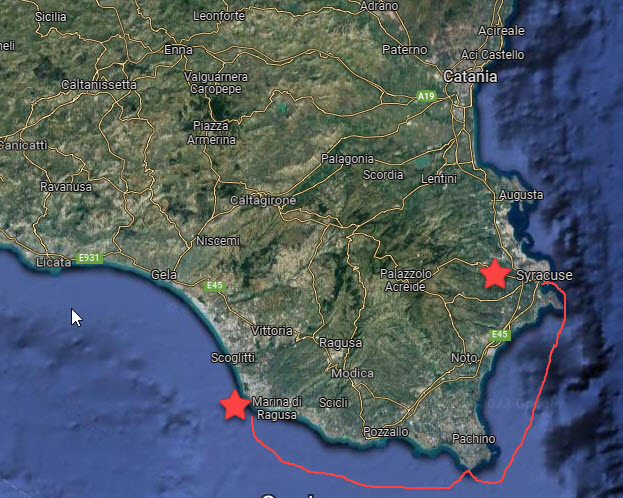
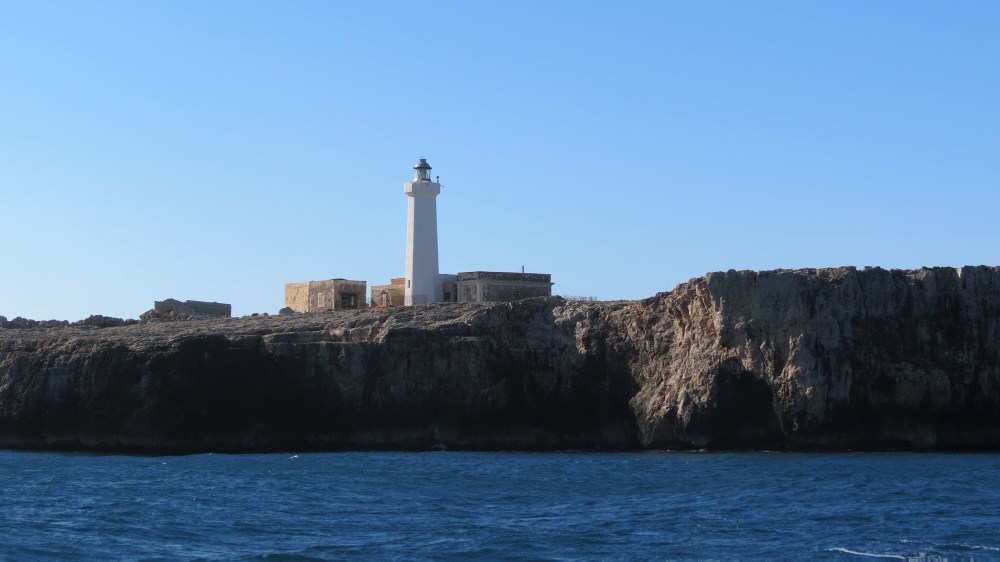
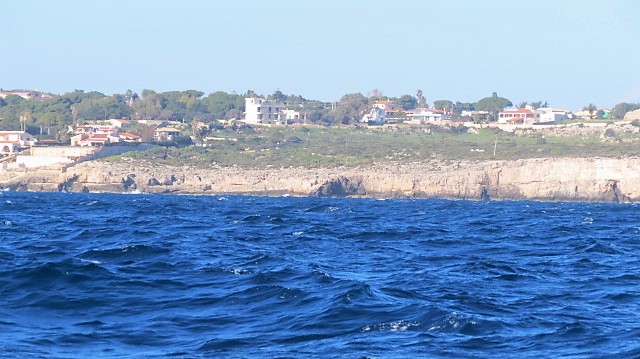
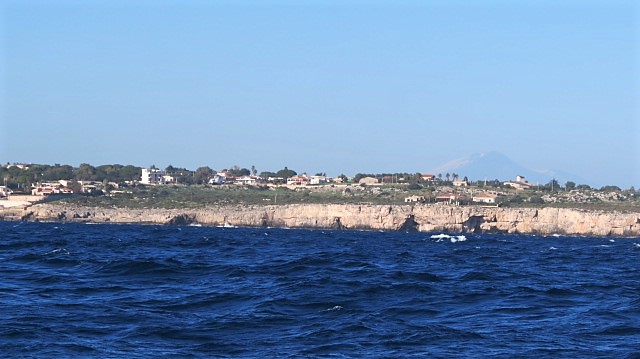
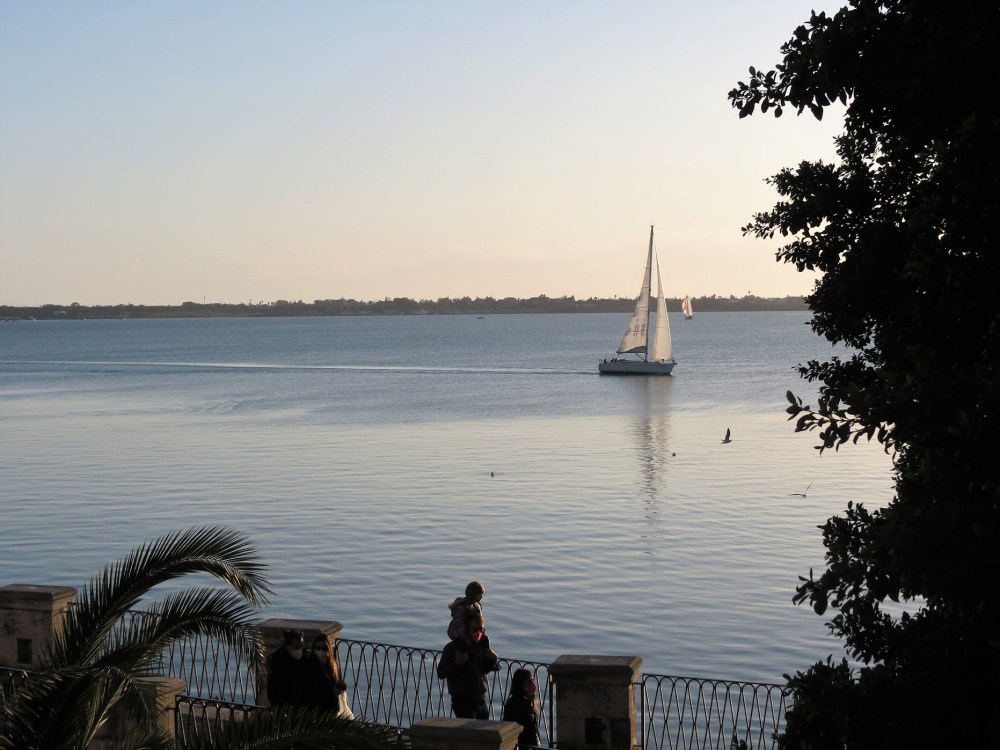
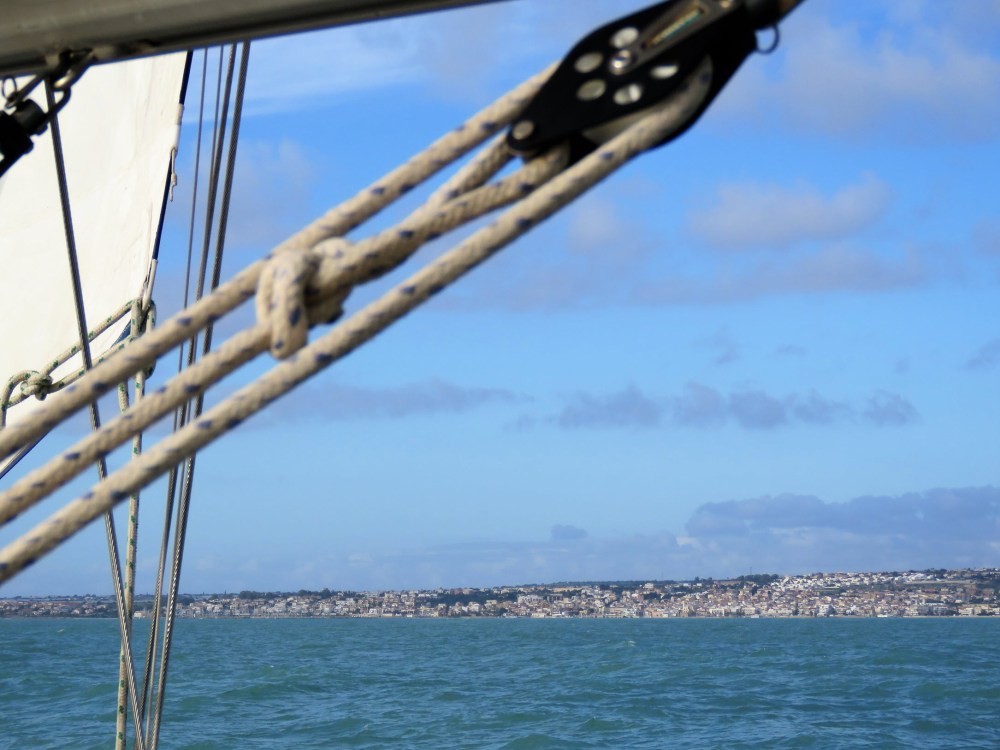
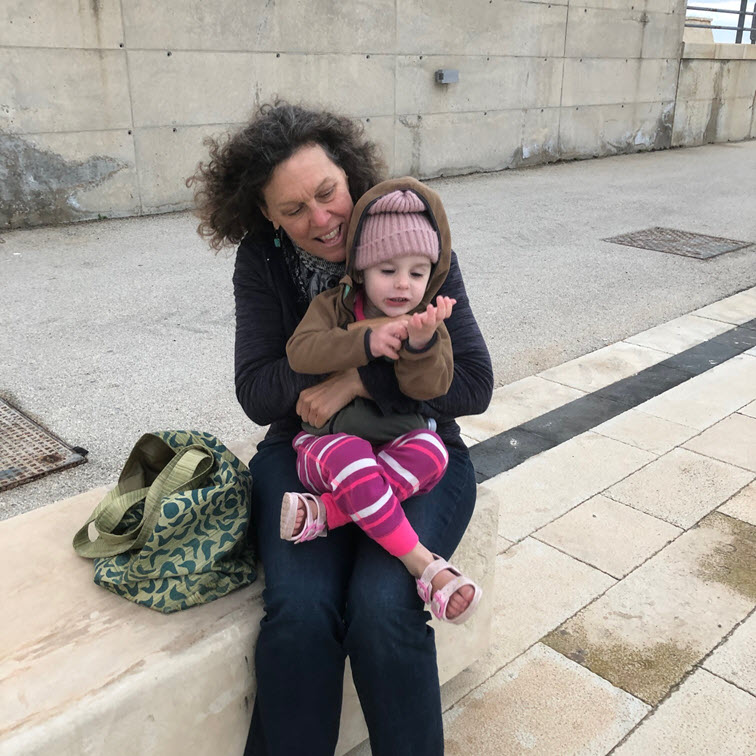
Last we wrote we were leaving Syracuse and heading back to MDR (Marina di Ragusa). We had a delightful sail for seven of the ten hours, anchored overnight, and then motored the rest of the way with the wind on the nose. It was glorious weather and we enjoyed being outside in the sunshine in January, albeit with gloves.

Since our return, we have been dropping into a more relaxed yet energized mode consisting of reading, walking, dancing, writing, and adventuring.

In Syracuse, we picked up a couple of books about Sicily, one the Vittorini book we learned about in the library, Conversations in Sicily, and the other a novel about one of the wealthiest families in Sicily, The Florios of Sicily. Both were engaging and gave us a better sense of the history of Sicily and its people. While we missed the illusions to fascism which had the book banned, Vittorini’s book was a very poetic take on working-class Sicily in the 30’s. The other was a more mercenary tale of the spice trade of Palermo through the centuries, with power and revenge at the center, a less appealing theme to us. Will and I love to read out loud to each other so that way we get to share the books in the moment.

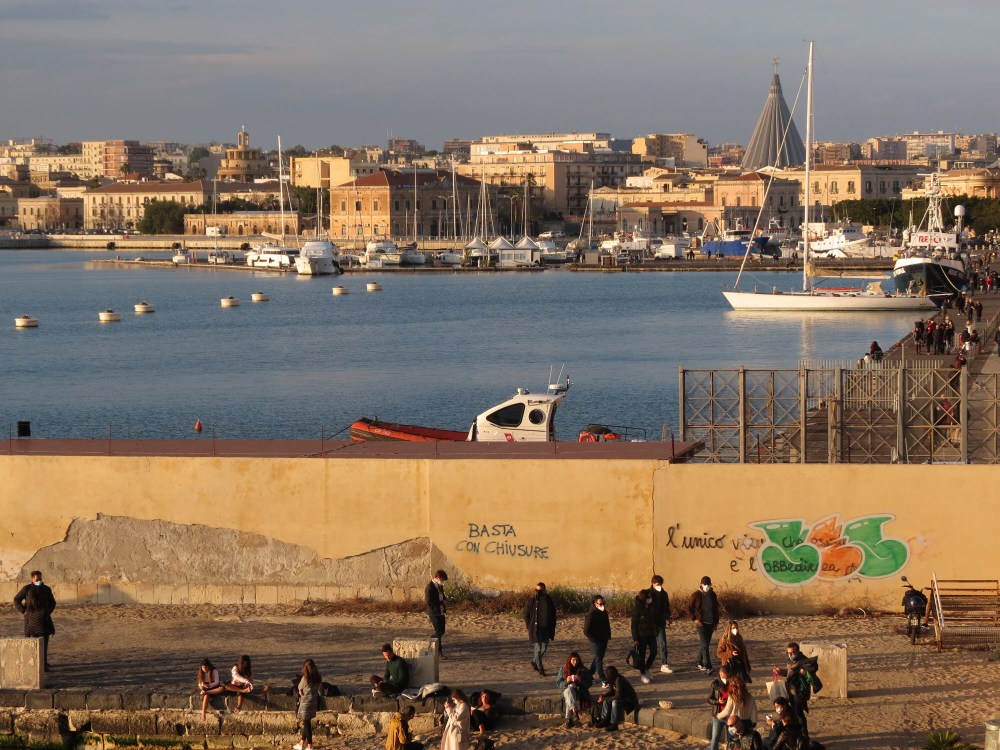
We have been taking long walks along the beach and waterfront, which feels great. The promenade is often jammed with people, especially on the weekends in nice weather. There are couples, often smartly dressed or in jogging suits, families with kids on tiny bikes, and older folks walking arm in arm. For the most part, these are not power walkers but rather people out walking at a slow pace enjoying the sunshine. There are joggers as well, just as in America, but the passeggiata is an Italian specialty to be savored.

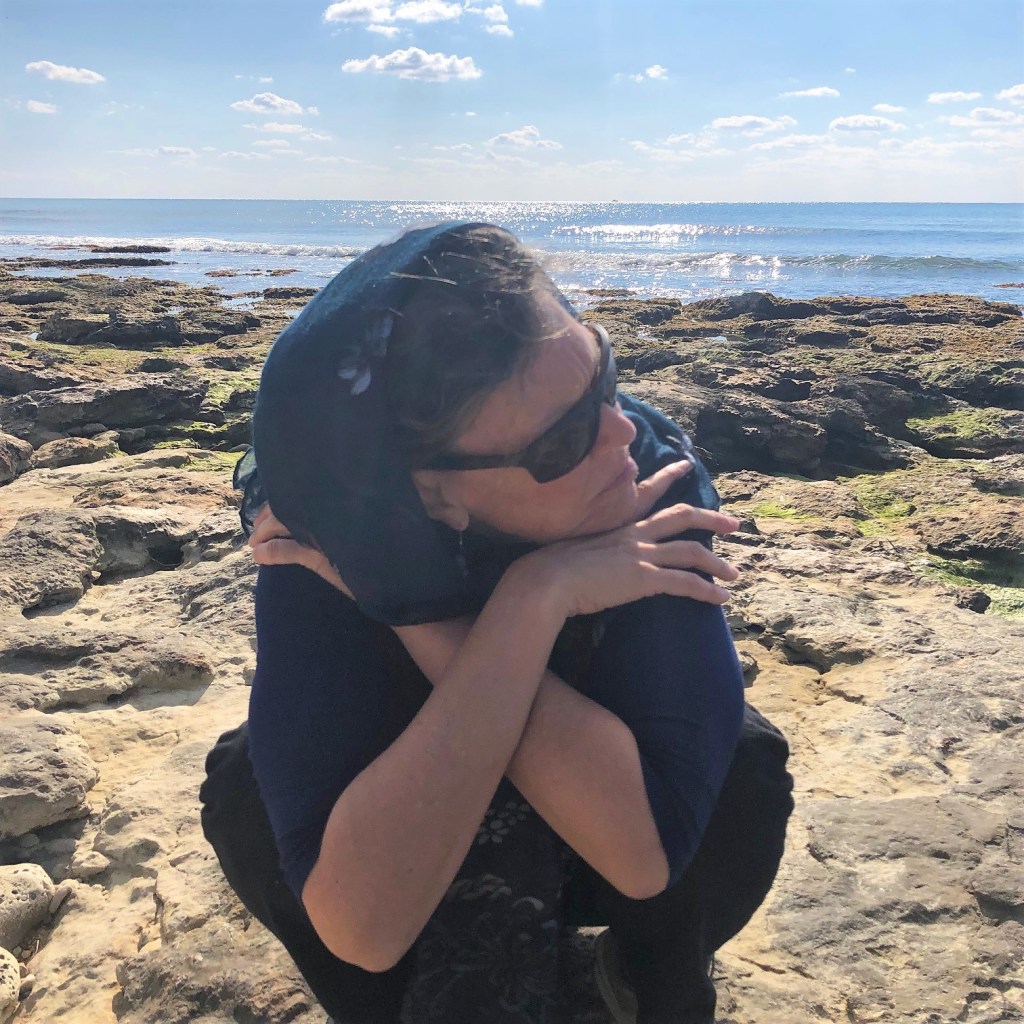
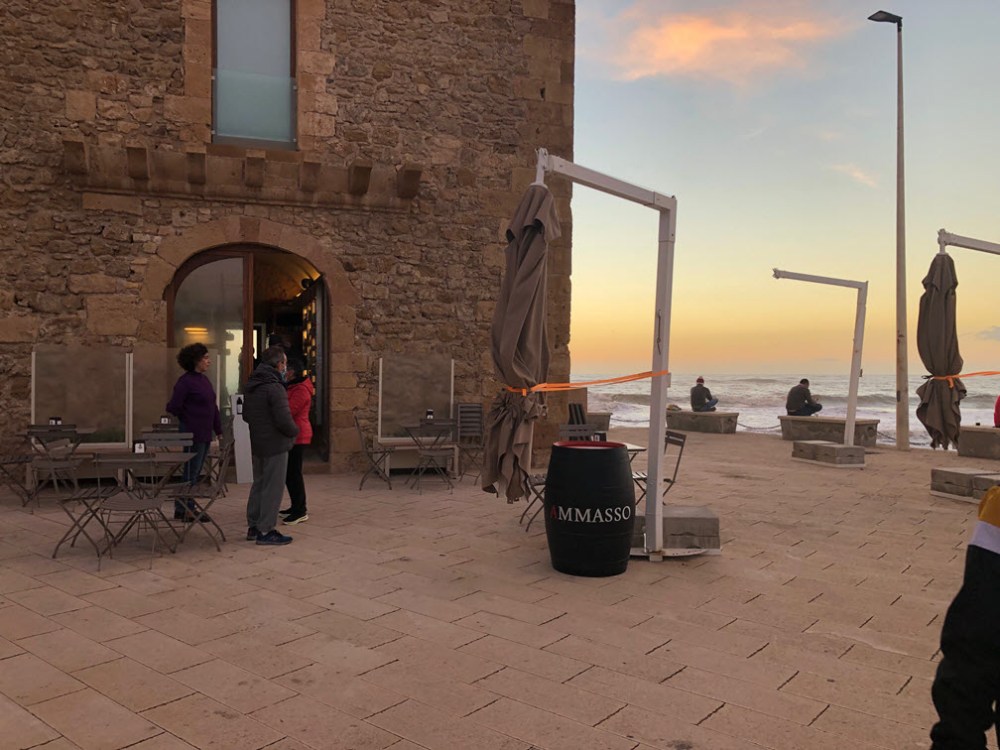
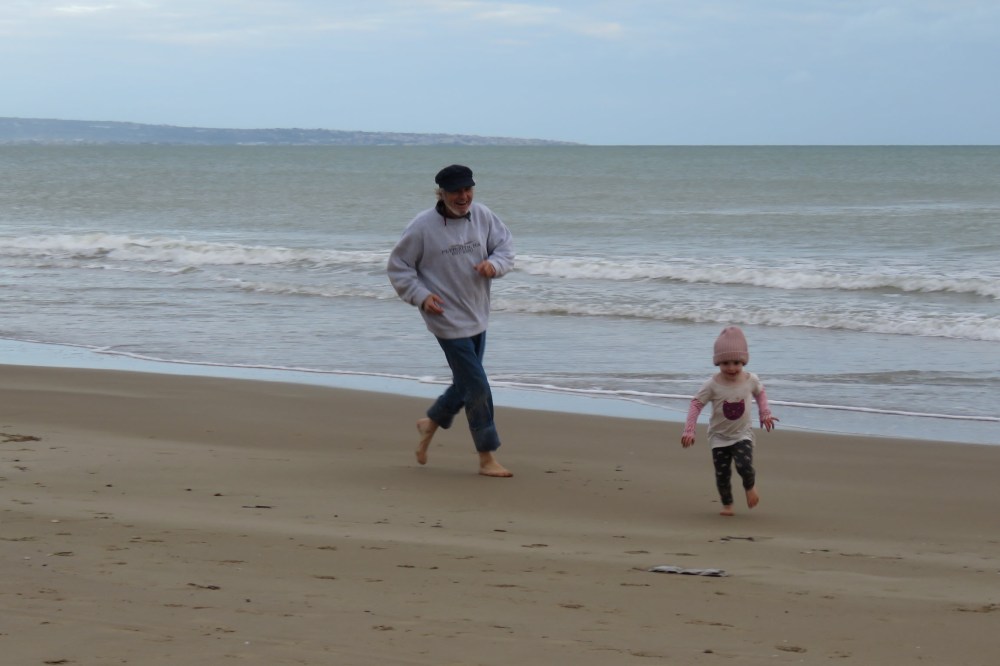
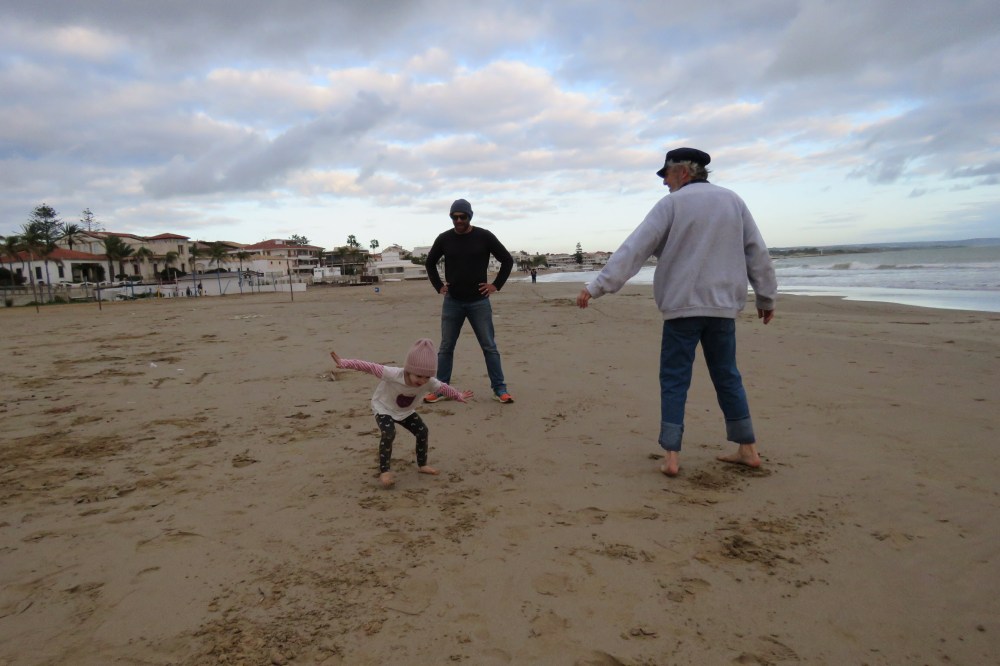
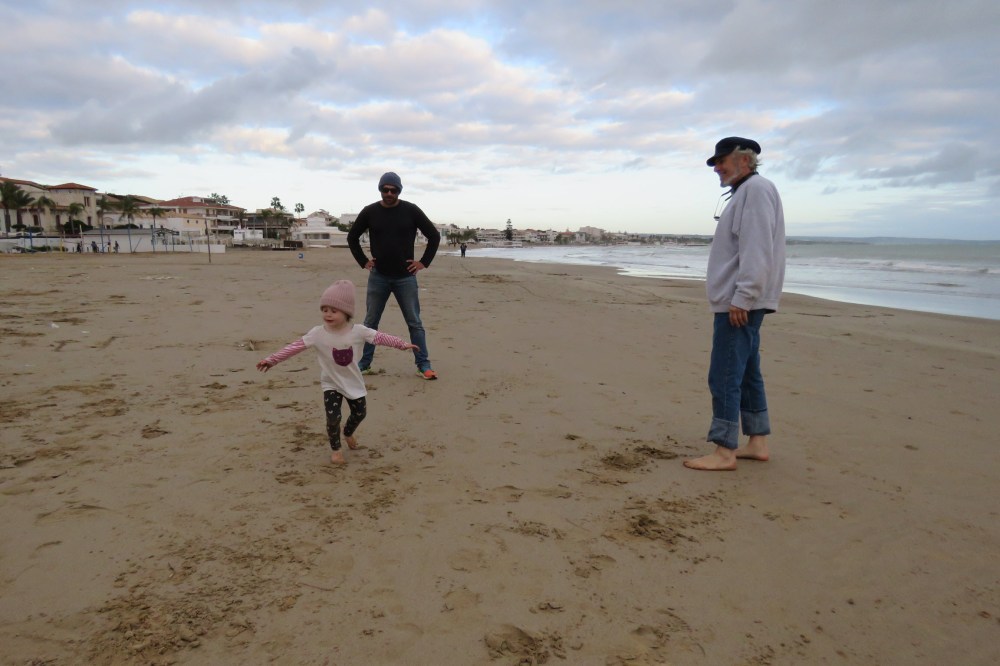
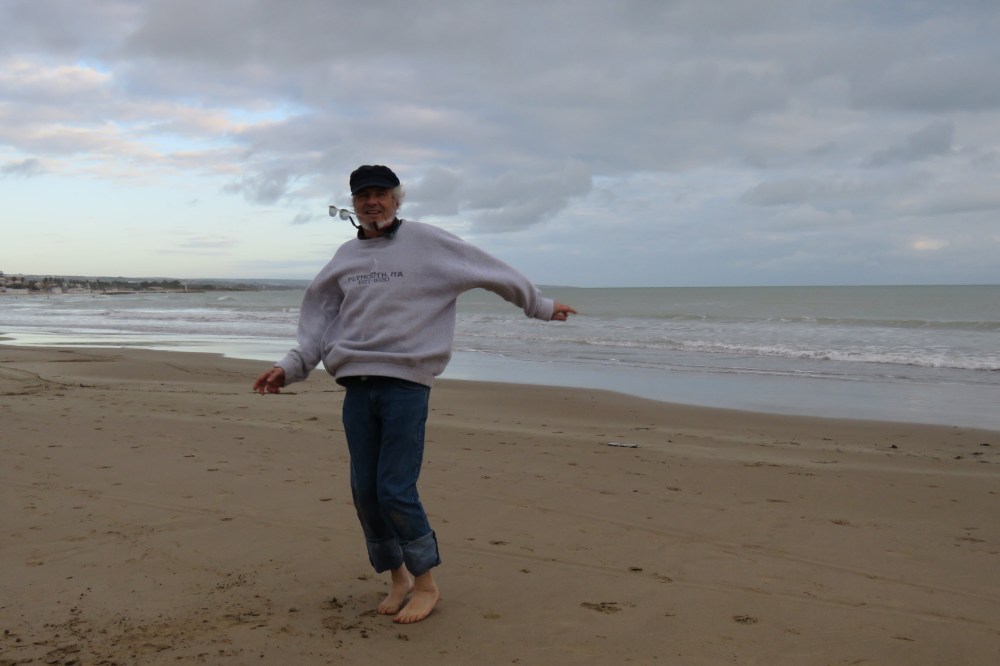
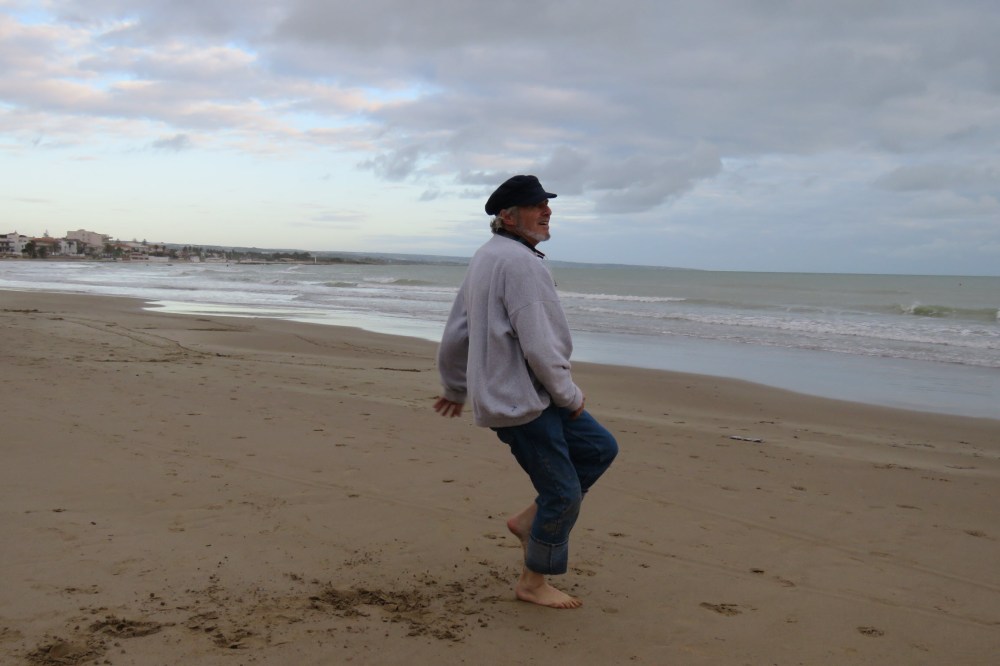
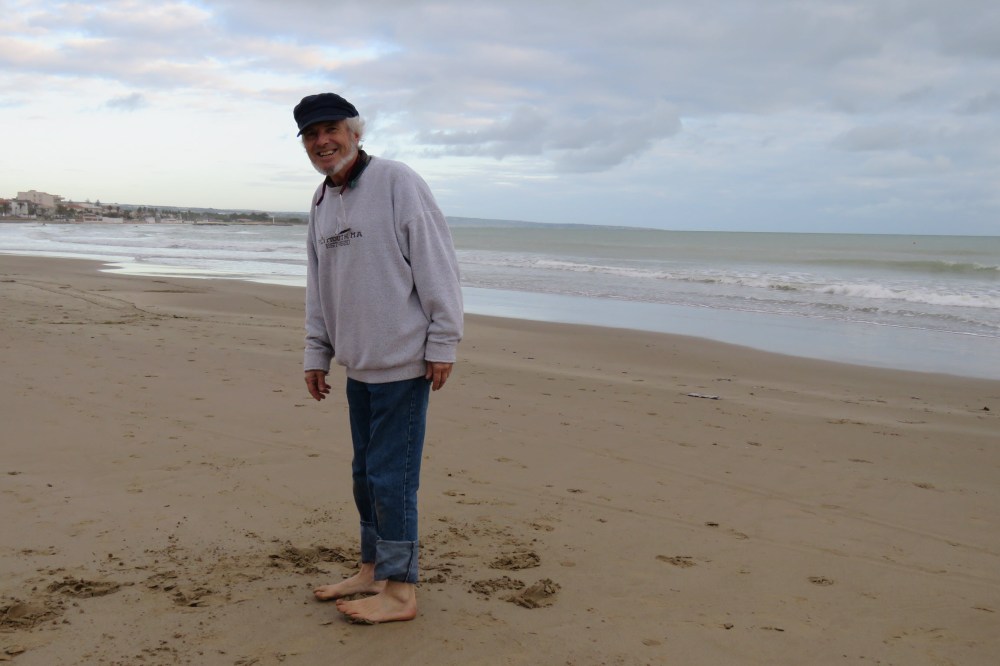
One day shortly after we returned, I was feeling the deep need to dance, so we brought my speaker down to the beach, put on one of my Spotify playlists, and danced. With the ocean view, breaking waves, warm sunshine, and sand on our feet, it felt great to move in such an expansive way after spending so much time in the more confined space of the boat and marina.

The next time, we posted our dance on the MDR Liveaboards Facebook page, and a German woman from the marina showed up. It turns out she is a dance therapist and has done conscious movement for years, so we had a lot in common. Next thing you know, we spent a couple of hours over a cappuccino talking about dance therapy, which was very inspiring for me. The next time we danced, a British woman came whom we’d met earlier, along with our Senegalese friend who is the chef at the restaurant on the beach where we dance. What a joyous communion of souls in motion! We’ve been dancing consistently twice a week now and does it ever feel great!

Click here to see a couple of videos taken by our surfer friend:

Dancing on the beach

Dancing with our Senegalese friend (Instagram)

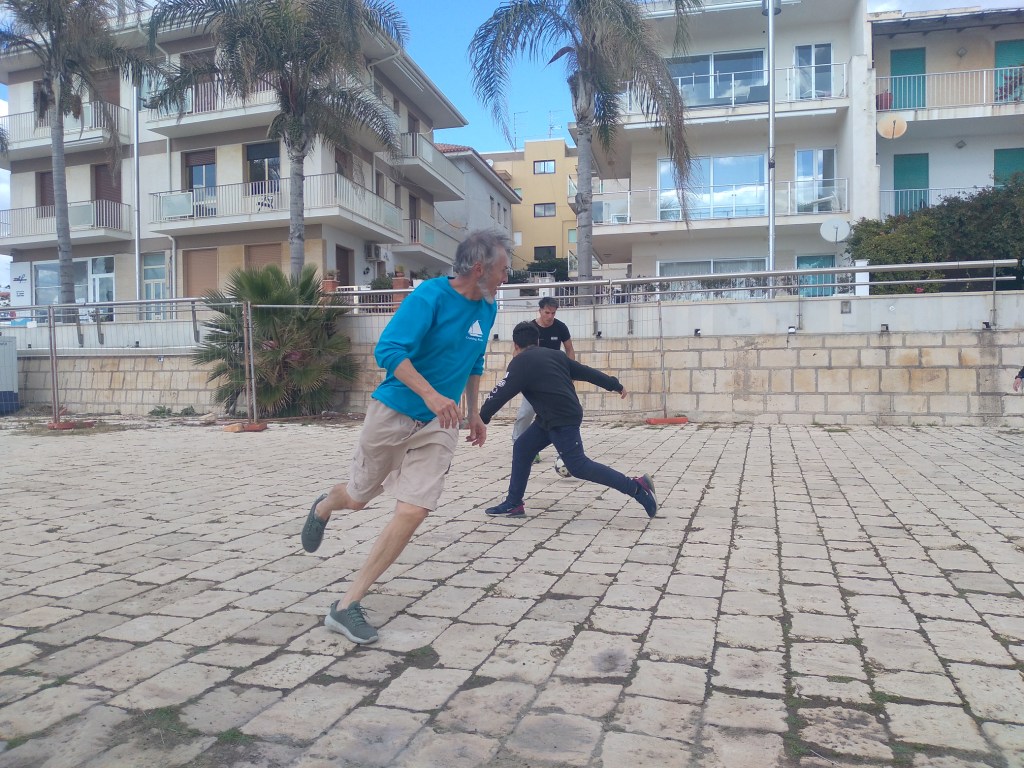
In addition, Will finally found some people to play soccer with—a man and his son and his son’s friend. They played kids against adults and were fairly evenly matched. Not bad for a former pro at age 65!
Inspired by dance, my new German friend, and my ongoing pursuit of how to bring embodiment into daily life in a more conscious way, I have been doing some writing about such things. As a certified UZAZU facilitator, I’m re-energizing myself around how to support people in reconnecting with their authentic selves through their bodies. Will too has been spending some time writing his ideas about humanity, nature, and being—the acceptance of an ever-changing nature as the core experience of all beings.

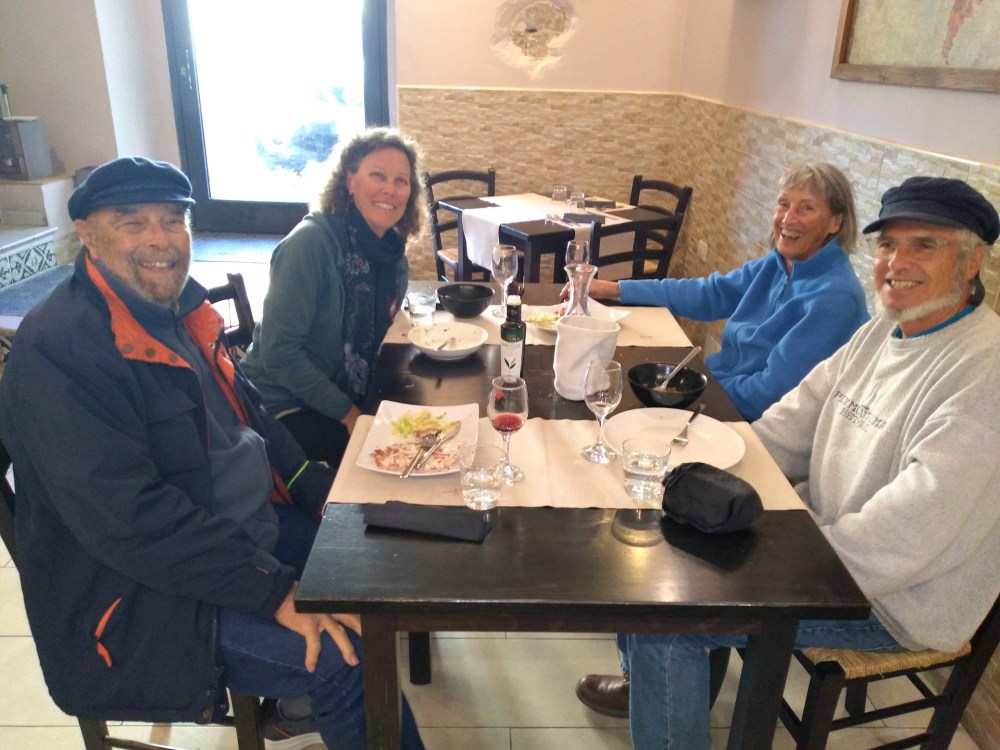
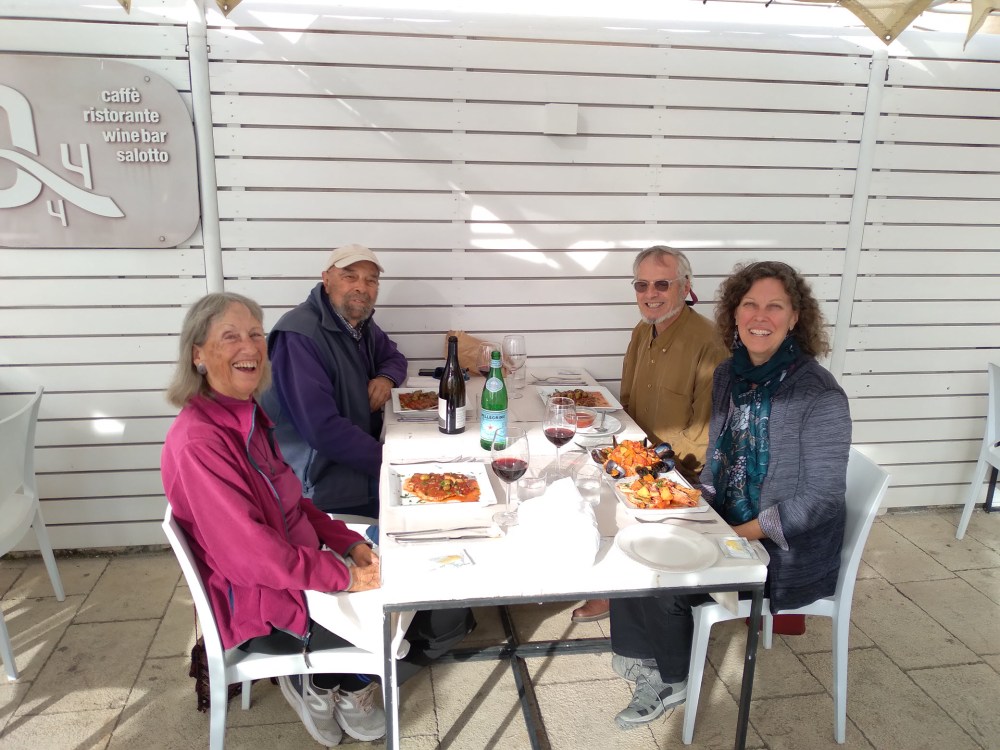
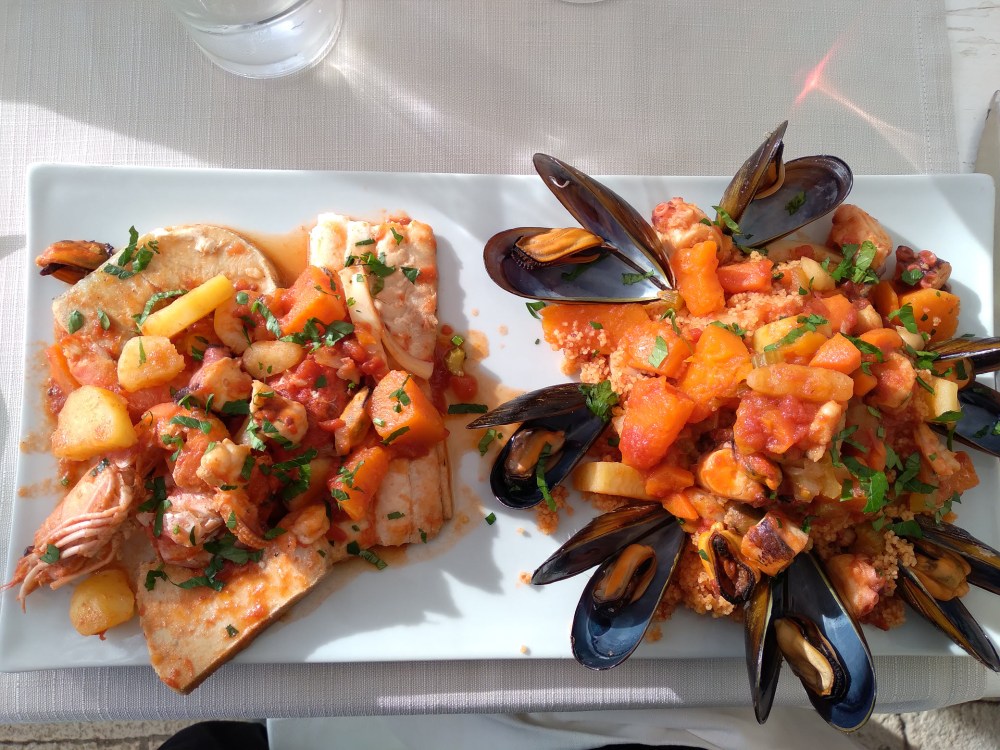
One day we biked 7 kilometers along the coast to Donnafugata, a small beach town that was largely devoid of people, it being January. Looking for a restaurant, we encountered a friendly man named Salvo (a common name in Italy, short for Salvatore), who recommended a restaurant on the beach and walked with us there to make sure we found it. After twenty minutes of talking with him in Italian, we said, why don’t you join us, so he did! We had a fabulous meal of somewhat upscale, creative Italian fare, something we hadn’t seen before. Next thing you know, he’s offering to bring us some of his caponata di peperoni, a different take on the standard dish with eggplant. The next day, he showed up at the marina, dish in hand, and we spent some more time talking on the boat. Needless to say, we’ve found the people in Sicily to be amazingly friendly.

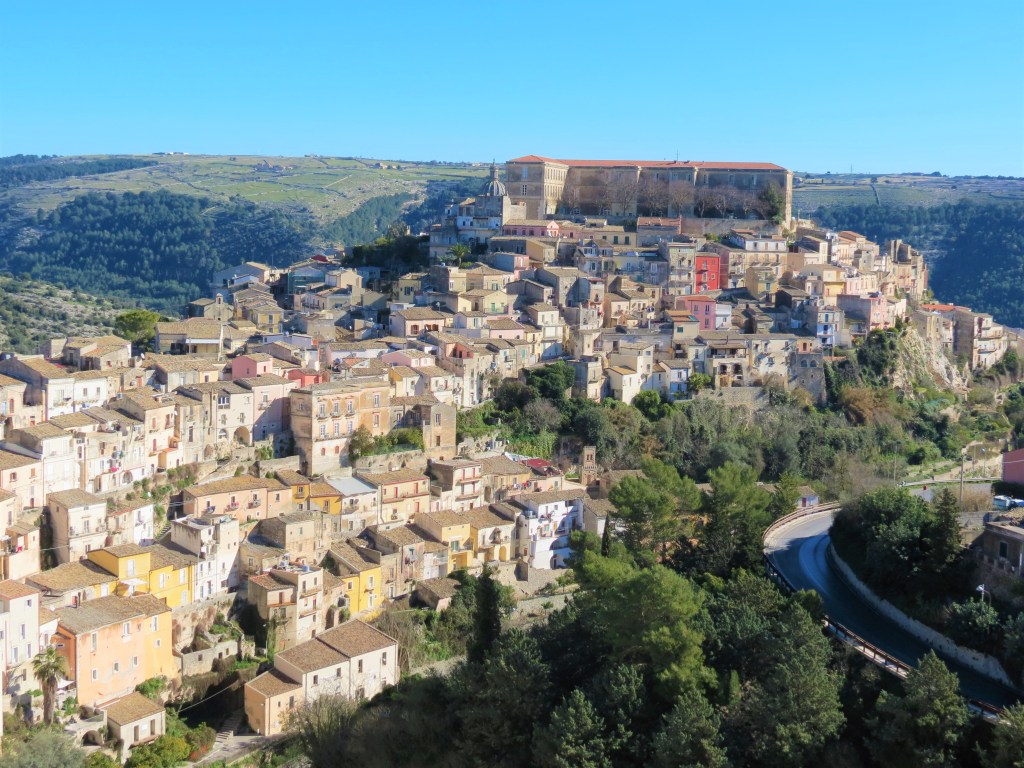
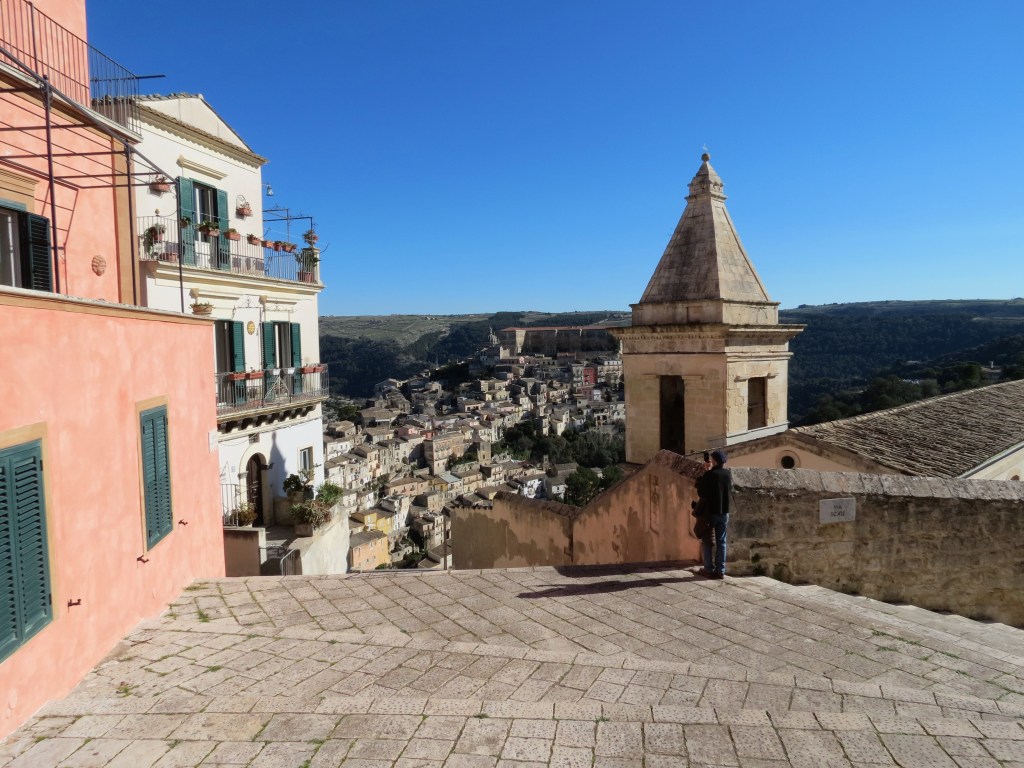
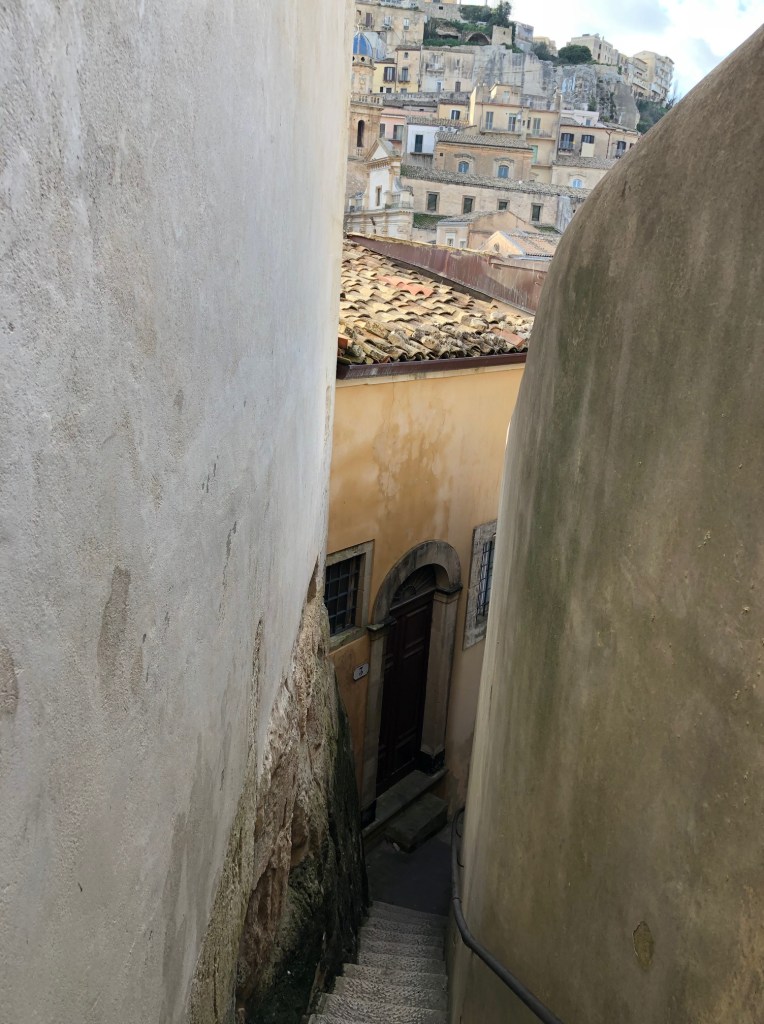
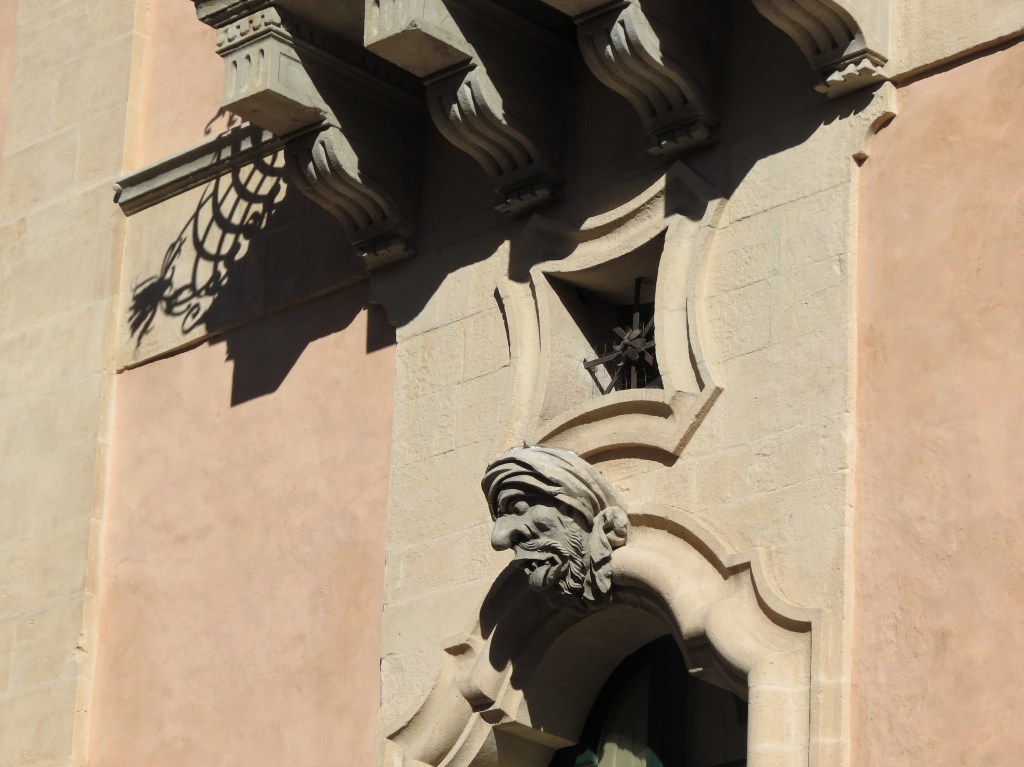
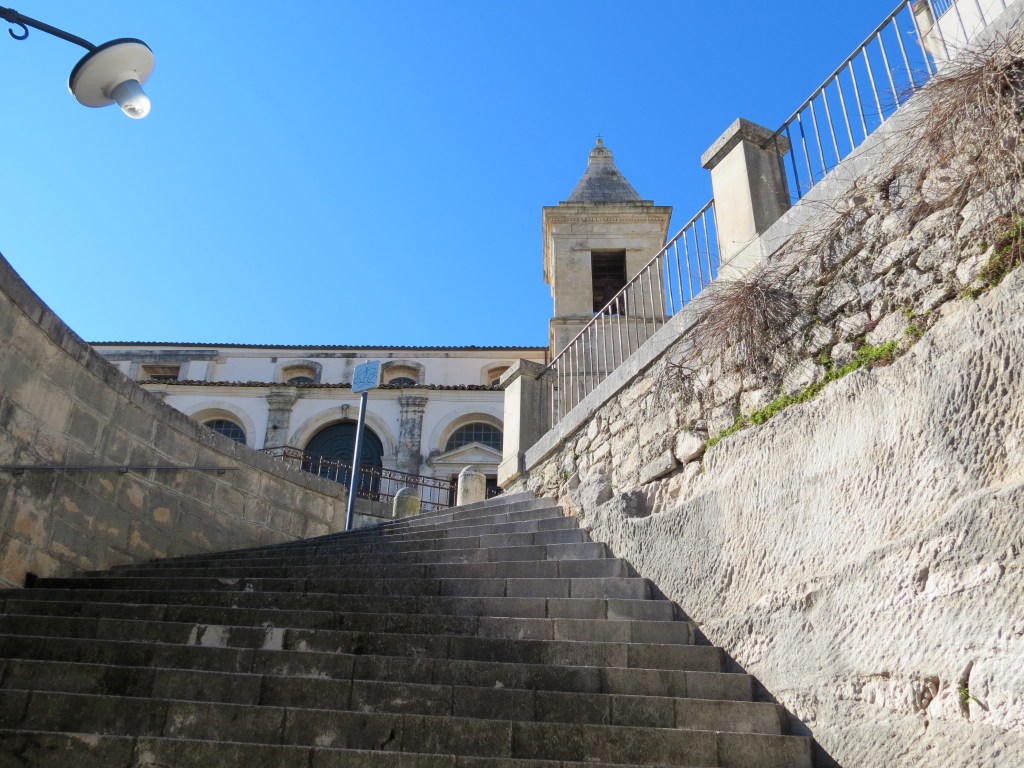
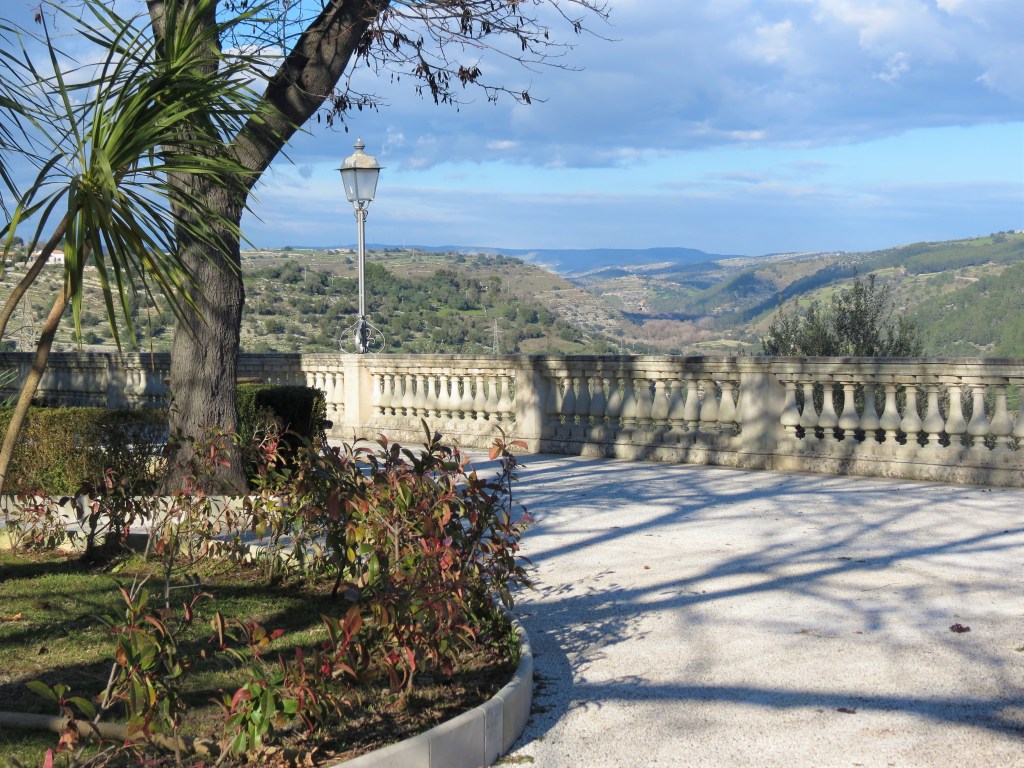
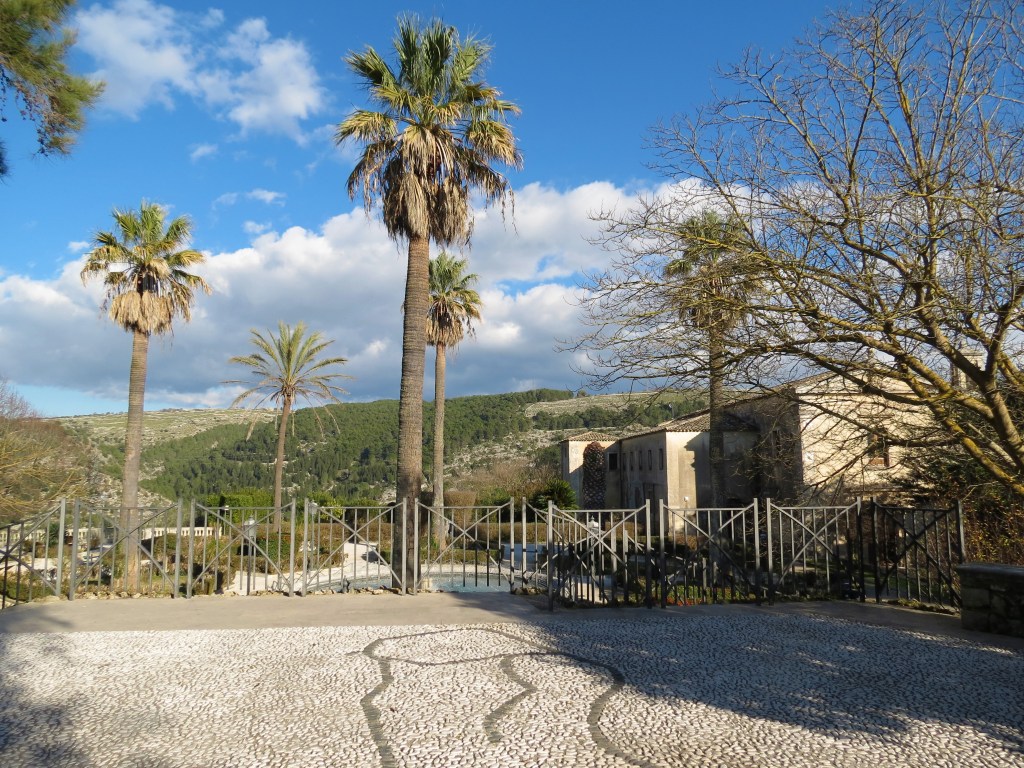
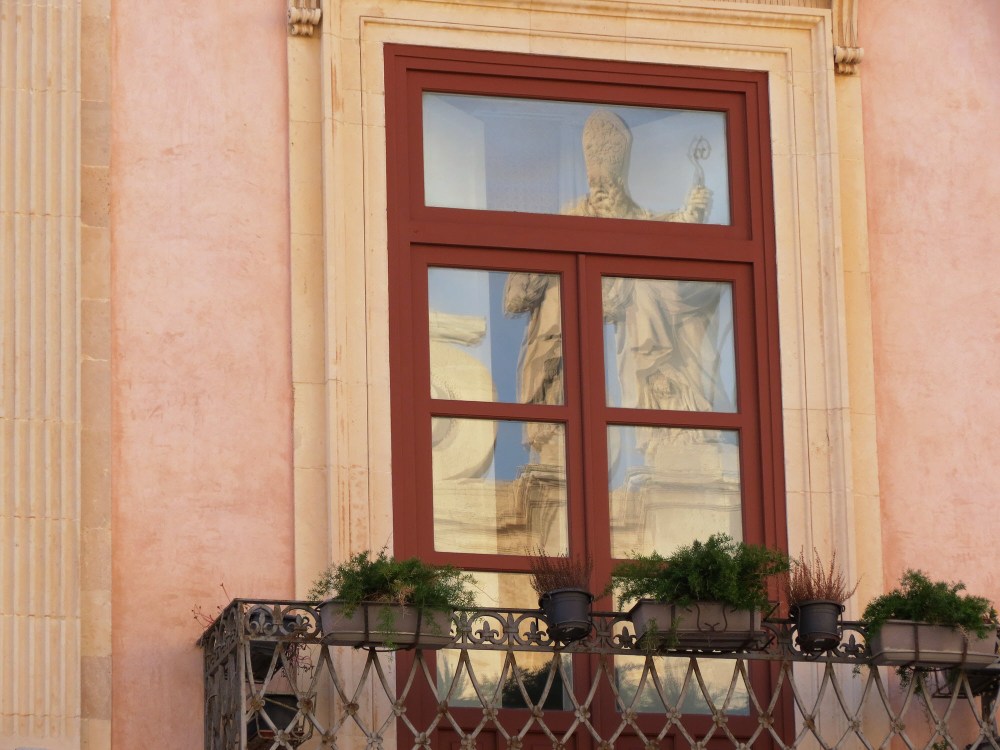
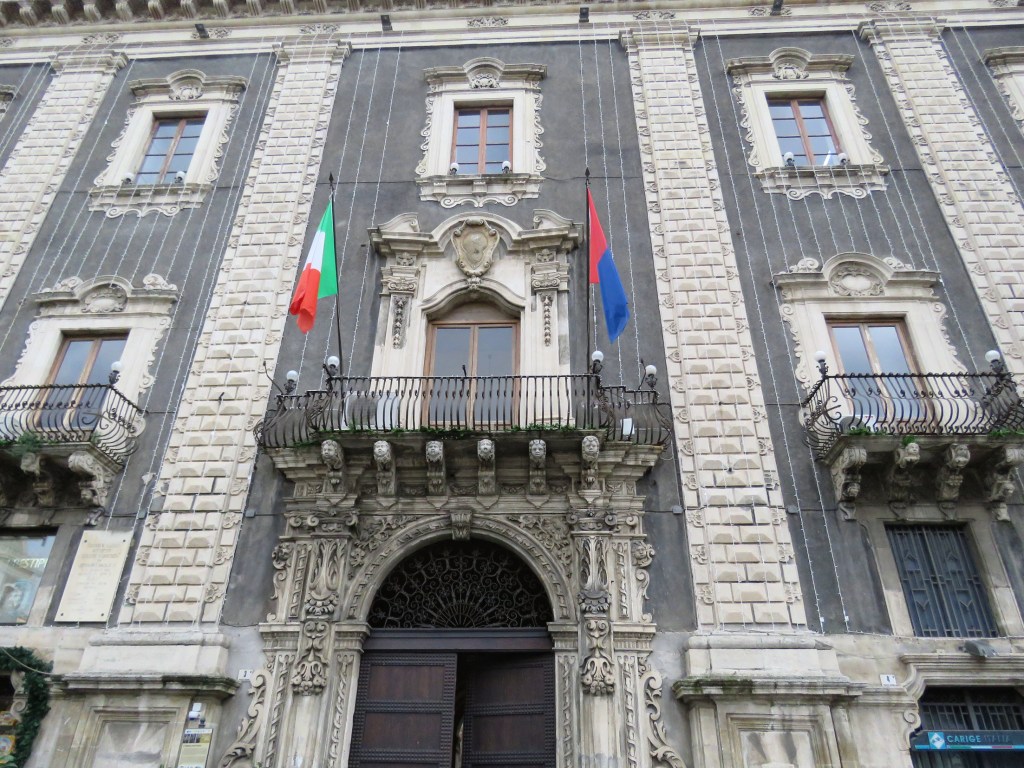
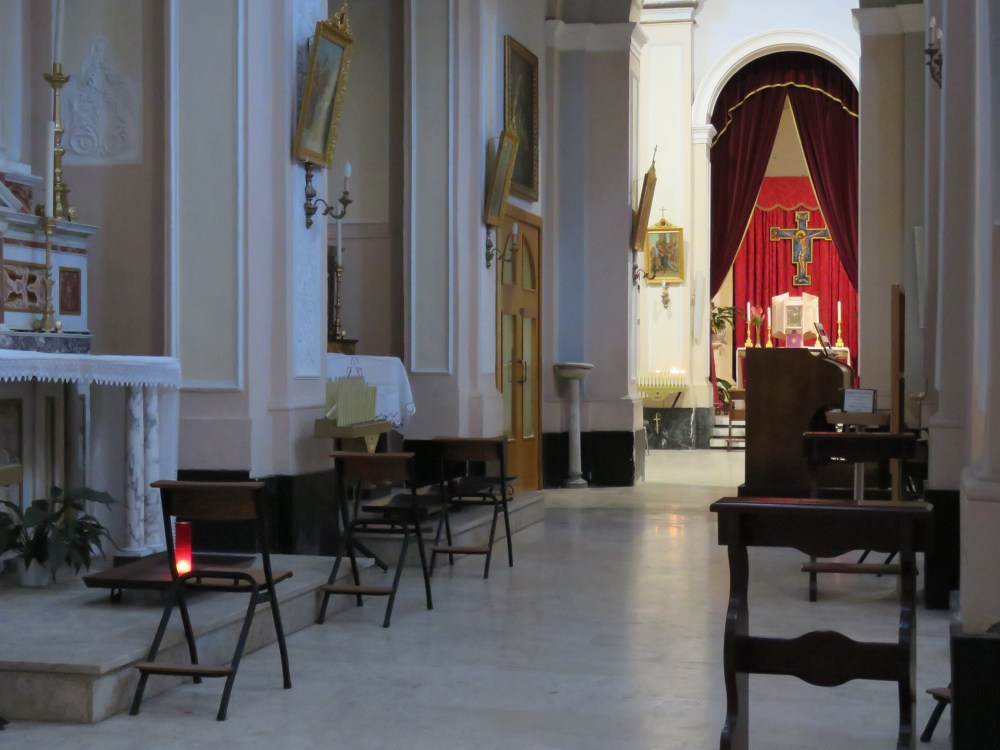
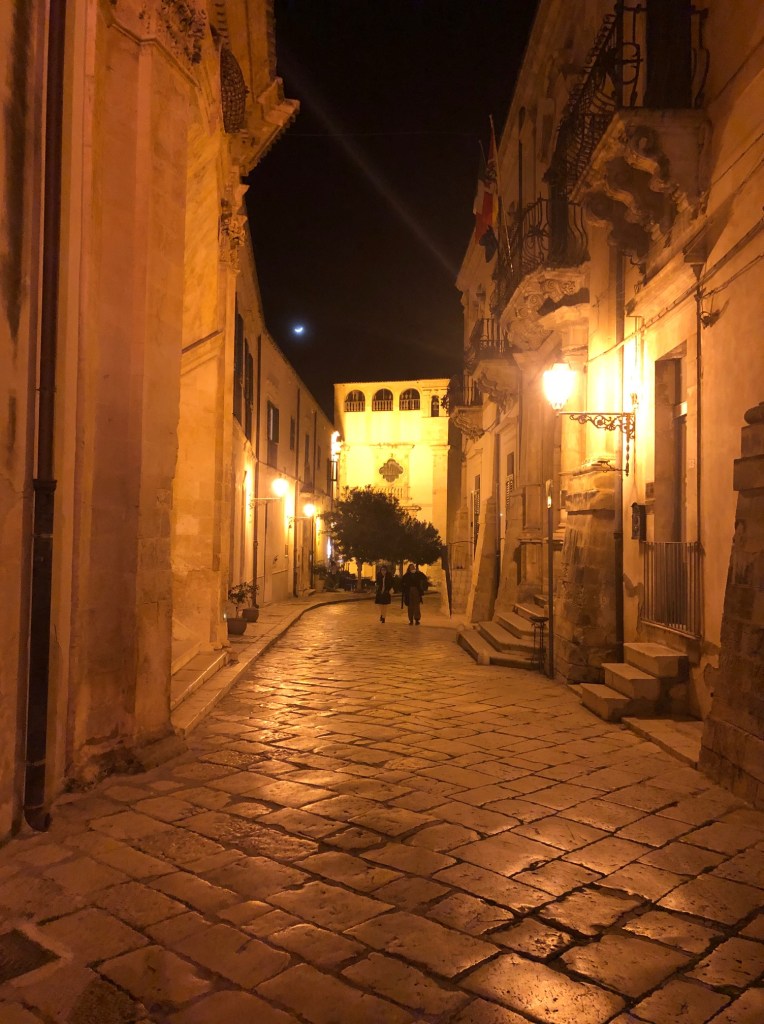
Another day we took the bus to Ragusa Ibla, the old hilltop city about 30 minutes from MDR. We walked and walked and walked up winding streets and stairs between ancient buildings until we got to the new city and turned right around and walked all the way down again. Eventually, we came upon a 18th century cathedral, which is always such a spectacle—so ornate. As usual, the town was largely devoid of people, it being January and lunchtime, when everyone goes home and the shops are all closed—very strange indeed but it’s the Italian way. After all that walking, we luckily found an open restaurant and ate a nice meal, then made our way back to the bus. It was a pleasant day away from the marina for a change of scenery.

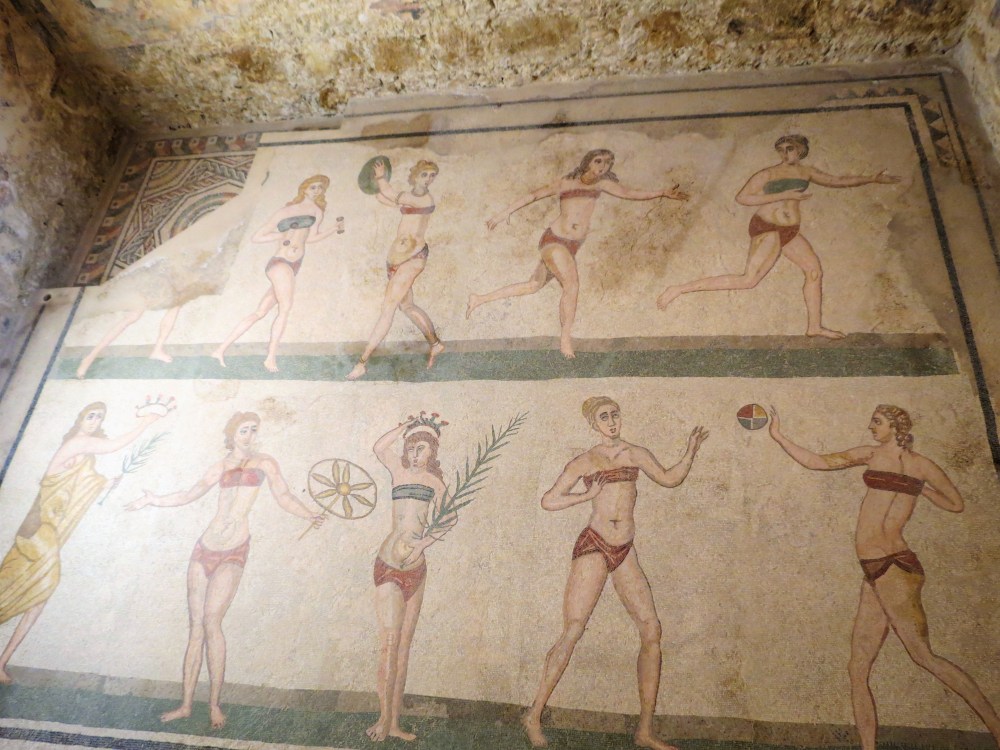
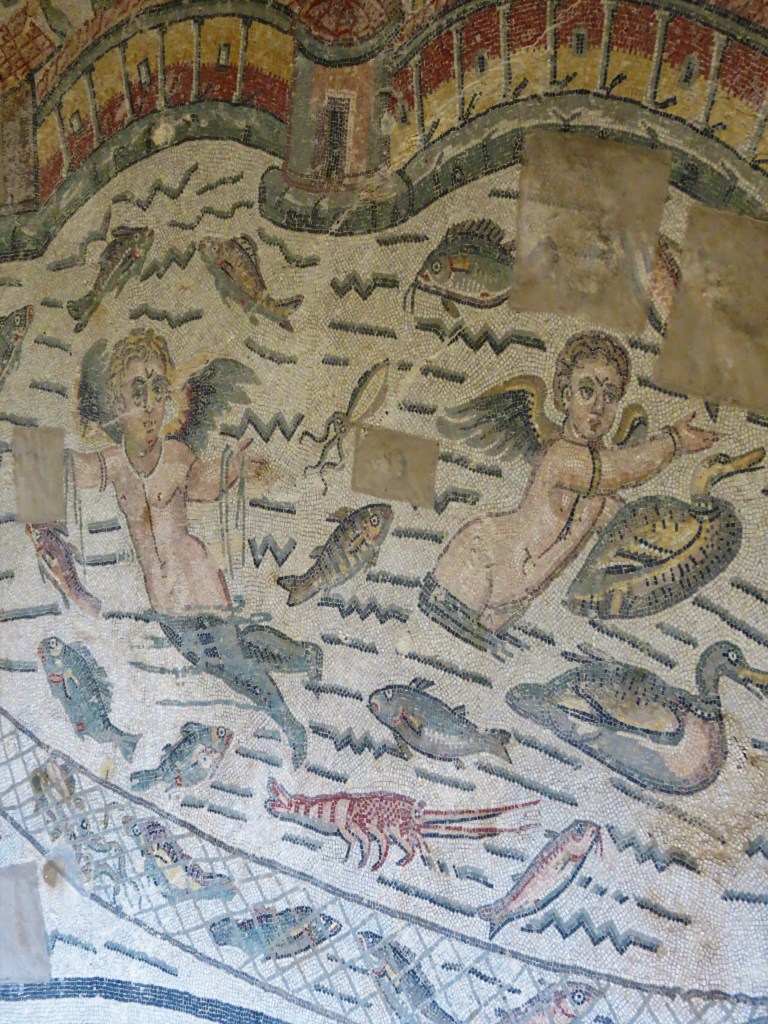
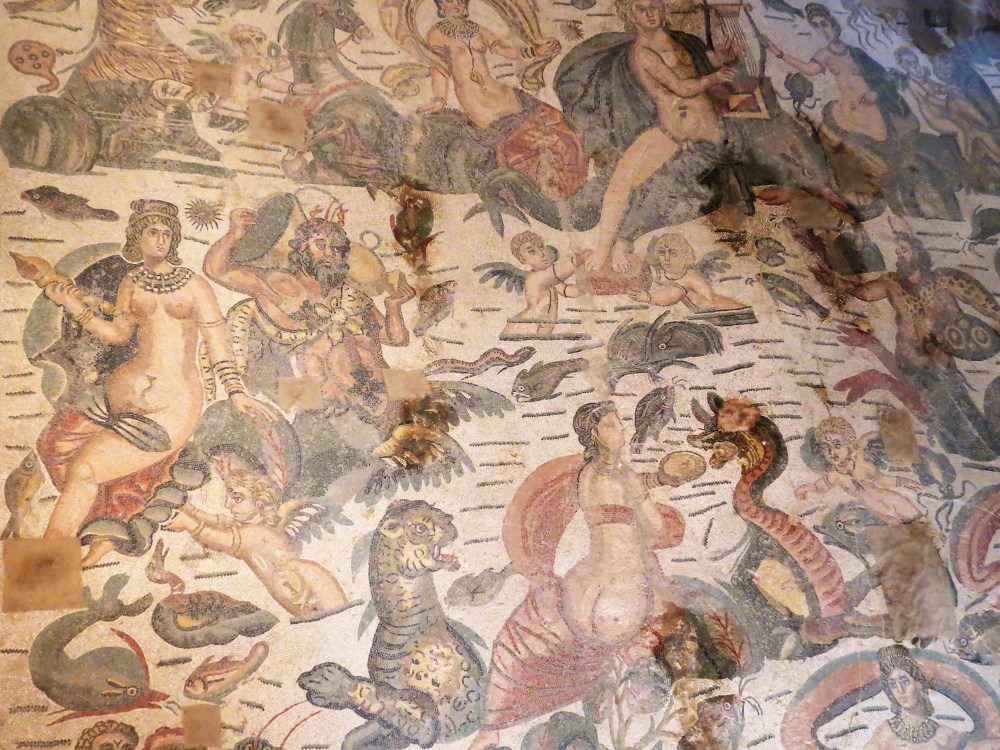
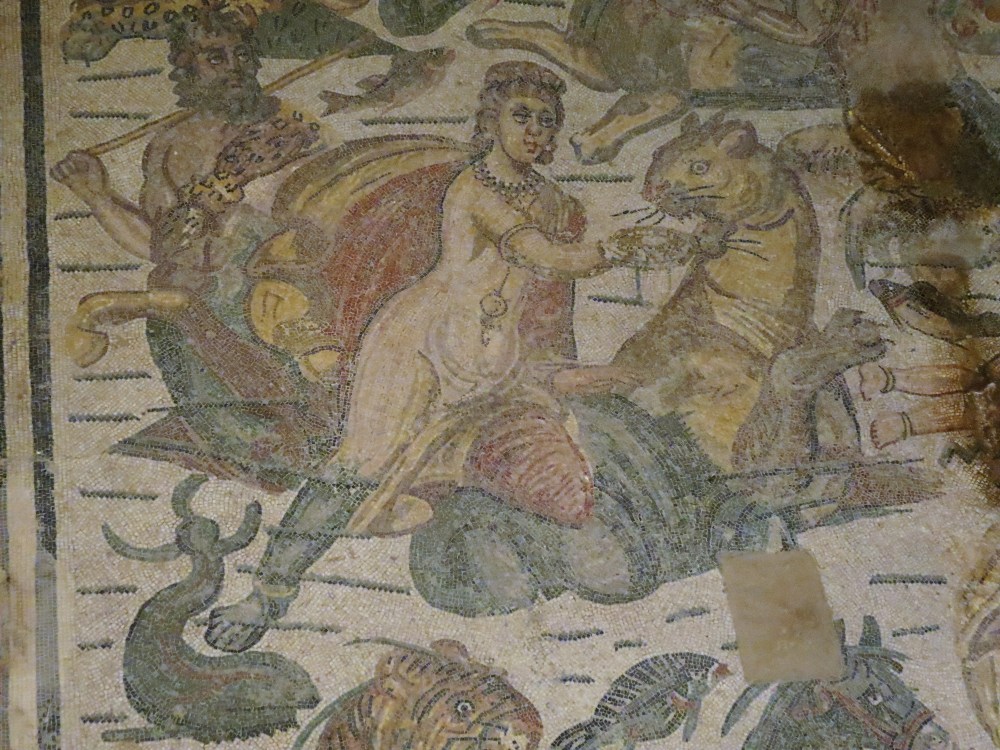
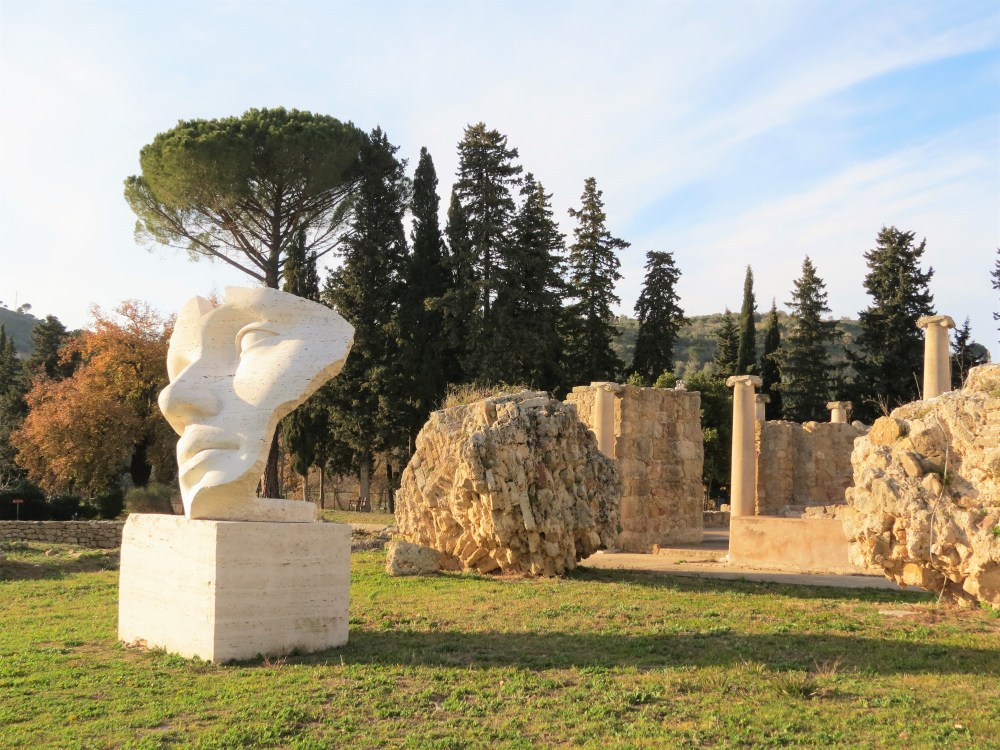
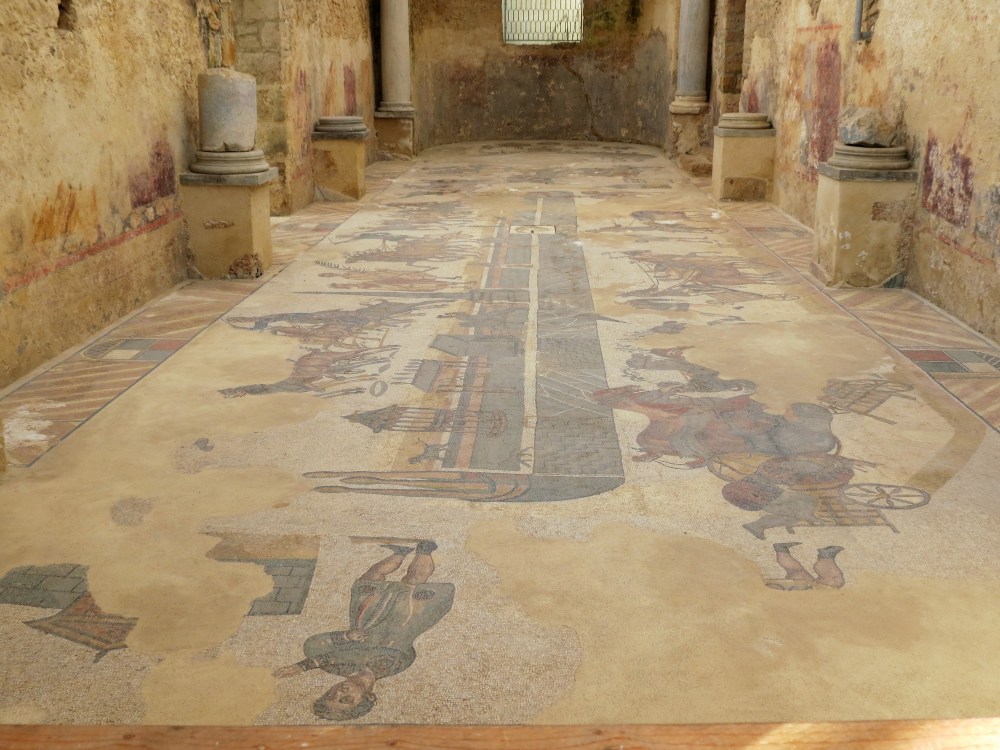
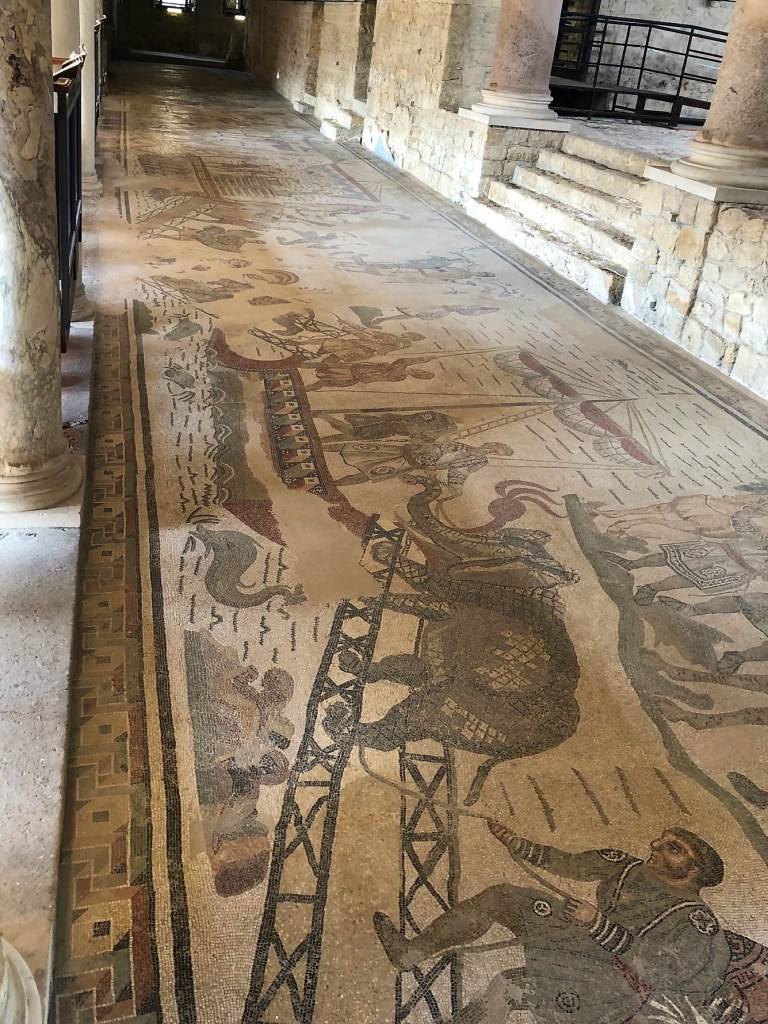
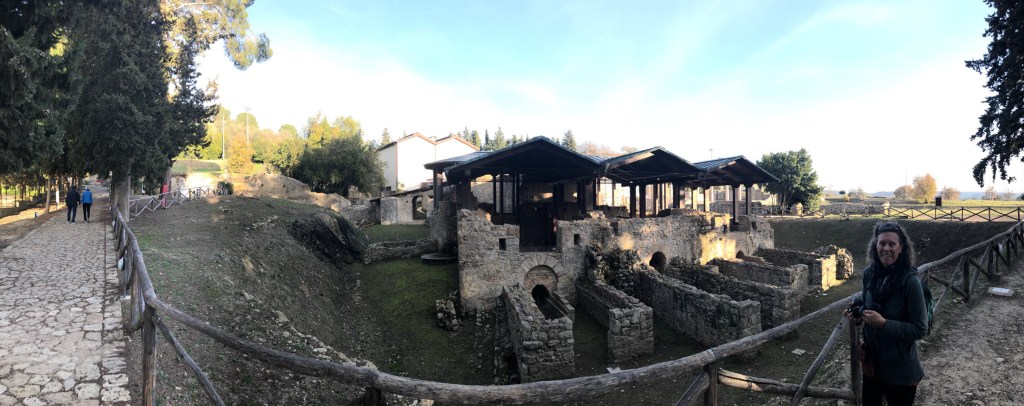
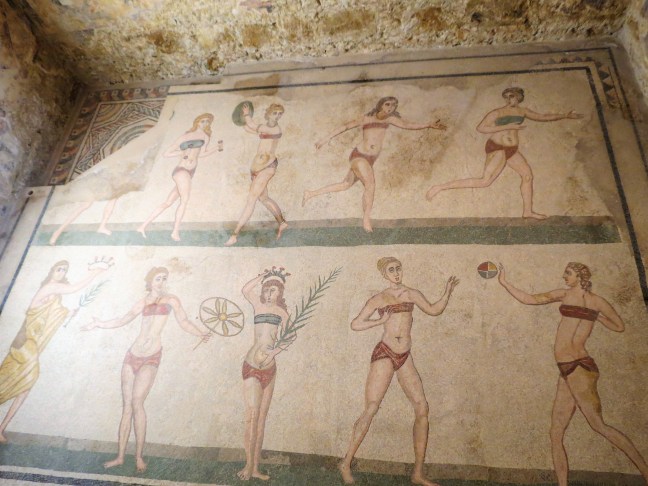
We also rented a car and went for the day with Bill and Nancy to Villa Romana del Casale in Piazza Armerina, about a two-hour drive from MDR. This archeological site is an old Roman governor’s hunting lodge from the 4th century, which was covered in mud until the 1970s. When it was unearthed, they discovered room after room of all manner of amazing mosaics. Completed over two centuries, the place is a feat of human artistry and imagination. We especially appreciated some of their attempts at 3-dimensionality and the representation of shadow and underwater bodies, all using tiny tiles.

After a long day of driving, including a swing by a house that a friend is interested in buying and lunch in Piazza Armerina where narrow, steep, one-way streets with blockades nearly had us trapped, Will and I decided to take advantage of the car and drive to the nearby city of Scicli about 25 minutes up the coast. It was different being out at night in a city that people actually live in, so instead of the feeling of a ghost town that we often have encountered during the day, there were plenty of people around. We asked an older woman climbing the stairs with her evening shopping where a good place to eat was, and she turned right around and escorted us two blocks to a nuovo Siciliano place where we had the chef’s version of caponata and grilled octopus served on a bed of melted cheese. We ended the evening with a box of 14 mini cannoli of different flavors, ohmy!
As with most opportunities, our trip to Sicily has been a wonderful slice of life that has come with various ups and downs, adventures and routine, activity and reflection, vitality and sickness. The abundance of fresh, inexpensive food has been especially delightful. And it’s been great to spend time with my Dad and Nancy, and to be around so many sailors, albeit tethered to a dock.

And in a couple days we fly back to Portland, where February snows and temperatures await us. We hope the weather isn’t too much of a shock to our systems!

Tasha & Will

Cascade II S2:E4

Jan 16, 2022

Where to begin? We have both been sick, probably with COVID though we can’t be sure due to our negative tests before Christmas and again yesterday. We now realize it was probably too early and too late to give positive results. Will has been trailing me by five days with hacking cough, occasional fever, and fatigue. We have definitely not been ourselves and as such, have retreated into our own worlds, which feels strange after so much connection over the past year and a half. Eating, grocery shopping, and getting outside as much as we have energy for has been the order of the day. We did share a new year’s day lunch outside with Bill and Nancy, and had a long chat in the cockpit with our neighbor Debbie, a solo British sailor/pilot, who shared her homemade mincemeat pies.
Still, we wanted to get to Syracuse, so we waited for some wind and took off on Jan 4 for a ten hour sail up the coast in two hops. Needless to say, going from more or less lethargy to sailing the high seas was quite an energy shift!

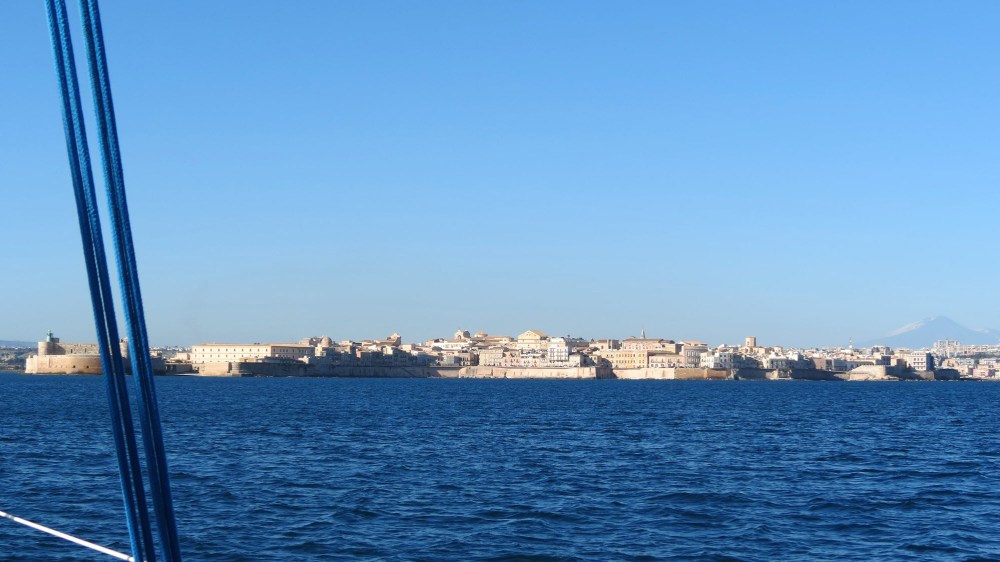
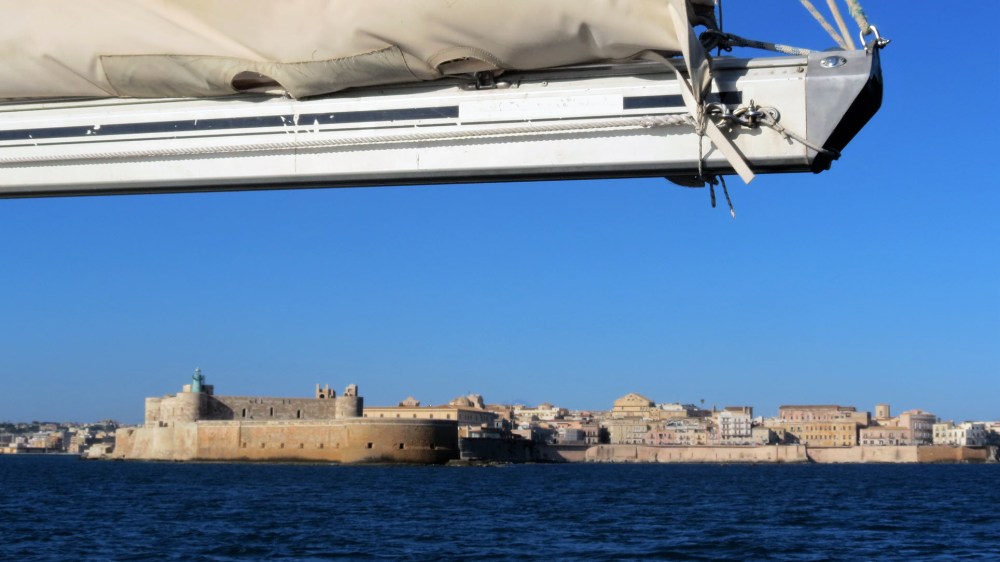
The winds were strong from behind with 3 – 4 foot seas, but the boat handled well as we surfed down waves, sometimes hitting ten knots! Arriving in Portopalo, we found our anchoring spot but struggled for some time trying to deploy the anchor with the windlass, despite our earlier lesson. We were about to resort to picking up a huge mooring ball in the fishing harbor (a definite no-no as Nancy said, “Don’t anchor over there!”) when Will finally figured it out. Not everything is obvious on a new boat. That night, starving and exhausted, we feasted on the most delicious spaghetti a la Bolognese I’ve ever eaten, prepared by Will. The next day the wind and seas were a bit more benign, and we had a glorious sail into Syracuse, with snow-covered Mt. Etna looming over the bay of the ancient city of Ortigia, its huge fort standing sentinel. It made me wonder what it must have been like for the Greeks to sail into the same bay back when Syracuse rivaled Athens in population and power.

The marina in Syracuse is tiny compared to Marina di Ragusa (MDR) with only about 30 slips and almost all the boats wintering over with no one living aboard. We did meet one couple—a Norwegian and a Czech—who like to come hang out on their boat although he has an apartment. Otherwise, it’s pretty desolate and not at all the feeling of the live-aboard community in MDR. The docks are quite exposed as well, such that the water splashes over them when the wind is up and the boat rocks gently with the swell. We’re not in Kansas anymore, Toto!

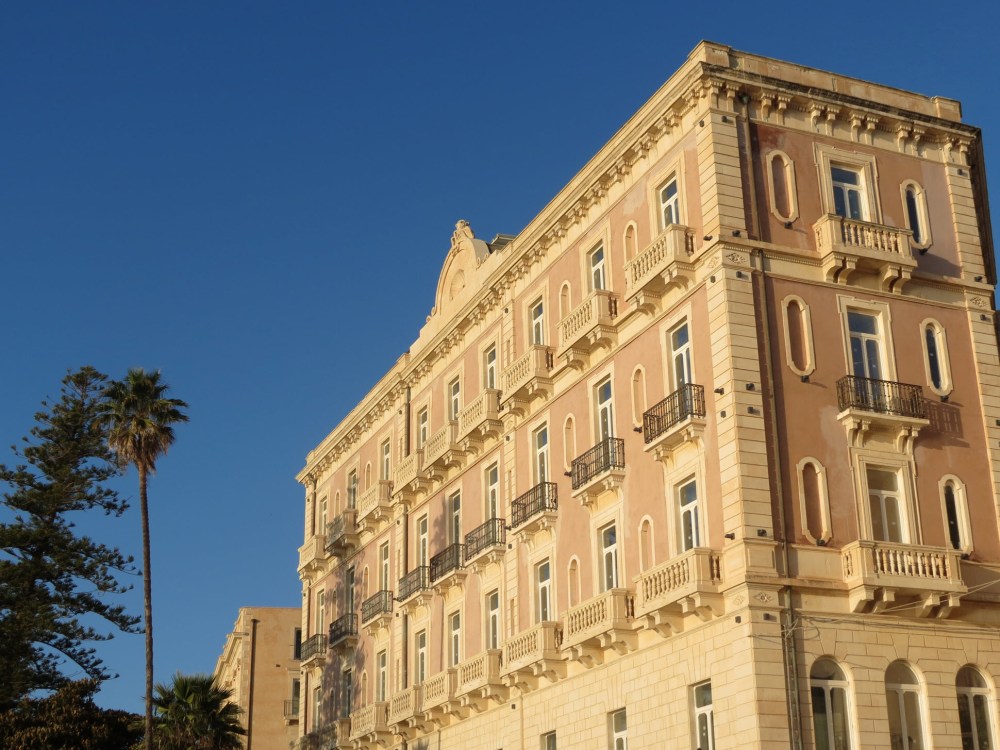
The first day we had to explore was Epiphany, the twelth night of Christmas, the night the Three Kings brought gifts to Jesus in the manger. In Italy, they celebrate with stockings full of sweets for the children delivered by a witch. For us, it’s been an epiphany of sorts as well, as we wander the streets of this ancient city and reconnect with the larger world through place and time.

*     *     *

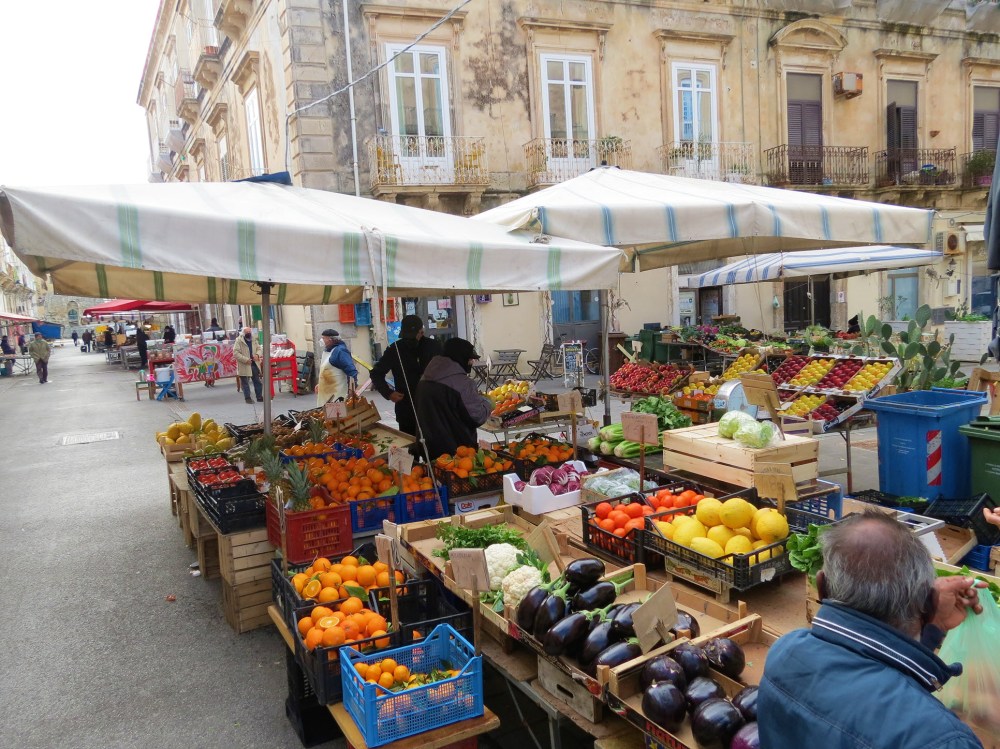
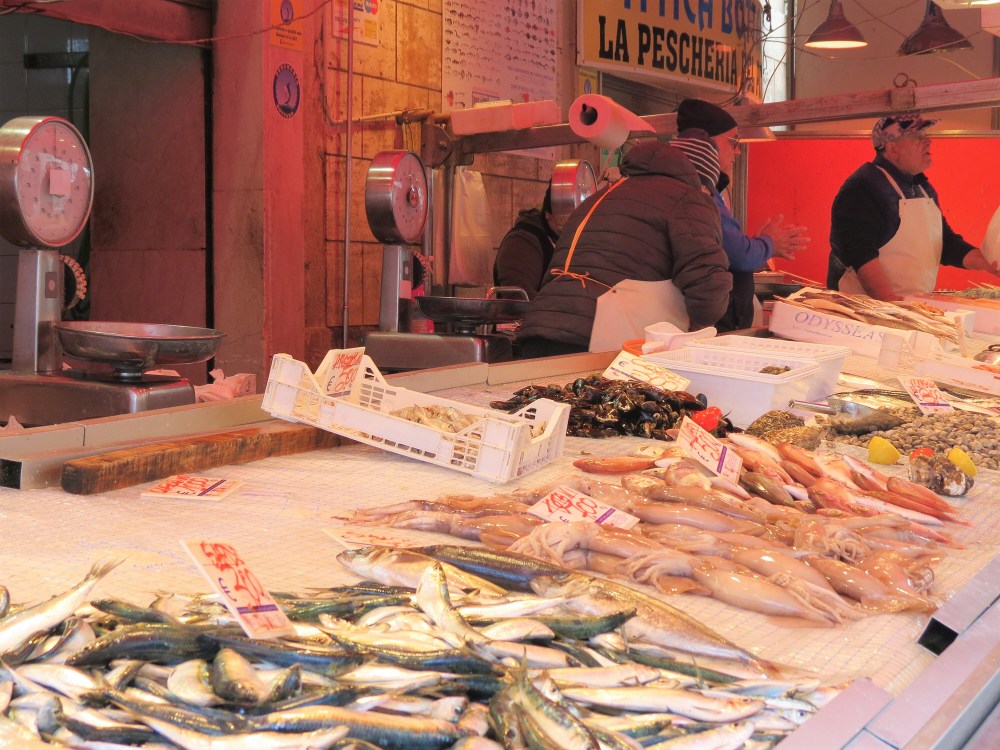
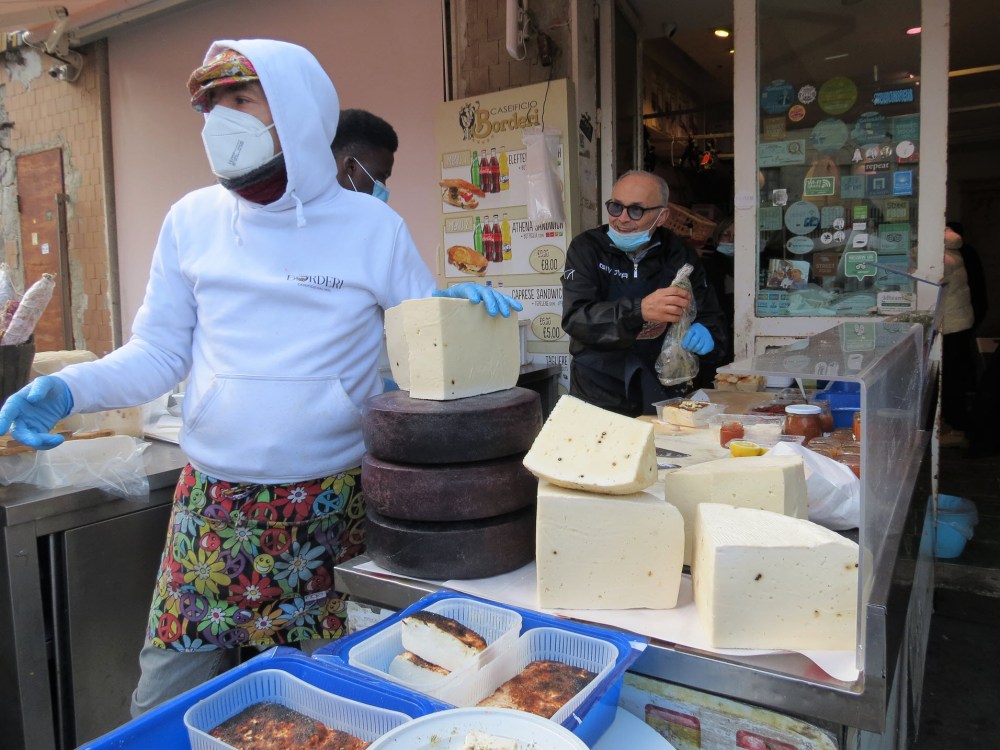
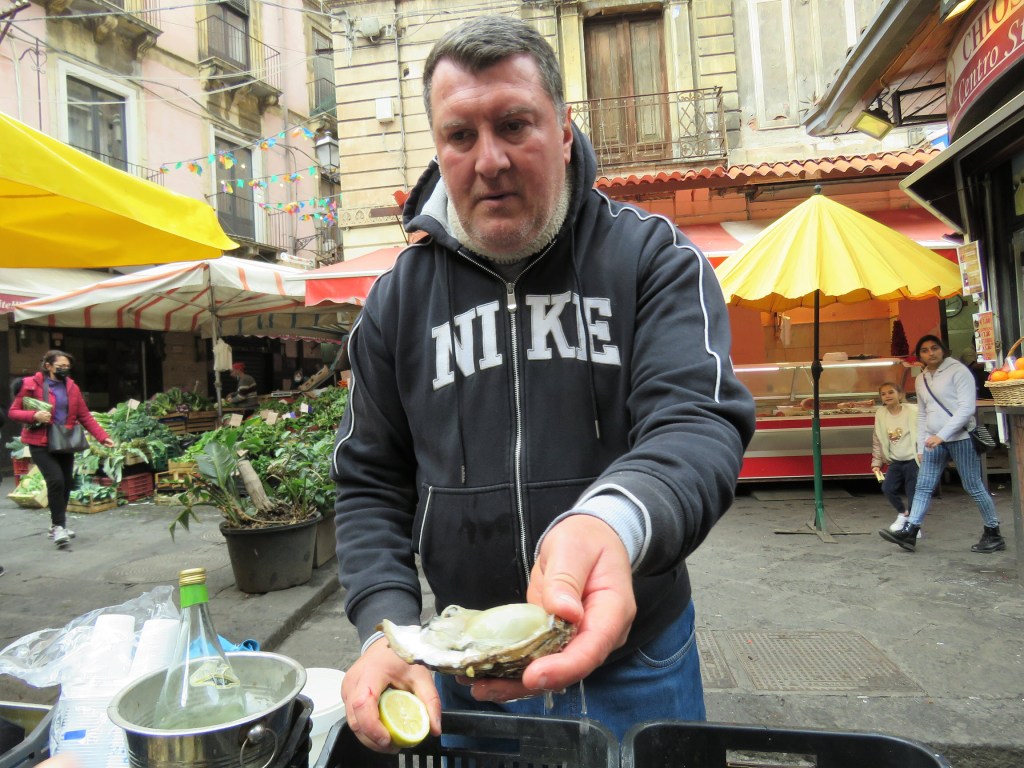
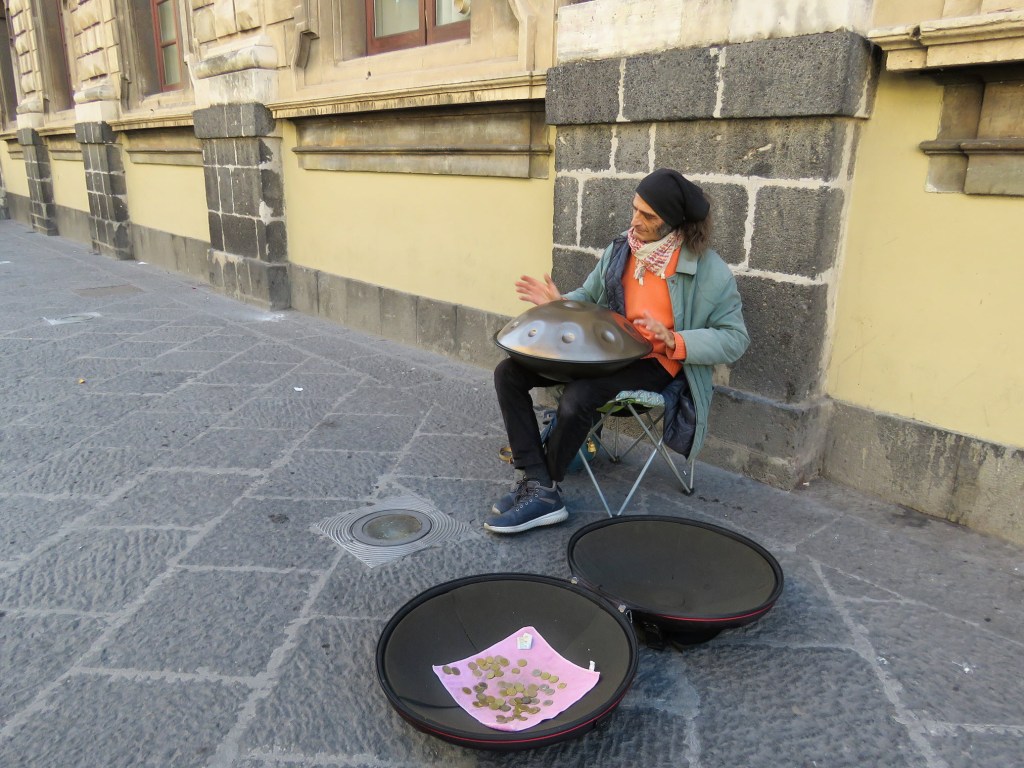
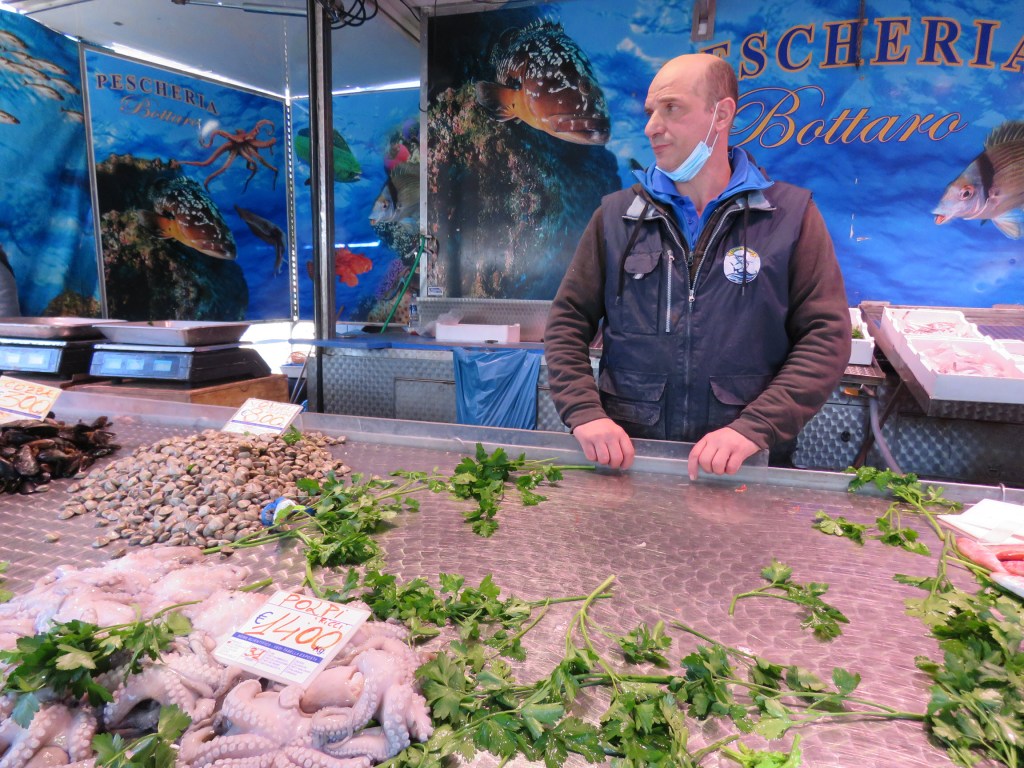
We walk the narrow streets and stumble upon the Temple of Apollo, a ruin in the middle of a large piazza with several Senegalese street vendors selling plastic sneakers. We turn the corner and discover a wonderful outdoor market with fresh vegetables, fruits, fish, nuts, and more, We buy pistachios, pecorino with pistachios, blood oranges, and artichokes.

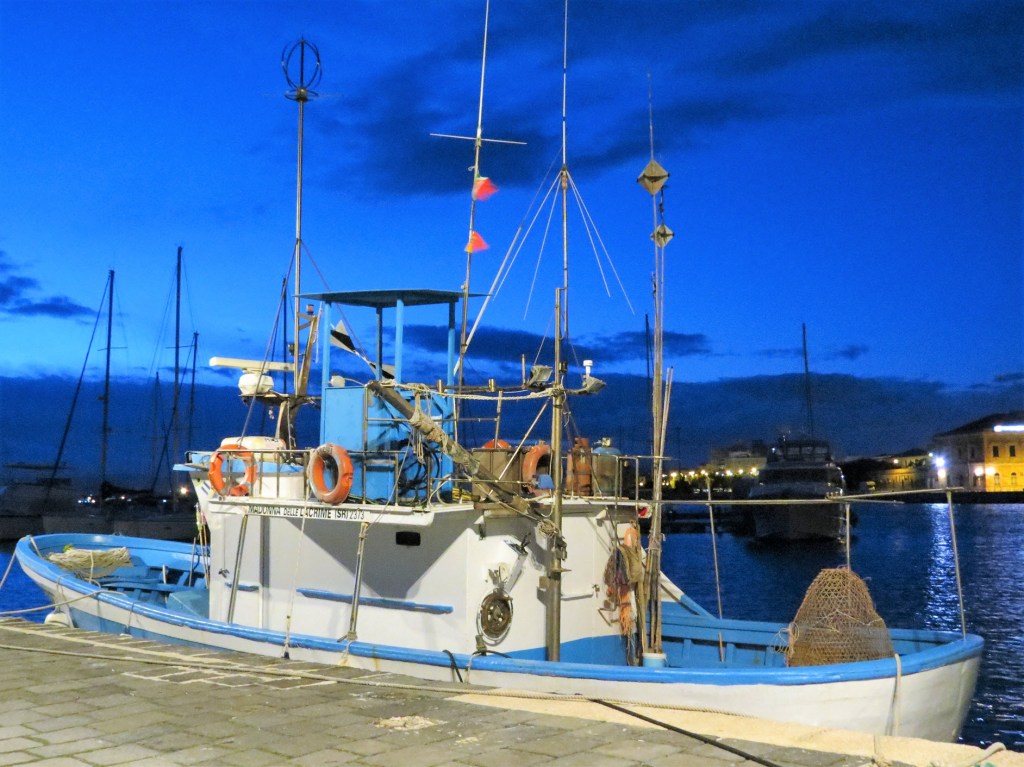
We wander across the bridge past the fishing boats to Syracuse to explore the very protected marinas on the north side of the island of Ortigia. We are invited aboard a 50-foot sailboat owned by an Italian who speaks terrific English; for once we don’t have to struggle to speak and understand.

We meander into the old city and come upon the huge Piazza del Duomo, with hundreds of people milling about dressed in their holiday clothes. We explore the Chiesa di Santa Lucia, named after the martyred saint from Syracuse, who pledged herself to God but was nonetheless betrothed to a wealthy man. When she announced her plans of distributing her dowry to the poor, she was sent to a brothel to be defiled, but she would not be moved, even by a team of oxen. When the order then came for her to be burned at the stake, the wood would not catch fire. So she was stabbed in the neck, but not before her eyes were gouged out and set upon a plate; thus, she is the saint of sight and light. Well, I guess she does deserve a church or two given all she went through! I am struck that generations of Christians worship such violent idolatry, but I guess they come by it honestly with the ultimate idol being Jesus on the cross.

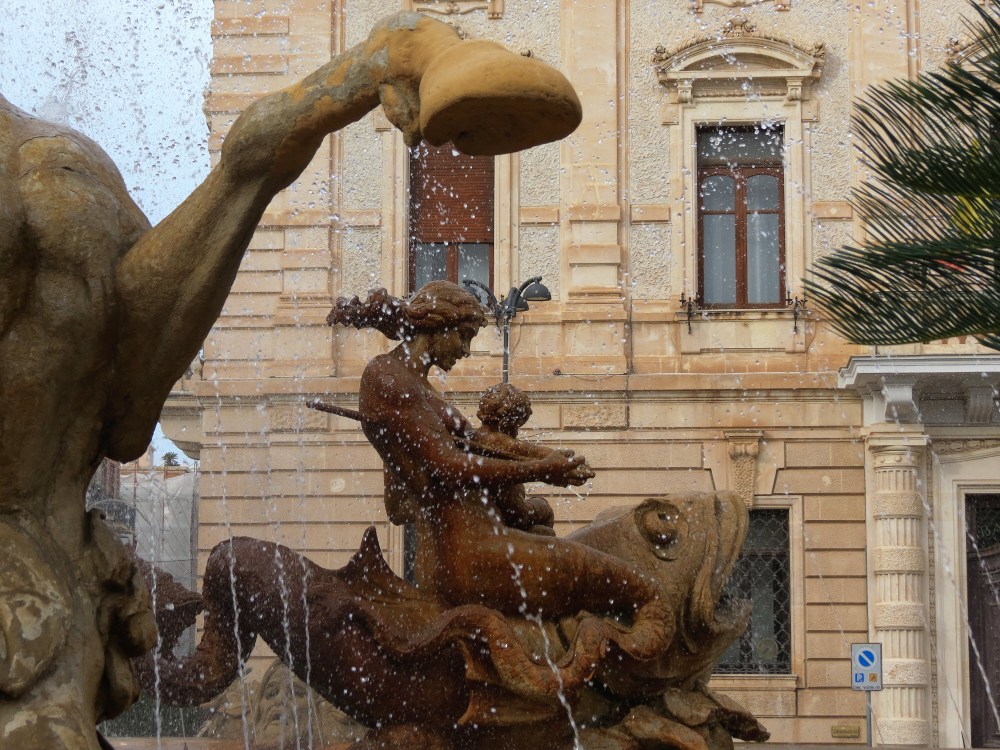
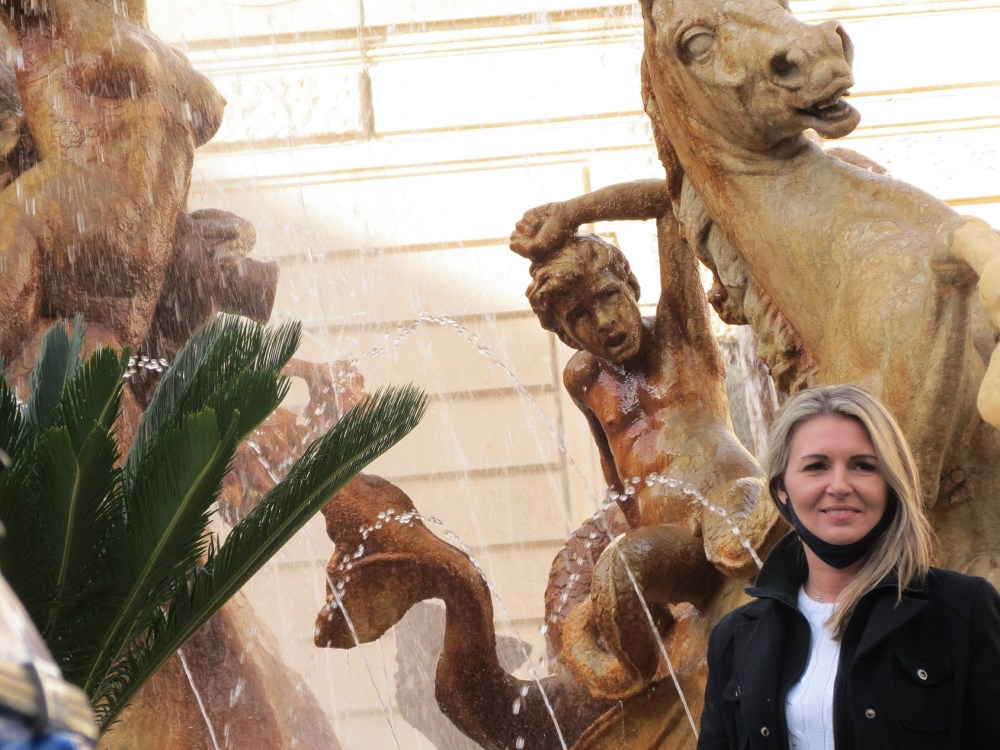
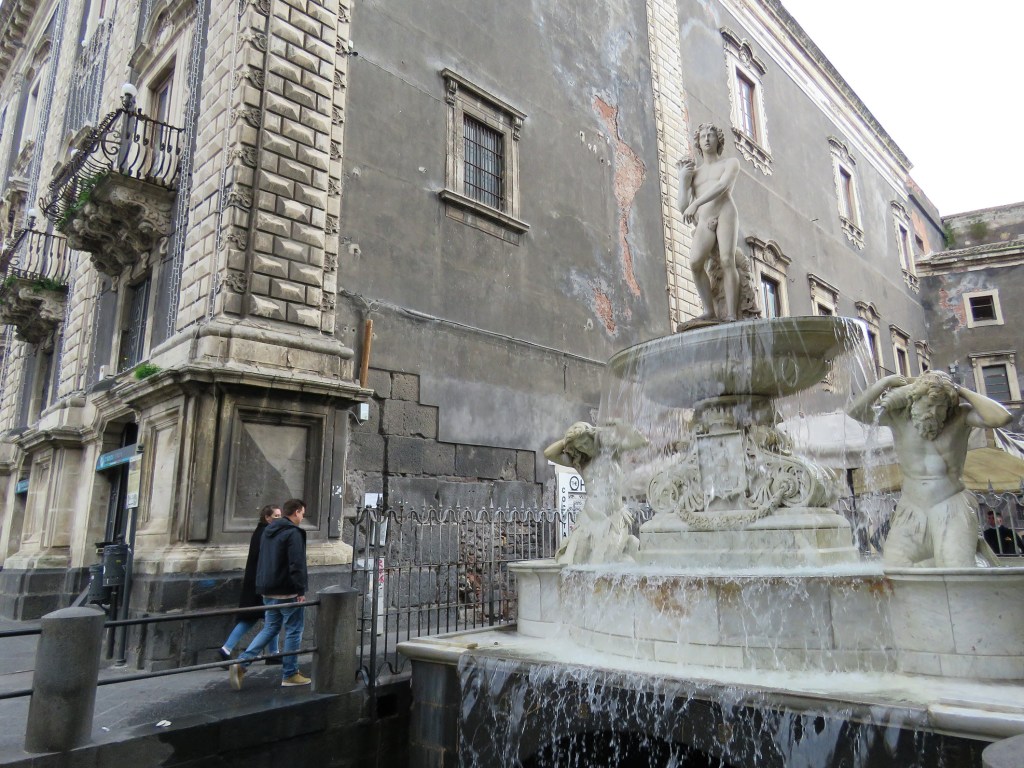
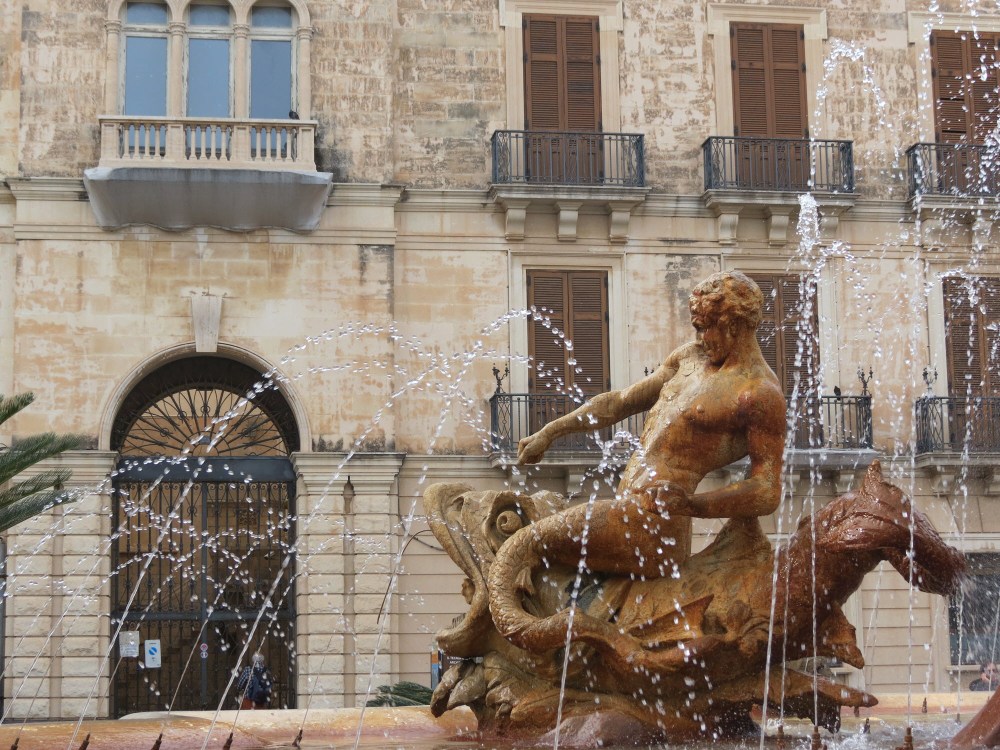
We come upon the Piazza Archimede with the Fontana di Diana, an elaborate fountain dedicated to the Roman goddess Diana surrounded by nymphs splashing in the water. Diana, the Roman version of the Greek goddess Artemis, is the goddess of the hunt, wild animals, fertility, and the Moon, daughter of Jupiter, and twin sister of Apollo, so yeah, a badass kinda gal.

And let’s not forget the Greek mathematician, physicist, engineer, astronomer, and inventor Archimedes from Syracuse. This guy had most of mathematics and a whole lot of physics figured out by 212 BC when he died—calculus, geometry, pi, the infinitely large, the infinitely small, the lever, center of gravity, buoyancy, the screw pump, and mechanical pulleys, among other things. You just don’t meet guys like that these days, now do you?

Instead, as we lunch on caponata and pasta, we are accosted by a Senegalese clad in a necklace of colorful bracelets and several wooden sculptures he wants to sell us. We tell him we live on a boat and have no room for such things and engage him about where he’s from. “You know where I’m from,” he says with scorn. It turns out that in 2021, Italy accepted almost 60,000 refugees and asylum seekers. We try to tell him about Portland, Maine, which welcomes refugees, but after five minutes, he leaves in a huff, apparently offended that we wouldn’t buy anything, given his status. I am very sorry for your plight sir, but I didn’t ask for any trinkets.

On the way back to the boat after a long day, we walk along the water and come across the Fonte Aretusa, where the nymph Aretusa, the Greek patron of Syracuse is supposed to have returned to earth from the underworld. Because of her beauty, the river god Alpheus fell in love with her, but she vowed chastity in service to her goddess Artemis (see above) and asked to be saved. Artemis created a cloud around her so she couldn’t be found and eventually she turned into water. Meanwhile Alpheus turns into water as well and they merge. Hmmm, that’s not exactly how I wanted to story to end.

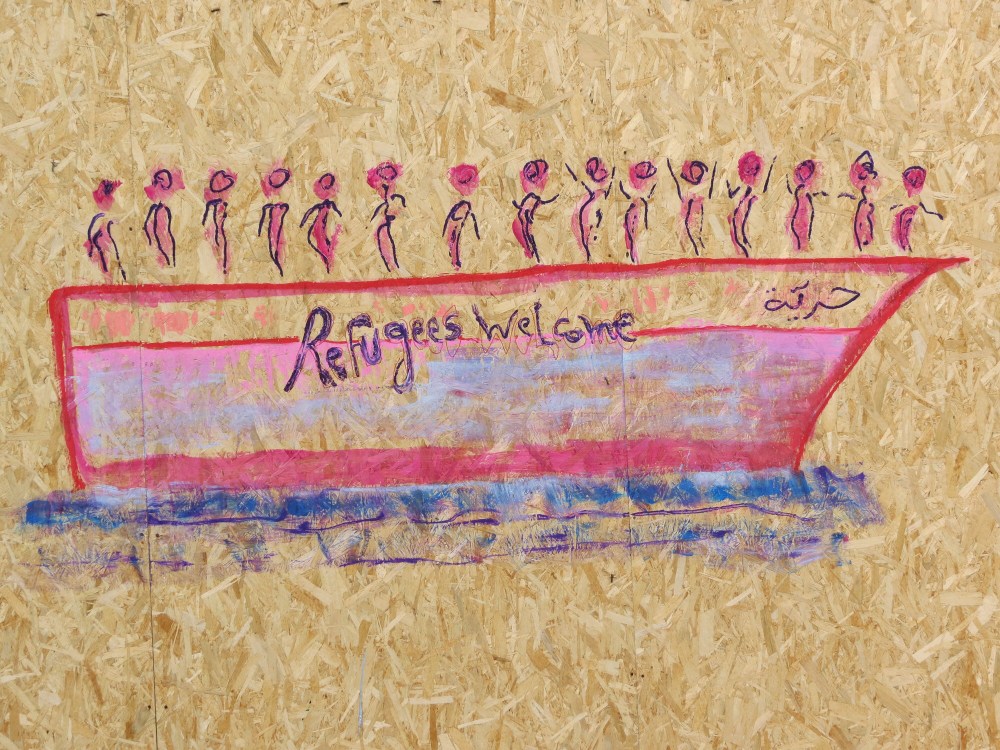
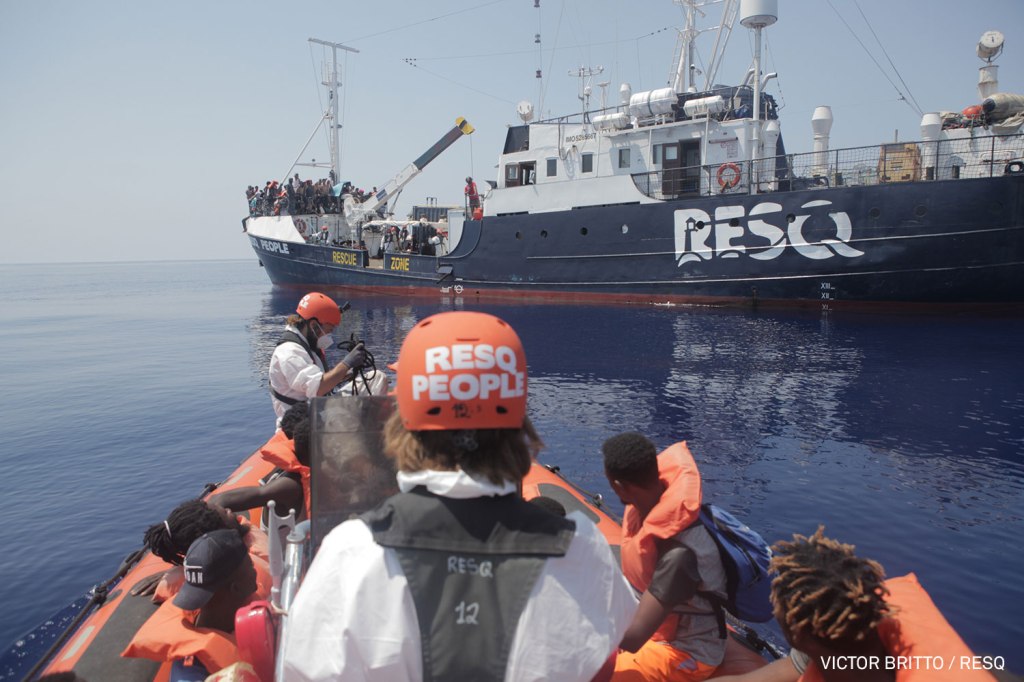
Along the public pier we see a large boat called ResQ People (click link if you’re interested), launched in August, 2021, in a humanitarian effort to rescue the many refugees who flee their countries by boat in the Mediterranean and often die in the process. Since 2014, 20,000 people have died at sea or are missing in their attempts to flee their countries to seek asylum. Since August 2021, the ship has rescued 225 men, women, and children. Thank you wealthy patrons of Florence!

From the ResQ People website

All this on Epiphany. It’s a lot to take in.

*     *     *

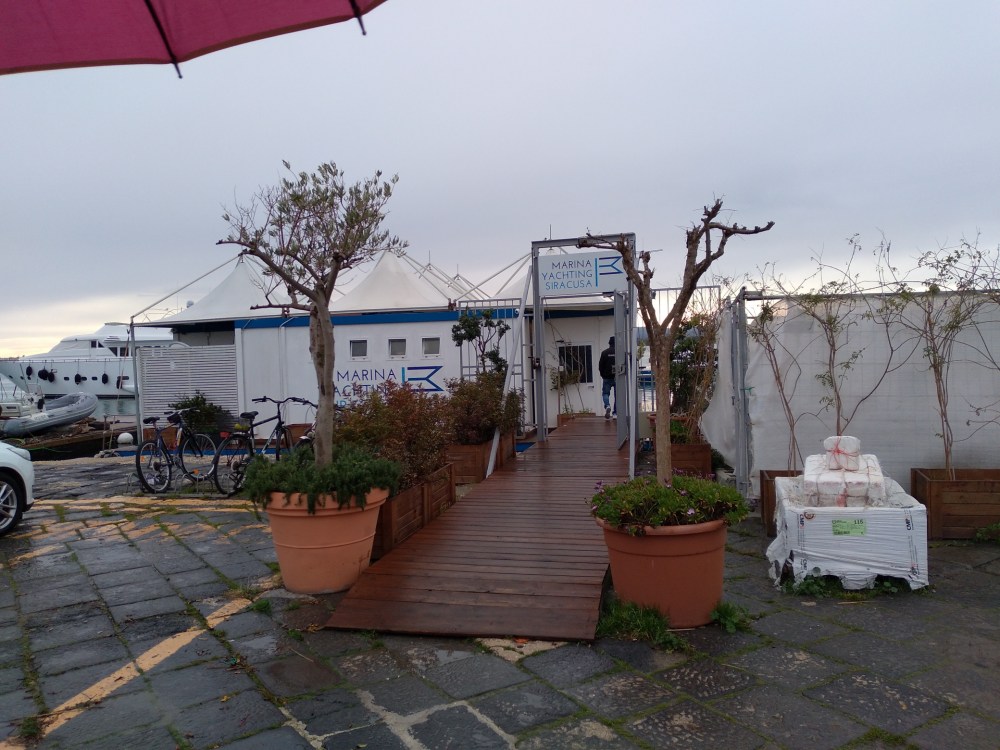
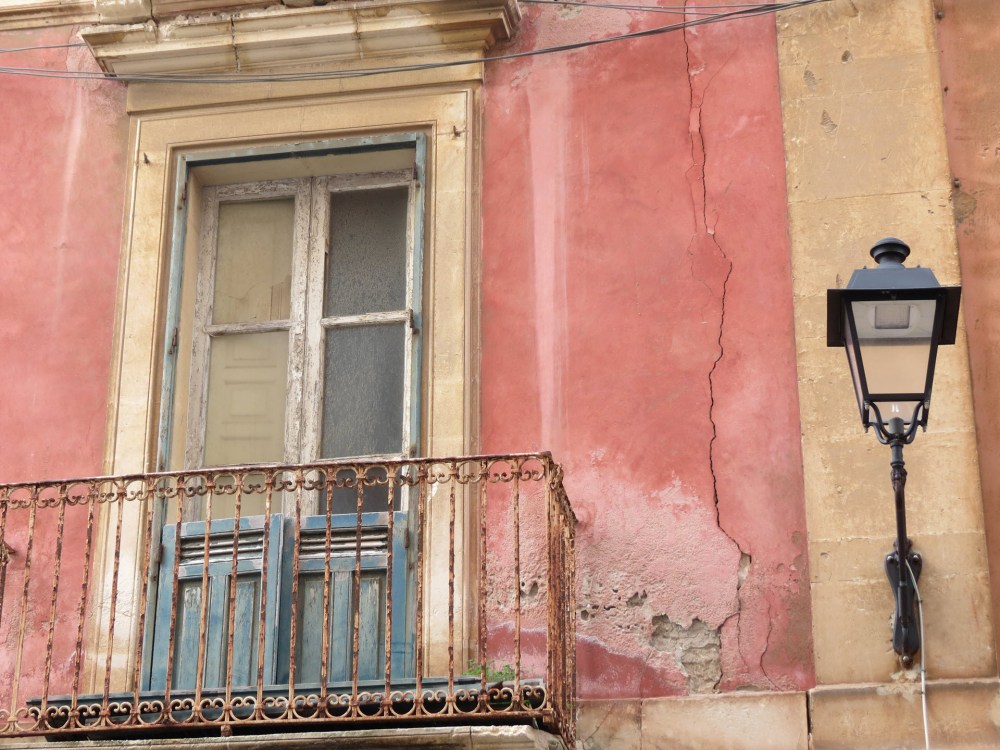
As the days pass, we walk through the new part of Syracuse, which feels dirty and unkempt with odd-colored buildings that offend my eye. Dogs poop on the sidewalks, many buildings are derelict, and garbage litters empty lots. We inspect the marina that was never built and learn from a local resident that “politics” was responsible, and the public money that was given was stolen. We learn from the lovely couple that runs the chandlery, and later from the manager that Marina Yachting, that Marina Yachting where we are staying has been without a license renewal from the city for two years, which explains why the owner is reluctant to put more money in it to keep it up—it could be taken away at a moment’s notice.

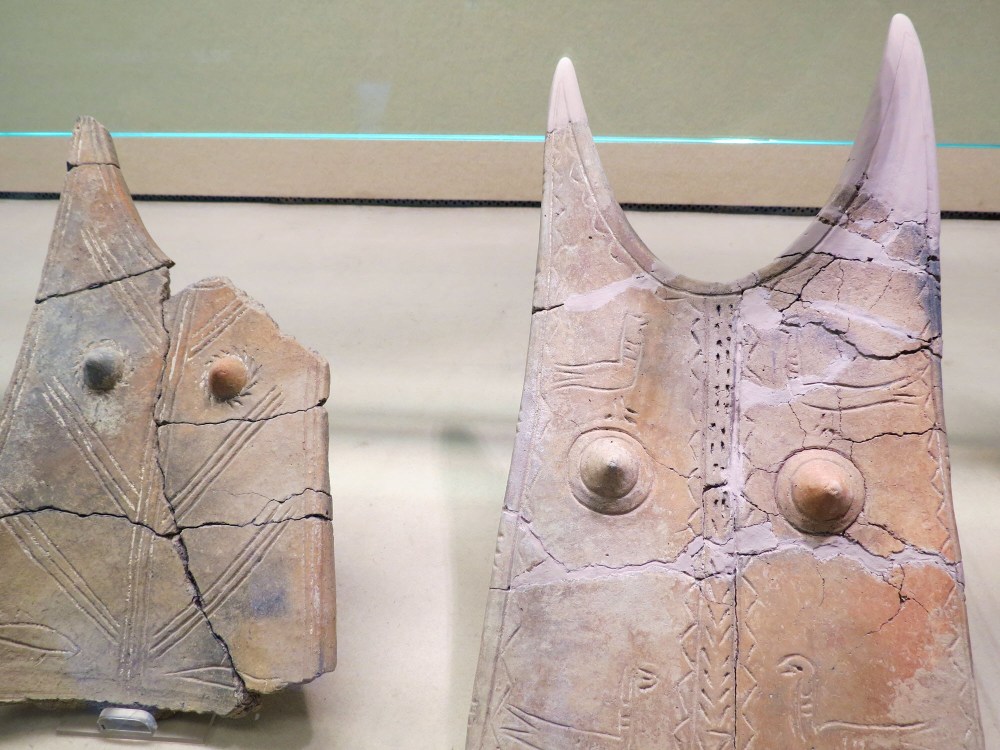
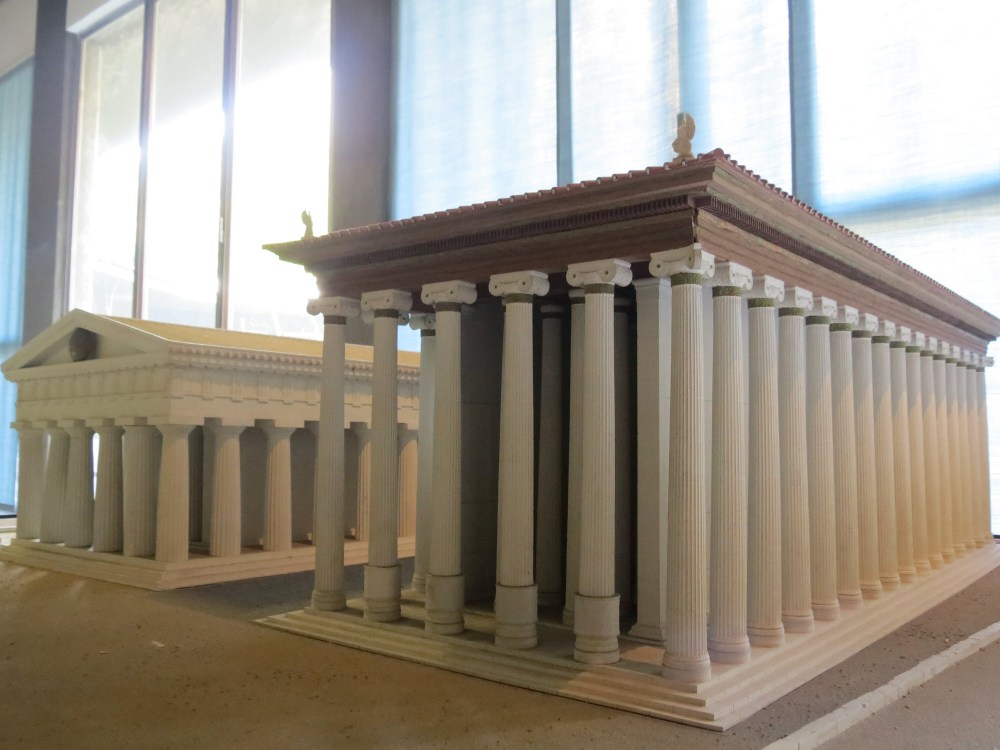
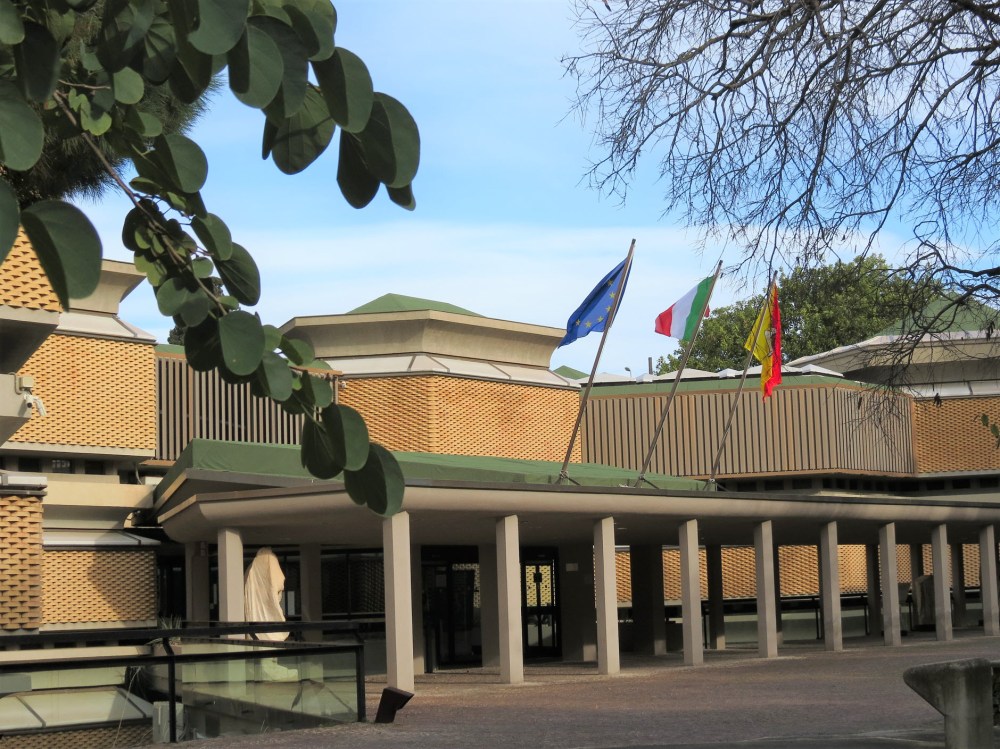
We visit one of the most acclaimed archeological museums in Europe, which takes us on a walk through time from “prehistory” to the Greek and Roman periods in Sicily where we literally watch technology, architecture, and humanity unfold, witnesses to human evolution—from the early vague resemblances of stone tools to iron blades, metal belts, and what look like safety pins; from vessels with the merest gesture of pattern to decorated vases with elaborate scenes of chariots and lovers; and from dwellings carved into hillsides to ruins of gargantuan temples and what were clearly cities where people lived and did business. 20,000 years of history in two and a half hours! We both agree we prefer the elegant simplicity of human design from the earliest examples, oh say, 4000 BC. On the other hand, the “modern,” machine-made architecture of Syracuse, such as the Basilica Madonna delle Lacrime and most of the buildings we saw in the new city don’t hold a candle to the small scale, hand-made ambiance of Ortigia.

We seek out a city library and are given a passionate tour of the works and artifacts of Elio Vittorini, the beloved writer from Syracuse. We read several pages of his anti-fascist novel, Conversations in Sicily for which he was jailed when it was published in 1941. The librarian asks to take our picture reading the book to post on Facebook. I guess they don’t get too many tourists showing that much interest.

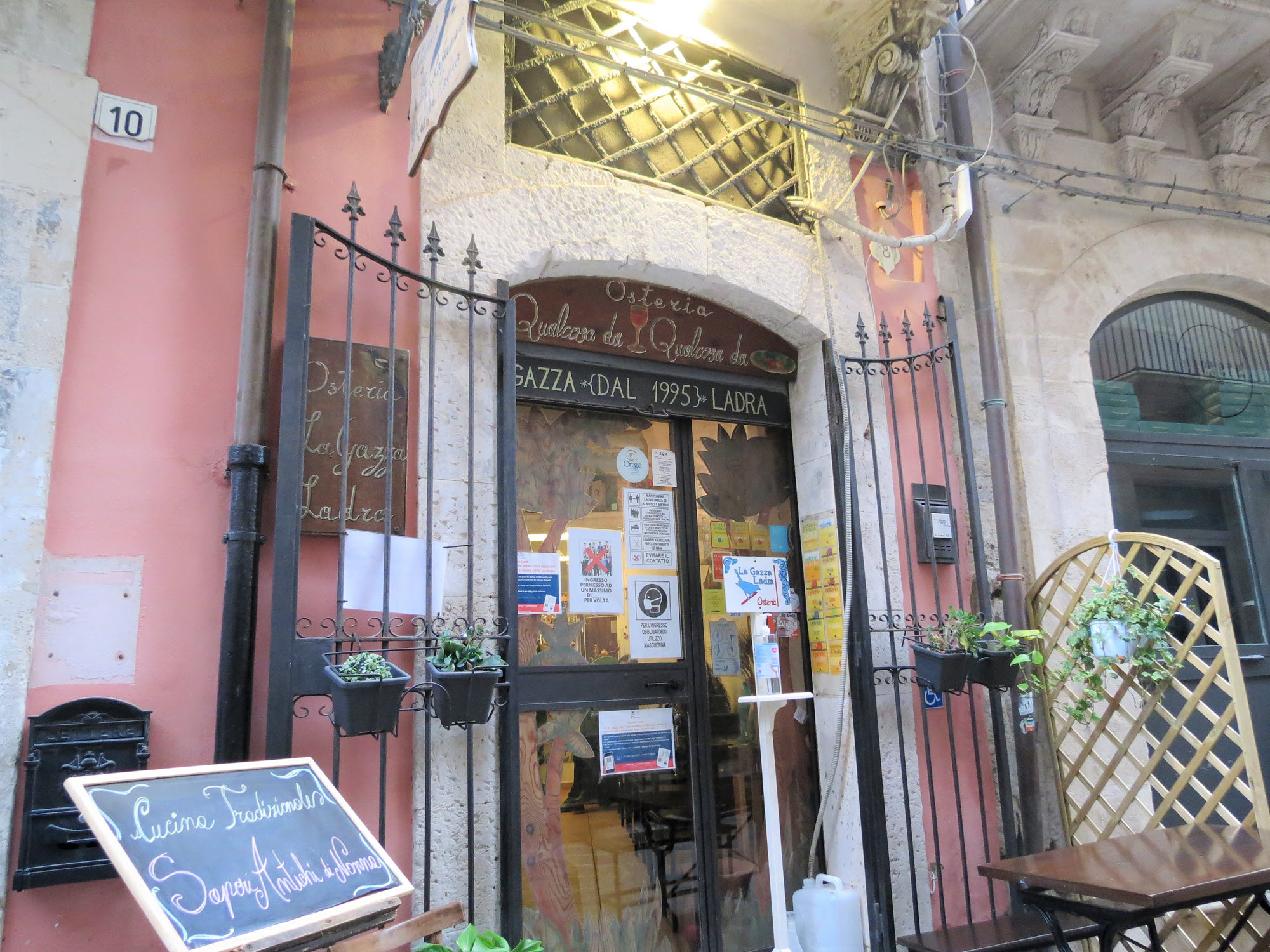
And we have two of the best meals yet at a small tavern with six tables, La Gazza Ladra, where the food is slow cooked during the day by the owner and his zia and served from a display case at night: artichoke frittata, caponata, the best eggplant parmesan ever, subtly flavored meat balls, fried eggplant balls, indescribably delicious sausage, artichoke and potato soup, the most tender of pork roast, and biancomangare—a medieval dessert. What a delightful anomaly: no pasta or pizza! The Slow Food movement thrives in Italy and I want to learn more about it.

We spend a fascinating hour conversing with the Norwegian we met at the marina whom we meet by chance in a bar, aka coffee shop. Turns out he has spent his life as a documentary film maker and started an online magazine that reviews independent documentary films. He had just made an offer on an apartment and was on his way to see another, so we ask to join him, which is such a treat as we’ve been curious about the inside of these ancient buildings.

We watch one of his films and are intrigued by the ideas of this Norwegian philosopher who espouses ecohumanism, that is, a return to nature as the solution to all our woes as humans.

This interplay of man and nature, and man’s “head” and “heart”, clearly defines ecohumanism as a movement to address the failures in society . . . due to failures of presence, of personal connection with the all planetary systems.

We couldn’t agree more! We watch a very personal and passionate film called Sugar Blues created by his partner about the evils of sugar. We vow on the spot to eat healthier.

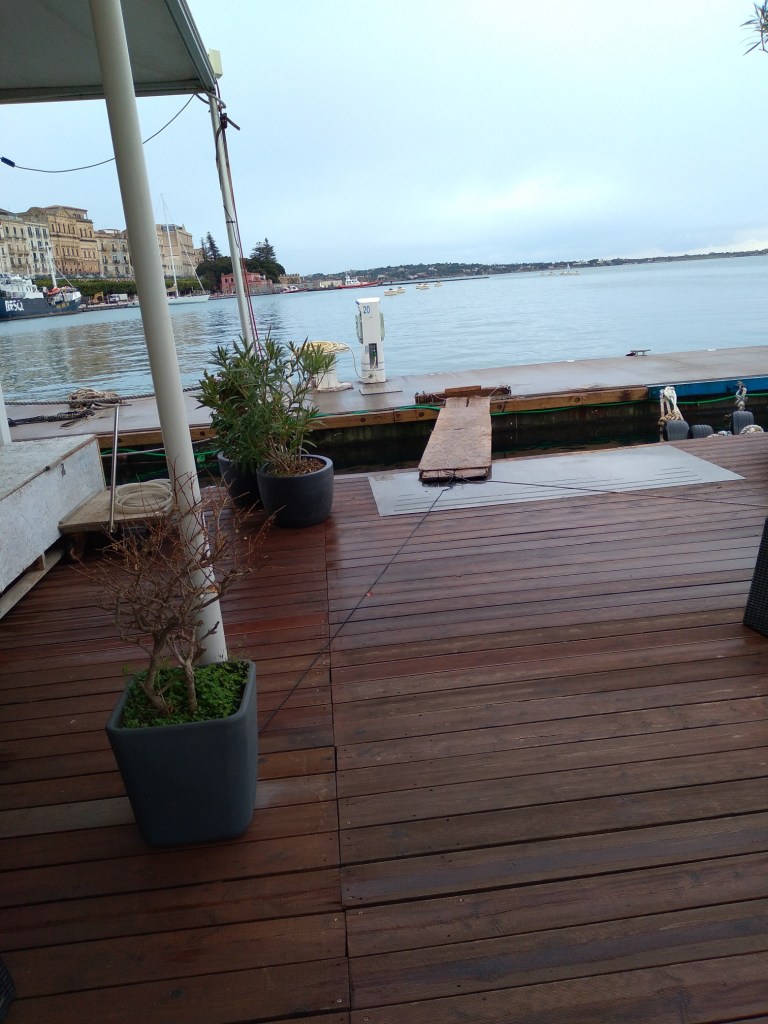
Which brings me to our boat, Cascade II, where on our second morning here has no shore power so no heat. It gets colder and colder as the day wears on, so we seek out an AirBnB to take refuge. When we arrive, the heat doesn’t work. Impossible, you might say, but true. After a couple of hours and the loan of a space heater, we’re finally warm again. OK, it’s Sicily in January, so what did we expect? Thankfully, on the following day at the marina, we run an extension chord to the boat, bypassing the broken electrical pedestal, and have power and heat once again. On our last day, we discover that the bridge connecting our pontoon to the main dock is broken so we must be ferried to our boat by dinghy.

    *     *     *

After nine days, we find we are ready to leave. Perhaps it’s too much city—where is nature among all this concrete? Perhaps we’re wondering what our place is in all of this Italian culture and history. We came here to explore a more lively place with a wider variety of people, culture, and events. To some extent we found that in the people we met and in osterias that offered grandma’s cooking. We experienced different ways of living, being, and remembering, and saw present day life set against the backdrop of goddesses, temples, churches, saints, geniuses, refugees, and everyday folk. Whether desired or not, so much of the built history of Italy remains, which provides an intriguing backdrop for exploration but at the same time appears to limit the possibilities for new expression and change.

I suppose you could say our epiphany is this: while we each have our own beliefs, history, customs, and lifestyles, we all share basic instincts and desires that bind us more than divide us. The rest is layer upon layer of societal and cultural conditioning and prejudice, which often leads to the many unwanted consequences of what we call “progress.”

CASCADE II S2:E3

12/27/2021

Merry Christmas from across the pond! Here we are having a Christmas lunch on the beach, a sumptuous meal of seafood and “deconstructed cannoli” for dessert—that was a first!

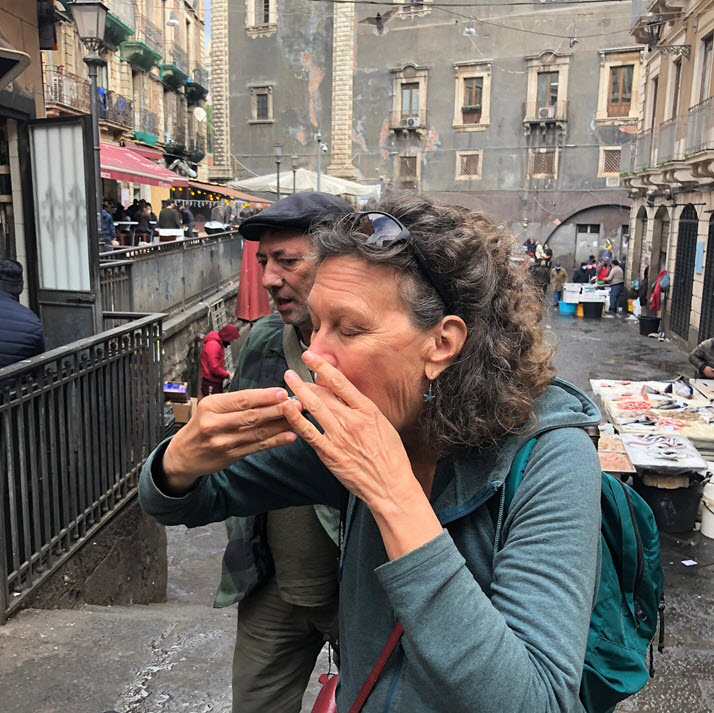
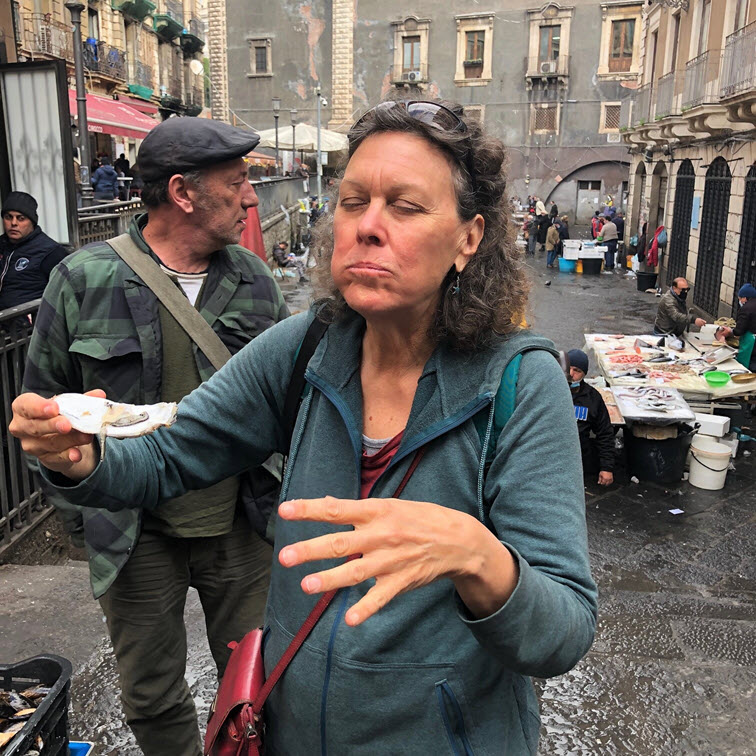
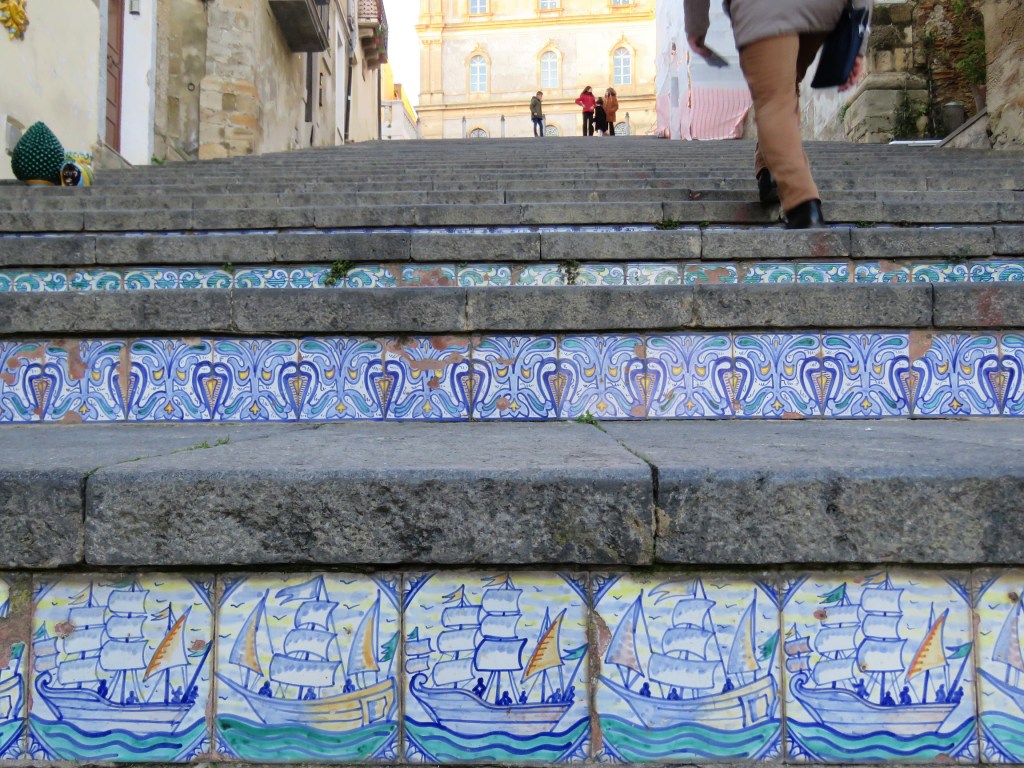
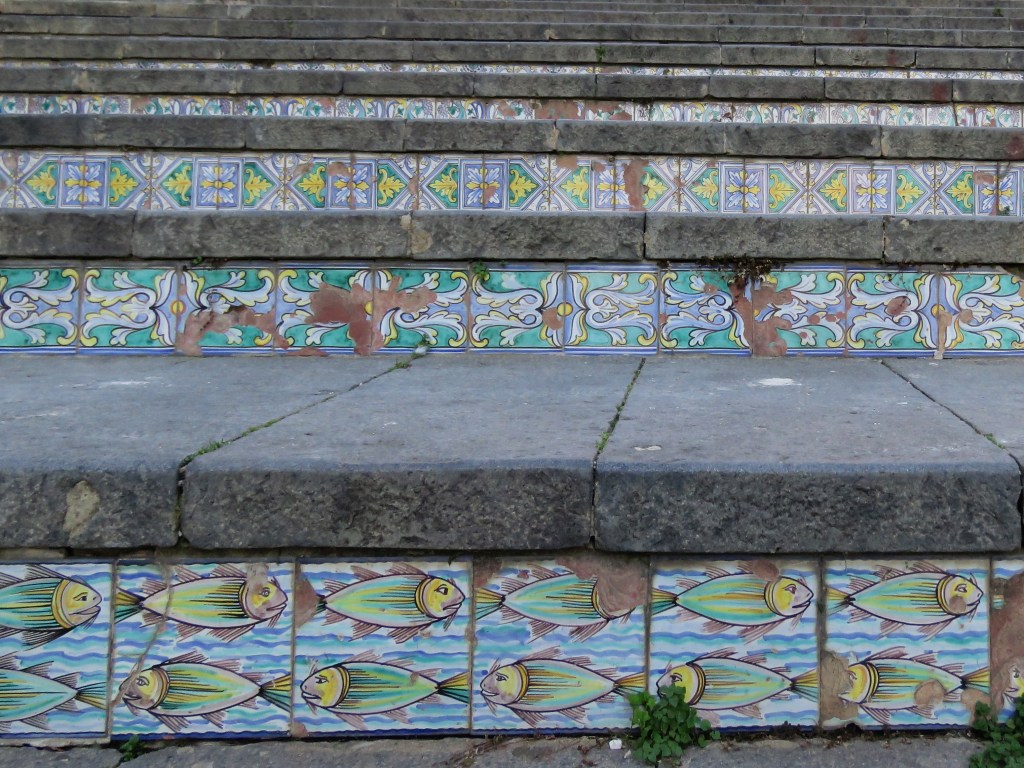
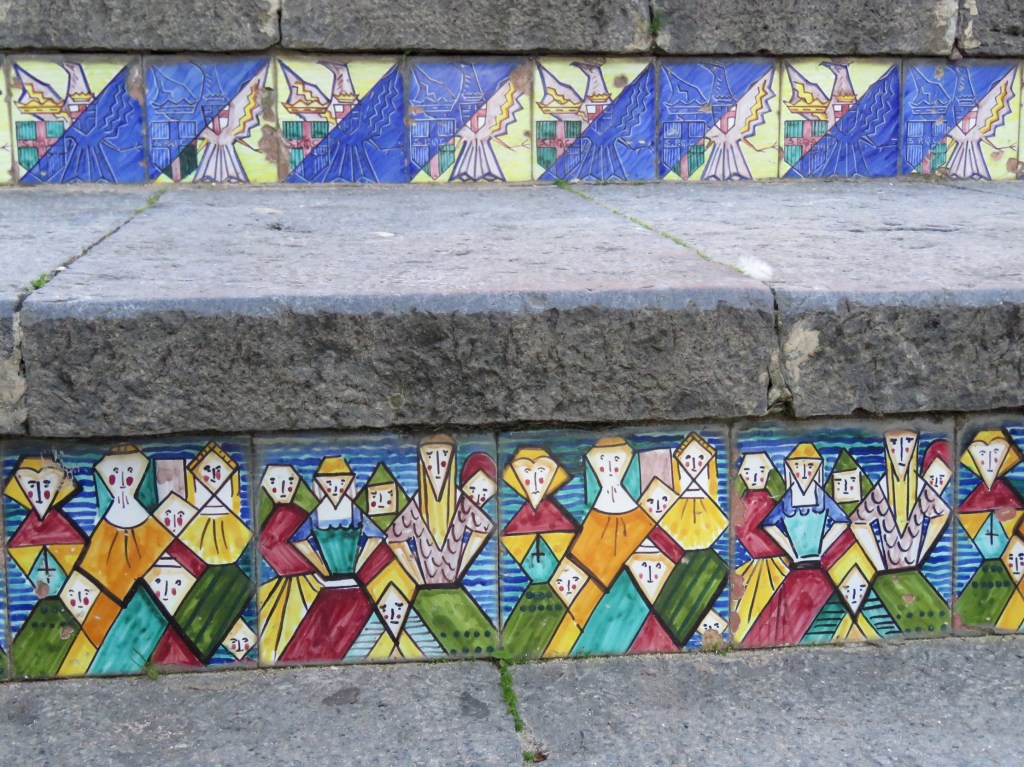
In this episode, Will takes the helm on most of the writing while I narrate our six-day trip across Sicily through pictures, which tooks us to Catania, Caltagirone, Enna, Cefalu, and Agrigento.
CENTER

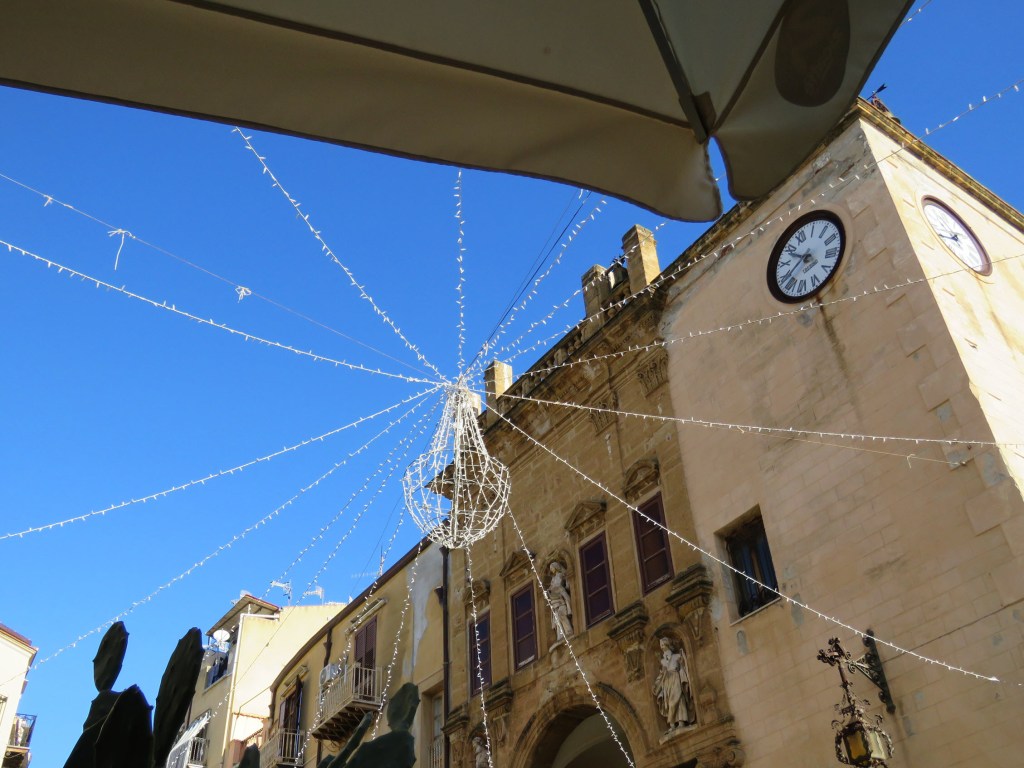
The piazza is the living room for all the tiny apartments in the Old City, “il Centro.” Once the newspaper, one’s manna, the town cryer, and the talk of the town occurred here, as women daily went to the market and old men sat and kibitzed, or the Church emptied its pews onto the world. Now it’s more a carnival, festooned with the season’s mini-Christmas kiosks, too-loud pumped in music, and children playing hide-and-seek with the decorated central tall fir as home base. The size of the piazza was in proportion to the prestige of the Duomo, the city’s grandest church—think the Square of St. Peter’s, which is actually an oval—or town hall or both.
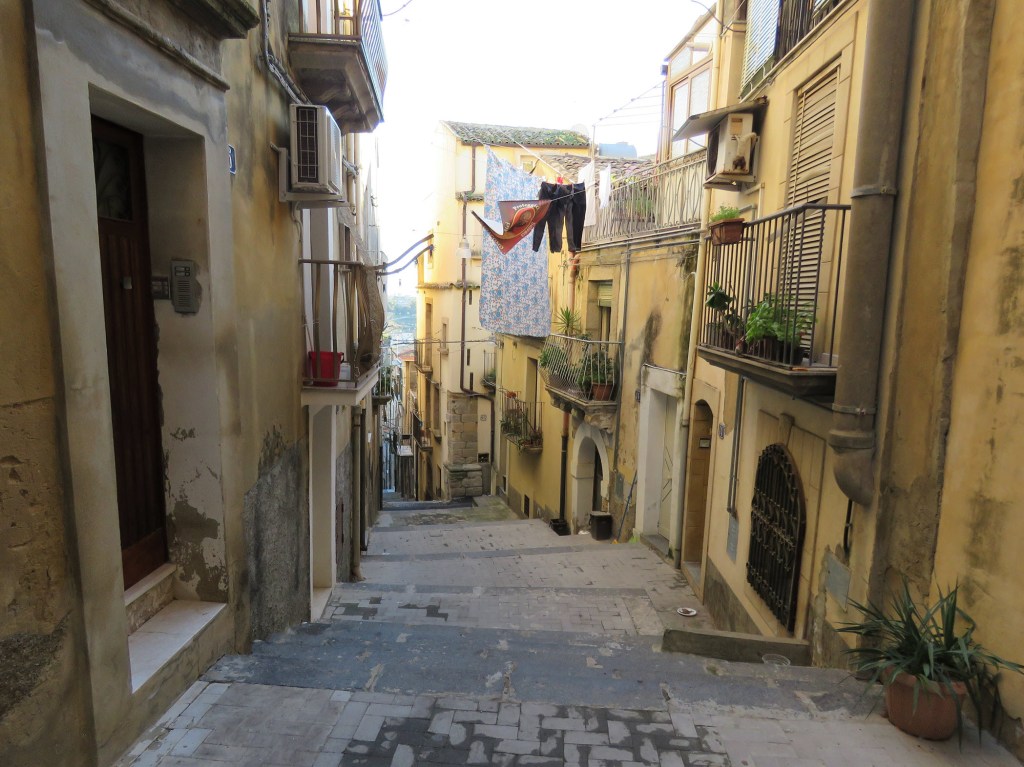
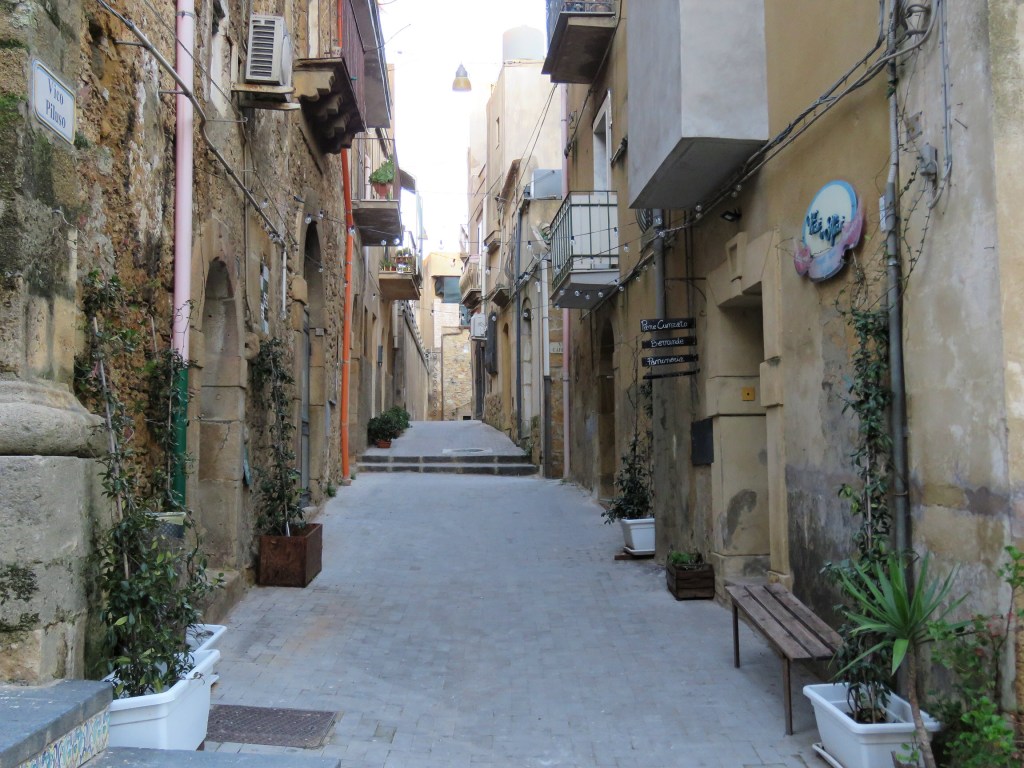
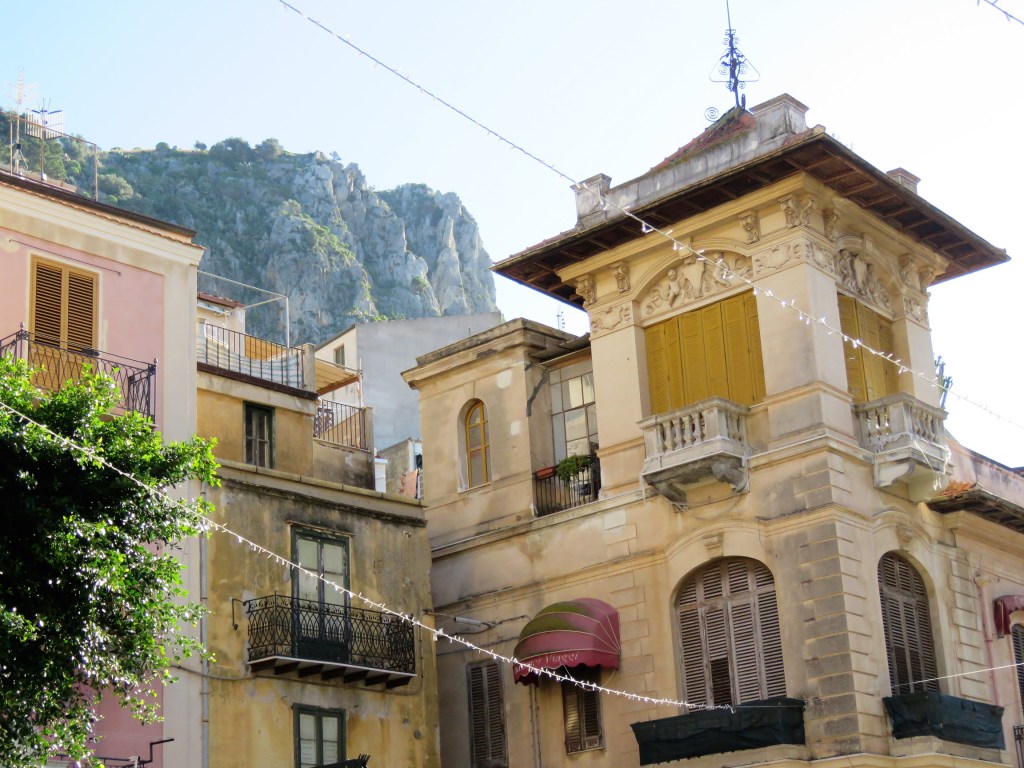
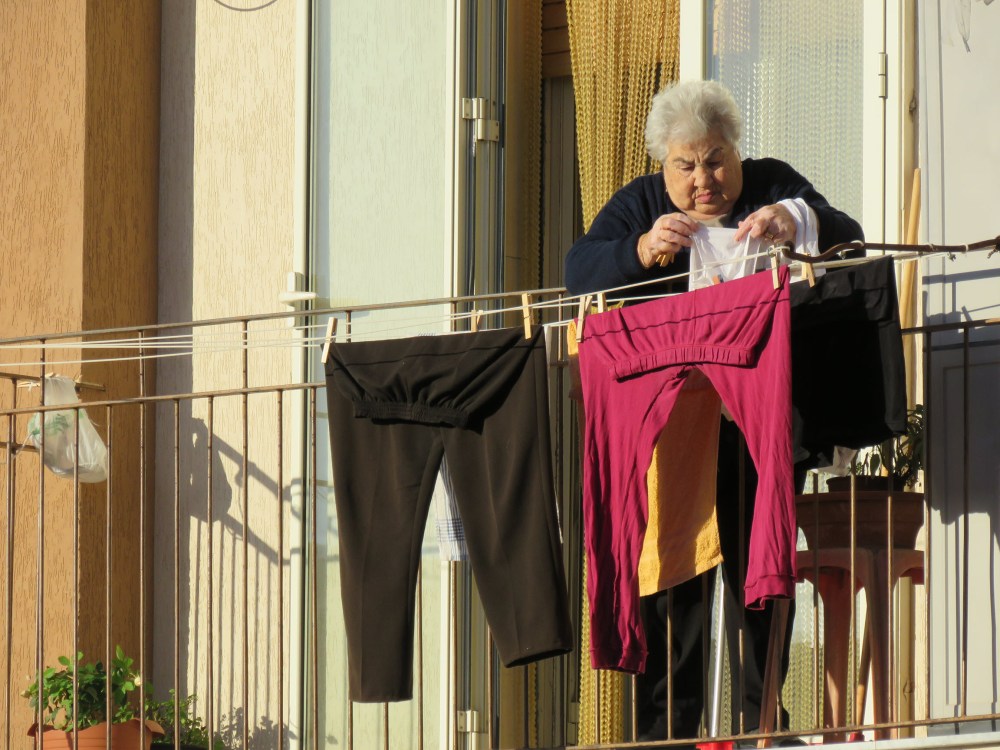
From this regularized geometry of a place leads out vias, corridors as strands of Medusa’s hair in every which direction, in every un-geometry imaginable: often tiny, narrow apertures to the sky, clouds of laundry strewn from the multitude of balconies (who has room for a dryer, let alone the funds to run it? or is it that the smell of fresh air on clothes is too irresistible?), and the inevitable house-marm shuffling about in a sleeveless, flower print coverall that is the forerunner to our apron. And then there are the outdoor markets, selling all manner of food items!

And so begins the non-center, the non-focal point, the non-pure where the other side of life occurs: messy, fragrant, delicious. Yes, you can have a caffe or pasta in the piazza, but it’s a different taste. You want to be tucked into the bowels of a millenia-old ristorante, low barrel-vaults overhead, and disappearing windy stairs that lead to other levels in the maze—a small turn-out/tilt-in window giving an unexpected glimpse of the alley or valley or sea way down the hillside. 

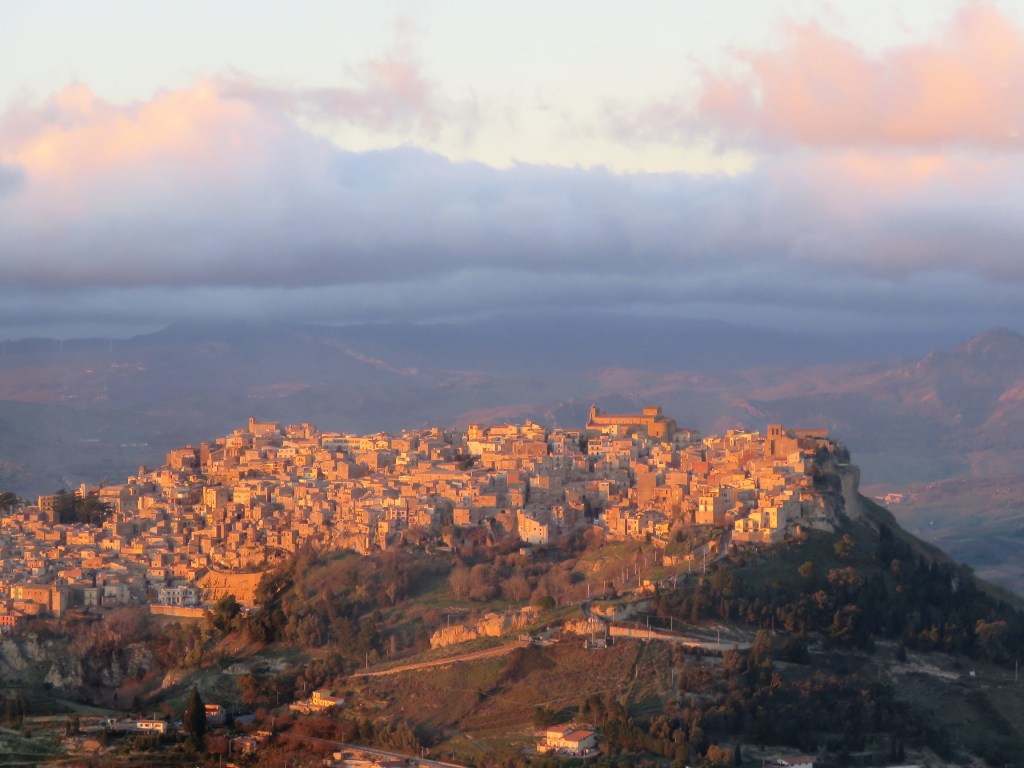
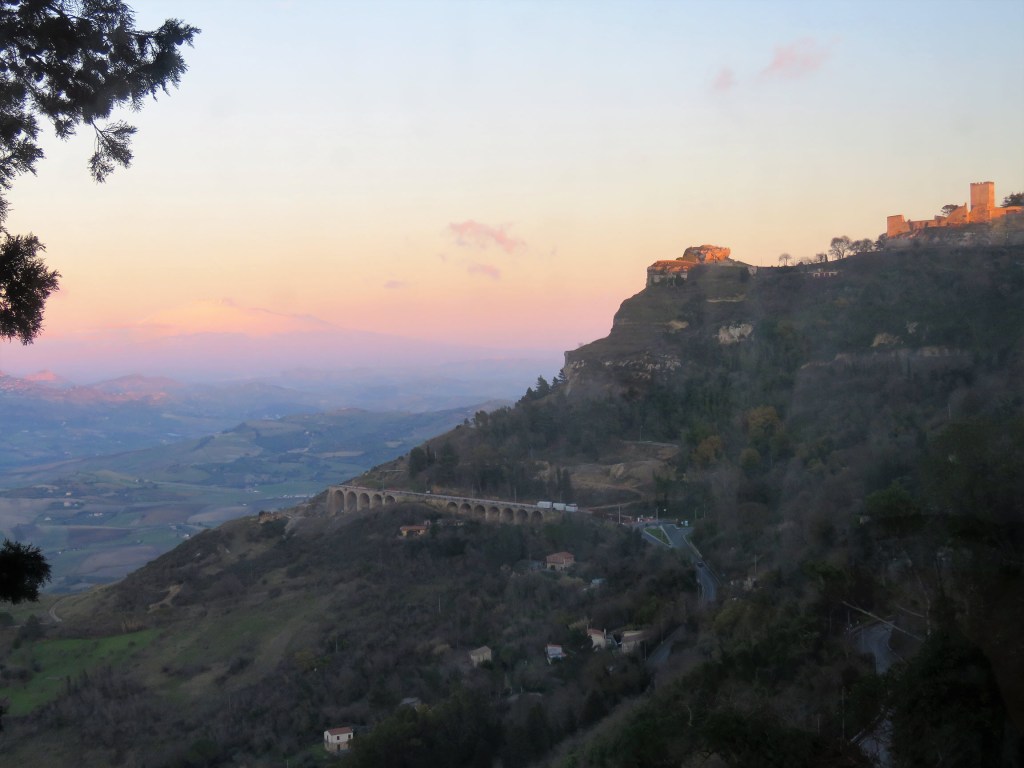
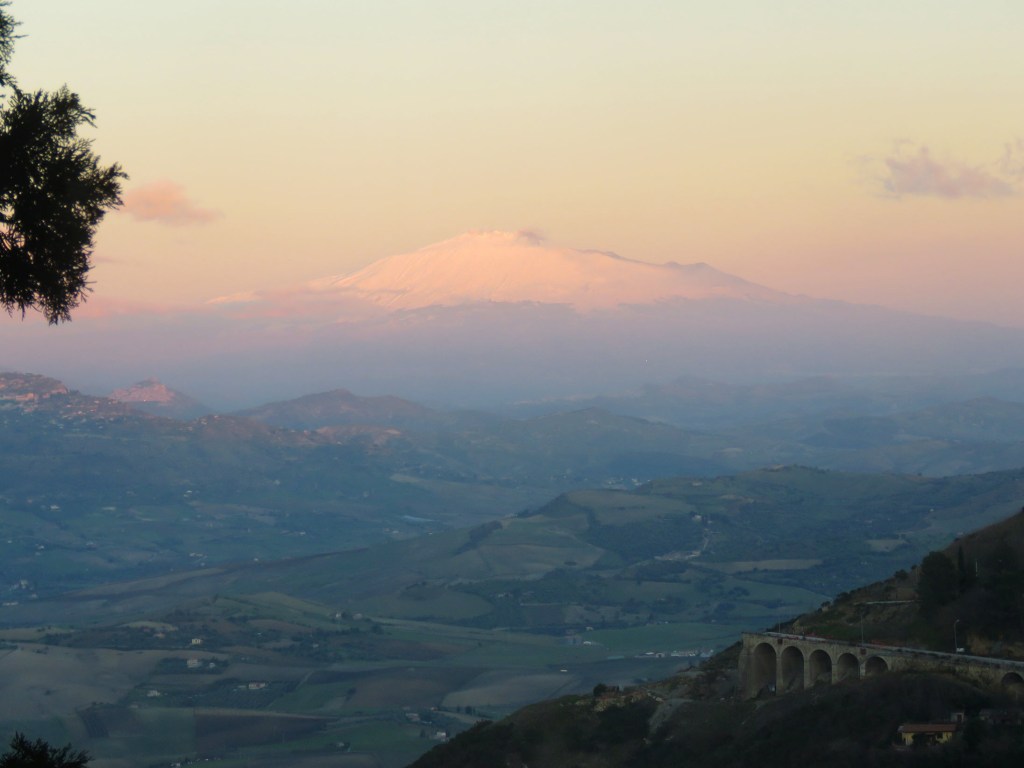
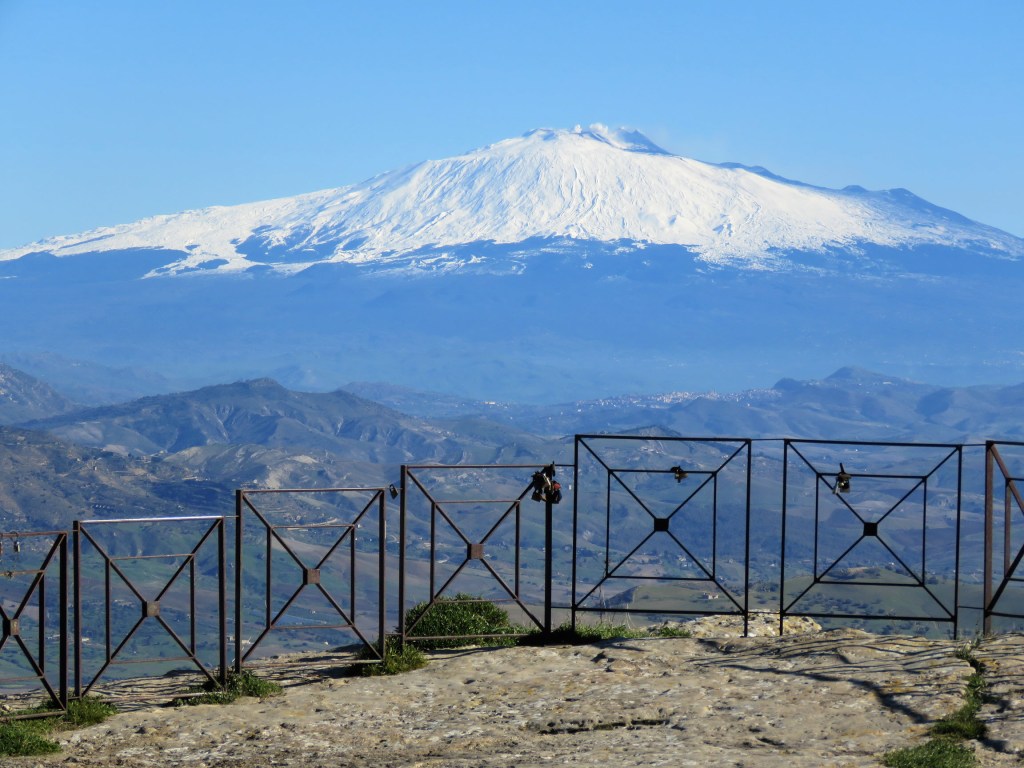
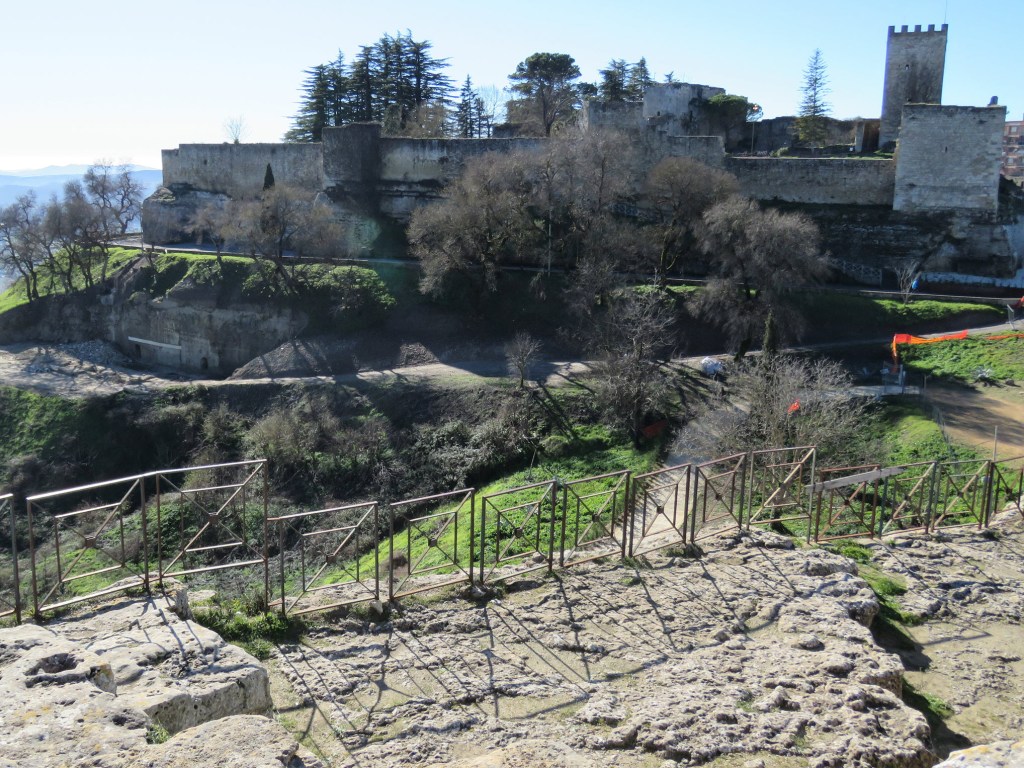
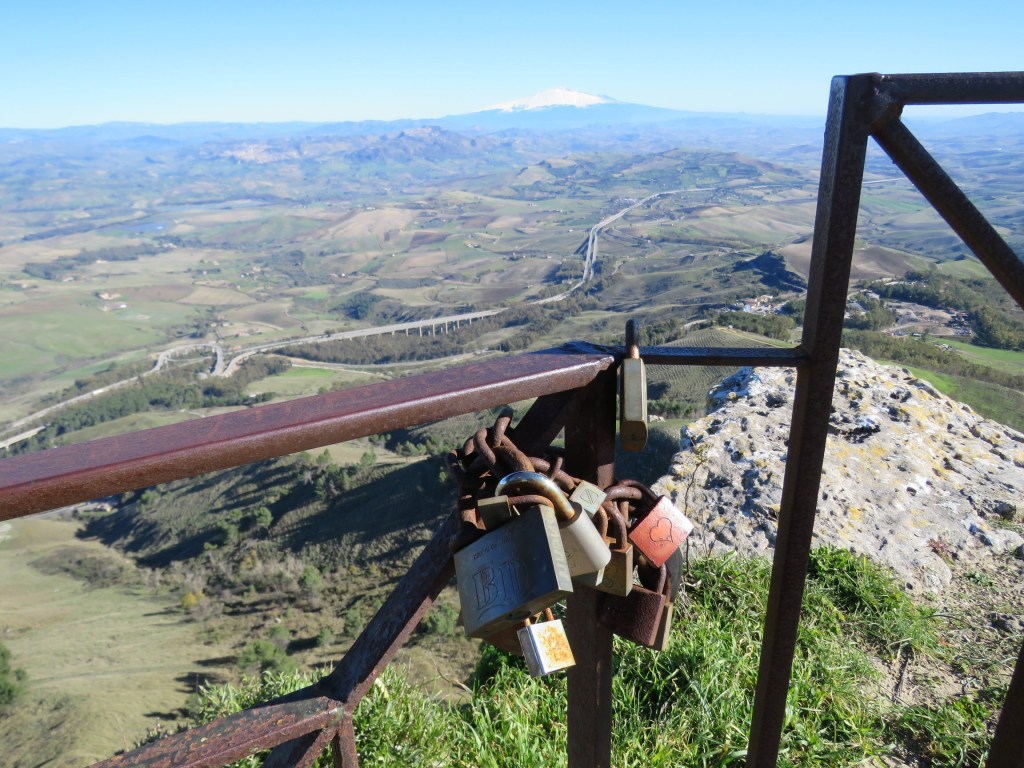
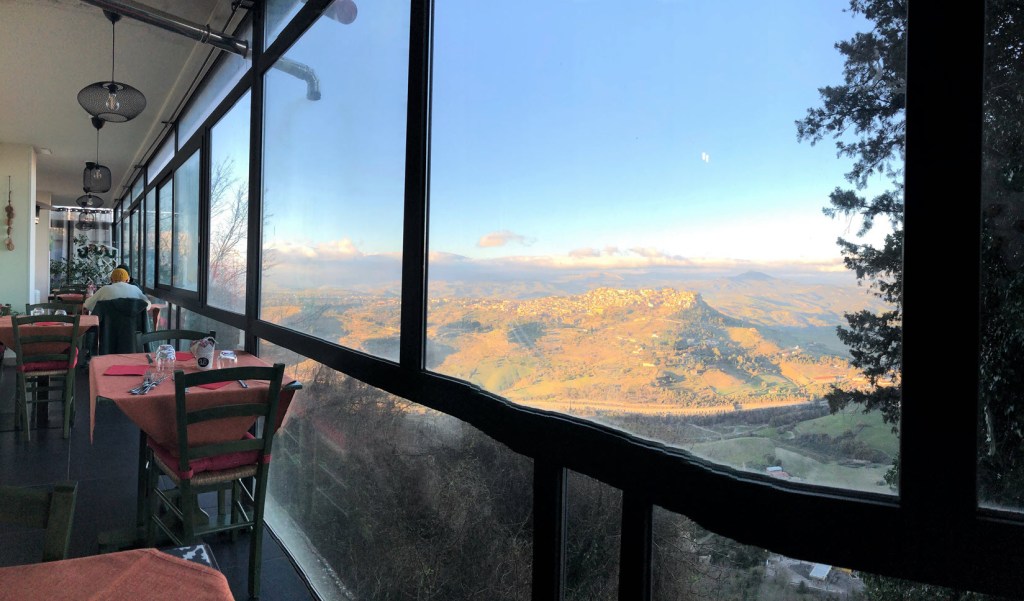
Sicily’s tallest hilltown, Enna, coincidently or fatefully, resides at the geometric center of Sicily, and according to the ancients, is the center of the Mediterranea…and the world. Settled in pre-historic times due to its commanding defensive plateau, it’s unclear if the idealized “center” also spoke of the sacredness of the place. The Torre di Frederic II marks the spot, which we attempted but failed to summit—at night—as we followed twisted back alleys ending in many dead-ends. Purists, aware of the changing, eroding shoreline now say Sicily’s center is some half a kilomter away. At the other end of the city, is the Castello di Lombardia and Rocca di Cerere upon which once stood a Greek temple to Cerce, the goddess of fertility. With its commanding 360-degree view, Etna looming large in the distance, we ask ourselves, “At what point is center a spot versus a state of mind?” I’m reminded of Galileo being accused of heresy for stating the earth was not the center of the universe. 

The newer Sicilian suburbs are more generous of scale and accommodation. And, like so many others, completely devoid of people-cognizant geometries and integrated lives beyond the flicker of familial relationships that can be kindled within its cold walls. The car has won out, the people sidelined into the margins of what is left over after the roads have made themselves dominant. 

SWITCHBACKS 

The interior of Sicily is a book title by Tracy Kidder: Mountains Beyond Mountains. Our little Renault chugs on its way up and coasts on its ways down, over and over again, uphill the view once tight and focused on the next hairpin turn, and downhill breathtakingly open and expansive when floating above the verdant valley below—be careful, easier than ever to take your eyes off the road here! The sporty five-speed is fun to shift and drive, so it’s easy to appreciate the growth of the little sportscars and road rallies following the war. Forest green were British makes, blue French, silver German, and, of course, red cars were Italian. A criss-cross of masking tape across your headlamps and your car was good to go to race around the countryside. The lines on the road are merely wasted paint; Europeans will pass you even if you can read the license plate of the car in the other lane coming at you. Passed cars nudge as close to the guardrail as possible, just to allow a few more inches of passing space. The difference between the performance cars and the little cars like ours is quite clear when everything is a two-lane road. 

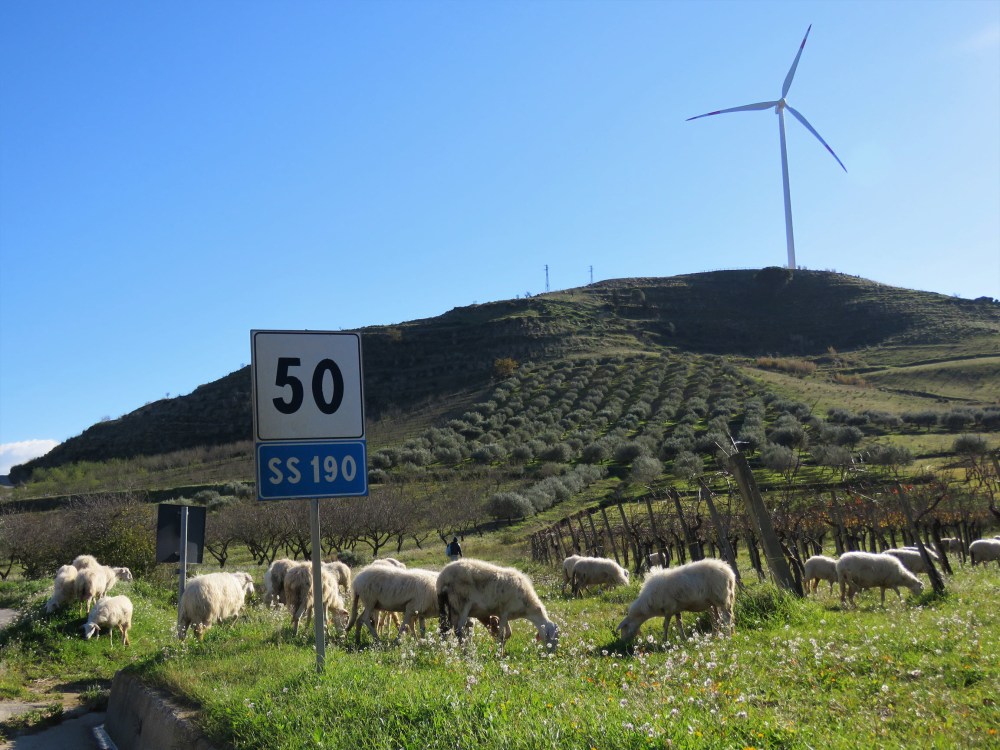
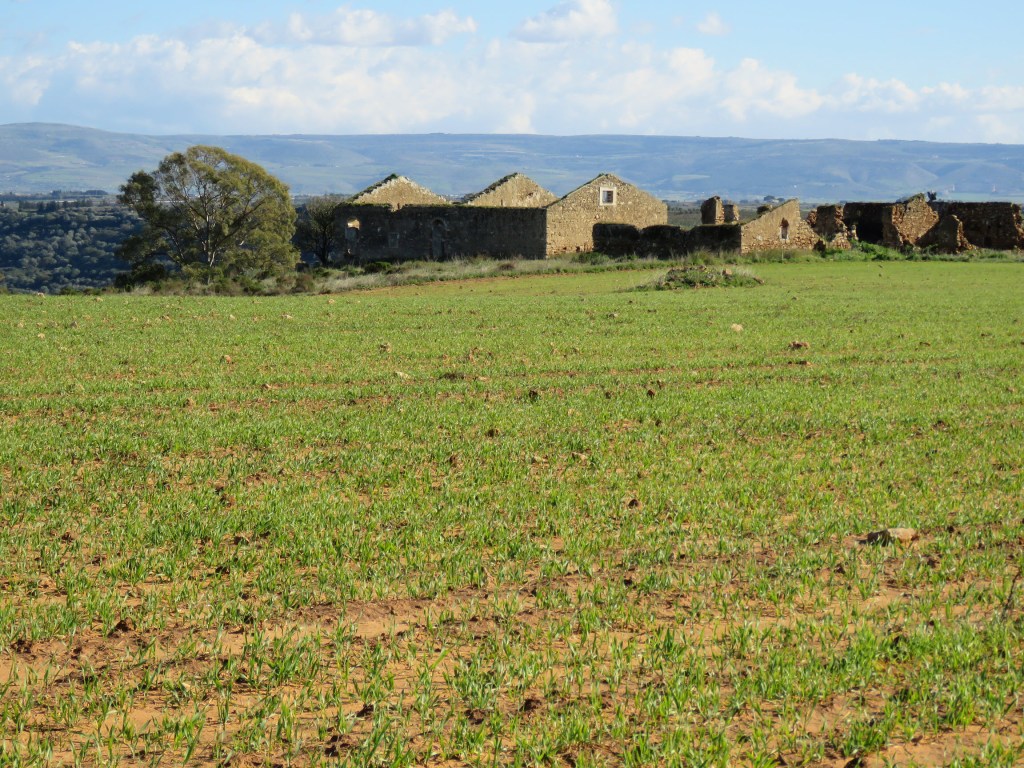
Near the mountain tops, sudden stops are necessary but not that hard to do on the uphill, as you might be enveloped by a herd of cattle or sheep, both announced by large bells draped around the neck. The sheepdogs are quite capable. With sheep you won’t necessarily see the herder, who is chatting away on his cellphone. Cattlemen are different, noisy, arms spread wide to appear big and seemingly present a roadblock to the steer that is teetering as it ponders him. The soil is rocky, the earth very red in color, the (one of a bazillion) farmhouse ruins usually markers on large open plateaus.


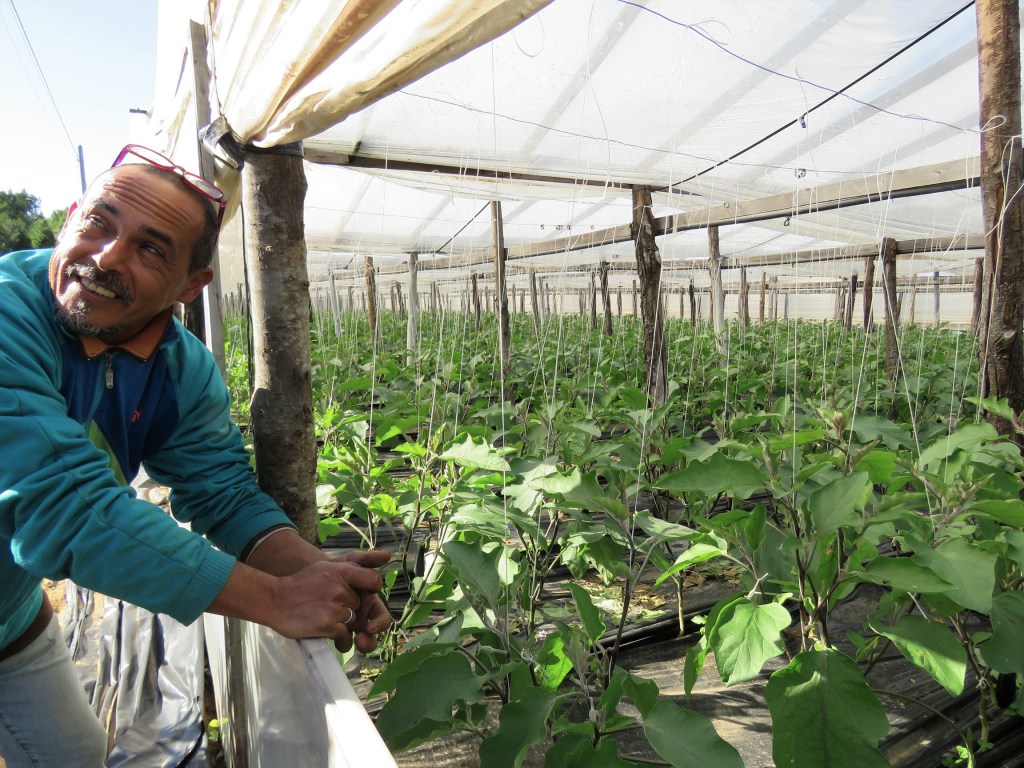
Massive monocrop agriculture under miles and miles of semi-clear plastic, this being eggplant

Downland, the still-monoculture ground covers are lush shades of green over tidal waves of rolling hills, with tractors heeled over and chugging along, even on Sundays. Olive and fruit trees are grandchildren festooned before the way-back farmhouses, some enormous from a dozen expansions, most in hollow ruins of both buildings and farm walls, stone walls several feet thick. Orange trees are positively dripping with the most luscious oranges you’ve ever tasted.

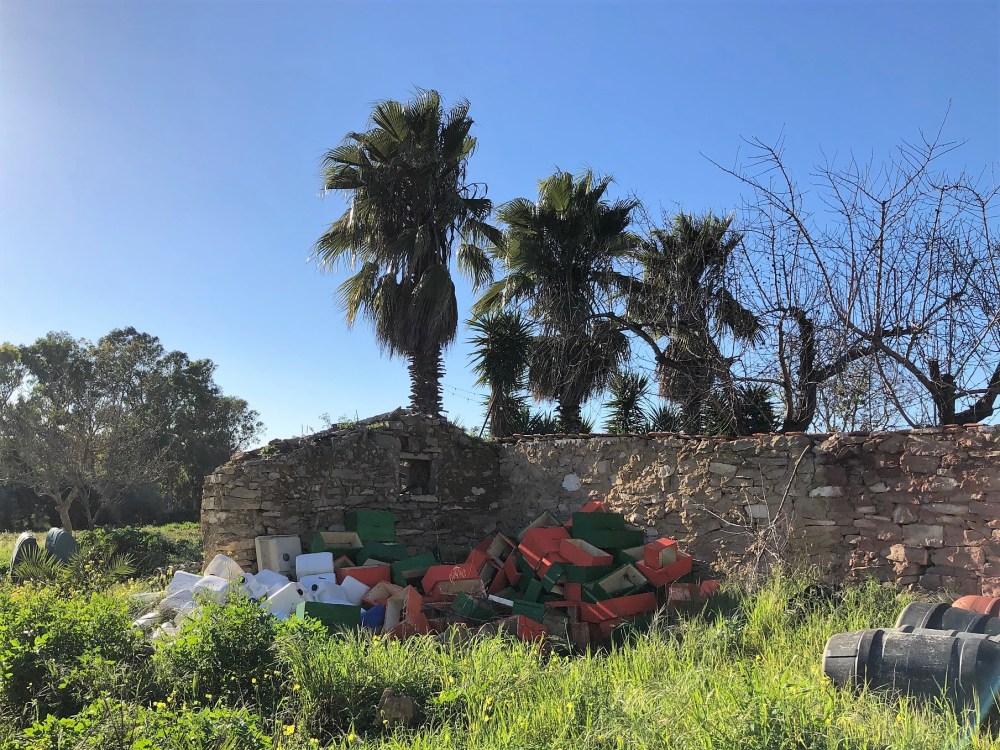
In the south, the contrast is stark: rugged construction with squat old trees in the foreground, and rows and rows of greyish razor-thin plastic “greenhouses” over PVC pipe arches. Not quite a moonscape but an otherworldly mechanized landscape nonetheless. Coupled with the senseless, mostly plastic trash at the sides of many roadways, it can bring a charged tear to the eye. The land and its people fight a kind of poverty that is too fast becoming acceptable. Or, if the land has always been taken for granted, the views—both seen and internal—of some of us foreigners is just catching up to that fact. The unkemptness of the place has always been a part of Italy’s charm; somehow we do not allow the modern convenience of a non-traditional material to be a part of that picture. 

Sicily up and down is a very large place, very rural, very farmed, the very first greenhoused fruits of its labor reaching Europe before other places have even planted. Buy your inexpensive, fresh and tasty food often—it’s ripe and ready to eat now and passed over in a few days. 

COLD, OLD, GOLD 

Tasha and are now unused to mid-range temperatures. Like the unbearable cold I felt in damp Virginia, old buildings made of stone hold their cold just like they can hold their heat—a long, long time. This being the off-season, B&B owners are not in the habit of keeping rooms warm, so we have spent hours reading aloud in bed Beautiful Ruins by Jess Walter to transport ourselves elsewhere to warm up. For the third time, we arrived and the owner, showing us around, said simply nessun riscaldamento—no heat. A pale cloud comes over you, like when we’d arrive at some places in the mid-afternoon, mid-siesta, when most shops and restaurants are closed. We realize we are either out of step or out of time: purposefully positioned ghosts that, if the shells of the buildings can see us, don’t acknowledge the same.

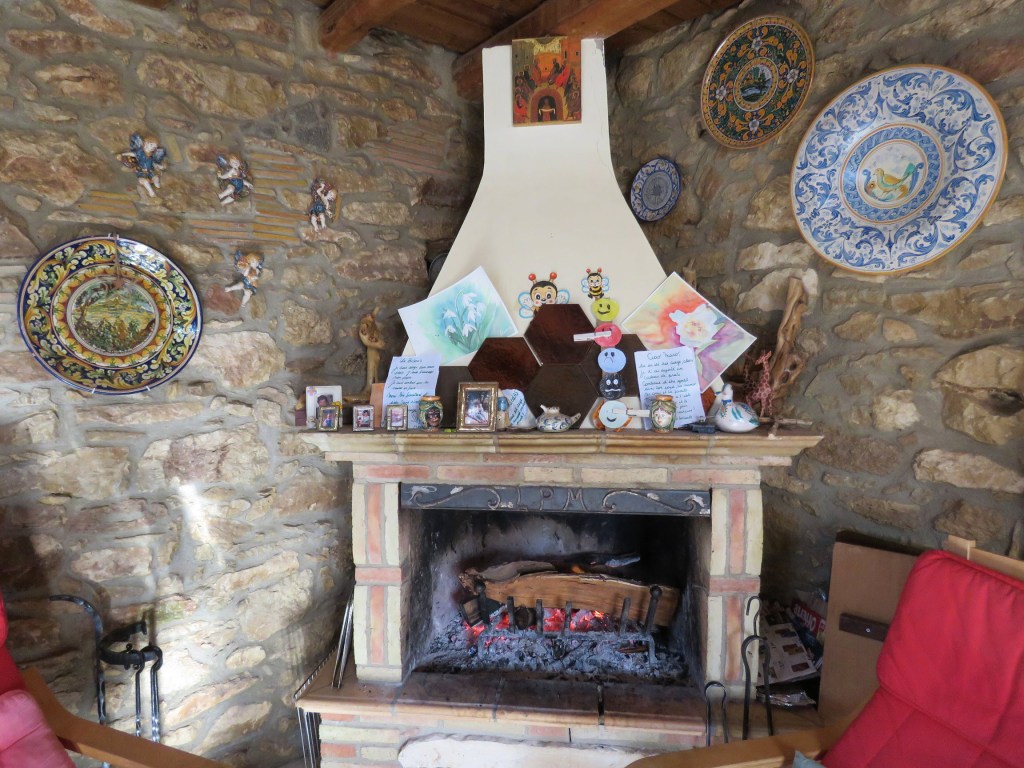
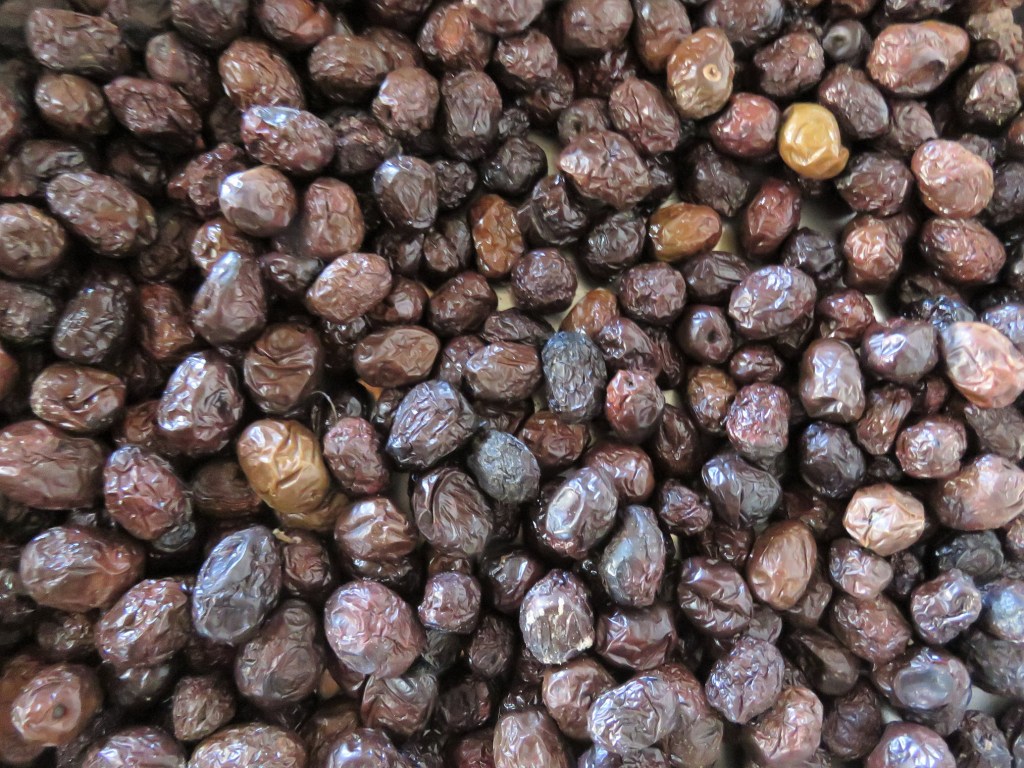
We leave the centers then and head for the woods, to refresh and connect with nature, as suggested to us by our host, Nicolo lo Piccolo: farmer, beekeeper, former president of the association of independent organic famers in Sicily, and an all-around outstanding guy. When we returned from Caltagirone that evening, finding only a small Sicilian street food vendor open, he asks, Havete mangiato?, at which point he prepares a homemade meal and offers us his recently cured olives and wine, and we managed to spend a couple of hours conversing in his broken English and our broken Italian.

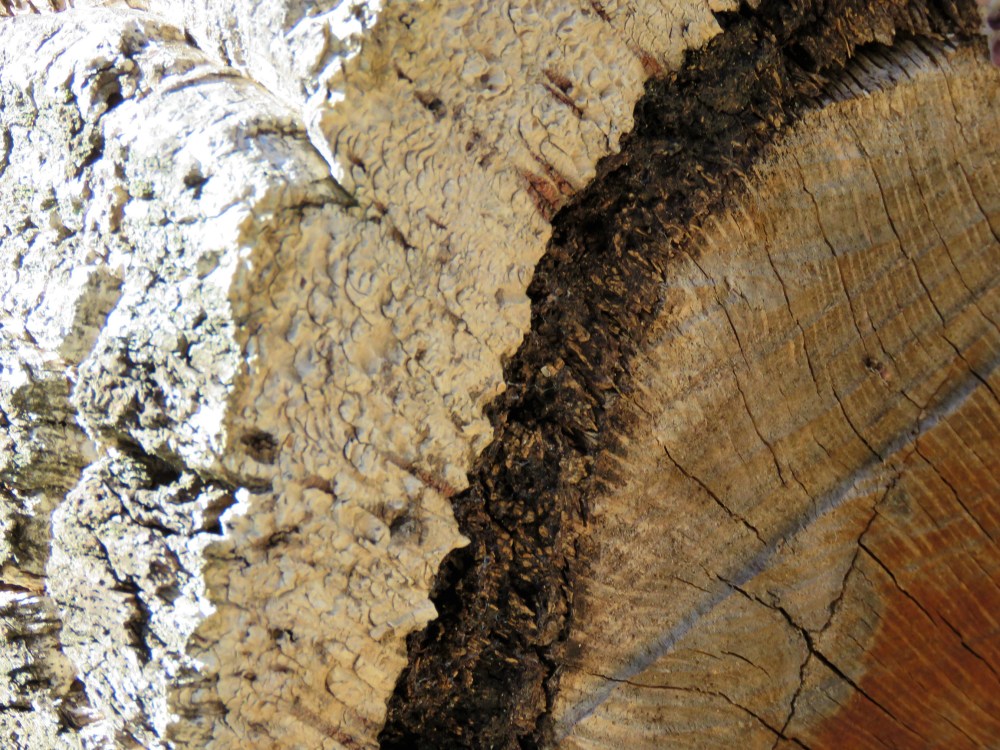
The next day, he suggests a hike where we find one of the islands largest cork trees, cork unexpectedly being just the unbelievably thick outer bark with no obvious place for nutrients to flow, whereas the insides are dense and hard. 

BEAUTIFUL RUINS

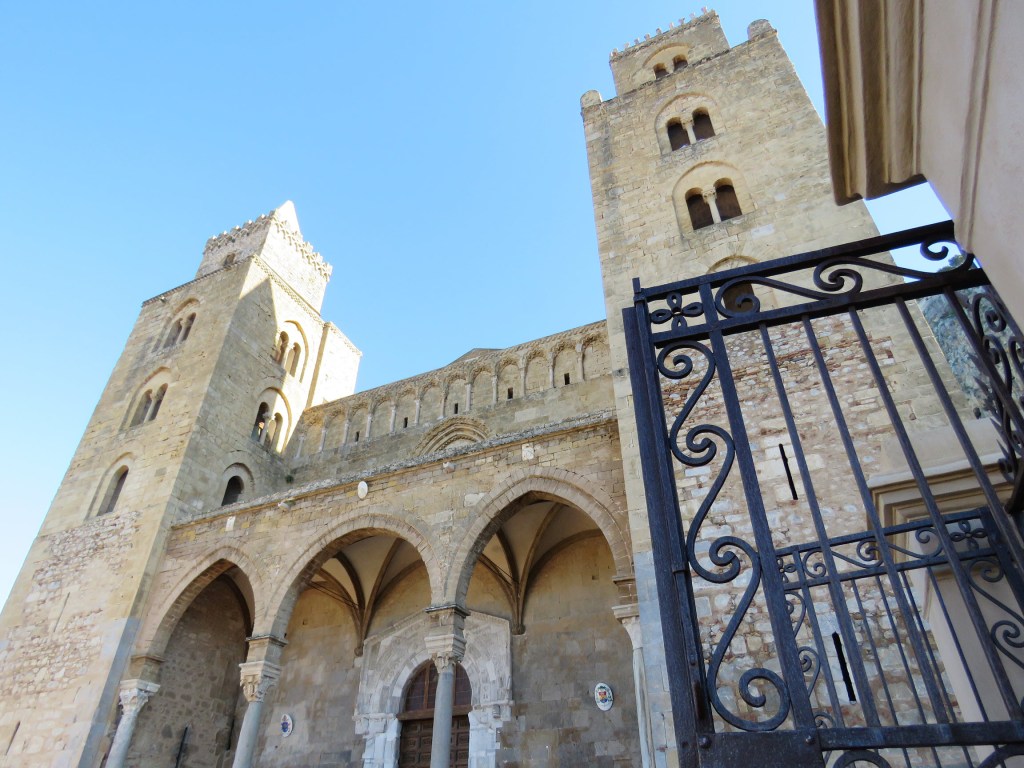
We drive four hours on windy mountainous roads to the northern seaside town of Cefalu known for its high rock fortress looming over the city and its Norman Cathedral. Unfortunately, although it was only 11:30, we were unable to ascend as it would have taken us an hour, and of course, they close at 1:30 for siesta! Walking a kilometer from our car to our AirB&B in the center of the old city was unexpected, as was the three hours it took to warm the place up. We did have a wonderful seaside meal adjacent to an ancient aqueduct before leaving the next day for the south coast.

Our last stop is the Valley of the Temples in Agrigento, site of the best preserved Greek temples in the Mediterranean. And this being a nonlinear story, we speculate on what carries forward in time from those massive monuments, designed by architects and built by tens of thousands of slaves, perched on hilltops overlooking the sea. No longer a fortress city protecting its 200,000 inhabitants, 20,000 of them citizens, from attacking armies—Cartheginians, Selinuntines  Romans, Normans—(who can keep track?) but today a tourist attraction inspiring awe at the sheer size of these massive temples to Zeus (at 370’x184’x65’ feet, it is the largest temple ever built), Concordia (counted as one of the best preserved temples in the world, precisely because it was later converted into a Christian church), and Hercules (of unusually elongated proportions). How did they move those massive blocks of sandstone up to the top of all those Doric columns? We learn they carved u-shaped grooves in each stone which they hoisted up with pullies. Well done boys! And today we wonder, why? A monument to god that nobody can go into? The sheer size of these monuments bespeaks none other than the power of those built it and as a corollary, the lack of power of those who are beholden to those who did, demarcating once again, the haves and have nots. Not much has changed, eh?

Unluckily, the cold snap coincided with a bug Tasha caught (no, it’s not COVID as we were both tested the day we returned), and we’ve spent a week lying low back in the warmth of Cascade II here at Marina di Ragusa. This gave us time to savor in big chunks and linger over the wonderful, slowly-built ending of Beautiful Ruins, as well as watching ongoing episodes of Montalbano, an Italian detective series from the late 90’s, in Italian with subtitles, much of which takes place just up the coast in Punta Secca, which we visited in the last blog.

Next time, we should be writing from Syracuse, an eight hour sail up the coast! Until then, Happy New Year!

CASCADE II S2:E2

Dec 15, 2021

We’ve been in Marina di Ragusa, Italy now for two weeks and are getting used to the rhythm of living on a boat in the Mediterranean as opposed to Maine. Not that much different really—well, except, um, the language, the food, the scenery, the marina, and the weather! Yeah, ok, that’s a lot!

Needless to say, the weather is a lot warmer, although perhaps not as warm as you might think. The first week we were here, there was a steady stretch of howling winds and rain with gusts to 40+ knots, and it routinely blows in the 20s. We’ve also had plenty of warm, sunny days reminiscent of spring and fall. Most of the time we wear jackets, but the wind is pleasant, and the rain usually doesn’t last long…except when it does. We run a heater on the boat most of the time, but just to take off the chill. And sometimes—ok once—we wore shorts!

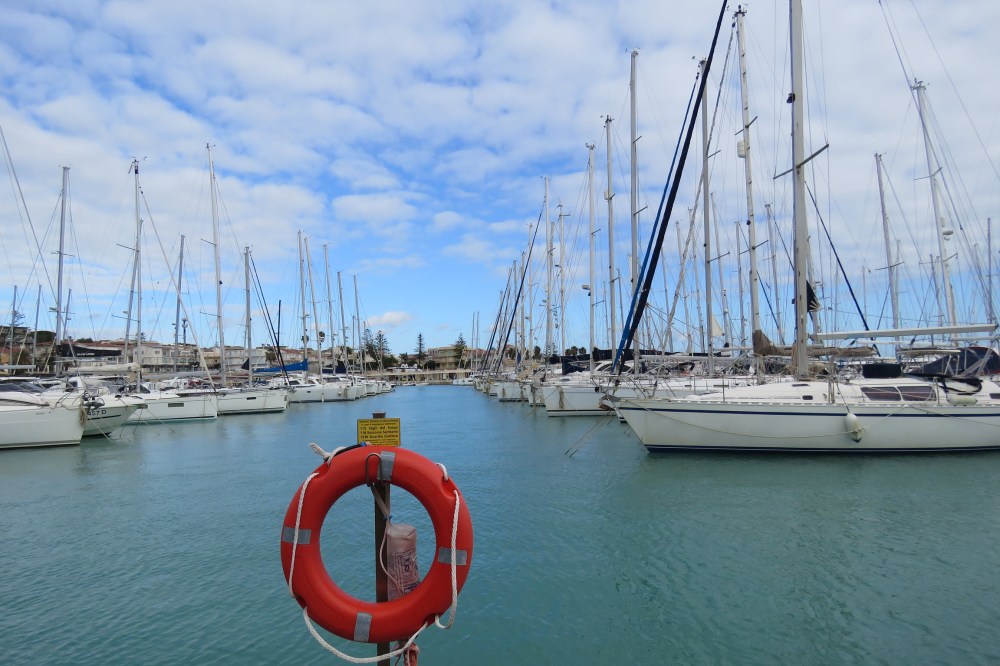
The marina is huge, one of the largest in the Mediterranean with 800 slips and boats from all over Europe, mostly sailboats. There are many live-aboard boats, usually couples, a number of them with kids. We’ve met a French couple with a teenage son, a young Belgian-Dutch couple who plan to sail in the Volvo 60 around-the-world race, a Swedish couple who made their way here through the French canals, an Italian guy married to a Thai woman, several British couples, and an Austrian single-hander on his way to Fiji.

The first day we arrived, there was a holiday party on the dock for all the live-aboards where we heard many languages spoken. There was plenty of food from local restaurants, and we even had a visit from Santa, who made balloon toys for all the kids, including my half-brother Tyler and Anelise’s kids, Costa and Birdie Bay.

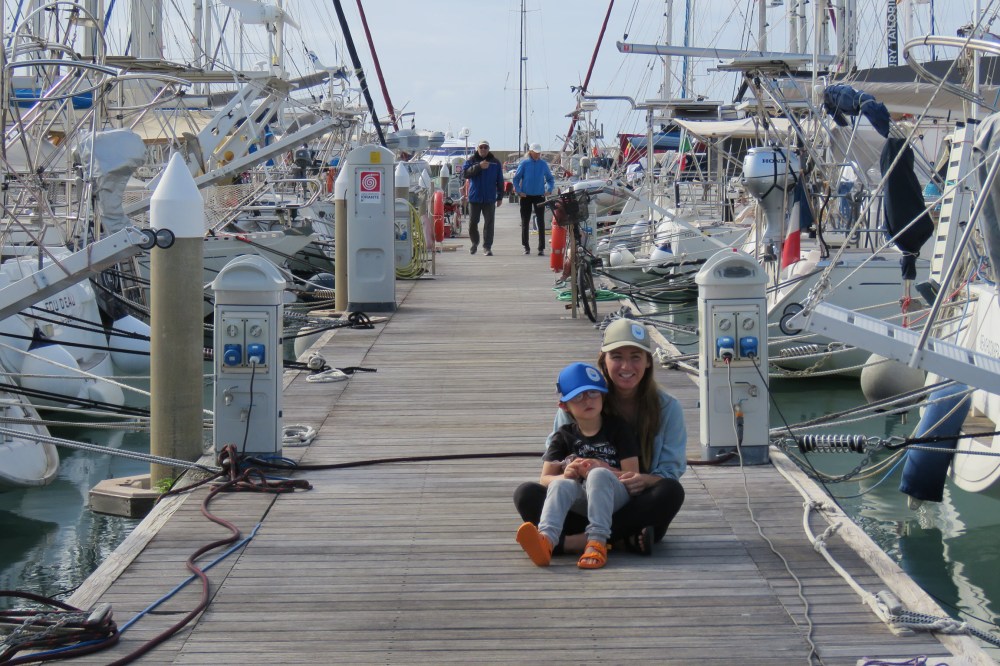
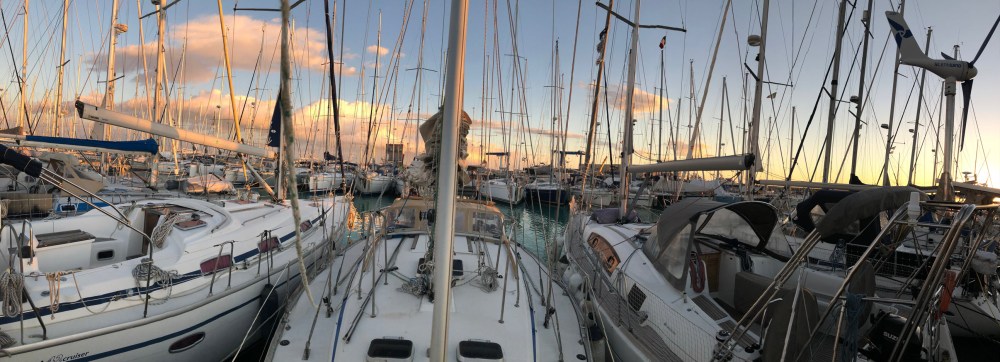
The marina docks are super-wide, and you often see kids racing down on their scooters. There are no finger piers; instead, the boats are tied up stern-to the dock, with two heavy anchors off the bow to hold the boats perpendicular to the dock. The boats are tightly packed together with only fenders separating each boat. It’s quite a system and very common in Europe, allowing you to squeeze in many more boats; think sardine can and you’ll be close.

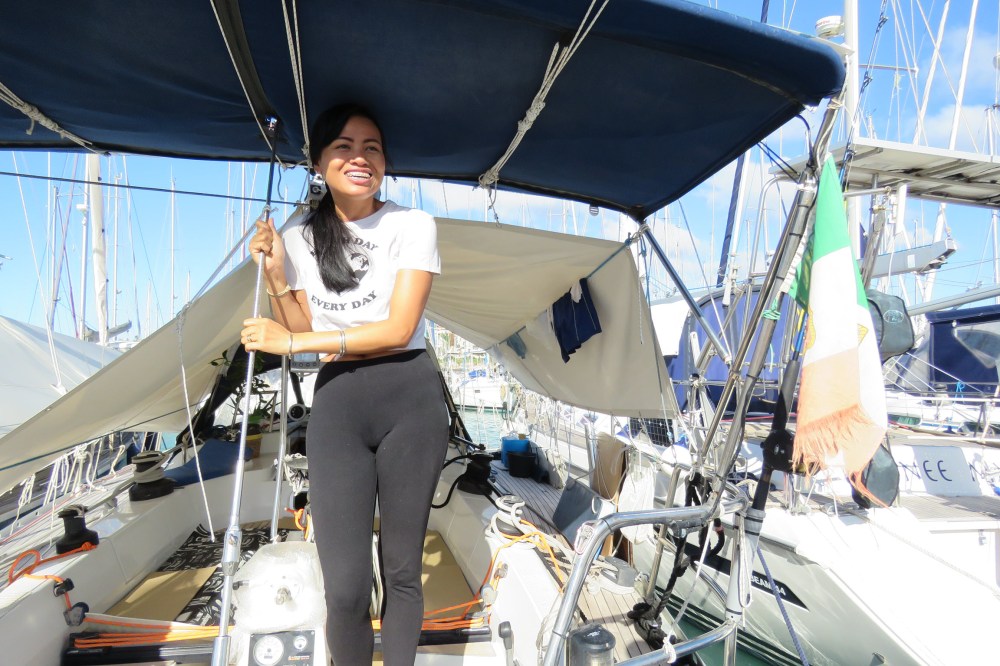
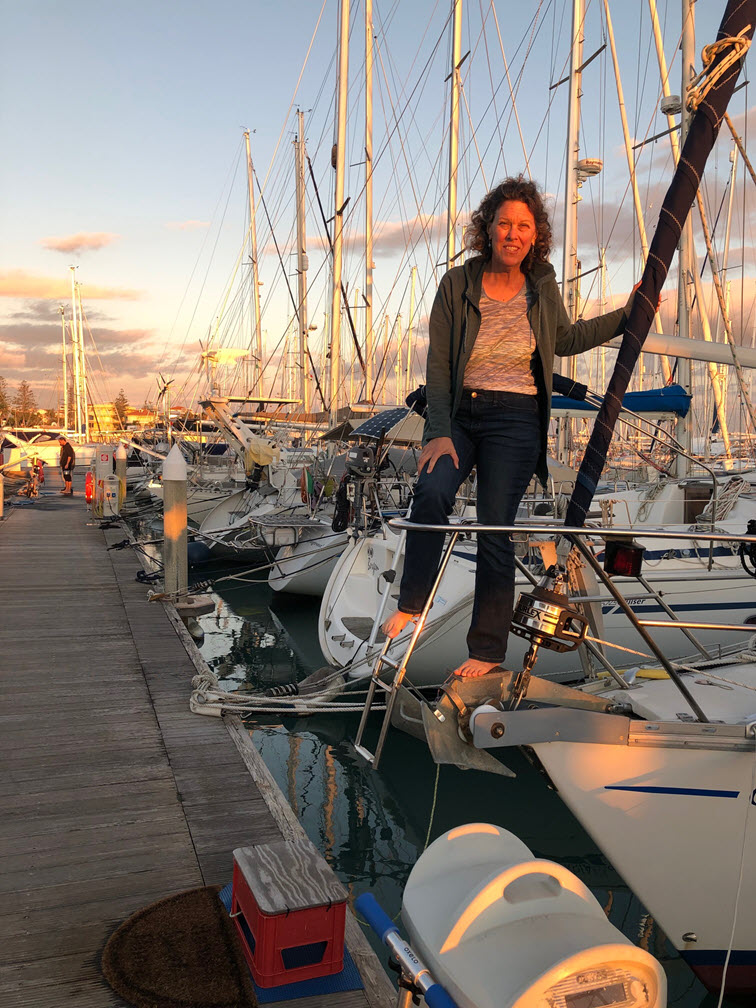
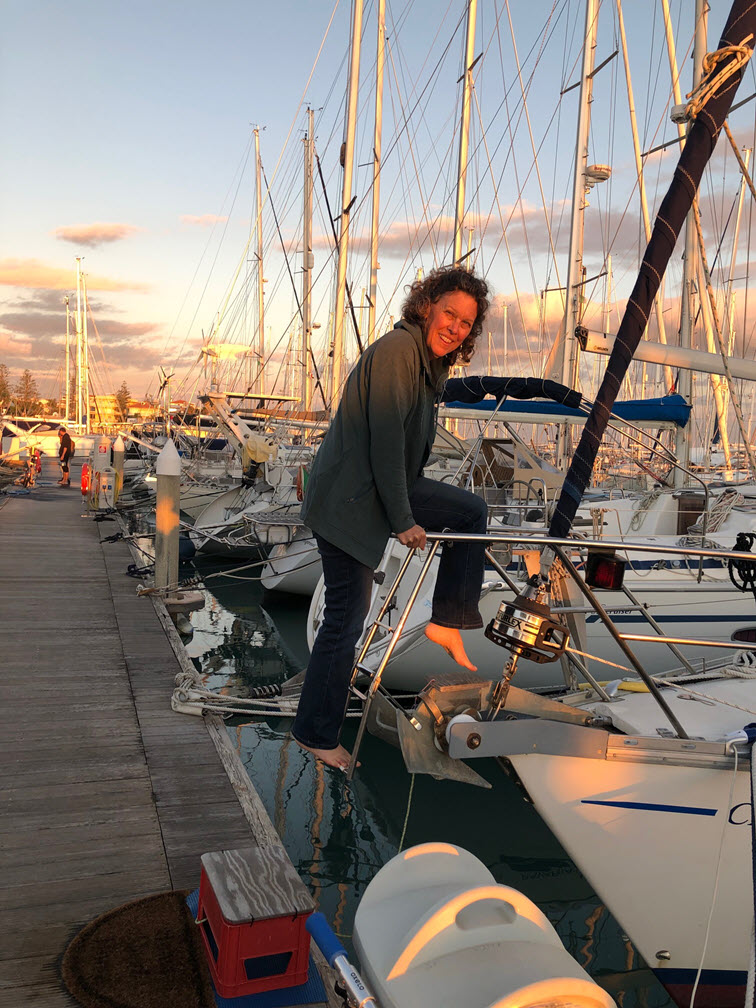
Cascade II is the one exception in that we are tied bow-to, which means that instead of getting onboard from the transom like other boats, we climb over the bow. Why, you might ask? It’s a hold-over from Dad & Nancy since they felt it allowed for more privacy, which it does. It also means more gymnastics getting on and off the boat.

The boat is extremely comfortable with two aft cabins, a large galley, v-berth, and salon. It has everything you’d want for a live-aboard, distance cruising boat, including myriad custom touches created by my Dad & Nancy over their years of sailing.

Dad & Nancy have been living aboard Cascade II and Cascade, their C&C 36, since 1998 and have cruised extensively in the Caribbean, Mediterranean, Agean, and Azores, until two years ago when they bought a Grand Banks 36, a motorboat of the first order. Given their ages, 83 and 85, they crossed over to the other side when they realized they were no longer up to doing much sailing. Click the link below to see the book they wrote of their travels.

The Wanderings of sv Cascade

APTA, Dad & Nancy’s boat, sits just across the dock from us, so it’s easy to visit. Although we are on pretty different schedules, we manage to overlap with them and share meals, which has been very nice as my Dad is a great cook. One day we biked to the farmer’s market and brought back 5 kilos (11 lbs) of mussels, “de-bearded” them, and then brought them over for wonderful meal. Yesterday we invited them over for a meal in the cockpit in the warm sun.

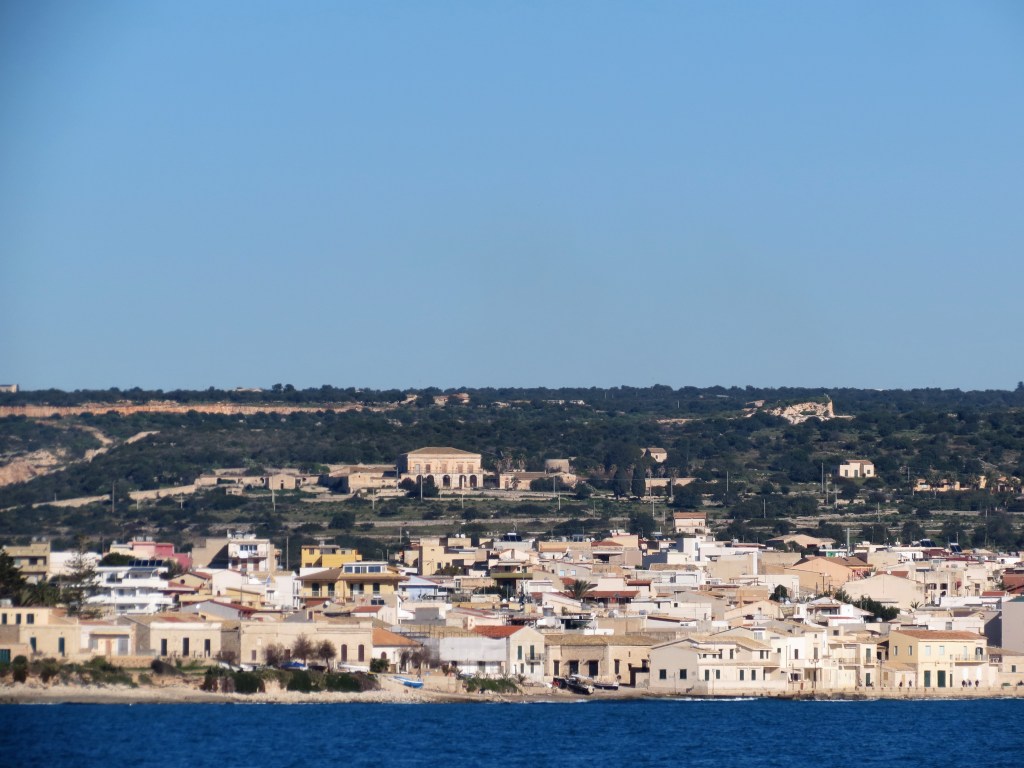
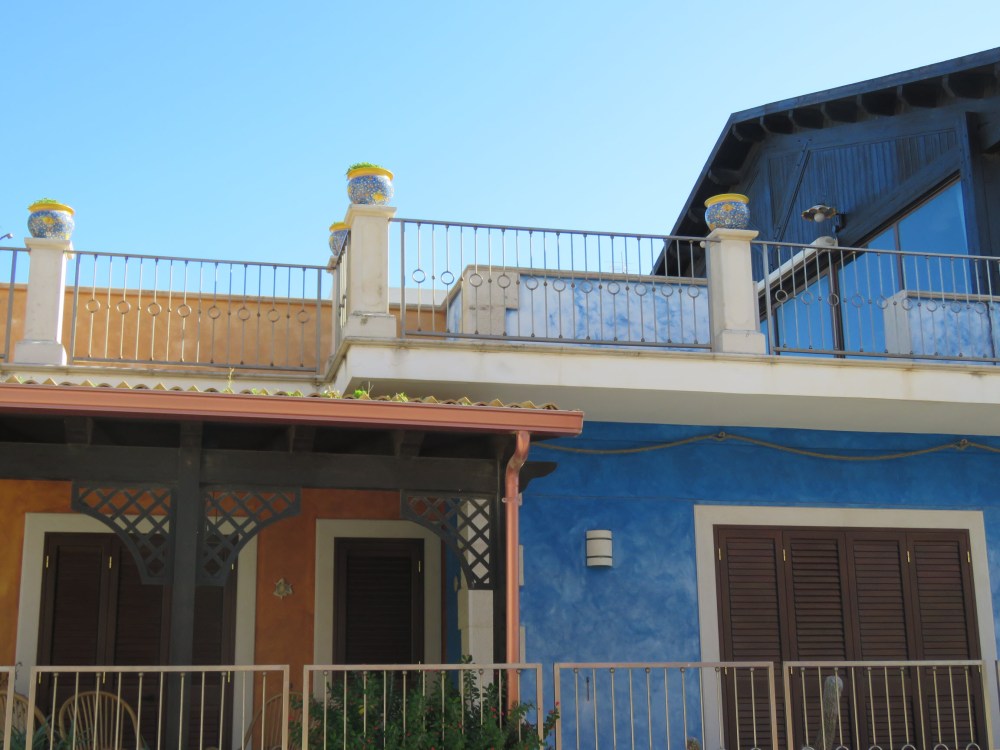
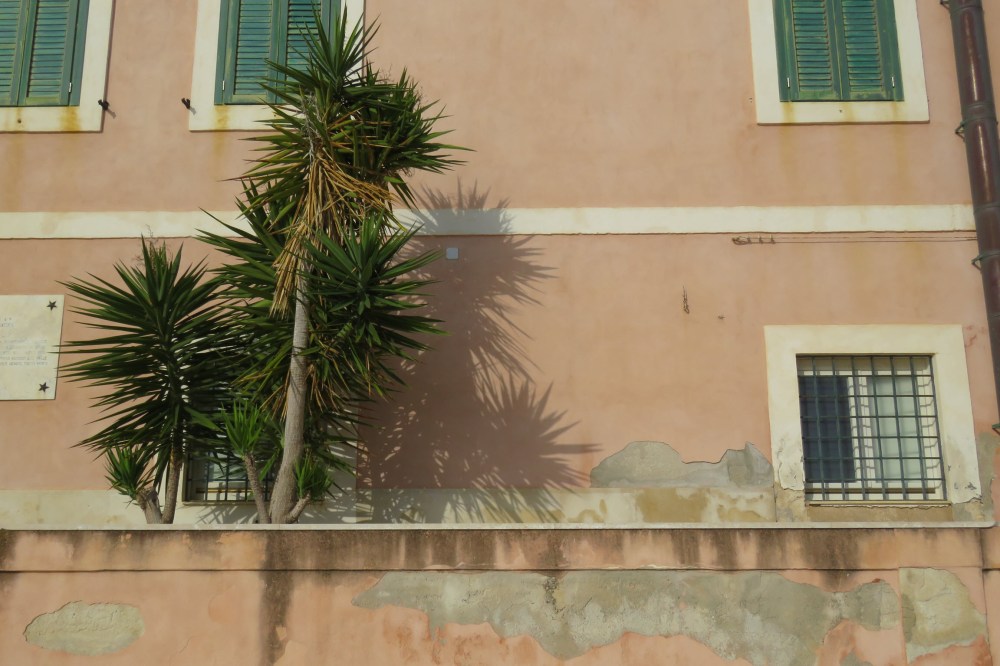
Unlike a quaint hilltop town with outdoor dining in an ancient stone-walled piazzette that you might think of when you think of Italy, Marina di Ragussa is a modern, concrete summer European destination. Most of the houses have clean lines and are covered in stucco. Some of the larger homes along the water even have small yards, giving it an almost suburban feel.

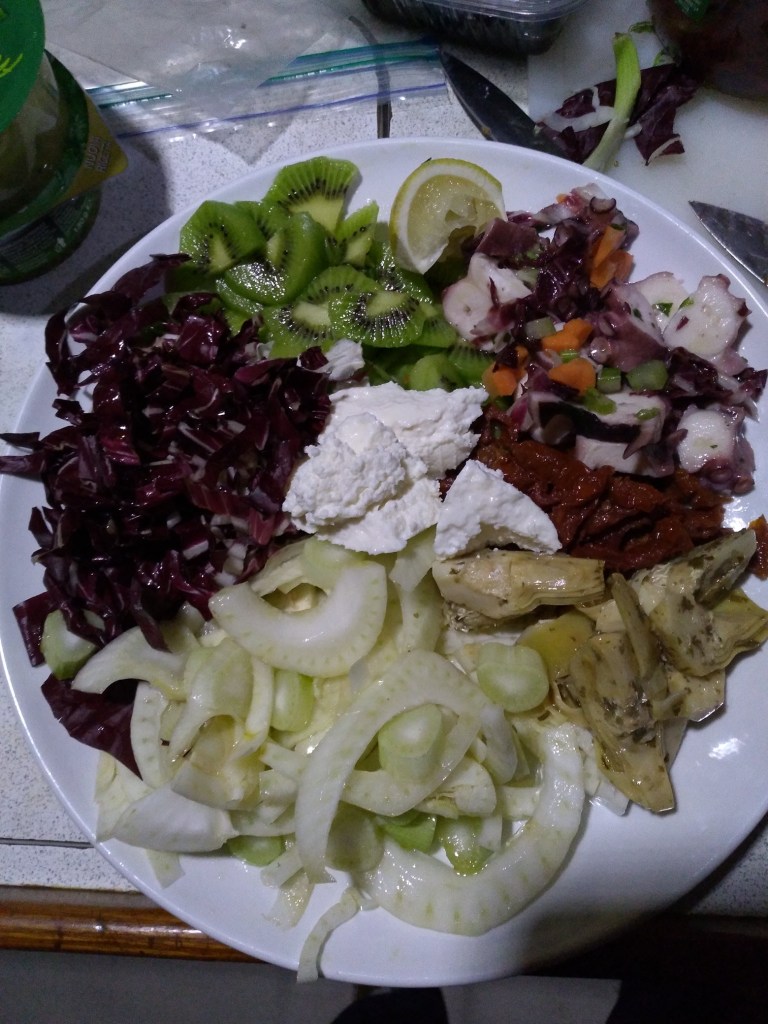
The grocery store is a 15-minute walk or five-minute bike ride and has great food at low prices. There is of course lots of pasta of all sizes, as well as an abundance of fresh, local fruits and vegetables. Some of the highlights for us have been the huge liter jars of artichoke hearts and sundried tomatoes for just under five dollars, gorgeous fennel bulb and basket of kiwis for a dollar, fresh ricotta, and local sausage. One evening we accompanied a woman at the marina to a small outdoor market where people order organic produce, where we bought fresh arugula, Sicilian mustard greens, mushrooms, and whole wheat bread. And the Tuesday farmer’s market is abundant with local delicacies.

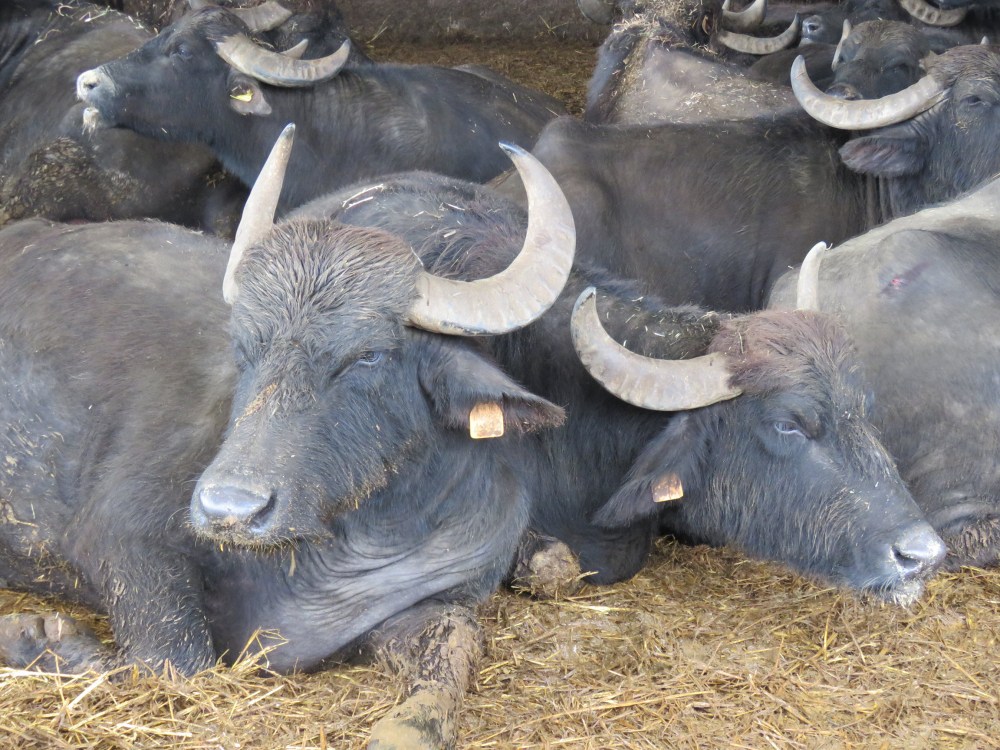
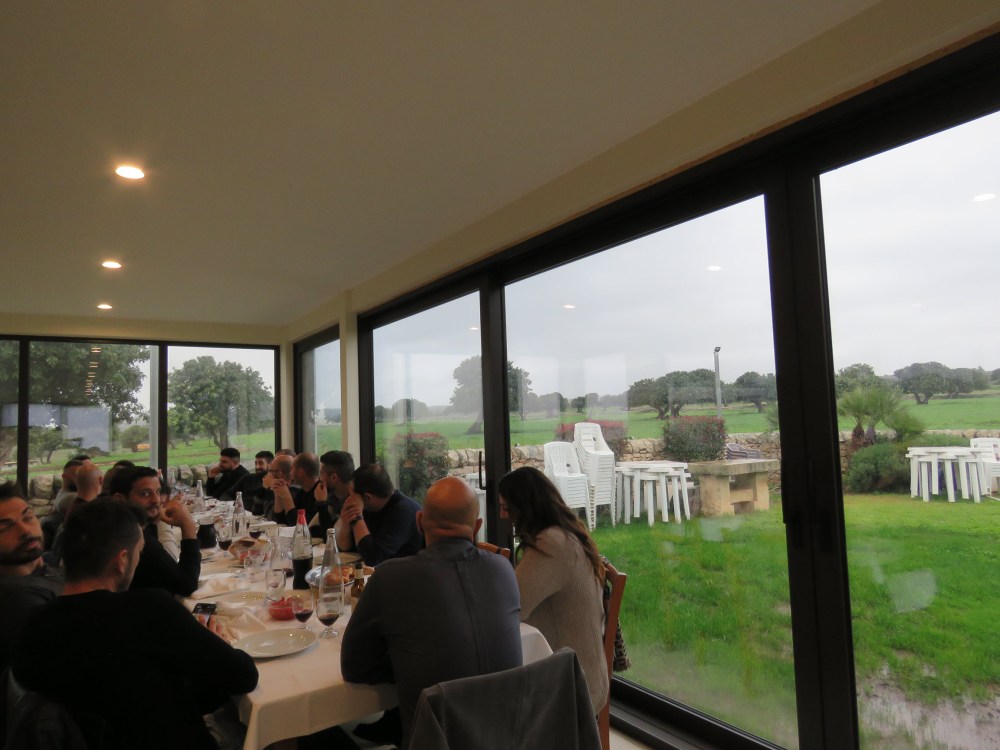
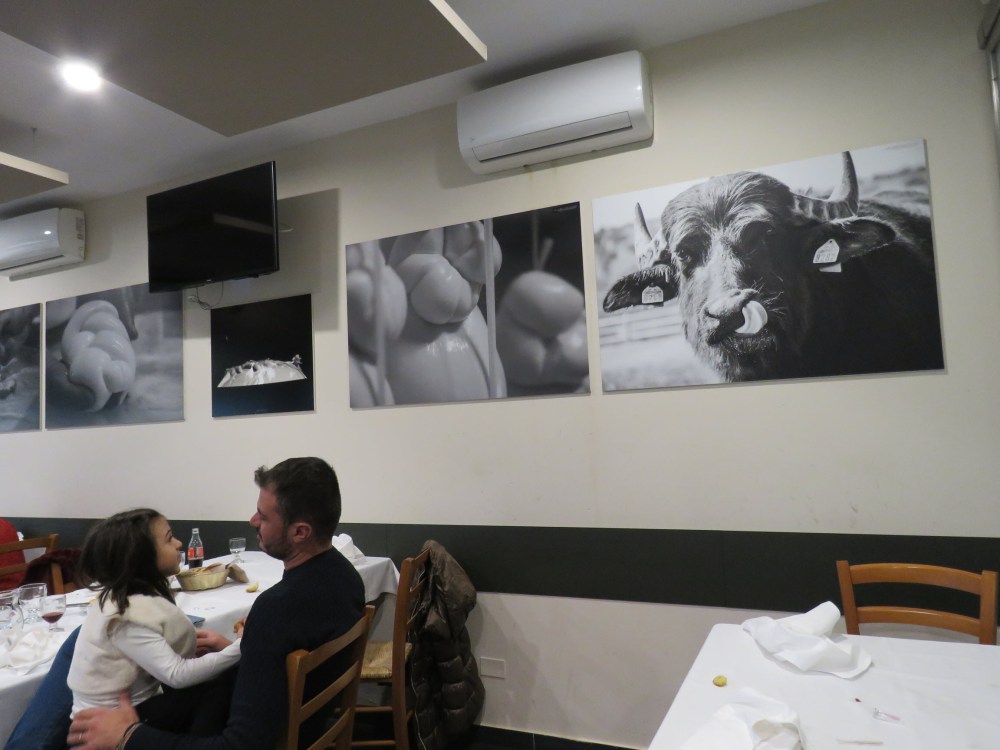
One of our first nights here, we went to a wonderful restaurant and had marinated octopus, grilled fish, and ravioli stuffed with fish topped with shrimp. Another day we went to an agriturismo 15 minutes from the marina where we feasted on a sumptuous meal with everything made from buffalo—mozzarella, burrata (similar to mozzarella but with a creamy inside), salami, steak, and stew, along with fresh tomatoes, pizza, focaccia, and cannoli. Thankfully we were able to take home some leftovers!

Another night we ate an authentic Thai meal at one of the marina restaurants prepared by the Thai woman mentioned above. The cappuccino is great, but the hot chocolate is even better, so thick you have to eat it with a spoon. Will has been harnessing his urge to have a gelato every day, but the double dark chocolate was outstanding. And on Sundays, the enterprising young French boy mentioned above delivers fresh croissants directly to the boat! Yes, the food really is great in Italy, including what we make ourselves given all the wonderful ingredients.

The main piazza is a short walk away and has a number of restaurants and bars, many of which are closed during the winter. This is definitely a tourist town with many houses empty during the off-season, so it feels a little like a ghost town. That said, on warm days there are still plenty of people about, including people kite surfing and, the newest fad, wing foil surfing.
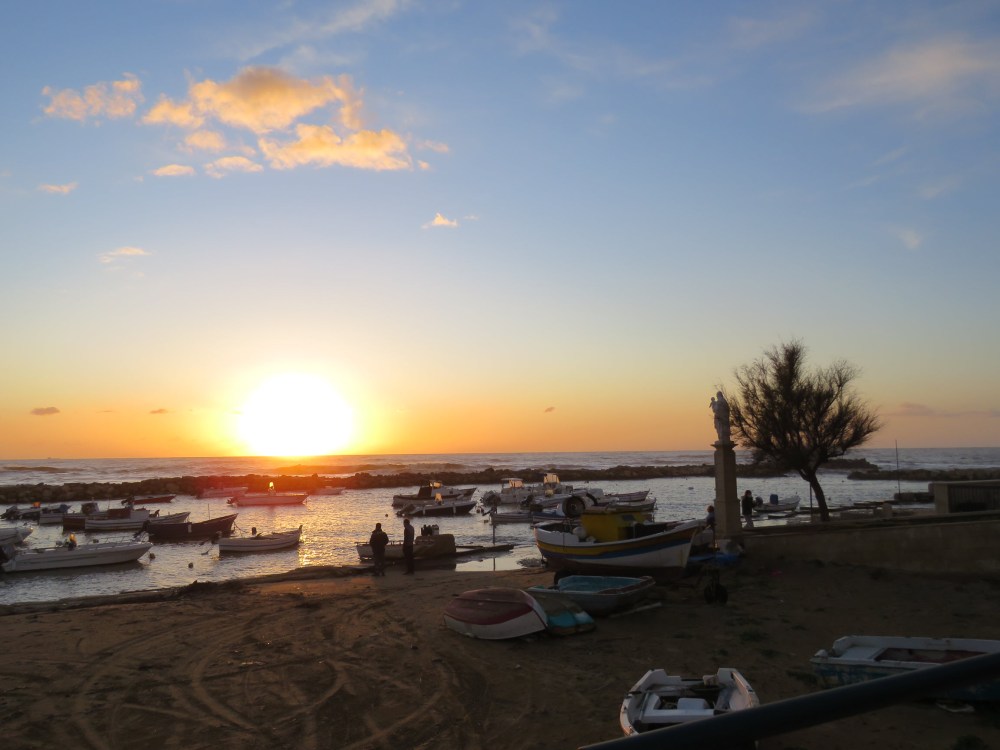
There are beautiful beaches plus miles of walking and biking paths that extend in both directions. The marina office, laundry, and showers, along with a number of restaurants and bars, are all a short walk along the water. And today we brought a speaker and music down to the beach and danced, and then took a quick dip in the Mediterranean!

On Sunday mornings right at the marina gate is a fishing competition to see who can catch the most fish from the cement wall. These men had the most elaborate gear for what seemed like a very docile “sport.”

One day we biked to Punta Secca, a quaint town with a light house where people were gathering on a Sunday afternoon. We were proud of ourselves that we were able to hold a reasonably comprehensible conversation with an old man who wanted to tell us all about fishing.

Another day we took the bus to Santa Croce just inland where we watched kids of all ages arrive for school.

After the heavy rains and winds passed, we decided to take the boat out for a sail. Mostly we were chasing the wind, but for about an hour, the wind came up to 10-15 knots and we took off at 8 knots! It was a nice gentle day to try out the boat for the first time. Navigating in and out of the “slip” was challenging, but with the help of the marina staff nudging the bow around, we made it without any problems. It sure was fun sailing in the middle of December! We plan to sail to Syracuse in January for a month for a change of scenery, so it was good to learn the ropes on a new boat.

Click the link below to see a video captured by someone from the marina, also out for a sail.

Cascade II Out for a Sail

We had the good fortune to overlap with Tyler, now owner of sv Cascade II, and his family. We romped around on the beach, danced with solar lights at the AirBnB where we stayed when Tyler was here, celebrated my birthday, and generally enjoyed being kids with them. They had just spent the past two months living aboard the boat in Siracussa and Marina di Ragussa, with trips to the north when the fierce storms came. We were so delighted to hang out if only briefly, and so very grateful that they are willing to share the boat with family.

Soon we will rent a car for a week for a mere $2/day and do some exploring beyond the local area and get more of a feel for Sicily. Until the next installment, arrivederci!