Let me stop using words to communicate but rather images of nature as seen through these eyes on a late December day on a path through the woods by a pond where the interconnectedness of all things is a play— no audience no rehearsal no words— lichen finding its home on the bark of a tree roots descending into earth in a mighty gesture of contact decaying leaves once nascent buds comingling in the descent teaching impermanence emptiness creating the mere concept of “leaf” as they arise from conditions and pass away in their own time a droplet of rain clinging to a tiny red orb poised for letting go like a tear.
Our journey south has begun—sort of—which is why we’re still in Season 3. After a three-day sail back to South Portland from Down East and a week of preparation, we left familiar waters and sailed five days south to Warren, RI, where we’ve been since Labor Day. We’ve been in the expert hands of Paul Dennis, the Freedom Whisperer, who has been working with us to repair and upgrade sv NIRVANA, the vessel that cradles and carries us into worlds unknown—The Big Adventure!
* * *
It was the end of August and time to think about heading back to South Portland in order to be in Rhode Island the first week of September, which we’d lined up with Paul back in March. Before heading west, we decided to head east again from Swan’s Island to Frenchboro, a sweet island that was one of our favorites on our cruise last year. It being such a small island, we encountered a number of the same people we met last year. John, the coffee roaster from Michigan spends summers on the island with his family and delivers Lobster Love coffee to boats on his paddle board. One afternoon, we watched his son and friends jumping from the ferry dock! The island has a ferry that comes only four times a week, has no grocery store, and is largely preservation land, thanks to the foresight of people who care. The Island Market on neighboring Swans’ Island delivers food when needed, which is quite a service. We enjoyed a long hike to the far side of the island where we climbed the large rock isthmus with Mount Desert Island in the distance. One more overnight in Burnt Coat Harbor on Swan’s allowed us to visit the swimming quarry and get a few more Jonah crabs before heading back.
Frenchboro
Burnt Coat Harbor, Swan’s Island
Sea gull walking on water
We left in dense fog for Monhegan, 46 miles to the southwest, motoring most of the way until the wind finally picked up, allowing us to sail the last hour or so. It was raining when we arrived, but we had the foresight to call ahead for a reservation at The Island Inn and had a fabulous meal peering out the window at our boat in the harbor. Leaving Monhegan, we checked our fuel to discover we had 1/8-1/16th of a tank, whereupon we immediately shut down the engine. When we left Swan’s, we were down to about a half a tank, but as the winds were predicted to be favorable for the next two days, Will wanted to hold off filling our tanks until we got back to Portland where he had a certificate for free fuel. That decision had us heading eight miles out of the way in very light winds toward the nearest fuel dock…until the wind picked up and we said, this is after all a sailboat, let’s just sail! It was truly a change of perspective, as we ambled along at 2-3 knots, half the speed we needed in order to make it back to Portland that night, as planned.
The Island Inn, Monhegan
The Monhegan mail boat
A classic Monhegan skiff
Dinner at the Island Inn with Nirvana in the background
Eating lunch in the fog while “Ray” steers; note the fog horn
We had a guest aboard
And so plans changed, and we decided instead on an overnight at Seguin Island, where we tacked upwind for the last hour, running the engine for a brief five minutes to pick up a mooring. The next day, we set off toward our home port, the winds teasing us all day as we sailed between 2 and 4 knots past Casco Bay. All the while, we were remembered the book we read, Penelope Down East, about sailing the coast of Maine in an engineless catboat. We were both grateful for our engine, as well as for the opportunity to do something we hadn’t set out to do, namely have the experience of getting from A to B without the use of our engine. The story could have had a romantic ending whereby we sailed into Portland Harbor, starting the engine only as we pulled up to the fuel dock. However, approaching Cushing Island as dark descended, sailing less than two knots, a severe thunderstorm was predicted and we broke down and called Sea Tow. We were hoping they would simply deliver us some diesel but that would have taken more time, so instead—I hate to admit this—we were towed into the harbor and up to the fuel dock! Well, the storm passed by us and the wind picked up, and as it turns out, we had about three gallons left in the tank. We chocked it all up to experience and motored to our cozy dock under the Casco Bay bridge in South Portland as night fell, relieved to be back.
Needless to say, the experience sparked a lot of conversation between us. From my perspective, I was initially focused on the “lessons learned” to “avoid” the experience in the future: 1) carry spare diesel, 2) keep the tank topped off, and 3) in addition to keeping track of our daily engine hours, keep a running total so we know how many hours we’ve run at all times. From Will’s perspective, he was initially grateful for the opportunity to experience something we might not otherwise have experienced, not something to be “avoided.” The next day, I approached his perspective and he approached mine, so eventually we arrived together, appreciating the communication it engendered between us, as well as the “learnings.”
* * *
The next week saw us schlepping stuff on and off the boat, driving back and forth between my house, the boat, the hardware store, and the grocery store, countless times. One of the keys to living on a boat is having only what you need, while at the same time, having everything you might need or want, all within the confines of 36’. We sorted through books and clothes, stocked up on some favorite food items, and brought along, among other things, the water maker Will had been storing in the basement in case we might want to install it one day. We replaced our mattress with new foam and in so doing, were able to pass along our somewhat worn but still usable thick foam mattress to our boat neighbor Rick, a lobsterman who has been fixing up his small sailboat and living aboard since the spring. To thank us, the next day he showed up with six hard shell lobsters, which we shared with friends and family over the next two days. Over the course of the week, we enjoyed watching many large boats come and go, always a fun pastime.
Our dock under the Casco Bay bridge, South Portland
The Spirit of Bermuda, a modern replica of a Bermuda sloop used as a sail training vessel
The tugs leads the way…
…for a huge oil tanker
Will tries out the rubber boots he found in the trash on Frenchboro
Yup, dry feet!
Lobster dinner at my cousin’s new house with my mother thanks to our dock neighbor
We visited our friend Alan who had just sold his boat and was getting rid of his chart books of the Bahamas, which he passed along with plenty of advice and stories. OK, this is getting more real by the day! Among the stories was how great it was to explore the islands on his folding bike. “Oh, is that something you want to sell?” “Sure,” he said, and on the spot, we decided to trade my electronic keyboard for two folding bikes in the precious space in our aft cabin, aka the “garage.” I had initially rejected the idea of bringing the single folding bike Will already had, but with two, this would add a whole new level to our exploration! Getting them on and off the boat in the dinghy will be the next challenge.
* * *
A bunch of farewells later and we were sailing out of Portland Harbor on Sept 1 bound for Rhode Island. We passed lighthouse after lighthouse, rounding Portland Head Light, heading in a new direction and unfamiliar waters—namely South! I couldn’t help feeling a bit overcome by the momentous journey we were embarking upon.
Our first destination was the historic Isle of Shoals, a lovely archipelago off the coast of Portsmouth, with half the islands in Maine and half in New Hampshire. On Day 2, we tried out our radial spinnaker for the first time to try and catch some speed but ended up motoring all the way to Cohasset in no wind—grateful for the engine, and fuel! Rounding Gloucester and seeing the Boston skyline in the distance was positively surreal.
Sunset at the Isle of Shoals
Isle of Shoals
Unitarian convention center on Star Island, Isle of Shoals
What a sunset
Historic church on Star Island
First time flying our radial spinnaker!
Rounding Gloucester Massachusetts
The Boston skyline!
Day 3 was another day of motoring along the Massachusetts coast to the Cape Cod Canal, where we arrived at precisely slack tide, as planned, and saw 8.5 knots as we approached Buzzards Bay as the current turned in our favor. Our overnight anchored off the beach in Woods Hole was delightful, including a fantastic meal at a local restaurant. On Day 4, the winds allowed us to mostly sail across Buzzards Bay to the Sakonnet River in Rhode Island, then a downwind leg up the river to an anchorage called Fogland. Rain was predicted for the next day but held off long enough for us to motor the last leg, under two bridges, past Bristol, to the head of the river to Warren River Boat Works, which would be our home for the next month. Forgive my redundancy, but I’m strangely fascinated by all the lighthouses along the coast, which have guided mariners for centuries, as well as the audacity and ingenuity of man to have engineered and built so many bridges that span so many bodies of water.
Cohasset, MA
Motoring under a mackerel sky
Entrance to the Cape Cod Canal
The first bridge in the canal
Most fixed bridges are 65′ to allow most boats to pass under
The railroad bridge over the Cape Cod Canal
Sakonnet River lighthouse
Wing on wing up the Sakonnet River
Mount Hope Bridge, Bristol, RI
This bridge is 285′ built in 1929
A floating lighthouse
We radioed this container vessel just to say hi
* * *
We feel incredibly fortunate to have found Paul Dennis, who is not only a Freedom expert who used to build these boats but is a mentor to so many Freedom owners out there as he generously shares his knowledge, wisdom, and advice on the phone all day long. Every day, he regales us with stories about the intricacies of Freedom Yachts, which we find fascinating. Although he certainly can and does get his hands dirty, his expertise is in knowing exactly what needs doing and then orchestrating the complex sequence of events to make things happen in a timely manner, including hauling the boat for a week at the nearby small, family-owned Stanley’s Boatyard. We had a long list of things we needed to have done, a shorter list of things we would like to have done, and an as yet unknown list of things Paul recommended that we have done. On day one, we let him know that Will was not only willing but eager to do a lot of the work himself, so under Paul’s watchful guidance and eye, and with the use of his shop and a loaner truck, we’ve been able to accomplish all that and more! In this cozy three-slip boat yard, we were helping with dock lines and laughed out loud that it is big enough to spring on us another Freedom named Nirvana and another Natasha! This just seems the norm here: tiny little Bristol/Warren is home to Herreshoffs, Bristols, Shannons, Tillotson Pearsons, Aldens, and Dyers, to name a few. It seems only fitting that John, one of the two Herreshoff boat-building wiz-kid brothers, did his work blind since age 15.
Nirvana is docked in one of only a few slips at this small marina
The other Nirvana docked next to us, a Freedom 45
Stanley’s Boatyard in Barrington, a small, family owned yard just up the river where we hauled the boat
Nirvana on the hard with a fresh coat of bottom paint and no mast
The old Stanley’s Boat Yard in Barrington
For the boat geeks out there reading this, we’re repairing numerous issues with the boom and mast, including replacing the wires and adding insulation so they don’t clank inside the mast while we sleep. We’re getting a wind instrument that actually works and ties in with our autopilot, imagine that! With the help of Paul’s welder, we’ve repaired some broken fittings on the boom and are upgrading our outhaul, reefing system, and lazy jacks to catch more of the sail when it drops. We’re replacing halyards and lines, upgrading the original, difficult-to-operate rope clutches, and adding a flag halyard, which Freedom yachts don’t have because they have no stays! In fact, you need to fly a courtesy flag when you enter a new country, and we just bought one for the Bahamas. We’ve replaced two leaky opening ports, and repaired two more with spare parts from Paul’s shop. And we will soon replace the hazed fixed ports with tempered glass that we can actually see out of, as well as two leaking hatches, one of which is over our bed in the v-berth. What an upgrade all this will be!
Look Ma, no boom!
One port light removed
Vinny shows us how it’s done…
And we install the second one ourselves
We didn’t even know this vang fitting was broken, yikes!
The mast collar comes off…
And the mast comes out, with the remnants of the disintegrated foam around the wires in the mast, obviously not doing its job
Will whacks away at the fitting at the top of the mast, which we’re replacing with and upgraded style
Our new Lewmar rope clutches
We removed the headliner to install the rope clutches and in the process discovered and repaired damage from a leak
Bahamas here we come!
We’ve repaired the rudder, which had too much play from day one and involved removing the steering quadrant, dropping the rudder, modifying and refitting the bushing, and replacing the rudder and quadrant. How, you might ask do you “drop” the rudder with its long rudder stock? The first time, the travel lift lifted up the boat. The second time, Will dug a hole under the rudder in the gravel! “Caribbean style, mon,” according to our neighbor Steve. We’ve sanded and painted the bottom, and raised the waterline so we have less visible marine growth. At Paul’s recommendation, Ethan the mechanic replaced the worn propeller shaft, replaced our dripping stuffing box with a dripless shaft seal, and replaced the raw water intake thru hull and strainer with a larger one. All this means no more water in the bilge where you don’t want it and more water going through the engine where you do. We’ve installed a temperature gauge and replaced the worn wire from the engine to the batteries. And if all that wasn’t enough, Will, the dear, removed the head holding tank and is replacing it with a tank of the exact same size that just happened to be hanging around Paul’s shop. His shop just happens to have parts like custom bearings and mastheads, and doors and antique faucets that fit our boat and which he is happy to be rid of, so we couldn’t have gotten work done at a better place. The used watermaker which had no backstory miraculously worked on the second try, and the new water tank is perfectly sized to take up no existing storage space. It will hold the fresh water that we will be making using reverse osmosis that turns salt water into fresh! Friends tell us it’s a game changer as it means less worry about running out of water and more showers!
The rudder lying across the hole Will dug underneath it to remove it
The steering quadrant that holds the rudder in place
The cables that turn the rudder when you turn the wheel
The rudder shaft cavity where the too-loose bushing sits
Will grinds out the rudder shaft cavity
Boat yoga
We hired the yard to sand the bottom and we painted it ourselves
Paul installs the new repaired bushing in the rudder cavity
The head holding tank that will be converted into a fresh water tank with water created by reverse osmosis!
In between all the work, we had a chance to visit the Herreshoff Museum in Bristol on the site of the former Herreshoff Manufacturing Company, which produced some of the finest steam, sailing, and racing vessels ever made, dating back to 1878, including numerous America’s Cup winners. It was truly a thrill to see a warehouse full of Herreshoffs, including a “catamaran” designed by Captain Nat in the early 1900s, as well as all of his hand-made models that he used to design his boats. We also got a tour of a “food incubator” in Warren that has been running for ten years, offering food entrepreneurs the opportunity to create food in one of four impressive commercial kitchens. Warren, it turns out, is full of great restaurants within a short walk from where we’re docked.
Herreshoff Museum in Bristol, RI
The “catamaran” designed and build by Capt. Nat Herreshoff in 1876!
An early steam engine built in 1893 at the Herreshoff Manufacturing Compnay
The America’s Cup Hall of Fame at the museum
We get a tour of Hope & Main, a food incubator that supports local food manufacturers with four commercial kitchens
This bunch was making coffee syrup, a specialty of RI
We had a visit from my dear friend from Junior High School who just moved back east with her fiancé, as well as my aunt and uncle, whom I haven’t seen in years. I also went back to South Portland for a week to enjoy my house for the first time in over a year because it’s been rented, find new tenants while we’re away for the winter, and visit family and friends once again. And after months of waiting, I also picked up our brand, new sails from our sailmaker in Boothbay! Our dear friend Rebecca offered to drive with me back to RI with the sails, and we enjoyed the spectacle of Water Fire in Providence before she headed back with my car.
Tasha, her friend Q from Junior High, and Q’s fiance
Water Fire Providence is a public art event where they burn braziers throughout the city canals
Will sends Tasha a valentine
One more week of boat work and we should be ready to set sail toward the Bahamas, which we expect to take us a couple of months as we slowly make our way down the coast, day sailing, heading into the Intercoastal Waterway from Norfolk to Beaufort, and dodging hurricanes, as required. But that’s the future, and we’re in the now, so look for another blog when the now is the past. Until then, all things continue to unfold magically in front of us.
We are hunkered down in Burnt Coat Harbor on Swan’s Island for a couple days of rain and fog, which has been unusual for this dry, sunny summer. Will is picking meat from one of the four Jonah crabs we bought yesterday after a refreshing swim in the quarry. Along the way, we also bought two “old shell” cooked lobsters from a self-serve seafood shack and eighteen oysters from Tim Trafton’s farm off the public dock. While small, the oysters were super sweet and tender, and the cooked lobsters were a treat we enjoy occasionally. (Will’s lobster trap is now taken apart into flat pieces and stowed in the lazarette for the next design iteration.) The crabcakes he made for lunch were out of this world, and the movie we watched on the laptop was a welcome break from the wind, currents, and lobster pots we faced getting here.
* * *
Last you heard from us, we were on North Haven contemplating a sail further “Down East,” as they say. After an overnight in Merchant Row just south of Stonington, we sailed twenty miles east to the Hinckley Boat Yard in Southwest Harbor to fill up on water and fuel, empty trash, do some laundry, have a hot shower, and pick up a few freshies. We’d read that beyond Schoodic Peninsula, services are almost nonexistent, so we wanted to be prepared.
While tanking up, we discovered that our custom system for pumping pee overboard from our dehydrating toilet was clogged with calcium deposits and nonfunctional. Not only that, but our water tank had a small crack at the top and was leaking. This required a trip to the hardware store a couple of miles in to town for some specialty repair items. On the dock, Kimberly was detailing a gorgeous red Hinckley yacht readying it for its next charter, and we asked to come aboard. “It’s not my boat so I’m not going to say no,” she replied, and we went on board to see what ten grand a week will buy. We learned that since working at the yard, she’s been dreaming of living on a sailboat, so we invited her aboard our boat to see how “the other half” lived. “I’m heading to town after work if you need a ride,” she offered, and we gladly took her up on it. Not only that, but she waited at the hardware store while we were like kids in a candy store, drove us to Hamilton Marine for special glue to repair the water tank, and then drove us back to the yard with our stash! Thankfully, in a mere afternoon, we were able to rig up the hose to a small gas can to collect the pee and repair the tank, and we were back in business!
Not my boat!
That evening, we enjoyed another fantastic fish sandwich at Peter Trout’s, which we remembered from last year. At the next table, we were attracted to five-year-old Theo’s interest in boats as he devoured every detail of his new boat book with beautiful woodblock pictures and cutaways. “We live on a boat,” we offered, and he lit up with awe and curiosity as perhaps only a precocious five-year-old can. We spent the next hour getting to know this lovely family who had recently bought a house in the area to complement their life in Brooklyn during COVID. Their attraction to Maine? All those wonderful Robert McCloskey books—One Morning in Maine, Blueberries for Sal, A Time of Wonder, and Burt Dow. “We’ll stop by on our way back through and give you a tour of our boat,” we said, and it was a date!
It took another day for the wind to turn in our favor, so after dropping off a gift for Kimberly to inspire her dreams, we set off for the fabled Roque Island. The winds were a solid 15-20 knots out of the southwest with seas of 2-4 feet, which meant we fairly flew past Schoodic Peninsula, over the Petit Manan Bar, heading almost due east five miles from shore.
Petit Manan Bar
Moose Peak Light
Moose Peak Light
First stop, Mistake Island, ten miles from Roque, just past Moose Peak Light perched on pink granite and the amazing cliffs in Main Channel Way. While it looked like a great anchorage on the chart, it was very exposed to the strong southwest winds, so we motored two miles back to Mud Hole on Great Wass Island. This place is literally a hurricane hole deep in an extremely shallow inlet, which you can only enter at half-tide or better, with a deep mud “hole” in the middle. It felt a little weird to be motoring over three feet at low tide, but we had plenty of water and arrived in this idyllic spot in the middle of nowhere to find two other boats, one of which we followed in. We brought fresh baked brownies to our neighbors, because, well, it felt like we were a little community in the making. Which, in fact, is the case in nearly every harbor we enter, where boaters come and go, creating transient water-based “villages,” much like roving rangales of deer or migratory birds on land. It is indeed a different way of connecting with people and the environment, in such a transitory way. Ah, but when everyone leaves and it’s just us in Mud Hole, it’s NIRVANA! The hike along the shore was glorious, giving us a land-based perspective that is such a contrast to our boat-centric vantage point. And inspired by our neighbor (and Chris from our previous blog), we used this opportunity to practice some boat yoga.
Mud Hole
Mud Hole
Mud Hole
Mud Hole
Our neighbor practicing boat yoga: Untangling Lobster Pot From Anchor pose
Tasha practicing boat yoga: Reaching for Cell Signal pose
Will practicing boat yoga: Wheel Stretch pose
Earlier boat yoga attaching a hose in the head
The ten miles to Roque was easy after the previous sail. We arrived at the huge cove with a mile of sand beach and a number of other boats, so this remote island didn’t feel all that remote after all. We rowed ashore for a walk on the beach, which ended up being a long lesson in humility after getting doused by a wave over the stern of the dinghy and digging deep to get over myself. It was yet another opportunity for deep communication about mutual respect for our differences. Despite resetting our anchor to be more inshore, the swells resulted in a rolly night, so we decided to leave the next morning in the fog for a nearby anchorage. Rounding the corner, we encountered high winds and rough seas, so we retreated to Bunker Cove, a tiny protected inlet where Patriot ships took refuge from the British during the Revolutionary war.
Roque Island
The lone lobster pot in this small anchorage plagued us for an hour as the wind and tide spun this way and that until, in the ten minutes of dropping my guard, it got caught on our rudder. After trying to free it, we cut the toggle, preserving the buoy and trap. Turning the wheel, I discovered it didn’t rotate all the way in one direction and was convinced a piece of line was still stuck. Will disagreed and then said, “Time to try out your new wetsuit!” Reluctantly but with moxie, I stripped down, dragged on the wetsuit, and dipped slowly into the icy water off the transom. Will was right, there was no line caught. So what was causing the wheel to stop? Upon further investigation, he discovered a dangling piece of hardware on the steering quadrant under the pushpit deck that was missing a screw and preventing the wheel from turning. The coincidence was uncanny, and we were happy to have had the occasion to investigate the issue before it became a bigger problem out at sea. As we’ve pointed out in previous blogs, sometimes these “mishaps” are actually opportunities in disguise, and is in fact how Will has learned to live his life; I am slowly catching up.
After four days Down East, we headed back to Southwest Harbor in a light southwest wind with 3-5 foot seas, motoring nine and half hours the whole way. It was good to know the boat could do it, but more importantly, that we could do it. Exhausted, we picked up a mooring and took a nap, then motored a short way up Somes Sound to the beautiful Valley Cove, with its hundred-foot rock face. Once again, we encountered the American Eagle schooner, as well as a number of other boats. The hike up Flying Point Mountain the next day was delightful, complete with blueberries and an international crowd of hikers at Acadia National Park. A delightful Colombian family with a young son was deeply intrigued with living aboard, so Will rowed them out the see the boat and make it real for them. Lingering for another day, we were once again the lone boat for a magical spell as we dove deeper into The Overstory by Richard Powers, winner of the Pulitzer Prize for this outstanding book where trees are the heroes. Spending so much time immersed in nature these past months has given us a deeper appreciation for this magnificent book than we might otherwise have had. We highly recommend you read it if you haven’t already.
Next morning, a large megayacht pulled into our anchorage, so we took that as a sign it was time to move on. After a quick detour in Southwest Harbor to fill our water tanks and walk to town for lunch and some provisions, we were off again. As promised, we took a detour to Duck Cove to visit the family we met over a fish sandwich to show them our boat. We rowed them out, shared a bowl of peanuts and some sparkling rose, and gave them a tour. Theo especially enjoyed counting the number of cabinets, drawers, and cubbies in the boat: 48! He also instructed us on what a tardigrade was—a near microscopic aquatic animal that can survive in almost all environments. A note for all ears: If we can keep this level of curiosity and wonder alive in our souls, we will live happily, like a child. Please remember this!
We found ourselves in Mackerel Cove on Swan’s Island for a night of high winds, so next day we reached out to our friend Doug, who started the Sweet Chariot Music Festival and whom we got to know last year. We invited him aboard and he was quite intrigued with our modern boat, given his 1950’s classic Sparkman & Stephens. He was especially impressed by our navigation app on the tablet, and he determined to buy one the next day. We’ve since given him some phone coaching, as it’s sometimes hard to transition to new technology when you’re old school like he is. But you know what they say, “Once you go tech, it’s hard to go beck.” (Sorry!) But seriously, Navionics is a wonder and makes navigating so easy, without costing thousands of dollars.
Cruising up the Eggemoggin Reach and under the Deer Island bridge was a thrill, then making our way past a seal-covered rock into Horseshoe Cove was equally delightful. At low tide, we rowed ashore to forage for mussels and once again came back with a bucketful. Despite the doomsayers who are convinced the green crabs have eaten all the Maine mussels, we haven’t found that to be the case. Although this small harbor was full of sailboats on moorings, no one was aboard so we had the place virtually to ourselves, allowing a cockpit shower from our Sun Shower and dancing on deck. Life is good!
* * *
The next phase of our trip included a ten day stay on a floating dock in Belfast harbor next to our friend Sandy, who owns her own 33’ sailboat. During that time, I took a bus to Portland where I spent two days getting my house ready to rent to a lovely family of six after a long-term rental to my cousin. It was strange seeing familiar places on land by bus and car, not to mention my house, which I haven’t lived in for over a year. I feel an uncanny distance from it—the rooms and furniture are too big, the stuff too extensive, and the yard too static. It was a healthy reminder of my current choice to live aboard a 36’ sailboat.
After a wonderful visit with my son, daughter-in-law, and mother, I hopped in a car and drove three hours inland to Toothaker Island on Mooselookmeguntic Lake. Will and Sandy joined me after a couple of days, and we all enjoyed the scene that happens there each year around this time, colloquially known as “The Party.” Communal cooking and feasting at The Clubhouse, camping and swimming, spontaneous conversation and music, and an overall spirit of community has made this island of ex-sailors living off-the-grid and their three generations of extended family a magical touchstone for me for many years. I was glad to share it with Will and our new friend.
Sandy, Will, and Tasha on Toothaker
The landing at Toothaker
Putting away the tent
After the island, we spent another couple of days on the dock in Belfast with Sandy, enjoying this small town. Finding it somewhat difficult to leave, we had a farewell dance and picnic on the dock and boat deck before heading out. Sometimes, it can get a bit too “comfortable” being tethered in one place, and both we and the boat kept whispering, “It’s time to go sailing!” And this time, we had a new crewmember—Ray, our new Raymarine wheel drive for our autopilot, which came in the mail back in Portland and Will installed in Belfast. Ray works like a dream, and we’re continually testing him in different wind and weather conditions. So far so amazing. Now we can both eat our salad in the cockpit at the same time while underway, and we can spend our time dodging lobster pots with a touch of a button. We’re very happy!
Holbrook Sanctuary near Castine was tranquil and the hikes energizing. The Barred and Butter Islands eight miles to the south were so delightful we spent three nights, watching the sunsets, rowing, hiking, making spontaneous art, and communing with nature and each other.
Barred Islands
View from Butter Island
Isle au Haut was a treasure, including a vigorous hike up Duck Harbor Mountain, part of Acadia National Park, where we peered onto our boat from almost three hundred feet up, and gorgeous sunsets over Flake Island. We were also treated to a tour of the old Point Lookout Club, now privately owned by friends of the family who share it widely with their extended family and friends. It’s amazing how many gems like this one still exist on these more remote islands that haven’t changed in decades, a far cry from the tear-down mentality of the Portland waterfront, say, or name any other place you can think of on the mainland.
Isle au Haut Light
View from Duck Harbor Mountain
Our picnic spot
Stephen Taber on Isle au Hautu Haut
Flake Island
We continue to be struck by the simplicity and beauty of life on the islands of Maine. And to be able to see them by boat is such a gift, which we marvel at almost daily, recognizing both the privilege and determination that it takes to be here. And for that we are ongoingly grateful.
Has it really only been three weeks since we left the dock? And only just over two weeks since we left the familiar waters of Casco Bay? The experience of time has an amazing way of shifting when you’re living aboard a sailboat and you move from place to place at a pace not much faster than a leisurely bicycle ride. Perhaps it’s the slowing down of doing that changes the experience of time. And yet, there is still plenty of doing on a sailboat—raising and lowering sails; dropping and raising the anchor; plotting a course; raising and lowering the dinghy from the davits; rowing ashore and back; buying, stowing, preparing, eating, and cleaning up from preparing food; discovering and solving boat issues; oh yes, and sailing and motoring. We engage deeply with the environment, perhaps because there’s simply more time to participate in the full experience of it. Not only is the process of being in a place richer, but the process of getting there becomes a big part of what we do. And despite the seeming isolation, we feel intimately connected with the people we meet, albeit for the most part, fleetingly. I believe it’s the slowing down that makes time stretch out like salt water taffy. Whatever the explanation, it feels like we’ve been gone for ages.
* * *
After a week of cruising in Casco Bay with friends while we wait for our new dodger to be delivered and installed, we upgrade our rain gear in Freeport and fortuitously add to the inventory of mostly safety-related boat gadgets at a pre-yard sale yard sale of a lifelong sailor and teacher of women sailors who recently sold her boat—radar reflector, overboard rescue system, emergency boarding ladder, wet suit, anchor webbing. We stock up on groceries, have a farewell dinner with my mother, drop off the car, and head out on July 4. It’s a fitting day given the freedom we immediately feel when we shift from traveling on asphalt ribbons in carbon-powered, steel-encased vehicles, winding past linear structures, in favor of wind-in-the-sails travel, the ever-fluid sea buoying our vessel, and the multi-faceted, organic shapes of nature our guideposts—our Freedom sailboat, NIRVANA.
The dodger installation is worthy of comment. You might remember from our previous episode that ours blew out in a storm in April and after much searching, we finally found someone to take it on, only to have him abandon the project in the middle. His excuse was that it’s too oddball to replicate using the existing pattern, so he gave us back our deposit along with the completed top. Next came the hunt for someone willing to take on a half-completed project. Amazingly, we find a one-man shop in Bath called P&P Canvas, who not only has the time but the inclination to take on a challenge. Not surprising as this eighty-something has spent twenty years building but not quite completing a 32’ steel boat that is now for sale. (If you know of anyone who might be interested, click here.) Just one week later, he drives down to deliver the dodger and comes back the next day to install it. After a couple of hours, his blood sugar is getting low, so we feed him lunch and he leaves his special tool for installing the snaps so we can complete the project ourselves. Now this is our kind of guy, and we are very grateful for his efforts, for the encounter, and for the result. Not only can we now see better through the Strataglass, but we think the grey looks classy and will keep us cooler in the hot sun. Thank you, Paul!
* * *
On our first day “out,” we sail 26 miles from one end of Casco Bay to the other, passing under the Casco Bay bridge from Knight’s Landing one more time, bypassing all the familiar inner islands, and anchoring off Small Point beach on Cape Small new Seguin Lighthouse. This lovely beach is the largest in Maine and is remarkably empty, it being private, which doesn’t stop us from going ashore.
The next day we make an even longer passage of 40 miles, past the familiar waters of Boothbay Harbor, John’s Bay, Pemaquid Point, Muscongus Bay, and up Mussel Ridge Channel to our very special Birch Island, which was our destination two years ago when we went on our first long cruise together in my Sabre 28. We have a wonderful walk ashore, wondering at nature, harvesting sea peas, dancing on the beach, taking a tide pool dip, and remembering the first time we were there while also acknowledging that nothing stays the same.
Good thing because next morning, we discover our anchor has dragged overnight in the high winds—only the second time ever—which wasn’t a problem in itself except that we had also dragged over two lobster pots. This we discover when pulling up the anchor and the two pot lines dip under the water below our chain. After 45 minutes of trying to get ourselves untangled, we decide to launch the dinghy to assist. Unfortunately, the combination of 15 knots of wind and simultaneously trying to keep us off the rocks 100 feet behind causes Will to become untethered from the boat, and he is stranded on shore for about 10 minutes unable to row back. This is when I pull out the VHF radio to call for assistance and get the Coast Guard, who says they’ll divert a boat our way if necessary. Luckily, a lull in the wind allows Will to row back to the boat, at which point the lobster pot miraculously pops out from under our anchor chain and we are free! Freedom comes in many ways aboard sv NIRVANA, and we are glad for yet another learning experience, luckily with a positive outcome.
Safely on our way and to calm our nerves, we decide not to raise the mainsail and find the boat handles quite well in 15 knots on just the tiny camber spar jib. As the wind dies, we finally raise the main as we approach Vinalhaven. We try anchoring among a sea of lobsterpots in the White Islands, but after three attempts and our earlier experience fresh on our minds, we decide instead to continue up Hurricane Sound to the lovely Long Cove, where we pick up a mooring and celebrate another safe passage.
* * *
After our somewhat harrowing experience at Birch Island, we stay put in Long Cove for five days! And what a delightful place it is, this cove where Margaret Wise Brown wrote Goodnight Moon. For a couple of days, we are the only ones there, aside from a couple of lobstermen. We explore the only two visible properties, one surrounded on three sides by water with a house and boat houses that look like they haven’t been lived in for decades, which we dub Tasha’s World (with apologies to Andrew Wyeth). The other is at the opposite extreme, very intentionally architected, including the grounds but subtly so, with a long private drive flanked by dazzling green ferns leading to a huge “gentleman’s farm,” which is run by a woman whom we meet on the road. So much for stereotypes!
Over the course of our stay, we become the “commodores” of the cove, inviting new arrivals onto the several moorings and visiting each in turn. On a Concordia yawl, we meet a couple we’d met last summer on Mt Desert. On a Morris 36, we spend a couple hours talking with a wonderful couple who had just sold his business, quit her job, and sold their house and car to live aboard full time. After some perfunctory remarks, we discover that they’re quite spiritual about their decision, and like us, they’re not trying to “escape” as much as seek out and explore inward, using a boat as a vehicle to get back to nature and ourselves. We find we have a lot in common around our appreciation of the sublime beauty and tranquility we experience on the sea and the remote locations on land. And yet, we’re all interested in engaging with people and the world in meaningful ways as well, which are not always what one might consider “worldy.” While there are indeed outrageous socio-political doings going on around us, our gifts appear to be more interpersonal and spiritual in nature, rather than political—communing with trees or appreciating the ever-changing ripples on the water—and becoming an “influencer” by sharing that experience with others. For example, it turns out Chris is an author who writes amusing and poignant articles for boating magazines, I choose to share this blog and photos with those who care to read it, and Will has a gift for engaging with locals and learning how they live, think, and thrive as one way of shedding habitual ways of thinking. We may not be reading the news and wringing our hands daily with the rest of the world, but we are living satisfying lives and sharing our contentment with others.
But the highlight of Long Cove is surely foraging for clams, mussels, and lobster. The first day we arrive, we see a guy ashore clamming, so we row over to investigate, bucket and large screwdriver in hand to try our luck. Monty, a third-generation clam digger from Rockland is big fella with a sleeveless shirt, bandana, hip waders, and a cigarette hanging out of his mouth. It’s positively elegant watching this large-bellied man bend over at the waist and dig into the mud with his custom-made clam rake, flip the mud, and pluck out a few giant clams with each flip, tossing them into his clam hod. We chat him up and he tells us all about clamming and how he can make $1000 a day digging. After he’s taken his fill, he leaves us a few, and Will finds another dozen on his own. We stray over to the seaweed covered rock and discover dozens of mussels, which are much easier picking, so we end up with a huge bucketful, which we gorge on for supper. Next day, we find another spot across the cove and gather another bucketful, which we marinate and eat for days.
One day we decide to clean out our rope inventory in the lazarette when along comes a young lobsterman in a small boat. We hail him over and ask whether he has any use for our used lines and he said sure, so we toss him the bag and spend some time chatting about lobstering on Vinalhaven, at which point Will asks, “Do you have any three-foot lobster traps?” “Sure,” Blake said, “My grandfather used to fish those small traps and I’ve got a ton of them.” So we make a date for the next day for him to bring us a trap. At the end of the day, as promised, Blake shows up with a trap, which Will hauls on board, along with two fresh pogies for bait.
We invite Blake aboard and learn that when he was 21, he and his dad jumped from their burning lobster boat—in winter—and swam 45 minutes to reach the shore. It starts to rain and Blake sits outside not bothering much about it as we huddle under the dodger. Like a lot of fishermen, he’s unassuming, genuine, and interested enough in people to instantly engage and share completely when asked about his life. His intimate knowledge of the area makes him so at peace that he exudes contentment, which feels like a stark contrast to so many people who spend their lives struggling to find meaning. If your daily practice is like a meditation—setting and hauling traps—and joy is found in simple pleasures, then there is no struggle and meaning is superfluous.
That night, Will lowers the lobster trap off the side of the boat and in the morning, hauls up a bunch of crabs, which he fishes out with tongs and tosses overboard. The next day, he sets the trap again and that evening hauls up two small lobsters, one a keeper. He lops off the tail, pulls off the inside cartilage, and throws it on the grill with some olive oil while I boil up the body and claws, and we feast on our own fresh lobster! Next night, he tries again and this time hauls up three keepers, including one good-sized bug. Thing is, we had just bought four lobsters from a young fisherman so now we’ve got seven, which we keep in a bucket of water to cook up the next night.
Next day, we learn there’s a schooner race out of Rockland, so we follow the 14 boats around the course and have lots of great opportunities to see these magnificent vessels up close and personal.
After five days, we finally decide to depart Long Cove. Just as we’re getting ready to go, the owners of the mooring we’d been on pull up in their fancy motorboat. We graciously depart, thanking them for the use of their mooring. I will note this is only the second time the owner of a mooring we’ve been on has shown up so we had to leave. The timing couldn’t have been more perfect!
We have a great sail up the west coast of Vinalhaven, match racing the Mary Day schooner as we round the tip of North Haven and down the east coast. We tuck into the Little Thoroughfare between Stimpson and Burnt Islands, keeping company with the Mercantile schooner, which pulls in just after we do. We row ashore and hike around this wonderful public preserve, then cook up the seven lobsters and feast on at least three of them. The rest we save for lobster pasta, which we eat for the next two nights. (Sautee red onion, red pepper, sundried tomatoes, and fresh tomatoes in olive oil, add lobster meat, and serve over pasta.)
The winds are reported to be very high the next day—up to 30 knots—so we motor three short miles to Perry Creek, a very protected harbor where we spent five days last summer. Predictably, it’s jam packed with boats sheltering from the high winds. Luckily, we find a mooring deep in the harbor where we sit tight most of the day, listening to music, making soup, and taking apart the autopilot, which has not been behaving very well. On a wonderful hike along the creek, we encounter Paul, another sailor in the harbor, who engages us in a long conversation, and we invite him over to see our boat and we spend another hour talking about many things boat and land related. I have never seen a happier man, out for a week alone on his sailboat, hiking the trails, and engaging authentically. Is it the sailing lifestyle that brings out these qualities in the people we meet?
No wind the next morning, so we motor into the Fox Island Thoroughfare to North Haven for a quick stop at JO Brown boatyard in search of our friend Foy, who recued us last year by fixing our starter motor. We only see him at a distance as he ferries people across the thoroughfare by boat. We continue around to the east side of Vinalhaven, circumnavigating the island, and end up at the western entrance to The Reach, yet another thoroughfare which proves to be extremely rolly when the ferry boats steam past. Nonetheless, it was a sweet anchorage and home to the Atlantic Cup challenge.
* * *
Now we’re on our way to Rockland to meet up with Will’s friend Ben, who is coming aboard for a couple nights after four days on the American Eagle schooner. We arrive at the town dock to discover the farmer’s market is underway, so we stock up on local produce. Ben takes Will in his car to do some provisioning as our larder is quite bare while I wash down the boat, which makes me happy. Repeatedly hauling a muddy lobster trap on board and lopping off lobster tails makes for a very messy boat. Sailboats and lobster traps don’t exactly go together, and mostly the trap lives in the dinghy, but Will persists and for the nonce, I remain tolerant of this noble experiment. Our friend Sandy is on a mooring on the other side of the harbor, so we motor over and pick up a mooring next to her, and she and Guy come over with oysters to share a meal onboard our boat. Will spends the morning cutting the lobster trap down to about half its size so it’s not quite so unmanageable, which also makes me happy.
Ben comes aboard in time for an afternoon departure, back across Penobscot Bay, back through the Fox Island Thoroughfare, and into Seal Bay on the east coast. We spend a delightful evening listening to Ben play the harmonica, and playing and DJing music. We row around this lovely bay with small islands covered in seals at low tide and get underway in the afternoon for our second circumnavigation of Vinalhaven.
We stop at Brimstone, a desolate island off the south east coast of Vinalhaven with a rocky beach full of smooth polished stones and a wonderful view from the top. Although hard to reach, it’s well worth the visit. (Ben gets credit for some of these great pictures.)
We continue on to Hurricane Island for the night and have a great time ashore the next day, walking the trails on this former quarry island turned outdoor science and leadership center and former home to Hurricane Island Outward Bound School (HIOBS). Among the many interesting people we meet Pete Willauer, who founded HIOBS back in 1964 and happens to be on the island for a visit and who was a good friend and colleague of my uncle Roland, who died last year. It is a very special encounter indeed as he reminisces about times with Roland. We also run into Kip and Corkie, whom we met last year on Hurricane Island, this time on their Freedom 38, which it turns out they bought after coming aboard our boat last year and being inspired to buy one of their own. You just never know who you are going to influence in this life! (Thanks again for capturing the moment, Ben.)
We motor back across to Rockland in the fog to deliver Ben, sending him off with the Full Nirvana Treatment—a loaf of our homemade bread—before taking off for more distant shores. Will goes ashore to do some more provisioning while I wrestle with my need for understanding, clarity, and predictability when it comes to the tides, which causes some consternation between us. After a long conversation with Garmin, the makers of our navigation app, I am enlightened by my lack of enlightenment. While I want to rely on the numbers, it’s actually not all that precise so best to use your judgement and remain vigilant. Yet another example where an over-reliance on technology is ill-advised. That said, when we take off that afternoon in thick fog, following the plotted course and compass bearing are the only thing that keep me from sailing in circles. Technology does have its place; the trick, of course, is maintaining the right balance and having a healthy respect for its pitfalls and limitations.
Amazingly, as we approach Pulpit Harbor on the north side of North Haven, out of the thick fog emerges a sailboat, which turns out to be none other than another Freedom 38! We radio across the fog and agree to meet up that evening in the harbor. We don our rain gear and row over for a delightful evening talking all things Freedom. We are a dedicated bunch, we Freedom lovers!
And now it’s time to depart North Haven to head down east toward Deer Island and Mt Desert, but that’s the next episode…
The beginning of the sailing season aboard sv NIRVANA has officially begun! After five weeks at Spring Point Marina in South Portland, we finally untethered from the dock on June 16. Living aboard at the marina allowed us to enjoy the proximity to Bug Light, downtown Portland, friends, and family, as well as to ready the boat for our second sailing season in Maine.
Tethered to the dock at Spring Point Marina in South Portland.
Nirvana with her new bimini folded up, plugged into the dock for power, and surrounded by motor boats
Kite festival in the fog at Bug Light
Bug Light Park is a short walk from the marina
Dancing one evening at Payson Park in Portland
Walking the Eastern Trail in Scarborough
Encountering three women from Somaliland who insisted on a photo with us
Things are still bizarre on land
We see one of Will’s favorite performers, Darol Anger, at a musical venue in Portland
Our first cruise is an overnight to Jewell Island with our new friends Bill and Kristin, whom we met at DiMillo’s last winter. Although neither of them has much sailing experience, they bought a 49’ boat a year ago and have been rebuilding nearly every system and lived aboard most of the winter. We leave in a thunderstorm, have a short sail after the weather cleared, and then pull into the anchorage just as more rain descends. It’s fun showing them our ropes, grilling fish in the cockpit, feasting on fresh bread and pancakes, hiking around the island, and climbing the tall tower that gives a wonderful view of Casco Bay. Let the summer games begin!
We take various friends out for a sail locally in Casco Bay, including a birthday cruise to the Goslings and taking the dinghy ashore on the white sand beach on Long Island. After walking across the island, we discover a small café and buy a blueberry pie, which we share in the cockpit.
Jimmie, the birthday boy, at the helm
Jim takes his hand at the helm while Kari enjoys the ride
What a spread!
Picking out fresh crabmeat
Lemon squares and whipped cream for dessert
Tasha, Rebecca, and Deb on Long Island, the first time stepping foot on this island
As we’re raising sail on the way back, we lose our jib halyard up the mast. Damn! Next day, Will makes arrangements with Bill to meet us at Knight’s Landing in South Portland to help haul him up the mast in the bosun’s chair to retrieve it. Will was calm and steady, and I was surprisingly nerve-free despite his height of at least 35 feet up.
Knight’s Landing is a little hidden gem under the Casco Bay Bridge that connects Portland and South Portland where Will spent most of the summer two years ago with his former boat. The dock has a bird’s eye view of the oil tankers coming and going so has a very industrial feel and is a local haunt for those in the know, especially because you can stay overnight for free. We meet the usual cast of characters—a pair of fishermen brothers, one of whom has been living on his scrappy, demasted boat and gives us a half dozen crabs from his brother’s lobster boat; the guy who runs the South Portland Sailing School and happens to have bought our old mooring; and none other than Simon and Jill, my son and daughter-in-law, doing a Solstice sunset cruise on Jill’s boat, On the Rocks Cocktail Cruises. Jill got her captain’s license two years ago and is running her boat for the second year, this time with a liquor license.
Thumbs up on the way up the mast as Bill cranks the winch
Will went about 2/3 of the way up the mast, namely, higher than this
Steaming up Jonah crabs for lunch
Simon and Jill swing by for a visit in Jill’s tour boat, On The Rocks
We are like trolls under the Casco Bay bridge connecting Portland and South Portland
We spend a few low-key nights at Clapboard Island just across from Falmouth Foreside where I used to keep my Sabre 28 sailboat. Never having gone ashore here, we discover a sweet writer’s hut owned by the Maine Coast Heritage Trust, where we come across a book with a chapter dedicated to Alna, Maine, the town where my relatives have lived since the 1940’s.
We had a nice walk around Clapboard Island
The Commodores of Clapboard Island who regaled us with episodes of “As Casco Bay Turns”
The writer’s hut on Clapboard Island
Book we discovered in the writer’s hut with a chapter on Alna, ME, where my family has lived since the 40s
One morning we’re invited aboard the Linda Kate, a 40’ fishing boat whose captain Will got to know at DiMillo’s as he was preparing his boat for the season. In addition to lobstering, his boat is now outfitted for purse seining and scalloping to diversify his catch. His wife is one of the newest aquaculture farmers in the bay growing and harvesting sea kelp. He invites us aboard for a day of fishing and we readily accept. We wake at 5:30 AM and watch as they haul the huge net aboard for a day of pogie fishing. With two crew, Will who is willing to get his hands dirty, and me, the film crew, we have an extraordinary experience fishing for pogies, which is one of the primary bait fish for lobster. It takes a while to locate a school among the other fishing boats, but eventually he spots one based on the oily purplish water and “flips,” not to mention the seals who are circling for food. With great finesse, they drop the net being careful not to catch a foot in the line and begin to circle up the fish when the captain realizes he didn’t attach a line, so out pour all the fish! With the assistance of a hydraulic winch, they haul the net, carefully packing the floats and metal rings so it can again run free. Another hunting expedition and we regroup around the same school, set the net again, and this time, haul eight barrels, only half of the legal catch for each boat. We are regaled by his crew who is extremely knowledgeable about purse seining and lobstering and is on the verge of launching a new sustainable fishery business he’s invented for crabs, squid, and whelks. Impressive!
We get an early start at 5:30 AM, which is WAAAAYYYY before we wake up
First job, hauling the seining nets aboard the Linda Kate
Today Brent has a crew of 3, plus us
Brent’s dad, a former lobsterman, is helping out today
It’s glassy in Portland Harbor at this hour at Clapboard Island where a number of fishing boats keep their boats
Nirvana in the distance
Falmouth Foreside in the distance
You have to haul from three directions to lay the net otherwise you get a tangle
Carefully packing the net is key
The rings are all set to deploy
Lazlow looks on as we ready the net
Will looks on, before he gets his hands dirty
Climbing up to the lookout tower to spot fish
You spot the fish better from high up
Looking for an oily purplish color in the water along with “flips”
The net is ready to deploy
Still looking for a school
The Linda Kate
Over there!
Our nearby competition
We move to a different location so as not to intrude on other fishermen
Several boats out seining this morning
Cousin’s Island power plant in the background, a local landmark
Still waiting…
Will says he sees something
Hauling the net back in after a false start
We finally set the net on a school and start hauling in the net
Hauling pogies aboard with a brailer while Dad holds up the net from the skiff
The seine net fully deployed
The spoils of the catch, pogies, used for lobster bait
* * *
But lest you think that our pre-sailing season has been all smooth sailing, let us now share some of the experiential learning that has led up to our casting off from the dock. When it comes to boat preparation, I am someone who emphasizes planning, list-making, and methodical progress, and I dive in only when I feel sufficiently prepared. But how prepared can you really be when there’s still so much that’s unknown and we’re both still learning? Another approach is to simply “go for it” and figure it out as you go. Obviously, there’s a place for both, especially when so much depends on the unpredictable nature of nature, humans, and the material world!
* * *
Our planning starts in February when we order a composting toilet kit to replace our head to avoid having to find places to pump out our holding tank while cruising. Will had experience with one on his previous boat and was a big advocate, so he dives in carving a 5-gallon bucket to fit the “pee diverter” and then carving a wedge out of the bottom of the bucket to place it closer to the curved wall of the hull. Next comes removing the existing head and hoses (thank you Will for taking on that nasty job), installing the bucket and hoses, and fitting a teak plywood cover over the whole area, complete with hinged openings for trash and the composting material, in our case, coffee chafe. This stuff is a bi-product of the coffee roasting process and can be obtained in huge quantities for free from our local coffee roaster in Portland. It’s light and fluffy, absorbs moisture, and you guessed it, smells like coffee, which is pretty sweet when blending with poop to absorb not only the moisture but the smell.
Drying coffee chaffe dehydrating material under the shrink wrap while still at DiMillo’s
The new deydrating toilette installed
Coffee caffe has its own compartment next to the
The last step is deciding what to do with the pee, which when separated from the poop doesn’t smell either, as long as you empty it regularly. Normally, composting toilets—or more accurately, dehydrating toilets—collect pee in a container that you then have to dump overboard, which, in case you’re wondering, is safe because it’s inert. In our case, after much debate, we decide to attach a hose to the diverter and plumb it directly into the waste hose below the sink, and out it goes with an electric pump. So now, we push a button to flush the pee directly overboard, along with a splash of fresh water we recycle from rinse water in the galley. What a great system! Well, except that sometimes water or pee spills over into the coffee-chafe-covered poop making it soggy. 😦 Will has since modified the diverter and extended the hose so it can hold more liquid before being pumped overboard.
We also installed a salt water foot pump for the galley sink for a first rinse of dishes. This hose connects to the through-hull that used to serve the head. This will save us a lot of fresh water and the “free” saltwater allow for generous rinsing of our cook- and place-ware.
Life is an experiment.
* * *
It’s April 15 and time to leave our winter slip at DiMillo’s and motor a mile across Portland Harbor to a temporary mooring at Spring Point in South Portland where we planned to leave the boat while we were gone for a few weeks out west. The mooring ball is due to go in a few days later, so we head to Spring Point Marina in South Portland for a couple days. We’d removed the shrink wrap a week earlier, retrieved the dinghy from the house, and changed the oil in preparation for the short trip across the harbor. After a winter of sitting idle, the engine fires up on the second try so we’re pleased and set off. Fifteen minutes later, a loud alarm sounds. Having just changed the oil, our minds immediately go to the oil pressure alarm, until smoke starts billowing out of the engine compartment. The sails aren’t bent on, so stopping the engine in the middle of the harbor doesn’t seem wise. The thought occurs to snag a mooring ball or hail a passing motor boat, but Will is busy trying to see what’s wrong and the boat hook is still stowed below. Instead, we push on for another ten minutes until we reach the dock, smoke pouring from the engine, neither one of us able to imagine what the cause might be.
Will reaches out to our friendly mechanic Alec whom we met in Belfast and has been beyond helpful to us as we continue to learn about our diesel engine. His first question is, “Did you open the raw water sea cock?” “SHIT!” we both utter out loud when we realize that we’d made a major, rookie blunder. The all-important sea cock supplies sea water to the engine to help cool it while it’s running, along with fresh water coolant. No sea water and the engine overheats in a hurry, along with burning out the impeller, the little rubber gadget that circulates water through the engine, and melting the plastic 60-degree exhaust. OUCH! That is a painful learning experience that we will never repeat. The good news is that in the process, we learn how to replace the impeller, inspect and clean the heat exchanger, and flush the hoses of impeller debris, of which there was plenty.
All these items back to square one and the sea cock now in the open position, we ready ourselves to motor ten minutes from the dock to the now-in-place mooring to leave the boat while we’re away on the West Coast. And wouldn’t you know it, the alarm goes on again, despite the care we had just given our poor engine, but we leave the next day and there’s no time to diagnose it. Upon our return, we run the engine a third time to haul the boat so we can clean the bottom and replace the zincs, and the alarm sounds again! The marina staff brings the boat back to our slip.
We add coolant, remove and test the thermostat, which is functioning as it should, and discover a broken seal on the radiator cap. We give it one more test, revving it up in reverse at the dock and using our new laser heat gun to test the temperature throughout the engine. No overheating! Next day we take it out circling close to the marina for 30 minutes and still no overheating.
We replace the broken radiator cap
We buy a cool infrared heat gun
Using the heat gun to test the engine temperature
Will tests the heat of the engine in various locations and records the temperatures at various intervals
We test the thermostat in boiling water
We watch the wax retract into the thermostat
We’re feeling both relieved and emboldened by our newfound understanding of our cooling system and decide to take on the long overdue task of flushing the icky brown-green coolant and replacing it with the recommended extended life red stuff. Two days and five flushes later, we are savvy and quick at this procedure, our coolant is now a rosy red, and both we and our engine are calm, cool, and collected. The experiential learning continues!
First we have to find the drain plugs, then we have to loosen them. We methodically measured the exact amount of coolant that came out at each location.
Icky brown-green coolant
We discover another drain cock on the heat exchanger that needed some maintenance
First we try a foot pump to flush the coolant from the radiator hoses
Then we borrow our neighbor’s heavy duty foot pump, which worked like a charm
Foot pump attached to hot water heater hoses that also needed to be flushed
After 5 flushes, we deemed the job complete as the water was pretty darn clear
One trick we learned was removing the thermostat while flushing the system to avoid having to wait for the engine to heat up and cool down between flushes
* * *
We’re getting ready to move onto the boat and decide to install our bimini and dodger. The bimini had eluded us when we bought the boat so we never used it. This year we decide to try it again and realize the deck fittings that the thing attaches to were installed backwards such that there was no way it could attach. We reverse the fittings and voila, the bimini now slips directly into the slots as it should.
We move on to a minor repair of the cracked plastic windows on the dodger and install it, leaving two of the hooks detached so the repair can dry. That night, there are 35 mph winds. Next morning, we come back to the boat to a shredded dodger and a sinking feeling. We’re already planning on buying new sails later in the season and found a one man shop in Boothbay who still measures sails in the old-school way by stretching them out on the floor and with a block and tackle. We weren’t planning on a new dodger too, but I guess it aged out and needed replacing.
Boothbay sailmaker measures our mainsail for replacement this fall
Looking for a replacement dodger that might fit at Maine Marine Salvage, one of our favorite spots for cheap, used boat stuff
We race to find someone to get started on it before we leave for the west coast only to find the businesses are too busy or they quote outrageously high, though we find another guy who agrees to do it for almost half, but it won’t be ready until mid- to late-June. We get a call in early June saying he’s started making the dodger but is encountering issues because the old once didn’t quite fit the frame, so he unexpectedly abandons the project in the middle, refunding our deposit and giving us his work on the almost finished roof. We scramble and by stroke of luck find an 80-year-old guy who agrees to pick up the job in the middle. Amazingly he had the time and was up for the challenge. Now that’s our kind of guy! We pick up the dodger any day now and will install the snaps ourselves to make sure it fits. And the adventure continues!
* * *
Next on the list is replacing our rusty, plastic-coated, wire lifelines with Dyneema, a braided rope made of fibers that are stronger than steel, making it an excellent choice for this application. We had bought the stuff on sale last year and had it in our “project box,” but first we had to learn a Brummel splice and buy the proper Swedish fids. Amazingly, when we were in Italy, out of the blue my brother Tyler said one day, “Want to learn a Brummel splice?” “We sure do!” So he taught us the basics and we got to practice a few splices on some line he had laying around.
Will splices on deck
Splicing in the lifeline gate fitting
Installing the lifeline gate
Each end of the dyneema has two lock splices. One end is fixed to the stanchion and the other is attached to an eye that screws into a turnbuckle to tighten the lifelines. Genius!
We used “swedish fids”
However, as we find out, doing a single splice is significantly easier than figuring out how to turn pieces of Dyneema into lifelines! This project turns out to be far more challenging than we imagine as we puzzle through how to attach the lines to the stanchions when you need two ends to do a splice, making them the right length given shrinkage, and finding the right hardware for tensioning the lines. After much discussion and many YouTube videos and days of experimentation later, we’re now pretty proficient at the lock splice and bury, and we’ve exercised our hands-on spatial geometric reasoning to create eight beautiful new lifelines and cross-bracing to stabilize our davits! Through this process, we’ve learned a lot about how differently we approach such projects and the importance of hands-on experiential learning.
* * *
And if all that wasn’t enough, one night, we return to the boat to the sound of the CO alarm. Mystified, we open the hatches and wait for the alarm to turn off. On the next night sleeping aboard the boat, we’re suddenly awakened by the alarm again. Now we’re getting nervous as we know carbon monoxide is an invisible killer, thus the alarm. But we’re not burning any fuel so can’t imagine what it could be. We open the hatches and sleep with extra blankets. This happens several more times until we learn that charging our lead acid batteries generates hydrogen gas, which the CO monitor registers along with CO. Common knowledge? Not for us, but now we know and bring the alarm in our cabin instead of right over the batteries where the hydrogen likely won’t reach. Experiential learning strikes again!
* * *
All this is to say that along with significant planning, list-making, and doing on both our parts, there’s been plenty of experiential learning along the way—about our boat, about our process, about each other, and about ourselves. We’ve appreciated all of it as we launch ourselves into our new season aboard sv NIRVANA for another summer of sailing and adventure, the outcome of which is as yet unknown!
With less than week left before we head to Sicily for three months, I feel the need to reflect on the past month before moving on to the next transition. Some people sail through transitions; unless we’re actually sailing, I’m not one of them.
So much has shifted since we moved aboard sv NIRVANA last June—the “ground” under our feet, the surroundings when we “walk out the door,” the mechanics of living from eating and sleeping to pooping and peeing, the “stuff” that’s required for said mechanics, the people we encounter, and temperature inside and out, to name a few. These are all things that strike me deeply and have taken some time to get used to, some more than others.
I’ve been a sailor my whole life and lived aboard a 40’ sailboat for a year when I was 22. I’ve done my fair share of cruising, mostly on my Dad’s C&C 36 and Jeanneau 41 in Europe prior to owning my own boat. I’ve done plenty of day sailing and some cruising in my Sabre 28 in Muscongus Bay and Casco Bay. So I’m not unfamiliar with what it’s like to live aboard a boat, but to do so full-time, with a partner, and as a lifestyle, now that’s new!!!
Newness is great! It keeps me feeling like I’m alive. Since moving aboard, I’ve never had that I-don’t-feel-like-getting-out-of-bed-only-to-do-it-all-over-again-today kind of feeling that I’ve sometimes had when I was working and living in a house. That said, I’m someone who has always tried to make each day count, on some level, if only in my perception of it, which includes values such as gratitude and presence.
On the flip side, I seek comfort and a sense of place like many people, so feeling like I have “found my place” often feels important. Is this my home? Is this it? More and more I’ve come to see my need for a sense of “home” as a moving target and yet another human invention that can take me away from the present. When I drop the whole idea of needing to know—anything—life gets a whole lot simpler. It’s called living in the present.
That said, we’ve been at DiMillo’s on the waterfront for just over a month, and I’m finally beginning to feel like, yes, this is my home. And in a week, we leave for Italy! So for me, it means yet another transition as I continue to stay open and present to it all.
* * *
So let me describe what it’s been like living aboard a 36’ sailboat at a marina in downtown Portland. Some of the upsides include walking to Harbor Fish to get the freshest (and most expensive) fish in town; walking to any number of great restaurants for a delicious meal (yesterday Lebanese, last week Indian, this week Italian); walking along the Eastern Prom, feeling the wind in my face, and seeing some of the beloved islands of Casco Bay—Peaks, Great Diamond, Cushing; connecting with my many friends from the eight years I’ve lived in the area; continuing to dance outside with my dance community; maintaining a wonderful relationship with my 32-year-old son and his wife and my aging mother who all live in town; getting to know like-minded people who also have the desire and fortitude to live aboard their boats all winter; and not the least of which, spending a mere $500/month on rent.
In many ways, living aboard the boat remains a constant from the summer—our beautiful cabin is the same one we’ve enjoyed for months, with its rich teak, cozy settee and v-berth, and functional, compact galley; we still cook in the galley and eat by solar candlelight; and it continues to feel great to be in such close proximity with each other day in and day out.
But in other ways, living aboard at a marina feels very different—instead of being tethered to an anchor or not tethered at all, we are tied to a dock with double dock lines at three corners; instead of rowing ashore we step off the boat onto a float and walk up a ramp; we’re running an electric heater and dehumidifier to keep the chill off and remove condensation; we’ve added a cozy rug and tv to our inventory; we have many more jackets and shoes to layer up when we go ashore; instead of pooping and showering onboard, we walk up the ramp to one of the three bathrooms designated for the over 50 live aboard boats at the marina (there is no pump-out facility during the winter, and they shut off the water on the docks so we have to run a long hose to our boat to tank up); and then there is the intermittent rolling when certain ferries come and go, apparently depending on the captain as to how much he guns the engines as he makes the turn just outside the marina.
The view from our boat
And the other view
Our new rug…
…and yes, tv
The biggest change is that now we are living inside a literal bubble under our clear shrink wrap. We do this to shed the snow and prevent condensation inside the boat. Because the shrink wrap is clear, it acts as a greenhouse on sunny days so we actually have our cockpit back as another room. After Will got practice helping our neighbors with their boat, we borrowed their heavy duty heat gun and did our own. Putting up the frame was easy compared to last year, and the shrinking was not that hard either. At one point, Will was outside and I was inside until he slit the plastic to install the door like crossing into another world.
And oddly, Will and I have been spending more time apart, as we each sometimes go off in separate directions for this or that. Will goes to the hardware store, and I meet up with a friend for an early morning coffee. I go to Saturday and Sunday outdoor dance, and Will spends two days helping another live-aboard shrink wrap his boat. I take my laptop to the upstairs area of DiMillo’s ferry boat restaurant to do work on my computer, and Will drives to Boston to meet with an architecture client.
As long as the work remains satisfying for both of us, we will continue to do it in small doses. In my case, after thirty years doing technical writing for software companies (read blech), I finally feel like I’m doing something that matters—helping a wonderful nonprofit called Raising Voices in Uganda create online learning based on their highly successful, in-person training programs that help prevent violence against women and children. Now that’s something I can get behind! As I’m only working ten to fifteen hours per week in the off-season, it still feels like a worthy pursuit. As for Will, he can design buildings in his sleep and “I enjoy helping people through what is often experienced as more stressful than it needs to be, and if it’s a small project and doesn’t feel like work, I’m happy to do it.”
* * *
There have surely been some highlights in the past month. The first was Will’s birthday party at the end of October where we invited all the live-aboards we’d met to gather on the dock by our boat for conversation, squash soup, haddock chowder, and artichoke dip. There must have been 20 people, including friends from shore, such that we had to keep our wits about us to not back up too quickly on the narrow dock and land in the water when we started dancing!
We finally went to the Portland fish auction, which our friend Barry with a Freedom 38 told us about more than a year ago and Will has been wanting to attend. After years of experience, Barry knows just what to look for when bidding on fish for his buyers. The auction itself now takes place online with only a few people sitting in the auction room, where the highest bidder gets to buy as much of that species desired until the next round of bidding. While the auction itself wasn’t all that exciting, learning about the fish and the auction was more so.
Our friend Barry who works at the fish auction
The largely empty fish exchange
The pier where fish is offloaded
The facility where they weigh and box the fish
Commercial fishing boat doing repairs, not offloading fish
Another boat here for repairs only
Fish box conveyer, largely unused
A few boxes of fish for sale and the federal inspector
Monk fish
Red fish and pollock
Cod
It was an interesting slice of life and frankly, a sad commentary on the state of Maine fisheries. In a giant waterfront warehouse were a pathetic 4000 pounds of fish in twenty or so crates, a mere 1% of the 300,000 pounds that used to be caught and sold in Portland on a daily basis. You might think this is because the catch is down due to overfishing, but no. Rather, the Maine lobstermen’s association has such a stronghold on the economy of the working waterfront that they have convinced the legislature that they are the only fishing vessels that should be allowed to offload lobsters in Maine. As a result, commercial fishing boats, which catch lobster as a bi-catch in their gill nets and draggers, are not allowed to sell lobsters in the state. Given this restriction, all but a handful of commercial fishing boat from Maine have decided it’s easier and more economical to simply take their boats and entire catch to Massachusetts, which doesn’t have this restriction. This means hundreds of millions of dollars’ worth of fish are being sold out of state and then brought back in Maine from Massachusetts! The fish auction—along with its employees, sellers, and buyers—that used to be a thriving business is now a shadow of its former self and is on the brink of demise. And this is in the state that boasts the best commercial fishing ground on the East coast.
To watch a video of our time at the fish auction, click here.
Portland is a fascinating combination of working waterfront, upscale businesses, tourism, commercial development, historic establishments, and lots and lots of boats, from small racing dinghies to tankers.
Oil tanker in the background outside the marina420 fleet still racing into November
Early one morning I spent wandering around with a camera when the sun was low and glowing, and the fall air was brisk and alive. For me it was all about the juxtapositions of these elements of place. It was a glorious morning of seeing Portland with fresh eyes.
One evening after dinner we wandered onto one of the gritty piers that processes lobster bait. Across the street is one of the newest hotels at the far end of Commercial St. Attracted by the roof deck lights, we walked in, rode the elevator to the top floor for a look see, and ended up sitting outside in front of a fire pit where we ordered “deconstructed pumpkin cheesecake.” It was truly outrageous, the ambiance was super hip, and we felt like we were in Barcelona. This is just one example of Portland’s dual between retaining an active working waterfront—which it’s had for centuries—and the fierce pressure by developers to capitalize on the waterfront as housing prices soar.
Another day we walked down to RiRa, one of the half dozen or so Irish pubs in town, where we watched Will’s favorite soccer team—Liverpool—play Arsenal. Will is a big fan and played and coached for many years, including a brief professional stint after college. It was yet another slice of life where blue-collar folk go to enjoy a pint. At the same place, we sat next to a guy from Zimbabwe who has been in Portland for a year and a half. Another remarkable thing about the city is that it has been a welcoming city for immigrants, refugees, and asylum-seekers, so there are many people from other countries who have chosen Portland as their home. Among the many services, Portland offers free English classes for all immigrants. At the same time, Portland also has a large homeless population as well.
Though we love living on the boat, we have been missing being in nature, so we spent a couple of nights at Hidden Valley Nature Center in Jefferson. This time we stayed in their newest hut, Joe & Doe hut, named after my uncle and aunt who have given tirelessly to the organization since its inception. We were delighted to be there for a celebration that honored them and then stay at the brand new timber-frame hut with a cozy woodstove and spacious ambiance. It was a delightful time on land and in the woods…and it gave us more inspiration for building a tiny house of our own…
And now it’s time to pack some bags, put the boat to bed for winter, and fly across the ocean to Italy, where we’ll be staying on my father’s former sailboat, now owned by my half-brother Tyler. Let the winter games begin!
Almost three weeks have gone by, and we’re now settled into our winter slip at DiMillo’s Marina on Commercial St. in downtown Portland. It’s been quite a transition from life at sea to life with one foot on land and one on the boat. Whereas previously we rowed our dinghy to get ashore from a mooring or anchor, now we step out of our boat onto a dock and drive the car when we need to get somewhere on land. It sure is different, we’re getting used to it, and so far so great! Here’s how we got here.
* * *
The night we arrived back at our mooring, we got a text from a friend offering us her spot at a log cabin in a remote setting near Bethel, and we jumped at the chance. Two hours from Portland, this spot is an amazing oasis in the middle of 600 acres of woods with a pond, three houses, a 1902 log cabin that was moved from another location on the property, a sauna, and gardens. The creator of this compound is Jim, a Vietnam vet/engineer/back-to-the-lander who bought the property in the 70s and has lived there with his family ever since. His daughter now lives in the main house and rents the cabin on AirBnB (https://www.airbnb.com/rooms/1205528) while he occupies his time designing and building his son a round house that will hang above the tree line from a 30’ steel pole. In years past, Jim built Maine’s tallest snowman and snowwoman (http://www.bethelmaine.com/snow-people); a hydroelectric dam that not only provided electricity to the property but put three kids through college back when the electric company still paid people for that sort of thing; a round house bermed into the hillside with a cement roof cast over snow; a tree house with a helix stair wrapping around the tree; and a mile long zip line that drapes above the pond. We so enjoyed hiking around the property looking for mushrooms, sitting in front of the woodstove, cooking tuna steaks with fresh peaches picked on the property and fresh eggs and herbs from the garden, and taking an icy dip in the pond after our sauna. Ah, Maine, the way life should be!
The glorious weather at the beginning of October sent us back out to Casco Bay, first to Jewell Island, where the first night we were there with just one other small sailboat. The walks ashore on Jewell are wonderful amidst the WWII cement relics that litter the island like strange ghosts. In addition to lounging in the sunshine, Will worked on extracting the old, leaking hot water heater only to discover he needed some different tools, so we made do without. As more and more boats arrived to take advantage of the fine summer-like weather, we decided to move on.
Having sailed by it many times, we decided to pick up a mooring at neighboring Chebeague Island, one of the largest year-round inhabited islands in Casco Bay. I reached out to Eliza who has a house there and whom I’ve met a couple times through a friend. On our walk around the island, we met several people who knew her and finally made contact. She directed us to her house through the woods and met us on the path, which took us by two yurts that she rents of AirBnB, one of which is an authentic Mongolian yurt (https://airbnb.com/rooms/50666392). The island is also home to the famed Chebeague Island Inn and restaurant, where we had a wonderful meal on the last weekend of their season. What a treat! Rowing back under the stars in the cool October night felt magical and firing up the propane heater was pretty special too.
The next day we spent cleaning the boat of the mold that accumulates with so much moisture. As the wind picked up, we decided it was time to head back and finally take care of the hot water tank. The sail in 20 knots of wind was one of the most exhilarating we’ve had, where we hit 9.5 knots as we surfed down a wave into Whitehead Passage past Cushing and Peaks. It was quite a spectacular last sail of the season!
We picked up a mooring at Peaks and had a nice walk ashore, complete with a delicious brick-oven pizza from a mobile food-truck. Being so close to Portland, Peaks has such a different vibe from the other islands we’ve visited—nowhere near as remote and way more “hip.” That evening, there was even a wedding on the island where the music punctuated the evening with the sharp notes of oldies music wafting out over the water. On our walk, we saw the bridal party on the beach for a photo shoot.
Rather than spending another week on our rolly mooring, we decided to check out Spring Point Marina in South Portland. The marina is just next to our mooring and is one of the newest and largest marinas in Maine, chock-a-block with mostly motorboats. As luck would continue to have it for us, the dockmaster is a former classmate of my kids, and he was more than happy to extend us the end-of-season rate, which was a great way to ease our way back ashore. Given the good night sleeps combined with the reasonable rates, we decided on the spot to sell the mooring and use Spring Point as our base in the shoulder seasons before and after DiMillo’s.
First order of business was to replace the hot water tank, which thankfully went reasonably smoothly. Since we are now plugged into shore power, the reward is hot water coming out of both faucets all the time—a significant upgrade from the summer when we only had hot water after running the engine. Over the next week, we spent much of the time ashore—hiking in Bath with a friend who was an exchange student in Sweden with me in 1976 and whom I haven’t seen in 40 years; helping my cousin clean out her father’s 1800s farmhouse; and visiting with family and friends, which is after all why we are here in Portland as opposed to say, the Bahamas, which might yet be in our future. The pull of a land base in the off seasons that feels more like a boat is still there as we continue to look at real estate, but it waxes and wanes like the moon.
And today, five days into our stay at DiMillo’s, we’re settling into our new home, which includes hot showers ashore, walks to the fish market and along the Eastern Prom, running heaters to stay warm, and getting to know the almost fifty other hearty souls who are choosing to live on their boats as the temperatures drop. Our neighbor has already helped us fix a leak we’ve had for some time so now our bilge is dry for the first time all summer!
With this transition now complete, we realize it’s time for Season 2 of Nirvana, namely winter, which will include three months in Sicily aboard Cascade II, my father’s former Jeanneau 41. To be continued . . .
As summer has drawn to a close, the equinox has ushered in fall, and the equilux has pivoted our days to more darkness than light, we’ve begun our transition from “out cruising” to “back home,” whatever that means. As the land beckons, the sea remains our ground; as such, the definition is still unfolding.
* * *
After two days and nights at the beautiful Jewell Island in Casco Bay, we reluctantly head back to our home port in South Portland, where we experience the rocking and rolling of motorboat wake as a more-or-less constant throb, the Portland skyline in the distance, a stark contrast to the tree-lined anchorages we’ve experienced all summer. After a wonderful welcome home meal at the nearby marina restaurant with my cousin, the next stop is Bellaire Rd. to pick up our car in preparation for our drive north. The first step into my house is a shock: the strange unfamiliarity of the oh-so familiar space and things that have been home for more than six years.
After the first hour of sitting on the living room couch, there is an uncanny sinking into place, like putting on a well-worn pair of shoes after years of their sitting in the back of the closet. “Oh, I remember these! But do I still want or need them now that I’m X, Y, and Z (fill in the blank: a live-aboard sailor, in partnership, on the move)? This much is clear: the collection of “stuff” that has accumulated in my life is partially a product of our culture, partially my acquisitive nature in my attempt at creating a home, and partially a function of having the space to allow it to accumulate. The smaller one’s space, the less one collects because the less one can collect. Living aboard the boat, I haven’t missed any of it.
That first night we spend in the basement apartment that I’d used as an AirBnB for a year, pre-covid. We shower, do laundry, collect the mail, drive to the supermarket, and buy a propane heater in anticipation of colder weather. Moving through space surrounded by a tin can, navigating on asphalt roads with yellow lines, stopping at red lights, and flowing in and out of buildings all feel oddly dissociative. Our bodies know the moves, but our senses are somehow disengaged. There is a form of numbness that creeps in. Where is the wind on our face, the changing view as the boat gently moves through 10, 20, 30 degrees at anchor in the slowly shifting wind, the ospreys squealing overhead with the sky as backdrop, the varying expanse of vision from the near shore to the distant islands to the far horizon, the gentle tinkling of the water as the tide and wind lap the hull? These are feelings unexperienced on land.
* * *
When on land, almost everything in the “world” is man-dominated, and so much is man-made that any nature is relegated to the margins; clearly man bends everything to his will and feels no remorse, likely since he has “god-given” dominion over all of creation. Frightening. Worse, when you’ve been immersed in the endless variations and compositions of beauty available everywhere in the island world, you realize that man’s attempts at beautifying things is so sadly shallow. Because everyone is so wrapped up in such trappings, we rarely question the path our “progress” has taken us (how did we get here? –David Byrne), let alone challenge it.
* * *
We drive north, connect with family over the loss of my uncle, drive south. We drive north for a music festival, connect with old friends and acquaintances, drive south. We pay my mother a surprise visit in her small Portland apartment, which feels ever so much more the right size than my house. We spend a couple of nights at a small anchorage on Cushing Island two miles away in a partially successful attempt to avoid the rolling. We go ashore on this private island with the permission of Will’s friend who owns a house there and have a fascinating conversation with the island caretaker of the past 16 years. We see Portland Head Light through the lens of one of the gazebos built by the military in years gone by and have a new appreciation of this seemingly off-limits island.
We return to our mooring to the sound of a loud motor and drilling as a huge crane installs yet another dock at Spring Point Marina for another thirty boats. We take a friend for an afternoon sail and choose Diamond Cove as a different nearby destination to avoid the noise and rolling. The next morning, we awaken to ferries coming and going and jack hammering on shore. We motor around the corner to Cow Island where we hear teens whooping and hollering ashore as they practice leadership and cooperation skills.
And then, we have a glorious ten-mile sail to The Goslings, near Harpswell, where we spend four beatific nights in a quiet anchorage that we share with only a few boats coming and going. We run out of water and motor four miles in 20 knots with gusts to 25 to Paul’s Marina to tank up, and then return to our quiet anchorage, which remains remarkably calm despite the wind. Instead of the forecasted rain, the next day we row ashore in what feels like a sunny summer day to the small, protected islands and explore the trees, mushrooms, plant life, and distant shoreline trail along Lower Goose Island, and then bushwhack our way across the island back to the near shore. We enjoy the rain as it finally pelts the dodger and hatches overhead, enjoying the perfectly geometric patterns the raindrops make as they swirl on the smooth surface above our heads in the V-berth. (Click here for video.) Life feels real again.
We’re invited to a friend’s house for lunch in nearby Brunswick, so we motor four miles to South Freeport where we’re picked up by friends and drive to her lovely farmhouse and feast on a wonderful meal. We get a hot shower ashore at the marina before rowing back to the boat, where we hang on an empty mooring along with the cormorants, enjoying this harbor for the third time.
Will dissects the freshwater system in our ongoing attempt to identify a leak, which he finally does: a rusted hot water tank. We enjoy an afternoon sail in 15 knots of wind with my son, daughter-in-law, and grand-dog, and then have a glorious meal in the cockpit under solar lights. That night, we run out of water only three days after filling our tank, so we head back to South Portland to try and deal with this now pressing issue.
So we are back on our mooring once again, this time with several days of north wind, which feels a bit less rolly than the prevailing south-westerlies, combined, perhaps, with less boat traffic. Will prepares to extract the rusty hot water heater and replace it with a spare from his old boat. We drive to the hardware store and stock up on food. We have dinner with a friend and visit with family. We consider taking a slip at the neighboring marina before moving into our winter slip. We contemplate exploring neighboring islands while the weather is still relatively mild. We think about going to a rustic hut in the woods. We fire up the propane heater for the first time to take off the chill and hunker down for one more night in our now cozy cabin. We have just over two weeks until we move into our slip at DiMillo’s and just over two weeks of this period of transition. We have a disquieting sense of being “between worlds.”
At the same time, we have the profound realization that as soon as we attempt to define it, name it, we’ve limited our experience of it, whatever “it” is. Instead, the closest to a definition we’ve arrived at is “we’ll know it when we see it”—about home, about what to do next, and about pretty much anything we choose to give our attention to. And that feeling of knowing is fluid and ever-changing; it comes and goes, like the weather, wind, and tides. Trying to pin it down in any way that remains fixed is merely the mind’s attempt at creating solidity, certainty, and predictability, in our very human but futile attempt at defining what is inherently unpredictable—life itself. And yet, with all its unpredictability, our lives remain an adventure of the first order, as long as we stay open to all of it. And we are reminded every day that doing it in partnership is a gift of a lifetime—for both of us.
. . . and speaking of bookends. . . our last blog ended with us showing up in South Freeport for our community dance, which was where we started back in June . . .
. . . and it is also, sadly, the day my beloved uncle Roland Barth died. You can read his obituary here:
A week later, his extended family and many friends participated in a beautiful memorial at the Head Tide Church in Alna, Maine, the town where he and many of my relatives have lived for decades.
I want to take this opportunity to acknowledge my Uncle Roland by sharing this memory of him, which I spoke at his memorial. Not only was he a lifelong sailor and author of two wonderful books on sailing—along with numerous books on education—he was a great mentor and support to me in my journey on the sea.
* * *
Eight years ago, September, Roland and I sailed Mare’s Tale from Camden to Round Pond. He had just had an episode of transient global amnesia cruising Penobscot Bay with Barbara, and he needed someone to help sail the boat back with him, since he vowed never to sail alone again. I was happy to accompany him on such a long trip as I was actively looking to buy a cruising sailboat of my own. Among the boats I was considering was a Contessa 26, so it was a great opportunity for me to try out the boat. What I didn’t anticipate was Roland broaching the subject of possibly co-owning his boat given his new condition.
We had a delightful sail as we played with the possibilities of co-ownership. As we approached the bar between Hog and Louds at just past half high tide, he asked, “Now what would you have done if the tide had been just before half high?” Being a prudent sailor, I said, “I would have waited until half tide or better.” Right answer! I had passed the test. So now I had to look inside myself to see if what I really wanted was to co-own a 26’ sailboat with my uncle. While I was honored and seriously considered it, in the end, I decided that was exactly what I didn’t want: to co-own a boat with a father-like figure. Instead, I wanted to experience it for myself, which is after all what “learning by heart” is all about. It was very clarifying, and he understood completely. So I took a leap off a cliff and bought a Sabre 28, a boat of my own. And through it all, Roland has been one of my biggest supporters, first as I became Captain of My Own Ship and now, as I craft my own Cruising Rules for my current relationship at sea, living aboard with my partner Will.
In reviewing old emails, I was astonished to find so many from my dear Uncle Roland over the course of owning Maverick solo and now NIRVANA with Will. When I signed the contract on my new boat, he wrote, “Way to go, Tasha! A great vessel at a great price.” Both of our boats now in Round Pond, we bailed each other’s dinghies, and I checked Mare’s Tail’s waterline given a slow leak. After recommending the documentary Maidentrip about a 14-year-old girl sailing solo around the world, he wrote, “You next for around the globe on Maverick?” When I thought I lost my dinghy because I was distracted by a man, he wrote, “Moral of the story: never turn over command of your dinghy…or your life…to some guy!” And after wavering whether to launch one year because it felt too daunting to do it alone and then changing the oil in the engine for the first time, he wrote, “Great to see your hands in the oil, Tasha. So pleased that this little vessel has become such an important part of your life…and to have played a very minor role in that.” More than playing a minor role, he’s been an inspiration.
In 2018, we went on our first Uncle-Niece cruise in Casco Bay, and just after he sold Mare’s Tail in 2019, we went on our second. From his gushing email of gratitude, he wrote, “Thanks for arresting my grieving at not being able to sail my own boat…and providing the leadership and modeling of what a good captain should be.” You have no idea how much that email meant to me, coming from him.
Happy Roland at the Helm, 2019
Having since sold my Sabre and bought a Freedom 36 with Will, we had the honor and great good fortune to have taken Roland on his last sail of Muscongus Bay with Joanna. On that occasion, he passed along his personal copy of Cruising Rules that he carried with him on Mare’s Tale for 25 years, with this inscription, “To captains Tasha and Will, with gratitude for our little cruise, Harbor Island, Monhegan, and the George’s Islands, and in anticipation of new cruising you two will craft together.” There was a moment at the helm when Joanna asked, “On a scale of one to ten, how much pain are you in Dad?” His response: “I’ve got my hands on the wheel and I’m sailing. My pain is a zero.” If I were to turn that into a cruising rule it would be: When in any kind of pain, get out on the water and go sailing!
As I’ve made the transition from life on land to life on the sea, I couldn’t have asked for a more supportive and loving uncle on my shoulder along the way. So I’ve created a cruising rule in honor of Roland, which I shared with him several years ago. For all the sailors out there, perhaps you’re familiar with the misogynist acronym for finding your compass course given true, variation, and deviation: True Virgins Make Dull Company, Add Whisky, Subtract Ethics. Instead, I offer this one for finding your course through life, relationships—on land and sea—and all the chartered and uncharted waters we inevitably encounter along the way:
True Value Manifests Deep Connection, Add Wisdom, Subtract Ego
Our summer cruising is drawing to a close, but there are still tales to tell. . . With a brand-new starter for our engine thanks to J.O. Brown, we were ready to set out once again, this time in search of a pump out for our holding tank. Finding places to do a pump out has been one of the biggest challenges we’ve had all summer. For this reason, we plan to replace our marine head with a composting toilette. The nearest place was Rockland, 12 miles west. After being in Perry Creek for a week, we felt a little sad about leaving, but it was time to move on. We motored most of the way until just past the Rockland breakwater, Will spotted another Freedom 36. We chased it down, took pictures of each other’s boats, and made plans to meet the next day. Tying up to the town dock, we had a magnificent hot shower, did three loads of laundry, and with clean bodies and clothes, went out for dinner at a wonderful restaurant, In Good Company, where we had black truffles on salmon and other delicacies. What a nice change from dinner aboard!
The forecast was for heavy rain and wind, so we picked up a mooring and spent an unbearably rolly night, one of only three the whole trip. Although Will can sleep through pretty much anything, I was up all night. When morning broke, I called the Rockland Yacht Club which runs a launch, and they came and picked us up; it was not possible to row ashore. The launch driver said had he known how bad it was out in the harbor, he might not have come to get us. We spent a rainy day ashore having breakfast with the couple living aboard their Freedom in Rockland, met up with an old friend from Damariscotta, and visited the Island Institute, whose mission is to support the 15 inhabited island communities on the coast of Maine. And they have an awesome satellite map showing all 4000 Maine islands.
After our welcome shore leave, we were ready to go back home to the boat. Next morning, Will did a big shop with the wagon while I lounged, still feeling a bit tired from lack of sleep, and wrote about “home.”
* * *
There are so many “ideas” of home that underlie the word and “feeling” of the word, many of which are fantasies. Does home ever really live up to our ideals? Will it ever? So what happens if we drop the idea altogether? What new possibilities might spill into the open space? How creative can we be in our “architecting” a home that fits who we are? And what feelings might emerge from that space?
About a month ago, after living aboard NIRVANA for two months, I noticed that I stopped using the word “home” when referring to my house in South Portland. It stuck in my throat somehow when I said it, and I corrected myself, in my mind anyway. It’s a place that’s been my home for seven years and felt good as such, with its cherry kitchen cabinets and black granite countertops, colorfully painted rooms, pleasant deck and hanging chair, half-moon bed in a room full of Quietude (the paint color chosen largely because of the name), and all those oh-so familiar objects of one’s life that accumulate through years of acquisition, like birds collecting sticks for their nests, which in the case of ospreys can exist for years. The osprey nest at the mouth of Pulpit Harbor in North Haven is said to have been there for 150 years! The generations come and go, but the nest remains, being passed down, generation to generation, much like an historic farmhouse.
So what does it mean to have a home that is untethered to land, except for the periodic yet regular tying up to a dock? Clearly land is not a necessary ingredient of home, for there, at the other end of the anchor or mooring ball is a magnificently cozy, efficient, and functional living space that is what I now call home. Yet it’s so much more than that. Step into the cockpit and your backyard is the vast sky and water of whatever bay, cove, or harbor you happened to be in that day. Step on deck and your front yard is wherever your imagination and boat are equipped to take you tomorrow. You feel the elements—wind, sun, mist, rain, fog—like you feel the heartbeat of another lying next to you; it’s that intimate. On a boat, you are constantly at the intersection of nature and your capacity to exist within it. When the wind carries you across the bay with the sun beating down, call it love. When the fog rolls in and the raindrops form, it’s just another form of intimacy.
* * *
Our next destination was Matinicus, the most remote inhabited island off the coast of Maine, almost 20 miles offshore. We motored most of the way due to lack of wind once again, where we encountered a huge oil tanker in between naps.
Like all the island communities, fishing is what people do. There are no paved roads and no store. There is, however, a school, a post office, and two small libraries, one adult and children’s. On the sail over, I googled a theater friend named Suzanne who has a house on the island. What came up was the Matinicus Historical Society and her name; turns out she is the historical society. She welcomed a visit, which ended up being a fascinating history lesson of the island, mostly stemming from her distant relatives who were among the first settlers. She told many stories full of intrigue, including shoot outs with Native Americans. After years of visiting relatives on the island, she and her husband bought a house at the intersection of two dirt roads, which turned out to be the very house that was owned by her distant relatives! Not only that but it was the site of the original house from 1763 of her distant relatives, Ebenezer and Susanna Young Hall. Unfortunately, someone on the island had just recently driven his truck into it such that the wall was completely smashed! The police came over from Rockland to investigate, and they managed to track down the culprit, an islander who was driving too fast, drunk, and didn’t take the turn. High drama on a small island to be sure. After hearing wonderful stories and getting a tour of Suzanne’s historic house—which included the same garage toy that Will used to own!—we wandered down the dirt road and met the new schoolteacher, who had just moved to the island with his family to teach six kids, pre-school to middle school-aged, including two of his own. On the row back, we passed the floating lobster co-op where the lobstermen offload their catch, the first we’ve seen. Matinicus was a very special island indeed and well worth the visit.
At this point, it was time to start heading west toward our home port. First stop was 12 miles west to Home Harbor in the Mussel Ridge Channel, where we anchored near Two Bush Light after a beautiful sunset, then moved on the next morning in thick fog.
Next stop was 21 miles west to Round Pond, my home port for many years for my two former boats. It was also the home port of my Uncle Roland, who had the first non-fishing boat in the harbor more than fifty years ago. Roland has since sold his boat and is nearing the end of his life, and we were hoping to visit one last time, but it was not meant to be. Instead, my cousin Joanna, his daughter, spent the day with us aboard after many days with him during his rapid decline. We were so grateful to have had Roland and Joanna on board earlier in the summer before he became too ill to clamor aboard a boat and take the wheel. We couldn’t have been in a better place to be thinking about my beloved uncle than Round Pond. My friend Nancy also came down for a visit, and we had a wonderful long walk around the far side of the harbor and picked up some goodies from Dot’s Bakery, Julie’s Greenhouse, and Granite Hall. We were also lucky to be in Round Pond for the Monday night outdoor music jam, which I used to attend with my ukulele. This time, Will joined in with his guitar with a much smaller, more intimate group that remained after a big downpour sent most people home. The rainbow that emerged was a special bonus, especially under the circumstances.
Another storm was brewing, this time hurricane Larry tracking across the Atlantic with high winds and seas building to 8 feet, so we chose West Boothbay Harbor as a protected place to lay for a couple of days. We motored and then sailed another 18 miles west as the wind picked up and the seas were building. The boat handled wonderfully as we headed to our cozy harbor by the Coast Guard station. Friends keep their Concordia yawl here, and we were fortunate to be able to have Chris over for a glass of wine the night we arrived. The all-day rain meant we had to run our generator to keep our batteries up, only the fourth time we’ve had to do so all summer. We took advantage of the following beautiful fall day to visit the Coastal Maine Botanical Gardens, a 300-acre parcel of highly cultivated land with thousands of varieties of beautiful plants, lovely walkways, a sweet children’s garden, and five twenty-foot tree trolls, created by a Danish artist to cultivate awareness about the importance of trees in our world. Lucky for us, our friend Rebecca came up from Portland to enjoy the gardens with us, drive us to the grocery store, and then take us back to the boat.
We had our longest day of sailing yet—36 miles—from Boothbay to South Freeport in Casco Bay, with great wind almost the whole way for a change. It was an exhilarating sail back into familiar waters, past Burnt Island light, the Cuckholds, Fort Popham, Seguin Island light, Little Mark Island, and into South Freeport, which was our first stop when we left South Portland just over three months ago. Similar to our first stop back in June, we came here to attend Portland Community Dance’s outdoor dance, which was a wonderful way to reconnect with friends. Being here today feels like bookends to our magnificent summer adventure aboard sv NIRVANA, where over the course of three months, we visited 50 different anchorages and traveled over 550 miles!
Now it’s time to transition to fall when the weather will be turning chill. Our plan is to be on our mooring in Spring Point and do some sailing in Casco Bay until Oct 15, when we’ll move with the boat to DiMillo’s Marina in Portland. There, we can plug in to electricity and run a heater and be right in the heart of downtown. We’ll be there until the end of November when we’ll leave to spend the winter in Sicily living on my Dad’s former sailboat!


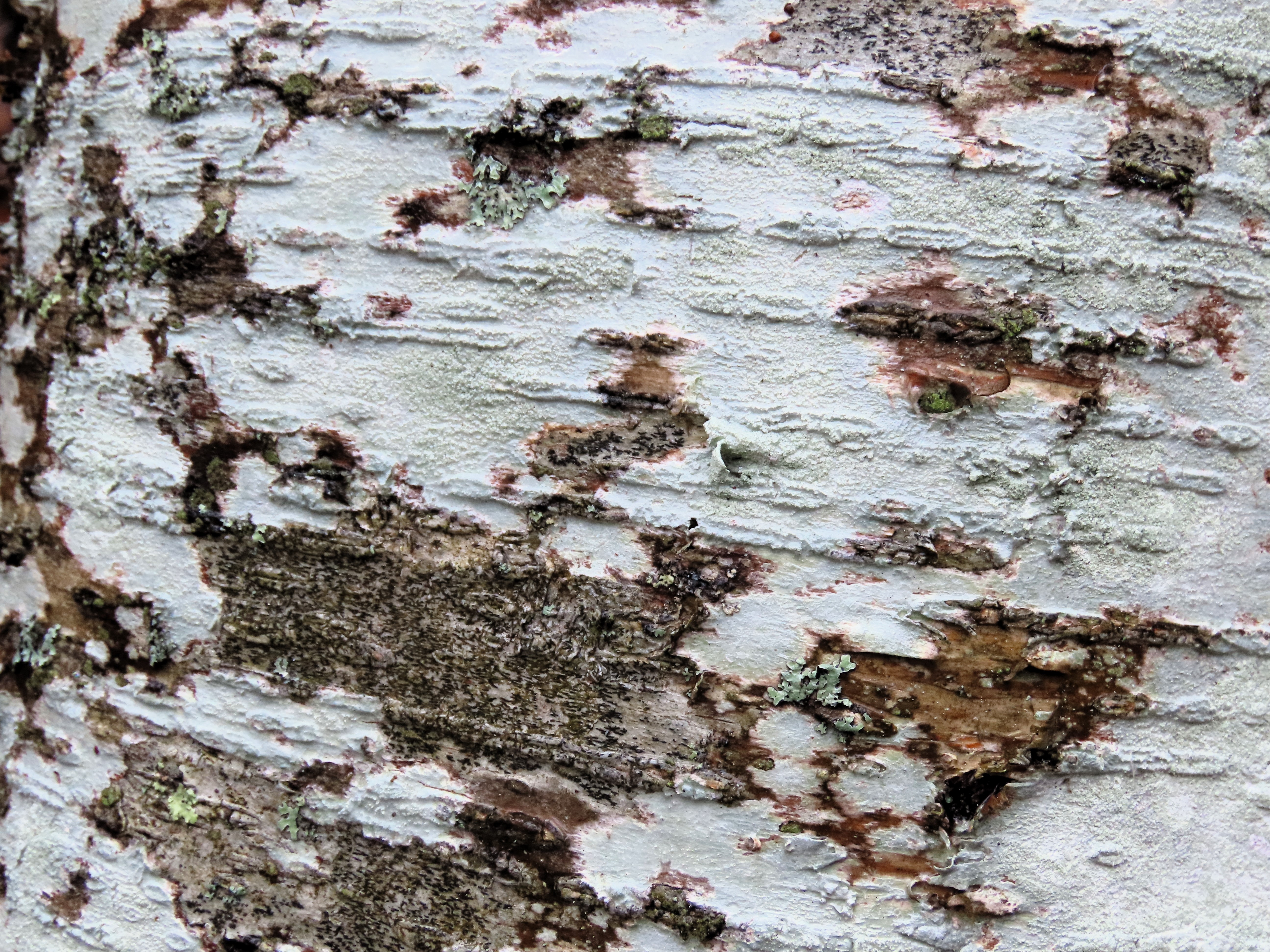


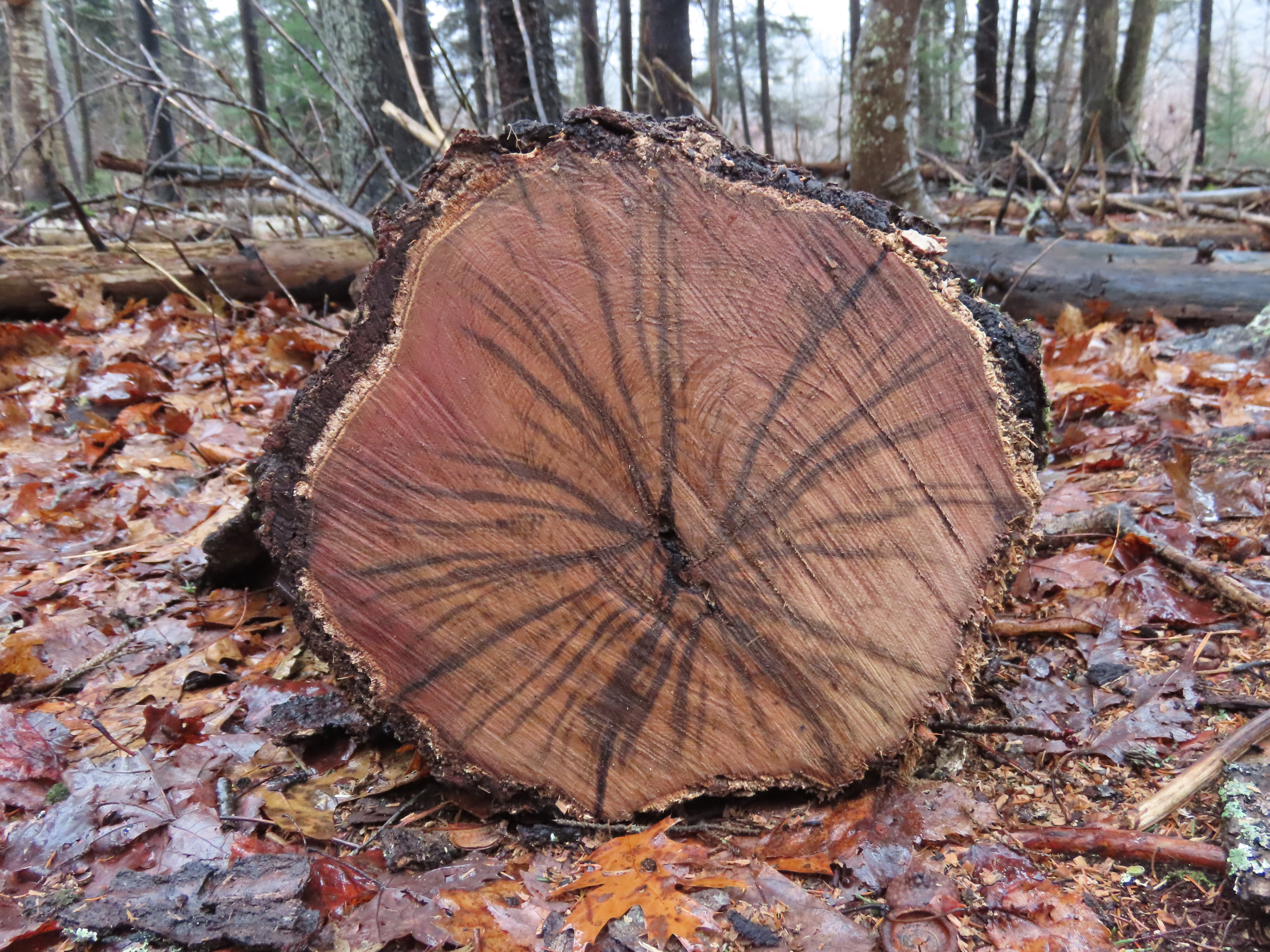


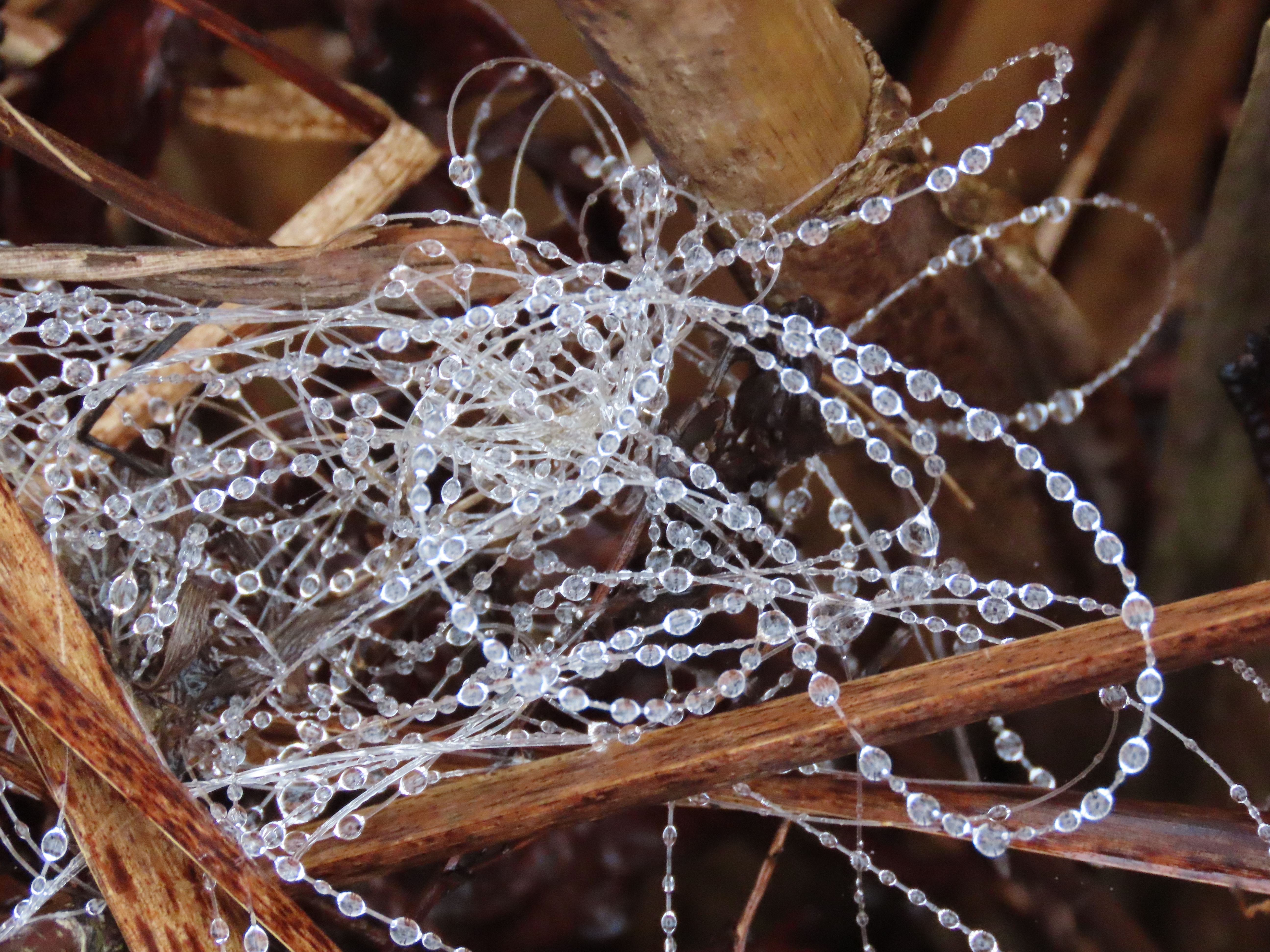


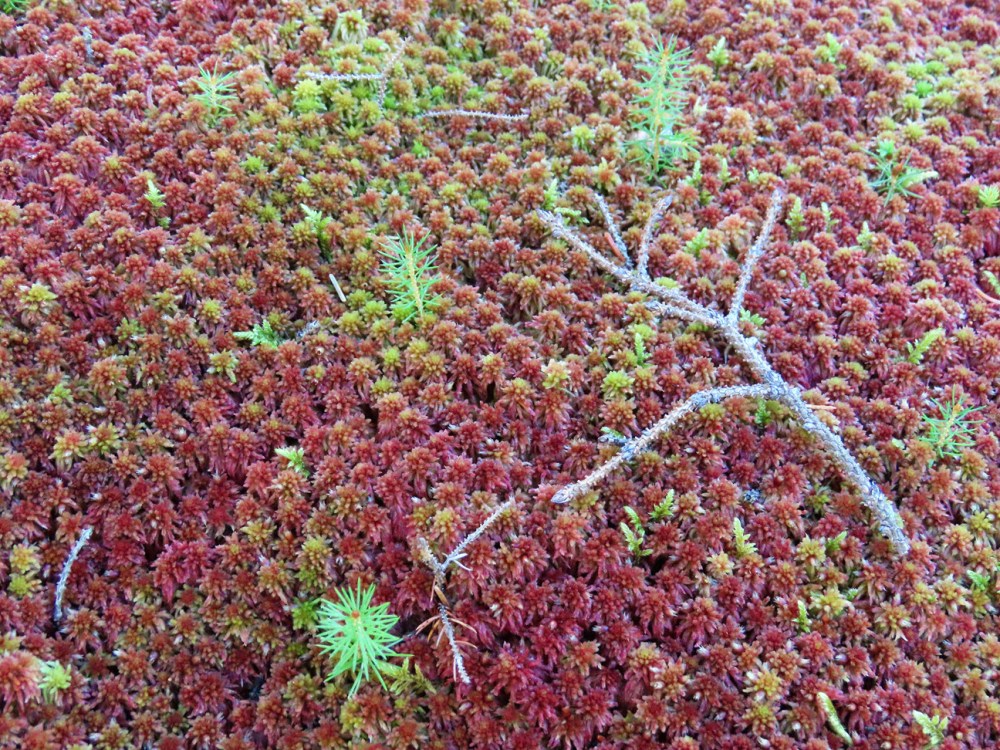


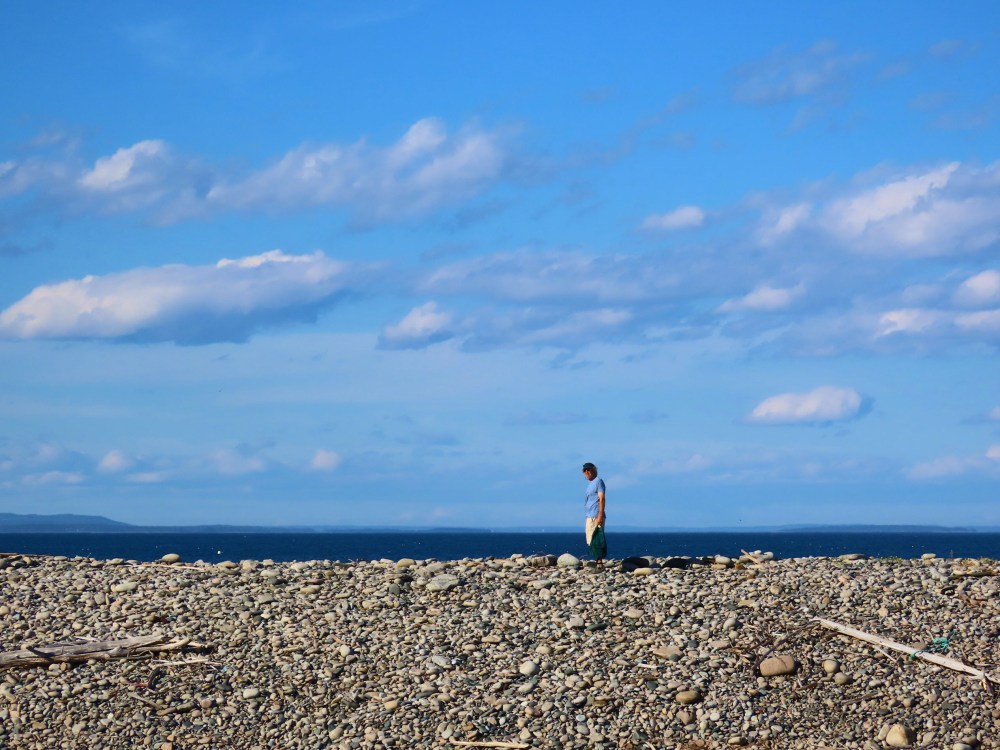

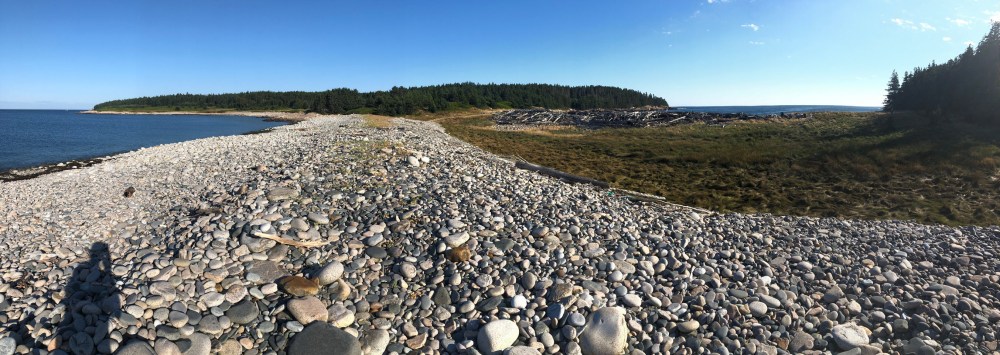
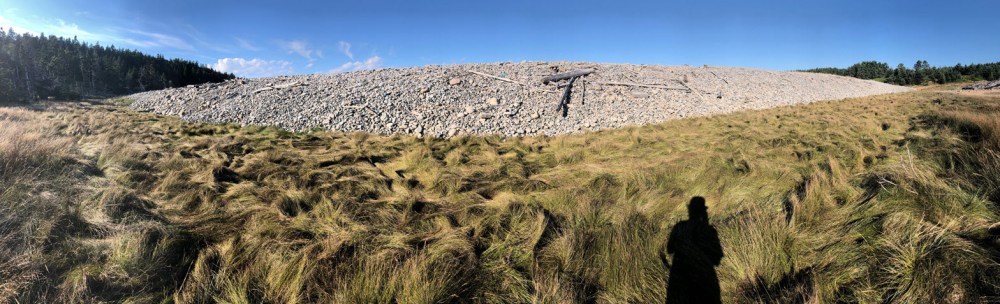

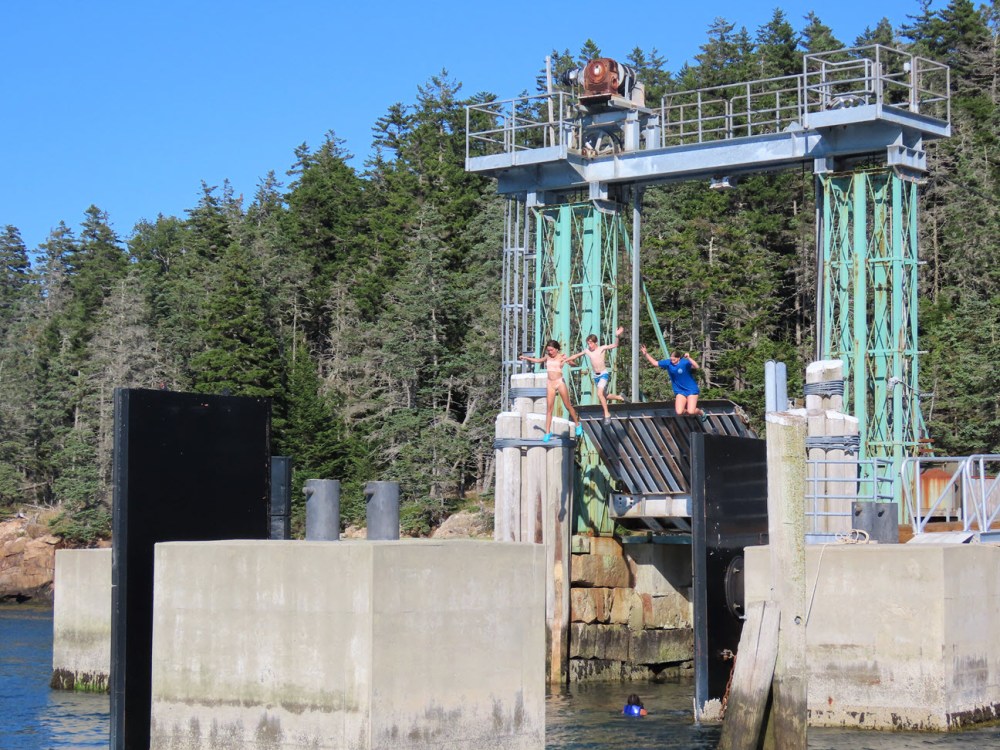


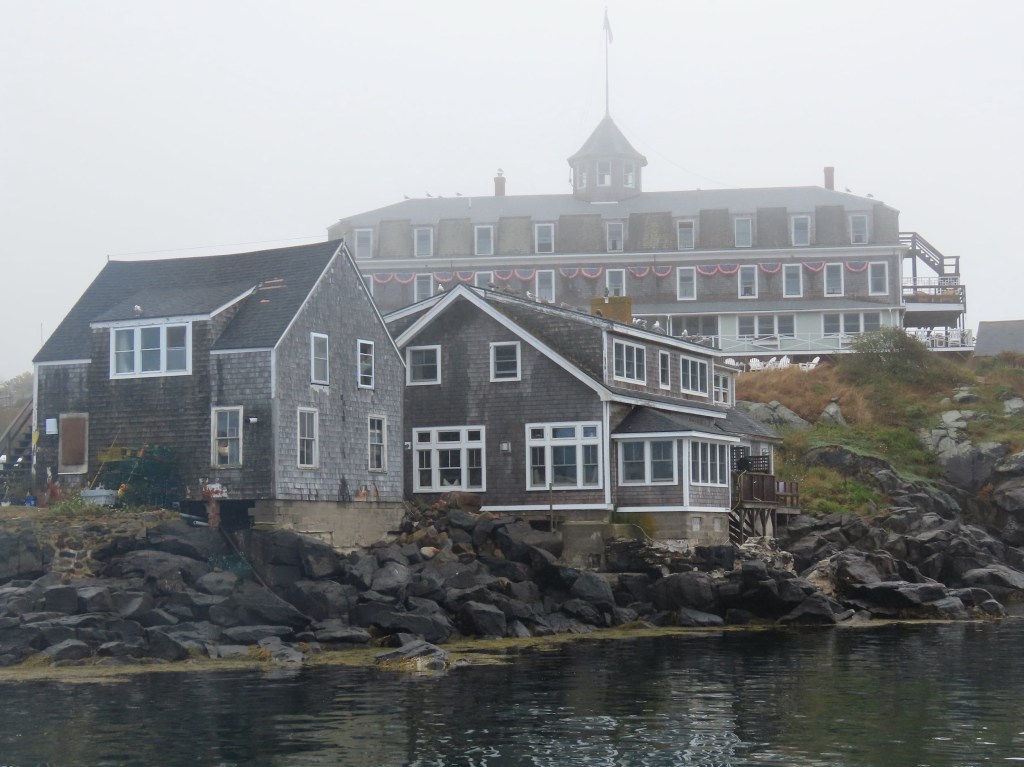


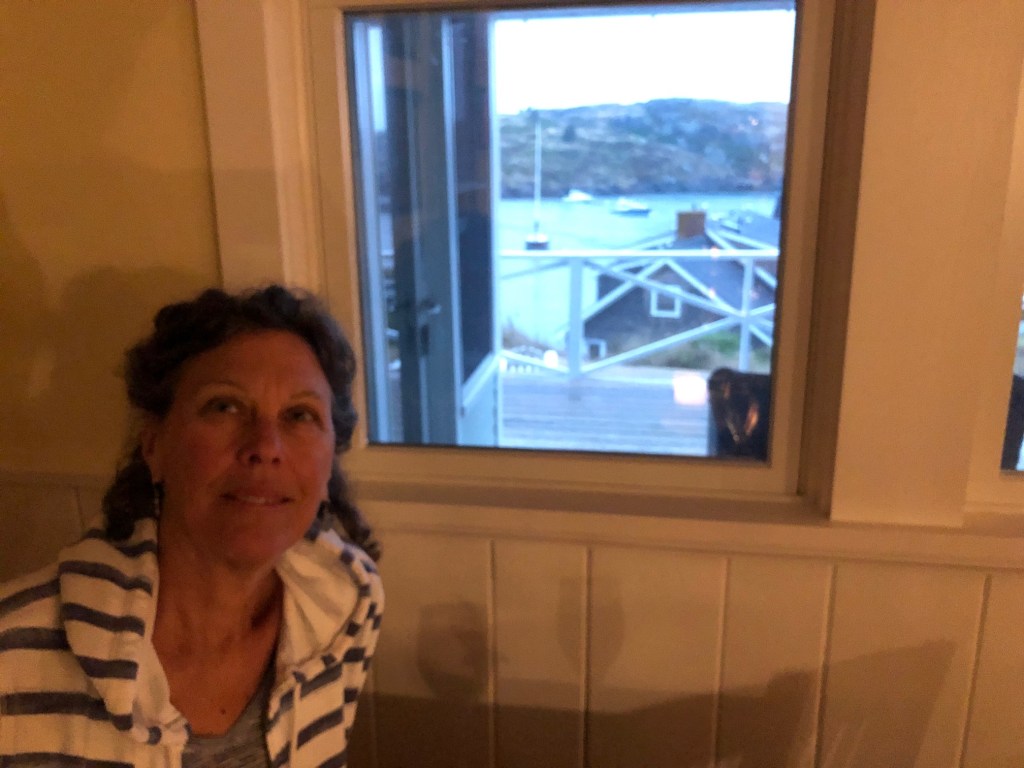


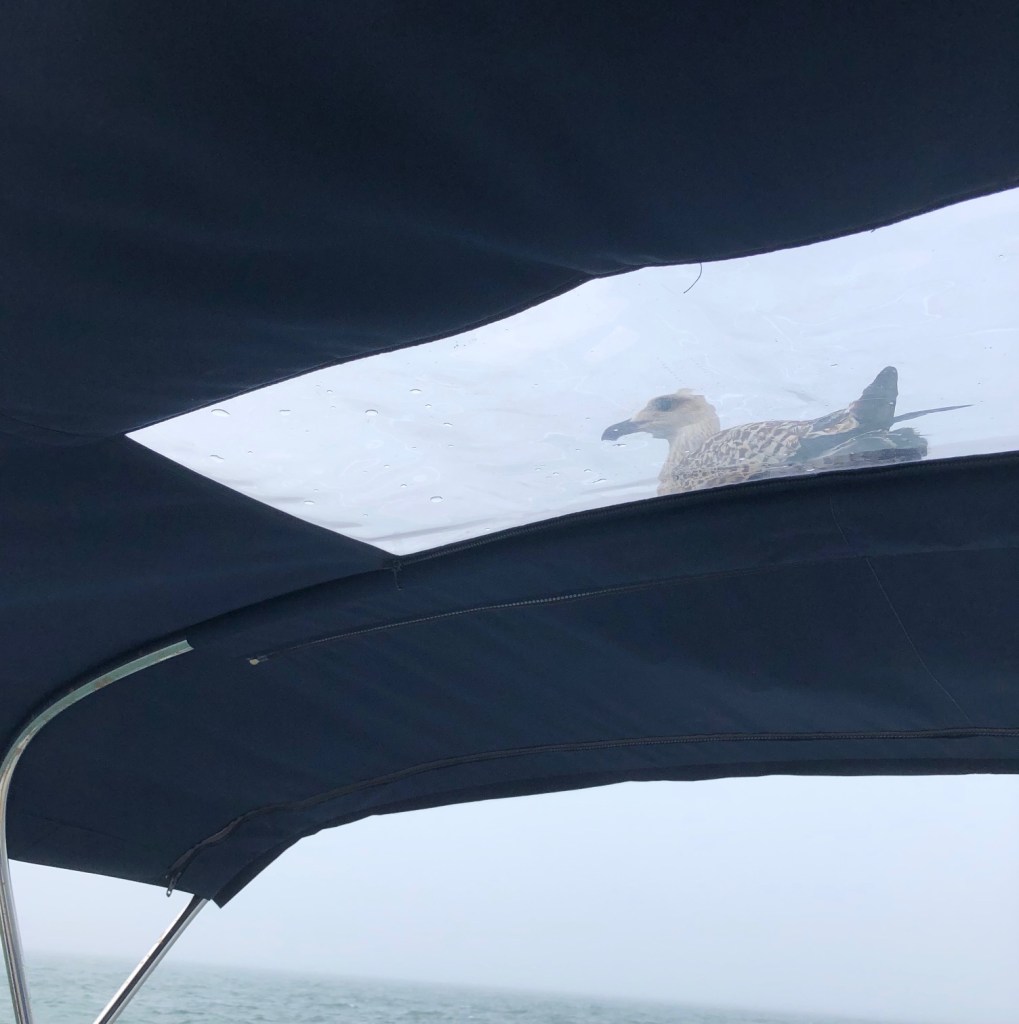

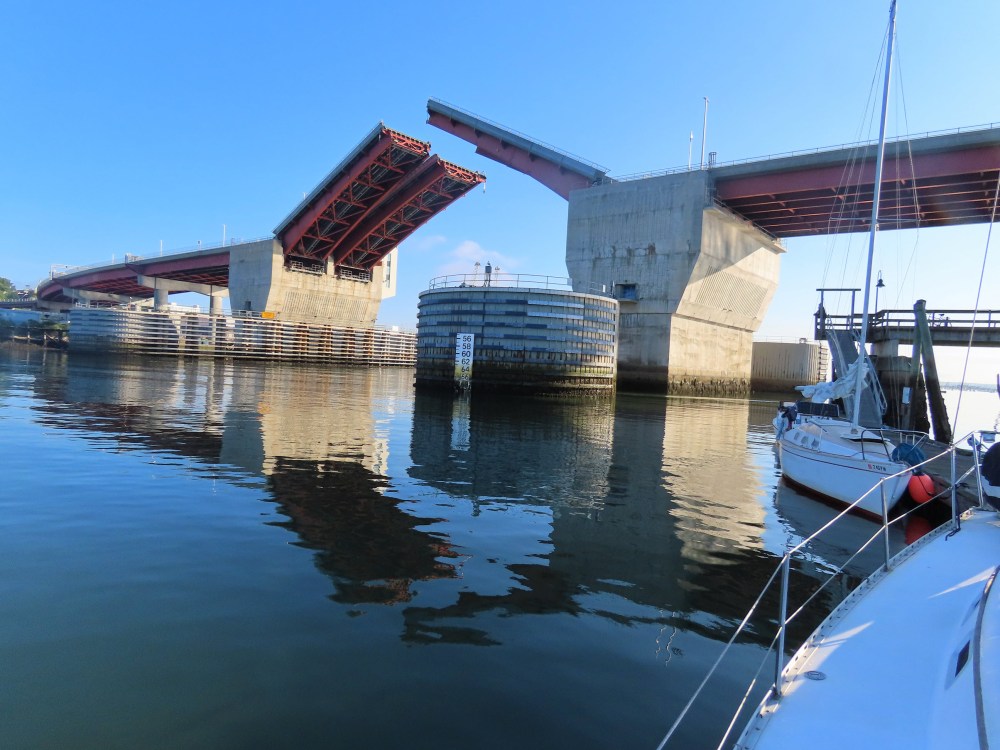


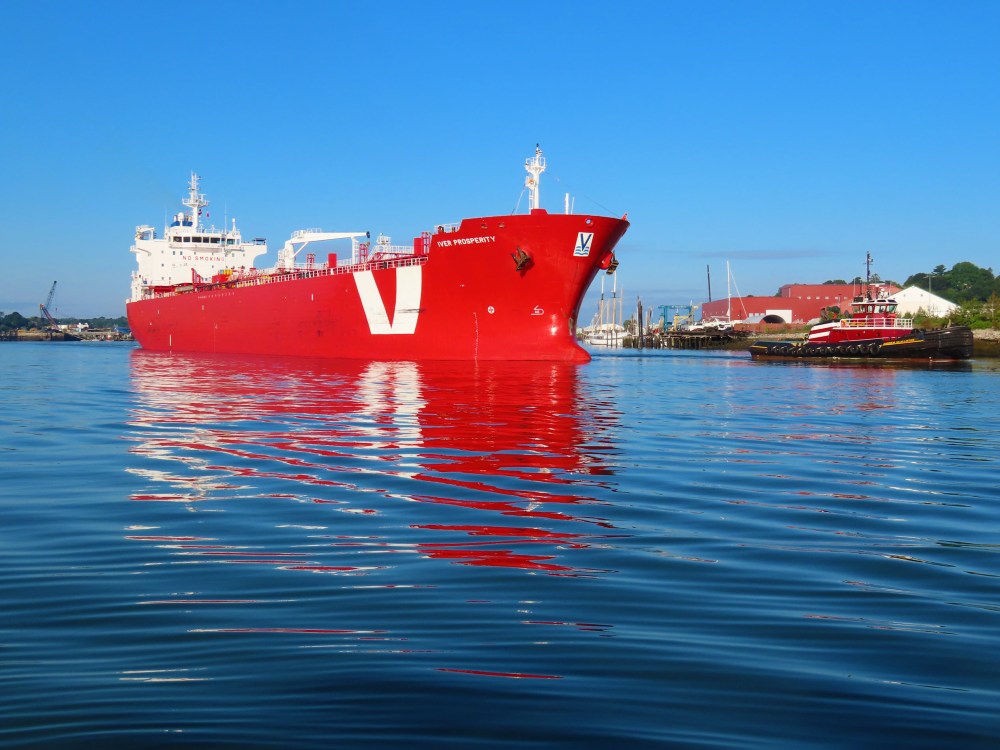

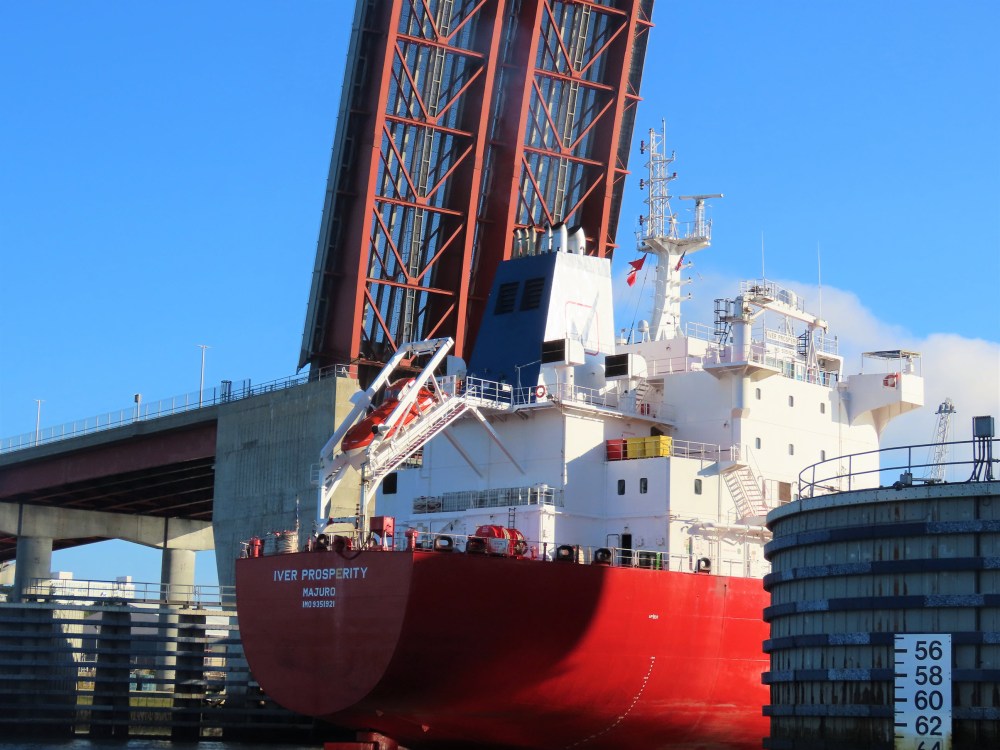
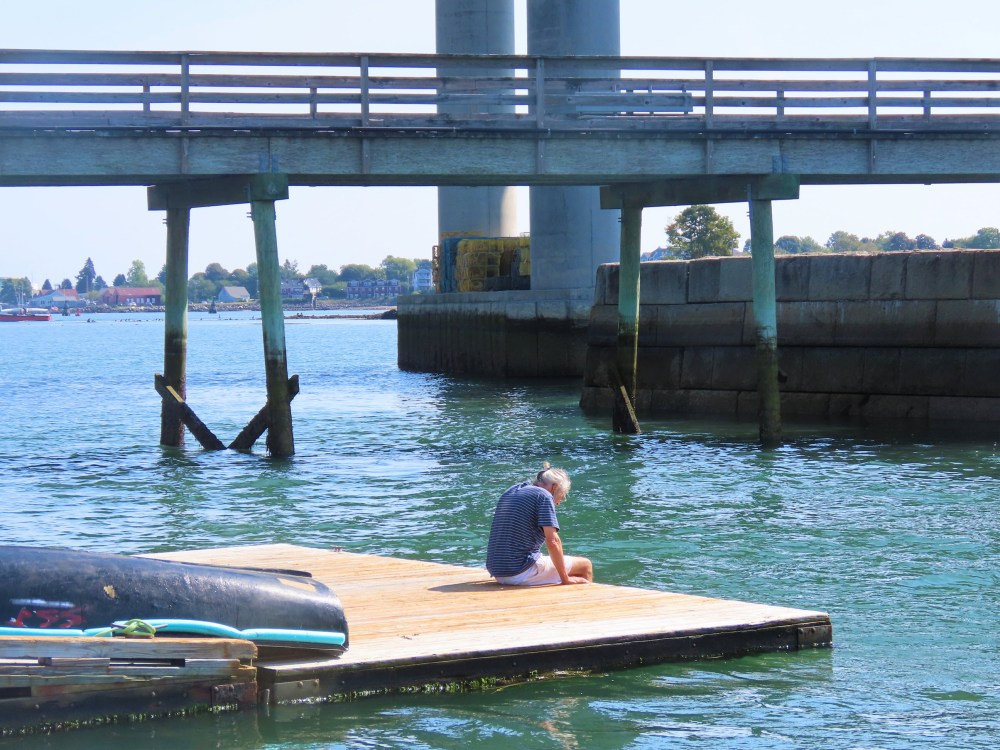


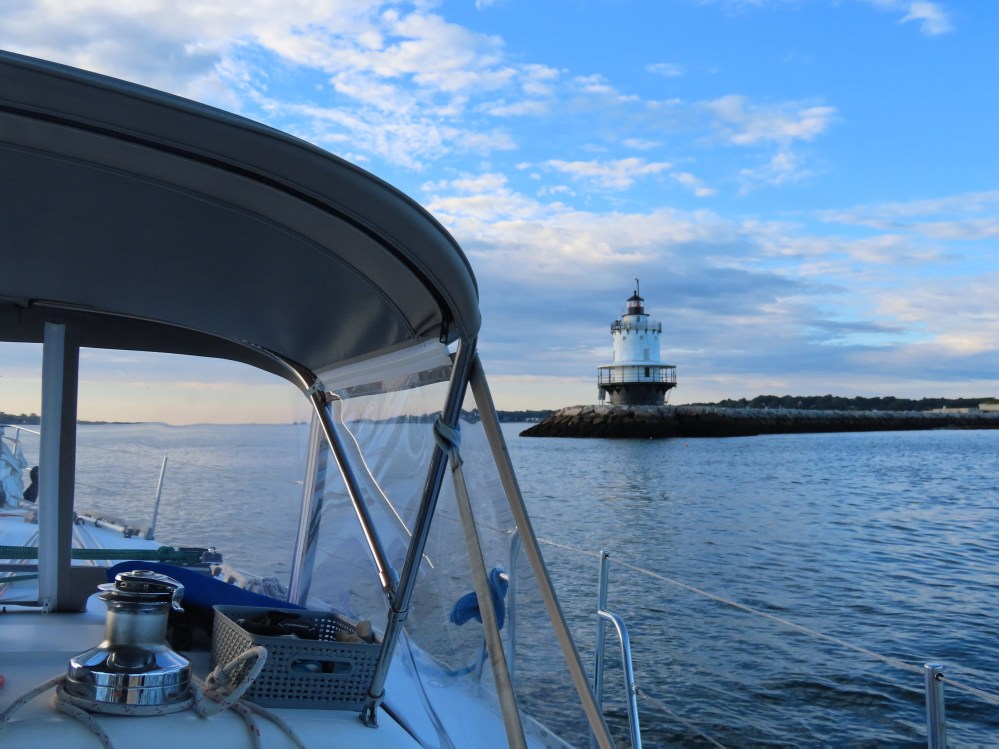
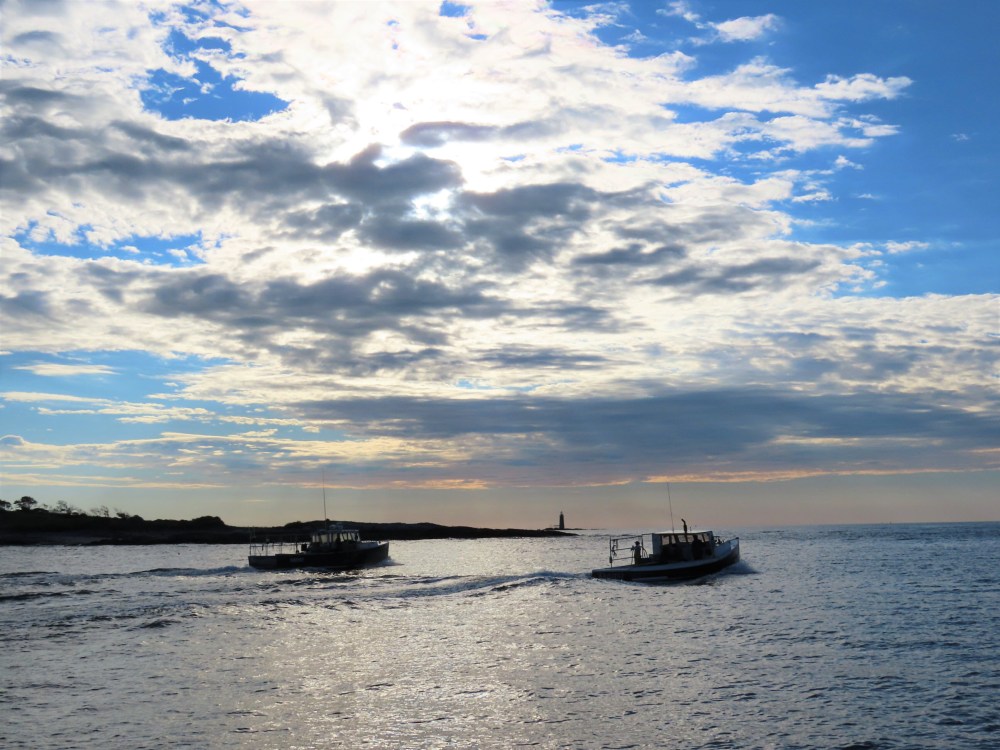

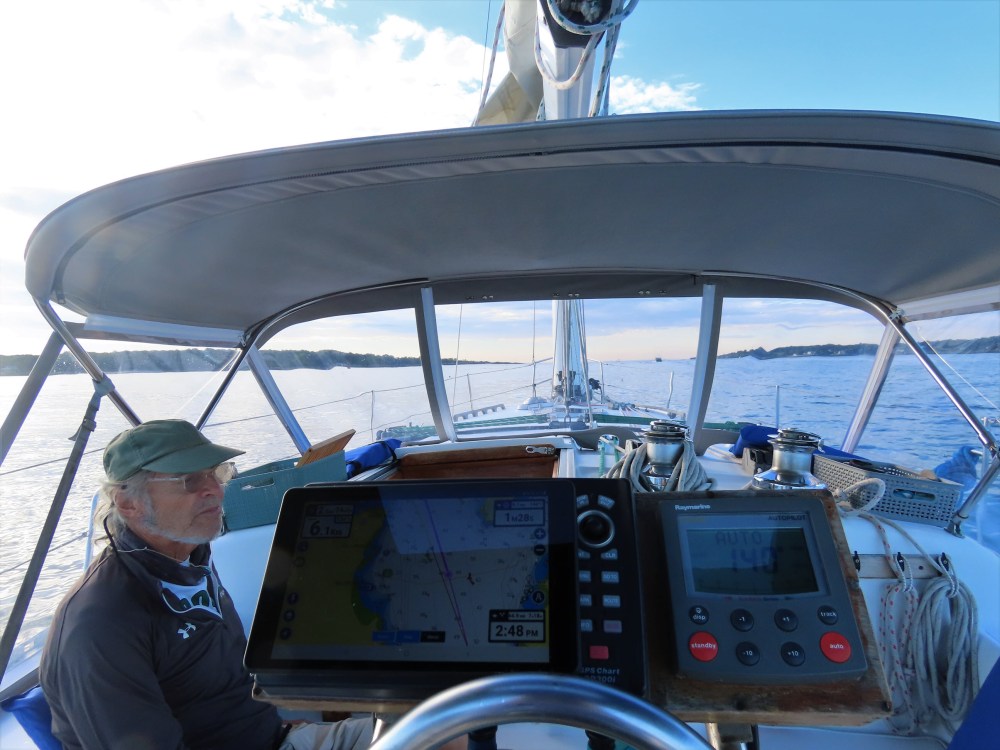

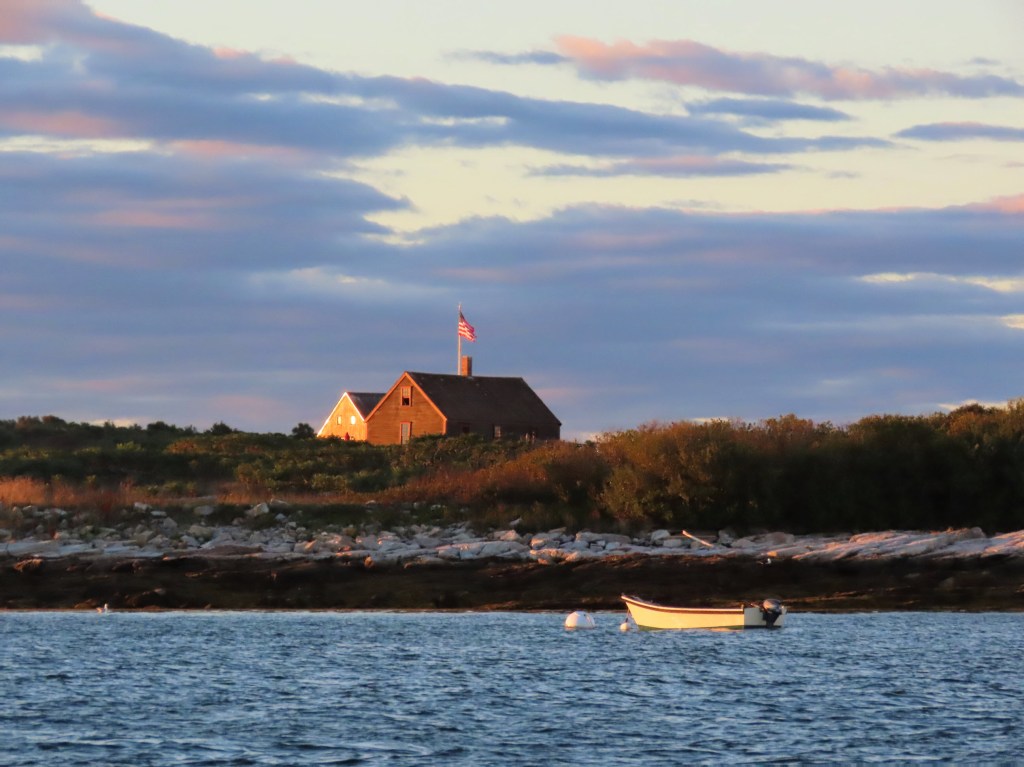


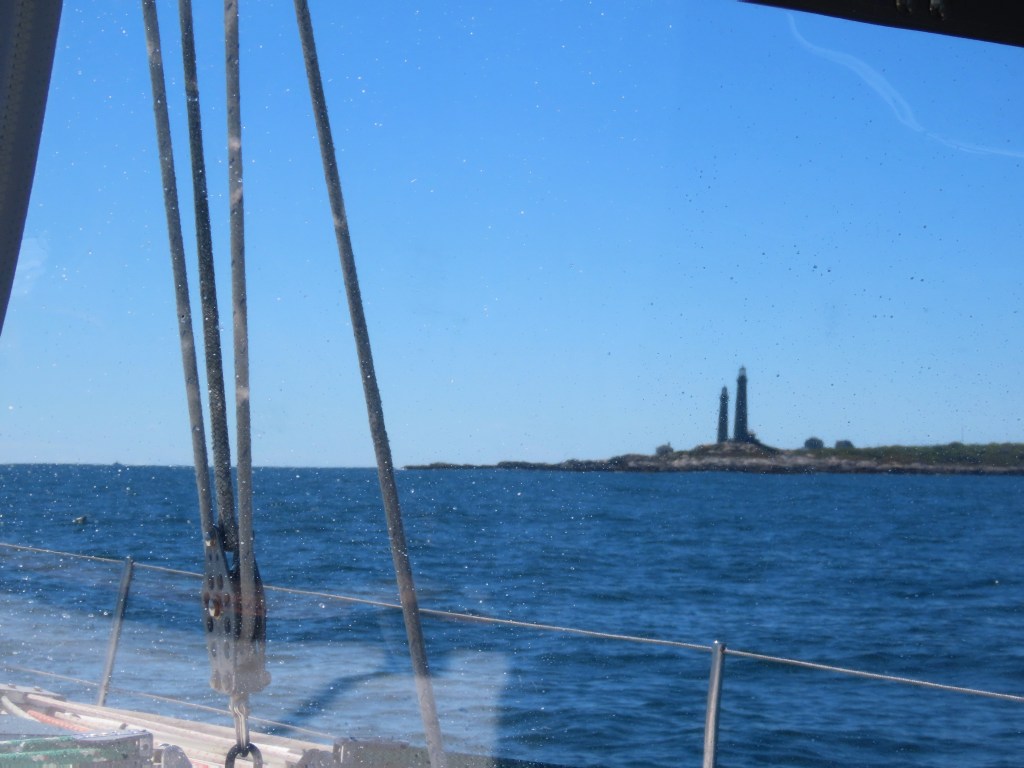

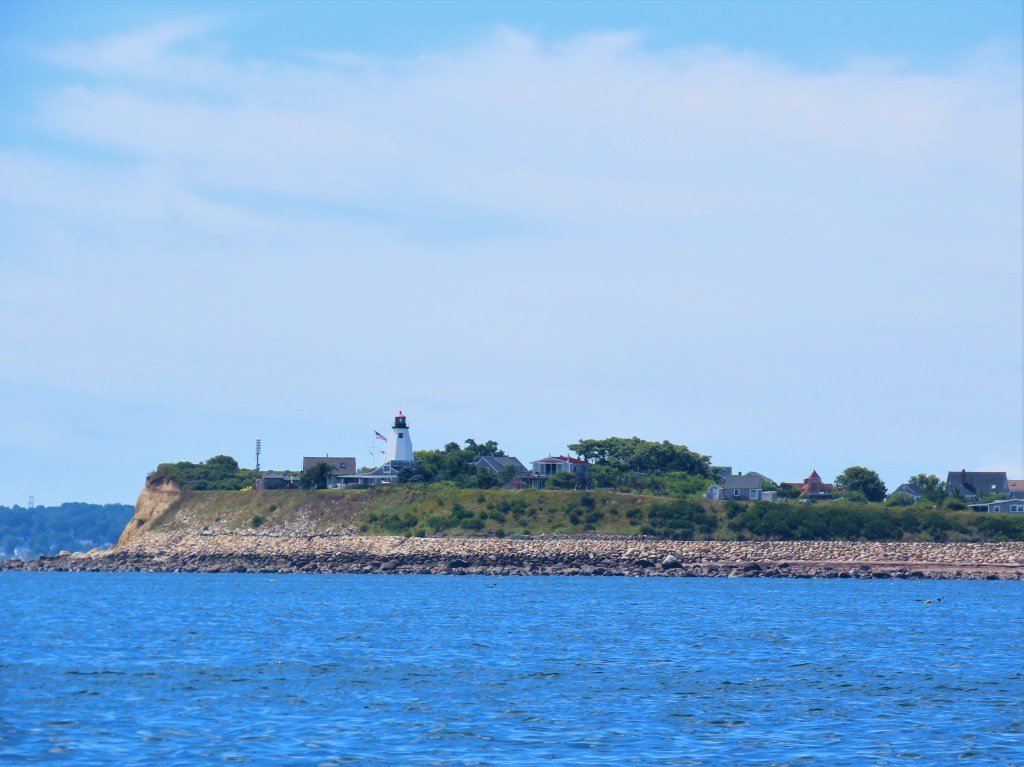
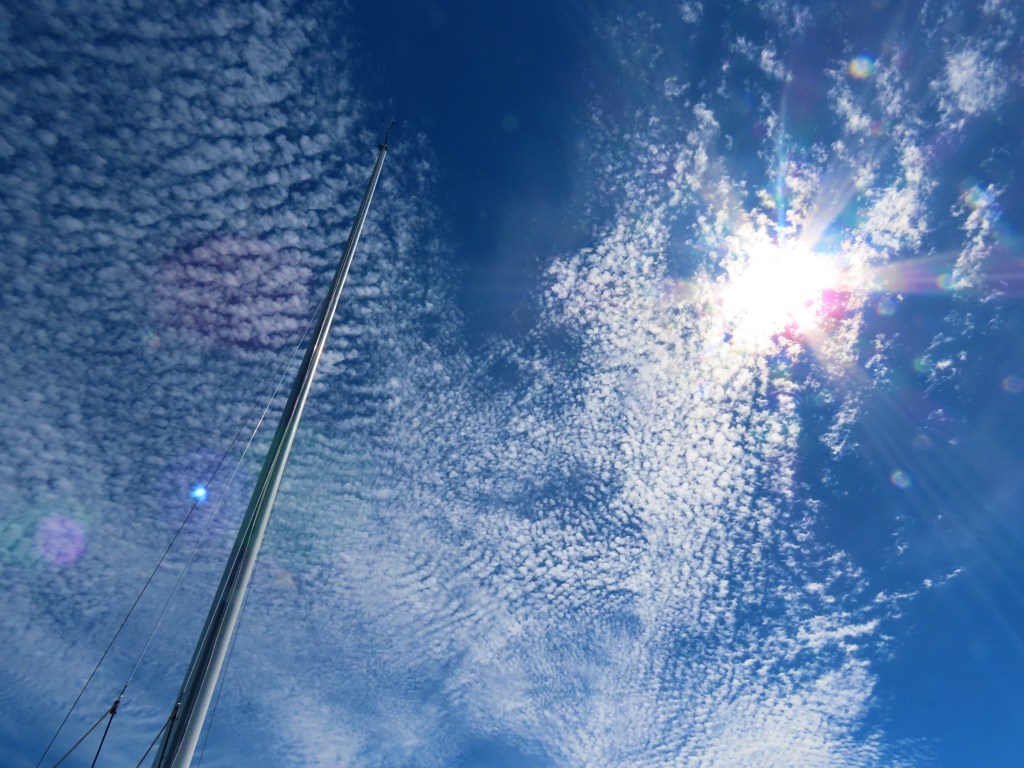
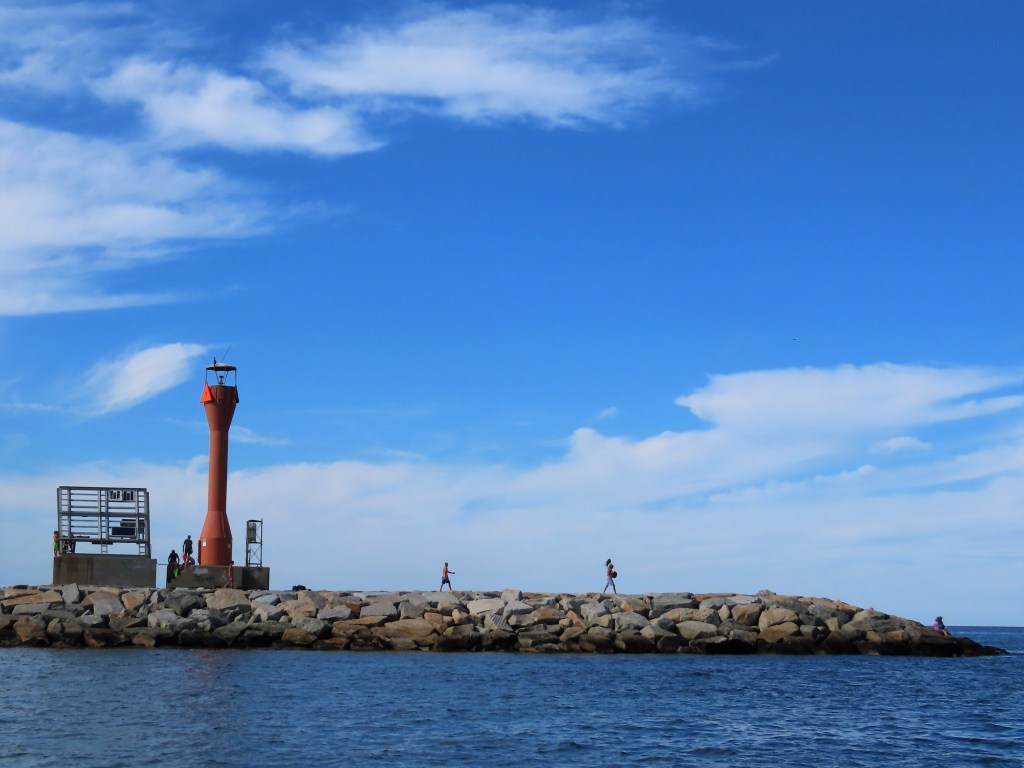

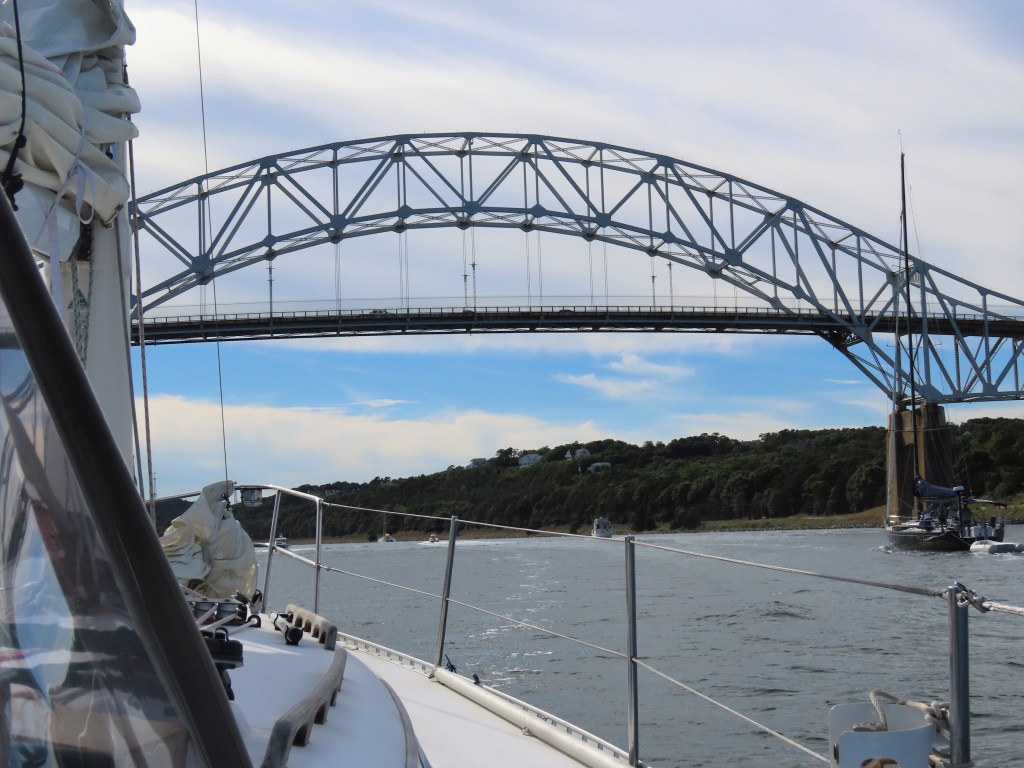


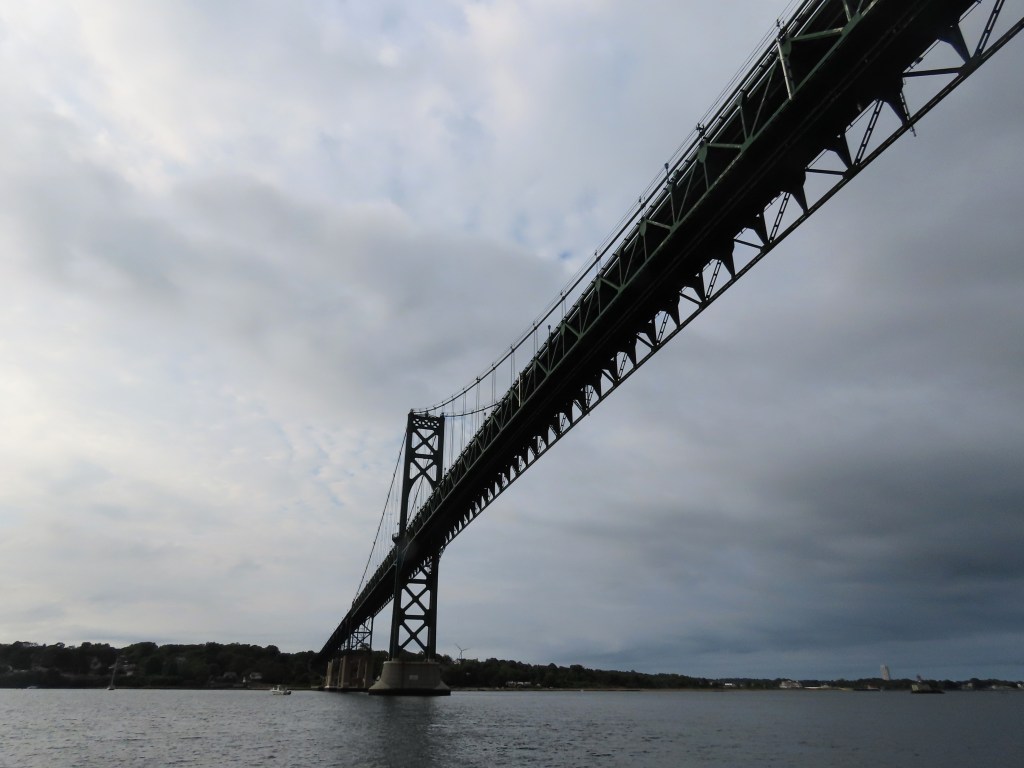
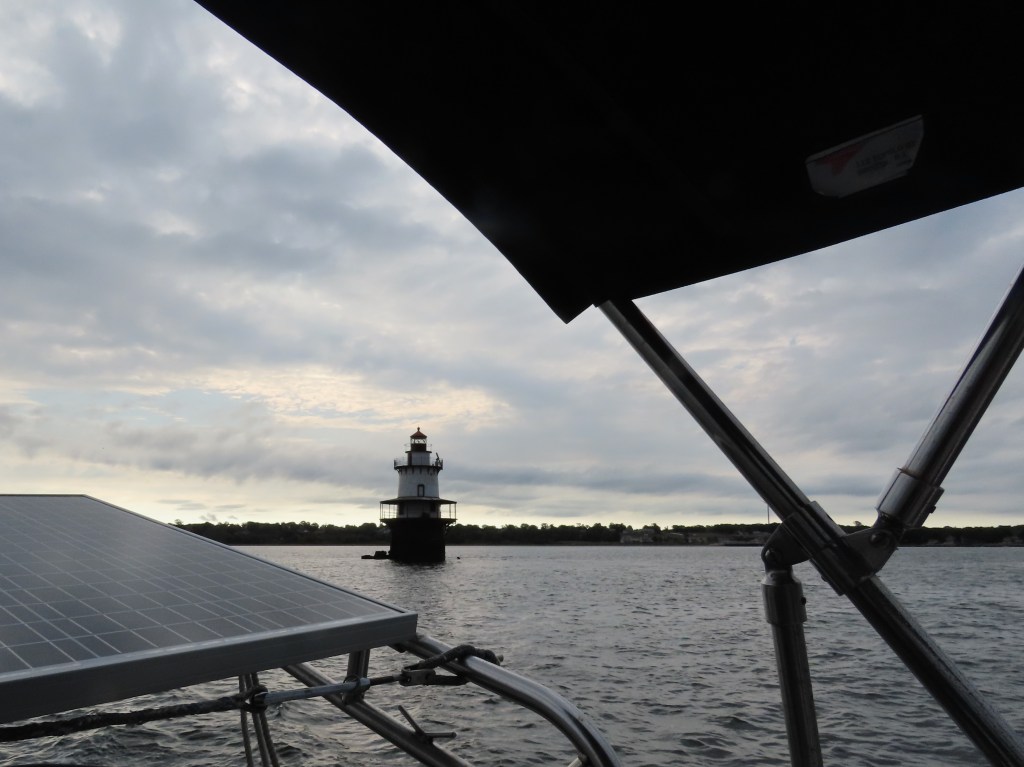
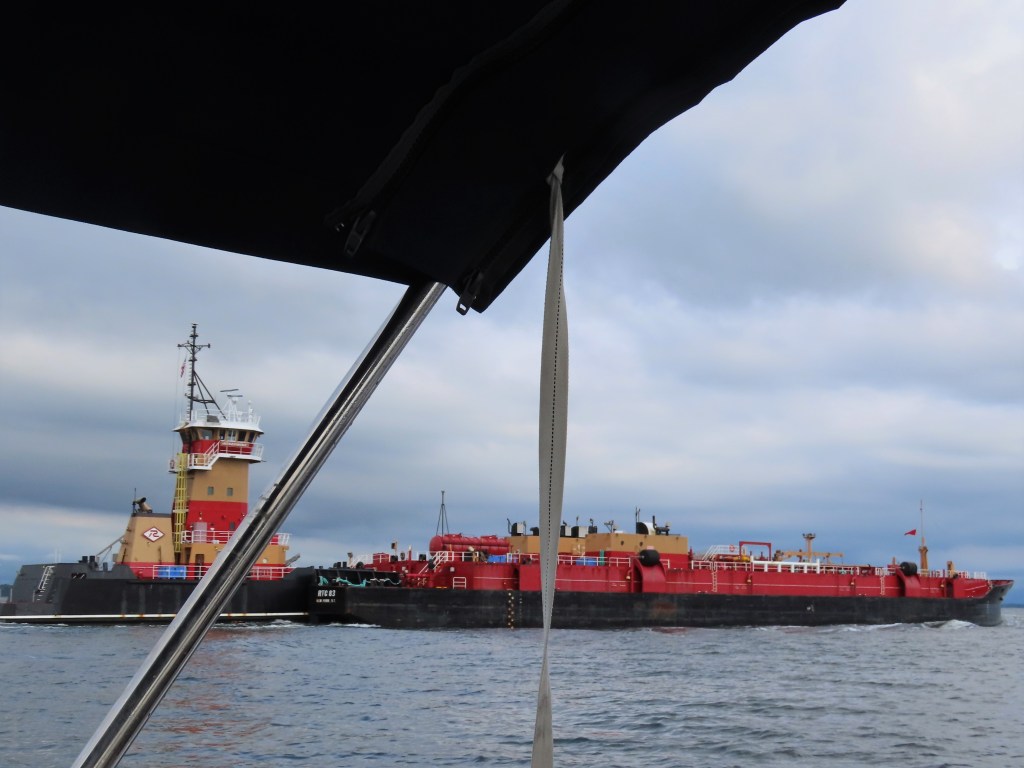
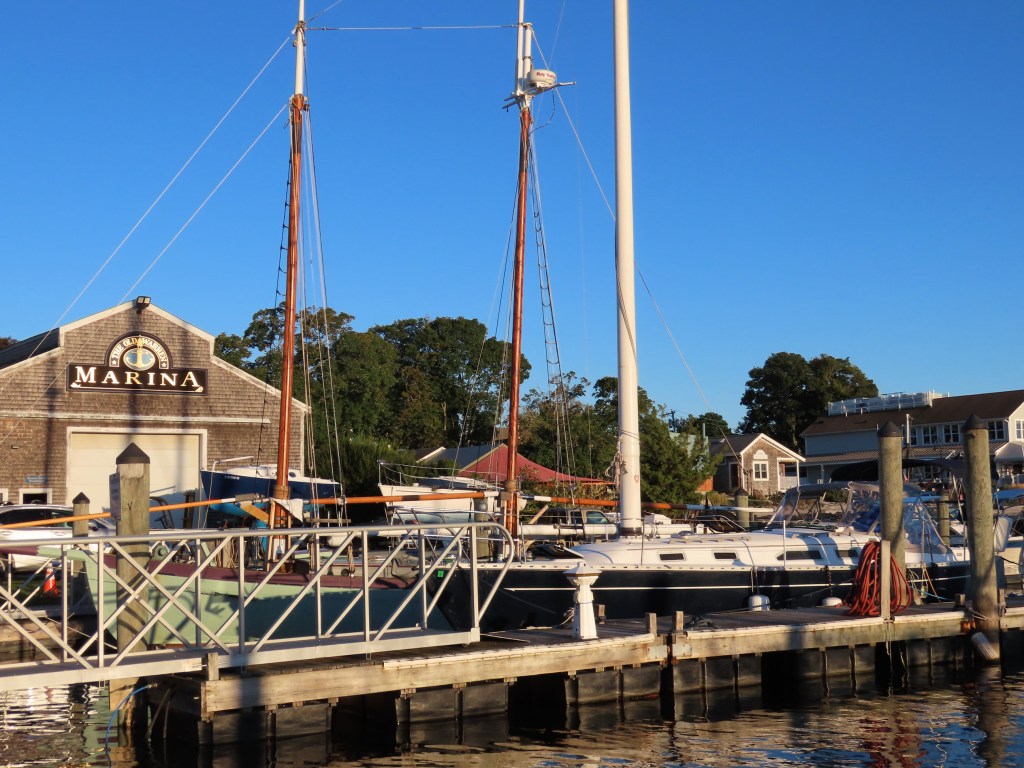


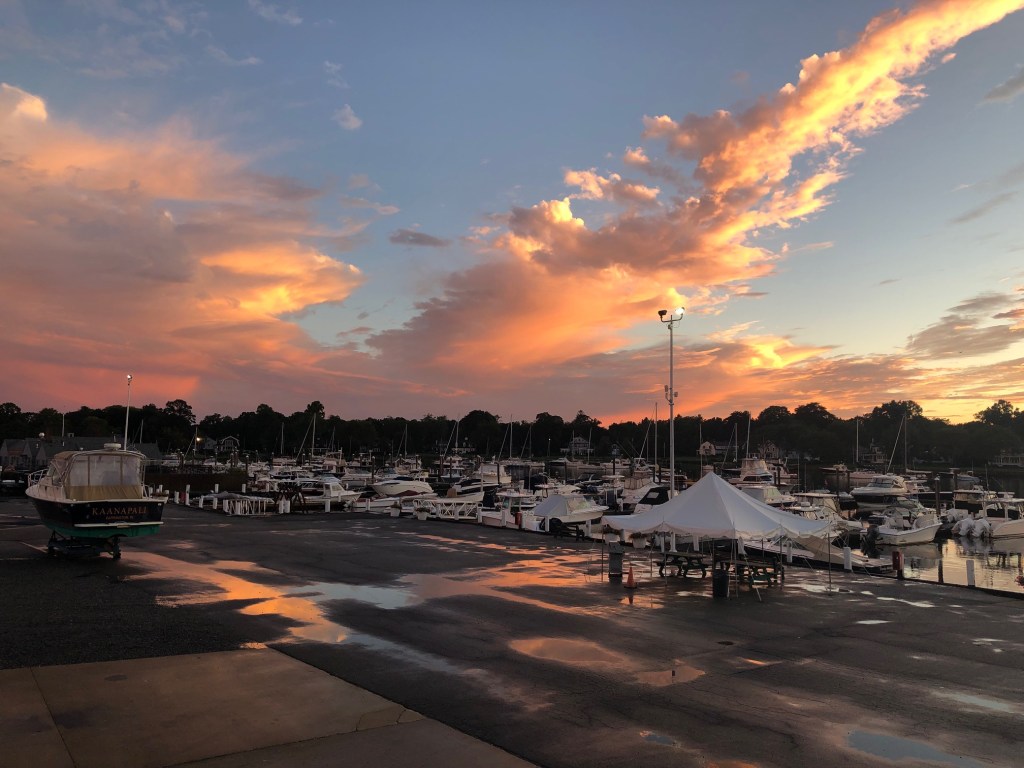

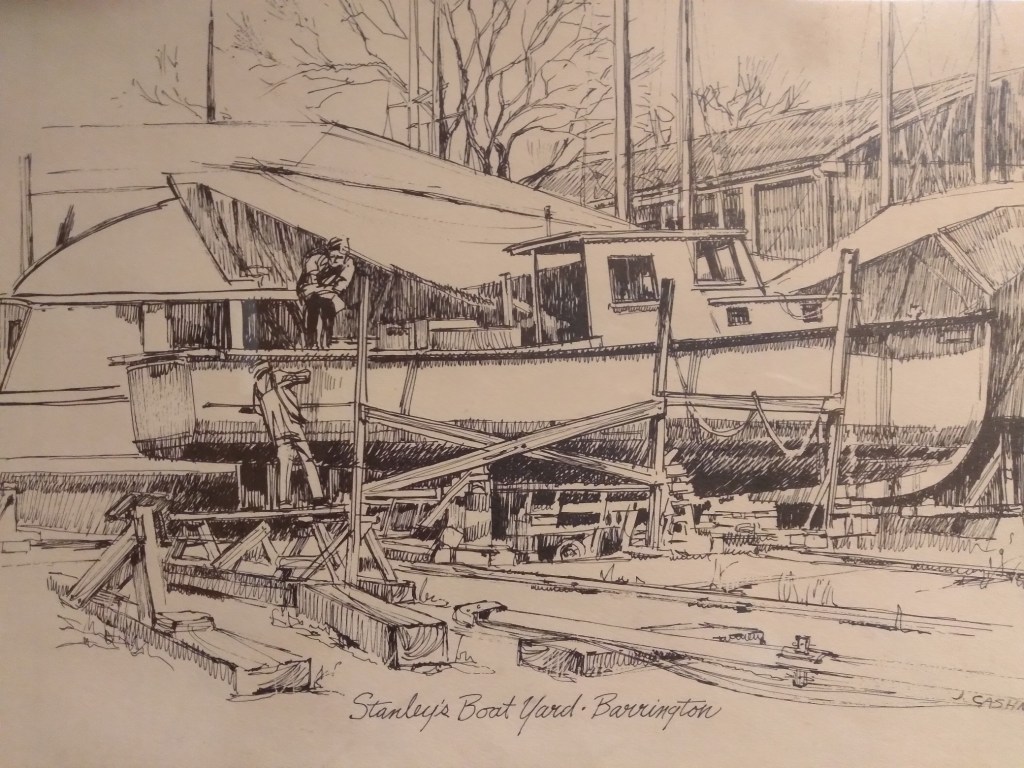
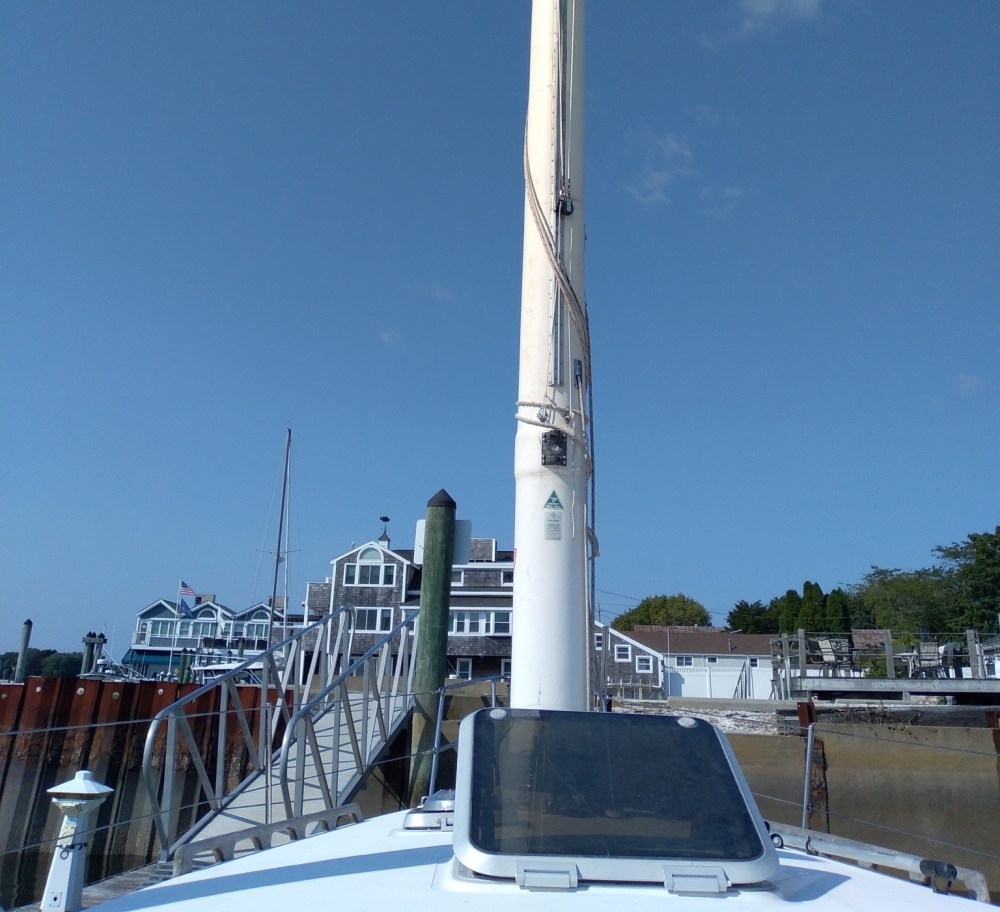


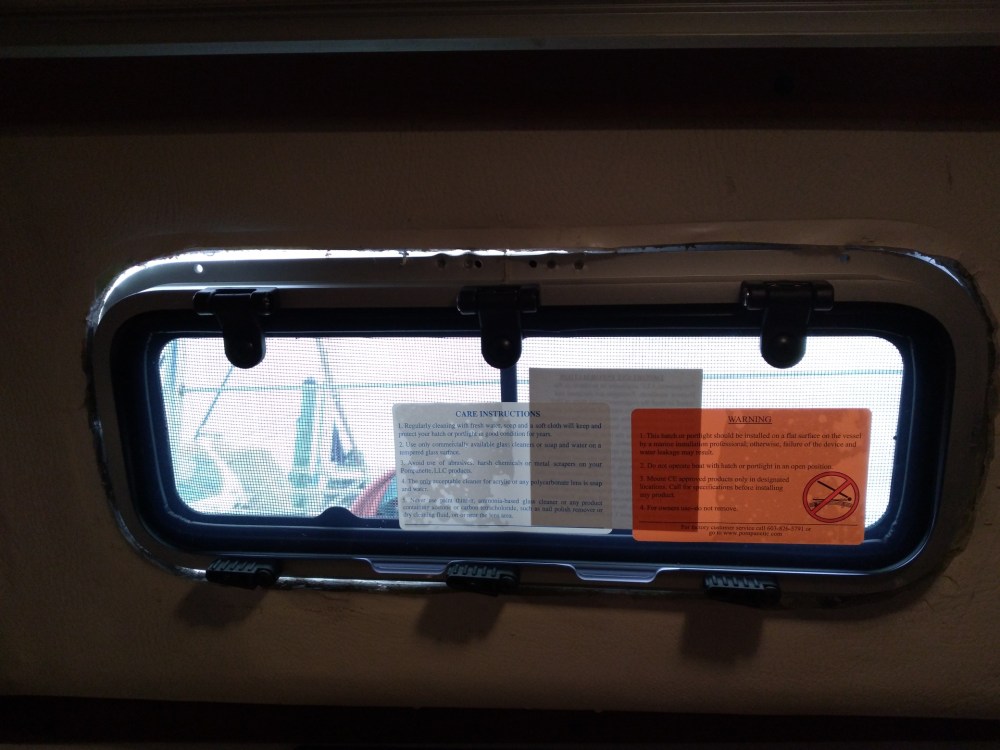

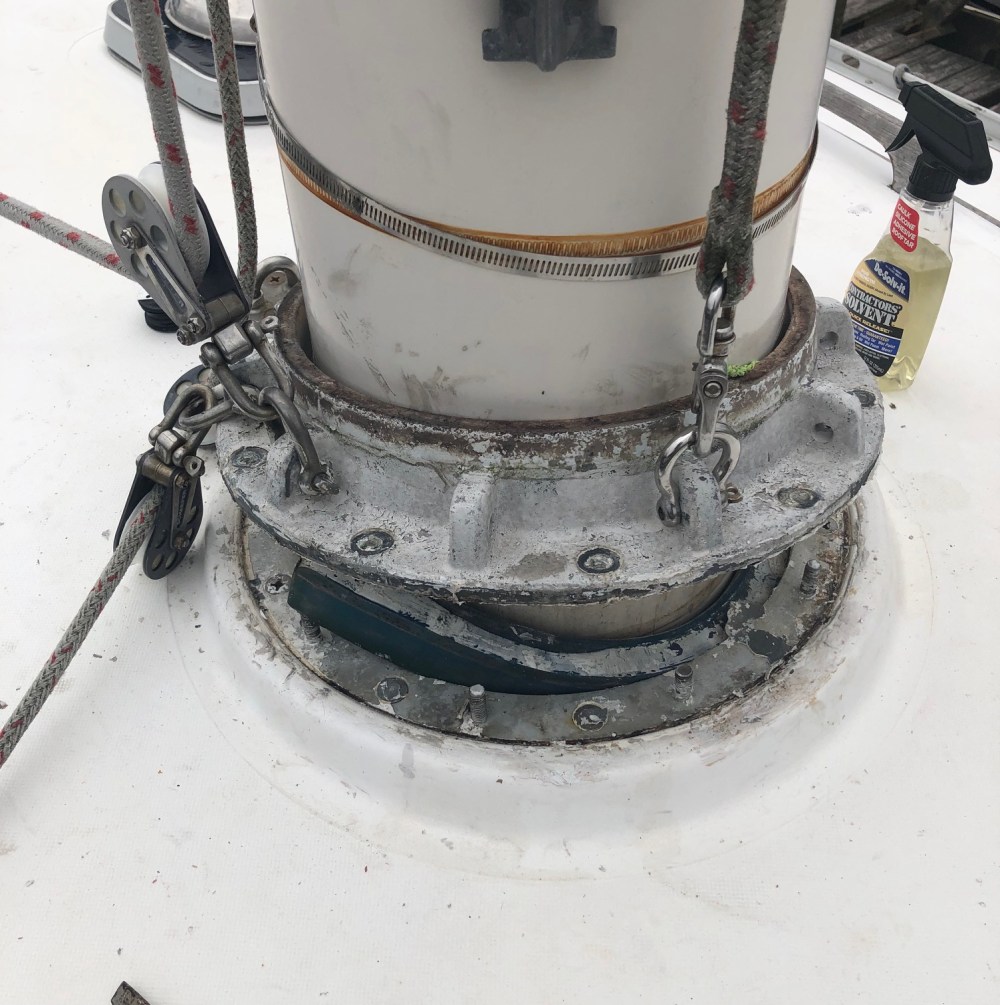

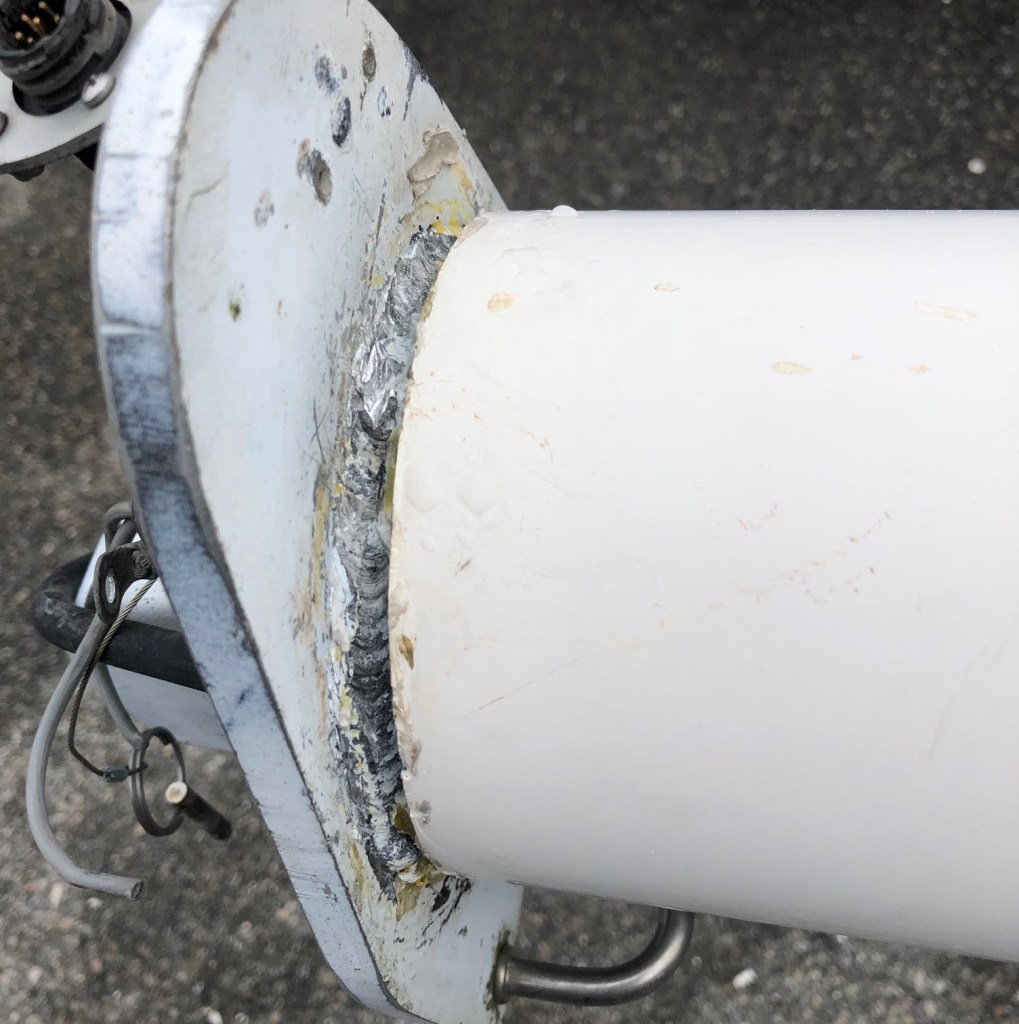

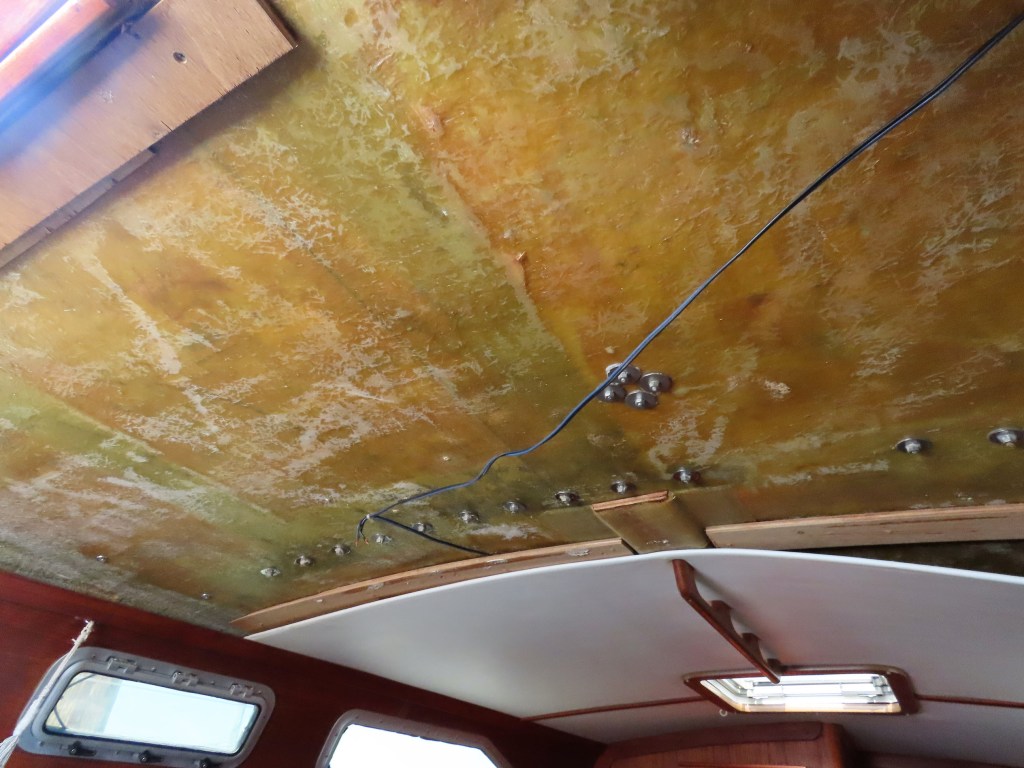

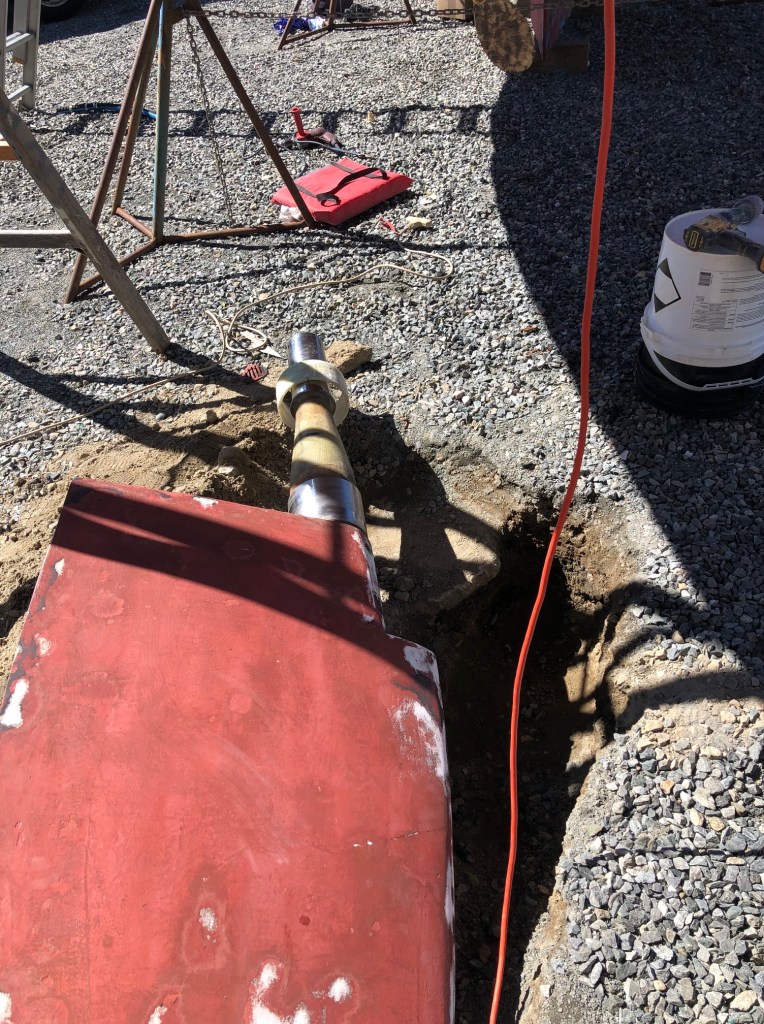
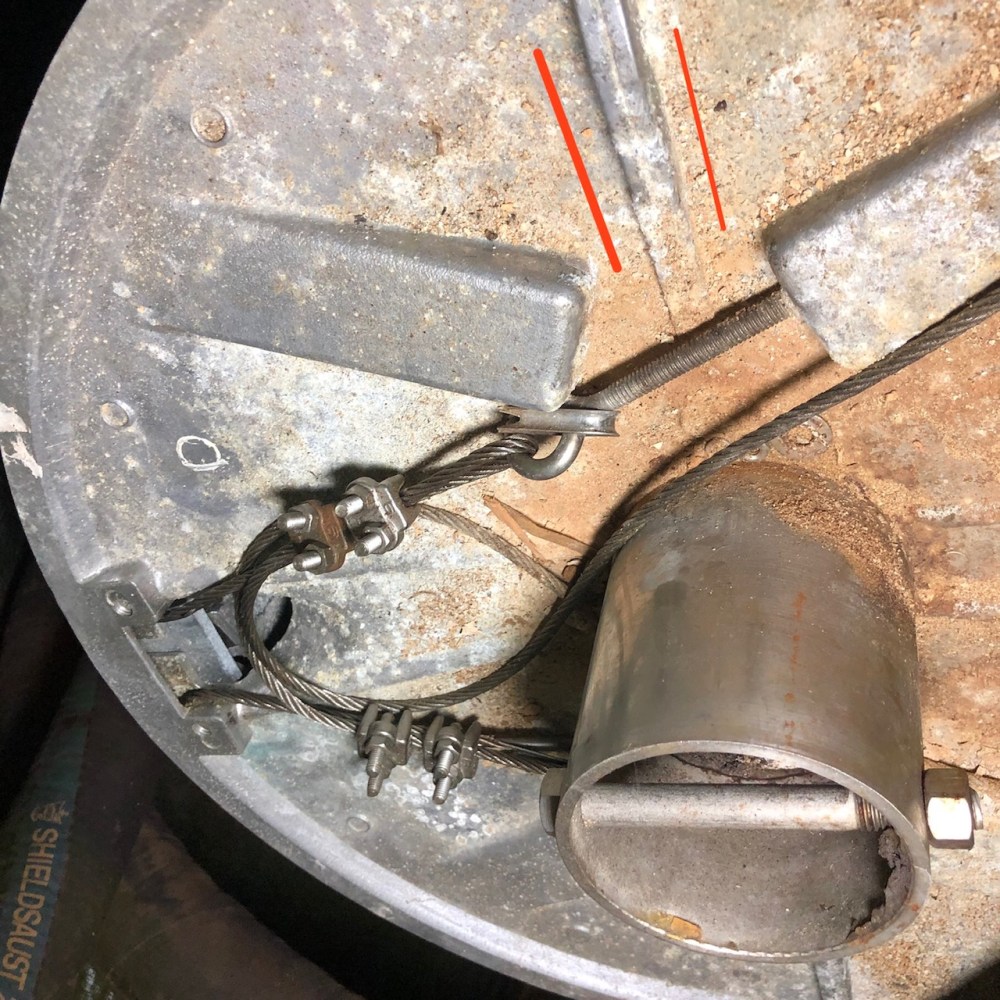
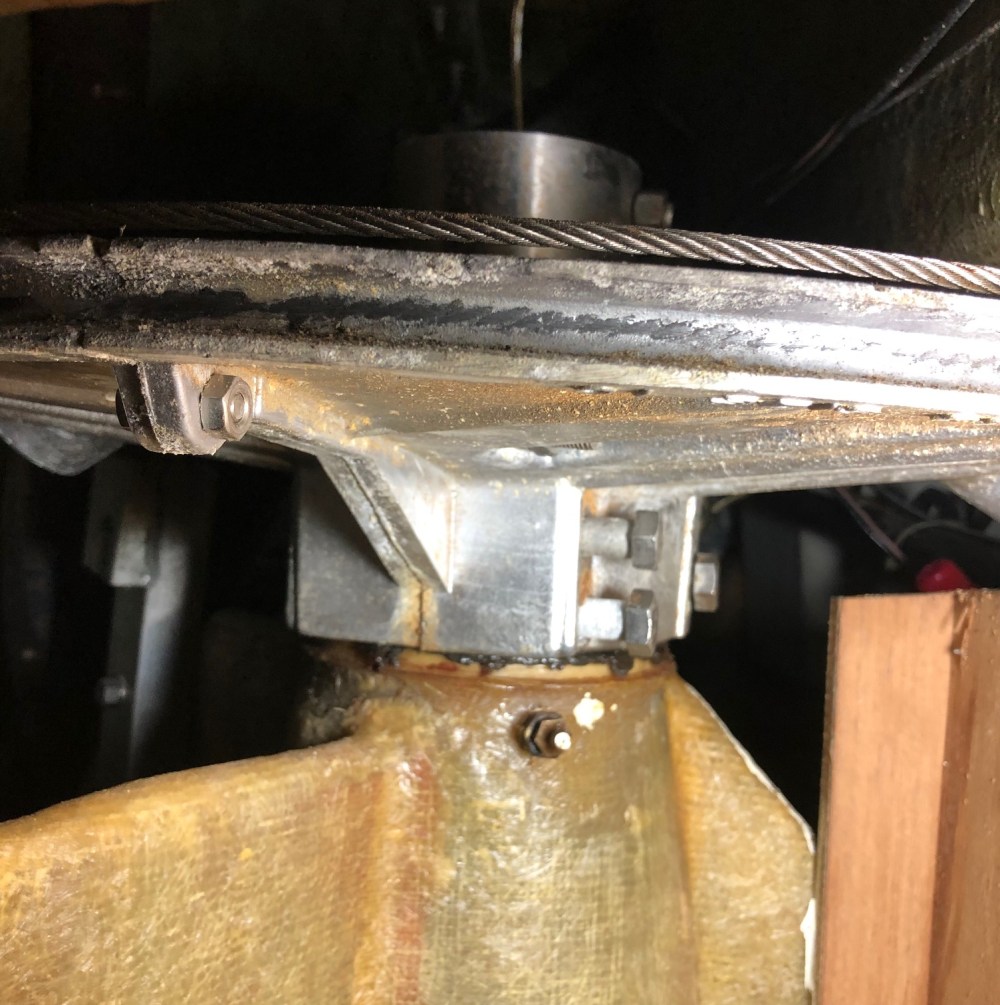


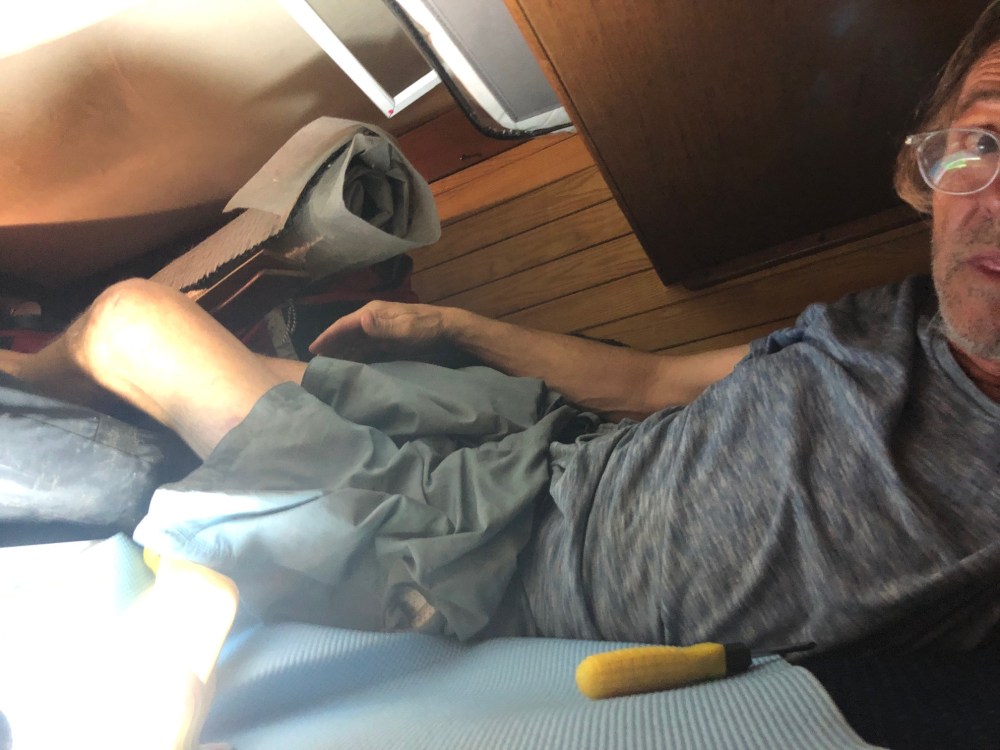
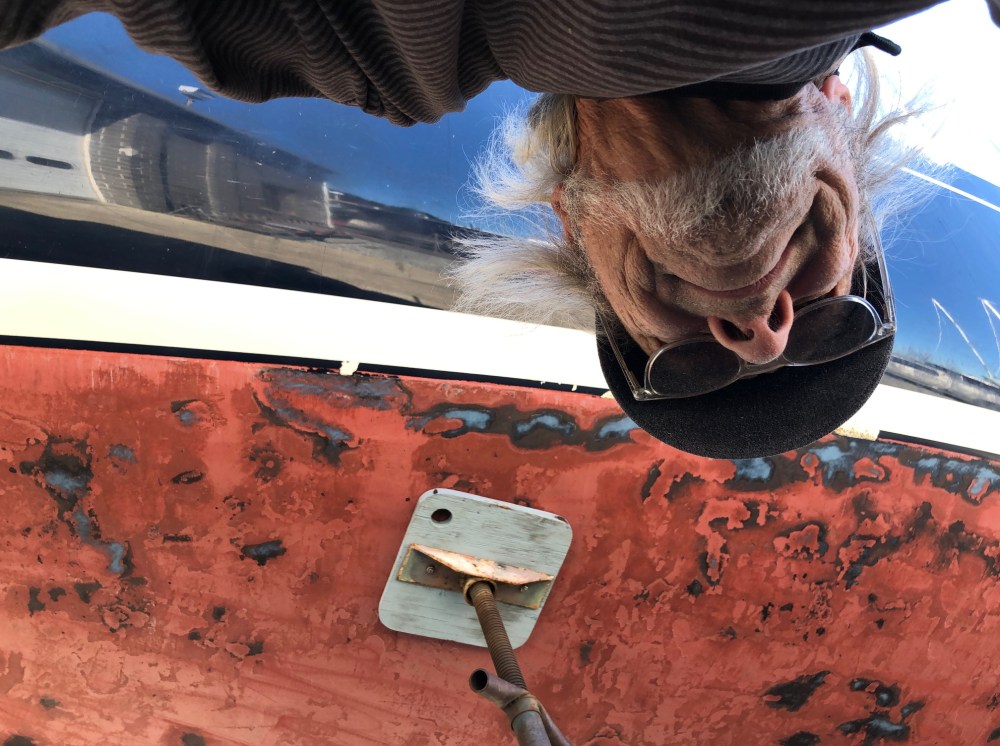

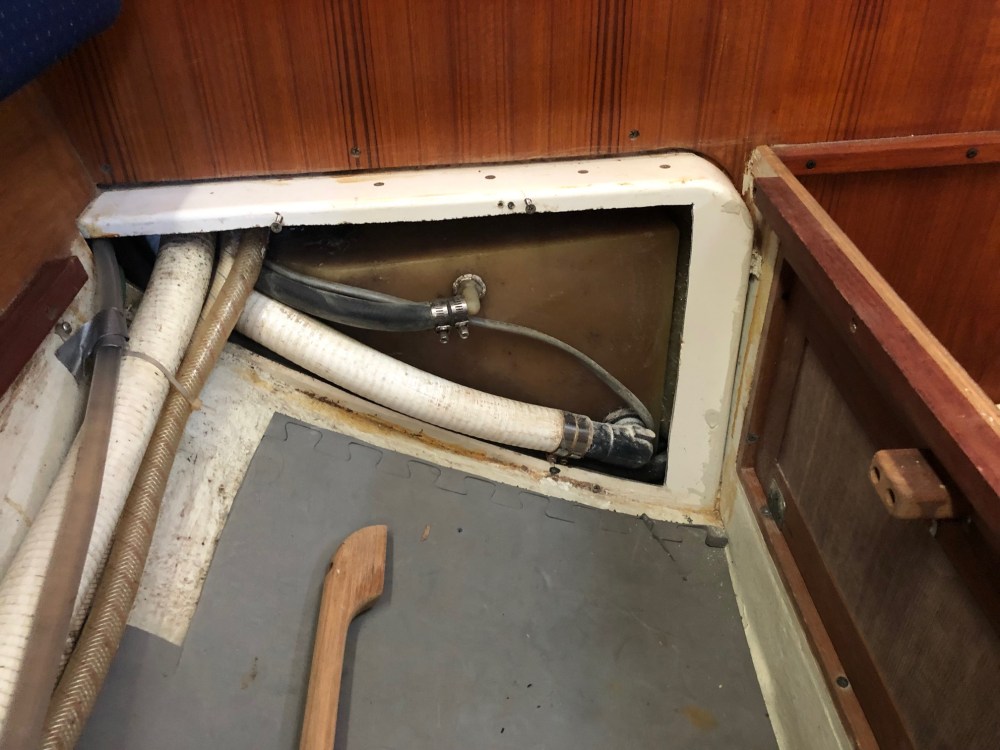

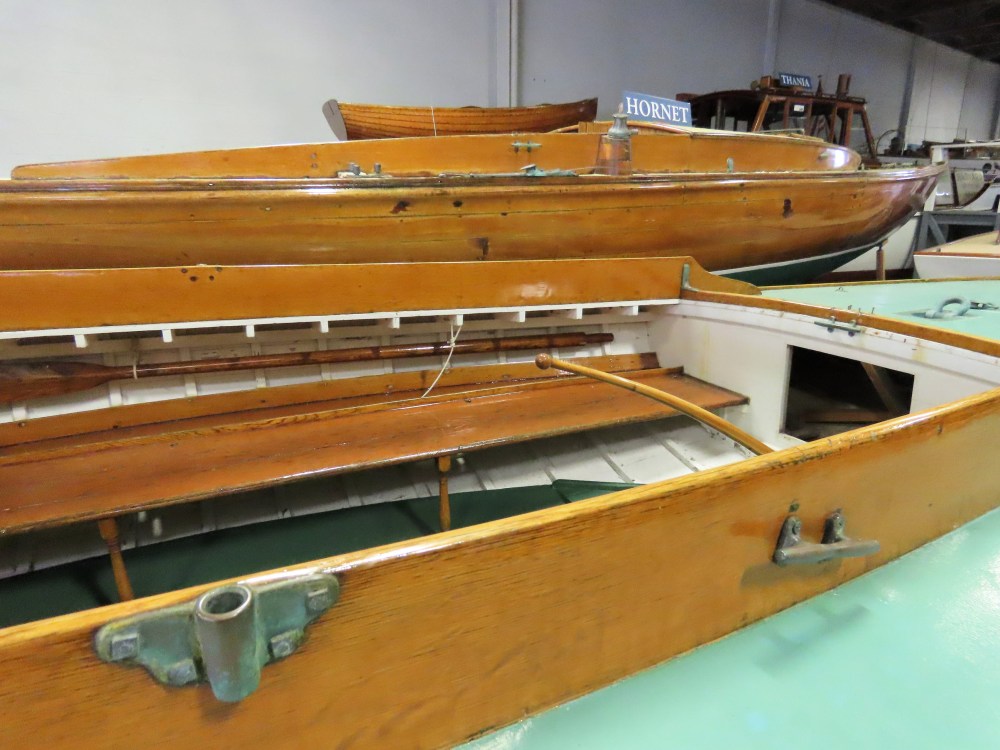
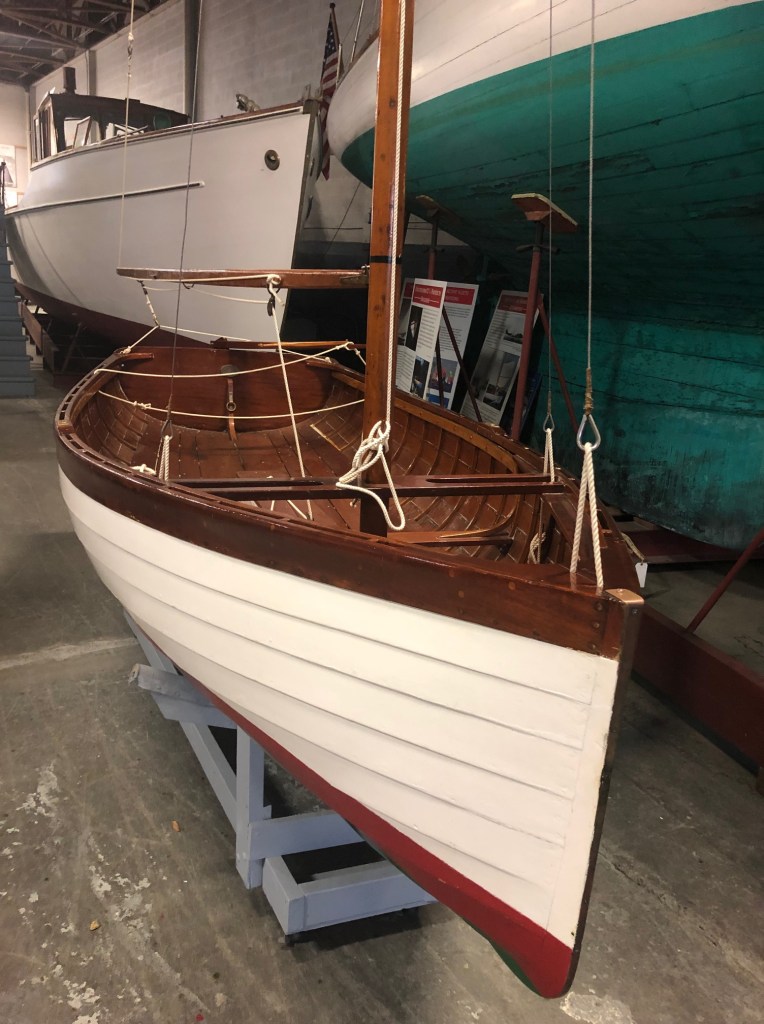
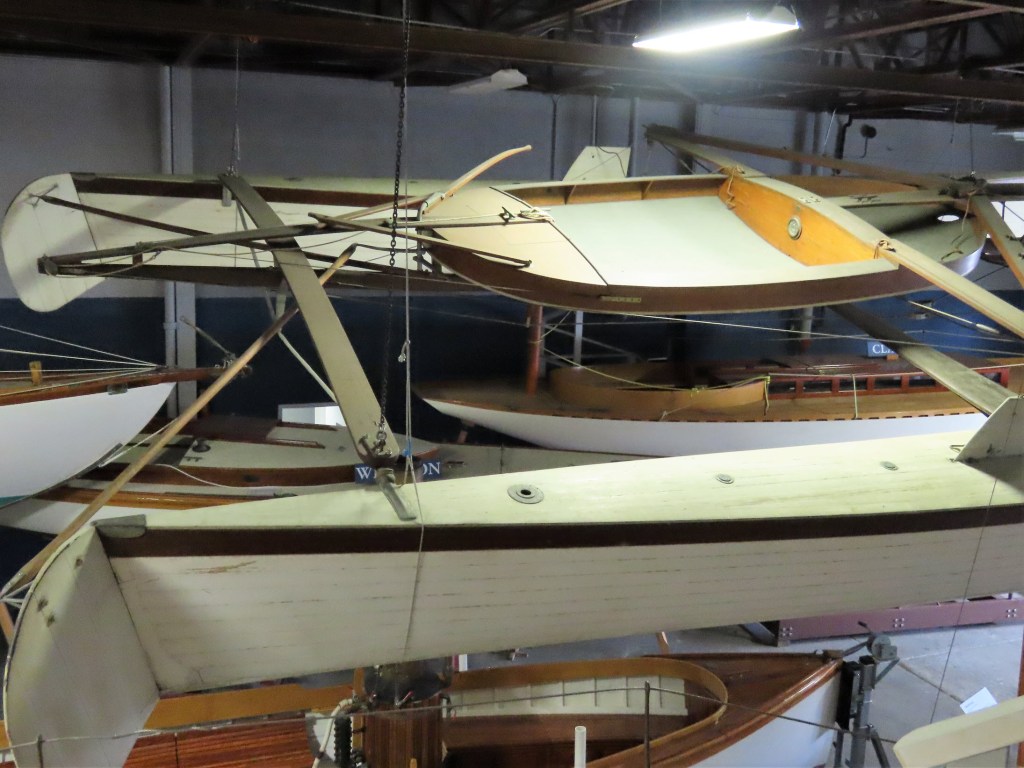


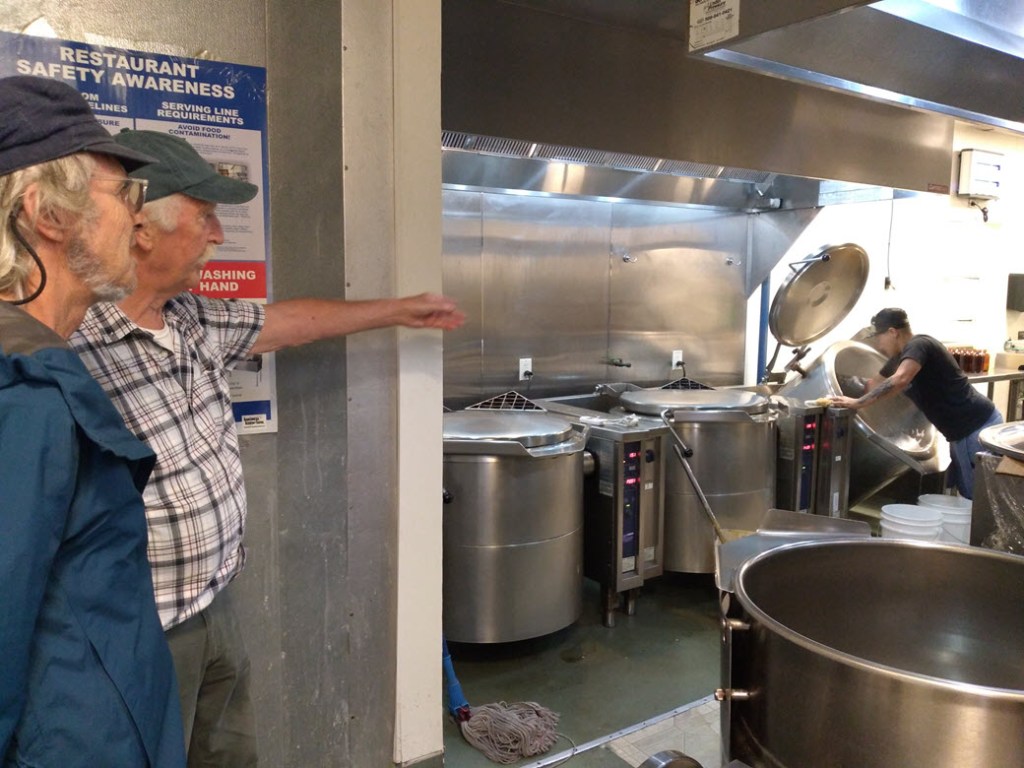
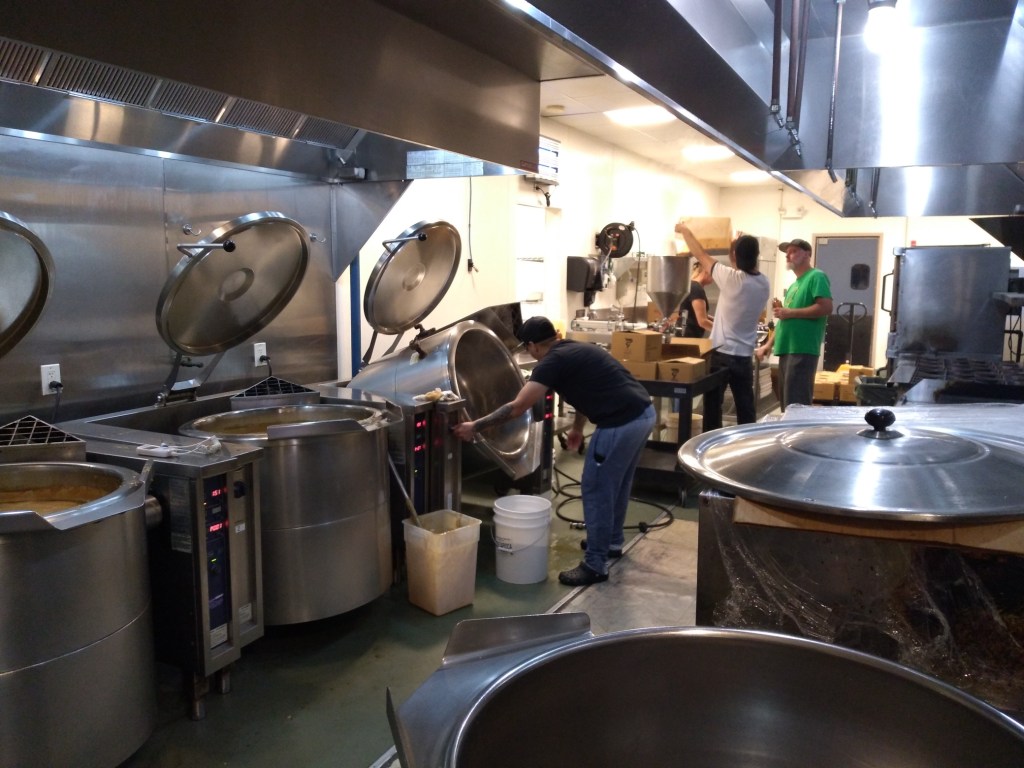
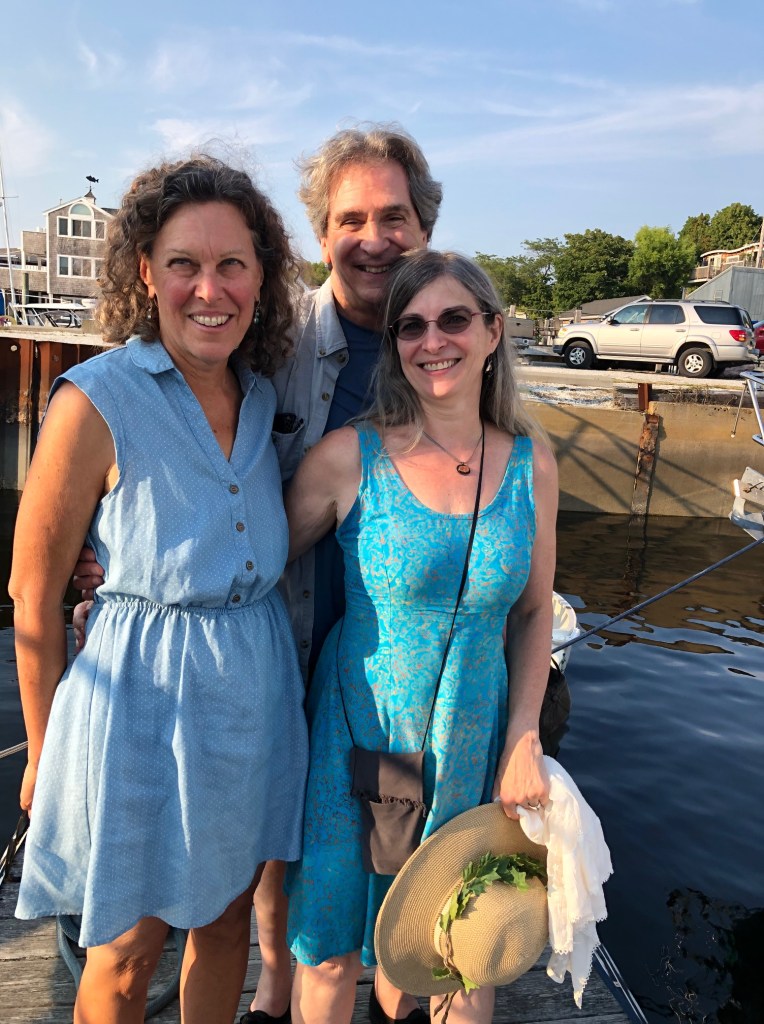

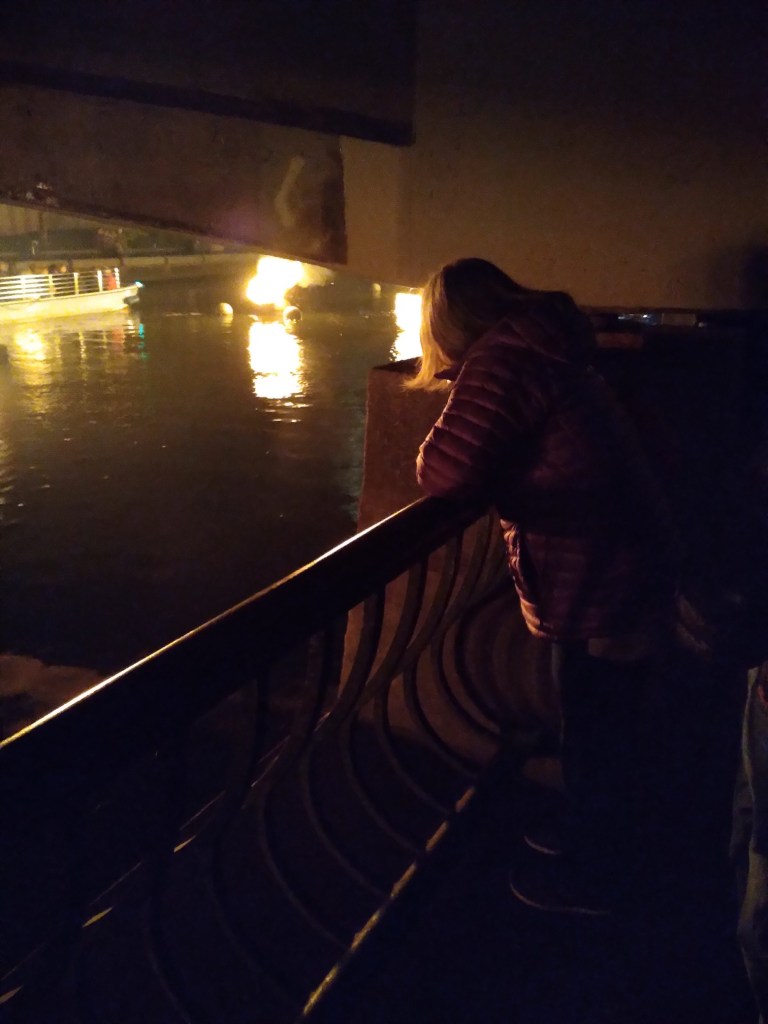

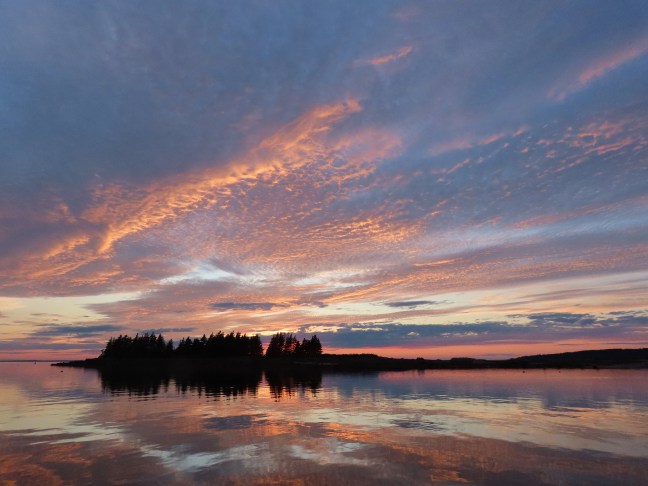
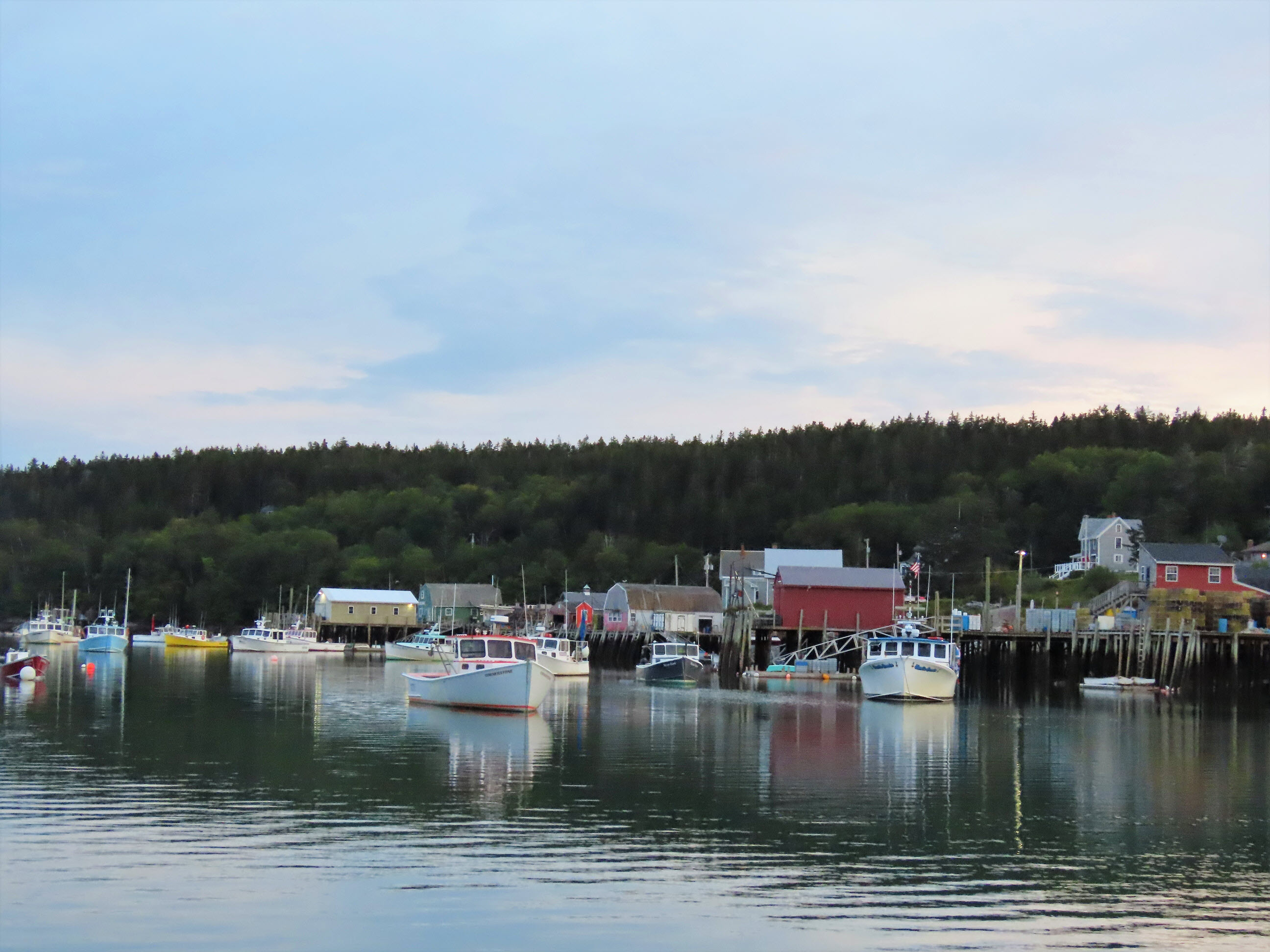


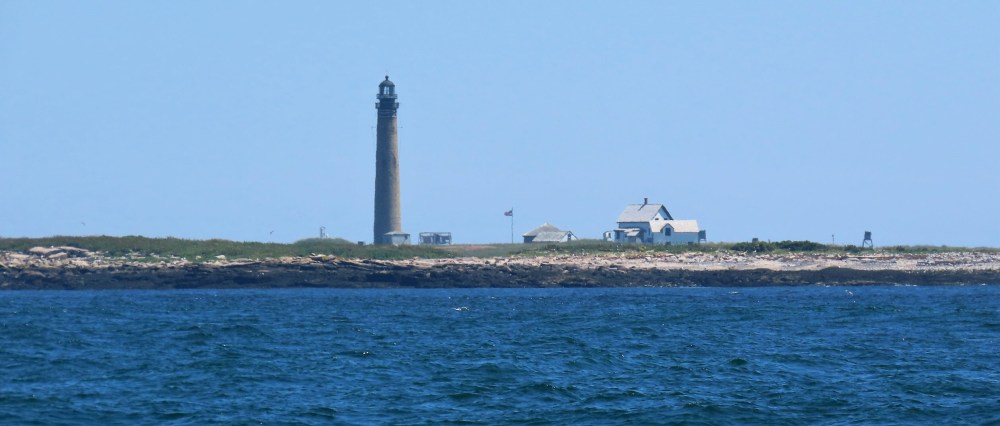


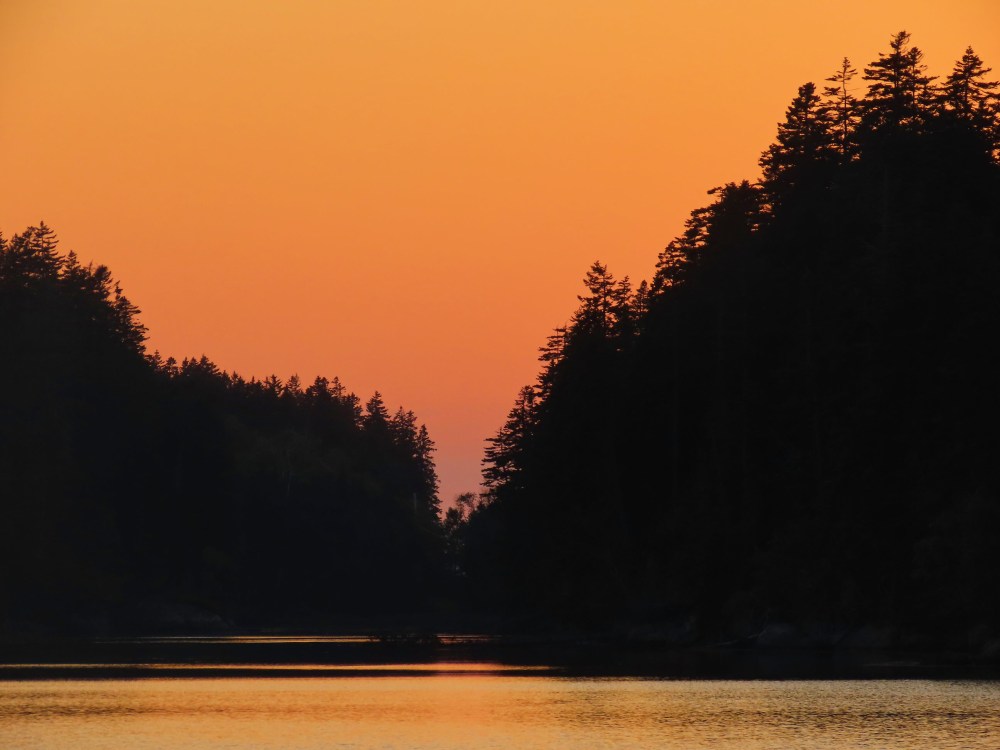

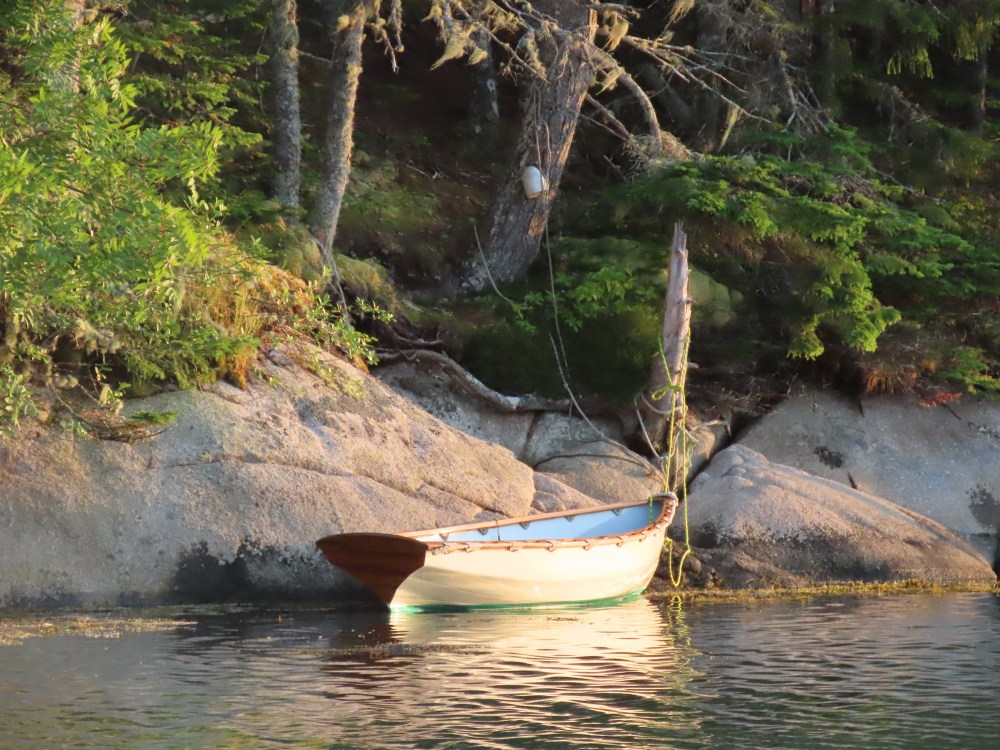


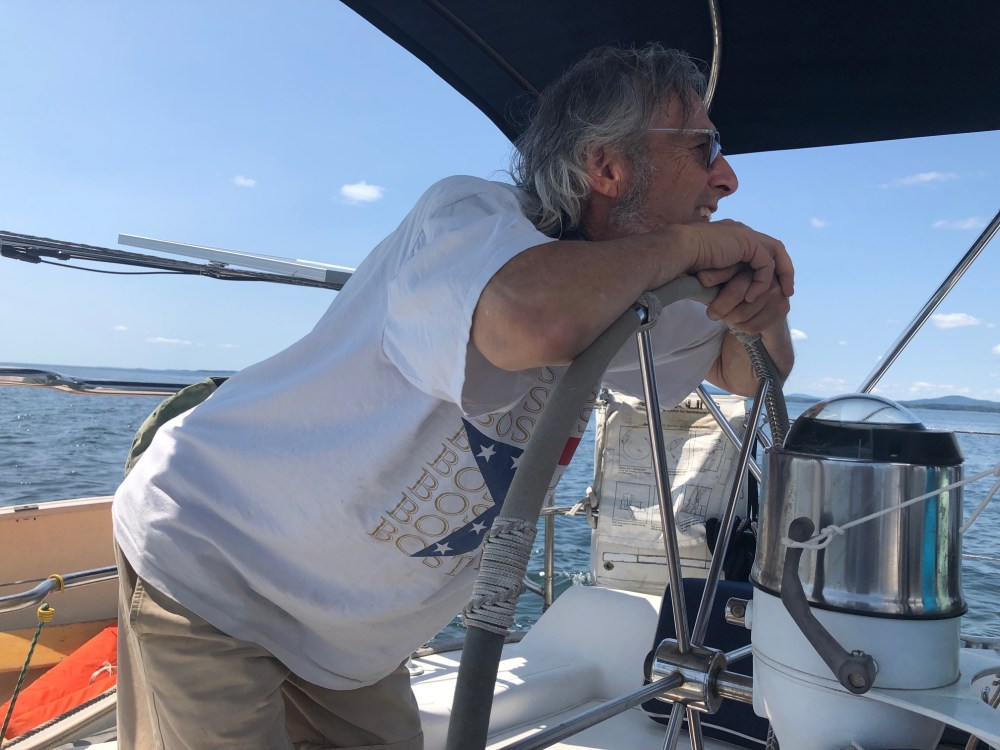
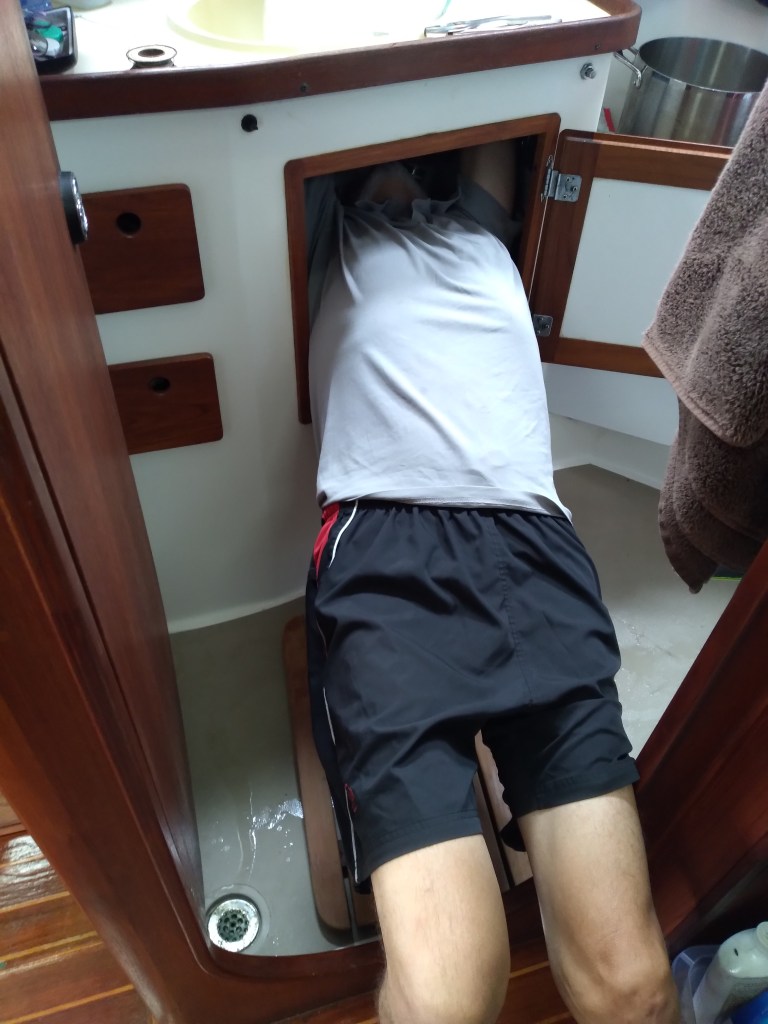

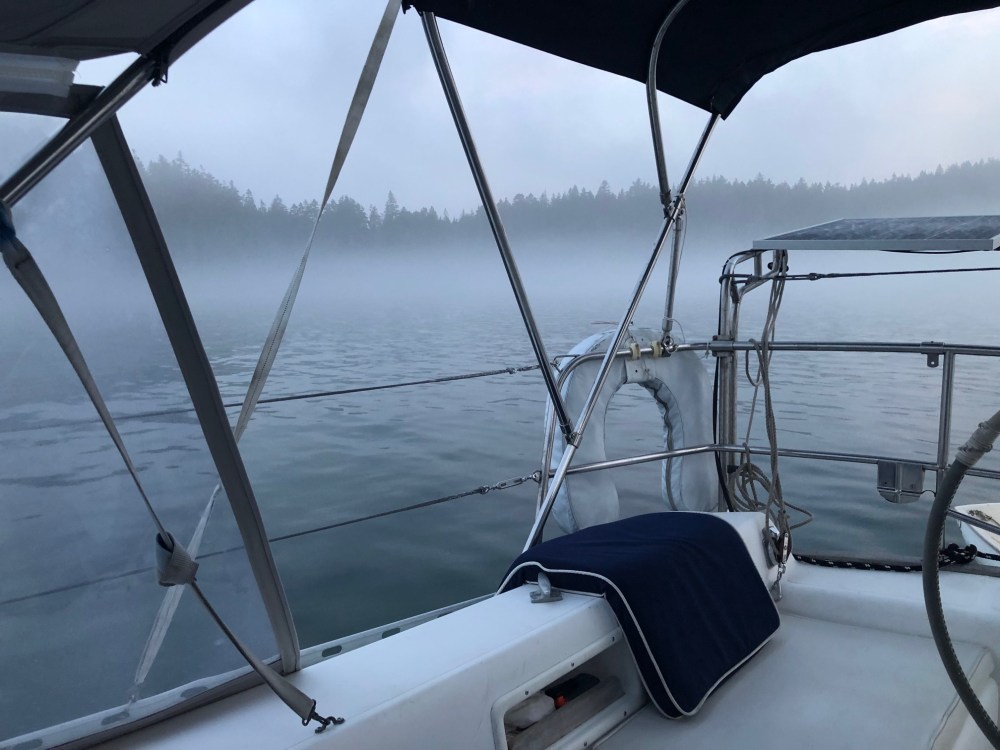
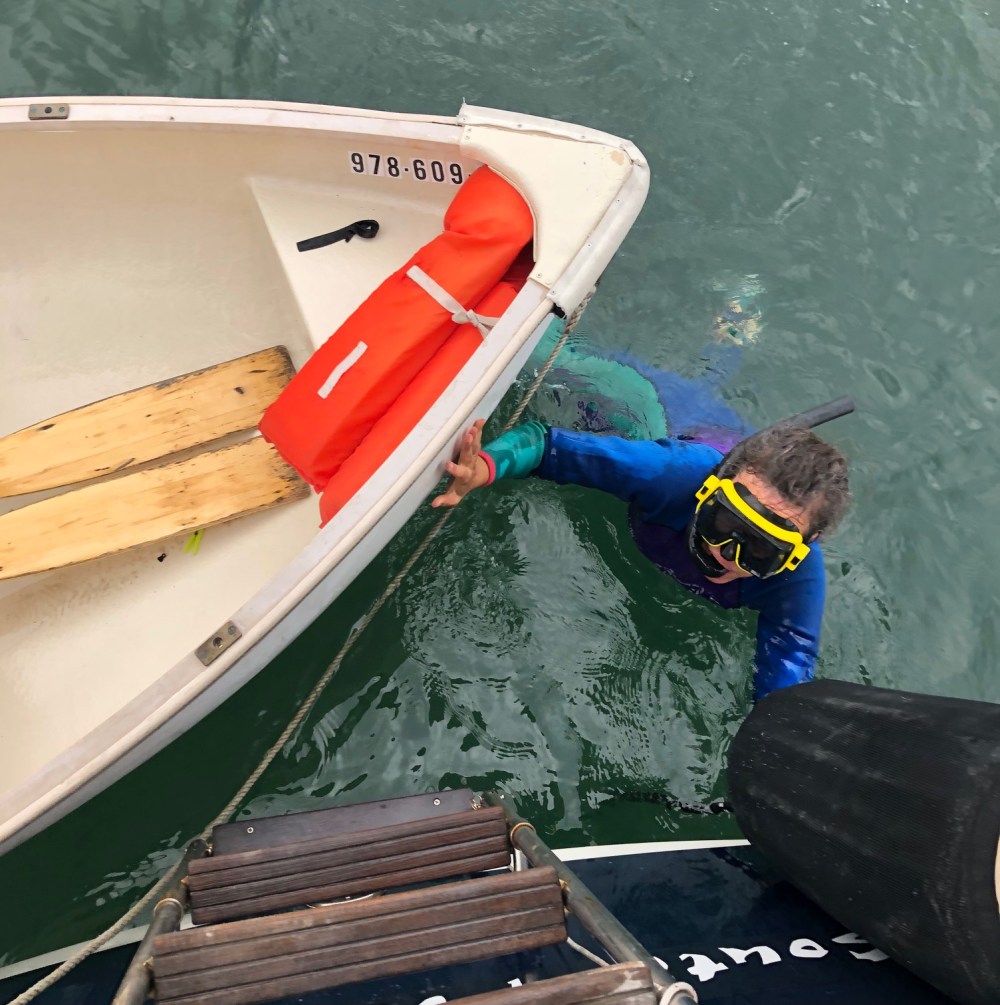
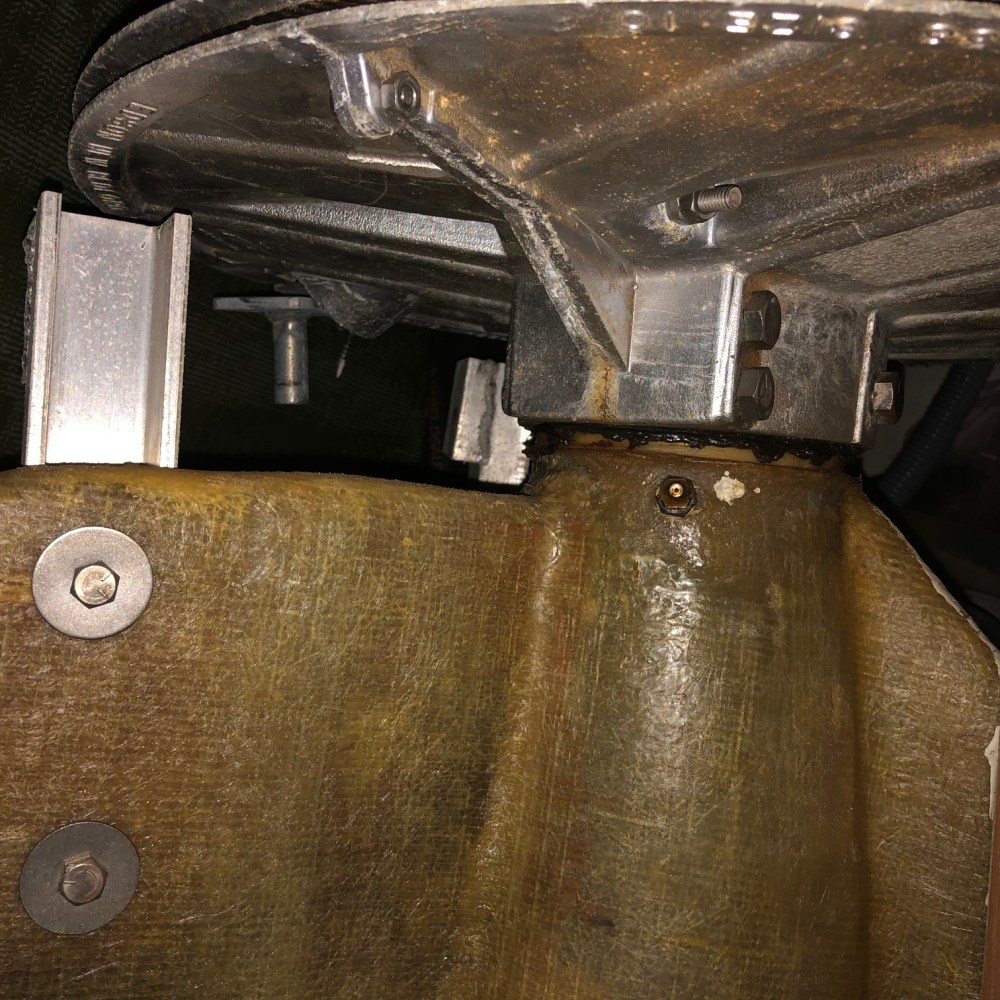

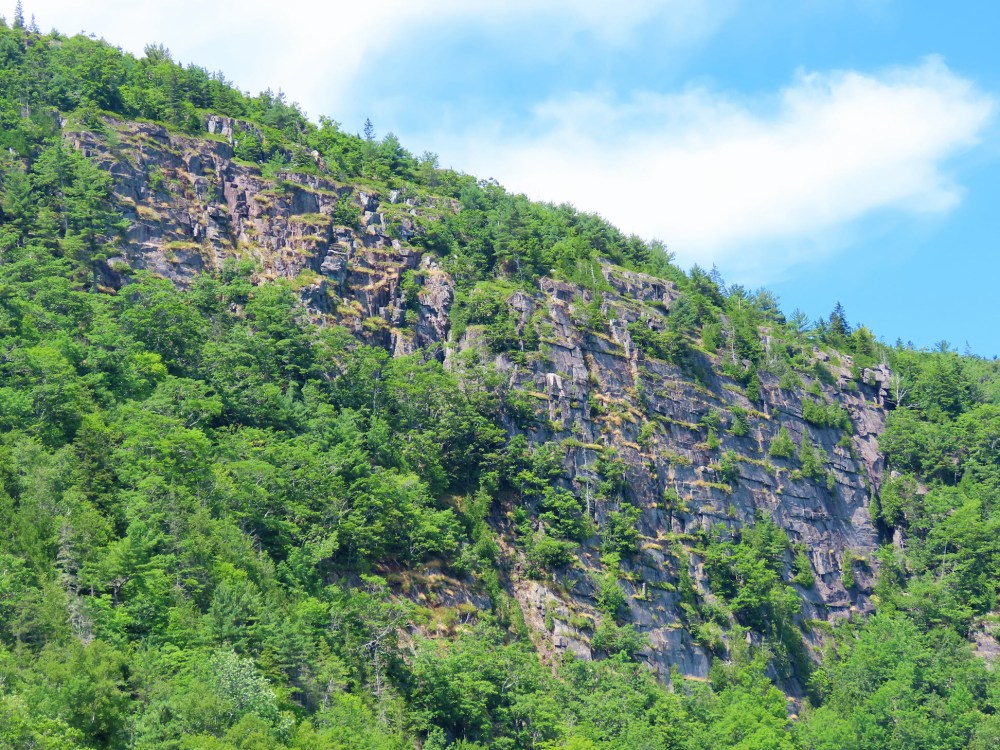

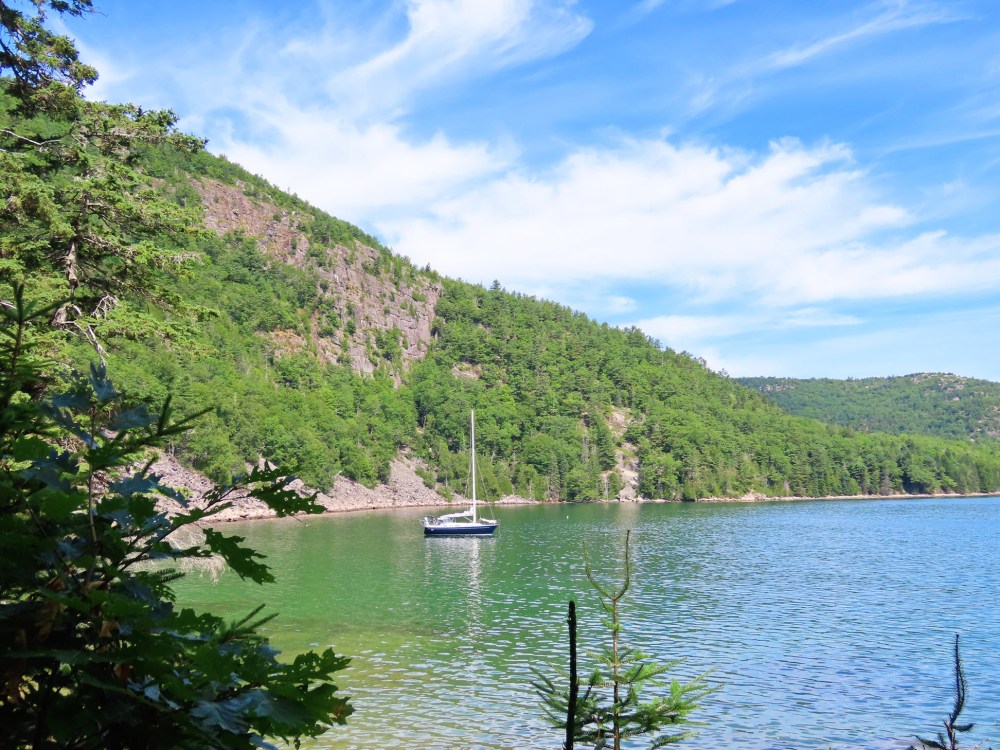
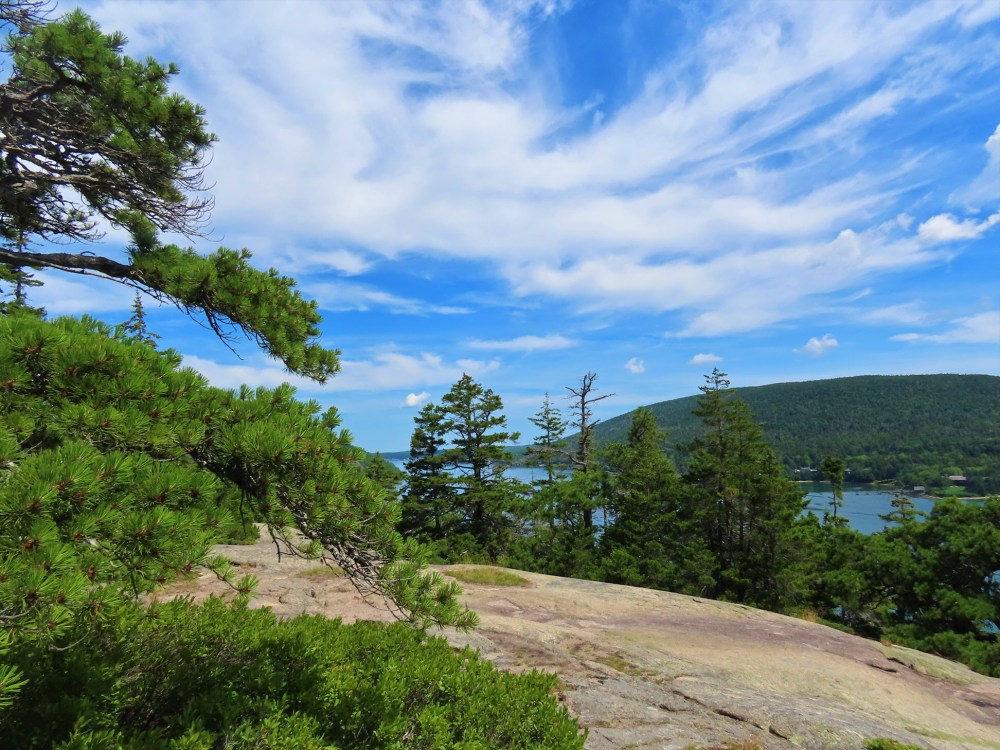
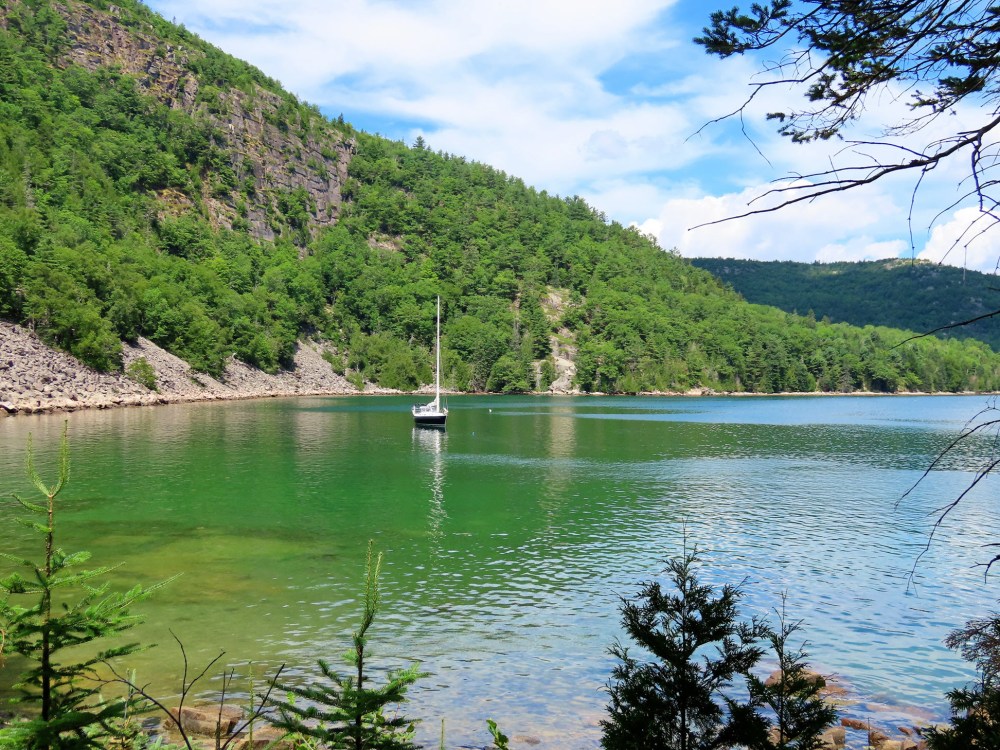


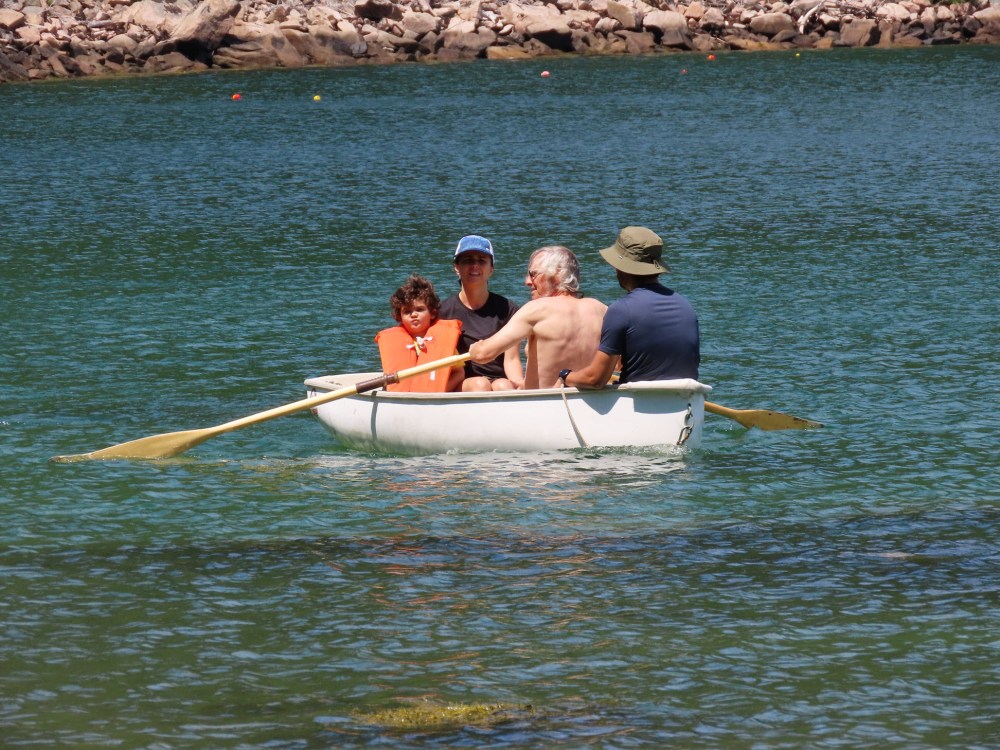


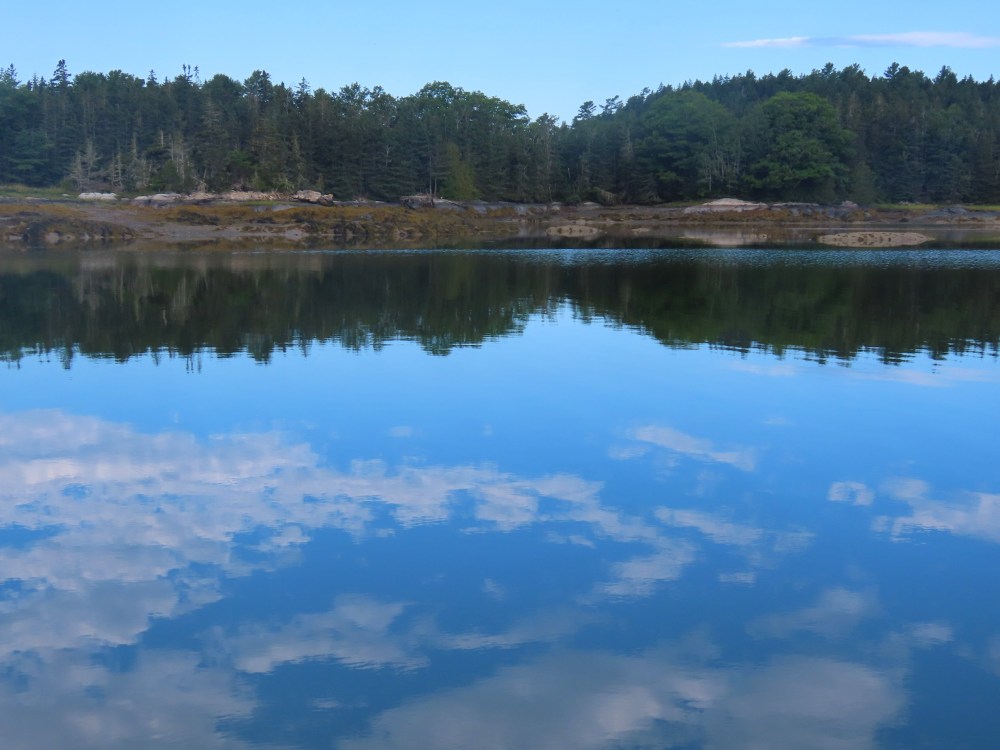

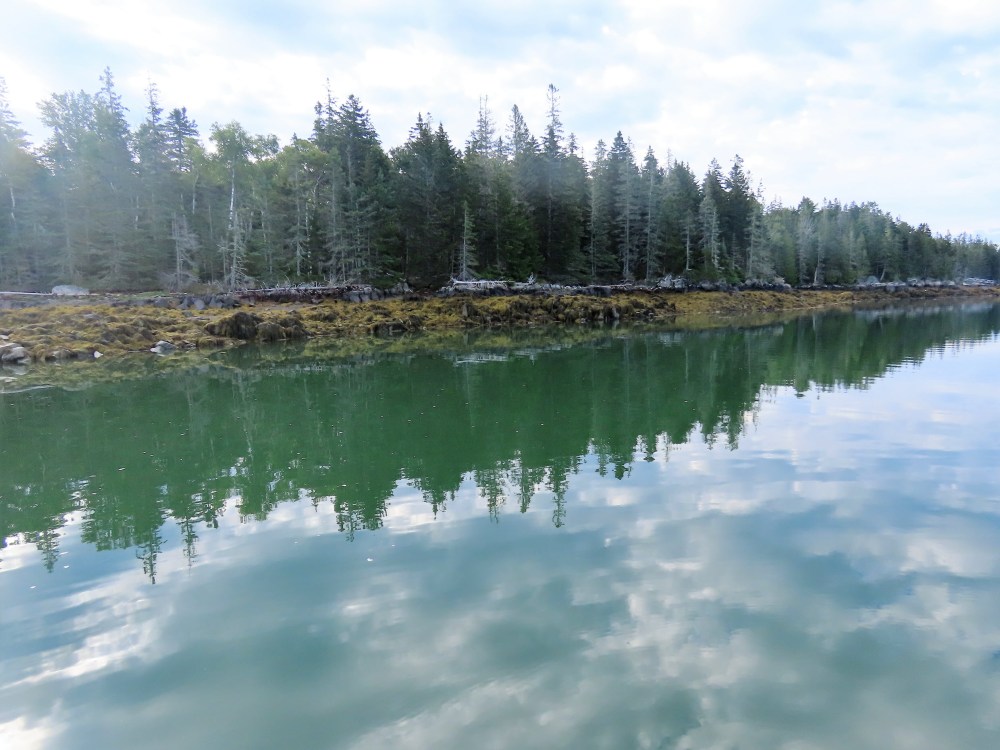
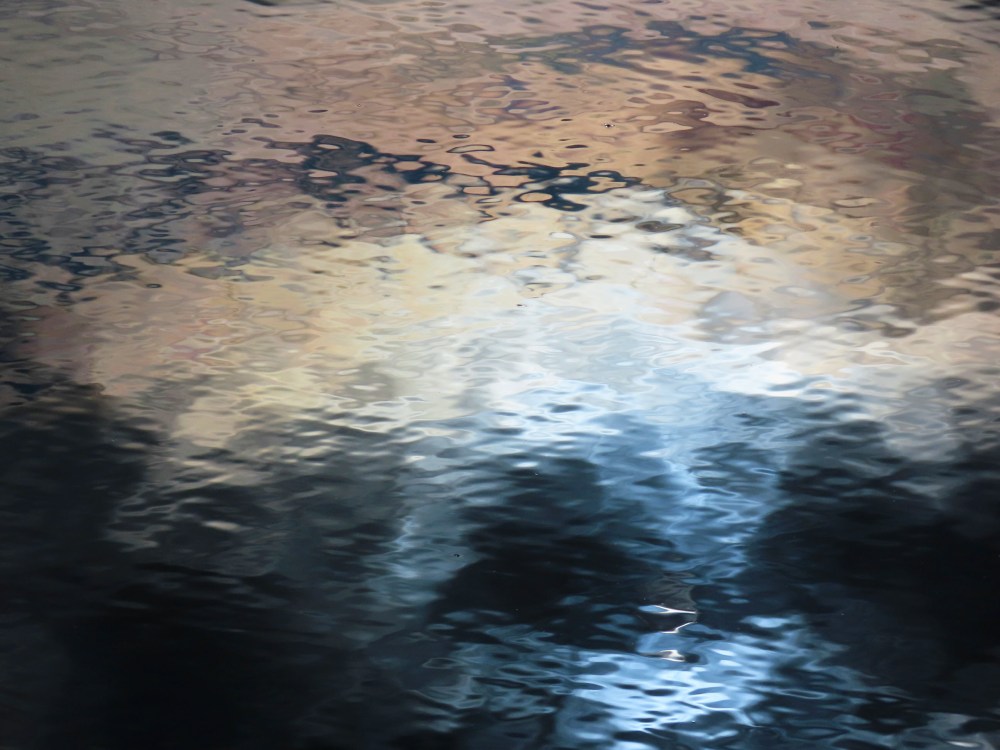

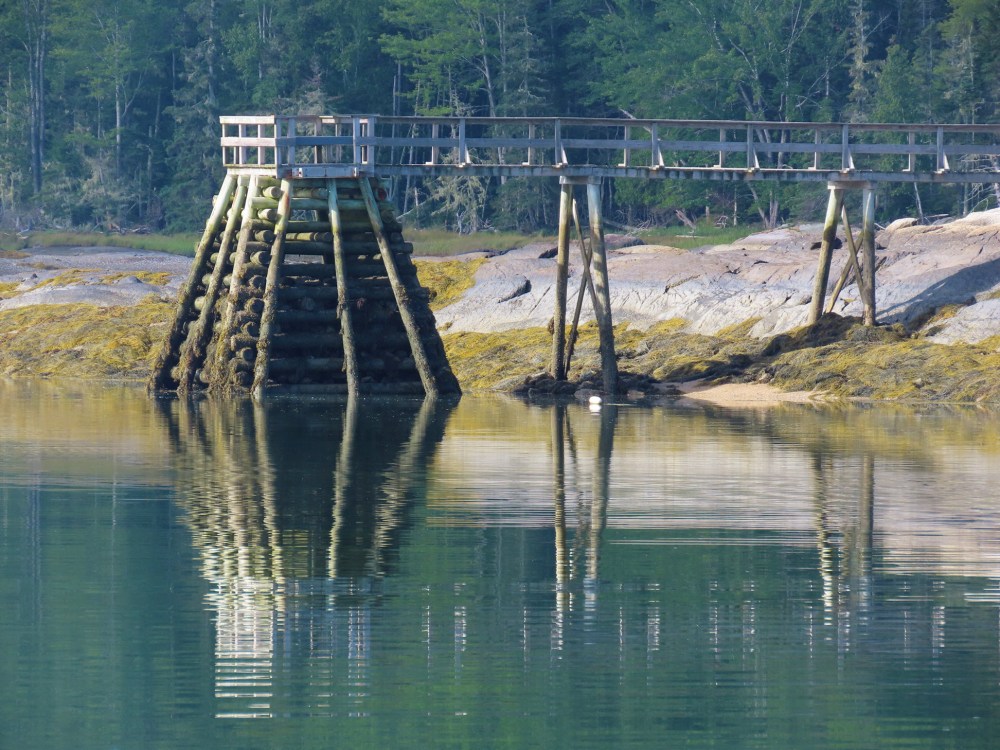

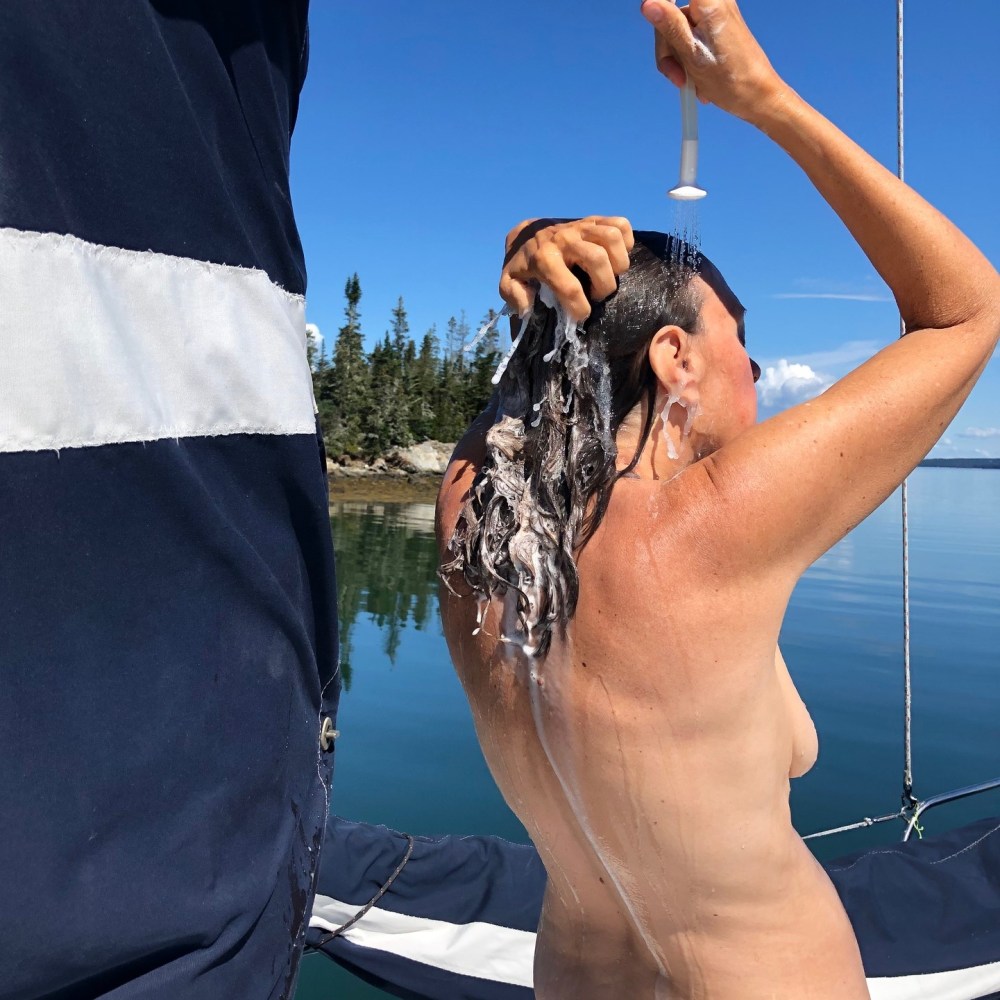


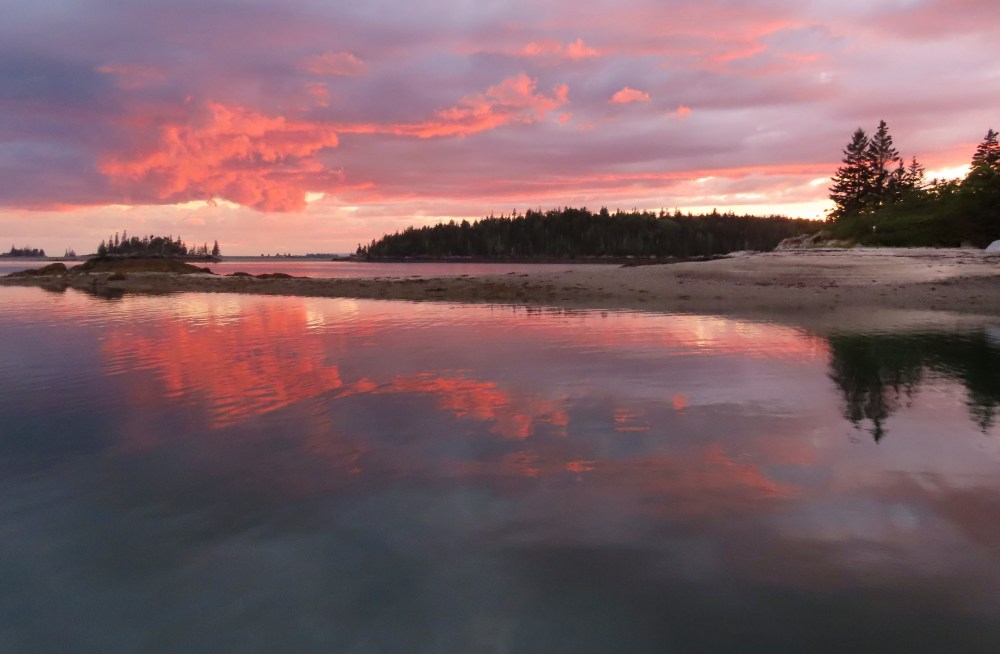


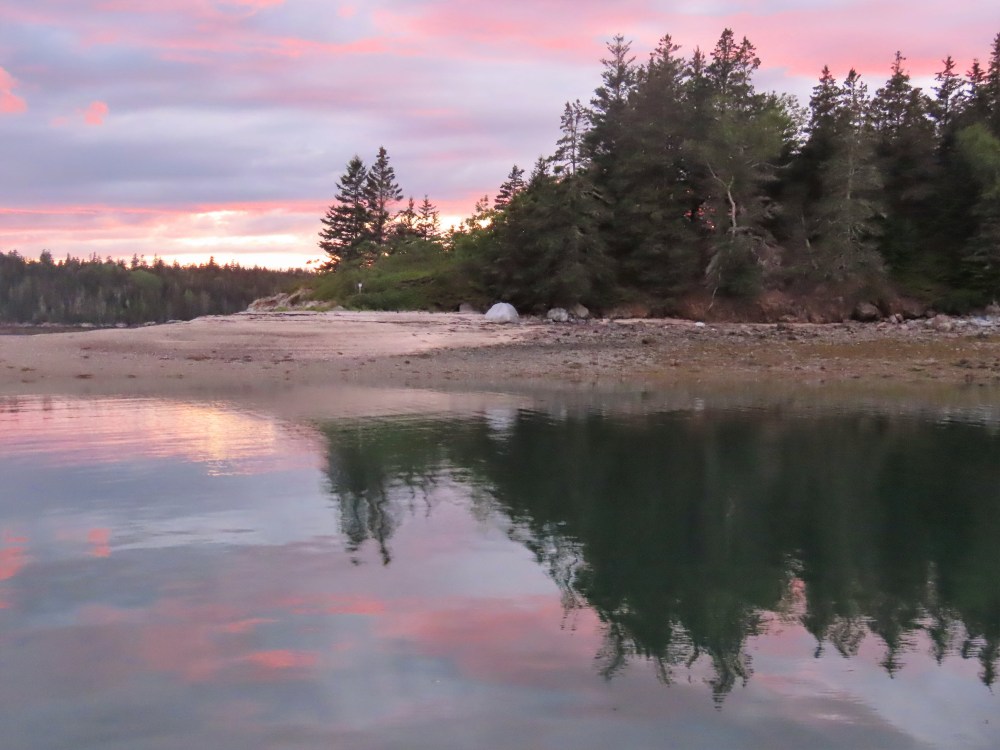
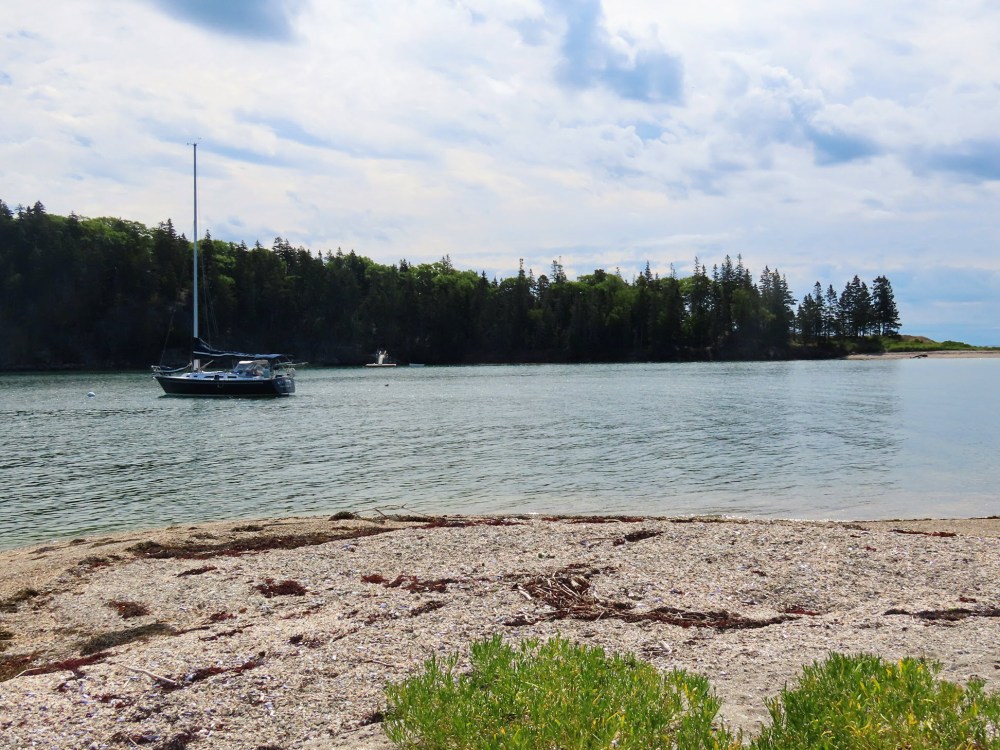

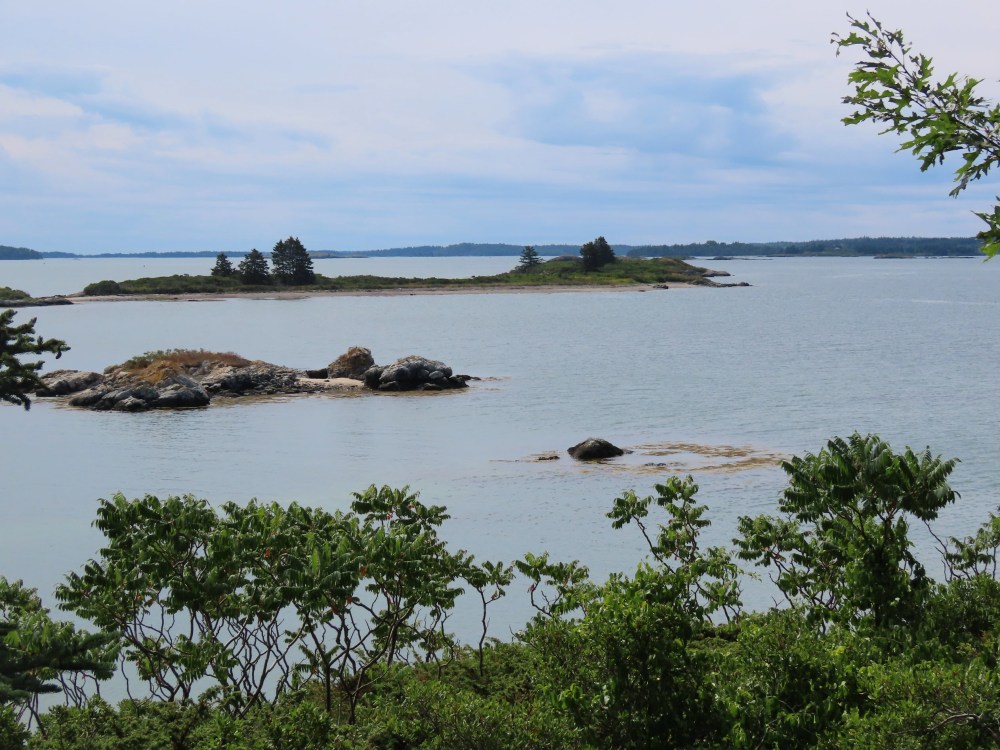


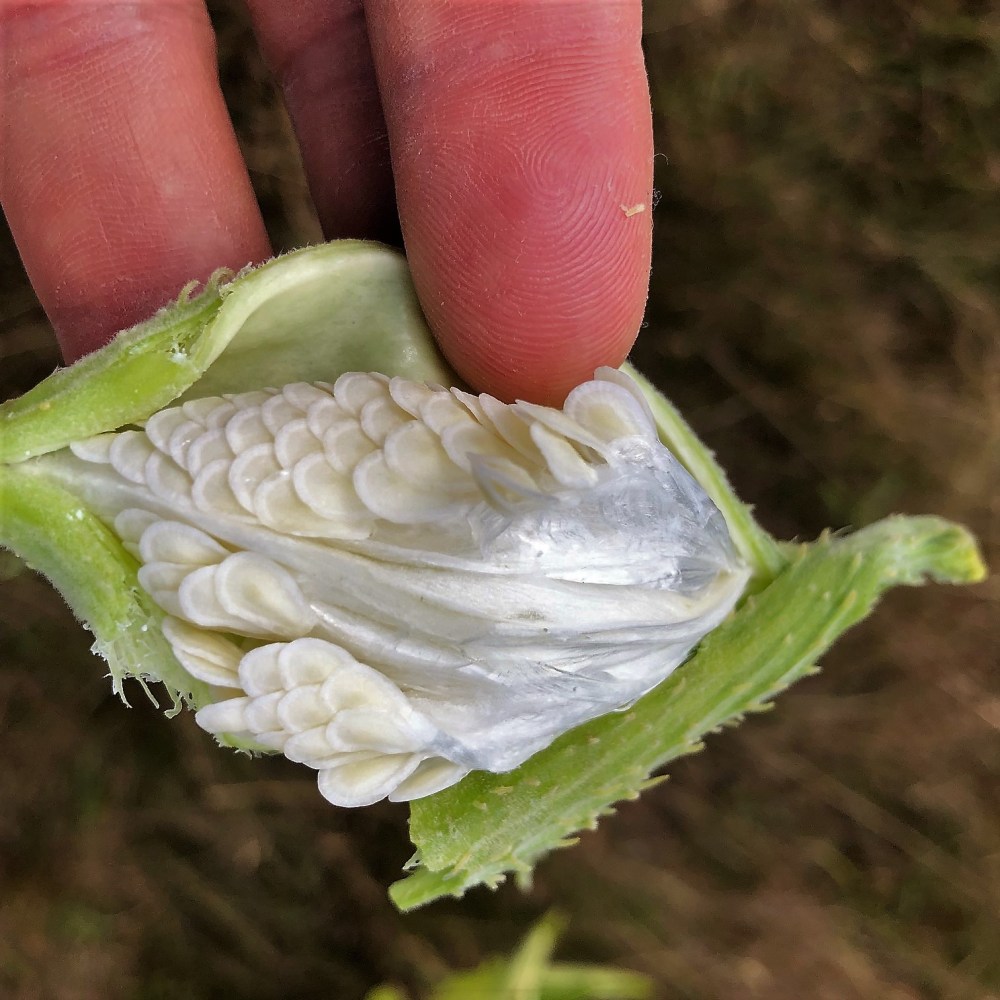
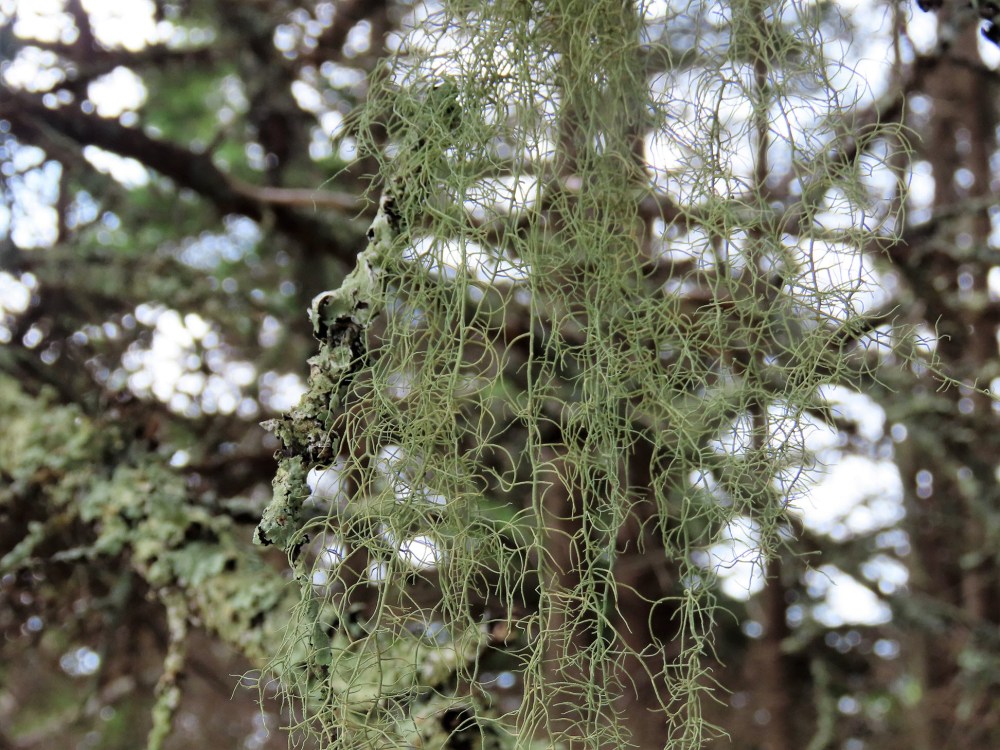
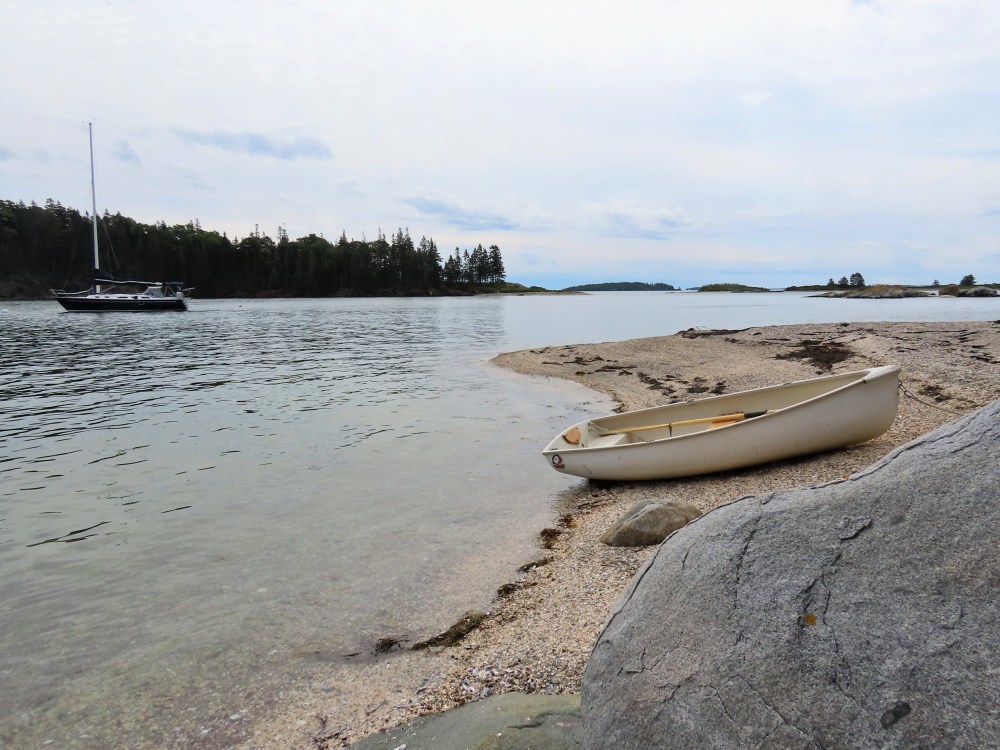

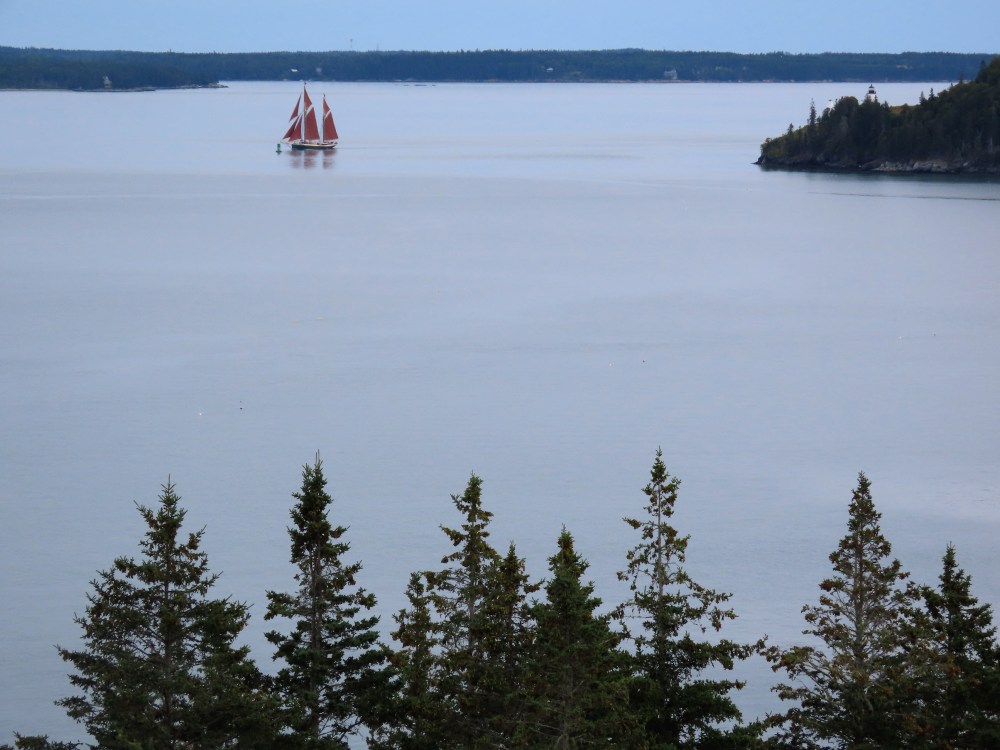




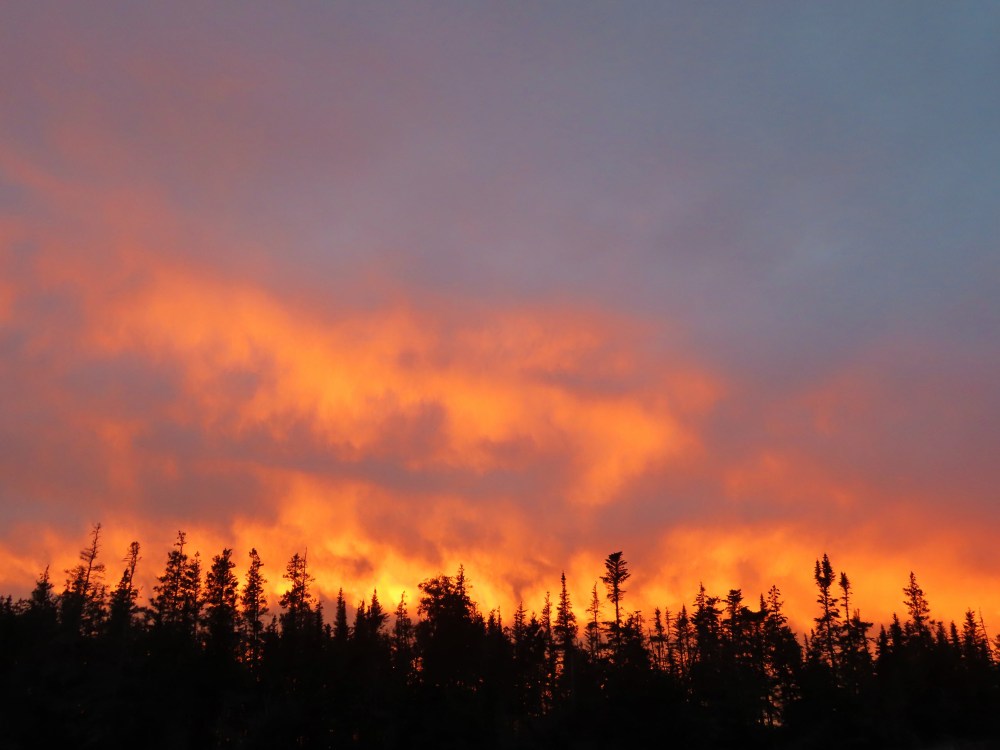


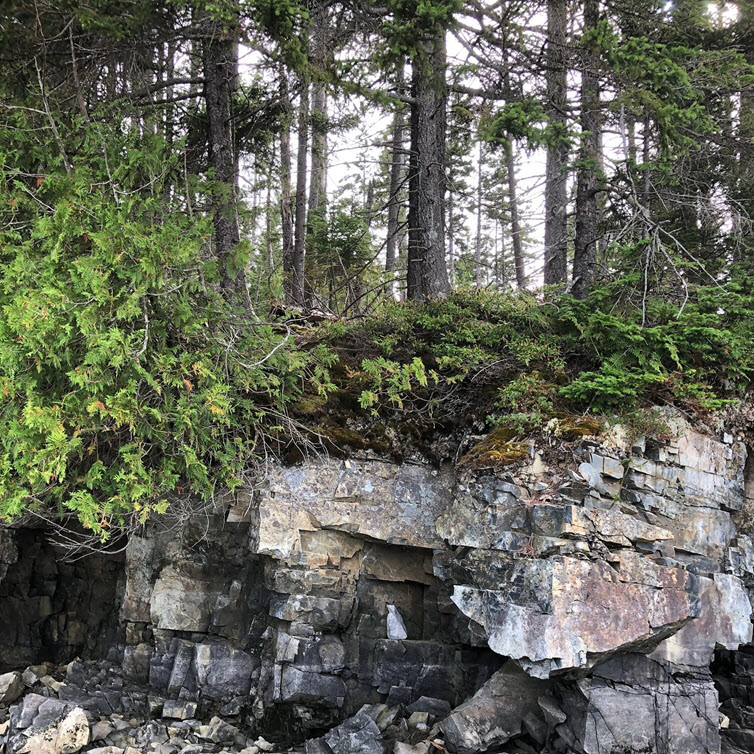

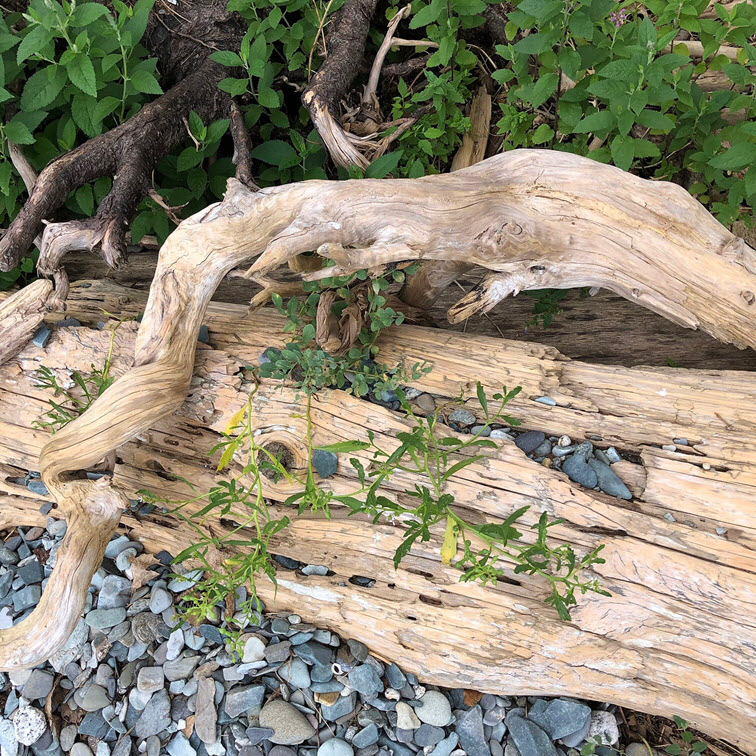


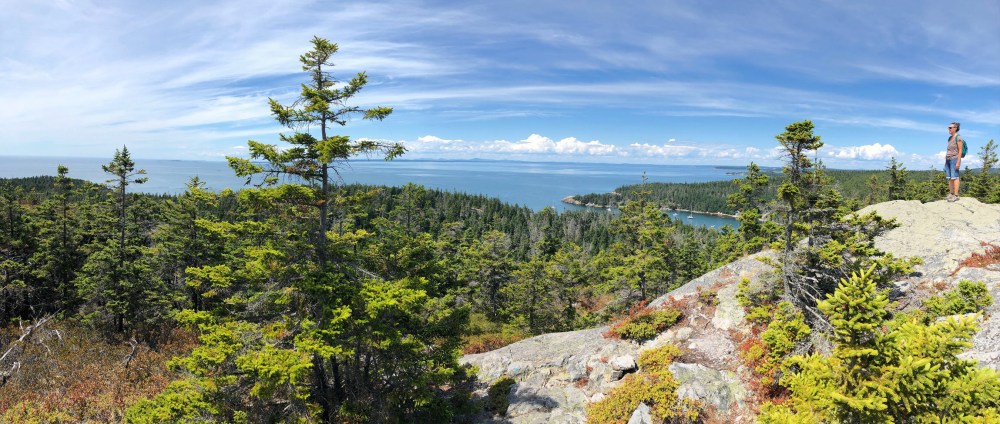
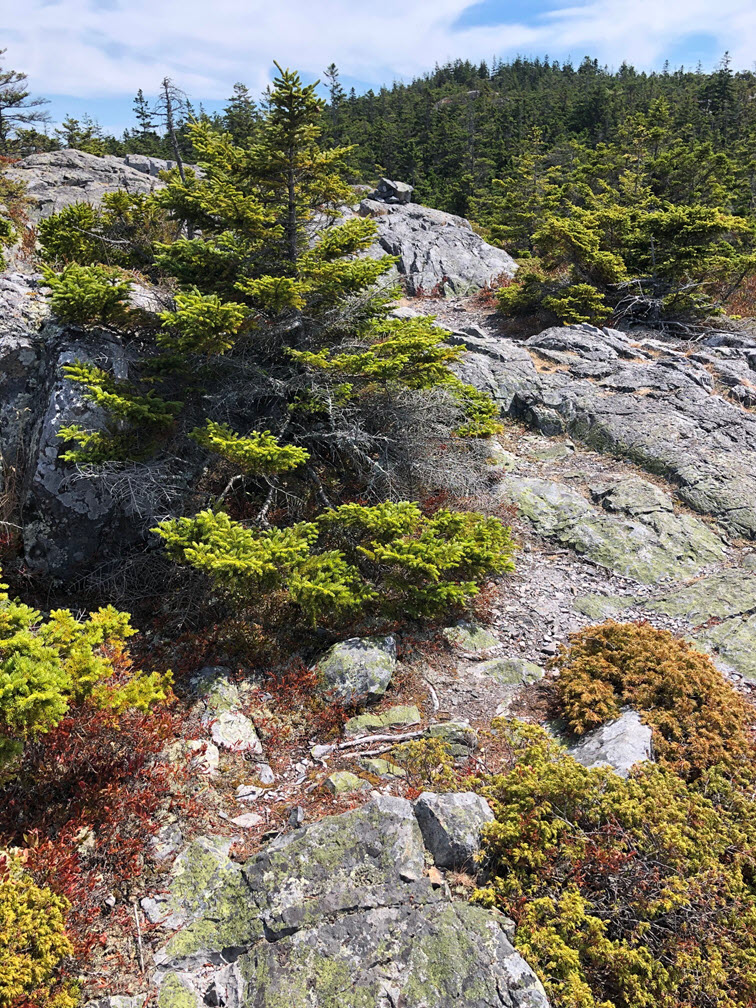


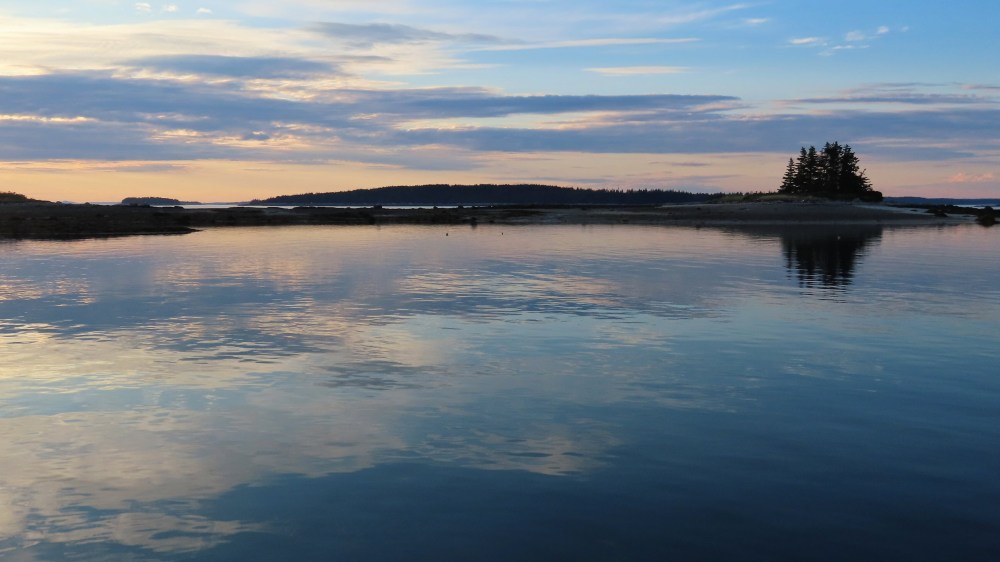
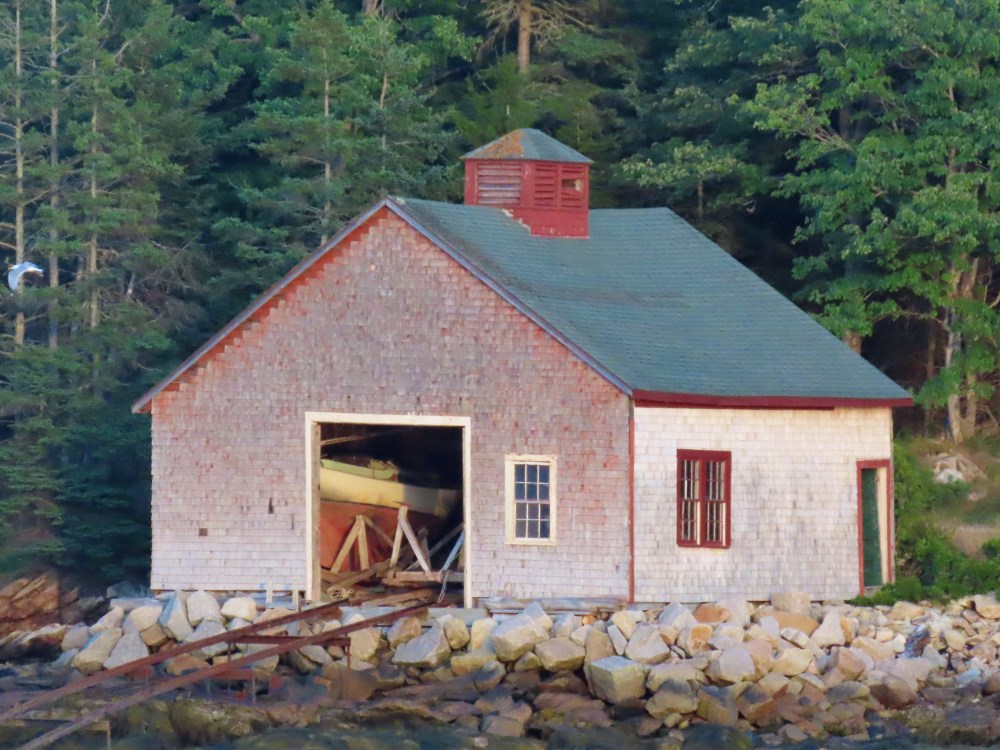
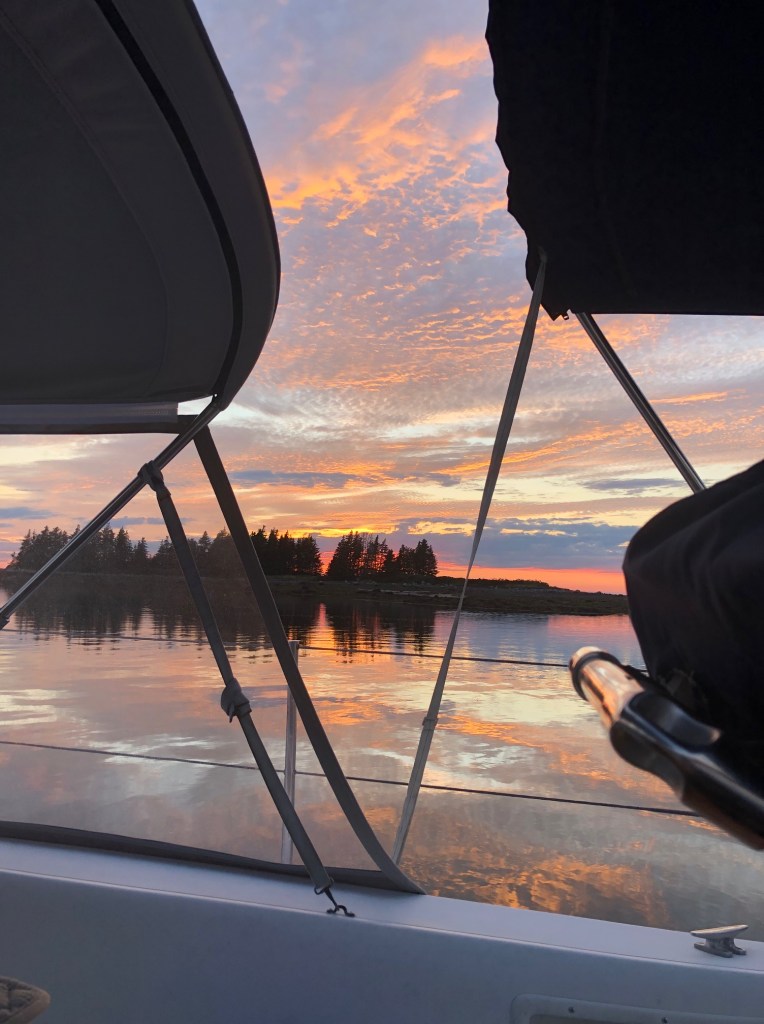


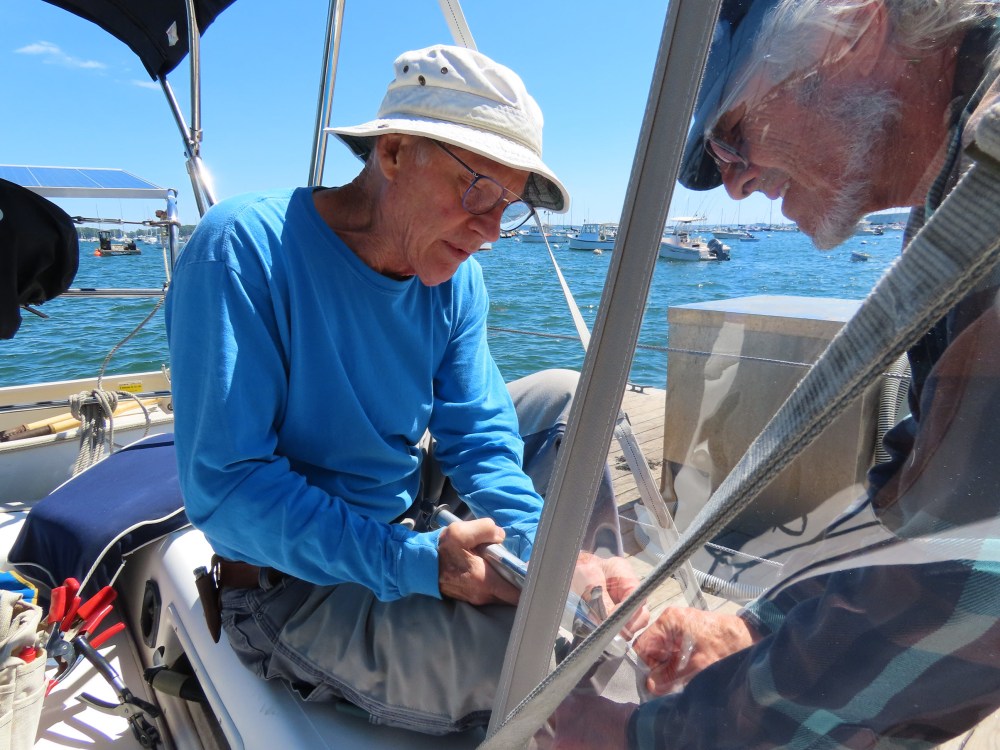
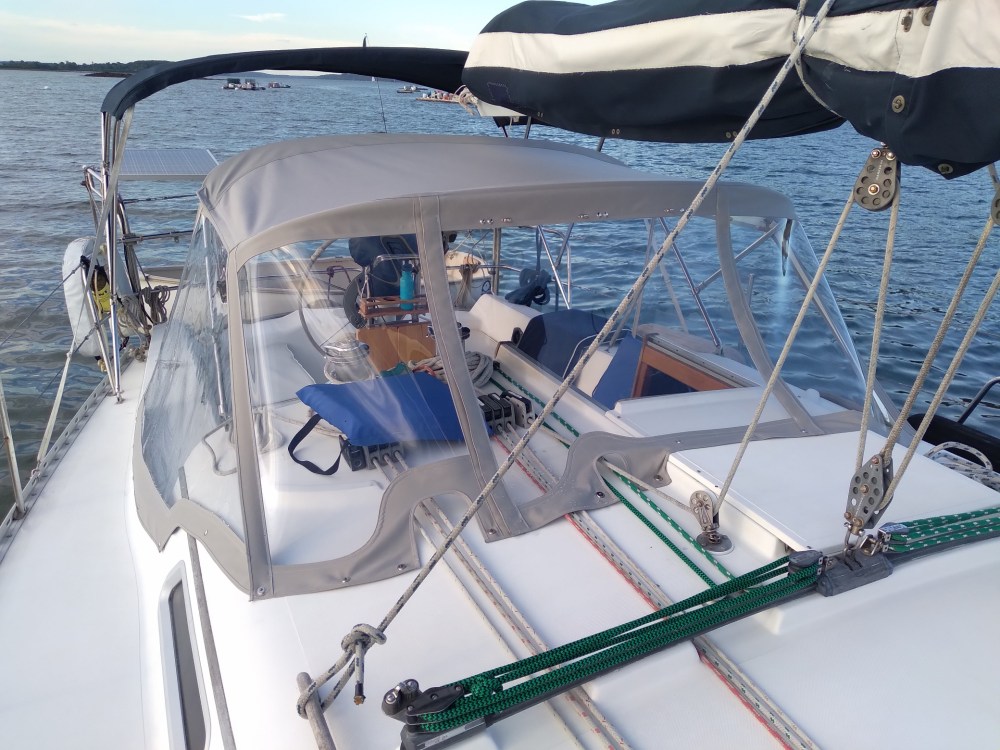
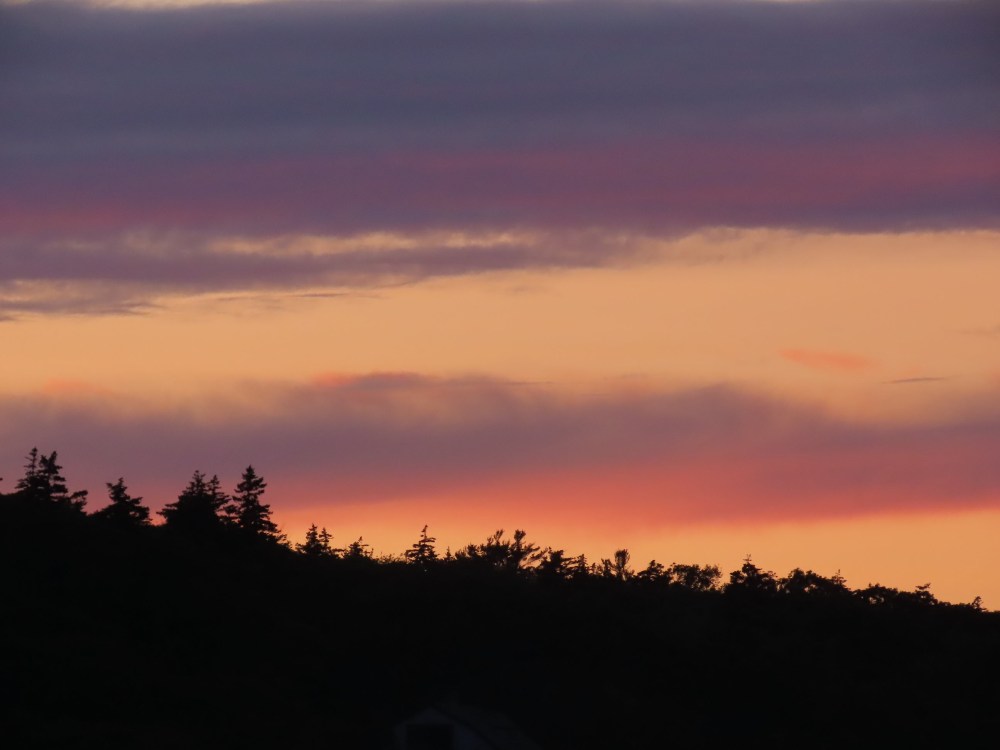


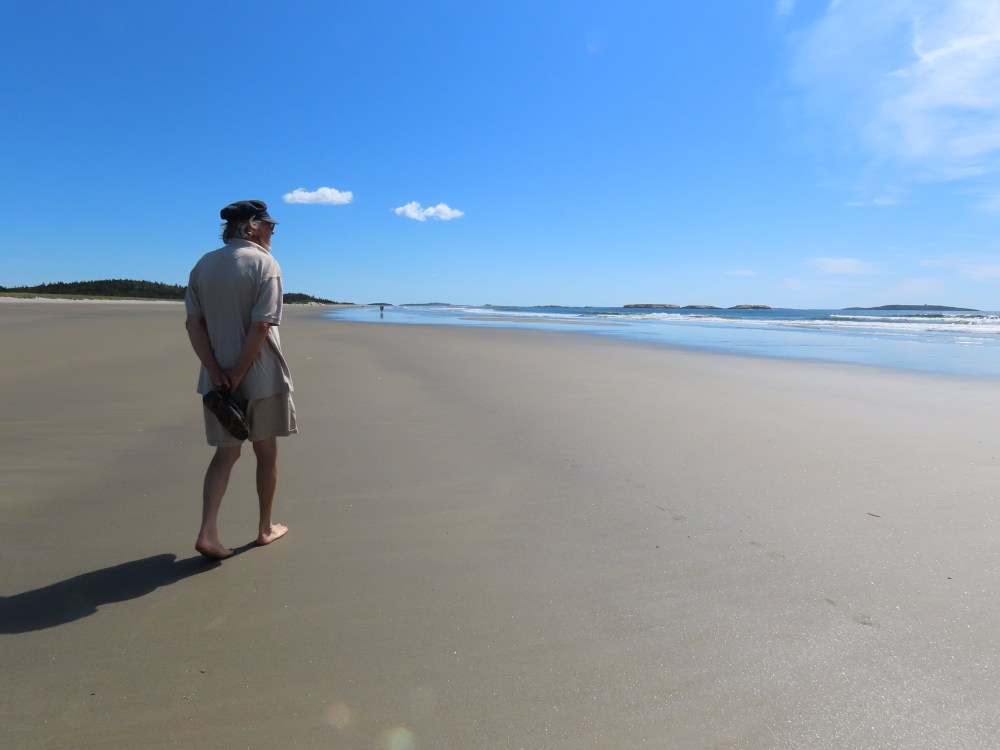

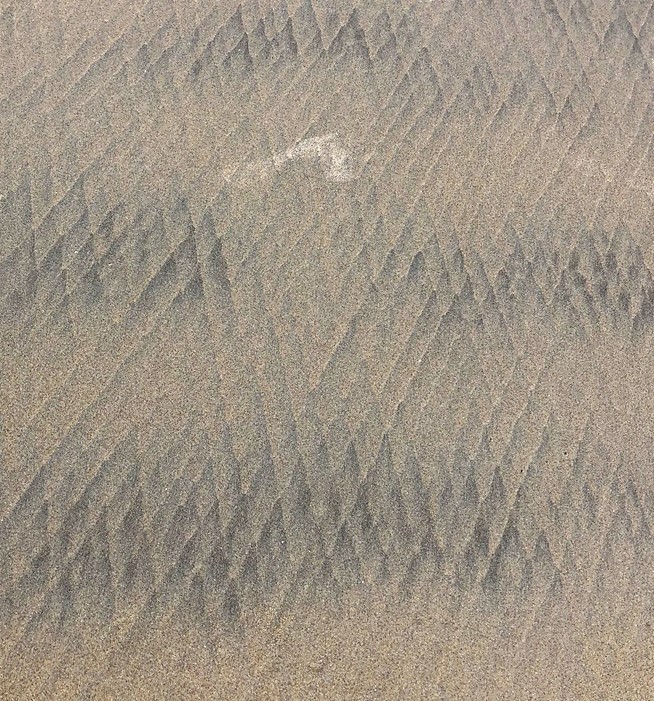
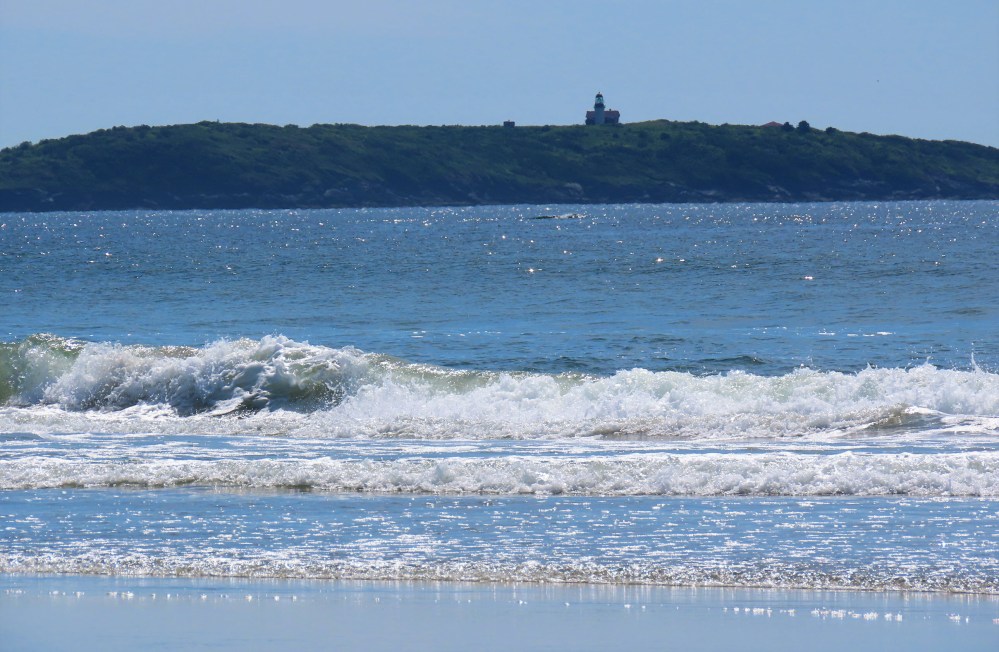


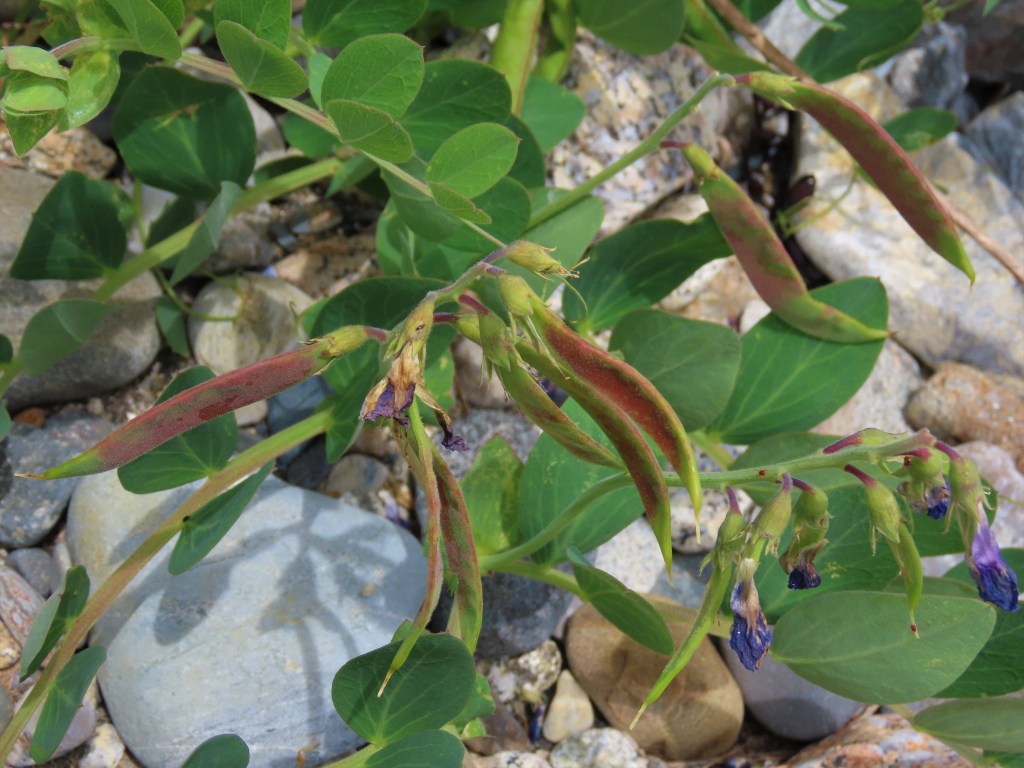
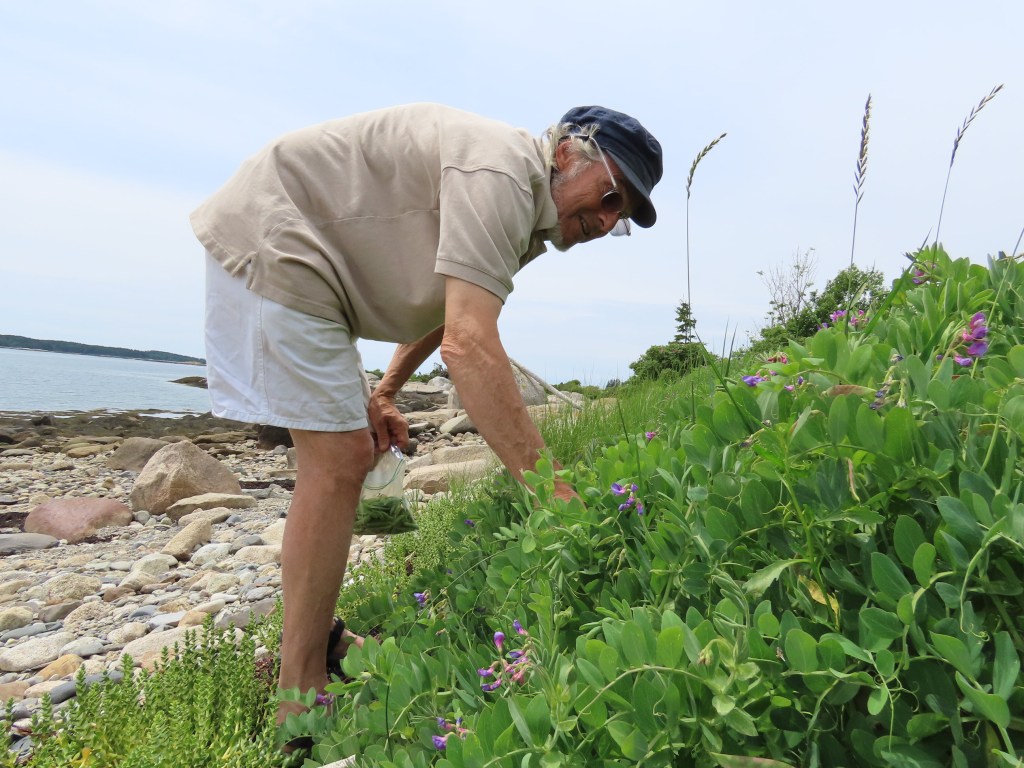


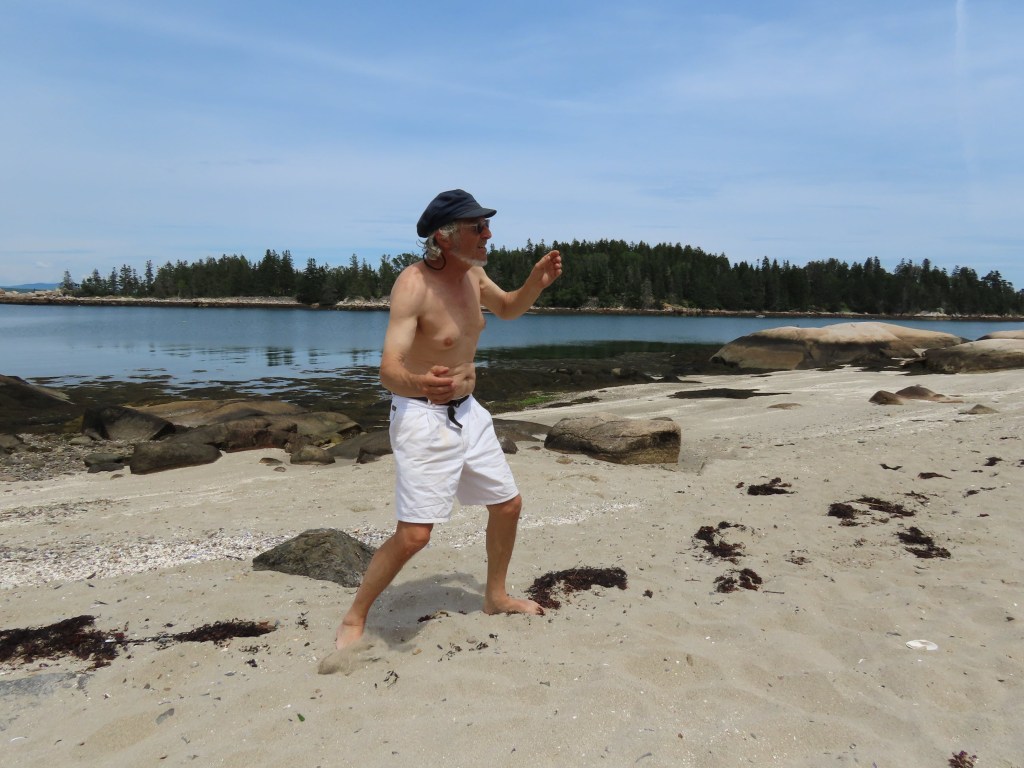

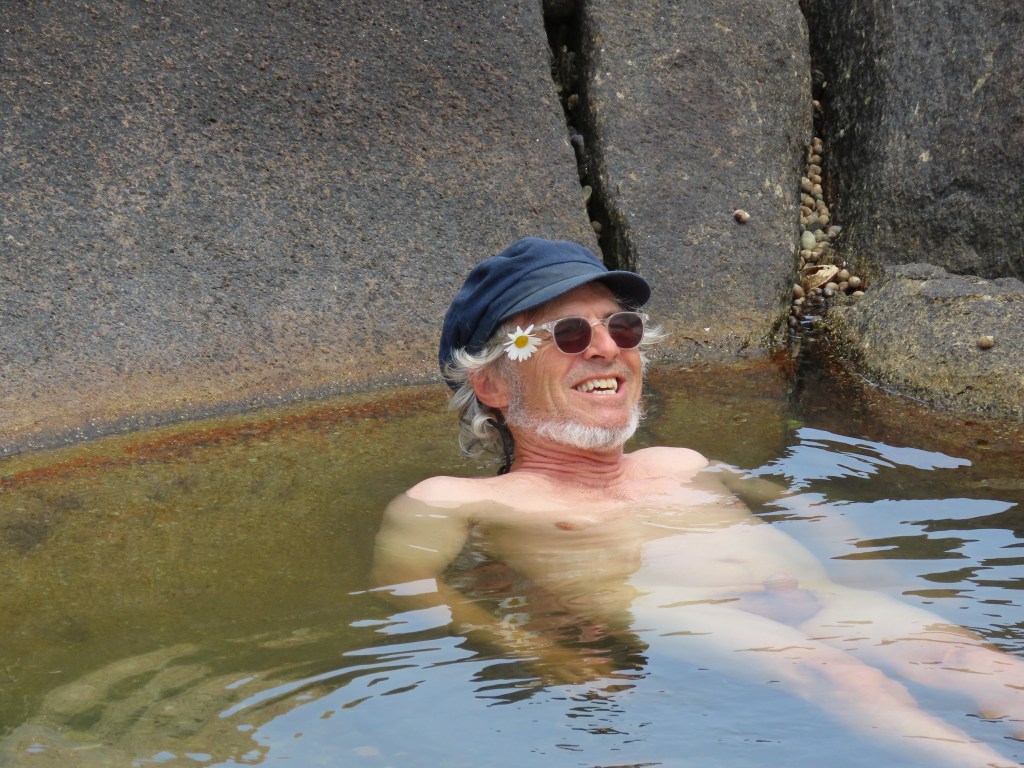
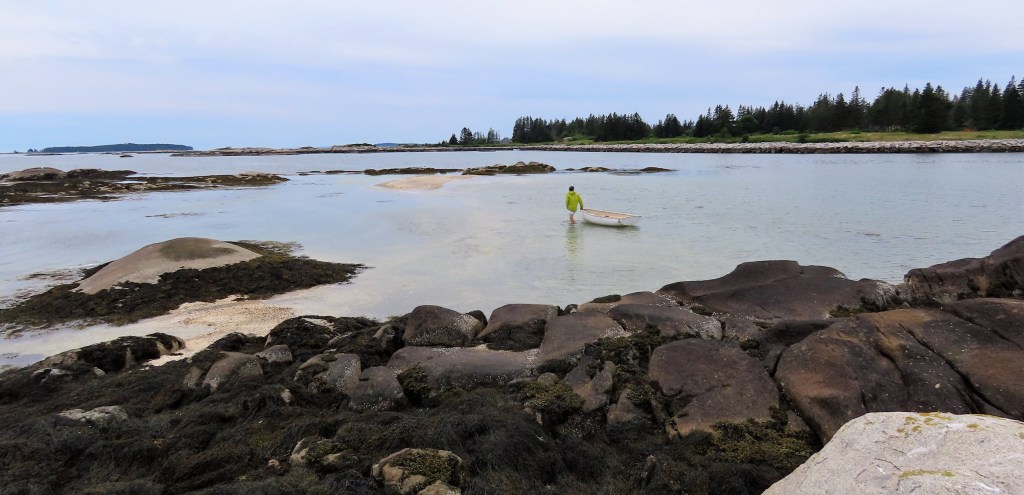

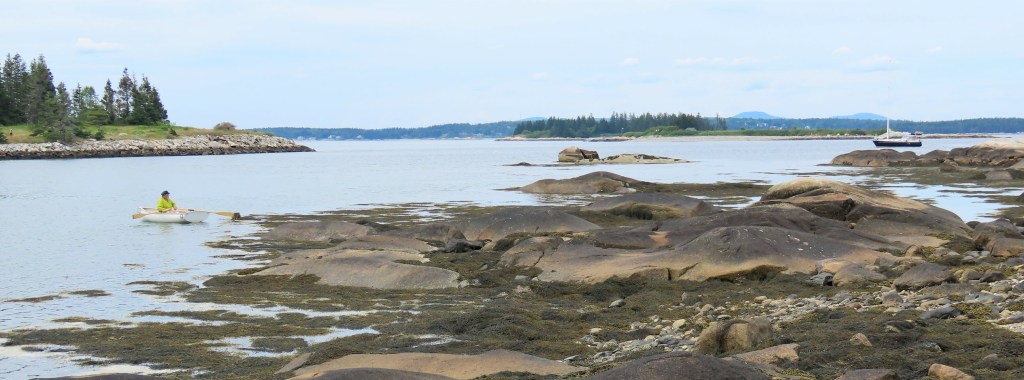
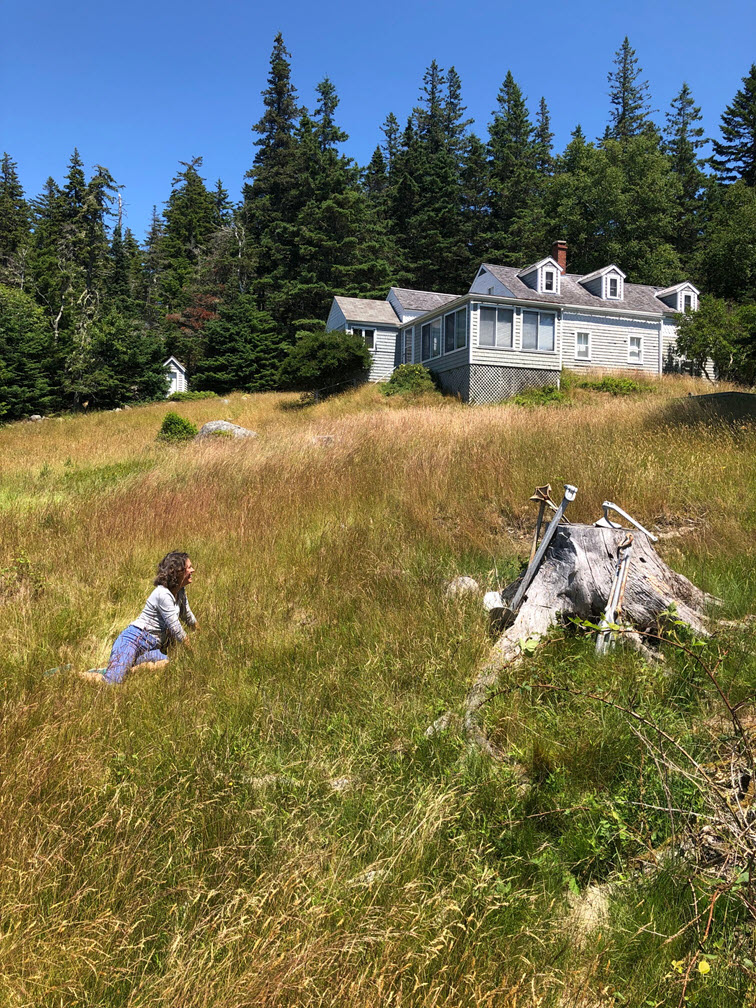
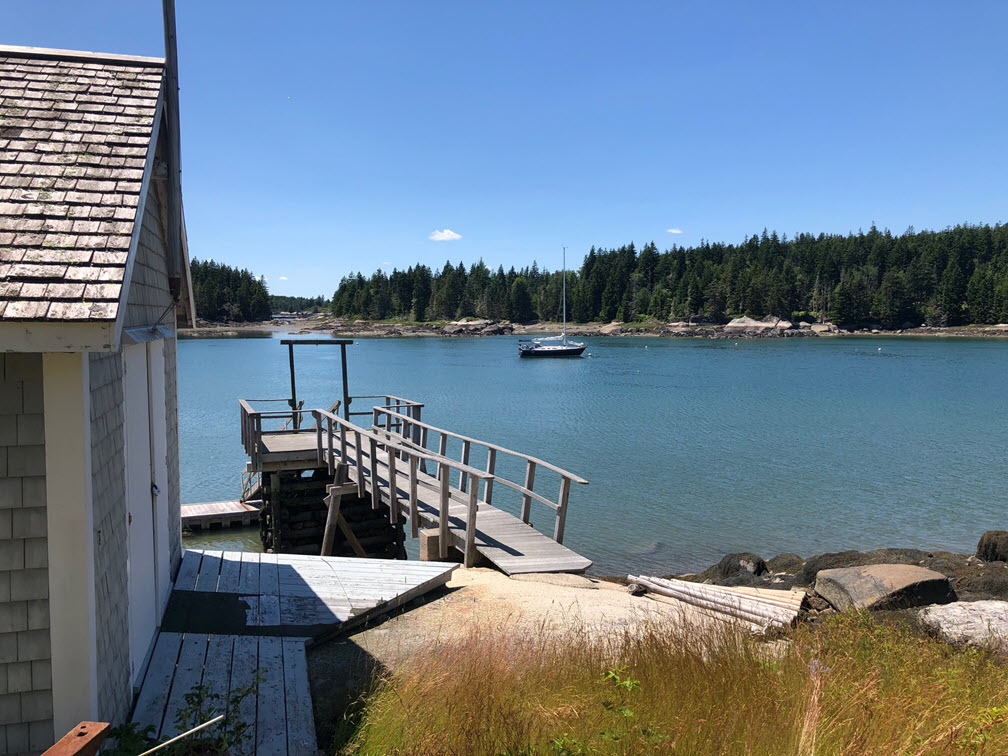

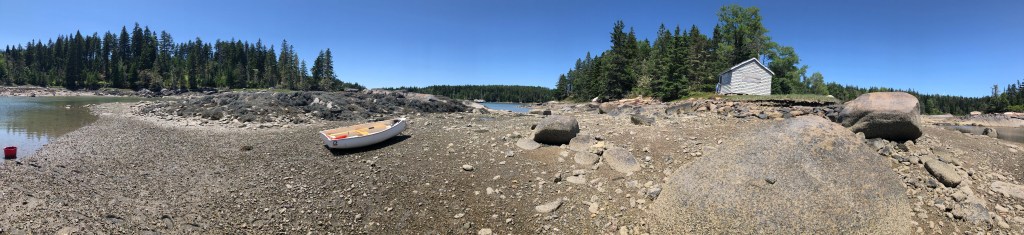
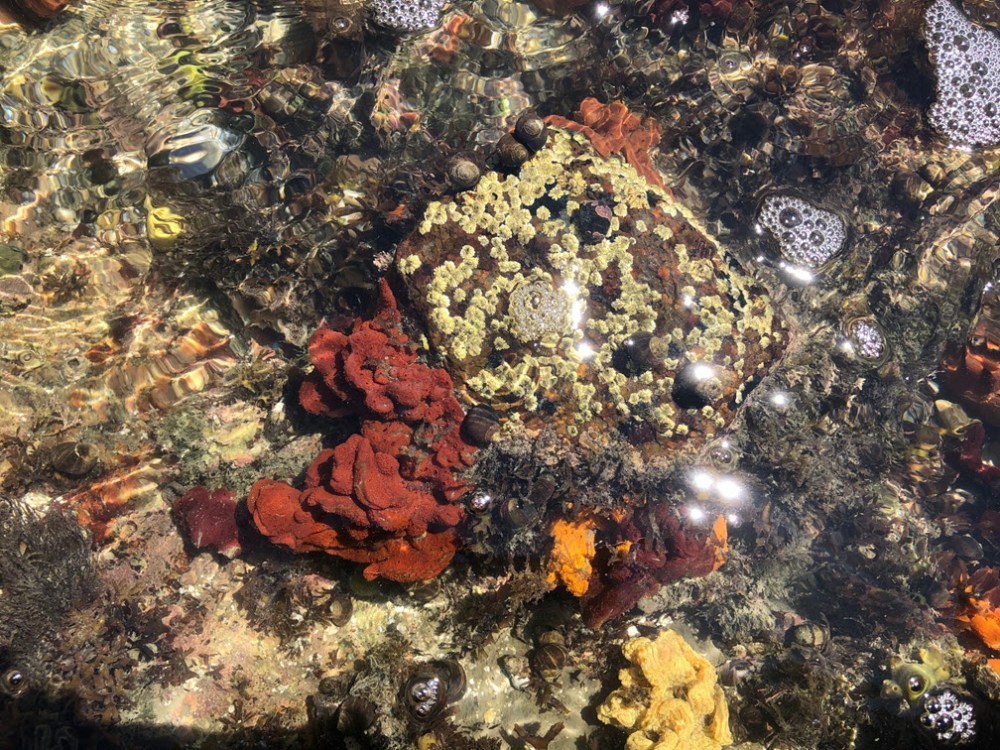
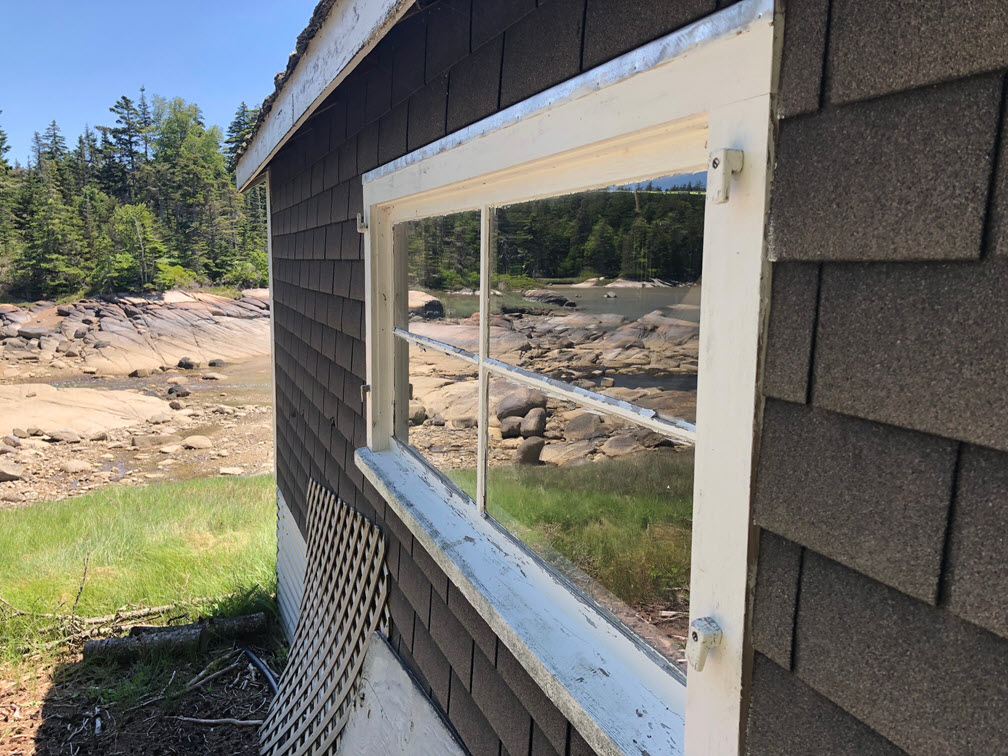
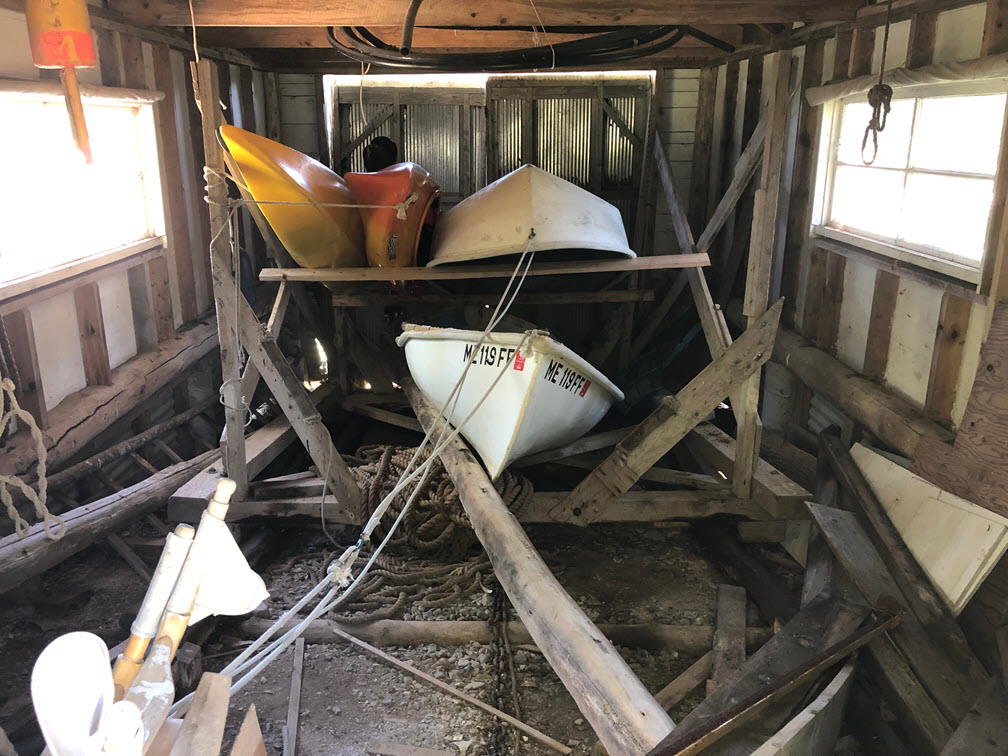
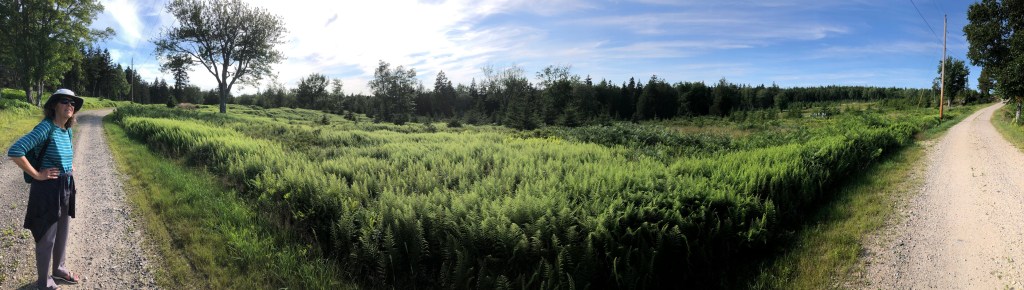
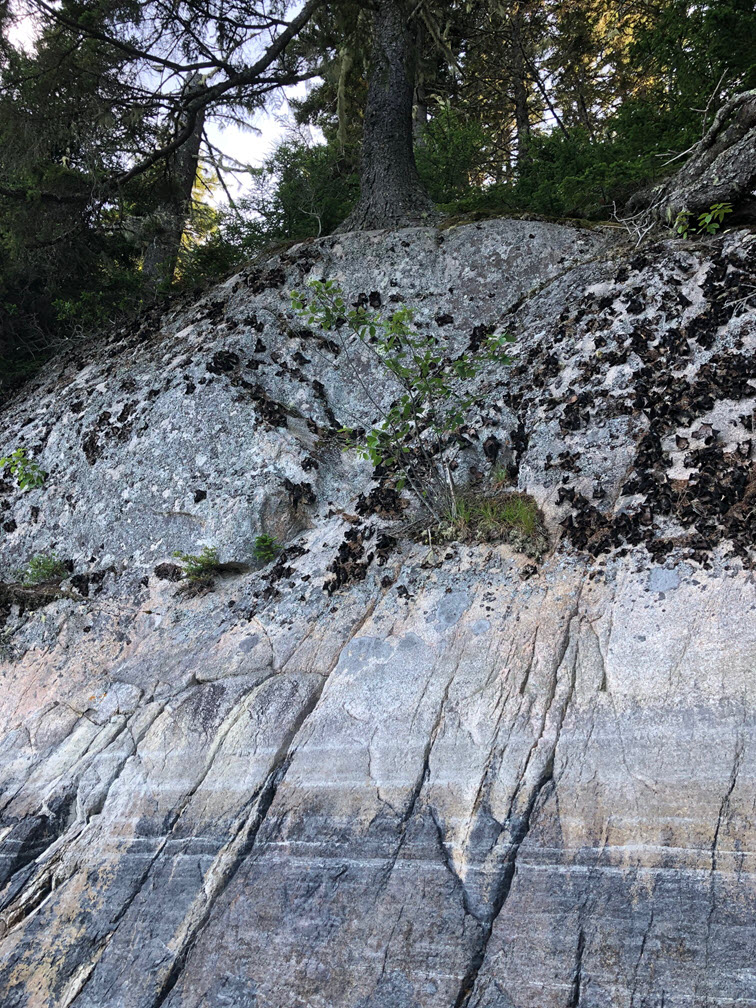
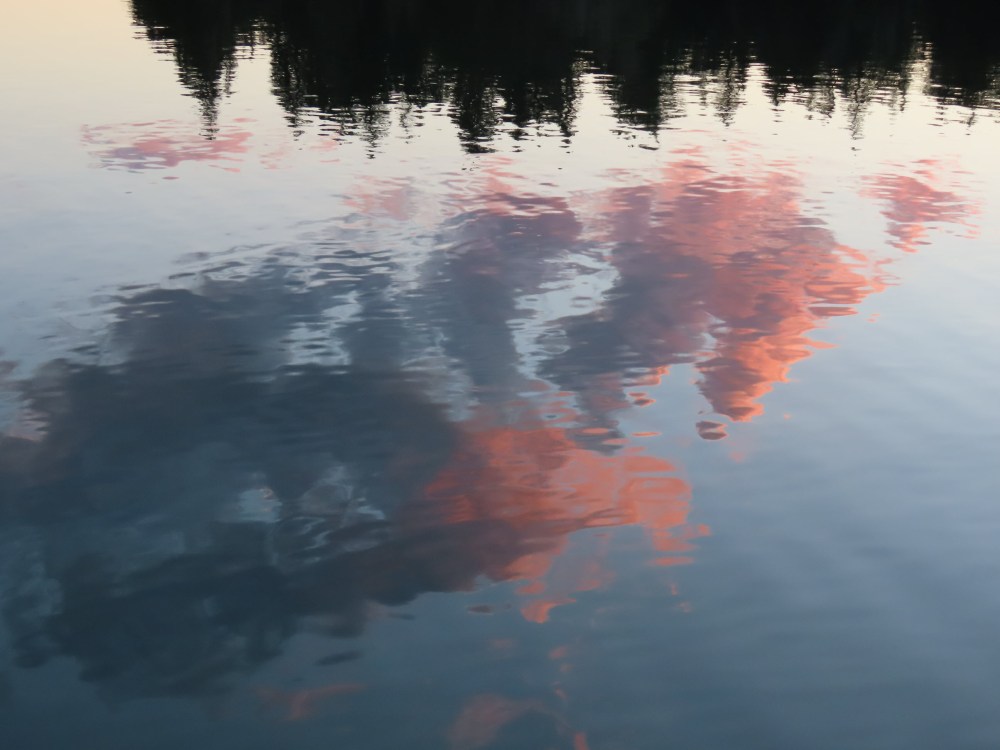



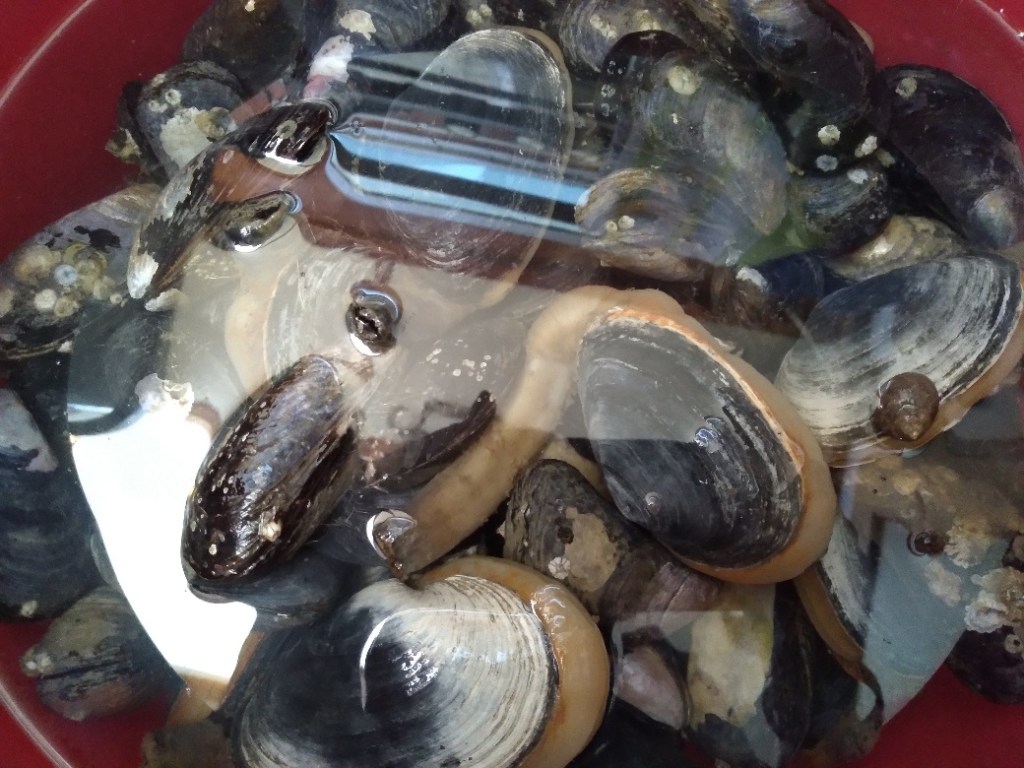


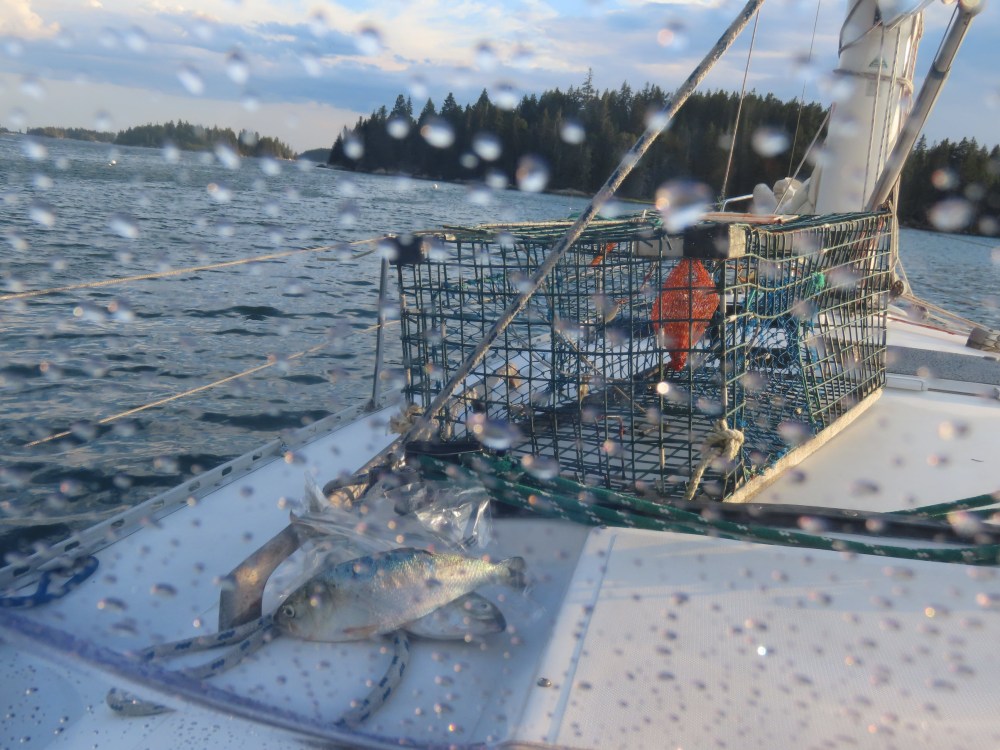

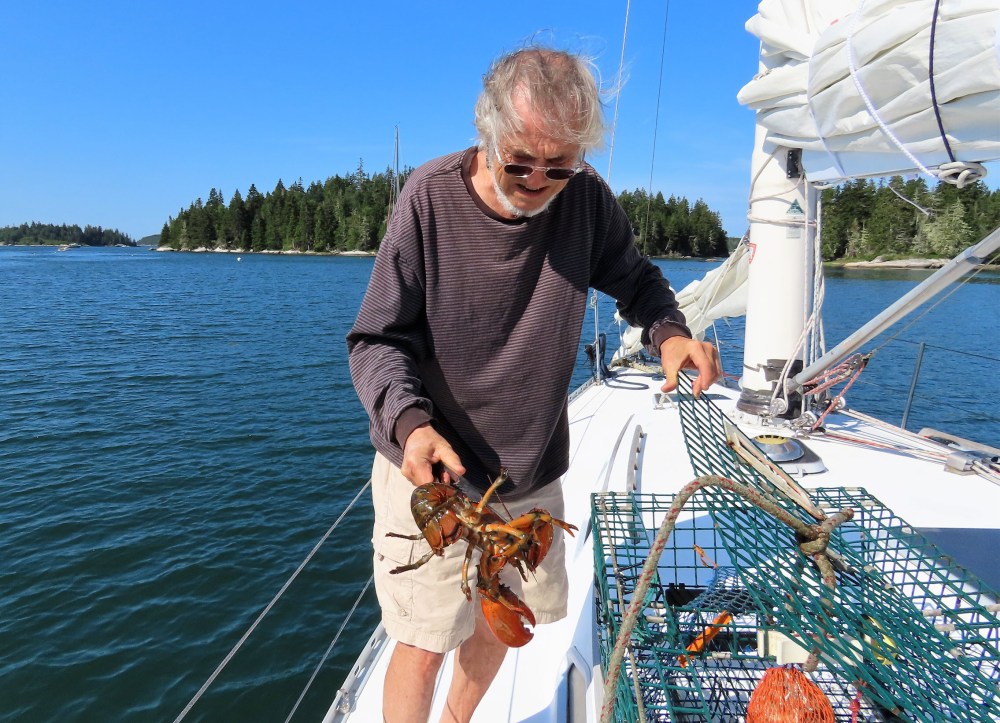
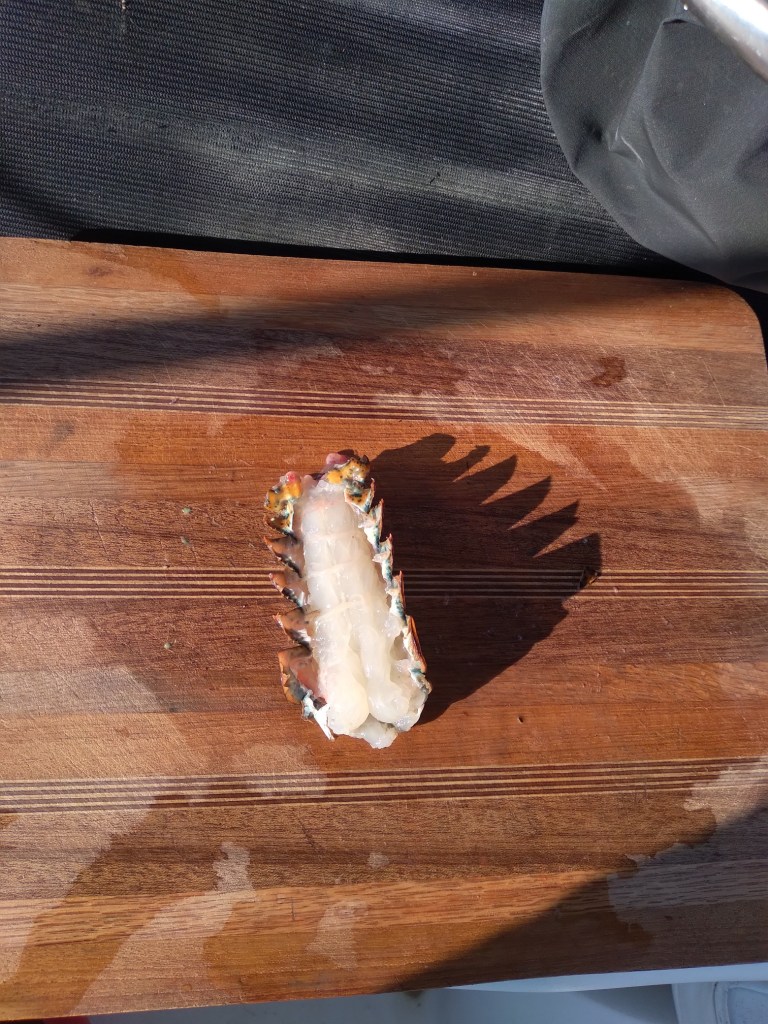
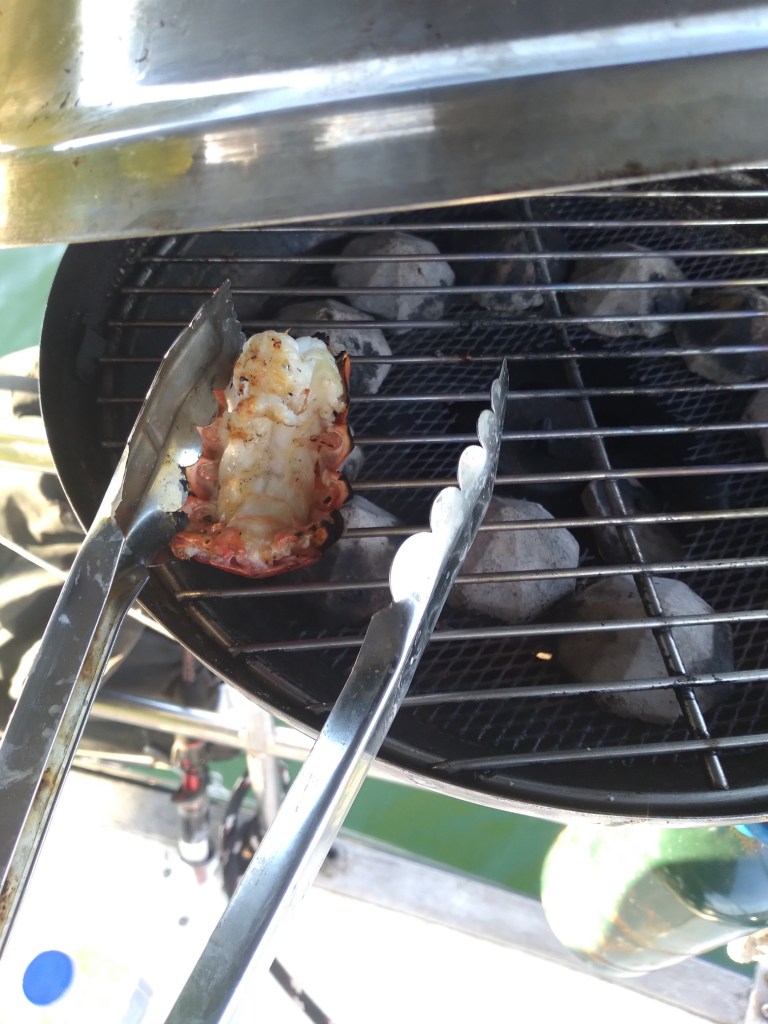
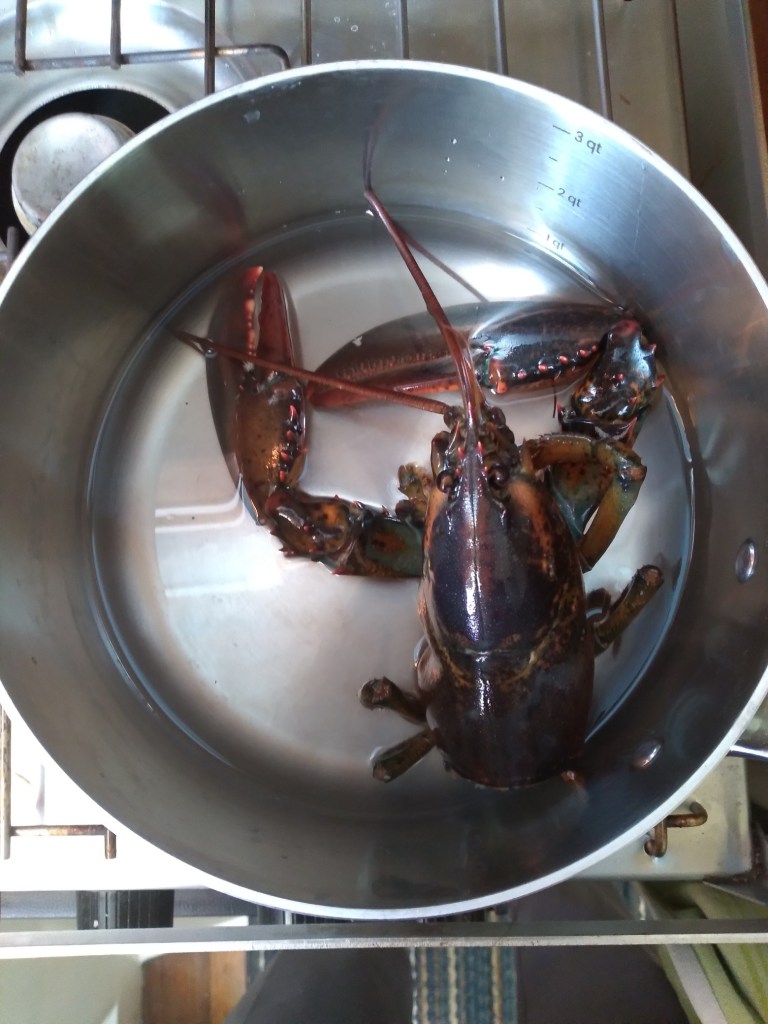



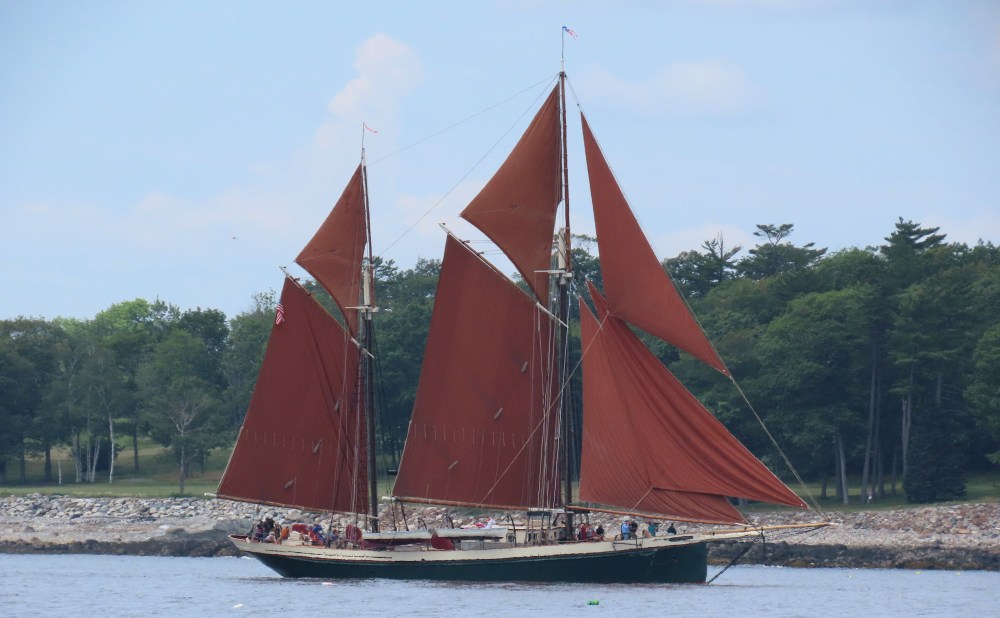
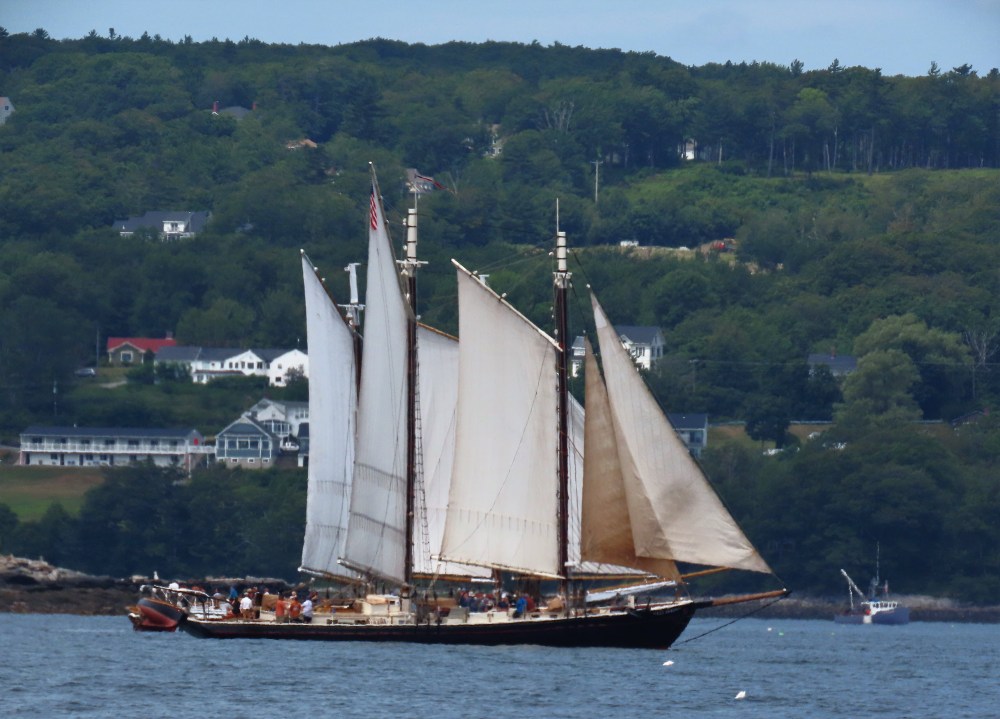
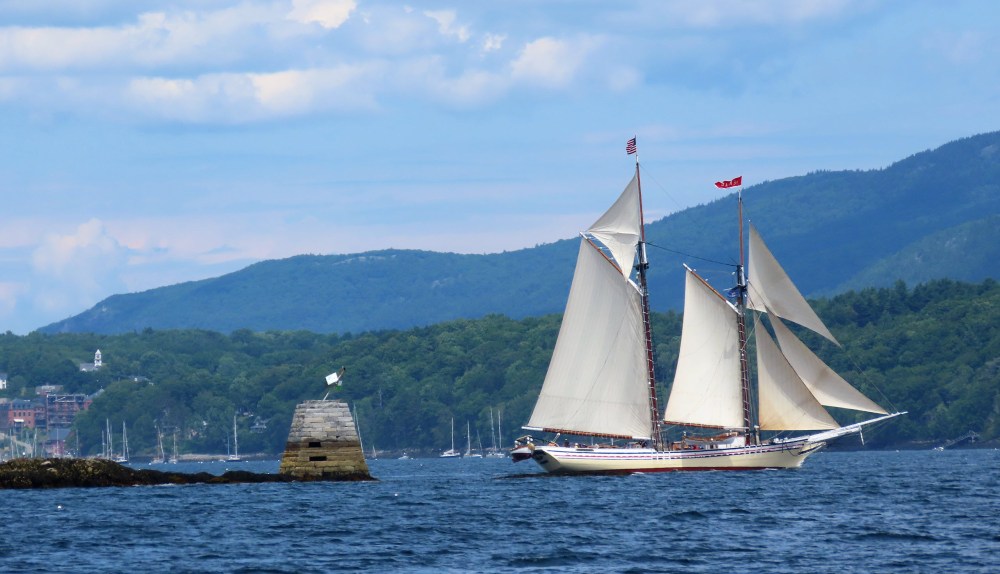
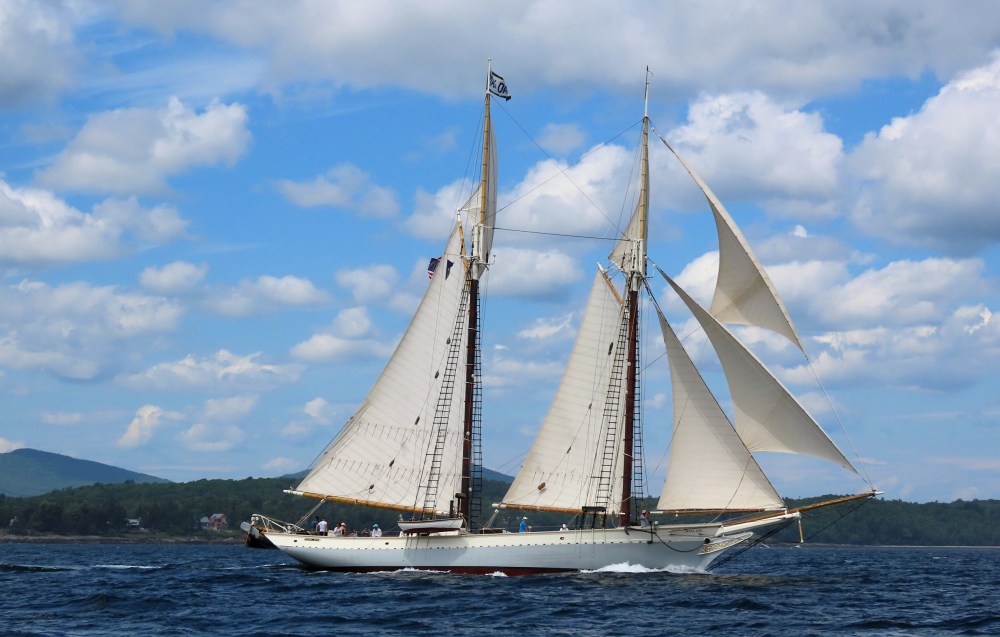
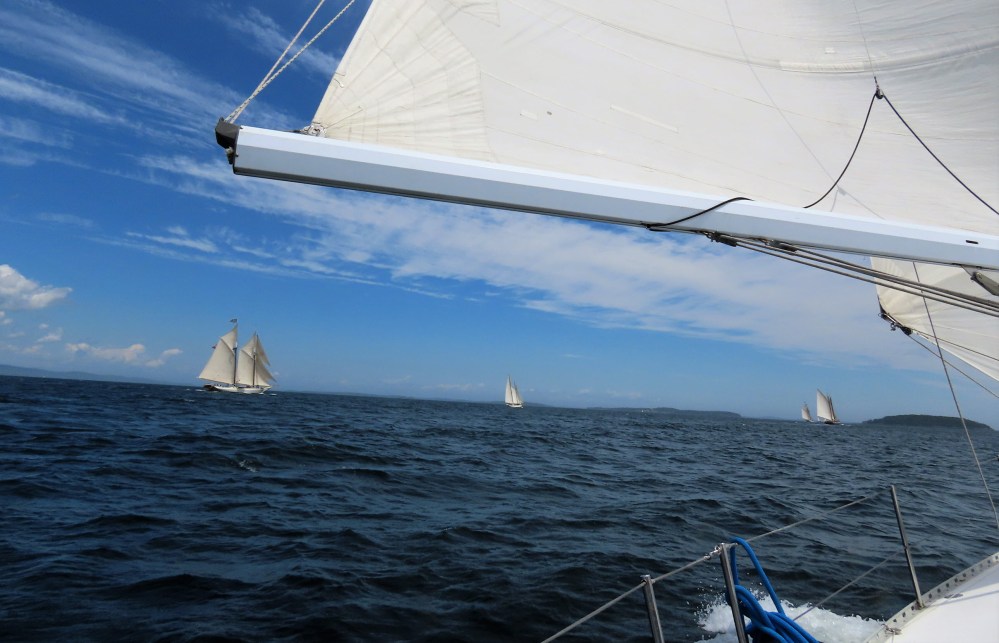

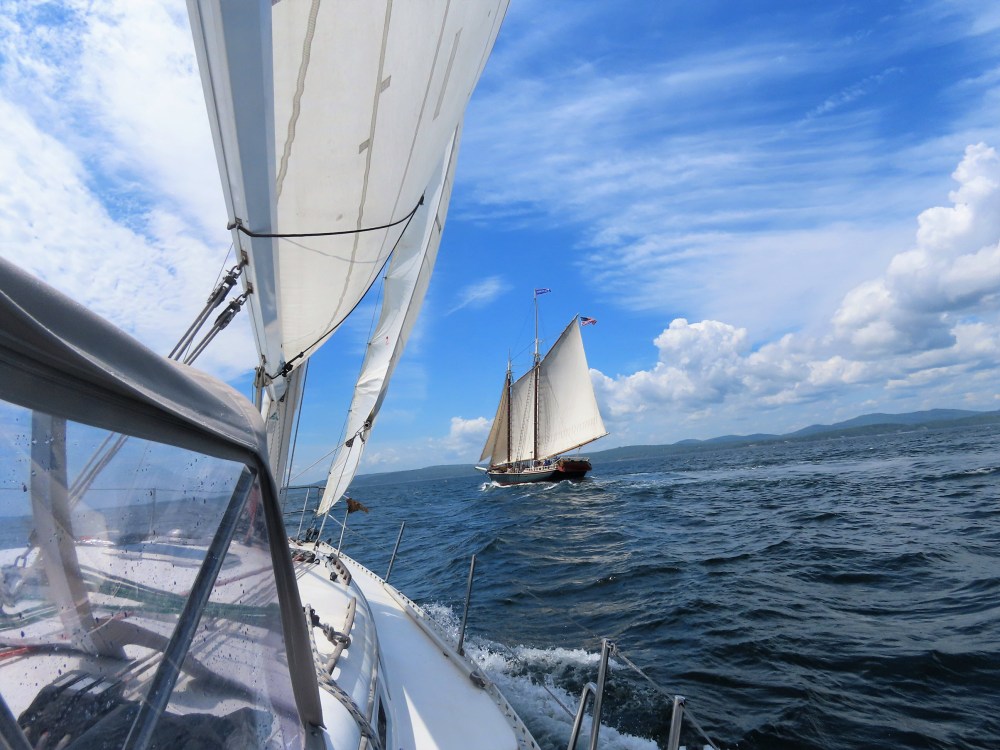


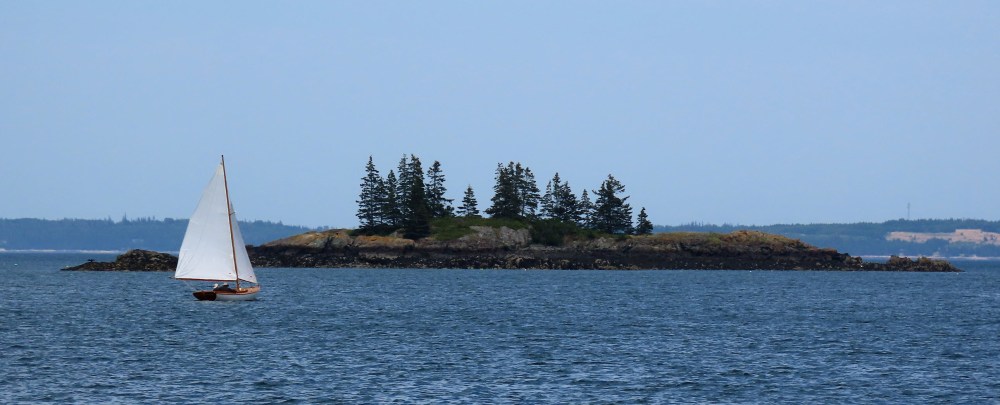

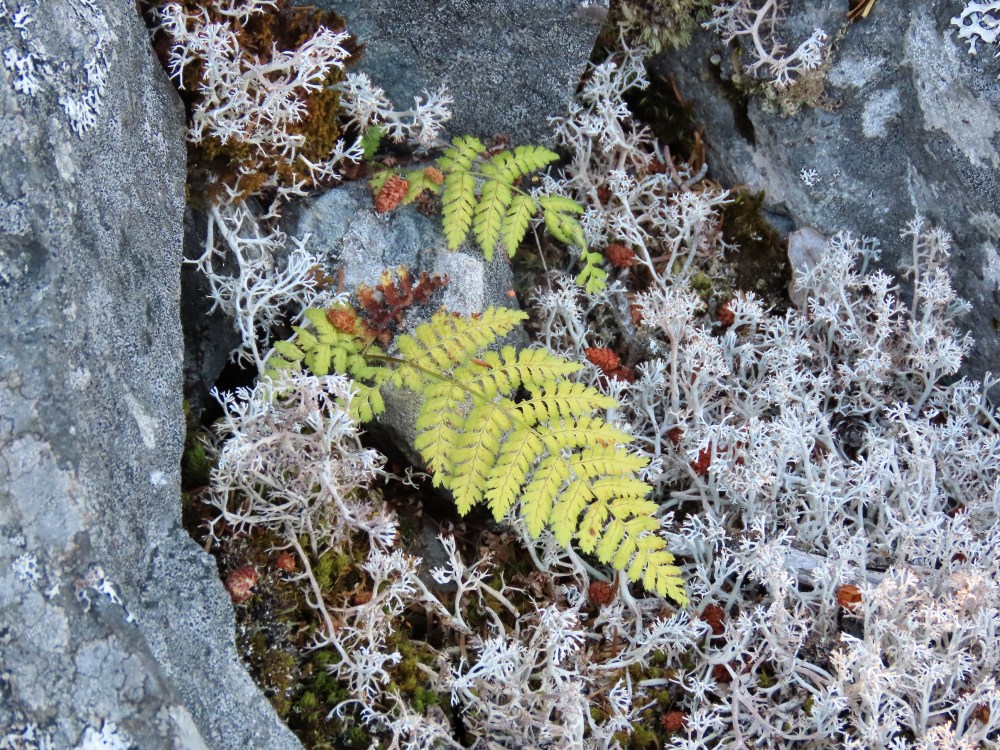
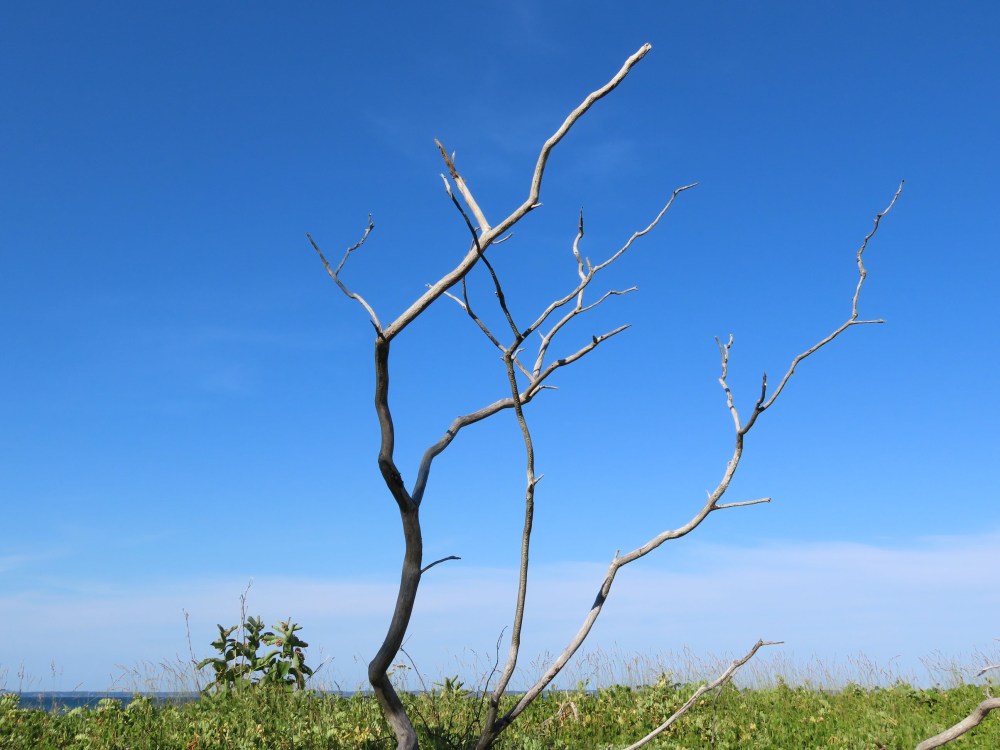
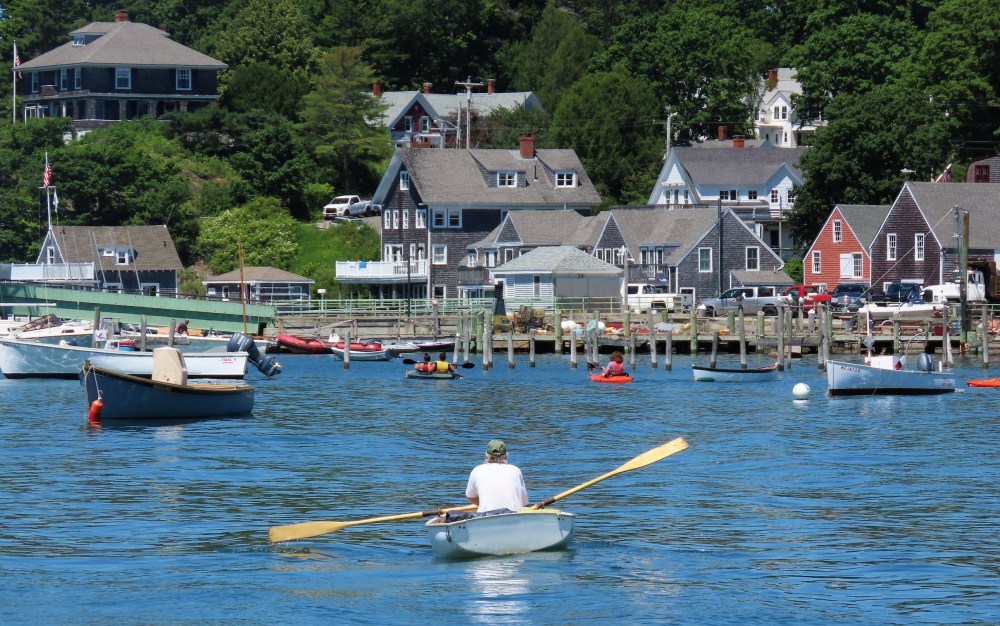
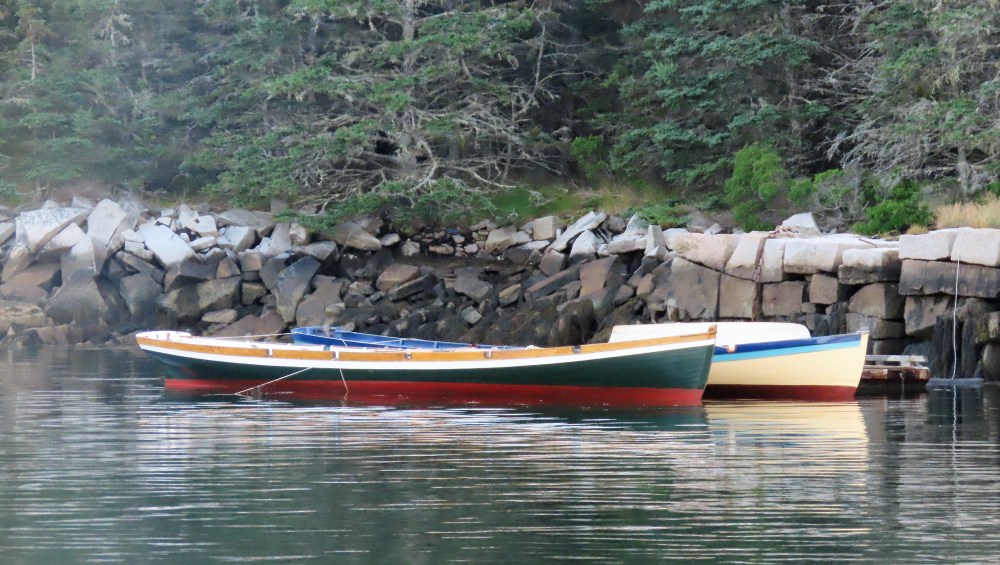

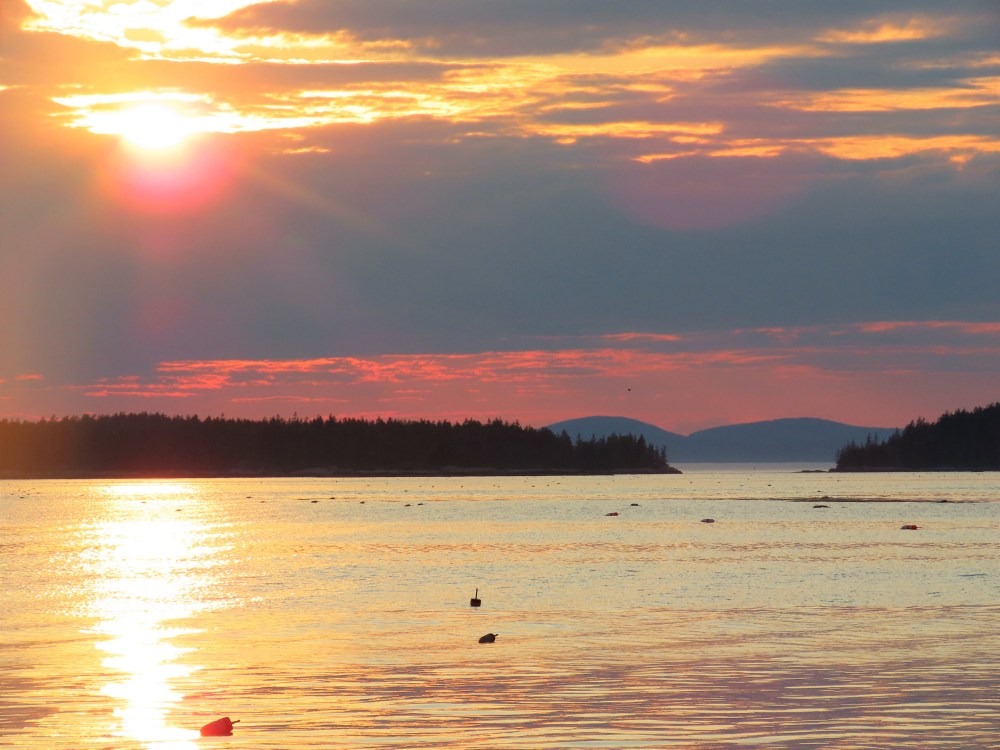


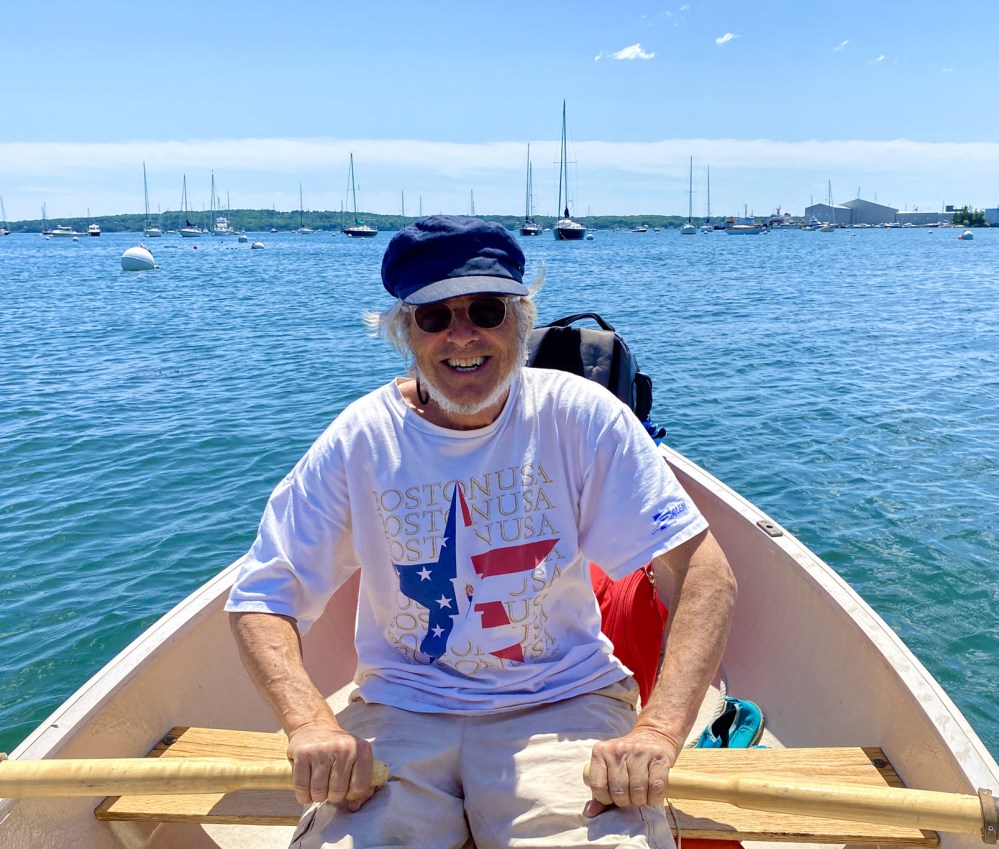
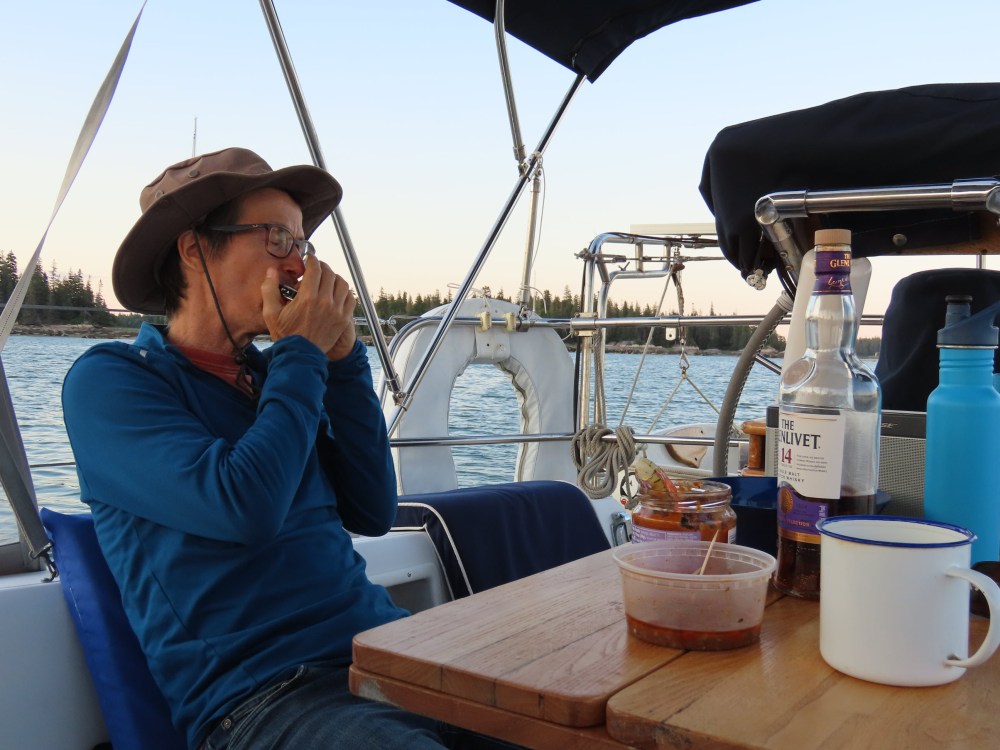

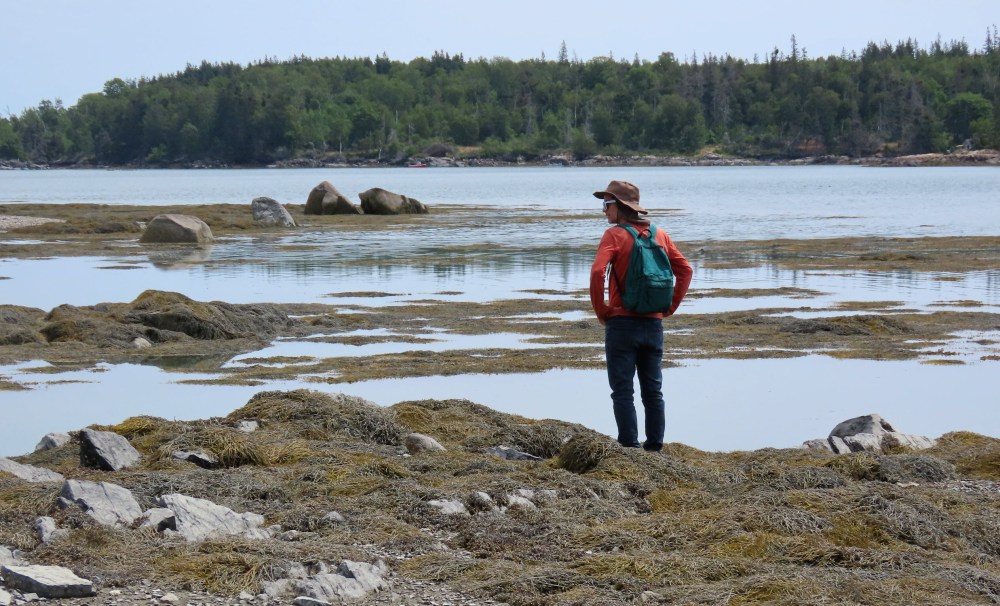
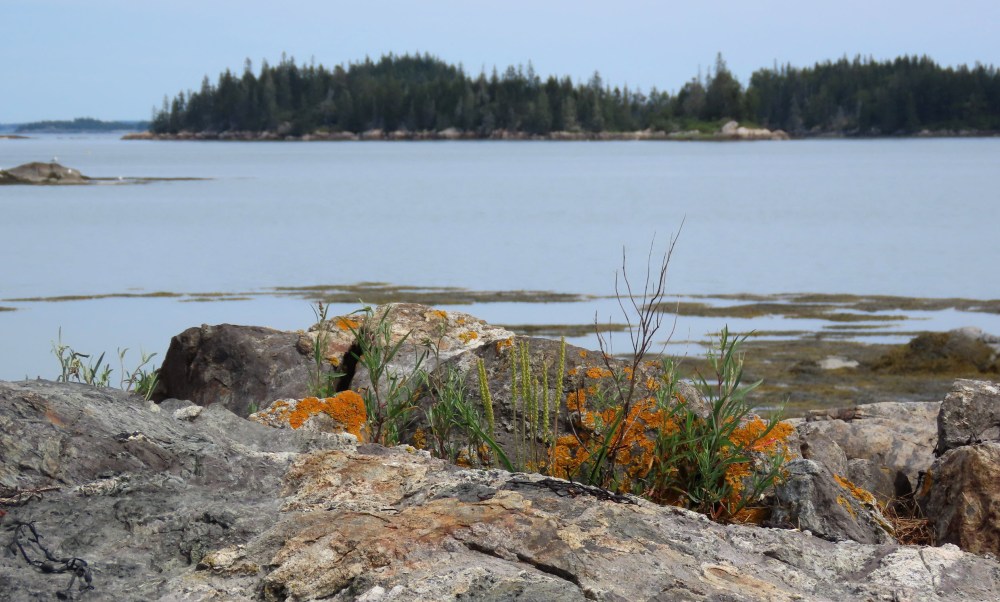
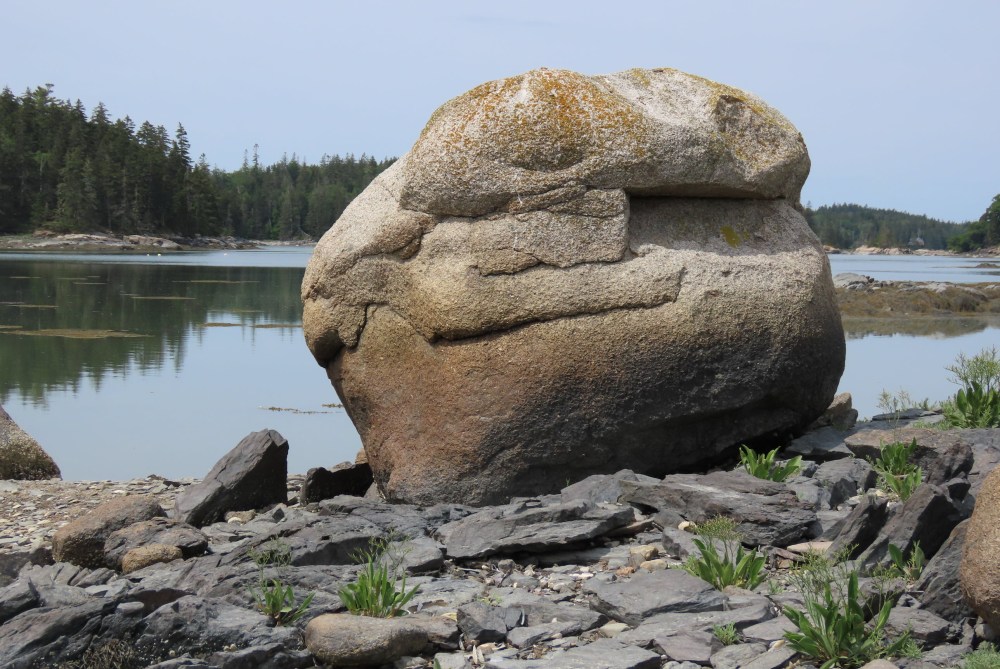


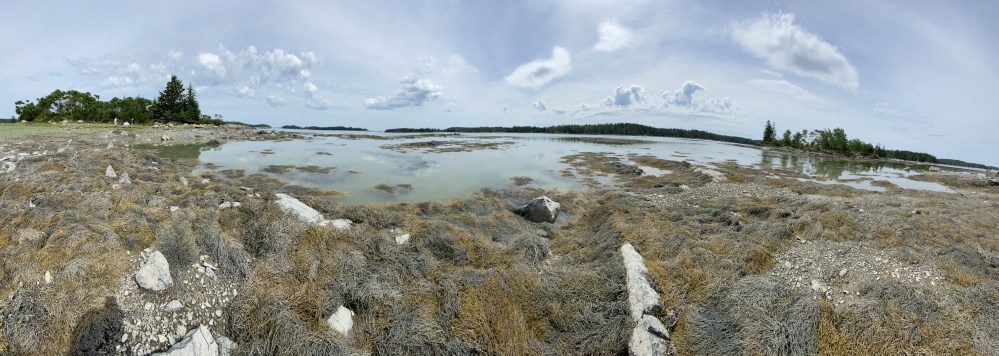

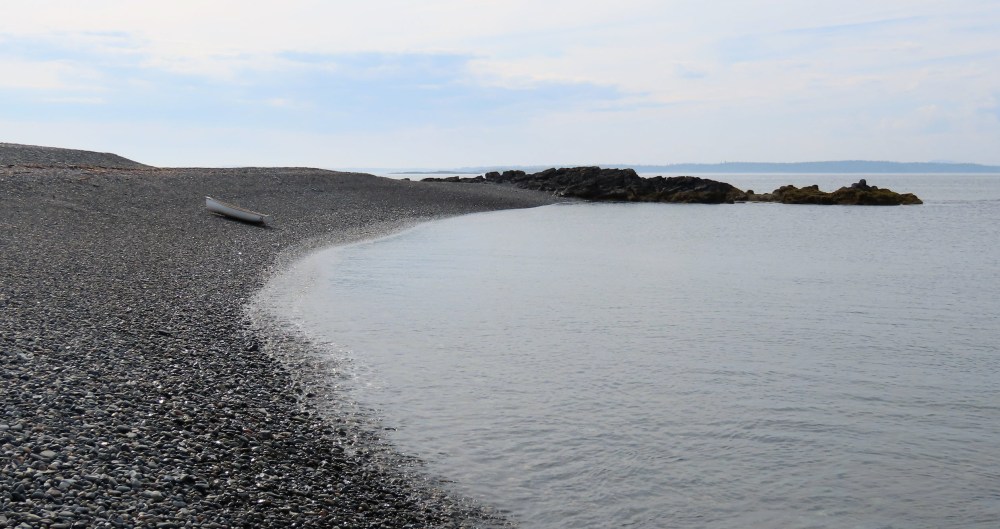

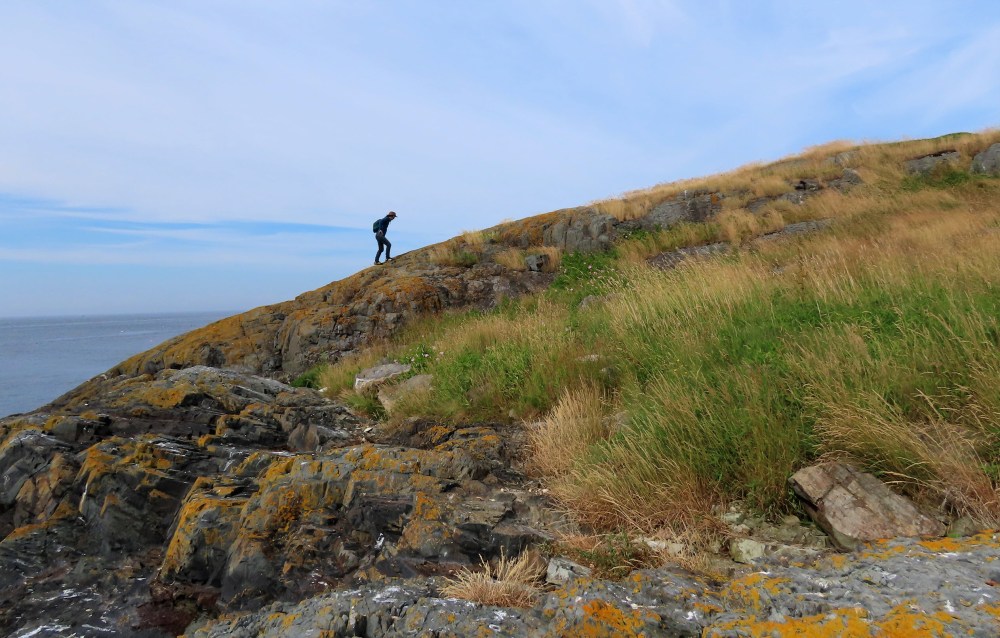

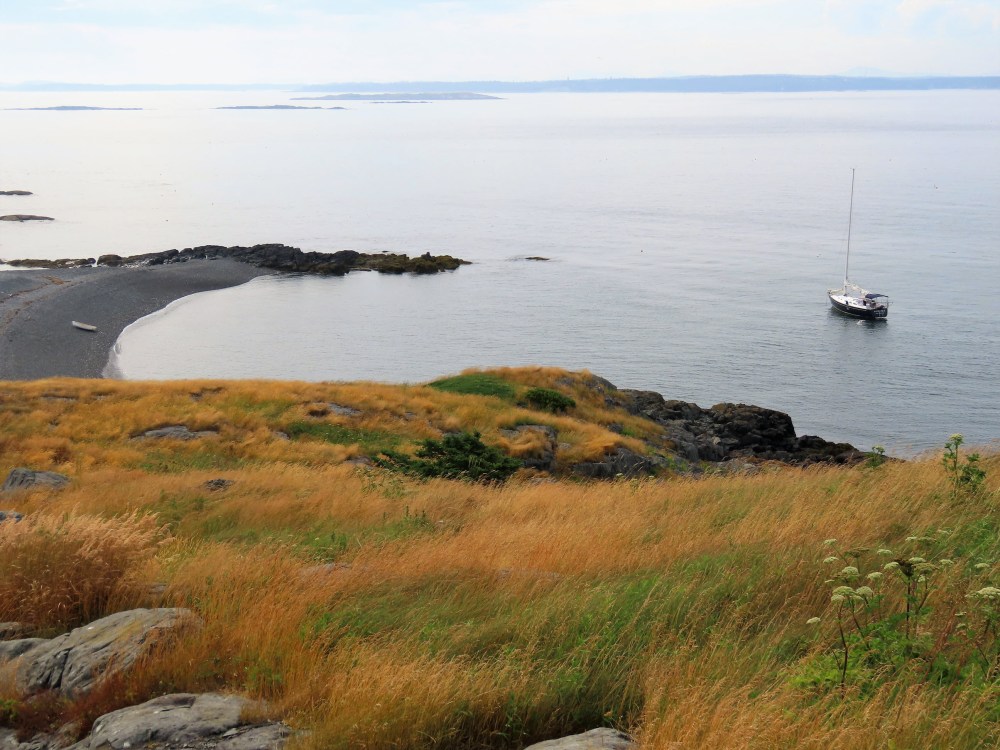
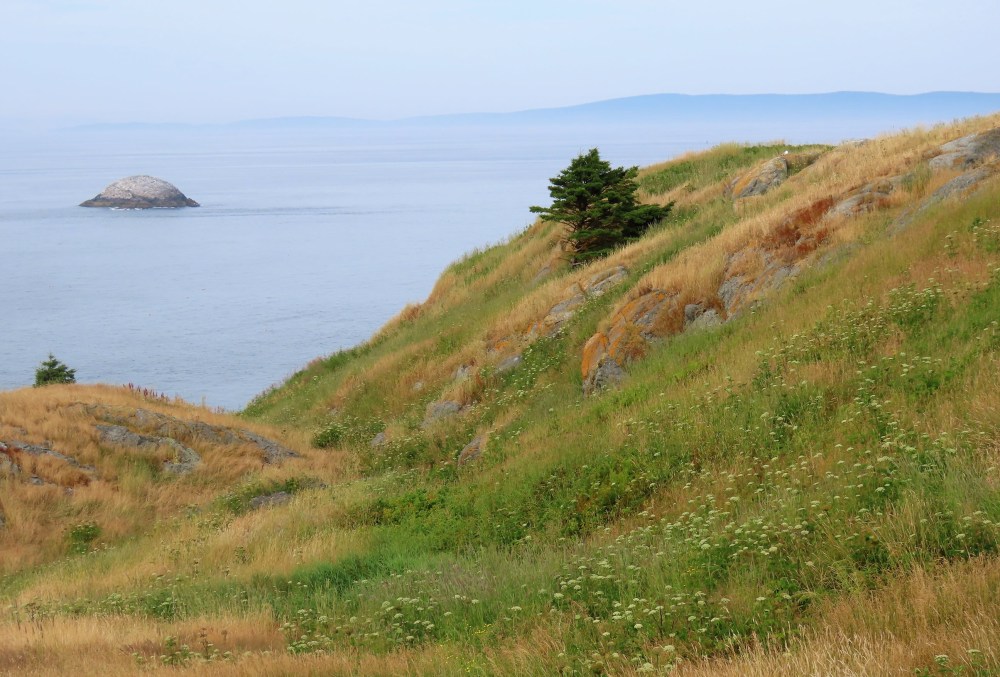
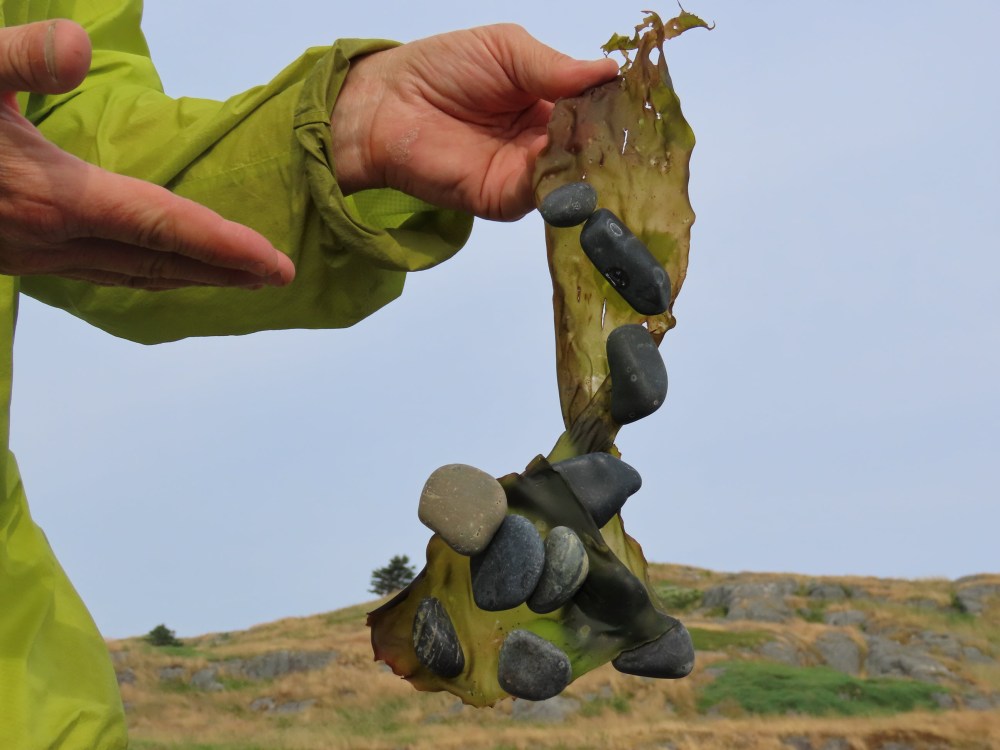
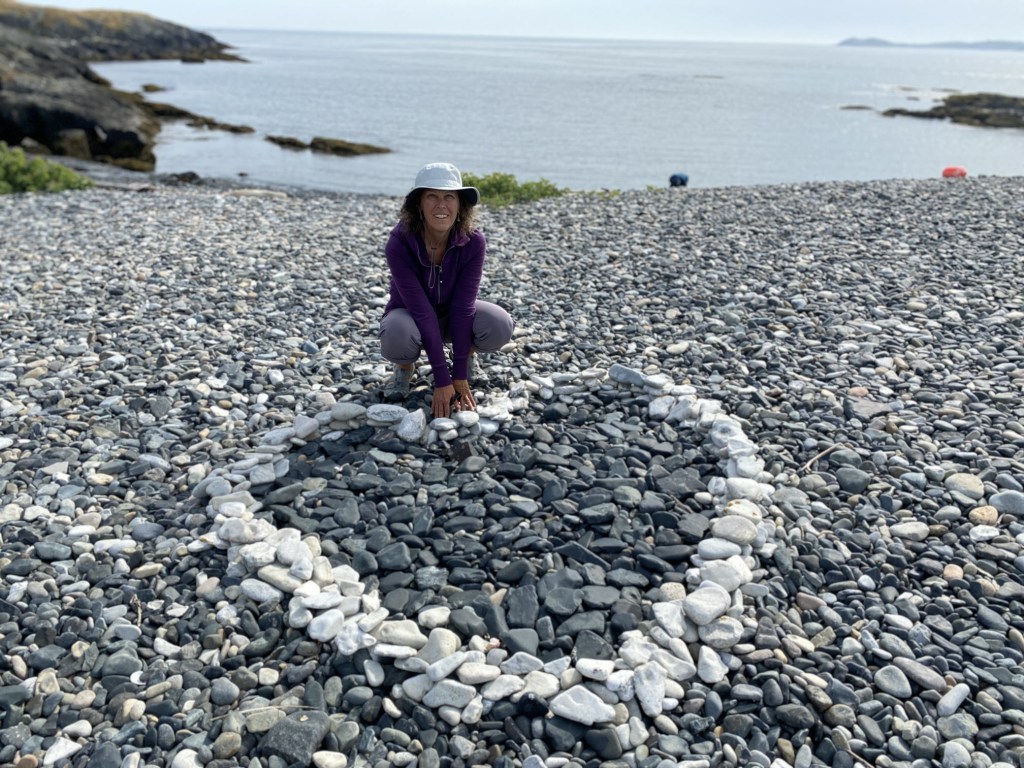
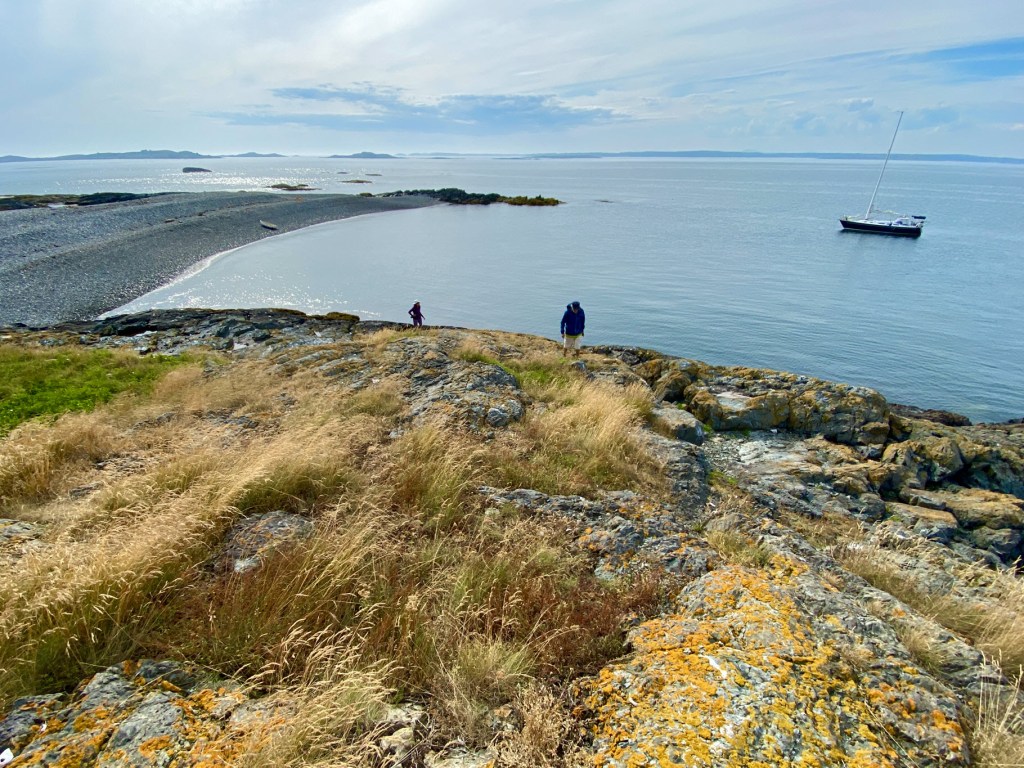


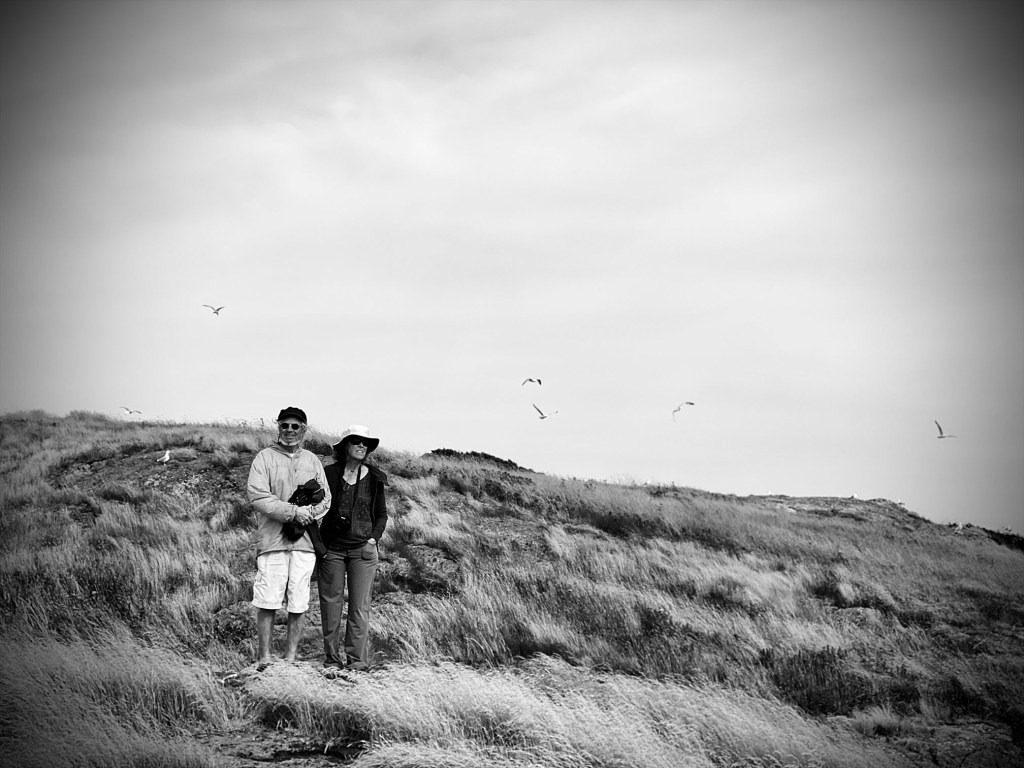

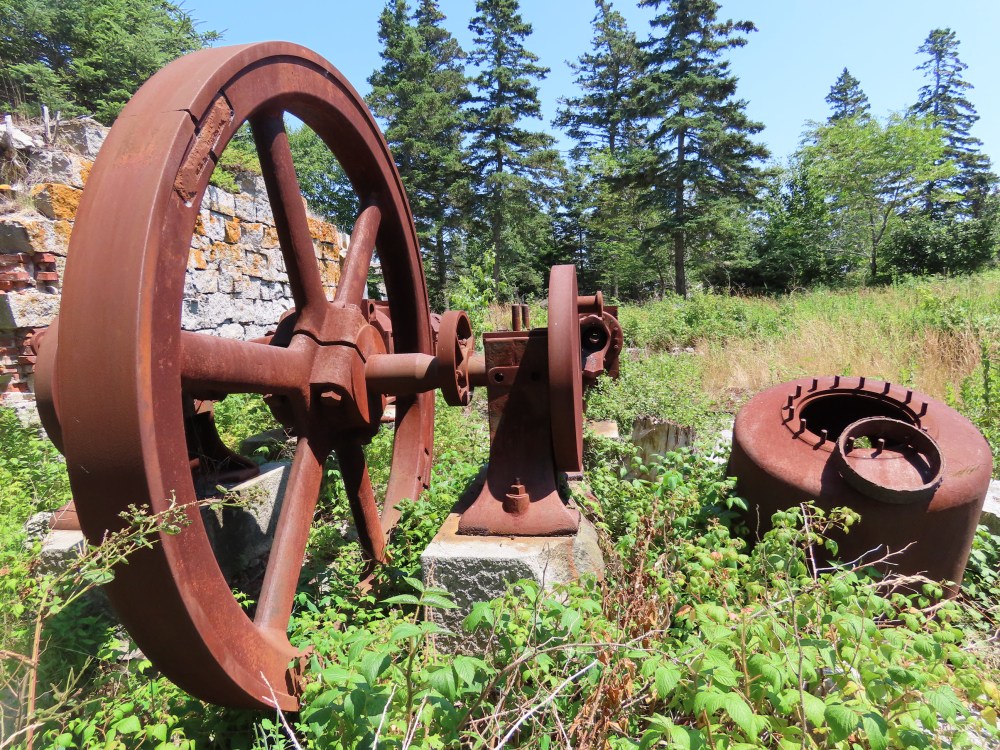
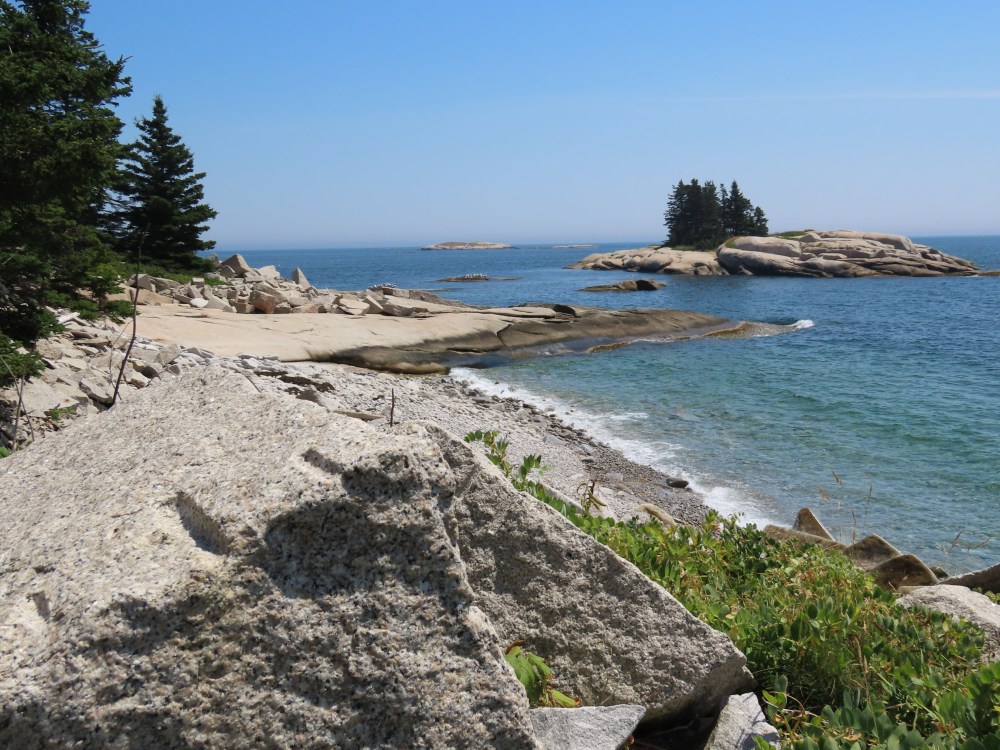

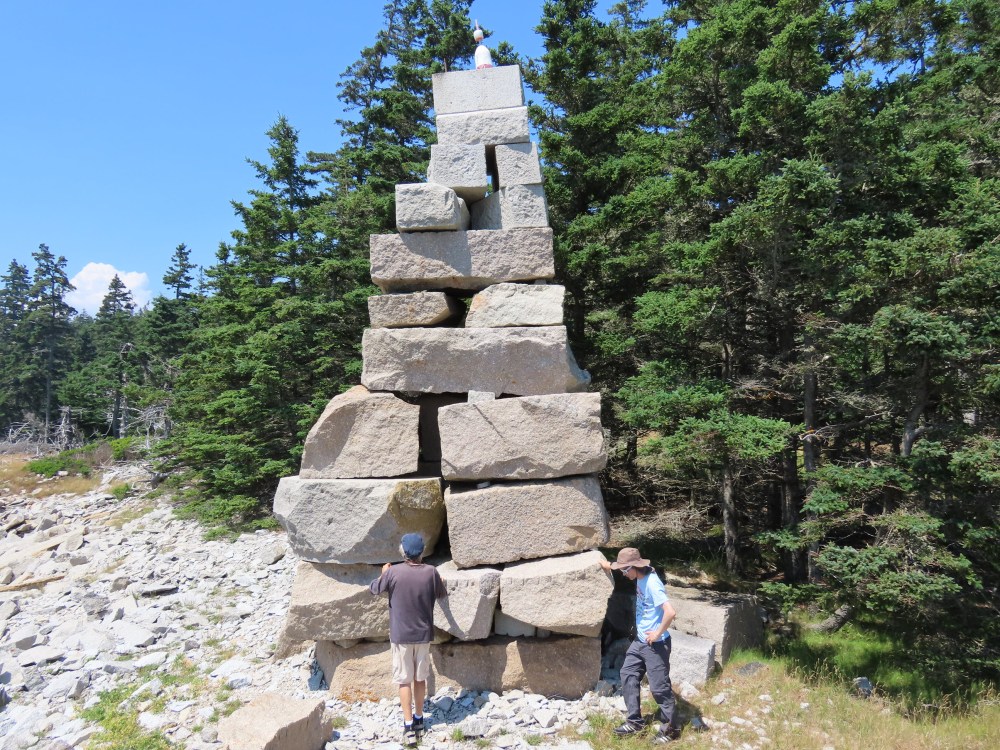
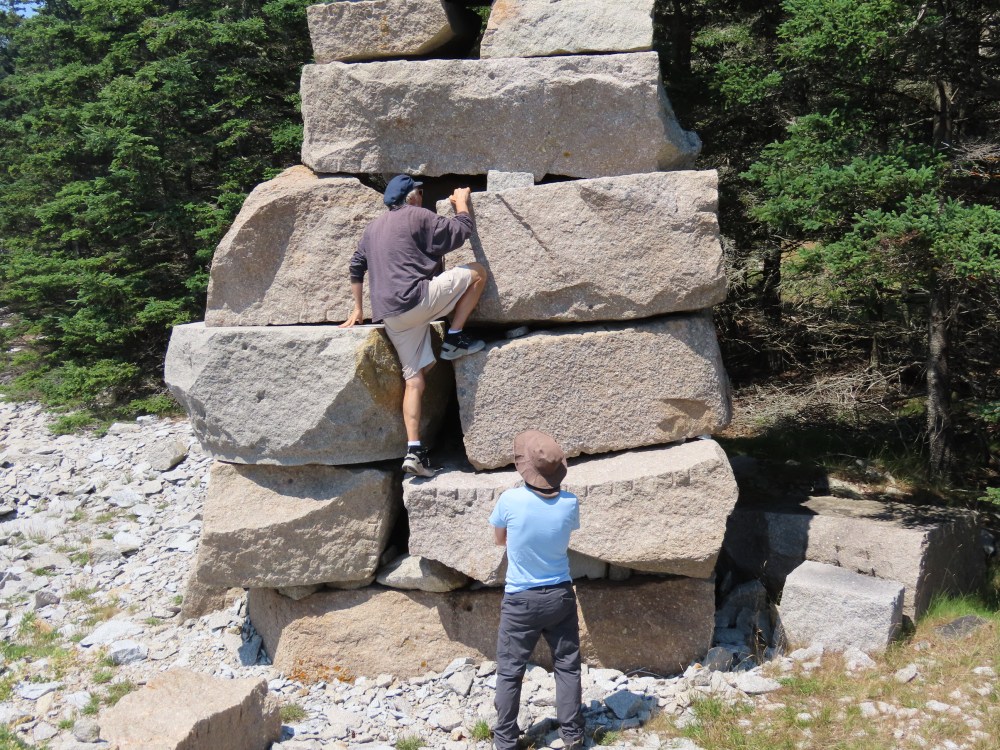
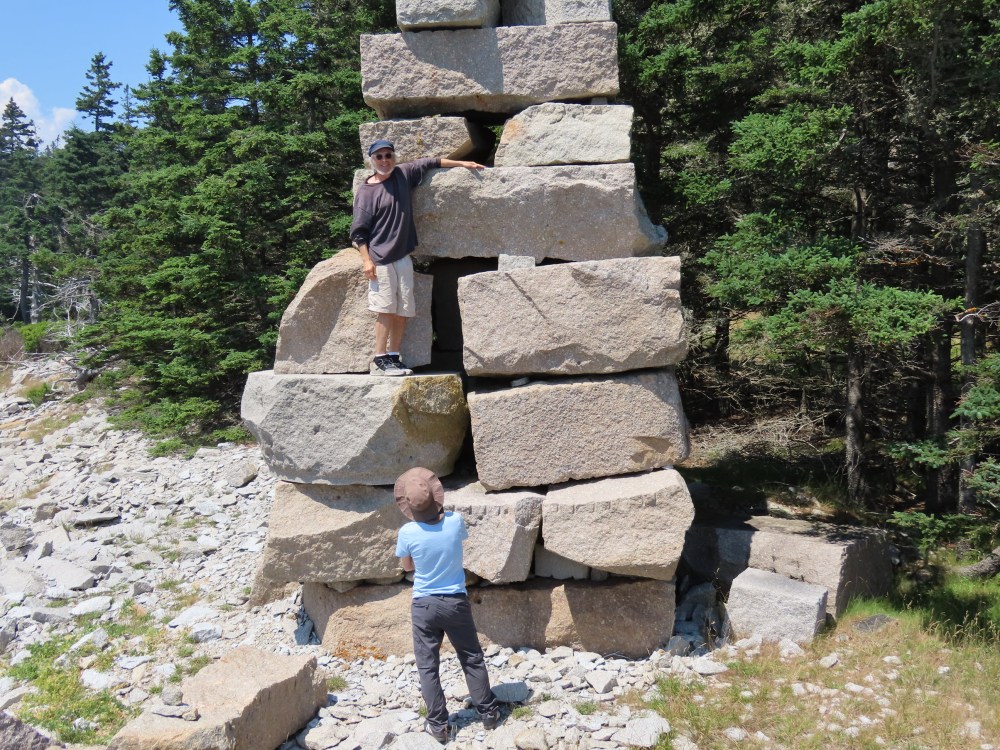


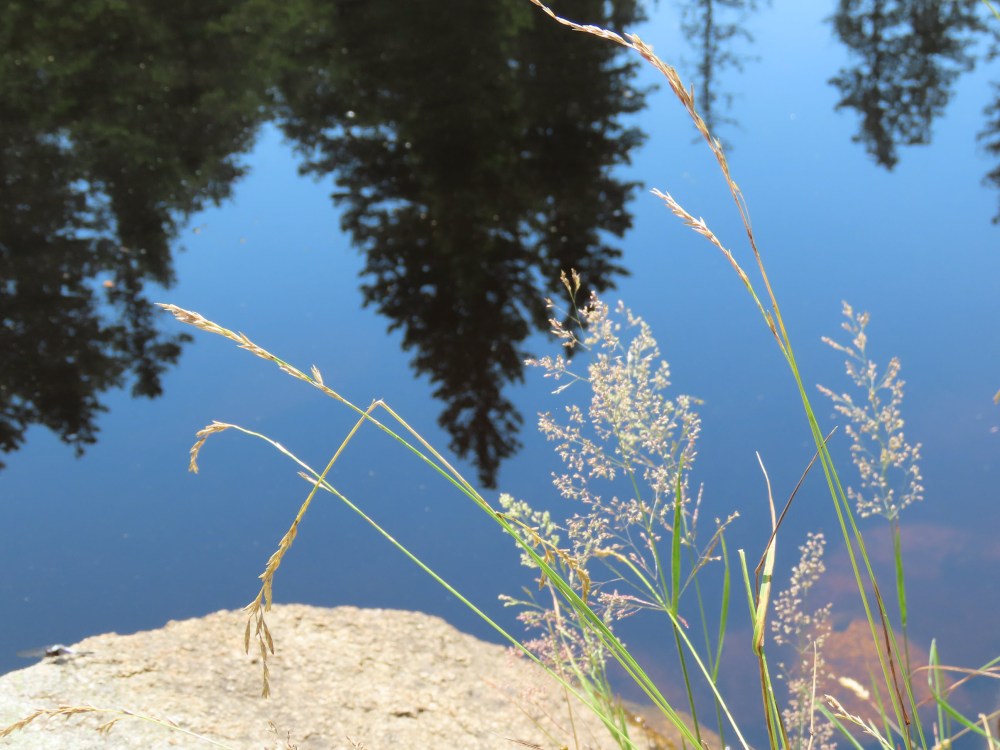


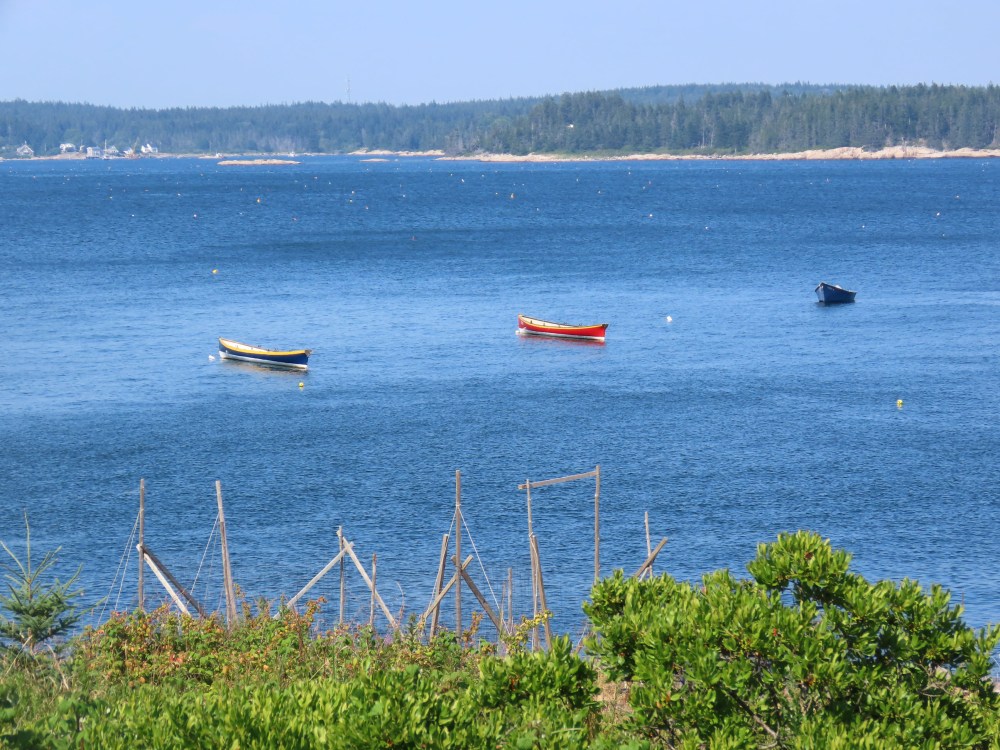

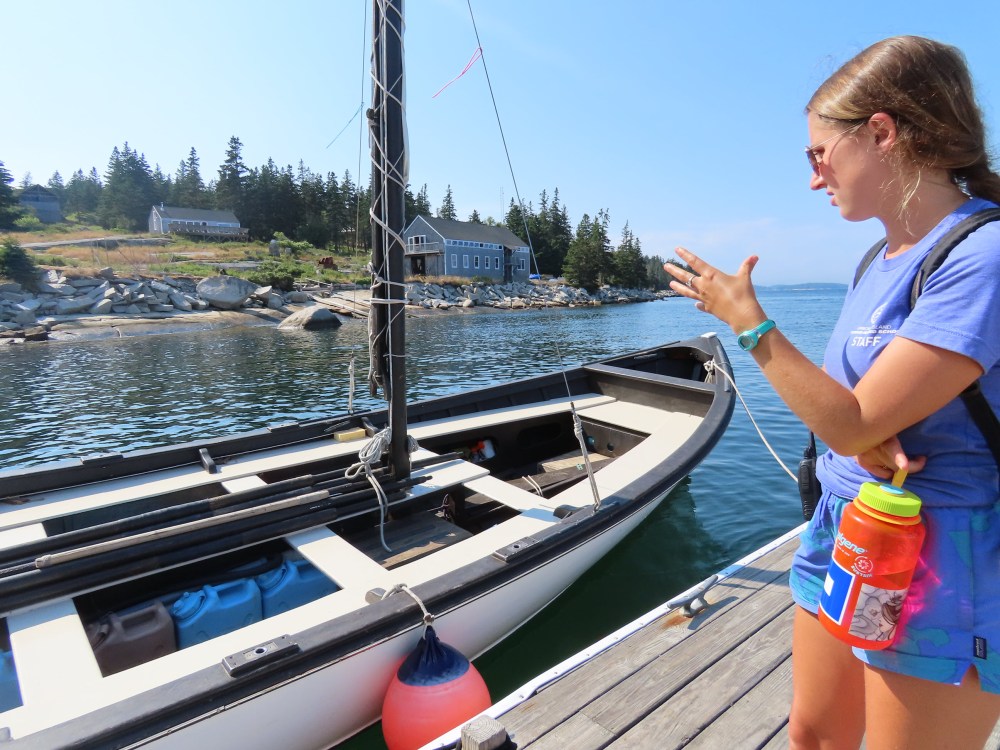


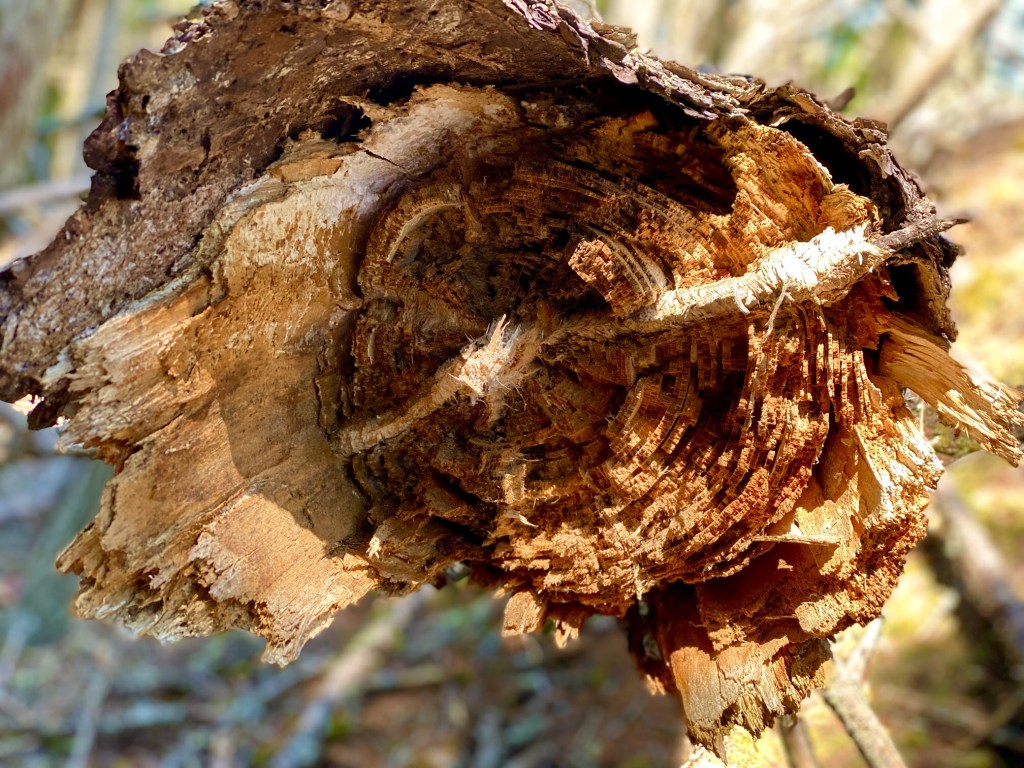


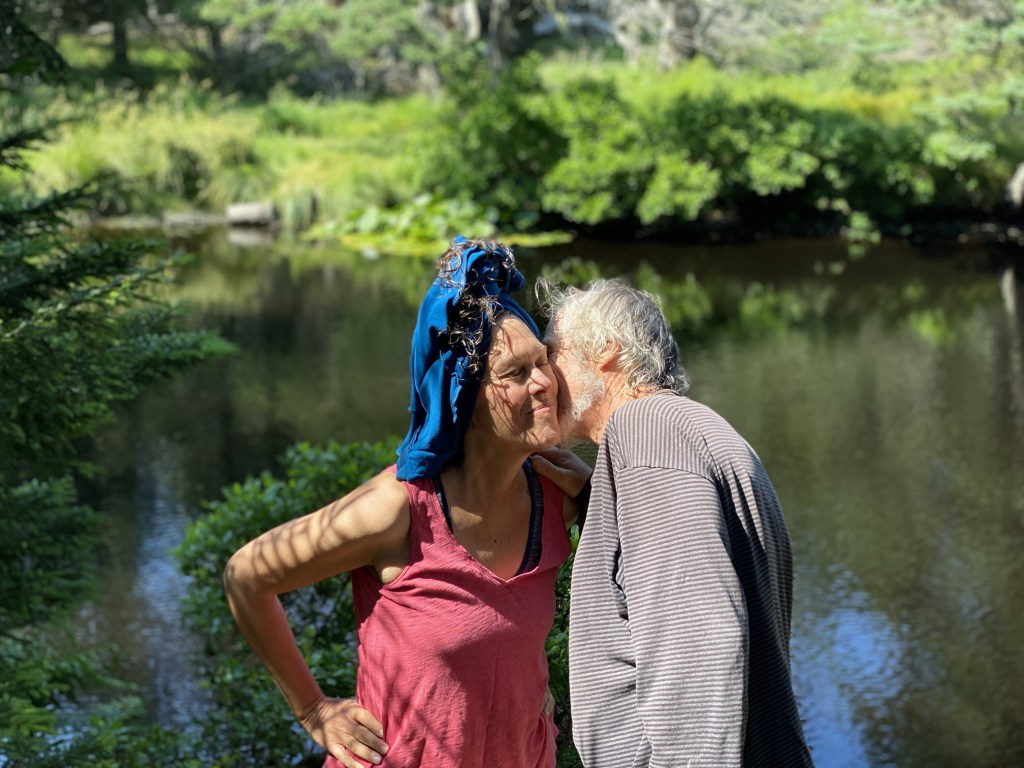


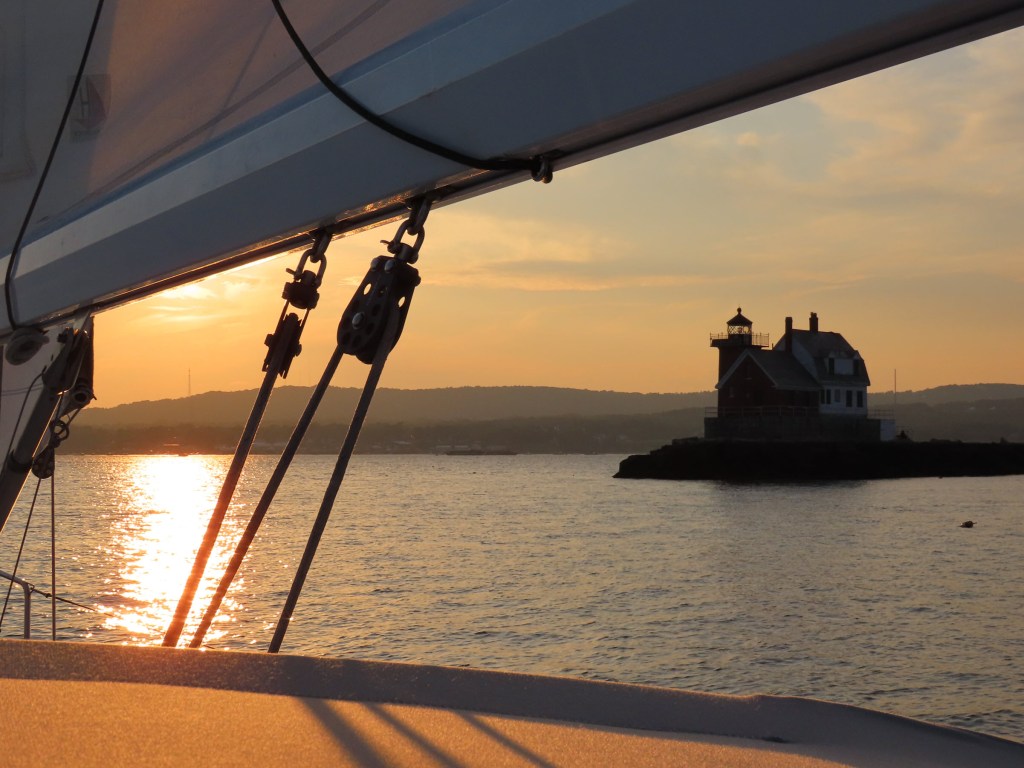
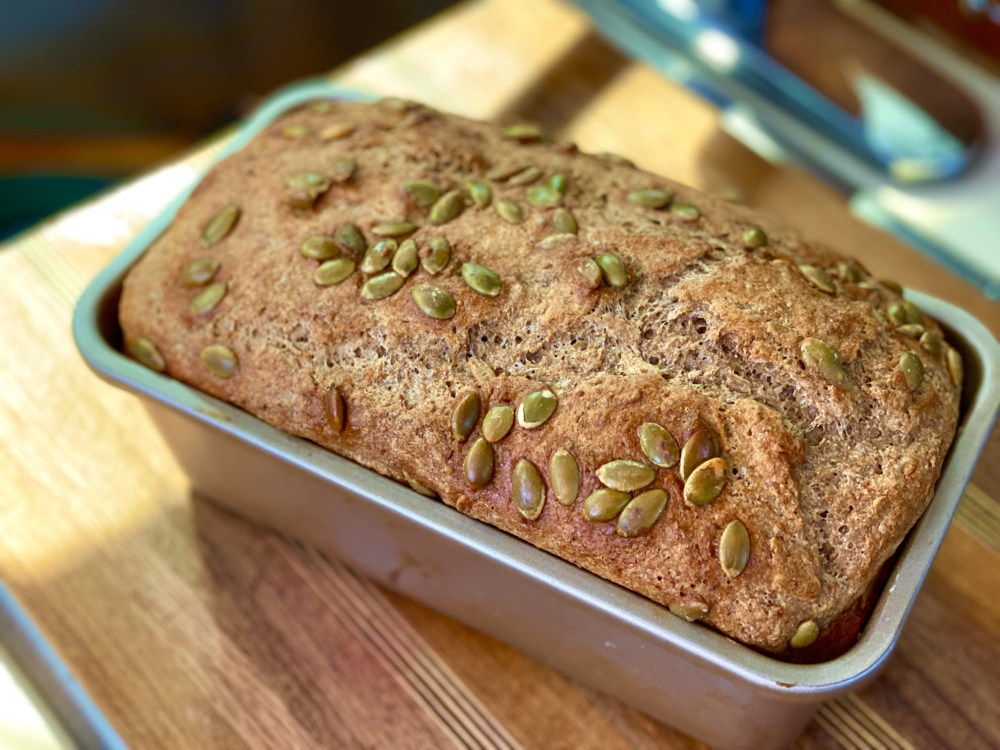
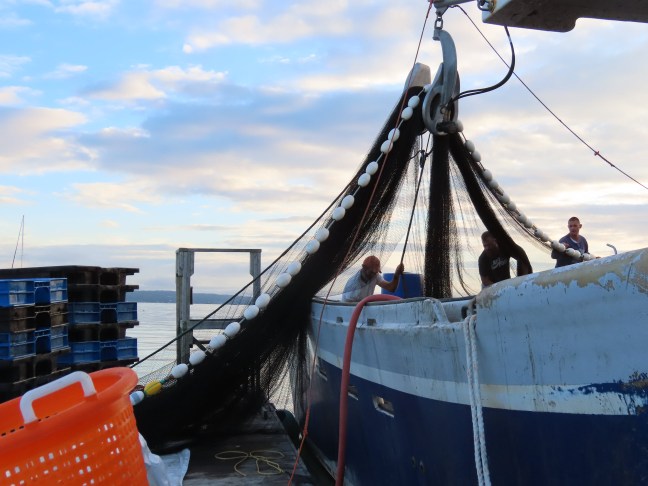
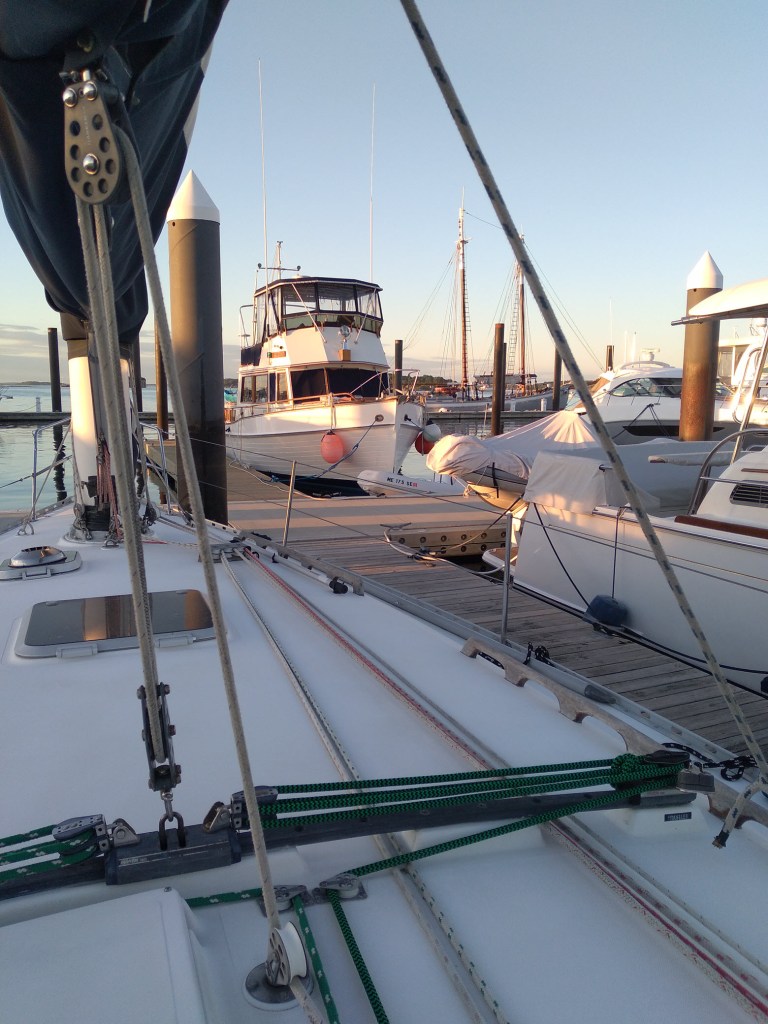
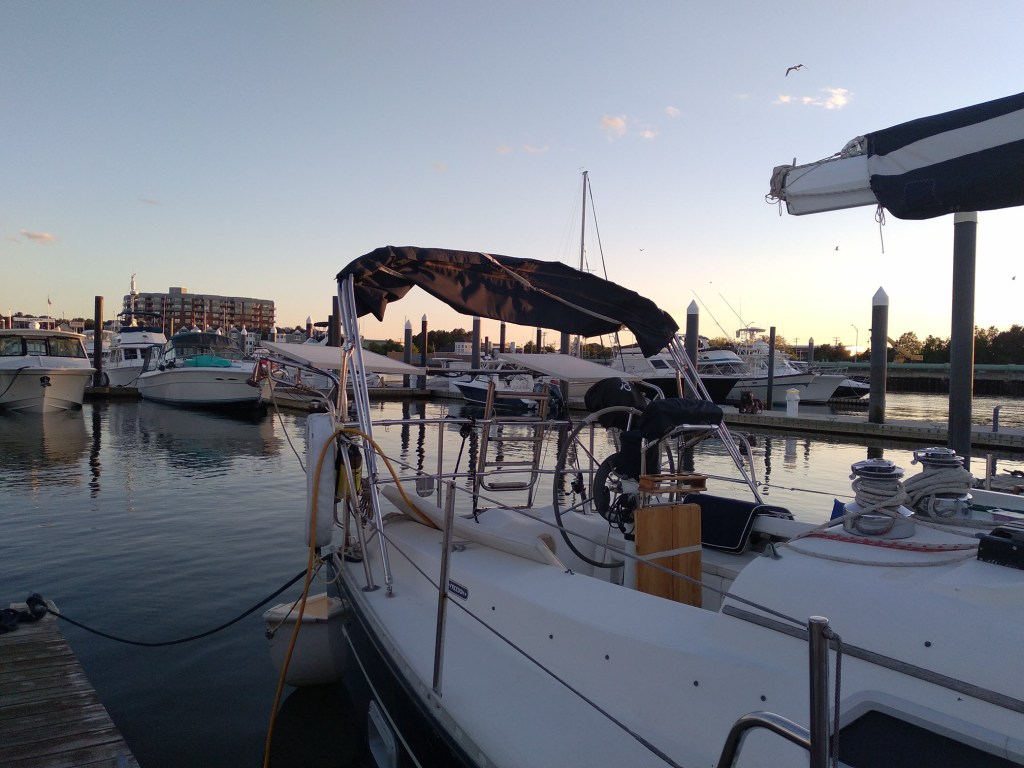
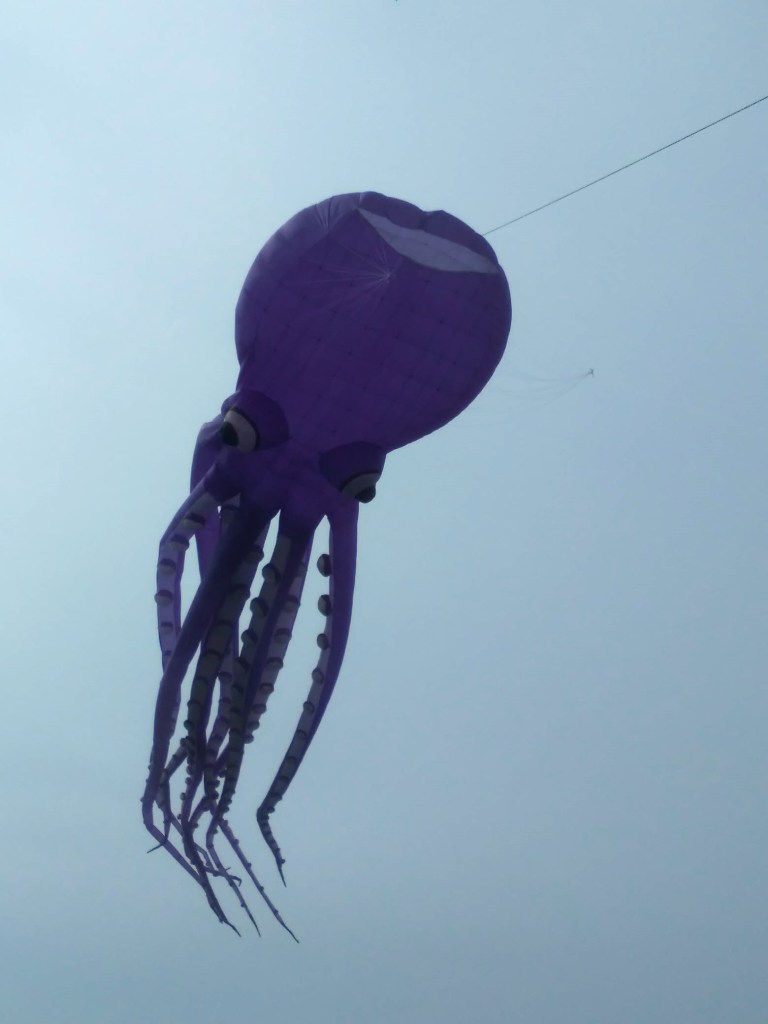


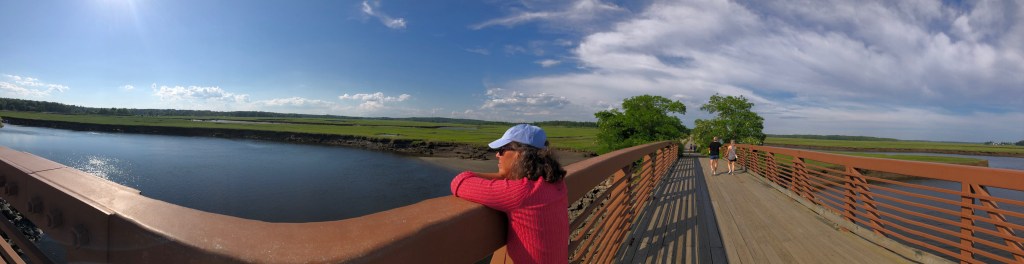


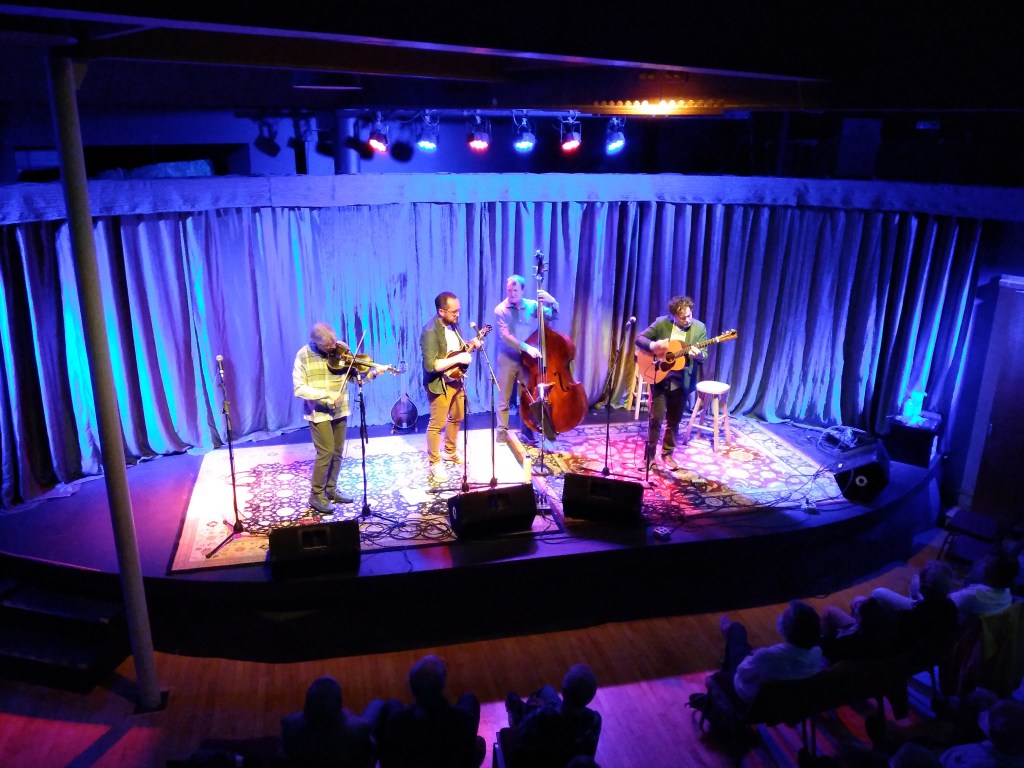
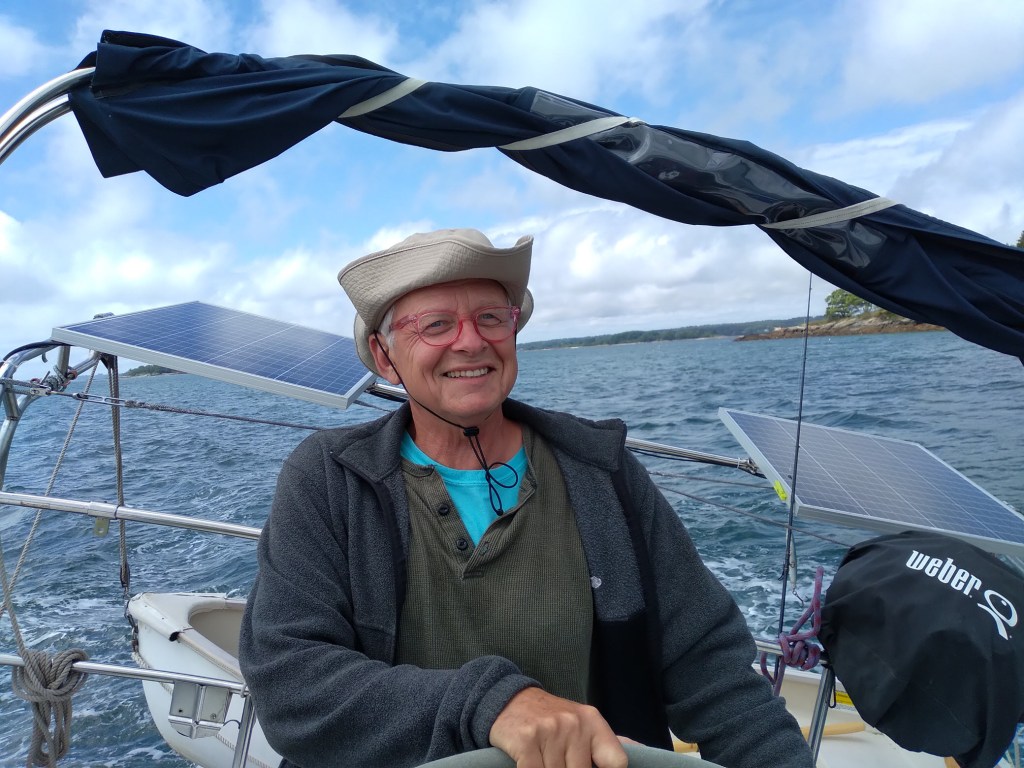
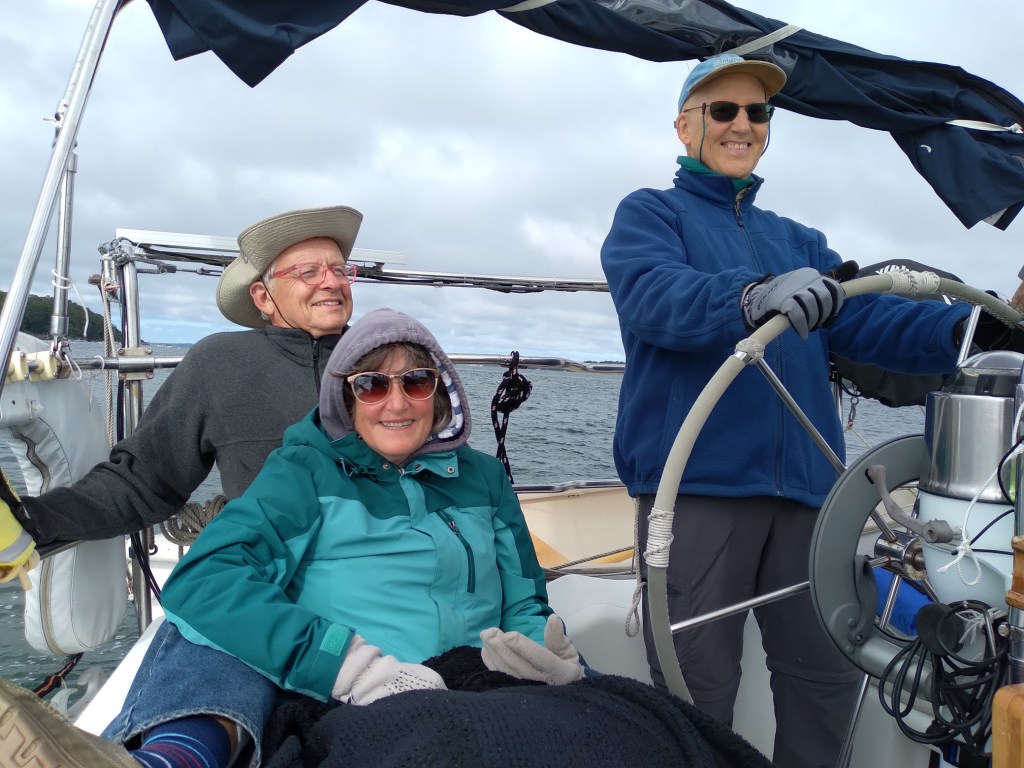
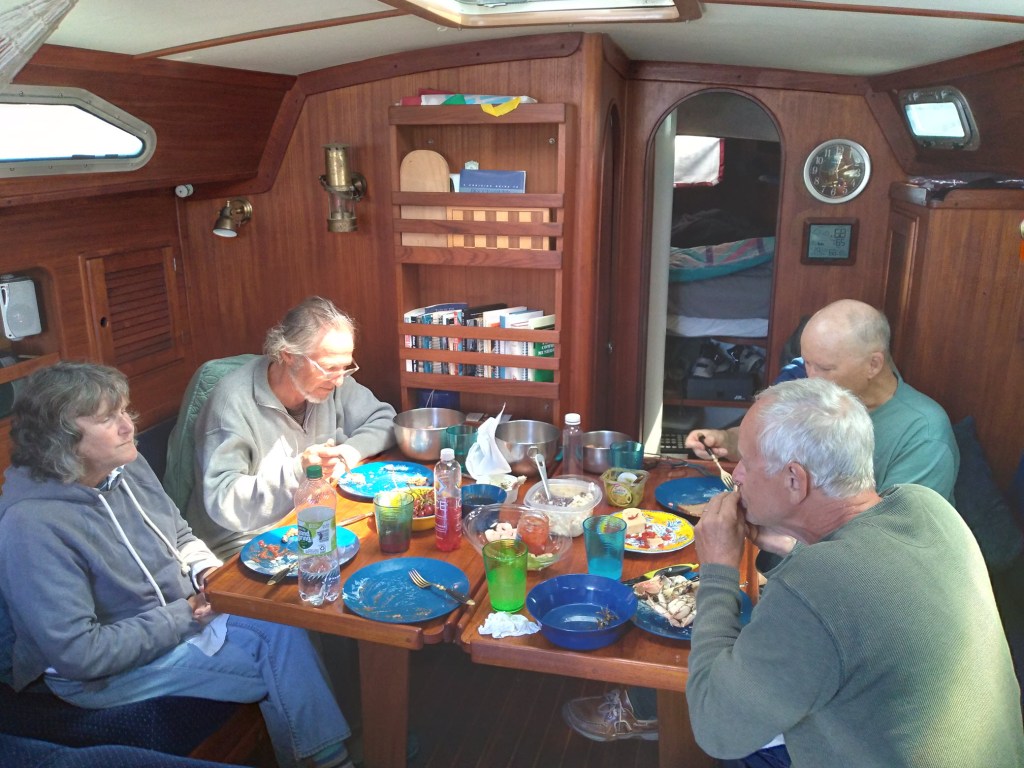


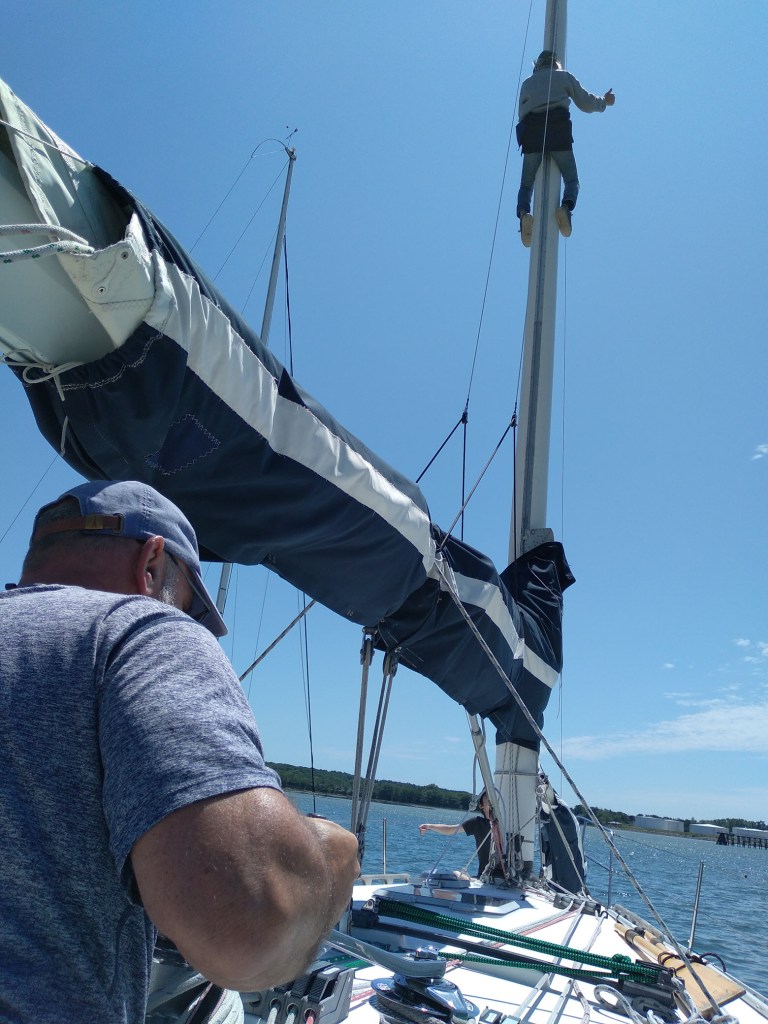
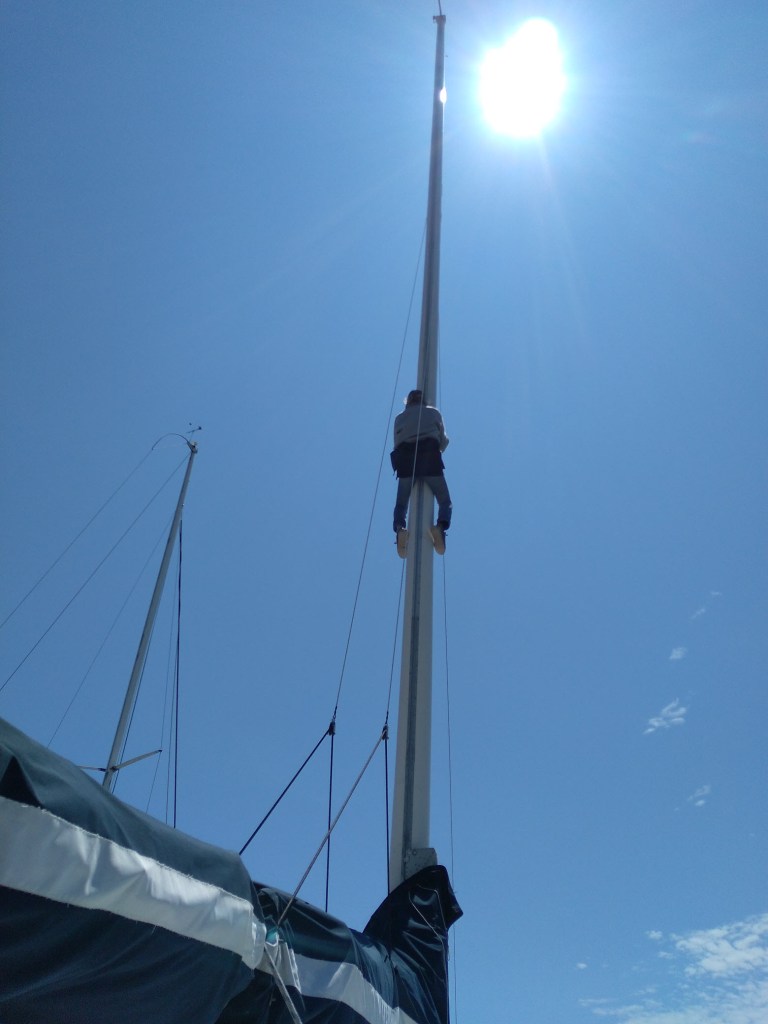
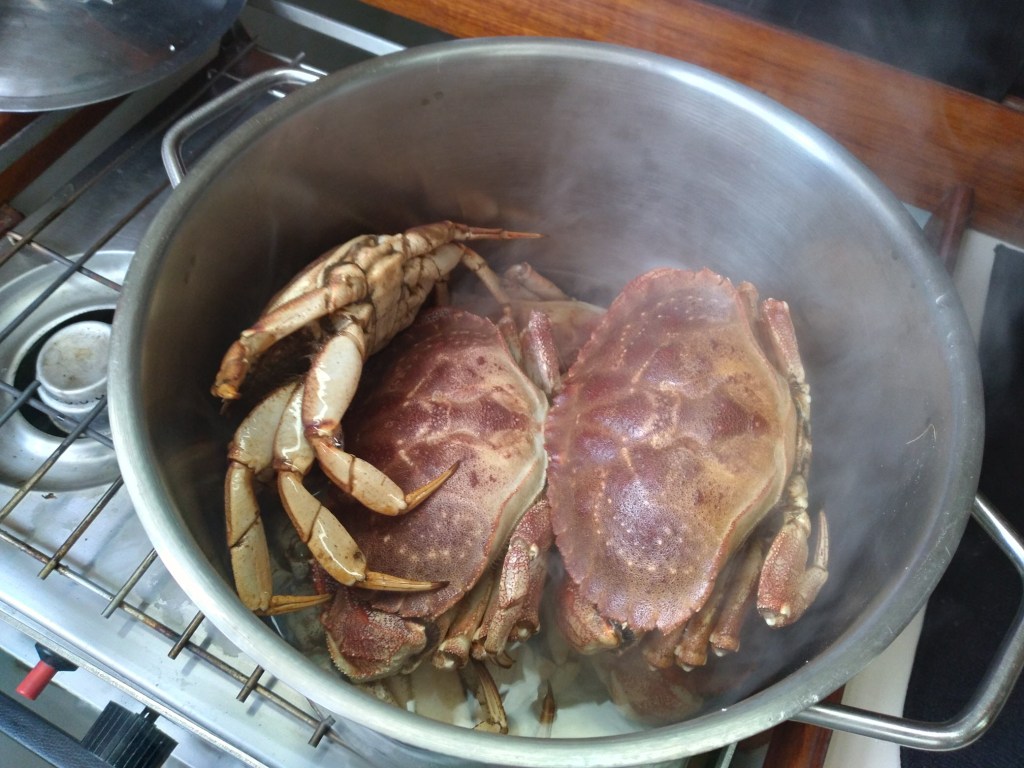
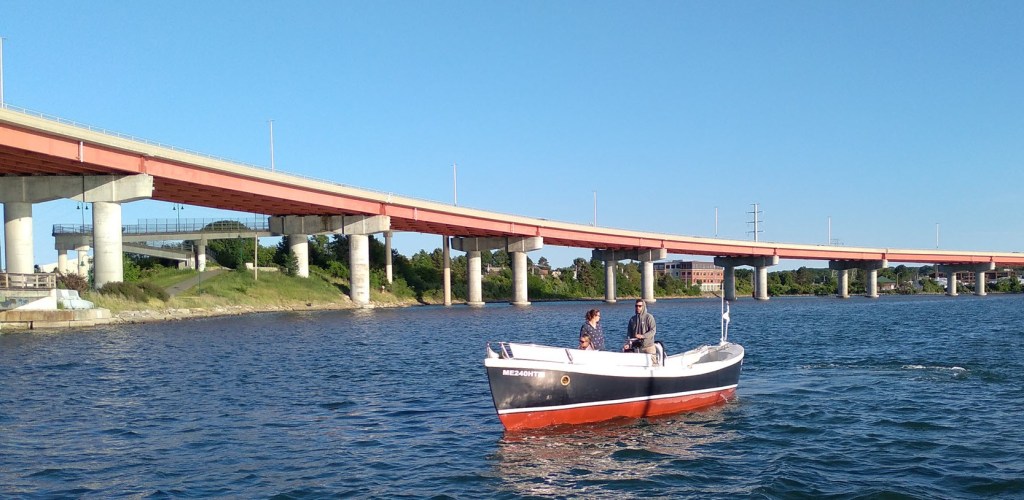

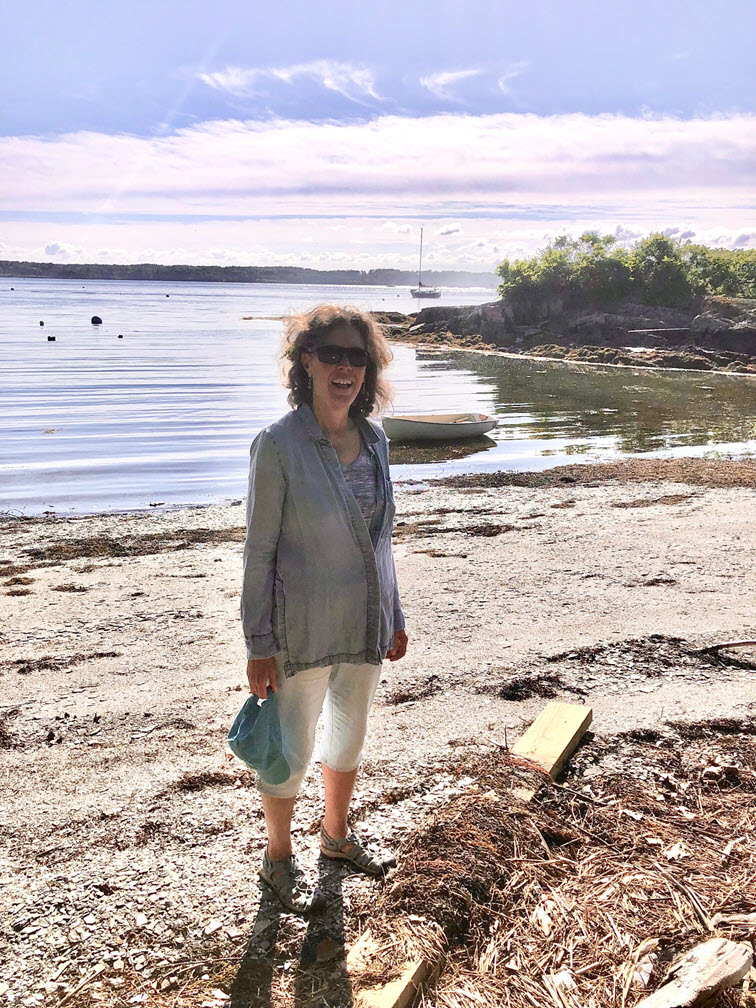


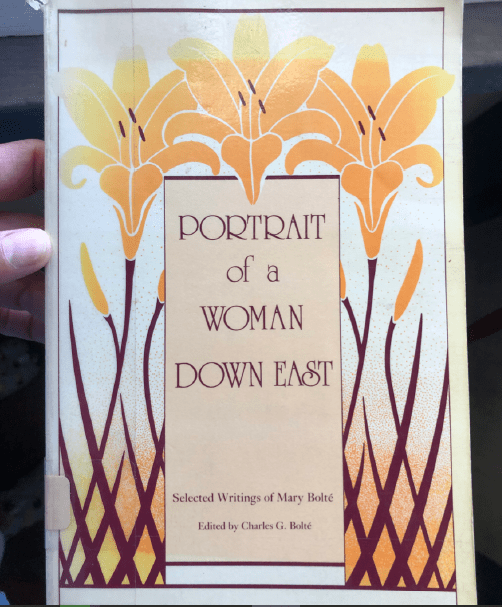
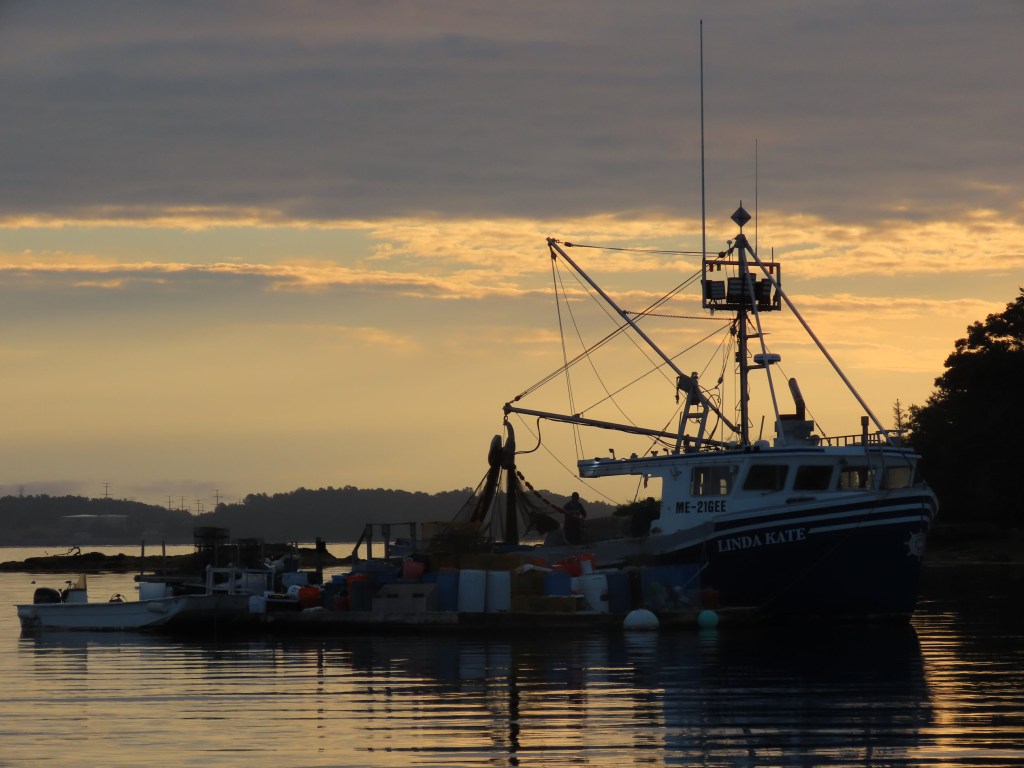


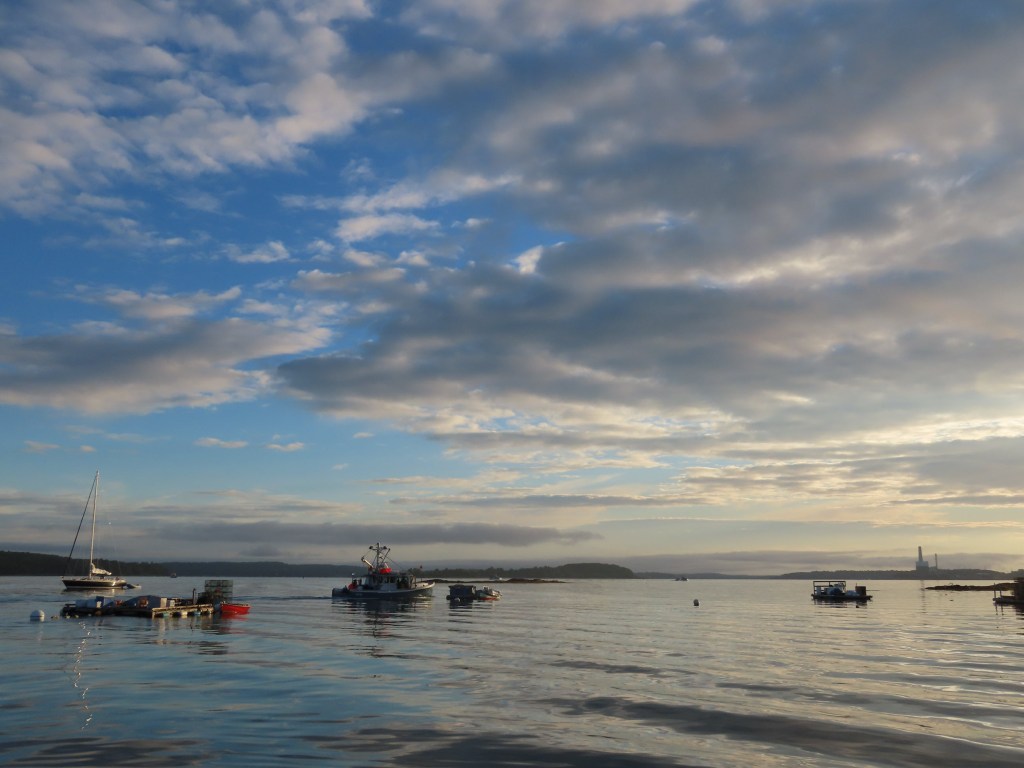
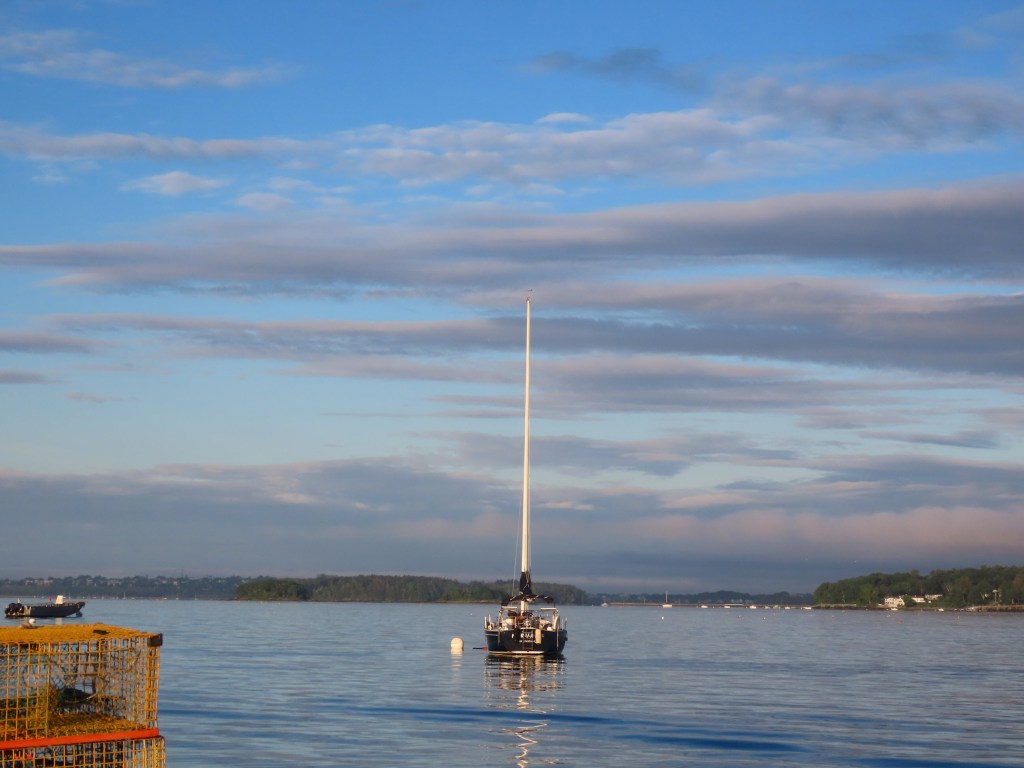
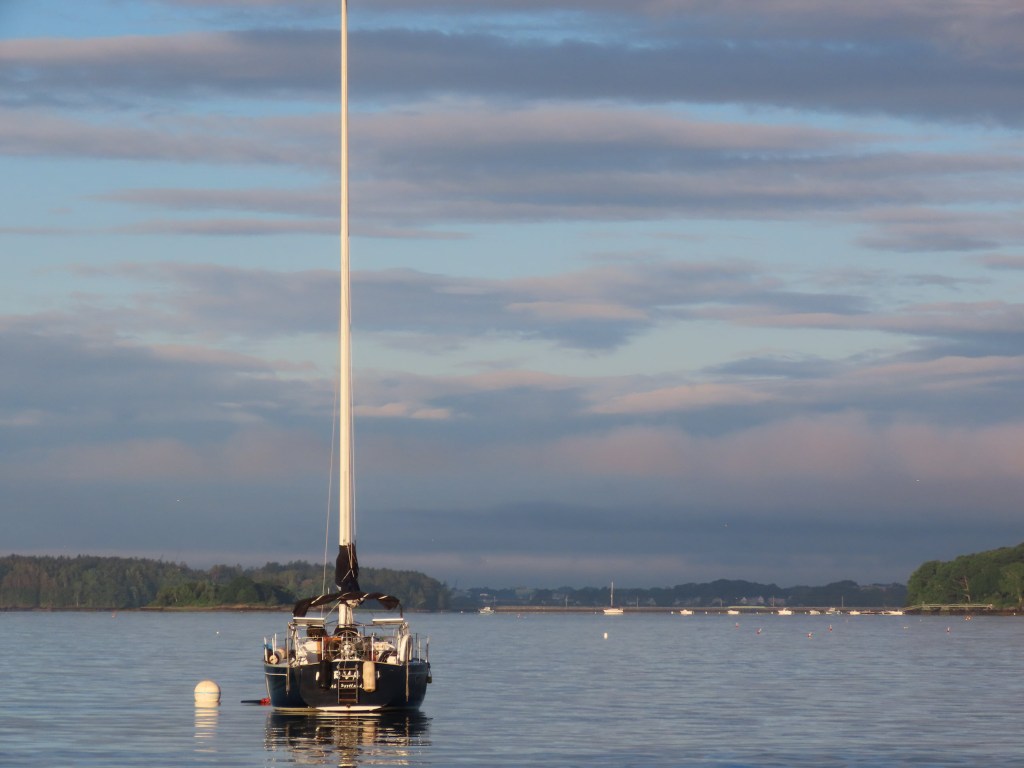

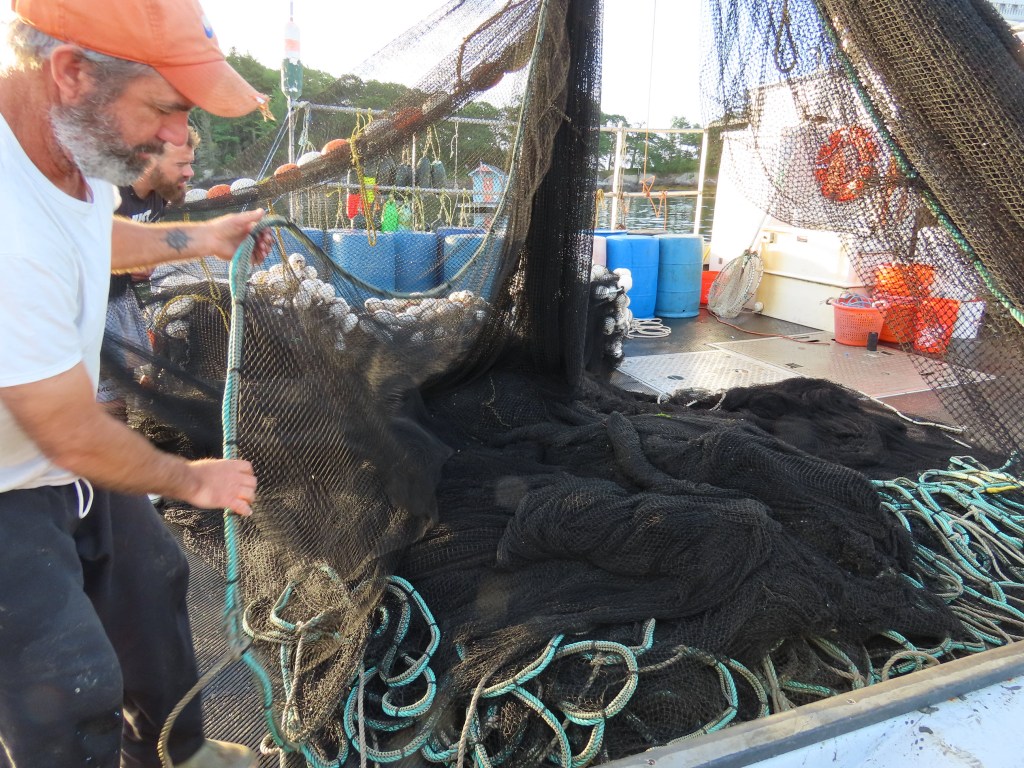


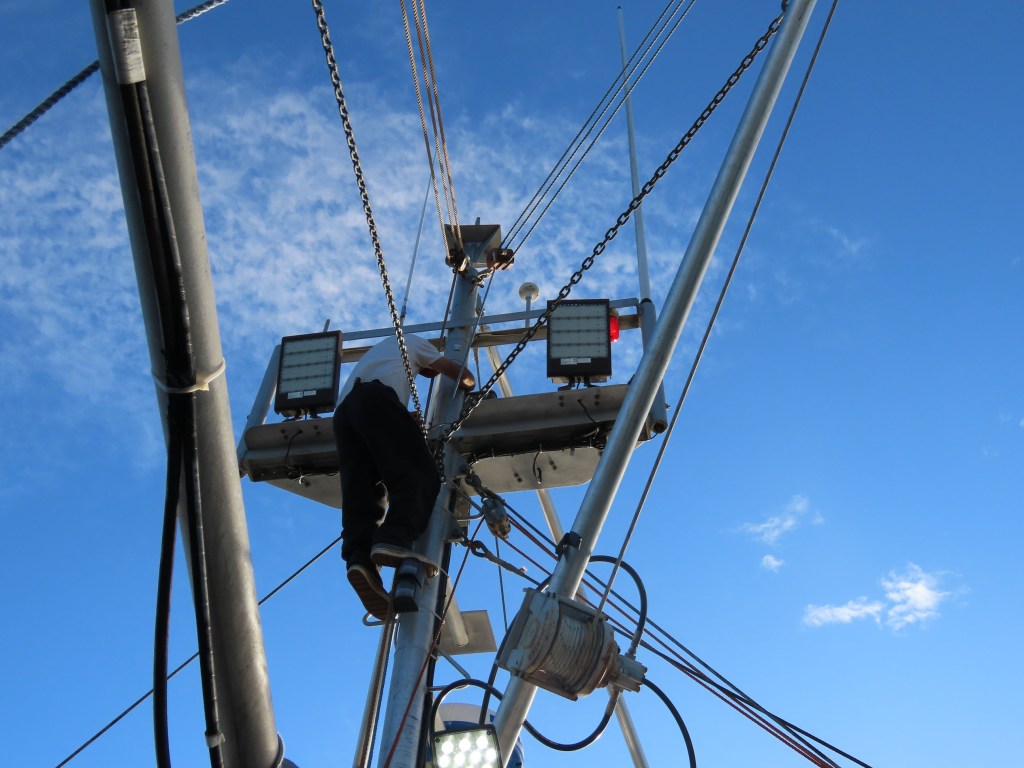
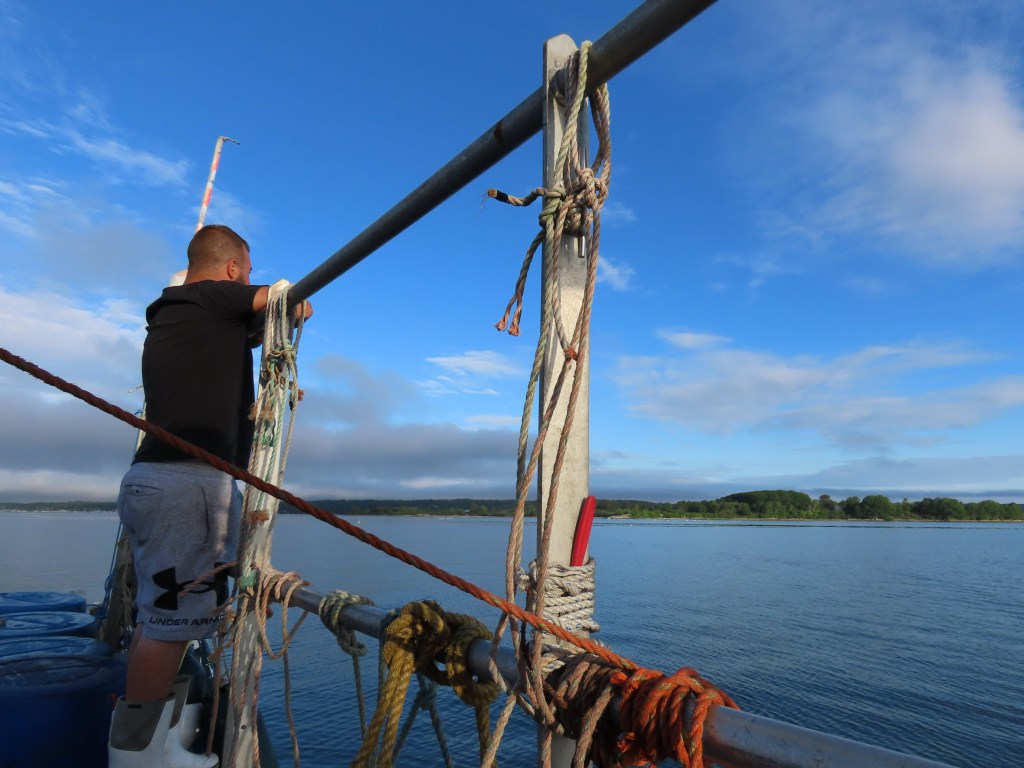


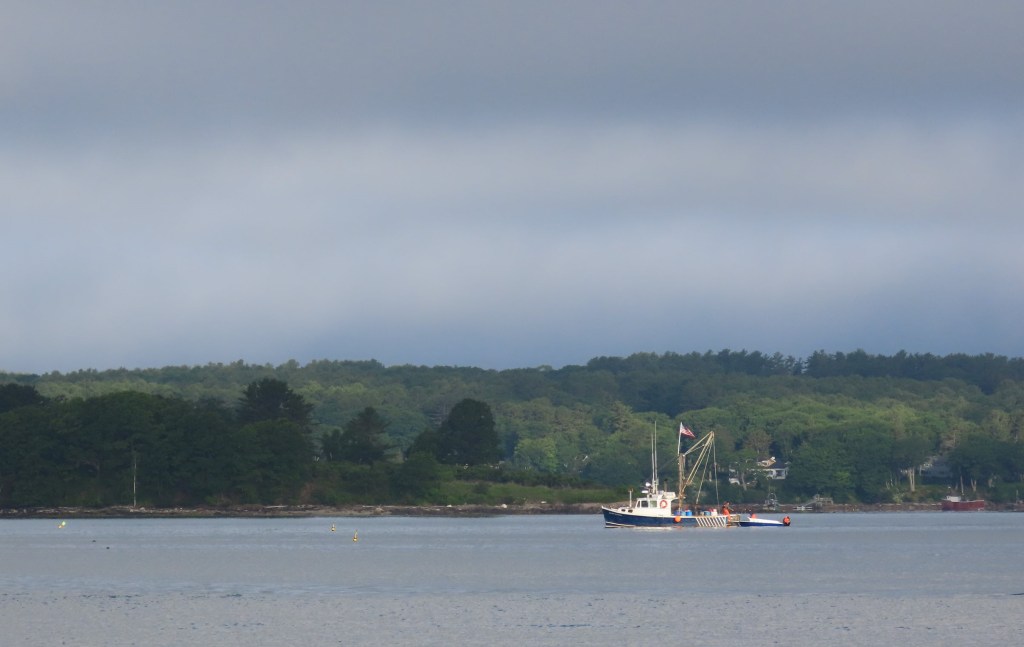


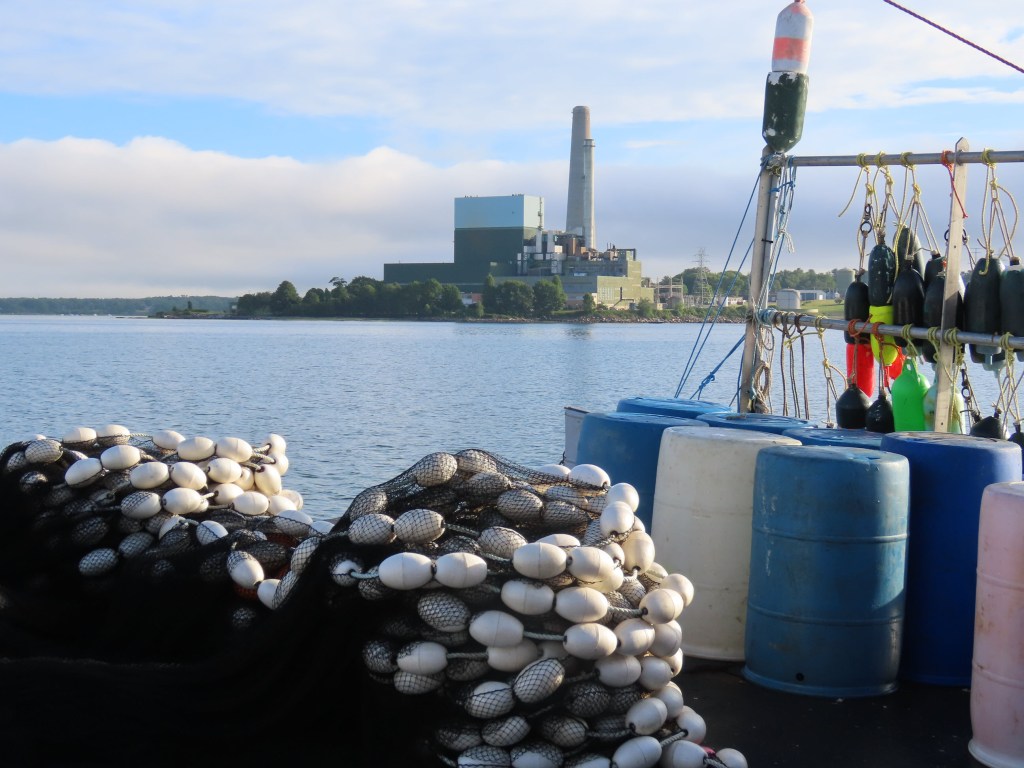
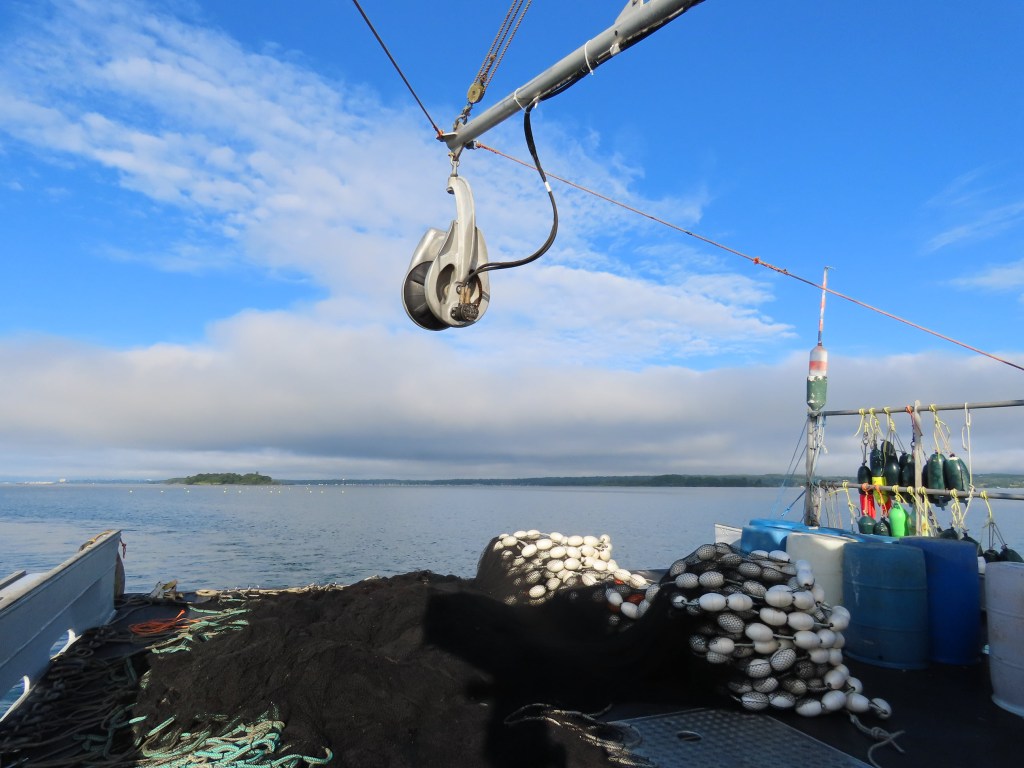
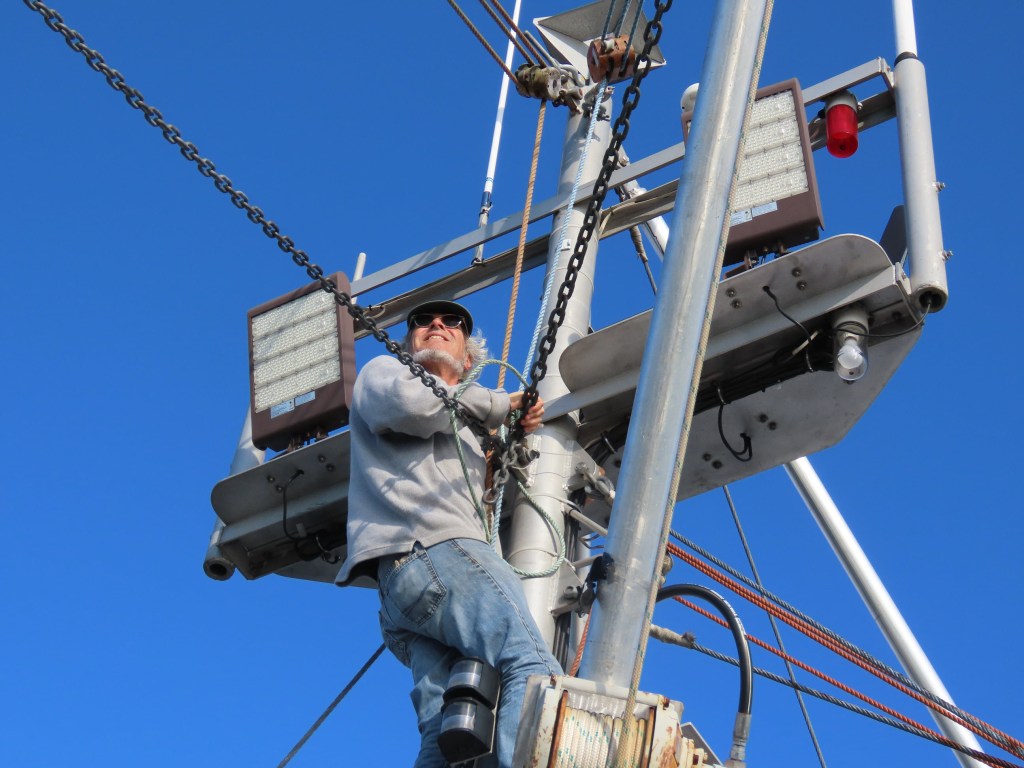
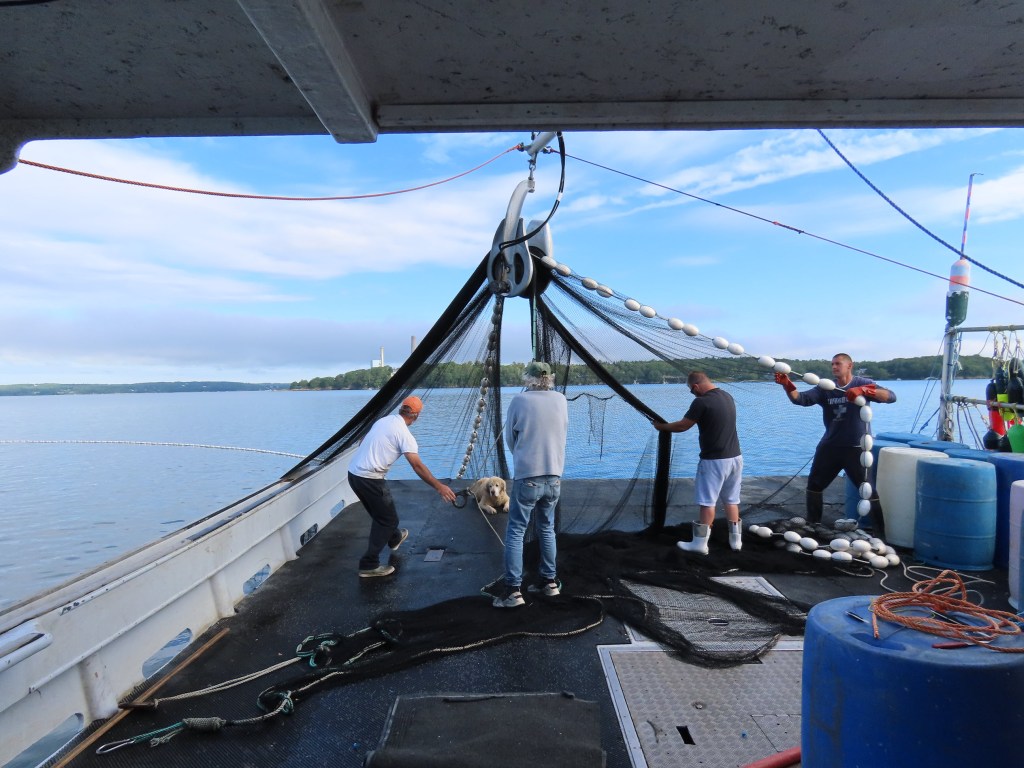
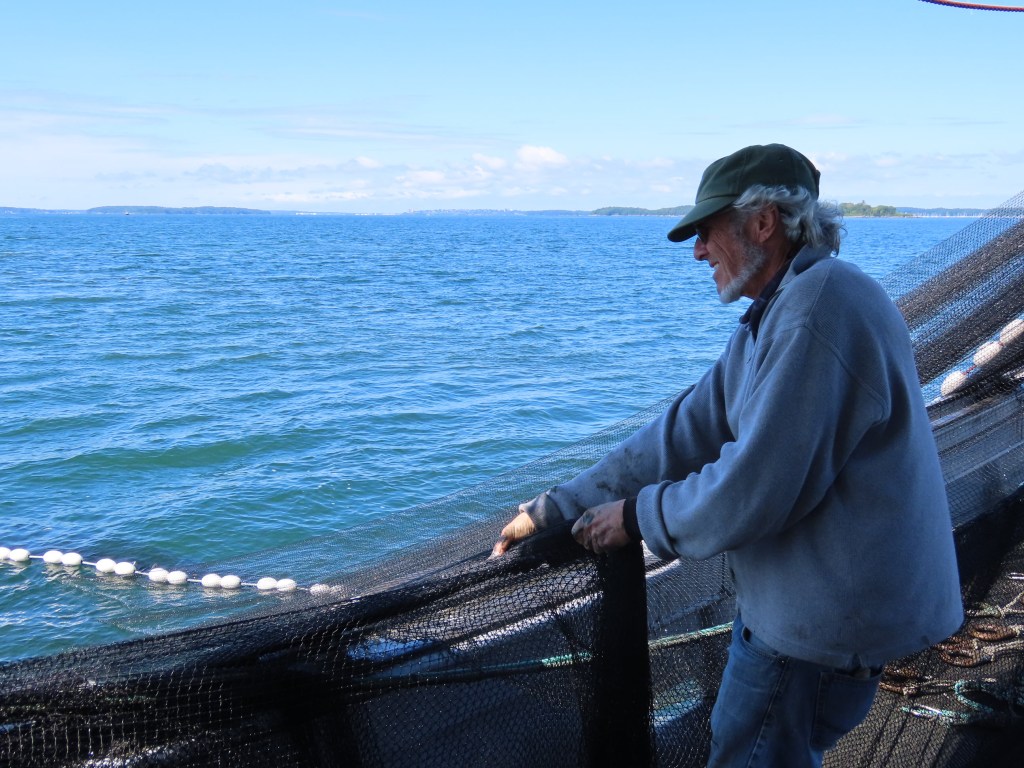
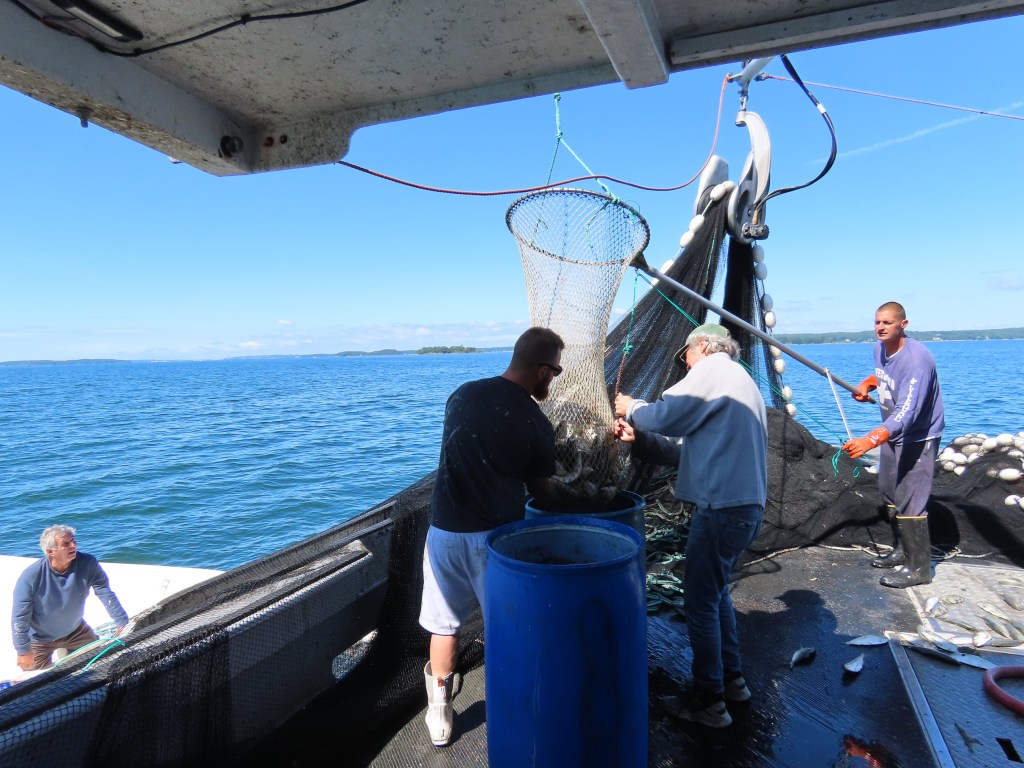
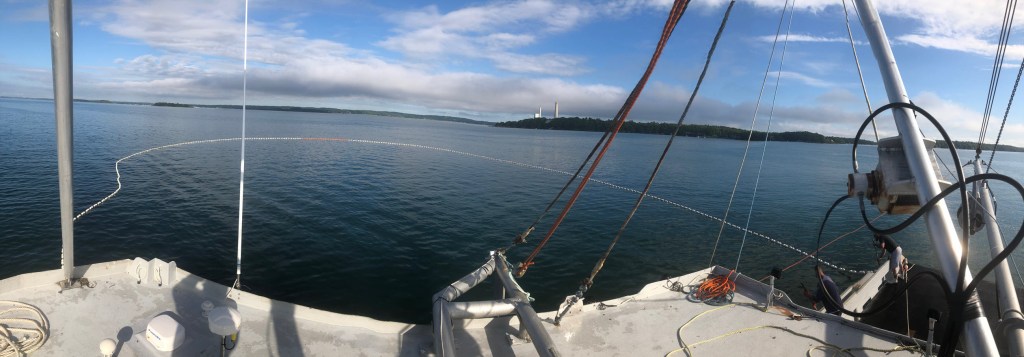
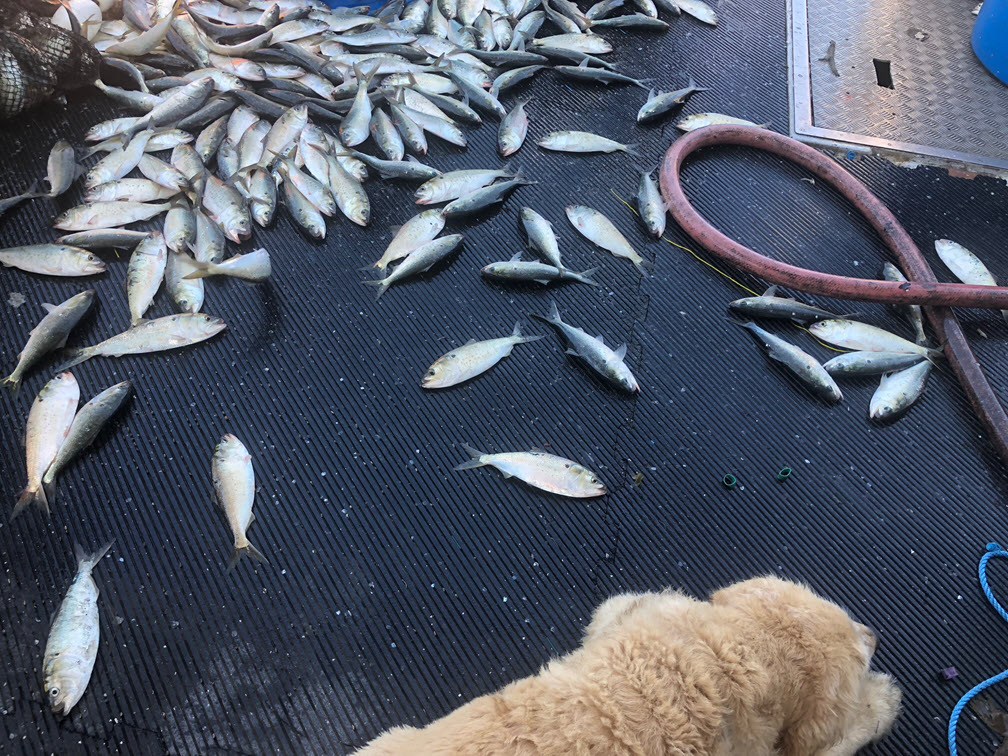

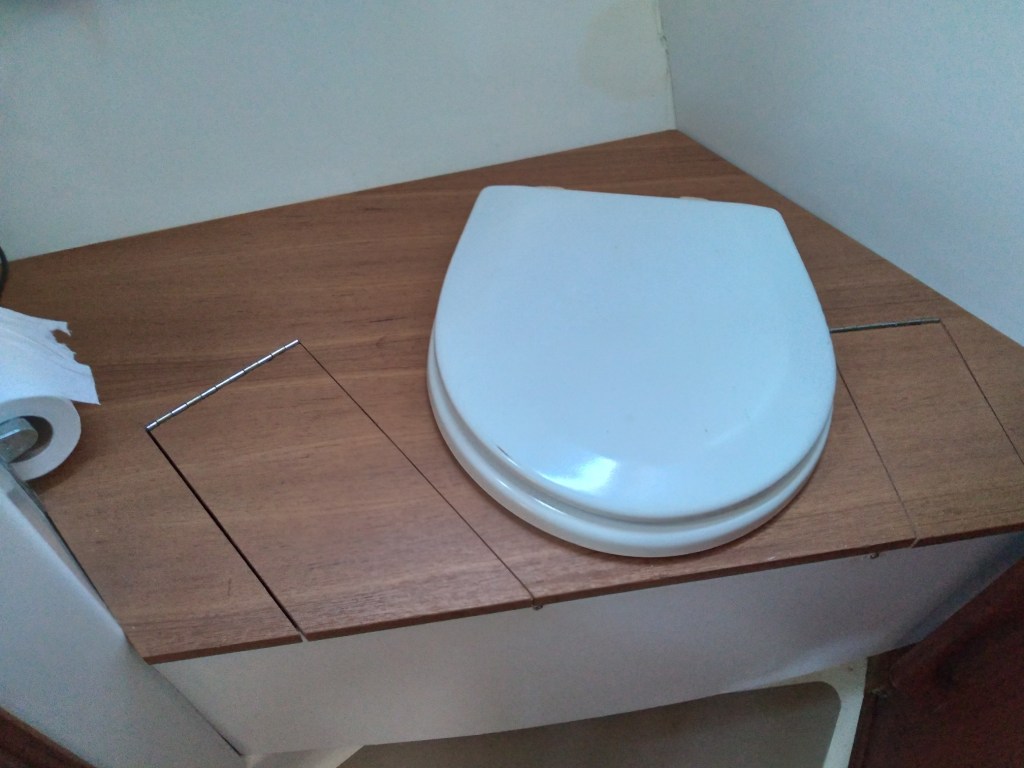
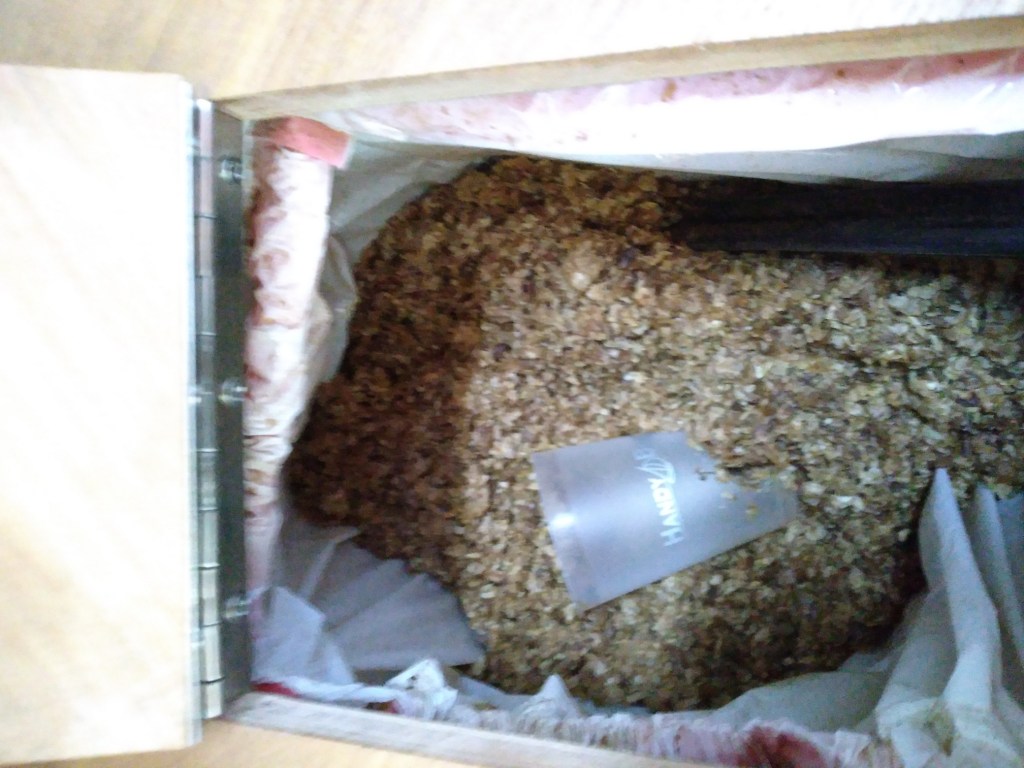
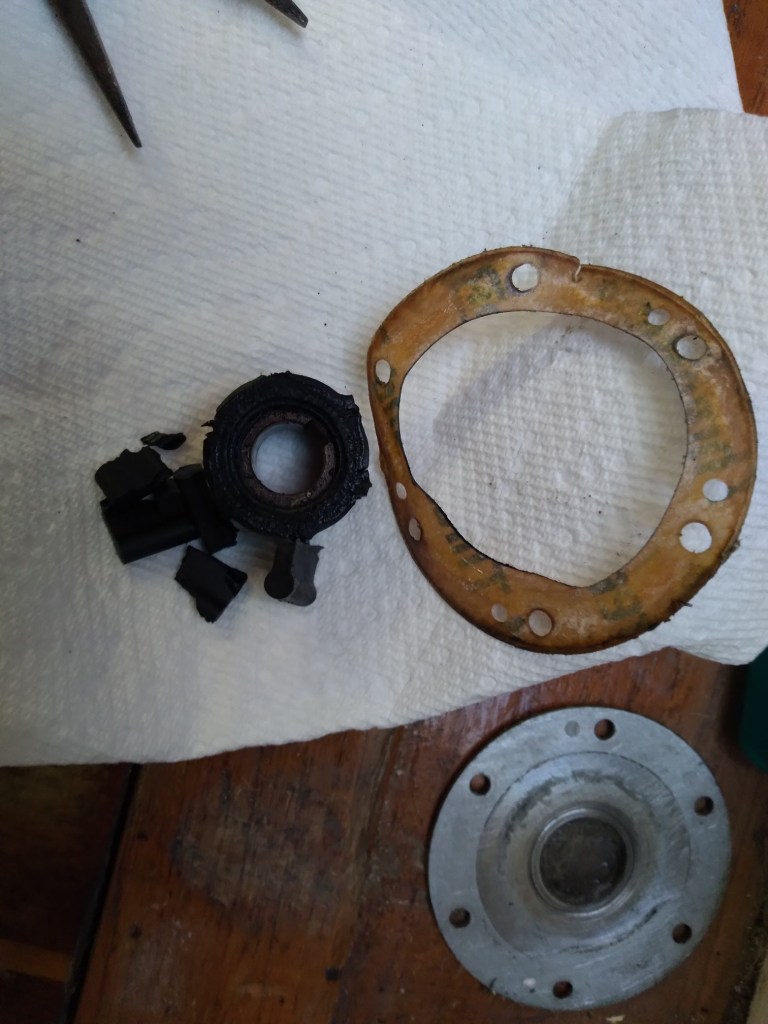

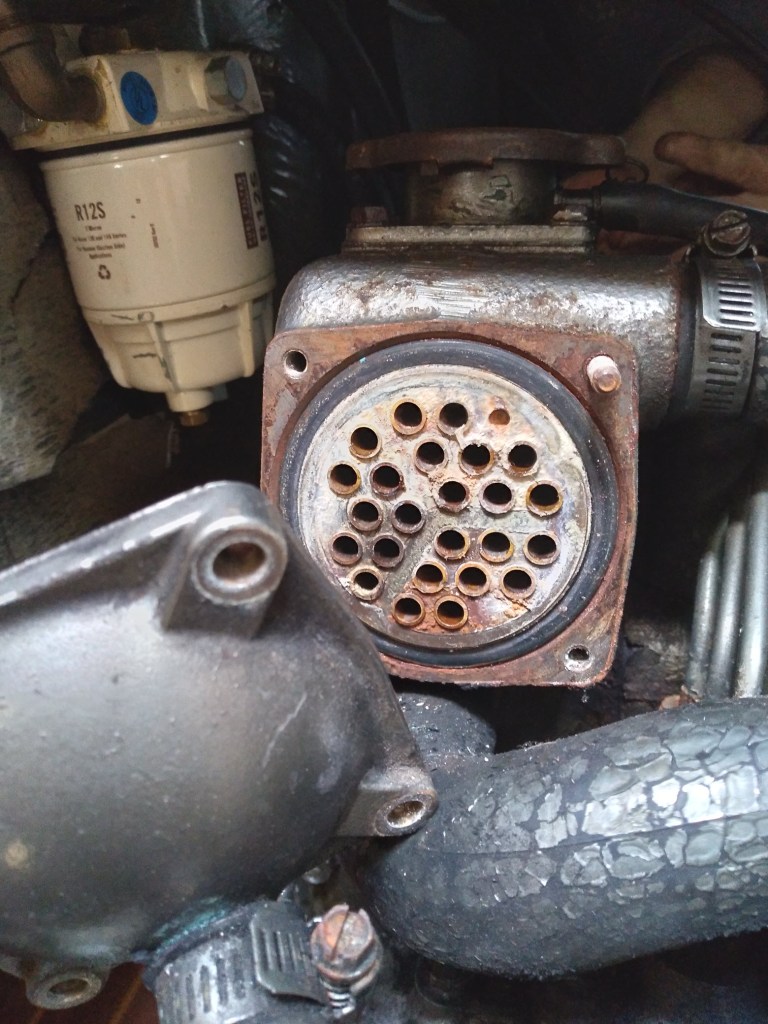

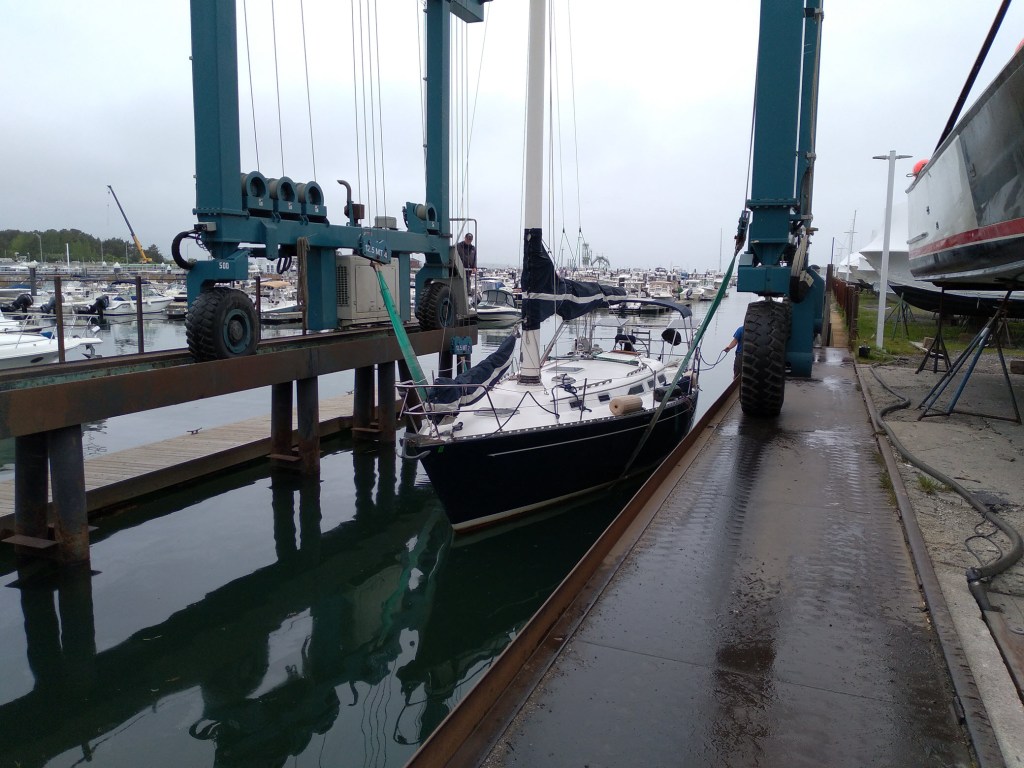


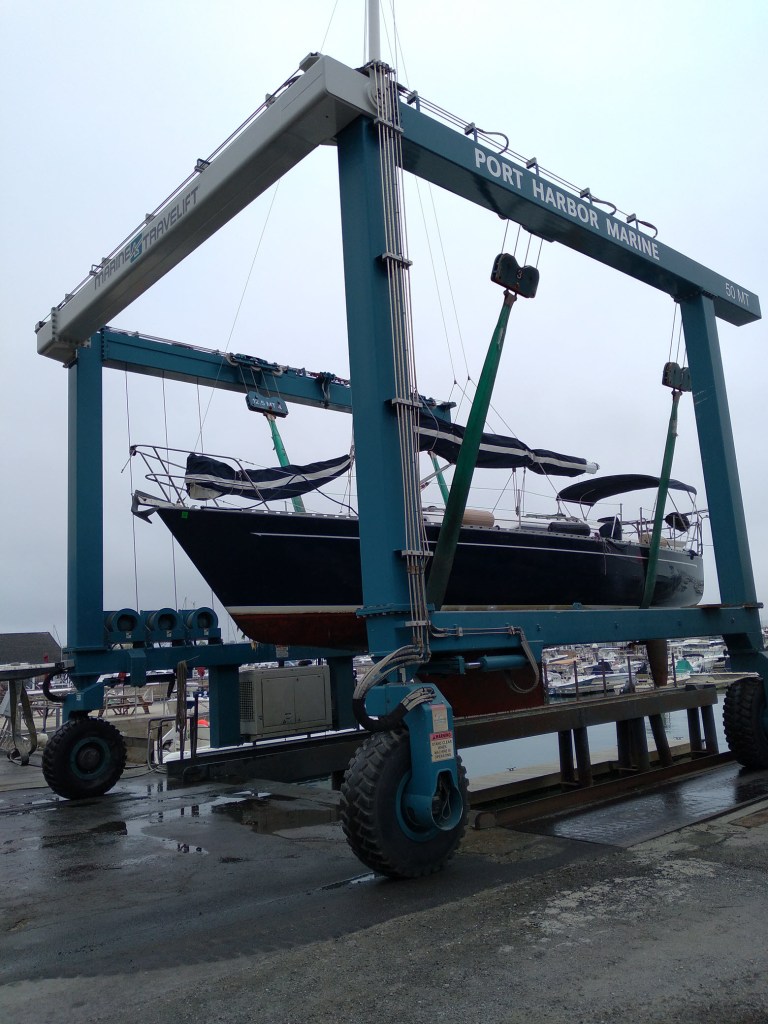
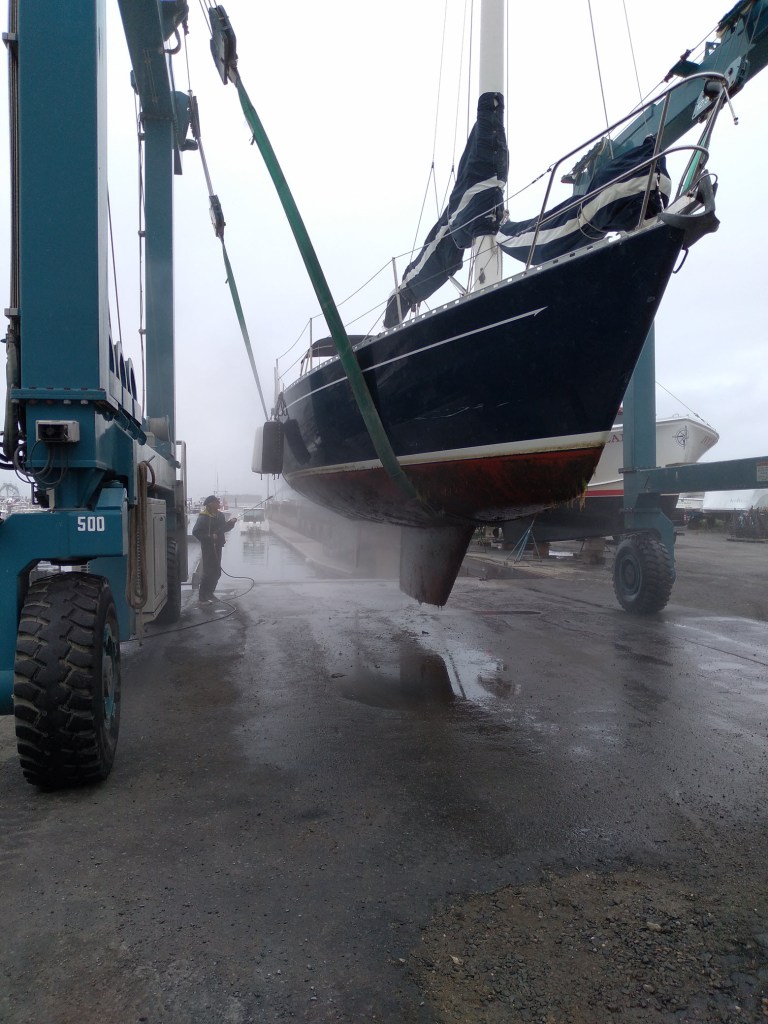


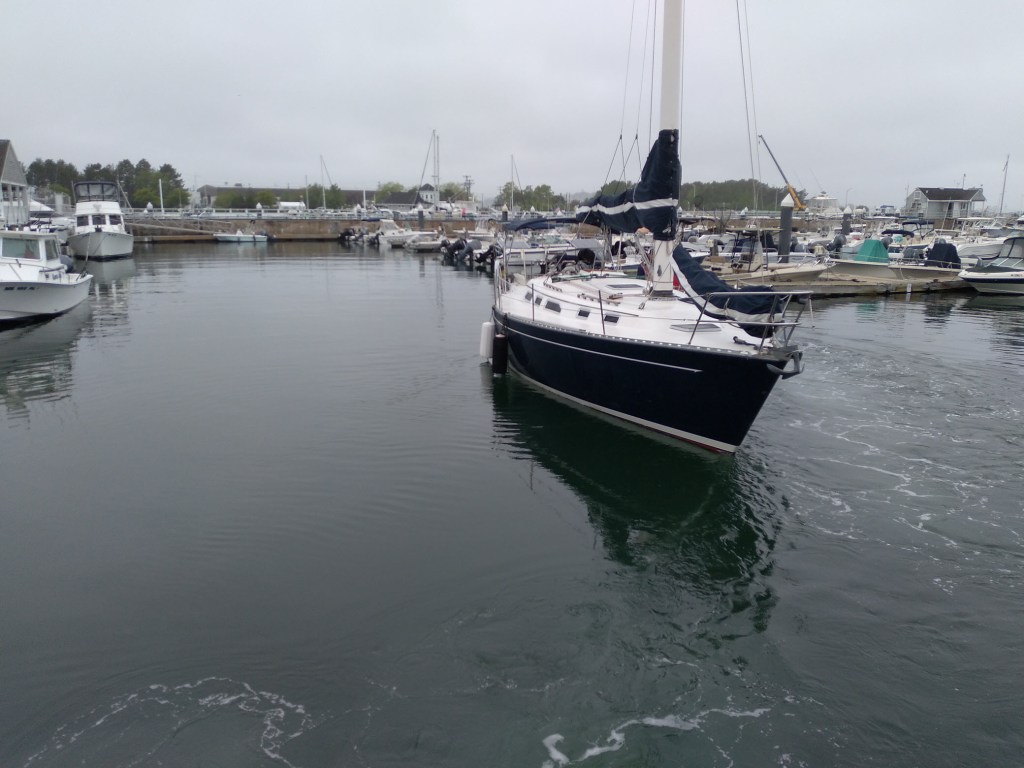


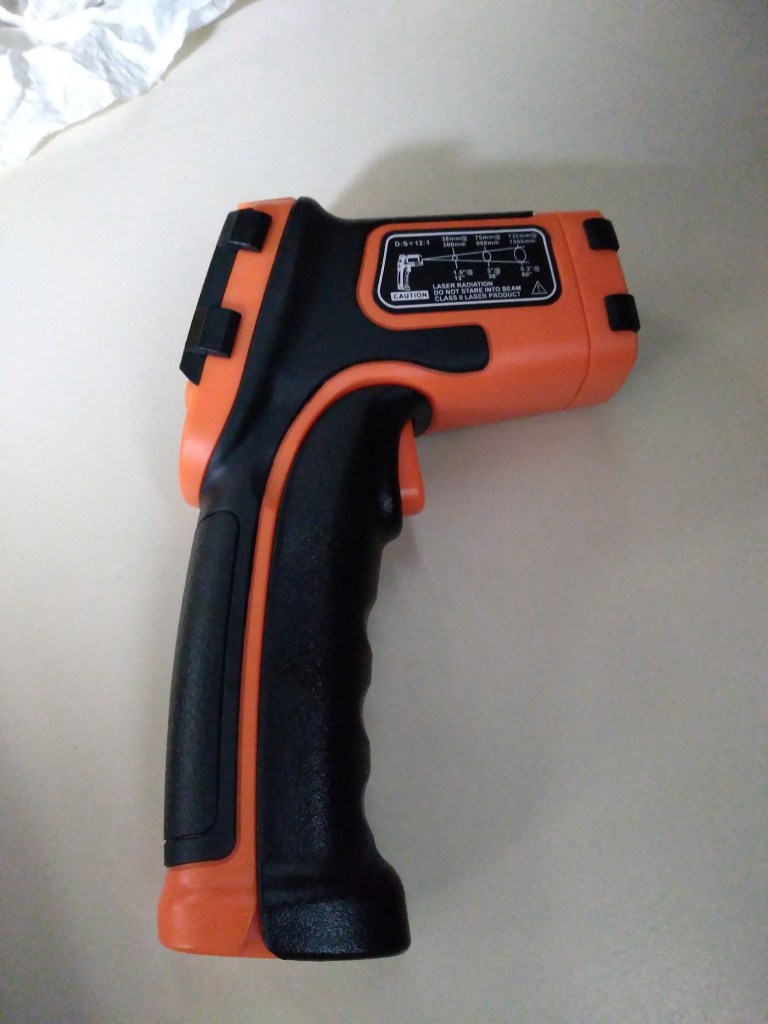
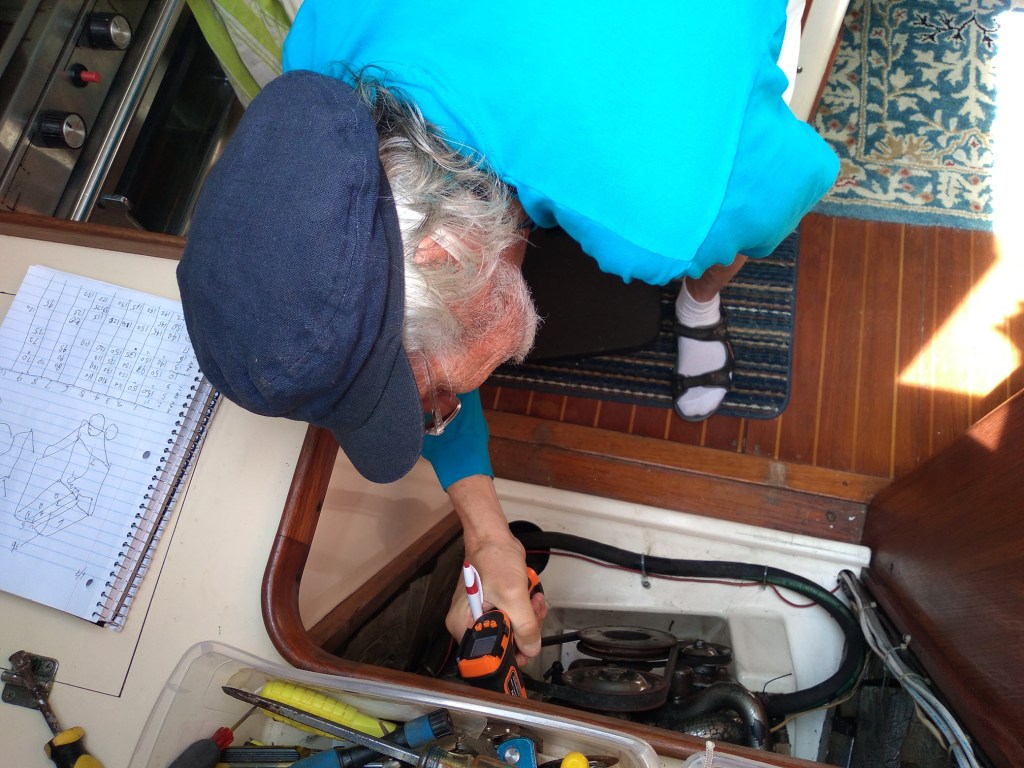


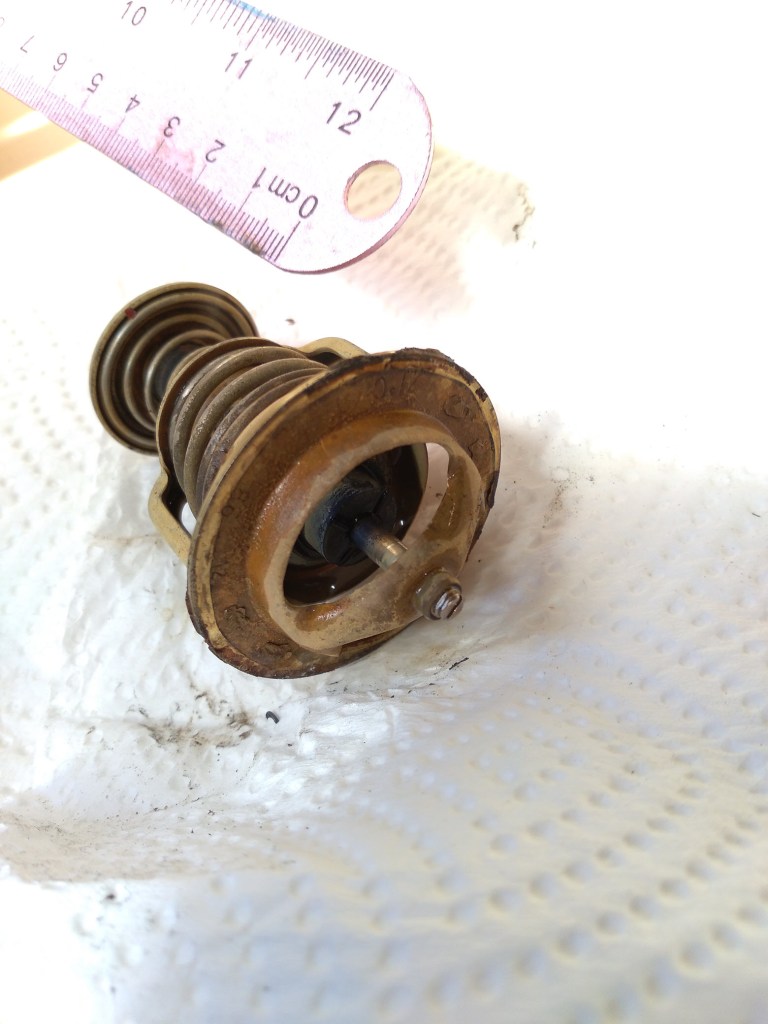
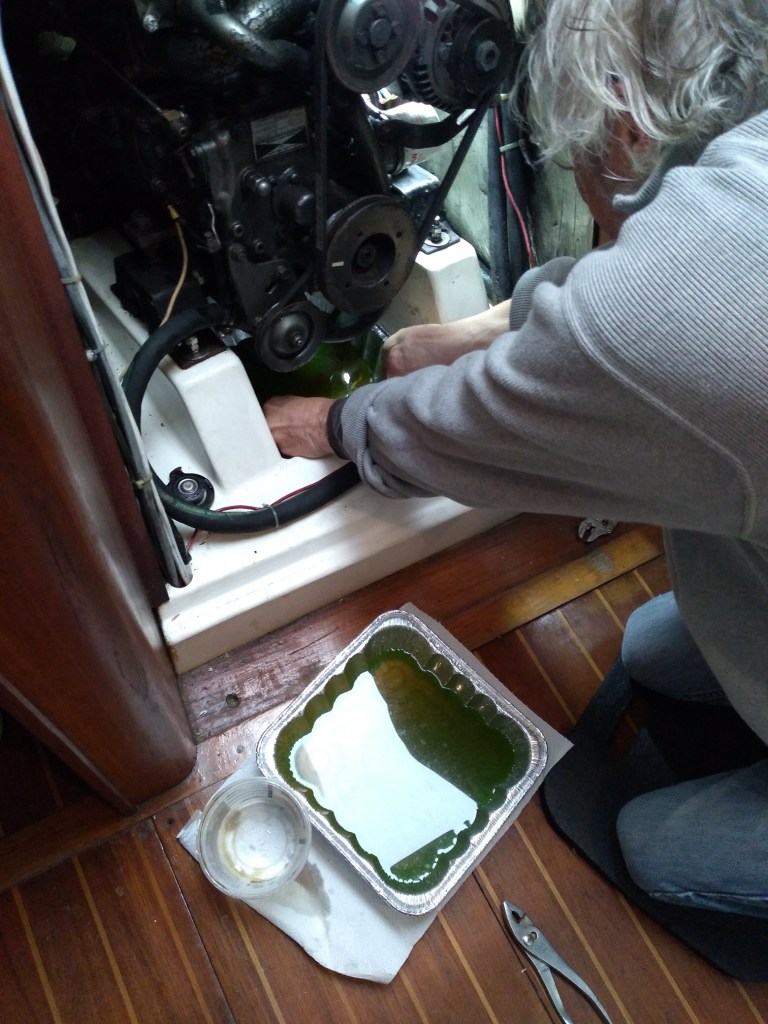
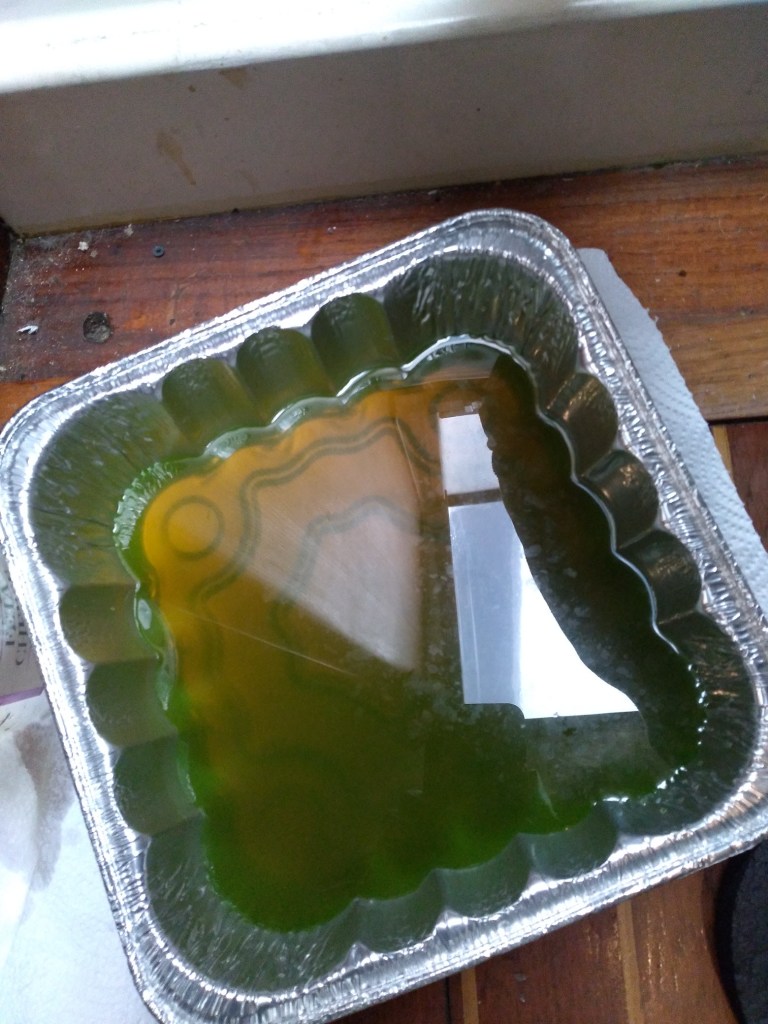


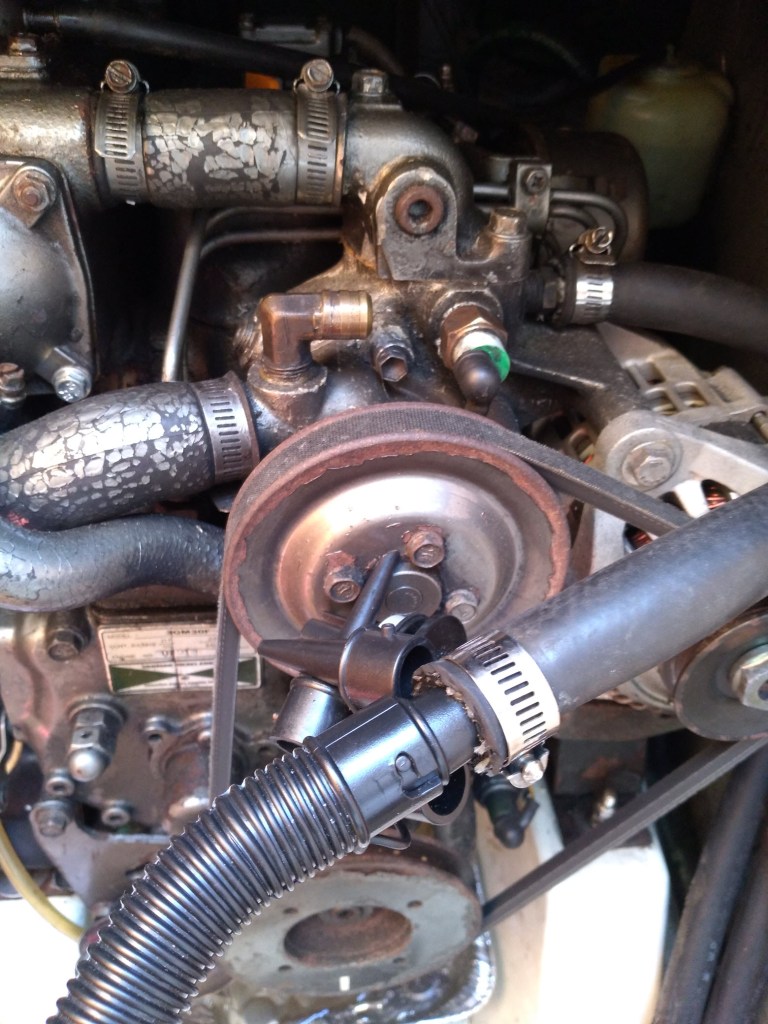

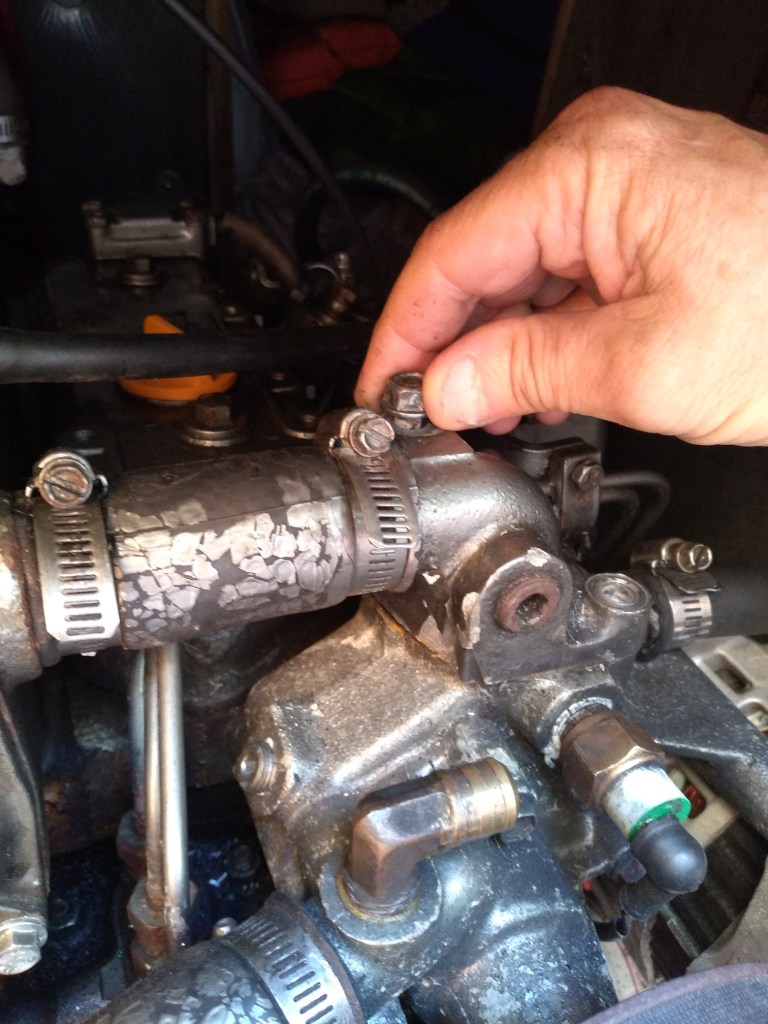

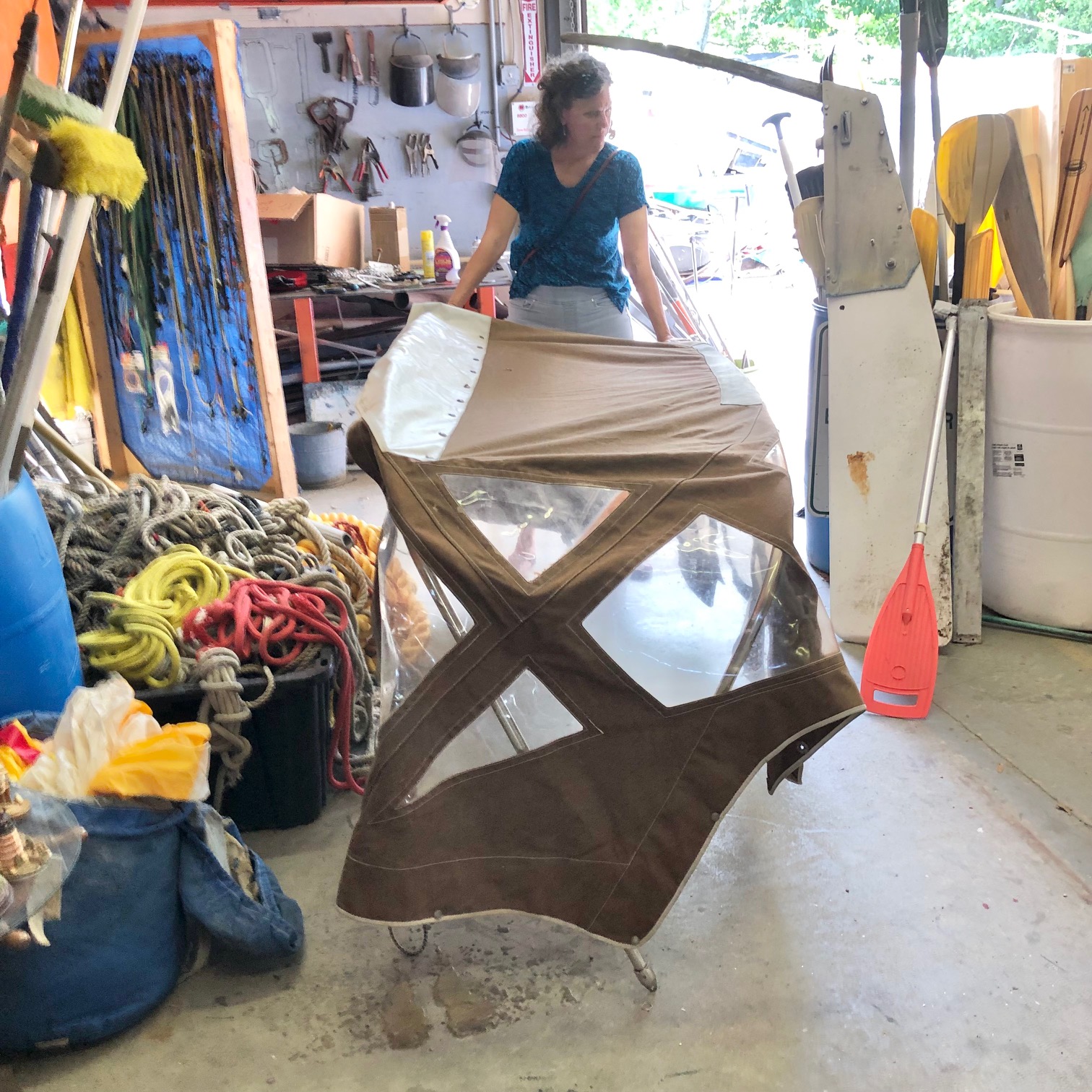


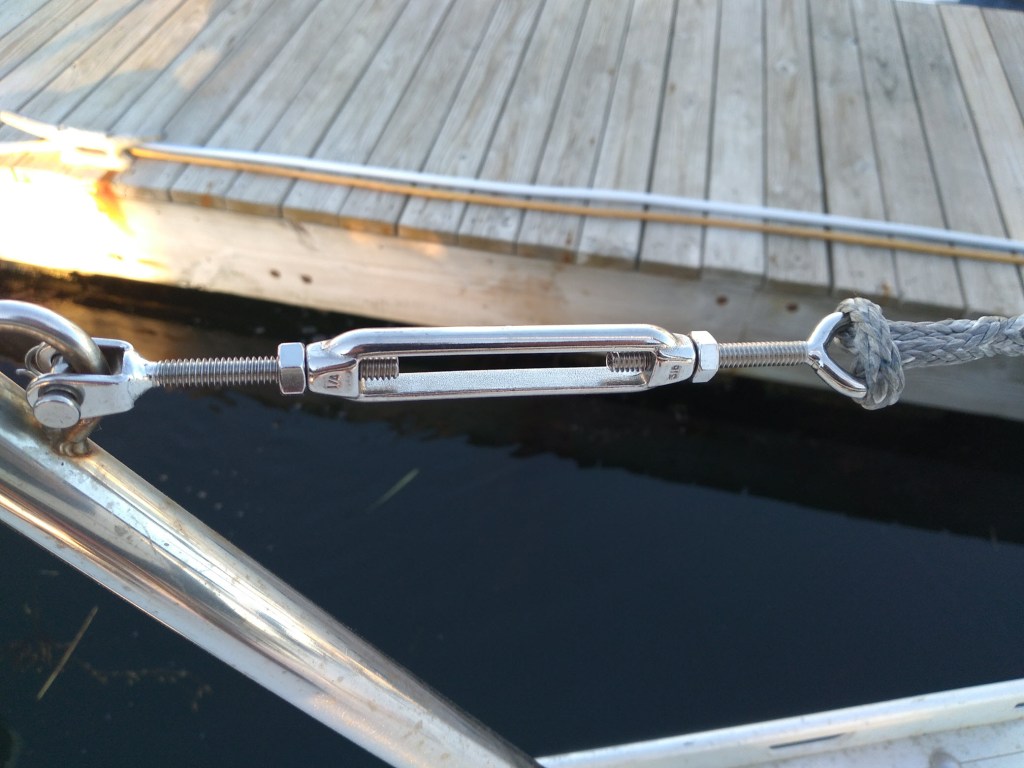

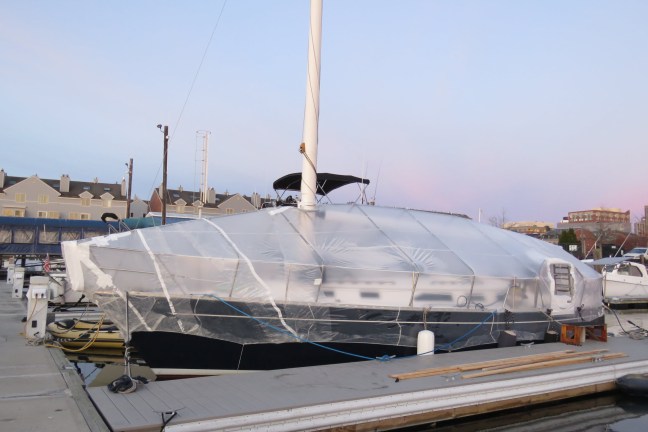

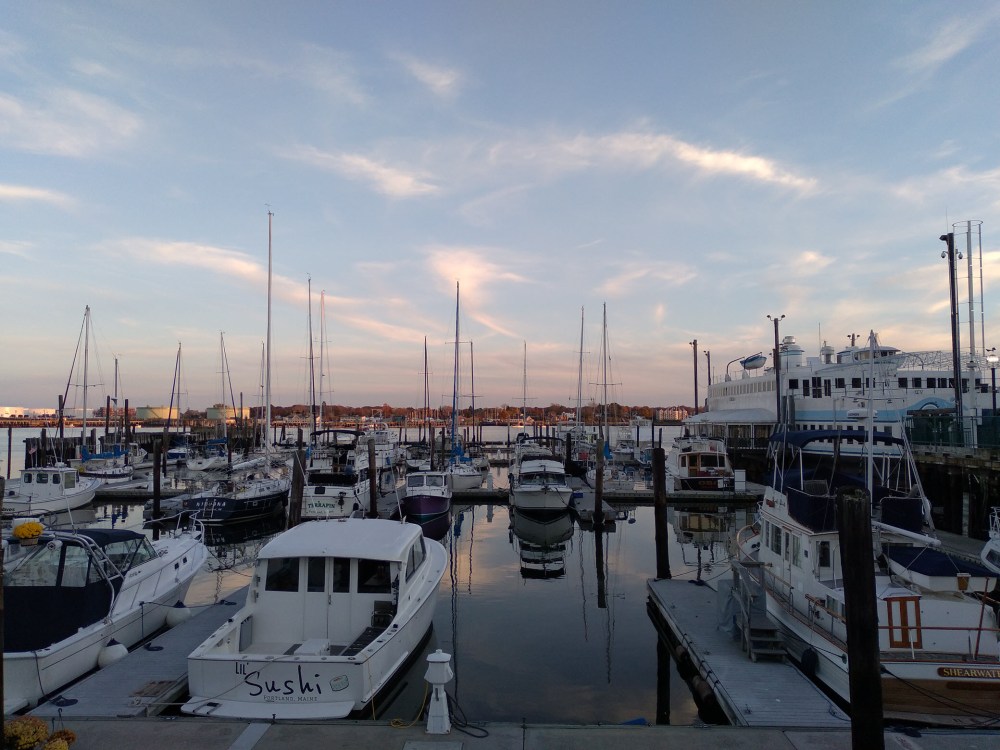

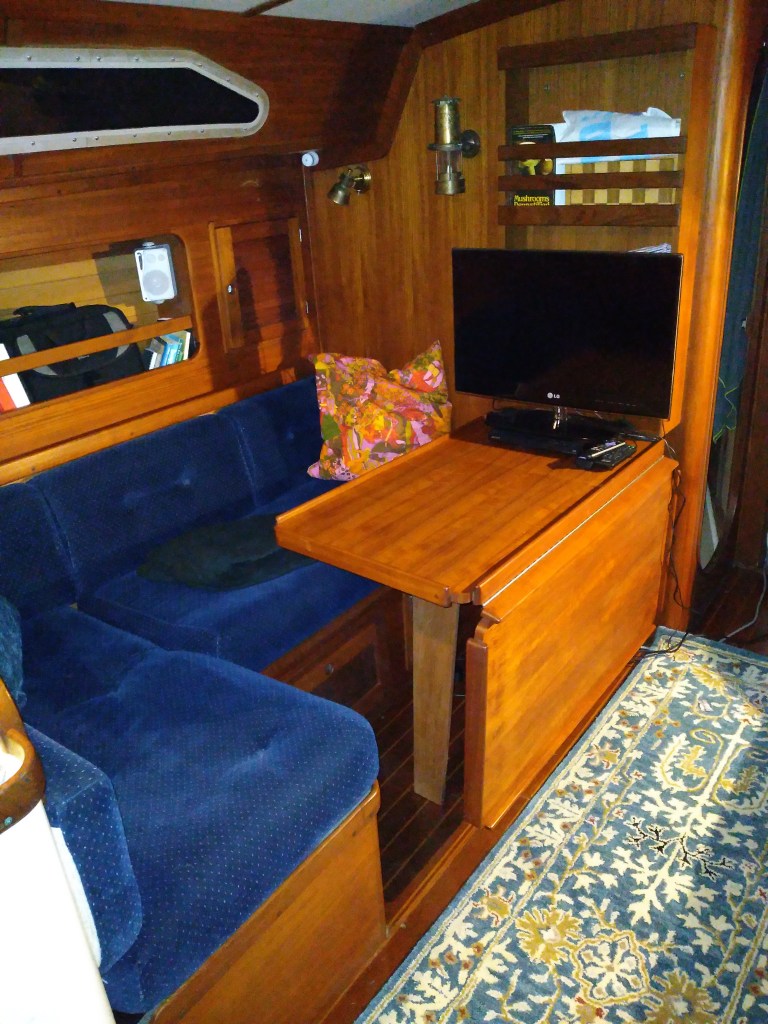
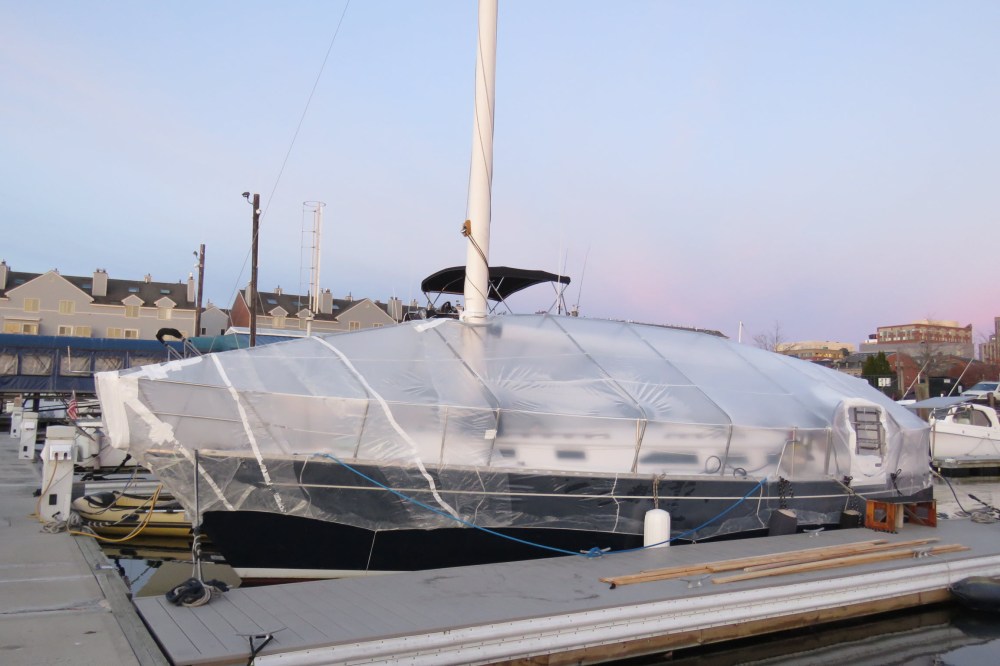




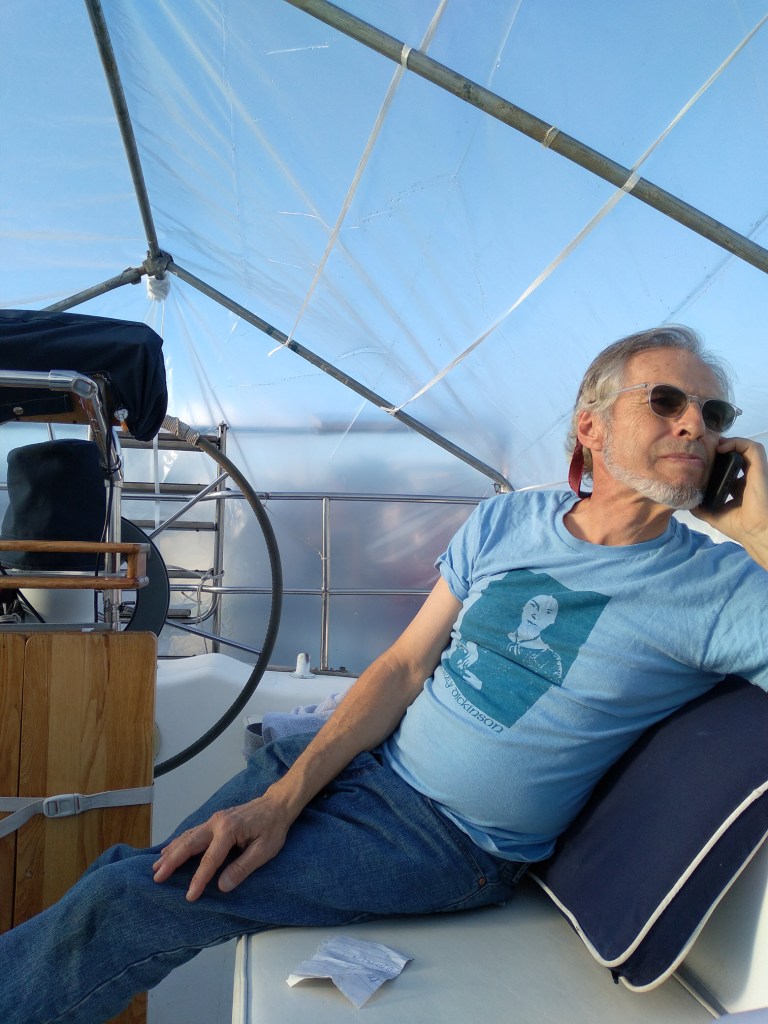
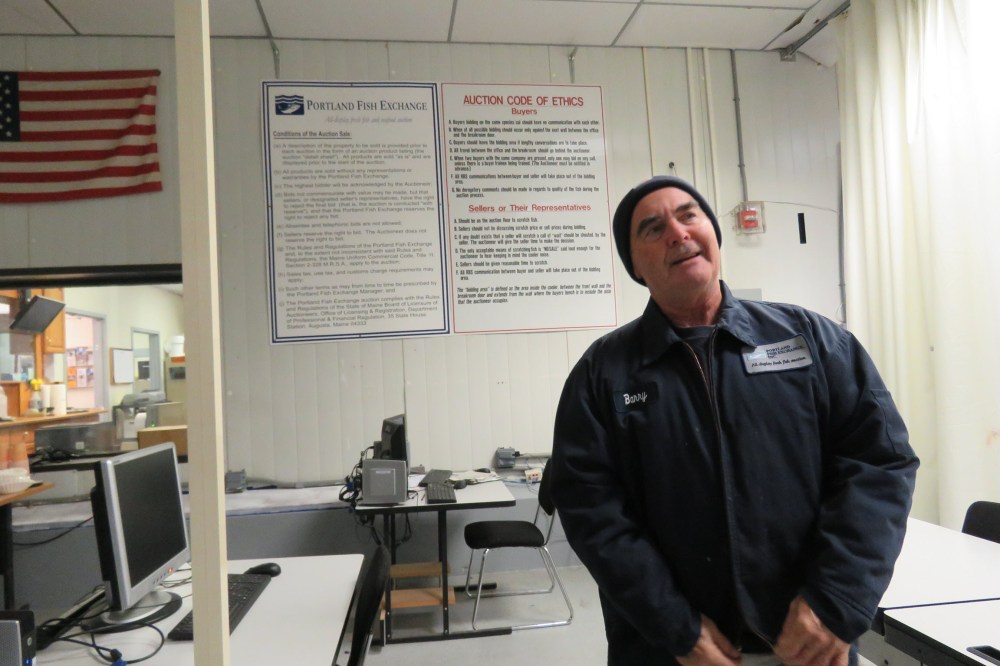


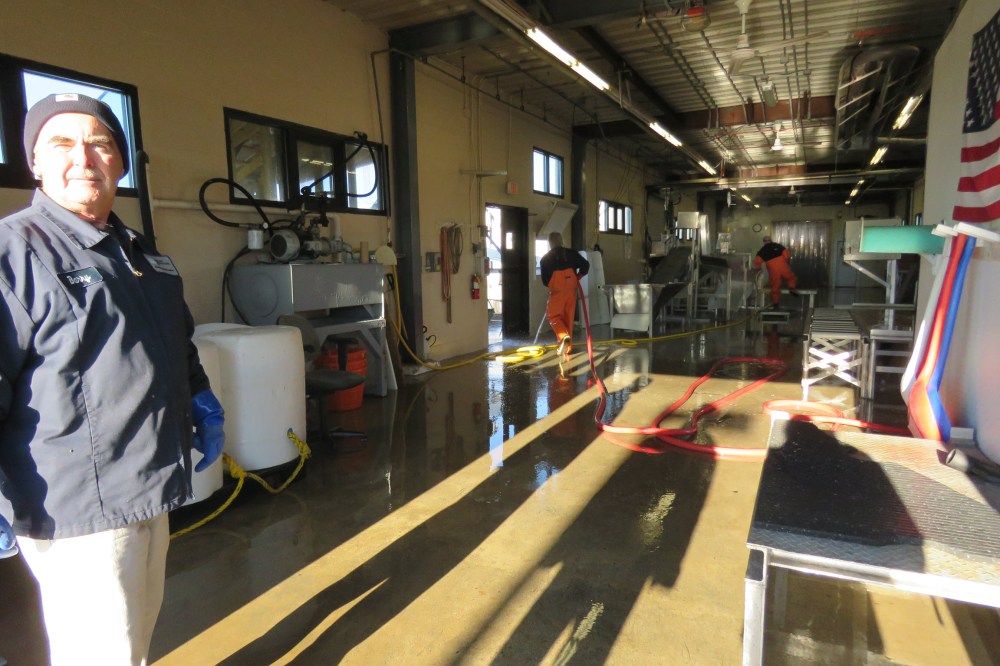
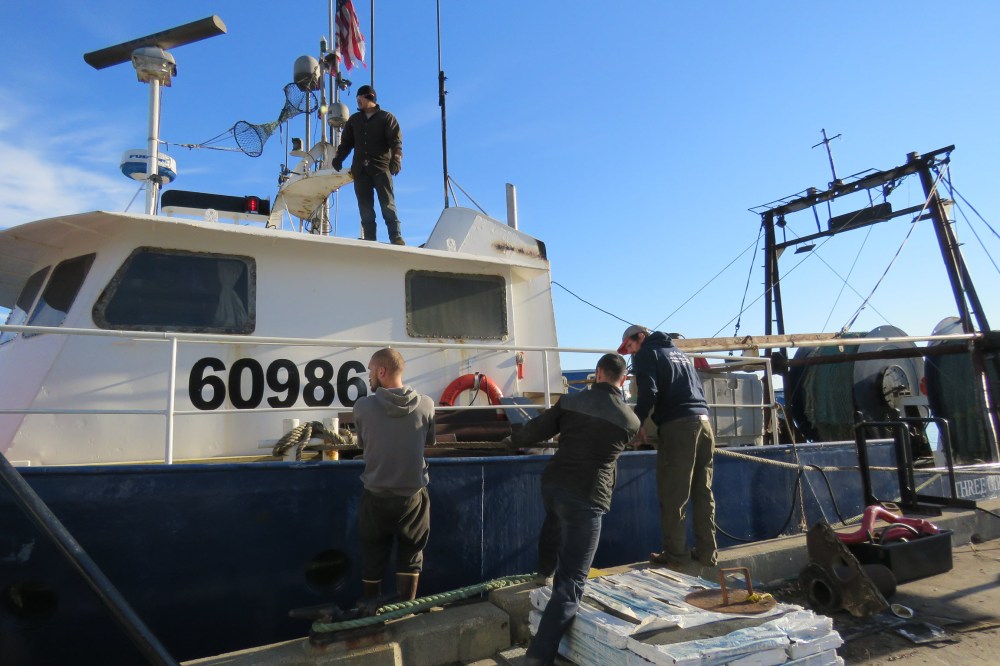
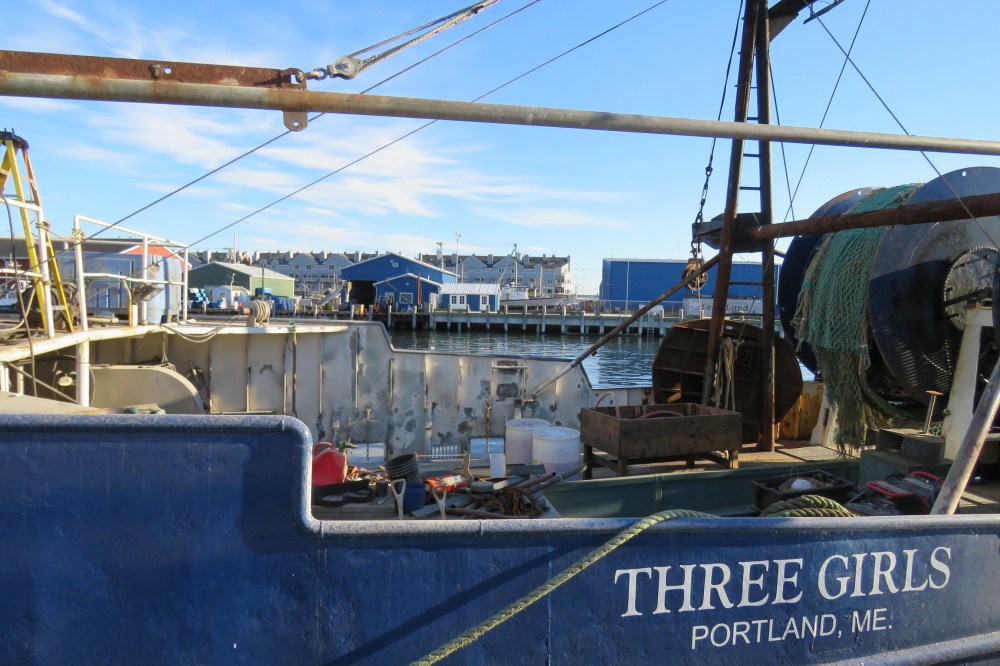

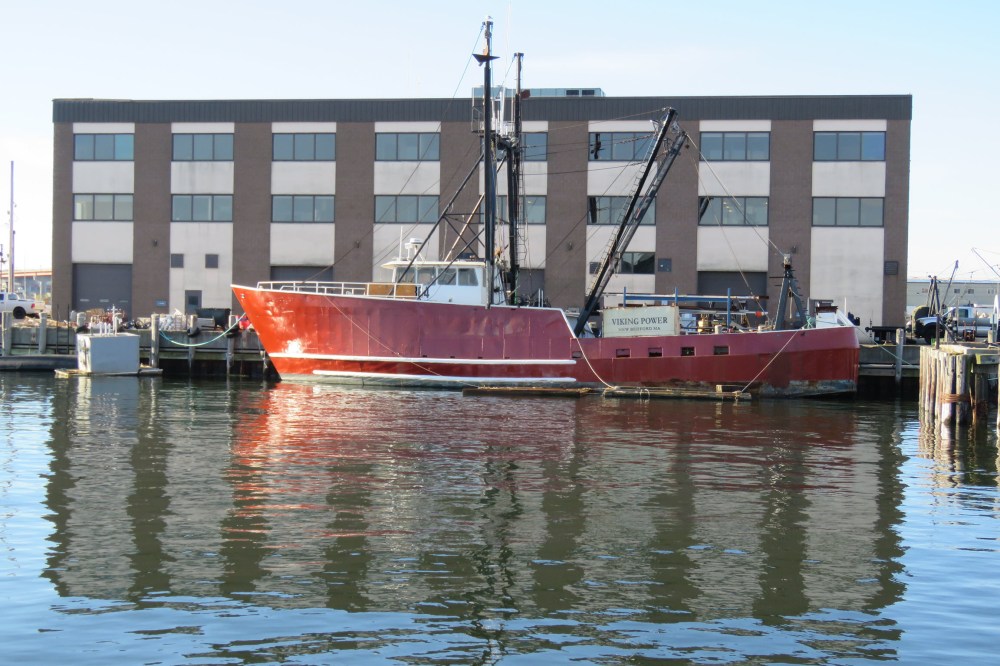


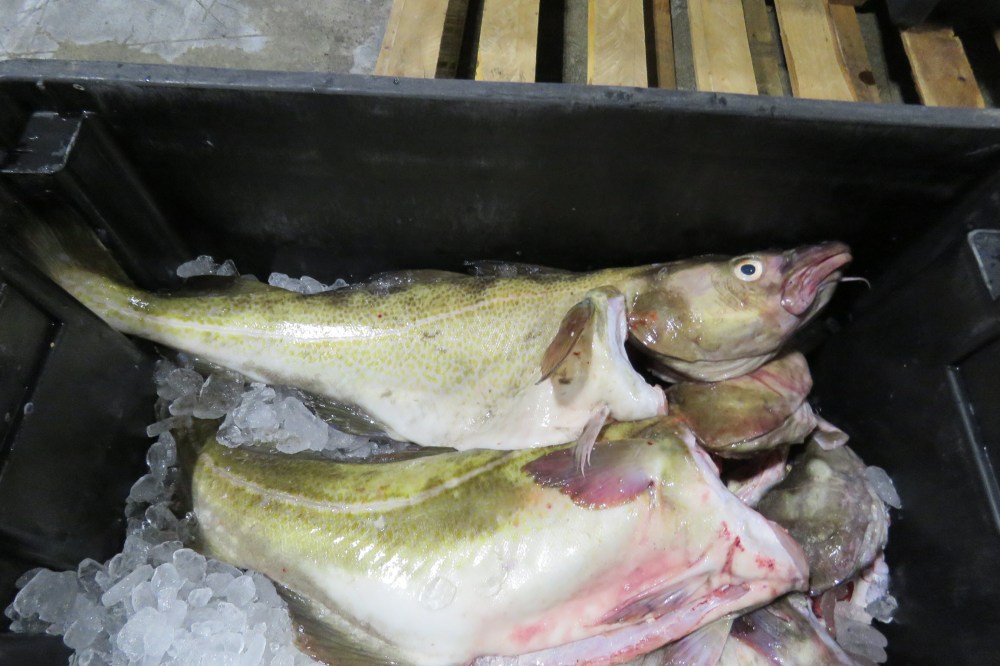
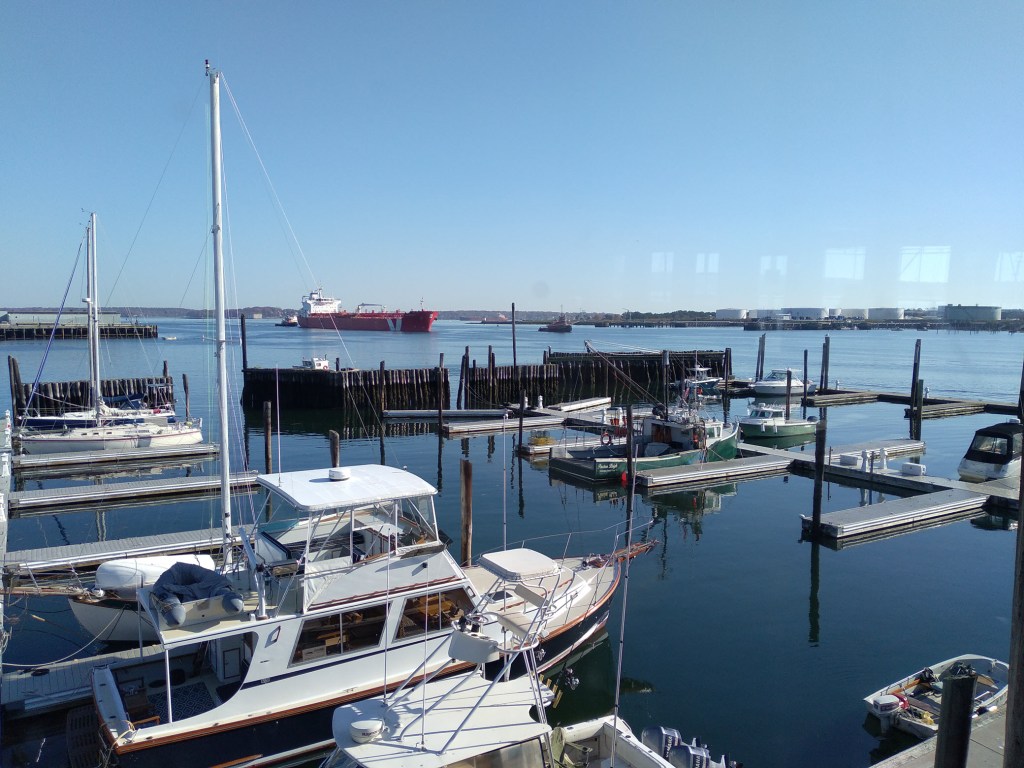
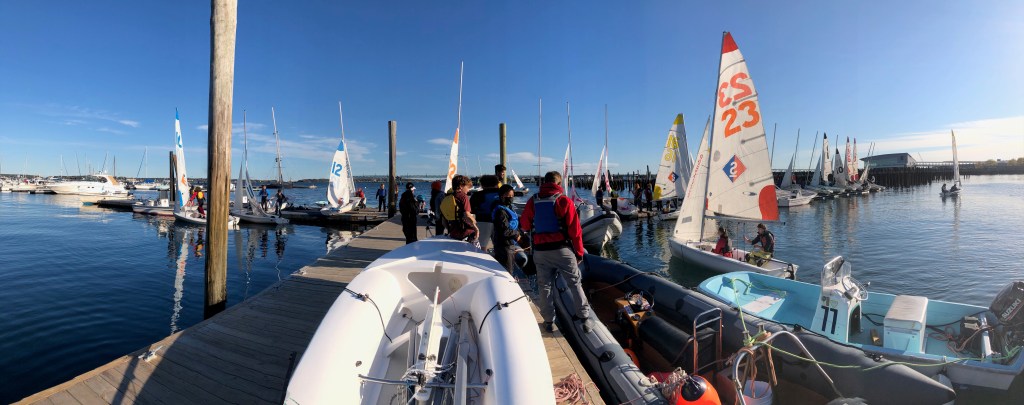



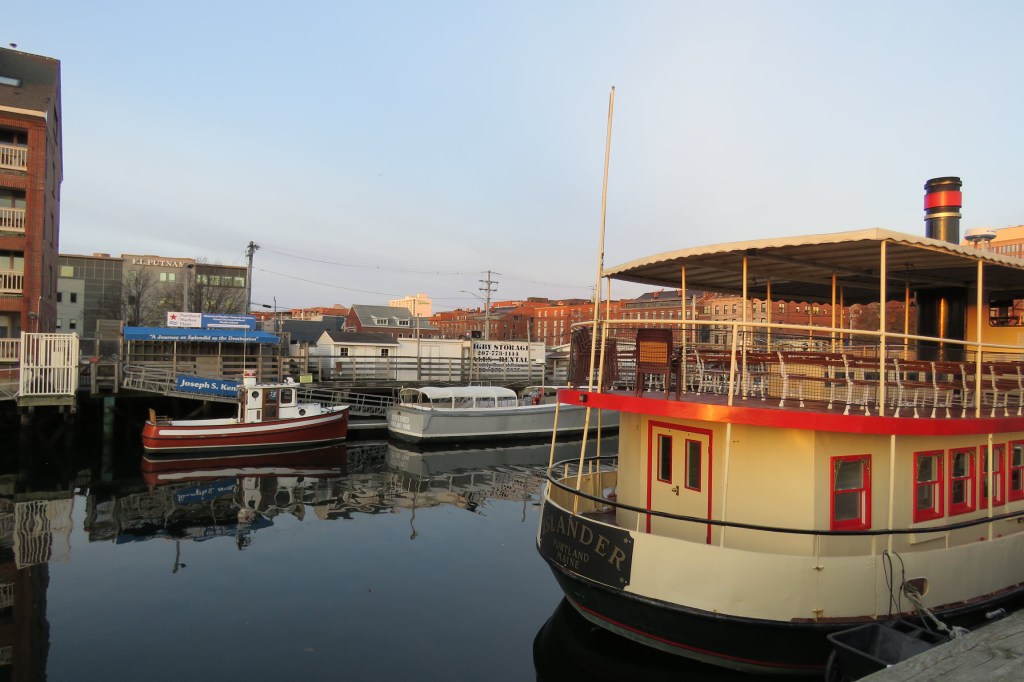


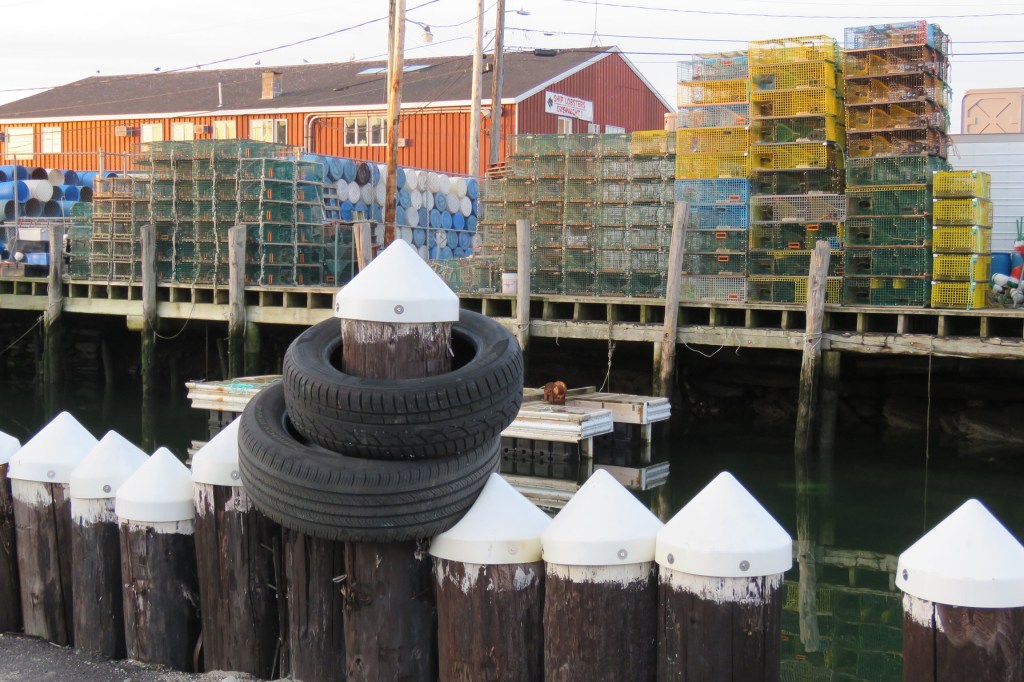

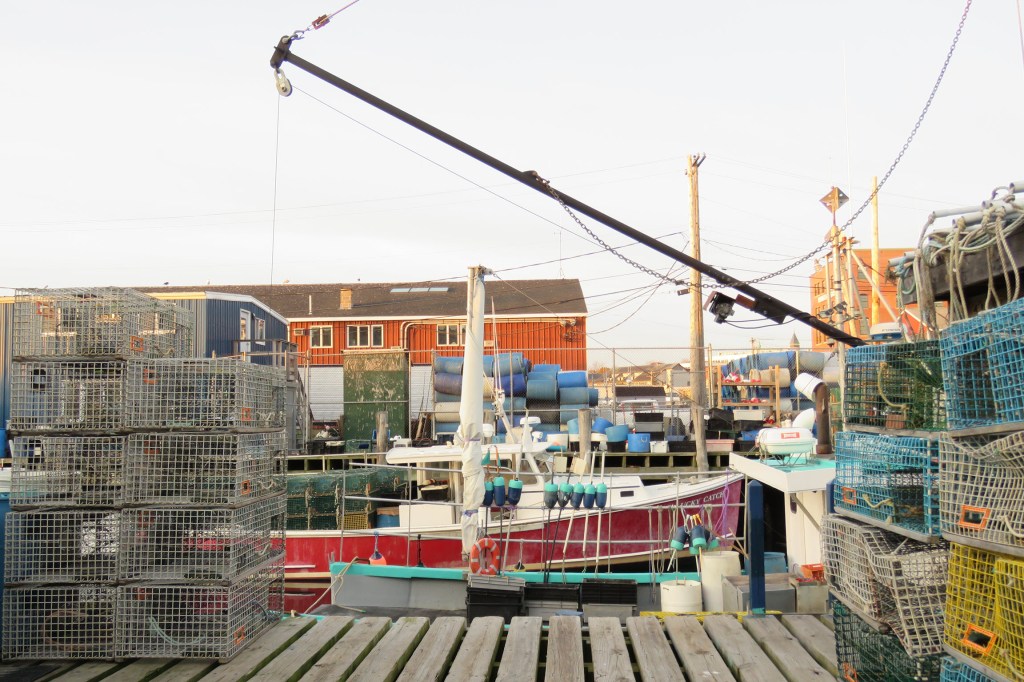
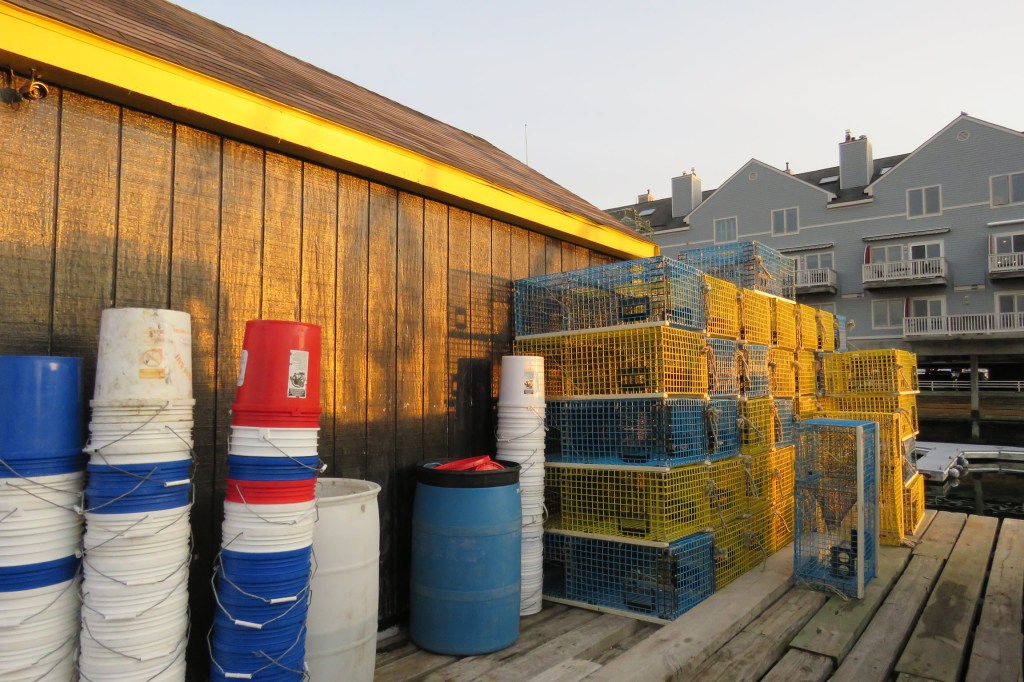


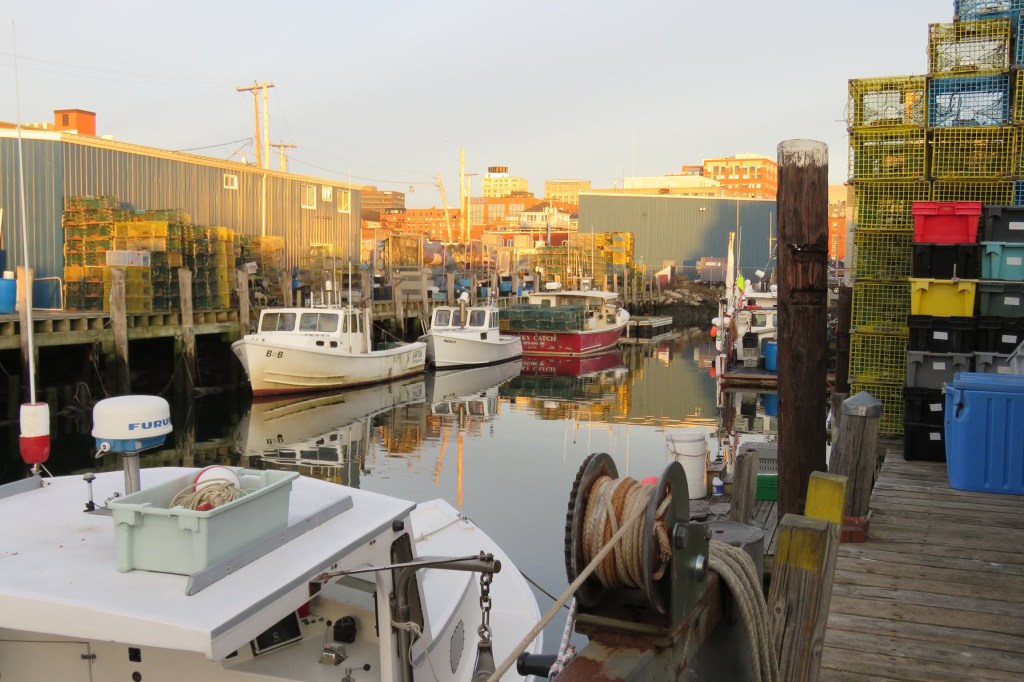
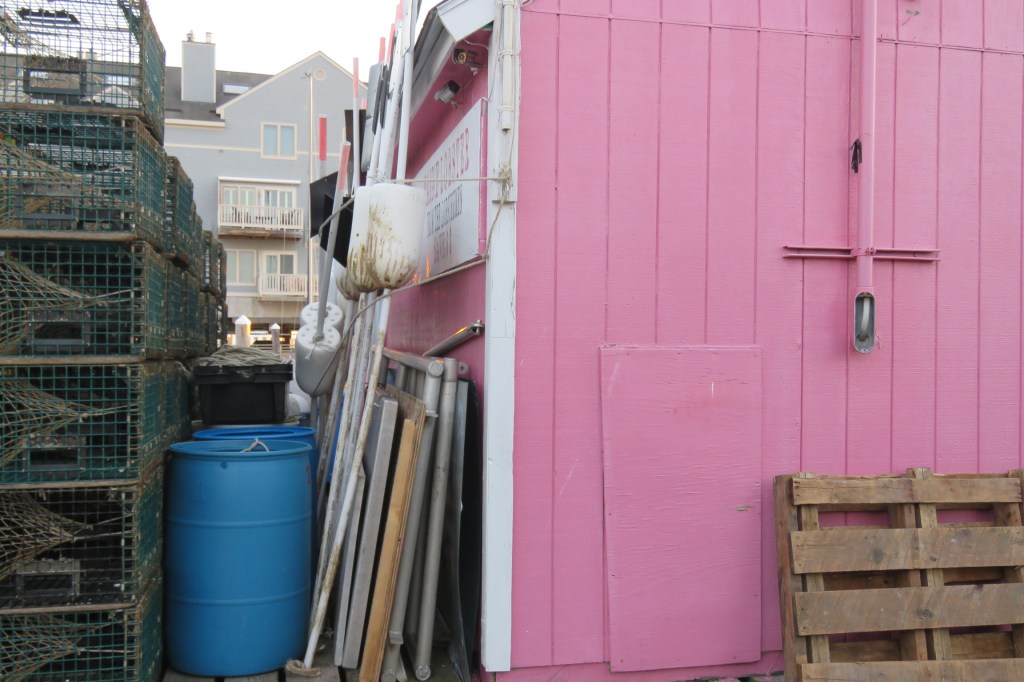
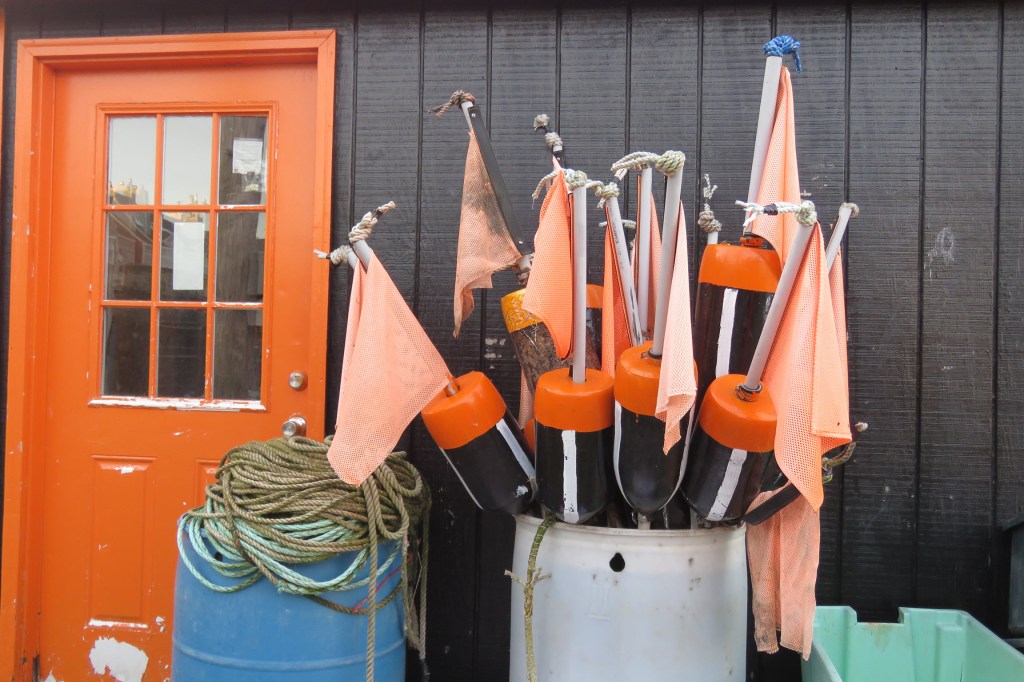


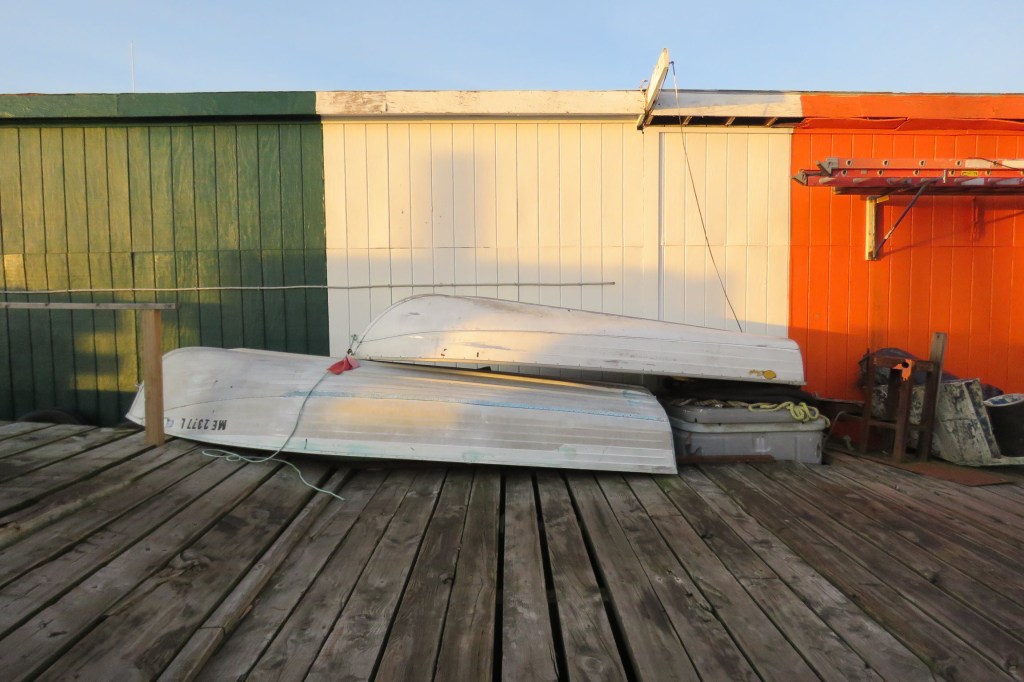
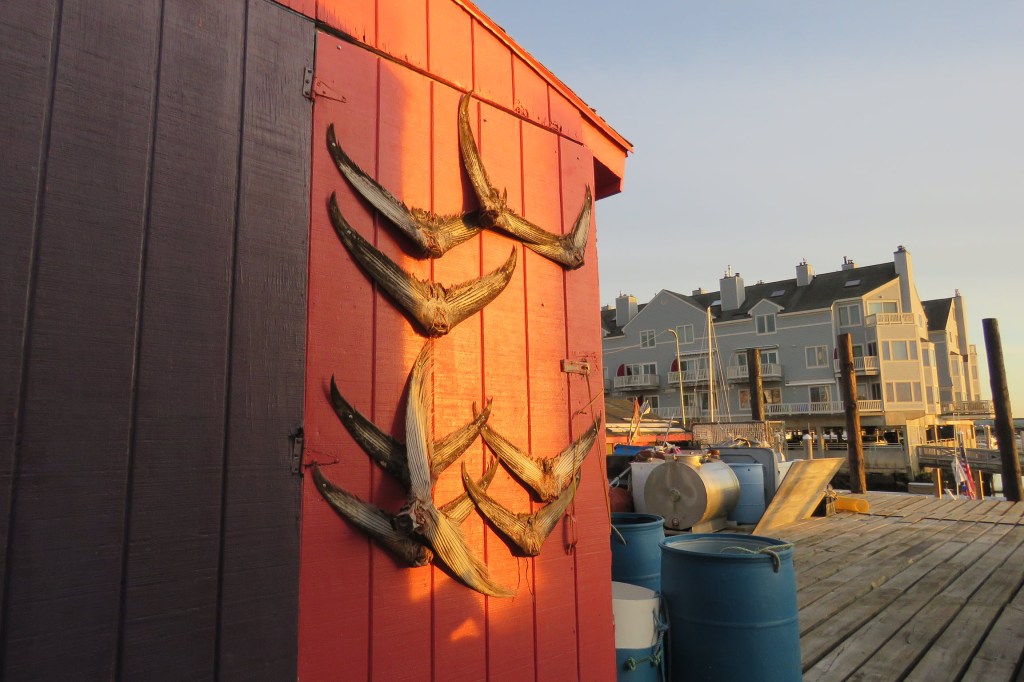


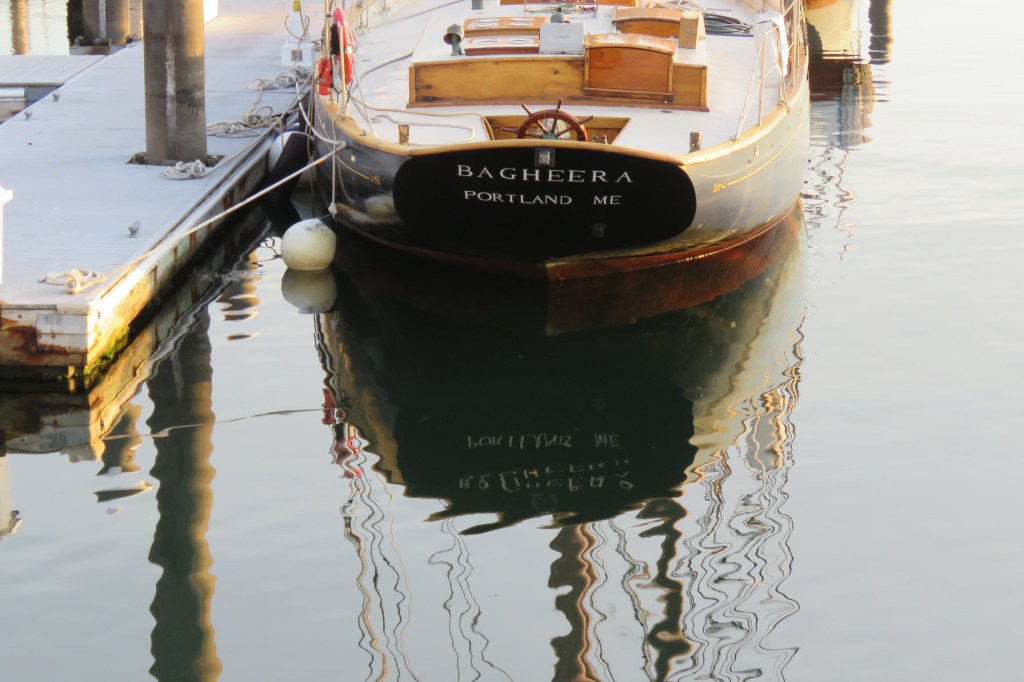
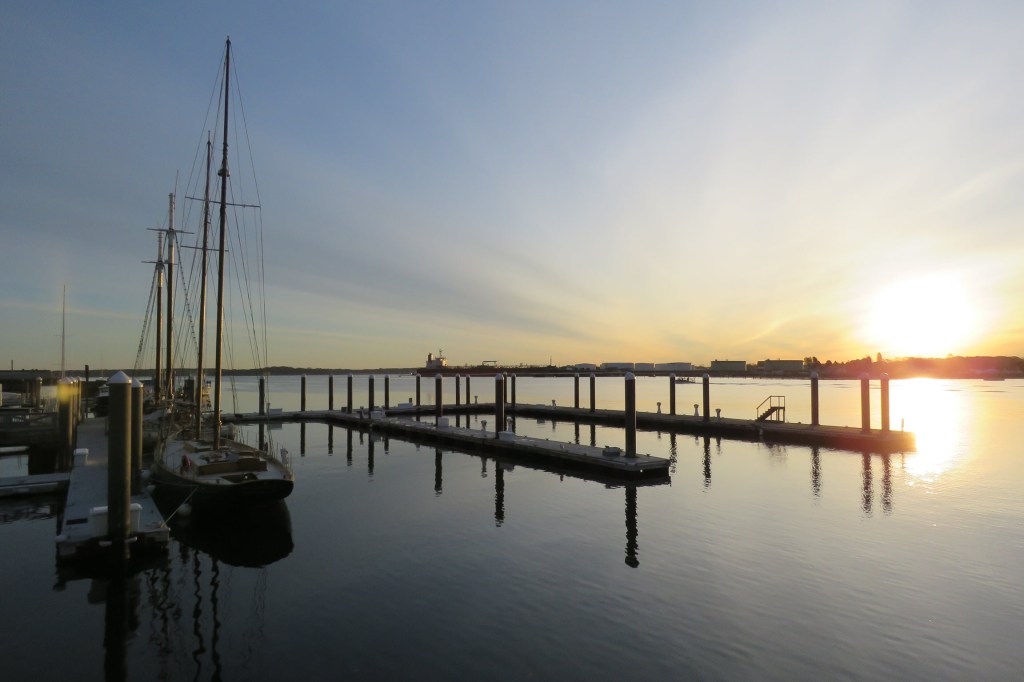





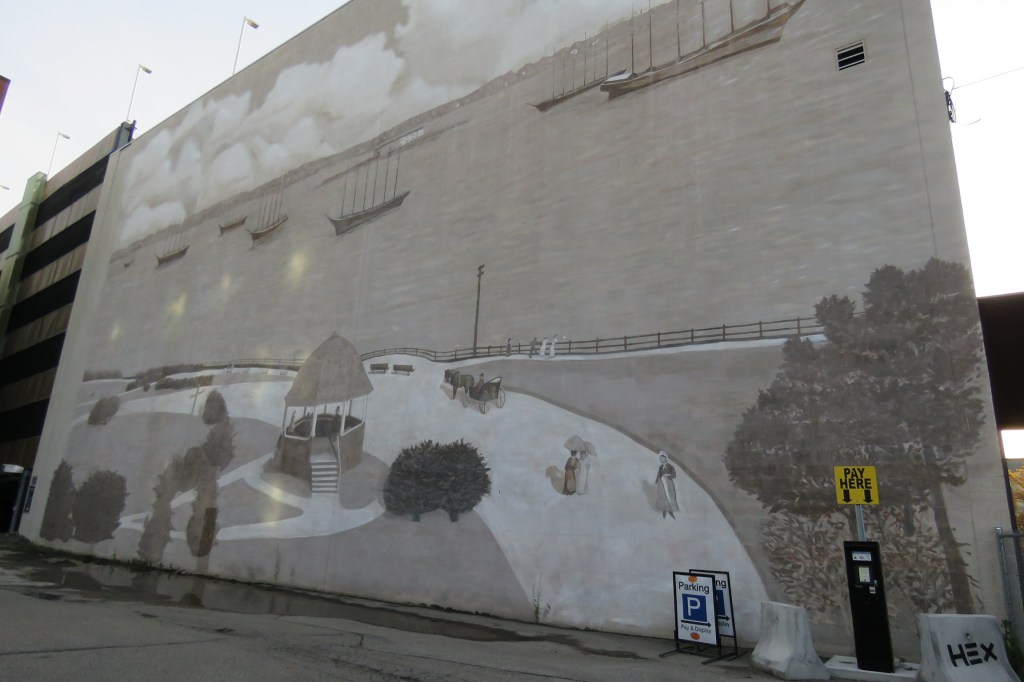


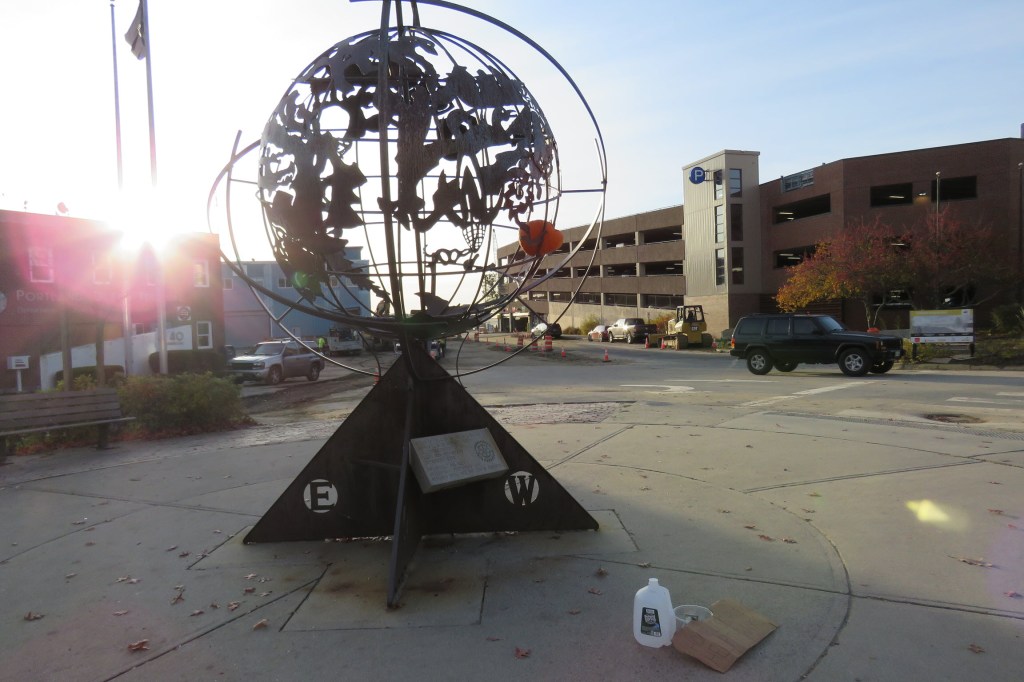

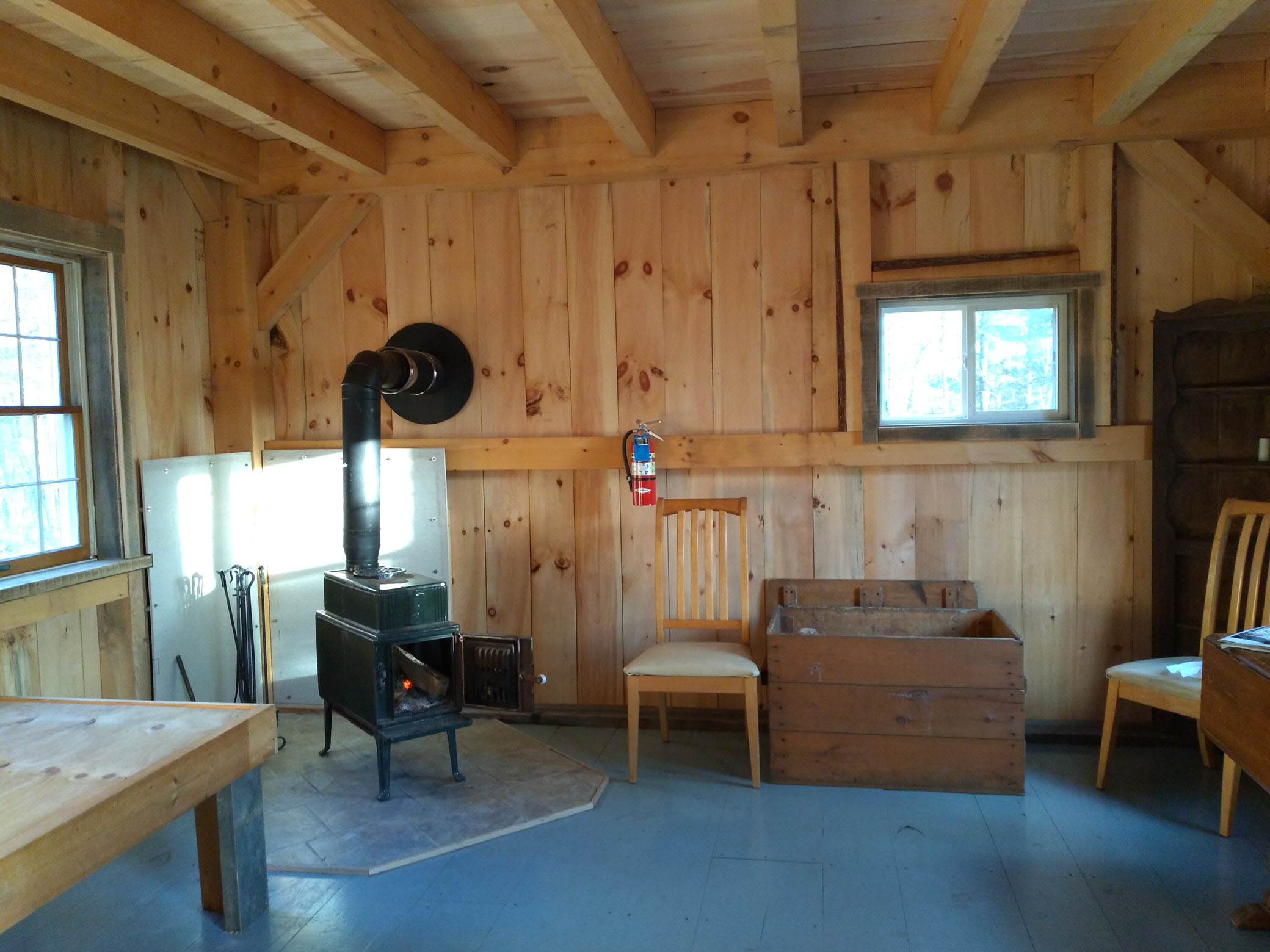


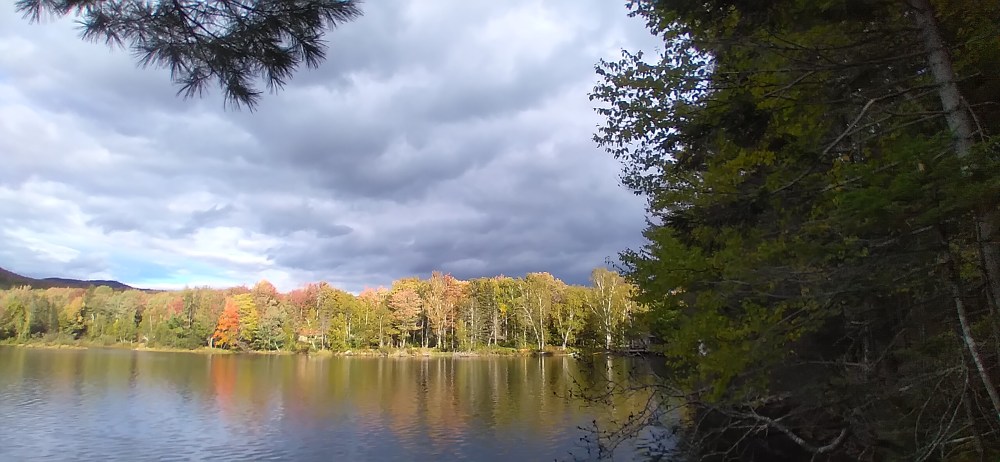
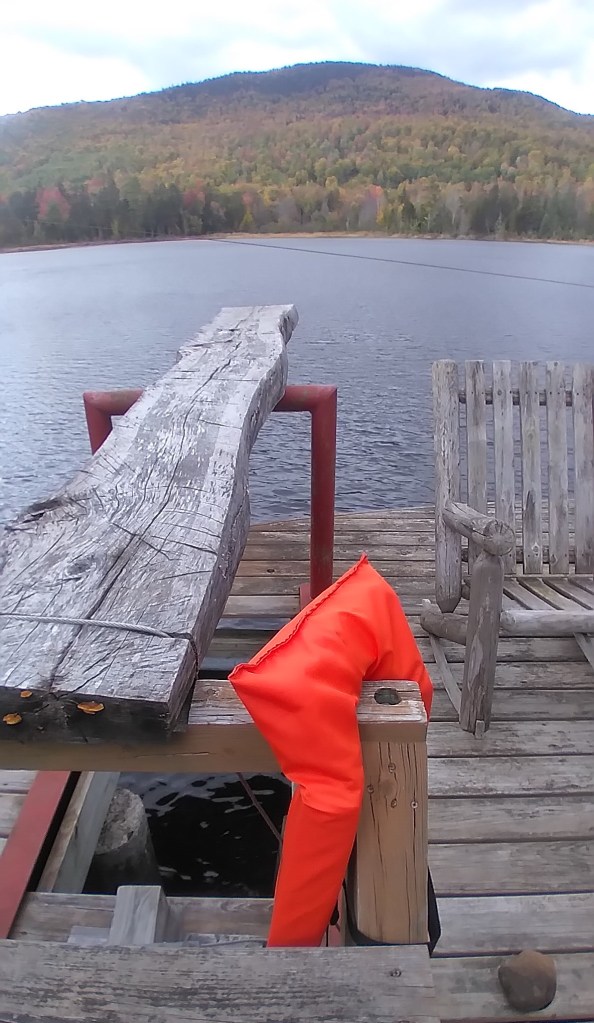


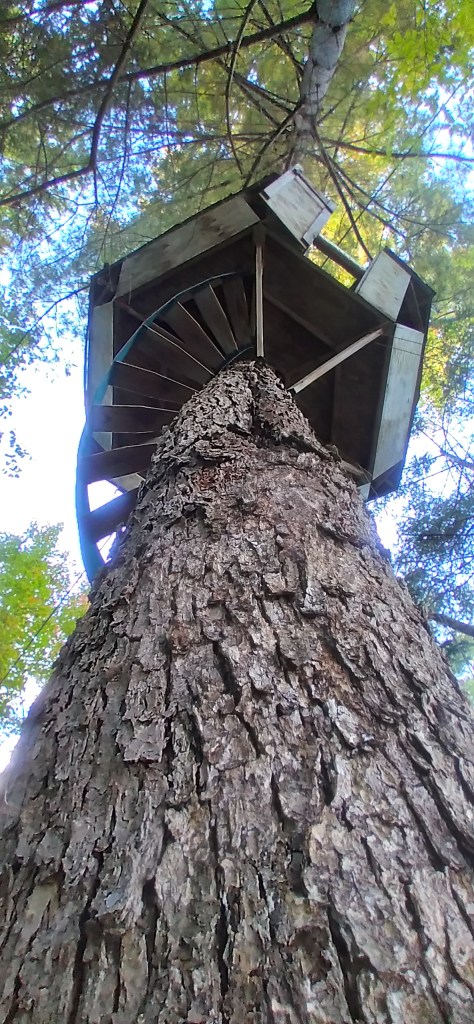

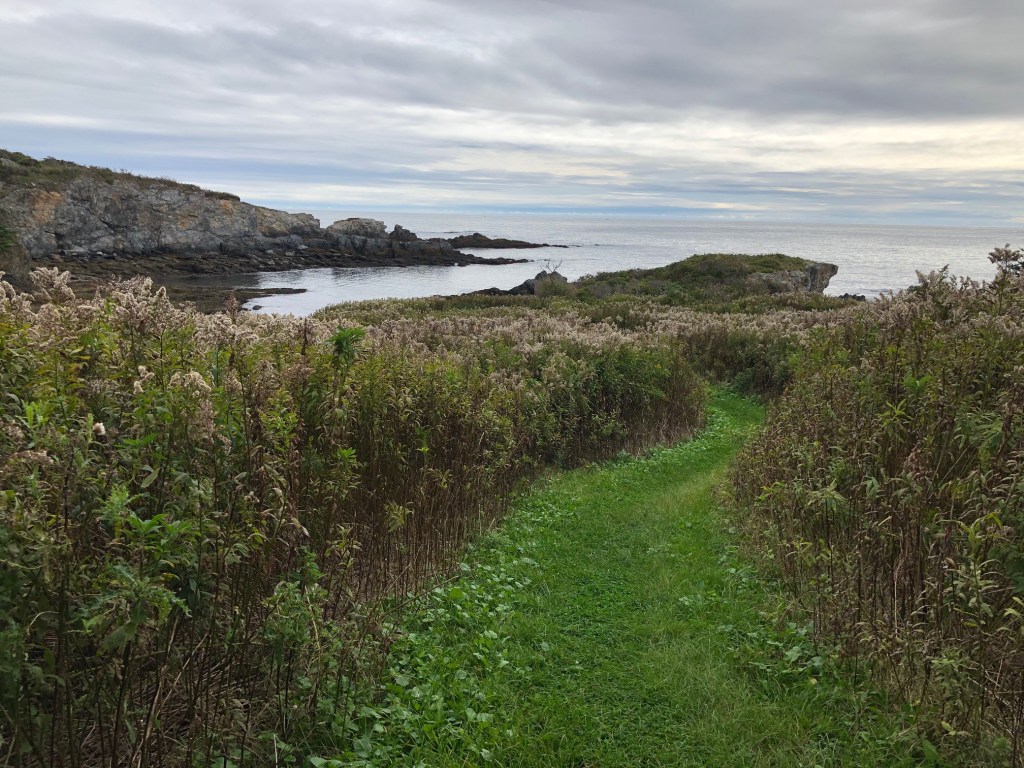
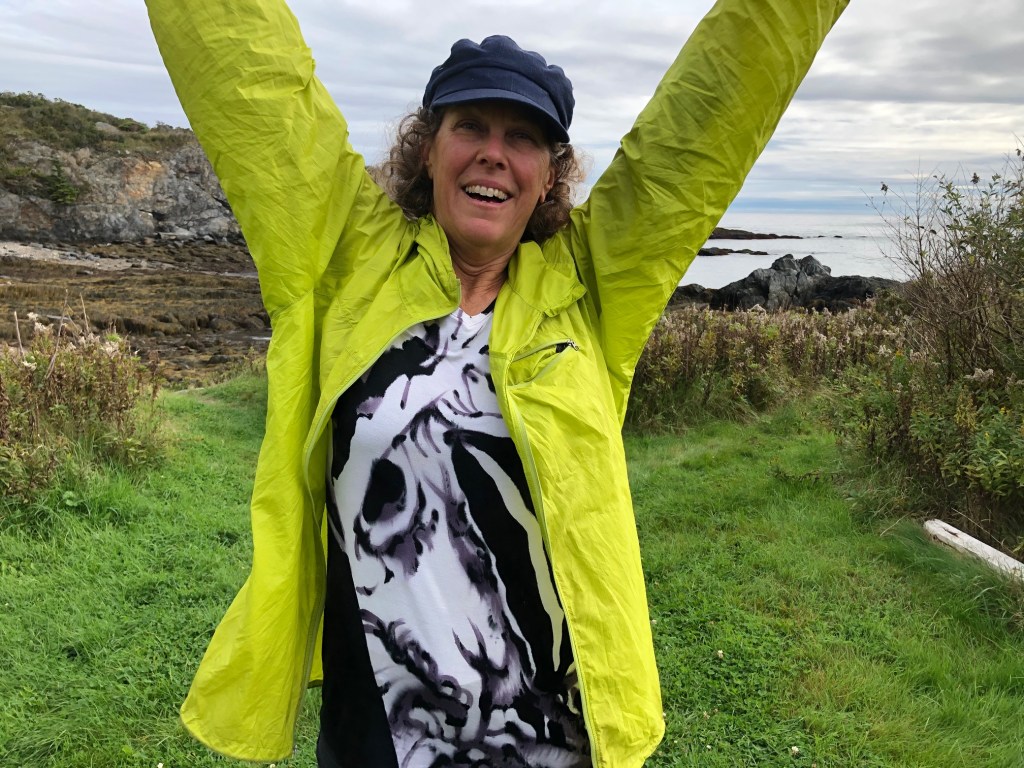
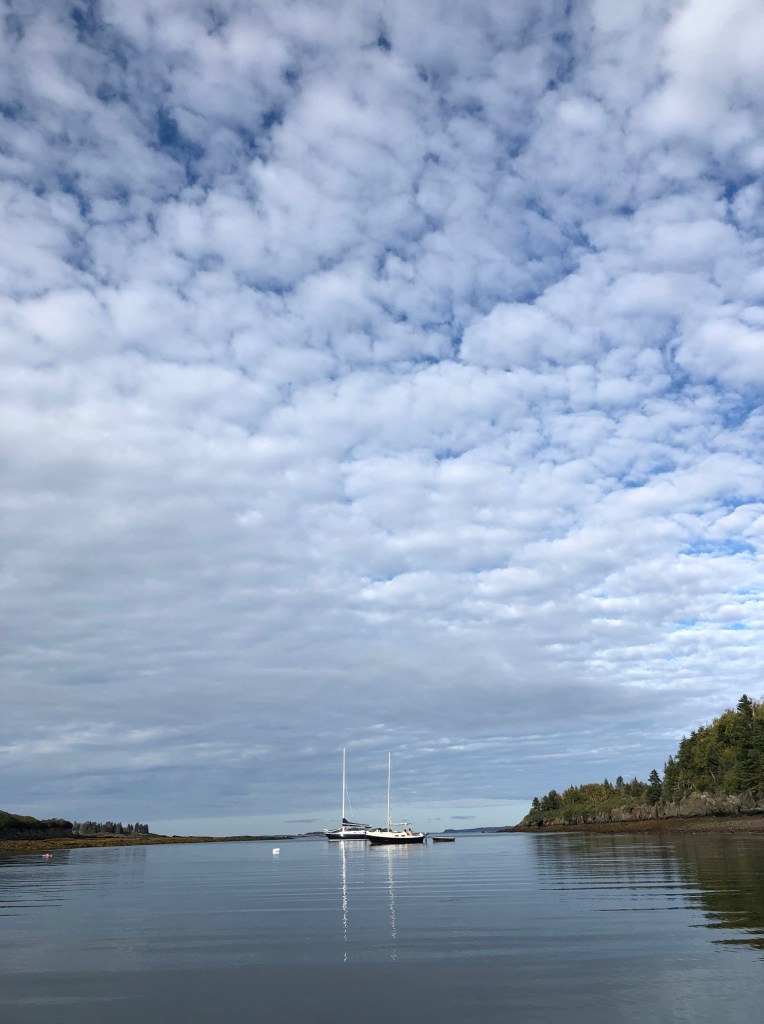
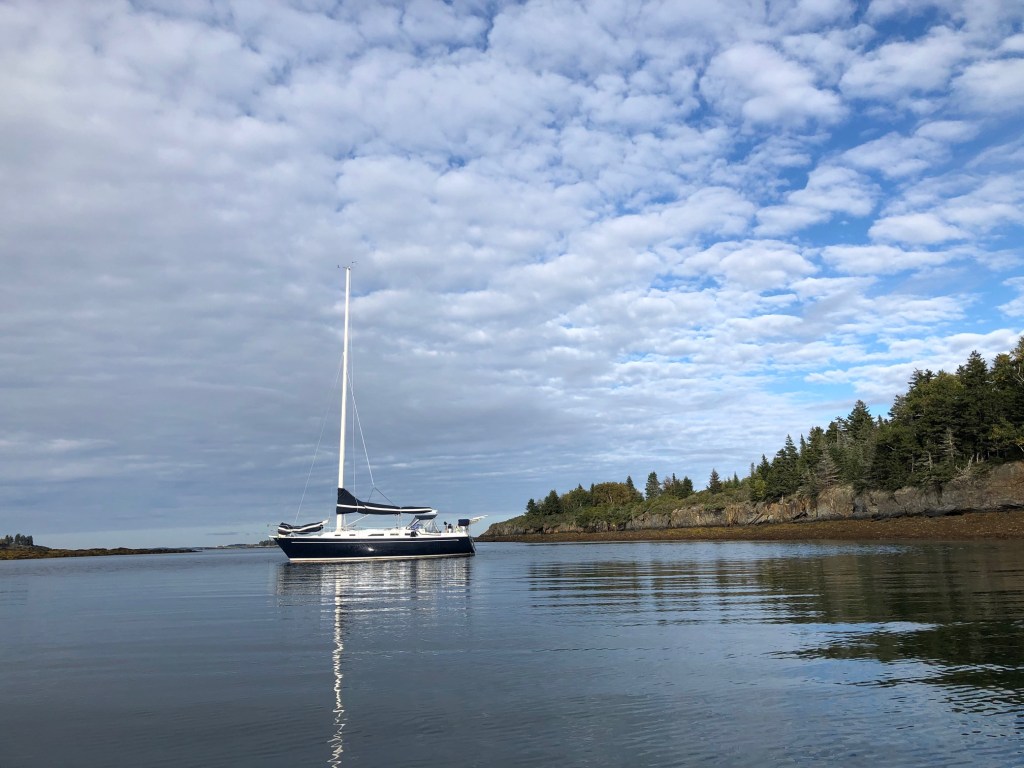
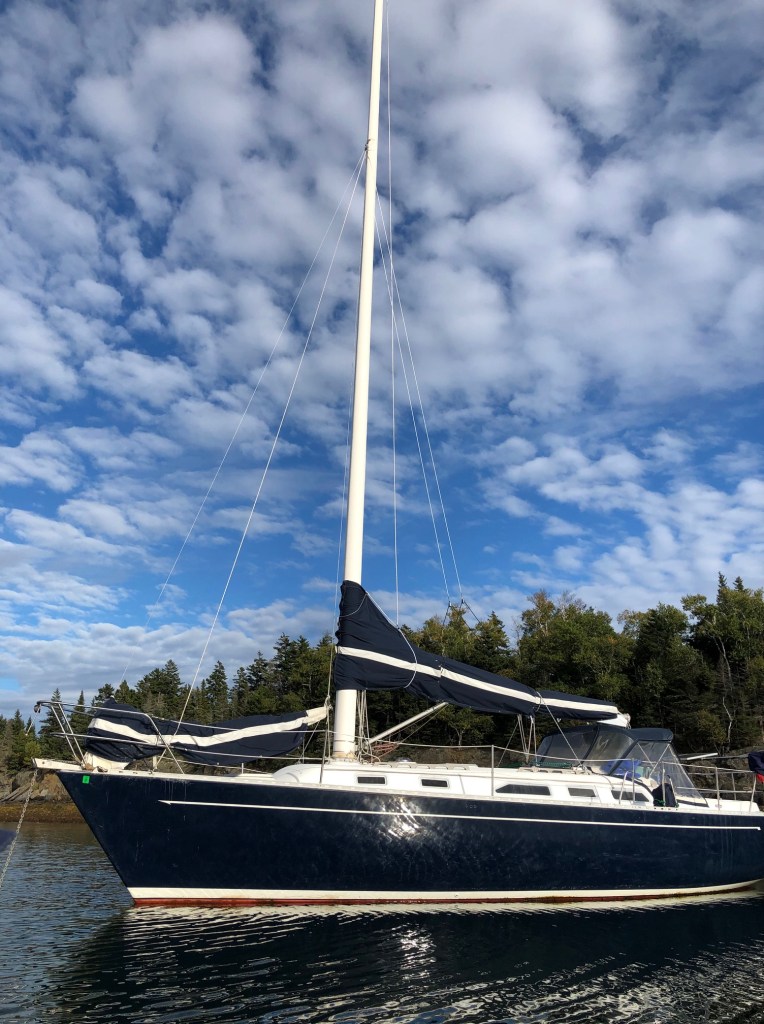


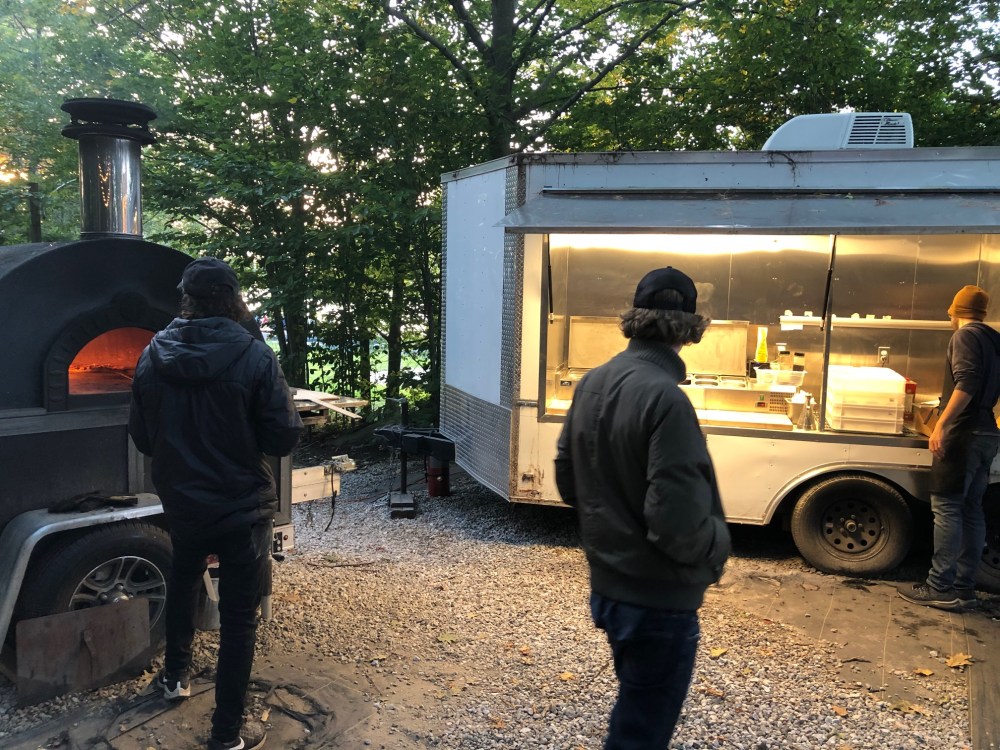
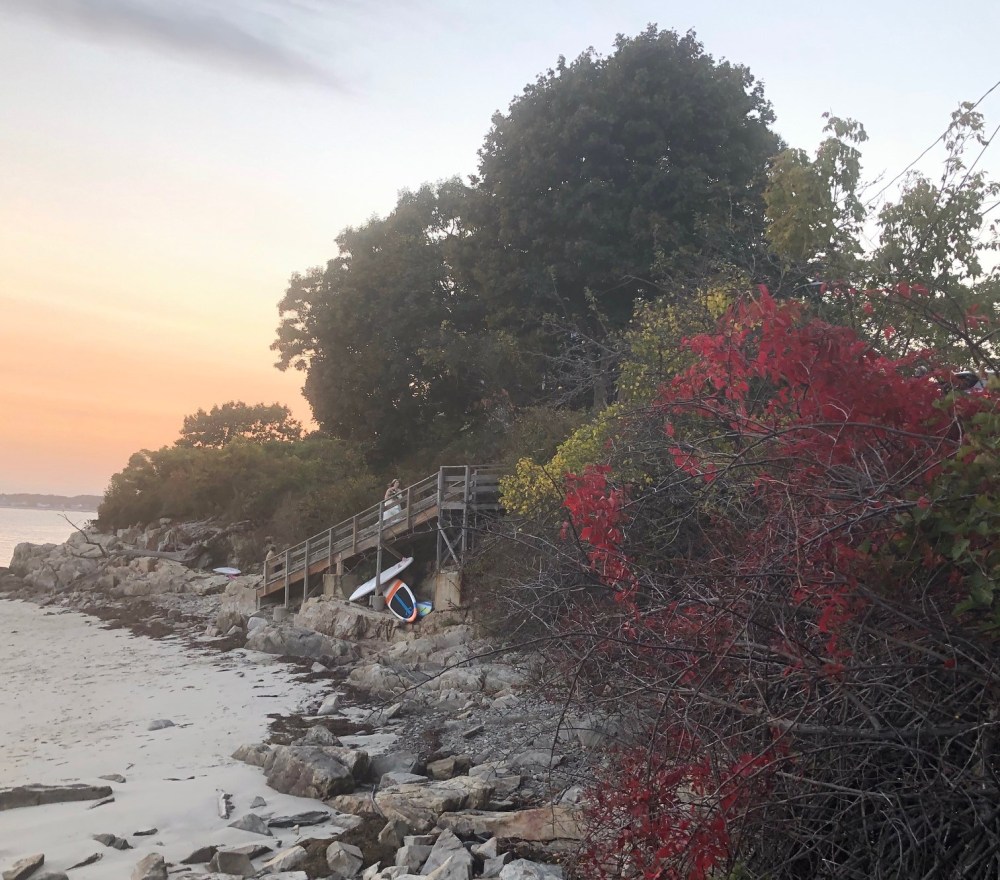
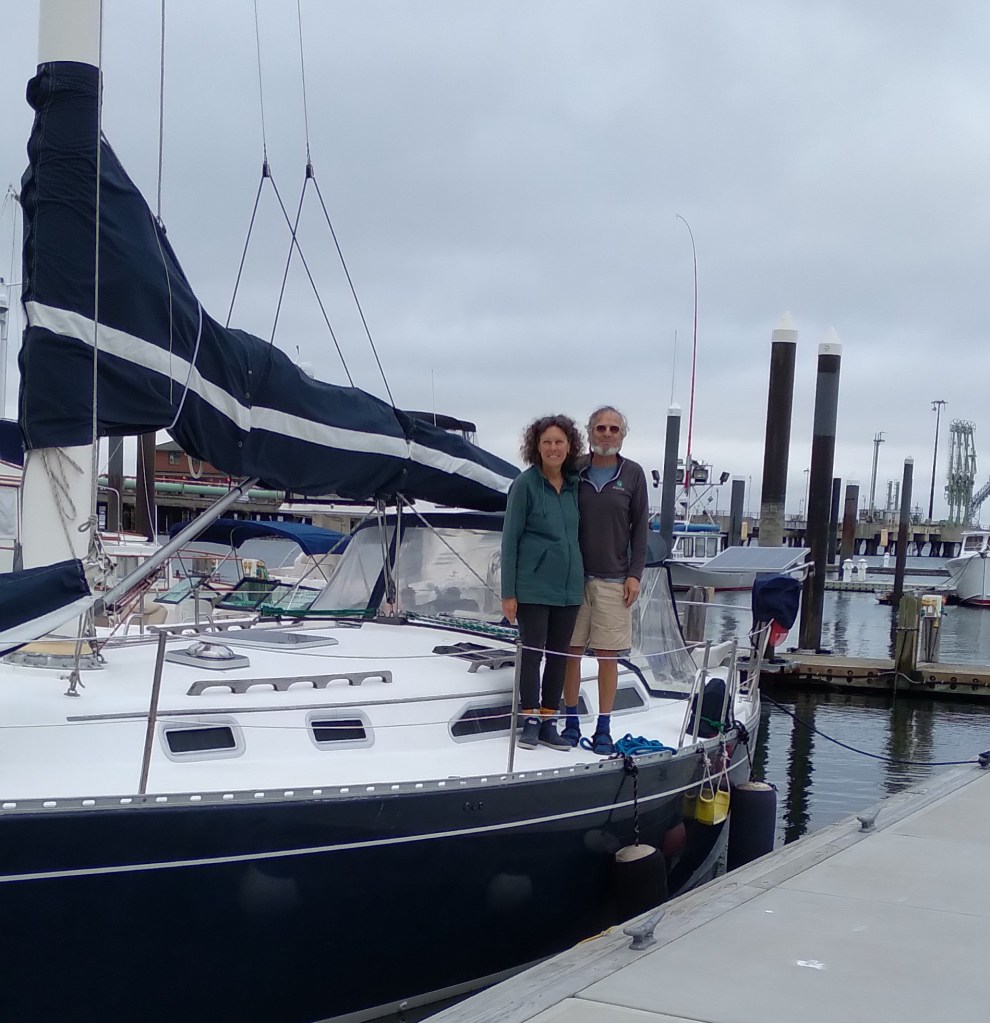
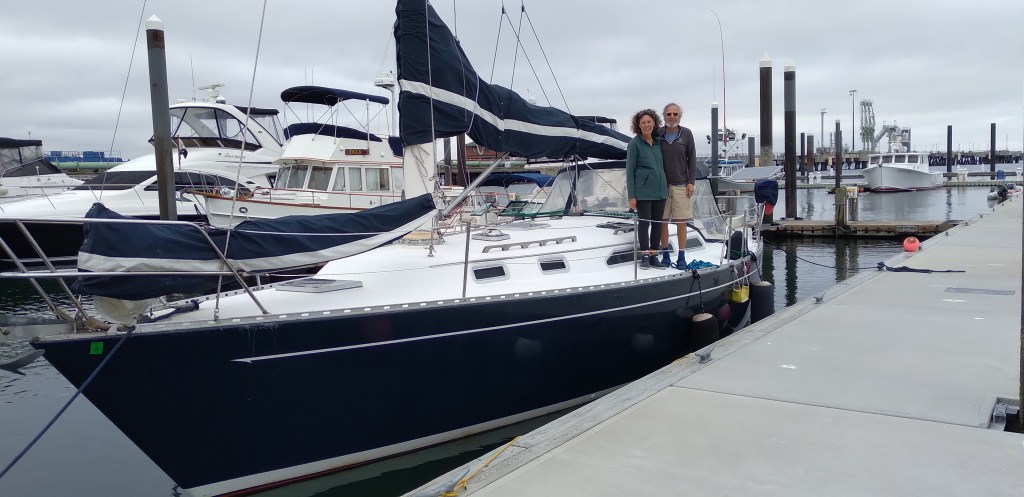


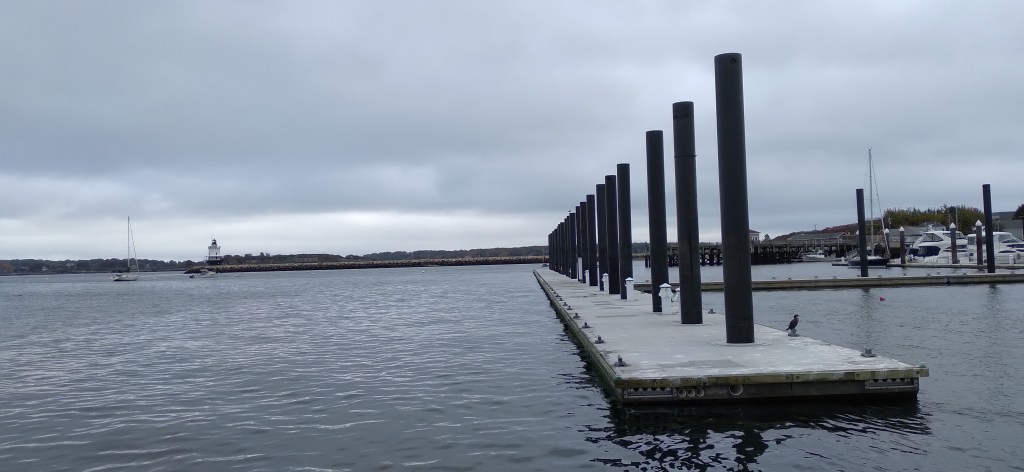
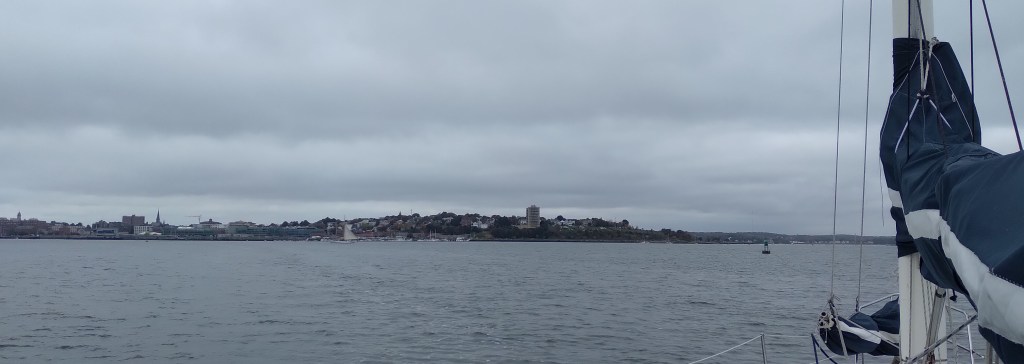

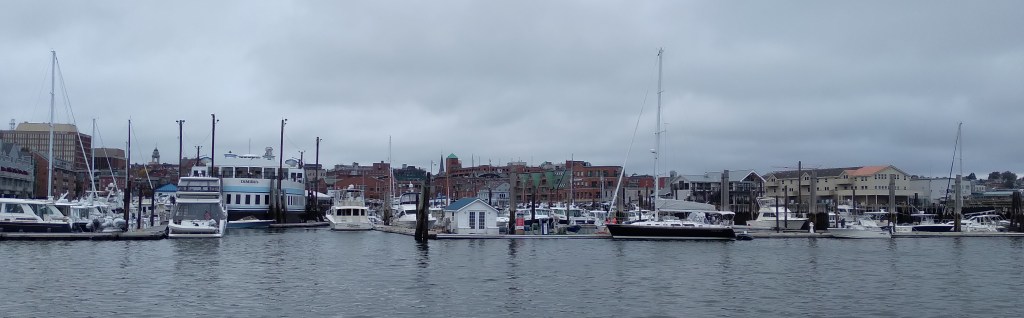
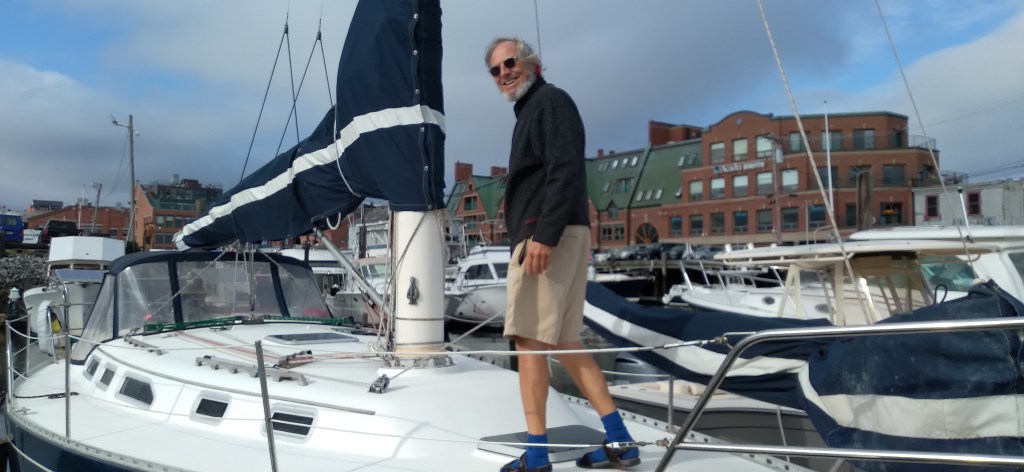


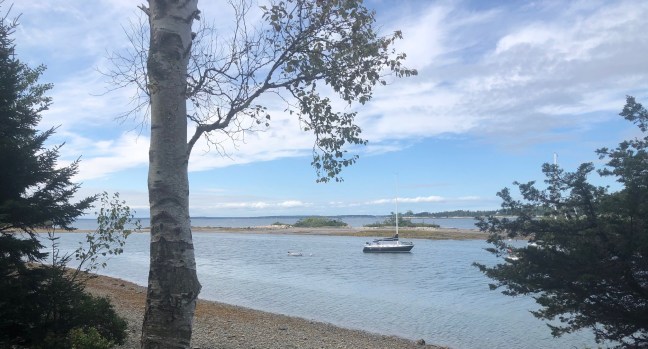


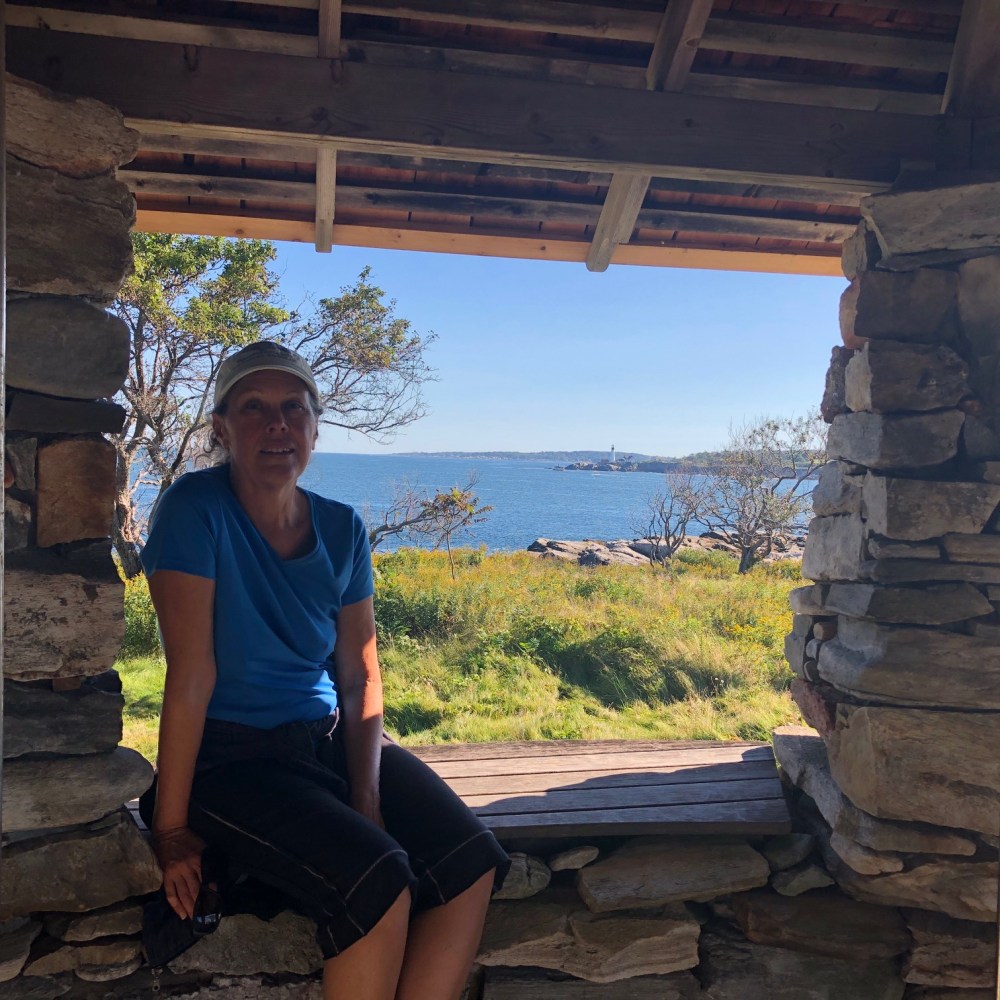
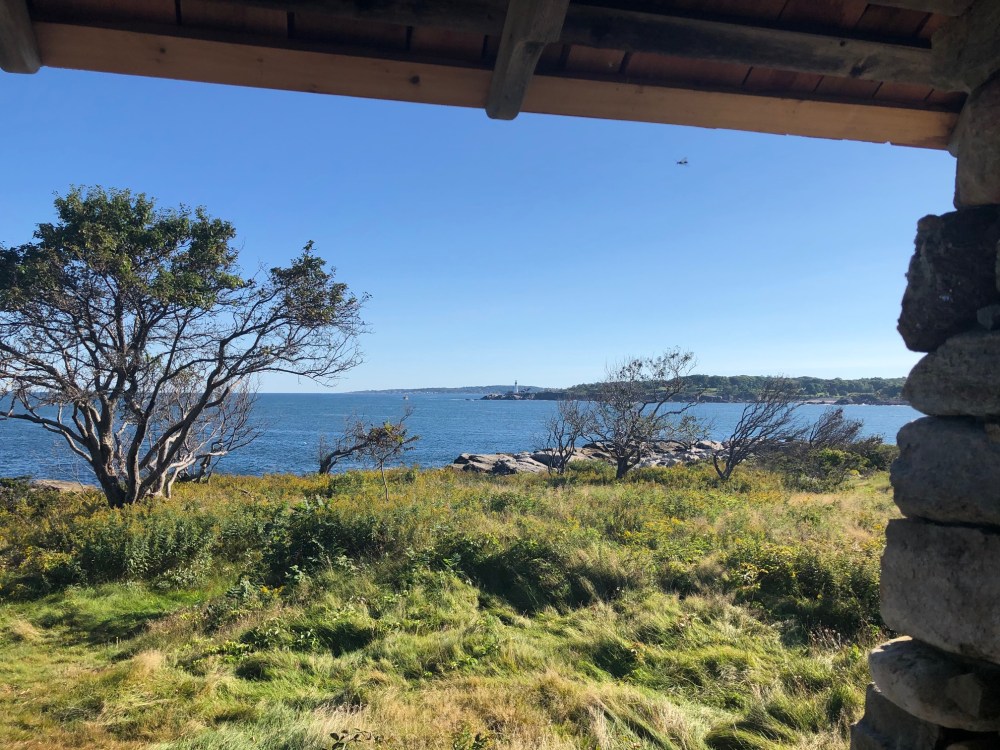
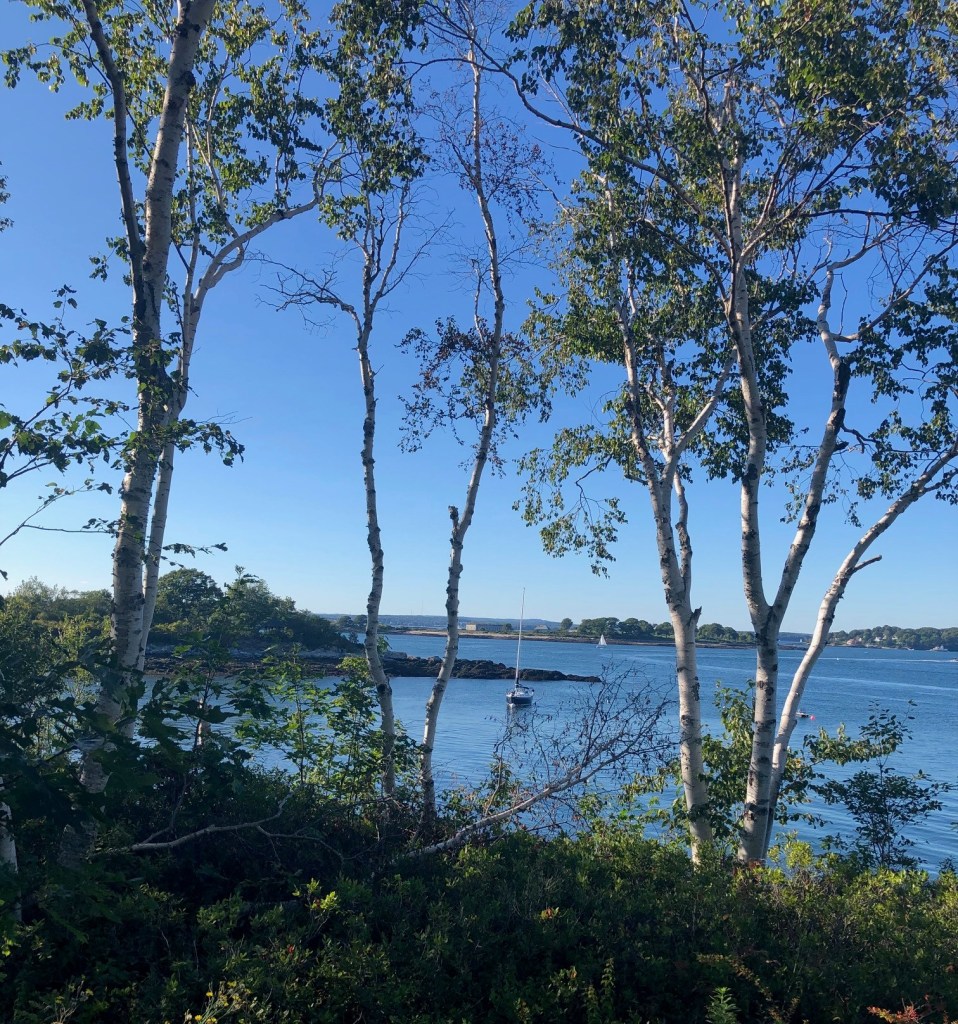


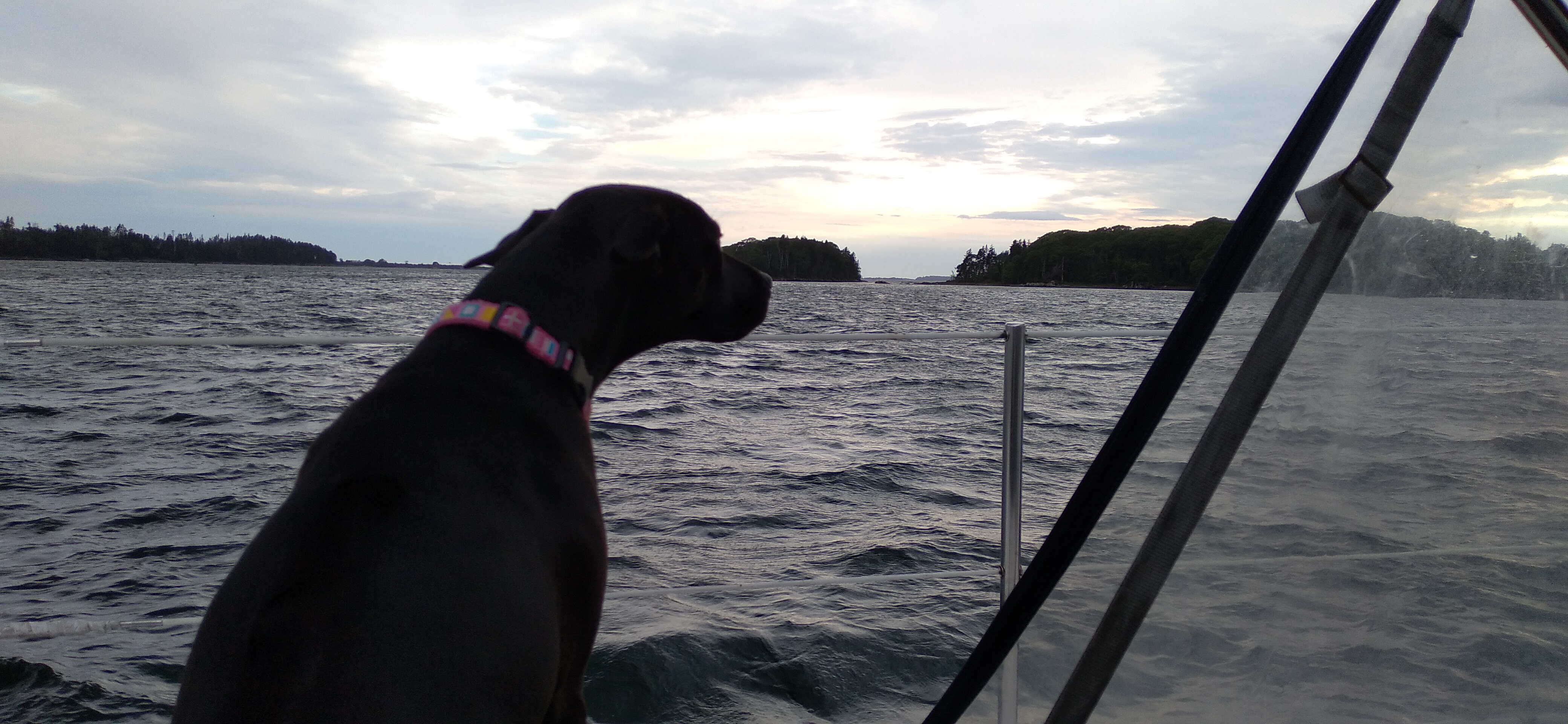


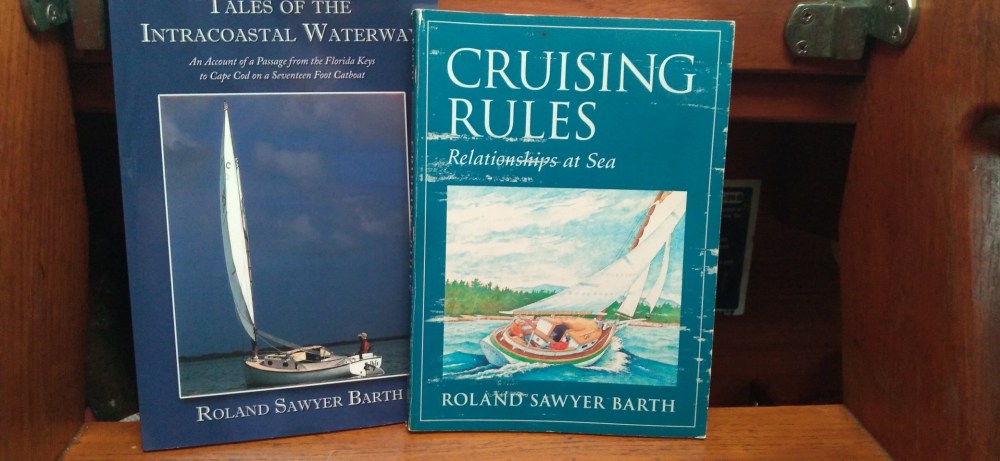
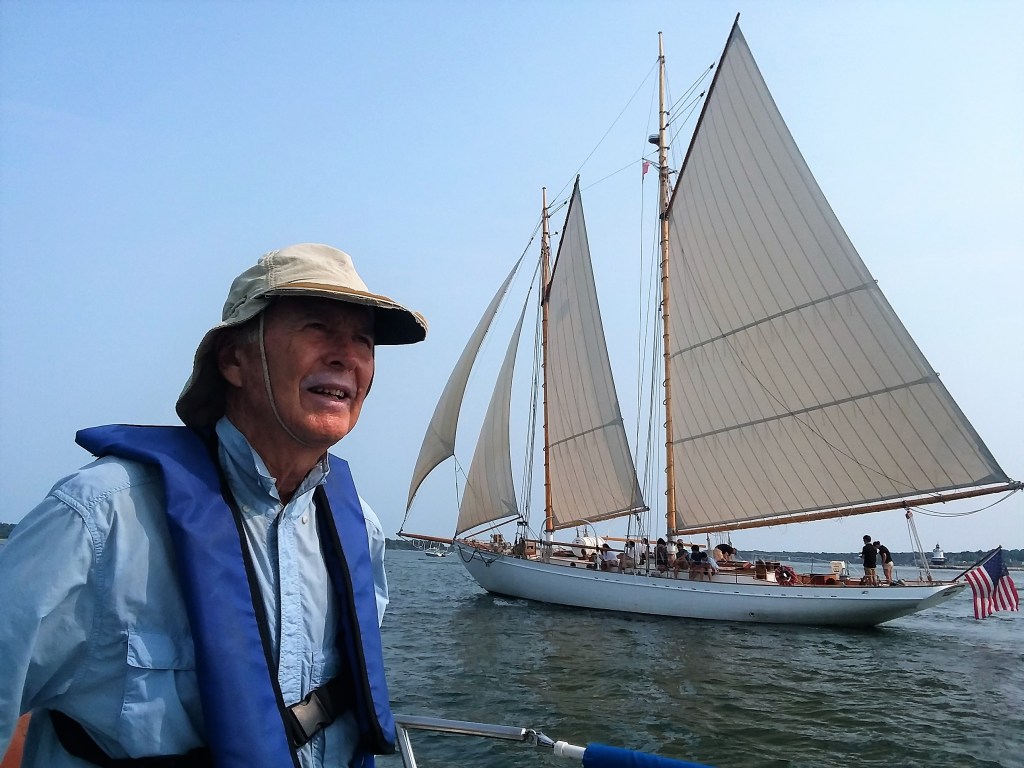

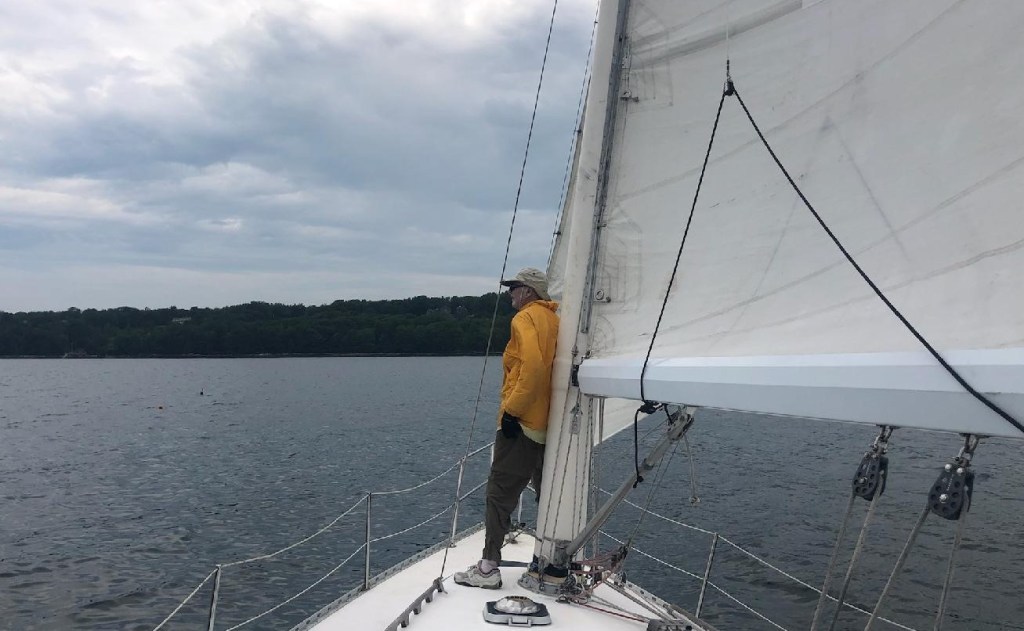
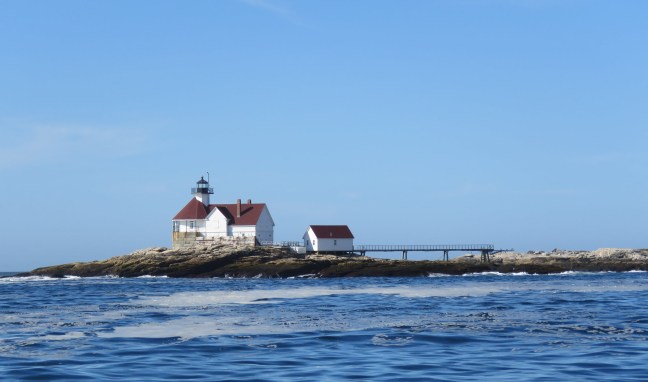


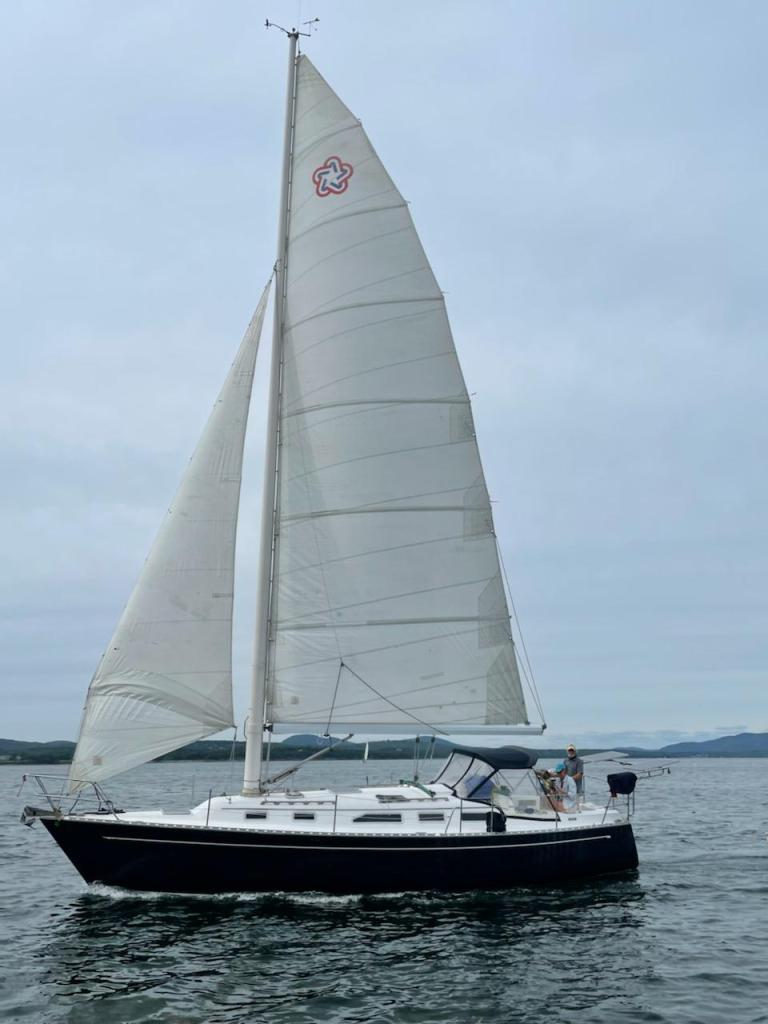


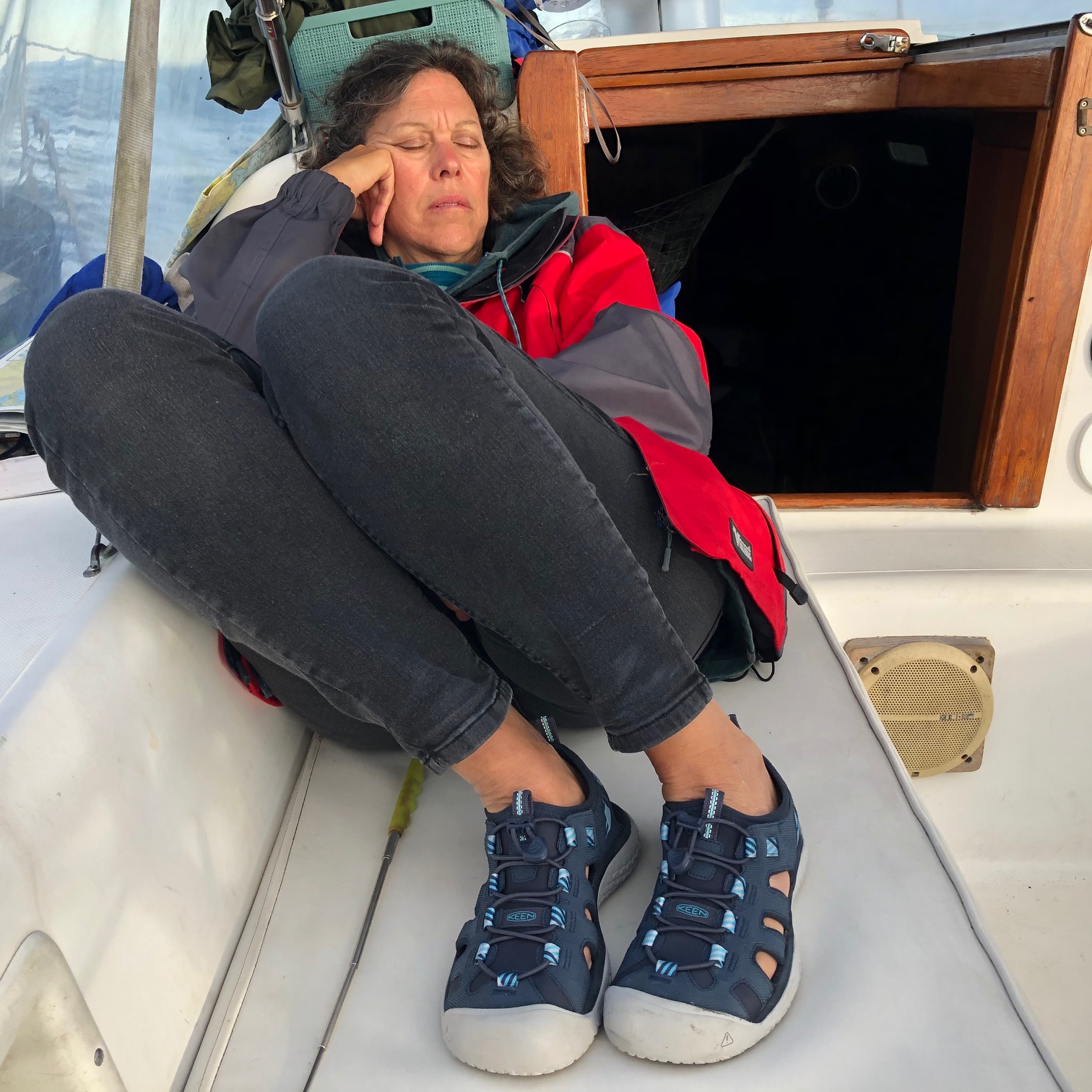
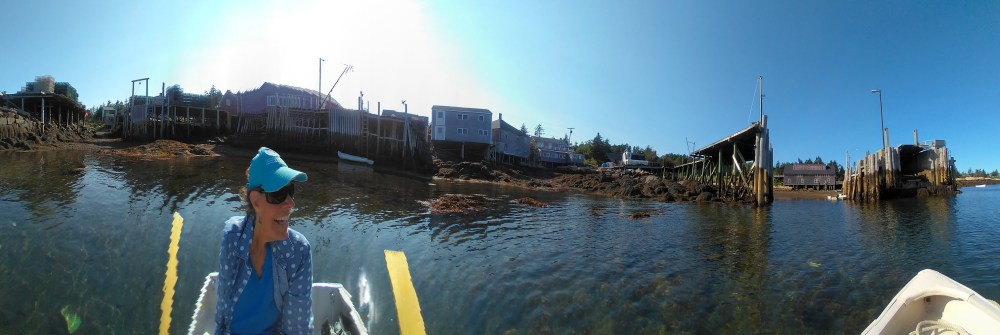
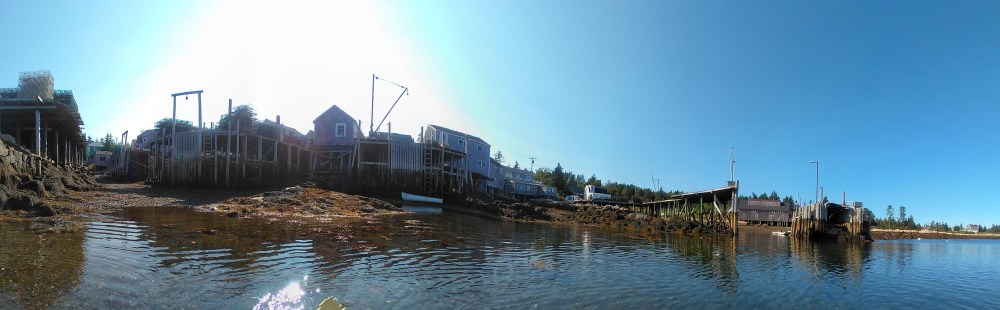

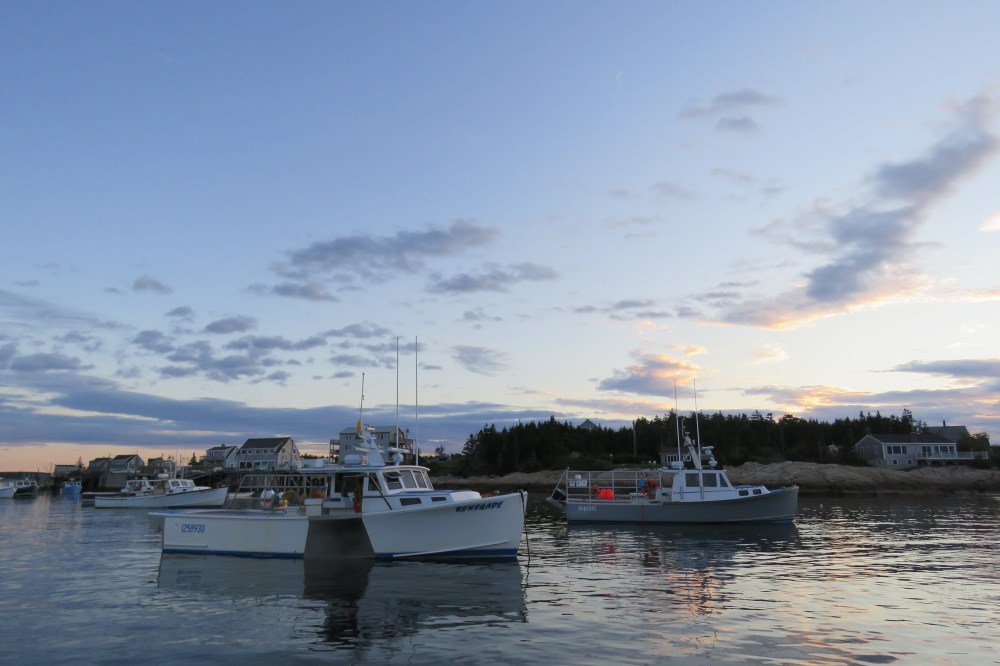










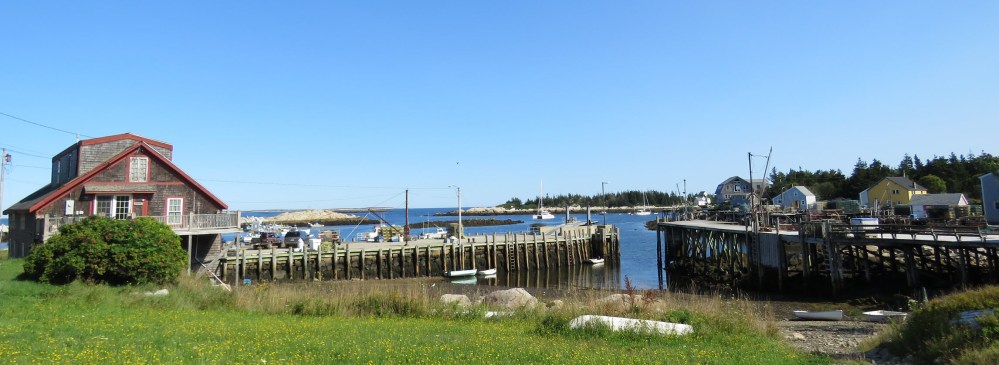

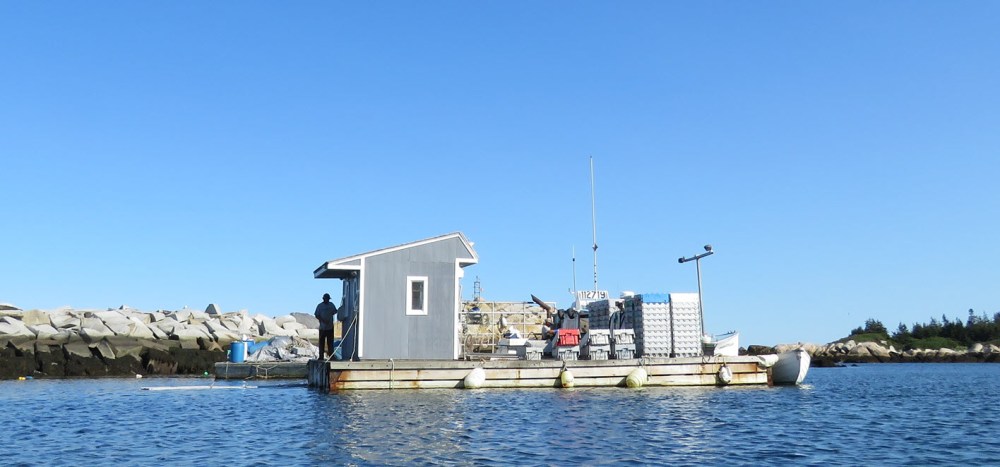


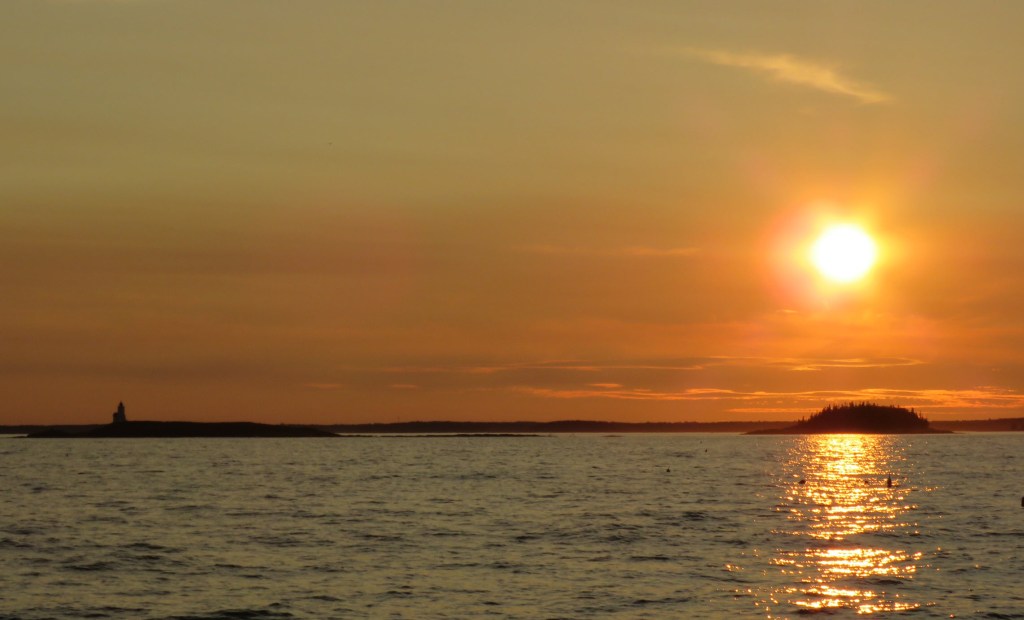
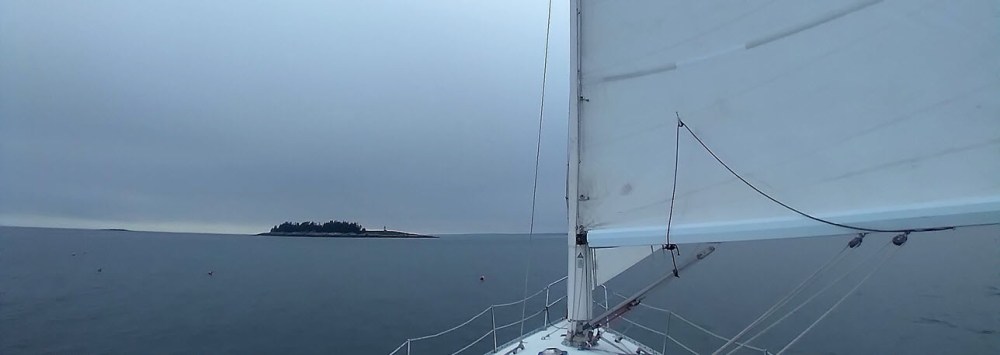


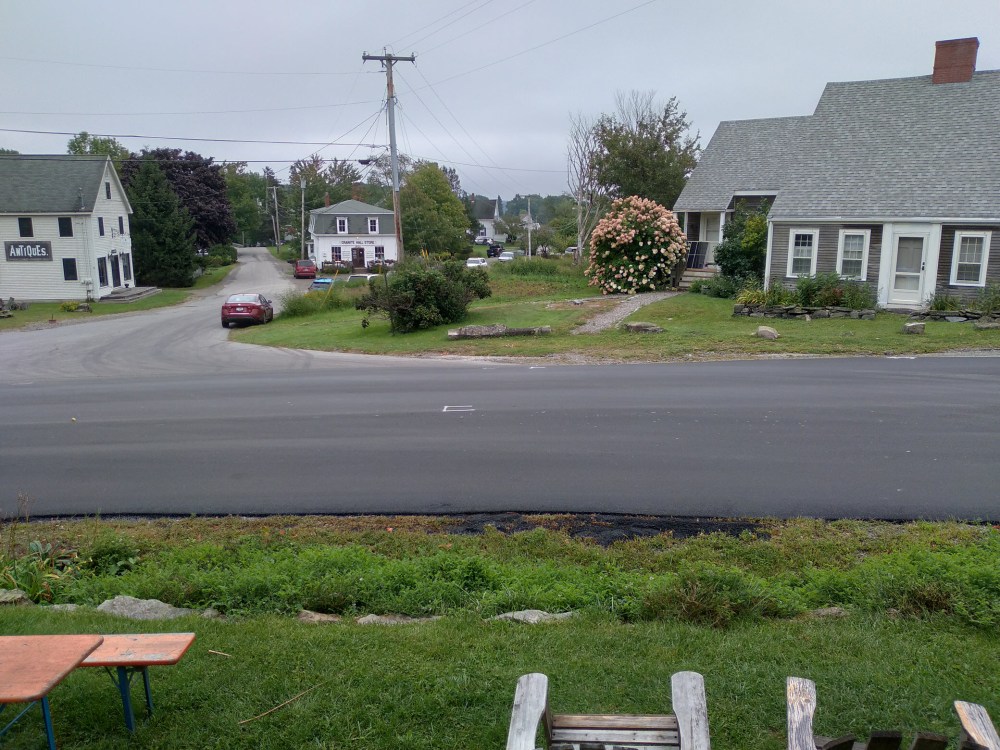


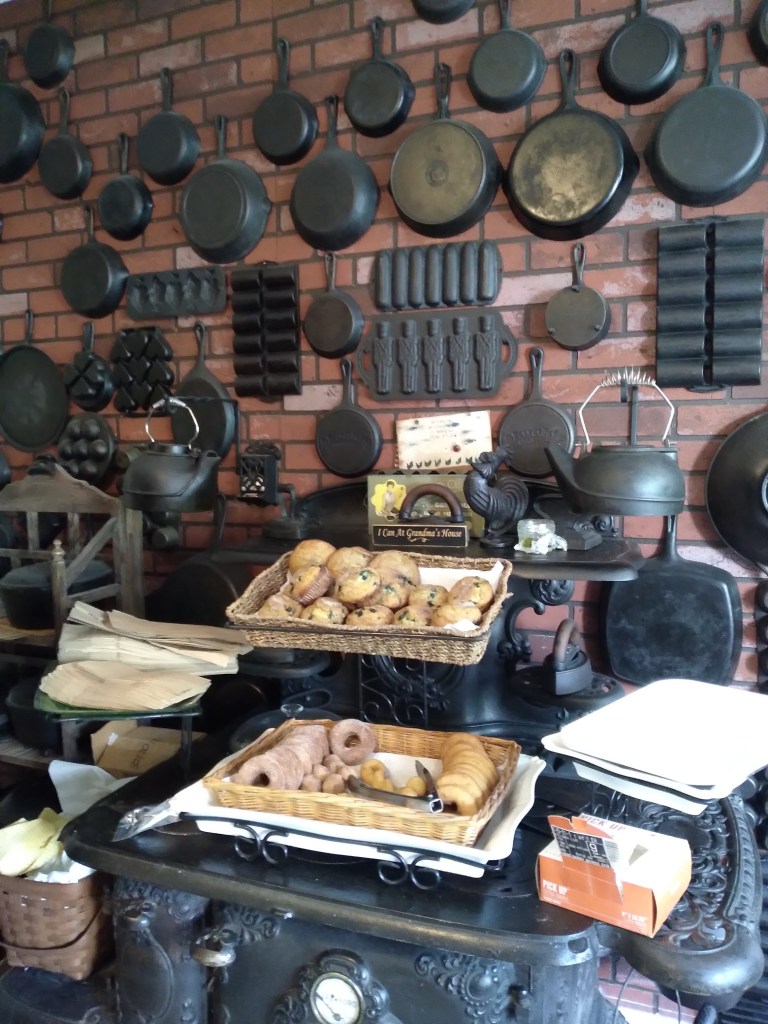


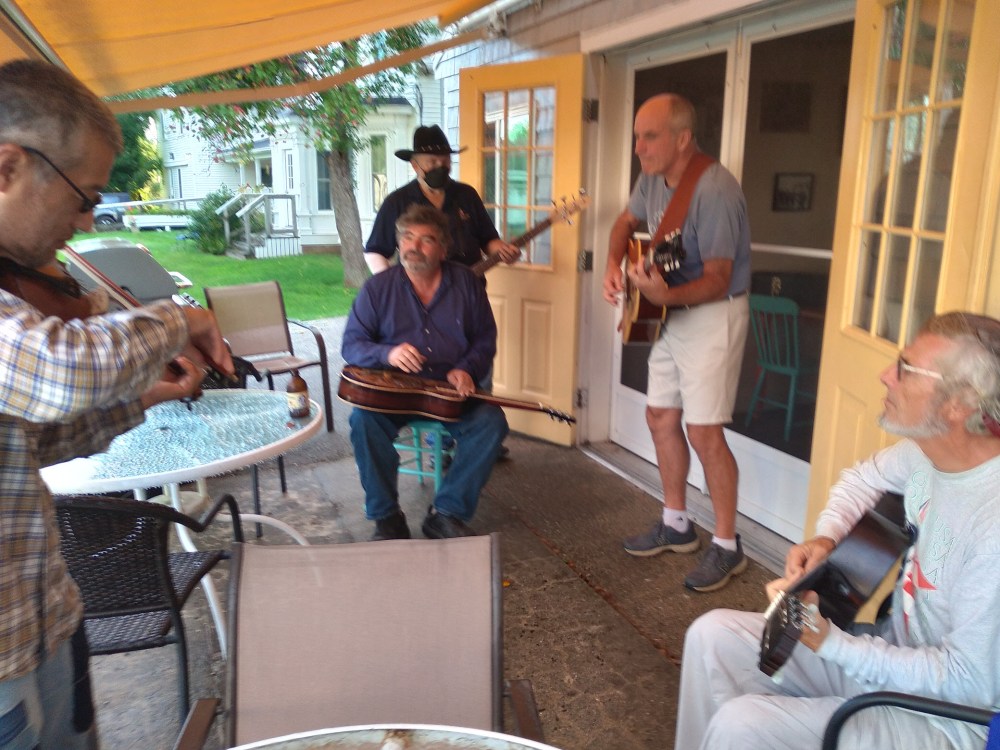
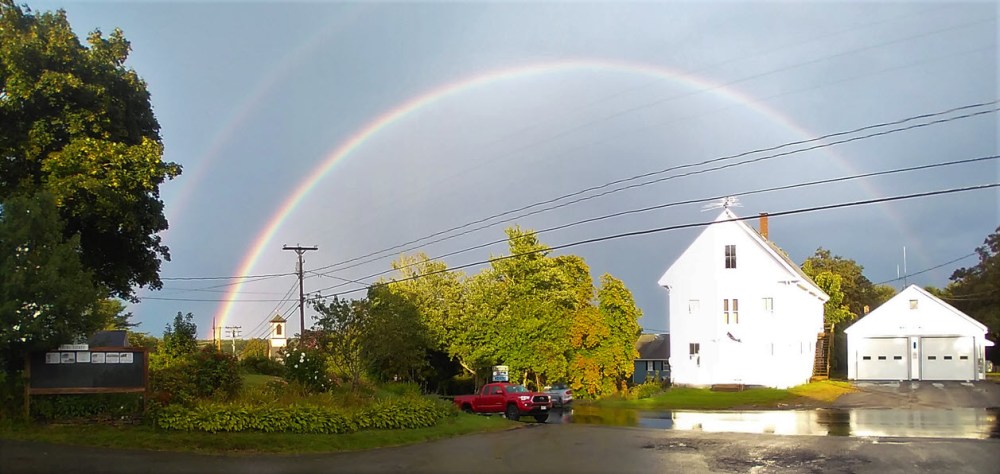
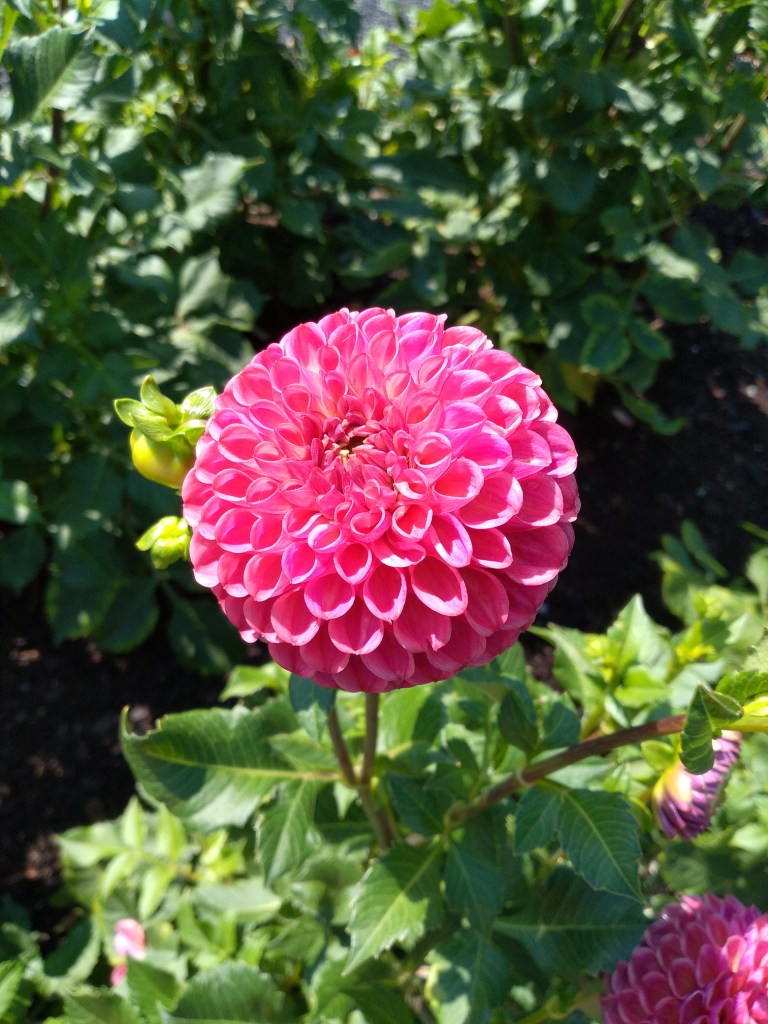
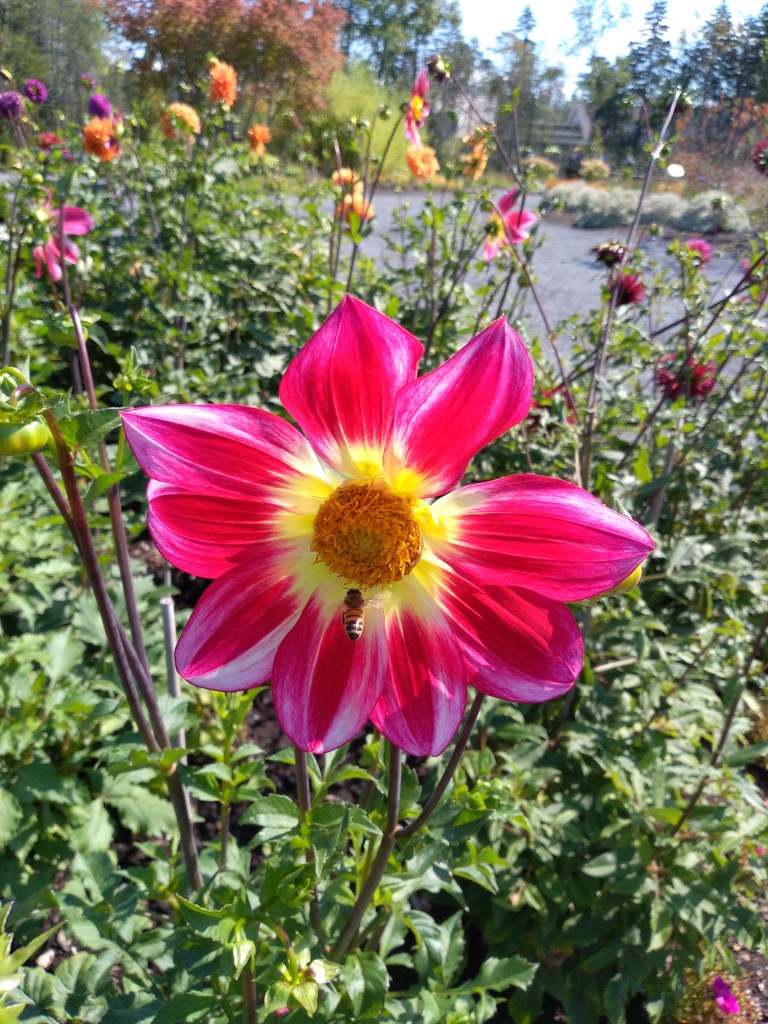
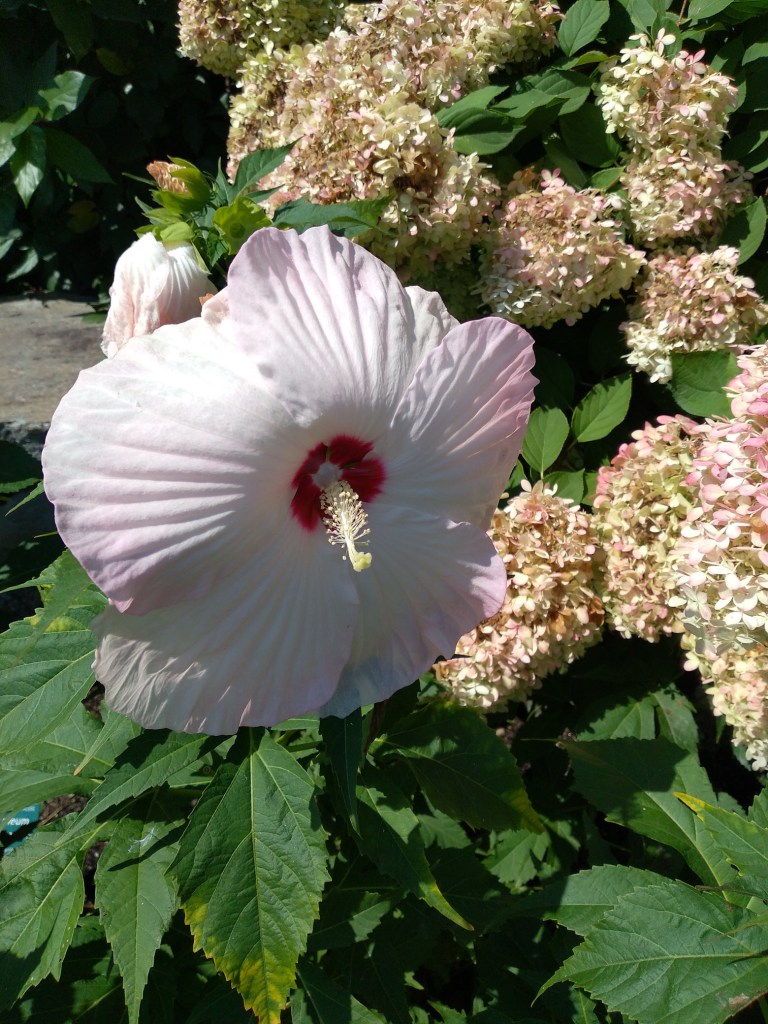


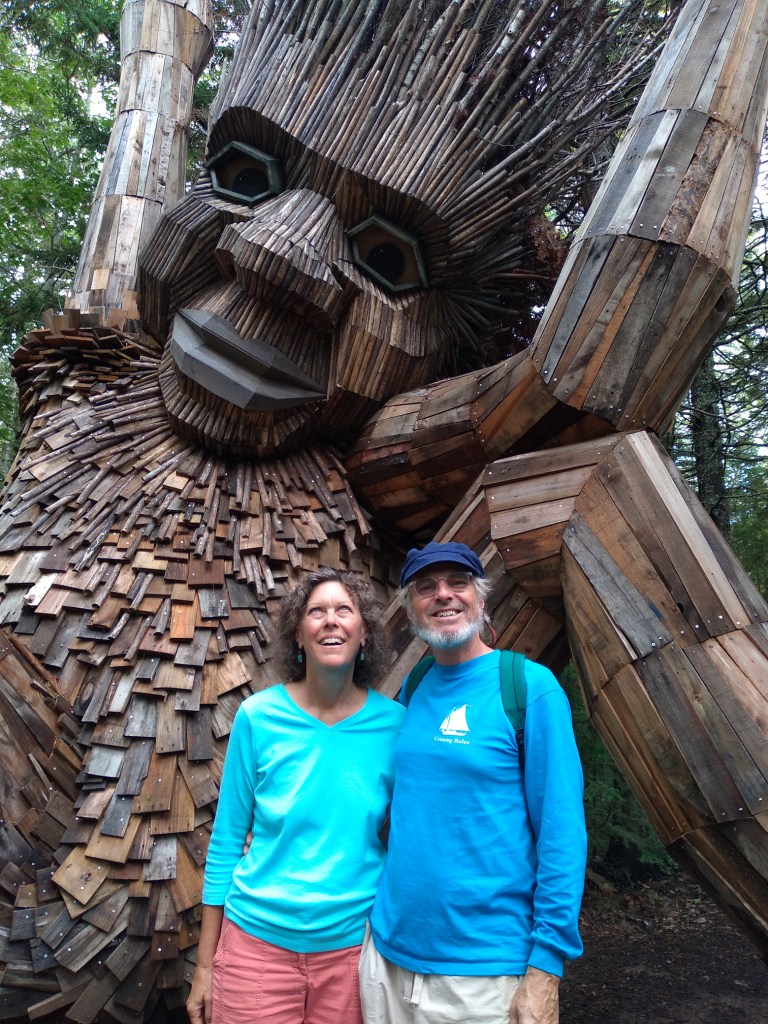
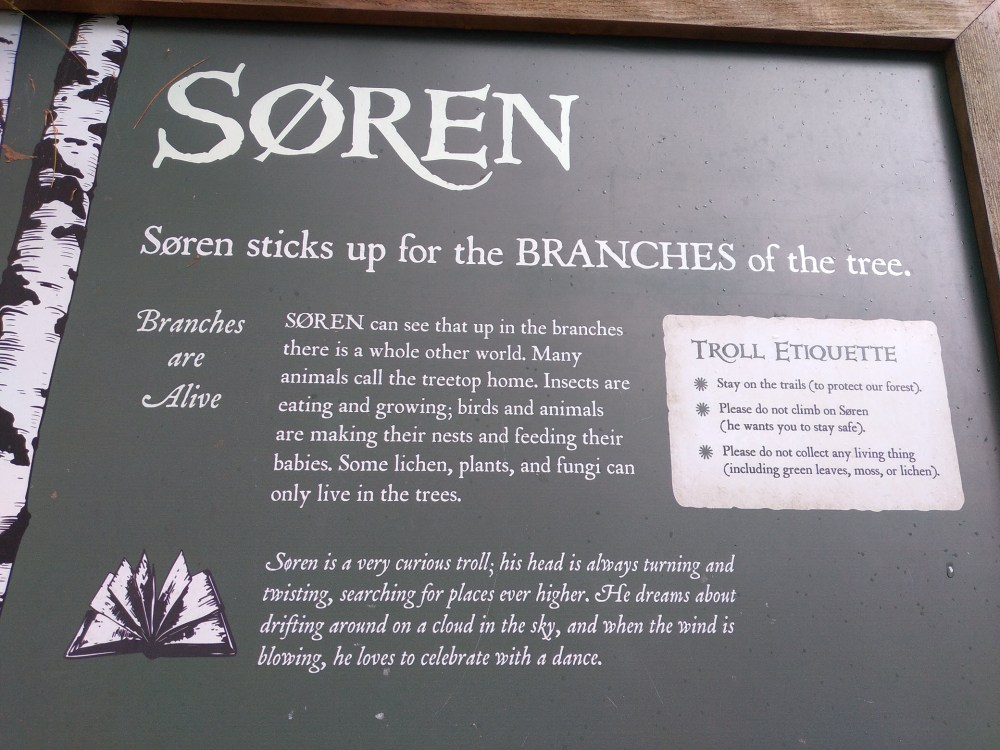

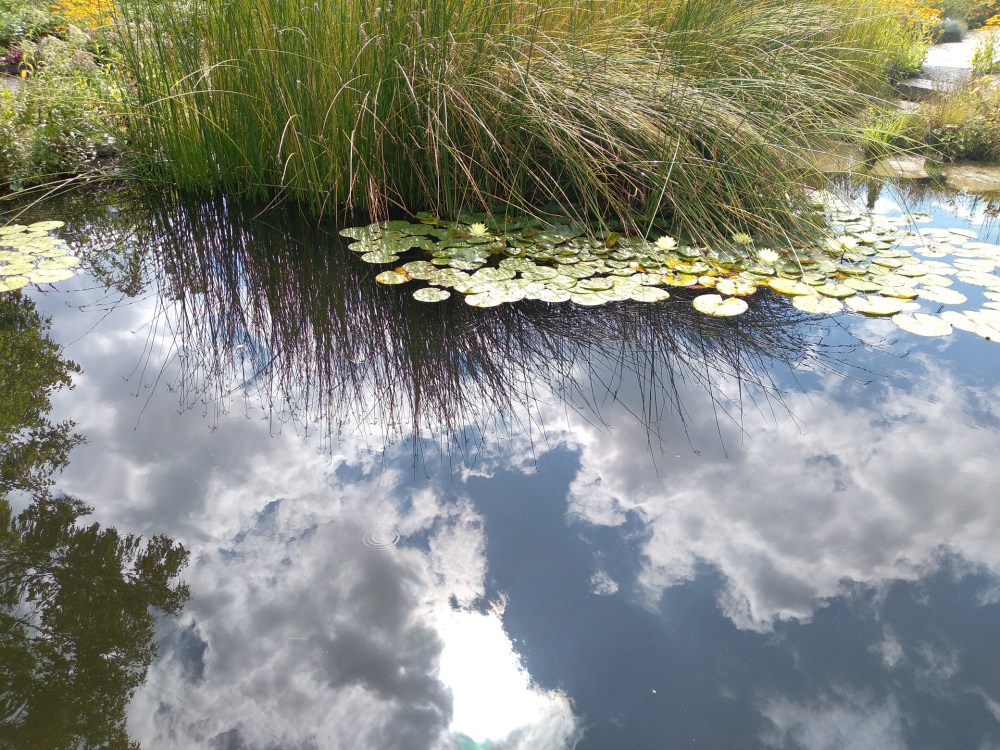
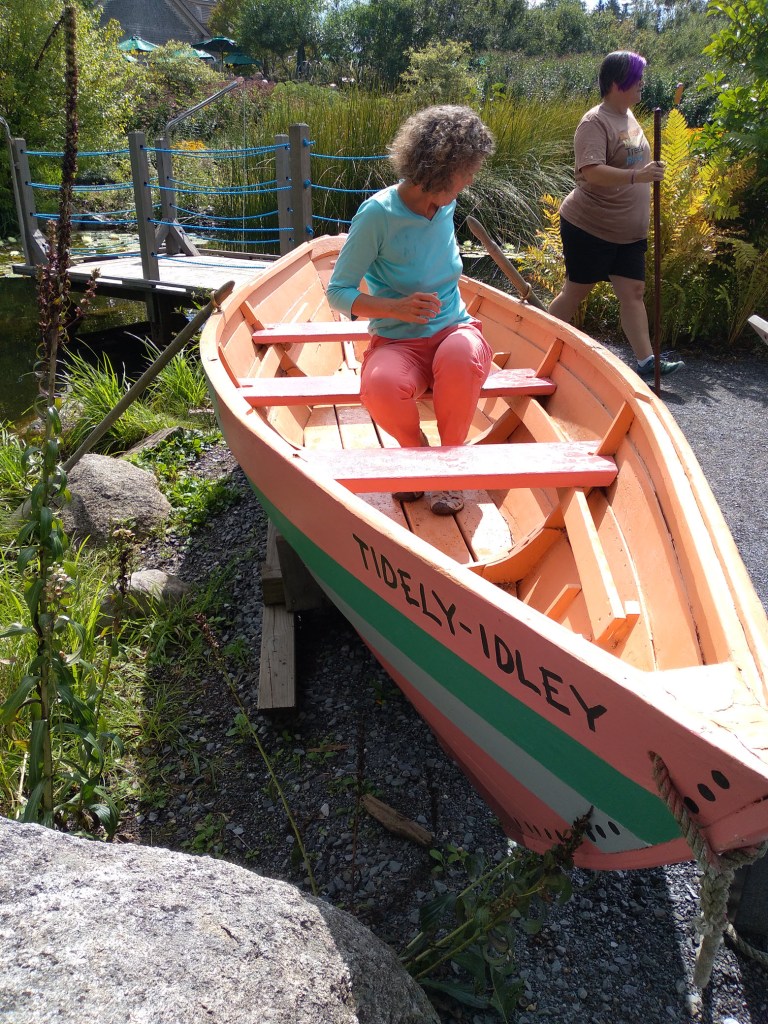
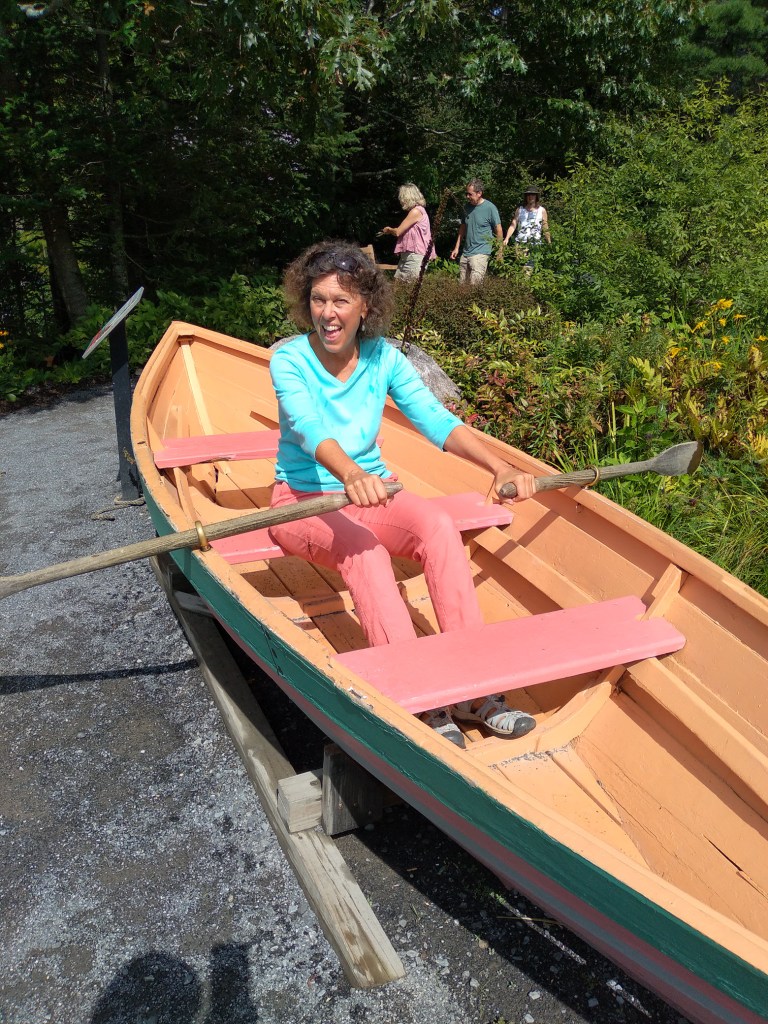

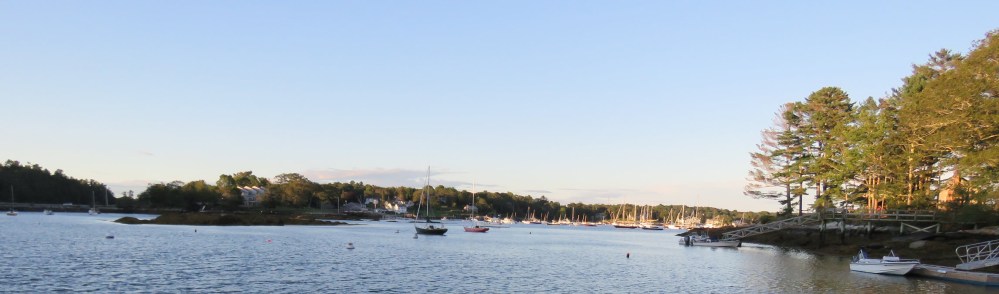


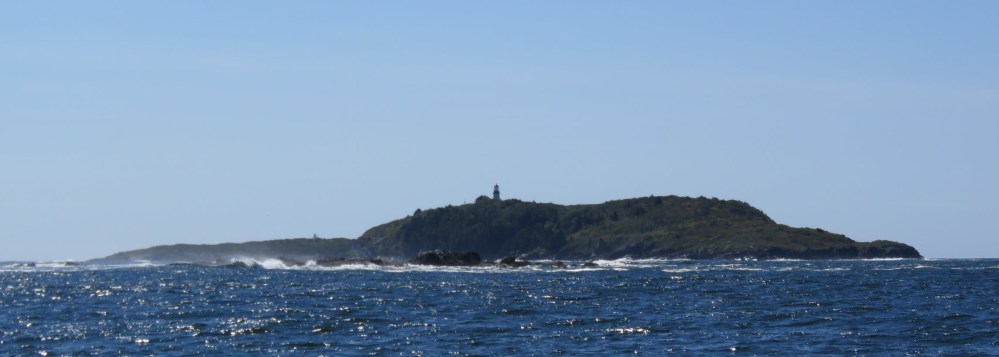

 Surrender to the Abundance