There’s something that happens when I walk in nature with the dharma and camera at the ready. The world opens up to my senses. More to the point, my senses open up to the world. It’s like an invitation for seeing and sensing the poignant beauty all around, without my questioning mind getting in the way. And the magical manifestations that arise before me time and again continue to astound.
And so it was the that I went for a long walk with Roshi Joan Halifax, who was speaking on engaged Buddhism by way of encouragement for writing post cards to voters registered in swing states. With death as one of her biggest teachers, she points the way toward Bright Faith in the basic goodness of all beings, including ourselves, when we experience doubt in whatever form it arises. And right on queue, spread out before me on the pine needle floor, a ray of sunlight cast its brilliance on the exposed roots of a tree as it held its ground.
Her eloquence around meeting others with differing opinions in Harmony and Respect pointed to the middle way between extremes as a tiny leaf between two opposing giants drew my attention. I actually really do want to know how others feel and not demonize them, as we’ve been so trained in our liberal bubble to do of late.
And so it was with some dismay that I watched the debate and saw our beloved Kamala stooping to goading the man, rather than going higher, per Michelle. While she spoke to the issues with credible directness and told America how she plans to take care of us, she did so in between grimaces and a dismissiveness that I didn’t appreciate. Of course, I give her tons of credit for having come as far as she has in such a short period of time, but I expected more. I was frankly looking for her to project a little more of the beautiful lotus that she is. (Kamala means lotus in Sanskrit, another name for the goddess Lakshmi.)
And then I learned of all the negative ads that her campaign ran before the debate. Having given fifty dollars for the first time in my life to a political candidate, I’ve since been bombarded with requests for more, More, MORE! I get that this is a crucial election on every level, but this is why I hate politics. It’s a dirty game of power play that I want no part of. Arrrggghhh! Why does it have to be so complicated?
The next day’s walk with Nathan Glyde’s dharma talk was equally enlightening, which brought together the Buddha’s perspective on the Two Sorts of Thinking—the kind that leads to peace, ease, happiness, contentment, and freedom, and the kind that leads to dukkha (suffering)—and the Plutchik’s psychological Wheel of Emotions. The practice on tap is how do we work with our emotions when they arise, without identification, so as to allow more choice in our response? On the two sorts of thinking, “contraction is the felt sense of dukkha,” whereas openness, wide perspective, gentleness, and acceptance are the felt sense of contentment.
Then bam, a log, uprooted and cut off, stopped me in my tracks, and a family of dried, curled-up leaves stood sentinel by the side of the path. For leaves, contraction is the natural order of things, but as my own anthropomorphic, poetic sensibilities kicked in, I saw them as nature’s way of telling me to soften, relax, and open. At which point the mossy smiley face appeared on the path as a reminder of Joy.
The whole-body breathing meditation that followed had me walking and breathing into the eddies and flows of the river of my being, like dusting cobwebs from the corners of my room or under the bed, those hidden places that haven’t been attended to in months. The energy and sense of well-being that flowed through me felt like breeze through the trees of my too-stationary bones and flesh. Then looking up, sunlight shone brilliantly through the canopy like the starlight magic that it is.
Self-doubt, politics, and the swirl of emotions now a dance in my awareness, I felt centered and grateful for all of it: the teachings, my poetic sensibilities, and the hope of Kamala, our next president.
After an hour and a half workout at the gym, a recent foray into cultivating embodied strength, I practiced falling. It was edgy. Asking my recently taxed 63-year-old body to drop intentionally to the ground—with grace—was not something I’d anticipated at our Contact Improvisation class. This dance form is something I’ve been gravitating toward of late. We work with rolling points of contact, sharing weight, embodied listening, and touch, among other things. For me, it’s been a very intimate practice of trust, surrender, and play. But falling?
We were on a hardwood floor, no mats or carpets, just kneepads, and the experienced dancers didn’t even have those. We started by lying flat on the floor and practiced dropping just a hand, then an arm to the ground. Flop! Next, we sat up and practice falling over sideways. OK, that I can do. Then we kneeled and practiced collapsing to the ground in all directions. OK, this is getting edgy. “Now stand up and drop to the ground.” You want me to fall to the ground from standing!? Much like plunging into the icy cold ocean, which I did for the first time a couple weeks ago in the company of my cold-immersion devotee friends, it took some mental rearrangement to set the intention to fall. “Oh, and by the way, you want to try to land without a sound.” Kathunk! I landed hard at first, then learned to aim for the soft parts of my body and then to roll out of the fall in a somewhat fluid motion. Alright, this isn’t so hard.
“OK, now jump up and fall.” No way! This I simply would not/could not do; my mind would not allow myself to be that vulnerable. “Now take it on the move and fall.” Huh, this feels better. For some reason, adding some forward and sideways motion to the fall made it easier to take the risk of aiming at the ground. “Finally, let’s walk around the room and accept other people’s invitation to fall with their gentle push.” Double no way! I announced to the group that I would decidedly not like to be pushed, but I was happy to do the pushing. Giving people a little nudge and watching them collapse like ragdolls to the floor was absolutely hilarious! After a few minutes of observing and joining others in their delight, I announced, OK, you can push me. I dropped into the playfulness of pushing, being pushed, tipping over, and springing up again like a clumsy penguin. It was laugh-out-loud funny and much to my surprise, the easiest exercise of all.
There is something about the unexpected that makes falling playful, as opposed to choosing to fall with the intention of landing with ease.
* * *
As grown-up humans, many of us were taught to stand tall, stand on your own two feet, hold your ground, stand up to, stand behind, and on and on with embodied metaphors, as if verticality were the only way to be strong, to feel strong, to get things done. But what’s so magical about being upright that makes it so compelling? Or being strong, for that matter? Could it be that it’s because we’ve been conditioned to lead with our head, which sits atop this richly knowing body that we tend to overlook, override, and overrule?
What if it were precisely this conditioned embodiment of strength that was holding us back from moving more freely into what the universe has to offer? What if falling into, easing into, and dropping into were equally or perhaps more important to the program we call life, and the more passive qualities of receiving, allowing, and surrendering were on a par with strength? (Note again the aspirational name of this blog.) And what if the practice of landing softly, quietly, and with ease was critical for keeping us responsive, nimble, and resilient?
I don’t know about you, but the idea of moving with as opposed to pushing through is a relatively new concept for this Stanford grad, who spent nearly thirty years (read, way too long) sitting in front of a computer as a technical writer.
* * *
In the last ten years, I’ve been experiencing a seismic shift in my life. It coincided with my discovery and practice of conscious movement, dance, and embodiment. It’s been a massive un-learning for someone whose head has been driving the bus for way too long, overriding her inner Emotional Authority, which resides in the solar plexus—the gut—according to my newly discovered Human Design. After more than ten years of dancing 5Rhythms and ecstatic dance, plus a deep dive into UZAZU, an embodied modality for re-balancing states of being, I’m beginning to feel lighter.
Lately, I’ve been practicing this flow, inspired by Dharma dialog: pause, breath, relax, open, and trust. I’m learning to trust my inner emotional compass. Contrary to popular belief for most of my life, the access I have to my inner emotional world is in fact a gift, not a sign that I’m broken. I’m learning to relax and open to the acceptance of change as the nature of things. And I’m learning to trust that I am already free.
Along the way, my engaged mind supported this embodied exploration with books such as Designing Your Life, written by the founders of the Stanford D(esign) School, which introduced me to design thinking principles applied life: “get curious, talk to people, and try stuff,” for short. Kali Rising was an important exploration into Tantric principles, including these memorable pearls: Everything is an experiment; and pleasure—and its corollary play—are at the heart of life.
These teachings haven’t always been easy for me to lean into, but I’ve gotten a lot better. I regularly get stuck in indecision until I remember that life is an experiment, then I don’t get so attached to the outcome. I often come up against my perfectionistic nature and want to control the outcome until I remember to relax, open, and trust. And when things go awry, I sometimes have that sinking feeling in the pit of my stomach that I’ve done something wrong until I remember that falling does not equal failing. Knowing this cognitively is one thing, but experiencing it in my body takes practice.
* * *
By nature, we are carefree, like we were when we were children. On an intuitive level, we trust that our parents will provide us with what we need so we can explore. My one-year-old granddaughter is my biggest inspiration of late with her huge smile and engaged body. Her wonderful parents allow her to be herself and try stuff. She’s learning to walk and holds on to things as she cruises around the table until she falls, plop, with not a care. She allows anyone to hold her without hesitation. On her first birthday, she tasted cake for the first time, grabbing it with both hands and shoving it into her mouth with delight!
May I be like a child in my fearless abandon and limitless trust—in my myself, in others, and in the universe—and when I fall, may it be soft and without concern. May the same be true for you.
Yesterday was the total solar eclipse, the astrological event that had people scurrying across the country to get in the Path of Totality. Yes, the pictures looked amazing, and I’m delighted for those who fulfilled a wish to experience it. I kept closer to home, choosing at the last minute to drive to the beach ten minutes down the road where people are known to gather to watch the sunset in warmer weather. For me, it was a social event more than anything on the grassy point in Cape Elizabeth, Maine, and I used it as an opportunity to connect.
As a photographer myself, I chatted up Sean, who was there with his camera and tripod hoping to capture the 96% eclipse. Turns out he had been in the radio business in Massachusetts, back when there were local radio news stations. Now he works for Cintas, the uniform company, and only has time to use his camera when not working 9 – 5 and driving his son to baseball games.
Groups, families, and couples sat on blankets and chairs, bundled in hats and coats, which were insufficient to keep us warm at the water’s edge, despite the earlier temperatures in the sixties. Kids ran around and kicked balls as the moon eased its way across the sun without our notice. I didn’t have glasses, but my neighbor blanket said I could borrow theirs, and to my surprise, I saw that the moon had already begun to cross the path of the sun. Another blanket neighbor had made a camera obscura, which they offered a glance into. A mother with three kids had also made one out of a long tube, which projected a much bigger crescent-shape onto the tube’s round end. The coolest projection of all was through the lens of a colander, which produced dozens of tiny crescents huddled in groups on the blanket below, much like the gathering on the lawn.
At one point, a woman came around offering official sun-gazing glasses, courtesy of NASA, her employer. Gazing directly at the sun is a rare experience in and of itself, and watching our little sister eclipse its mighty parent was a strange juxtaposition. The miniscule eclipsing the G A R G A N T U A N was a powerful metaphor for what’s possible when things are in Right Alignment.
Generosity, kindness, and connection ruled the afternoon in a spirit of open-hearted communion as we all faced the mighty sun with varying degrees of awe, wonder, and perhaps a bit of reverence for the source of light, energy, and life on the planet we all call home. Whether everyone felt the connection that our cosmic neighbors were inviting us into I don’t know, but I felt it. It stirred me into a state of appreciation for being alive at this moment—a state of connected presence.
As I drove home, I took it all with me, back into my solitary life in a box, the one created by the hands and heads of man, the isolated spaces that both protect us and separate us, from nature and from one another—the totality and partiality of being, once again exposed to the light.
I recently played squash with a 30-something at the Portland Squash Club, something I stumbled upon on a whim.
A few weeks earlier, I mentioned in passing to my partner, “I used to play squash.” “Really, so did I. Let’s play!” came his reply. So after more than 35 years of not picking up a racket, we both pranced into the synagogue-turned-squash-club-slash-community-center, grabbed one of the free rackets and protective eyewear, and started hitting the ball around. It was a blast! We missed 50% of the shots, but the ones we hit were satisfying. And every once in a while, I made a shot, not exactly planned, that sent him running. This was even more satisfying. We were mostly just playing for fun, trying to extend the volley for as long as possible. When the back-and-forth topped ten, we needed to stop for a breather and recover. “That’s good,” said he, the former soccer player/coach. “You’re getting an anaerobic workout.” Good to know I had at least ten in me. “OK, we quit when we hit eight shots in a row, three times,” came his challenge. “You’re on!” said I. Rather than scoring points, our goal was to hit it so our partner could return it, which trust me, is still a challenge. I call it Cooperative Squash.
After another few times in the court, solo and together, it all started coming back—the hard shot up the side, the soft, short shot in the front, the serve. The good news is that the balls are bouncier and the rackets bigger, so the shots that always used to drop like a stone or go straight through my small, round racket are much easier to return. “This is brilliant,” thought I. “I’m sweating and having fun.” As I’ve been wanting to amp up my exercise routine in retirement, I couldn’t have been happier to have rediscovered this feeling of exhaustion and exhilaration in one swell foop.
Since my partner is departing for parts unknown, leaving open, at a minimum, a squash partner, I signed up for the “Box League,” as recommended by the enthusiastic female coach at the club. I scheduled myself at the first opportunity for a match at 7 pm, admittedly not my best time. Having been assigned to the next-to-lowest box, I figured surely it would be a more or less even match. Not so. It was a rout. I was royally creamed in three games that took all of fifteen minutes, returning only two of her serves and gaining the serve only twice when she fumbled. Despite her occasional words of encouragement, it was truly depressing. I was back in junior high school when my ineptitude at sports caused me to retreat into photography, math team, and drama.
Without realizing it, I had inadvertently committed myself to five matches a month in which the top two winners advance to the next box and the bottom two losers are demoted to the lower box, in my case, the lowest. I found myself writing the box coordinator:
“I was not aware of what was involved in joining a “box.” Have you seen Barbie? Like her, I’m not too fond of being put into a box of any kind.”
“This is how these types of competitive leagues work,” my partner explained. Having played in the country’s largest amateur soccer league for years, he recounted the correlation between promotion/demotion and drinking: the individuals in teams that were promoted stayed healthy and fit while those on teams that were demoted became heavy drinkers. I found myself asking whether “healthy competition” is really healthy or a sure-fire way to fuel lack of self-esteem.
I don’t like competition, in any form. It encourages the “comparing mind” and labeling, where the winner is better than me at <fill in the blank>, which feels bad, and the loser is worse than you at <fill in the blank>, which feels bad. If you’re the loser, that’s one side of the same coin. Of course, I suppose the idea is that the “loser” is supposed to be “motivated” to “work hard” at “improving” and thereby become a “winner.”
Ooofff! That’s a lot of identification and effort that I for one want no part of! I’ve spent a whole lot of my later life endeavoring to dis-identify with labels, accept myself and others as we are, use discernment to choose what feels aligned with my authentic self, and promote that in my life and in the world. Frankly, I’ve been doing a pretty good job of it of late. Until the squash match.
All that said, the flip side of not wanting to compete or label is an ongoing feeling of “lack of accomplishment.” Having officially retired at the beginning of the year, I’m supremely busy with what I call “reinventing myself.” No longer tethered to a computer for hours of the day, I’m free to explore like a child. This often doesn’t feel like I’m accomplishing much. Yet, this morning’s journal entry had me recounting all the things I’ve done (accomplished?) over the past few months since returning home from living on a sailboat for two years (yes, that was an accomplishment!) so I could take it all in. And there was a lot there.
As such, part of my reinvention is the process of actively discovering, uncovering, and recovering what feeds my soul. Connecting with and supporting friends and family—including a new granddaughter—feels important. Allowing, trusting, and making time for my inner sense of wisdom to flow outwardly also feels important—witness, this blog. Exploring my creativity in ways that I haven’t had time to previously is up there. And prioritizing my physical well-being has become increasingly important—witness the calendar I now have on my fridge that tracks how many times I actually move my body each week.
One of my intentions of late is to “live the questions,” per Rilke, so I continually ask myself, “Am I stuck on the notion of accomplishment out of conditioning or is it something I truly desire?” Yes. “Is it externally or internally motivated, or both? Yes. “What does real accomplishment actually look and feel like anyway?” I’ll know it when I feel it. And sometimes I do.
Which brings me to this moment in time. Of course, my higher self knows that now is my opportunity to feel accomplished, or call it satisfied, or better yet content, or let’s try on happy, at peace, or bliss. Yes, that feels good, as a smile creeps across my face. And I am reminded once again of the Tao:
“Contentment that derives from knowing when to be content is eternal contentment.” —Tao Te Ching
I guess I’ll stick it out in the box league for the month and then go back to hitting the ball around myself and inviting friends to play Cooperative Squash. Wanna play, with emphasis on the word play?
It’s been just over four months since I’ve returned home after our two-year sailing adventure, and I feel the need to sum up the sv NIRVANA saga with this epilogue.
First to say, sv NIRVANA is no more. Will had an eventful passage from Florida to Long Island, NY, much of it solo as each of his crew left the boat for one reason or another, including sea sickness. On the first leg, the steering cable and autopilot broke, and on the next leg, the gooseneck fitting broke, each time causing him to lay over awaiting repairs. If that wasn’t enough, he had emergency gallbladder surgery! Thankfully he was just outside of Annapolis when this happened and not up a remote creek in the Chesapeake as he was the day before. I took this opportunity to spend some time with him at anchor while he recovered.
Finally, approaching the inlet at Fire Island, he encountered a channel that was mismarked and ran aground. After spending twelve hours lodged in sand, he was pulled off and then towed twenty miles south to the nearest boatyard in Freeport as he was taking on water. Although it was after hours, they immediately hauled the boat, which revealed major structural damage to the keel and interior frames. Eventually, the insurance company deemed it a total loss, which was in fact a relief as the prospect of selling a damaged boat would have been worse. Will then made two trips by car from Long Island to South Portland, stripping the boat of all our belongings and saying goodbye to our beloved Nirvana.
Much as we loved the boat, Will had been feeling for some time that the Freedom was not up to ocean passages and was torn about keeping her. As is typical of his orientation toward life, he soon saw the silver lining—the decision to let go of the boat was taken out of his hands. And thankfully, because it was totaled, we maximized our financial return without having to sell it ourselves.
Will then spent the next several weeks driving around New England and beyond looking for a more solid, offshore boat that he can call home, which he found back in New York. It’s a Brewer 12.8, which is a modified version of a Whitby 42, a true, blue water boat. He’s now in the process of driving back and forth from South Portland to Staten Island bringing all the stuff back to his new boat and getting it ready for living aboard in the fall.
Painful as it’s been to let go of the boat and our lives together aboard, we each deeply appreciate the adventure we’ve had and acknowledge that everything changes.
So where does this leave us? We’re in uncharted waters to be sure, as we attempt to keep our relationship going while I choose home on land and Will chooses home at sea. Our plan for cruising Maine this summer has evaporated, and at this point, I’m unsure how much time I want to spend aboard a boat. It’s a new rhythm that invites new challenges and adventures at the opposite extreme from being together 24/7 as we’ve been for the past two years. We may or may not be able to pull it off, but we’re giving it our best shot by staying open, honest, and as connected as we can.
This was my quote as we departed in North Caroline, which Will made into a button for me when I went to visit him in Annapolis.
Meanwhile, I’m using this transition time to reorient to my life on land. I’m grateful to be back home with my dance community, friends, and family. And I’m thrilled to be spending time with my beautiful granddaughter Mariah Maeve, now four and a half months old and sporting a big smile as well as budding teeth!
As I’m now officially retired, I have all the time in the world to explore what’s next. To wit, I’ve found myself digging in the dirt and watching plants grow, which is new for me having spent most of the past ten summers sailing. And I’ve been enjoying Portland and its environs with fresh eyes.
This month, I’ve had my first article published in Points East, a New England sailing magazine, with another to follow next month about owning my own boat. I’m also revisiting my desire to work with people doing embodied coaching to support personal growth (www.natashasalvo.com). And I’ve signed up for an acting workshop to get back into the Portland theater scene.
While it’s not the Bahamas, it’s summer in Maine, which is such a glorious place to be, even if it is on land!
Suddenly, our sailing season is over. As is the NIRVANA adventure—at least for me.
Will and I finished our three months of cruising in the Bahamas with two weeks in the Abacos, which included Little Harbor, Hope Town, Man-o-War Cay, and Green Turtle Cay. These were delightful islands but with a very different flavor, namely primarily white Bahamian islands that feel way more privileged and insular than most of the islands we visited. It’s astonishing how race, privilege, and class are so intertwined no matter where you go. That said, there is some fascinating history, most especially the rich boat building history on Man-o-War Cay, which has sadly almost disappeared. Also the presence of Hurricane Dorian, which devastated the Abacos in 2019, is still palpable.
Little Harbor
The Atlantic from Little Harbor, Great Abaco Island
The inlet at Little Harbor
Pete’s Pub, which started out as a self-serve beer cooler for cruisers back in the day
In 1952, Little Harbor was given to Pete’s father, Randolph Johnson by the Bahamian government. Both are sculptors of some renowned.
Hope Town
The famous lighthouse in Hope Town
View from the lighthouse. Can you spot Nirvana?
The lighthouse was recently restored after the hurricane
It even rains in the Bahamas, but rarely
The futile attempt at holding back the sea for the next hurricane
Reconstruction after the hurricane is still going on
90% of the houses on the island have been restored or rebuilt and look almost new
All that remains of a house that was destroyed by the hurricane
The Bahamian National Champion’s sloop being wheeled down the road on its way to the major regatta in George Town
Vernon is a seventh-generation descendant of a British Loyalist who founded Hope Town in 1785
He’s both a grocer and minister and knows a lot about the history of the island
A traditional house on the island
Vernon gave us a ride in his golf cart and regaled us with stories of Hope Town in times past
The past winner of the US National Art Education Association award, who lives in Hope Town
Man-o-War Cay
Model of a traditional Man-o-War dinghy
One of the last remaining boat builders on the island, Louis Albury
This rib was made by Louis’s father
Sharpening bench made by Louis’s father
Steam tube for bending wood
There were numerous boat builders back in the day
Outside the wonderful Man-o-War museum
William H Aubry schooner build on Man-o-War
Furniture maker and boat model maker
Hurricane damage
Community center that supported islanders after the hurricane
Mariah Maeve
We picked up our friend Sandy in Marsh Harbor for the last bit of cruising and the crossing to Florida. Thankfully, just before we left cell phone range, I learned about the birth of my granddaughter Mariah Maeve on April 6! At which point a pair of dolphins jumped across our bow welcoming her into the world. So suddenly I’m a grandmother as well.
Mariah Maeve 7lbs 14oz
Simon and Jill, the proud parents
A first peek at one week
Four generations
One month old
The Crossing
The passage from Pensacola Cay to Fernandina Beach at the Florida-Georgia border was a whopping 330 miles and 53 hours: 70 miles across the Little Bahama Bank in relatively calm waters and 260 miles in open ocean. While the conditions were generally favorable, we experienced a little of everything—delightful sailing in fair winds and following seas with a full moon, demanding sailing in heavier winds and rolling seas, motoring in light wind and seriously rolling seas, a broken boom vang (again), and in the last two hours, wind and seas on the nose as the storm we planned to avoid approached. By all accounts, it was blissful, challenging, exhilarating, exhausting, and uncomfortable, in different measure, at different times, according to each of our experiences.
Transition Time
After our crossing, Sandy and I spent four nights ashore in a hotel while Will weathered a gale on a mooring as we awaited our flight back to Portland. Scrubbing off months of grime in a long, hot shower and sleeping in a large rectangular bed with crisp white sheets was nothing short of a miracle for this sailor. And time ashore in between the end of our trip and the return home was just what I needed to reflect, process, and write about our adventure together, which I do in more detail below.
Sadly, I returned to a house that was nothing like the way I left it when I rented it last fall. It took more than a week to clean, as well as to repair or replace what was damaged or missing. After two years of living mostly on the boat and renting my house, I am very happy to be home, where I’m reconnecting with my family, friends, and dance community and enjoying my own space.
Meanwhile, Will flew back to Florida and began his trip sailing back to Maine with various crew joining him along the way, as well as doing some solo legs. Despite ongoing issues with the boat that have slowed him down, he continues to love everything about the sailing life, including sailing offshore in open ocean.
With time apart, we’ve both been doing some serious introspection about what our future holds. As such, I just returned from a quick two-day visit with Will in North Carolina. After much deep and rich communication, we’ve decided to close this chapter of our journey together living and sailing on Nirvana. While we have deep feelings for each other, we both acknowledge that our lives are moving in different directions. Will’s home is on the water, and my home is on the land. We are ready to open a new chapter with blank pages yet to be written—together and apart.
Reflection
And now for some deeper reflection on the overall adventure, which I wrote a month ago in Fernandina Beach.
I’m someone who likes to reflect on transitions. It helps me to understand the significance of my experiences: thus, this blog. While there does feel like a distinct before we left for Bahamas and an after we’ve arrived back “home,” in another sense, I know that life is one continuous journey.
My uncle Roland Barth, who passed away a year and a half ago and was a lifelong sailor, used to ask, “On a scale of one to ten, how was it?” I believe this self-inquiry can be a useful tool to help uncover a bit to what I’m talking about. But there’s also a danger in doing so in that it has the potential of flattening the experience, shaving the highs and lows into flat peaks and valleys. To honor my dear uncle, I still choose to answer the question I know he would have asked. My answer is a 7.5, which, given the range of feelings I’ve had over these months, is higher than I would have imagined.
Roland was also an educator, steeped in the world of experiential learning who, among other things, served for many years on the board of Hurricane Island Outward Bound. As such, the other question he would also ask is, “What were the lessons learned from your experience?” The answer to this question provides more meaning in helping move forward during these transitions. But here too a danger lurks in drawing too many conclusions about the future based on the past, for in reality, we are always in transition and the only real time is the present. So perhaps, as Rainer Maria Rilke suggests, it’s more about asking the questions and swimming around in the soup of what comes up that insight comes.
Finding Home
What’s it all about, this life aboard a floating home? I’ve been asking myself this question for going on two years now. Since June, 2021, we’ve been living aboard sv Nirvana or sv Cascade in Italy, with only a few months’ break on land last spring when we house-sat for a friend and traveled out west. It’s what my grandmother would call a “peripatetic” life—one of her favorite words—which means moving from place to place.
So what does this say about “home?” Will, the architect, often paraphrases Gaston Bachelard from The Poetics of Space about the significance of the word home: “Home is a place that shelters daydreaming.” In other words, home is a safe place from which to explore…and presumably return. Yet when you’re living and traveling on a boat, you’re constantly exploring and, thus, daydreaming is not about dreaming at all but about living in constant flow. As for returning, there is instead a continual exploration from what is essentially home, so it’s both the safe haven and the journey all rolled into one.
Living on a boat is truly a different way of moving in the world.
The contrast between the stability of life on land—a house, say—and the motion at sea is profound. Literally, the boat is constantly moving, whether sailing at six knots or drifting around at anchor as the wind changes direction. The seas are rarely flat, so there’s an ongoing forward-and-back or side-to-side motion, or both. Sometimes the movement is gentle like being rocked in a cradle; other times it’s like being on a combination mini-roller coaster/tilt-o-whirl perpetual motion machine. And everything in between. On the rare occasion that you’re anchored in a totally protected harbor and there’s no motion at all, you notice it: “Oh right, this is what it feels like to be on land.”
To assemble meals, you pull food from a deep refrigerator or from behind cushions that serve as a couch, both of which can involve an archaeological dig. To use the toilet, you step into a space that doubles as a shower. The water is only hot when you’ve run the engine, or barring that, you hang a solar bag or use a hose in the cockpit. The water supply is limited to 60 gallons, plus what you can make with the water-maker, so you use it sparingly. And you constantly monitor your batteries to ensure the solar panels are feeding enough power to keep up with your electrical use, which is generally minimal.
It’s micro-house, off-the-grid living on the water.
What this way of life affords is the ability to experience and explore in ways that are simply not possible on land. As such, contact with the human-made land world has a much greater impact as it’s no longer the norm but more the exception. While the boat is, to be sure, a human-made object that requires constant care and attention, the sea and sky are just outside the companionway, laid out before you in a splendid expanse, meeting at the horizon. From this perspective, land is as close or as distant as you choose to make it.
There is something truly elegant and appealing about the efficient living space, small carbon footprint, and preservation of precious resources that boat life provides. And yet, after these many months, I’ve discovered I need more time on land to counteract time on the boat: walks ashore in the greenery of nature; buildings that shelter the elements; a soft, cozy chair in a room with a tall ceiling; a rectangular bed; a shower where the hot water washes over you in a constant flow; a flushing toilet. Call it the creature comforts, stability, and spaciousness of a land-based existence, which are fleeting on a boat where the only buffer between you and the elements is a fiberglass hull and a canvas dodger.
Still, when the sun penetrates your bare skin, continual breezes caress your body, warm water buoys your entire being, and wind fills your sails on a perfect reach, you feel held in the embrace of both your boat and nature in a state of true bliss that simply cannot be replicated on land.
Lesson Learned: Take some time in life to push the edges of your comfort zone and adventure out from the safe harbor of home. Only then will you discover the true meaning of home for you.
Responsibility
Here’s a different take on the word “responsibility”: the ability to respond to what’s happening in the moment.
Life on a boat is an exercise in constant responsiveness to the environment, which begins with the weather and sea conditions and extends to every other aspect of life that exists. The universe is constantly changing; so is the weather, your surroundings, the people you come in contact with, and your feelings. Just when you think you’ve found the perfect settled anchorage, a new weather pattern develops. At the intersection of the high- and low-pressure systems is weather instability, higher winds, bigger seas, perhaps rain.
At a calm anchorage, when the sun is shining down and a gentle breeze is blowing, you can become lulled into a sense of complacency as if it could go on forever. But this is simply not so. The weather is a complex, dynamic system that is only predictable to an extent. For what in the universe is fully predictable? At the sub-atomic particle level, Heisenberg introduced the Uncertainty Principle in 1927, which states that you can know when a particle will be at a certain location with 100% certainty or you can know where it is right now with 100% certainty, but you cannot know both at the same time. This is the current state of our knowledge about the time and space: despite our best efforts, it’s not entirely knowable or predictable by humans. That goes for subatomic particles, stars and planets, evolution, the weather, the economy, the fickle minds and hearts of humans—indeed, the universe.
As just one example, given the state of today’s technology and how it has infiltrated the world of sailing, it’s sometimes hard to remember this simple fact. As we devote ourselves to weather apps, plot courses on electronic charts that we believe to be accurate, and focus on wind, speed, and GPS signals as the boat bounds through the waves, we are seduced into thinking we can—or at least should be able to know or predict what’s next. This is a far cry from sailors of the past who determined their location using celestial navigation and “knots” tied onto ropes that they tossed over the bow and then counted at the stern to determine boat speed. Not to mention sailing in uncharted waters!
Part of sailing is not only accepting but embracing that despite our best efforts at control, we are in fact always in the flow. The crossing from the Bahamas to Fernandina Beach is a case in point—a true practice in response-ability. For me, sailing is and has always been a practice of dancing between surrender and control, with my comfort zone being more toward the control end of the spectrum. While I’m quite nimble at the helm and have excellent instincts when it comes to all things related to sailing, the unpredictability of the environment has been stressful for me. Will, on the other hand, has fully embraced living in flow on the boat, loving every minute of it, no matter what arises.
Lesson Learned: Accept that life is fundamentally unknown, try not to project too much into the future, and respond to what arises in each moment with grace, agility, intelligence, and heart. Plan when planning is required, but try not to have too many expectations for how it will turn out.
Relationship
For the past almost two years, we’ve been together in a small space virtually 24/7. So at the same time that we’re navigating the wind and waters, we’re navigating our relationship.
Life aboard a sailboat with a partner is an example of what my uncle used to call “relentless intimacy.” To address this, he wrote a book called Cruising Rules, a tongue-in-cheek account of how to navigate human relationships aboard a boat. The only cruising rule Will and I adhered to is that we “share the helm,” which means whomever is at the wheel gets to decide how we sail. We can and often do bounce ideas or suggestions off each other, which the captain-of-the-moment can choose whether or not to accept. That said, over time, we’ve become quite specialized in our roles. For the most part, we make a good team, although we definitely have our differences in sailing style. Accepting and appreciating those differences has been an ongoing practice.
While I tend toward planning, organization, and broad awareness, Will tends toward being in the moment, sensing the feel of the boat, and doing what needs to be done when the need arises. These differences are often complementary and can have a balancing effect on each of us. I notice when things need attention on the boat, and he’s happy to fix them. He notices when I spend too much time plotting courses, and I let go of some control. I organize and stow things in logical places, and he is coming to appreciate that this approach is helpful for finding things.
Over these many months, my emotional barometer has fluctuated between steady and rising slowly (appreciation), steady and rising rapidly (enthusiasm), steady and falling slowly (apprehension), and steady and falling rapidly (depression). A high can linger without a cloud in the sky, while at other times, lows float in unexpectedly on the wind. Will’s barometer, on the other hand, is steady and high most of the time, regardless of wind, waves, weather, or the state of various pieces of equipment on the boat that need attention.
Lesson Learned: In any relationship, accept the differences between you, be honest about your thoughts and feelings, and navigate the level of intimacy according to your own needs and desires.
* * *
I’ve come to many of these realizations late in life and not without some serious intention. Thus, the title of this blog—surrender to the abundance—is a practice and aspiration for me.
And yet, I’ve noticed that when I’m truly honest with myself and others, and when I let go of control and expectations, that’s when the universe provides in unexpected ways. Like stating out loud that I needed a break from the boat and being invited to stay with Sylvia and Elza on Cat Island. I hope that by the time I lay my head to rest at the end of the day, literally and figuratively, I will have surrendered fully to the abundance that surrounds us all at every moment.
And the adventure continues…(I hope you read to the end so you know it’s not all paradise here in paradise.)
Stocking Island
After two most-welcome days at a marina where I sat for hours in a rocking chair on land getting some time on solid ground, alas the swell started rolling the boat at the dock. As the winds were reported to be increasing and the entrance to the marina can be impassible in heavy seas, we decided to book it out of there and head back to George Town, where at least we didn’t have to pay for rockin’ and rollin’.
As predicted, the winds blew steady and hard for a week, with large seas reported outside the relatively protected harbor. For me, it was a long seven days of relentless wind and choppy seas such that we rarely left the boat as rowing against all that wind and chop was hard. And as the wind was out of the east, we couldn’t sail in any direction but back from where we’d come, and so we waited…
One day, I rowed the short distance alone to the social gathering spot, Chat ‘n Chill, for a respite, but the wind on land was stronger than on the boat, which at least has a dodger and cabin to protect us, so I came back disheartened to endure the wind and seas for several more days. Needing to do something to lively things up, I organized a dance at Chat ‘n Chill, which a number of people attended. It was great to feel the spaciousness of movement on land, as for me, the boat can feel very confining after days on end.
Mid-week, one of our two bottles of propane ran out, so the never-daunted Will decided to row the one mile across Elizabeth Harbor to drop off the tank and pick up some groceries. With many engine-powered dinghies going back and forth, he caught a tow back, getting soaked in the process from all the chop. Another day, he got a ride from our Canadian friends to pick up the tank. This time he put on a large rain poncho to save himself from getting drenched. Having been soaked on another occasion transiting the harbor with this couple, I gave that outing a miss.
Finally, the wind let up somewhat and we ventured out in the dinghy to explore one of the extremely protected “holes.” There we encountered Dennis, whom I’d met a number of years ago when he was a launch driver at Handy Boat in Falmouth where I kept my boat. Now in his 80s, he has no fixed address and has been coming to this spot in the Bahamas for decades. He offered Will a neat home-made fishing lure made of PVC, which he learned about in Fiji from a solo around-the-world sailor in an engineless boat. The stories you hear of and from sailors are endless! Alas, Will lost the lure the first time he used it when a fish actually took a bite, but he’s since made several himself (see design below). We continued on a long hike to the top of monument hill overlooking the harbor, where sailors have spelled out their boat names in stones on the flat landscape below. It was great to finally stretch our legs, muscles, and energies in an outward direction on land.
We met up with a number of people from Maine during our week waiting out the winds. The first was a family who bought sv Avatrice, which I recognized as the boat that was owned by a woman in Maine who, for more than twenty years, ran Women Under Sail, a sailing school for women. After texting since Florida with another family who sails in Maine, we finally met up with them as they sailed over to greet us in their small dinghy.
So the week was not without its entertainment and diversion, but for me, it was a week of feeling stuck on the boat. From Will’s perspective, it was another week in not-undesirable weather, tackling boat projects, reading, and enjoying the warm air and cool breezes, despite his partner’s distress.
Long Island
Although the wind was still up, it finally changed to a favorable direction such that we could head east to Long Island, one of the so-called Out Islands of the Bahamas. To get there, we had to navigate one of the infamous “cuts” that took us out of the relatively protected harbor into open ocean. To do this, you try to plan to go through at slack/”no” tide to avoid the wind-against-tide phenomenon that causes rough seas and breakers. We heard later that some friends got an early start and a wave crashed into their cockpit from abeam and scared them pretty badly. We, on the other hand, got a later start and had medium choppy seas for only a short bit before things calmed down. The cut behind us, we had a great sail behind the reefs toward Thompson Bay. Ever the cautious one, it is often the case that for me, the anticipation of the impending threats are more difficult than the thing itself.
When we arrived in Long Island, wouldn’t you know it, there were our friends on Avatrice, as well as a couple dozen other boats who had the same idea of fleeing the wall-to-wall boats in George Town. Our friends offered to share their car rental, so we happily spent the day touring most of the island with them. First stop was Dean’s Blue Hole, which is known to be the deepest blue hole on the planet and is in fact where they have the annual freediving (no scuba tank) competition where the world record was recently set at 393 feet! We snorkeled and saw some cool fish, and our six-year-old friend found a sea biscuit, which looks like a puffy loaf of bread with a star on top.
Next stop was Clarence Town, which was modest and quiet but for a bakery, a church, and a marina. Last stop, at the complete other end of the island, was Cape Santa Maria, with its monument to “the gentle, peaceful, and happy aboriginal people of Long Island, the Lucayans and to the arrival of Christopher Columbus on Oct 17, 1492,” (!) superb wording since Mr. C slaughtered the entire population within 20 years. It’s a brand-new monument created at some expense on the high cliffs above the bluff—very impressive and very strange at the same time.
From Thompson Bay, we sailed up the coast to Calabash Bay, just south of Cape Santa Maria, where we spent four days awaiting the arrival of my Polish delivery skipper friend on her trans-Atlantic crossing in a brand-new catamaran. What a thrill to finally meet up with her and her crew and share a meal. After showing off our boat and telling them about another Freedom for sale in the Abacos, they diverted on their way to Florida to see it, and it turns out her partner/first mate bought it! So we may be seeing more of them next season in the Bahamas in between deliveries.
Conception Island
The winds and seas having calmed down a bit, we had a great sail to Conception Island, further east and out to sea. Like the Exumas National Land and Sea Park, this island is administered by the Bahamian National Trust and was stunningly beautiful in its pristine, uninhabited state. Although there were plenty of boats anchored off the long beach, including a number of large motor yachts, it was big enough that everyone was spread out so it didn’t feel over-crowded like George Town. We walked across the island and had a small beach to ourselves where we played like teenagers.
Next day we motored down to the creek entrance and rowed into the huge mangrove creek in search of turtles, which we heard were plentiful but alas eluded us. A modest-sized cruise ship was anchored off the creek, which we discovered was a National Geographic explorer vessel. Their next excursion was snorkeling the reef where we reset our anchor, so we snorkeled alongside them and saw the best underwater coral reef and fish yet. It’s a whole other world down there, although we understand that the fish are nowhere near as plentiful as in years past before so much of the coral died due to global warming, acidification, pollution, and other evils that man has wrought.
Cat Island
From Conception, we had another delightful 40-mile sail to Cat Island, which is my favorite island so far—a large open harbor protected from the prevailing winds; numerous small beachfront food shacks locally known as the “Fish Fry” where we had the best conch salad yet with mango and pineapple and fish stew for Saturday breakfast, a Bahamian thing; a great grocery store with fresh veggies unloaded that morning from the mail boat; a wonderful meal of fresh lobster; and a brand-new laundromat so we had clean sheets once again! We hauled out the bikes and enjoyed stretching our legs in a circular motion as well.
At the grocery store, Will started chatting up a woman who lives on the island in an entirely off-the-grid house that she built. As it happened, someone had just shown her an upsetting picture of a dog and she was fuming. Will picked up on her agony and asked if she was from OK, and pretty soon, she was sharing some of her life story, which took her from Nassau, to France, Germany, San Francisco, North Carolina, and then to Cat Island, the land of her father’s people.
Forever the gregarious one, Will suggested that we would enjoy a visit to see her solar oven and solar everything, and she said sure. So the next day we set out hitchhiking to the other end of the island to find her. Two hours and several rides later, we managed to track her down with the help of a neighbor since everyone seems to know everyone on this island, and Sylvia came to meet us in her car. We rode on a bumpy road through the bush to an area known as Greenwood with a dozen or so houses, mostly owned by foreigners. Entering the property, we weaved through palm and fruit trees to meet Elza, her partner of twenty years, and a compound of structures that they built over more than a decade, including lots of solar panels and lots of batteries. The newest concrete house had one room and a huge wrap-around porch, which was breezy and cool. The crowning jewel was the upper floor with its ocean view, queen-sized canopy bed, inviting couch, simple table, and breezes flowing in from all sides. I admired it longingly…
We sat down on the porch for sliced oranges and the loaf of my fresh bread we’d brought to learn more about each other. Sylvia is fluent in French and German, having moved to France in her twenties to learn the language because of one inspirational song. When they first moved to Cat Island, she taught French in the island school, and Elza was the island nurse. Before that, Elza was a nurse and healer in the states; she’s seen it all. Among many other things, Sylvia is a builder, and Elza is a writer and painter. Together they started the Cat Island humane society and at one time had many dogs, each of which is now buried on their land. While they now live a simple, quiet life away from most people, they had a lot to say about the underbelly of Cat Island, including the fact that much generation land—untitled land that has been in families for generations—has been essentially stolen from locals in order to be sold to the highest bidder, and this includes land that was Sylvia’s grandmother’s.
The conversation turned to boat life, and it soon came out that I’ve been longing for some time on land. Sensing my not-well-disguised distress from earlier and Will’s hints that I needed some time ashore, within minutes I had an invitation to stay in the heavenly upstairs room whenever I wanted! At Will’s encouragement, I accepted their incredibly generous offer, we went back to the boat to collect some things and leave Will off, and Sylvia brought me back to Shangri-la. I sat on the upstairs porch in tears at my incredibly good fortune and was told dinner would be brought up on a tray. Soon a thermos of lemon grass tea and several bento boxes appeared outside my door, each dish more sumptuous and nutritious than the next. I sighed out loud with every bite, surrendering to the abundance. In between bites I read Hafiz and Rilke, wrote in my journal until my pen ran out of ink, and then collapsed into bed where I stayed until late the next morning, the sounds of surf and birds lulling me to sleep and awake. The bed was rectangular and spacious, the room was clean and white, and the ground was still and quiet. I melted with gratitude into what the universe had provided.
And so, for a few days, I recharged my batteries on land, both in solitude and in the company of two wonderful women, whose stories they shared freely along with their home. I am deeply grateful and humbled by their generosity and spirits.
After three nights, I invited Will to join us, and we spend an equally restorative time—together and apart—in the room overlooking the sea in Greenwood. Here’s what he has to say about the experience:
Yes, I appreciate how much this sounds like “prayer answered.” But I believe there is a difference when I say, “Get out of your own way and the universe provides.” More than a week prior, I had contemplated what a local might be like to stay with, given that Tasha had done much research and there were simply no affordable, decent places for her to stay to get some strongly desired (and needed) land time. Then, not only does it happen, but it happens with a place in our style, and from interesting people—a well-traveled Bahamian, and a giving American-turned Bahamian— and a marvelous ascetic and aesthetic “retreat,” complete with gorgeous food. Then, the lovely experience of daily talking and nightly reading of Elza’s intimate memoir—quite a combination—as well as a look behind the veil.
Their place was a compound built of just two rooms but so many interconnecting passages/breezeways and other ephemeral/screened-in transition zones. We had the top floor/room admitting of light, air, birdsong, and ocean lapping. Sitting on the wrap-around deck you could see the ocean over the treetops—a monastic room but a resort’s sort of amenities.
I did not know how long Tasha would stay but the thought of a week was always in my mind. That she invited me to join her after two nights for the final four nights tells you what a generous person she is, as she needed the land time, not me, though I had no complaints about how idyllic it was. It is my belief that treasures like this are to be found everywhere but only time will tell if we admit them. In the meantime, I’m happy that Tasha got her groove back.
We ended our visit at the highest point in the Bahamas, Mt Alvernia, where in 1939 the architect/priest Father Jerome built a scale replica of a medieval hermitage in honor of St Francis of Assisi, and as it turns out, where Sylvia spent her first nights on Cat Island in a tent when she returned to the Bahamas twenty years ago. It was nothing short of adorable, with is tiny rooms and passageways. This was one hermitage for a priest; the off-the-grid hermitage in Greenwood, which they call Sylwood Shalom, is another—for Sylvia and Elza, and now for Will and me.
* * *
I end with another story (this one is for you, Nancy). A couple weeks prior to meeting Sylvia and Elza, I was tasked with getting some provisions and taking ashore the trash in a solo expedition before we left George Town with my cousin during her visit. Part of that involved dumping our “dehydrated” poop into the trash—rather than dumping it overboard as 99% of boaters do in the Bahamas as there are no facilities to do otherwise. Our “composting” toilet being what it is, it takes a little getting used to aiming your pee so it doesn’t mix with said poop so it can in fact dehydrate, more or less, as well as pushing a button to flush as you go. I’ve gotten used to it, but our guest alas was not as pee-direction-pointing-while-simultaneously-flushing savvy, and thus, rather than dehydrating in coffee chaff, on this occasion, our poop was the opposite: super-saturated.
Ever the cautious one, I determined I would take the bag in its bucket ashore separate from the other trash so as not to risk spilling the mess, as happened early on before I became so pee-direction-pointing-while-simultaneously-flushing savvy, so I set it on deck to put into the dinghy. As we pay by the bag, Will saw the bucket and stuffed the poop bag into the other trash bag, which contained among other things a large empty tin of olive oil. I was annoyed but didn’t say anything because I didn’t want my guest to feel like she had contributed to any wrongdoing.
After rowing ashore against wind and chop, I lifted the bag from the dinghy to place it on the dock and, you guessed it, the tin of olive oil broke the bag, exploding the contents all over the dinghy in what I will not attempt to describe but you can surely imagine. It was a stinking mess!!! I hung the bag from a cleat while using a sponge to clean my legs, shoes, and dinghy with salt water, and then carefully carried the bag to the truck, refusing the offer of help from the lovely man on the dock. Needless to say, I was disgusted and disheartened, but on sv Nirvana, we practice the art of no-blame, so I spent the next few hours dissolving the feeling that naturally surfaced. As a bonus, it was yet another occasion for practicing the art of communication: Speak your truth and follow through with your convictions.
We then set out for Lee Stocking Island, which I’d been told was beautiful. Wanting to be spontaneous and respond to wishes from others that we explore other possible anchorages along the way, we tried ducking into a tiny cove to anchor and ran aground, despite the charted depths indicating it was safe. It took a painfully long 15 minutes and agonizing more than effort, but we finally got off just before dead low tide. We then motored to the nearest anchorage, where we were cautioned by two boats that the charts where we were headed were wrong, thus saving us from running aground again.
By that point, I was truly distraught and through tears, uttered out loud what had been building up in me for weeks, “I need a break!” “I need some time on land!” And “I want a rectangular bed that you can climb into on three sides!” It was a huge revelation and relief to admit this to myself and confess it out loud. At the same time, Will sensed that our recently made plan to sail in a Bahamian Sloop Regatta, aboard H2O, at 5F (Farmer’s First Friday in February Festival), was too much to care about at this juncture. Over the course of the next two weeks, I remembered that some friends had been to Cat Island and raved about it. I found myself fantasizing about an airy cabana on a beach swinging in a hammock, drinking pina coladas, imagining what it would be like to leave the boat for a few days, to have a break from living within the confines of 36 x 12.5 feet, and to sleep in a rectangular bed.
Three weeks later, the universe responded. And trust me, it was light years better than a beach cabana! Reconnecting not only with myself but with Will, I felt nourished like I haven’t felt in some time. I think this is what it feels like to live in the flow: Be open and everything you need and desire will come to you.
(This epic poem is inspired by The Walrus and the Carpenter by Lewis Carroll and our last couple weeks aboard as we make our way south through North Carolina and South Carolina.)
The Sailor and Her Mate
The sun was shining on the sea shining with all its might. It did its very best to make the Sailor feel delight, and this was hard because she felt somewhat of a fright.
The sea was wet as wet could be. The sails were like a drum. The boat it surfed just like a bird On a near broad reach and run, Threatening with every swell To gybe the boom for fun.
The wind was blowing mighty fierce. The seas were close behind. You had to grip the wheel so tight To keep from going wide. The main was full, no reefs were set. There were no reefs to tie.
She looked at him and he to her And called on her reserves. She closed her eyes and breathed some breaths To calm her frazzled nerves. He frolicked in the following seas, Surfing in gentle curves.
“We should have reefed before we left,” They rousingly concurred. “Lesson learned for next time then.” And not another word. Yet brewing just beneath her skin A fear as yet unheard.
“O Courage come and be with me,” She spoke out loud to him. “I do not want this sail to feel So treacherous and grim.” “It’s how it is, my love,” He said, sporting a kindly grin.
The day it passed, the next arose And off they set again, An early morn, the offshore route With wind behind, no rain. “The seas are readily in hand,” His confident refrain.
She fixed some lunch on the gimbled stove. He relished in its taste. She smiled at him with wheel in hand. He looked her in the face. The fear she felt the day before Was almost all erased.
Approaching Charleston Harbor then, The inlet close at hand, He dodged a fishing boat ahead Then fixed his course for land. A huge container ship cruised by, Not something he had planned.
He passed too close, the waves were rough, Causing the boat to quake. She looked on deck, the vang had snapped. It was the second break. Although he had replaced it well, It could not take the wake.
They faced the wind and dropped the sails Right outside the jetty. Yet just a hundred yards ahead The sea was calm and steady. “Timing,” he said “is everything.” But the break was done already.
He felt himself responsible and uttered this out loud. He rowed ashore for penance then. Her hot, wet tears they flowed, Wondering inside if she was Sufficiently endowed.
“The time has come,” the Sailor said “to talk of many things. Of tides and winds and seas and swell, And whether boats have wings. Why she despairs when he delights No matter what life brings.”
A sailor is a salty dog who’s out there for the pleasure. Yet what brings joy to one man’s heart Appears in different measure. Enjoying the experience, it seems, Depends a lot on weather.
And whether one can stretch one’s legs And spend some time on land To balance out the vagaries Which sailors know first-hand. To find a safe harbor where One’s senses can expand.
For life aboard a boat, you see Is not a life for all. The ground beneath your feet, it moves. The quarters are quite small, And danger lurks around each bend: A cosmic free-for-all.
Like when the anchor’s set at night You watch it for a spell To see if you are holding fast Or drifting with the swell. And if there’s no hot water left You often frankly smell.
The bunk converges at the feet. The head demands attention. The windows drip, the cabin’s heat Requires a minor intervention. And each piece of gear you meet Is stowed with great intention.
But when you cozy down at night All safely below decks, And brownies in the oven make Boat life not so complex, And sunsets in the cockpit have Their magical effects,
It’s then that living on a boat Becomes a grand parade. The cockpit opens up the world With every anchor weighed, Horizon stretching all around. No, then she’s not afraid.
You plot a course and follow true As much as you are able, Until the universe decides it’s time To challenge all that’s stable, Precisely when no compass course Can help you to enable
The inner calm when shifting winds Alert you to your senses. When what you do and who you are Become your best defenses. To trust yourself above all else, Accept all consequences.
“Let’s slow things down,” they both agreed “Not like we’ve done to date.” For both of them were out of breath And neither of them late. The morning of departure came And they were struck by fate: A passing boat in predawn dark Collided, but did not wait.
“Sometimes this life is truly tough And frankly isn’t fun.” He looked at her with knowing eyes But answer came there none, For with each passing day ahead She’d relished every one.
You can follow our travels on Instagram as well at natasha.salvo
Our journey south has begun—sort of—which is why we’re still in Season 3. After a three-day sail back to South Portland from Down East and a week of preparation, we left familiar waters and sailed five days south to Warren, RI, where we’ve been since Labor Day. We’ve been in the expert hands of Paul Dennis, the Freedom Whisperer, who has been working with us to repair and upgrade sv NIRVANA, the vessel that cradles and carries us into worlds unknown—The Big Adventure!
* * *
It was the end of August and time to think about heading back to South Portland in order to be in Rhode Island the first week of September, which we’d lined up with Paul back in March. Before heading west, we decided to head east again from Swan’s Island to Frenchboro, a sweet island that was one of our favorites on our cruise last year. It being such a small island, we encountered a number of the same people we met last year. John, the coffee roaster from Michigan spends summers on the island with his family and delivers Lobster Love coffee to boats on his paddle board. One afternoon, we watched his son and friends jumping from the ferry dock! The island has a ferry that comes only four times a week, has no grocery store, and is largely preservation land, thanks to the foresight of people who care. The Island Market on neighboring Swans’ Island delivers food when needed, which is quite a service. We enjoyed a long hike to the far side of the island where we climbed the large rock isthmus with Mount Desert Island in the distance. One more overnight in Burnt Coat Harbor on Swan’s allowed us to visit the swimming quarry and get a few more Jonah crabs before heading back.
Frenchboro
Burnt Coat Harbor, Swan’s Island
Sea gull walking on water
We left in dense fog for Monhegan, 46 miles to the southwest, motoring most of the way until the wind finally picked up, allowing us to sail the last hour or so. It was raining when we arrived, but we had the foresight to call ahead for a reservation at The Island Inn and had a fabulous meal peering out the window at our boat in the harbor. Leaving Monhegan, we checked our fuel to discover we had 1/8-1/16th of a tank, whereupon we immediately shut down the engine. When we left Swan’s, we were down to about a half a tank, but as the winds were predicted to be favorable for the next two days, Will wanted to hold off filling our tanks until we got back to Portland where he had a certificate for free fuel. That decision had us heading eight miles out of the way in very light winds toward the nearest fuel dock…until the wind picked up and we said, this is after all a sailboat, let’s just sail! It was truly a change of perspective, as we ambled along at 2-3 knots, half the speed we needed in order to make it back to Portland that night, as planned.
The Island Inn, Monhegan
The Monhegan mail boat
A classic Monhegan skiff
Dinner at the Island Inn with Nirvana in the background
Eating lunch in the fog while “Ray” steers; note the fog horn
We had a guest aboard
And so plans changed, and we decided instead on an overnight at Seguin Island, where we tacked upwind for the last hour, running the engine for a brief five minutes to pick up a mooring. The next day, we set off toward our home port, the winds teasing us all day as we sailed between 2 and 4 knots past Casco Bay. All the while, we were remembered the book we read, Penelope Down East, about sailing the coast of Maine in an engineless catboat. We were both grateful for our engine, as well as for the opportunity to do something we hadn’t set out to do, namely have the experience of getting from A to B without the use of our engine. The story could have had a romantic ending whereby we sailed into Portland Harbor, starting the engine only as we pulled up to the fuel dock. However, approaching Cushing Island as dark descended, sailing less than two knots, a severe thunderstorm was predicted and we broke down and called Sea Tow. We were hoping they would simply deliver us some diesel but that would have taken more time, so instead—I hate to admit this—we were towed into the harbor and up to the fuel dock! Well, the storm passed by us and the wind picked up, and as it turns out, we had about three gallons left in the tank. We chocked it all up to experience and motored to our cozy dock under the Casco Bay bridge in South Portland as night fell, relieved to be back.
Needless to say, the experience sparked a lot of conversation between us. From my perspective, I was initially focused on the “lessons learned” to “avoid” the experience in the future: 1) carry spare diesel, 2) keep the tank topped off, and 3) in addition to keeping track of our daily engine hours, keep a running total so we know how many hours we’ve run at all times. From Will’s perspective, he was initially grateful for the opportunity to experience something we might not otherwise have experienced, not something to be “avoided.” The next day, I approached his perspective and he approached mine, so eventually we arrived together, appreciating the communication it engendered between us, as well as the “learnings.”
* * *
The next week saw us schlepping stuff on and off the boat, driving back and forth between my house, the boat, the hardware store, and the grocery store, countless times. One of the keys to living on a boat is having only what you need, while at the same time, having everything you might need or want, all within the confines of 36’. We sorted through books and clothes, stocked up on some favorite food items, and brought along, among other things, the water maker Will had been storing in the basement in case we might want to install it one day. We replaced our mattress with new foam and in so doing, were able to pass along our somewhat worn but still usable thick foam mattress to our boat neighbor Rick, a lobsterman who has been fixing up his small sailboat and living aboard since the spring. To thank us, the next day he showed up with six hard shell lobsters, which we shared with friends and family over the next two days. Over the course of the week, we enjoyed watching many large boats come and go, always a fun pastime.
Our dock under the Casco Bay bridge, South Portland
The Spirit of Bermuda, a modern replica of a Bermuda sloop used as a sail training vessel
The tugs leads the way…
…for a huge oil tanker
Will tries out the rubber boots he found in the trash on Frenchboro
Yup, dry feet!
Lobster dinner at my cousin’s new house with my mother thanks to our dock neighbor
We visited our friend Alan who had just sold his boat and was getting rid of his chart books of the Bahamas, which he passed along with plenty of advice and stories. OK, this is getting more real by the day! Among the stories was how great it was to explore the islands on his folding bike. “Oh, is that something you want to sell?” “Sure,” he said, and on the spot, we decided to trade my electronic keyboard for two folding bikes in the precious space in our aft cabin, aka the “garage.” I had initially rejected the idea of bringing the single folding bike Will already had, but with two, this would add a whole new level to our exploration! Getting them on and off the boat in the dinghy will be the next challenge.
* * *
A bunch of farewells later and we were sailing out of Portland Harbor on Sept 1 bound for Rhode Island. We passed lighthouse after lighthouse, rounding Portland Head Light, heading in a new direction and unfamiliar waters—namely South! I couldn’t help feeling a bit overcome by the momentous journey we were embarking upon.
Our first destination was the historic Isle of Shoals, a lovely archipelago off the coast of Portsmouth, with half the islands in Maine and half in New Hampshire. On Day 2, we tried out our radial spinnaker for the first time to try and catch some speed but ended up motoring all the way to Cohasset in no wind—grateful for the engine, and fuel! Rounding Gloucester and seeing the Boston skyline in the distance was positively surreal.
Sunset at the Isle of Shoals
Isle of Shoals
Unitarian convention center on Star Island, Isle of Shoals
What a sunset
Historic church on Star Island
First time flying our radial spinnaker!
Rounding Gloucester Massachusetts
The Boston skyline!
Day 3 was another day of motoring along the Massachusetts coast to the Cape Cod Canal, where we arrived at precisely slack tide, as planned, and saw 8.5 knots as we approached Buzzards Bay as the current turned in our favor. Our overnight anchored off the beach in Woods Hole was delightful, including a fantastic meal at a local restaurant. On Day 4, the winds allowed us to mostly sail across Buzzards Bay to the Sakonnet River in Rhode Island, then a downwind leg up the river to an anchorage called Fogland. Rain was predicted for the next day but held off long enough for us to motor the last leg, under two bridges, past Bristol, to the head of the river to Warren River Boat Works, which would be our home for the next month. Forgive my redundancy, but I’m strangely fascinated by all the lighthouses along the coast, which have guided mariners for centuries, as well as the audacity and ingenuity of man to have engineered and built so many bridges that span so many bodies of water.
Cohasset, MA
Motoring under a mackerel sky
Entrance to the Cape Cod Canal
The first bridge in the canal
Most fixed bridges are 65′ to allow most boats to pass under
The railroad bridge over the Cape Cod Canal
Sakonnet River lighthouse
Wing on wing up the Sakonnet River
Mount Hope Bridge, Bristol, RI
This bridge is 285′ built in 1929
A floating lighthouse
We radioed this container vessel just to say hi
* * *
We feel incredibly fortunate to have found Paul Dennis, who is not only a Freedom expert who used to build these boats but is a mentor to so many Freedom owners out there as he generously shares his knowledge, wisdom, and advice on the phone all day long. Every day, he regales us with stories about the intricacies of Freedom Yachts, which we find fascinating. Although he certainly can and does get his hands dirty, his expertise is in knowing exactly what needs doing and then orchestrating the complex sequence of events to make things happen in a timely manner, including hauling the boat for a week at the nearby small, family-owned Stanley’s Boatyard. We had a long list of things we needed to have done, a shorter list of things we would like to have done, and an as yet unknown list of things Paul recommended that we have done. On day one, we let him know that Will was not only willing but eager to do a lot of the work himself, so under Paul’s watchful guidance and eye, and with the use of his shop and a loaner truck, we’ve been able to accomplish all that and more! In this cozy three-slip boat yard, we were helping with dock lines and laughed out loud that it is big enough to spring on us another Freedom named Nirvana and another Natasha! This just seems the norm here: tiny little Bristol/Warren is home to Herreshoffs, Bristols, Shannons, Tillotson Pearsons, Aldens, and Dyers, to name a few. It seems only fitting that John, one of the two Herreshoff boat-building wiz-kid brothers, did his work blind since age 15.
Nirvana is docked in one of only a few slips at this small marina
The other Nirvana docked next to us, a Freedom 45
Stanley’s Boatyard in Barrington, a small, family owned yard just up the river where we hauled the boat
Nirvana on the hard with a fresh coat of bottom paint and no mast
The old Stanley’s Boat Yard in Barrington
For the boat geeks out there reading this, we’re repairing numerous issues with the boom and mast, including replacing the wires and adding insulation so they don’t clank inside the mast while we sleep. We’re getting a wind instrument that actually works and ties in with our autopilot, imagine that! With the help of Paul’s welder, we’ve repaired some broken fittings on the boom and are upgrading our outhaul, reefing system, and lazy jacks to catch more of the sail when it drops. We’re replacing halyards and lines, upgrading the original, difficult-to-operate rope clutches, and adding a flag halyard, which Freedom yachts don’t have because they have no stays! In fact, you need to fly a courtesy flag when you enter a new country, and we just bought one for the Bahamas. We’ve replaced two leaky opening ports, and repaired two more with spare parts from Paul’s shop. And we will soon replace the hazed fixed ports with tempered glass that we can actually see out of, as well as two leaking hatches, one of which is over our bed in the v-berth. What an upgrade all this will be!
Look Ma, no boom!
One port light removed
Vinny shows us how it’s done…
And we install the second one ourselves
We didn’t even know this vang fitting was broken, yikes!
The mast collar comes off…
And the mast comes out, with the remnants of the disintegrated foam around the wires in the mast, obviously not doing its job
Will whacks away at the fitting at the top of the mast, which we’re replacing with and upgraded style
Our new Lewmar rope clutches
We removed the headliner to install the rope clutches and in the process discovered and repaired damage from a leak
Bahamas here we come!
We’ve repaired the rudder, which had too much play from day one and involved removing the steering quadrant, dropping the rudder, modifying and refitting the bushing, and replacing the rudder and quadrant. How, you might ask do you “drop” the rudder with its long rudder stock? The first time, the travel lift lifted up the boat. The second time, Will dug a hole under the rudder in the gravel! “Caribbean style, mon,” according to our neighbor Steve. We’ve sanded and painted the bottom, and raised the waterline so we have less visible marine growth. At Paul’s recommendation, Ethan the mechanic replaced the worn propeller shaft, replaced our dripping stuffing box with a dripless shaft seal, and replaced the raw water intake thru hull and strainer with a larger one. All this means no more water in the bilge where you don’t want it and more water going through the engine where you do. We’ve installed a temperature gauge and replaced the worn wire from the engine to the batteries. And if all that wasn’t enough, Will, the dear, removed the head holding tank and is replacing it with a tank of the exact same size that just happened to be hanging around Paul’s shop. His shop just happens to have parts like custom bearings and mastheads, and doors and antique faucets that fit our boat and which he is happy to be rid of, so we couldn’t have gotten work done at a better place. The used watermaker which had no backstory miraculously worked on the second try, and the new water tank is perfectly sized to take up no existing storage space. It will hold the fresh water that we will be making using reverse osmosis that turns salt water into fresh! Friends tell us it’s a game changer as it means less worry about running out of water and more showers!
The rudder lying across the hole Will dug underneath it to remove it
The steering quadrant that holds the rudder in place
The cables that turn the rudder when you turn the wheel
The rudder shaft cavity where the too-loose bushing sits
Will grinds out the rudder shaft cavity
Boat yoga
We hired the yard to sand the bottom and we painted it ourselves
Paul installs the new repaired bushing in the rudder cavity
The head holding tank that will be converted into a fresh water tank with water created by reverse osmosis!
In between all the work, we had a chance to visit the Herreshoff Museum in Bristol on the site of the former Herreshoff Manufacturing Company, which produced some of the finest steam, sailing, and racing vessels ever made, dating back to 1878, including numerous America’s Cup winners. It was truly a thrill to see a warehouse full of Herreshoffs, including a “catamaran” designed by Captain Nat in the early 1900s, as well as all of his hand-made models that he used to design his boats. We also got a tour of a “food incubator” in Warren that has been running for ten years, offering food entrepreneurs the opportunity to create food in one of four impressive commercial kitchens. Warren, it turns out, is full of great restaurants within a short walk from where we’re docked.
Herreshoff Museum in Bristol, RI
The “catamaran” designed and build by Capt. Nat Herreshoff in 1876!
An early steam engine built in 1893 at the Herreshoff Manufacturing Compnay
The America’s Cup Hall of Fame at the museum
We get a tour of Hope & Main, a food incubator that supports local food manufacturers with four commercial kitchens
This bunch was making coffee syrup, a specialty of RI
We had a visit from my dear friend from Junior High School who just moved back east with her fiancé, as well as my aunt and uncle, whom I haven’t seen in years. I also went back to South Portland for a week to enjoy my house for the first time in over a year because it’s been rented, find new tenants while we’re away for the winter, and visit family and friends once again. And after months of waiting, I also picked up our brand, new sails from our sailmaker in Boothbay! Our dear friend Rebecca offered to drive with me back to RI with the sails, and we enjoyed the spectacle of Water Fire in Providence before she headed back with my car.
Tasha, her friend Q from Junior High, and Q’s fiance
Water Fire Providence is a public art event where they burn braziers throughout the city canals
Will sends Tasha a valentine
One more week of boat work and we should be ready to set sail toward the Bahamas, which we expect to take us a couple of months as we slowly make our way down the coast, day sailing, heading into the Intercoastal Waterway from Norfolk to Beaufort, and dodging hurricanes, as required. But that’s the future, and we’re in the now, so look for another blog when the now is the past. Until then, all things continue to unfold magically in front of us.
We are hunkered down in Burnt Coat Harbor on Swan’s Island for a couple days of rain and fog, which has been unusual for this dry, sunny summer. Will is picking meat from one of the four Jonah crabs we bought yesterday after a refreshing swim in the quarry. Along the way, we also bought two “old shell” cooked lobsters from a self-serve seafood shack and eighteen oysters from Tim Trafton’s farm off the public dock. While small, the oysters were super sweet and tender, and the cooked lobsters were a treat we enjoy occasionally. (Will’s lobster trap is now taken apart into flat pieces and stowed in the lazarette for the next design iteration.) The crabcakes he made for lunch were out of this world, and the movie we watched on the laptop was a welcome break from the wind, currents, and lobster pots we faced getting here.
* * *
Last you heard from us, we were on North Haven contemplating a sail further “Down East,” as they say. After an overnight in Merchant Row just south of Stonington, we sailed twenty miles east to the Hinckley Boat Yard in Southwest Harbor to fill up on water and fuel, empty trash, do some laundry, have a hot shower, and pick up a few freshies. We’d read that beyond Schoodic Peninsula, services are almost nonexistent, so we wanted to be prepared.
While tanking up, we discovered that our custom system for pumping pee overboard from our dehydrating toilet was clogged with calcium deposits and nonfunctional. Not only that, but our water tank had a small crack at the top and was leaking. This required a trip to the hardware store a couple of miles in to town for some specialty repair items. On the dock, Kimberly was detailing a gorgeous red Hinckley yacht readying it for its next charter, and we asked to come aboard. “It’s not my boat so I’m not going to say no,” she replied, and we went on board to see what ten grand a week will buy. We learned that since working at the yard, she’s been dreaming of living on a sailboat, so we invited her aboard our boat to see how “the other half” lived. “I’m heading to town after work if you need a ride,” she offered, and we gladly took her up on it. Not only that, but she waited at the hardware store while we were like kids in a candy store, drove us to Hamilton Marine for special glue to repair the water tank, and then drove us back to the yard with our stash! Thankfully, in a mere afternoon, we were able to rig up the hose to a small gas can to collect the pee and repair the tank, and we were back in business!
Not my boat!
That evening, we enjoyed another fantastic fish sandwich at Peter Trout’s, which we remembered from last year. At the next table, we were attracted to five-year-old Theo’s interest in boats as he devoured every detail of his new boat book with beautiful woodblock pictures and cutaways. “We live on a boat,” we offered, and he lit up with awe and curiosity as perhaps only a precocious five-year-old can. We spent the next hour getting to know this lovely family who had recently bought a house in the area to complement their life in Brooklyn during COVID. Their attraction to Maine? All those wonderful Robert McCloskey books—One Morning in Maine, Blueberries for Sal, A Time of Wonder, and Burt Dow. “We’ll stop by on our way back through and give you a tour of our boat,” we said, and it was a date!
It took another day for the wind to turn in our favor, so after dropping off a gift for Kimberly to inspire her dreams, we set off for the fabled Roque Island. The winds were a solid 15-20 knots out of the southwest with seas of 2-4 feet, which meant we fairly flew past Schoodic Peninsula, over the Petit Manan Bar, heading almost due east five miles from shore.
Petit Manan Bar
Moose Peak Light
Moose Peak Light
First stop, Mistake Island, ten miles from Roque, just past Moose Peak Light perched on pink granite and the amazing cliffs in Main Channel Way. While it looked like a great anchorage on the chart, it was very exposed to the strong southwest winds, so we motored two miles back to Mud Hole on Great Wass Island. This place is literally a hurricane hole deep in an extremely shallow inlet, which you can only enter at half-tide or better, with a deep mud “hole” in the middle. It felt a little weird to be motoring over three feet at low tide, but we had plenty of water and arrived in this idyllic spot in the middle of nowhere to find two other boats, one of which we followed in. We brought fresh baked brownies to our neighbors, because, well, it felt like we were a little community in the making. Which, in fact, is the case in nearly every harbor we enter, where boaters come and go, creating transient water-based “villages,” much like roving rangales of deer or migratory birds on land. It is indeed a different way of connecting with people and the environment, in such a transitory way. Ah, but when everyone leaves and it’s just us in Mud Hole, it’s NIRVANA! The hike along the shore was glorious, giving us a land-based perspective that is such a contrast to our boat-centric vantage point. And inspired by our neighbor (and Chris from our previous blog), we used this opportunity to practice some boat yoga.
Mud Hole
Mud Hole
Mud Hole
Mud Hole
Our neighbor practicing boat yoga: Untangling Lobster Pot From Anchor pose
Tasha practicing boat yoga: Reaching for Cell Signal pose
Will practicing boat yoga: Wheel Stretch pose
Earlier boat yoga attaching a hose in the head
The ten miles to Roque was easy after the previous sail. We arrived at the huge cove with a mile of sand beach and a number of other boats, so this remote island didn’t feel all that remote after all. We rowed ashore for a walk on the beach, which ended up being a long lesson in humility after getting doused by a wave over the stern of the dinghy and digging deep to get over myself. It was yet another opportunity for deep communication about mutual respect for our differences. Despite resetting our anchor to be more inshore, the swells resulted in a rolly night, so we decided to leave the next morning in the fog for a nearby anchorage. Rounding the corner, we encountered high winds and rough seas, so we retreated to Bunker Cove, a tiny protected inlet where Patriot ships took refuge from the British during the Revolutionary war.
Roque Island
The lone lobster pot in this small anchorage plagued us for an hour as the wind and tide spun this way and that until, in the ten minutes of dropping my guard, it got caught on our rudder. After trying to free it, we cut the toggle, preserving the buoy and trap. Turning the wheel, I discovered it didn’t rotate all the way in one direction and was convinced a piece of line was still stuck. Will disagreed and then said, “Time to try out your new wetsuit!” Reluctantly but with moxie, I stripped down, dragged on the wetsuit, and dipped slowly into the icy water off the transom. Will was right, there was no line caught. So what was causing the wheel to stop? Upon further investigation, he discovered a dangling piece of hardware on the steering quadrant under the pushpit deck that was missing a screw and preventing the wheel from turning. The coincidence was uncanny, and we were happy to have had the occasion to investigate the issue before it became a bigger problem out at sea. As we’ve pointed out in previous blogs, sometimes these “mishaps” are actually opportunities in disguise, and is in fact how Will has learned to live his life; I am slowly catching up.
After four days Down East, we headed back to Southwest Harbor in a light southwest wind with 3-5 foot seas, motoring nine and half hours the whole way. It was good to know the boat could do it, but more importantly, that we could do it. Exhausted, we picked up a mooring and took a nap, then motored a short way up Somes Sound to the beautiful Valley Cove, with its hundred-foot rock face. Once again, we encountered the American Eagle schooner, as well as a number of other boats. The hike up Flying Point Mountain the next day was delightful, complete with blueberries and an international crowd of hikers at Acadia National Park. A delightful Colombian family with a young son was deeply intrigued with living aboard, so Will rowed them out the see the boat and make it real for them. Lingering for another day, we were once again the lone boat for a magical spell as we dove deeper into The Overstory by Richard Powers, winner of the Pulitzer Prize for this outstanding book where trees are the heroes. Spending so much time immersed in nature these past months has given us a deeper appreciation for this magnificent book than we might otherwise have had. We highly recommend you read it if you haven’t already.
Next morning, a large megayacht pulled into our anchorage, so we took that as a sign it was time to move on. After a quick detour in Southwest Harbor to fill our water tanks and walk to town for lunch and some provisions, we were off again. As promised, we took a detour to Duck Cove to visit the family we met over a fish sandwich to show them our boat. We rowed them out, shared a bowl of peanuts and some sparkling rose, and gave them a tour. Theo especially enjoyed counting the number of cabinets, drawers, and cubbies in the boat: 48! He also instructed us on what a tardigrade was—a near microscopic aquatic animal that can survive in almost all environments. A note for all ears: If we can keep this level of curiosity and wonder alive in our souls, we will live happily, like a child. Please remember this!
We found ourselves in Mackerel Cove on Swan’s Island for a night of high winds, so next day we reached out to our friend Doug, who started the Sweet Chariot Music Festival and whom we got to know last year. We invited him aboard and he was quite intrigued with our modern boat, given his 1950’s classic Sparkman & Stephens. He was especially impressed by our navigation app on the tablet, and he determined to buy one the next day. We’ve since given him some phone coaching, as it’s sometimes hard to transition to new technology when you’re old school like he is. But you know what they say, “Once you go tech, it’s hard to go beck.” (Sorry!) But seriously, Navionics is a wonder and makes navigating so easy, without costing thousands of dollars.
Cruising up the Eggemoggin Reach and under the Deer Island bridge was a thrill, then making our way past a seal-covered rock into Horseshoe Cove was equally delightful. At low tide, we rowed ashore to forage for mussels and once again came back with a bucketful. Despite the doomsayers who are convinced the green crabs have eaten all the Maine mussels, we haven’t found that to be the case. Although this small harbor was full of sailboats on moorings, no one was aboard so we had the place virtually to ourselves, allowing a cockpit shower from our Sun Shower and dancing on deck. Life is good!
* * *
The next phase of our trip included a ten day stay on a floating dock in Belfast harbor next to our friend Sandy, who owns her own 33’ sailboat. During that time, I took a bus to Portland where I spent two days getting my house ready to rent to a lovely family of six after a long-term rental to my cousin. It was strange seeing familiar places on land by bus and car, not to mention my house, which I haven’t lived in for over a year. I feel an uncanny distance from it—the rooms and furniture are too big, the stuff too extensive, and the yard too static. It was a healthy reminder of my current choice to live aboard a 36’ sailboat.
After a wonderful visit with my son, daughter-in-law, and mother, I hopped in a car and drove three hours inland to Toothaker Island on Mooselookmeguntic Lake. Will and Sandy joined me after a couple of days, and we all enjoyed the scene that happens there each year around this time, colloquially known as “The Party.” Communal cooking and feasting at The Clubhouse, camping and swimming, spontaneous conversation and music, and an overall spirit of community has made this island of ex-sailors living off-the-grid and their three generations of extended family a magical touchstone for me for many years. I was glad to share it with Will and our new friend.
Sandy, Will, and Tasha on Toothaker
The landing at Toothaker
Putting away the tent
After the island, we spent another couple of days on the dock in Belfast with Sandy, enjoying this small town. Finding it somewhat difficult to leave, we had a farewell dance and picnic on the dock and boat deck before heading out. Sometimes, it can get a bit too “comfortable” being tethered in one place, and both we and the boat kept whispering, “It’s time to go sailing!” And this time, we had a new crewmember—Ray, our new Raymarine wheel drive for our autopilot, which came in the mail back in Portland and Will installed in Belfast. Ray works like a dream, and we’re continually testing him in different wind and weather conditions. So far so amazing. Now we can both eat our salad in the cockpit at the same time while underway, and we can spend our time dodging lobster pots with a touch of a button. We’re very happy!
Holbrook Sanctuary near Castine was tranquil and the hikes energizing. The Barred and Butter Islands eight miles to the south were so delightful we spent three nights, watching the sunsets, rowing, hiking, making spontaneous art, and communing with nature and each other.
Barred Islands
View from Butter Island
Isle au Haut was a treasure, including a vigorous hike up Duck Harbor Mountain, part of Acadia National Park, where we peered onto our boat from almost three hundred feet up, and gorgeous sunsets over Flake Island. We were also treated to a tour of the old Point Lookout Club, now privately owned by friends of the family who share it widely with their extended family and friends. It’s amazing how many gems like this one still exist on these more remote islands that haven’t changed in decades, a far cry from the tear-down mentality of the Portland waterfront, say, or name any other place you can think of on the mainland.
Isle au Haut Light
View from Duck Harbor Mountain
Our picnic spot
Stephen Taber on Isle au Hautu Haut
Flake Island
We continue to be struck by the simplicity and beauty of life on the islands of Maine. And to be able to see them by boat is such a gift, which we marvel at almost daily, recognizing both the privilege and determination that it takes to be here. And for that we are ongoingly grateful.
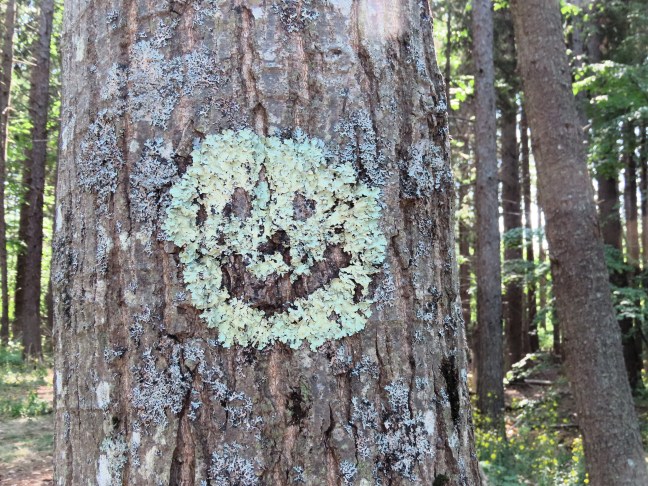
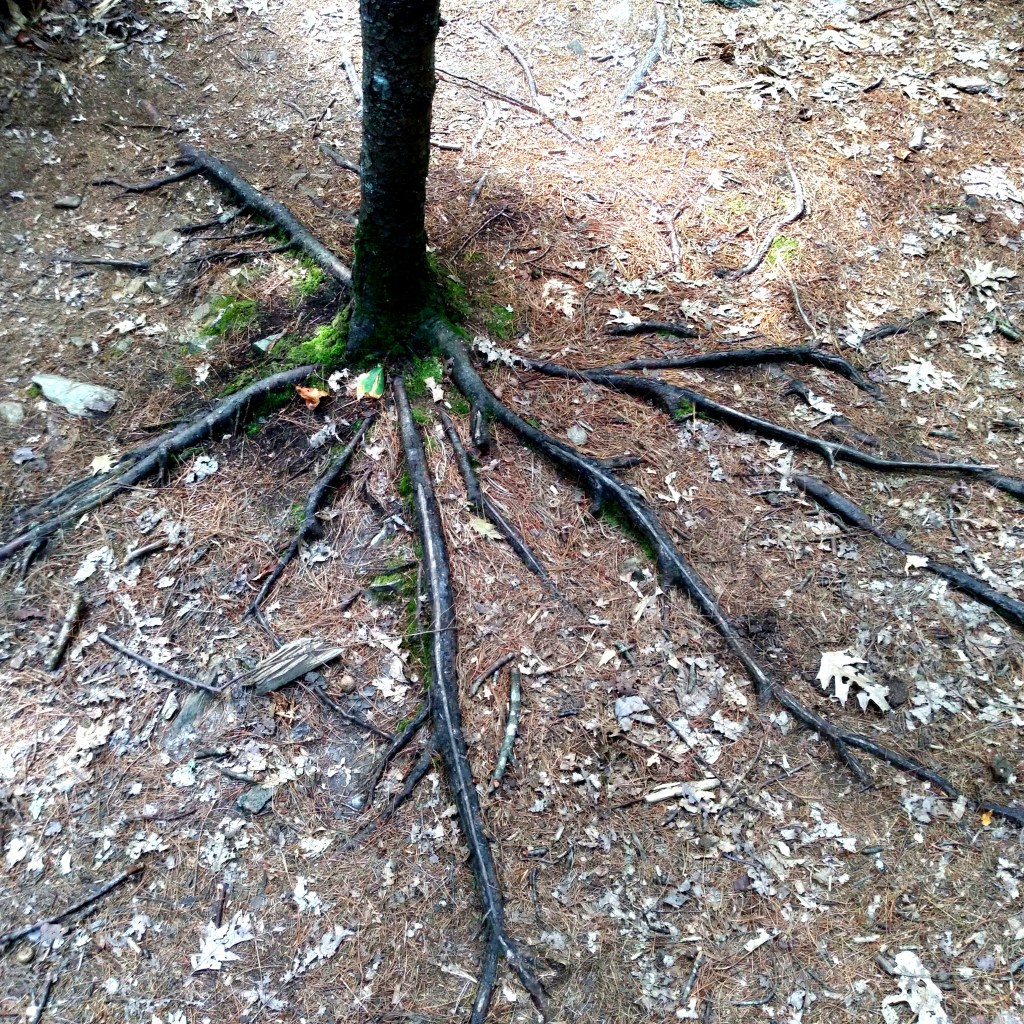
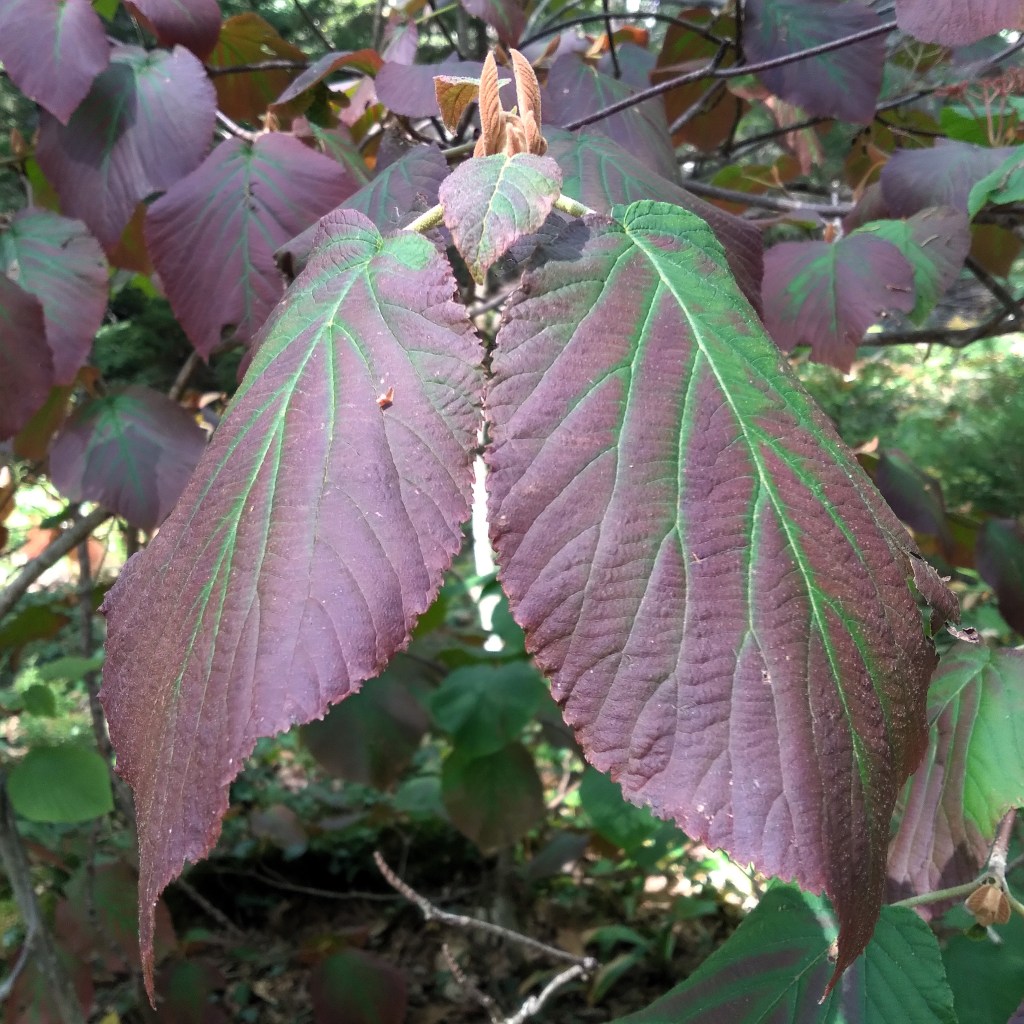
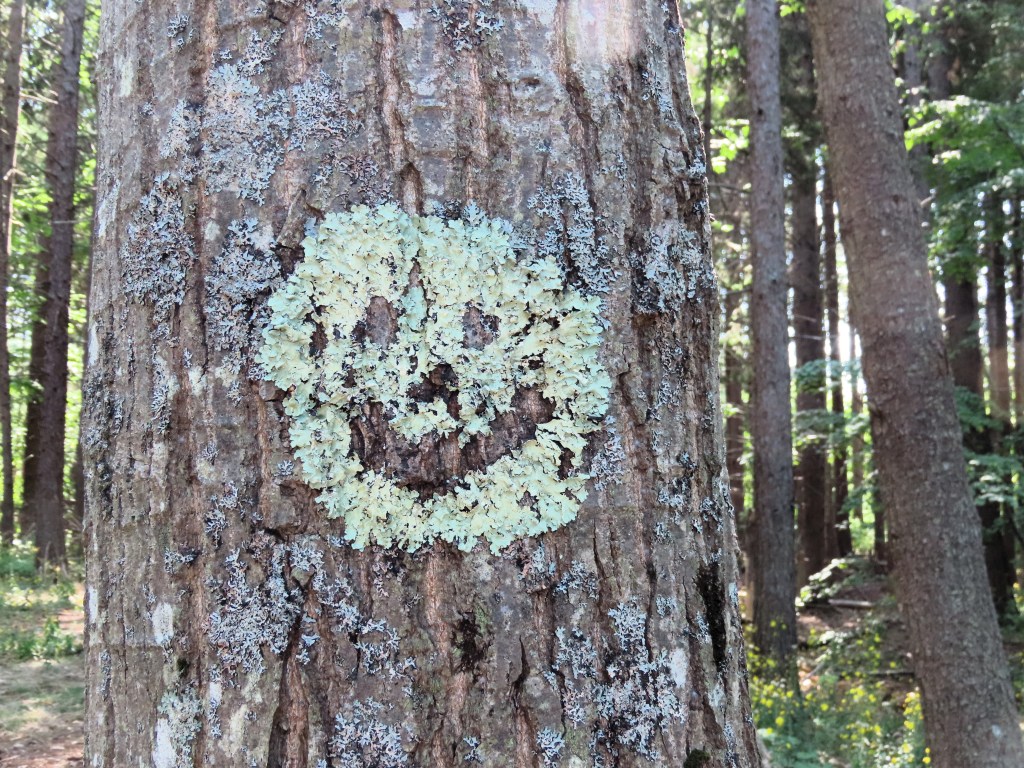
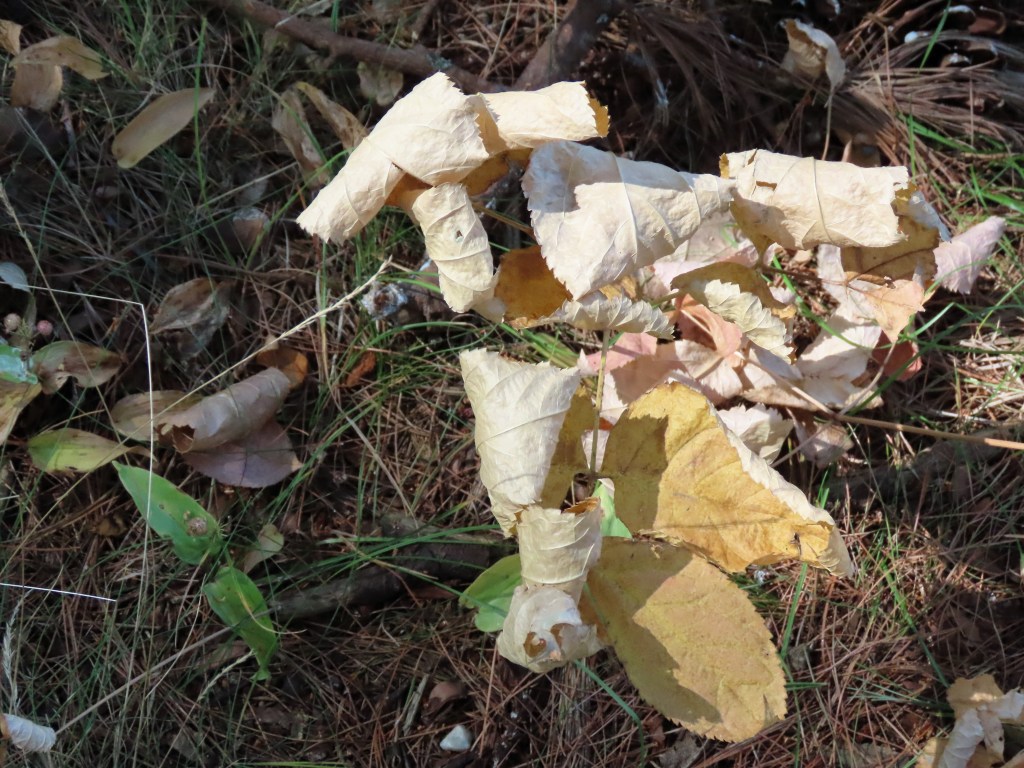

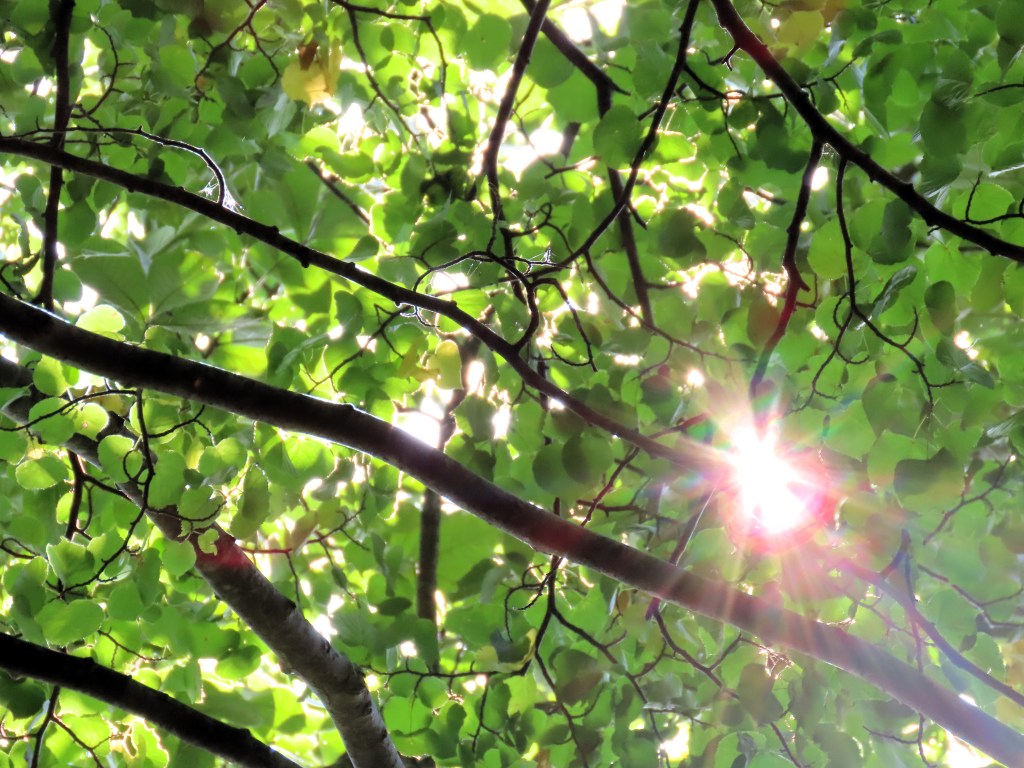


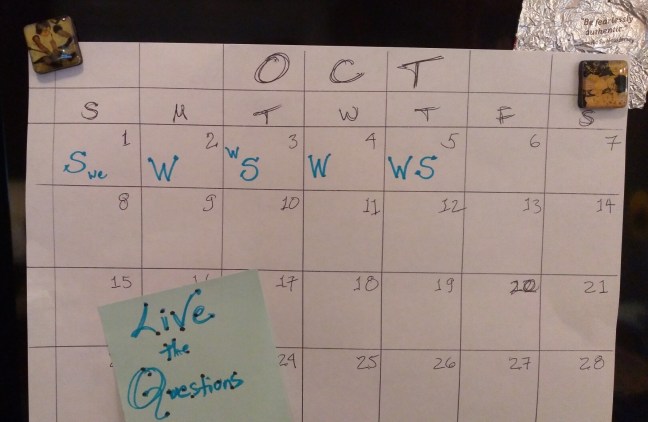
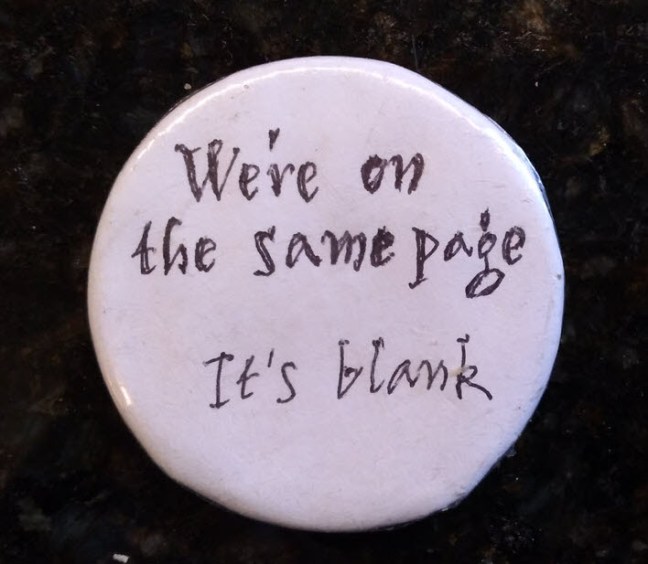


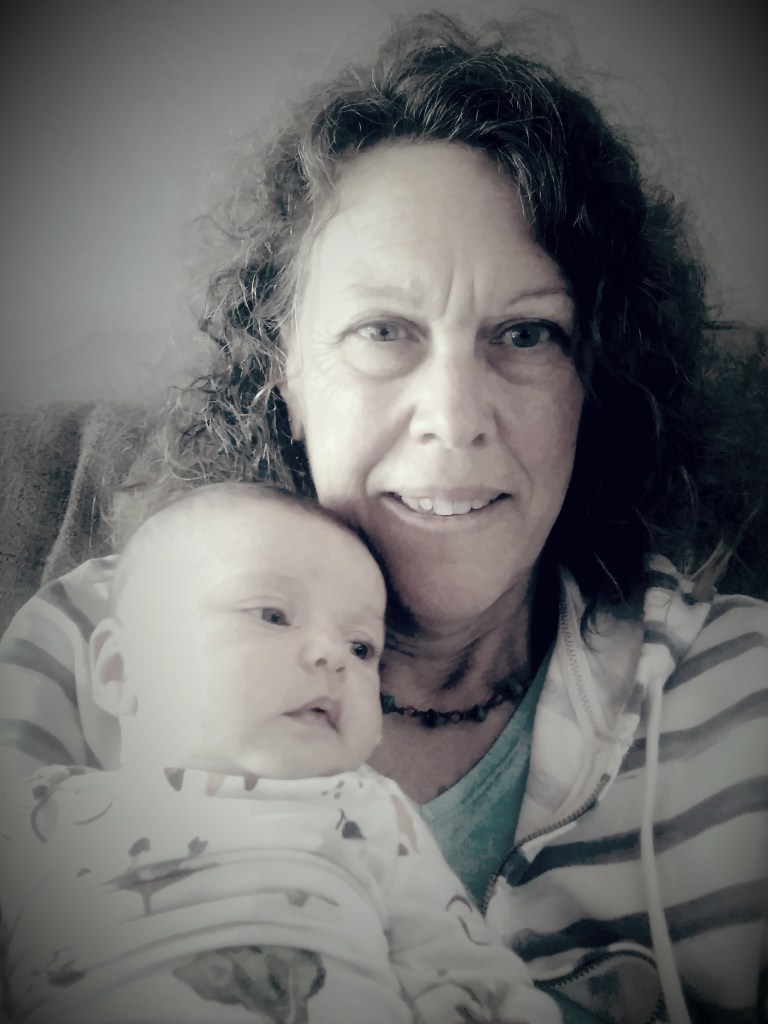


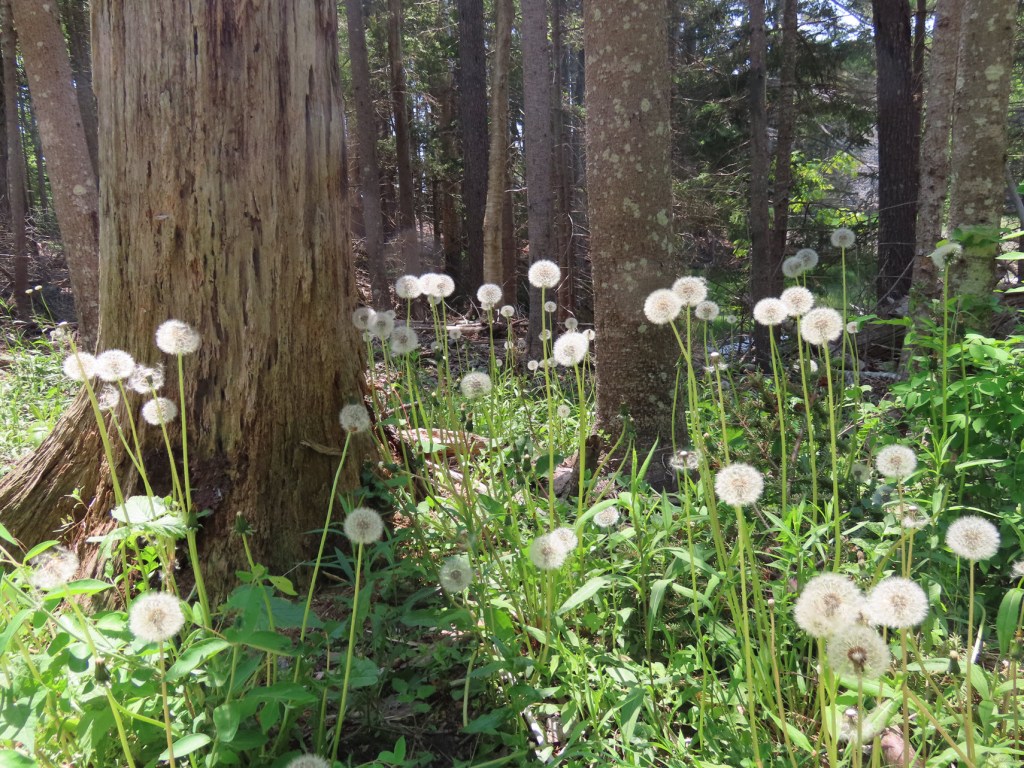

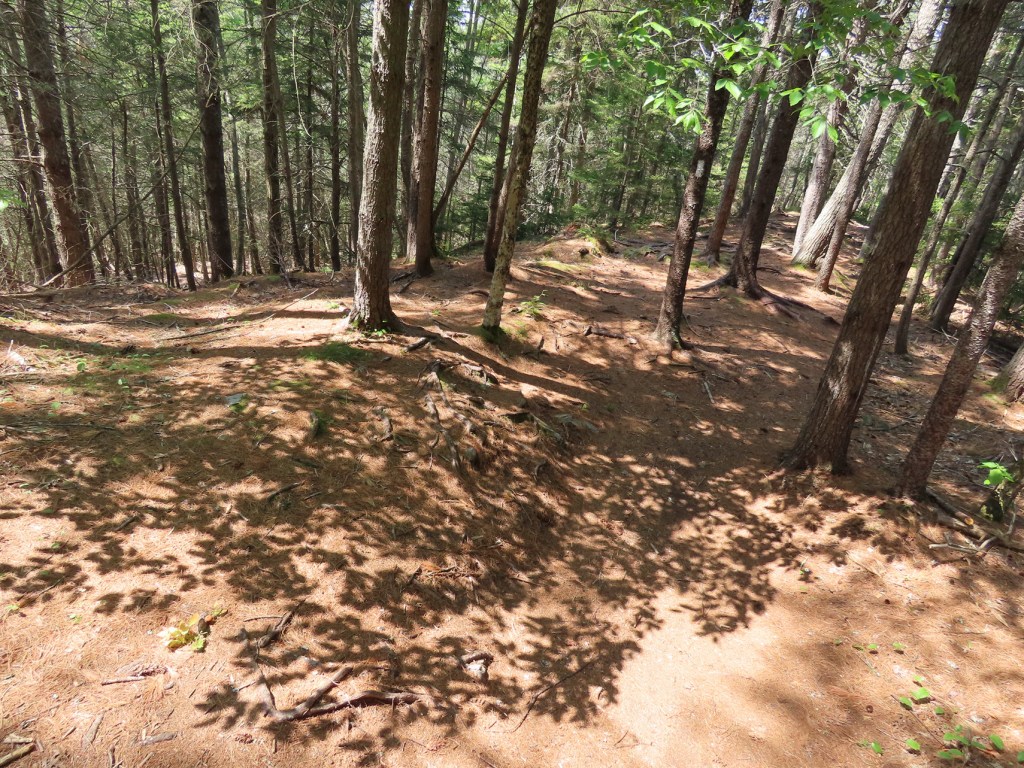
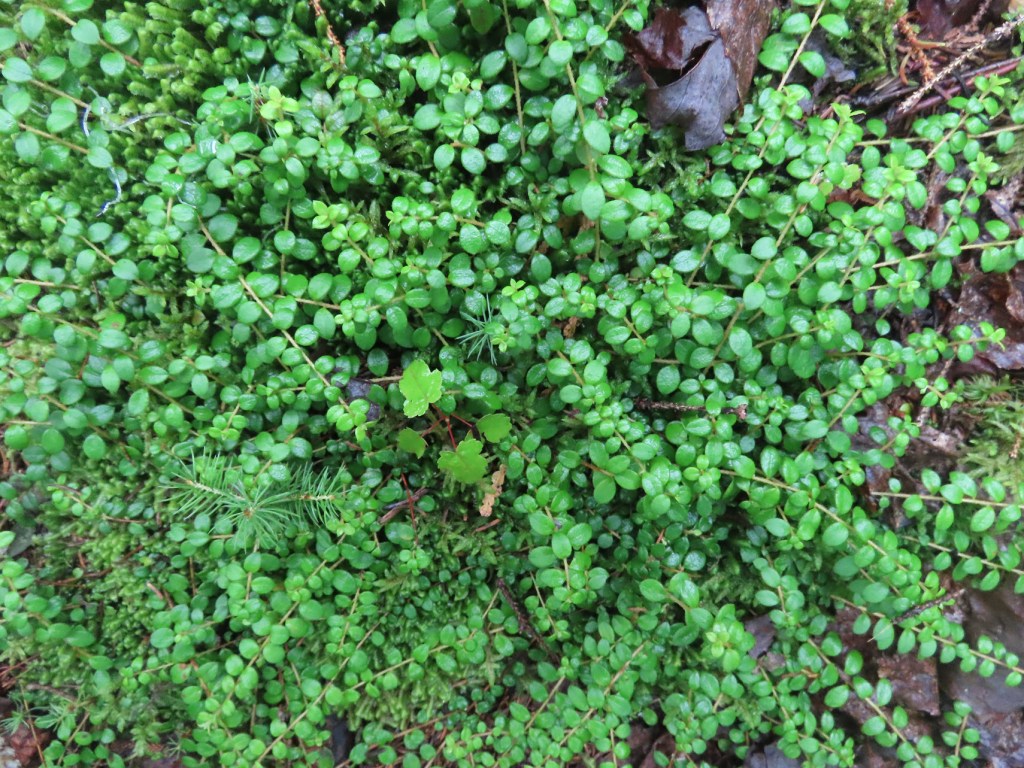


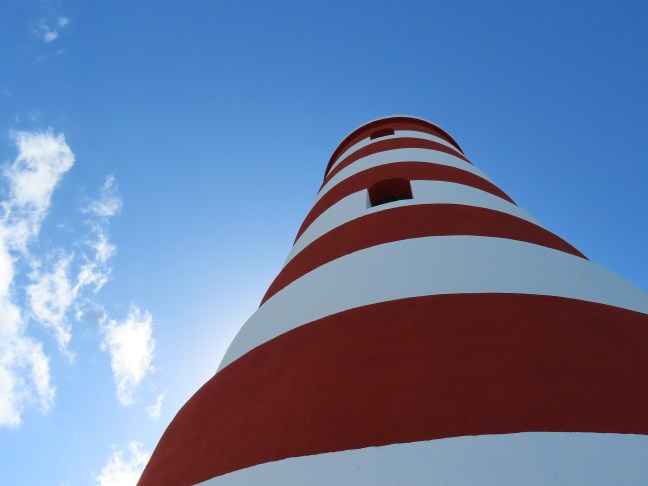
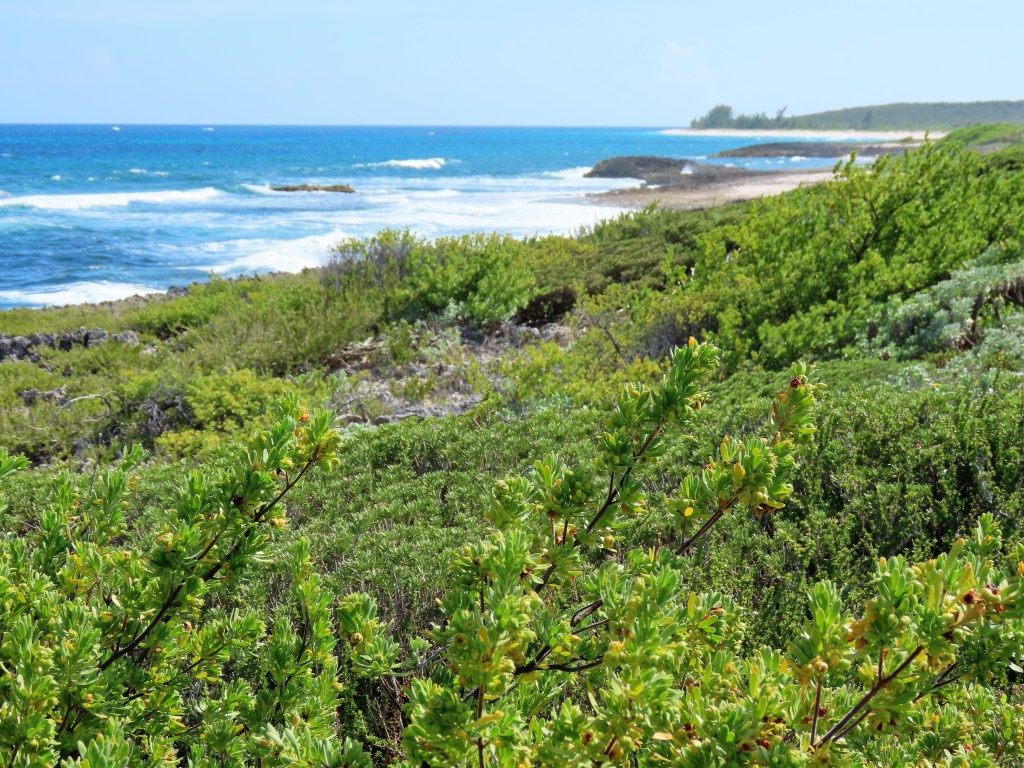

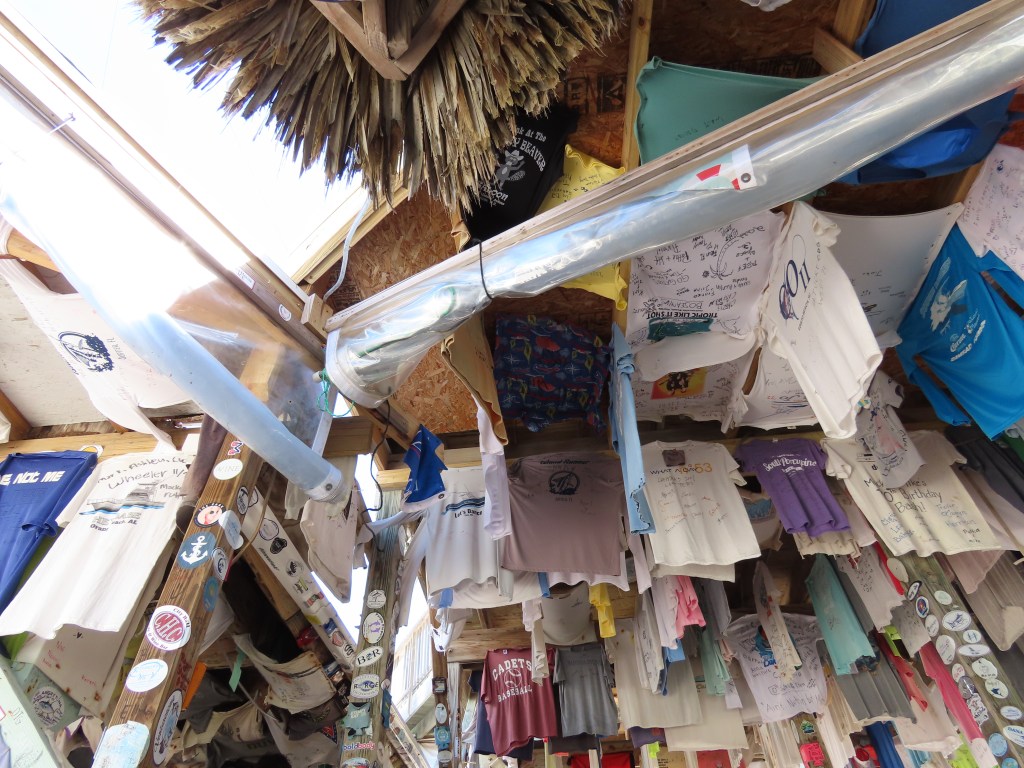




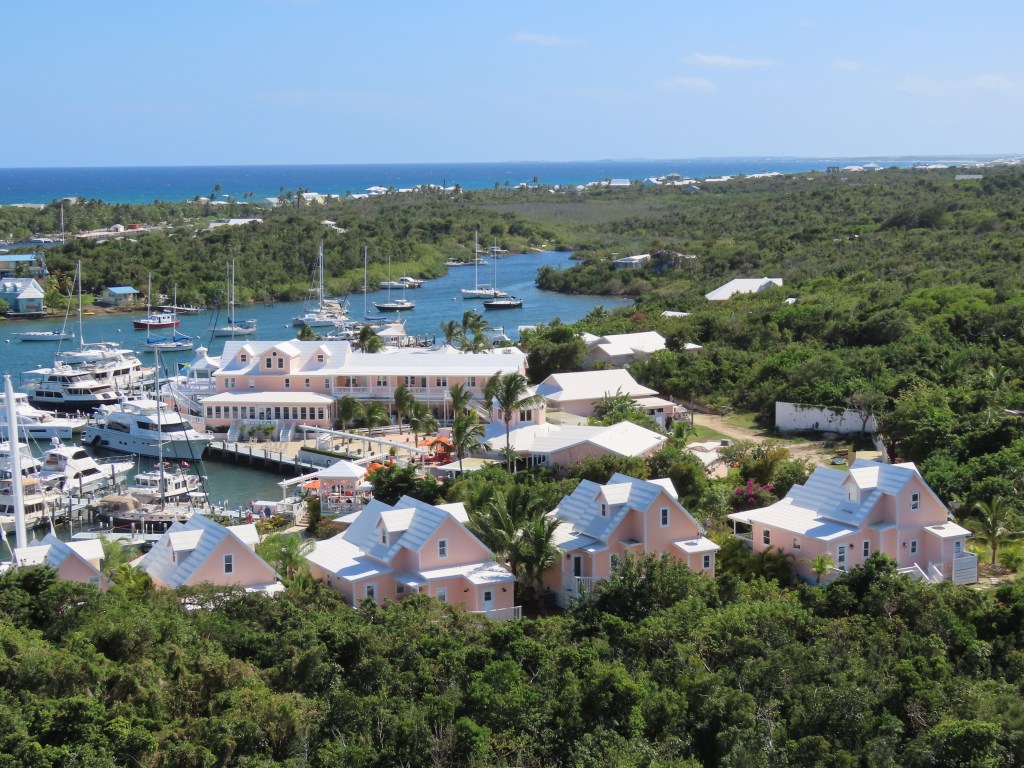


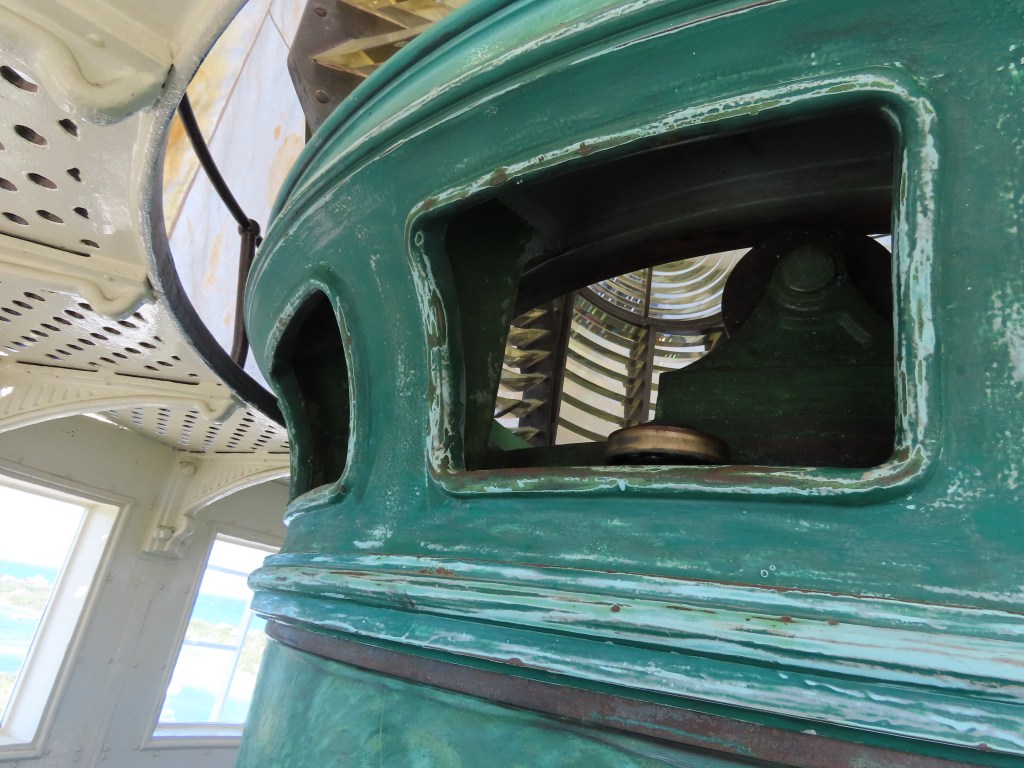


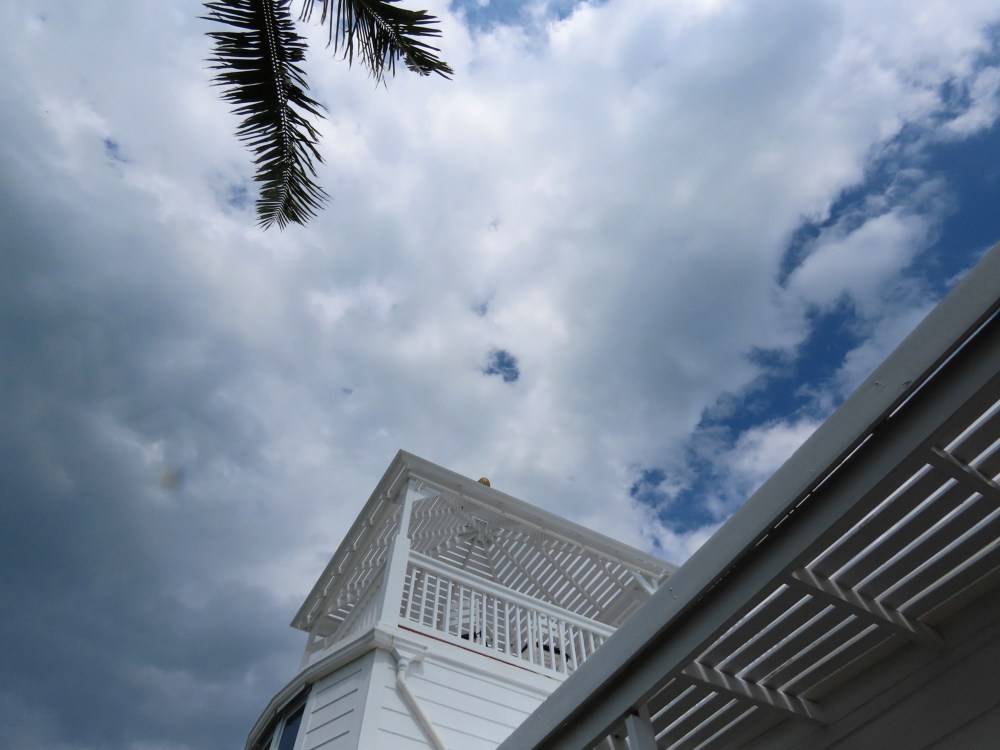
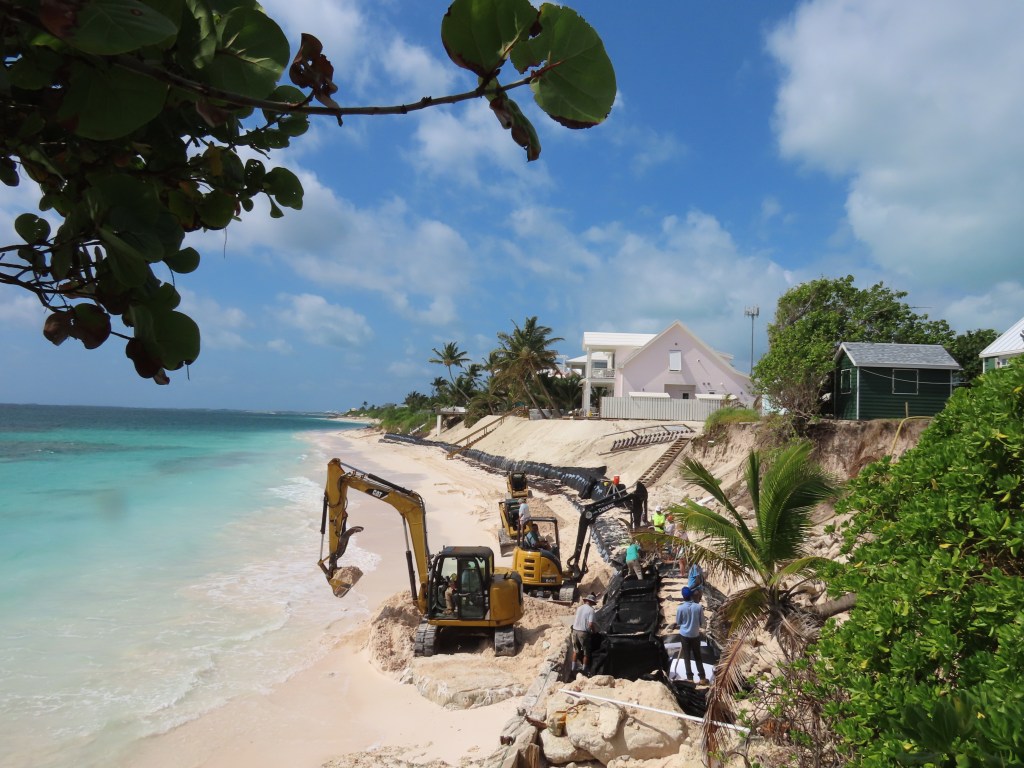


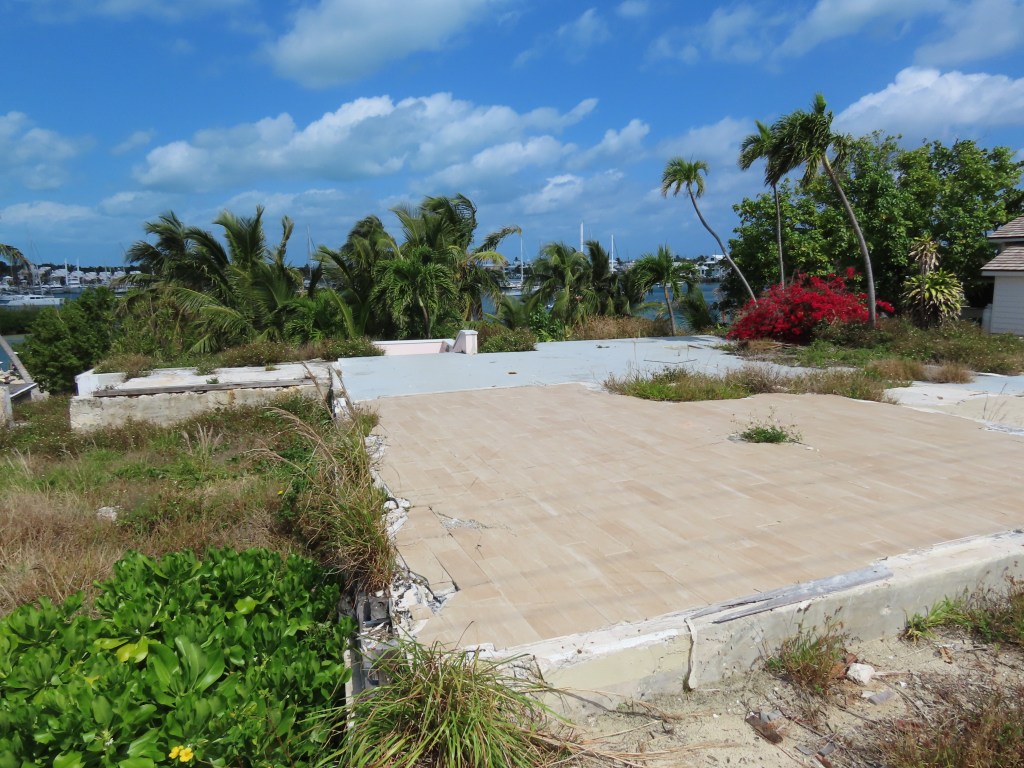

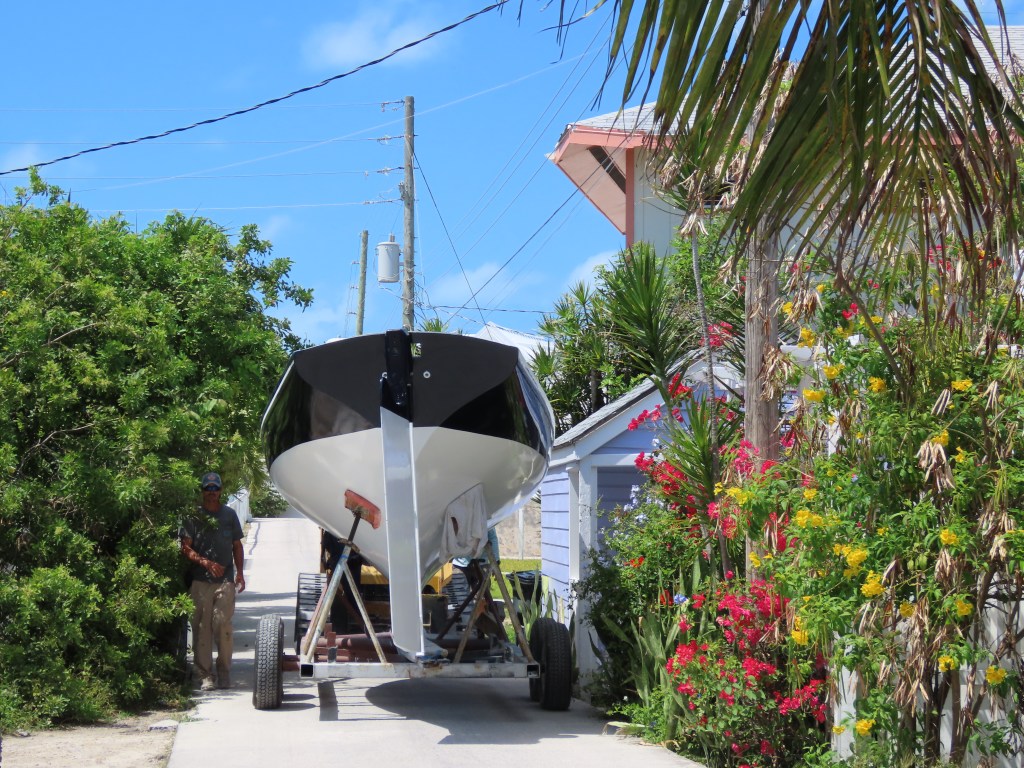

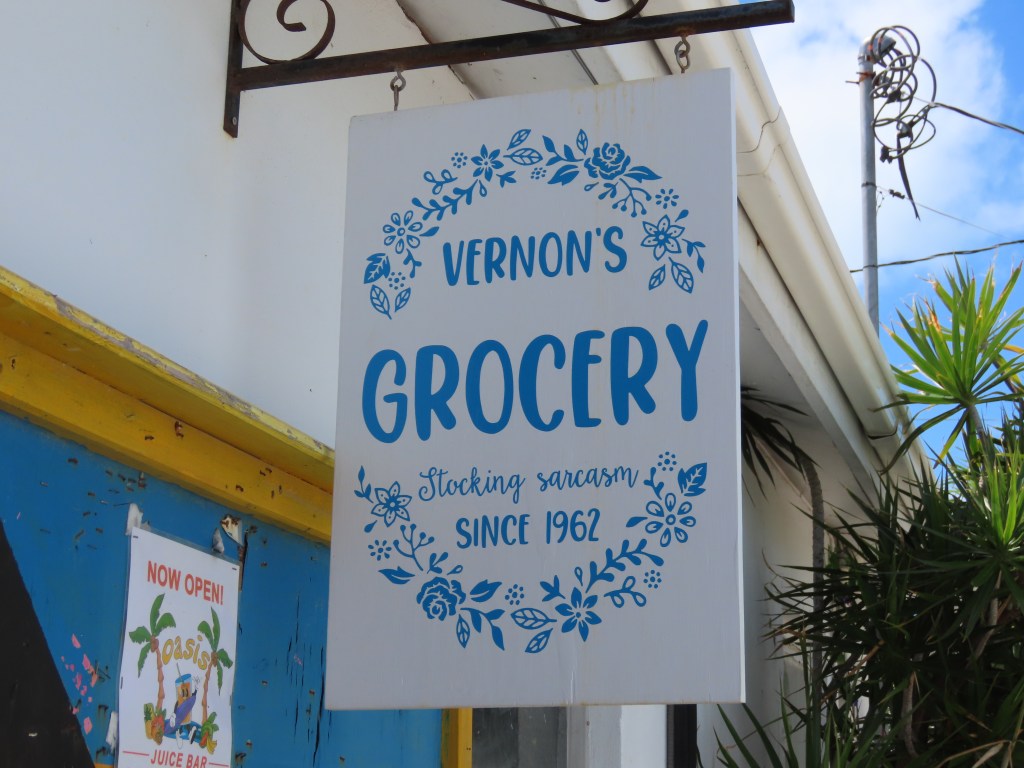
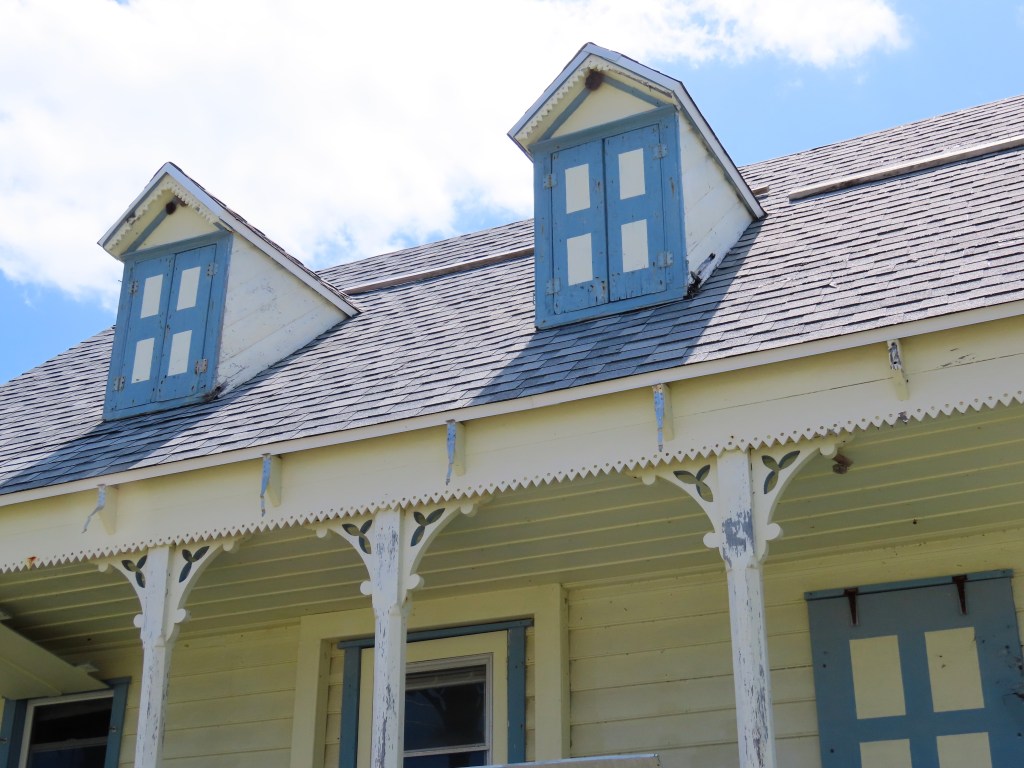


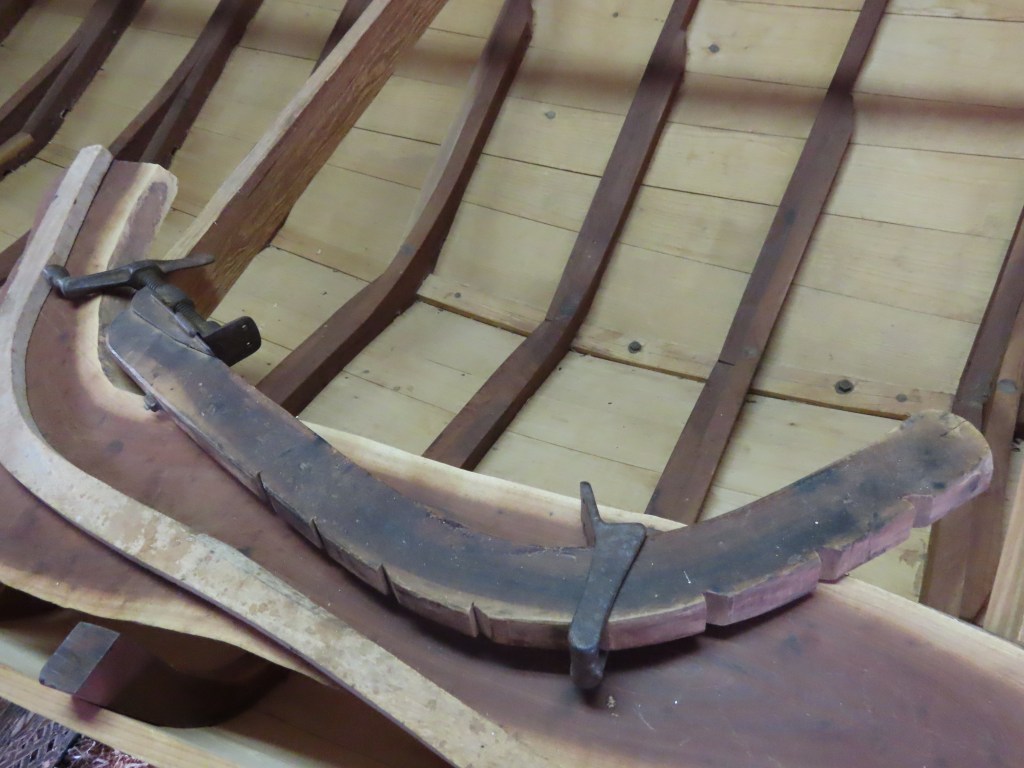
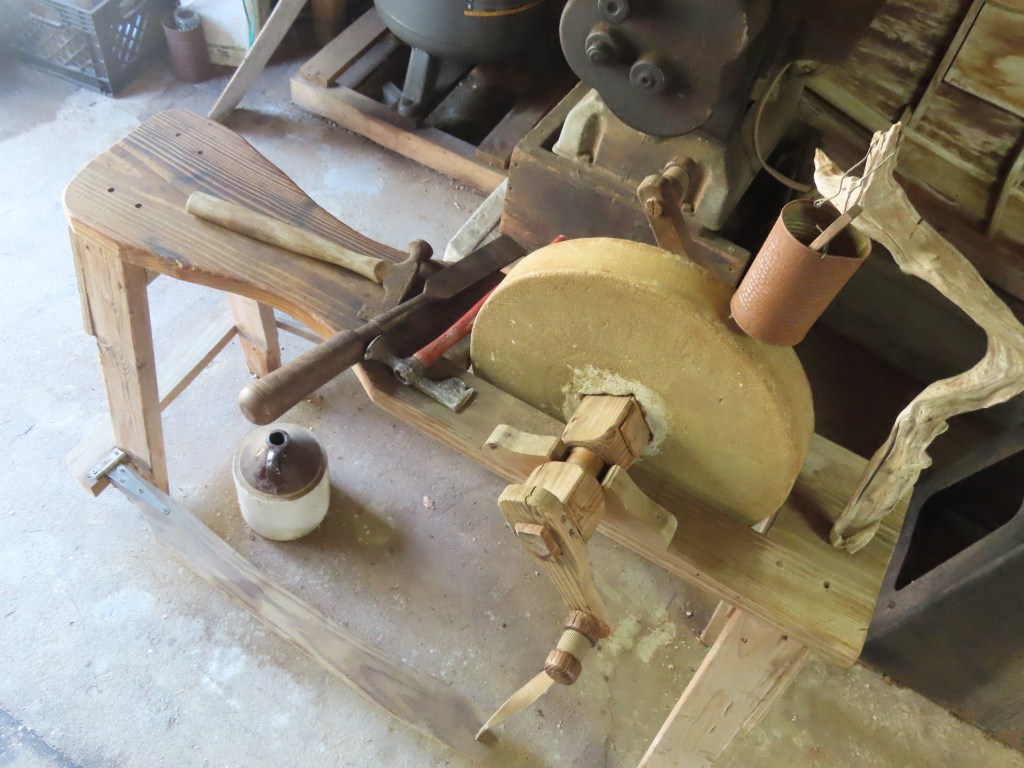


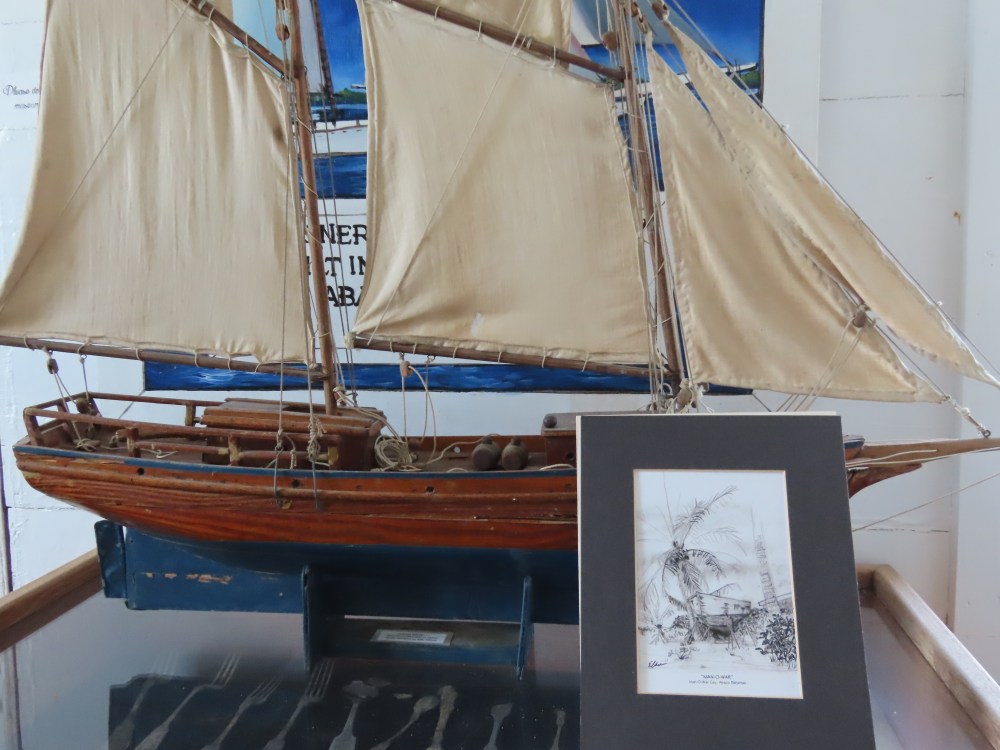

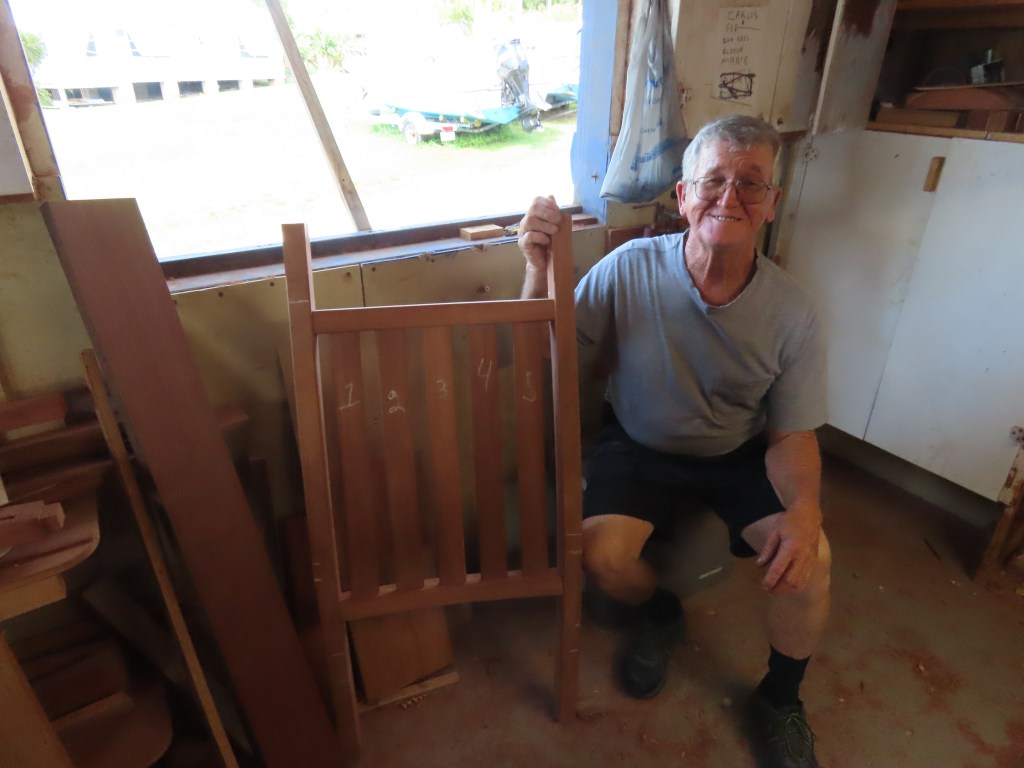

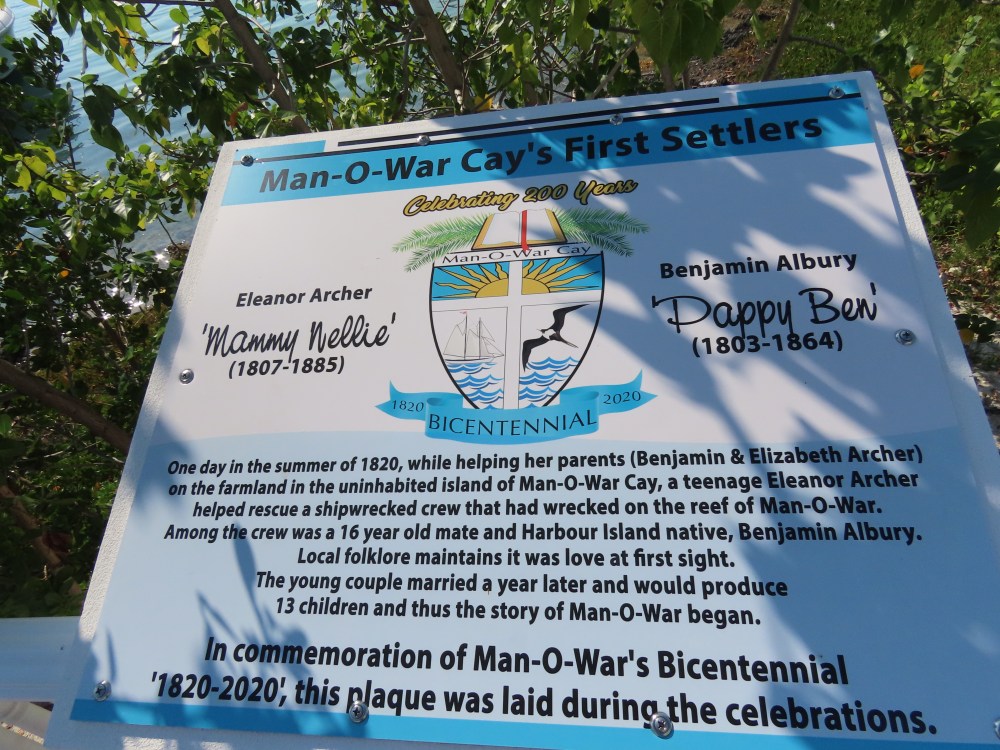
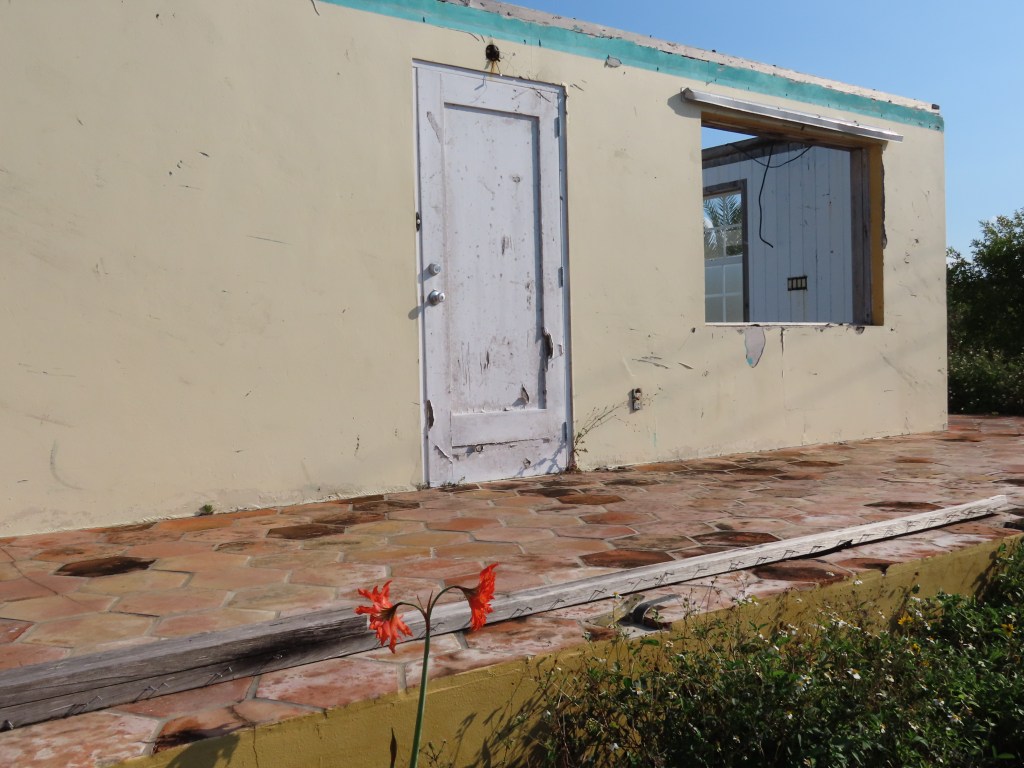
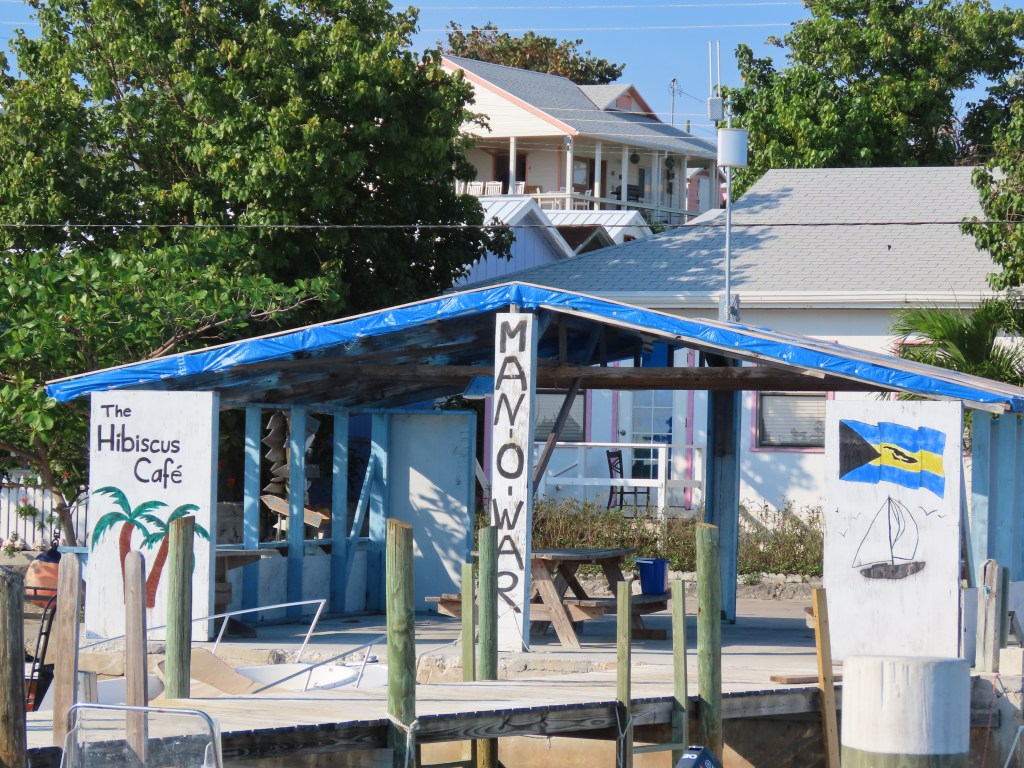
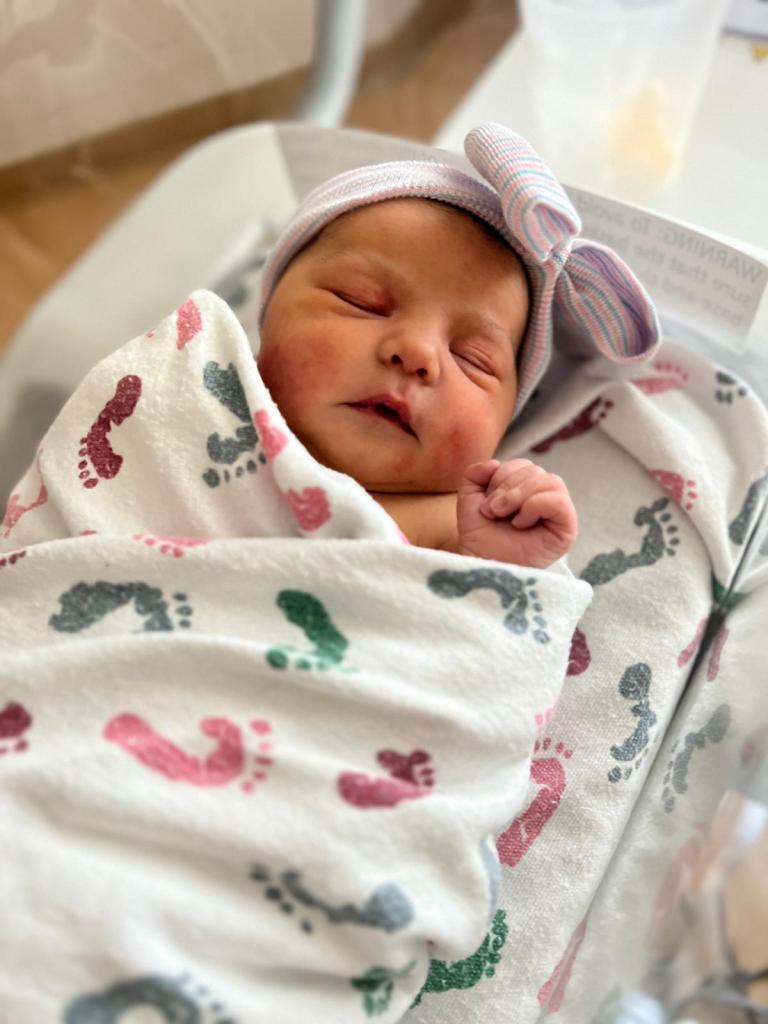
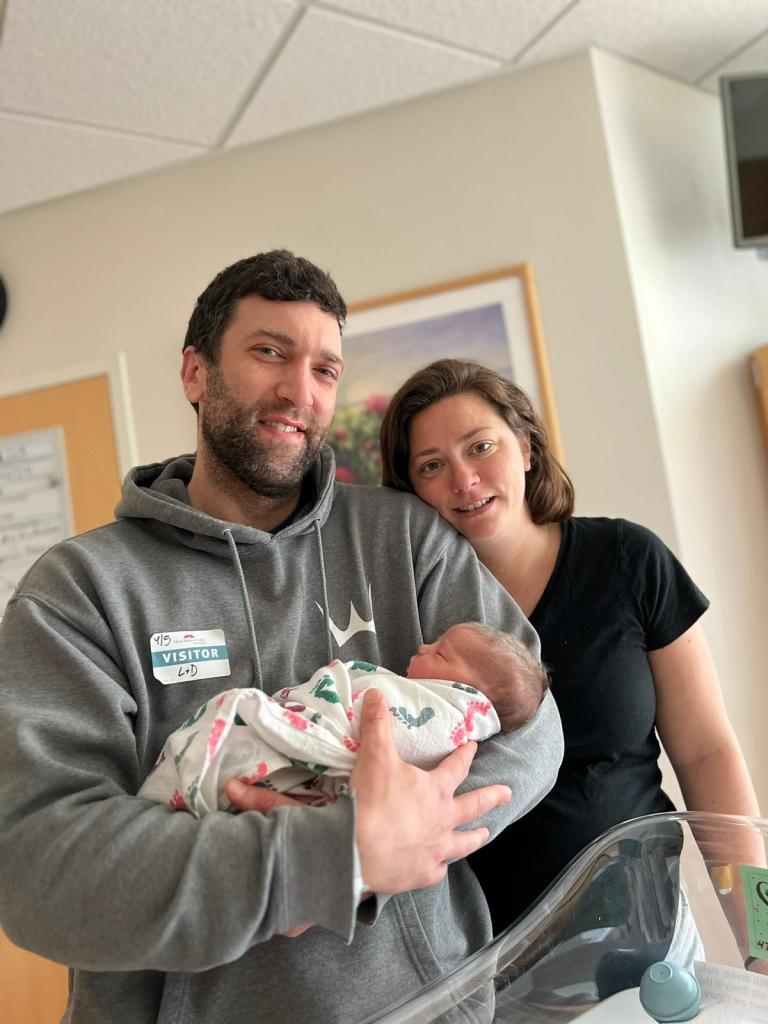
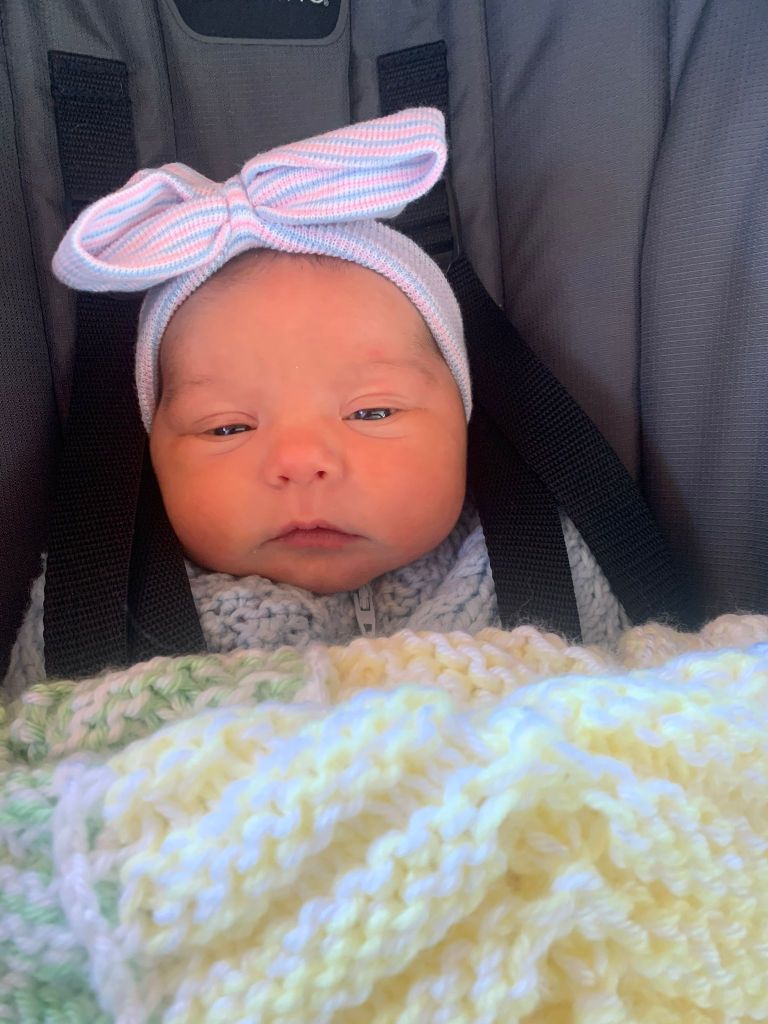
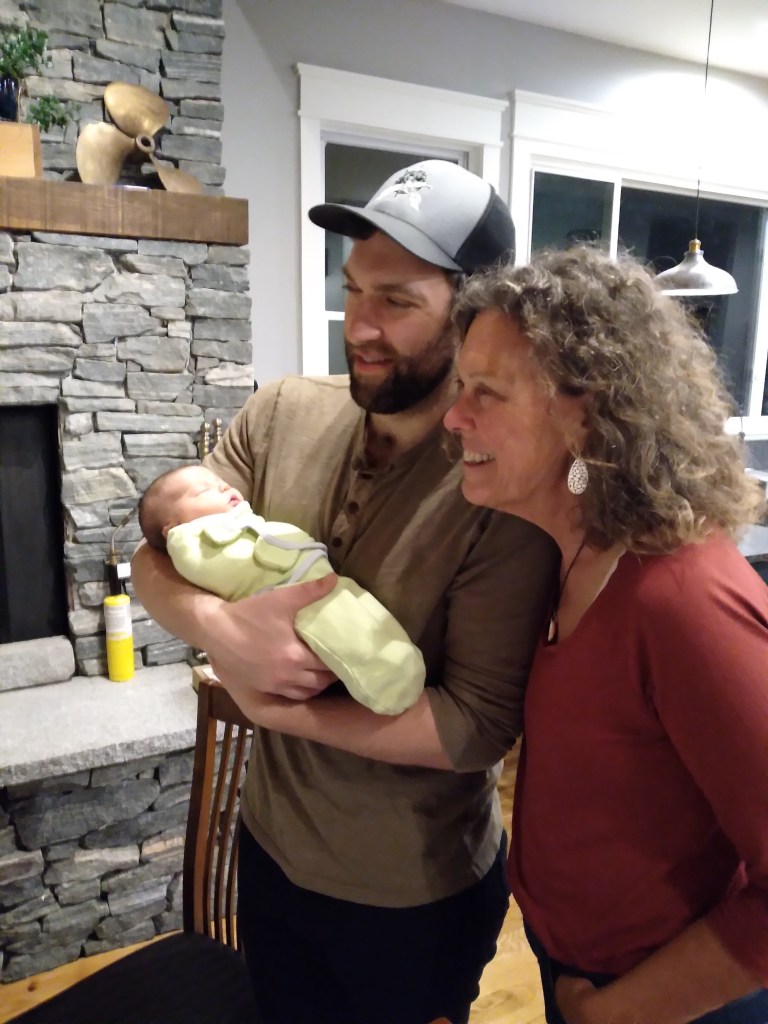
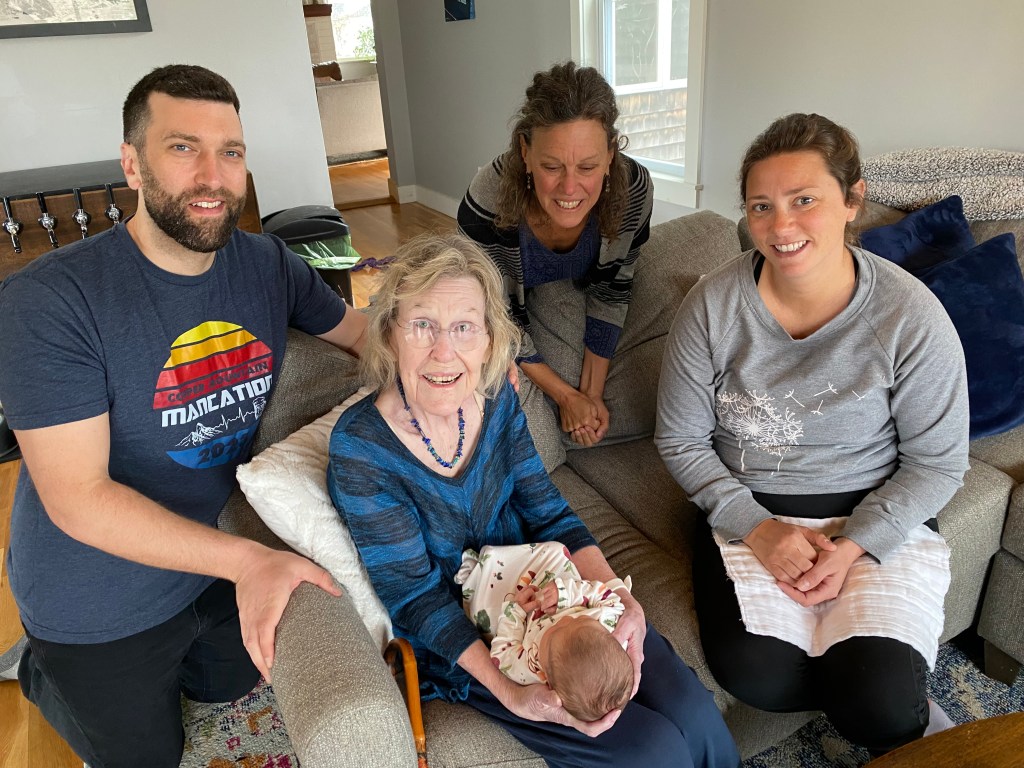


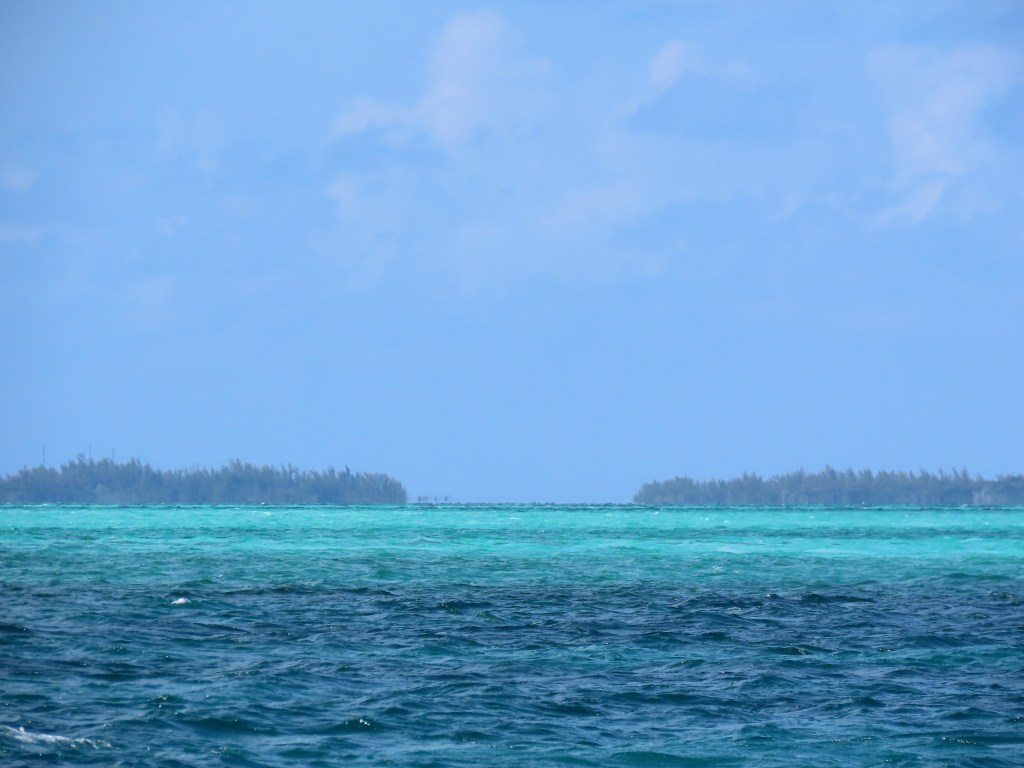


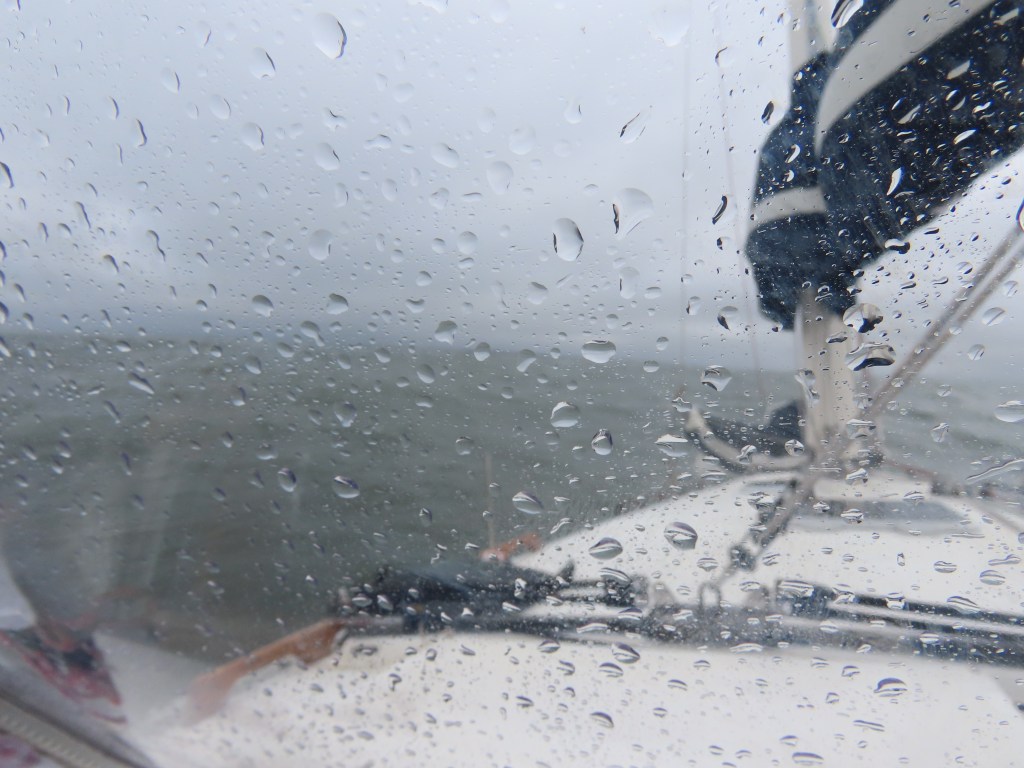
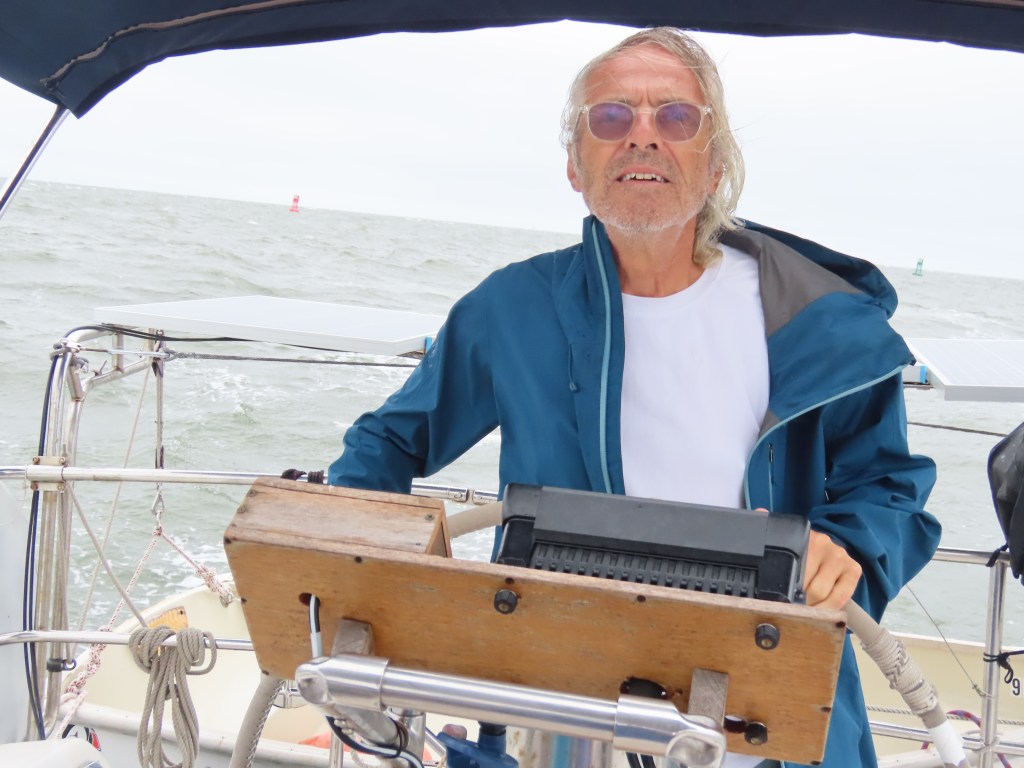
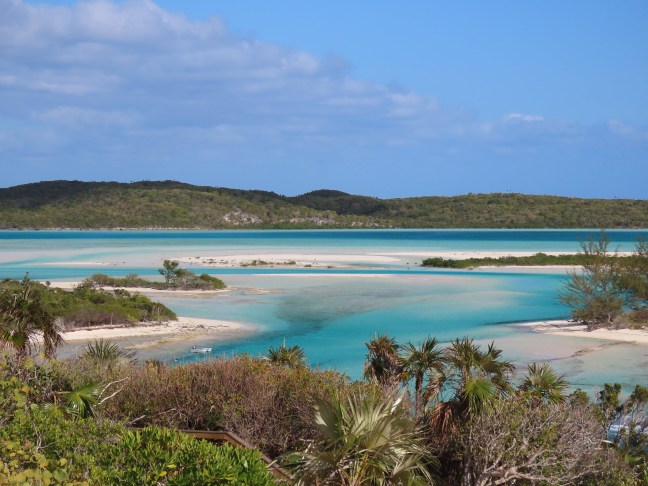
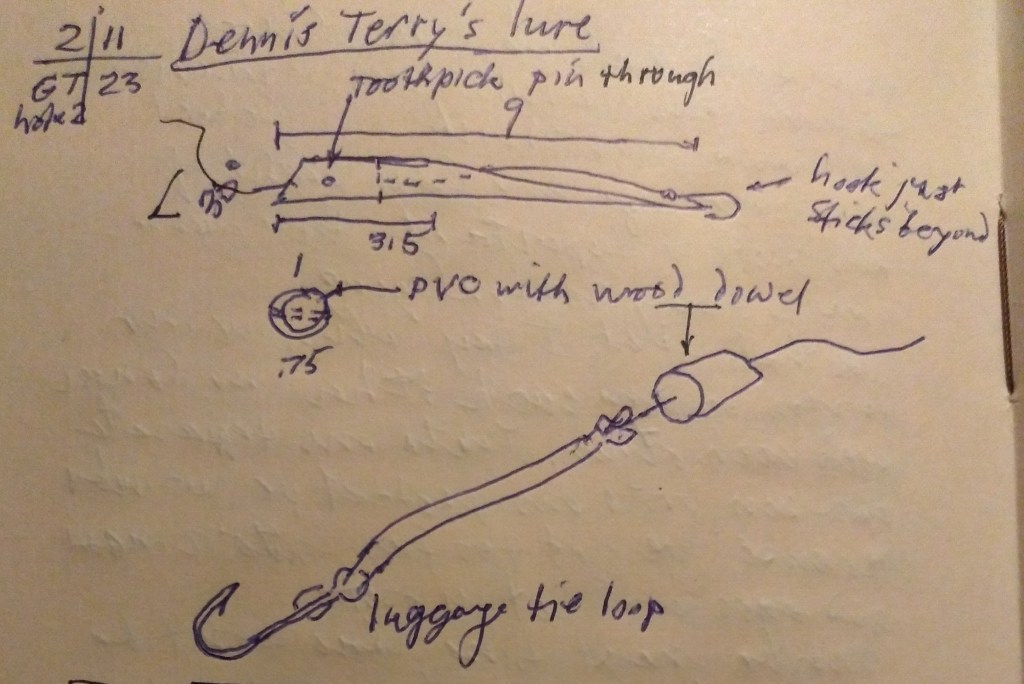
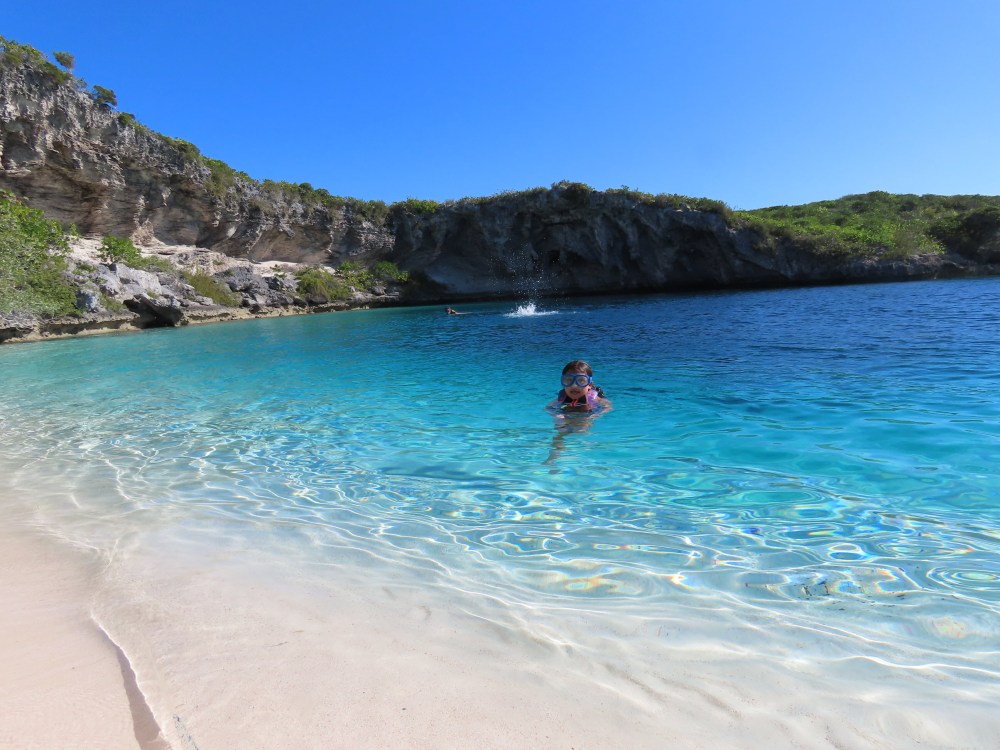
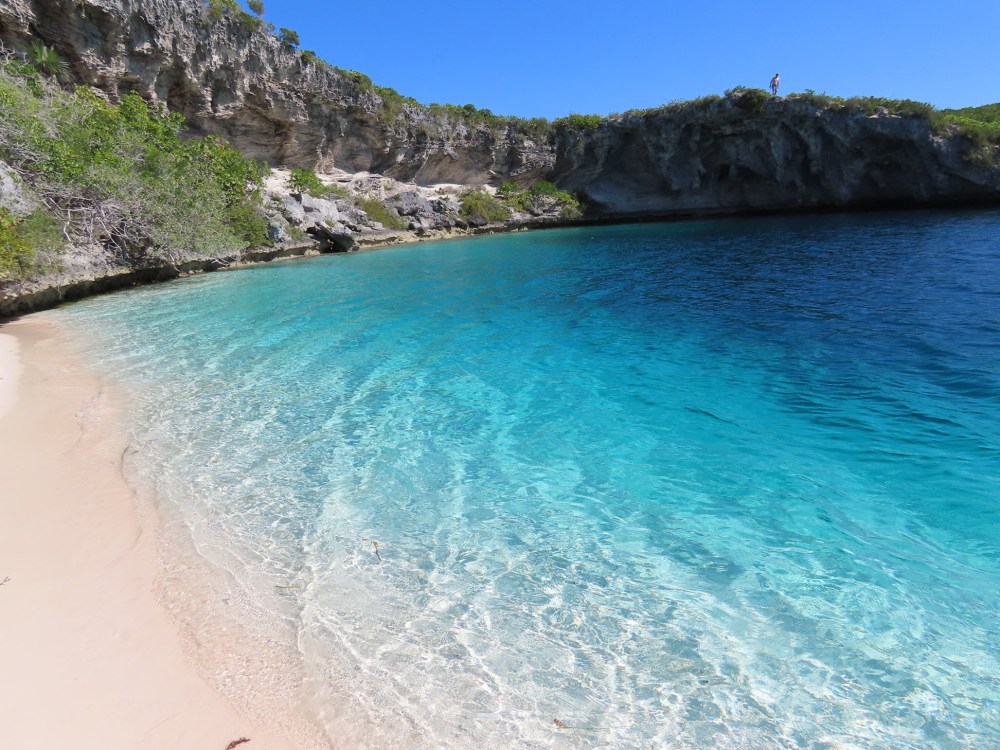


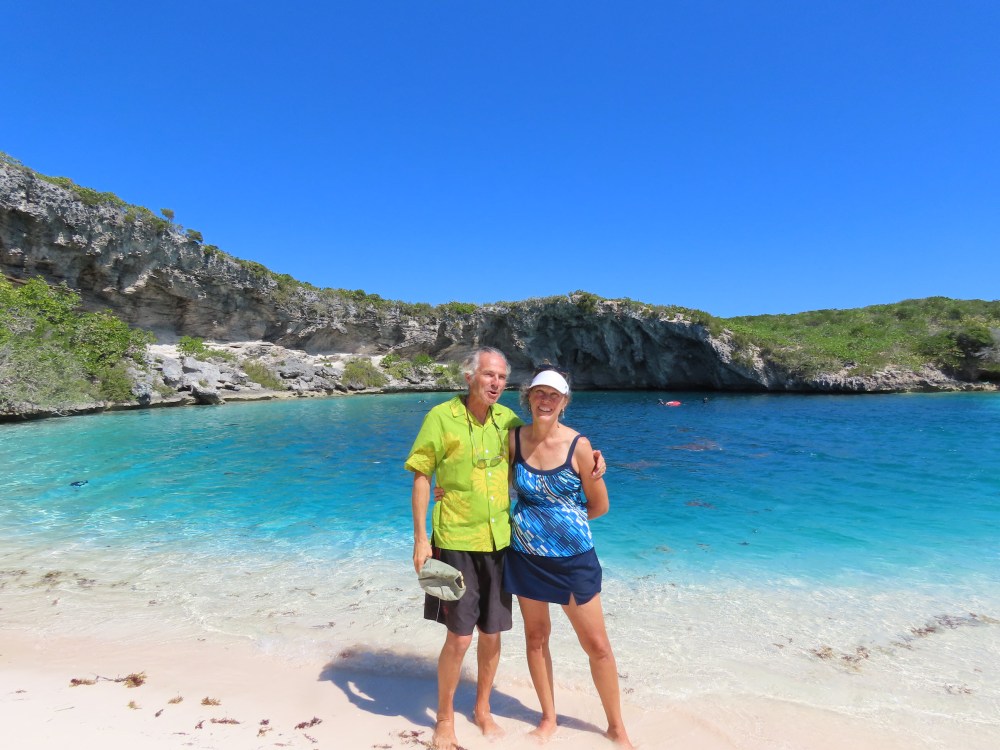

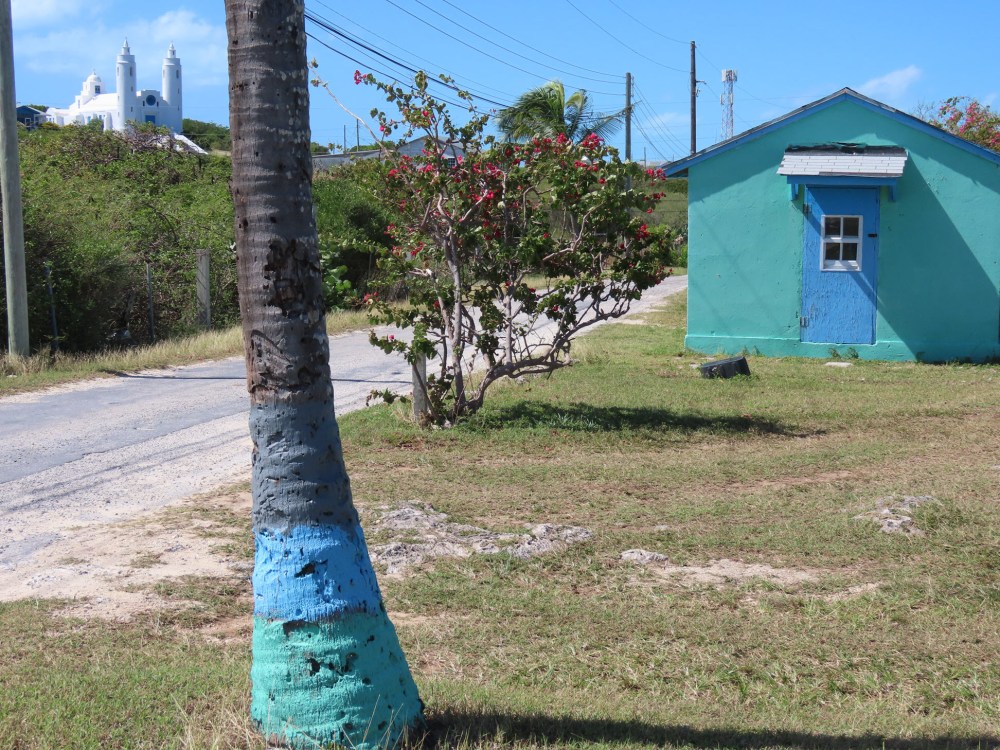


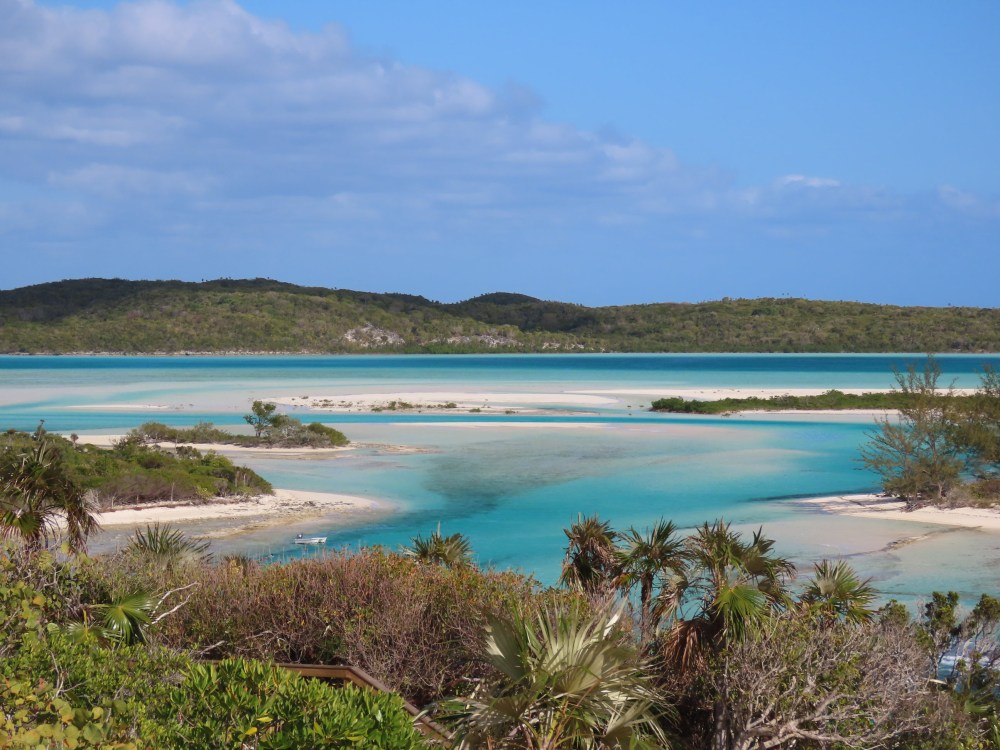
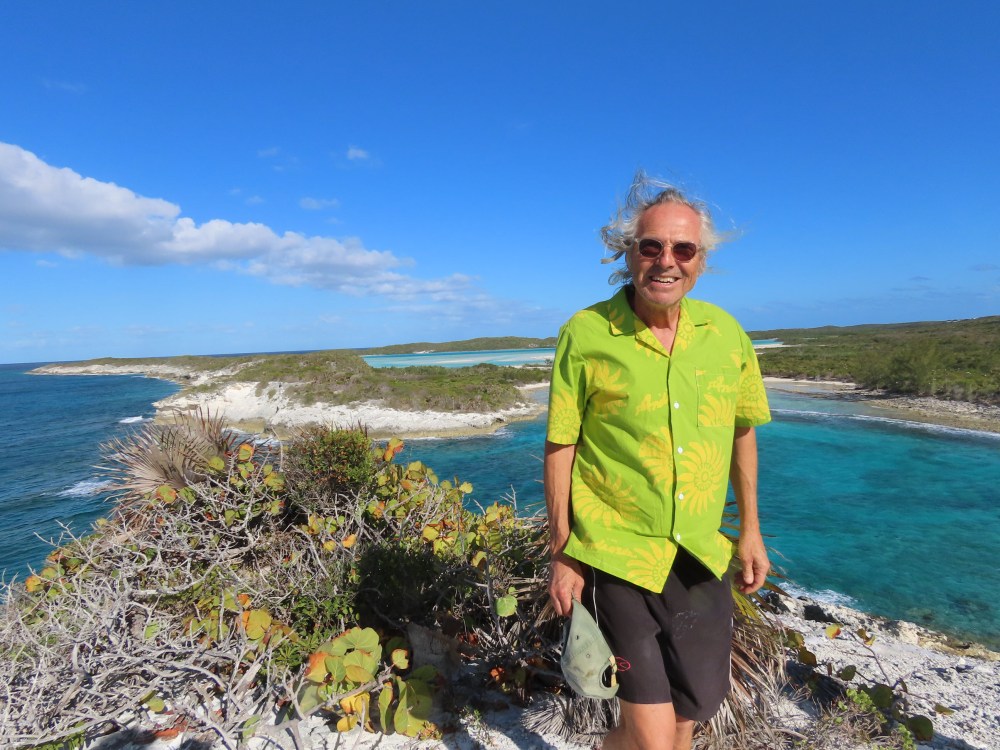

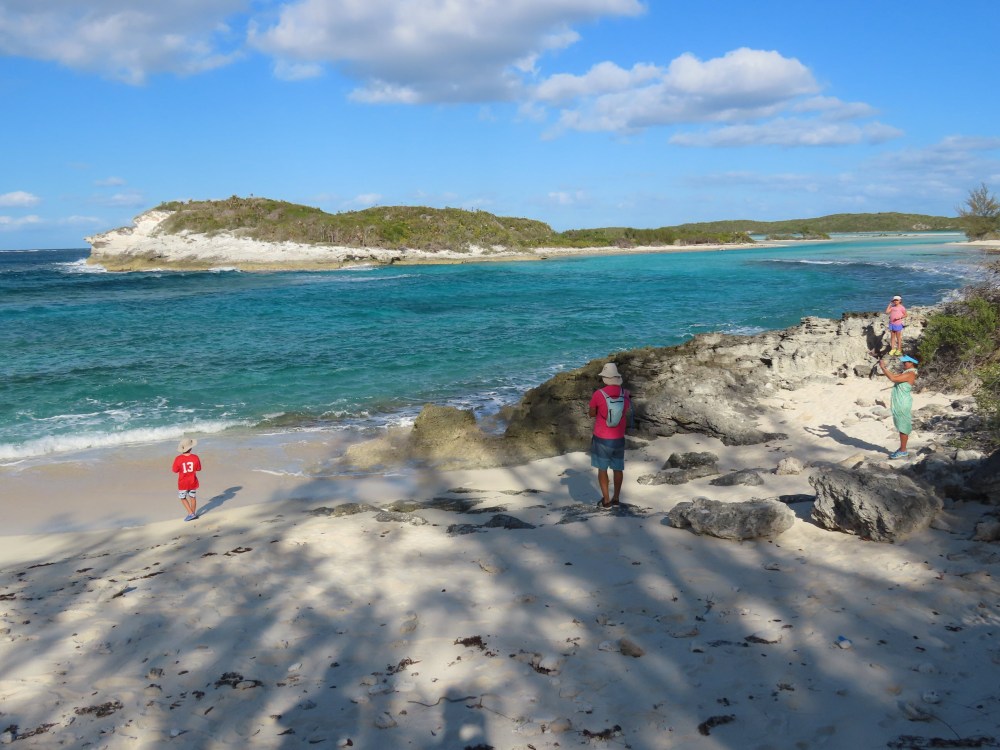


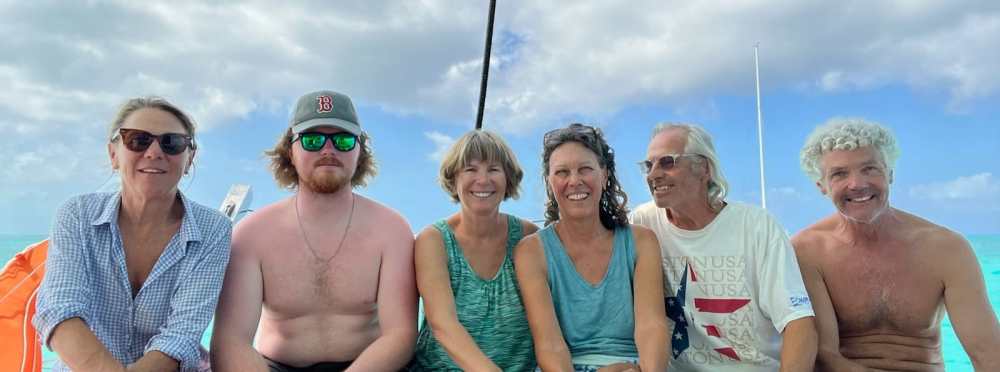

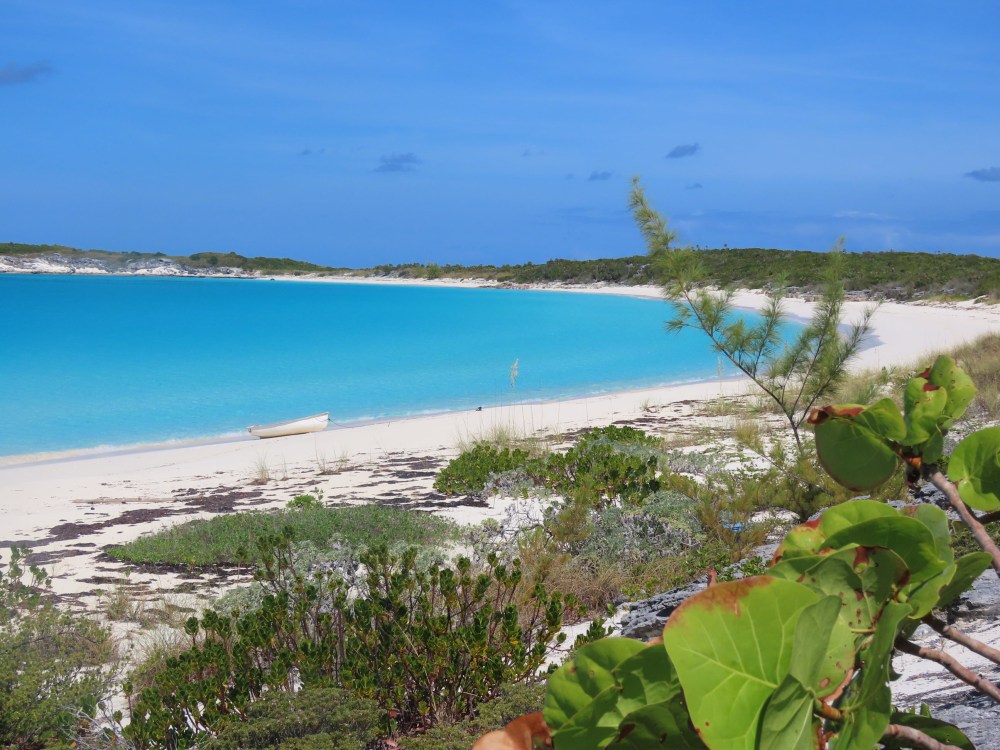


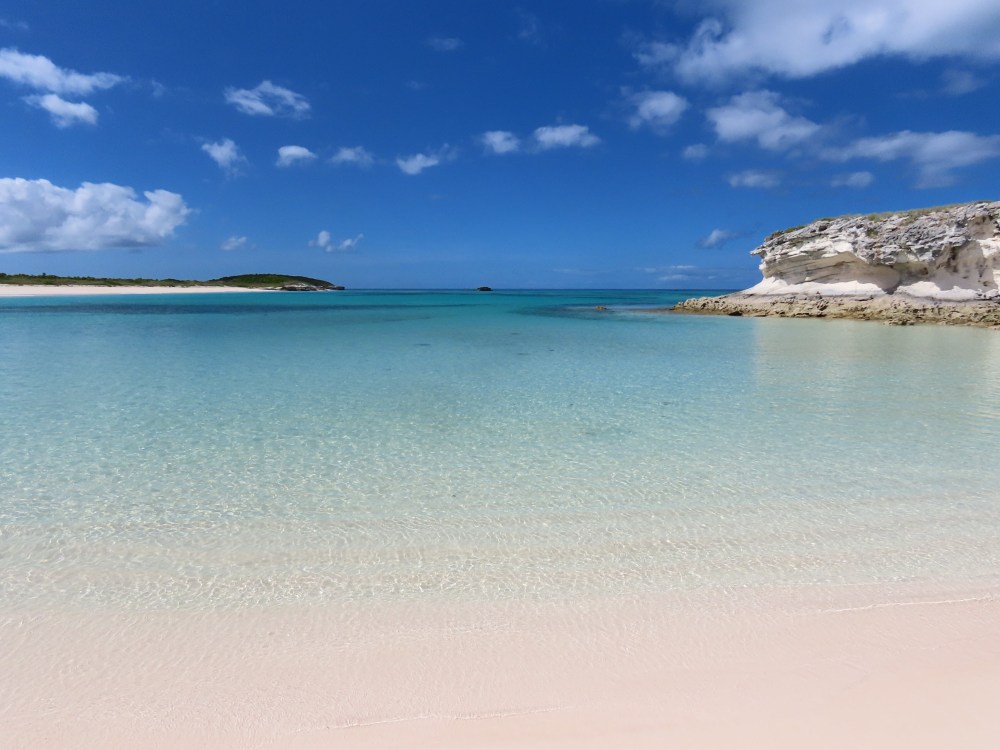


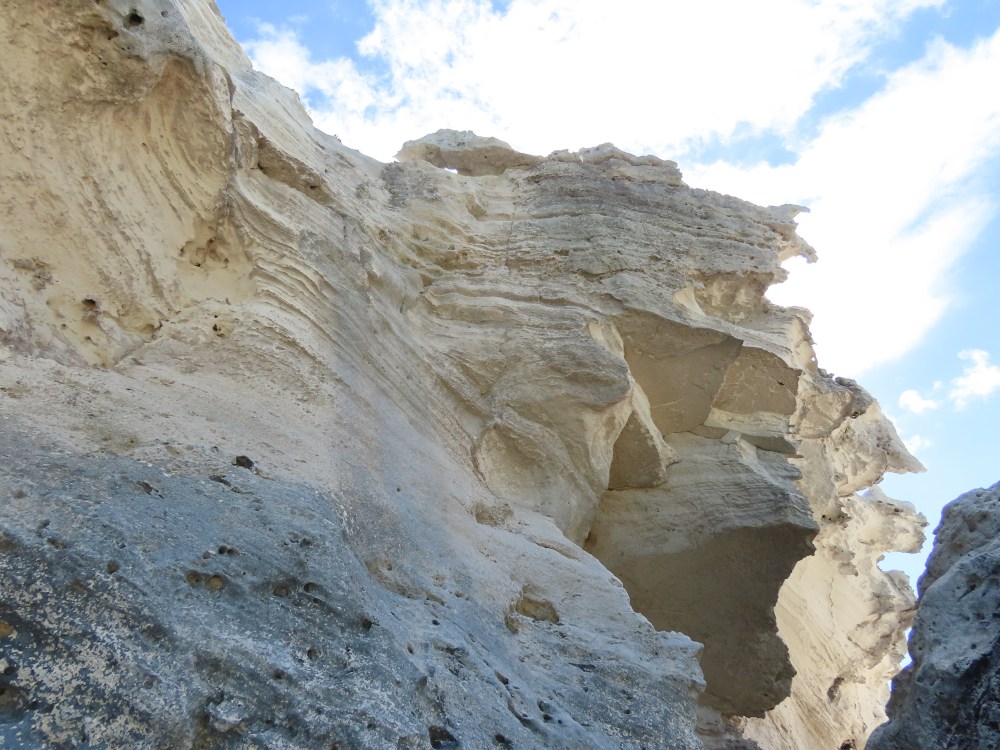


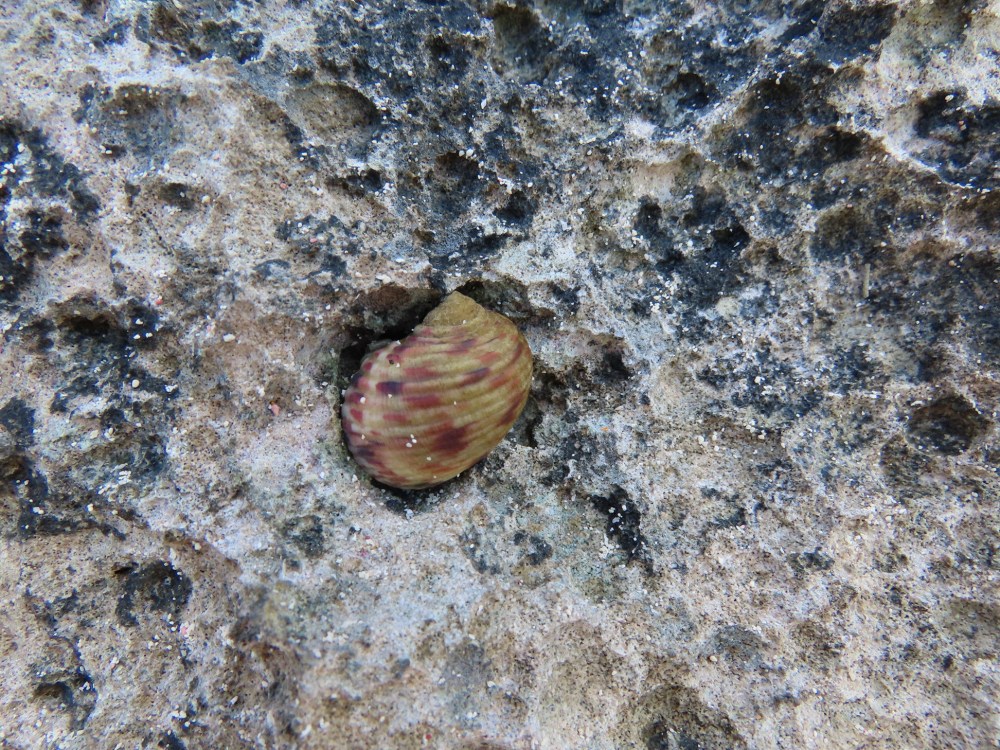
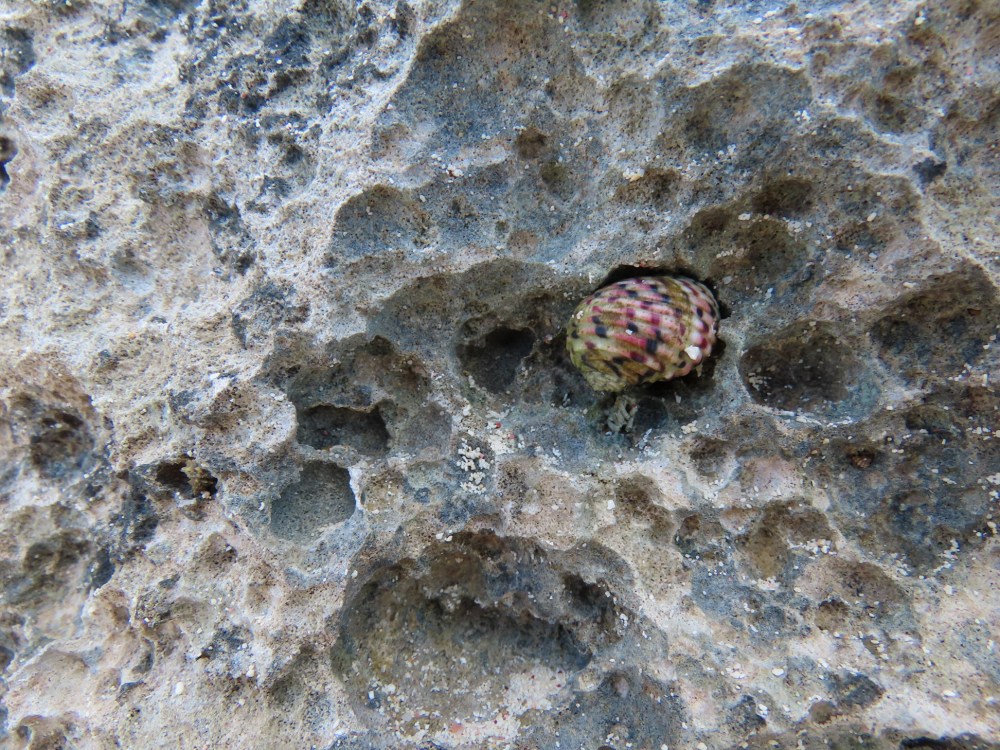
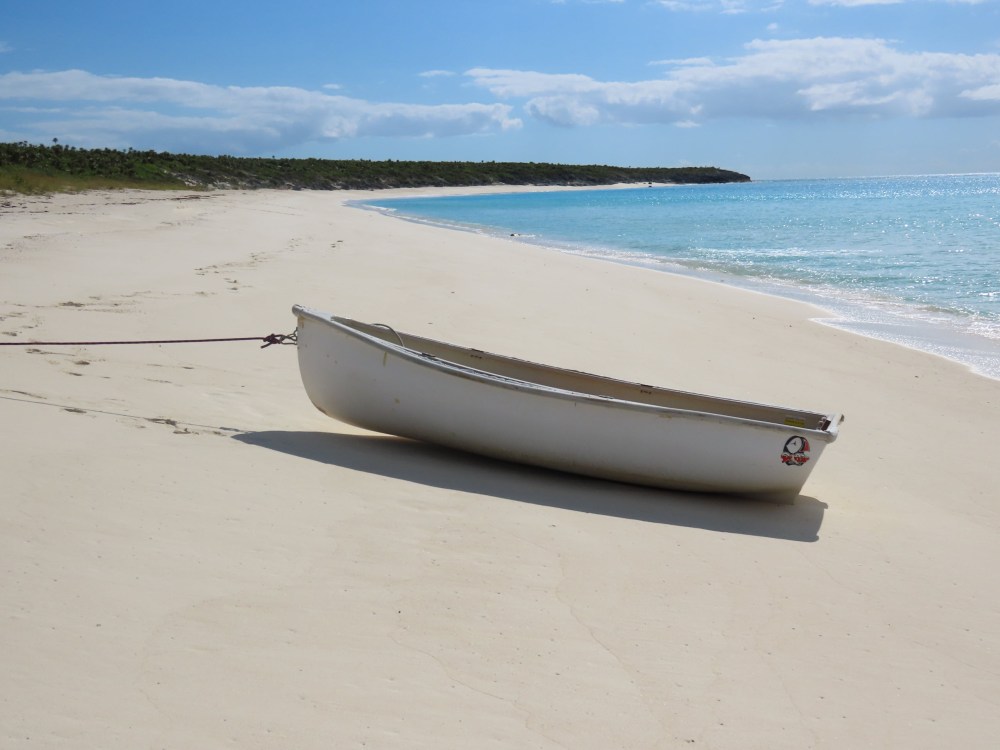
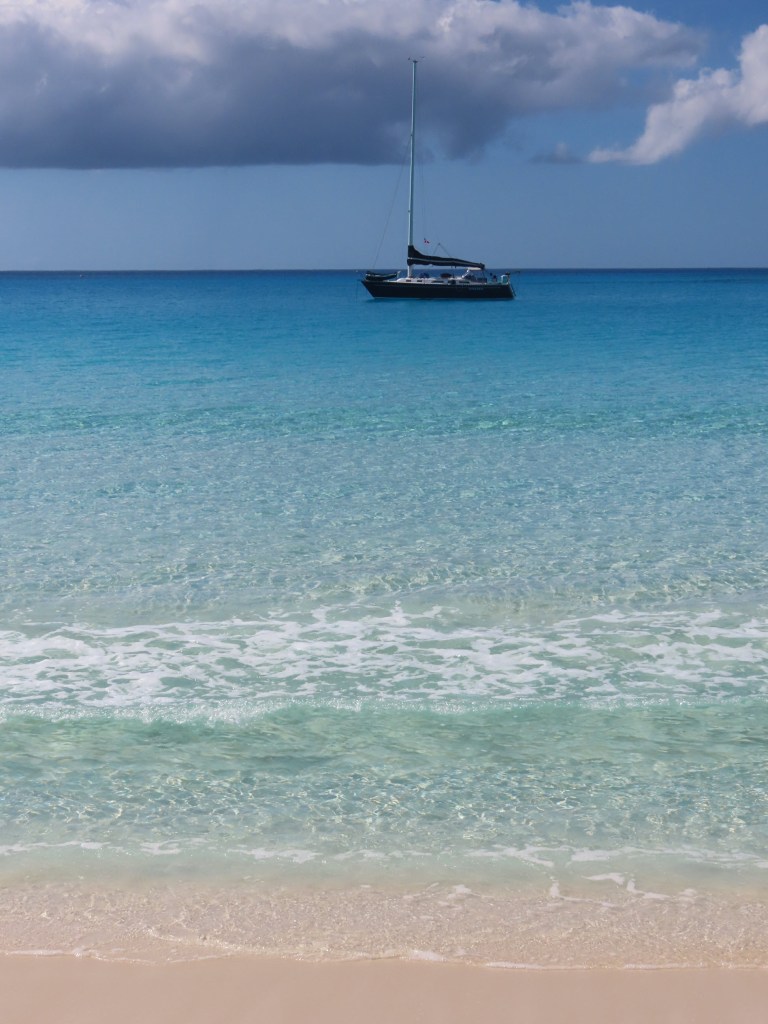


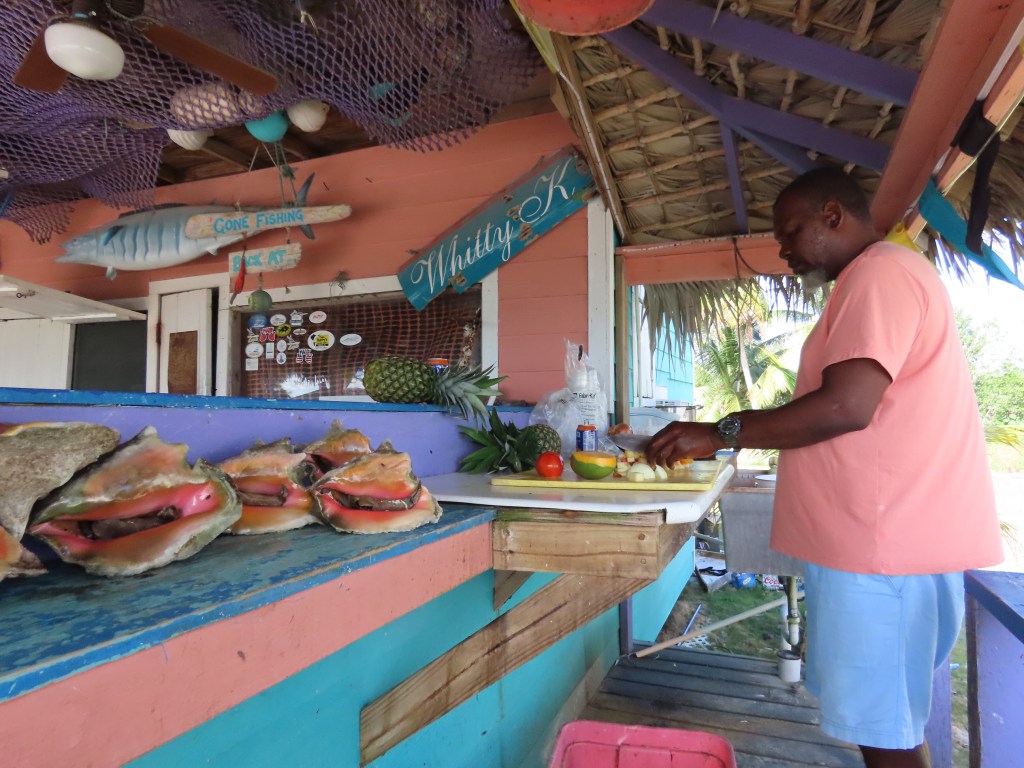

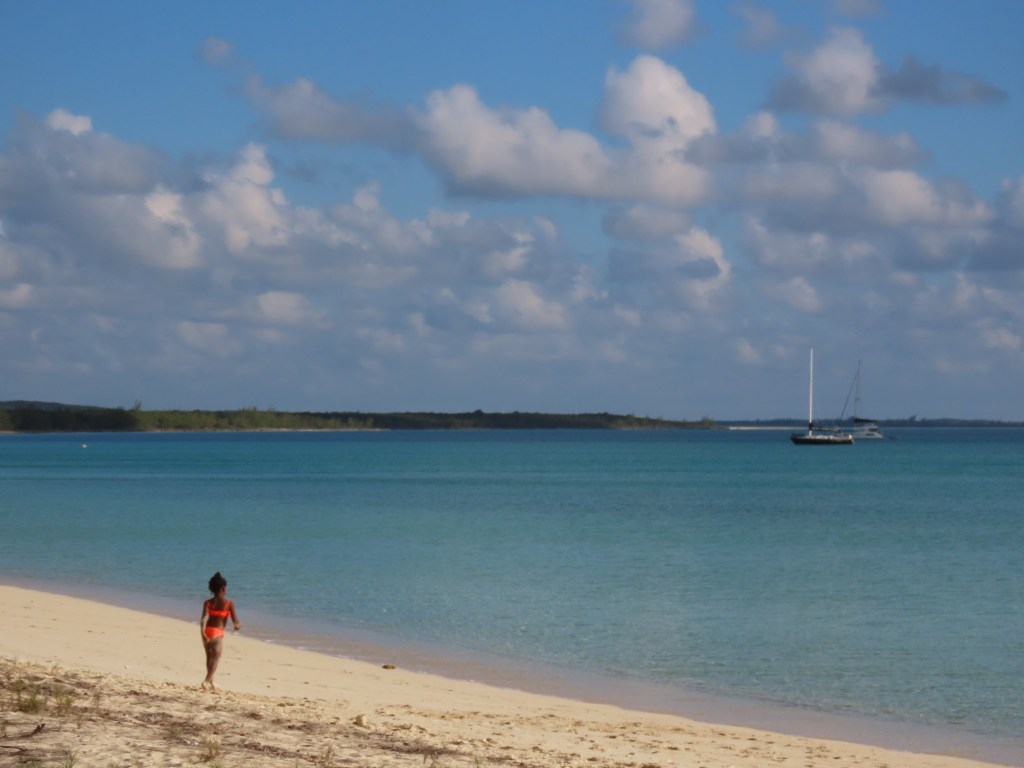
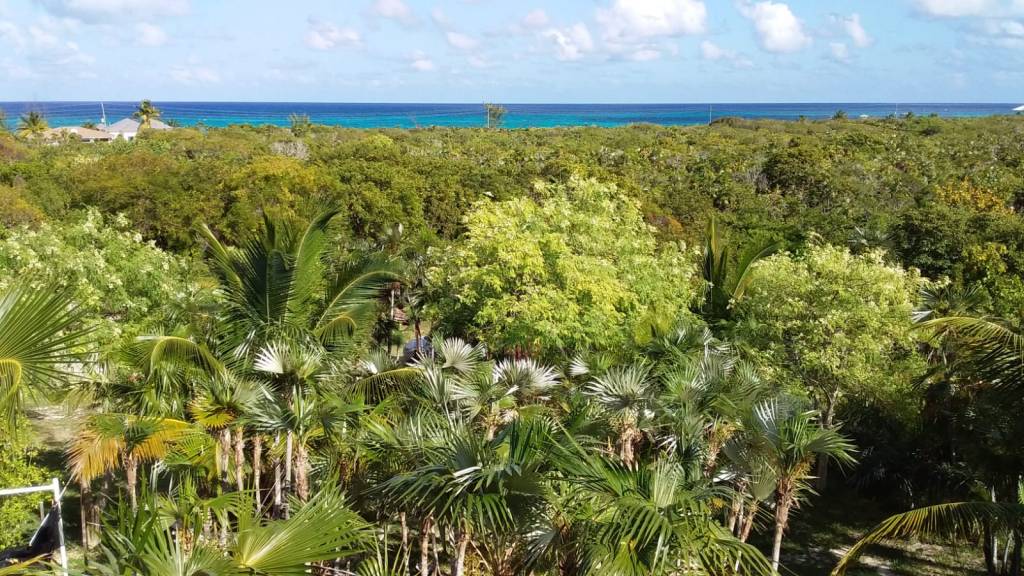


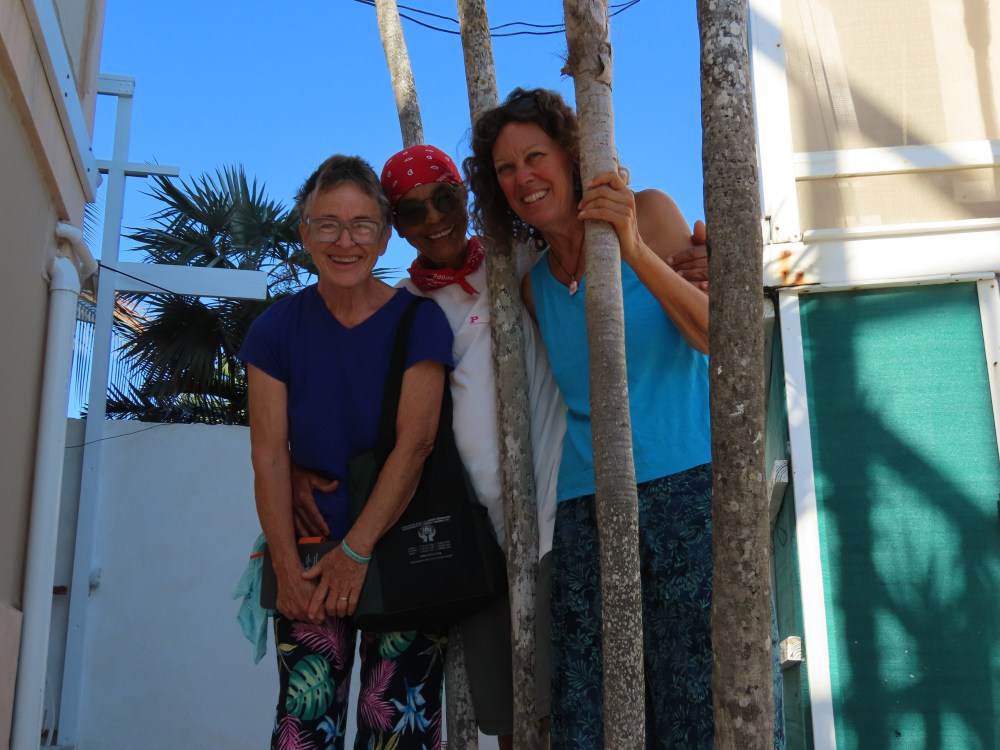

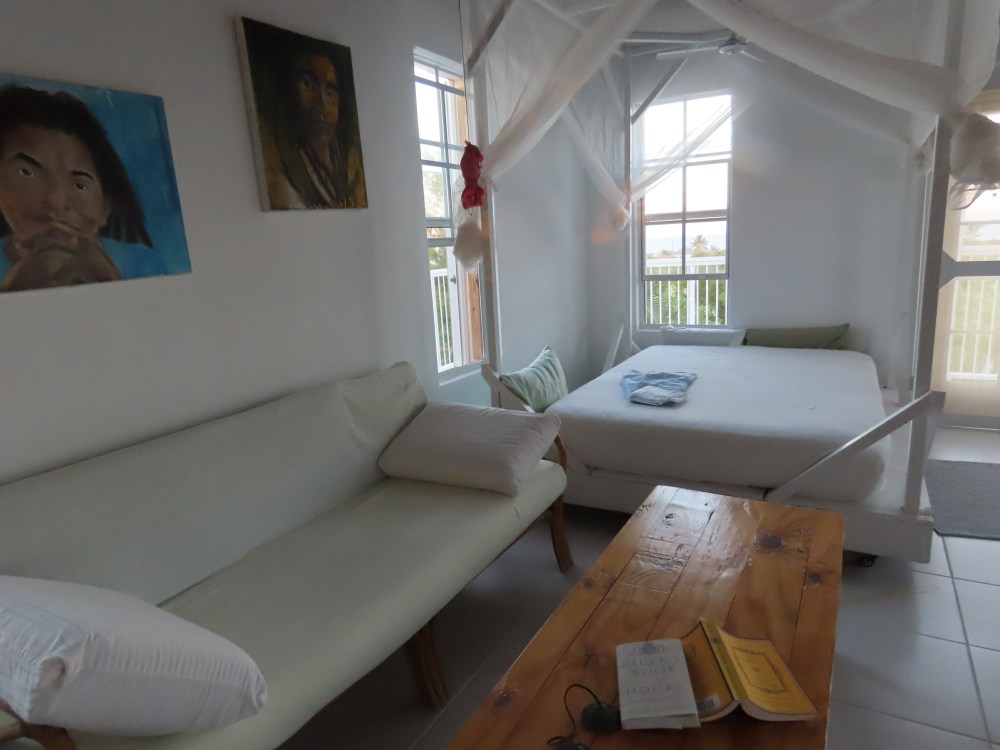
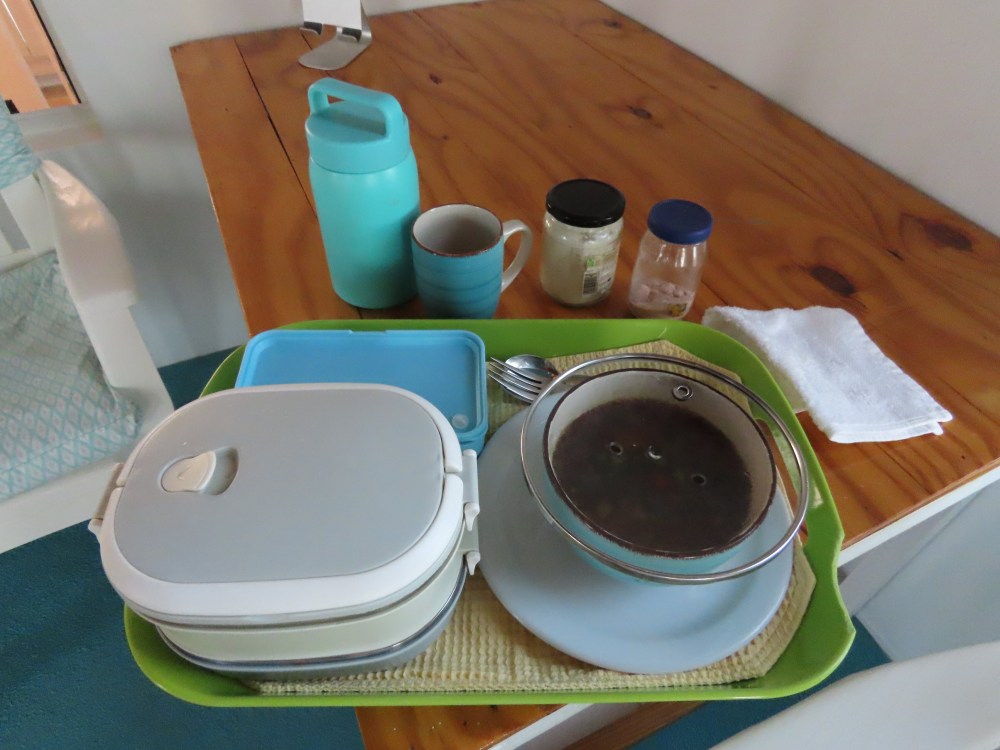


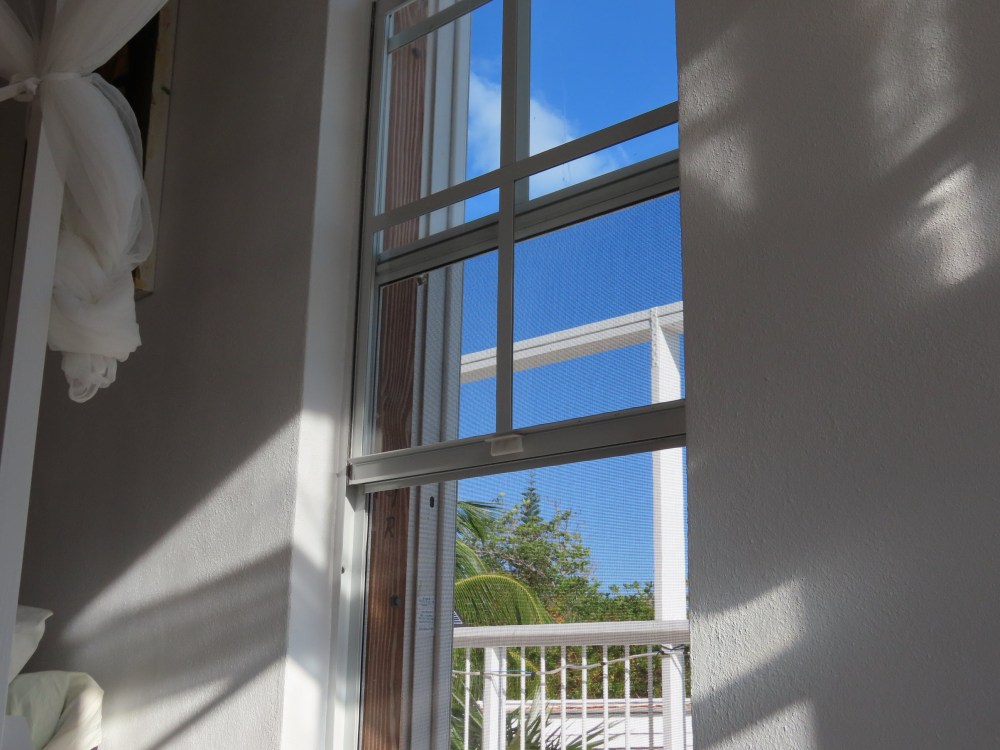



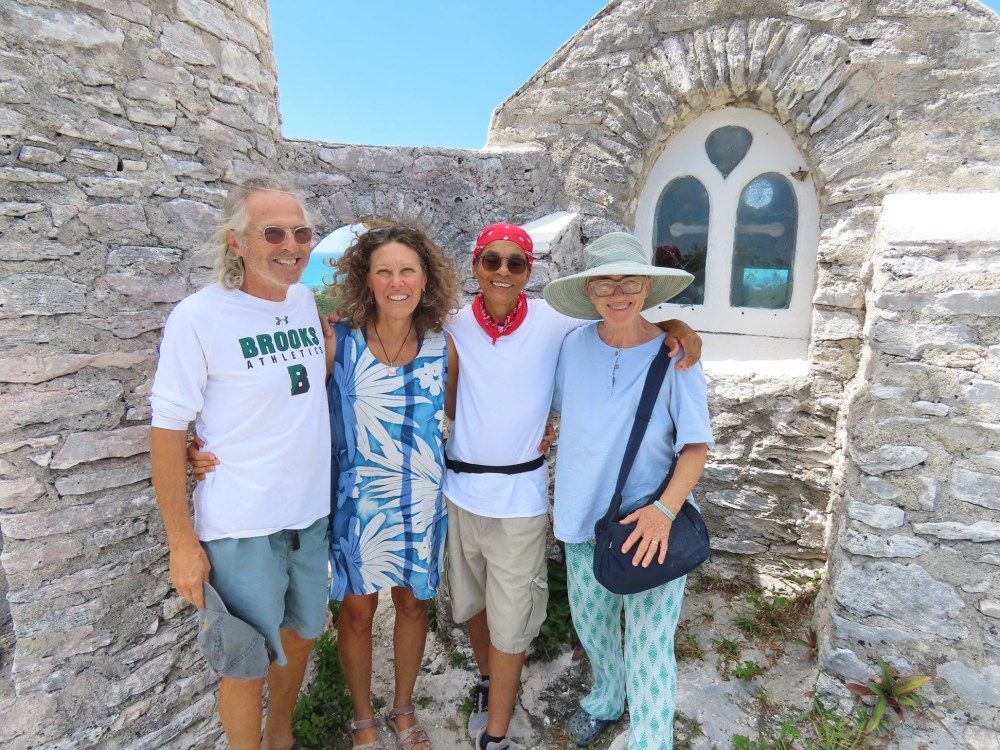
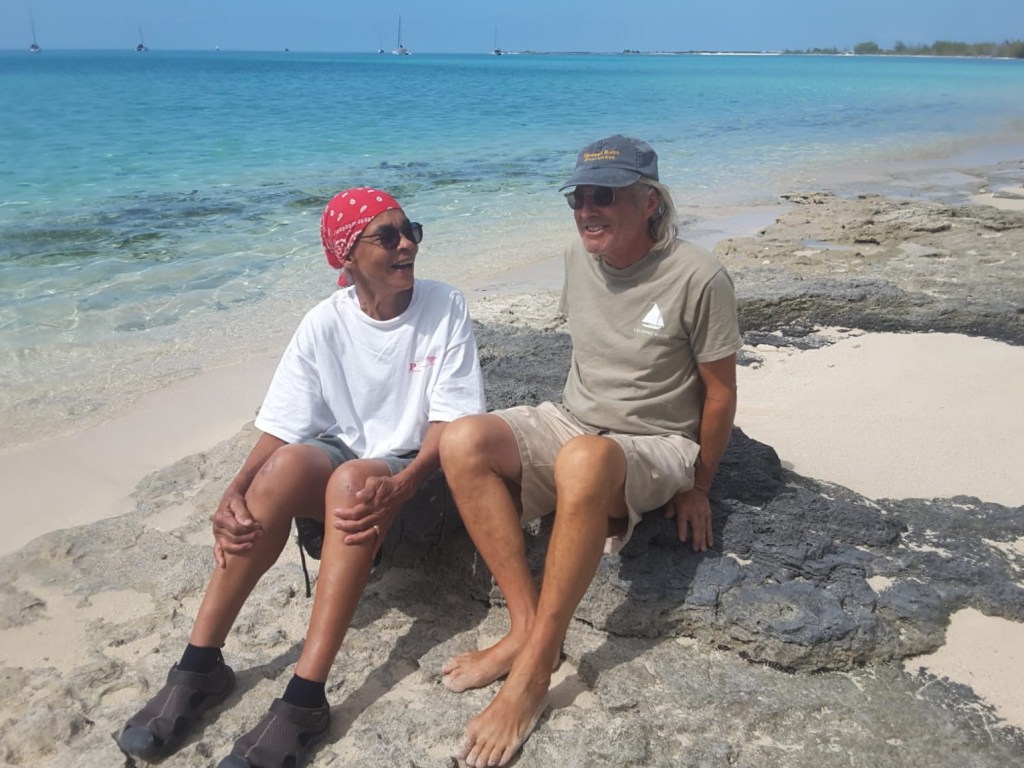
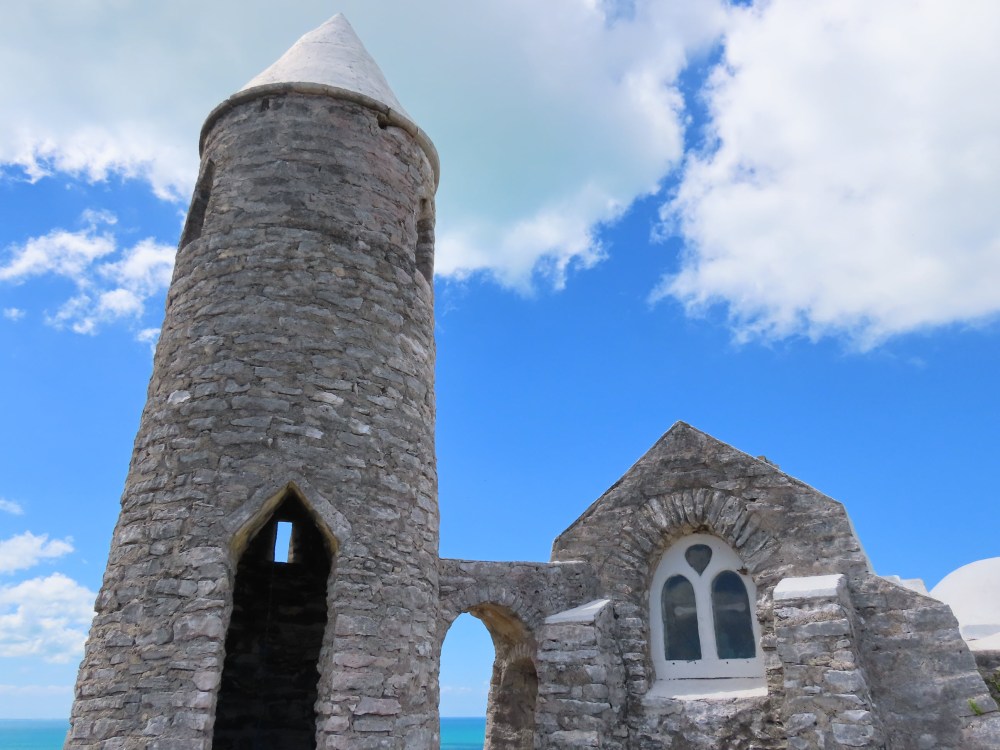
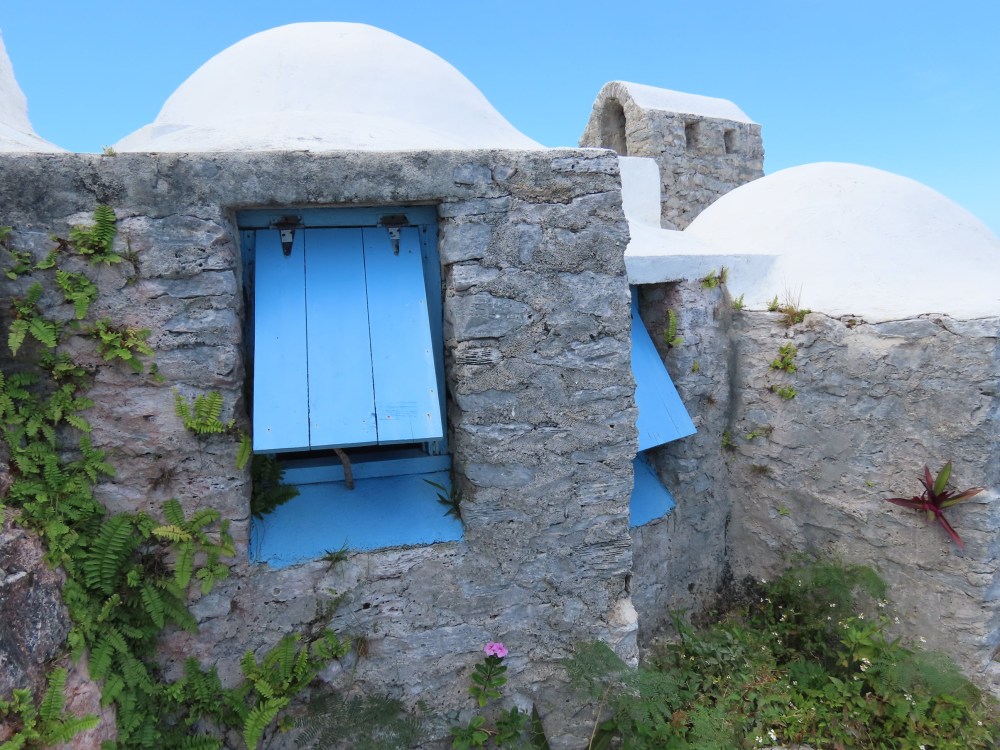
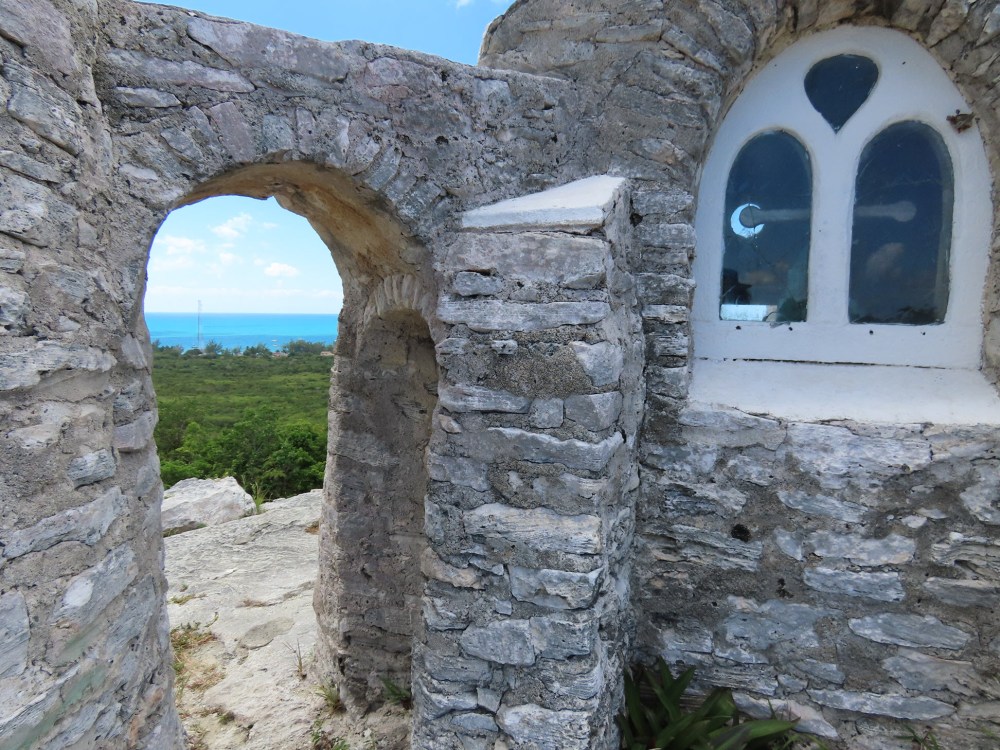


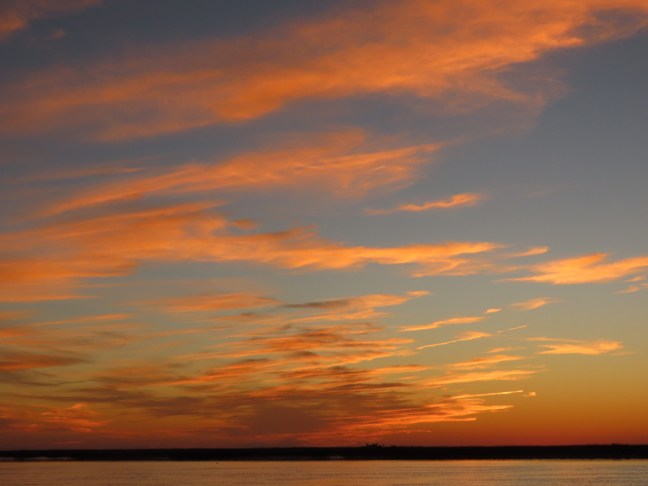


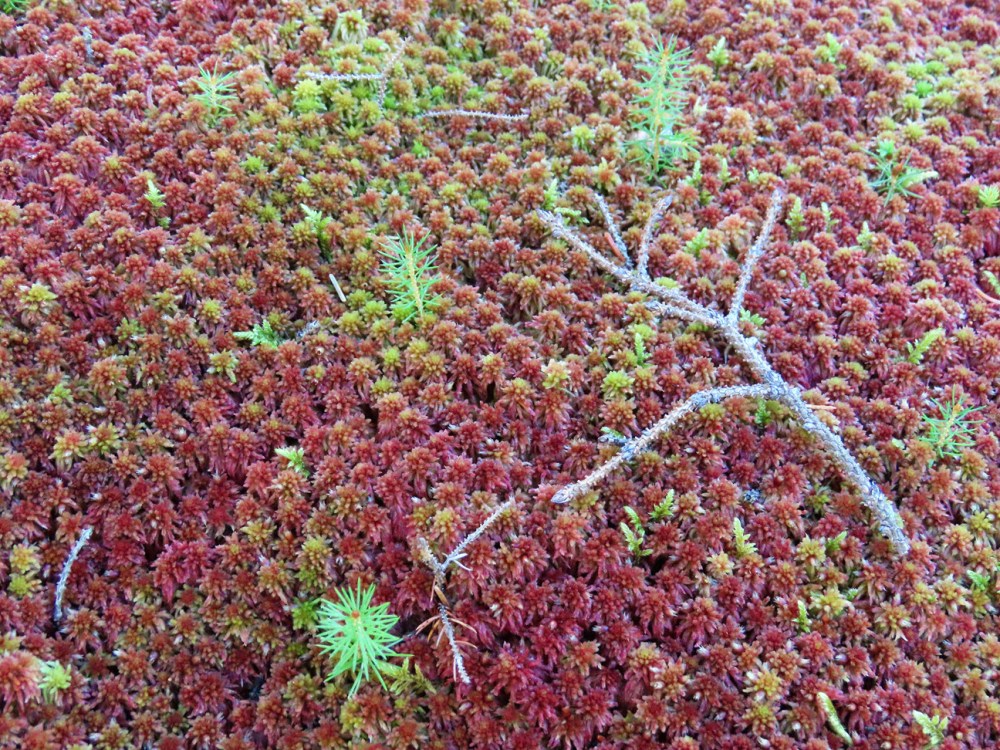


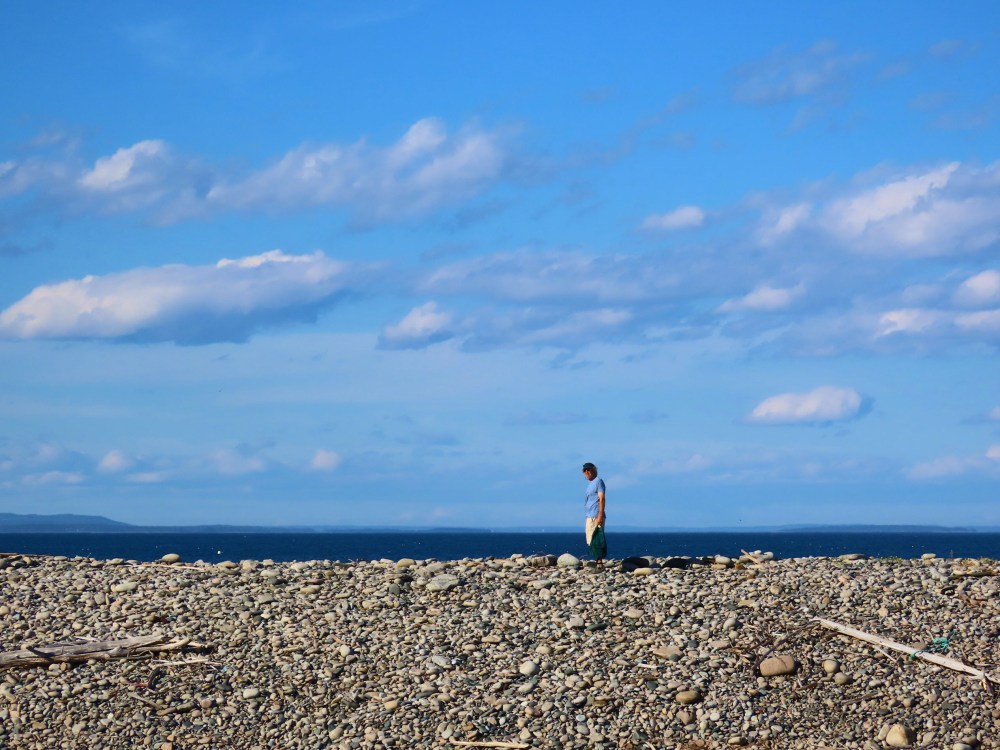

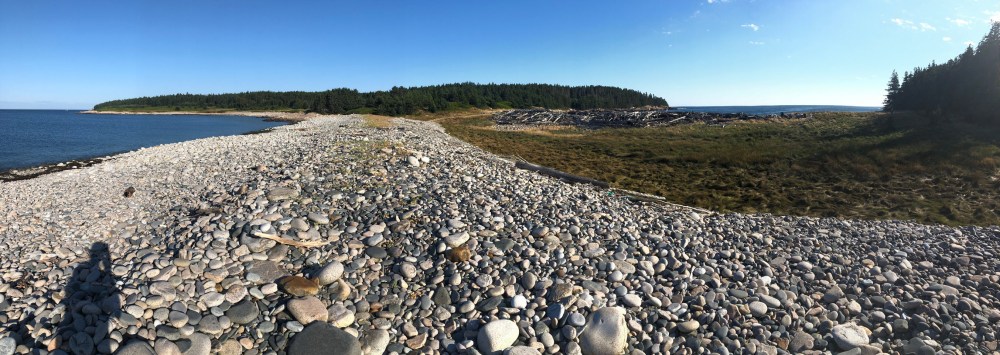
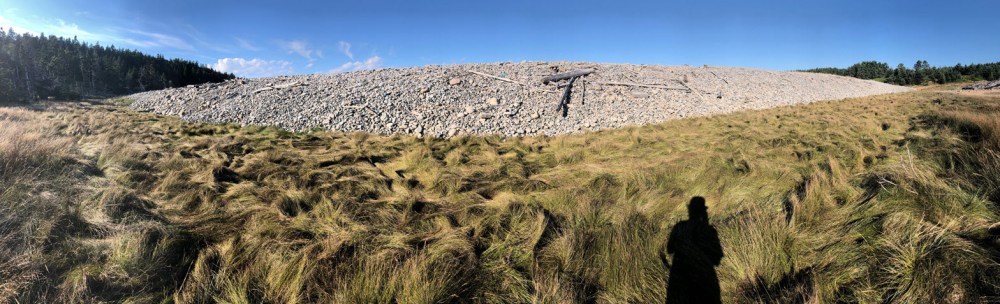

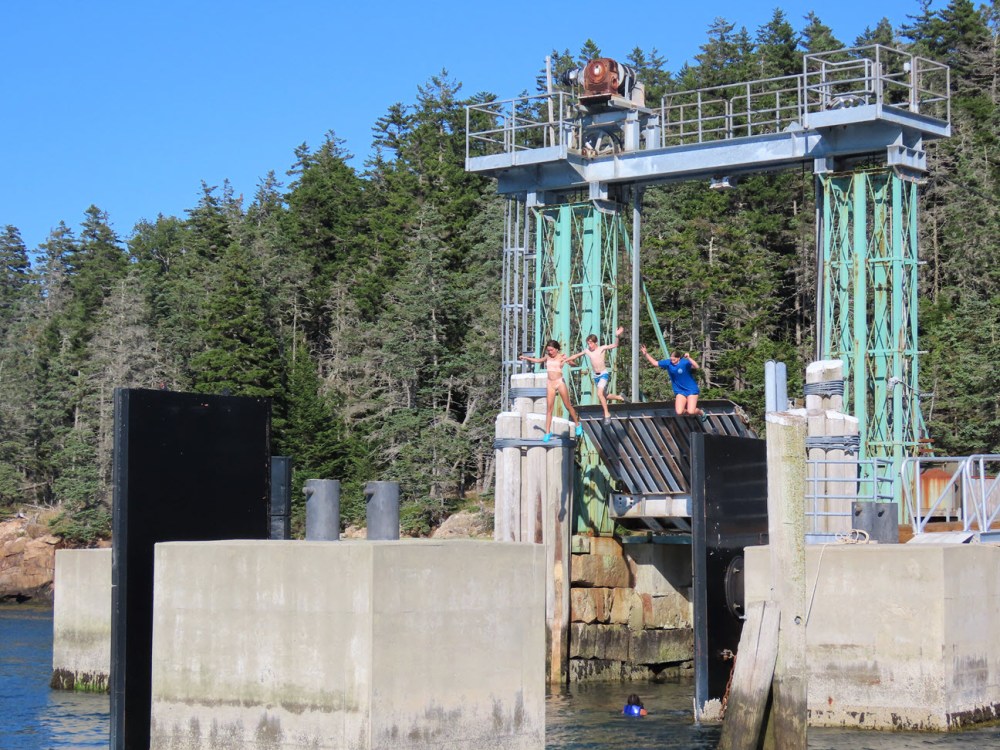


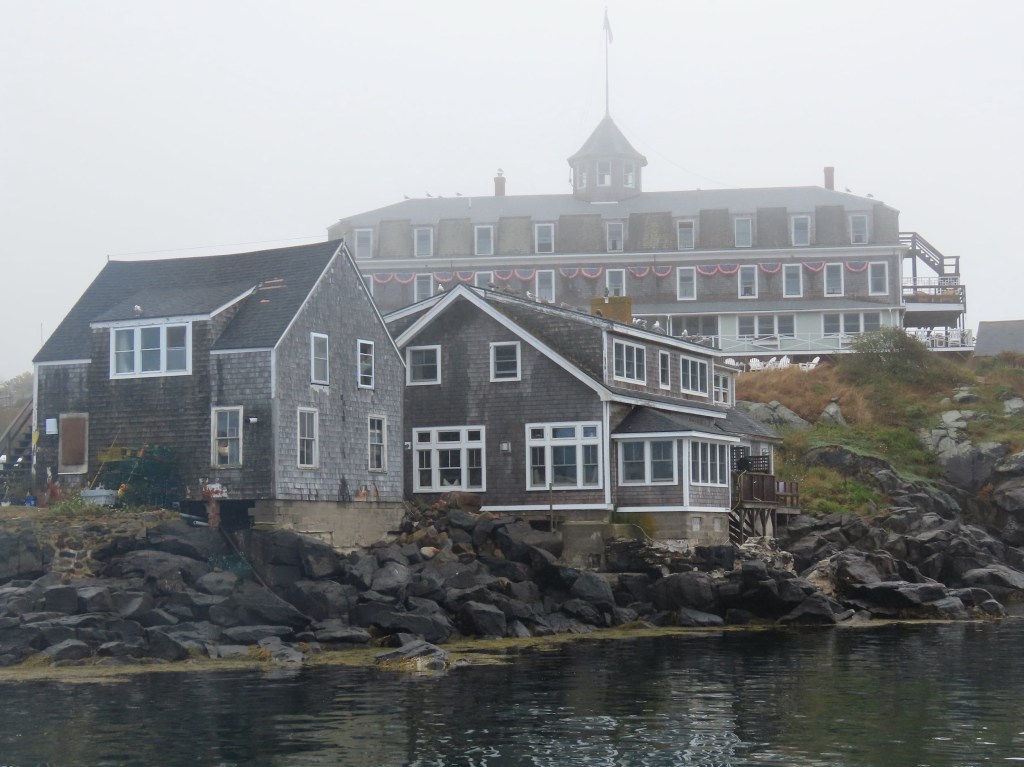




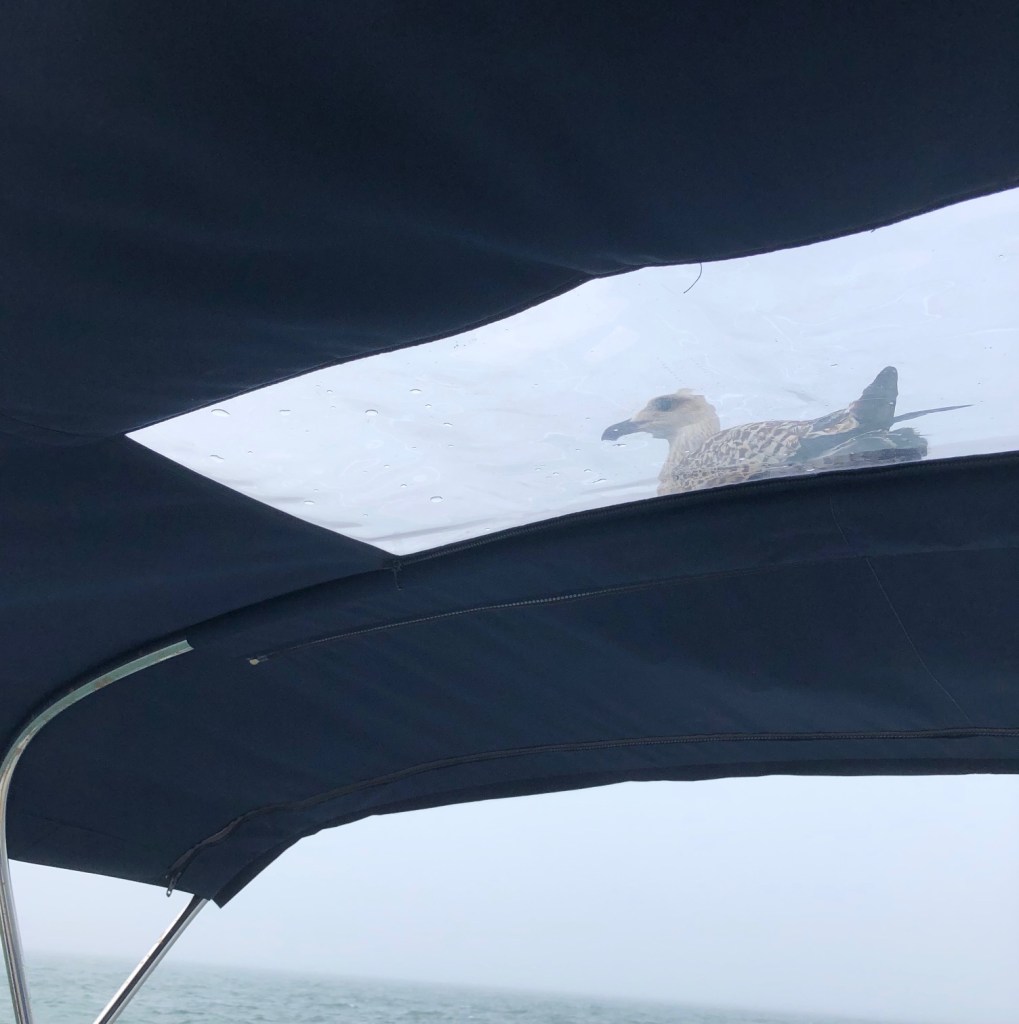

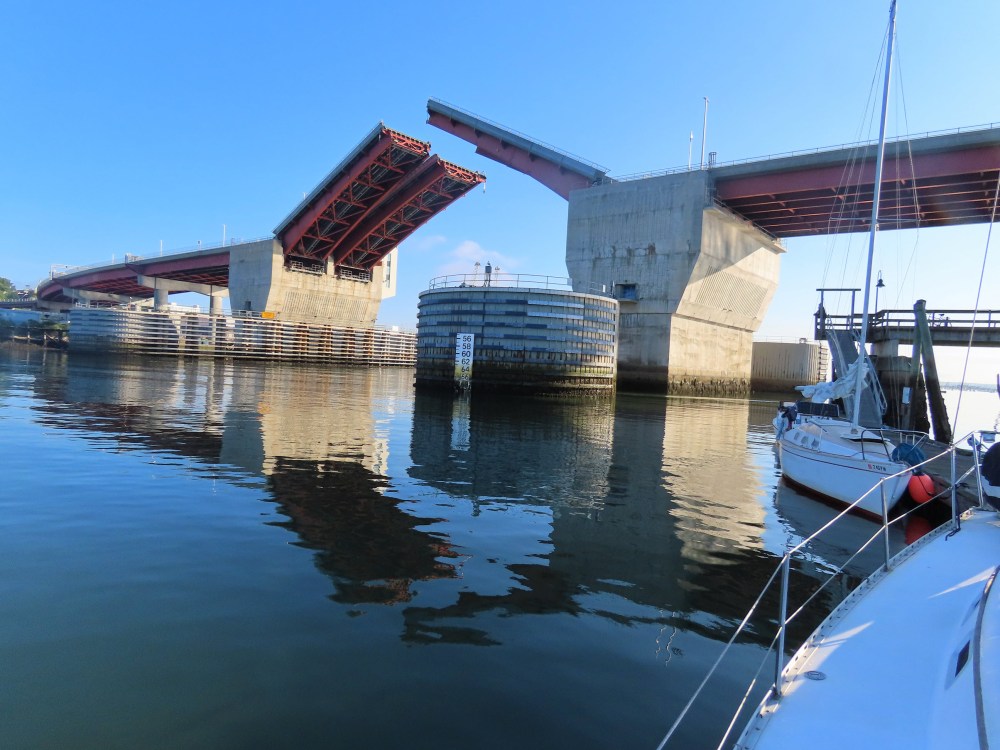


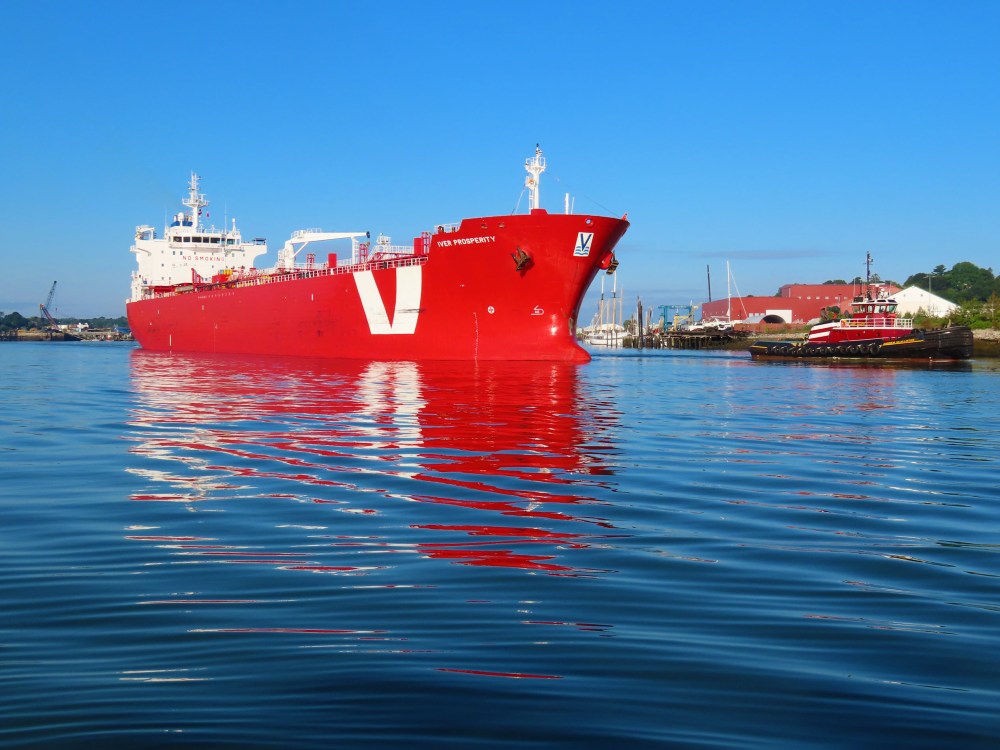

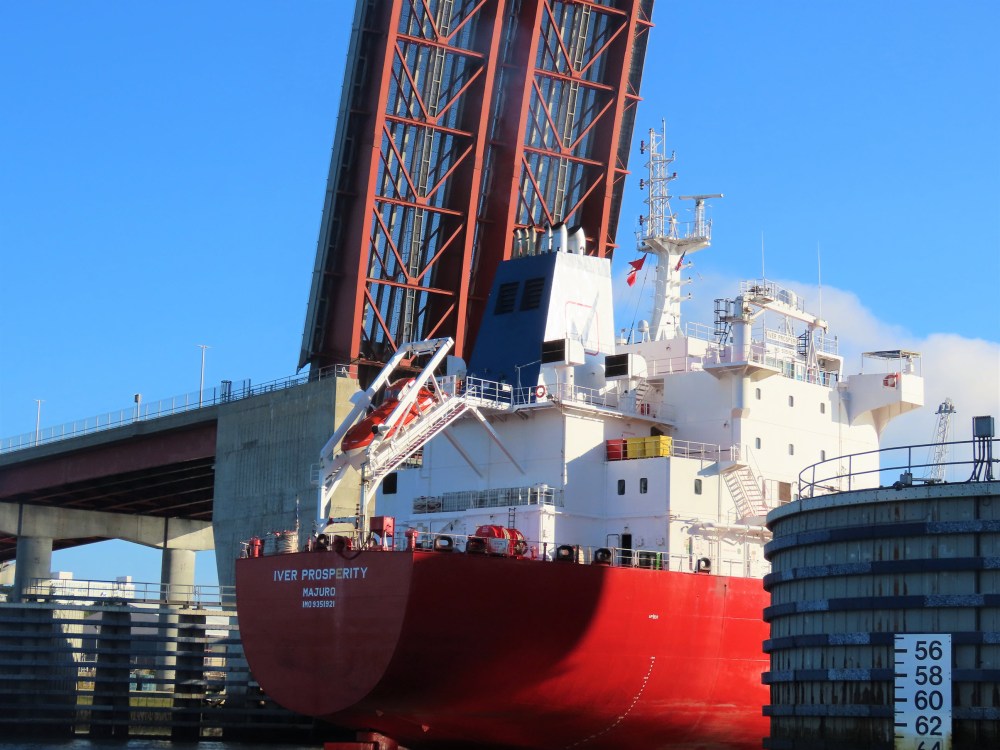
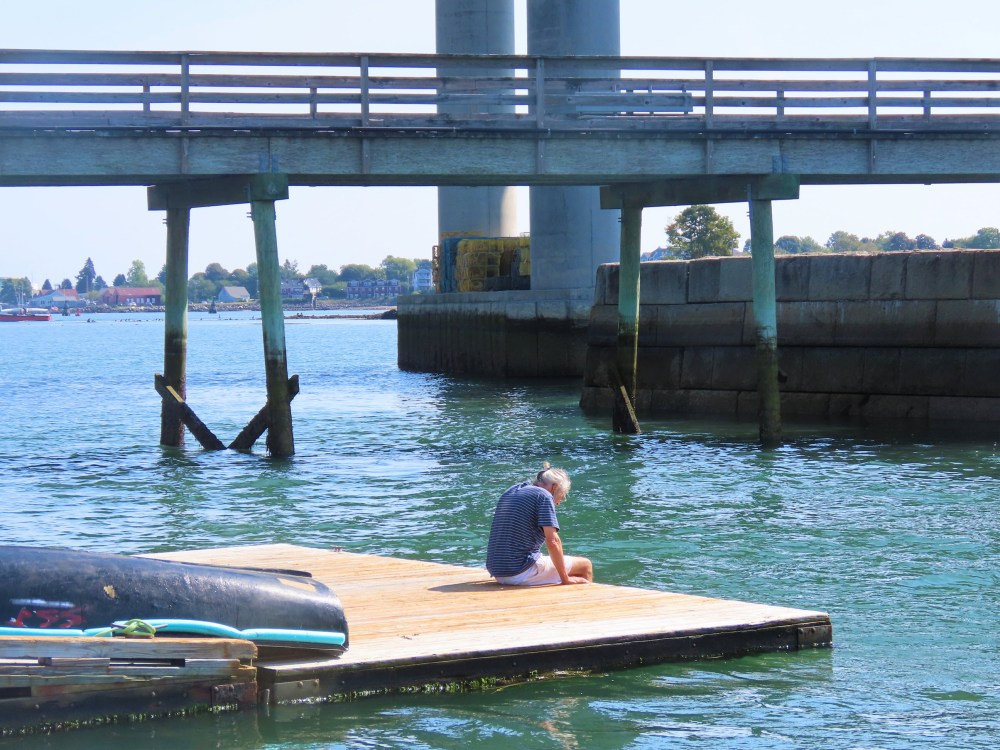


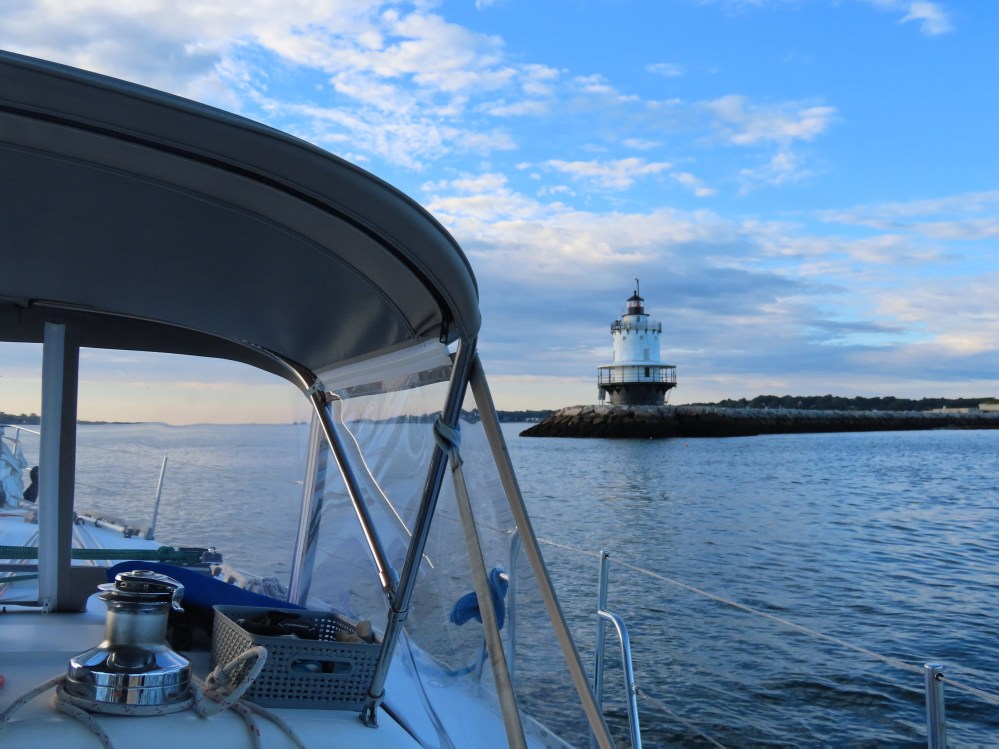
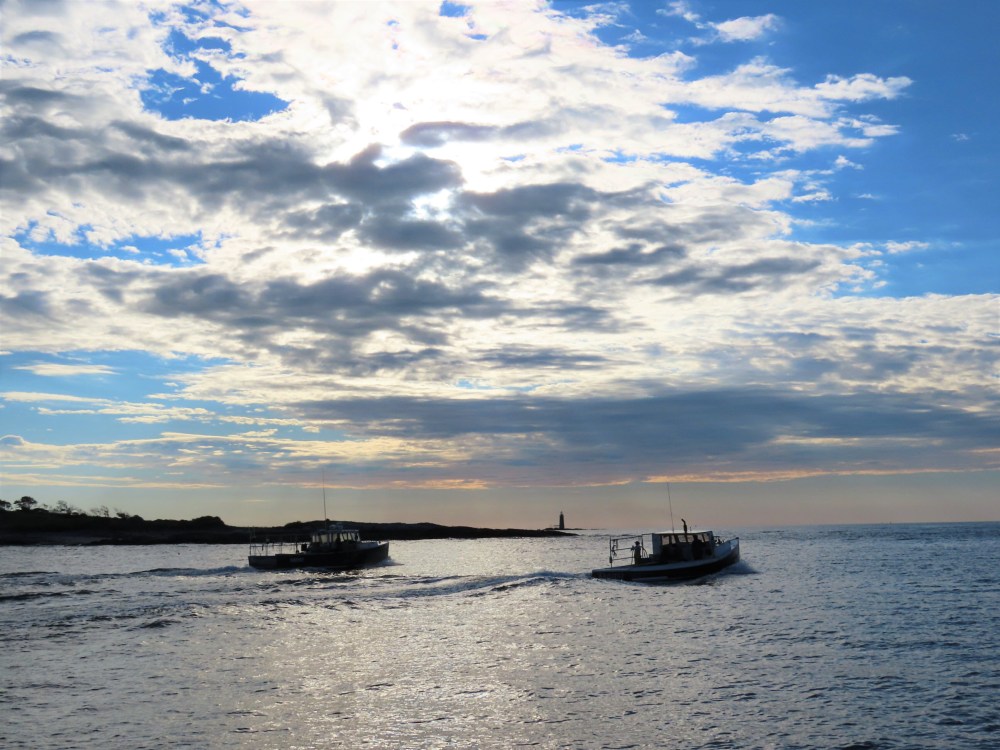
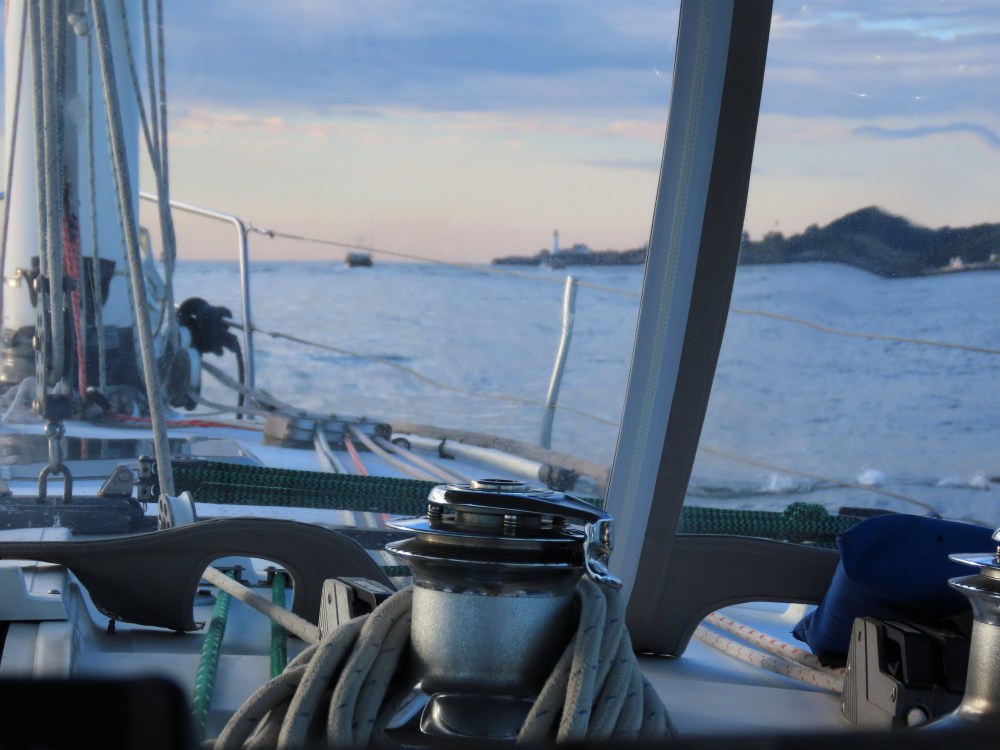

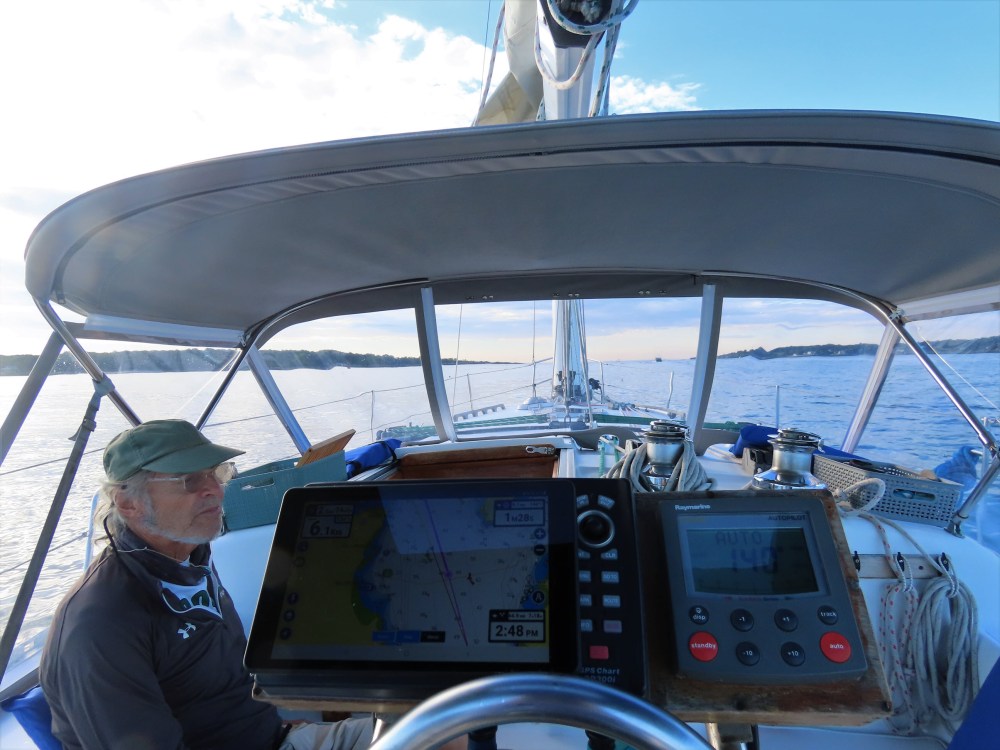

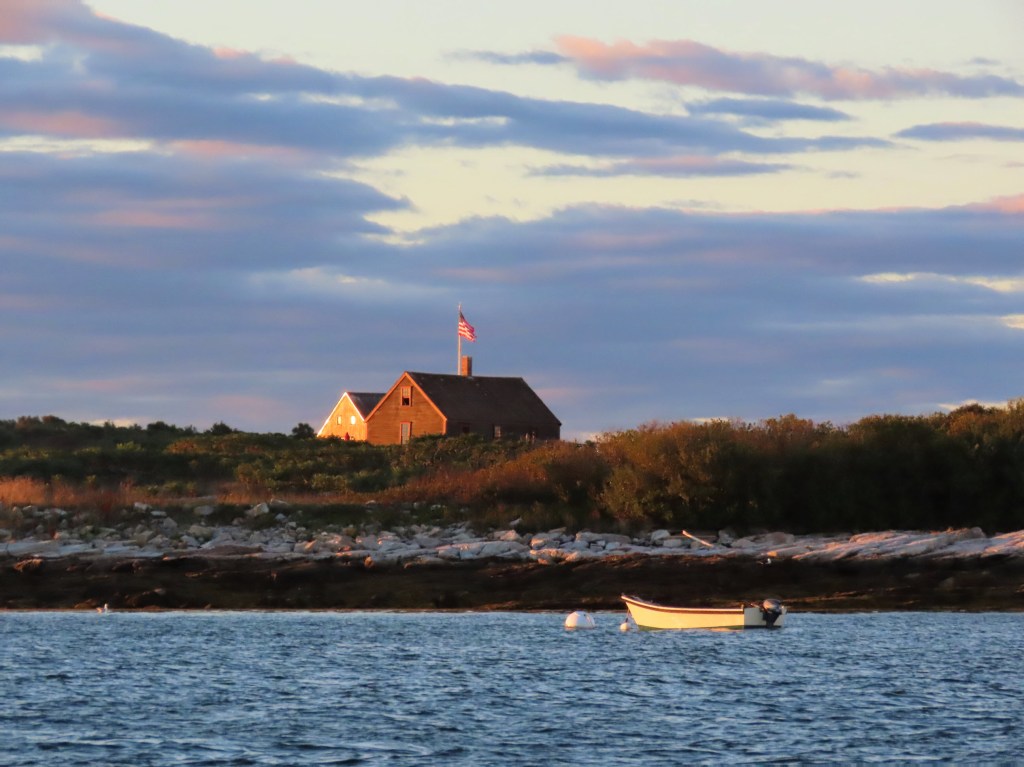


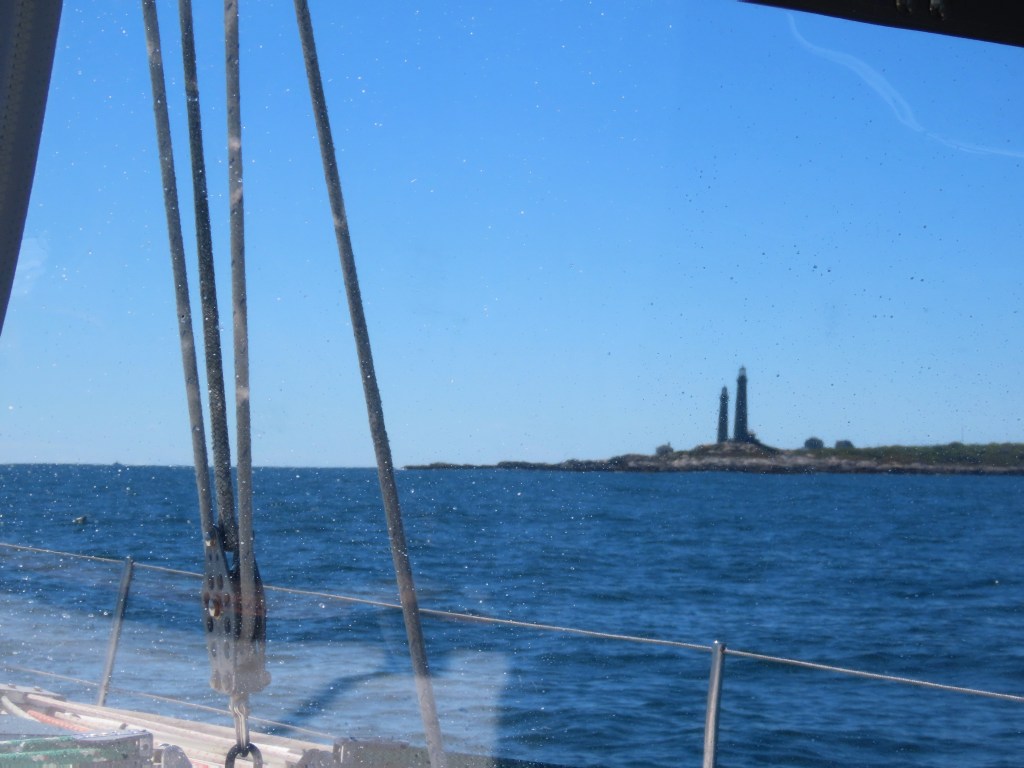

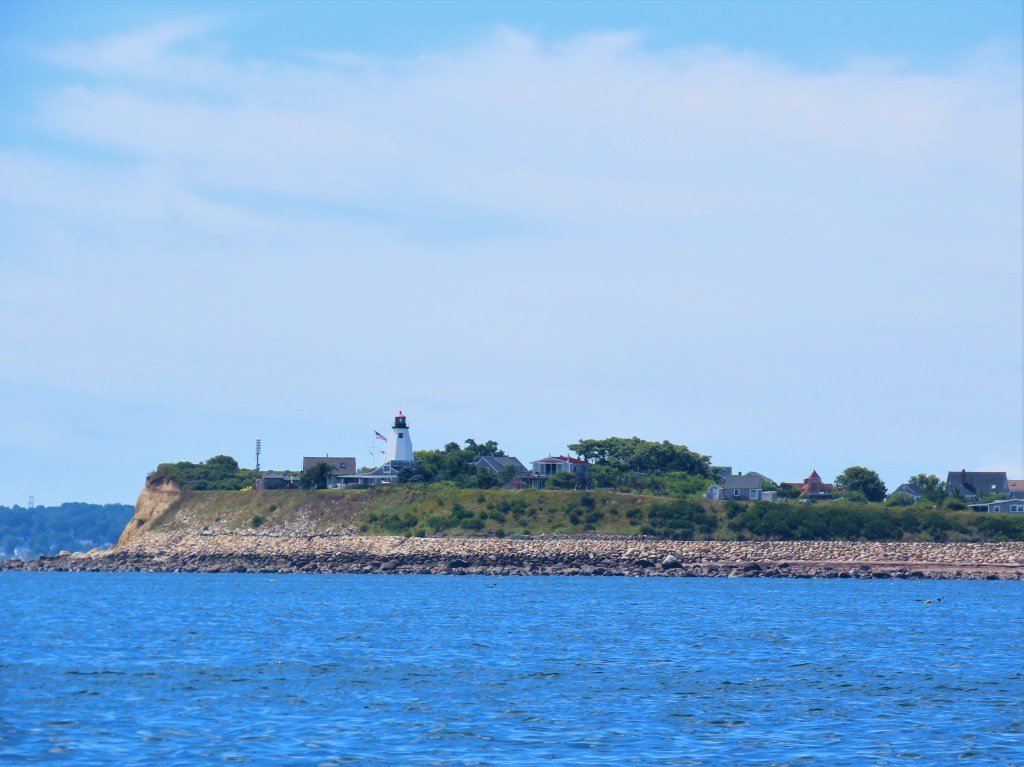
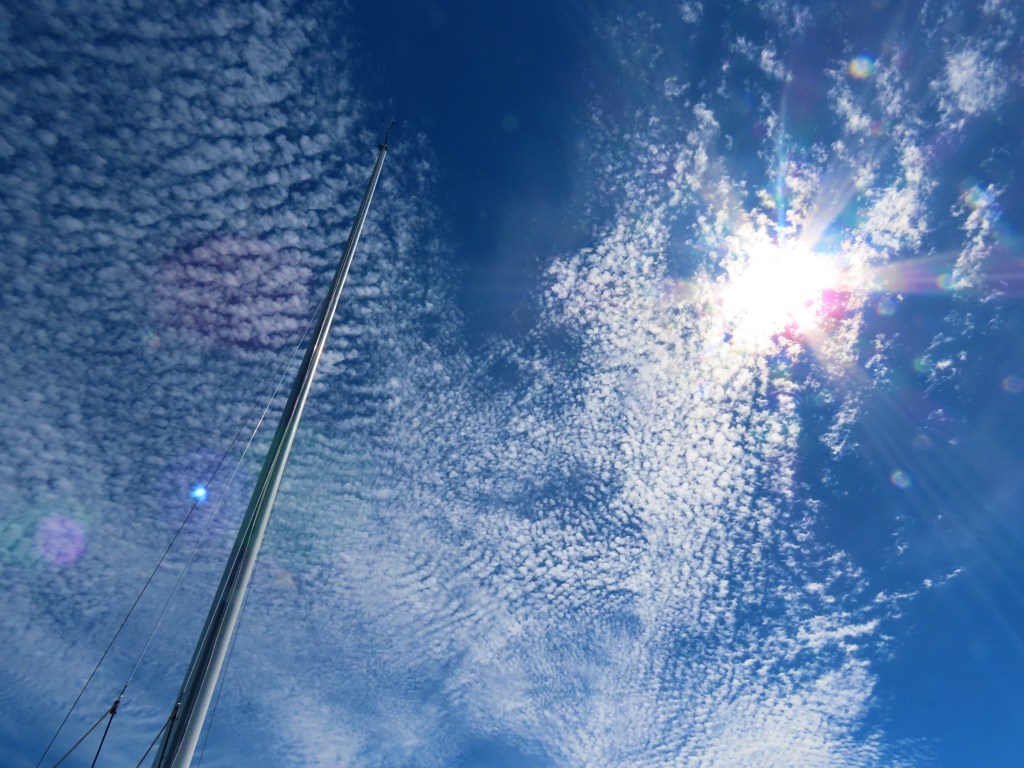
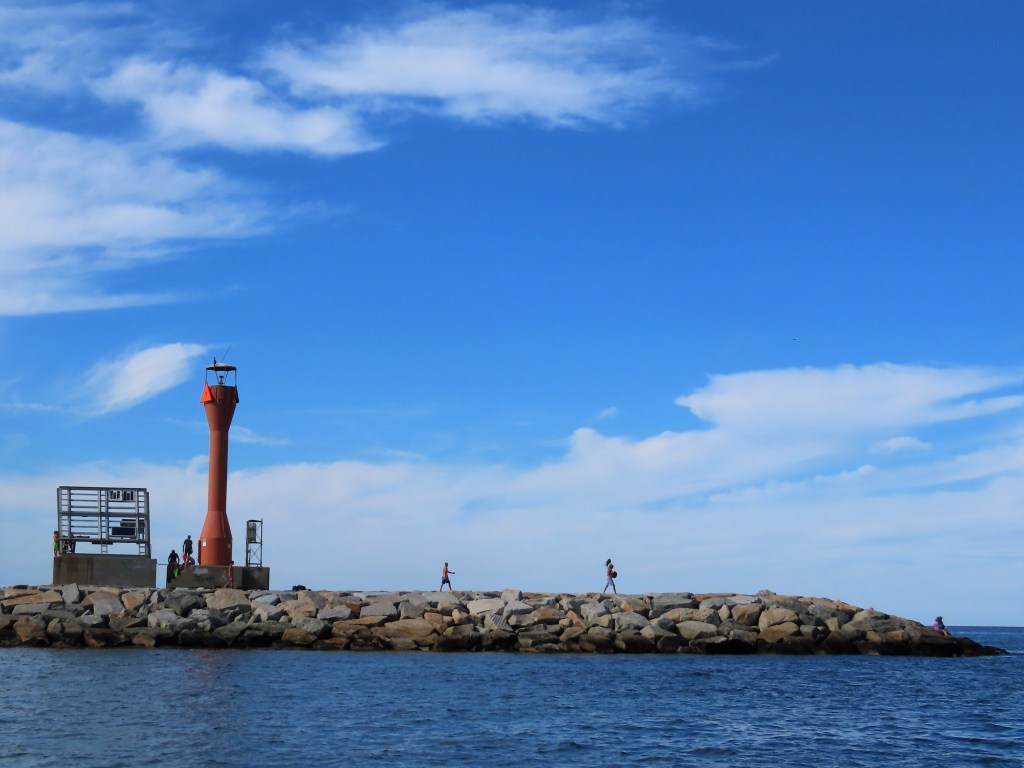

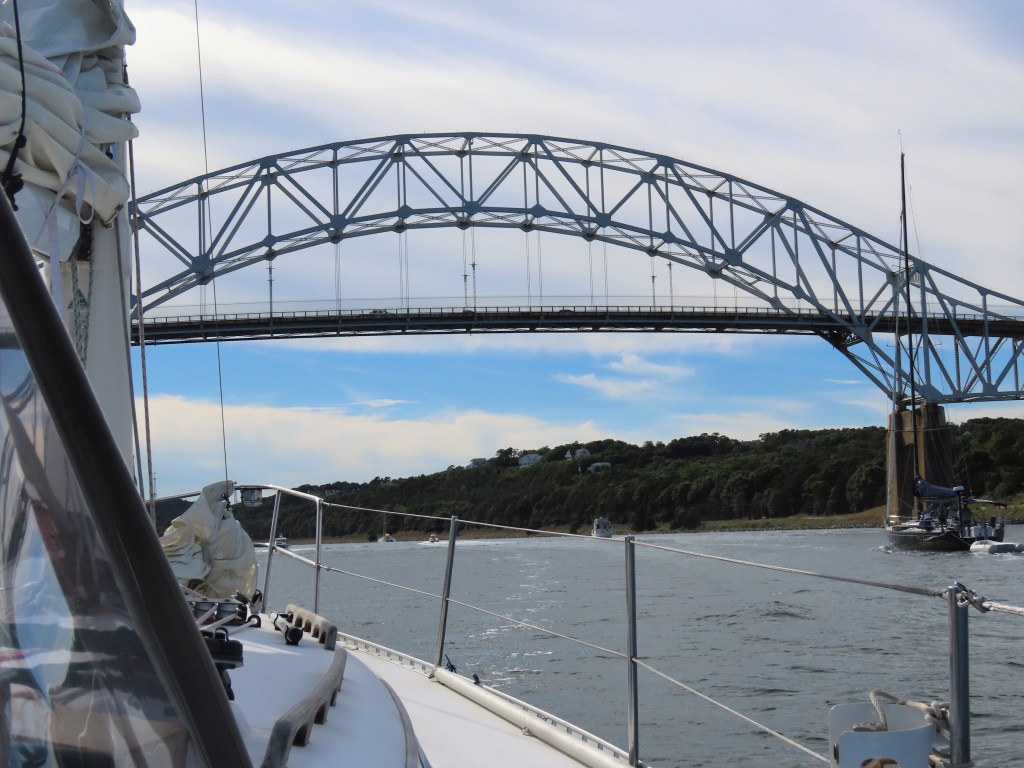


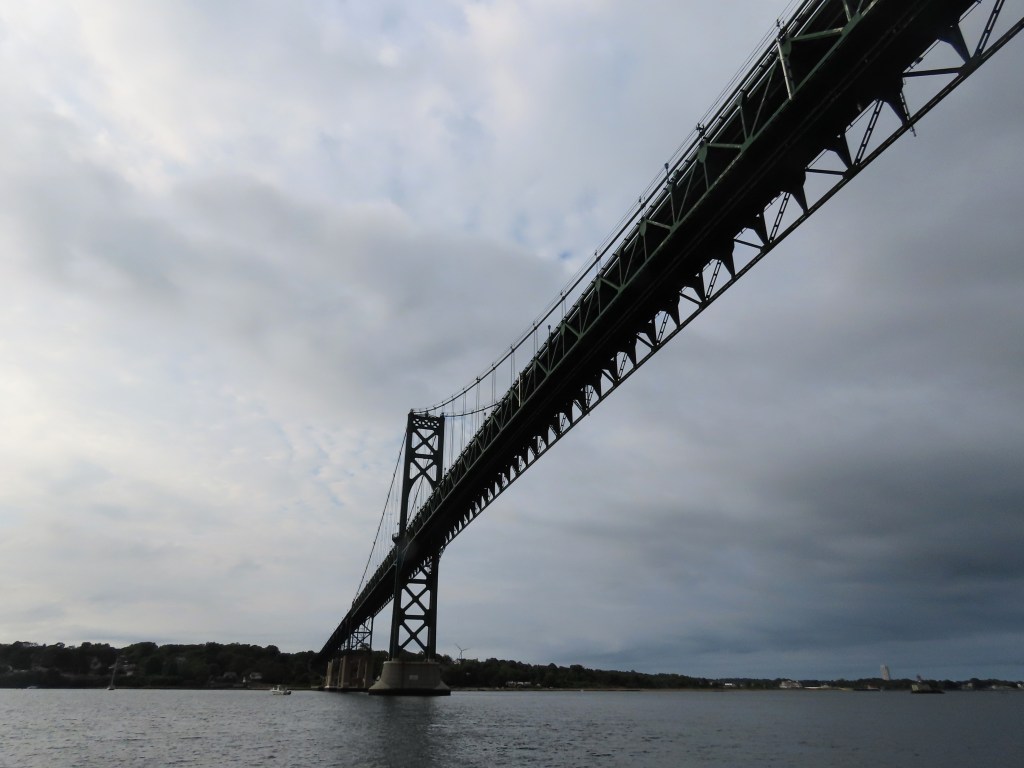
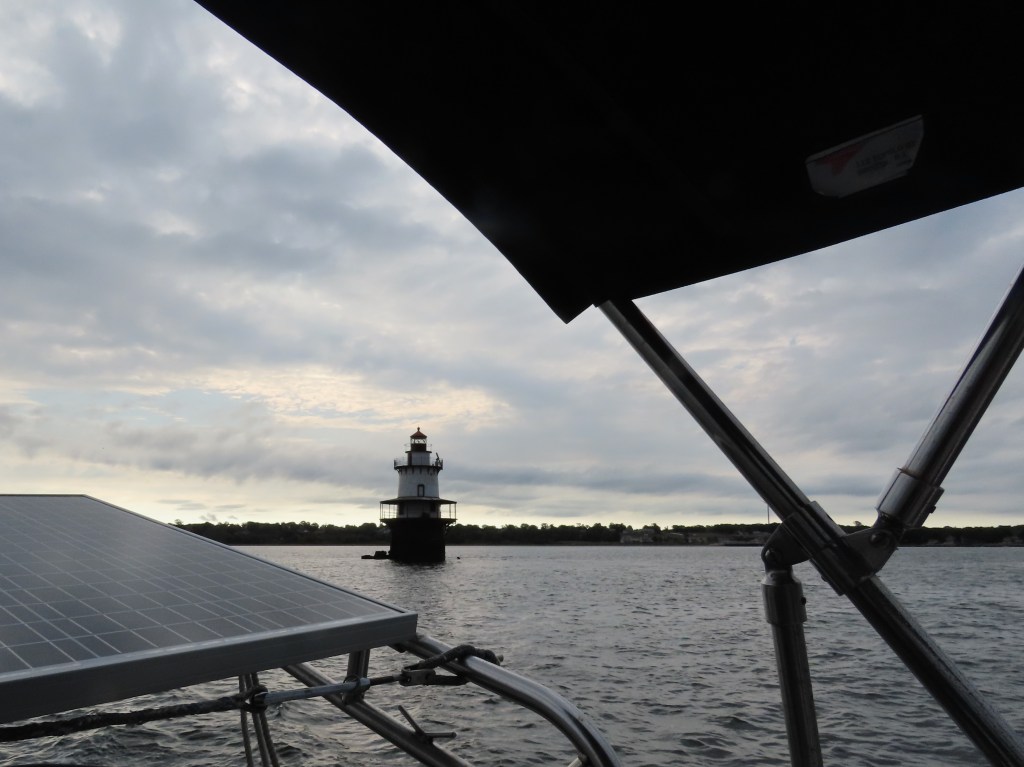
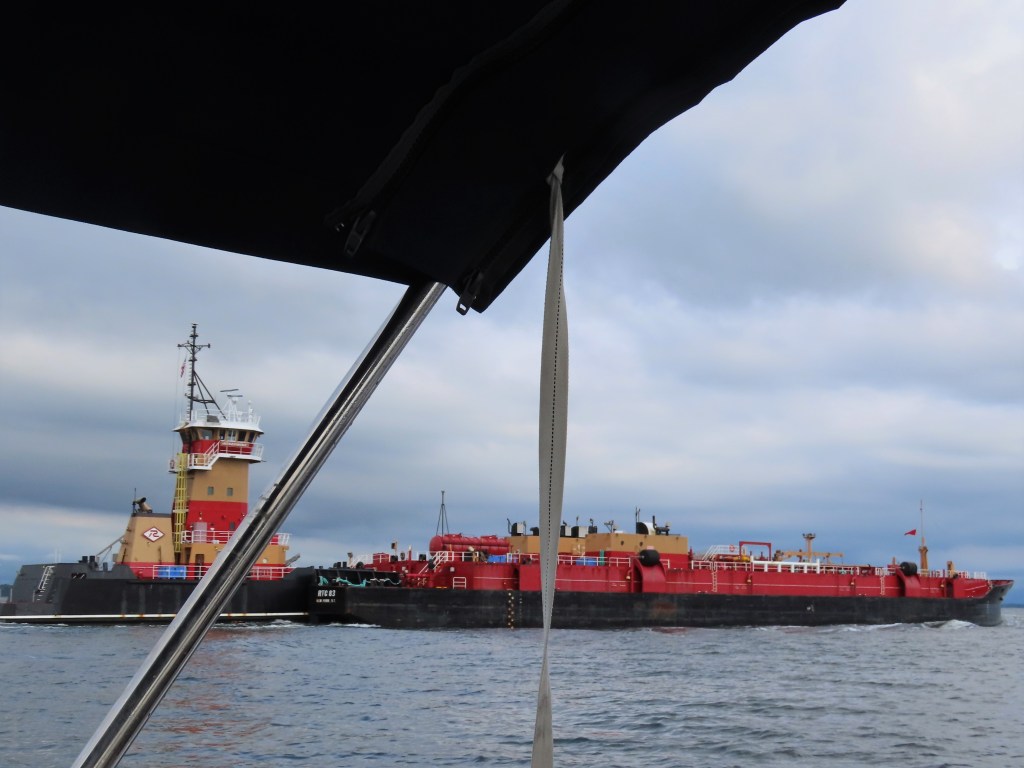
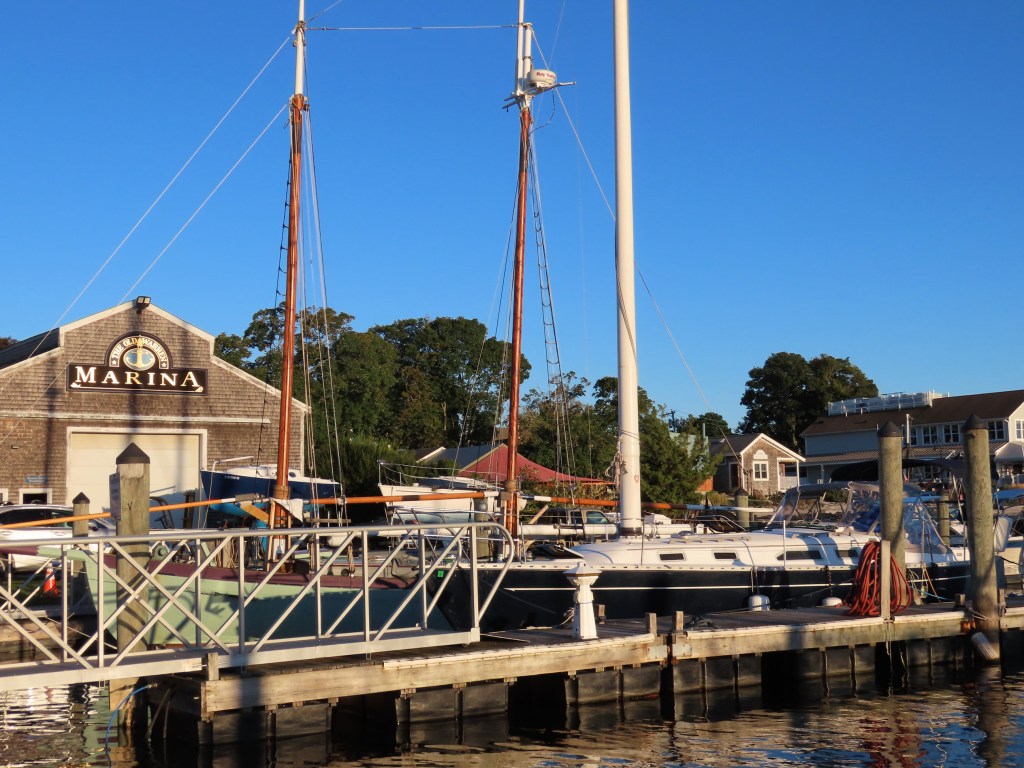


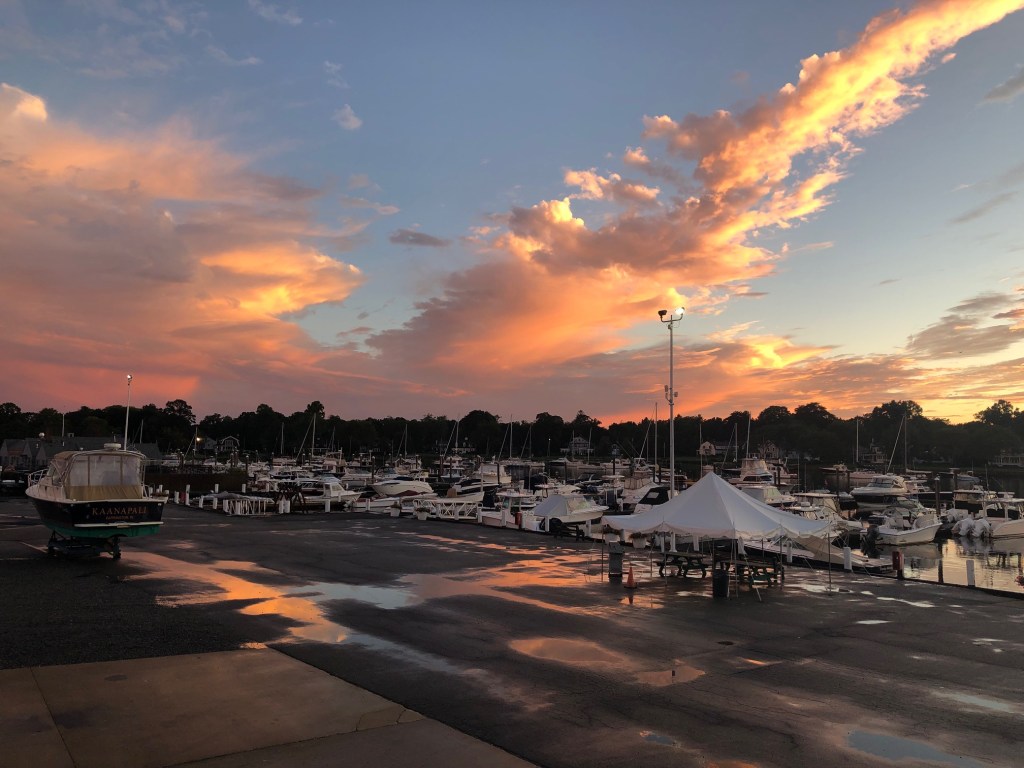

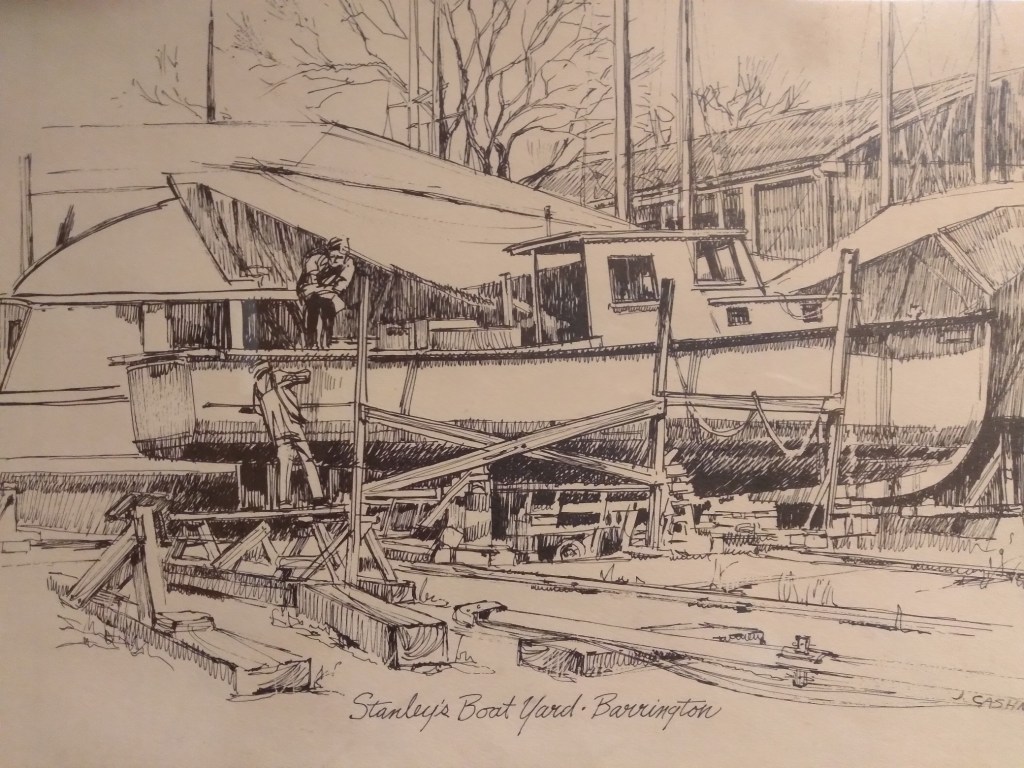
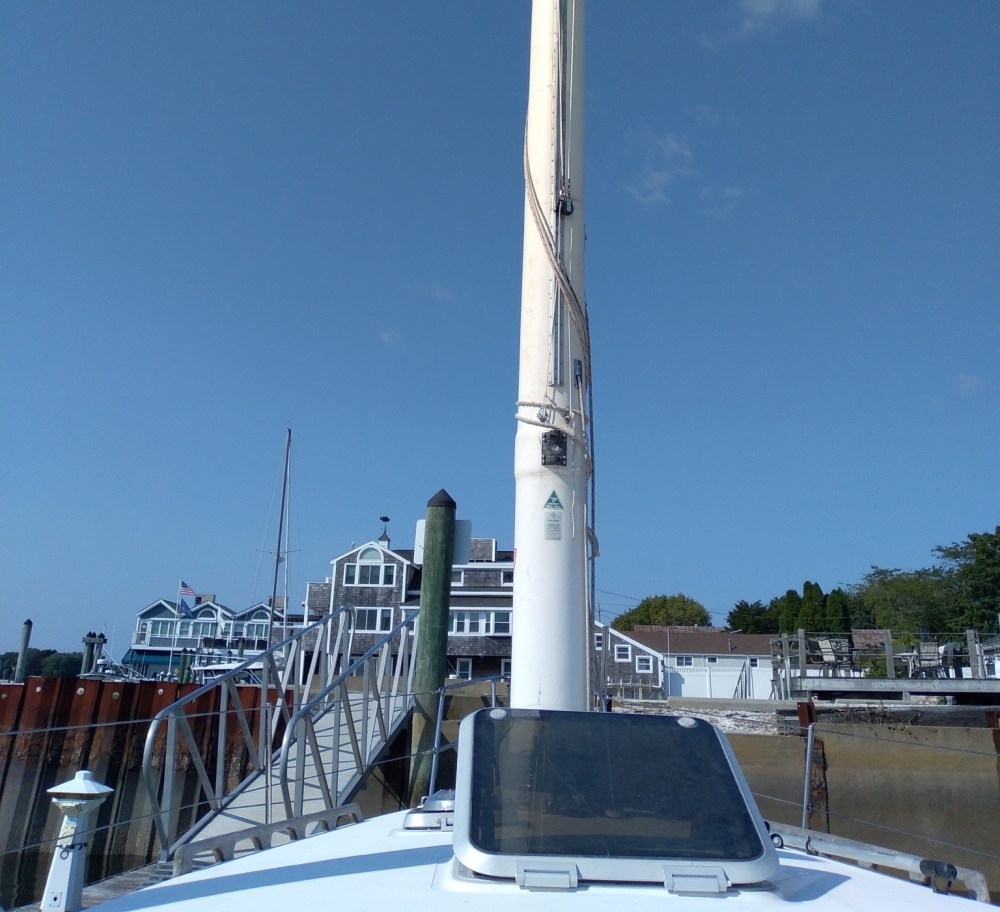


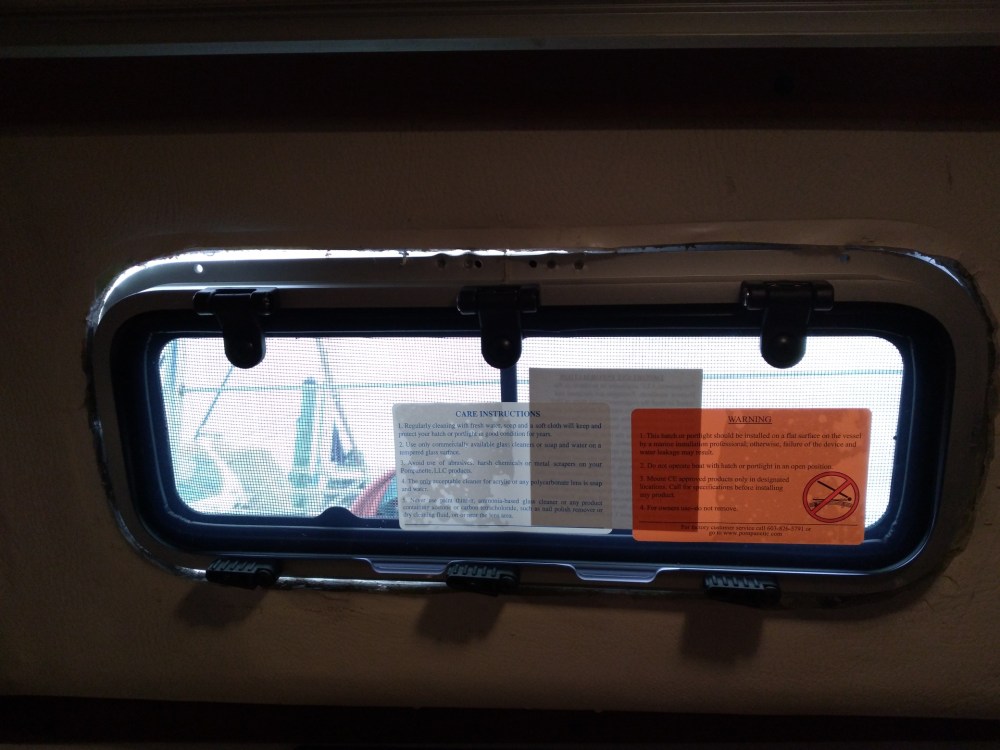

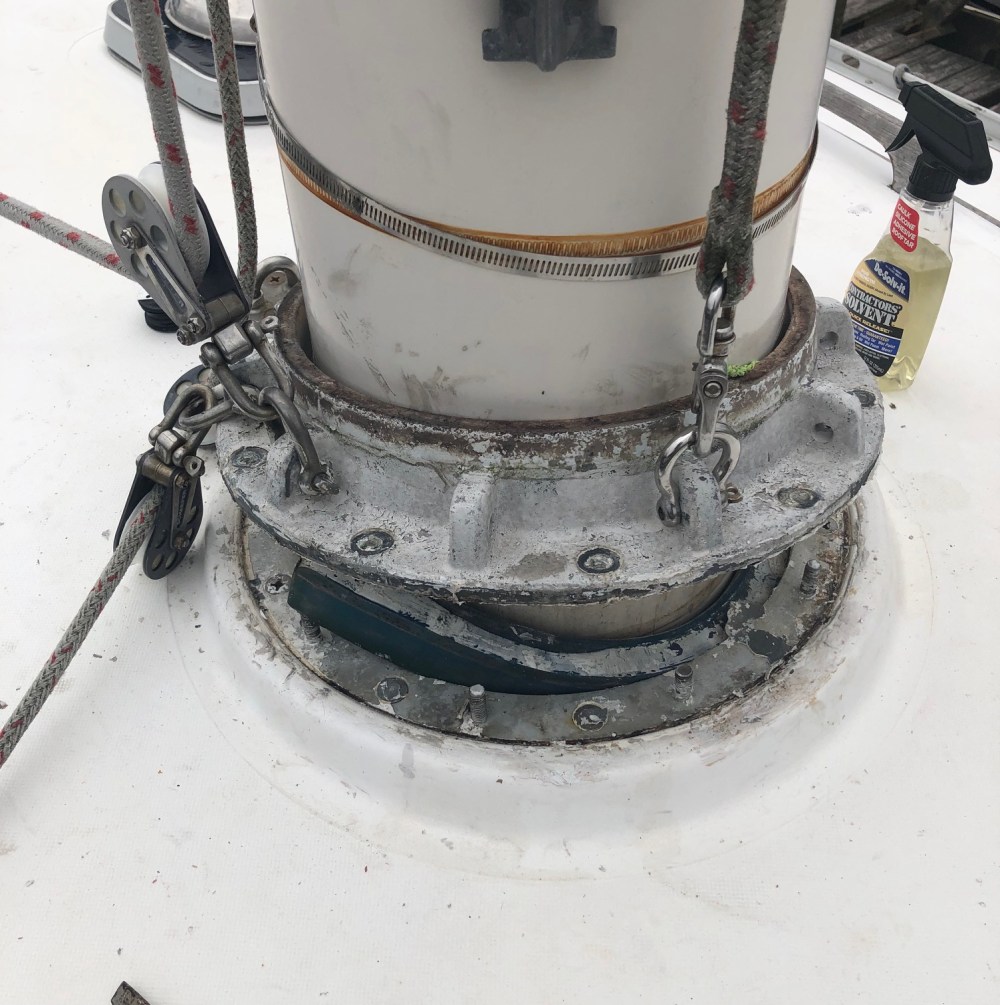

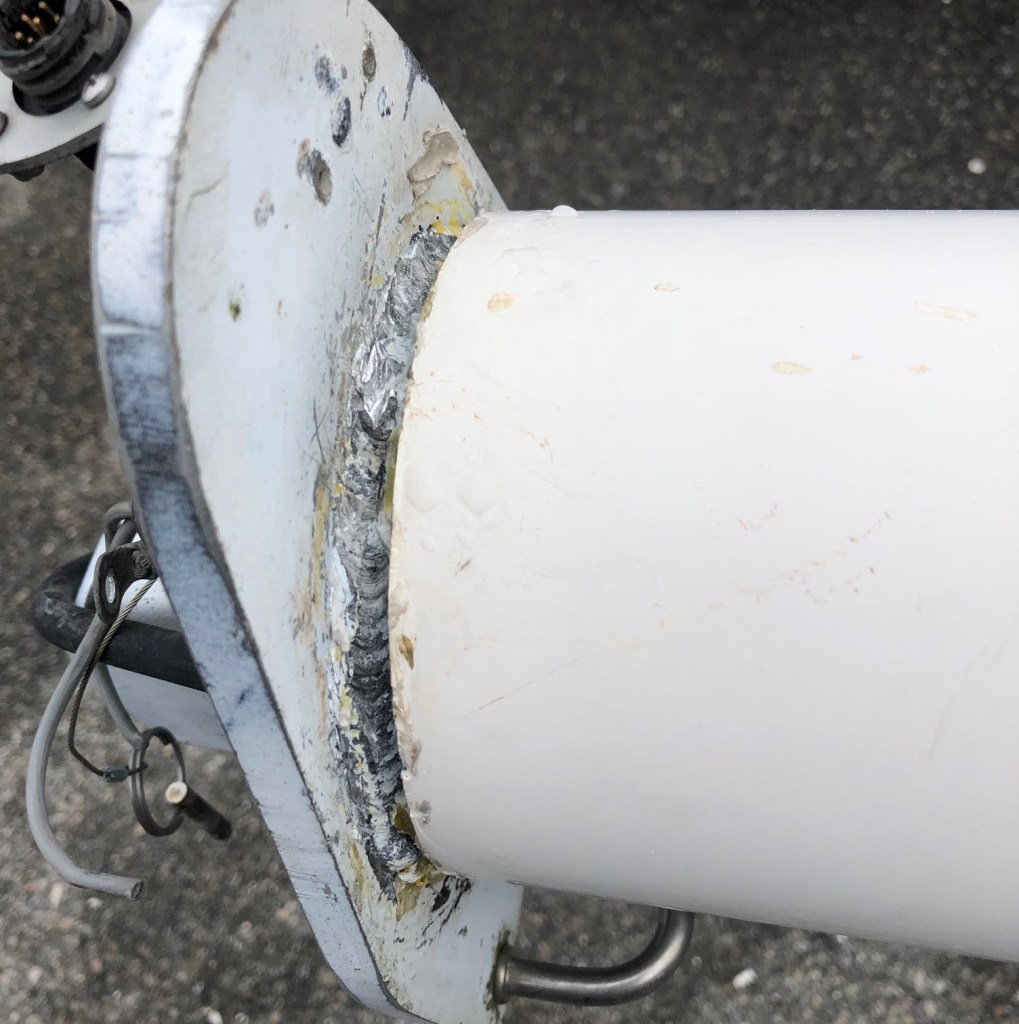

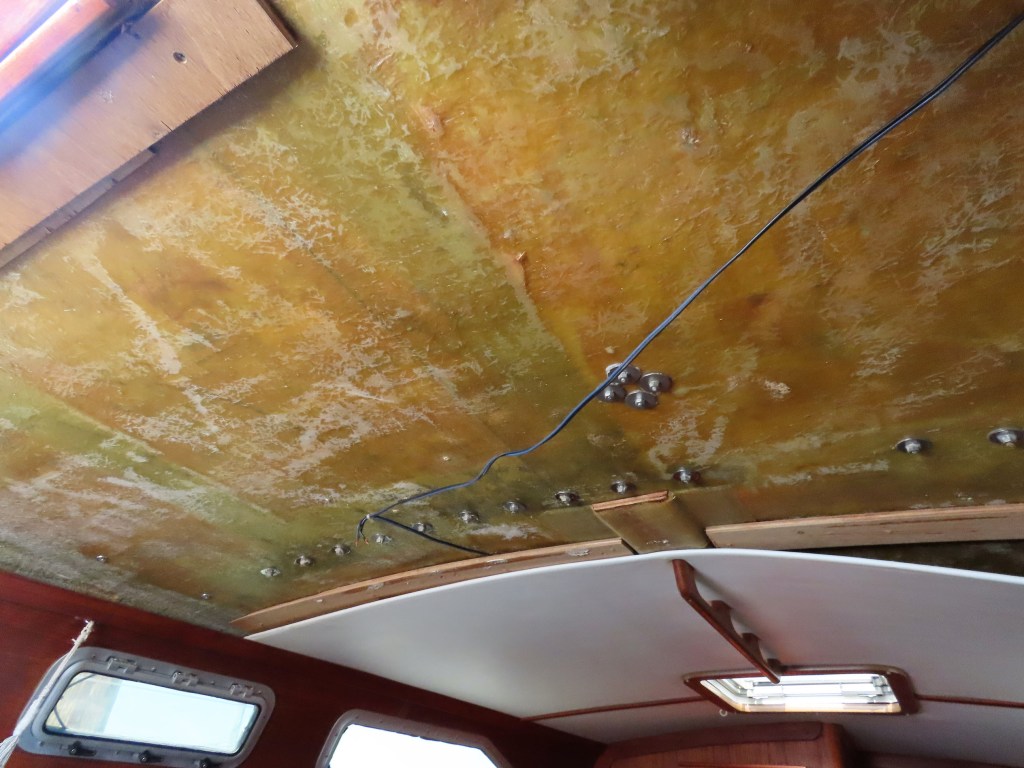

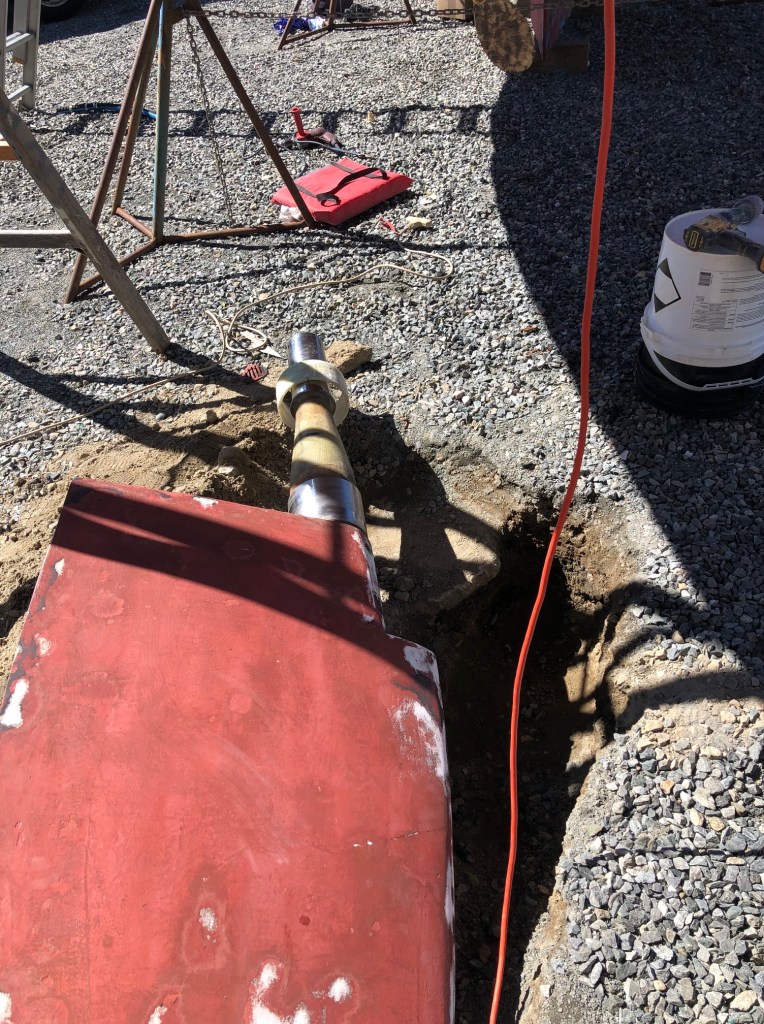
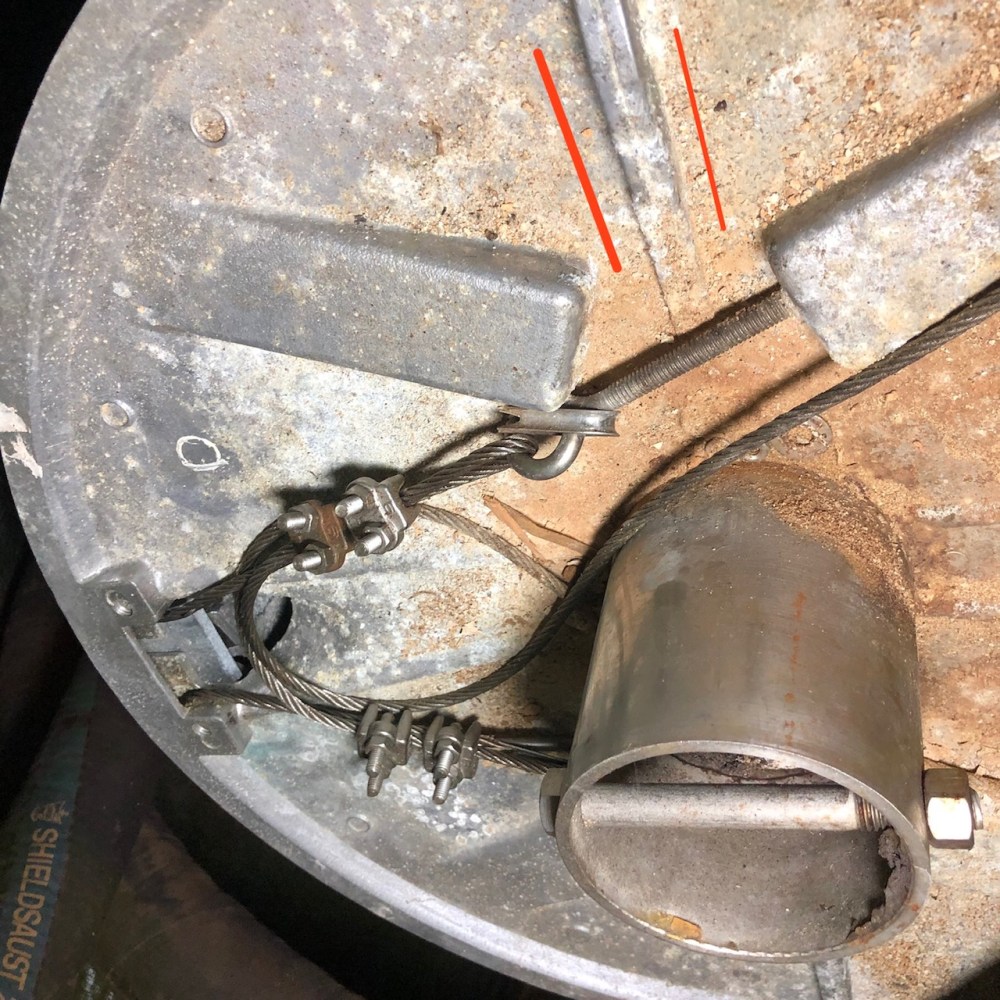
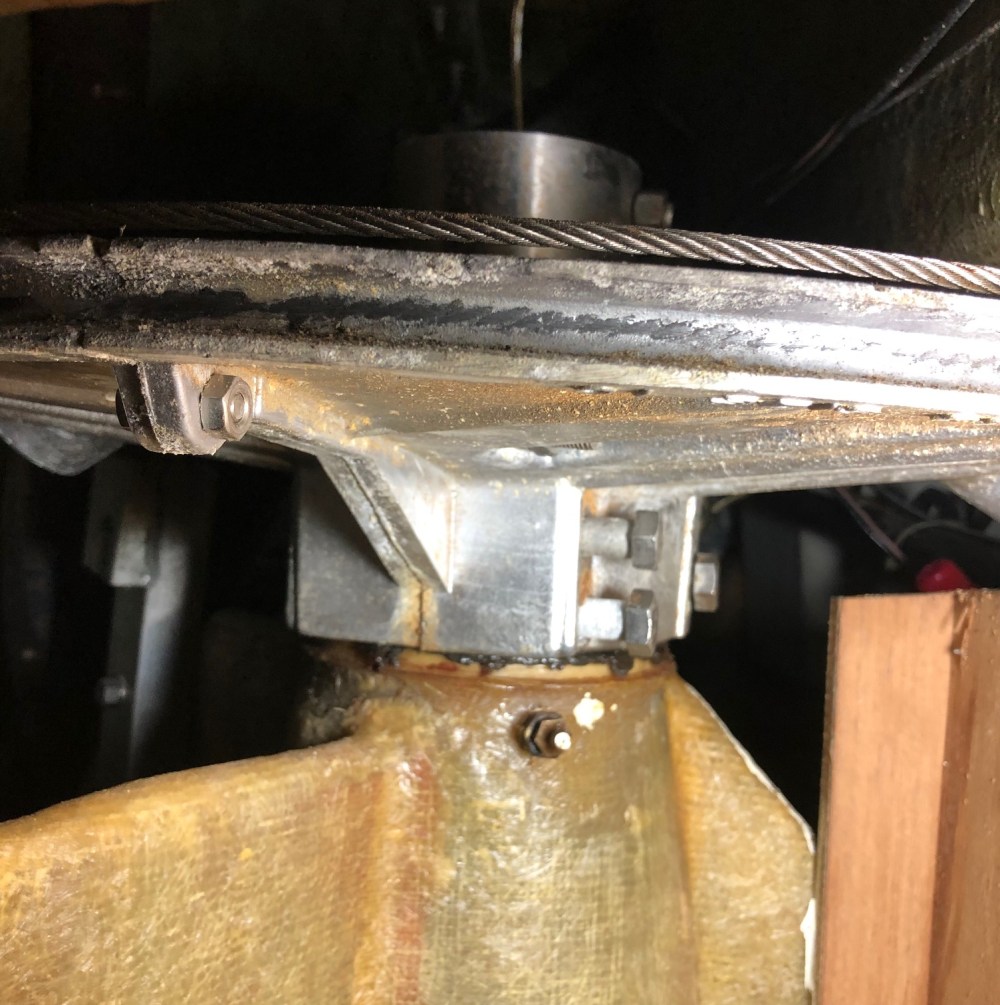


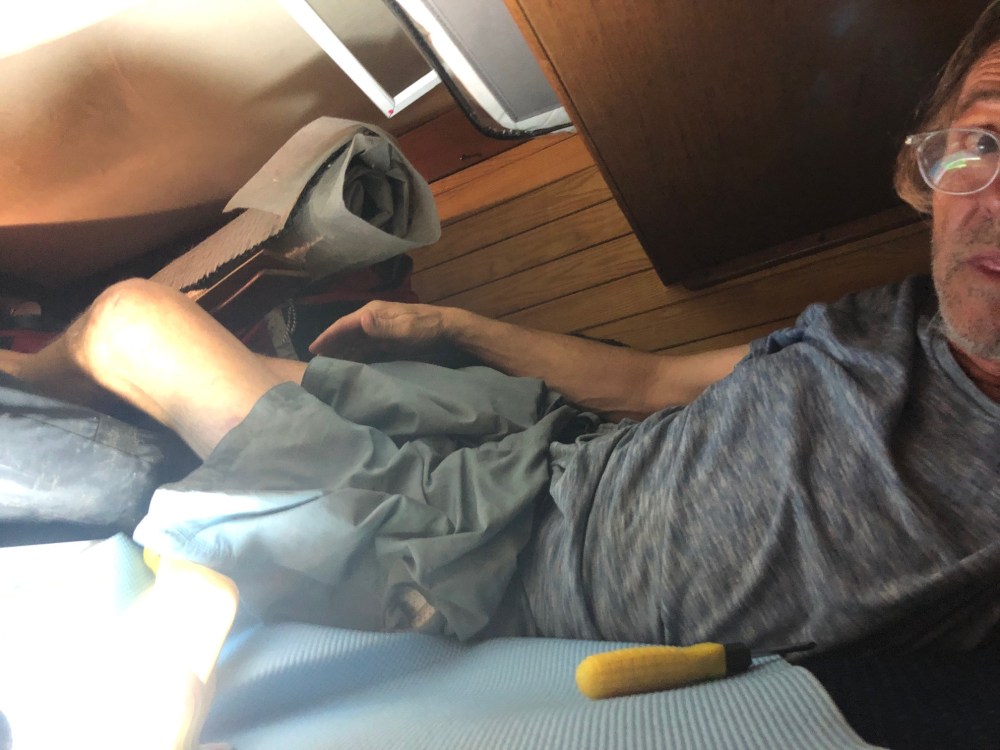
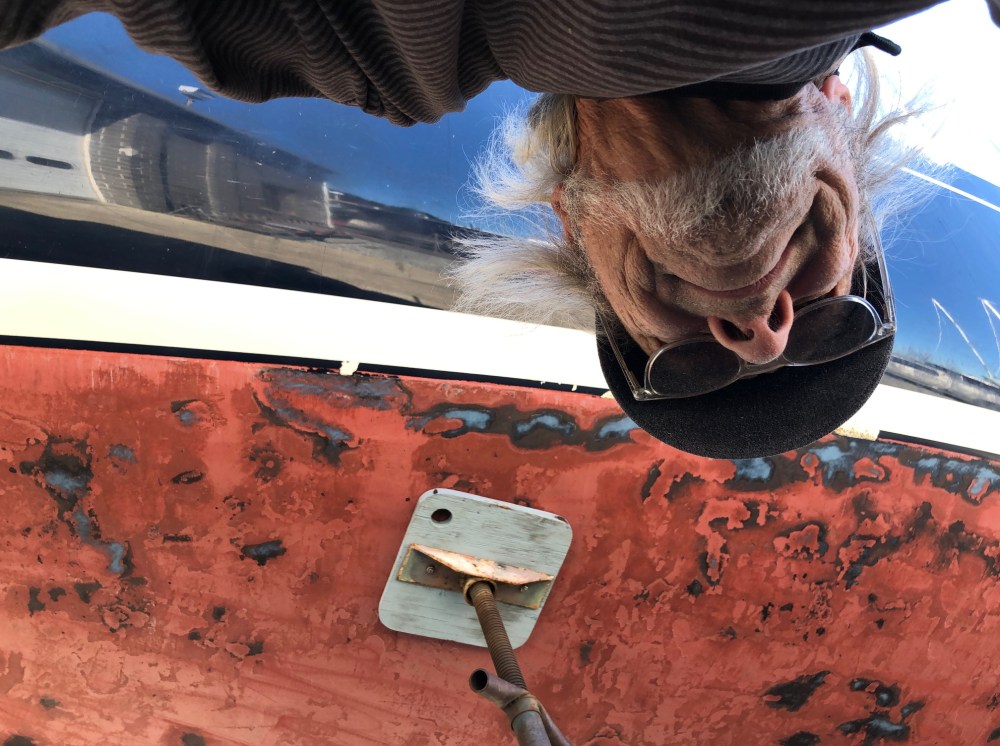

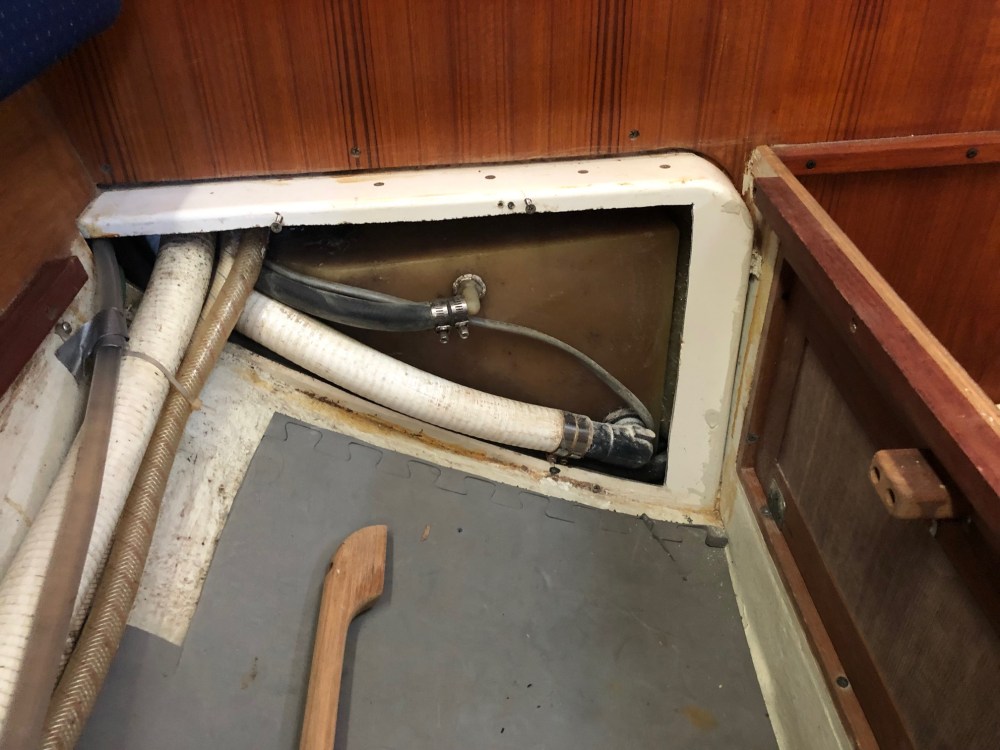

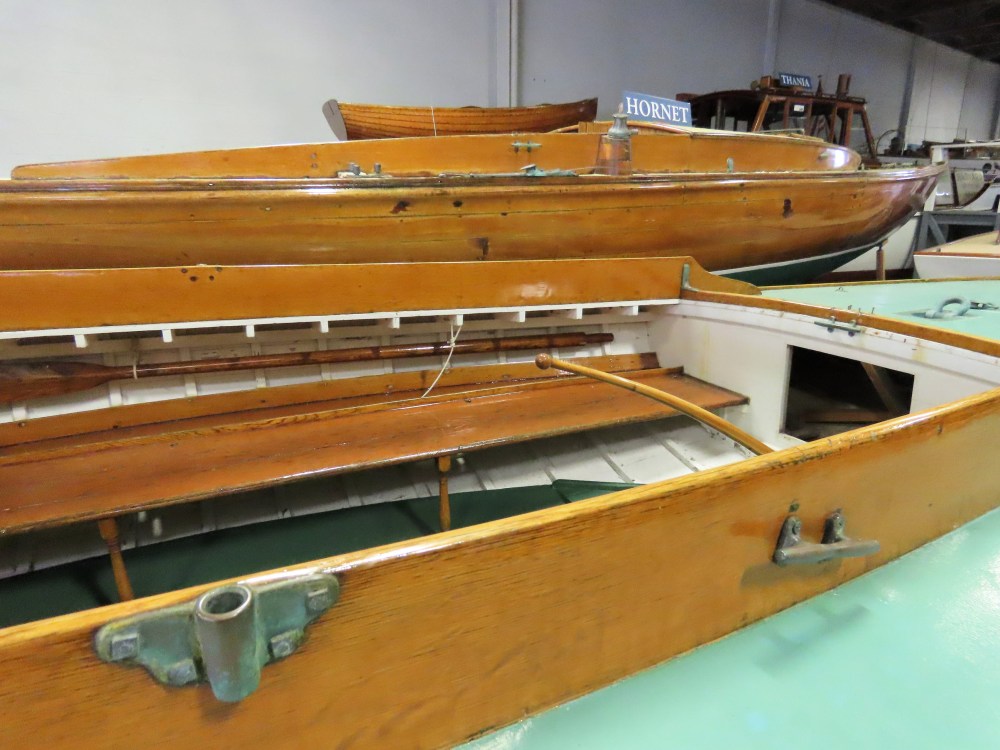
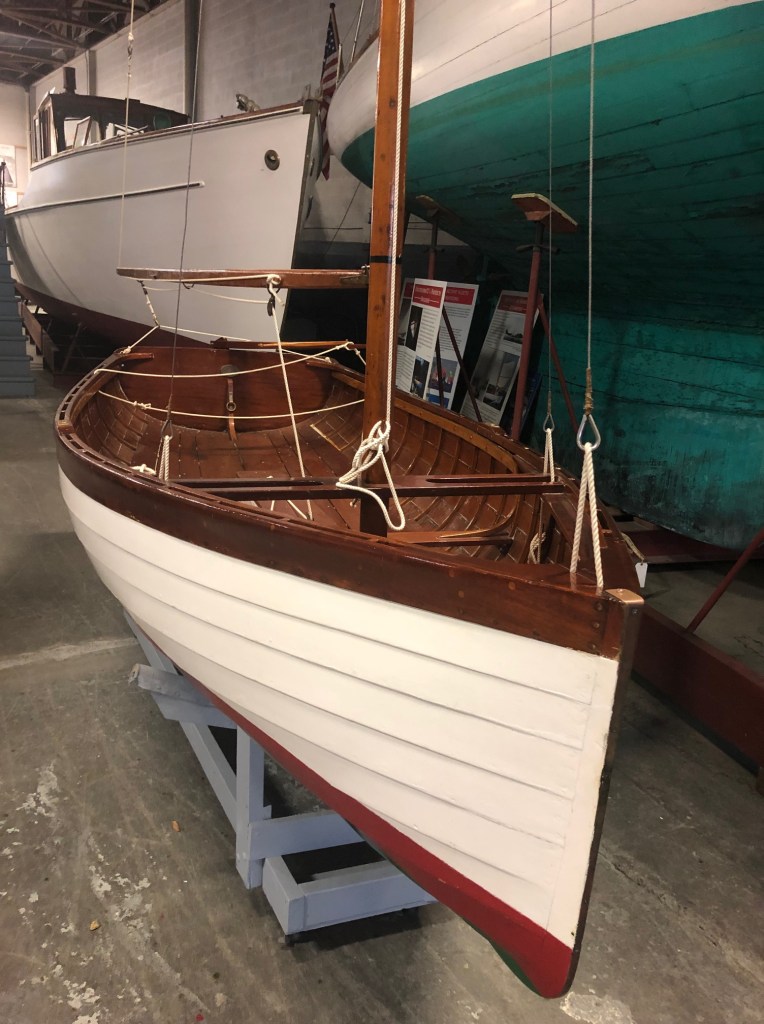
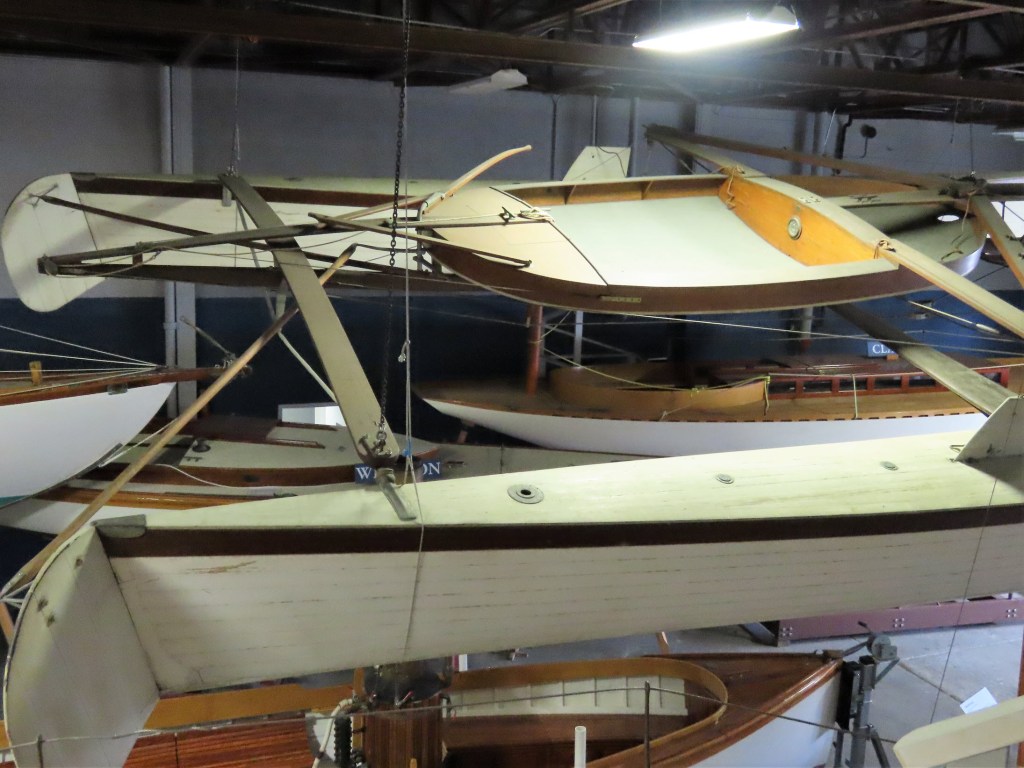




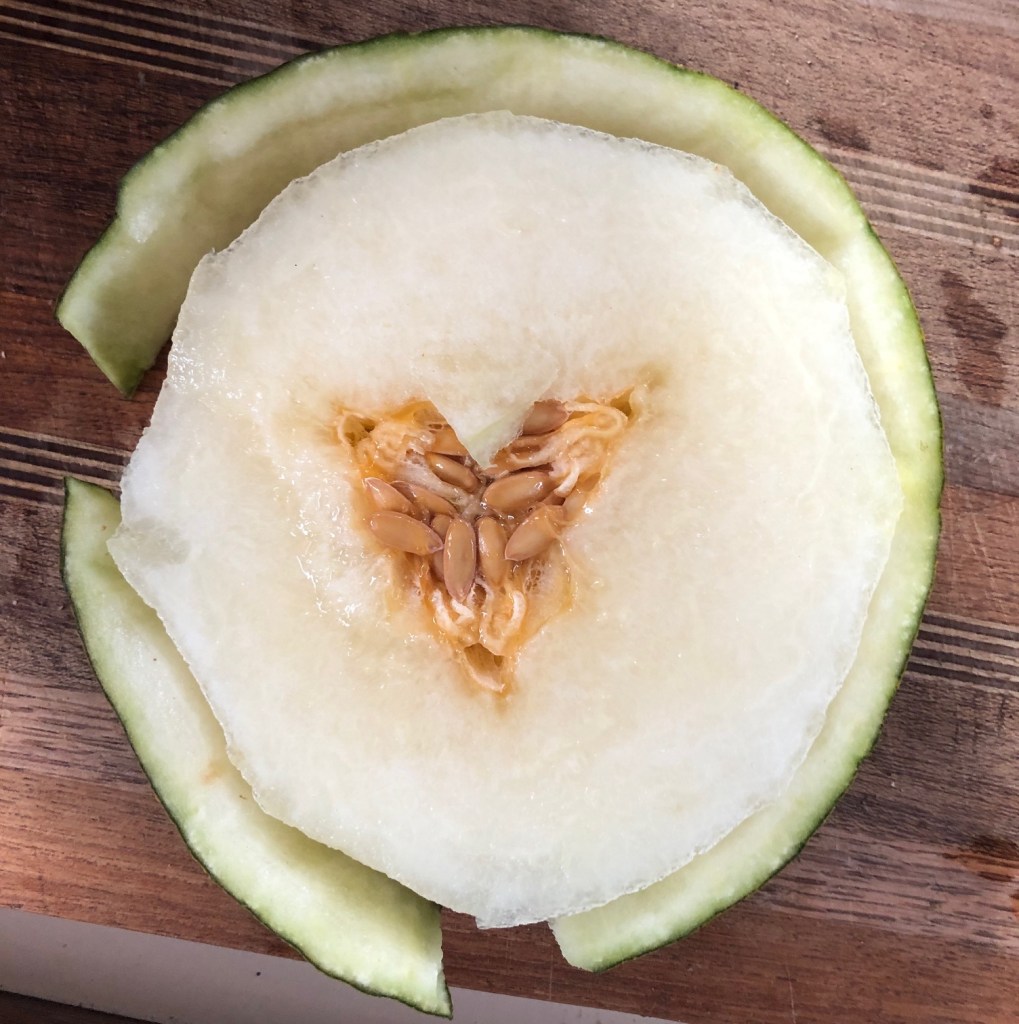
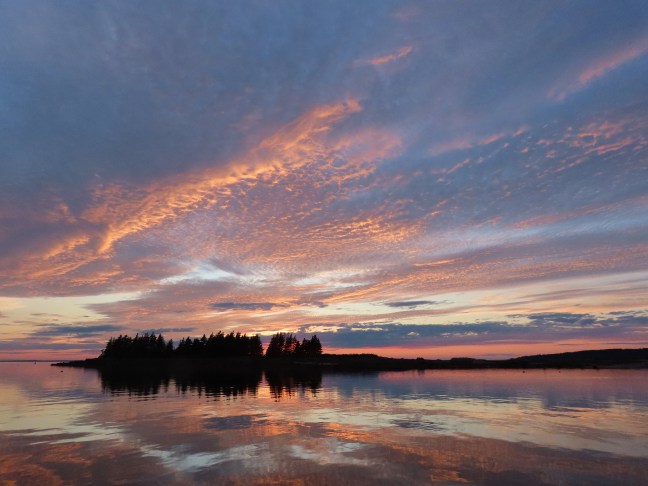
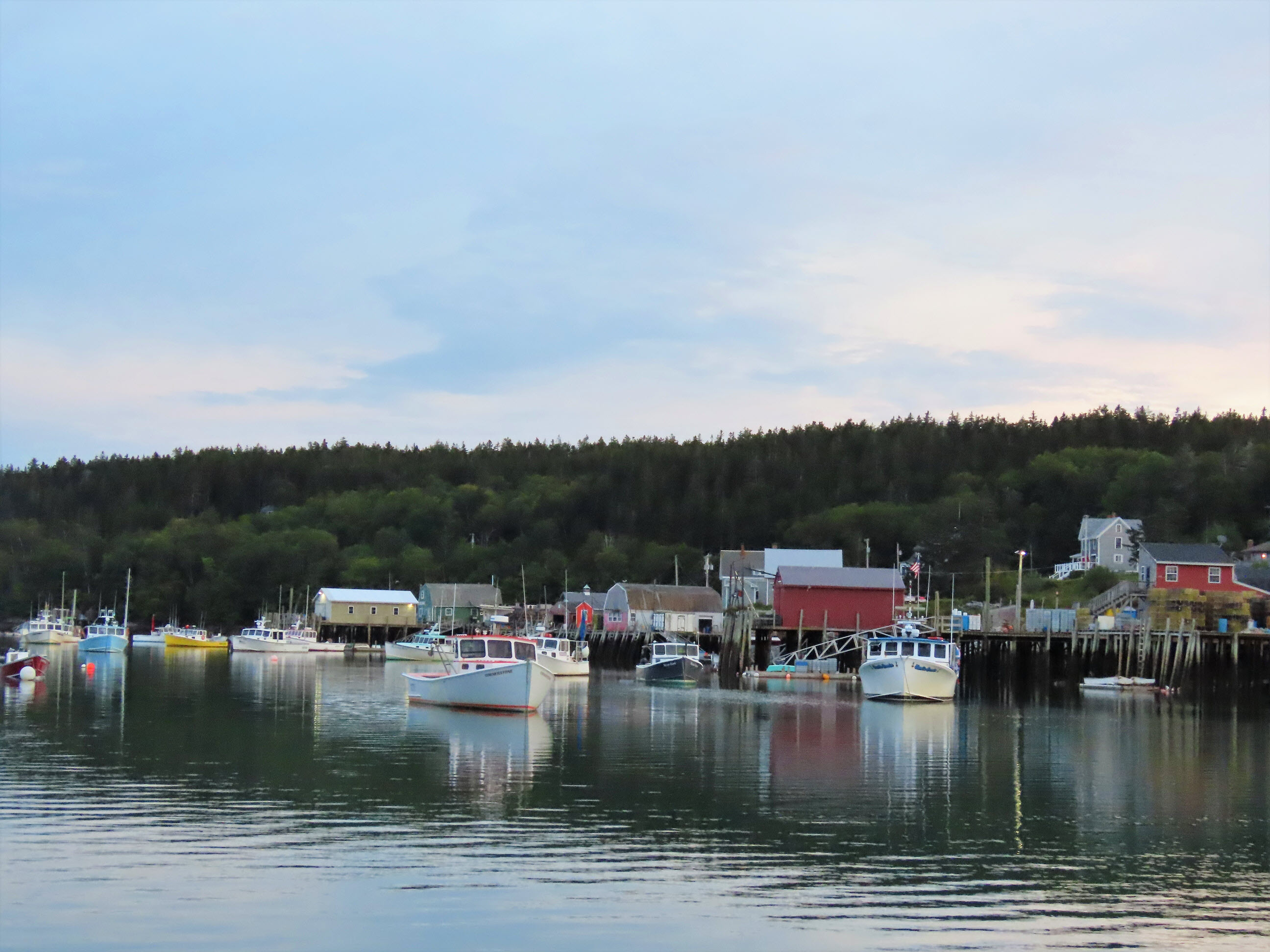


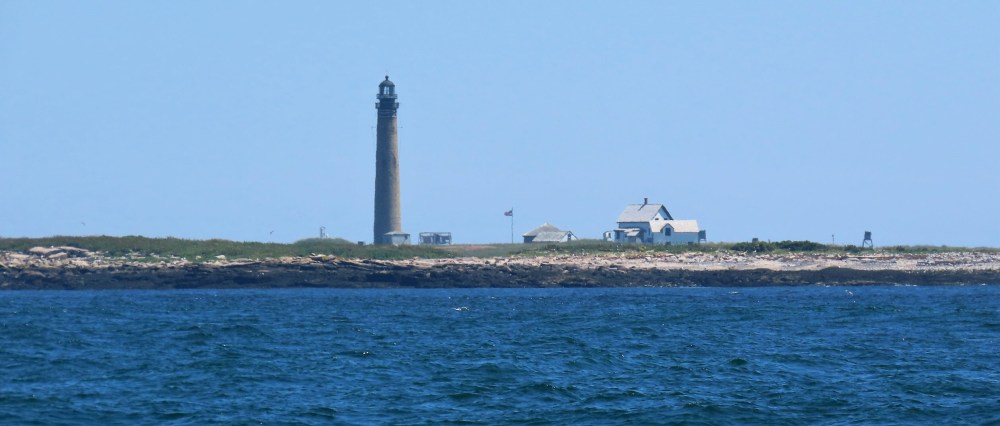


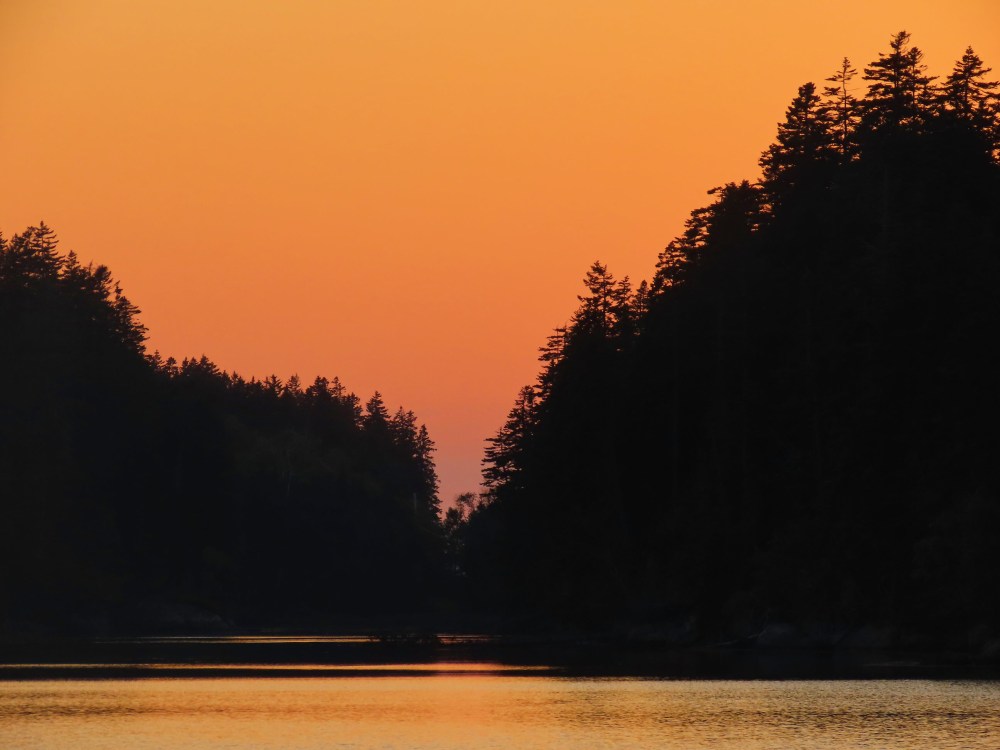

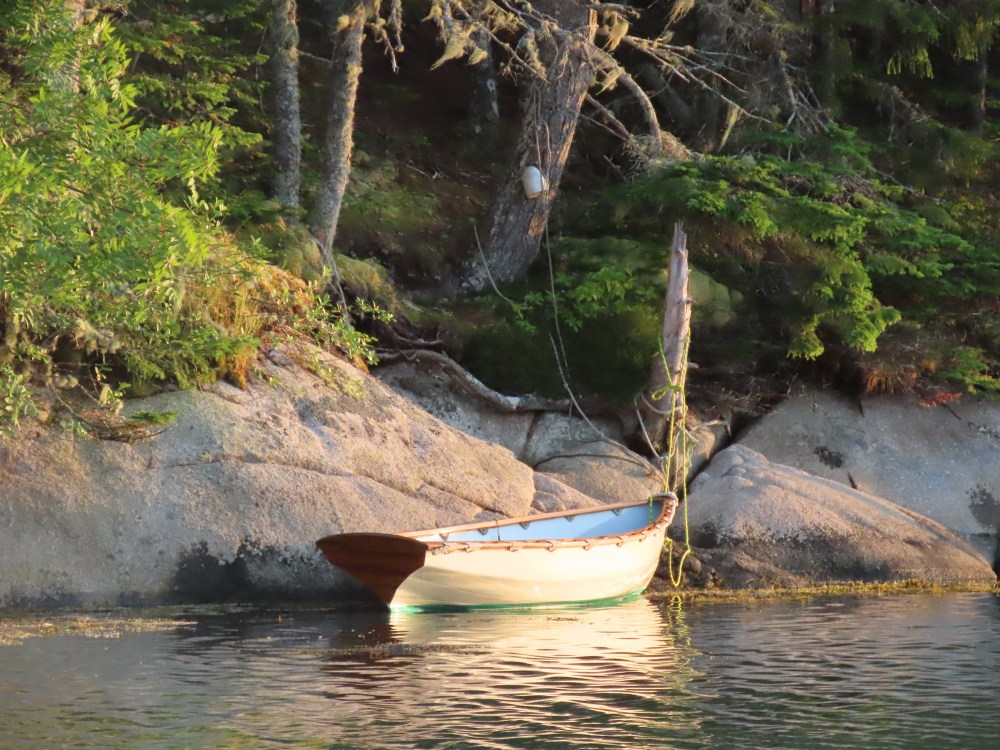


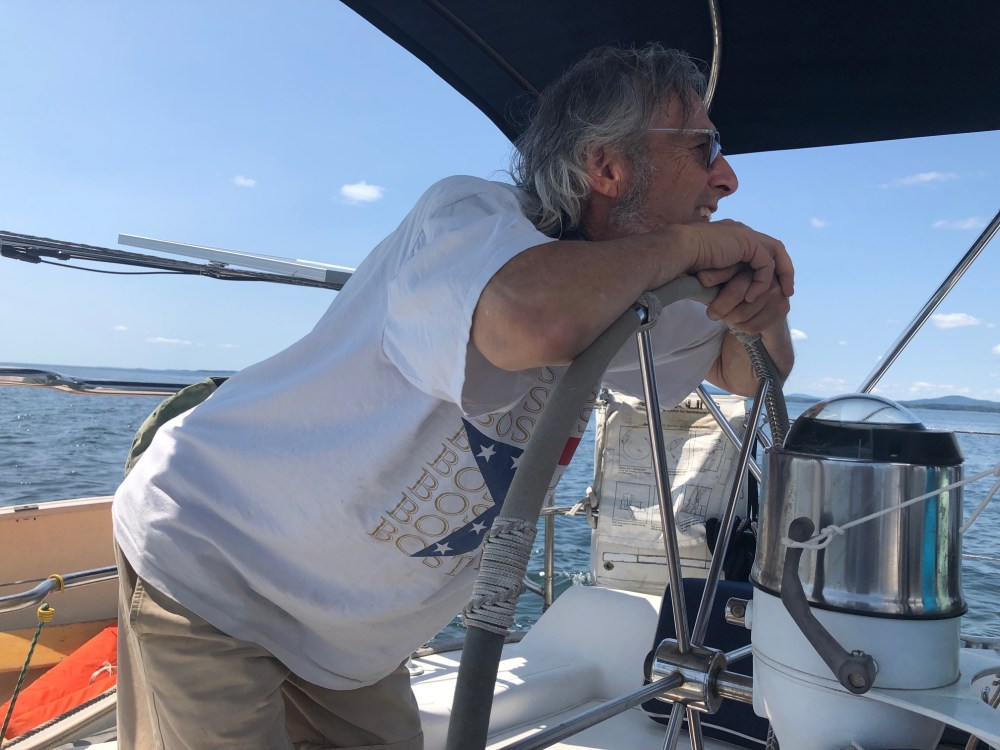
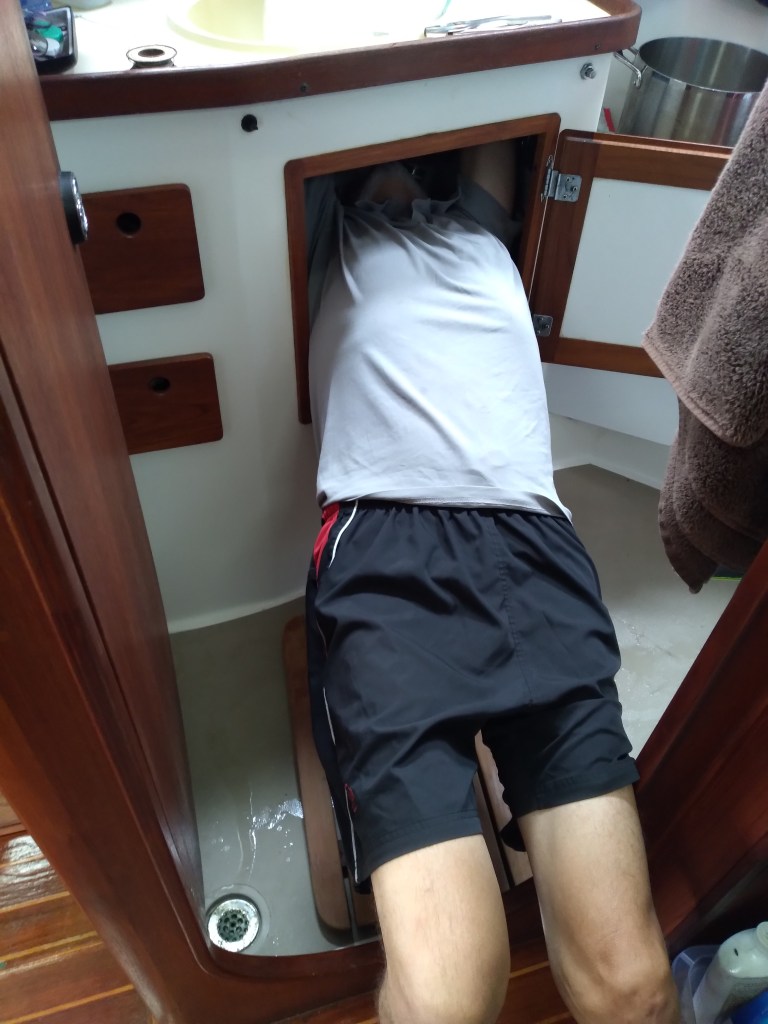

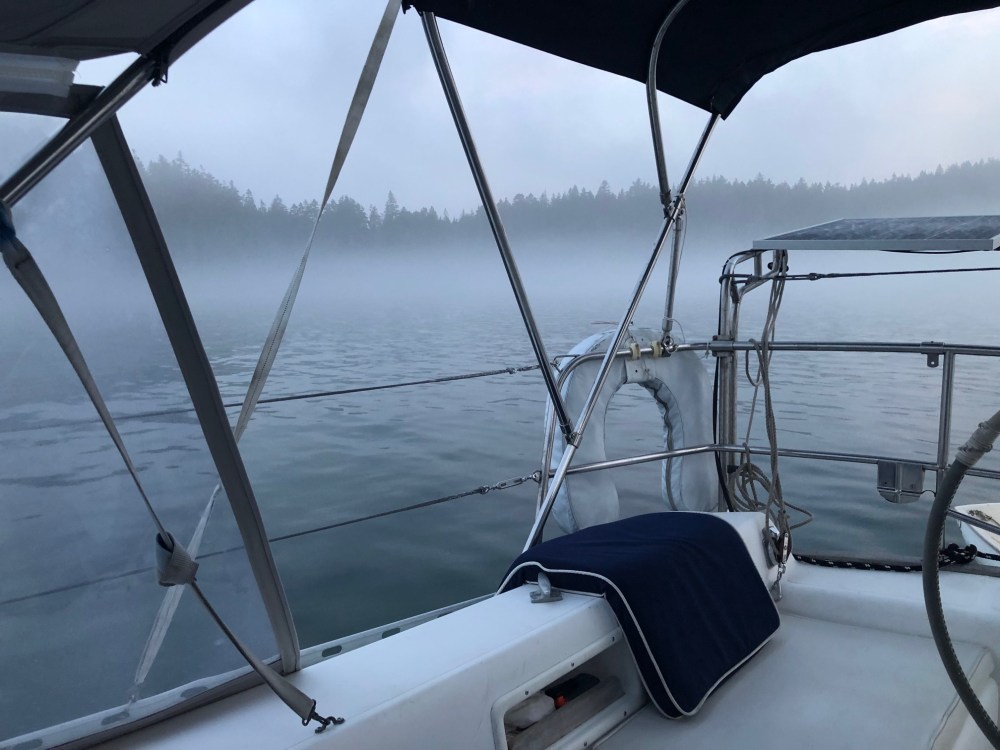
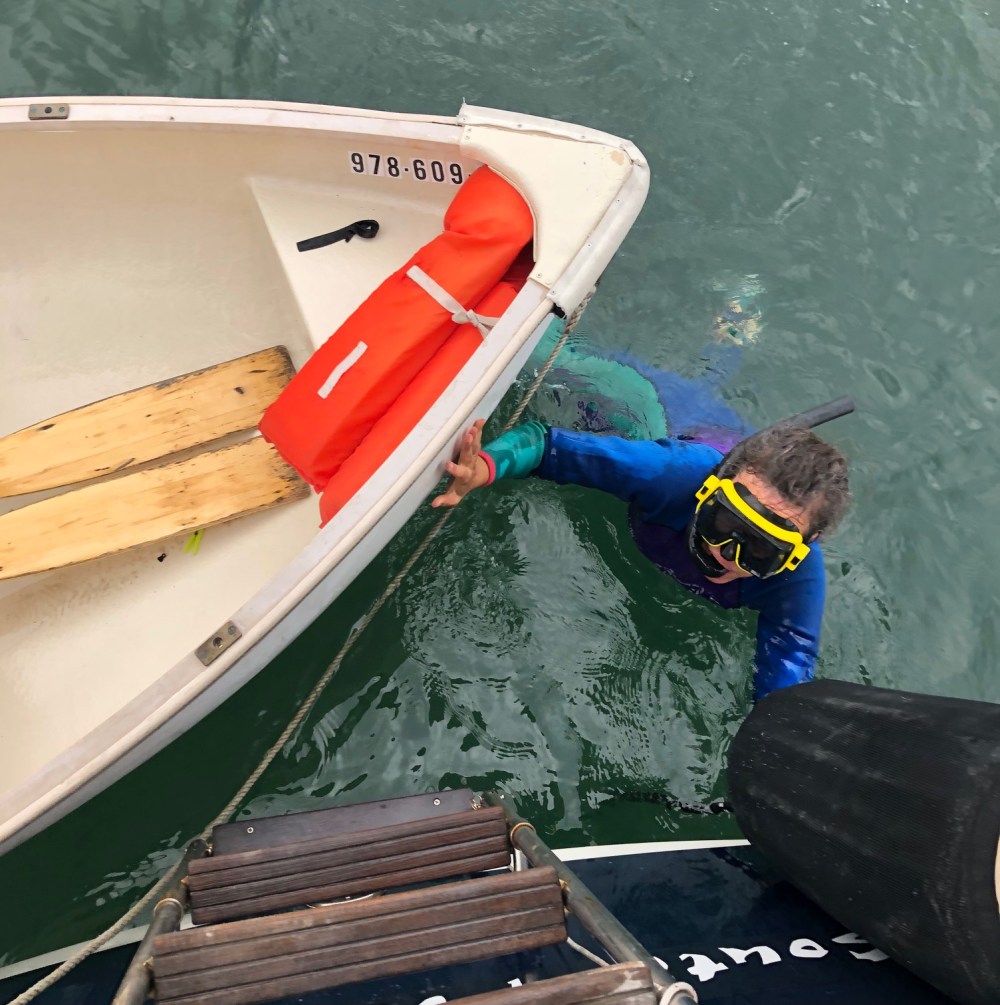
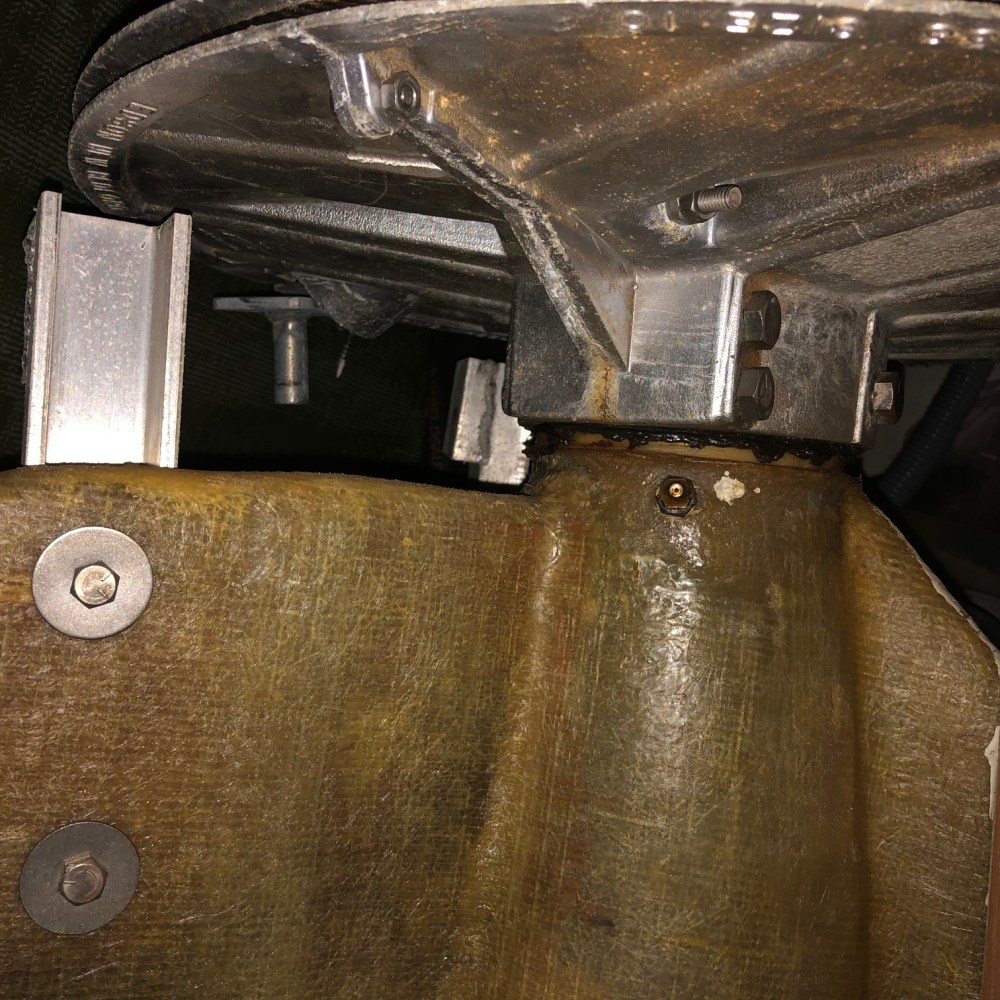




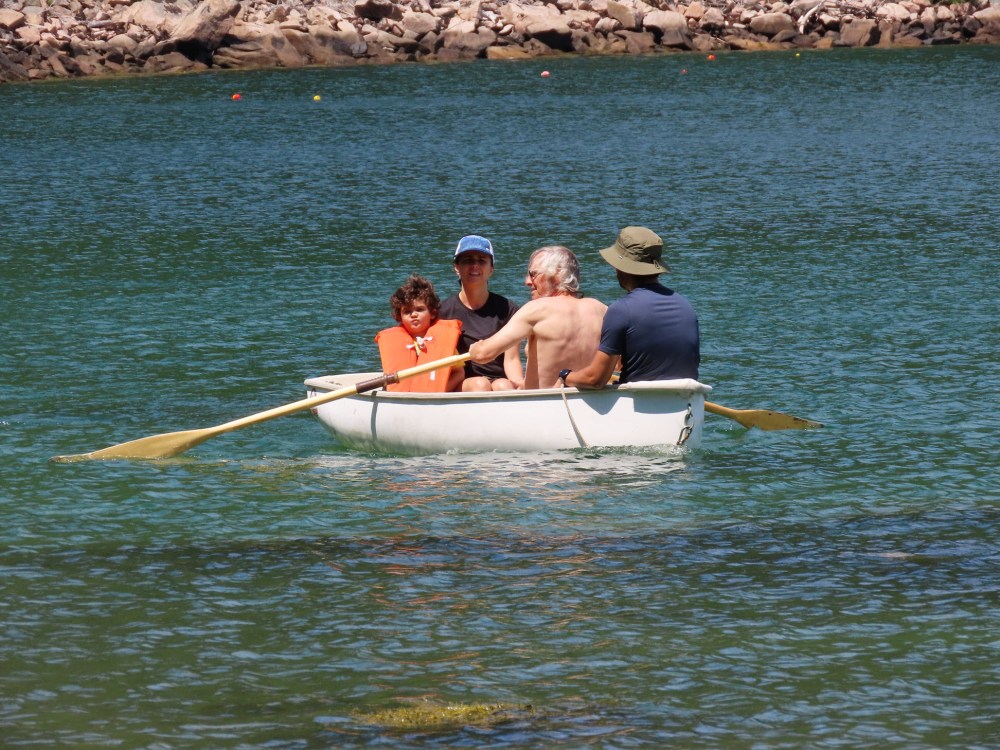




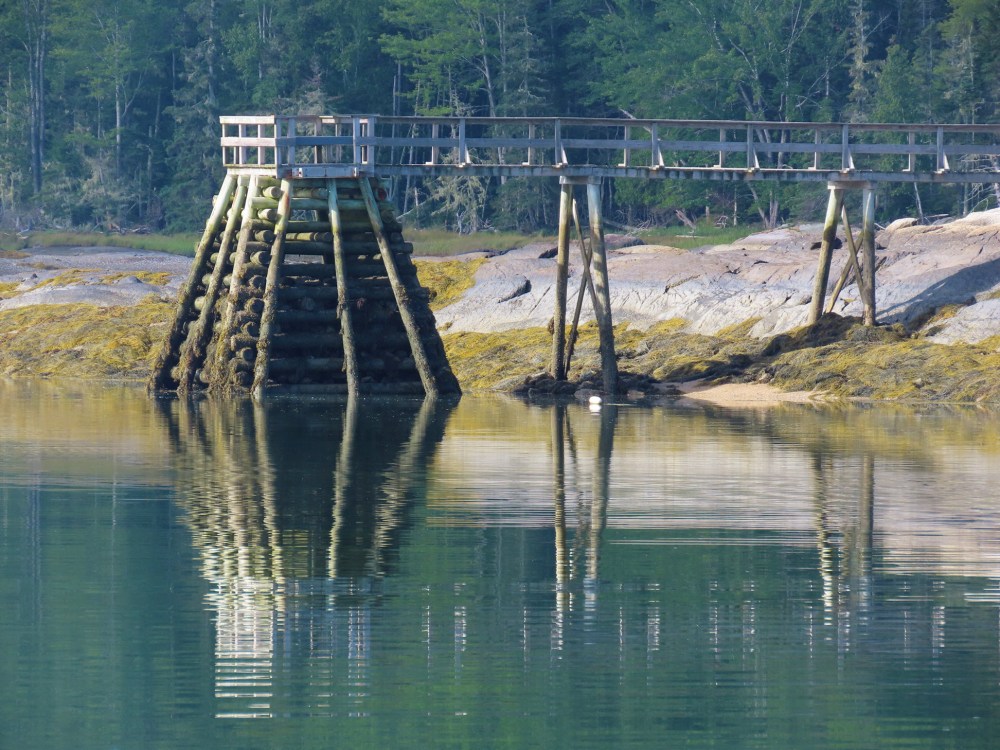

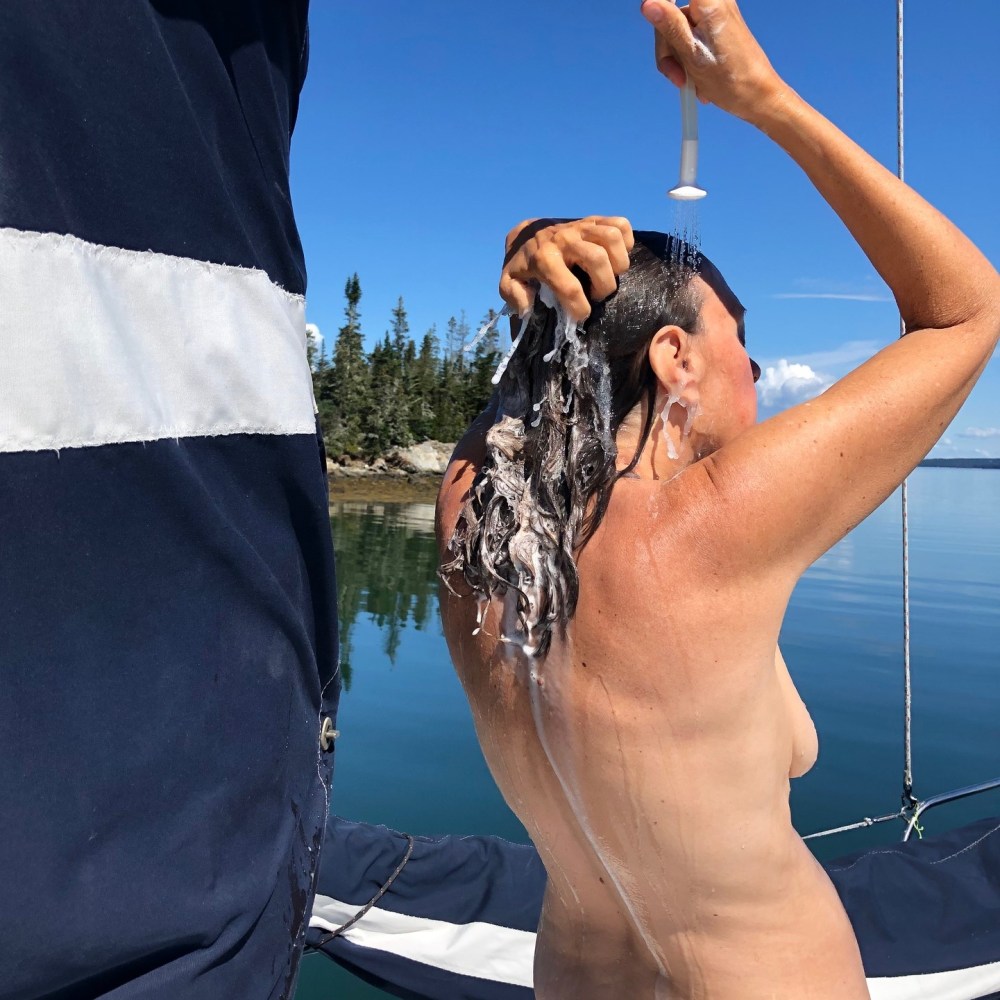


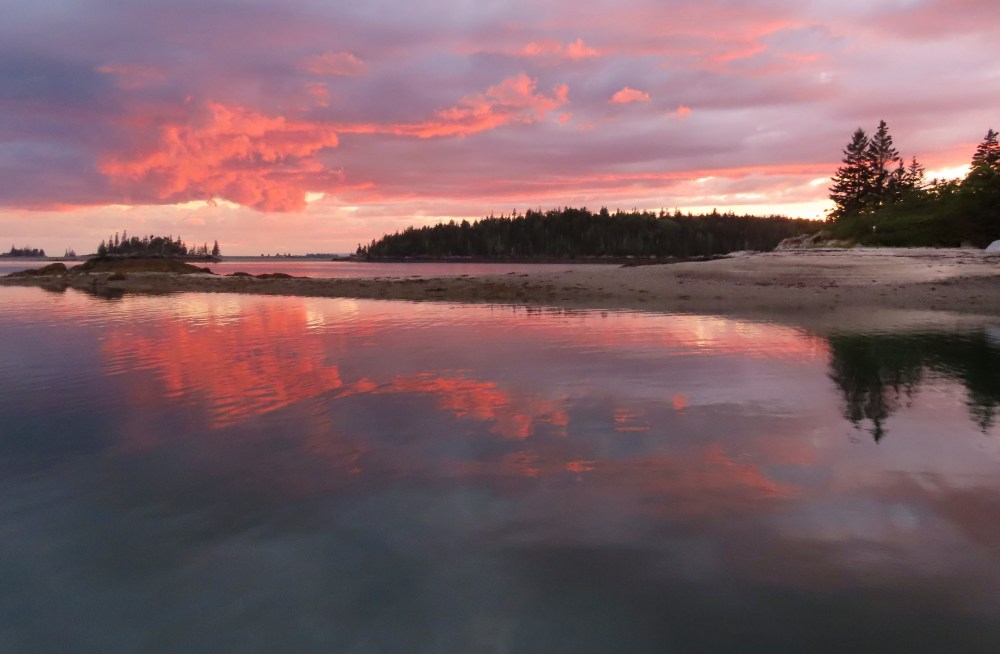


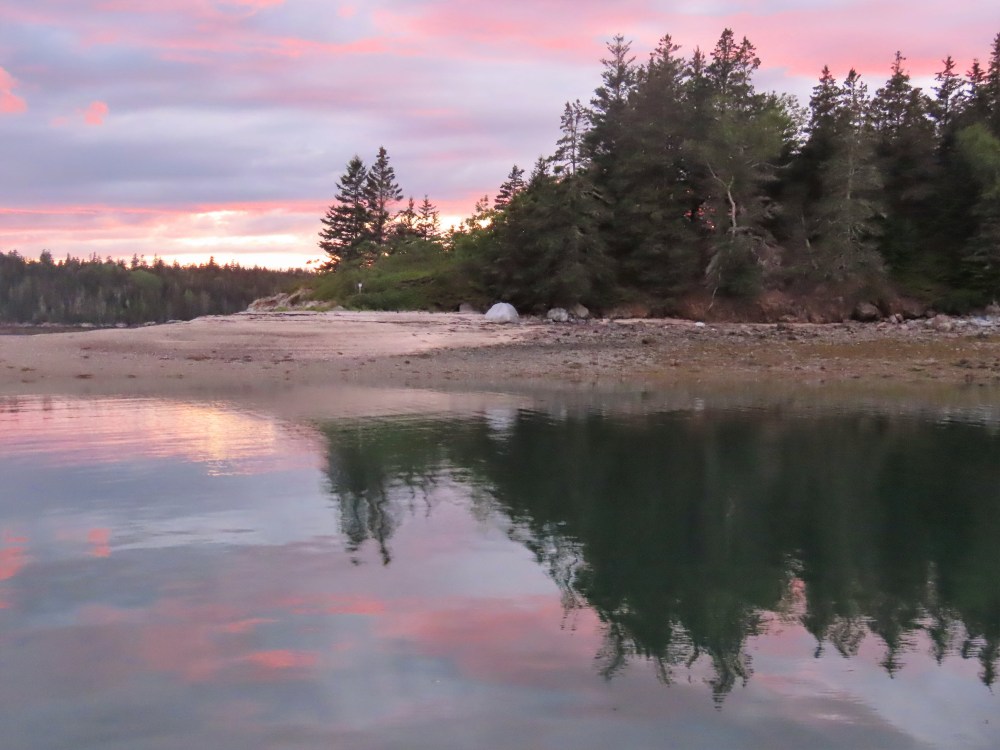
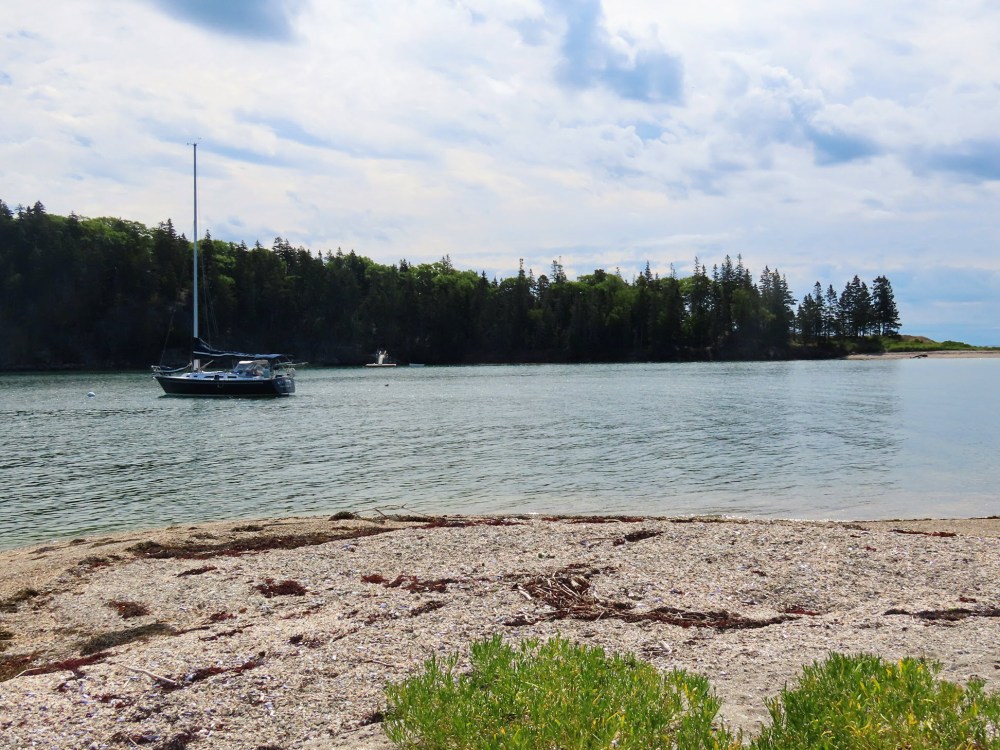

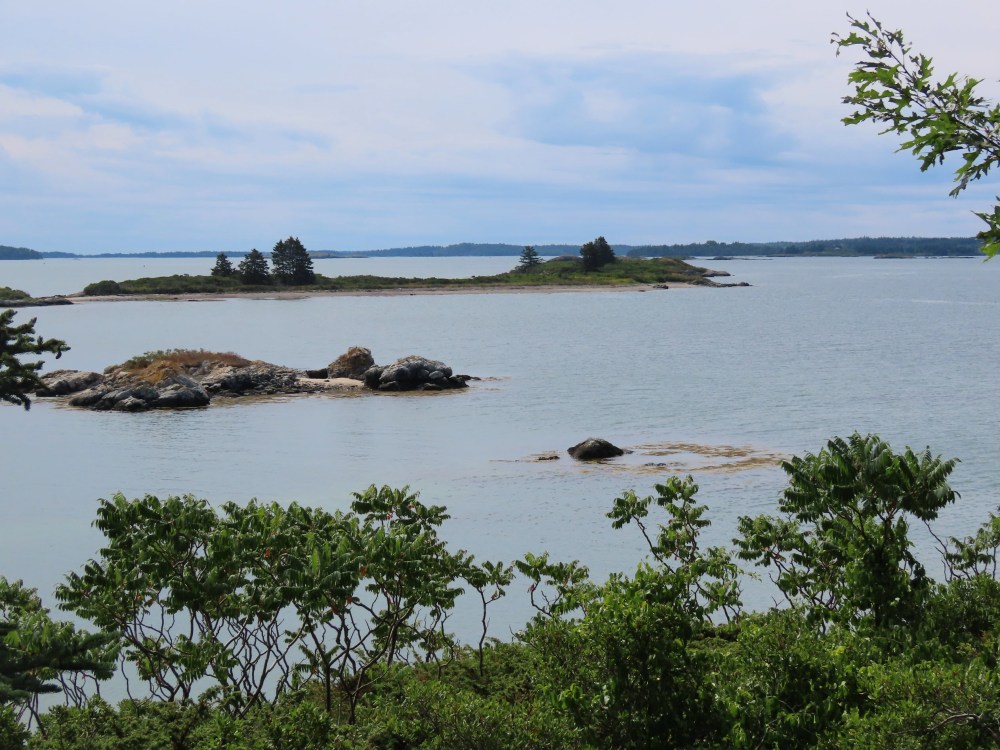


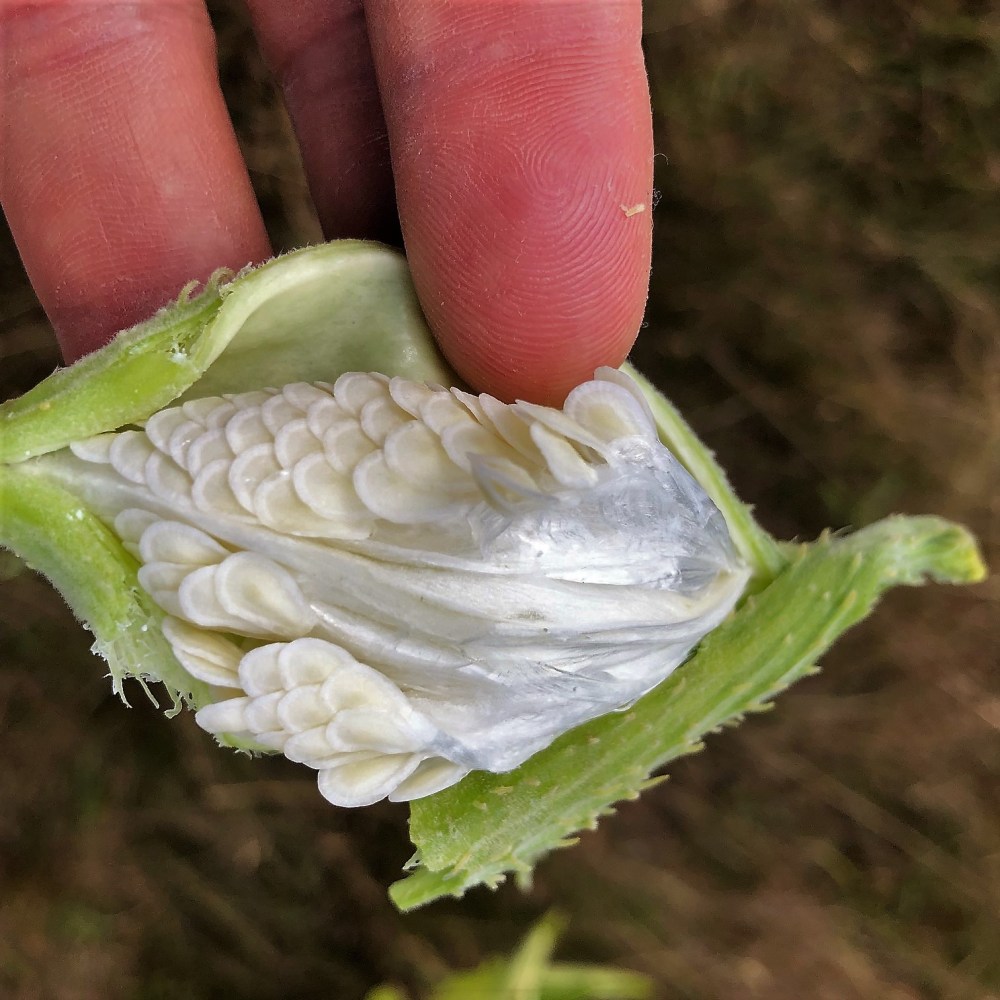
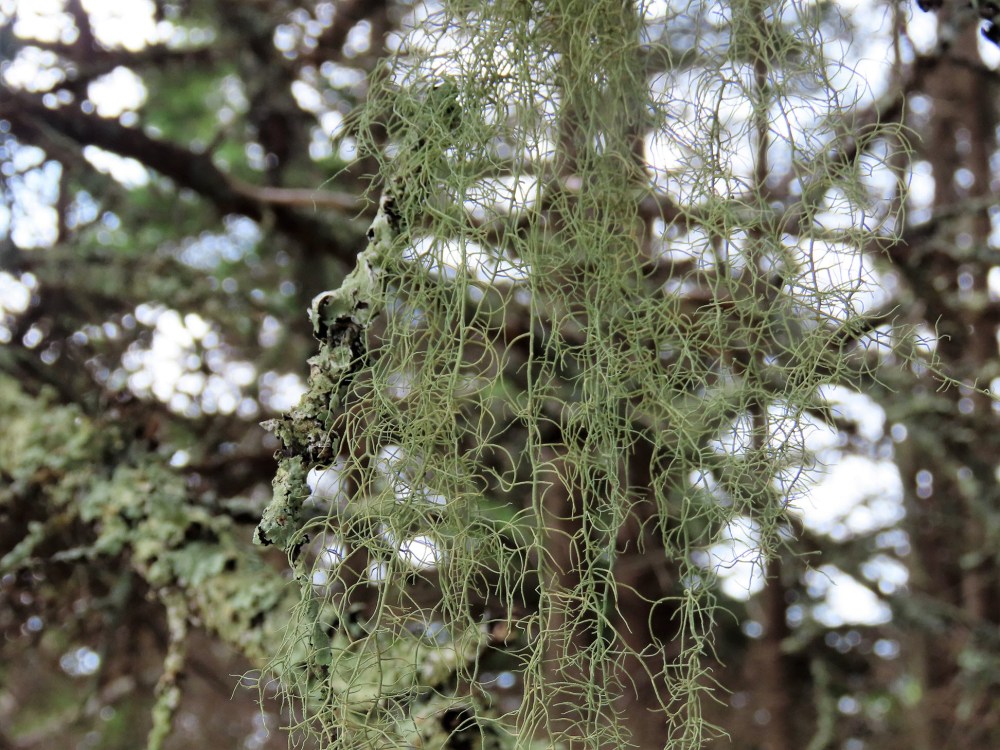
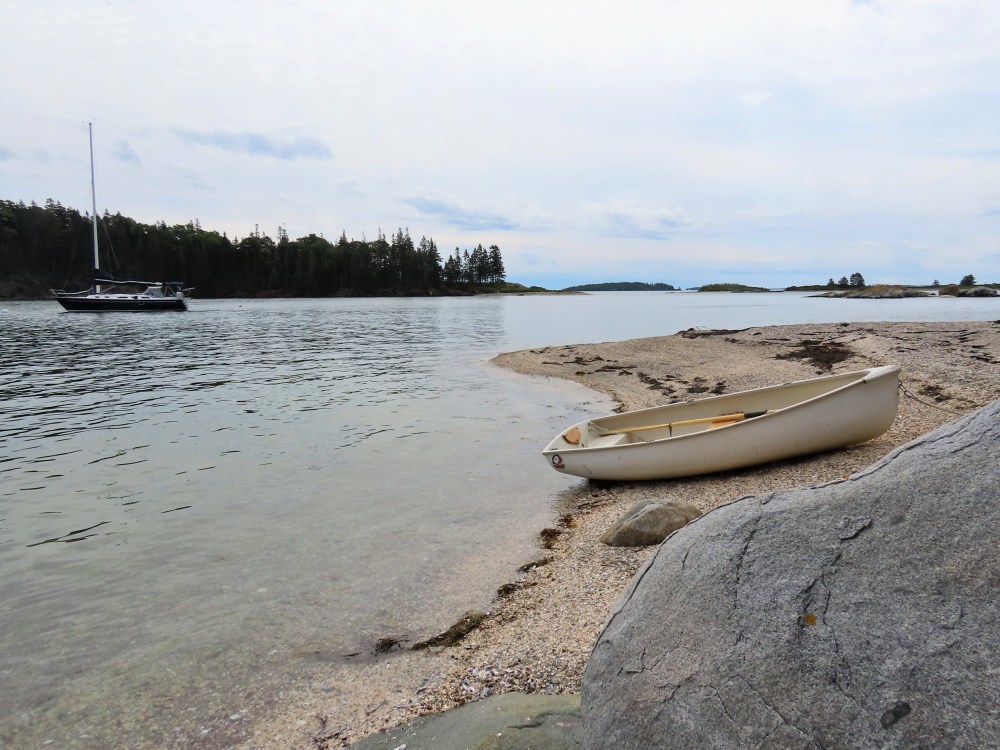

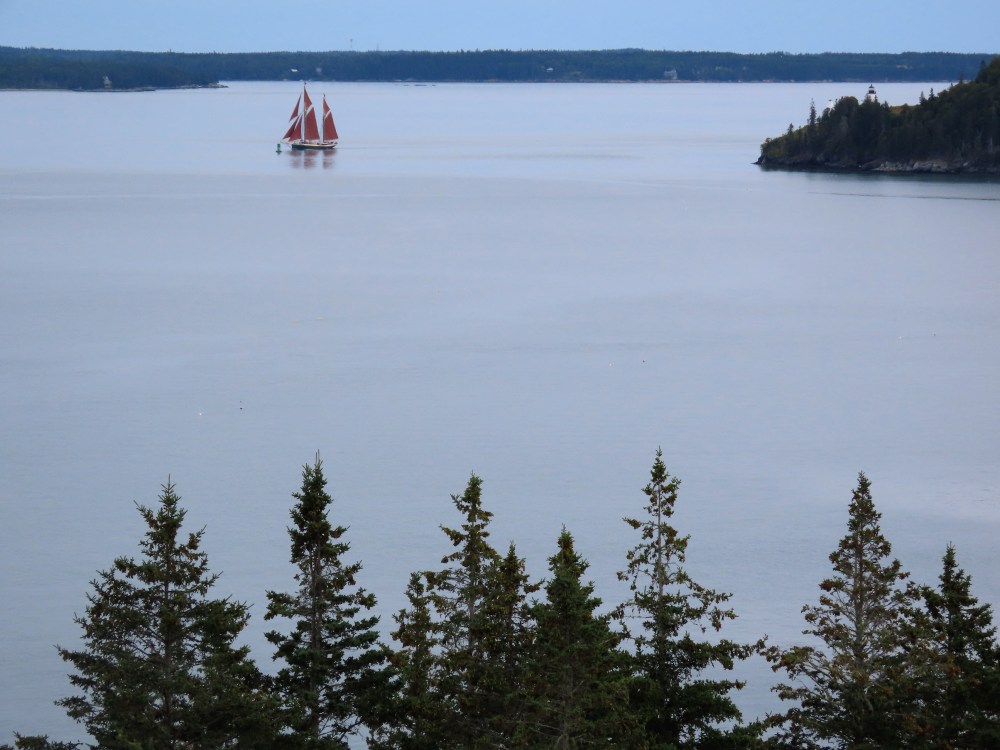




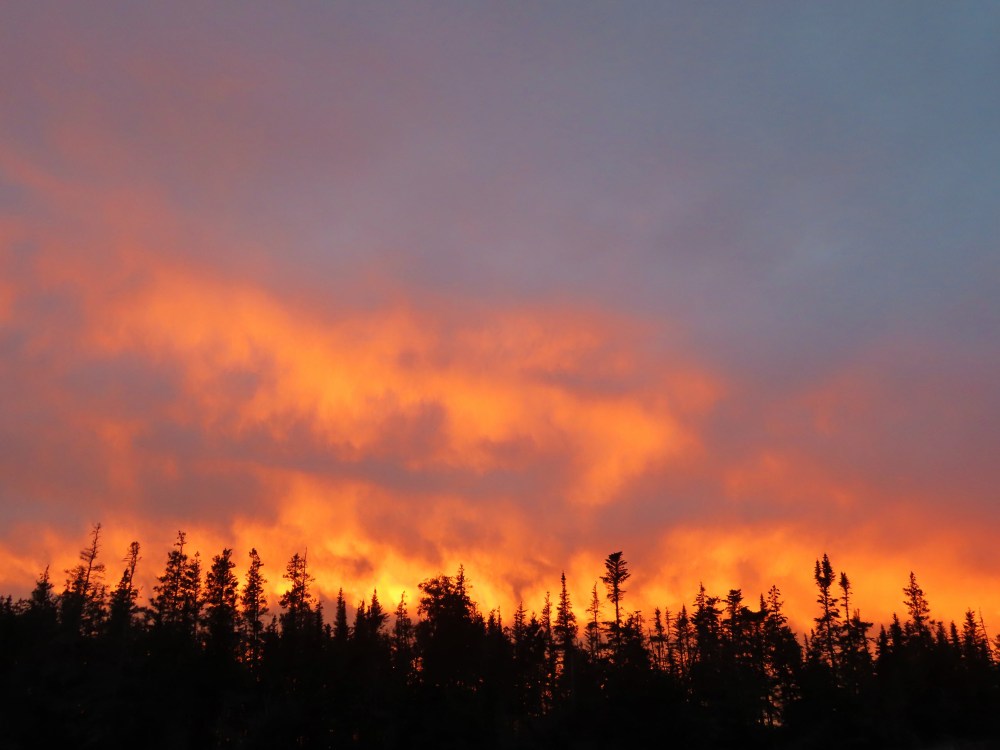


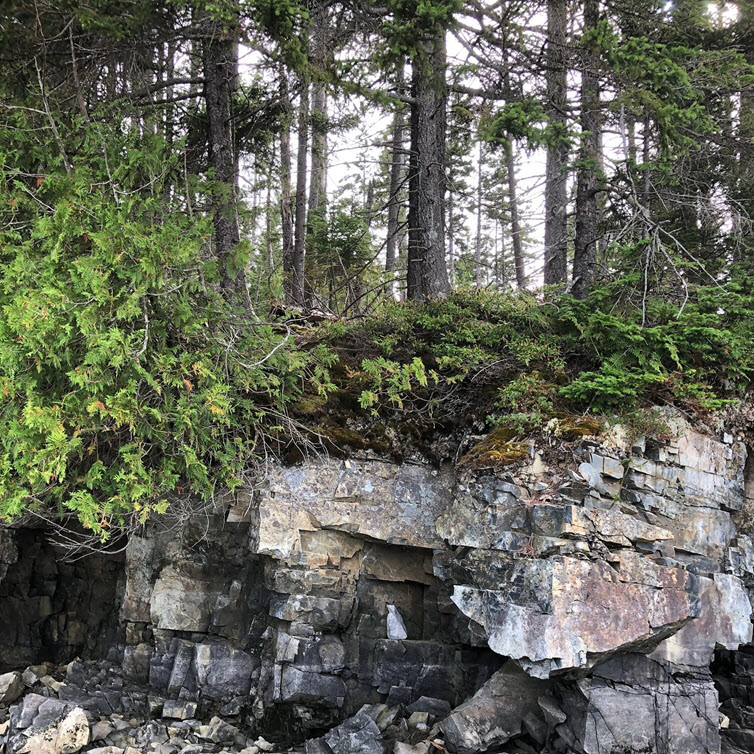

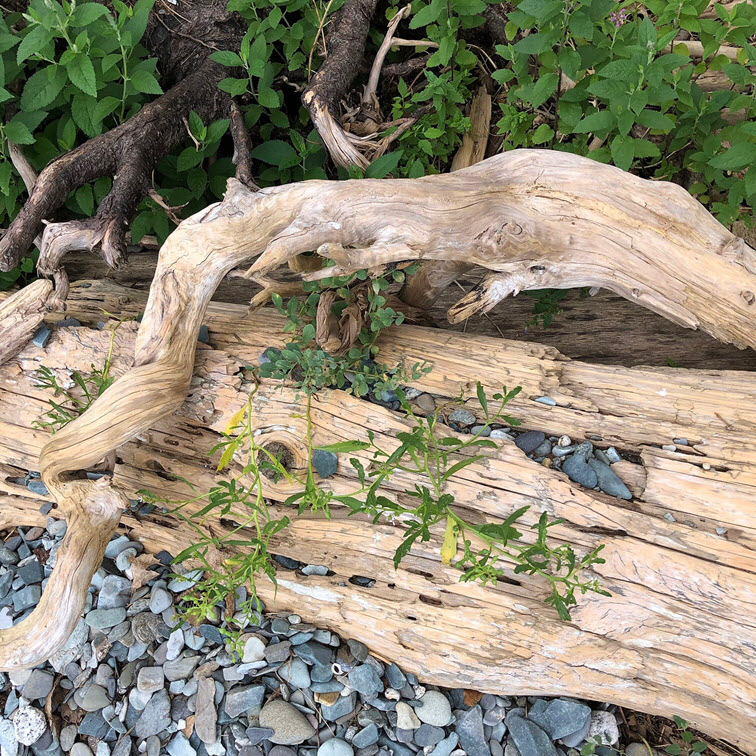


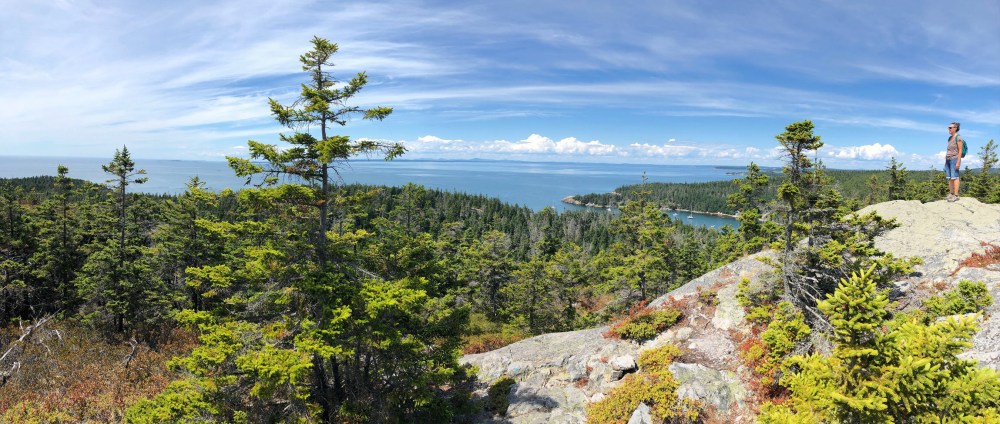
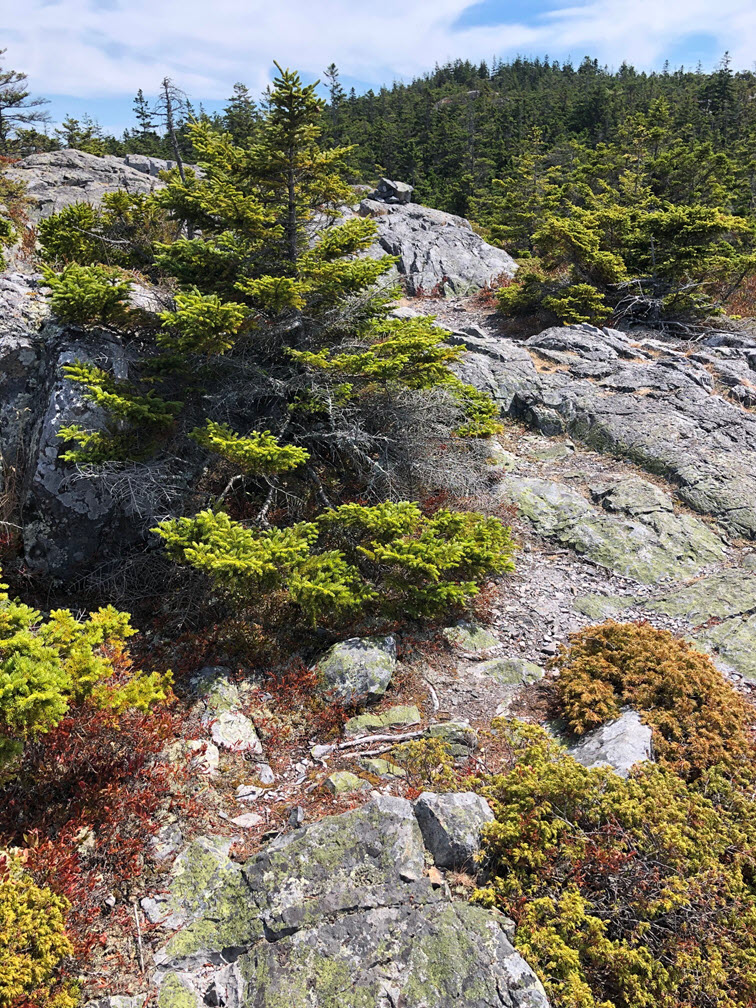


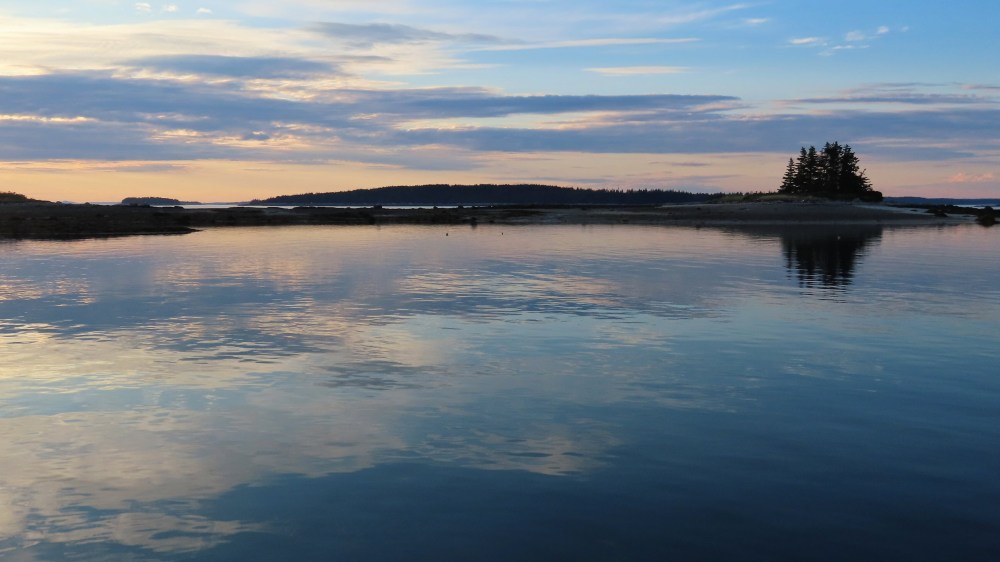
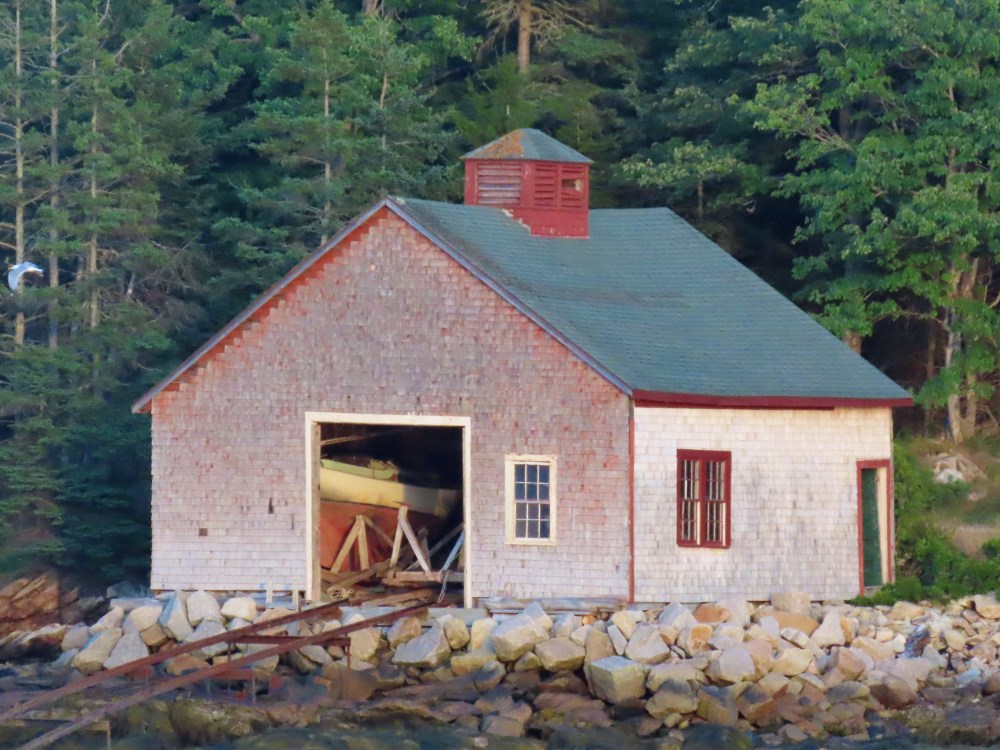
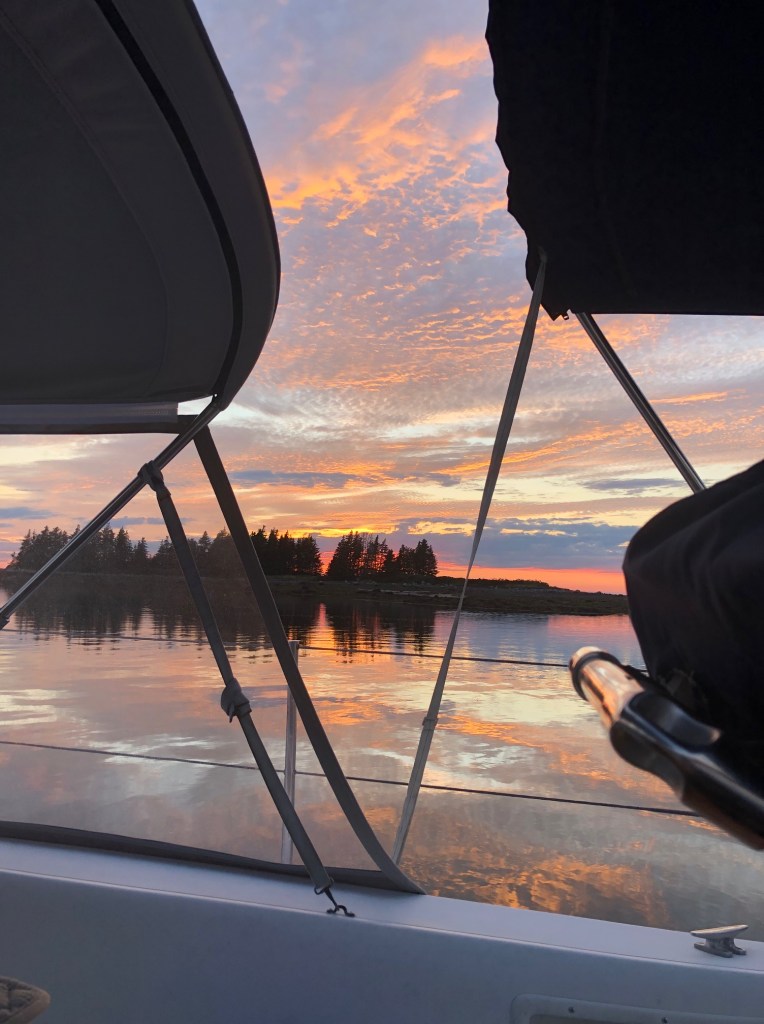


 Surrender to the Abundance